


The Best American Movies Set in Each State

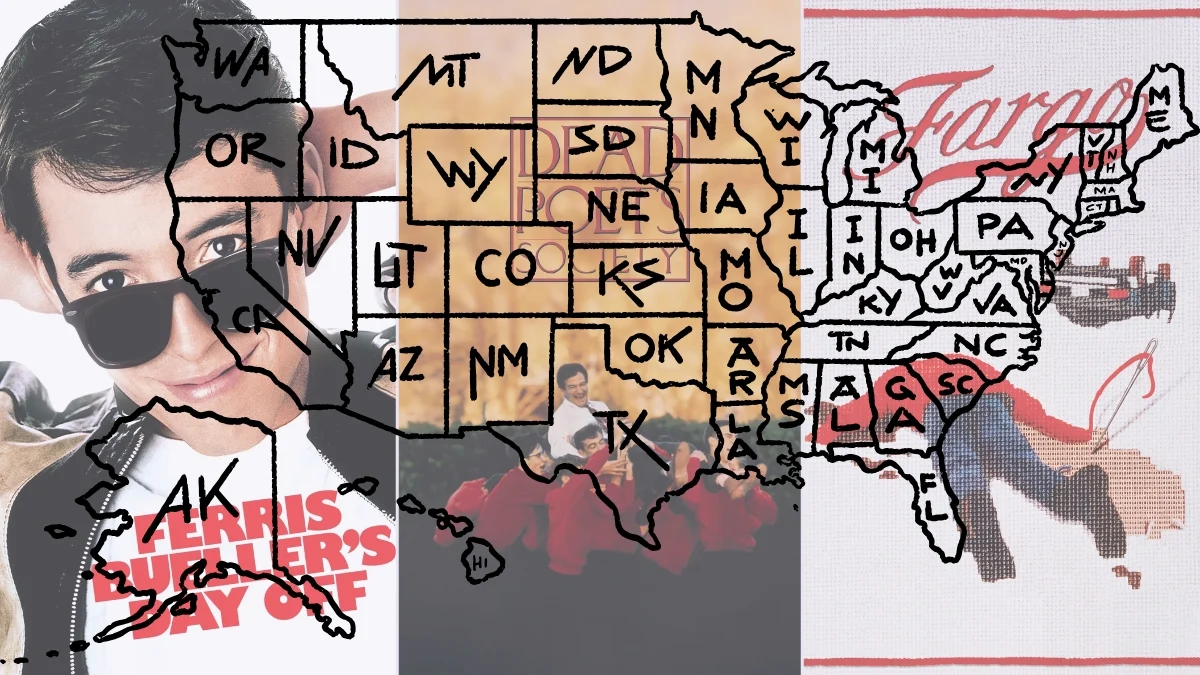


Movies often anchor their stories in specific places, and those choices shape everything from characters’ lives to the landscapes that fill the frame. This guide pairs each U.S. state with one standout feature film set there, focusing on how the setting threads through the plot, production details, and cultural footprint.
Each entry highlights the locations the filmmakers used, the historical or social backdrop they tapped, and the way the story reflects local identity. You’ll find notes on source material, award recognition, and where scenes were shot, so you can appreciate how place and narrative work together.
‘To Kill a Mockingbird’ (1962) – Alabama
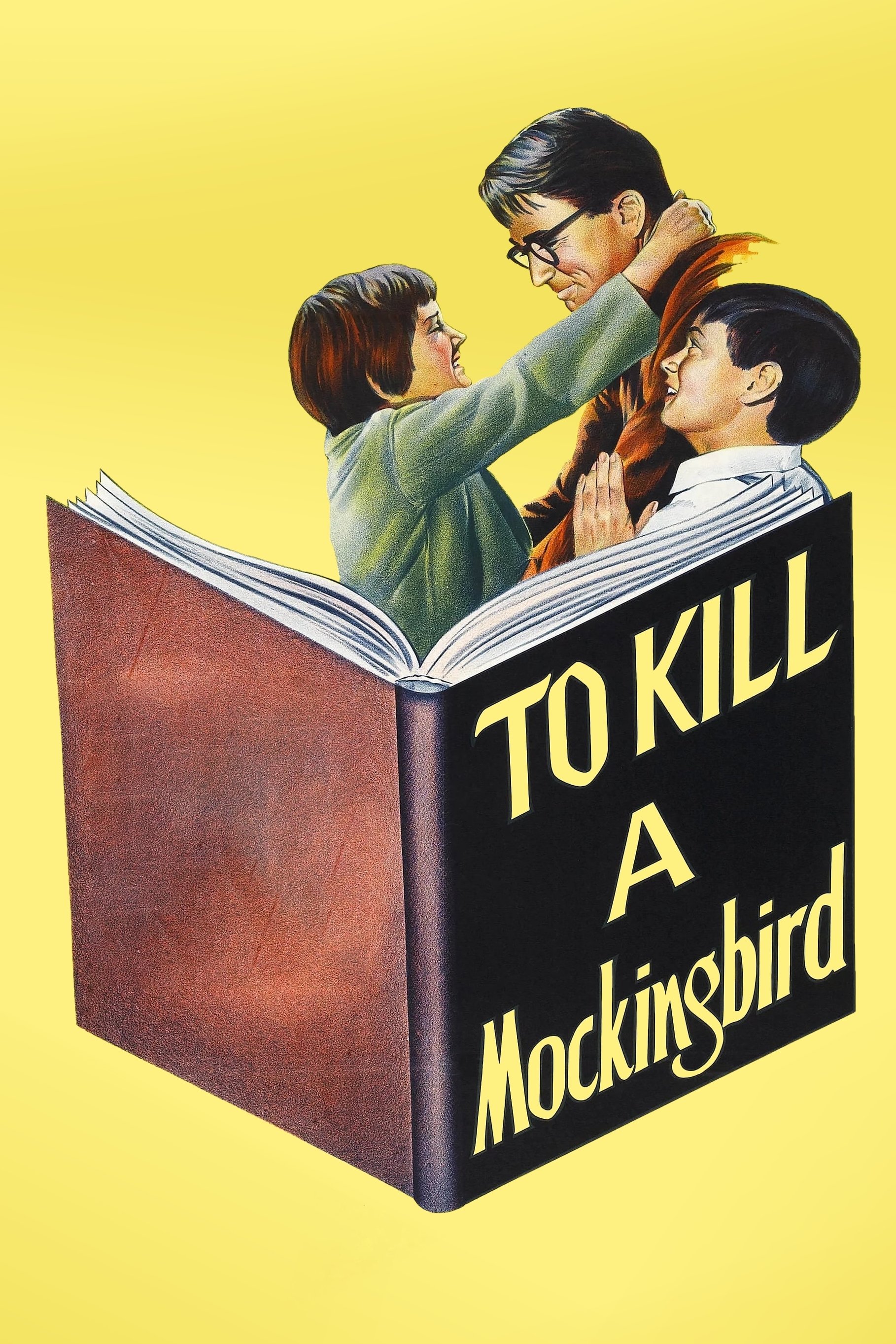
Set in Alabama’s fictional Maycomb, ‘To Kill a Mockingbird’ follows a young girl who observes a small town’s legal and social structures during a pivotal trial. The film adapts Harper Lee’s novel and uses Southern streets, porches, and courthouse interiors to convey how community spaces shape personal choices.
Production recreated Depression‑era architecture and courtroom design to reflect Alabama’s civic life. Gregory Peck’s portrayal of Atticus Finch earned the Academy Award for Best Actor, and the story has been used in classrooms to discuss legal ethics and civic responsibility.
‘Into the Wild’ (2007) – Alaska
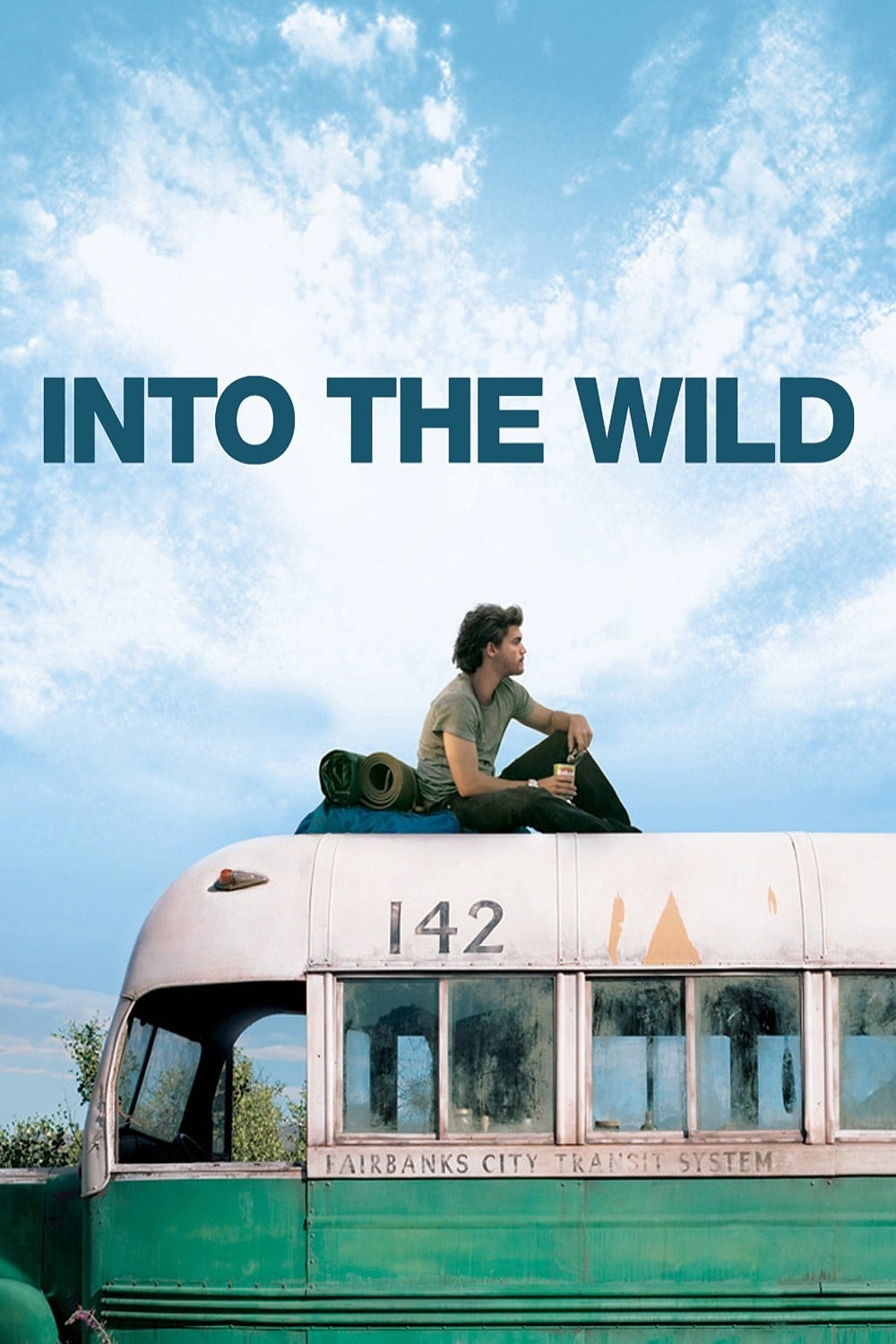
Alaska’s wilderness is central to ‘Into the Wild’, which traces Christopher McCandless’s trek north and his time in an abandoned bus near Denali. The film shows how the state’s remote terrain, waterways, and seasonal extremes frame a story about solitude, survival, and preparedness.
Location work incorporated authentic backcountry routes and Alaskan communities that travelers encounter when moving off the grid. The production’s use of journals and correspondence grounds the narrative in documented experiences, and the site of the bus became a safety concern that later led to its removal from the backcountry.
‘Tombstone’ (1993) – Arizona
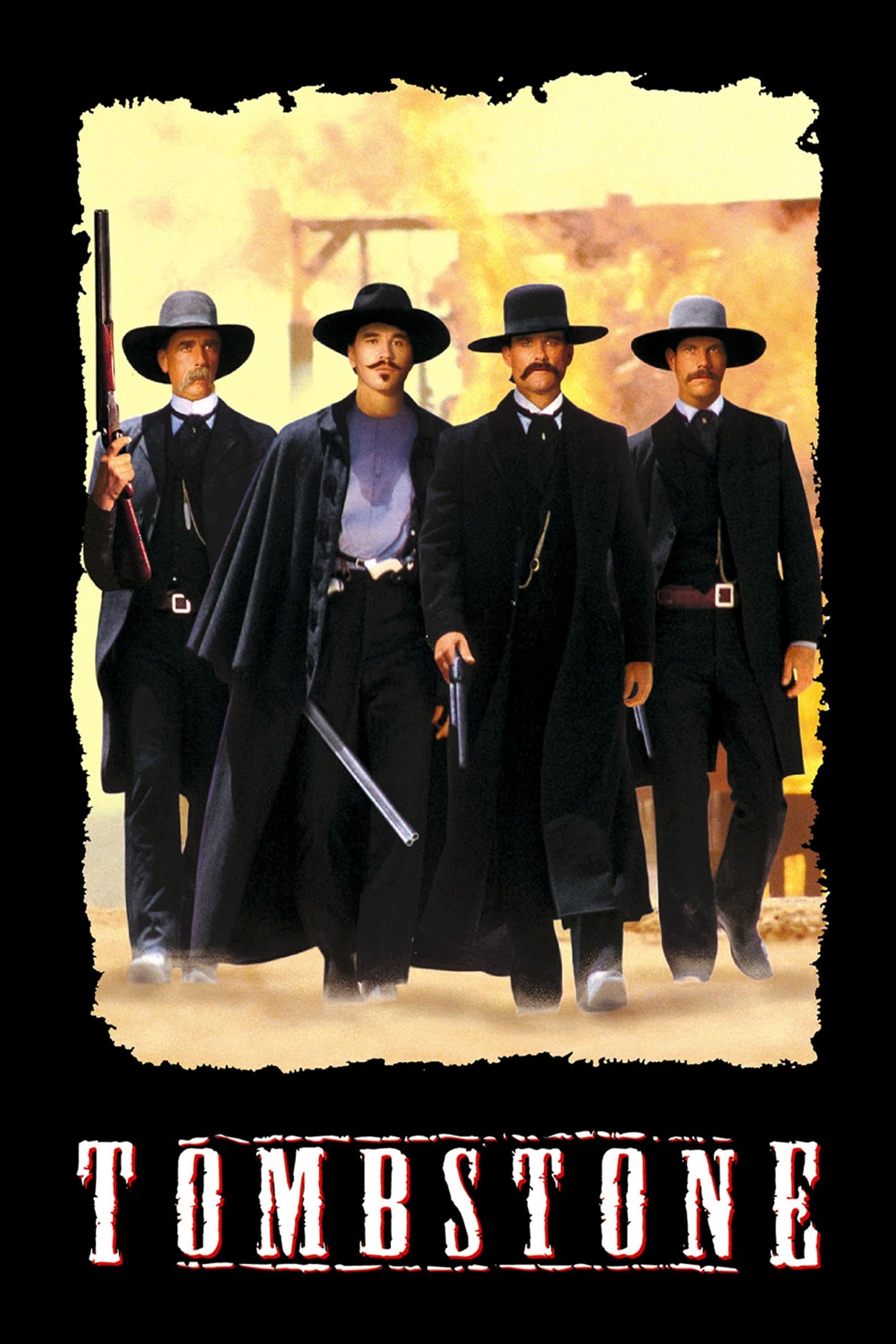
Set in Arizona, ‘Tombstone’ dramatizes events around the Earp brothers and the O.K. Corral. The film uses frontier streets, mining‑boom facades, and arid landscapes to depict the power struggles that emerged as law and enterprise expanded westward.
Costuming, firearms, and town layouts reflect historical research into late‑nineteenth‑century Arizona. The script draws on accounts of Wyatt Earp and contemporaries, and the production has been noted for filming in towns that preserve territorial‑era architecture used by heritage tourism today.
‘Mud’ (2012) – Arkansas

‘Mud’ unfolds along the Arkansas side of the Mississippi River, following two boys who find a fugitive living on a small island. The story uses river levels, sandbars, and levee communities to show how geography influences livelihoods and local ties.
Filming in and around DeWitt and the White River region brought regional accents, boats, and stilted houses onto the screen. The production’s collaboration with residents and use of working river craft add texture to a plot that moves between backwater channels and small‑town streets.
‘Chinatown’ (1974) – California
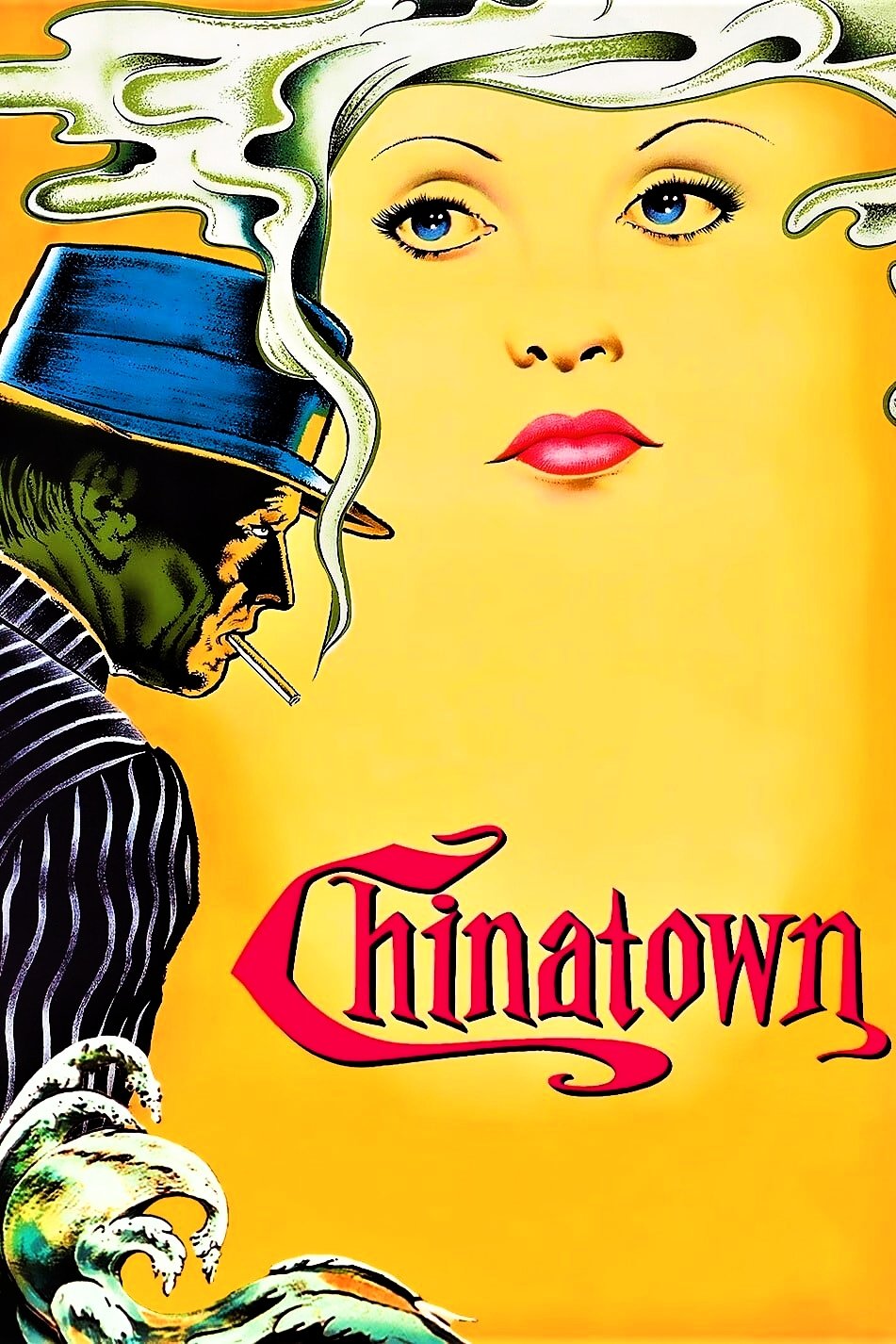
Set in Southern California, ‘Chinatown’ centers on Los Angeles water rights and urban expansion into the San Fernando Valley. The film’s neighborhoods, civic buildings, and arid outskirts reflect how infrastructure shaped the city’s growth and political conflicts.
The production references real‑world aqueduct projects, land speculation practices, and municipal governance. Its period design replicates public works offices and reservoirs, and the screenplay remains a case study in depicting policy decisions through private investigation.
‘The Shining’ (1980) – Colorado
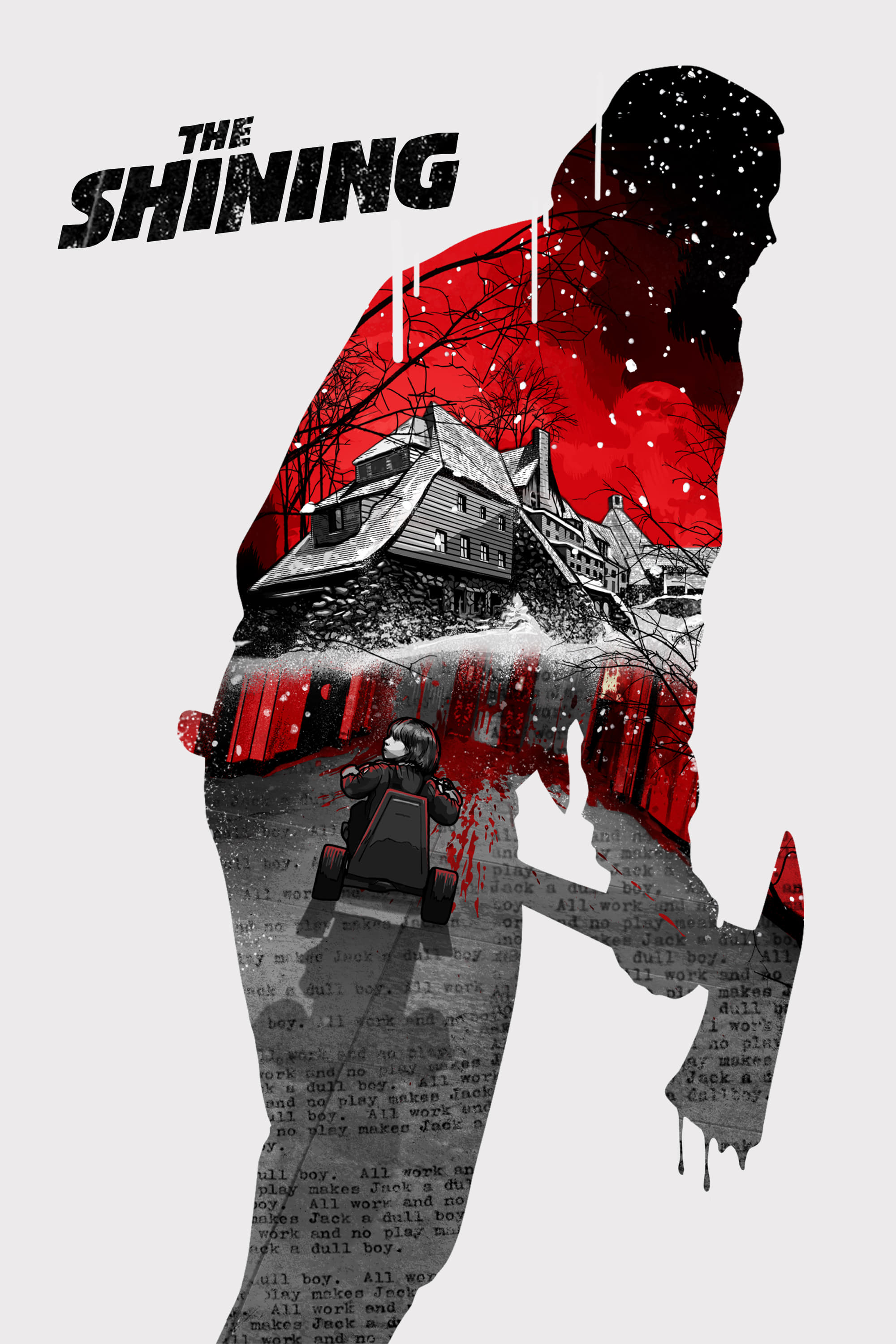
Colorado provides the isolated mountain‑hotel setting for ‘The Shining’, where winter closures and long passes limit access to the outside world. The geography underscores themes of remoteness and containment, with high‑elevation weather and vast forests framing the story.
While interior sets were built in studios, exteriors evoke the look of Rocky Mountain lodges with timber design and cavernous lobby spaces. The film’s maze, snowbound roads, and radio‑dependent communication mirror the logistical realities of off‑season operations in alpine resorts.
‘The Ice Storm’ (1997) – Connecticut
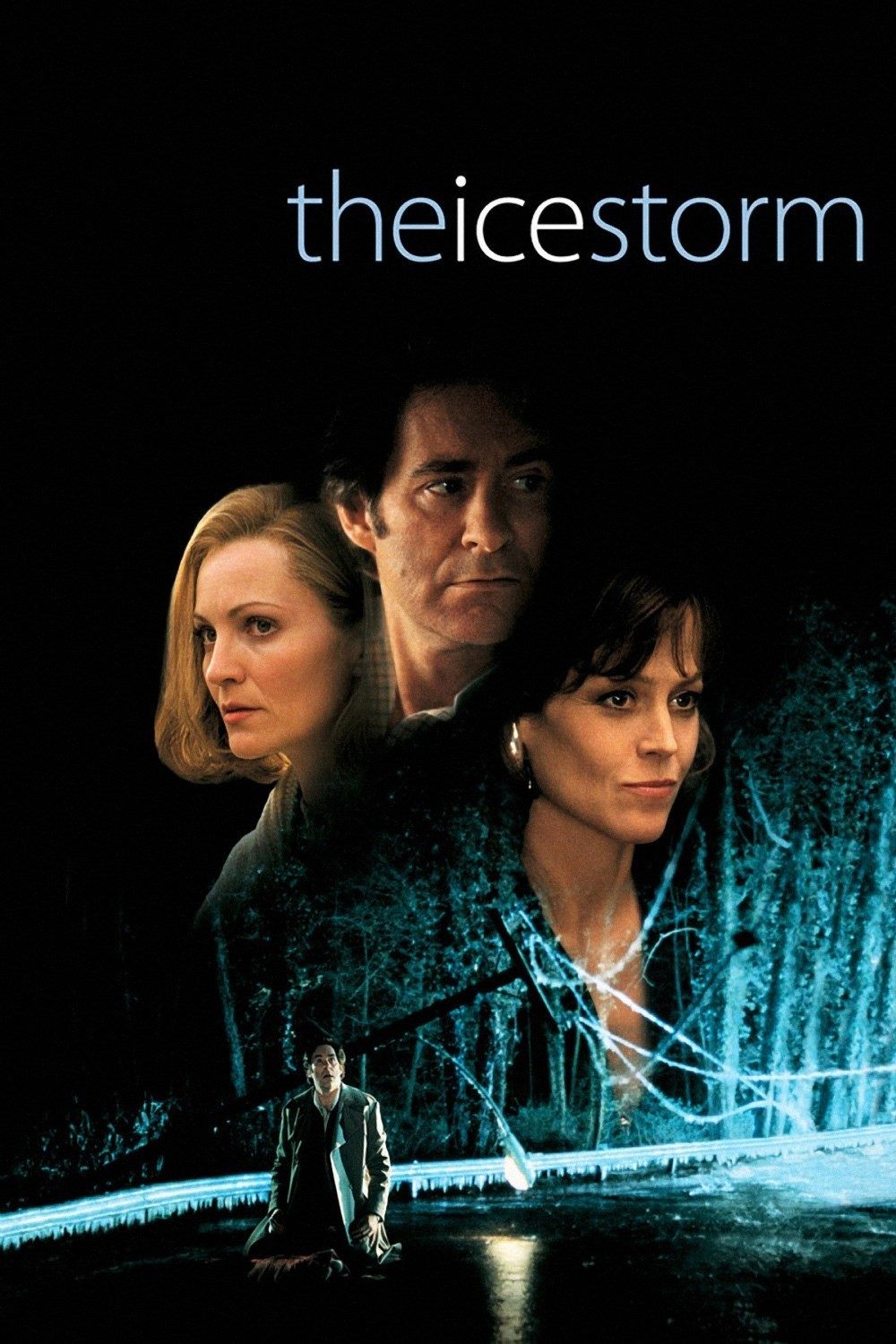
Set in suburban Connecticut, ‘The Ice Storm’ follows intersecting families during a severe weather event that disrupts daily routines. The film uses cul‑de‑sacs, commuter rail patterns, and colonial‑style homes to depict how suburban design can concentrate both privacy and isolation.
Production staged period interiors with paneled dens and basement rec rooms common in the region. The freezing rain sequence demonstrates the hazards of overhead lines and tree canopies in New England neighborhoods, tying meteorology to plot complications and community response.
‘Empire Records’ (1995) – Delaware
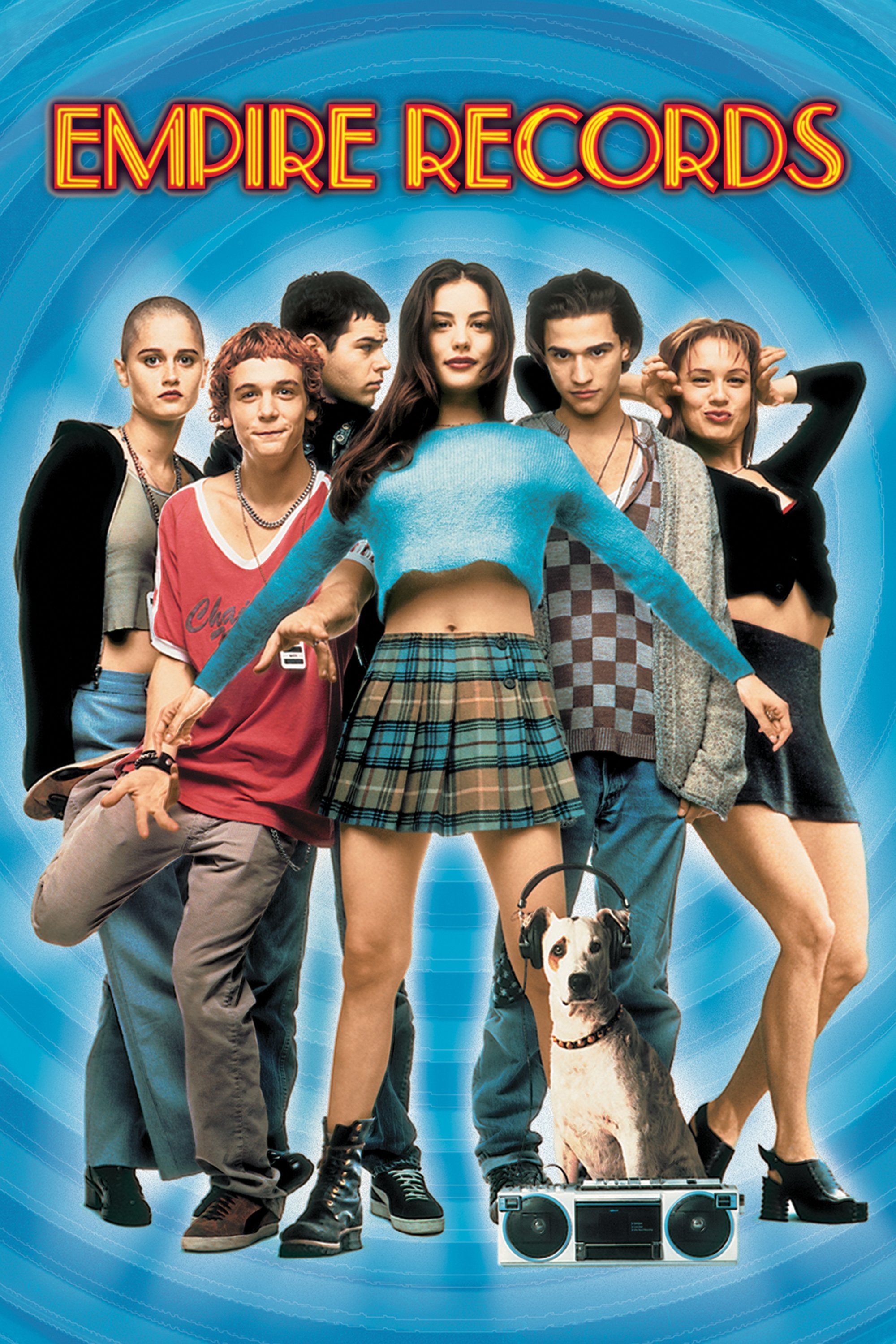
Set in Delaware, ‘Empire Records’ takes place in an independent music store where staff rally to keep the business from being absorbed by a chain. The film highlights Wilmington‑area retail culture, mall competition, and regional radio promotion as parts of the local music economy.
The production builds its world around a single workplace, using store layout, inventory practices, and in‑store events to drive the story. Its depiction of staff scheduling, cash handling, and distributor relationships mirrors how small retailers operated during the shift toward national brands.
‘Moonlight’ (2016) – Florida

Set in Miami, ‘Moonlight’ follows a boy growing up in Liberty City as he navigates school, family pressures, and chosen community. The film uses row houses, beaches, and nighttime street scenes to ground a story in specific neighborhoods and local culture.
Filming in real locations brings South Florida’s light, color, and soundscapes onto the screen. Dialogue incorporates regional speech patterns, and the production consulted with locals to accurately portray school settings, mentorship networks, and the city’s music and food scenes.
‘Gone with the Wind’ (1939) – Georgia
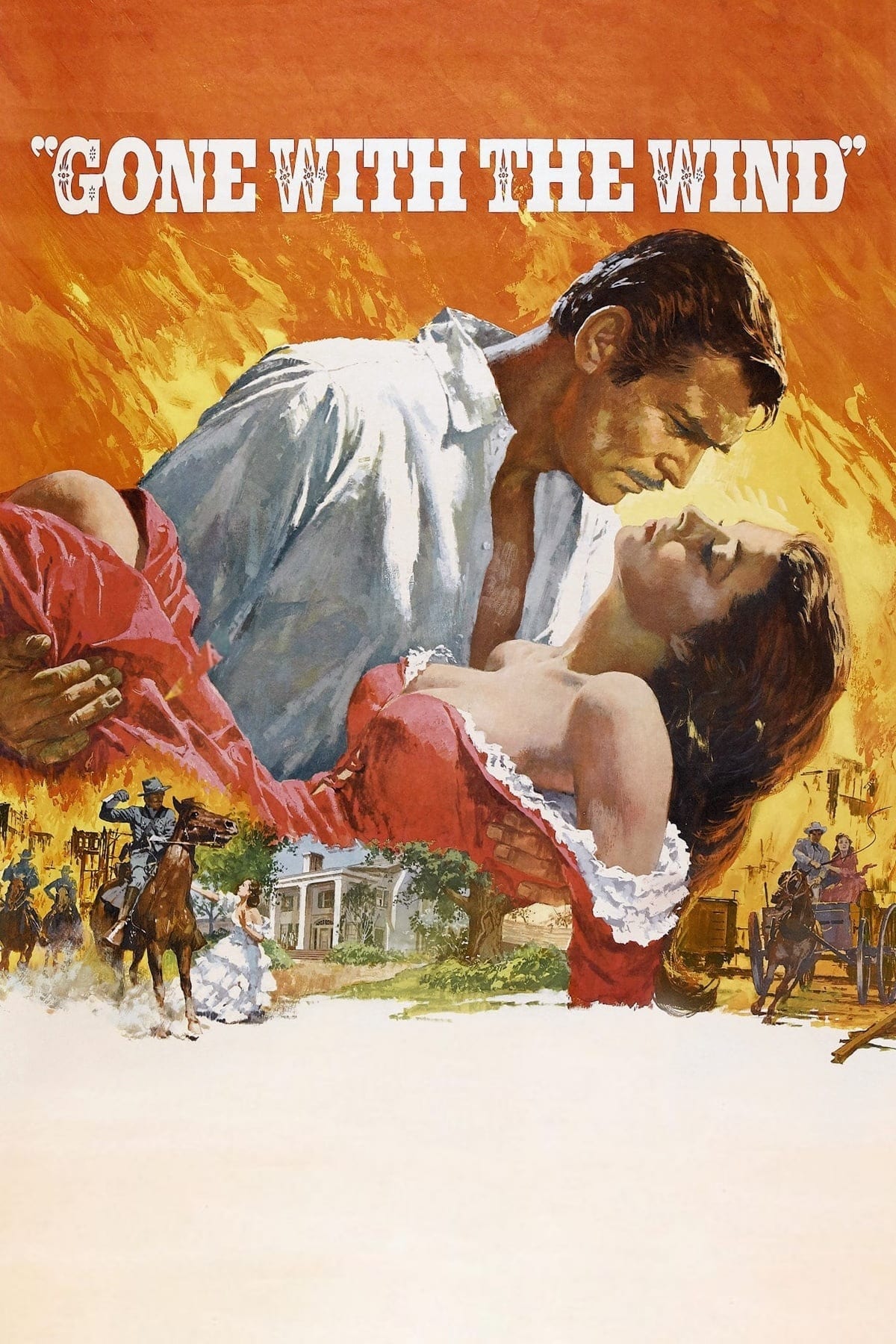
Set across Georgia, ‘Gone with the Wind’ portrays plantation life, wartime upheaval, and the reconstruction period. It uses depictions of Atlanta and rural estates to chart changes in land use, population movement, and urban rebuilding.
The film’s sets and costuming reflect research into period dress, transportation, and domestic architecture. Its enduring presence in American film history has prompted ongoing scholarship about historical accuracy, representation, and how the state’s past is remembered on screen.
‘The Descendants’ (2011) – Hawaii
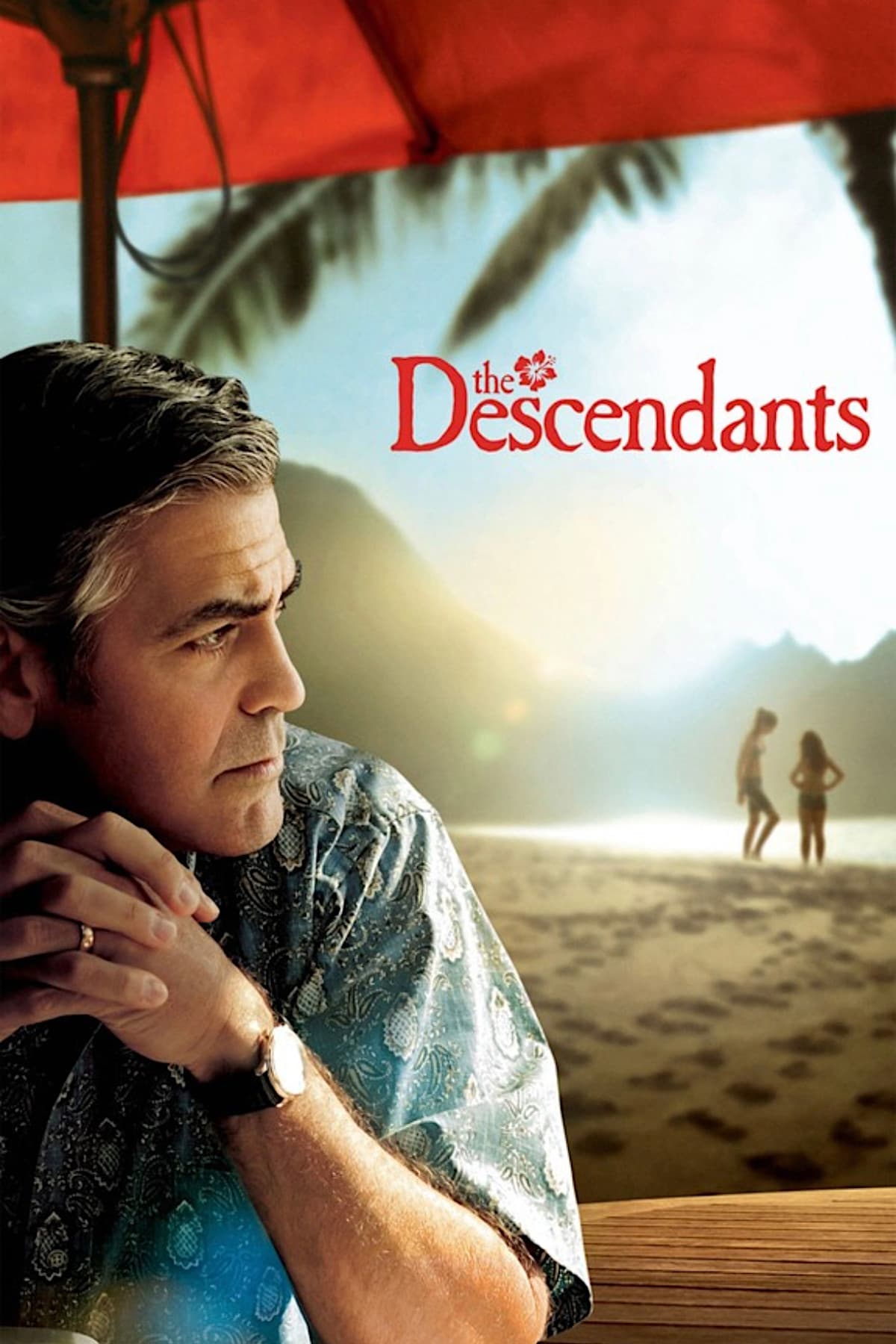
Set on Oʻahu and Kauaʻi, ‘The Descendants’ follows a Honolulu lawyer managing a family trust tied to ancestral land. The film highlights issues around conservation, development pressure, and the legal frameworks that govern landownership in Hawaiʻi.
Production shot across neighborhoods and valleys to show diverse microclimates and terrain. The script references real estate transactions, trust law, and the tension between heritage protection and commercial projects that shape local debates.
‘Napoleon Dynamite’ (2004) – Idaho
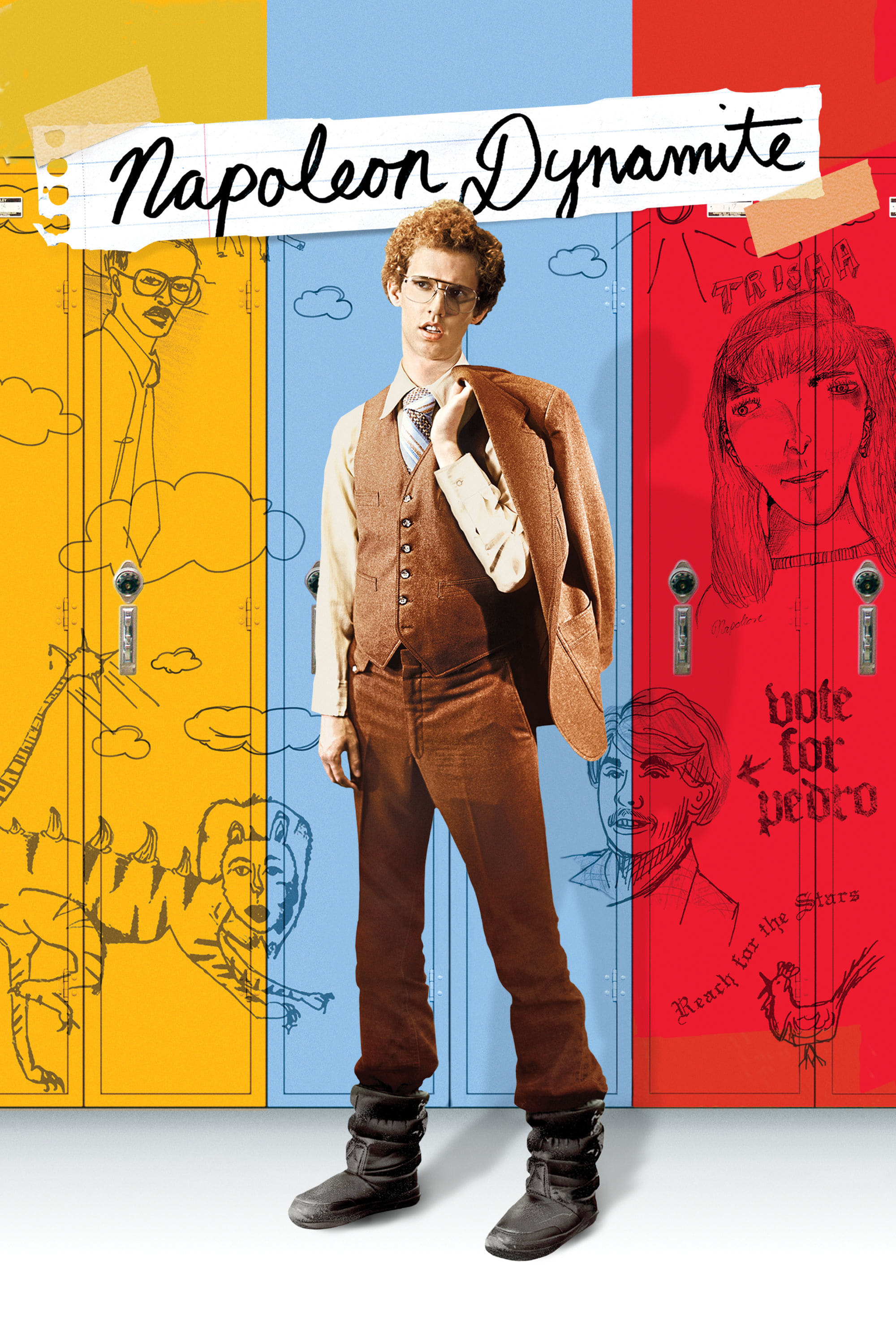
Set in Preston and the surrounding area of Idaho, ‘Napoleon Dynamite’ presents small‑town life through schools, 4‑H culture, and family‑run farms. The film’s locations include community centers, quiet residential streets, and county‑fair spaces.
Costumes and props draw from regional thrift‑store finds and local school memorabilia. The production’s use of non‑urban pace, long takes, and everyday routines reflects how agricultural calendars and extracurricular clubs organize the year for many residents.
‘Ferris Bueller’s Day Off’ (1986) – Illinois

Set in and around Chicago, Illinois, ‘Ferris Bueller’s Day Off’ threads its route through museums, sports venues, and downtown architecture. The film highlights lakefront planning, commuter travel, and how city schools intersect with urban attractions.
Production secured access to institutions like the Art Institute and Wrigley Field, showing how public spaces and private events are woven into a single day. The parade sequence demonstrates municipal permitting and crowd control that accompany large civic celebrations.
‘Hoosiers’ (1986) – Indiana
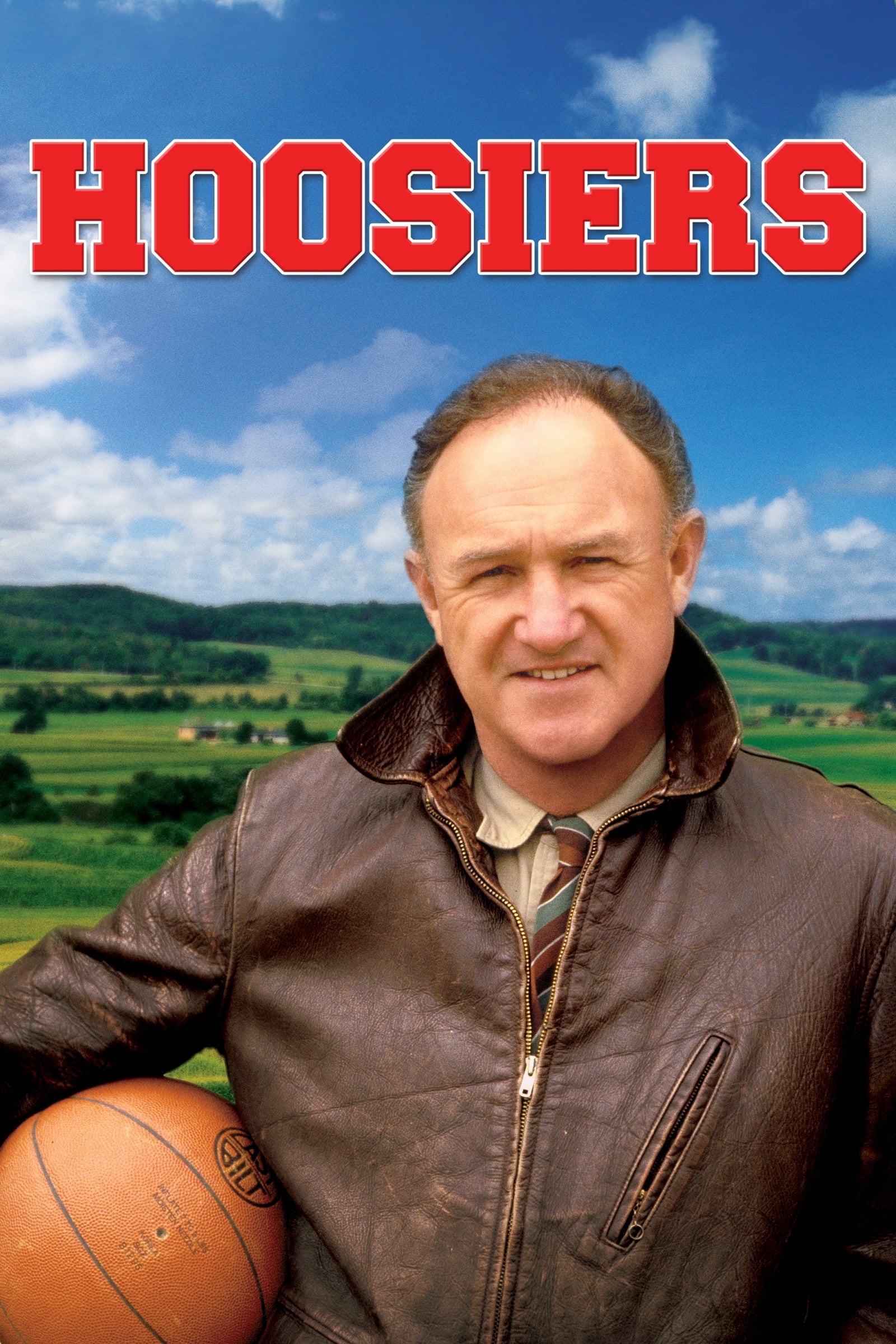
Set in rural Indiana, ‘Hoosiers’ follows a small‑school basketball program as it contends with community expectations. The film uses high‑school gyms, locker rooms, and two‑lane roads to capture the role of athletics in town identity.
The production replicated coaching clinics, training regimens, and officiating standards of the era. Shooting in real gymnasiums and downtown squares underscores how Friday‑night schedules structure social life across Indiana’s counties.
‘Field of Dreams’ (1989) – Iowa
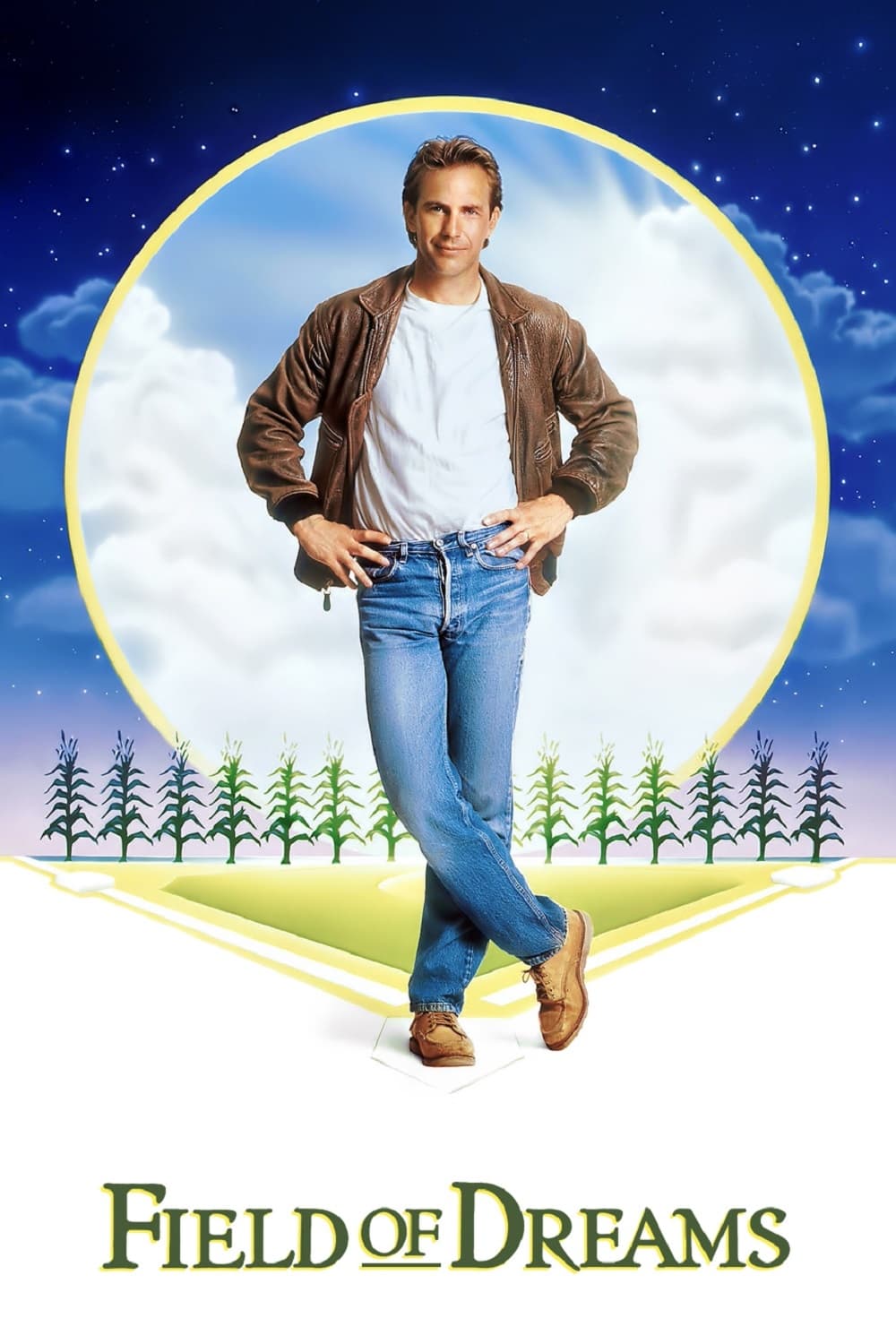
Set in Iowa farm country, ‘Field of Dreams’ centers on a farmer who constructs a baseball diamond in his cornfield. The film integrates irrigation patterns, crop cycles, and farm‑to‑market roads into a narrative about land stewardship and memory.
Production built the diamond on private property near Dyersville, and the site still hosts visitors and baseball events. The movie highlights family decision‑making around acreage use and the communal pull of team sports in rural communities.
‘The Wizard of Oz’ (1939) – Kansas
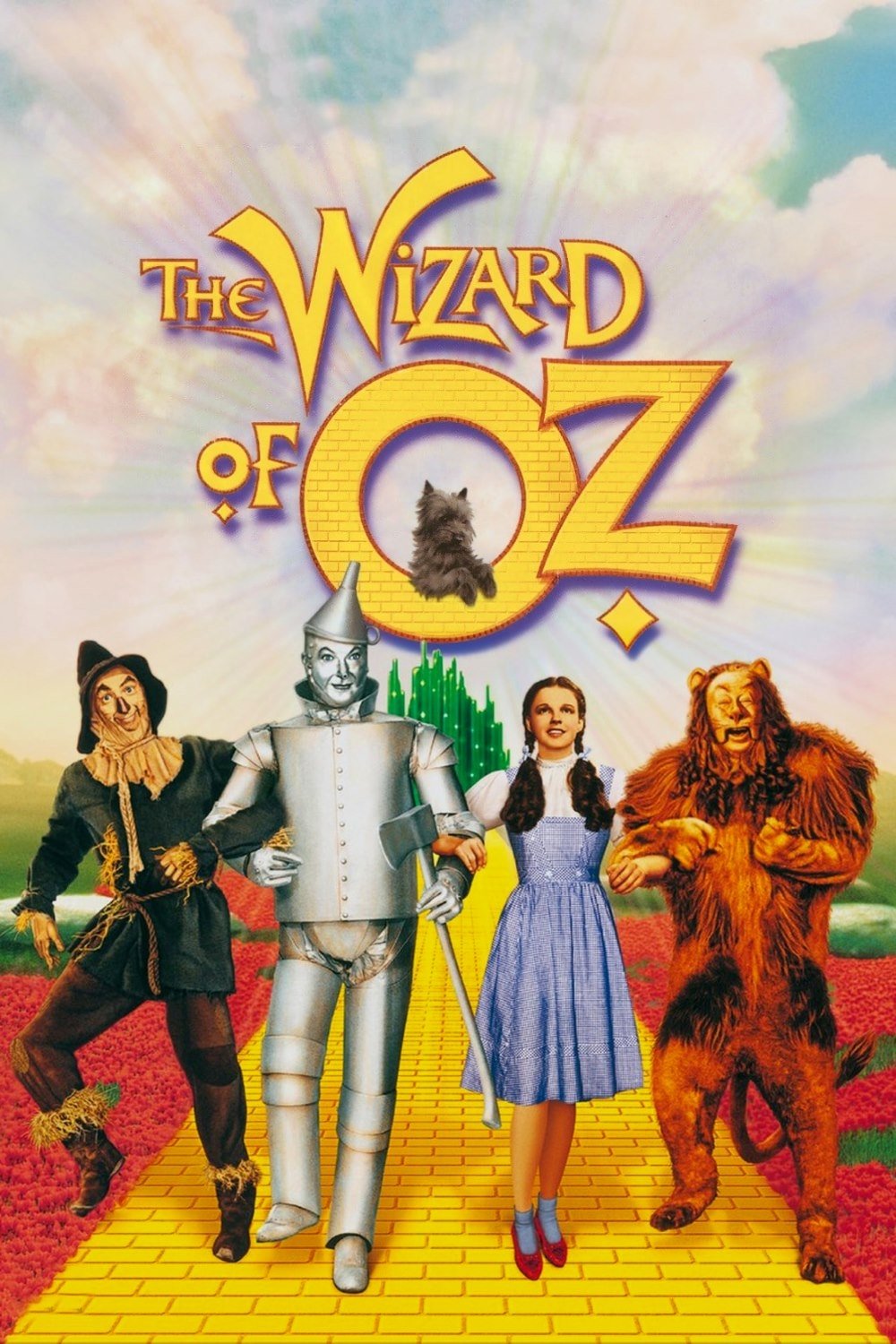
Set partly in Kansas before shifting to a fantasy realm, ‘The Wizard of Oz’ frames its home scenes around a prairie farm and a tight‑knit household. The depiction of tornado preparedness, outbuildings, and wind‑swept fields draws on Plains geography.
Production design contrasts sepia‑toned farm life with a saturated fantasy world, making the return to Kansas an explicit narrative goal. The story’s refrain about home has been used in educational contexts to discuss migration, weather, and family economies in the region.
‘Coal Miner’s Daughter’ (1980) – Kentucky

Set in Kentucky’s coal country, ‘Coal Miner’s Daughter’ follows Loretta Lynn’s early life and entry into music. The film depicts holler communities, company towns, and the role of churches and radio in regional culture.
Filming in Appalachian locations brings mining infrastructure, shift schedules, and family routines into focus. The soundtrack and performance scenes trace the pathways by which local talent moves from community venues to wider stages.
‘Beasts of the Southern Wild’ (2012) – Louisiana

Set in a bayou community outside the levee system in Louisiana, ‘Beasts of the Southern Wild’ follows a child and her father as storms and flooding threaten their home. The film shows elevated houses, boats as daily transport, and the social bonds of residents living in vulnerable wetlands.
Production involved extensive location work south of New Orleans, using local performers and craftspeople. Its depiction of subsistence practices, storm preparation, and community festivals provides a portrait of a culture adapted to water‑based landscapes.
‘The Shawshank Redemption’ (1994) – Maine
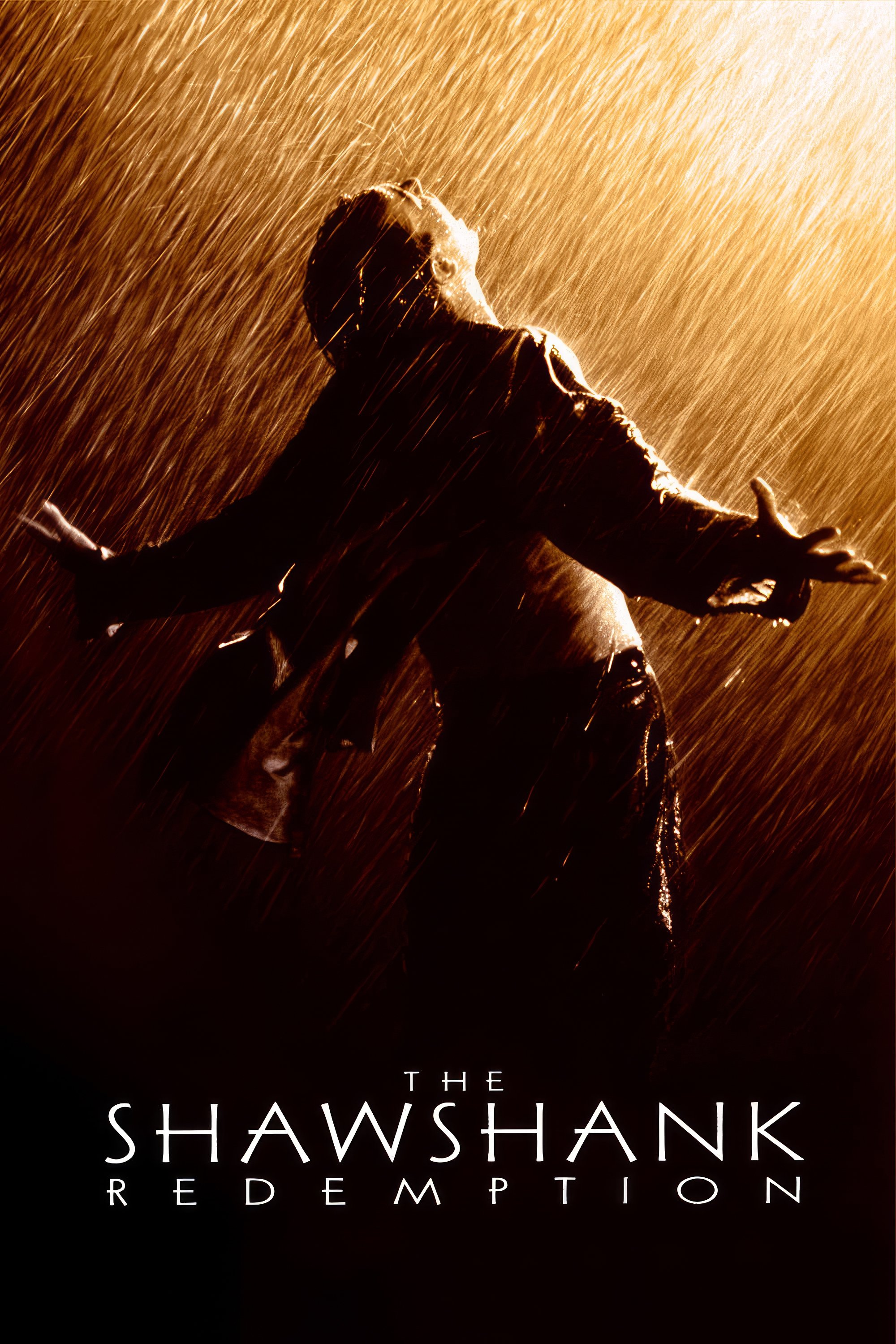
Set in Maine, ‘The Shawshank Redemption’ tells the story of a banker navigating power structures within a state prison. The film examines inmate labor, library programs, and parole boards as parts of correctional life, and uses coastline imagery to mark turning points.
Although principal photography used an Ohio prison, the narrative’s institutions, letters, and legal procedures are rooted in Maine. The source material by Stephen King situates names and towns within the author’s larger map of the state.
‘The Blair Witch Project’ (1999) – Maryland

Set in Maryland’s Black Hills near Burkittsville, ‘The Blair Witch Project’ follows student filmmakers who trek into the woods to investigate a local legend. The production used consumer‑grade cameras and minimal crews, emphasizing trail navigation and campsite logistics.
Its release spurred interest in back‑country safety, map‑and‑compass skills, and how folklore spreads in small communities. The marketing approach used fake archival material and town histories, prompting discussions about documentary form and media literacy.
‘Good Will Hunting’ (1997) – Massachusetts
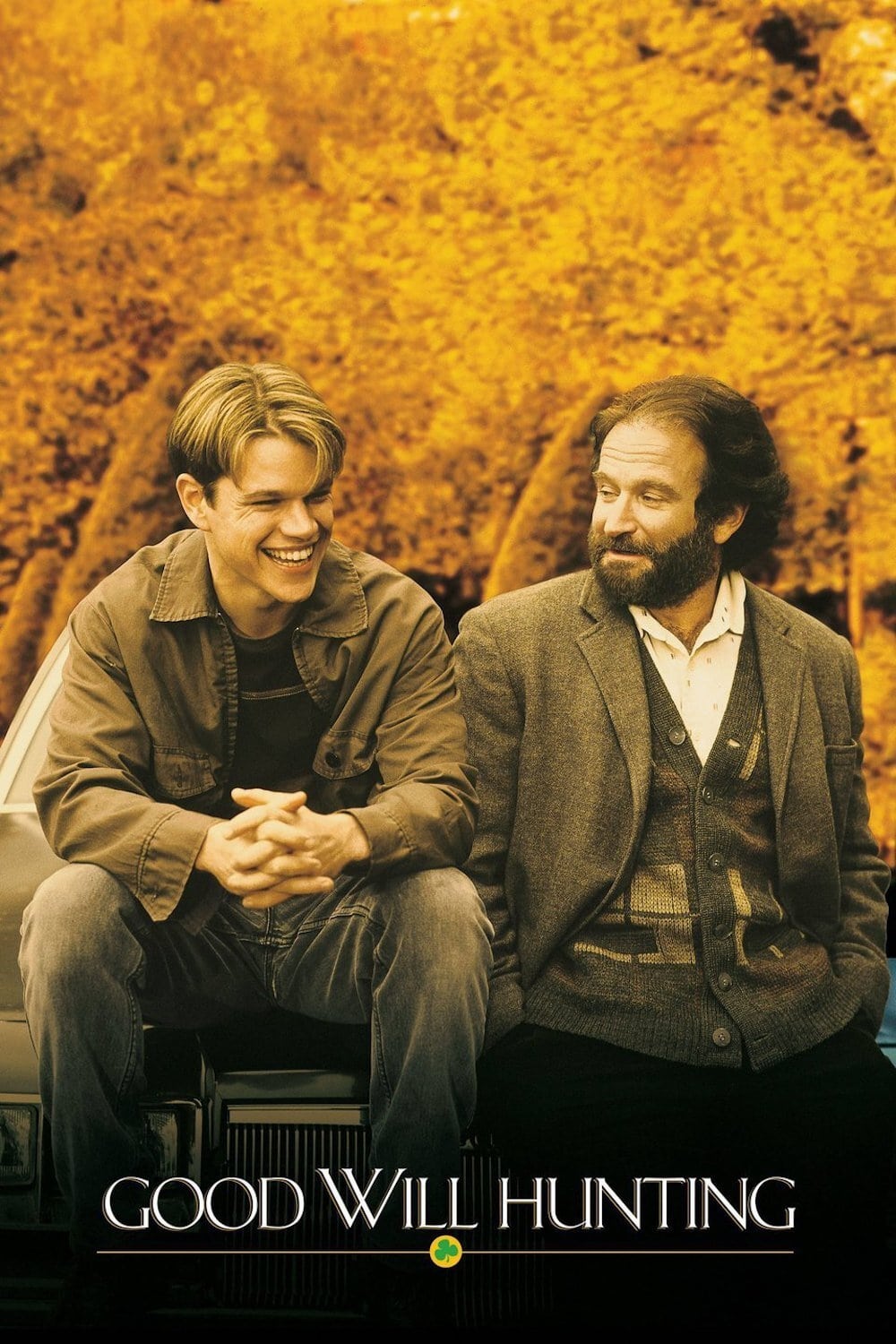
Set in Massachusetts, ‘Good Will Hunting’ traces a South Boston laborer whose mathematical ability attracts attention at a university. The film uses commuter bars, MIT and Harvard settings, and working‑class neighborhoods to explore mobility across social and academic lines.
Production filmed at recognizable campuses and along the Charles River, integrating classroom interiors and street‑level conversations. The script draws on therapy sessions and problem‑solving scenes to connect personal history with educational opportunity.
‘8 Mile’ (2002) – Michigan
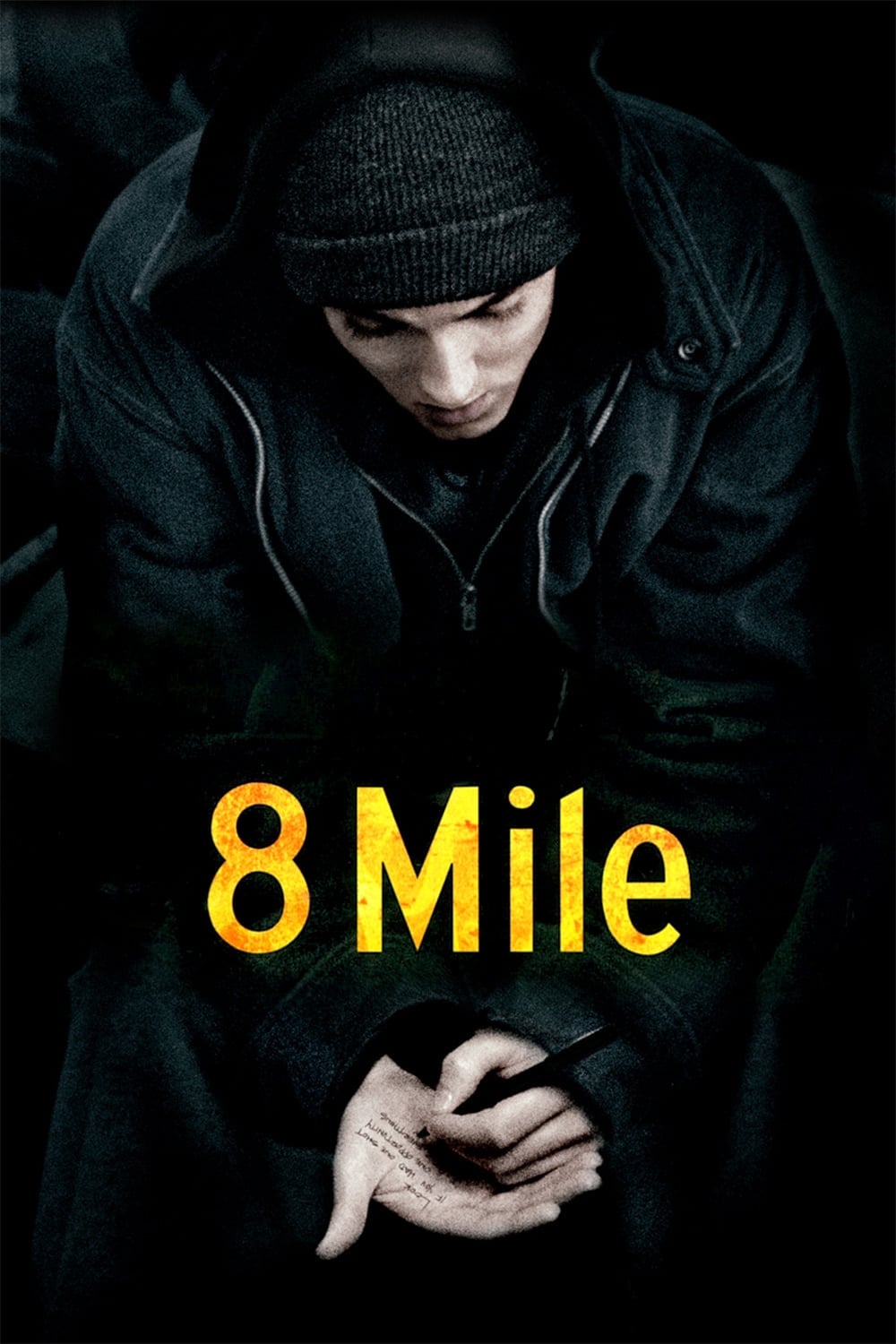
Set in Detroit, Michigan, ‘8 Mile’ follows an aspiring rapper balancing factory work, family pressures, and local battles. The film situates its story along the city‑suburb dividing line, industrial corridors, and underground venues.
Production shot in real neighborhoods, using transit routes, auto plants, and performance spaces that anchor Detroit’s economy and music scenes. The soundtrack and battle formats reflect local traditions that shaped the city’s hip‑hop culture.
‘Purple Rain’ (1984) – Minnesota

Set in Minneapolis, Minnesota, ‘Purple Rain’ follows a musician honing his set at a prominent local club. The film showcases the city’s club circuit, lakes, and downtown venues, mapping how artists build audiences in a tight scene.
Location work at First Avenue and nearby streets documents the venue’s staging, load‑ins, and collaborative lineups. The soundtrack’s integration with narrative performance demonstrates how a regional sound can define a city’s cultural identity.
‘The Help’ (2011) – Mississippi
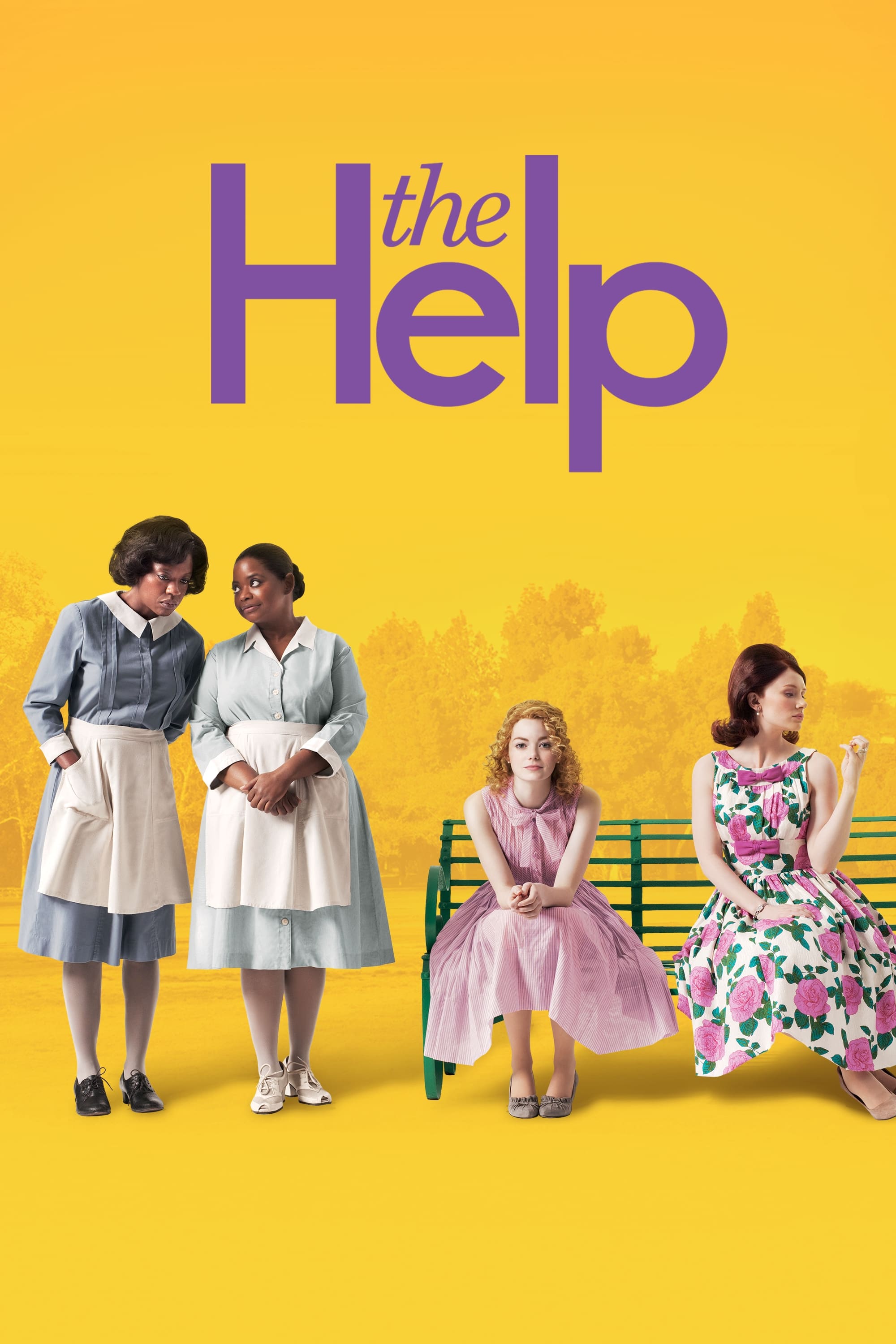
Set in Jackson, Mississippi, ‘The Help’ portrays domestic workers and the families they work for during a period of social change. The film situates its story in residential neighborhoods, church communities, and local newspapers that document daily life.
Production used homes and civic buildings in and around the city, recreating interiors and workplaces with period appliances and attire. The narrative incorporates publishing processes, interviews, and community networks to track how personal accounts become public.
‘Winter’s Bone’ (2010) – Missouri
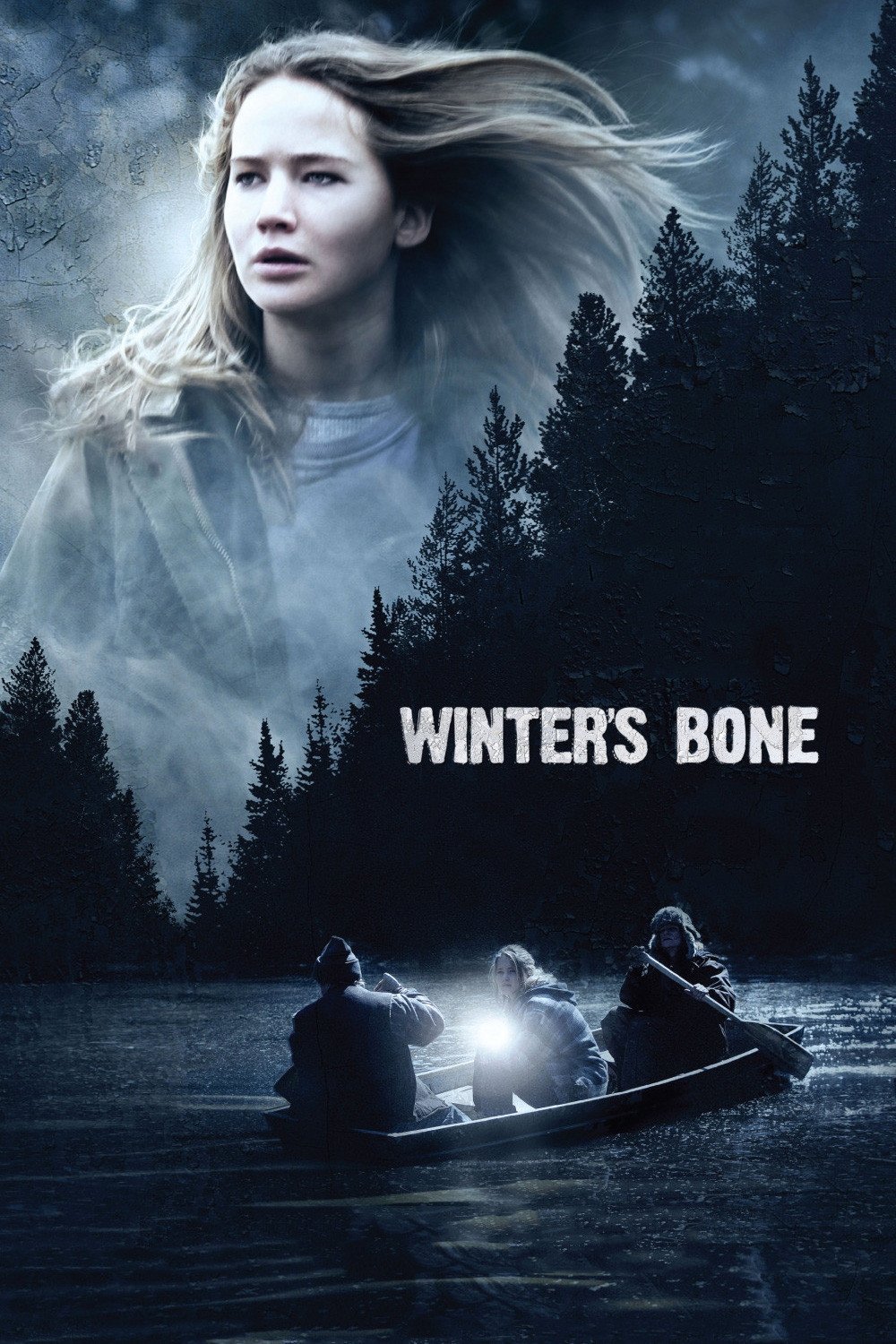
Set in the Missouri Ozarks, ‘Winter’s Bone’ follows a teenager searching for her missing father amid tangled legal and family obligations. The film uses forested hollows, rural lanes, and lake country to show how geography can complicate access to services and courts.
Casting included local performers, and production consulted on regional customs and property arrangements. The story highlights the function of bondsmen, sheriff’s notices, and courthouse procedures in sparsely populated areas.
‘A River Runs Through It’ (1992) – Montana
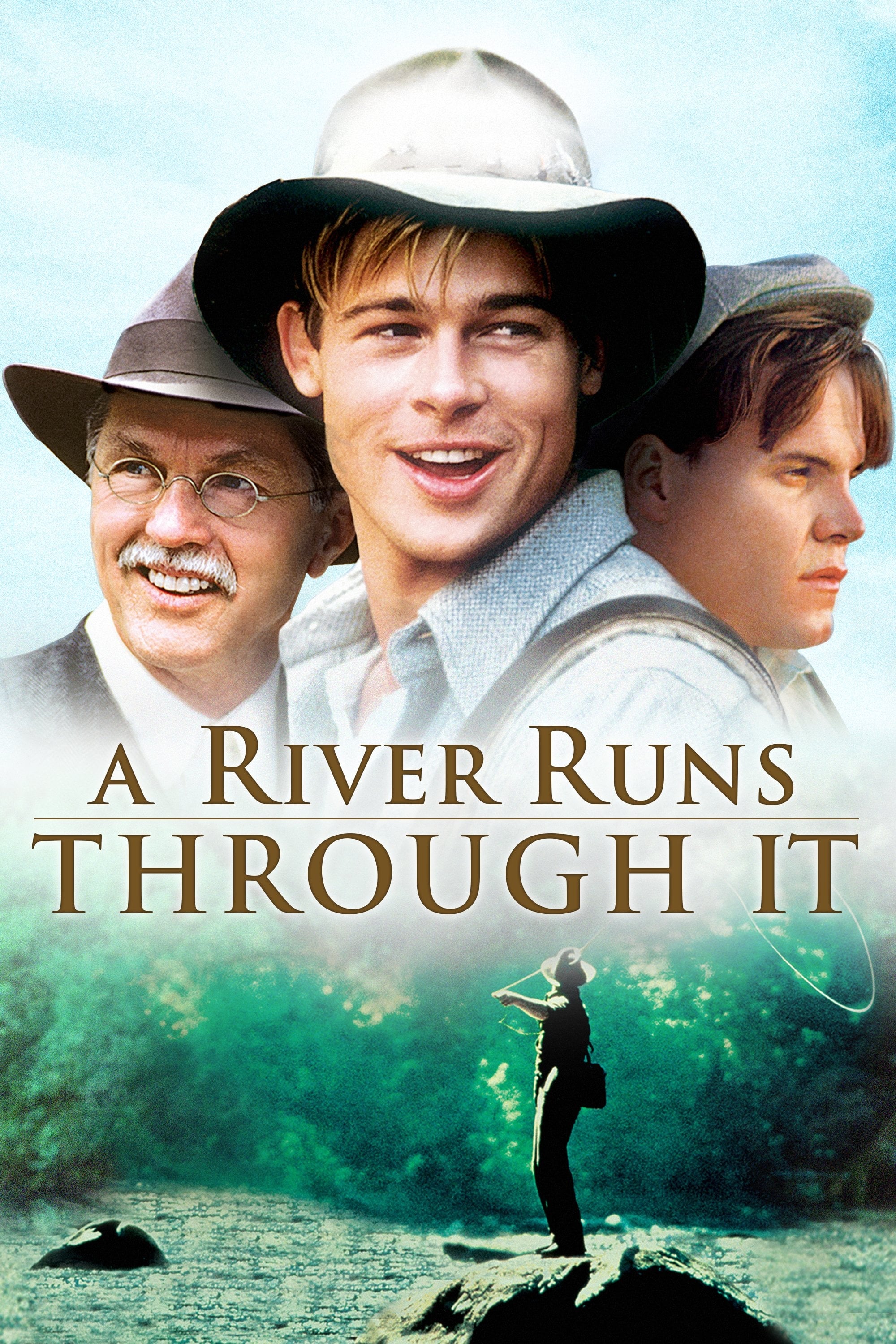
Set in Montana, ‘A River Runs Through It’ tracks two brothers whose lives are bound to fly‑fishing and the Blackfoot River. The film showcases riparian habitats, stone houses, and small‑city streets that reflect the region’s settlement patterns.
Cinematography emphasizes casting techniques, stream etiquette, and conservation practices. Production partnered with fishing experts and used access agreements to film on stretches that illustrate catch‑and‑release ethics and river stewardship.
‘Nebraska’ (2013) – Nebraska
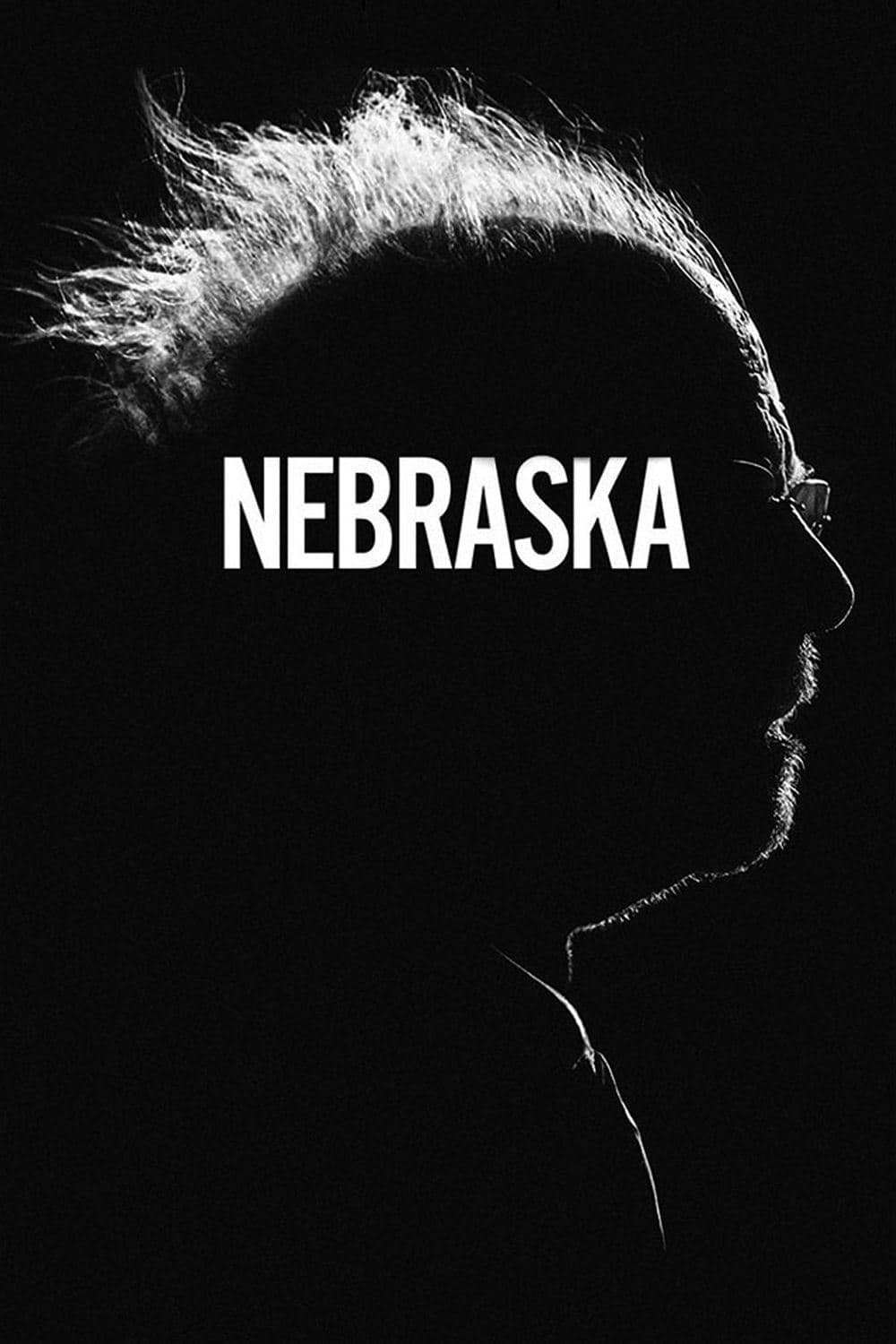
Set across the Great Plains with a focus on small Nebraska towns, ‘Nebraska’ follows an elderly man convinced he has a prize to claim. The film’s black‑and‑white palette underscores open highways, prairie towns, and family homesteads.
Production visited bars, newspaper offices, and living rooms to capture daily rhythms and conversations. The script examines inheritance questions, farm economics, and regional media, with scenes that move through actual main streets and grain elevators.
‘Casino’ (1995) – Nevada

Set in Las Vegas, Nevada, ‘Casino’ traces the operations of a major resort and the networks that support it. The film details casino floors, surveillance rooms, and high‑roller suites, mapping how hospitality and gaming logistics work together.
Production filmed on active casino properties, coordinating around business hours and gaming regulations. The script incorporates banking relationships, licensing boards, and security protocols that govern the industry.
‘Jumanji’ (1995) – New Hampshire

Set in a fictional New Hampshire town, ‘Jumanji’ begins with a mysterious board game that alters the lives of local residents. The film uses Victorian houses, mill‑town streets, and forest edges to establish a New England setting.
Production combined practical effects with location shooting in small‑town business districts. The story’s return to community ties and restored public spaces underscores the importance of local history in revitalizing downtowns.
‘On the Waterfront’ (1954) – New Jersey
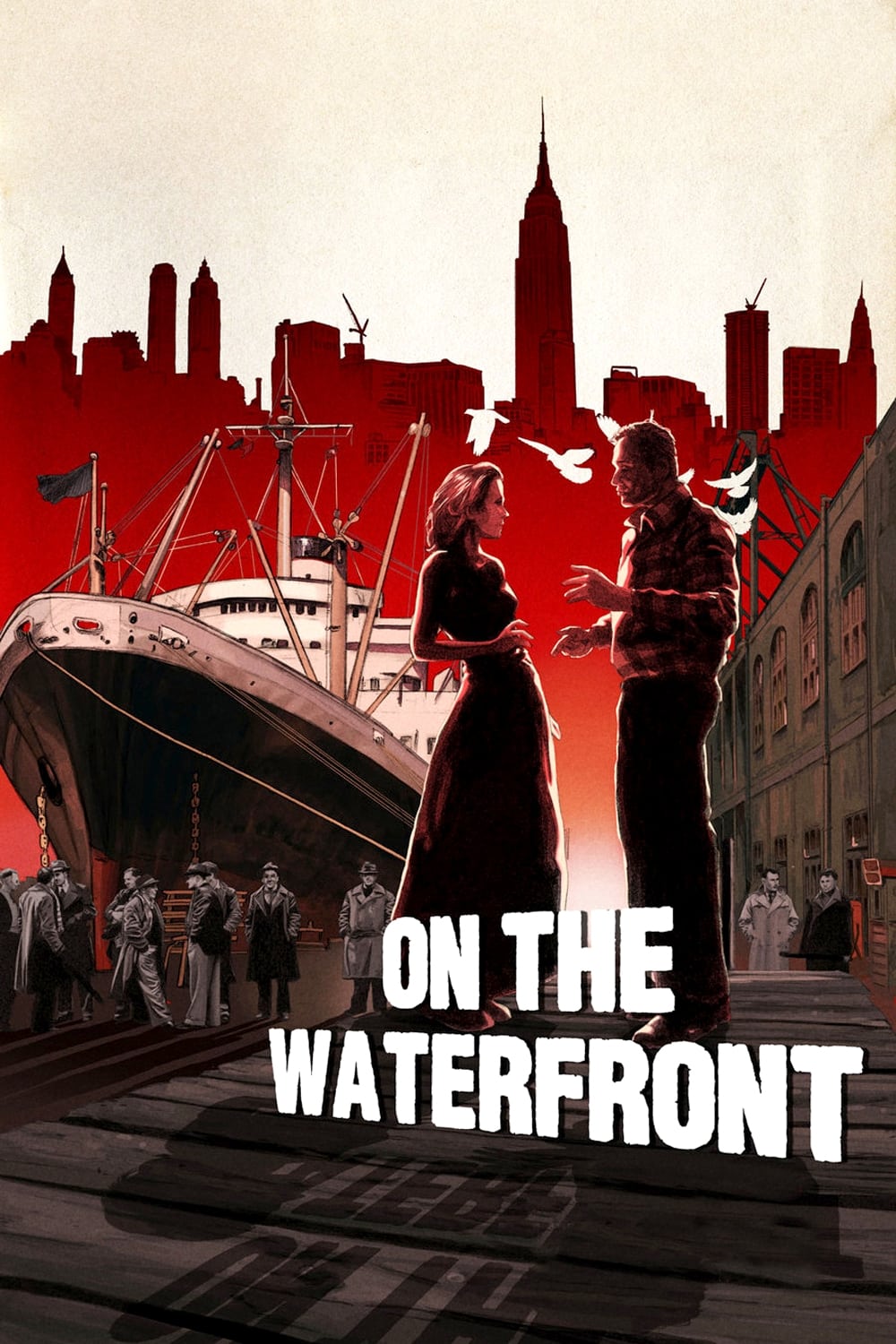
Set in Hoboken, New Jersey, ‘On the Waterfront’ examines labor relations on the docks and the role of unions, employers, and clergy. The film’s piers, row houses, and waterfront vistas document a working port city’s daily life.
Production shot on location, capturing winter conditions, ferry operations, and longshore hiring practices. The narrative portrays whistleblowing, worker protections, and the legal frameworks that address organized crime.
‘The Milagro Beanfield War’ (1988) – New Mexico
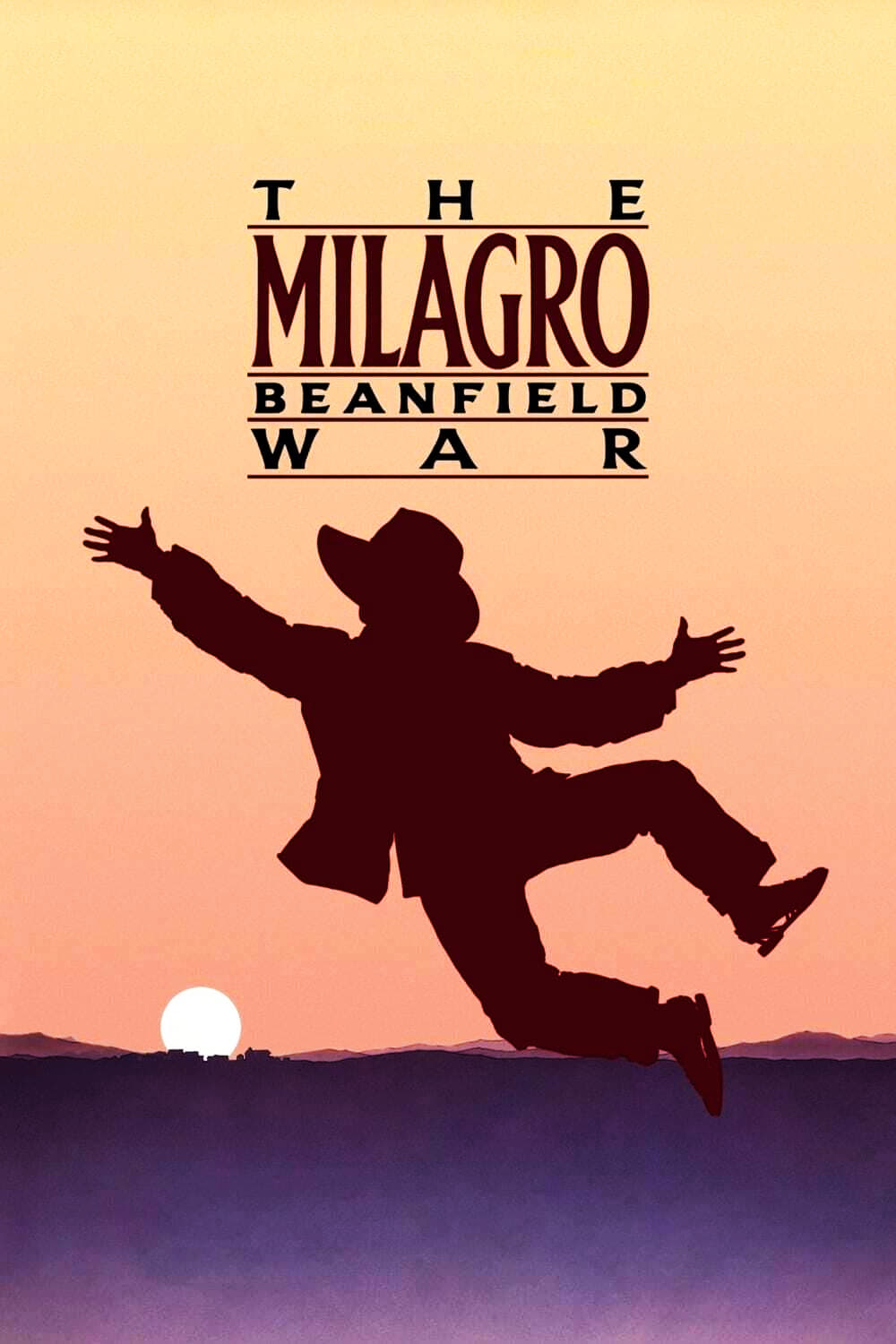
Set in northern New Mexico, ‘The Milagro Beanfield War’ follows residents of a small town resisting a development project that threatens water access. The story explores acequia systems, land grants, and the cultural role of community irrigation associations.
Production filmed in historic plazas and adobe neighborhoods, using local musicians and craftspeople. The script incorporates water law, municipal planning meetings, and protest strategies familiar to rural communities in the state.
‘Taxi Driver’ (1976) – New York
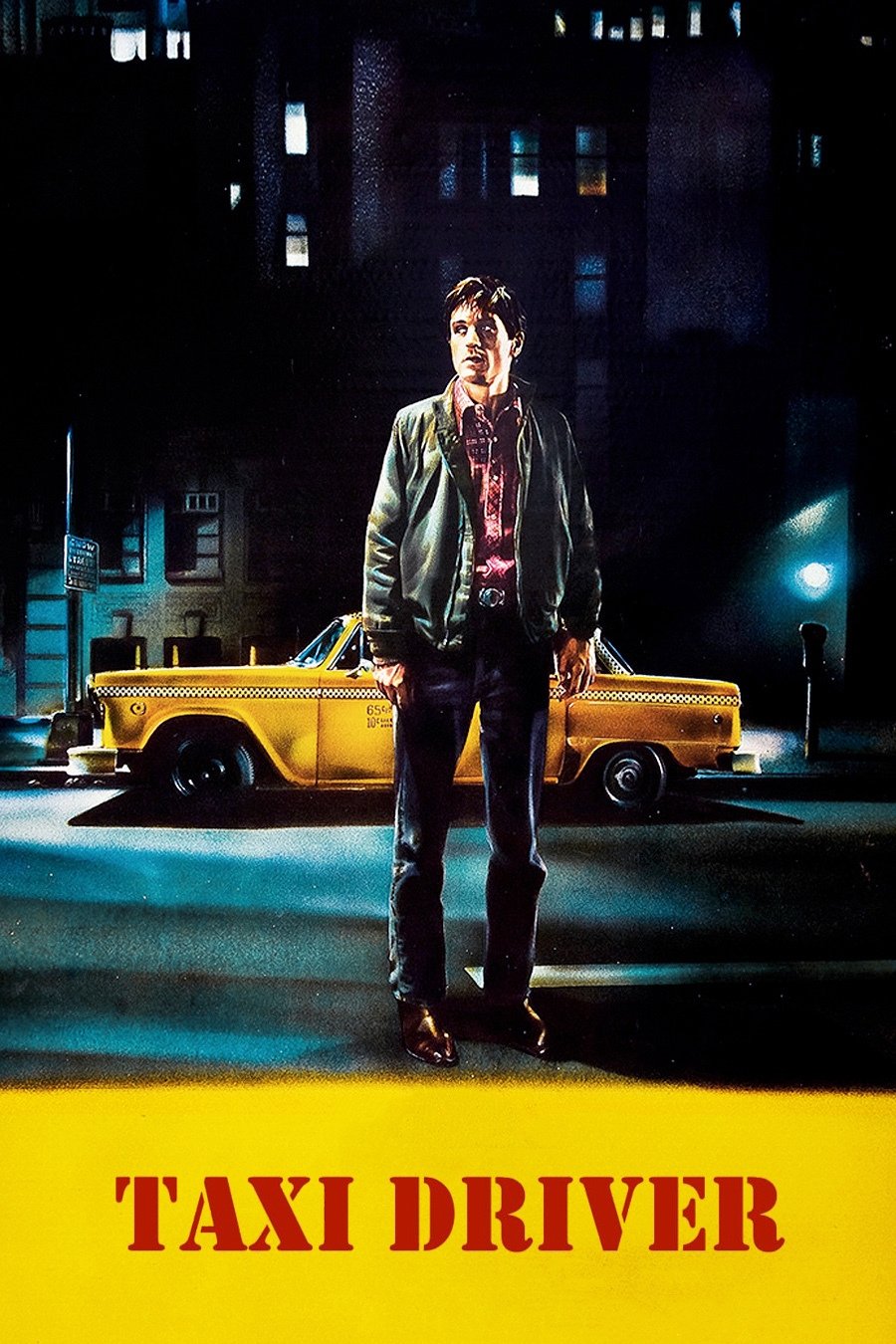
Set in New York City, ‘Taxi Driver’ follows a night‑shift driver whose routes take him through Times Square, midtown, and outlying neighborhoods. The film shows cab medallion economics, dispatch systems, and after‑hours street life.
Production captured real streets with limited closures, integrating neon signage and traffic patterns into the frame. The narrative interacts with campaign events, social services, and small businesses, documenting a city in flux.
‘Blue Velvet’ (1986) – North Carolina

Set in a coastal North Carolina town, ‘Blue Velvet’ begins when a local resident discovers an unusual object that pulls him into a hidden world. The film contrasts bright suburban exteriors with industrial perimeters and nightclubs.
Production used Wilmington and surrounding areas, tapping regional crews and studio facilities that helped grow the state’s screen industry. The story’s path through lumber yards, apartment buildings, and diners maps a compact, car‑dependent cityscape.
‘Fargo’ (1996) – North Dakota
Set across Minnesota and North Dakota with pivotal moments in Fargo, ‘Fargo’ tracks a crime that entangles residents, police, and traveling criminals. The film’s winter highways, dealerships, and lakeside towns establish a northern‑Plains environment.
Production used snowbound locations and practical effects for roadway sequences. The depiction of law enforcement, municipal snow clearance, and interstate travel showcases regional infrastructure in severe weather.
‘American Splendor’ (2003) – Ohio
Set in Cleveland, Ohio, ‘American Splendor’ chronicles a file clerk who writes autobiographical comics that document everyday life. The film moves through county hospitals, record stores, and working‑class neighborhoods.
Its hybrid structure blends reenactments with documentary elements, showing publication processes and convention circuits. Production consulted with the real Harvey Pekar and collaborators, grounding the story in specific addresses and workplaces.
‘The Outsiders’ (1983) – Oklahoma
Set in Tulsa, Oklahoma, ‘The Outsiders’ follows teens divided by neighborhood lines and socioeconomic status. The film uses drive‑ins, parks, and residential blocks to map the city’s east‑west divides.
Production shot on location, and the Curtis house has been preserved as a site for visitors. The narrative includes school dynamics, foster arrangements, and juvenile‑court procedures, reflecting institutions that shape young people’s lives.
‘Stand by Me’ (1986) – Oregon
Set in rural Oregon, ‘Stand by Me’ follows friends who walk the rail lines to investigate a report outside town. The film uses trestle bridges, timberland, and small‑station platforms to evoke a rail‑connected region.
Production worked along existing rights‑of‑way and coordinated safety with rail operators. The story highlights how logging economies, county fairs, and school calendars structure friendships and time off.
‘Rocky’ (1976) – Pennsylvania
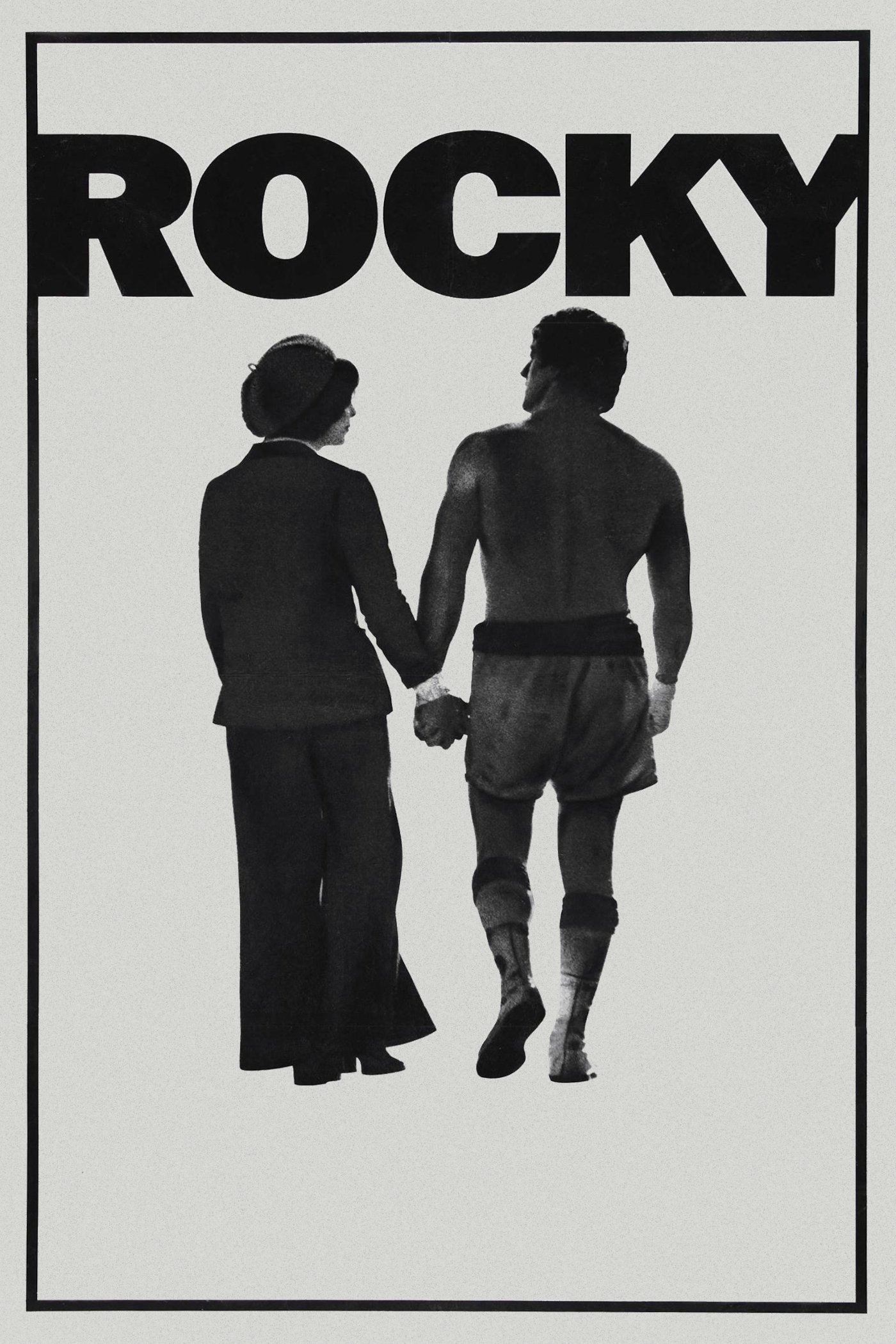
Set in Philadelphia, Pennsylvania, ‘Rocky’ follows a club boxer whose routine includes meat‑packing work, neighborhood errands, and training on city steps. The film showcases South Philly markets, storefront gyms, and public art.
Production shot along real routes, turning municipal landmarks into training grounds. The narrative touches on local promoters, match‑making, and licensing that govern the sport at different levels.
‘The Conjuring’ (2013) – Rhode Island
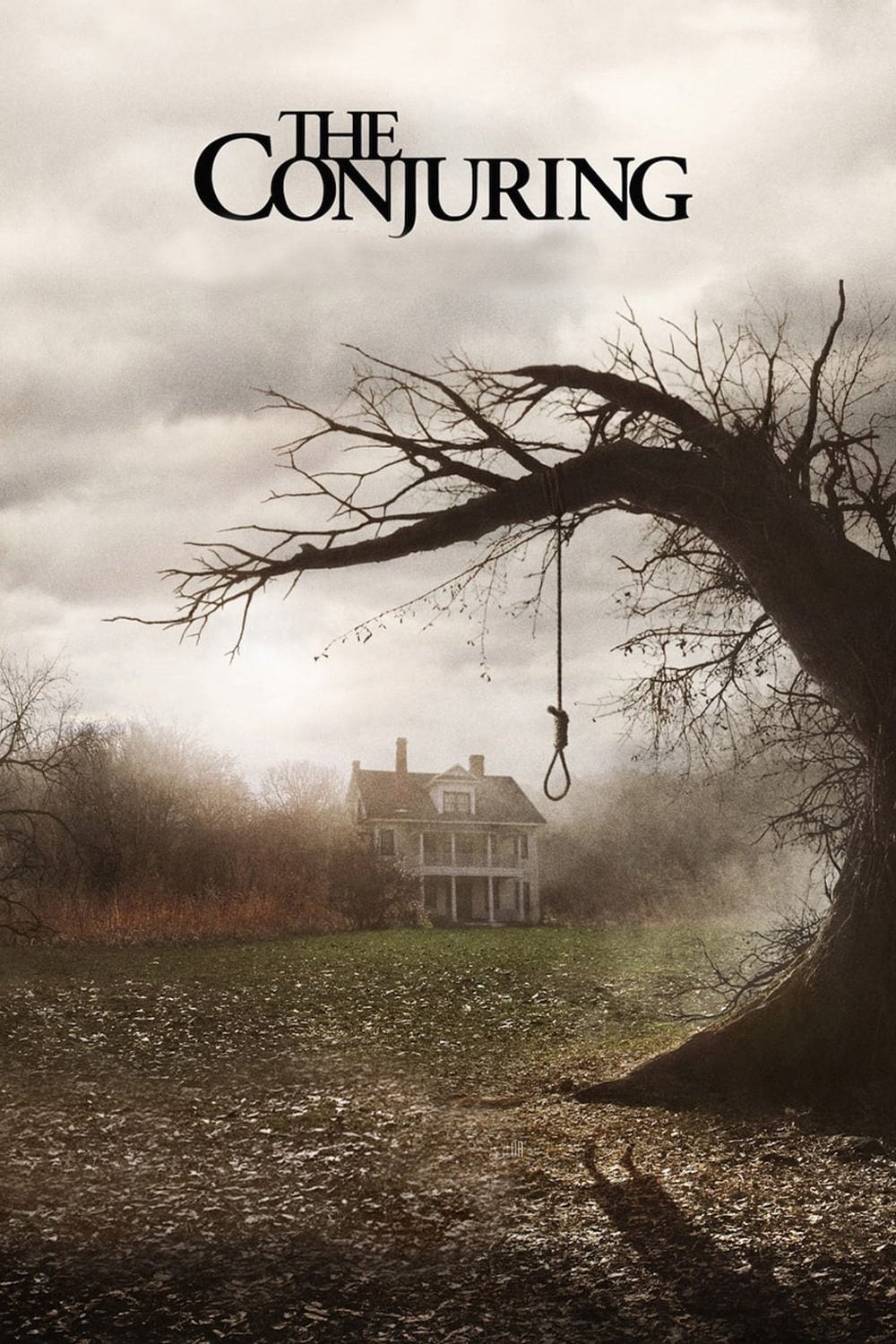
Set in Harrisville, Rhode Island, ‘The Conjuring’ centers on a family who seeks help from investigators after disturbances in a farmhouse. The film uses creaky timber frames, stone walls, and rural roads to frame its events.
Production reconstructed interiors to match New England colonial houses and referenced case files associated with the property. The depiction of documentation, interviews, and artifact storage reflects real‑world methods used in paranormal research communities.
‘The Patriot’ (2000) – South Carolina
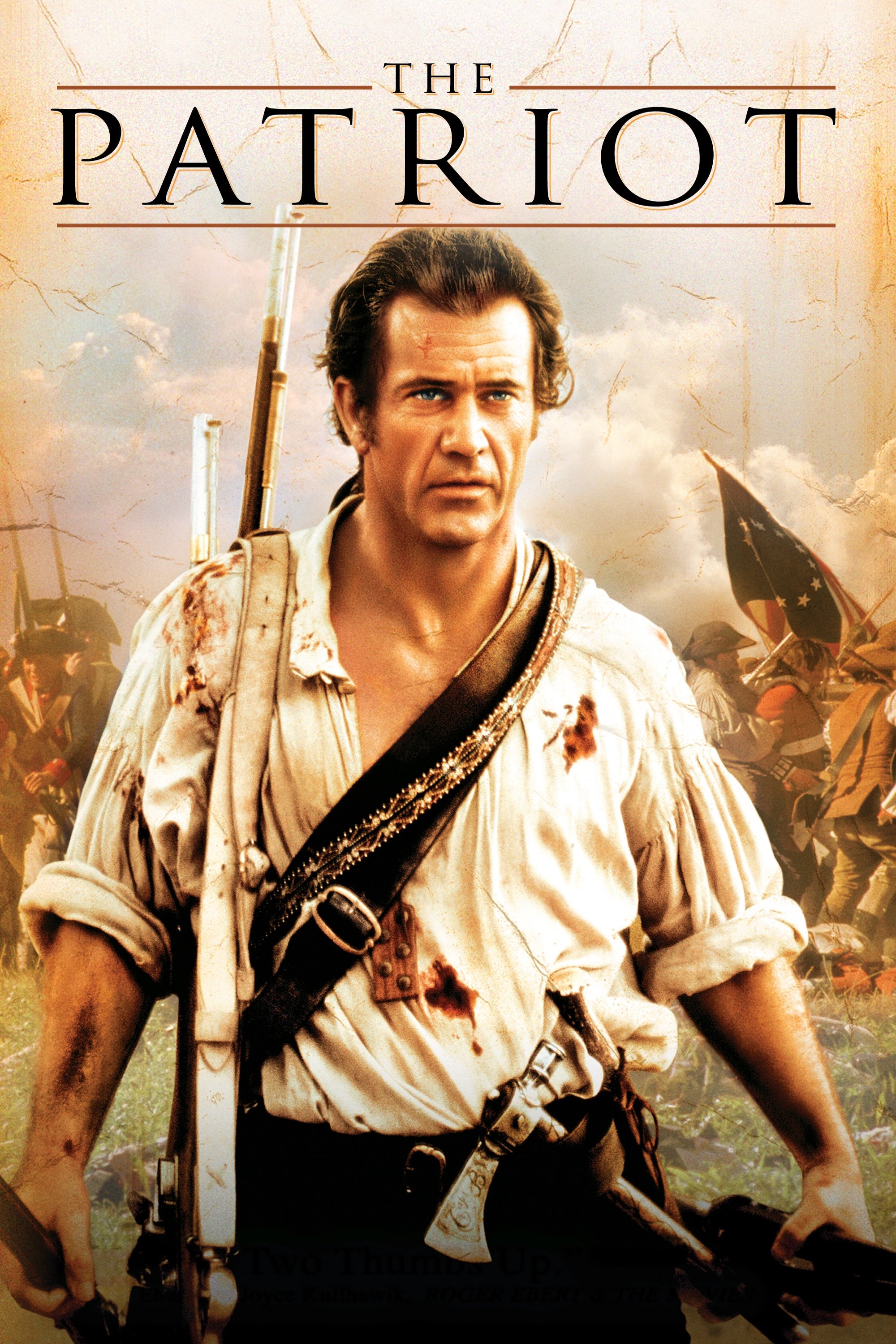
Set in South Carolina during the Revolutionary War, ‘The Patriot’ follows a militia leader grappling with local loyalties and military strategy. The film shows backcountry farms, river crossings, and port towns that figured in campaign logistics.
Production used state parks and plantations to stage encampments and skirmishes, coordinating with historians on tactics and uniforms. The narrative incorporates militia recruitment, supply lines, and civilian displacement typical of the Southern Theater.
‘Dances with Wolves’ (1990) – South Dakota
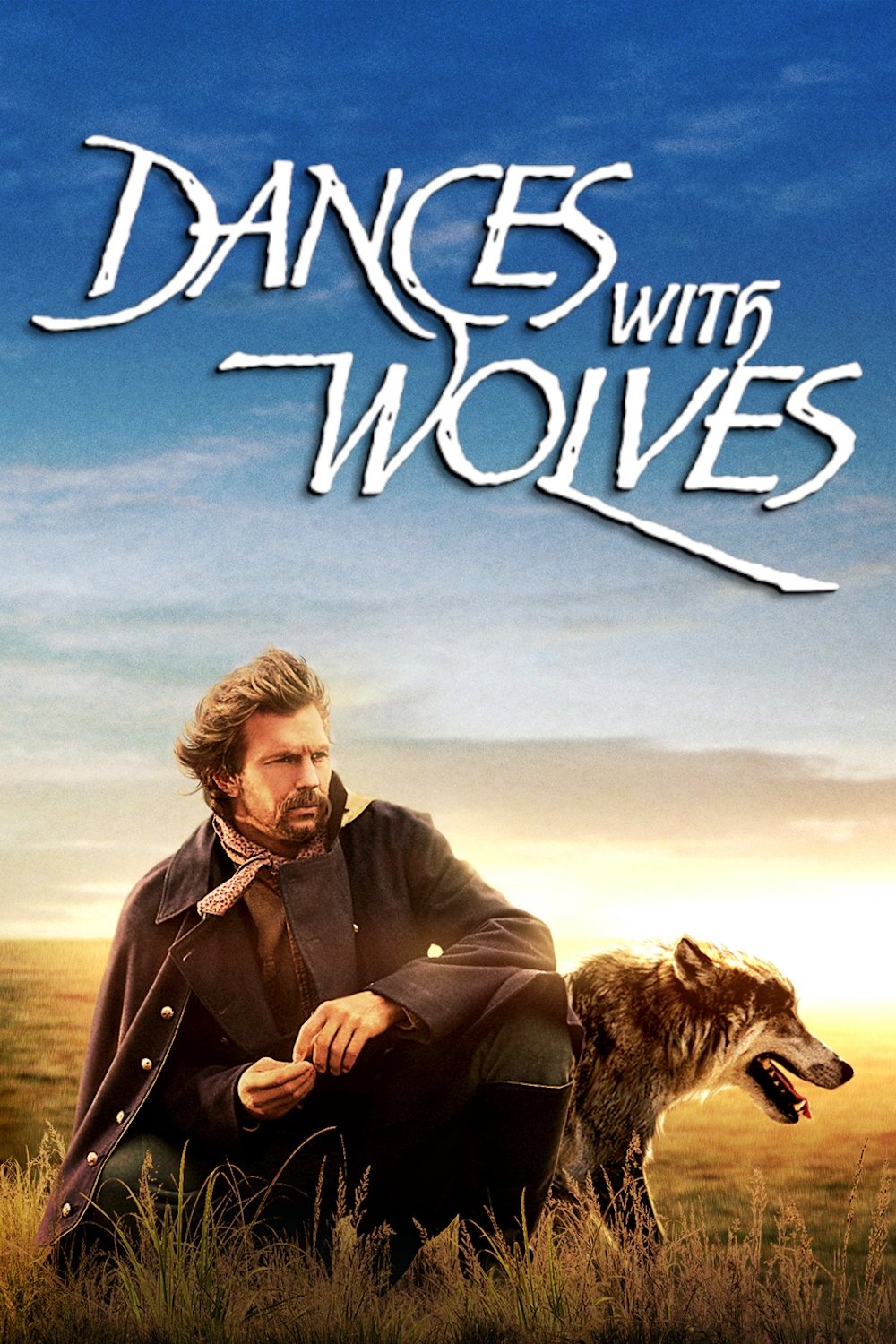
Set on the plains of South Dakota, ‘Dances with Wolves’ follows a Union officer who encounters Lakota communities and the buffalo herds. The film depicts tipi camps, prairie fires, and seasonal hunts integral to the region.
Production collaborated with Lakota speakers and trained horse teams for large‑scale sequences. The film’s attention to language, trade goods, and military outposts provides context for cultural exchange and conflict in the area.
‘Nashville’ (1975) – Tennessee
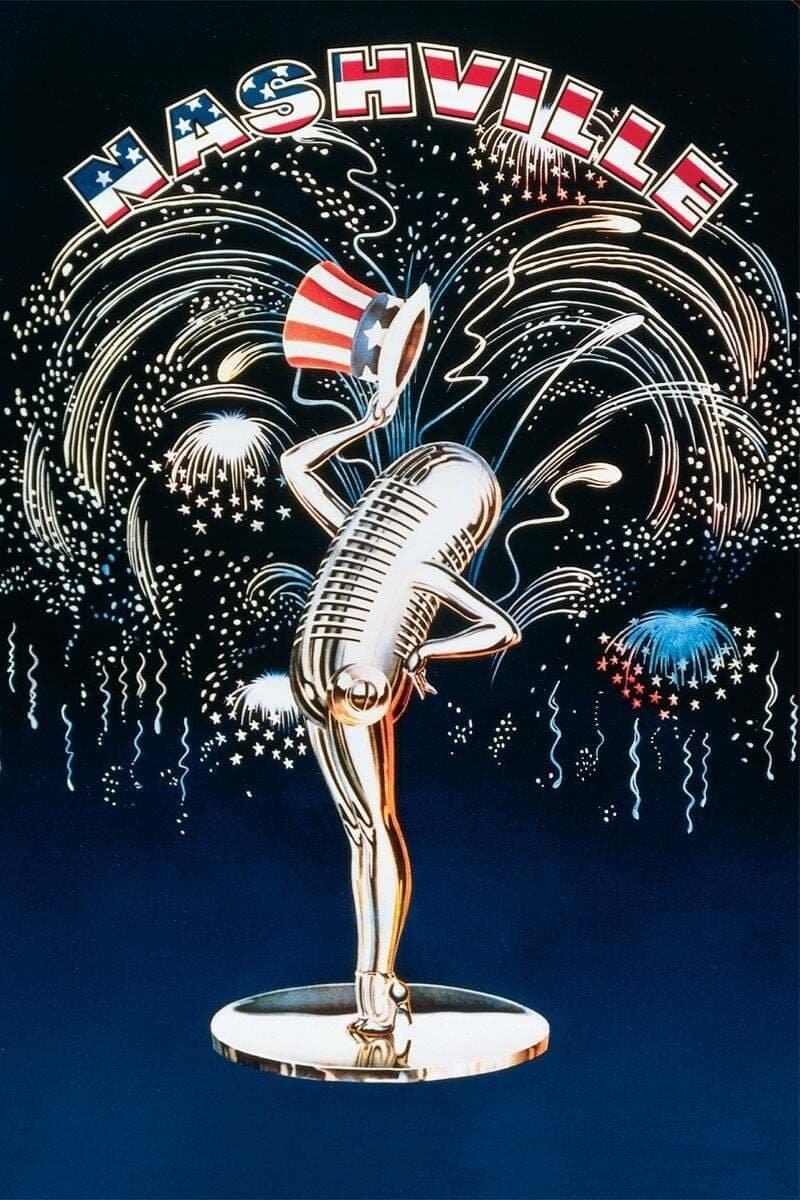
Set in Tennessee’s capital, ‘Nashville’ weaves multiple storylines across recording studios, political rallies, and the Grand Ole Opry. The film showcases talent pipelines, session work, and the city’s intricate live‑music calendar.
Production recorded performances live and shot in real venues, revealing backstage routines and industry gatekeepers. The narrative integrates campaign stops and civic events that highlight how music and politics interact in the city.
‘No Country for Old Men’ (2007) – Texas
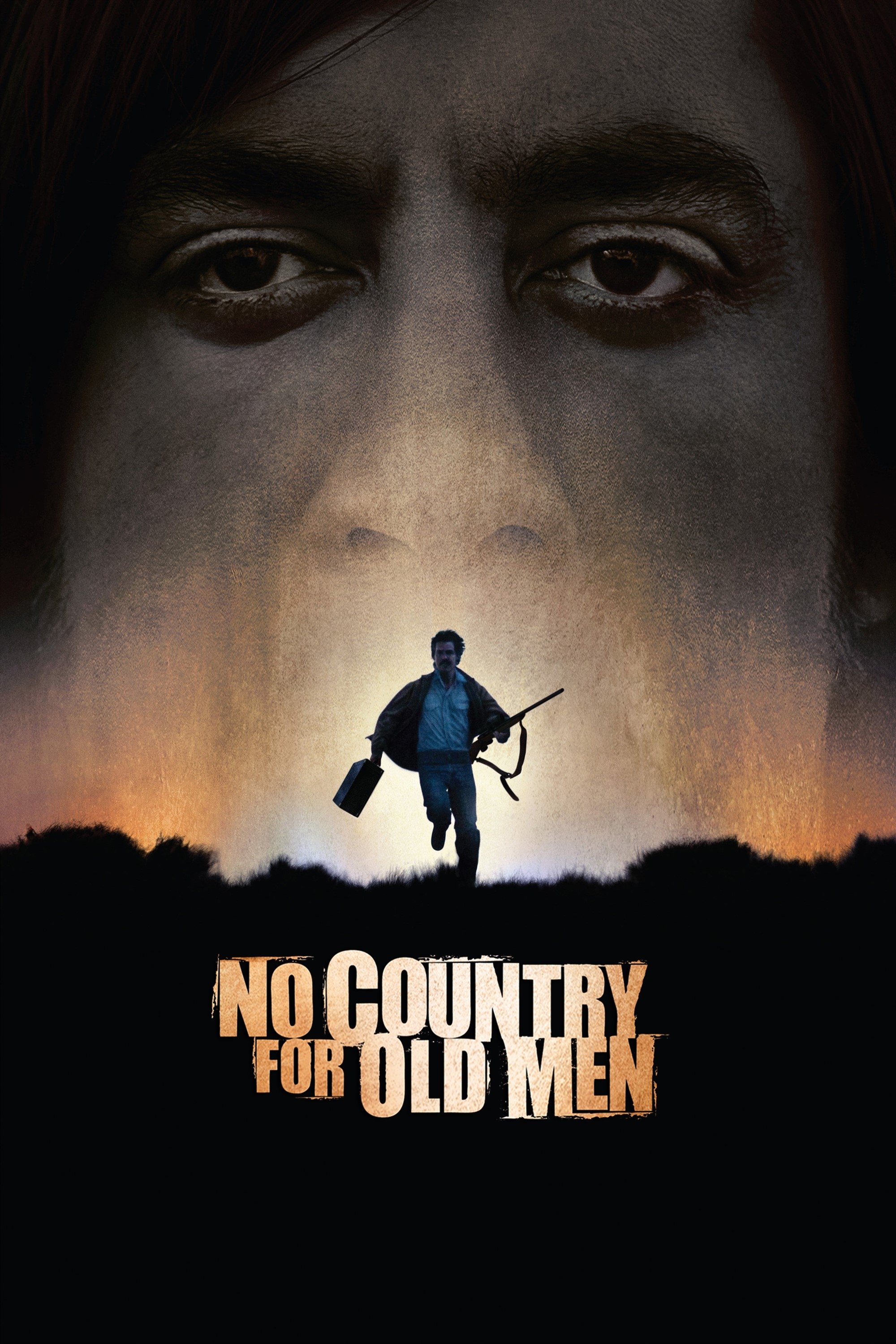
Set along the Texas‑Mexico border and West Texas plains, ‘No Country for Old Men’ follows intersecting pursuits across highways and desert towns. The film uses motels, border checkpoints, and oil‑field landscapes to define its world.
Production shot in small towns and along rural routes, coordinating with local law enforcement and businesses. The script draws on criminal procedure, jurisdictional issues, and the geography of the borderlands to shape its chase.
‘127 Hours’ (2010) – Utah
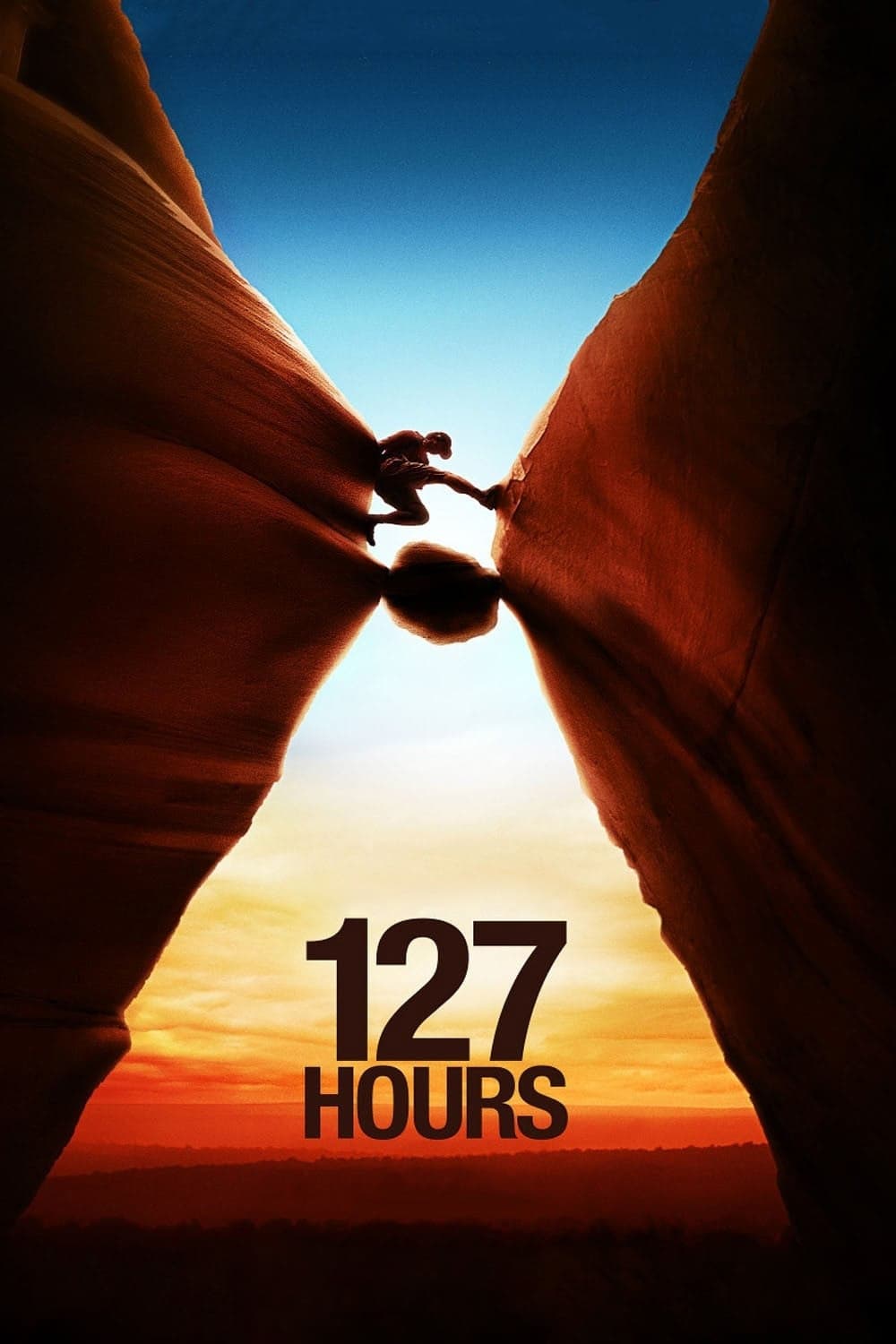
Set in Utah’s canyon country, ‘127 Hours’ recounts a climber’s entrapment in a remote slot canyon and his efforts to survive. The film details route planning, hydration needs, and the challenges of narrow passages.
Production filmed at actual canyon locations and constructed matching sets for precision work. The narrative emphasizes self‑rescue techniques, signaling, and the importance of letting contacts know itineraries in backcountry travel.
‘Dead Poets Society’ (1989) – Vermont
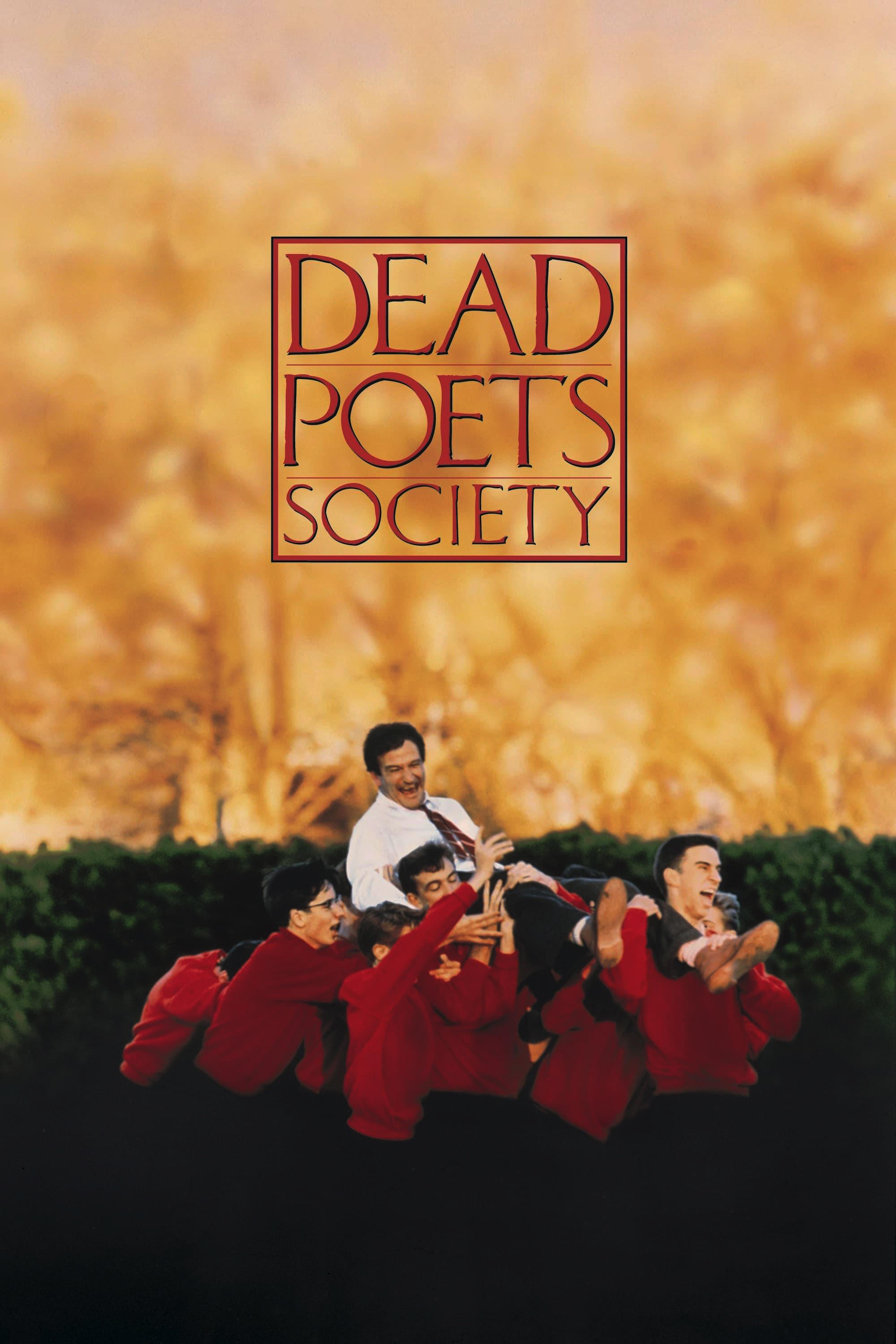
Set at a fictional boarding school in Vermont, ‘Dead Poets Society’ follows students whose literature classes reshape their sense of purpose. The film uses dorms, assembly halls, and wooded campuses to reflect New England’s educational traditions.
Though filmed in another state, the narrative situates the academy within Vermont’s climate and seasonal academic calendar. The story incorporates extracurricular clubs, honor codes, and teacher evaluations that frame school life.
‘Loving’ (2016) – Virginia
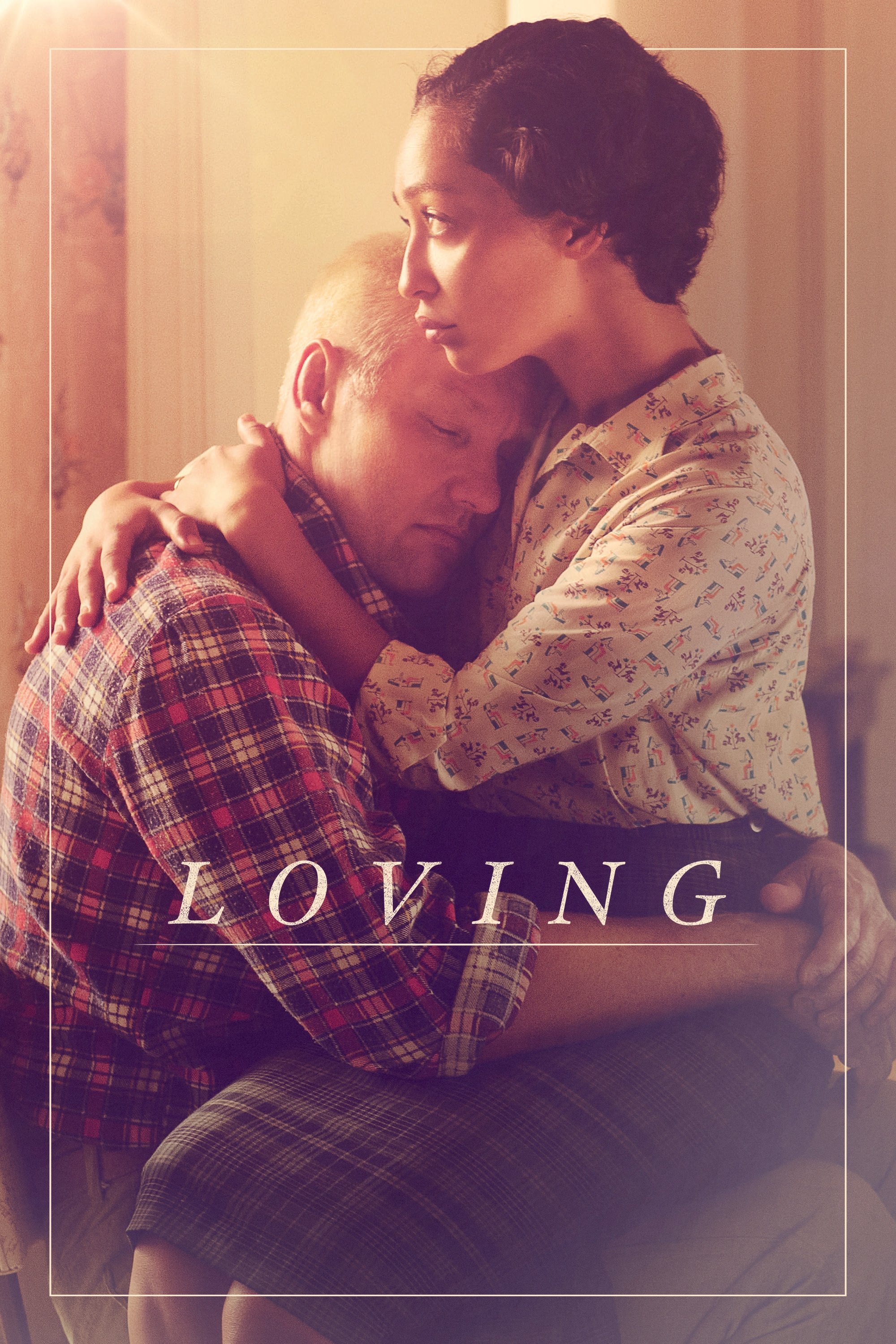
Set in Virginia, ‘Loving’ dramatizes the legal challenge brought by an interracial couple whose marriage was invalidated under state law. The film moves between county courtrooms, modest homes, and rural roads.
Production consulted court records and used archival photography as references for staging. The narrative traces legal filings, advocacy group support, and the eventual court decision that affected laws across the country.
‘Sleepless in Seattle’ (1993) – Washington
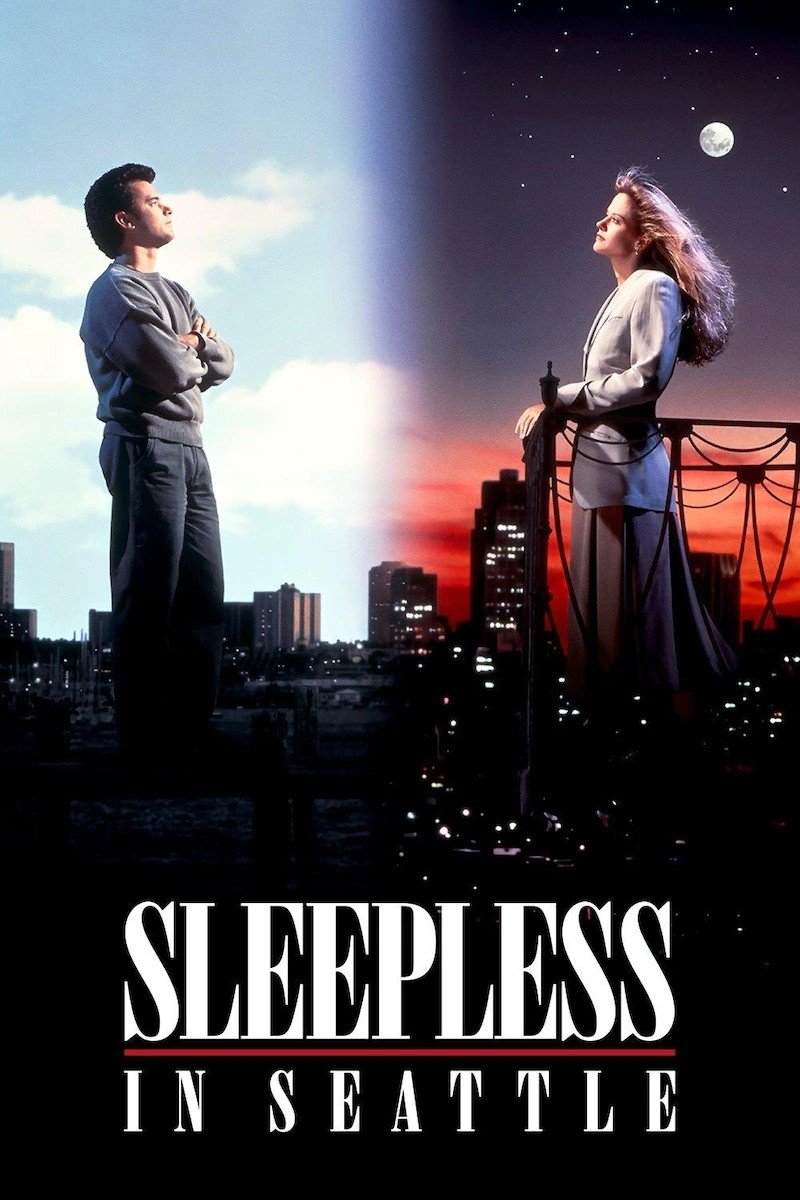
Set in Washington, ‘Sleepless in Seattle’ follows a widower whose story spreads via talk radio and sparks connections across cities. The film features Seattle neighborhoods, houseboats on Lake Union, and views of the Space Needle.
Production coordinated with the city to film in residential marinas and along waterfront parks. The narrative includes call‑in media dynamics, long‑distance travel logistics, and urban landmarks used as meeting places.
‘October Sky’ (1999) – West Virginia
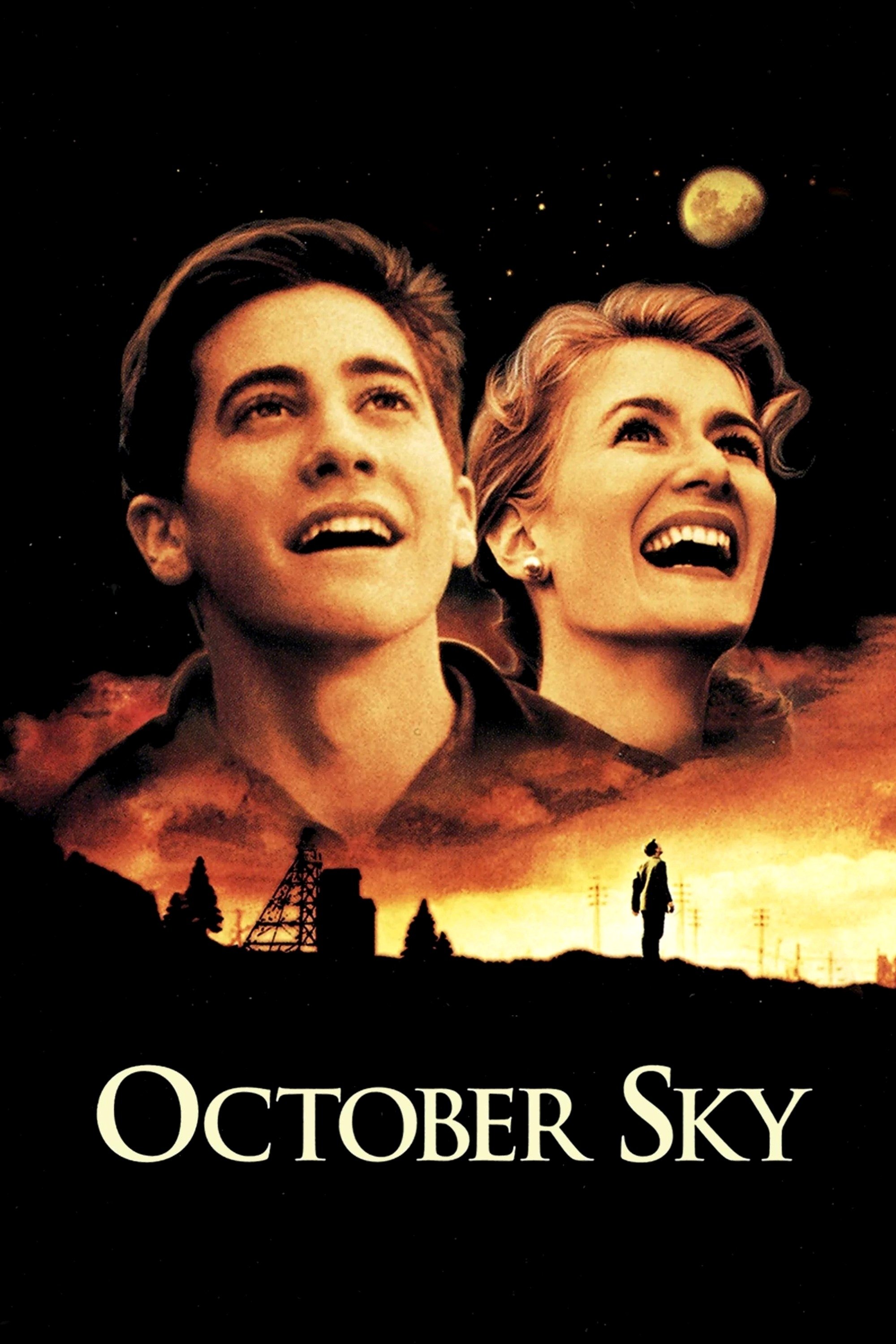
Set in Coalwood, West Virginia, ‘October Sky’ follows students inspired to build rockets as families work in the mines. The film shows company towns, tipples, and school science fairs that structure community life.
Production recreated workshops and test fields, consulting with NASA personnel and educators. The narrative highlights scholarship pathways, union presence, and the role of teachers in connecting students to technical careers.
‘Bridesmaids’ (2011) – Wisconsin
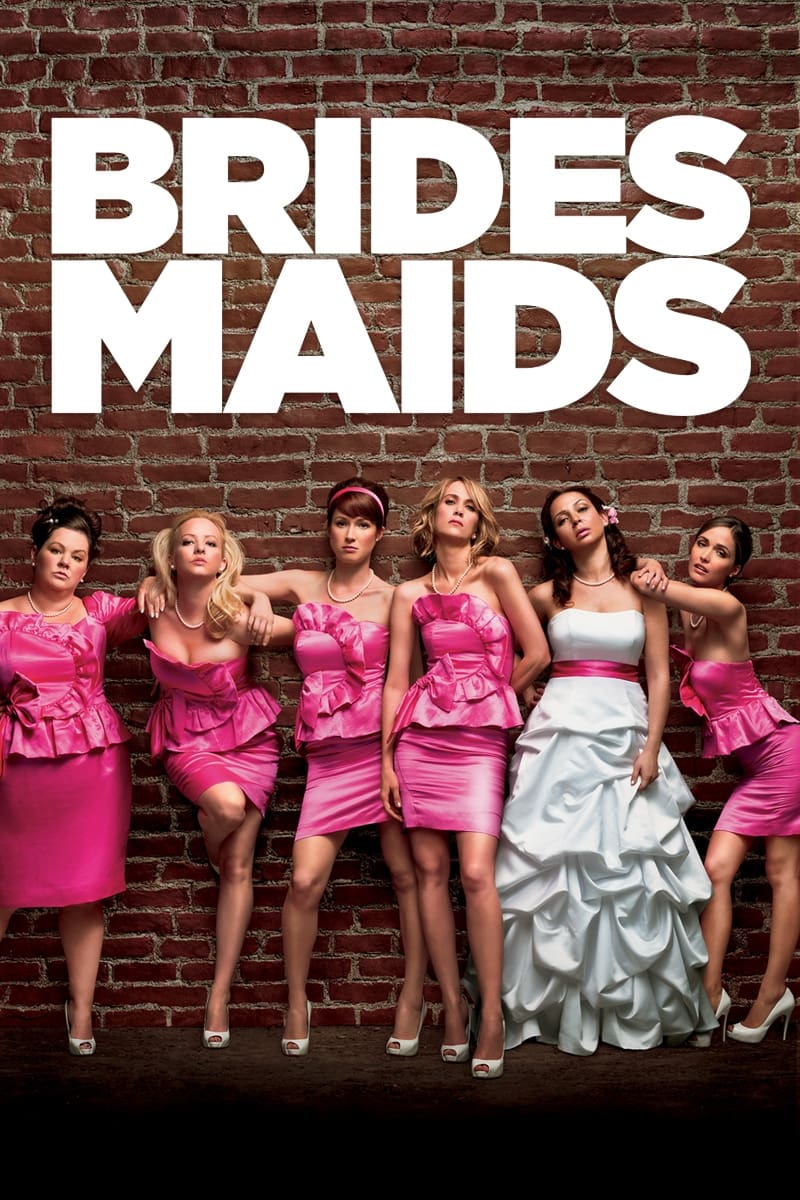
Set in Milwaukee, Wisconsin, ‘Bridesmaids’ tracks a friend navigating work changes while supporting a wedding. The film uses neighborhood bakeries, local bars, and Midwestern family gatherings to map the social spaces of the city.
Production shot in recognizable storefronts and coordinated with event venues to stage receptions and fittings. The plot involves small‑business operations, airline travel to destination events, and the complexities of group planning.
‘Brokeback Mountain’ (2005) – Wyoming
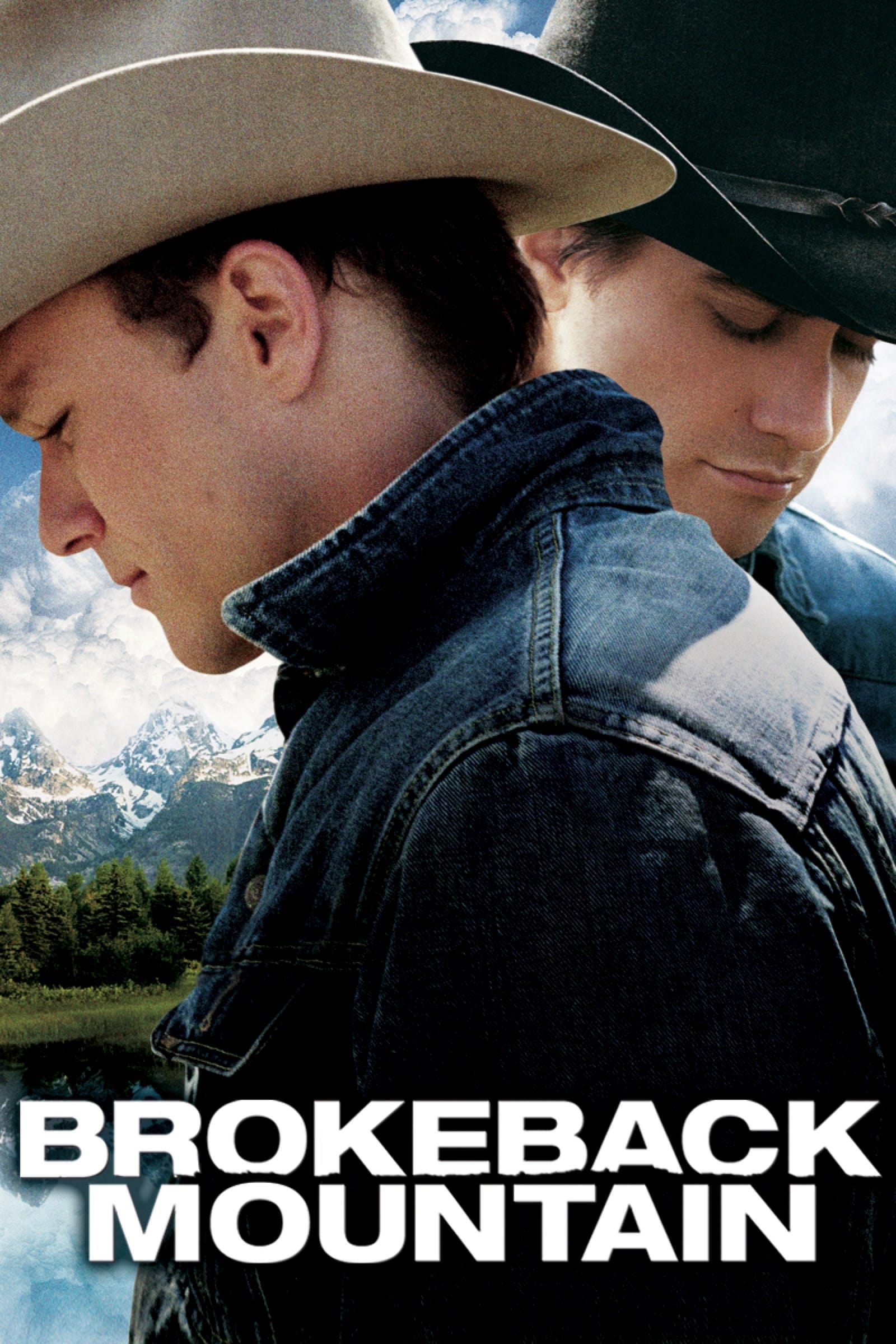
Set primarily in Wyoming, ‘Brokeback Mountain’ follows two ranch hands whose work brings them into remote mountain pastures. The film depicts sheepherding camps, rodeo circuits, and seasonal ranch labor.
Though filmed largely outside the state for terrain access, the story’s towns, highways, and grazing lands are mapped to Wyoming. The production consulted wranglers and used period gear to portray work routines and the economics of ranching.
Share your own picks for each state in the comments and tell us which local details the films you love captured best.