


The Best Coming-of-Age Movies Directed by Women, Ranked




The coming-of-age genre has long served as a cinematic vehicle for exploring the turbulent transition from childhood to adulthood. Women directors have contributed significantly to this category by offering authentic and diverse perspectives on growing up. These filmmakers capture the nuances of identity formation and the complex dynamics of family relationships with remarkable depth. The following list highlights eighteen essential films that exemplify the female gaze within narratives of growth and self-discovery.
‘Thirteen’ (2003)

Tracy Freeland begins her descent into rebellious behavior after befriending the popular Evie Zamora. The film depicts a rapid transformation as the protagonist experiments with drugs and crime while her relationship with her mother deteriorates. Director Catherine Hardwicke drew inspiration from the real-life experiences of co-writer and star Nikki Reed to create this gritty portrait of adolescence. Viewers witness the chaotic pressure of junior high social hierarchies and the devastating impact of peer influence.
‘Jennifer’s Body’ (2009)

Needy Lesnicky must stop her possessed best friend Jennifer Check from devouring their male classmates in this horror-comedy. Director Karyn Kusama uses the supernatural elements as a metaphor for toxic female friendships and the objectification of teenage girls. The narrative follows Needy as she transitions from a codependent sidekick into a confident survivor capable of taking revenge. The movie has gained a cult following for its sharp dialogue and unique exploration of adolescent anxieties.
‘Bend It Like Beckham’ (2002)

Jess Bhamra dreams of playing professional soccer despite the strict disapproval of her conservative Sikh parents. She secretly joins a women’s team and forms a close bond with her teammate Jules as they navigate cultural expectations. Director Gurinder Chadha balances humor with serious themes regarding assimilation and gender roles in British society. The story concludes with the characters finding a way to honor their heritage while pursuing their individual ambitions.
‘Raw’ (2016)

Justine enters a veterinary school where she undergoes a disturbing hazing ritual that forces her to eat raw rabbit kidneys. This act awakens an insatiable craving for flesh in the lifelong vegetarian and triggers a violent metamorphosis. Director Julia Ducournau uses body horror to symbolize the intense and often terrifying nature of sexual awakening and sisterhood. The protagonist struggles to control her new urges while discovering dark family secrets that reshape her identity.
‘The Edge of Seventeen’ (2016)
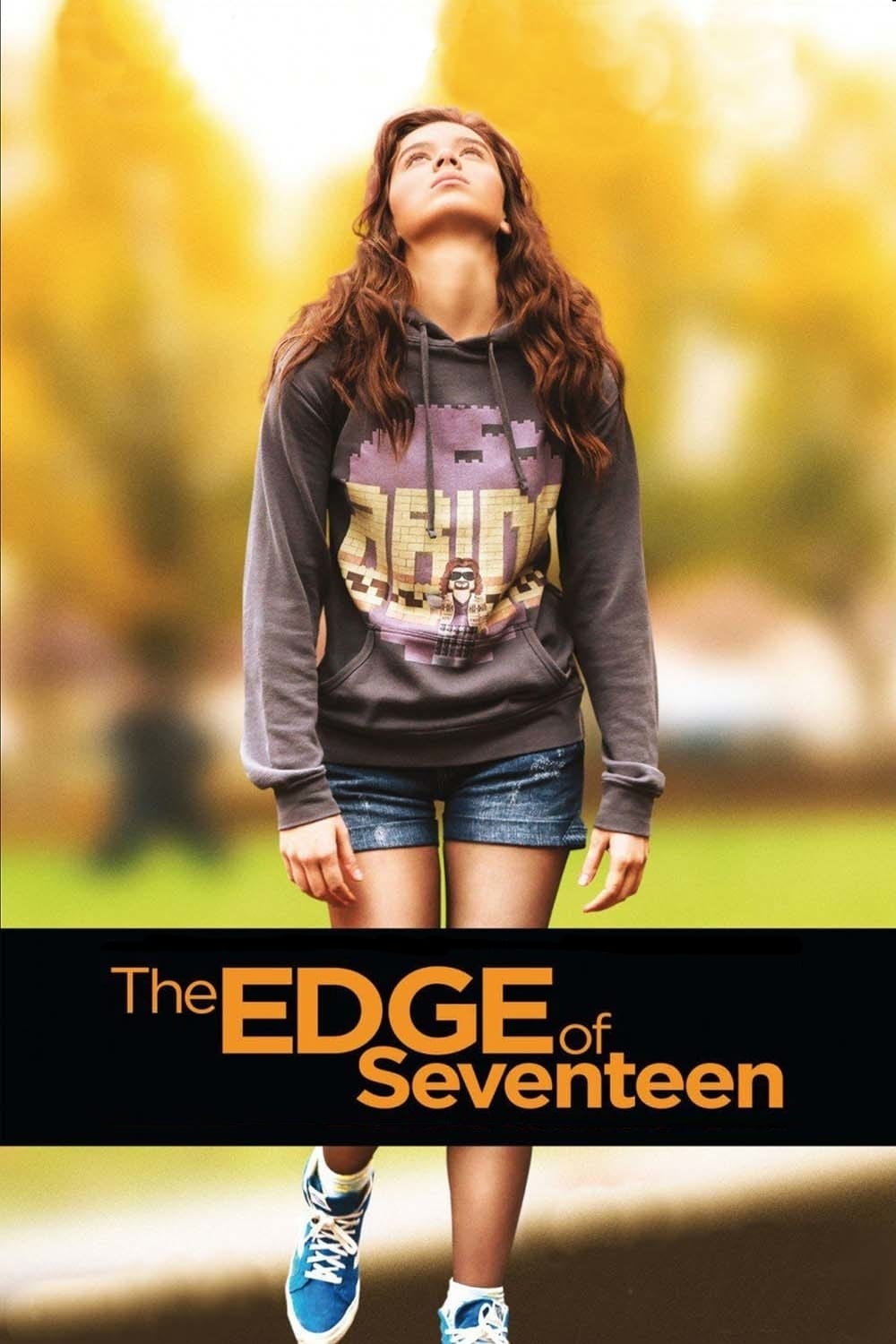
Nadine Franklin feels increasingly isolated when her best friend starts dating her popular older brother. She seeks guidance from her cynical history teacher while navigating the awkwardness of high school interactions. Director Kelly Fremon Craig crafts a narrative that validates the intense emotions of teenage life without dismissing them as trivial. The film focuses on Nadine learning to look past her own grief to understand the struggles of the people around her.
‘Clueless’ (1995)

Cher Horowitz rules the social scene at her Beverly Hills high school while attempting to play matchmaker for her teachers and friends. Director Amy Heckerling reimagines Jane Austen’s novel Emma within a modern setting filled with fashion and teenage slang. The plot follows Cher as she realizes her superficial judgments have blinded her to her own flaws and true romantic feelings. This adaptation remains a definitive cinematic representation of 1990s youth culture and style.
‘Pariah’ (2011)

Alike lives a double life as she embraces her identity as a lesbian while fearing the rejection of her religious parents. She spends her nights at clubs in the Bronx exploring her sexuality and her days quietly writing poetry in school. Director Dee Rees presents a poignant look at the intersection of race, class, and sexual orientation. The film ends on a hopeful note as Alike chooses self-expression and freedom over the constraints of her home environment.
‘Girlhood’ (2014)

Marieme joins an all-female gang in the suburbs of Paris to escape her oppressive home life and academic failures. She adopts a new name and style to gain confidence and protection within the group. Director Céline Sciamma focuses on the fluid nature of identity as the protagonist tries on different personas to survive her harsh reality. The narrative emphasizes the importance of female solidarity as a refuge from systemic poverty and patriarchal control.
‘Whale Rider’ (2002)
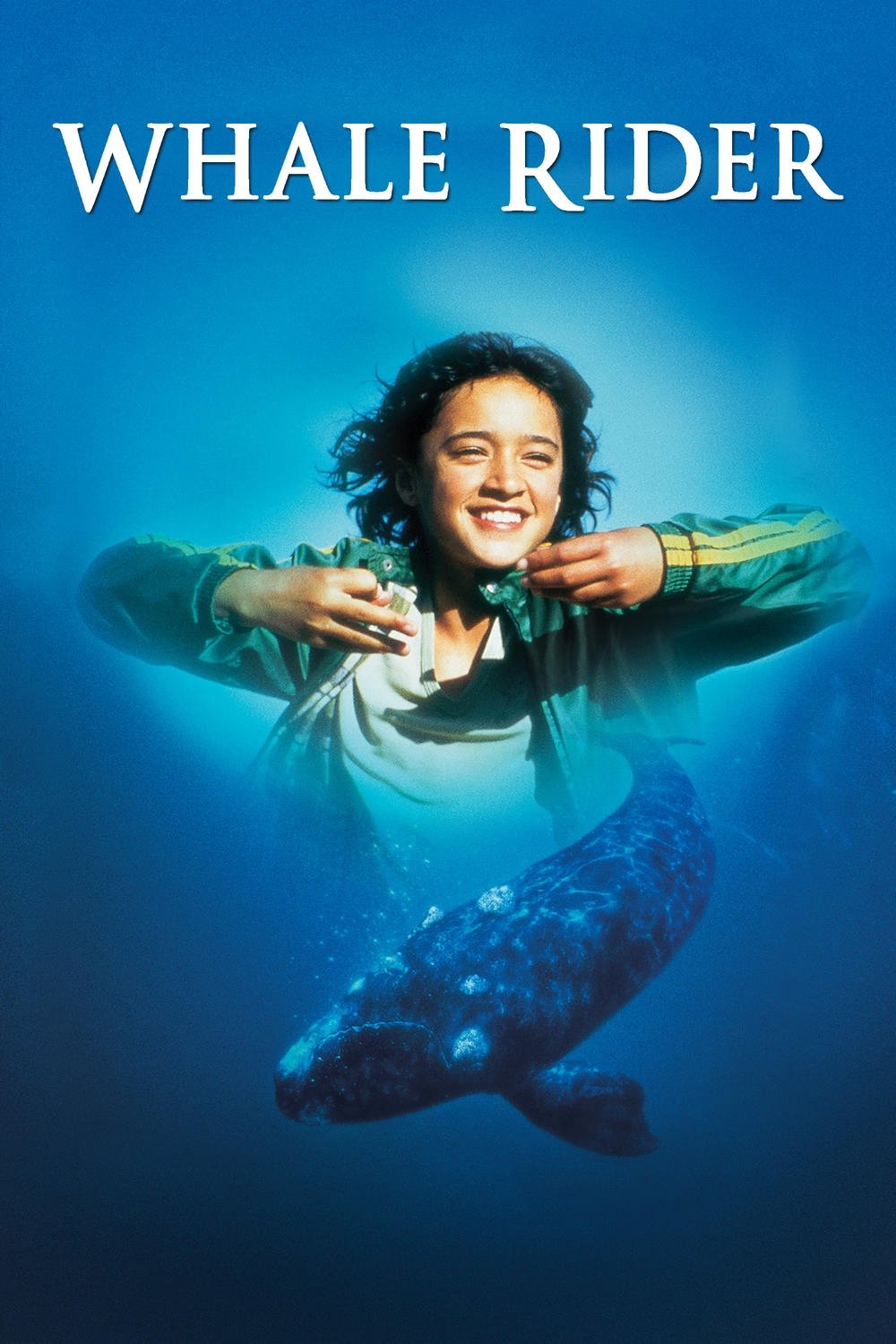
Pai fights to prove she is the rightful leader of her Maori tribe despite her grandfather’s belief that only a male heir can inherit the title. She secretly learns the ancient fighting traditions and connects with the spiritual history of her people. Director Niki Caro captures the stunning landscapes of New Zealand while telling a story of breaking barriers. The climax features a powerful moment where Pai fulfills her destiny by communicating with the whales.
‘Booksmart’ (2019)
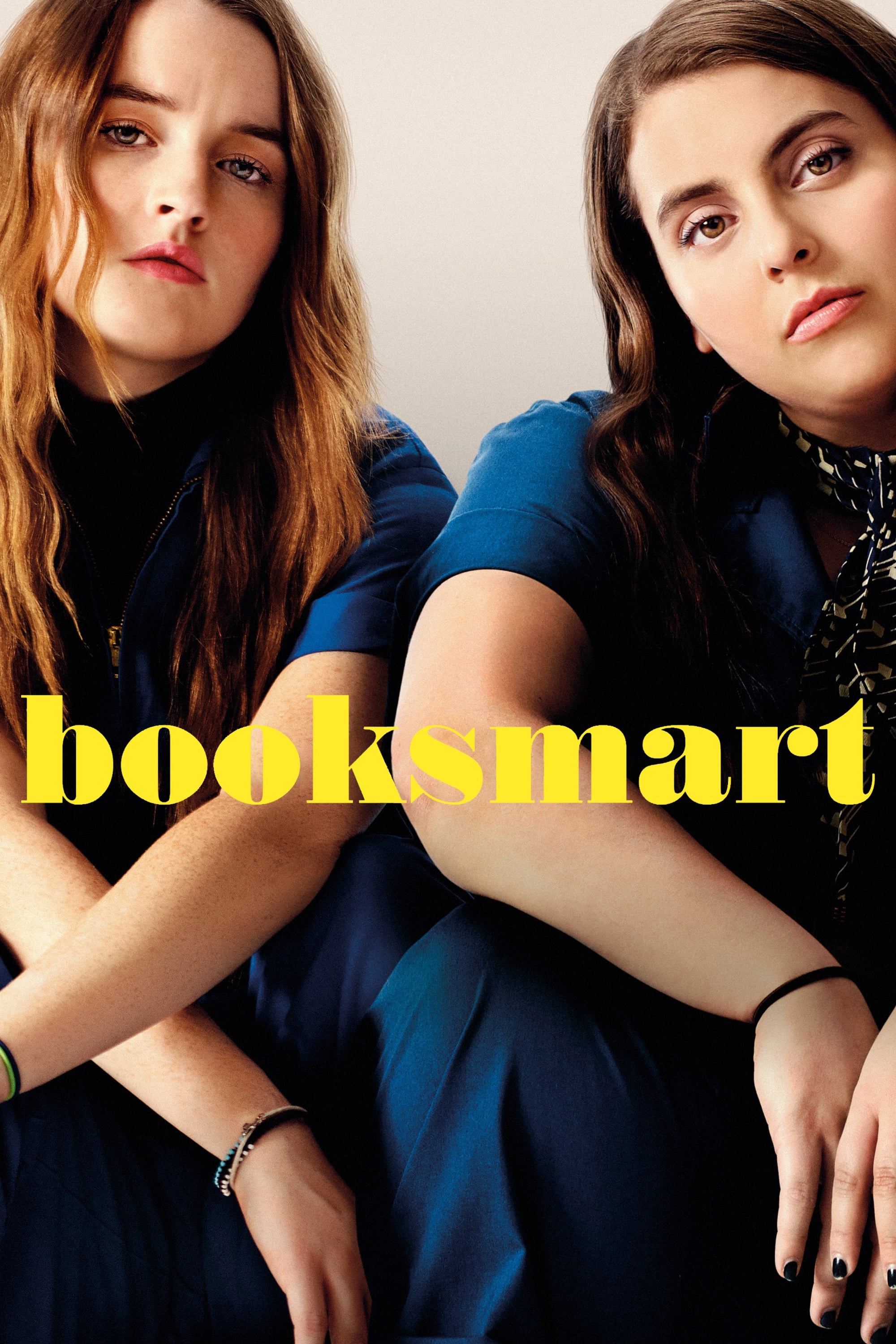
Molly and Amy realize on the eve of their graduation that they sacrificed fun for grades while their partying peers also got into good colleges. The two academic overachievers decide to cram four years of missed experiences into one chaotic night. Director Olivia Wilde creates a fast-paced comedy that celebrates the intensity of female friendship without relying on rivalry tropes. The characters confront their own biases and insecurities as they navigate a series of wild mishaps.
‘Winter’s Bone’ (2010)

Ree Dolly treks through the dangerous social landscape of the Ozarks to find her missing father and save her family’s home from foreclosure. She confronts local criminals and breaks the code of silence that governs her impoverished community. Director Debra Granik presents a stark and realistic portrayal of survival that forces a teenager to assume the burden of adulthood. The film highlights the resilience required to protect vulnerable siblings in an unforgiving environment.
‘Mustang’ (2015)
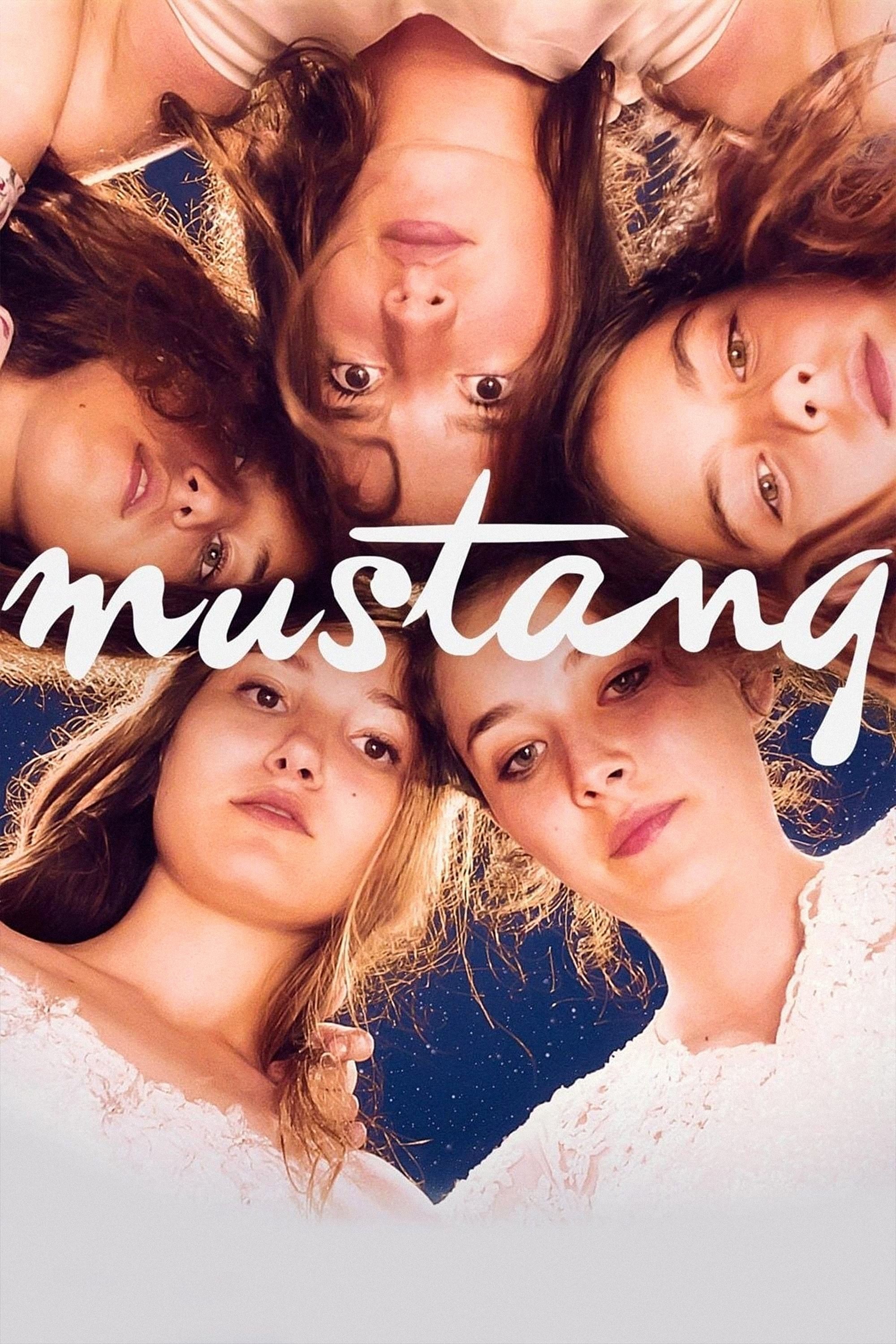
Five sisters in a Turkish village are locked inside their home after innocent play with boys is misinterpreted as scandalous behavior. Their family begins marrying them off one by one as the house transforms into a prison factory for housewives. Director Deniz Gamze Ergüven depicts the girls’ rebellion against conservative patriarchal values with both tragedy and humor. The youngest sister eventually takes drastic action to escape the destiny laid out for her.
‘Fish Tank’ (2009)
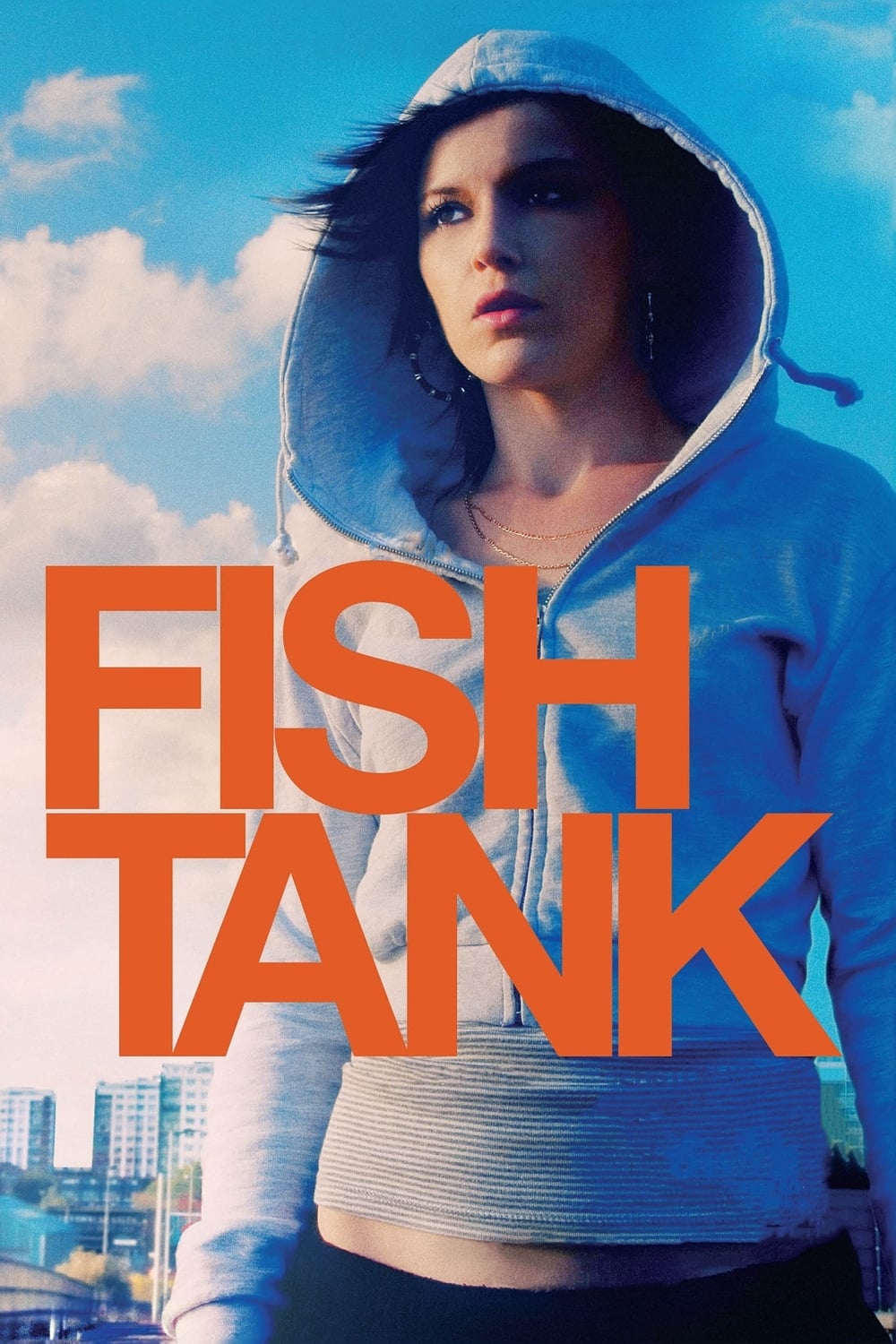
Mia is a volatile fifteen-year-old who finds a temporary escape from her bleak life in public housing through hip-hop dancing. Her world destabilizes further when her mother brings home a charming new boyfriend who takes an inappropriate interest in her. Director Andrea Arnold employs a handheld camera style to create an intimate and unsettling atmosphere. The protagonist must navigate betrayal and disillusionment before she can finally leave her toxic environment behind.
‘Are You There God? It’s Me, Margaret.’ (2023)
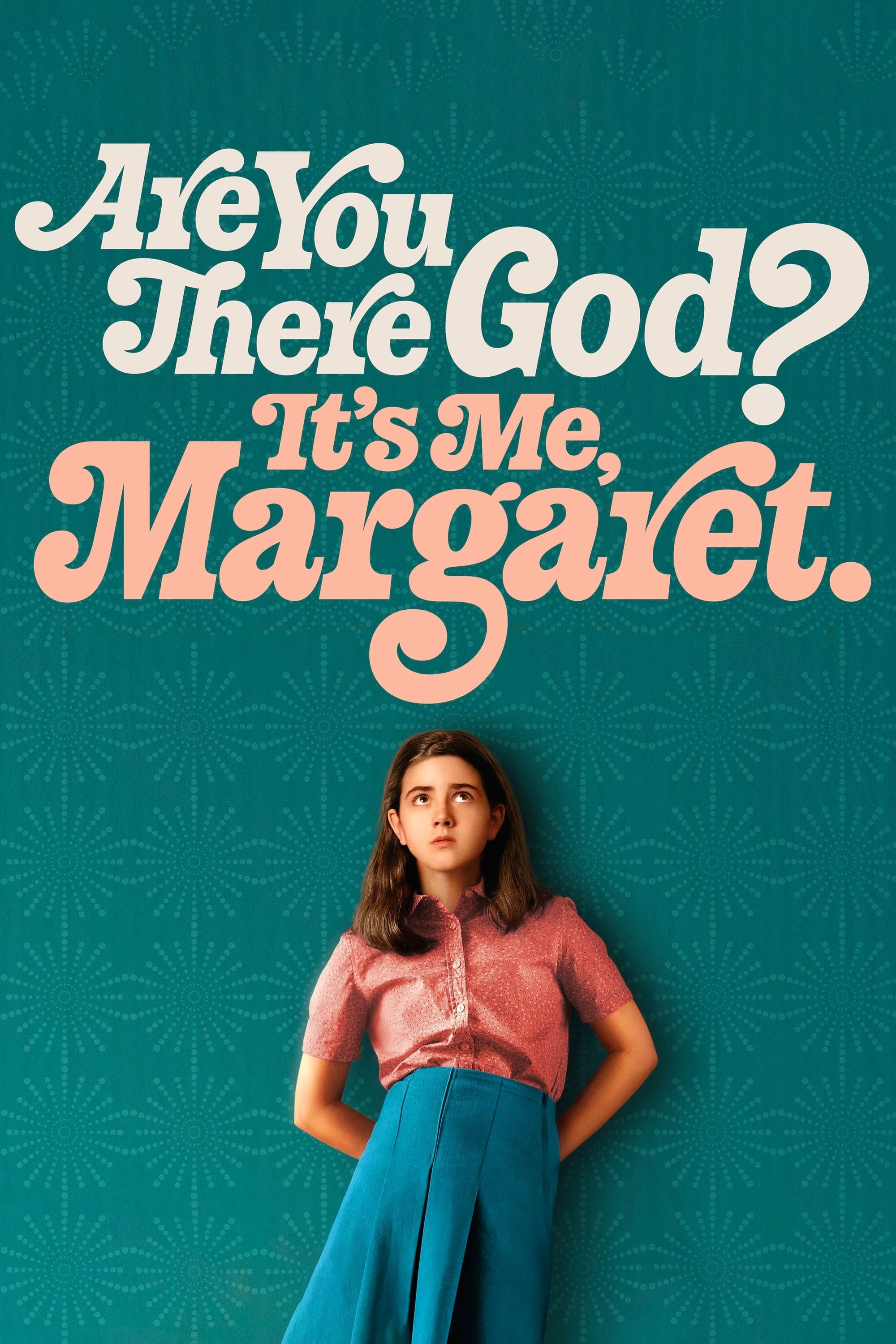
Margaret Simon navigates the confusion of puberty and religious identity after moving from New York City to the suburbs. She communicates her private anxieties to God while trying to fit in with a new group of friends. Director Kelly Fremon Craig faithfully adapts the Judy Blume novel to capture the universal awkwardness of early adolescence. The story treats the physical and emotional changes of growing up with sincerity and warmth.
‘Little Women’ (2019)

Jo March reflects on her life with her three sisters as they grow from childhood into womanhood during the aftermath of the Civil War. The siblings pursue art, music, and writing while facing the economic limitations placed on women of their time. Director Greta Gerwig restructures the classic timeline to juxtapose the optimism of youth with the compromises of adulthood. The film celebrates the enduring power of sisterhood and the pursuit of artistic independence.
‘Aftersun’ (2022)

Sophie looks back on a holiday she took with her father to a Turkish resort twenty years prior. The film interweaves her adult perspective with MiniDV footage to reveal the hidden depression her father struggled to conceal. Director Charlotte Wells crafts a subtle narrative about memory and the realization that parents are complex and fallible human beings. The coming-of-age element occurs retrospectively as the adult Sophie finally understands the grief of her younger self.
‘Lost in Translation’ (2003)

Charlotte feels adrift in her young marriage and unsure of her future while staying at a luxury hotel in Tokyo. She forms an unlikely connection with an aging movie star named Bob Harris who is experiencing his own midlife crisis. Director Sofia Coppola uses the neon-lit cityscape to mirror the characters’ internal sense of isolation and dislocation. The brief but profound encounter helps Charlotte find the clarity she needs to move forward with her life.
‘Lady Bird’ (2017)
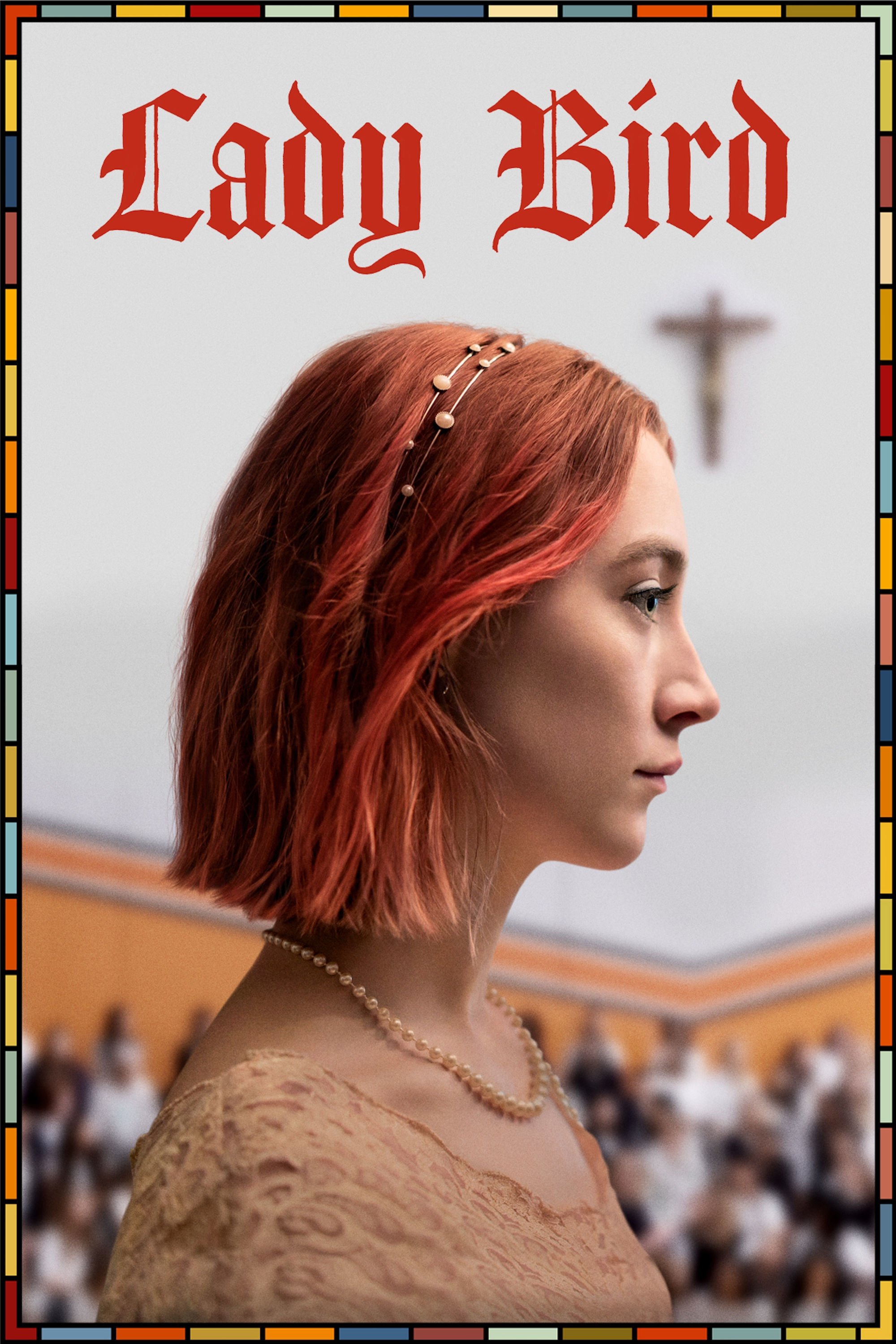
Christine “Lady Bird” McPherson clashes constantly with her strong-willed mother while dreaming of escaping Sacramento for a college on the East Coast. She navigates romantic disappointments and changing friendships during her senior year at a Catholic high school. Director Greta Gerwig captures the specific pain of outgrowing one’s home while simultaneously realizing how much it means. The film concludes with the protagonist finding a sense of gratitude and self-acceptance.
Tell us which of these films resonated with you the most in the comments.