


The Best Endings in Movie History



Some movie endings close the story with perfect clarity while others invite you to keep thinking long after the credits. The most effective final scenes usually tie back to a core theme, reveal a hidden layer, or leave one striking image that reshapes everything that came before. They often become the single moment people remember first when a title comes up.
This list gathers endings that changed how audiences talk about plot twists, character arcs, and cinematic craft. You will find examples from classic Hollywood, international hits, and modern thrillers, all known for finales that shaped careers, inspired analysis, and influenced how storytellers plan the last minutes of a film.
‘Citizen Kane’ (1941)
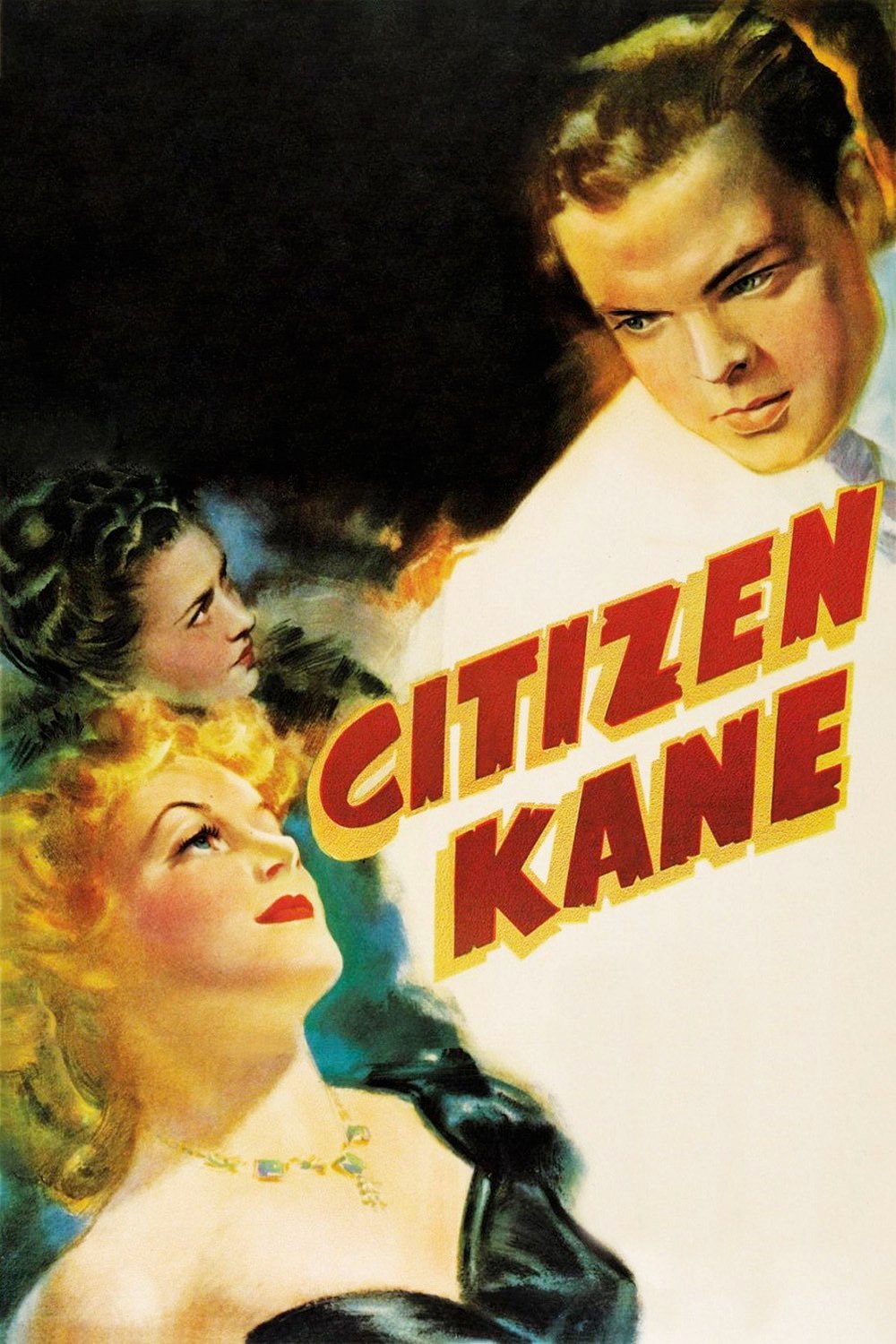
The film concludes by identifying Rosebud as a childhood sled being tossed into a furnace, which reveals the private meaning behind Charles Foster Kane’s final word. The detail reframes the story’s investigation into a lost empire as a portrait of a man anchored to a single memory from a simpler life.
The production team staged the reveal within a warehouse of discarded possessions to underline the scale of Kane’s acquisitions and the smallness of the answer. The ending influenced generations of mystery structures that hinge on a simple object as the key to a character’s inner life.
‘Psycho’ (1960)
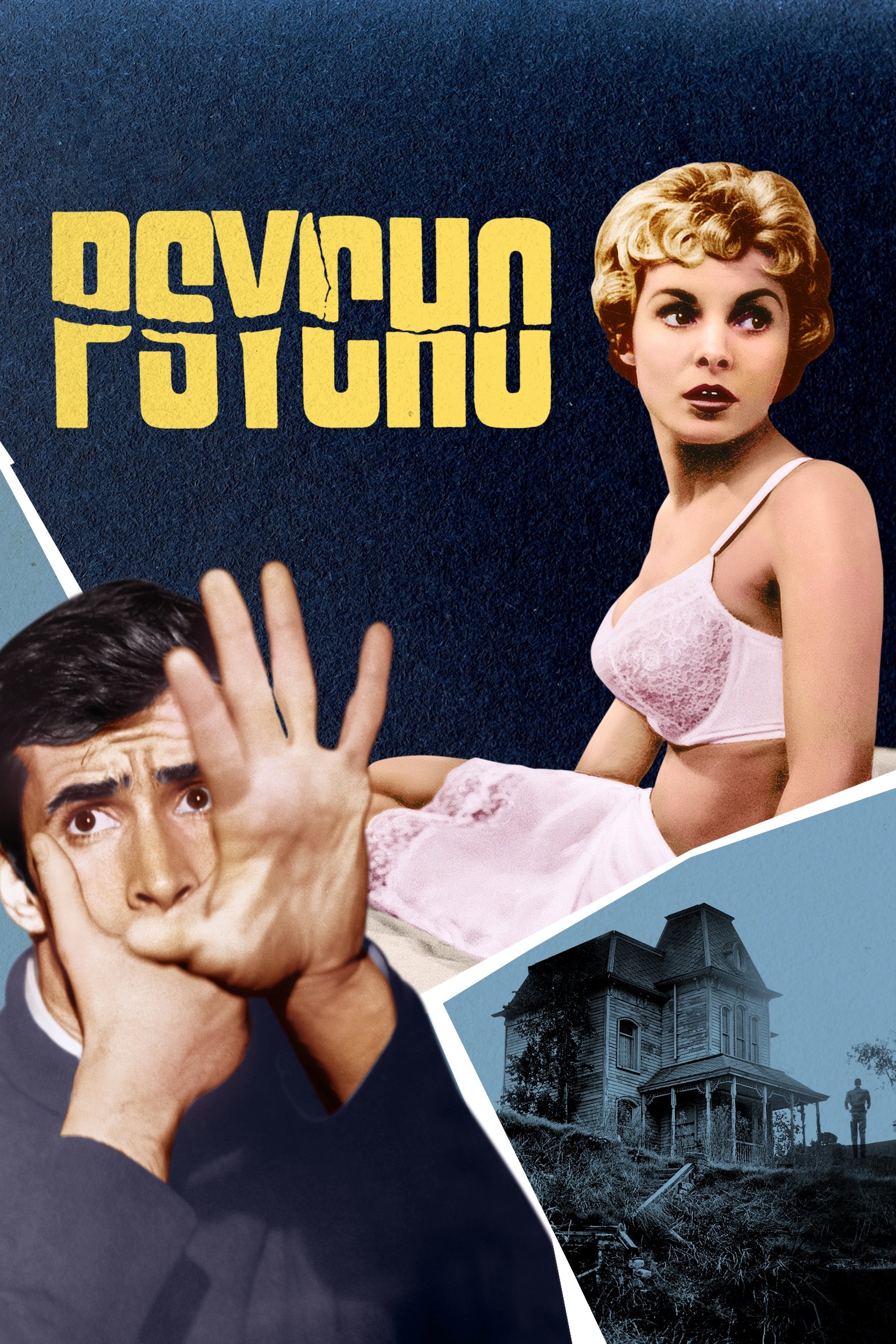
The final scenes place Norman Bates in custody while his mother’s persona completely overtakes him, culminating in a direct look at the camera as his internal voice explains his thinking. This closes the investigation and confirms the psychological split that guided the murders.
The film uses a clinical police setting and a bare cell to contrast with earlier shocks, and the closing image of a skull superimposed on Norman’s face became a widely cited example of in-camera trickery. The ending also set a benchmark for how thrillers explain a twist without deflating tension.
‘Casablanca’ (1942)
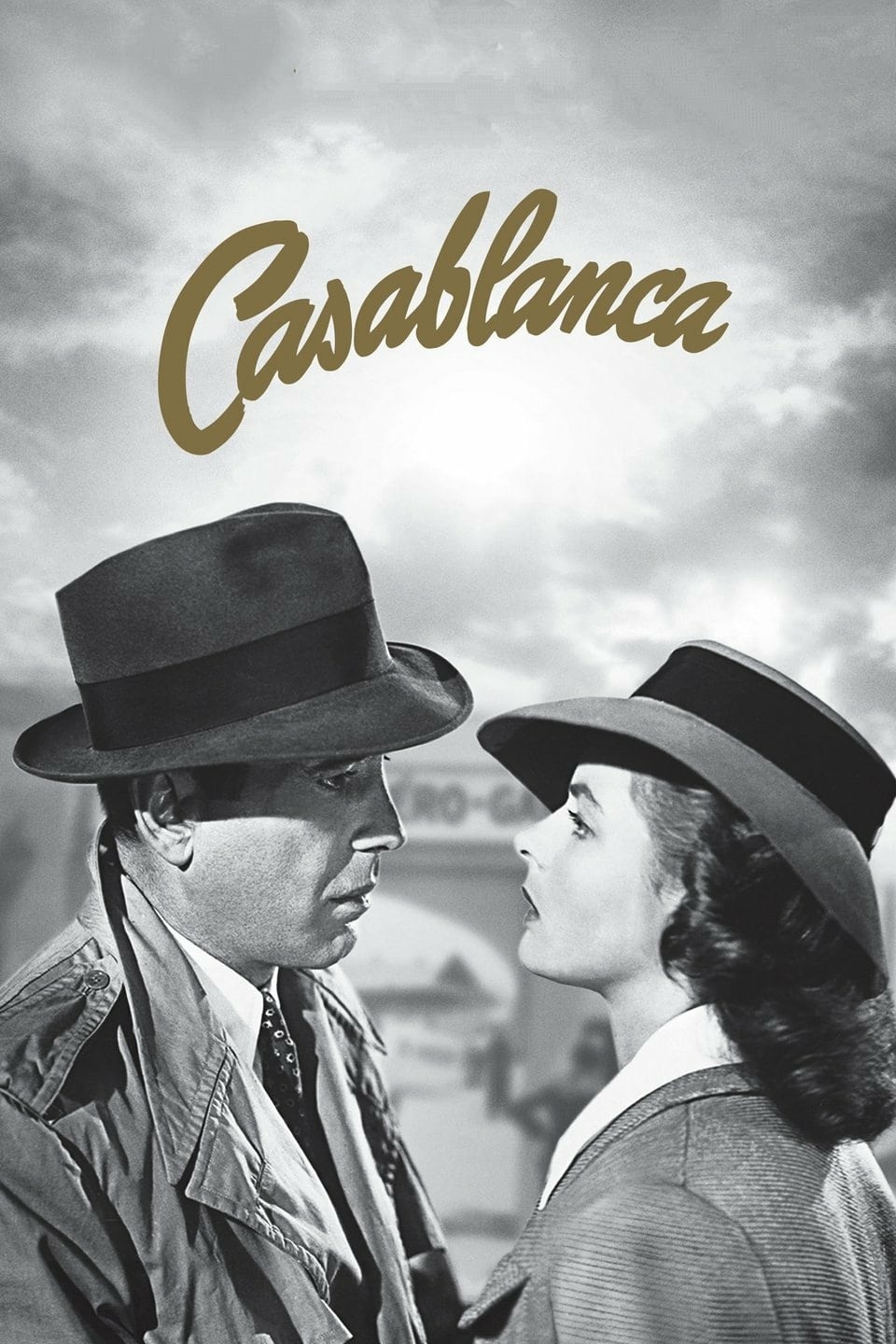
The finale sends Ilsa onto the plane with Laszlo while Rick and Renault walk into the fog to plan a new alliance. The airport setting allows the script to finalize the letters of transit plot while showing Rick choose a cause over a relationship.
Production used heavy fog and a forced-perspective airplane prop to create depth on a backlot. The closing exchange of lines entered popular culture and demonstrated how a wartime romance could end with duty guiding the final decision.
‘The Godfather’ (1972)
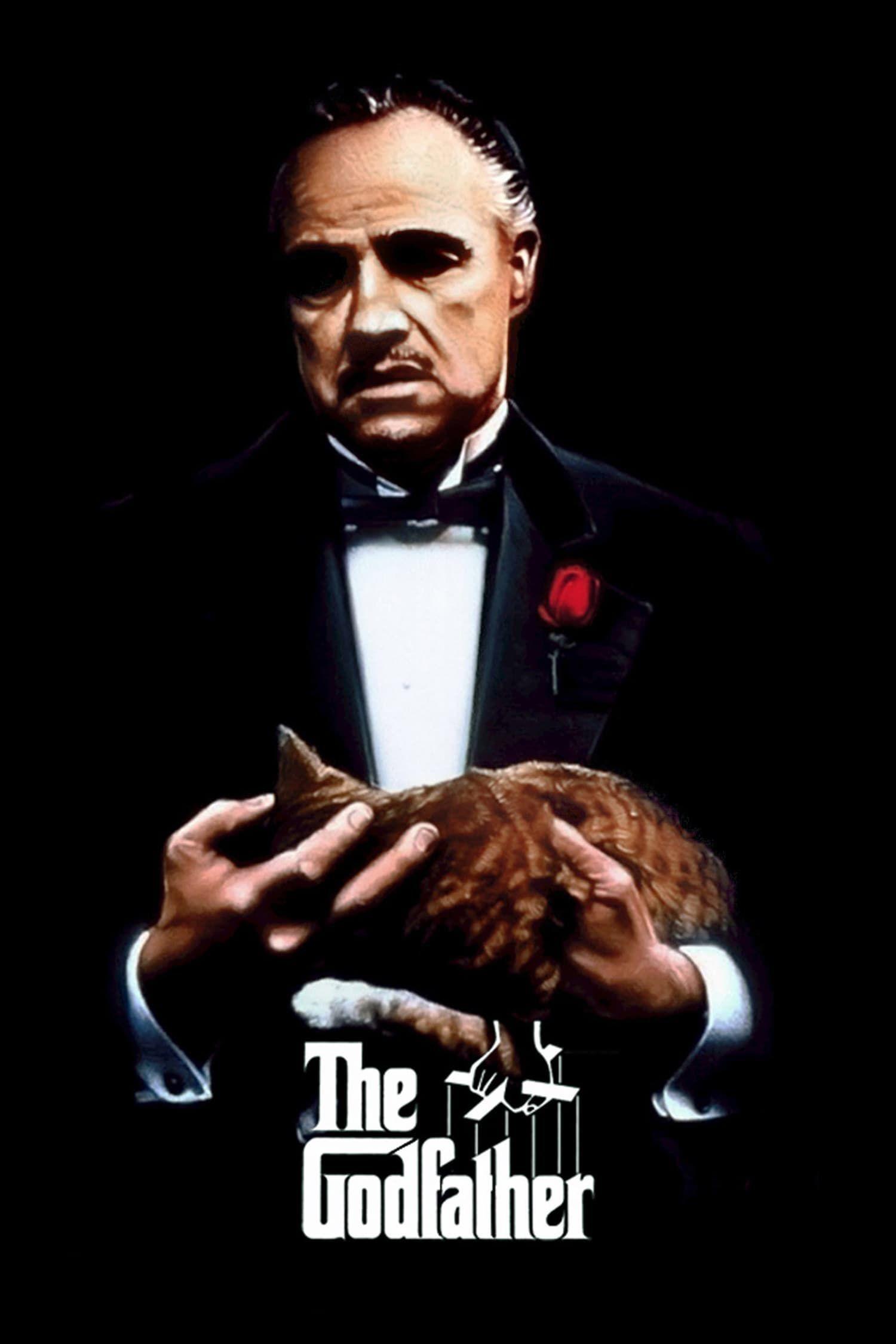
The door closes on Kay as Michael receives respect from his capos, confirming his full transformation into head of the family. This simple staging shows the separation between personal life and criminal authority without additional explanation.
The shot composition places Kay in the light and Michael in shadow to emphasize the divide. The final image of the kiss on Michael’s ring became a shorthand for the consolidation of power in crime epics and inspired countless visual echoes in later stories.
‘Chinatown’ (1974)
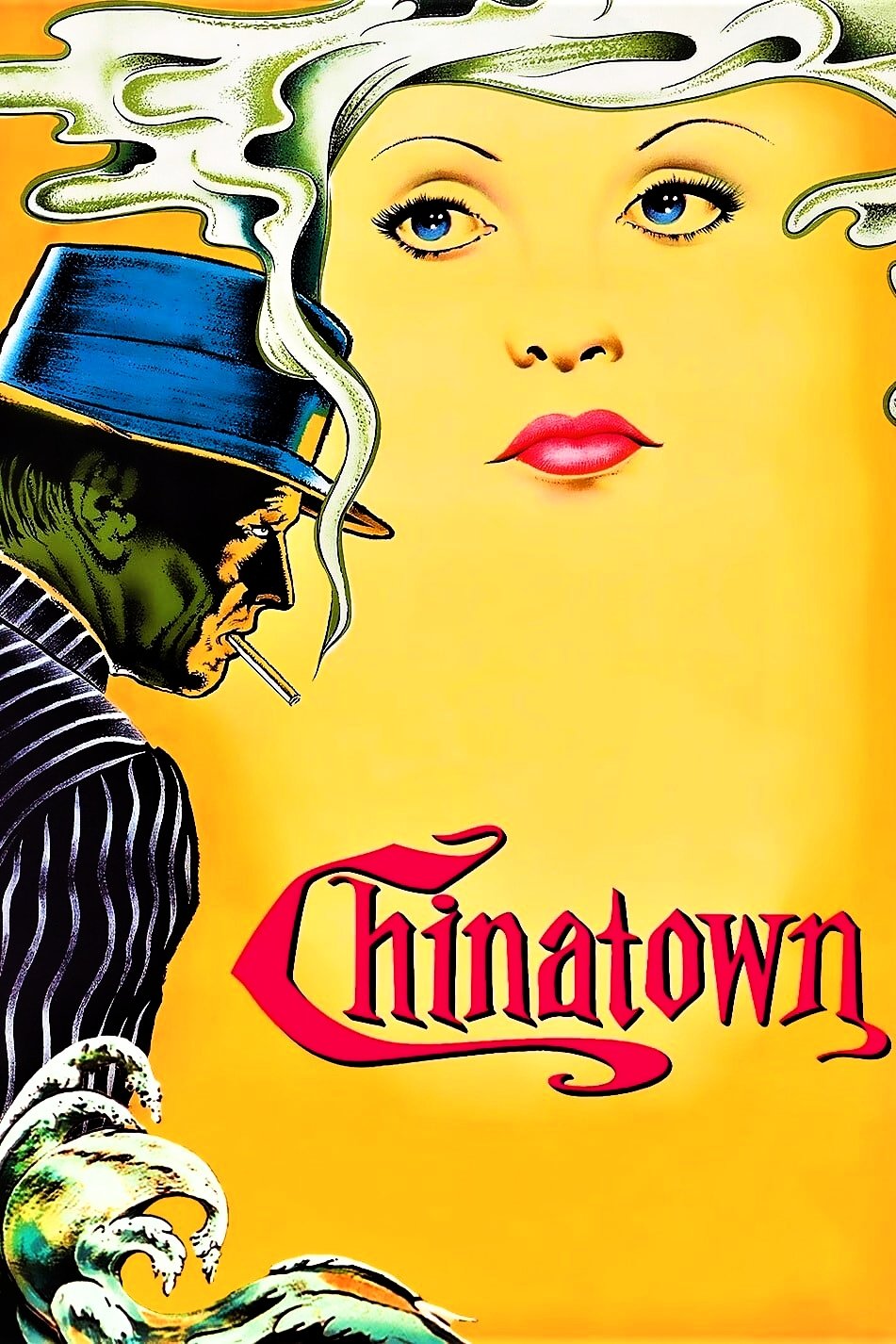
The ending strands Jake Gittes in the middle of a public tragedy as the villain escapes punishment, while an associate urges him to forget what he saw. The scene concludes the investigation by revealing the limits of law and personal skill inside a corrupt system.
The production used real Los Angeles locations to anchor the finale’s sudden violence in familiar streets. The closing line became one of the most quoted in crime cinema and helped establish the modern noir template where the truth offers no immediate remedy.
‘The Graduate’ (1967)
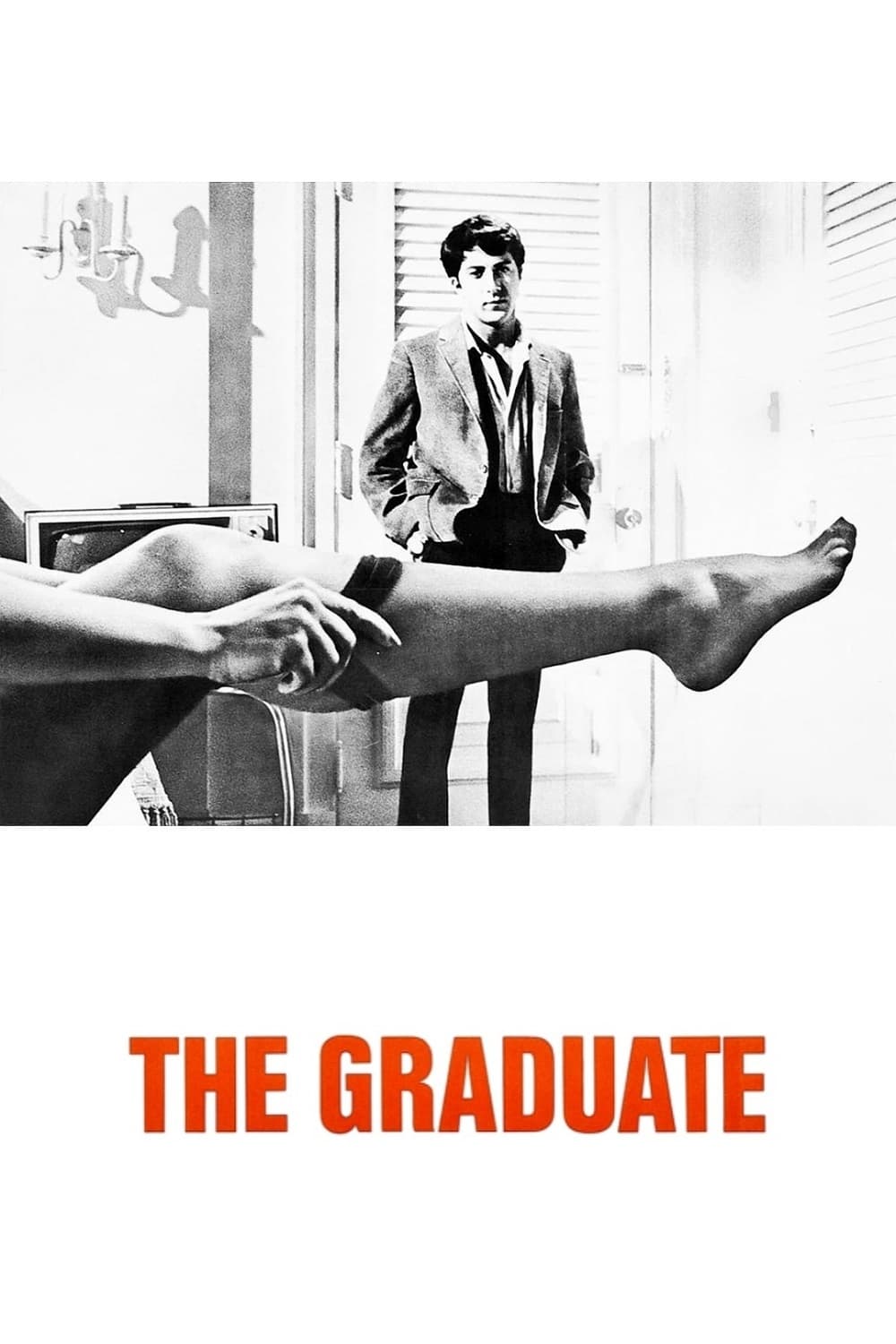
After the church interruption and bus escape, Benjamin and Elaine sit in silence as their adrenaline fades and uncertainty settles in. The camera holds on their faces to capture the shift from impulse to reflection without dialogue spelling it out.
The use of contemporary music underscores the mood rather than explaining it. Filmmakers often point to this scene as a lesson in how to end with characters neither triumphant nor defeated, letting the audience project the next steps.
‘2001: A Space Odyssey’ (1968)
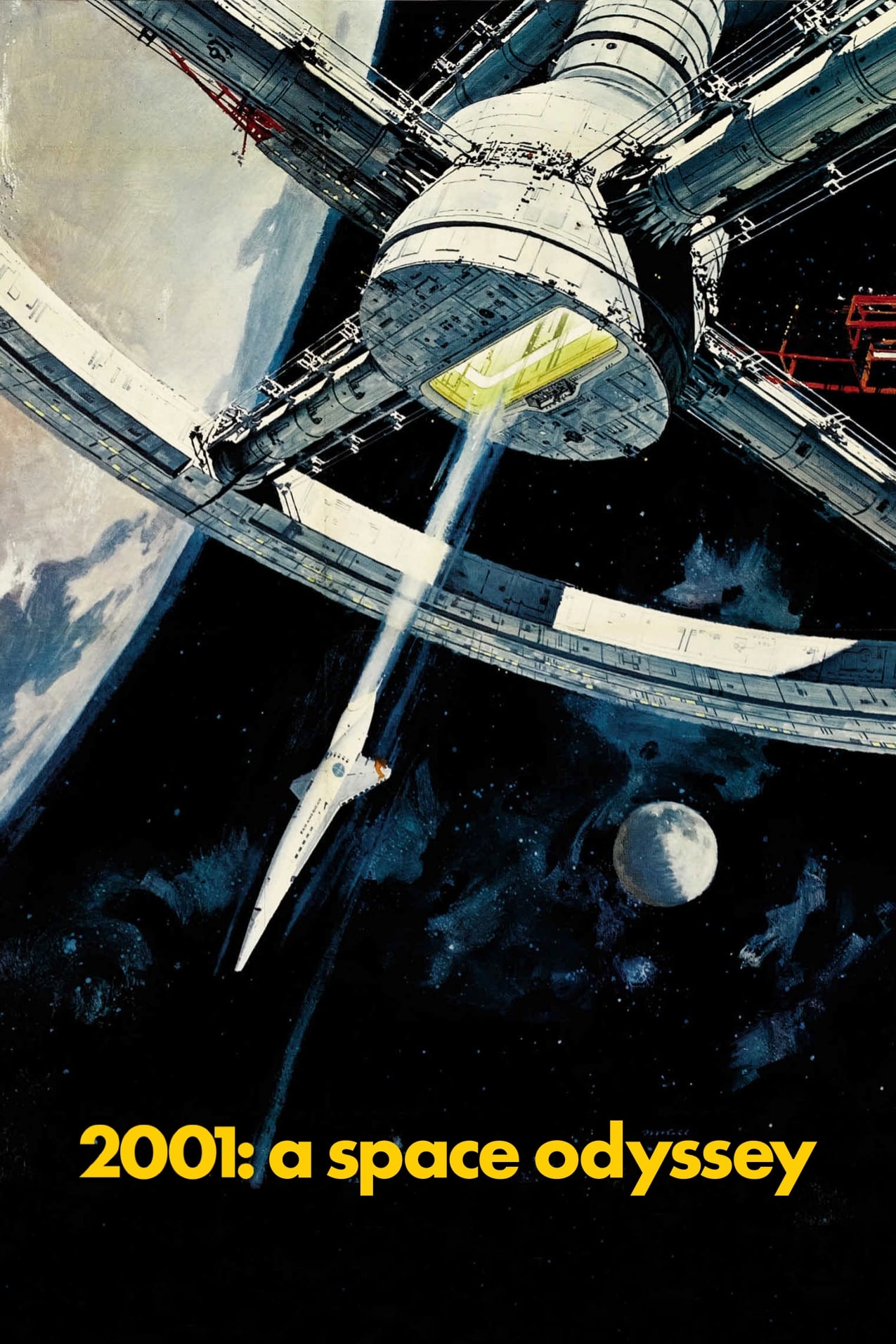
The final sequence takes Bowman through the stargate to a neoclassical room where he ages rapidly and transforms into the Star Child. This visual progression closes the journey from tool-using primates to a new form of existence without spoken explanation.
The team used slit-scan photography and meticulously designed sets to create images that were new to mainstream audiences at the time. The ambiguity encouraged scientific and philosophical readings and made the film a frequent subject in discussions about open endings.
‘The Usual Suspects’ (1995)
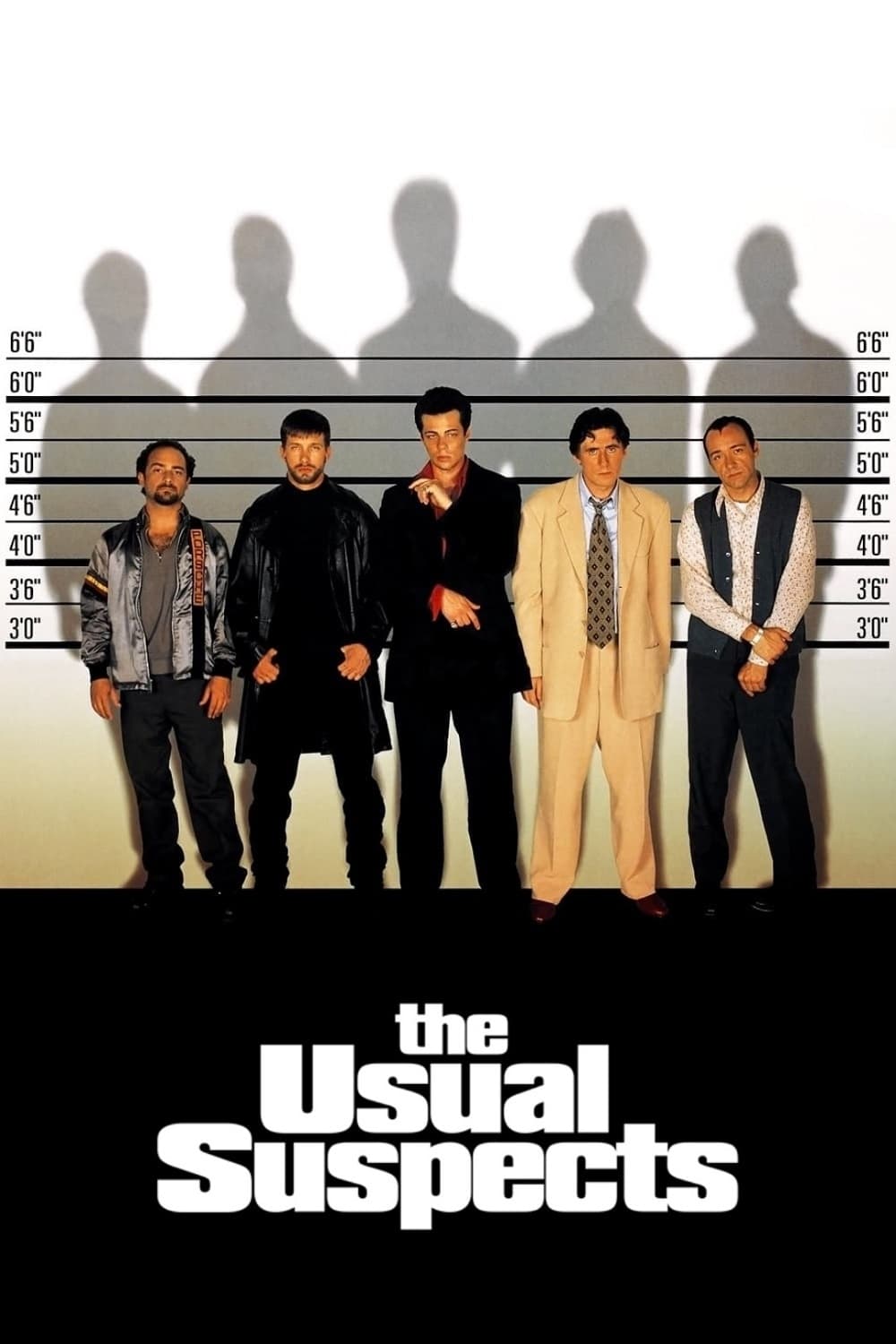
The film reveals that Verbal Kint has been inventing details from a police bulletin board, and he walks away as his limp disappears. The switch identifies Keyser Söze and reorders the narrative the audience thought they understood.
Careful prop placement and selective flashbacks support the reveal when rewatched. The finale became a standard reference point for twist construction where a storyteller hides the truth in plain sight and pays it off in the last minute.
‘Se7en’ (1995)
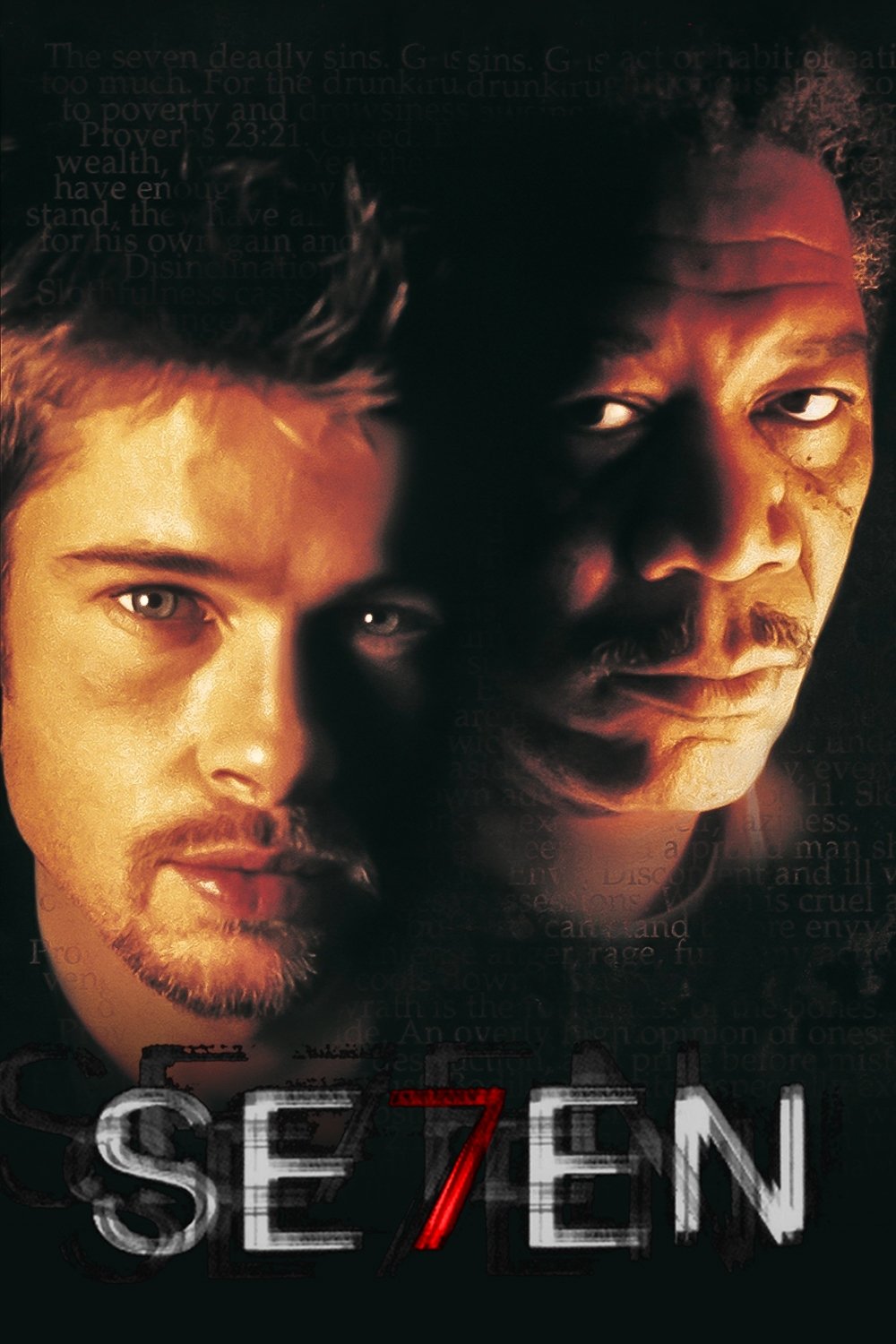
The box delivery forces Mills into a final choice that completes John Doe’s plan, fulfilling the serial killer’s design for all seven sins. The scene concludes the investigation and ties each earlier clue to Doe’s manipulation of the detectives.
The bleak desert location and natural light ground the moment in harsh realism. The closing helicopter radio traffic provides procedural texture while the final voiceover gives a measured exit without undoing the consequences.
‘Fight Club’ (1999)

The protagonist accepts that Tyler Durden is a projection, removes him from control, and watches as buildings collapse as part of Project Mayhem. The scene resolves the identity split and allows the plotted operation to proceed without its original architect.
Miniatures and practical effects combine with digital work to stage the skyline destruction. The pairing of a calm character beat with large-scale spectacle created a contrast that filmmakers often cite when discussing how to end a psychological story with a physical event.
‘The Sixth Sense’ (1999)
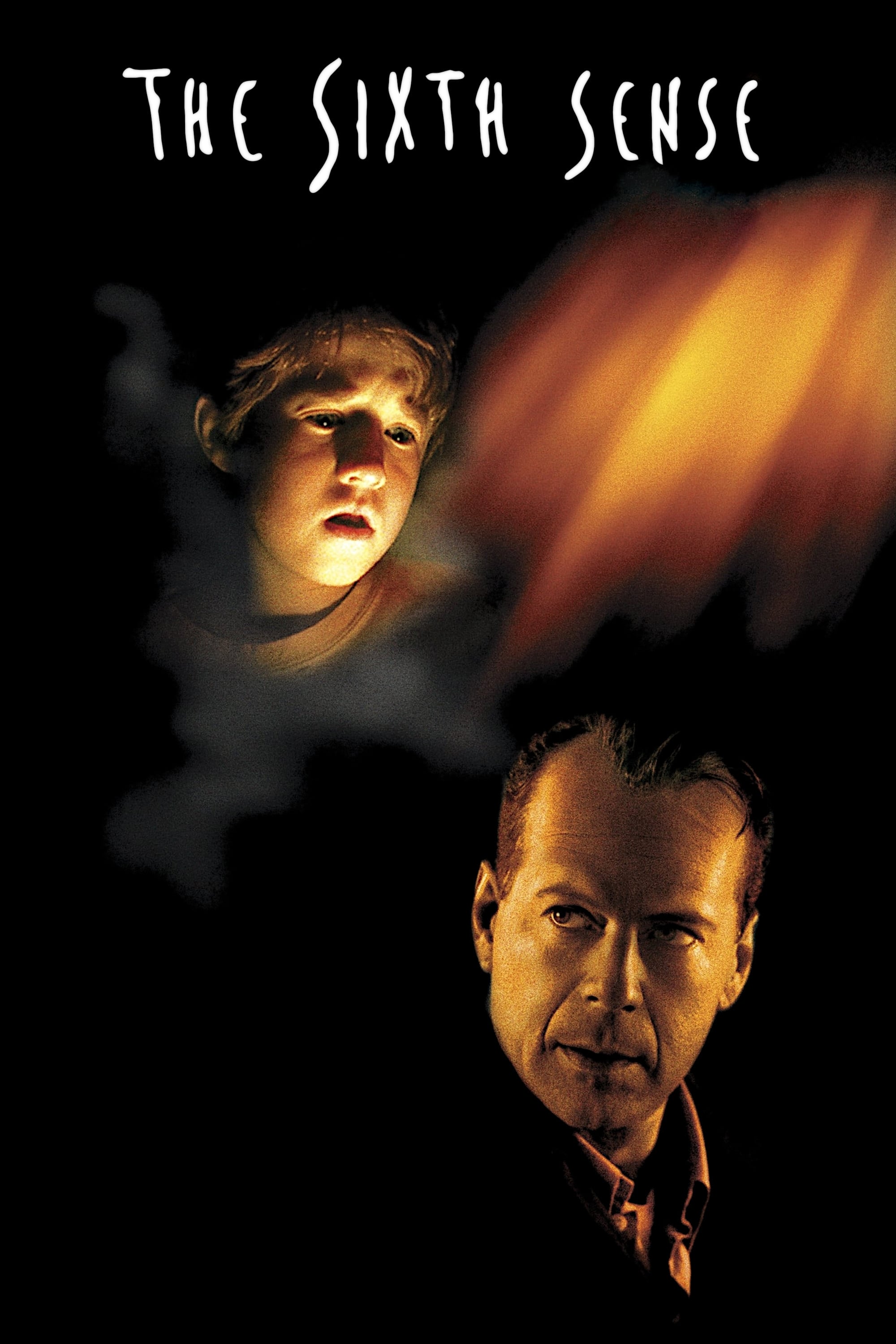
The revelation that Malcolm has been dead reframes every earlier scene with Cole. The discovery resolves Malcolm’s arc and explains the cold spots, the unresponsive door, and the silence at the restaurant.
The filmmakers seeded visual cues such as color accents and camera placement to make the reveal feel earned. The ending accelerated interest in twist-driven storytelling and led audiences to revisit the film to track the clues.
‘The Shawshank Redemption’ (1994)
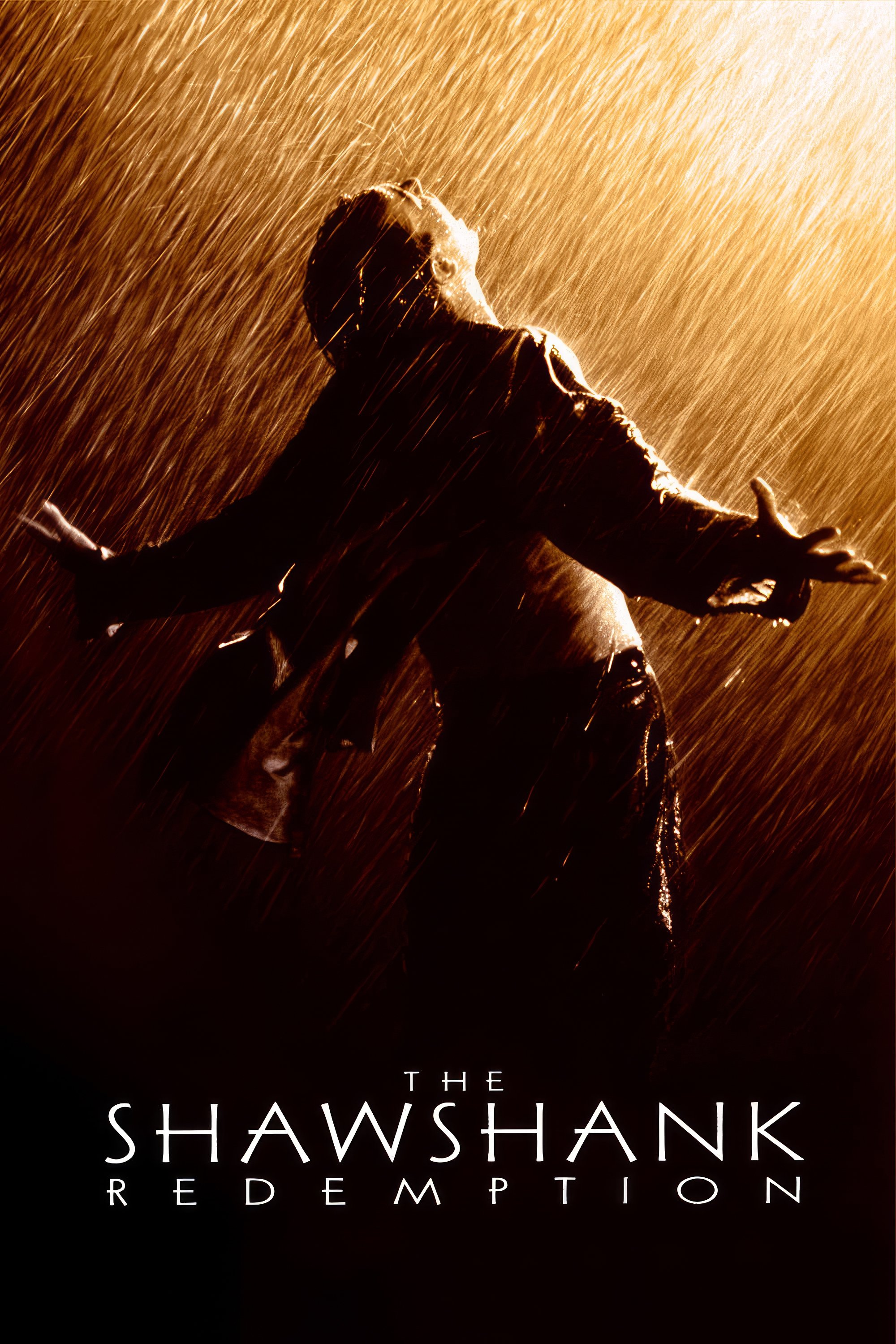
Red follows clues along a country road to find a hidden cache and a letter inviting him to a beach. The film closes with Red traveling to meet Andy, completing two intertwined arcs about patience and friendship.
The production photographed a real tree and field to lead viewers through the search, then shifted to a coastal setting for the reunion. The concluding shot of work on a boat delivers a visual representation of a plan finally realized.
‘Blade Runner’ (1982)
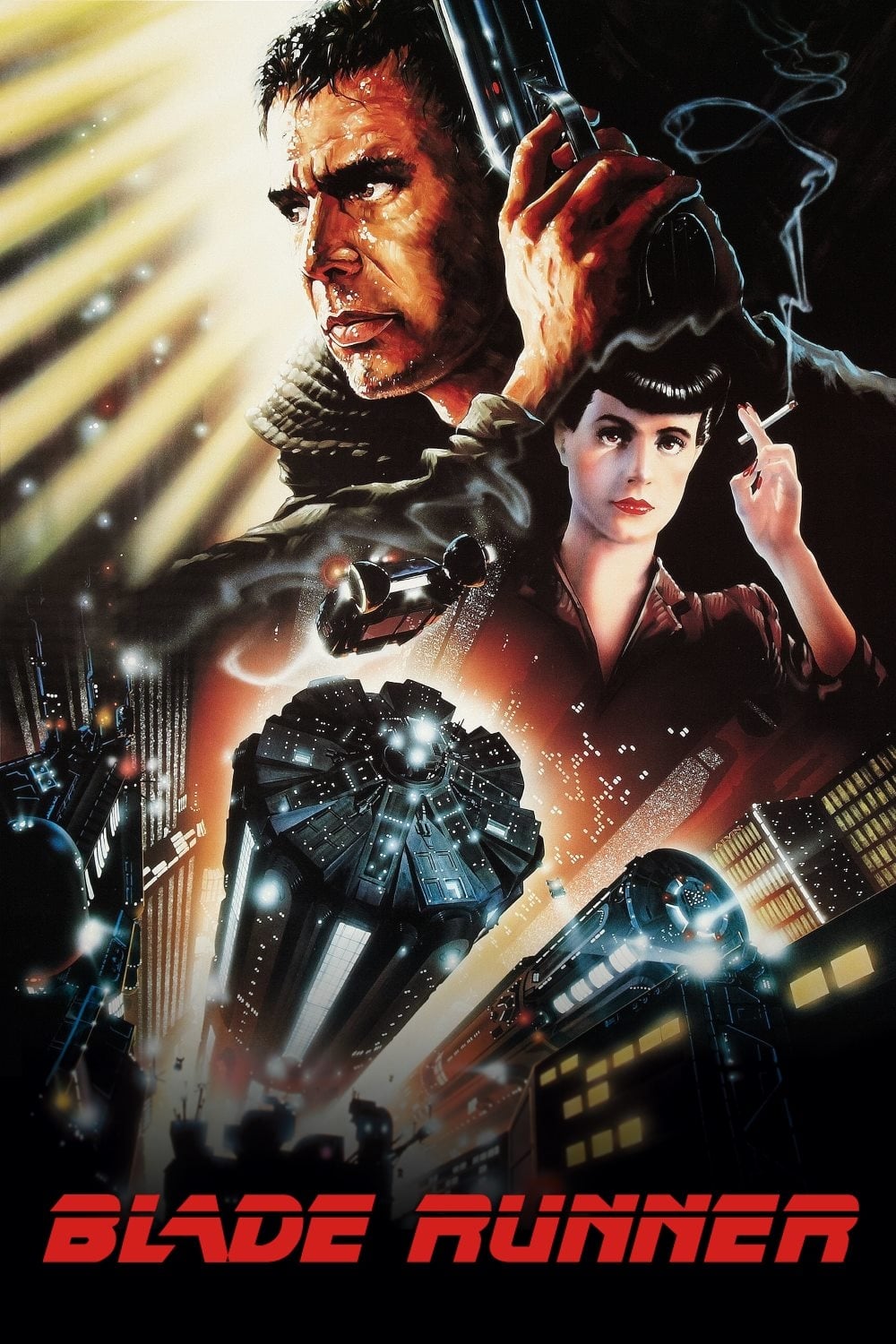
Depending on the version, the film ends with Deckard and Rachael leaving together while the unicorn origami suggests a planted dream. The origami clue raises the possibility that Deckard shares traits with the beings he hunts and invites debate about identity.
Multiple cuts adjust tone and information, with later edits removing explanatory narration and altering the final image. The variance across releases turned the ending into a case study in how editorial choices shape meaning.
‘Oldboy’ (2003)
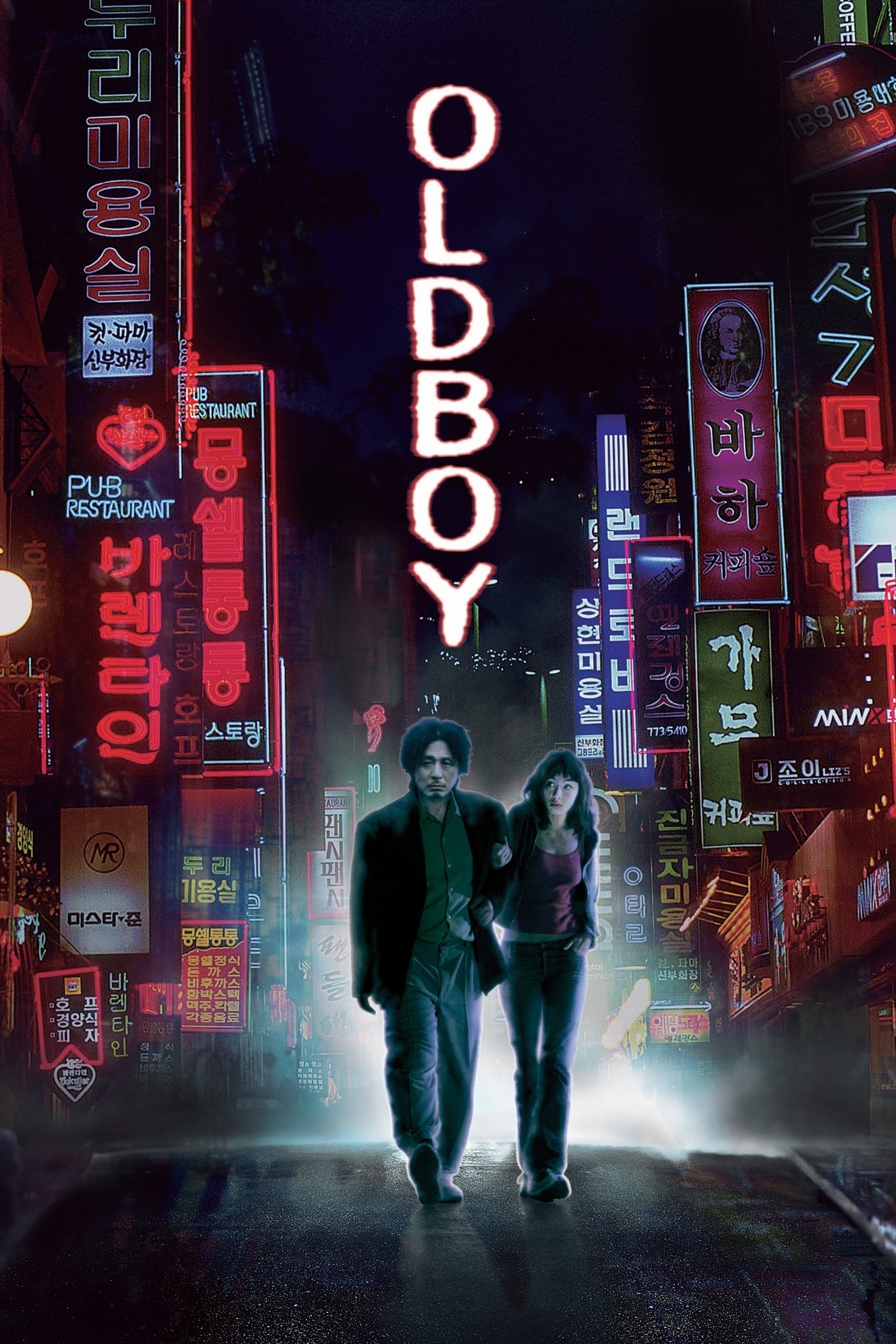
The hypnotic suggestion leaves the protagonist in a state where he may or may not remember the truth about his relationship. The snowy setting and the ambiguous smile underline the cost of the earlier revelation and the character’s attempt to live with it.
The final moments echo earlier motifs of memory manipulation and revenge cycles. The film’s ending became a reference point for extreme narrative turns in modern Korean cinema and influenced international remakes and homages.
‘The Godfather Part II’ (1974)
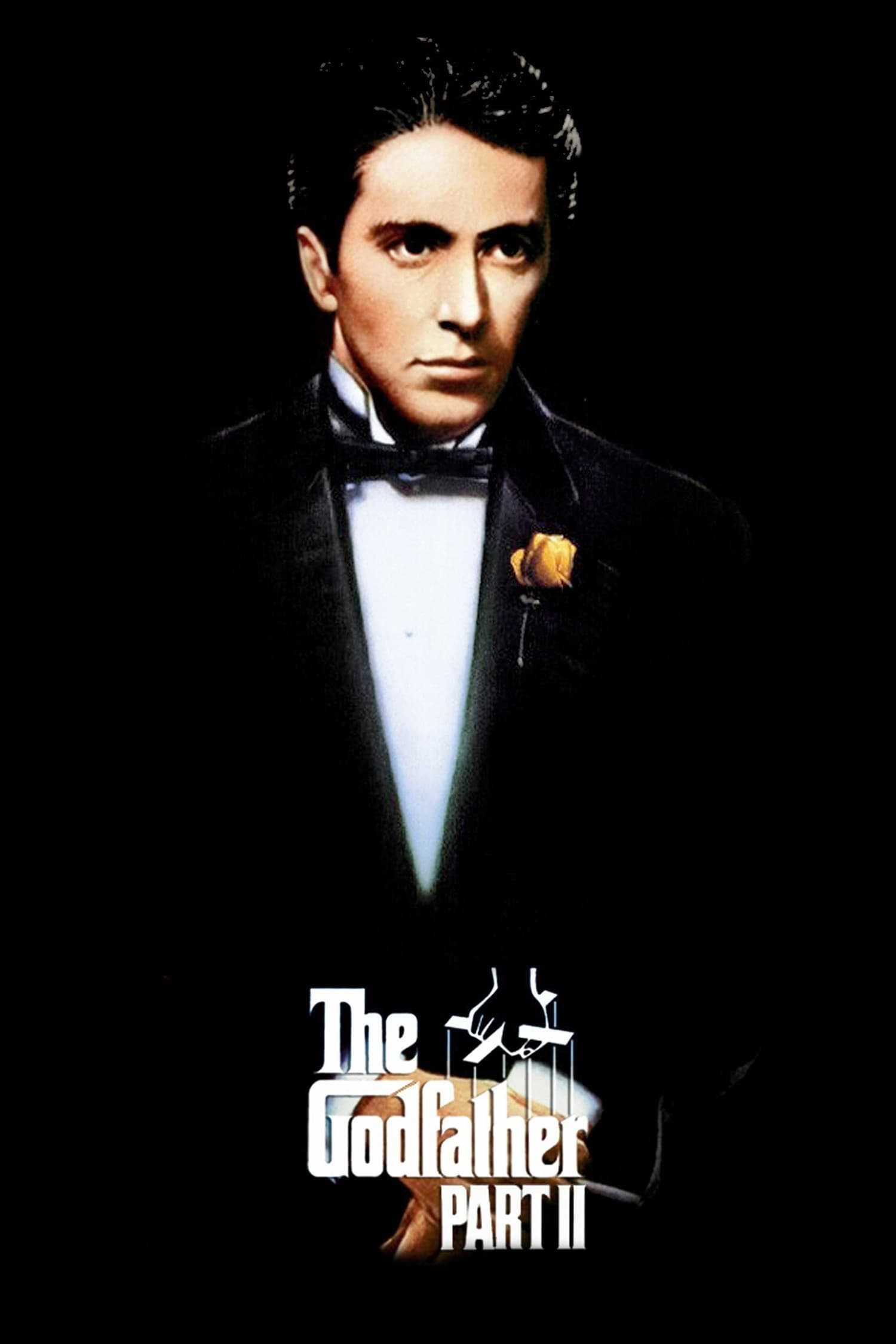
Michael sits alone after eliminating threats to his power, while a flashback shows the family together before everything splintered. The juxtaposition closes the saga’s second chapter by contrasting early promise with present isolation.
The structure uses intercut timelines to link personal losses to strategic moves. The last image of Michael in solitude has been studied in film courses for its quiet staging and the way it communicates consequences without dialogue.
‘The Silence of the Lambs’ (1991)
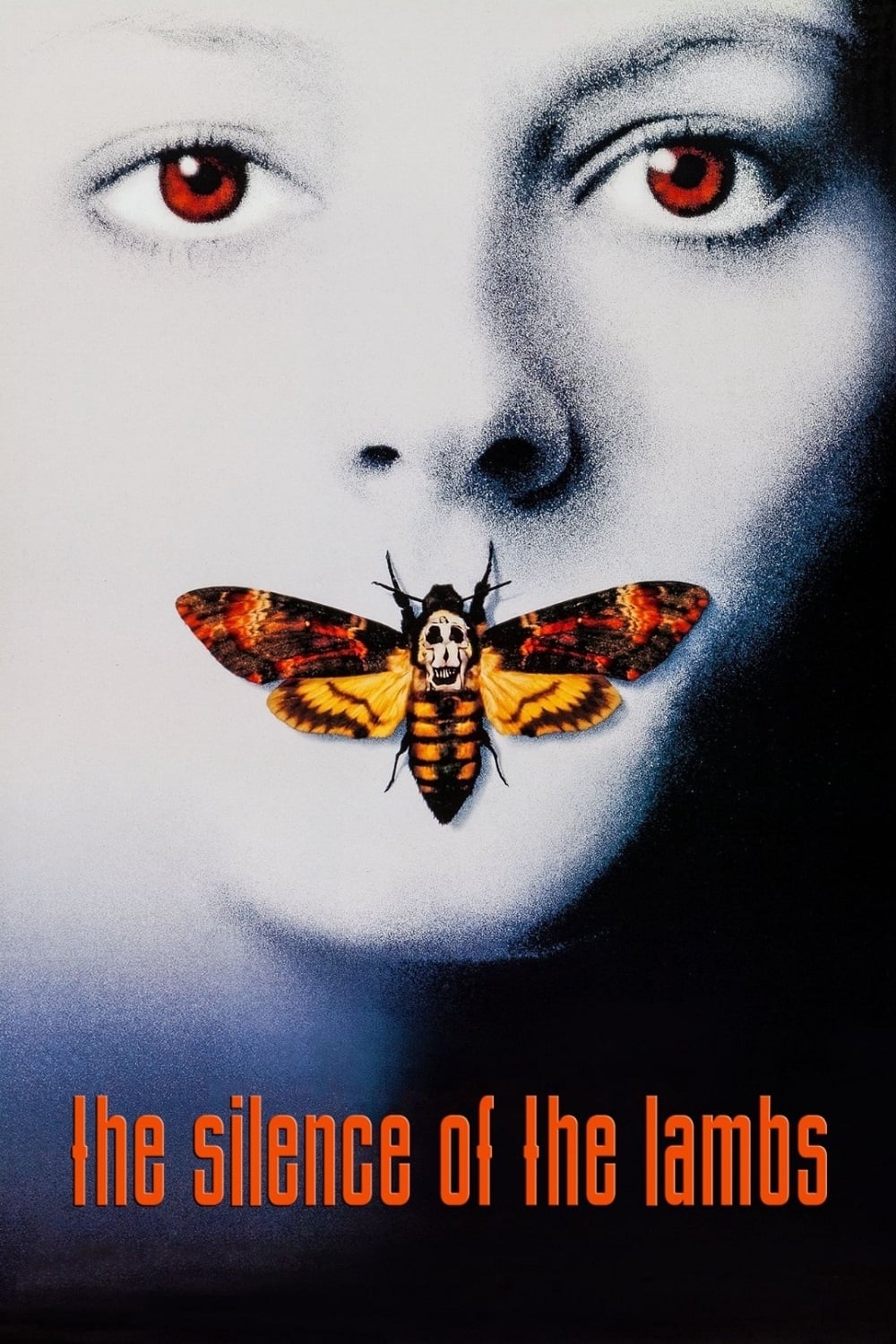
Clarice graduates and receives a phone call from Hannibal Lecter as he casually follows his next target. The conversation confirms Lecter’s freedom and establishes a new equilibrium where both characters understand the limits of their connection.
The closing wide shot of a tropical street and Lecter fading into the crowd gives the story an open yet complete finish. The film’s use of point-of-view close-ups earlier makes the distant final image feel chilling by contrast.
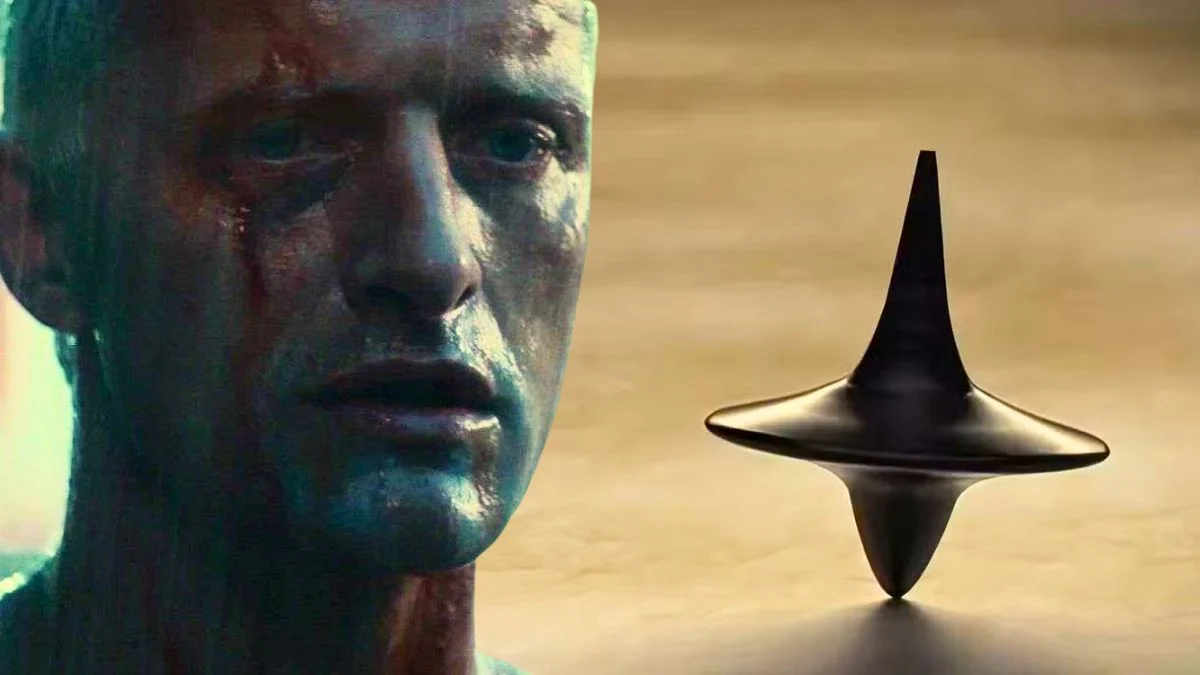
‘Inception’ (2010)
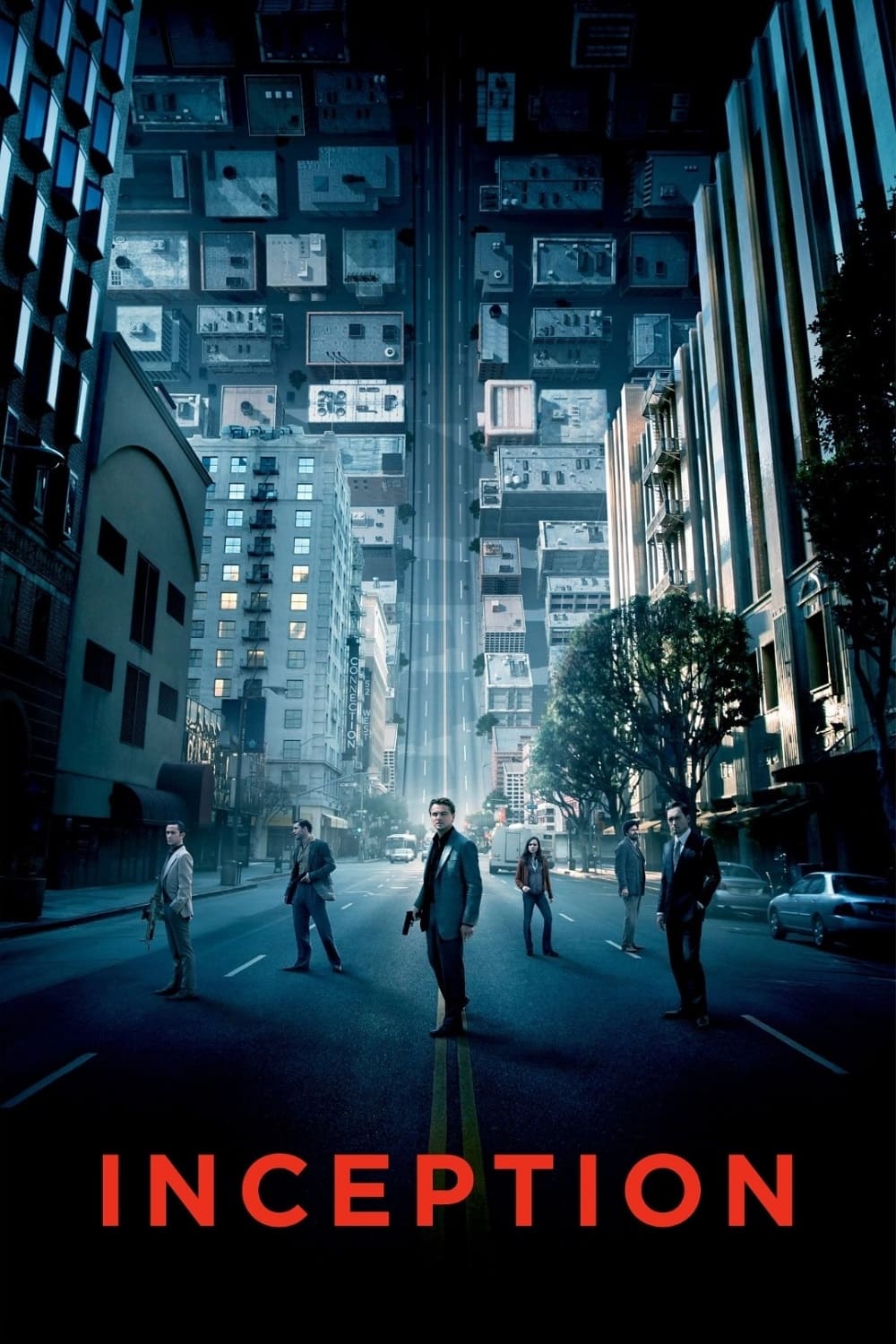
Cobb spins a top to test reality and walks to his children without waiting for the result. The camera lingers on the top as it wobbles, then cuts to black before any final answer is shown.
The ending ties directly to the rules of shared dreaming presented throughout the film, using a simple prop as a narrative hinge. Editors and sound designers crafted the cut to maximize uncertainty, encouraging audiences to discuss layered possibilities.
‘La La Land’ (2016)
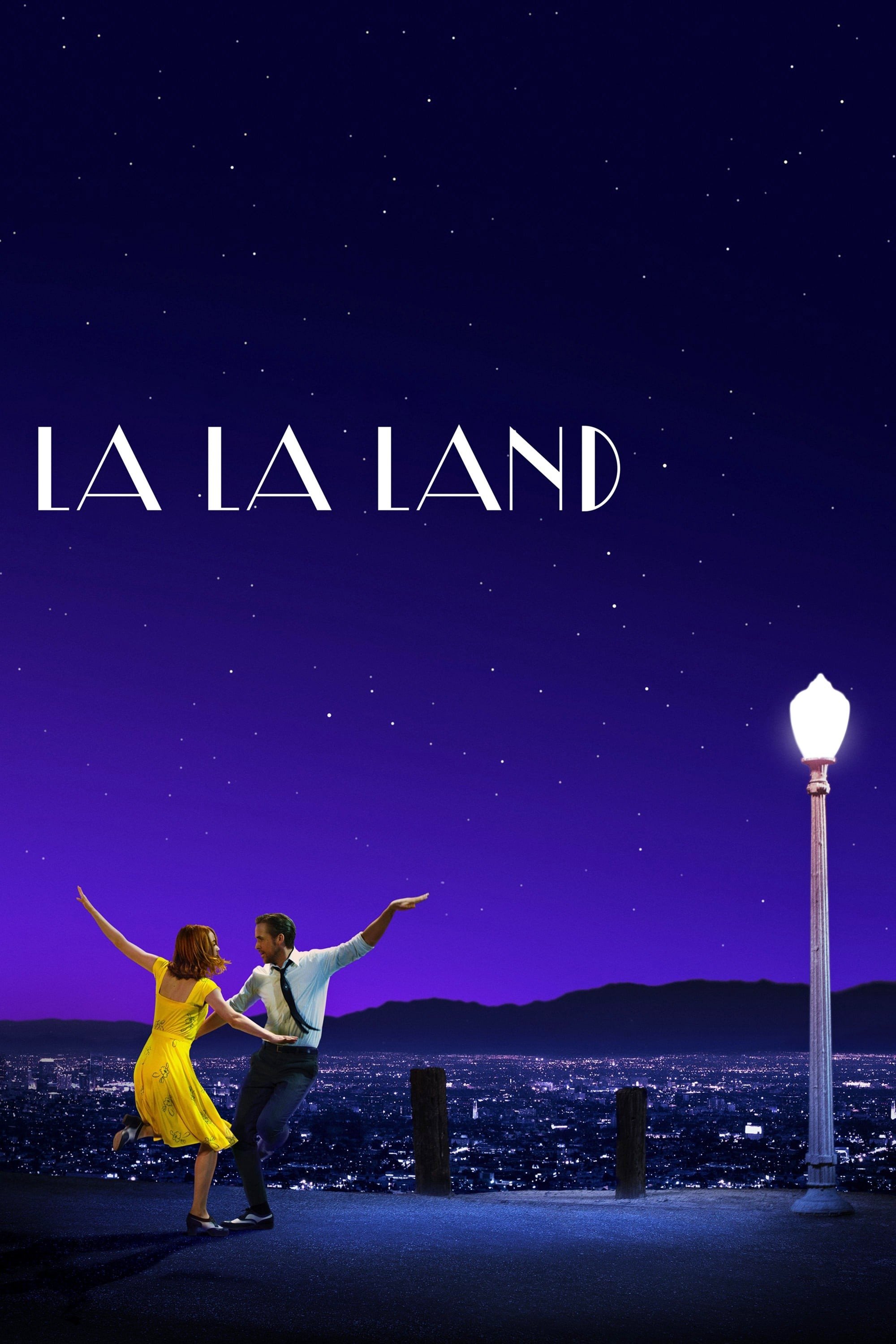
A wordless epilogue imagines an alternate version of the couple’s life before returning to the present, where both have achieved their goals separately. The sequence uses a musical montage to summarize an entire path not taken.
The finale reprises musical themes and visual motifs from earlier scenes to chart the imagined timeline. The design of the club setting and the final exchanged looks communicate closure while acknowledging the cost of each career decision.
‘Parasite’ (2019)

The film ends with a letter that imagines a future plan from the son’s perspective, followed by a return to the reality of the basement. The structure contrasts fantasy with circumstance and shows how hope can function as a narrative device.
The closing shot mirrors earlier compositions of stairs and levels within homes to restate themes of class separation. The epilogue format allows the audience to understand both the plan and the limitations around it without additional scenes.
‘Whiplash’ (2014)

The last performance becomes a duel of control where Andrew changes the set list and Fletcher adapts in real time. The piece concludes with a final drum sequence and a shared look that acknowledges what each demanded of the other.
The production captured live musical takes and precise editing to maintain tempo and continuity. The finale is often used in discussions of performance filmmaking because it resolves character conflict through music rather than dialogue.
Share your favorite movie endings in the comments and tell everyone which final scene still sticks with you.