


The Best Kids’ Shows to Spark Joy and Imagination




Kids’ TV can do more than fill time. The right shows introduce new words, model problem solving, and open doors to worlds that feel both safe and exciting. This list brings together series that offer clear premises, memorable characters, and formats designed to help young viewers learn through stories and songs.
You will find preschool favorites with short episodes that fit busy routines and picks for older kids who want layered fantasy and mystery. Each entry highlights what the show covers, how it is structured, and details like creators, formats, and recurring features, so you can match a series to a child’s age and interests.
‘Bluey’ (2018– )
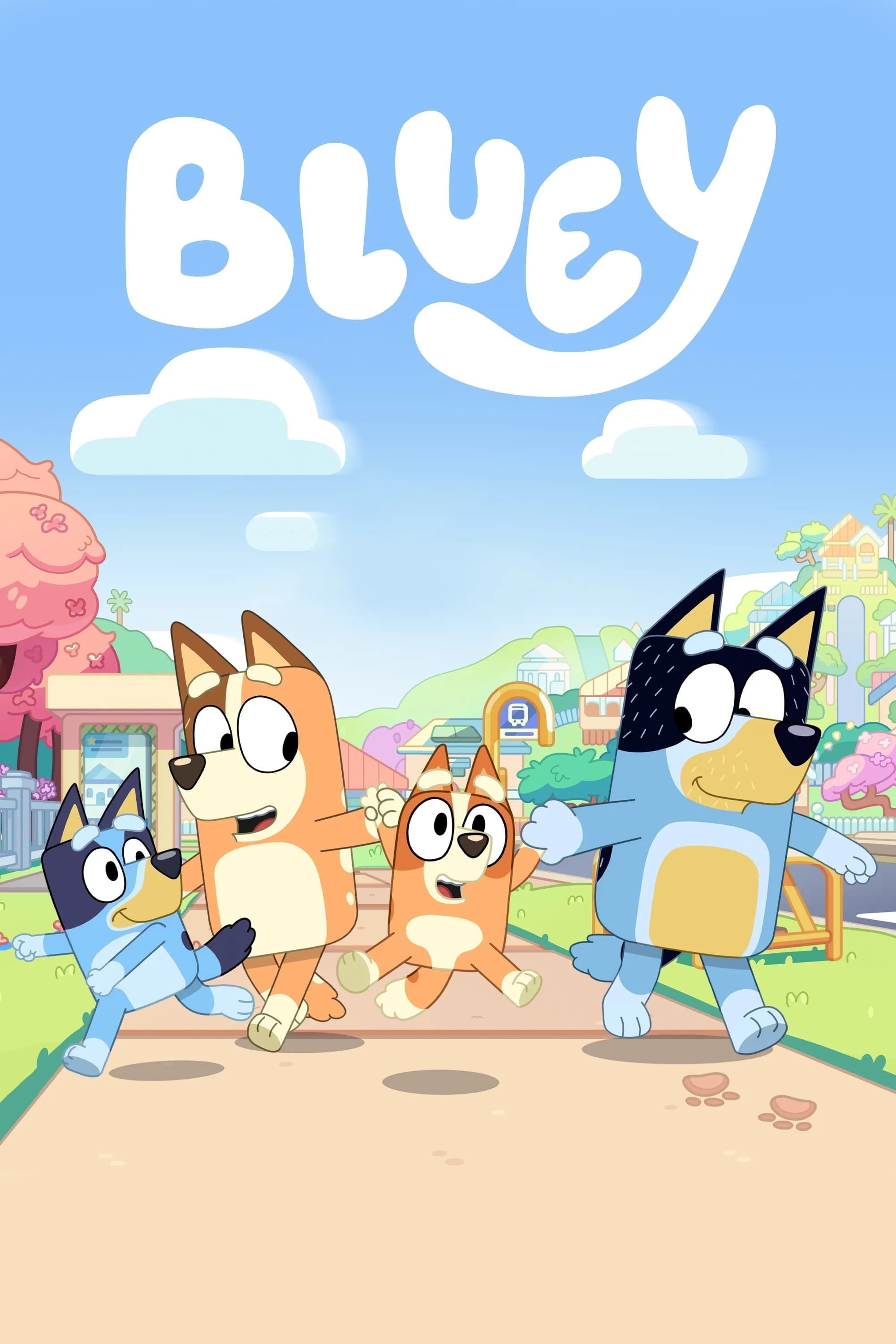
This animated series from Australia follows a Blue Heeler puppy and her family in stories built around play. Episodes run about seven minutes and use everyday settings like the home and playground to model cooperative games and imaginative rules. Creator Joe Brumm and Ludo Studio produce the show for ABC Kids, with international distribution bringing it to a wide audience.
Music cues and recurring game structures help kids anticipate patterns, while dialogue uses natural family language that supports social and emotional growth. The series frequently shows problem solving through pretend play and includes clear transitions that guide young viewers through beginning, middle, and end.
‘Sesame Street’ (1969– )
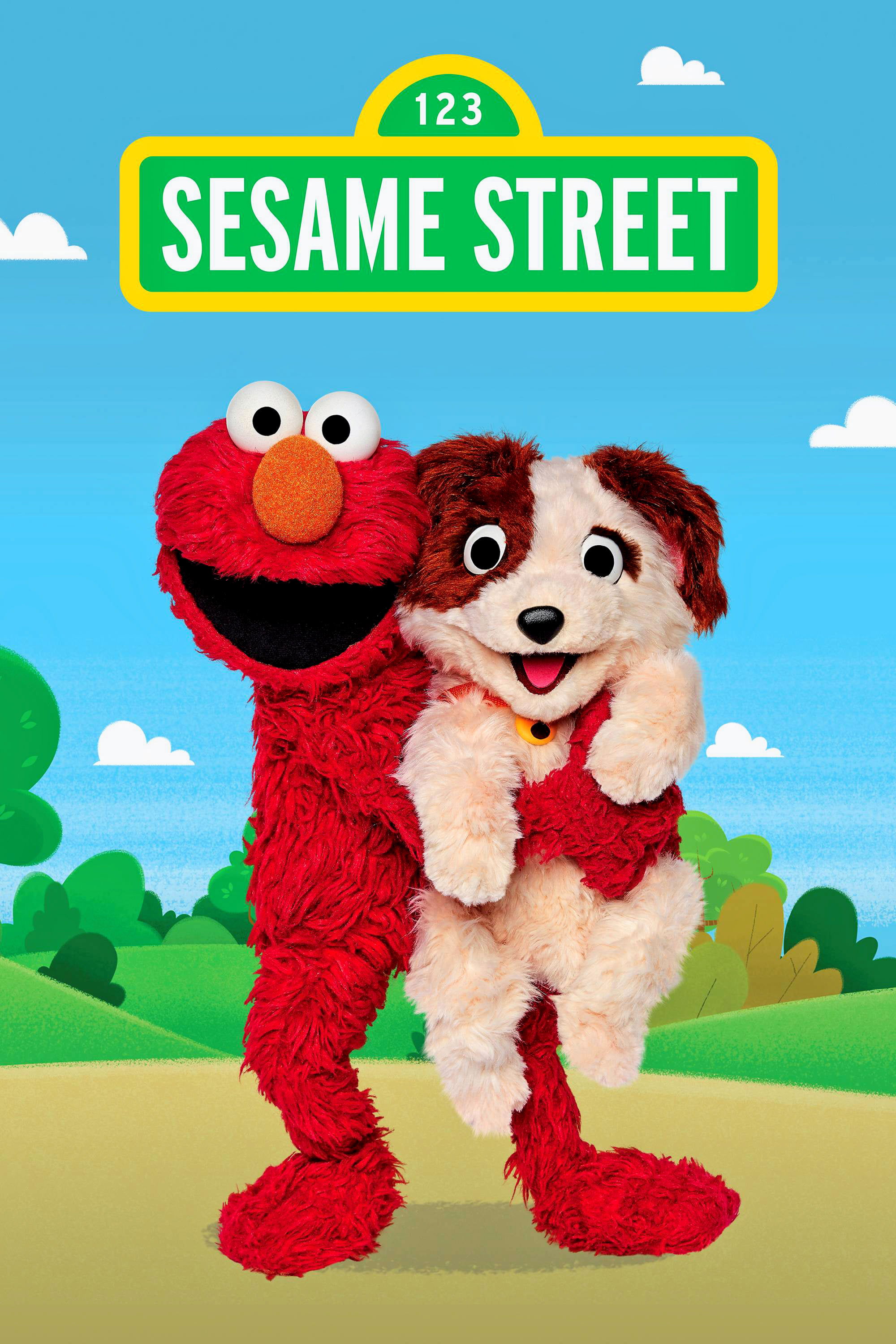
This long running series combines live action, animation, and Muppet segments to teach early literacy, numeracy, and social skills. Characters like Elmo, Big Bird, and Cookie Monster appear in short recurring blocks that reinforce letter sounds, counting, and everyday routines. The production is led by Sesame Workshop and draws on child development research to shape each season.
The show’s magazine style format allows flexible viewing, with self contained segments such as songs, short sketches, and real kid interviews. Special episodes focus on topics like healthy habits and community helpers, and the program regularly updates vocabulary and themes to reflect current classroom standards.
‘Daniel Tiger’s Neighborhood’ (2012– )
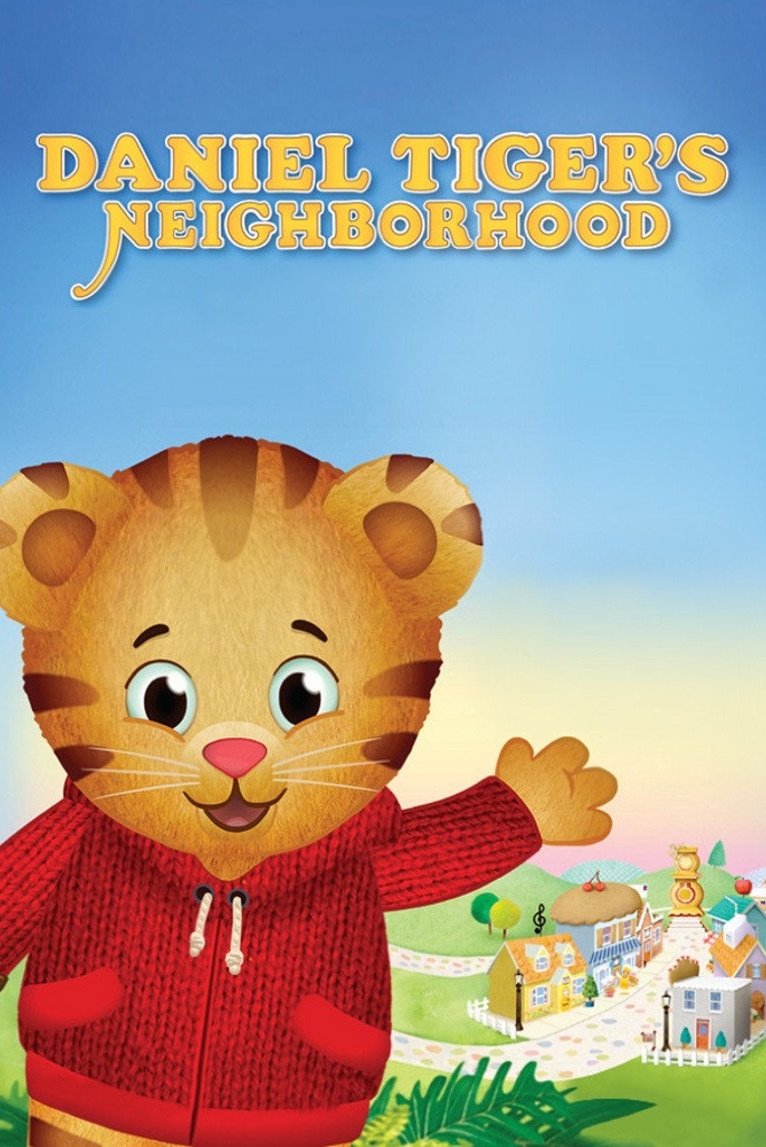
This animated preschool series builds on the legacy of ‘Mister Rogers’ Neighborhood’ through stories set in the Neighborhood of Make Believe. Each episode includes simple strategy songs that teach skills like sharing, trying new foods, and naming feelings. The production involves Fred Rogers Productions and 9 Story Media Group, with creator Angela C. Santomero guiding the curriculum.
Episodes are paired around a theme and present the same short song in both halves to support recall. Visual cues show step by step routines such as bedtime or doctor visits, and characters demonstrate calm down methods that caregivers can use at home.
‘The Magic School Bus’ (1994–1997)
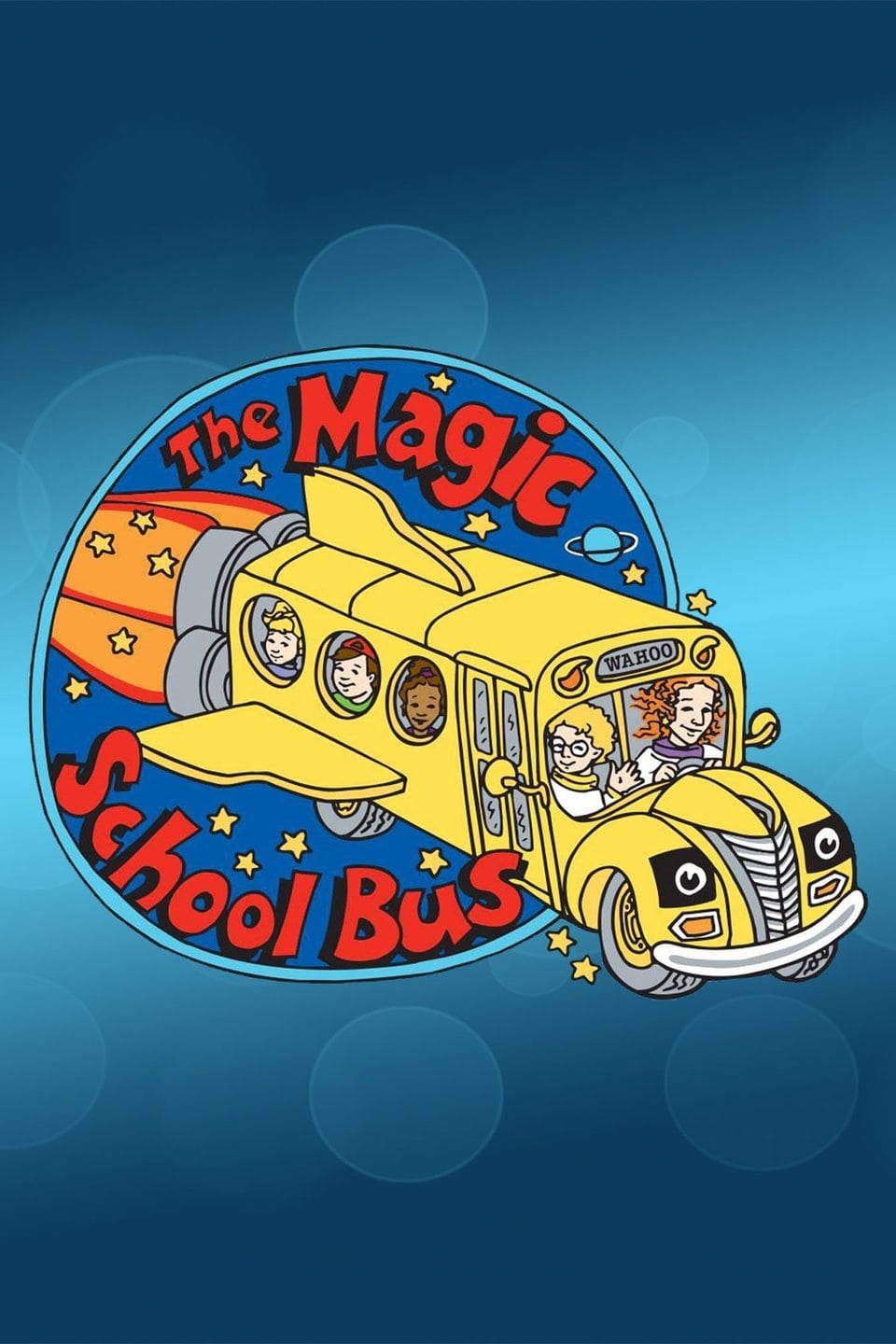
Based on books by Joanna Cole and Bruce Degen, this series follows Ms. Frizzle and her class on science field trips that shrink, fly, and travel through space. Each episode focuses on a specific topic like the water cycle, the human body, or ecosystems, and ends with a short question segment that addresses common misconceptions.
The show presents vocabulary in context and uses a consistent story arc that starts with a question, explores a system, and returns to class with a clear takeaway. The format supports classroom use and home viewing, with repeatable experiments and diagrams that encourage hands on follow up.
‘Wild Kratts’ (2011– )

Created by Chris and Martin Kratt, this series blends live action intros with animated adventures that highlight animal behavior and habitats. The brothers use Creature Power Suits to demonstrate adaptations like flight, camouflage, and echolocation while introducing real species facts and geographic ranges.
Episodes typically open with a field observation, move into an animated mission, and end with a brief live action recap. The structure helps kids connect on screen action to real wildlife and conservation concepts, and the show’s recurring villains and gadgets provide consistent entry points for new viewers.
‘Octonauts’ (2010– )
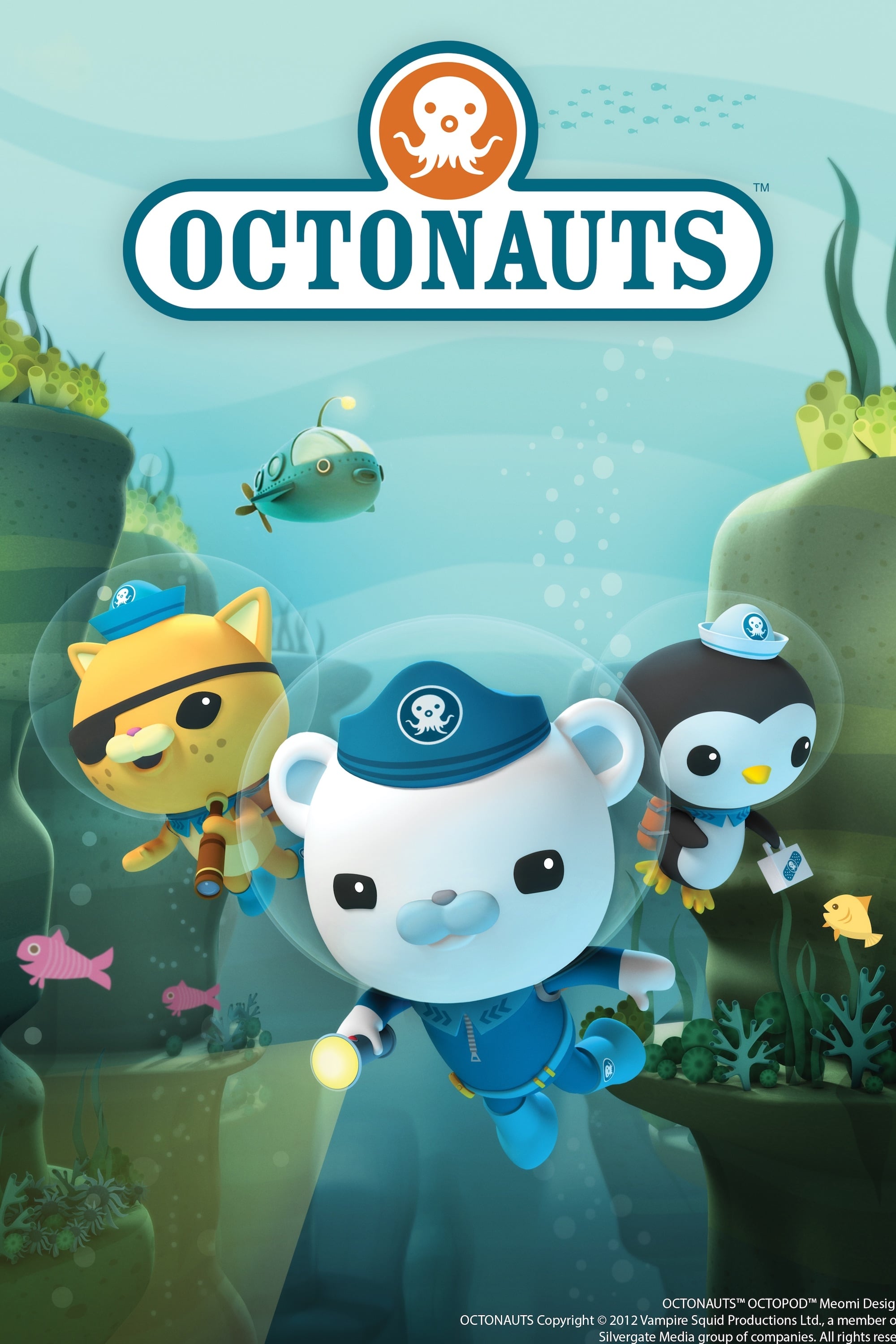
This underwater adventure series is based on books by Meomi and follows a crew that explores the ocean and helps sea creatures in need. Each story introduces a marine species along with its environment and adaptations, using clear terminology like zones, currents, and biodiversity.
Episodes include a Creature Report segment that summarizes key facts in a short musical review. Repeating tools such as the Octo Alert, Gups, and maps orient young viewers to mission steps, and the show’s focus on teamwork models roles like medic, navigator, and engineer.
‘Hilda’ (2018– )
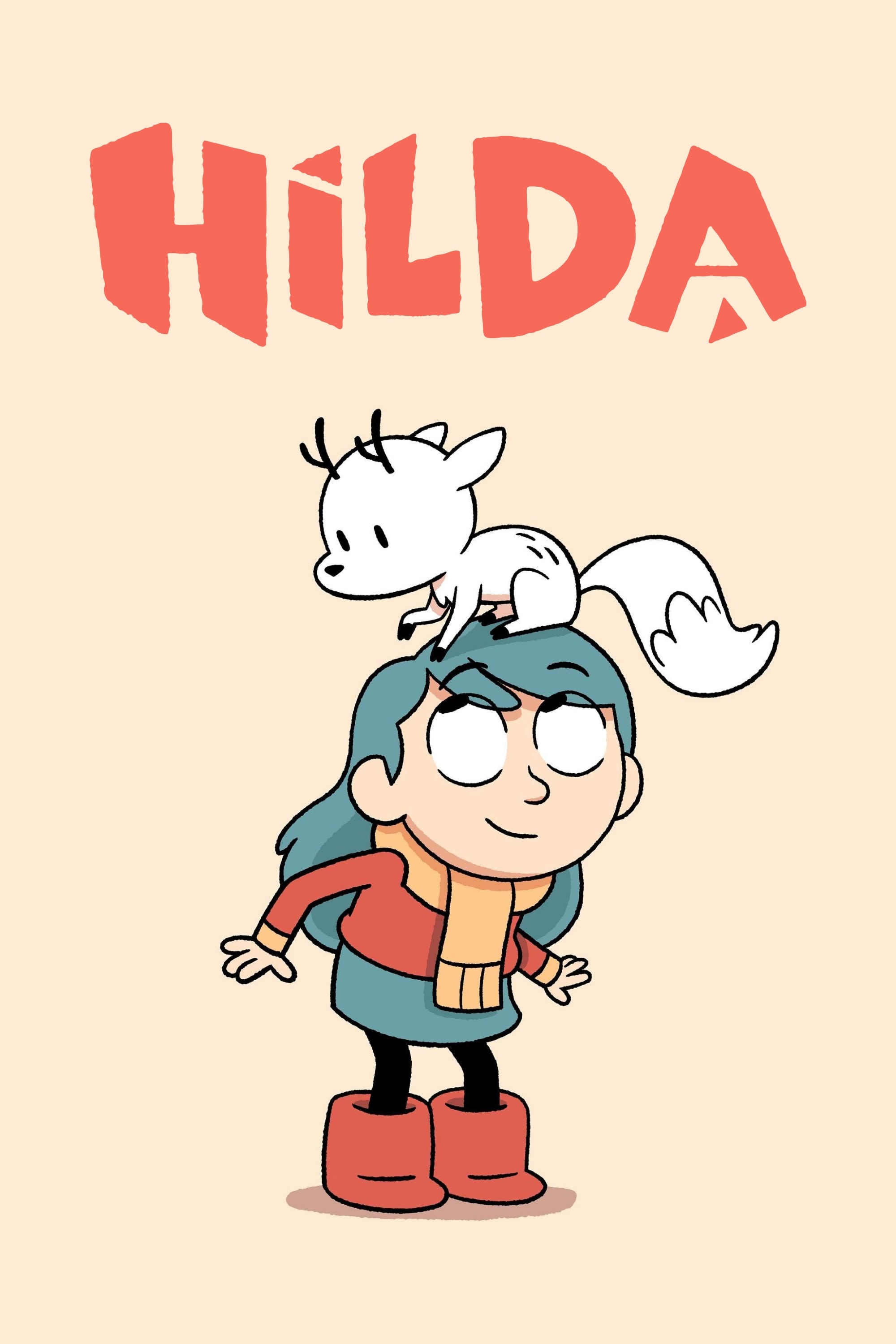
Adapted from Luke Pearson’s graphic novels, this series follows a curious girl who moves from the wilderness to the city of Trolberg. Episodes draw on folklore and urban fantasy, featuring trolls, elves, and spirits that follow their own rules and histories. The art direction uses clean lines and calm palettes that make the world easy to follow.
Stories often begin with a small curiosity that grows into a larger mystery, encouraging observation, note taking, and map reading. The show introduces concepts like civic rules, local history, and community problem solving through city councils, scout groups, and neighborhood traditions.
‘Avatar: The Last Airbender’ (2005–2008)
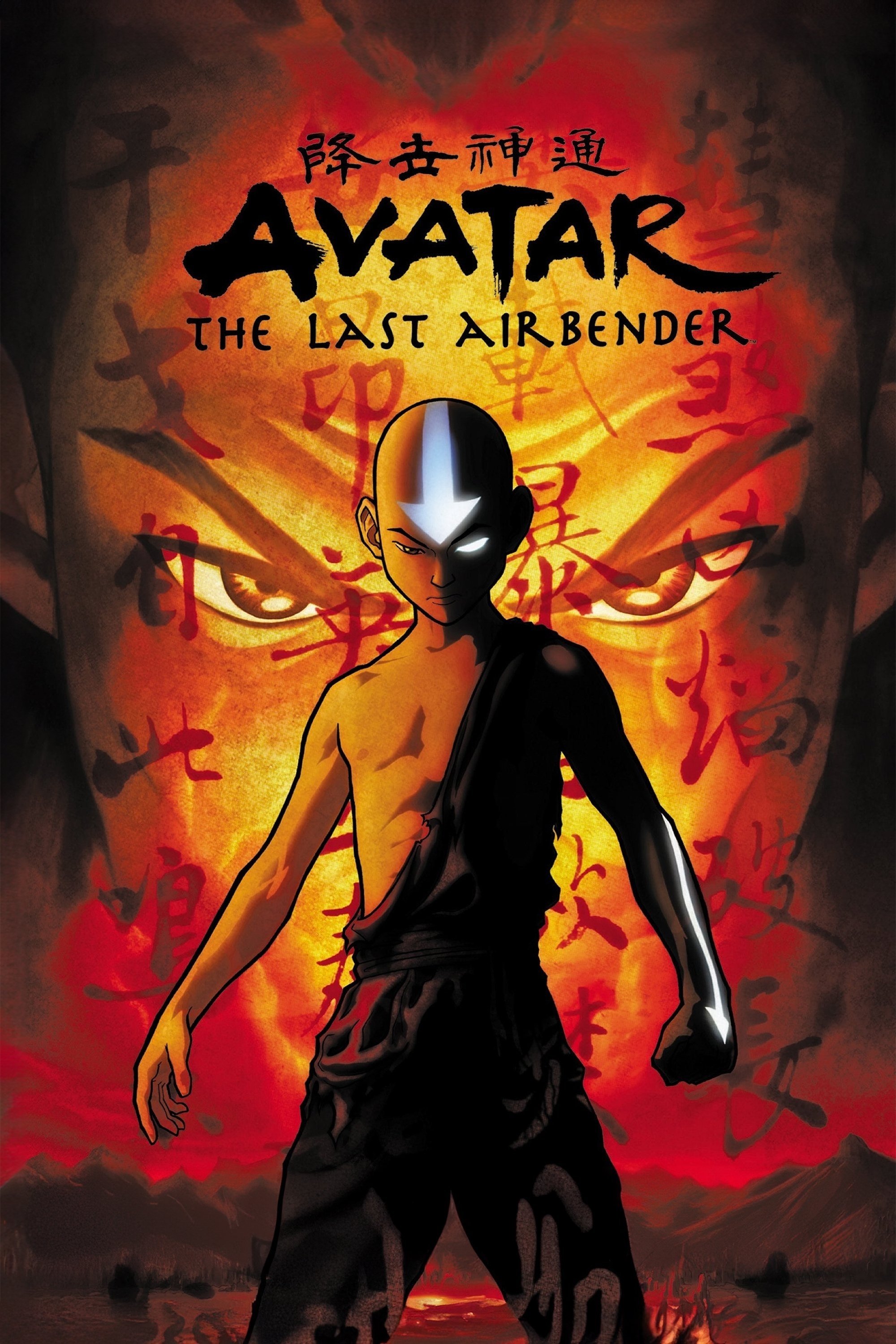
Set in a world of four nations linked to earth, water, fire, and air, this series follows Aang and friends as they learn bending disciplines inspired by distinct martial arts. The narrative is organized into three Books that build skills and geography step by step, which helps older kids track long term goals.
Cultural details appear through clothing, architecture, and calligraphy that match each nation’s identity. Episodes balance travel logs with training sequences and introduce themes like responsibility, choice, and reconciliation through clear stakes that are revisited across the season.
‘Phineas and Ferb’ (2007–2015)
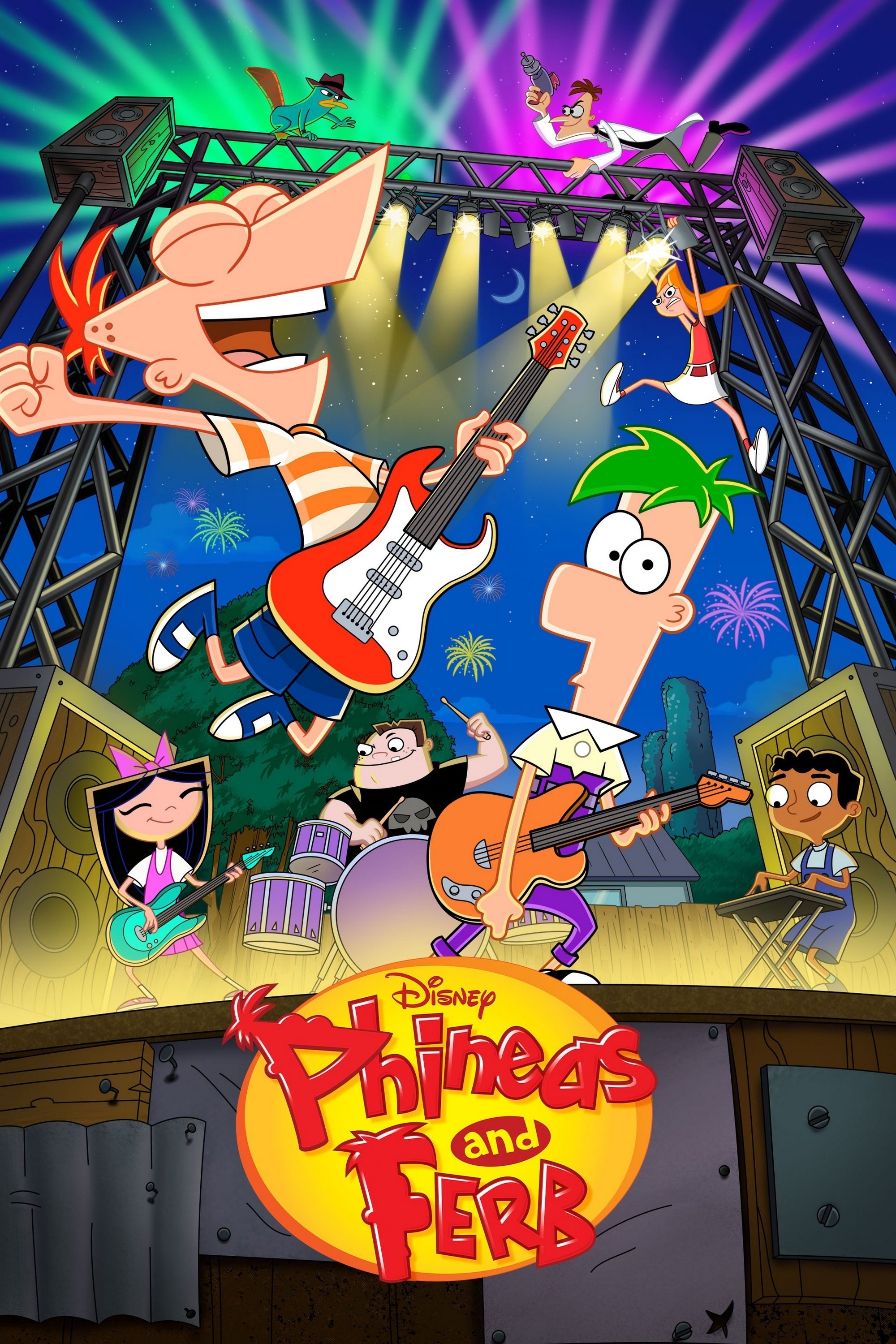
This comedy series centers on two inventive stepbrothers who build elaborate projects during summer vacation. Each episode follows a reliable pattern that includes a musical number, a subplot with Agent P, and a gadget or contraption that resets by the end, which makes it easy for kids to jump into any episode.
Running jokes and song structures support prediction and memory, while the dialogue uses precise vocabulary for simple engineering ideas. The format encourages curiosity about how things work and presents basic design steps from planning to testing.
‘SpongeBob SquarePants’ (1999– )
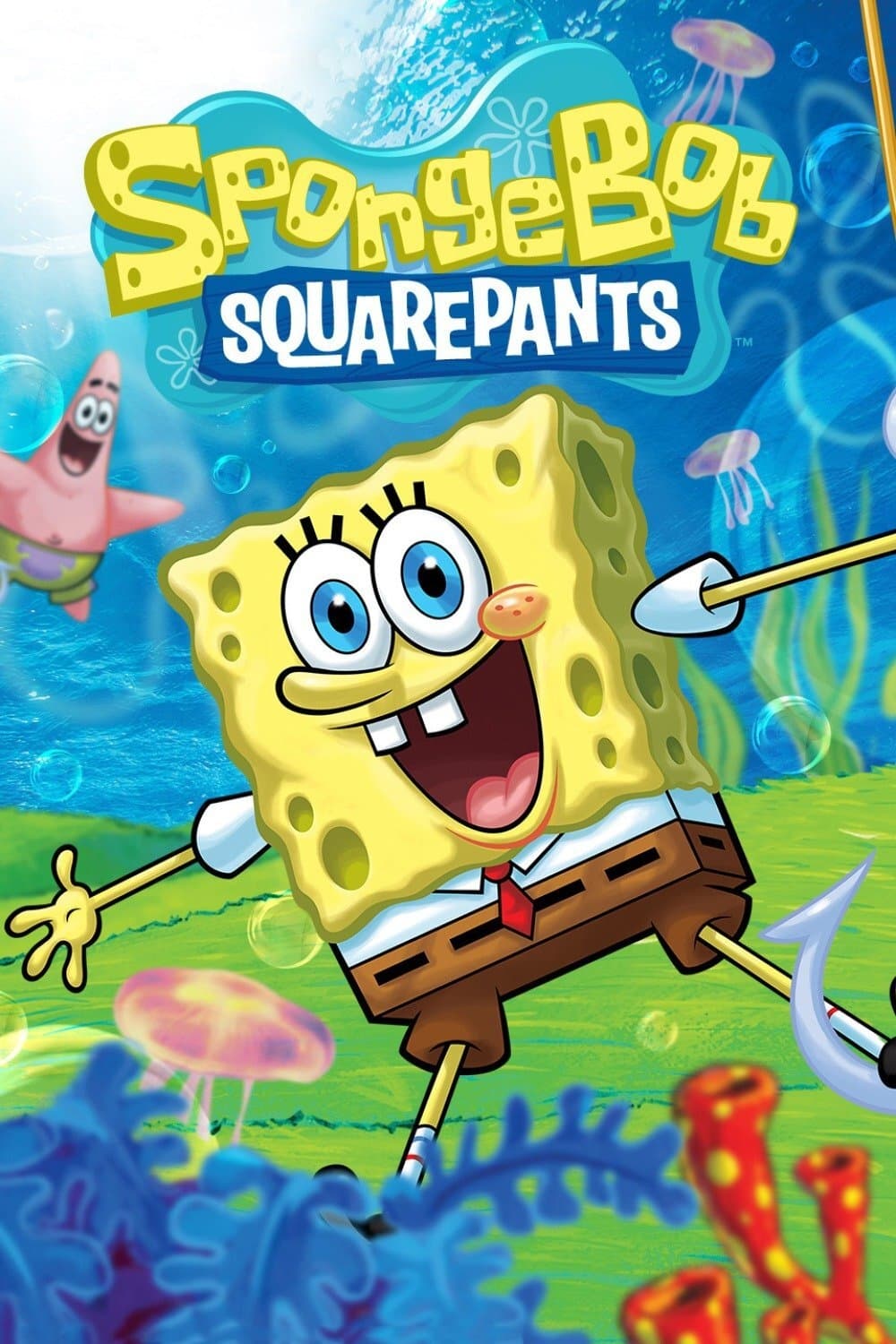
Created by Stephen Hillenburg, this animated series is set in the undersea town of Bikini Bottom. Episodes are usually split into two short stories that focus on workplace routines, neighbor relations, and simple responsibility tasks, presented through characters like SpongeBob, Patrick, and Squidward.
The show’s timing and visual gags rely on clear setups and payoffs, which helps children track cause and effect. Recurring locations such as the Krusty Krab, boating school, and Jellyfish Fields provide familiar settings for new scenarios without complex backstory.
‘Doc McStuffins’ (2012–2020)

This Disney Junior series features a young girl who runs a clinic for toys and stuffed animals. Stories introduce basic health literacy like checkups, germs, and first aid, using simple terms and repeatable steps that kids can apply to their own routines.
Episodes include musical checklists and a diagnosis moment that names the problem in child friendly language. Family and community characters appear in recurring roles such as nurse, parent, and friend, which helps reinforce roles in real medical visits.
‘Peppa Pig’ (2004– )
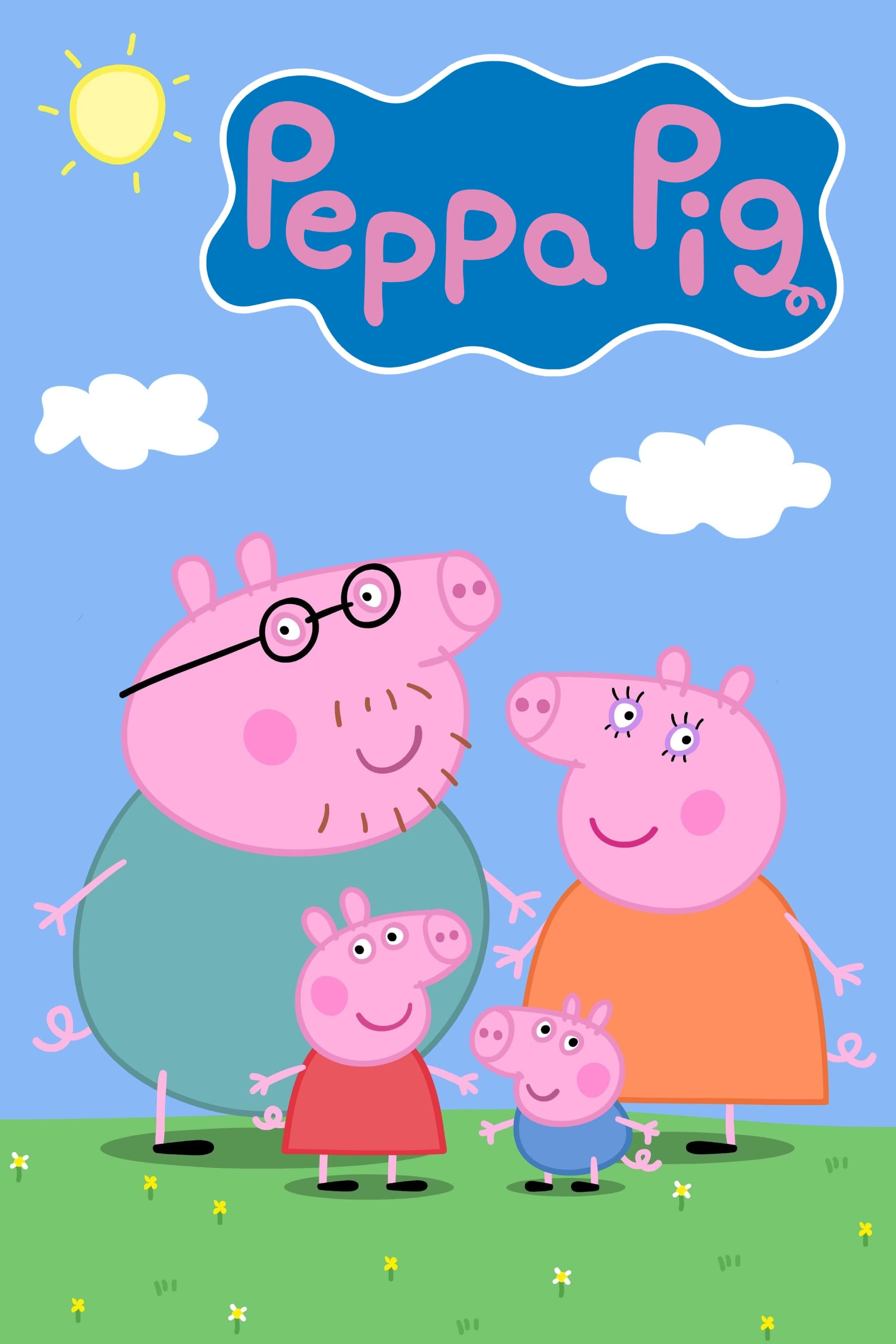
This British preschool series uses five minute episodes to show family life through Peppa, George, and their parents. The narration is simple and the animation uses clean shapes and bright backgrounds, which keeps attention on vocabulary for everyday objects and actions.
Stories cover preschool topics like visiting grandparents, attending playgroup, and learning new games. Repetition of phrases and sounds supports early language development, and the short runtime fits well into transitions like snack time or getting ready to go out.
‘Dora the Explorer’ (2000–2019)
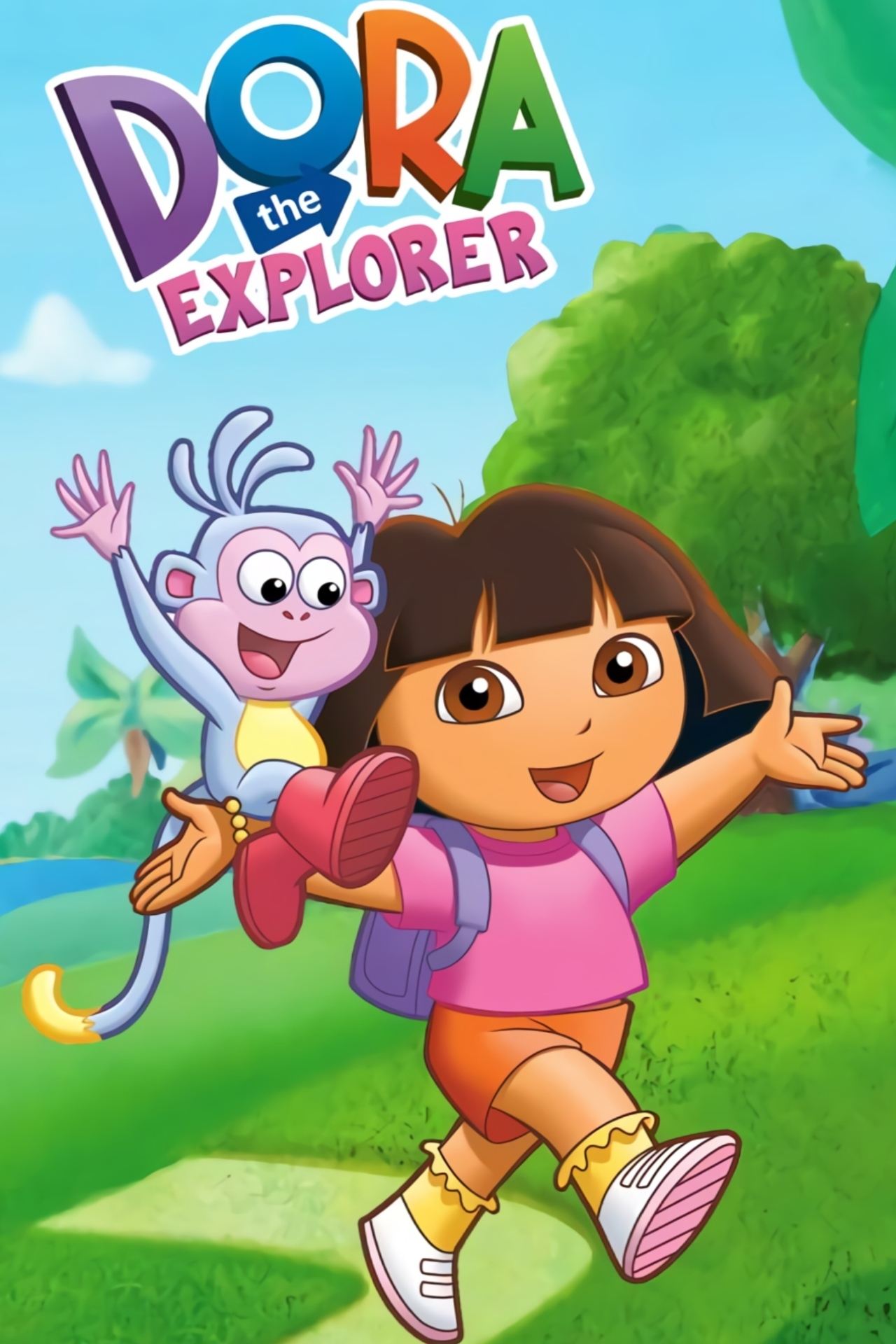
This interactive series invites viewers to help Dora solve map based puzzles with call and response prompts. Each episode follows a three location journey that teaches sequencing, direction words, and basic Spanish vocabulary alongside simple problem solving.
Recurring elements like the Backpack, the Map, and Swiper appear in predictable spots, which helps children practice memory and attention. Visual arrows, icons, and on screen choices guide participation and encourage clear verbal responses.
‘Arthur’ (1996–2022)
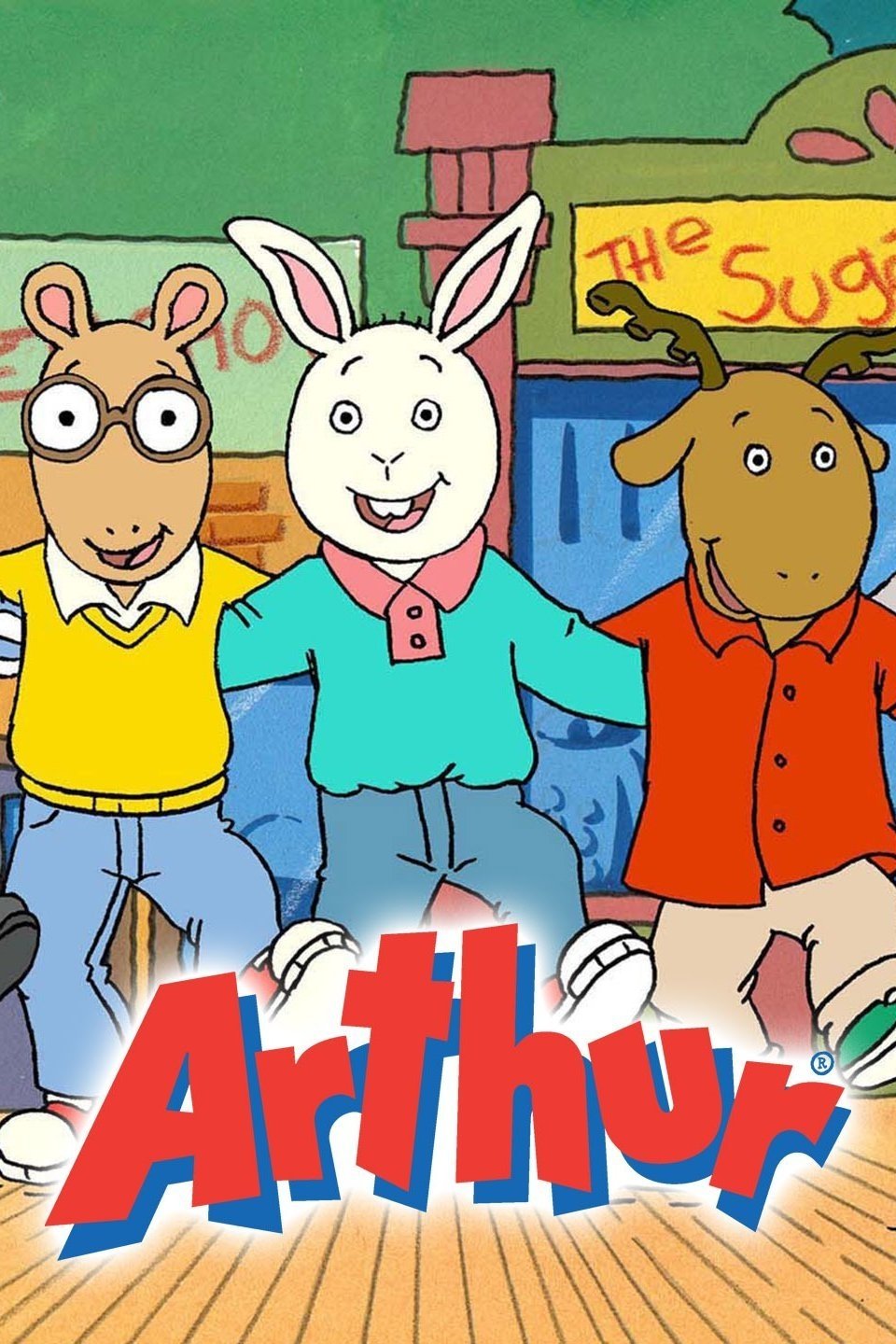
Based on books by Marc Brown, this series follows third grader Arthur and his classmates in stories about school, friends, and family. Episodes focus on practical topics such as library use, music lessons, and classroom projects, and they present consequences that are easy to understand.
The show often includes short real kid segments that connect the animated story to everyday life. Character centered plots allow discussions about rules, responsibility, and media use, and the school setting provides familiar schedules and routines.
‘Shaun the Sheep’ (2007– )
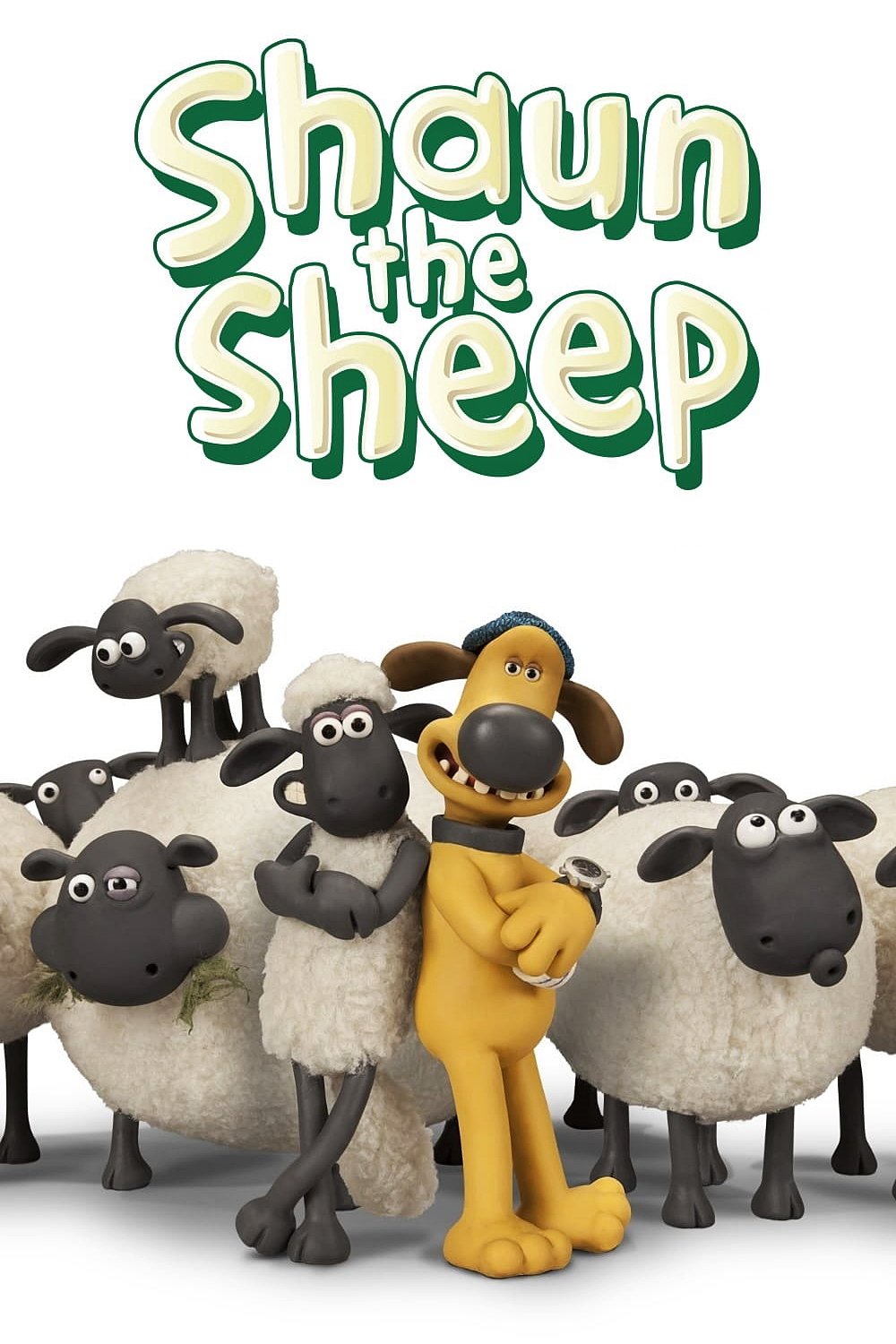
From Aardman Animations, this stop motion series uses minimal dialogue and clear visual storytelling on a small farm. Each episode presents a simple problem with objects and actions that kids can follow without reading, which supports visual literacy and attention to detail.
The setting includes consistent locations like the barn, field, and farmhouse, so children can predict where tools and characters might be. The animation style highlights cause and effect through movement and timing, which makes rewatching helpful for noticing new clues.
‘The Owl House’ (2020–2023)
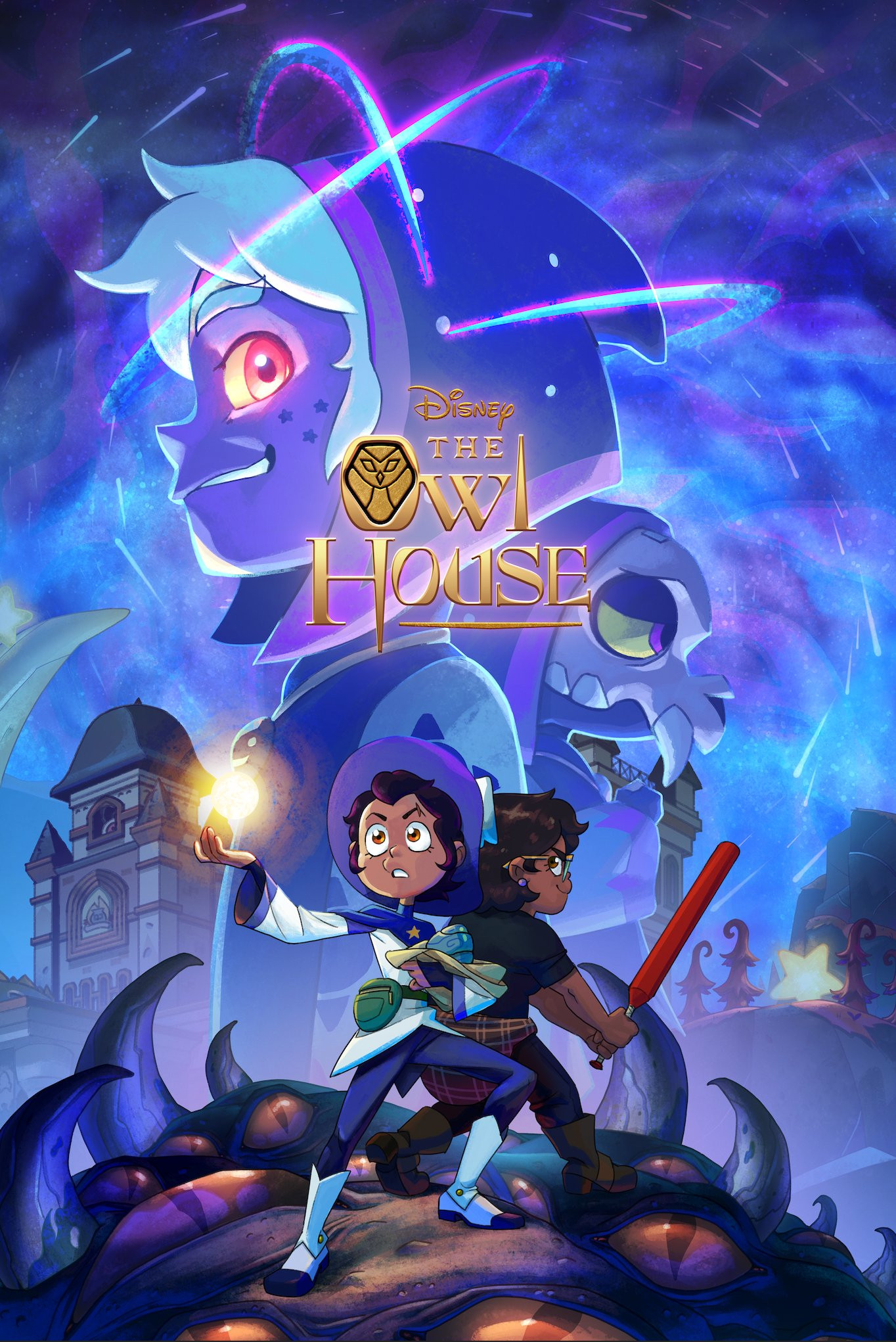
This fantasy series follows Luz, who enters the Boiling Isles and studies magic with a mentor named Eda. The show uses a school and apprenticeship structure to organize lessons, spell systems, and group projects that build over time.
Locations like Hexside and the Owl House create stable hubs for ongoing arcs. Episodes introduce glyphs, track notebooks, and team roles that make complex fantasy rules easier for older kids to memorize and apply.
‘Gravity Falls’ (2012–2016)
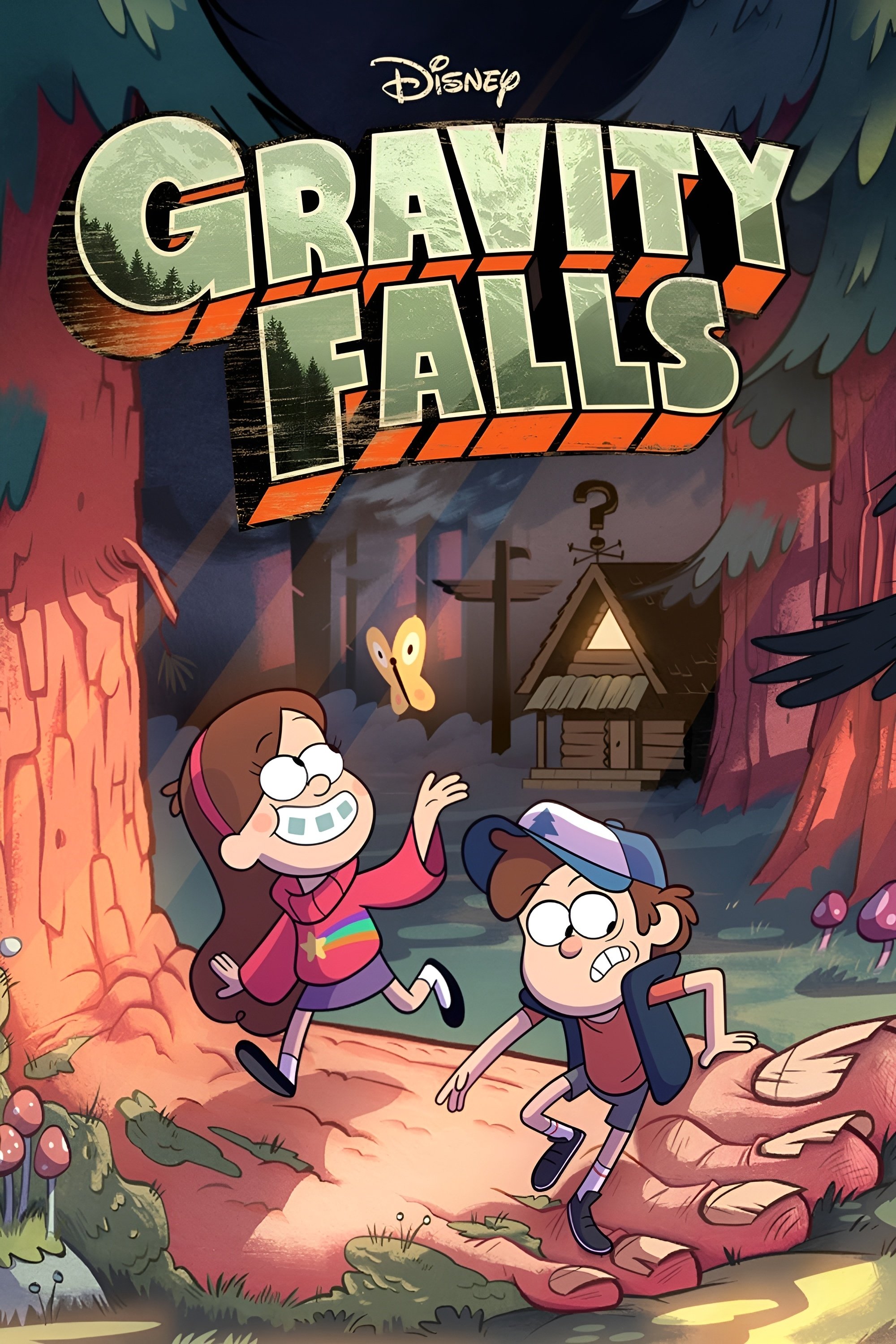
Set during one summer in a small town, this mystery series follows twins Dipper and Mabel as they investigate strange events around the Mystery Shack. The story uses journals, codes, and clues that encourage viewers to pause, collect information, and compare notes across episodes.
End credits often include ciphers that can be decoded with simple substitution, which supports interest in puzzles and patterns. The two season run forms a complete arc, making it a good pick for kids who like clear beginnings and endings.
‘My Little Pony: Friendship Is Magic’ (2010–2019)
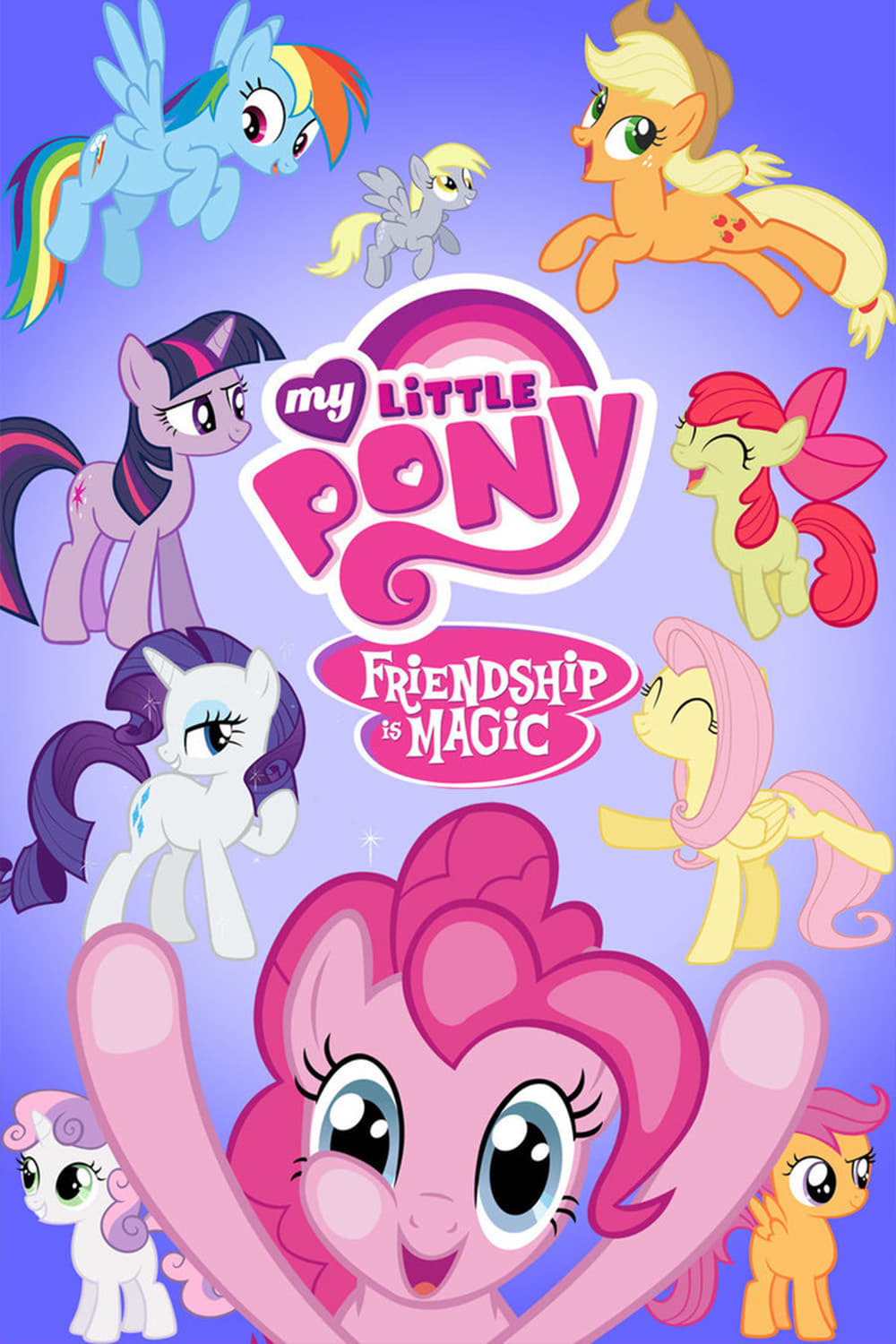
Developed by Lauren Faust, this series takes place in Equestria and follows Twilight Sparkle and friends as they record friendship lessons. Episodes present problems that map to a specific theme such as honesty, generosity, or teamwork, and many include original songs that reinforce the day’s idea.
The show introduces world building through maps, written letters, and recurring festivals. Character cutie marks and roles provide easy hooks for kids to remember skills and interests, and the ensemble cast allows many entry points for new viewers.
‘Mister Rogers’ Neighborhood’ (1968–2001)
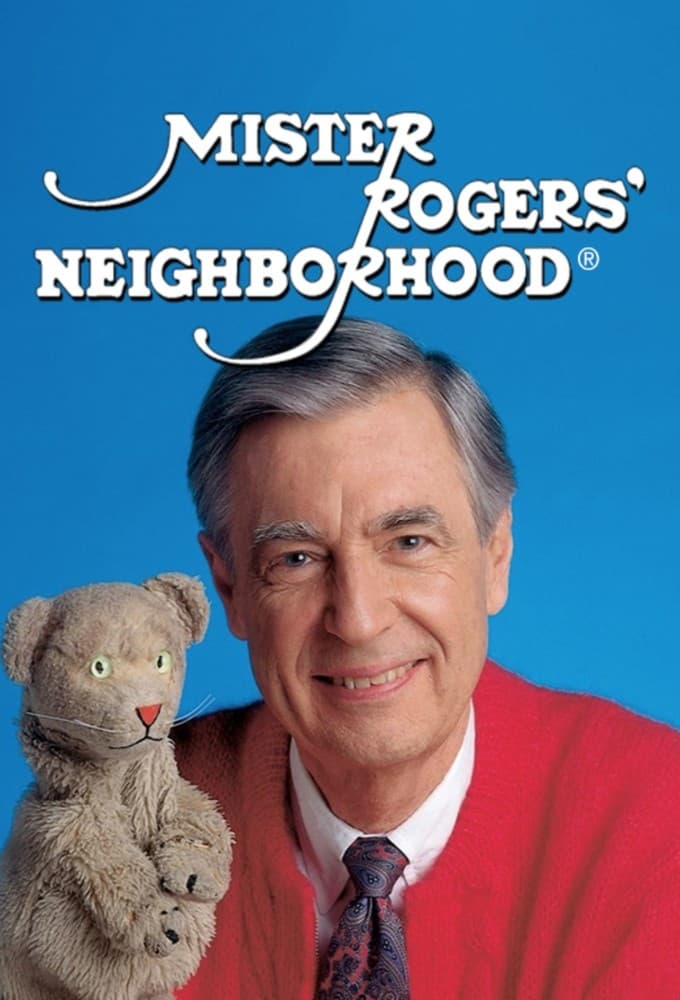
Hosted by Fred Rogers, this series uses a calm, predictable format that starts with a greeting, includes a visit to the Neighborhood of Make Believe, and ends with a song. Episodes focus on naming feelings, building routines, and understanding community roles through visits to workplaces and demonstrations.
Regular elements like the trolley, Picture Picture, and make believe segments help kids move between real and pretend. The language is direct and slow enough for young viewers to process, and topics are revisited across multiple days to support retention.
‘Odd Squad’ (2014– )
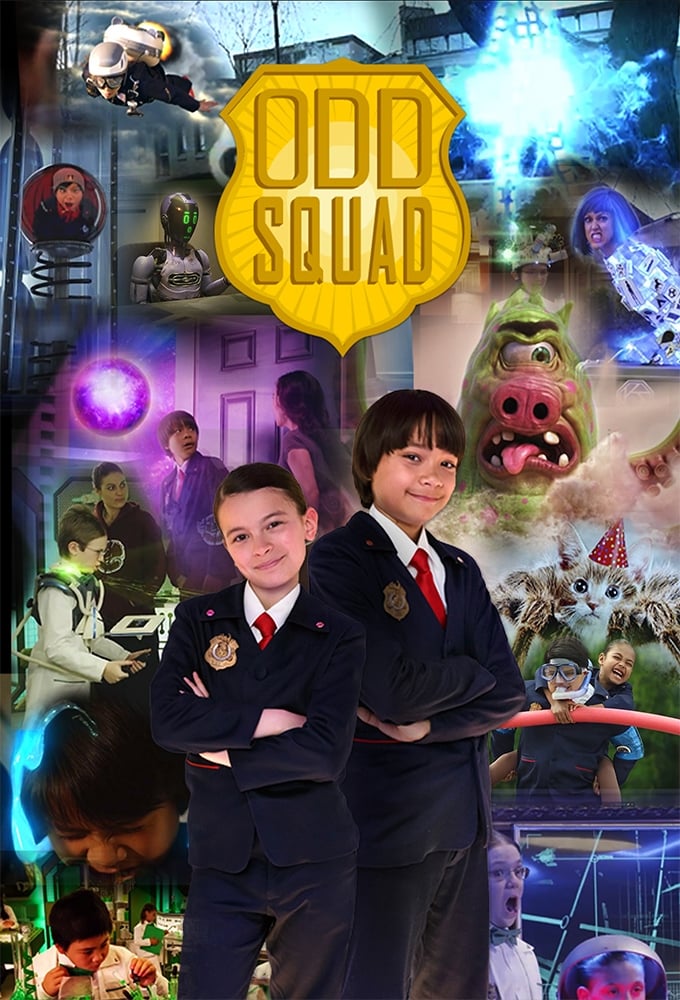
This live action series features kid agents who solve odd occurrences using math and logic. Episodes present a clear problem, identify the operation or concept needed, and walk through steps to reach a solution, which aligns with elementary math standards.
The show uses departments, gadgets, and case files to organize information and includes visual models like number lines and arrays. Cast transitions and special episodes introduce new teams while keeping the agency structure, so families can start at almost any season without confusion.
Share your favorite picks and the episodes your kids return to again and again in the comments.