


The Best Movies About Women’s Rights

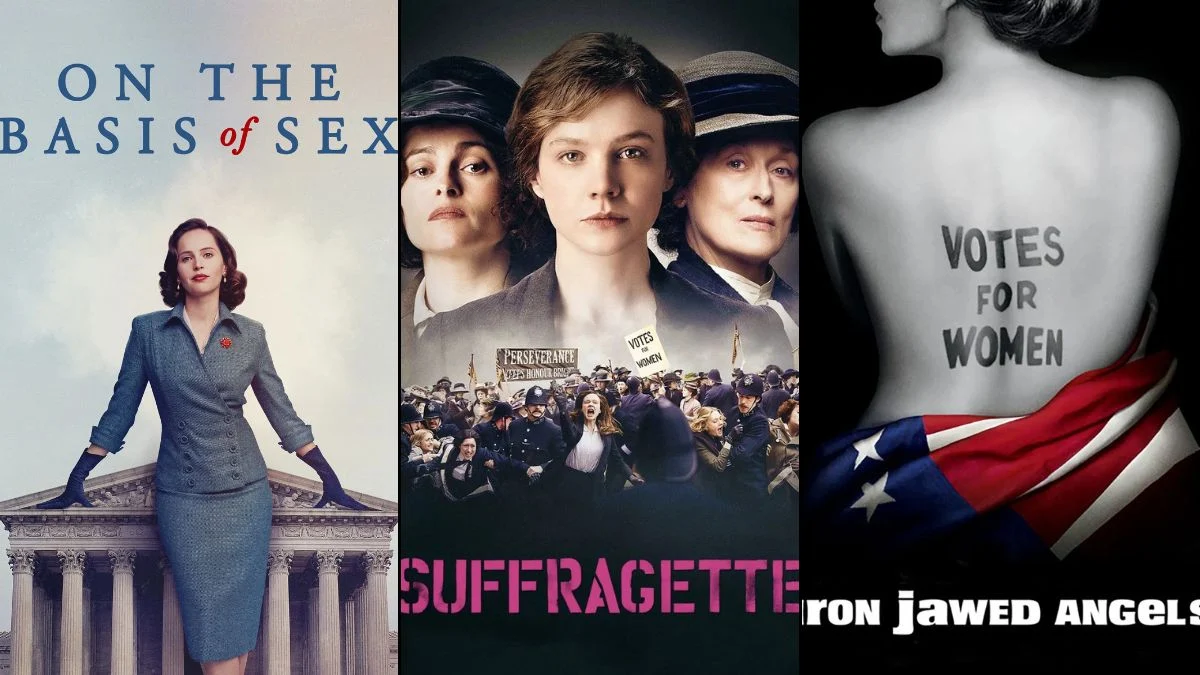


Cinema has been a powerful way to track the fight for equality across courts, picket lines, classrooms, and homes. These films show how policy changes and everyday choices meet in real stories, historical dramas, and documentaries that follow people who pushed for equal rights and opportunities. They explore the mechanics of activism, the strategies that win cases, and the quiet courage that moves communities forward.
This list gathers features and documentaries that focus directly on legal equality, suffrage, work conditions, education, bodily autonomy, and representation. Each title offers clear context about the rights at stake, the people involved, and the outcomes that followed, so you can see how these milestones fit into a wider picture of progress.
‘Suffragette’ (2015)
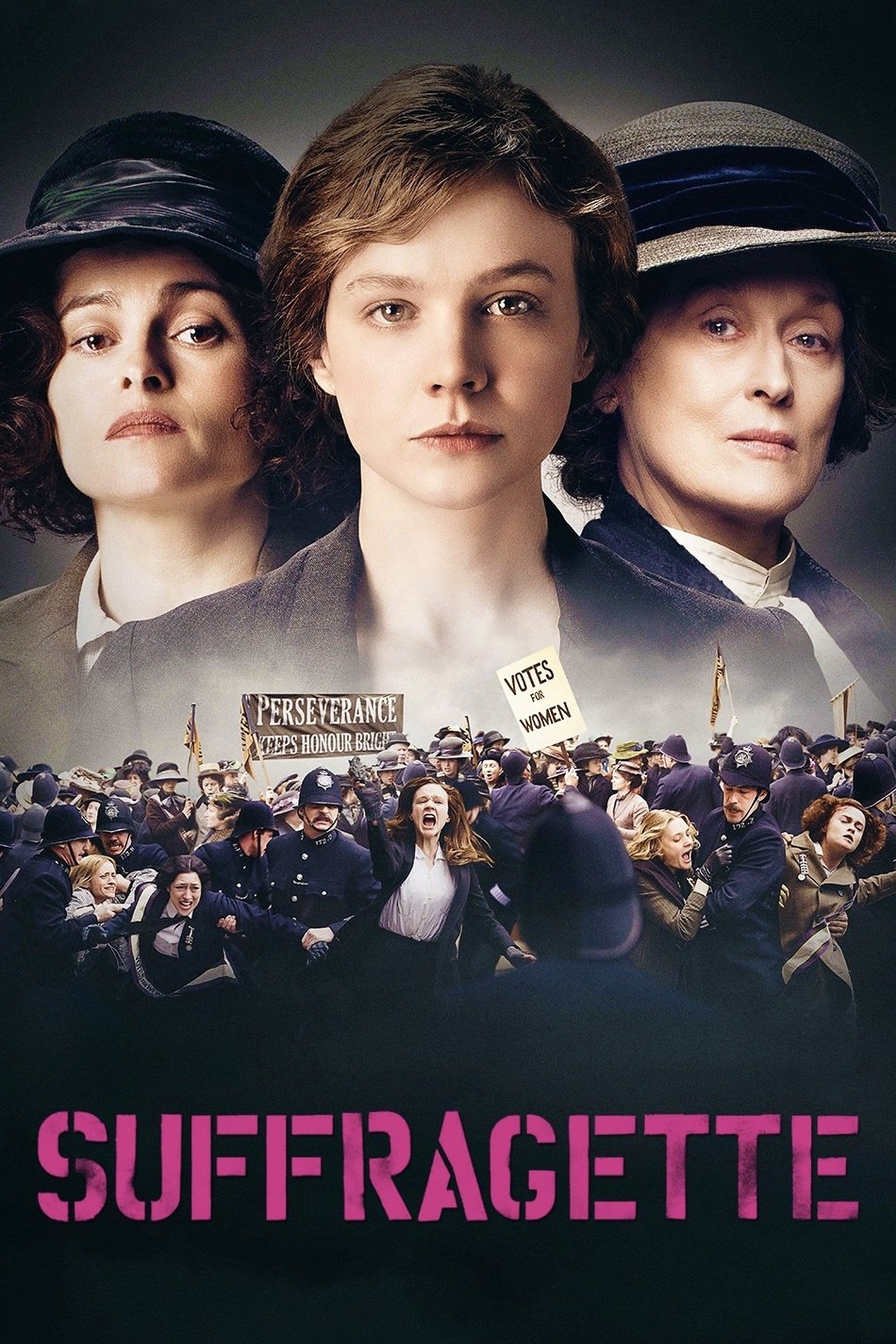
Set in London during the final surge of the British suffrage movement, ‘Suffragette’ follows a laundry worker who is drawn into the Women’s Social and Political Union. The story covers civil disobedience, surveillance, arrest, hunger strikes, and force feeding, and it depicts the death of activist Emily Wilding Davison at a major horse race as a turning point in public attention.
Directed by Sarah Gavron and written by Abi Morgan, the film features Carey Mulligan, Helena Bonham Carter, and Meryl Streep as Emmeline Pankhurst. It uses period detail to show how working class women became central to a campaign that confronted property damage charges, police crackdowns, and harsh prison treatment to force a national debate on voting rights.
‘Iron Jawed Angels’ (2004)

‘Iron Jawed Angels’ centers on Alice Paul and Lucy Burns and their push for a federal amendment in the United States after years of stalled state by state efforts. The film documents the Silent Sentinels, White House pickets, mass arrests, and the Occoquan Workhouse where women endured force feeding during hunger strikes.
Hilary Swank and Frances O’Connor lead the cast with Anjelica Huston as Carrie Chapman Catt. The narrative explains how split strategies within the movement and savvy use of media pressured elected officials, culminating in congressional passage and state ratification of the amendment that secured voting rights for women nationwide.
‘Made in Dagenham’ (2010)
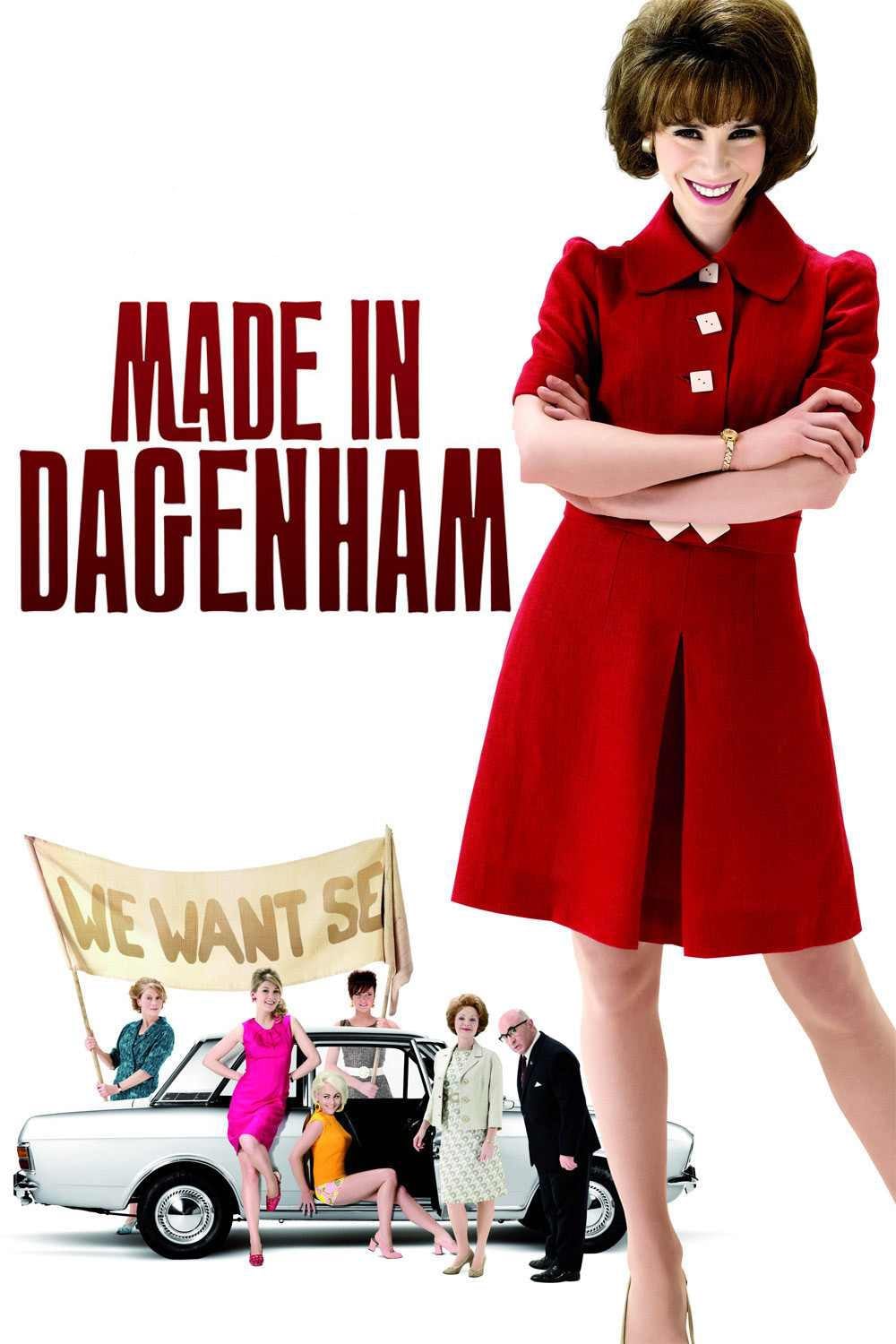
‘Made in Dagenham’ dramatizes the walkout by sewing machinists at Ford’s Dagenham plant who protested sex based pay grading. The film follows organizers as they escalate from a local dispute to a national conversation about equal pay and classification systems that undervalued skilled women’s work.
Sally Hawkins plays a composite leader who engages union officials and government ministers, including Barbara Castle. The strike’s resolution helped pave the way for the Equal Pay Act in the United Kingdom, and the film lays out how negotiations, public messaging, and solidarity across factories can drive legislative change.
‘The Divine Order’ (2017)
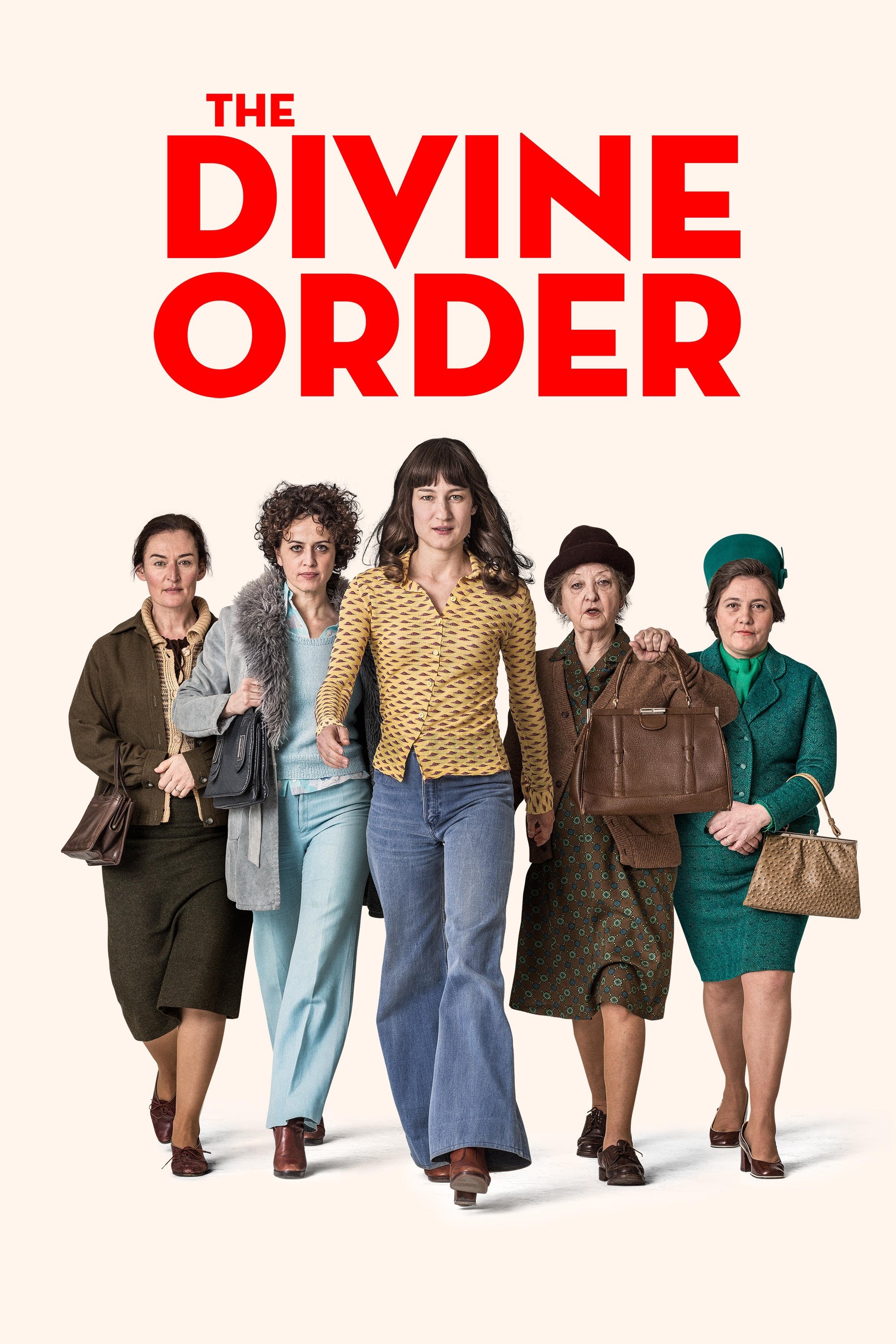
Set in a Swiss village, ‘The Divine Order’ shows how everyday women organized for the right to vote at the federal level. The story traces petitions, community meetings, and social pushback within families and workplaces that shaped opinion before a national referendum.
Written and directed by Petra Volpe, the film explains why Swiss women secured federal suffrage later than many European neighbors and how local activism connected to broader campaigns. It highlights how shifts in public sentiment, along with visible organizing, ultimately produced a decisive ballot outcome.
‘On the Basis of Sex’ (2018)
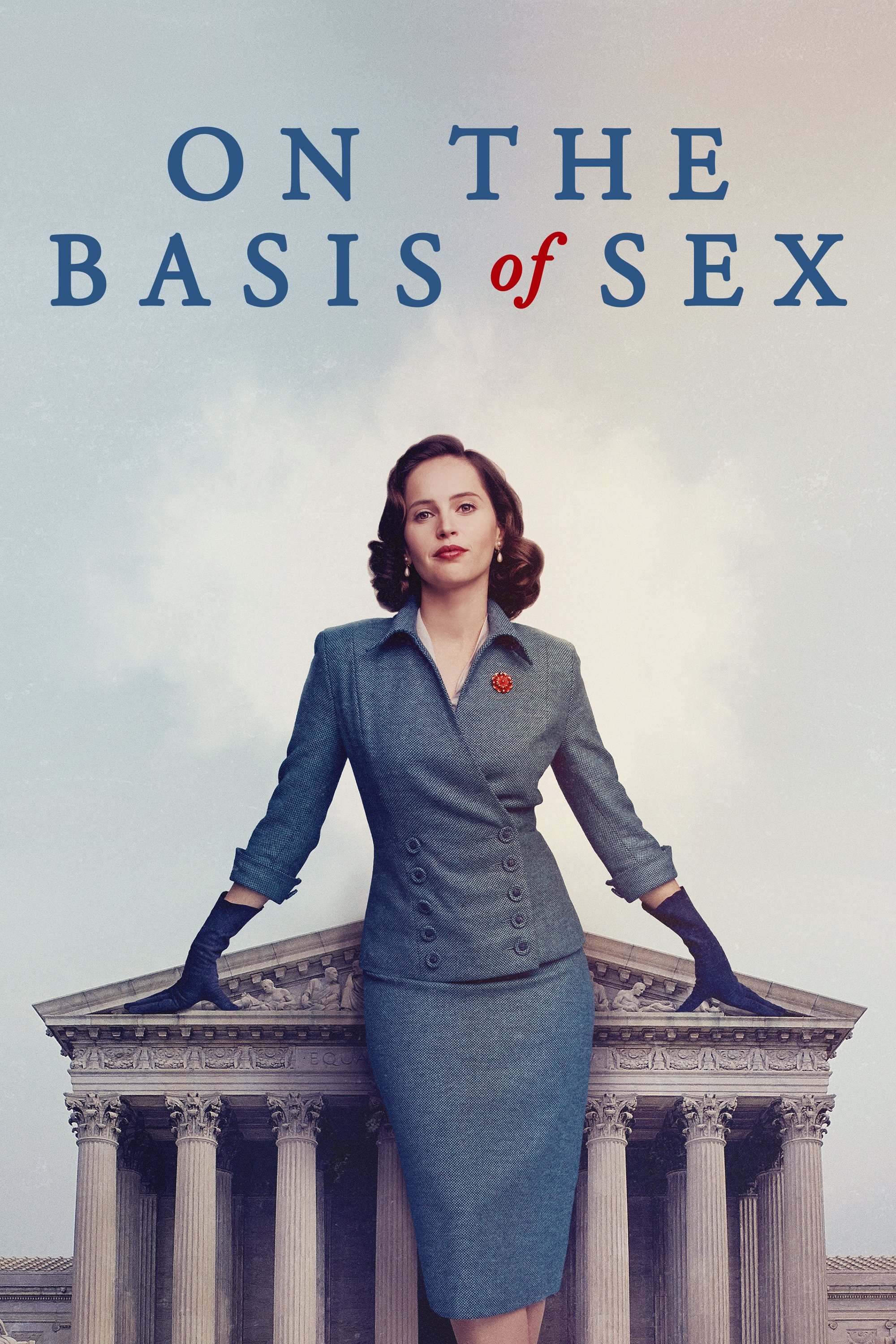
‘On the Basis of Sex’ follows Ruth Bader Ginsburg’s early legal career and a strategic case that challenged a tax rule discriminating on the basis of sex. The film explains how lawyers built a record to show that laws treating men and women differently needed heightened judicial scrutiny.
Directed by Mimi Leder and starring Felicity Jones and Armie Hammer, the story shows work at the ACLU Women’s Rights Project and collaboration with litigators and academics. Courtroom scenes break down briefs, oral arguments, and precedent in a clear way that connects legal theory to real world impacts on family caregiving and employment.
‘RBG’ (2018)
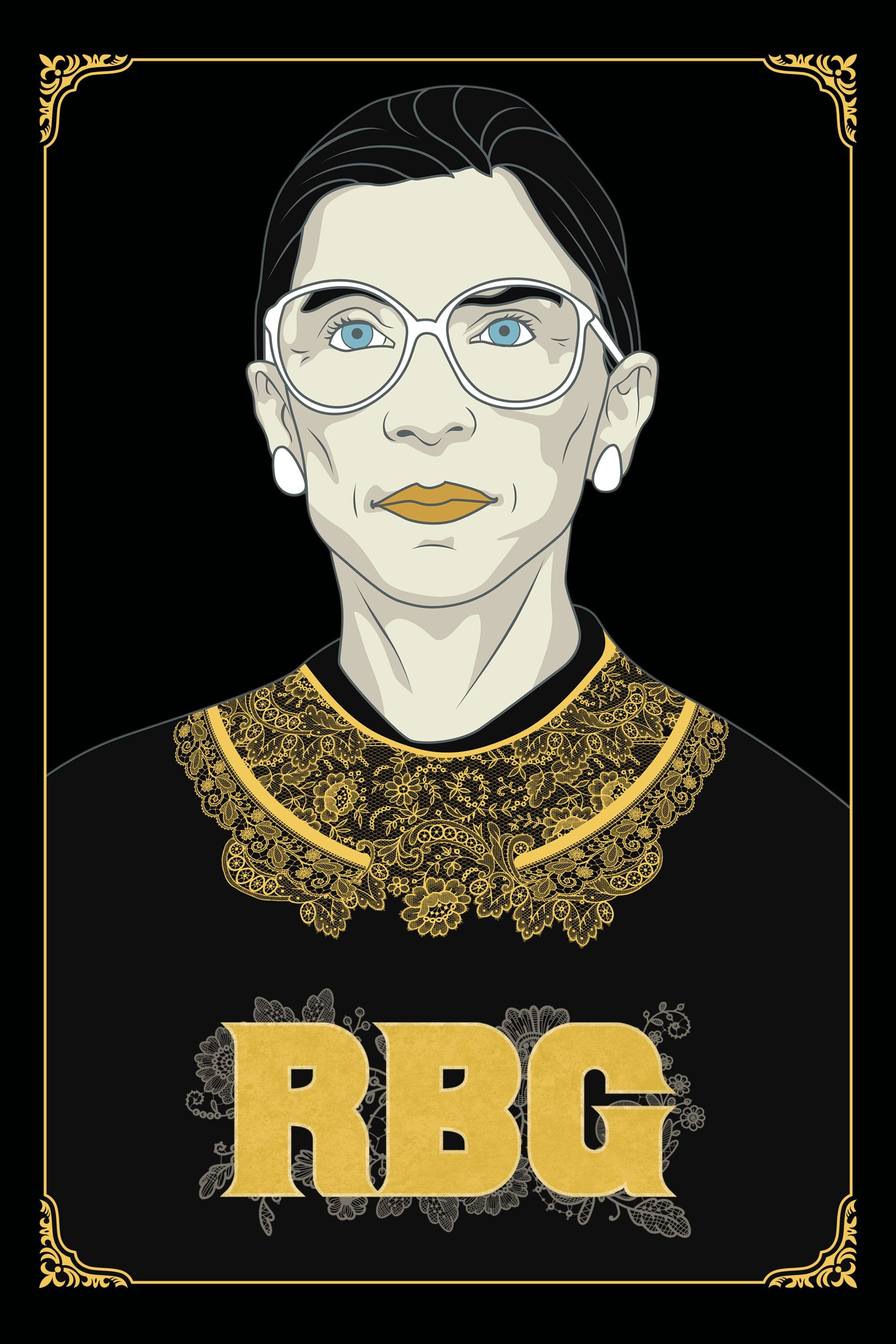
The documentary ‘RBG’ profiles Justice Ruth Bader Ginsburg’s litigation strategy before joining the bench and her later opinions and dissents on the Supreme Court. It outlines key cases that dismantled sex based classifications and explores how carefully chosen plaintiffs and facts advanced equal protection doctrine.
Directed by Betsy West and Julie Cohen, the film covers the founding of the Women’s Rights Project, collaborations with Thurgood Marshall’s model for civil rights litigation, and the influence of notable dissents on policy. It also touches on mentorship, clerks, and bipartisan relationships that informed judicial work.
‘Hidden Figures’ (2016)

‘Hidden Figures’ tells the story of three Black women who worked as mathematicians and engineers at NASA during the space race. The film addresses segregation at work, professional accreditation, and the barriers to promotion that limited access to technical roles.
Directed by Theodore Melfi and based on Margot Lee Shetterly’s book, the film shows Katherine Johnson’s orbital calculations, Dorothy Vaughan’s leadership in computer programming, and Mary Jackson’s path to become an engineer. It connects individual achievement to policy changes in education and employment that opened doors for women in science and engineering.
‘North Country’ (2005)
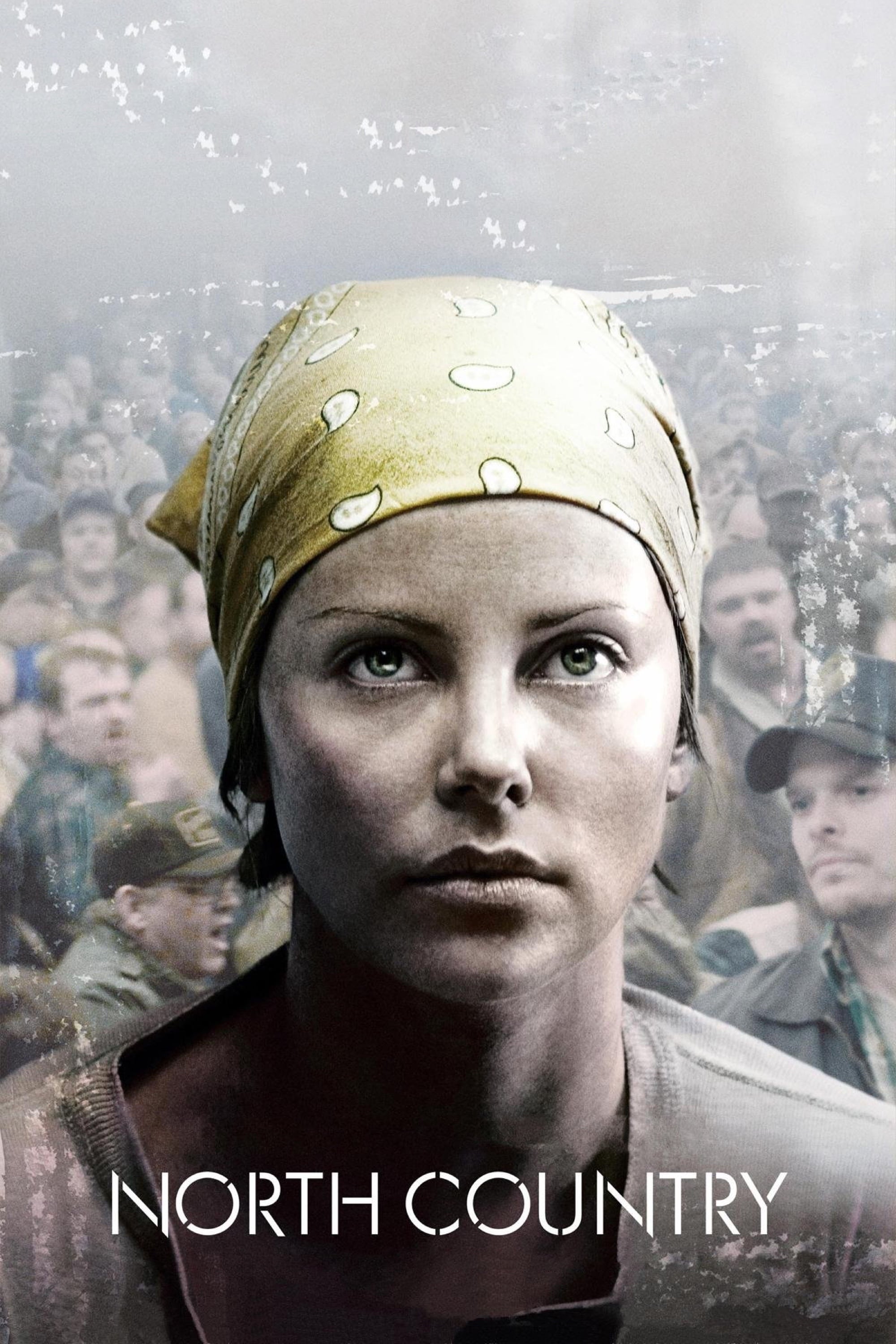
‘North Country’ is based on the first major class action case about sexual harassment in the American workplace. The story follows a miner who documents harassment, gathers testimony, and confronts a company culture that tolerated abuse and retaliation.
Directed by Niki Caro and starring Charlize Theron, Frances McDormand, and Woody Harrelson, the film presents depositions, union meetings, and courtroom procedures that established hostile environment claims as a legal basis for relief. It shows how early plaintiffs and attorneys set precedent that shaped company policies nationwide.
‘Erin Brockovich’ (2000)

‘Erin Brockovich’ follows a legal clerk who uncovers groundwater contamination in a desert town and organizes residents for a case against a major utility. The film details records work, medical histories, and corporate filings that linked contaminants to community health problems.
Directed by Steven Soderbergh with Julia Roberts in the title role, the film covers contingency fees, arbitration pressure, and settlement structures in complex litigation. It documents a record settlement that encouraged further environmental and public health suits and increased attention to corporate disclosure.
‘9 to 5’ (1980)
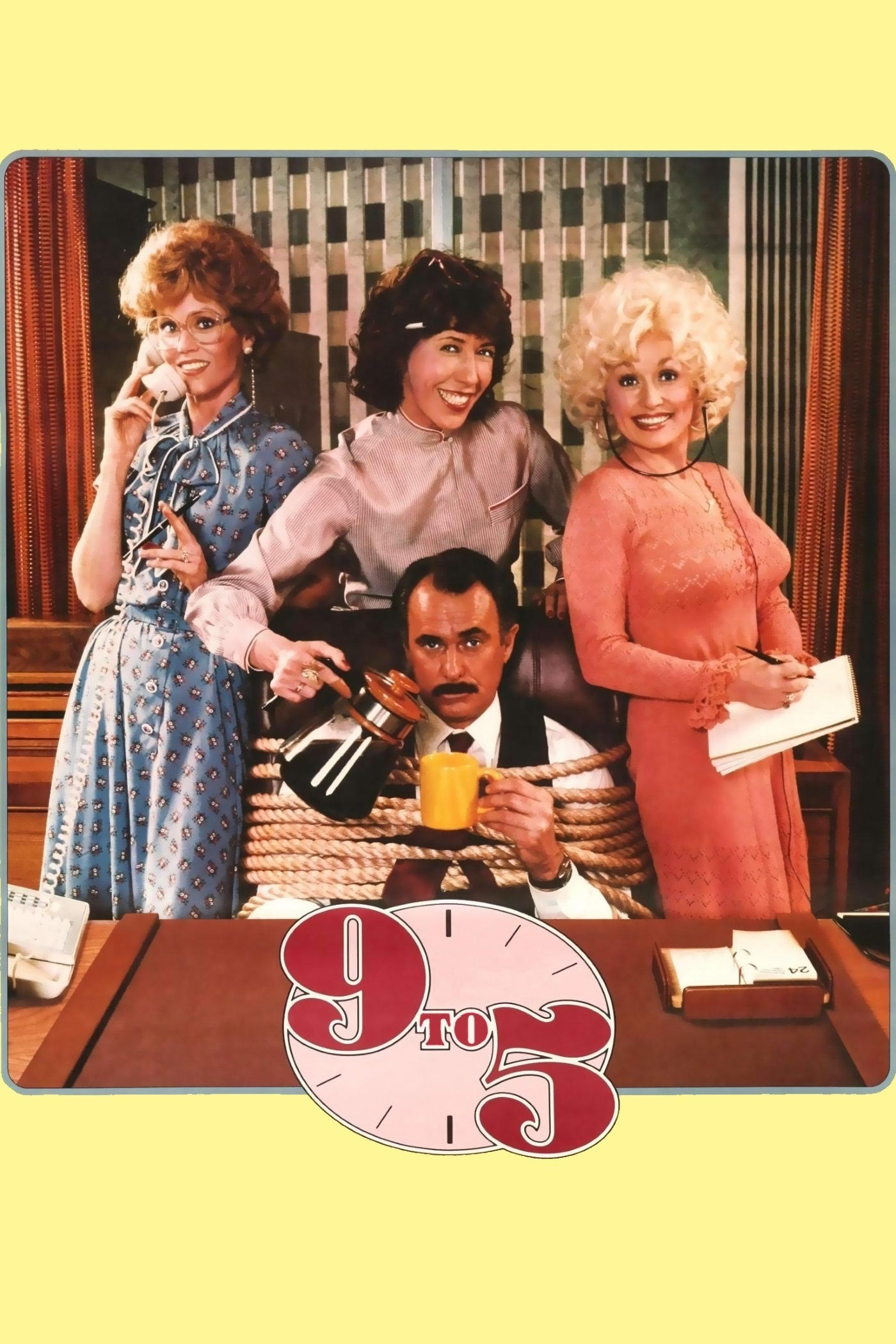
Set in a corporate office, ‘9 to 5’ uses satire to address sexual harassment, unequal pay, and lack of promotion opportunities for women. The plot shows workers developing a plan to challenge a discriminatory boss while testing changes like flexible schedules and child care support.
Directed by Colin Higgins and starring Jane Fonda, Lily Tomlin, and Dolly Parton, the film drew from the real 9to5 organization that advocated for clerical workers. It sparked a long running conversation about work culture, helped popularize terms for office abuse, and led to a television series and a stage musical that kept policy issues in public view.
‘Norma Rae’ (1979)

‘Norma Rae’ portrays a textile worker who becomes a key organizer in a campaign to unionize a southern mill. The film tracks meetings, leaflets, and a decisive moment on the factory floor that shifts momentum toward collective bargaining.
Directed by Martin Ritt and starring Sally Field, it is inspired by the story of Crystal Lee Sutton and organizing at a company with a long history of labor disputes. The film connects union recognition to health and safety, fair pay, and dignity at work, and it shows how women’s leadership can change outcomes in male dominated industries.
‘The Accused’ (1988)
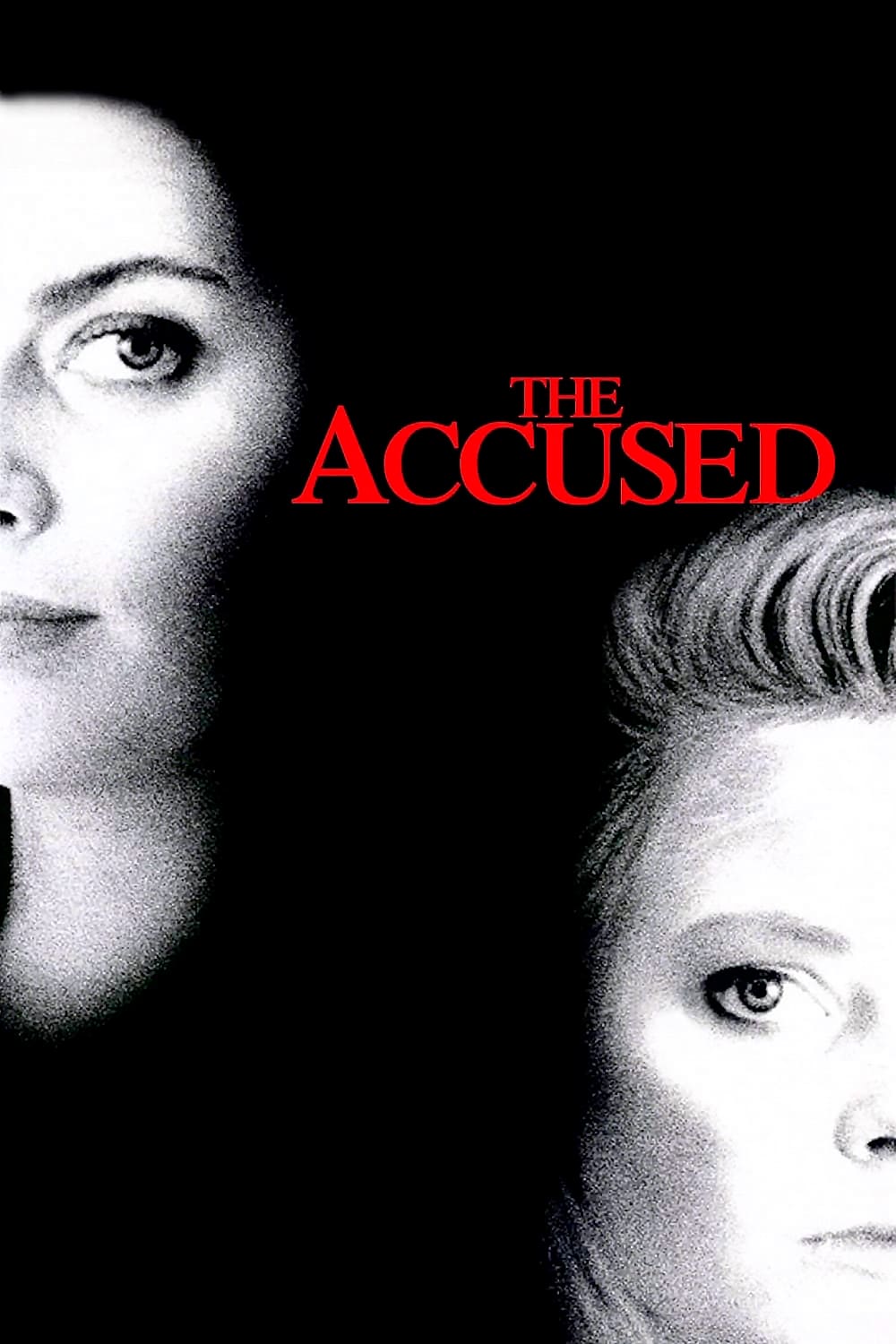
‘The Accused’ depicts the prosecution of a violent assault in a bar and the decision to charge bystanders who encouraged the crime. The film explains evidentiary challenges, plea negotiations, and the use of witness testimony to hold both perpetrators and instigators accountable.
Directed by Jonathan Kaplan and starring Jodie Foster and Kelly McGillis, the story is informed by a widely reported case in Massachusetts. It influenced public discussion about victim rights, consent, and the role of community members in preventing and reporting assaults.
‘Women Talking’ (2022)
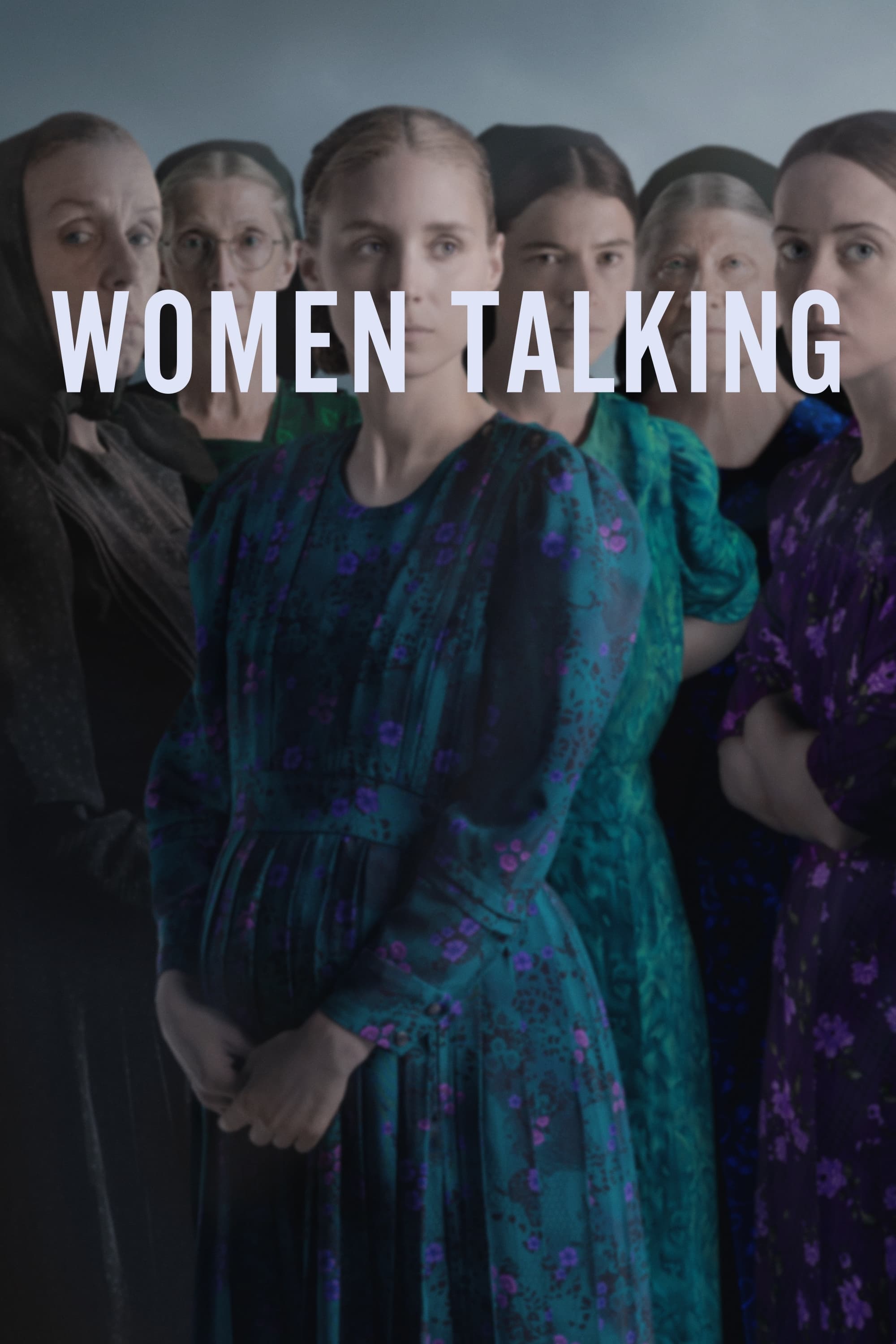
‘Women Talking’ follows a group of women in a rural religious colony as they debate whether to stay or leave after a series of assaults. The narrative is structured as a set of meetings where participants weigh safety, faith, education, and legal recourse.
Written and directed by Sarah Polley and adapted from Miriam Toews’ novel, the film focuses on process and collective decision making. It presents minutes, votes, and clear options, and it closes with a plan that centers consent, bodily autonomy, and protection for children.
‘Mustang’ (2015)
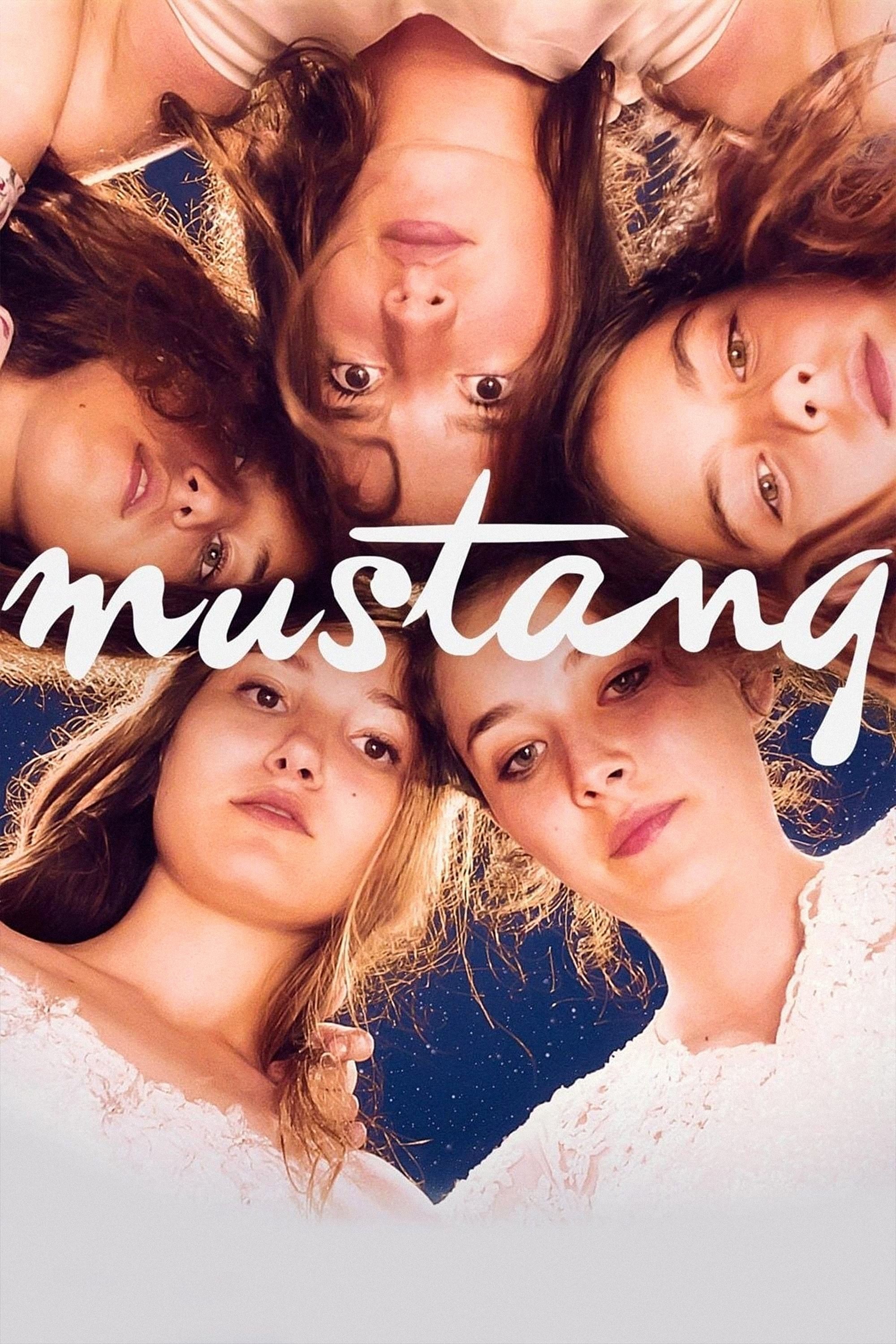
Set in a coastal Turkish town, ‘Mustang’ follows five sisters who face escalating restrictions after an incident at the beach. The film tracks attempts to arrange marriages and to limit schooling and movement, and it records how the sisters respond.
Directed by Deniz Gamze Ergüven, the film shows how neighbors, relatives, and officials enforce social norms that conflict with legal rights. It received international recognition and prompted discussion about education access, guardianship rules, and local advocacy that supports girls’ freedom of choice.
‘Wadjda’ (2012)
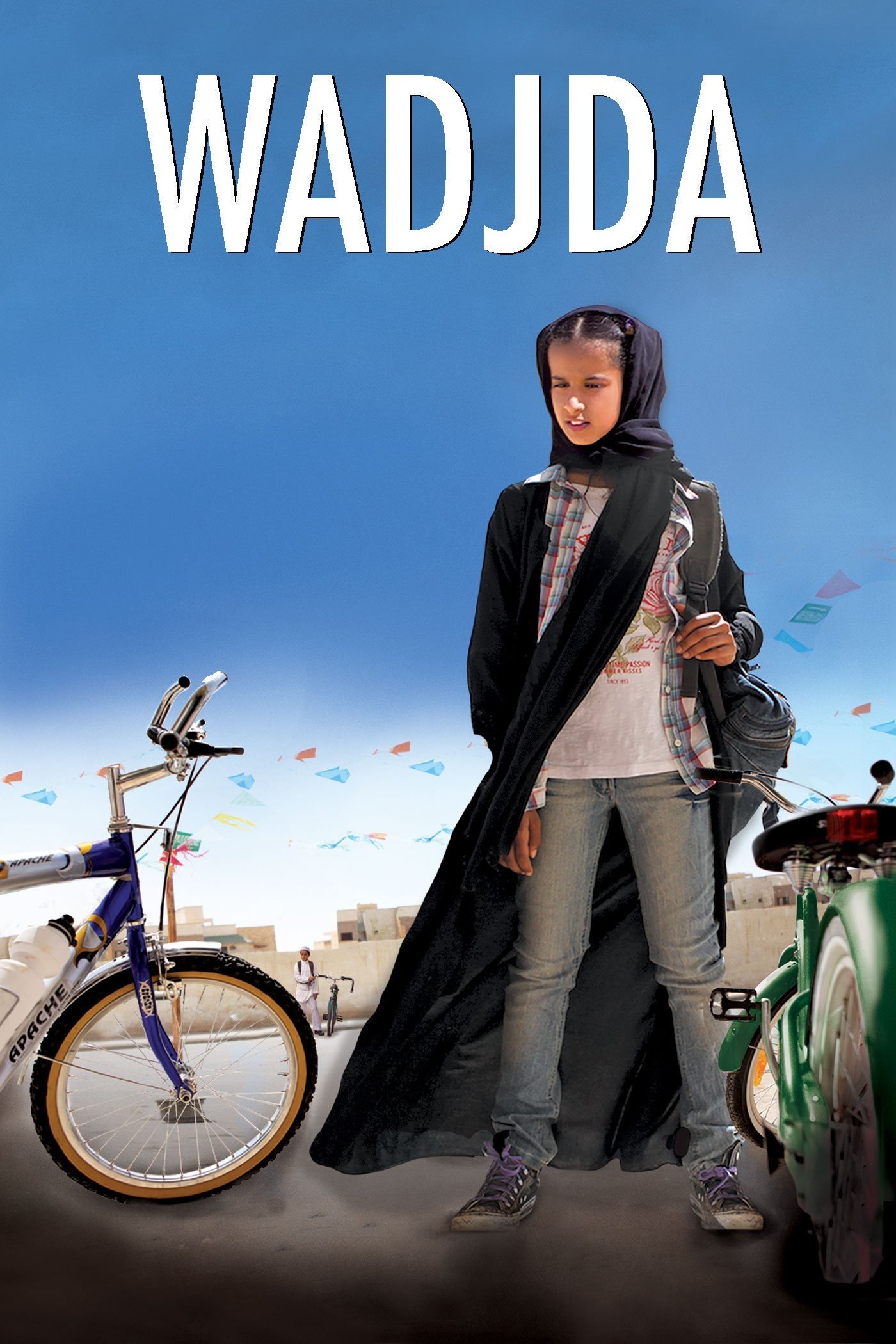
‘Wadjda’ centers on a girl in Riyadh who wants to buy a bicycle and enters a school competition to earn the money. The plot uses a simple goal to explore mobility, public space, and expectations placed on girls.
Directed by Haifaa al Mansour, the first woman to direct a feature entirely in Saudi Arabia, the film was shot under restrictive conditions that shaped production choices. It brought global attention to everyday barriers and highlighted the importance of education and family support for girls seeking independence.
‘Persepolis’ (2007)
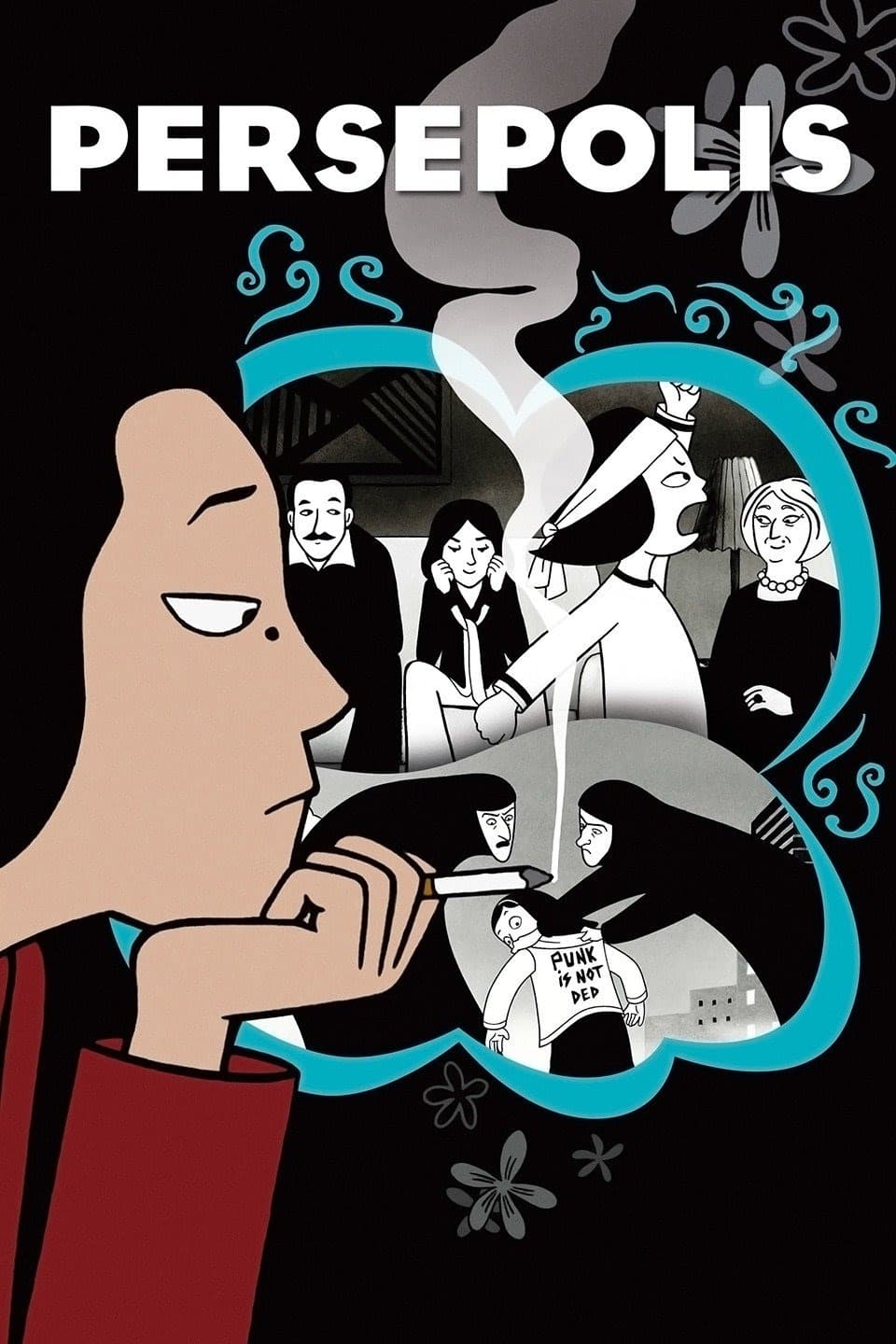
Based on Marjane Satrapi’s graphic memoir, ‘Persepolis’ covers a childhood in Tehran during the revolution and the imposition of strict dress and behavior codes for women. The film shows schoolrooms, street patrols, and family conversations that detail how policy changes alter daily life.
Co directed by Marjane Satrapi and Vincent Paronnaud, the animated format presents censorship, exile, and return with clarity. It is frequently used in classrooms to introduce discussions about civil liberties, gender segregation, and the interaction of religion and state law.
‘Battle of the Sexes’ (2017)

‘Battle of the Sexes’ dramatizes the tennis match between Billie Jean King and Bobby Riggs, placing it within the campaign for equal prize money and the formation of a women’s tour. The film explains media strategy, sponsors, and the stakes for women’s professional sports.
Directed by Jonathan Dayton and Valerie Faris and starring Emma Stone and Steve Carell, it traces the founding of the Women’s Tennis Association and negotiations with tournament directors. It shows how a public event helped build support for equal treatment and investment in women’s athletics.
‘A League of Their Own’ (1992)
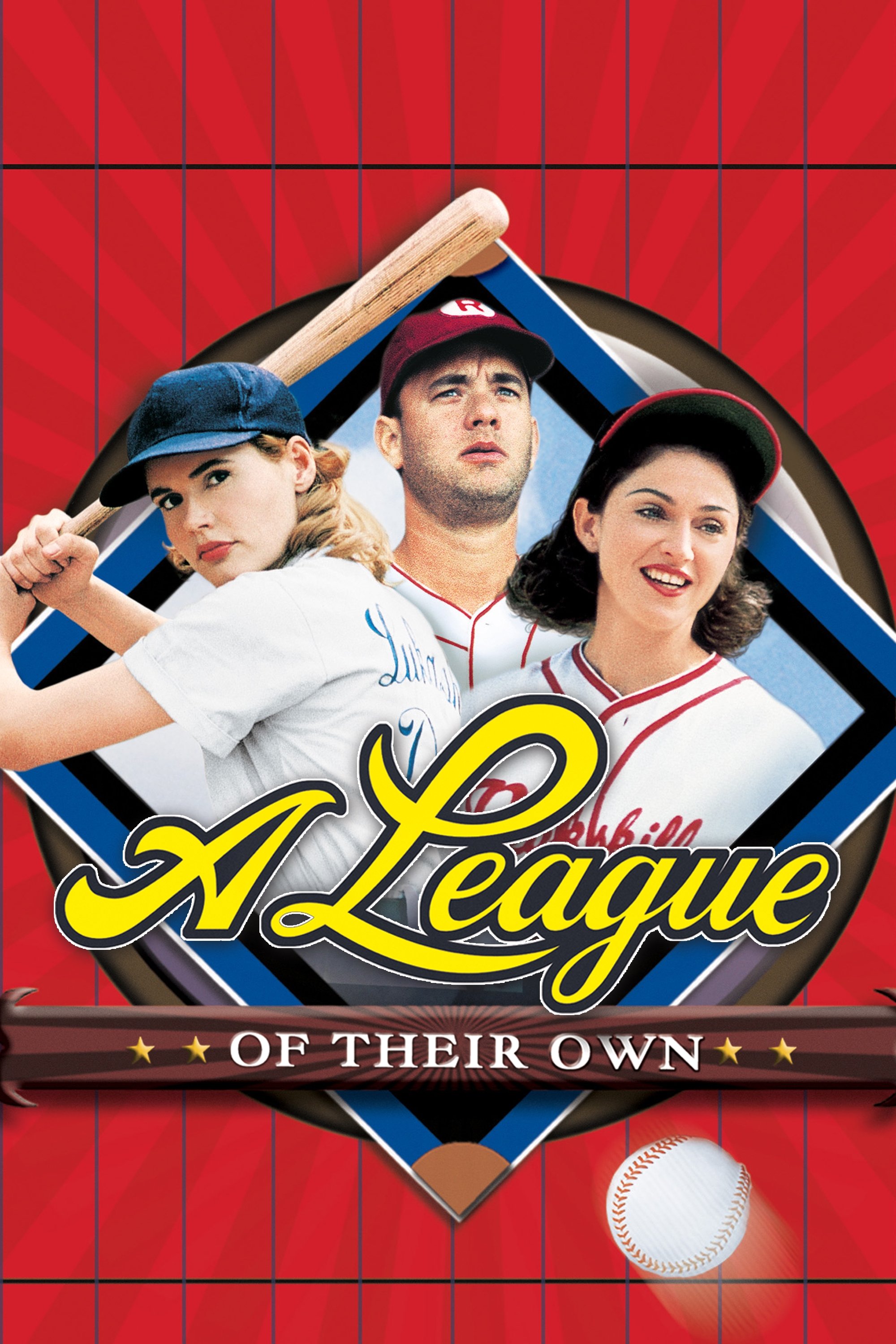
‘A League of Their Own’ follows the All American Girls Professional Baseball League created during wartime when men’s teams suspended play. The film shows tryouts, travel, rules unique to the league, and the marketing that sought to balance athletic performance with expectations about appearance.
Directed by Penny Marshall and starring Geena Davis, Lori Petty, and Tom Hanks, the story preserves the record of a league that expanded opportunities for women in sports. It includes a museum visit that ties personal memories to archival history, helping audiences connect the league to later advances in funding and training for girls.
‘Miss Representation’ (2011)
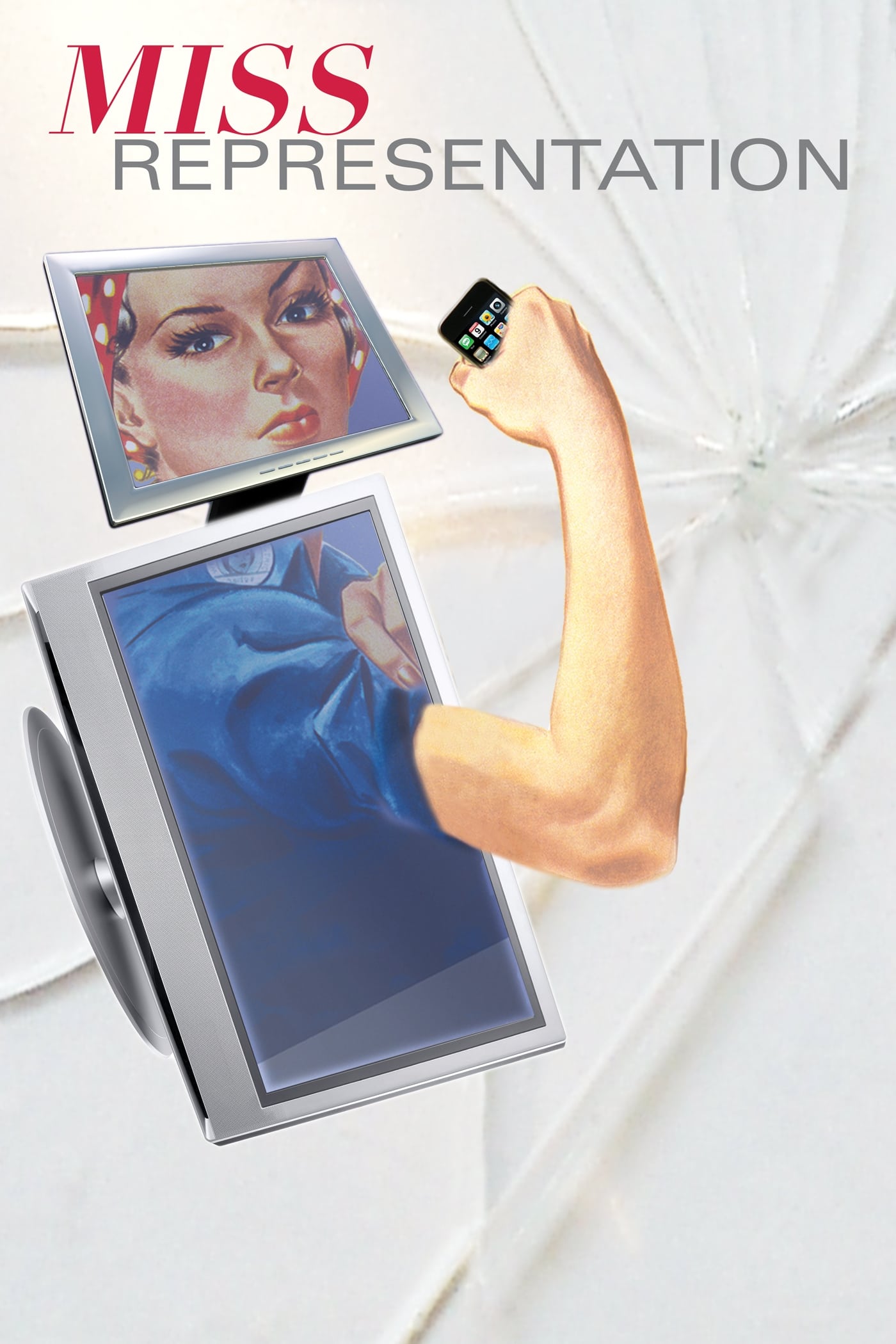
The documentary ‘Miss Representation’ examines how mainstream media depict women and how those patterns influence political leadership and career pathways. It includes interviews with actors, journalists, and elected officials, and it presents data on screen time, speaking roles, and newsroom leadership.
Directed by Jennifer Siebel Newsom, the film is accompanied by educational materials used in schools and organizations. It encourages media literacy and offers practical steps for creators and consumers to support more accurate and equitable representation.
‘He Named Me Malala’ (2015)
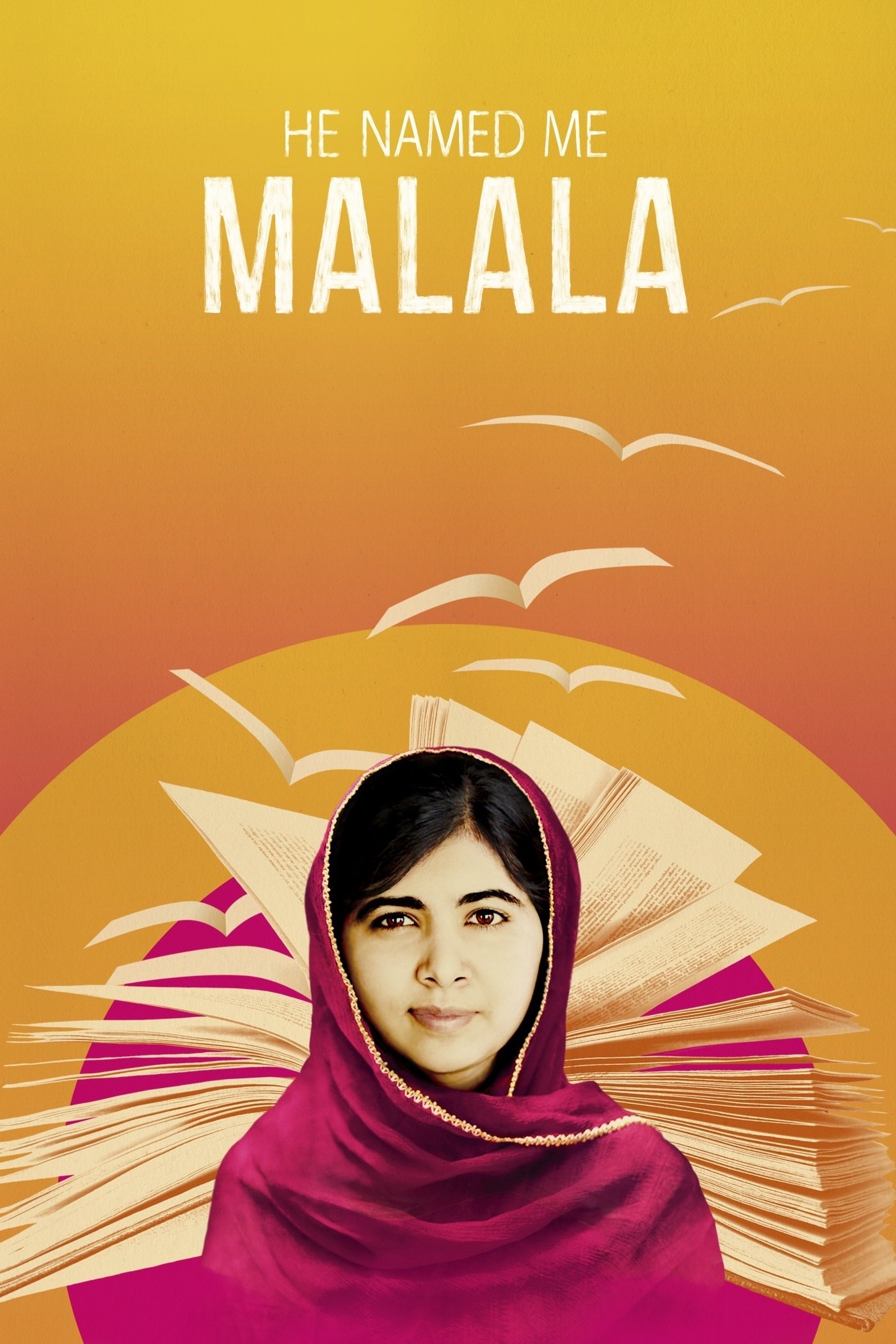
‘He Named Me Malala’ chronicles the advocacy of Malala Yousafzai for girls’ education after she survived an attack. The film follows meetings with students, speeches at international forums, and the establishment of a fund that supports local groups.
Directed by Davis Guggenheim, it provides background on school closures, curriculum restrictions, and community risks that block access to education. It highlights partnerships with educators and policy makers and shows how scholarships and local activism improve enrollment and completion for girls.
Share the films you would add to this list and tell us which stories about women’s rights resonated most with you in the comments.