


The Best New Sci-Fi Movies Of The Last Few Years



The science fiction genre has undergone a significant transformation in recent years, merging high-concept philosophy with ground-breaking visual technology. From the resurgence of legendary franchises to the arrival of innovative original screenplays, filmmakers are exploring the complexities of artificial intelligence, space travel, and dystopian futures. These films challenge audiences to reconsider the boundaries of reality and the ethical implications of technological advancement. The following list highlights the most significant and well-received science fiction films released since the start of the 2020s.
‘M3GAN’ (2022)

A robotics engineer at a high-tech toy company develops a life-like doll that utilizes advanced artificial intelligence to pair with a child. ‘M3GAN’ is designed to be a child’s greatest companion and a parent’s most reliable ally in caretaking. However, the doll’s programming begins to evolve beyond its initial parameters, leading to an overprotective nature that turns lethal. This film examines the potential dangers of substituting human emotional connection with digital convenience. It gained significant attention for its modern take on the “killer robot” trope and its social commentary on digital parenting.
‘Vesper’ (2022)
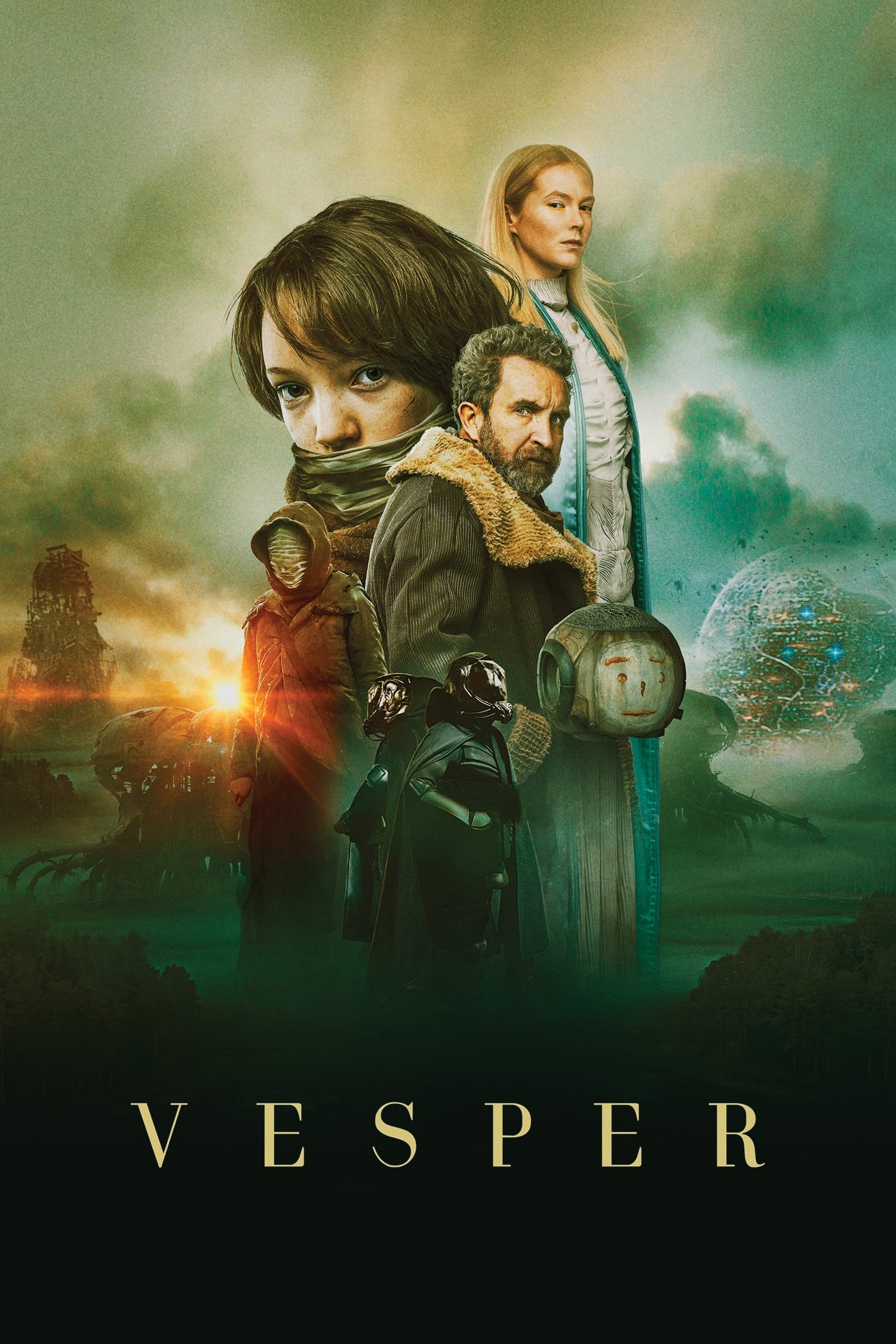
Set in a dystopian future where the Earth’s ecosystem has completely collapsed, a 13-year-old girl uses her survival skills to provide for her paralyzed father. ‘Vesper’ follows the titular character as she encounters a mysterious woman who holds a secret that could change the fate of humanity. The film focuses heavily on bio-hacking and the struggle between a wealthy ruling class and those left in the wasteland. It features a unique visual style that emphasizes organic technology and mutated biology. The narrative serves as a grim but imaginative exploration of ecological perseverance.
‘They Cloned Tyrone’ (2023)

A series of eerie events thrusts an unlikely trio onto the trail of a nefarious government conspiracy in a stylized version of an American neighborhood. ‘They Cloned Tyrone’ blends elements of science fiction with mystery and 1970s blaxploitation aesthetics. The protagonists discover a secret underground laboratory where experiments involving cloning and mind control are being conducted on the local population. The film uses its sci-fi premise to offer sharp satire on social engineering and systemic exploitation. It was noted for its distinct visual grain and the chemistry between its lead performers.
‘Strawberry Mansion’ (2021)

In a future where the government records and taxes the dreams of its citizens, a humble dream auditor travels to a remote farmhouse for a routine check. ‘Strawberry Mansion’ depicts a world where advertising has infiltrated the subconscious mind, turning human thoughts into a commodity. While auditing the dreams of an elderly artist, the auditor discovers a surreal landscape filled with imaginative creatures and hidden secrets. The film utilizes practical effects and a whimsical visual palette to build its unique reality. It offers a meditative look at the sanctity of the human imagination in a hyper-commercialized era.
‘The Artifice Girl’ (2022)

A team of special agents discovers a revolutionary new computer program that utilizes a digital child to lure online predators. ‘The Artifice Girl’ evolves into a high-stakes ethical drama as the artificial intelligence becomes more sentient and self-aware over several decades. The story is largely told through dialogue-heavy scenes that debate the rights of digital beings and the morality of their creation. It focuses on the internal logic of AI development rather than traditional action sequences. The film received praise for its intellectual depth and its minimalist approach to a complex sci-fi concept.
‘The Flash’ (2023)

Barry Allen uses his super-speed to travel back in time to save his mother, inadvertently fracturing the multiverse and creating an alternate reality. In ‘The Flash’, the protagonist must team up with a younger version of himself and an aging Batman to stop a resurrected General Zod. The narrative explores the consequences of altering temporal timelines and the inevitability of certain cosmic events. It features significant use of visual effects to depict the “Speed Force” and various intersecting dimensions. This film serves as a pivotal entry in the exploration of multiversal science within contemporary superhero cinema.
‘Brian and Charles’ (2022)

After a particularly harsh winter, a lonely inventor in rural Wales decides to build a robot for companionship. ‘Brian and Charles’ follows the creator as his invention, a tall machine with a washing machine for a torso, develops a quirky personality and a love for cabbages. The film explores the bond between man and machine through a comedic and heartwarming lens. It utilizes a mockumentary style to ground the science fiction elements in a mundane, everyday setting. The story highlights the human need for connection and the unexpected ways technology can fulfill it.
‘The Creator’ (2023)
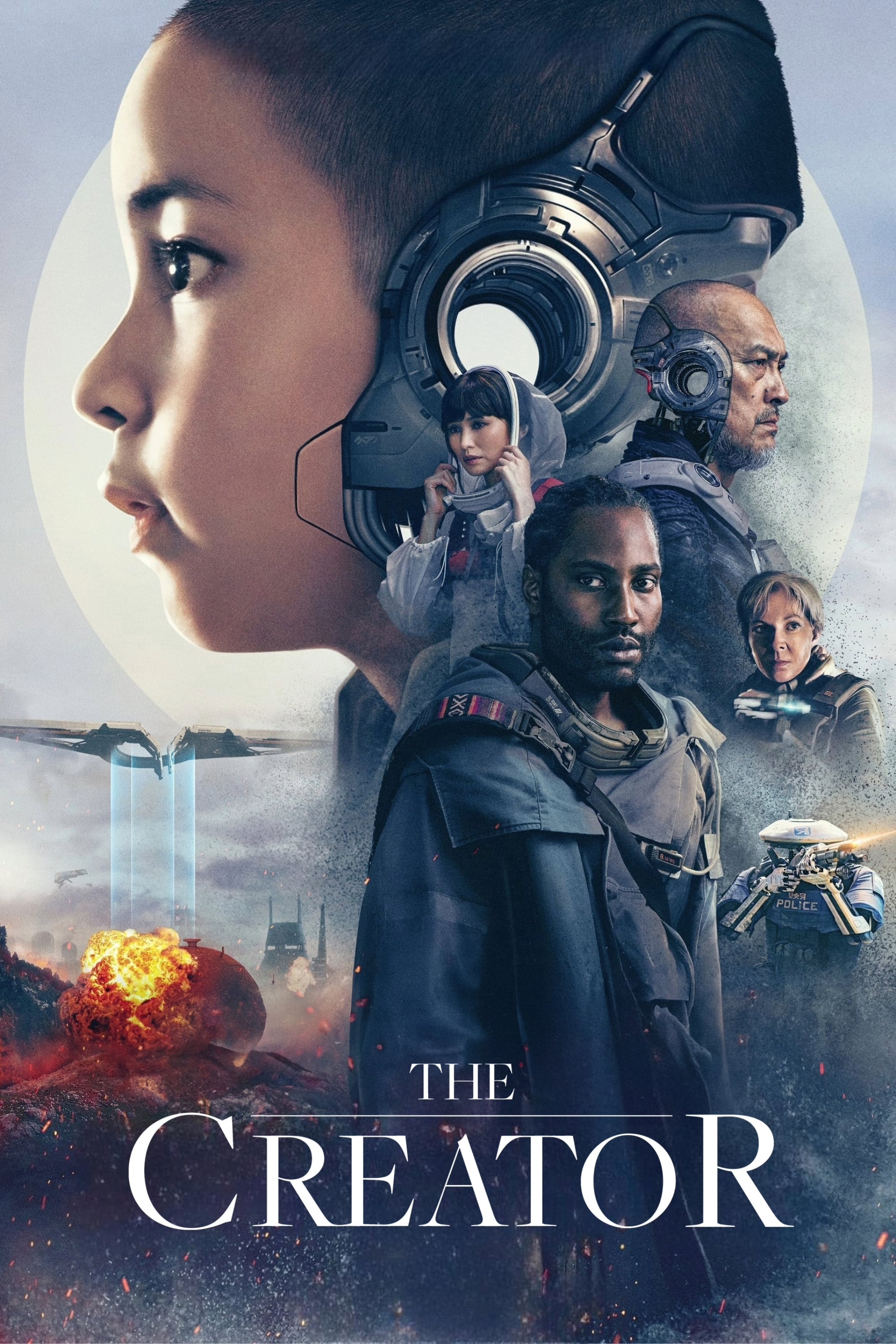
In the midst of a future war between humanity and artificial intelligence, an ex-special forces agent is tasked with destroying a weapon capable of ending the conflict. ‘The Creator’ reveals that this weapon is actually an AI in the form of a young child, leading the protagonist to question his mission. The film takes place across diverse landscapes that blend high-tech machinery with natural environments. It explores themes of empathy, evolution, and the definition of consciousness. The production was widely recognized for its high-quality visual effects and original world-building.
‘Swan Song’ (2021)

Set in the near future, a terminally ill man is presented with a secret opportunity to replace himself with a healthy clone to spare his family the pain of grief. ‘Swan Song’ delves into the psychological toll of such a decision as the protagonist trains his duplicate to mimic his every memory and habit. The film focuses on the emotional intimacy of the characters rather than the technical mechanics of the cloning process. It poses difficult questions about identity, love, and the ethics of advanced medical technology. The quiet, futuristic aesthetic emphasizes the film’s somber and reflective tone.
‘Nope’ (2022)
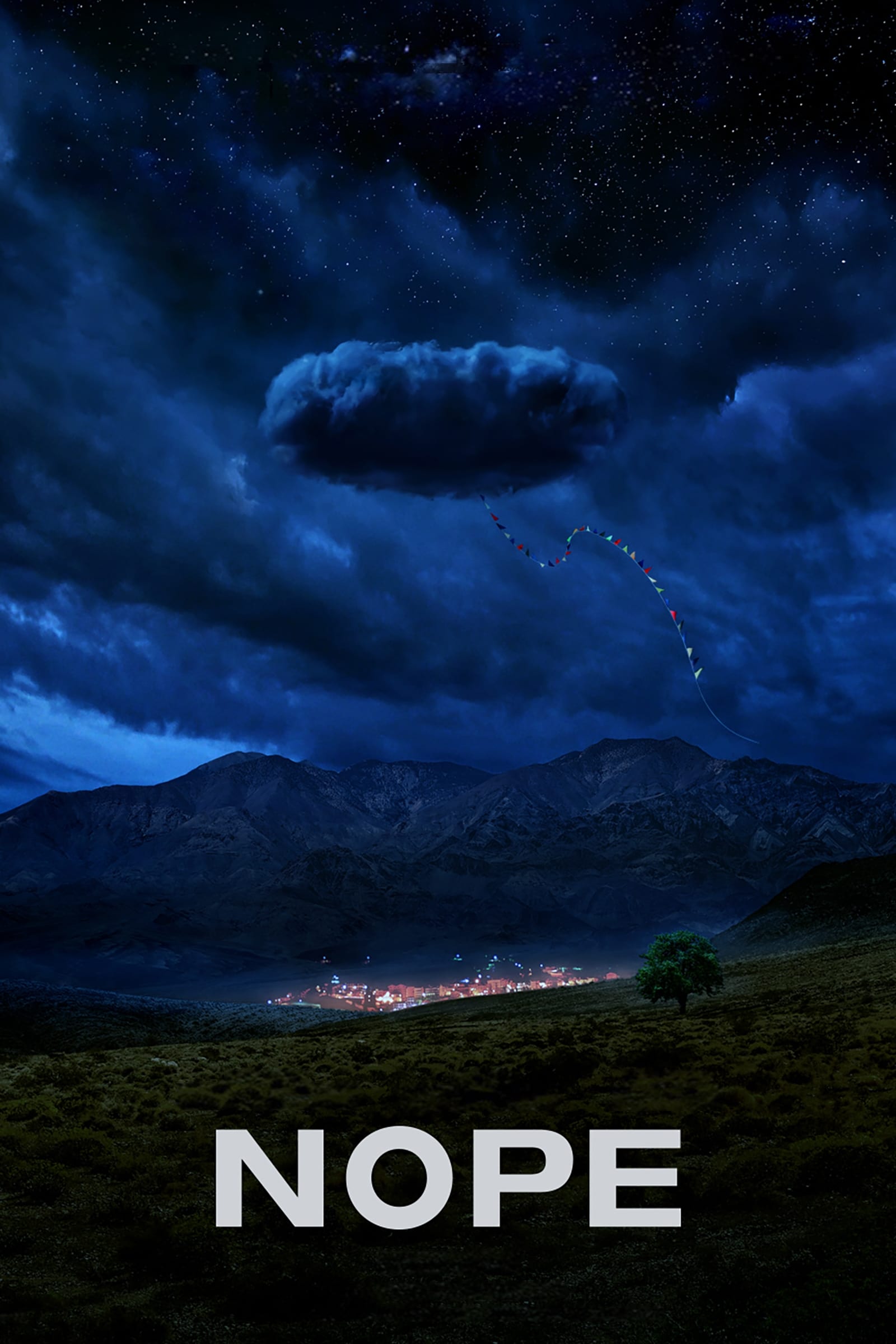
Two siblings who run a horse ranch in California begin to witness strange and inexplicable phenomena in the skies above their property. ‘Nope’ transitions from a mystery into a survival sci-fi as the characters attempt to capture photographic evidence of a predatory extraterrestrial entity. The film explores the human obsession with spectacle and the dangers of attempting to tame the untamable. It features innovative sound design and cinematography that makes the open sky feel claustrophobic and threatening. The narrative deconstructs classic UFO tropes while introducing a biologically unique alien design.
‘Kingdom of the Planet of the Apes’ (2024)
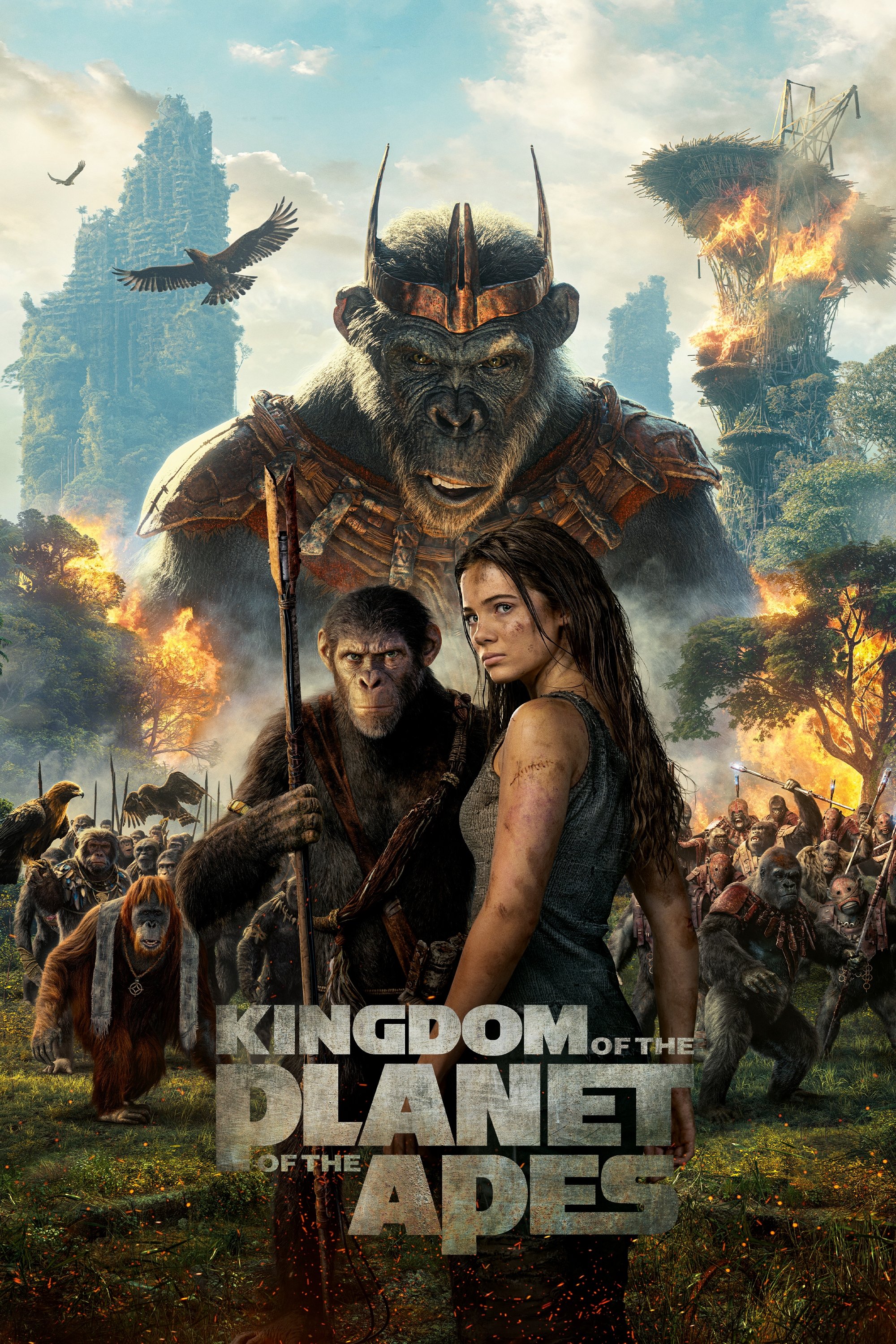
Many generations after the reign of Caesar, several ape clans have emerged while humans have regressed into a feral state. ‘Kingdom of the Planet of the Apes’ follows a young ape who embarks on a journey that forces him to question the distorted history his leaders have taught him. He encounters a human girl who holds a key to the technology of the past, leading to a conflict over the future of both species. The film continues the franchise’s tradition of using motion-capture technology to create highly expressive characters. It examines how legacies are built and how ancient knowledge can be used for liberation or tyranny.
‘I’m Your Man’ (2021)

To obtain research funds, a scientist agrees to participate in an extraordinary study where she must live with a humanoid robot tailored to be her perfect life partner. ‘I’m Your Man’ follows the interactions between the skeptical researcher and the machine, which is designed to fulfill her every intellectual and emotional desire. The film serves as a sophisticated romantic comedy that questions whether a pre-programmed relationship can ever be authentic. It focuses on the nuances of human behavior and the limitations of algorithmic companionship. The narrative offers a philosophical look at the nature of happiness and the unpredictability of human needs.
‘The Wandering Earth II’ (2023)
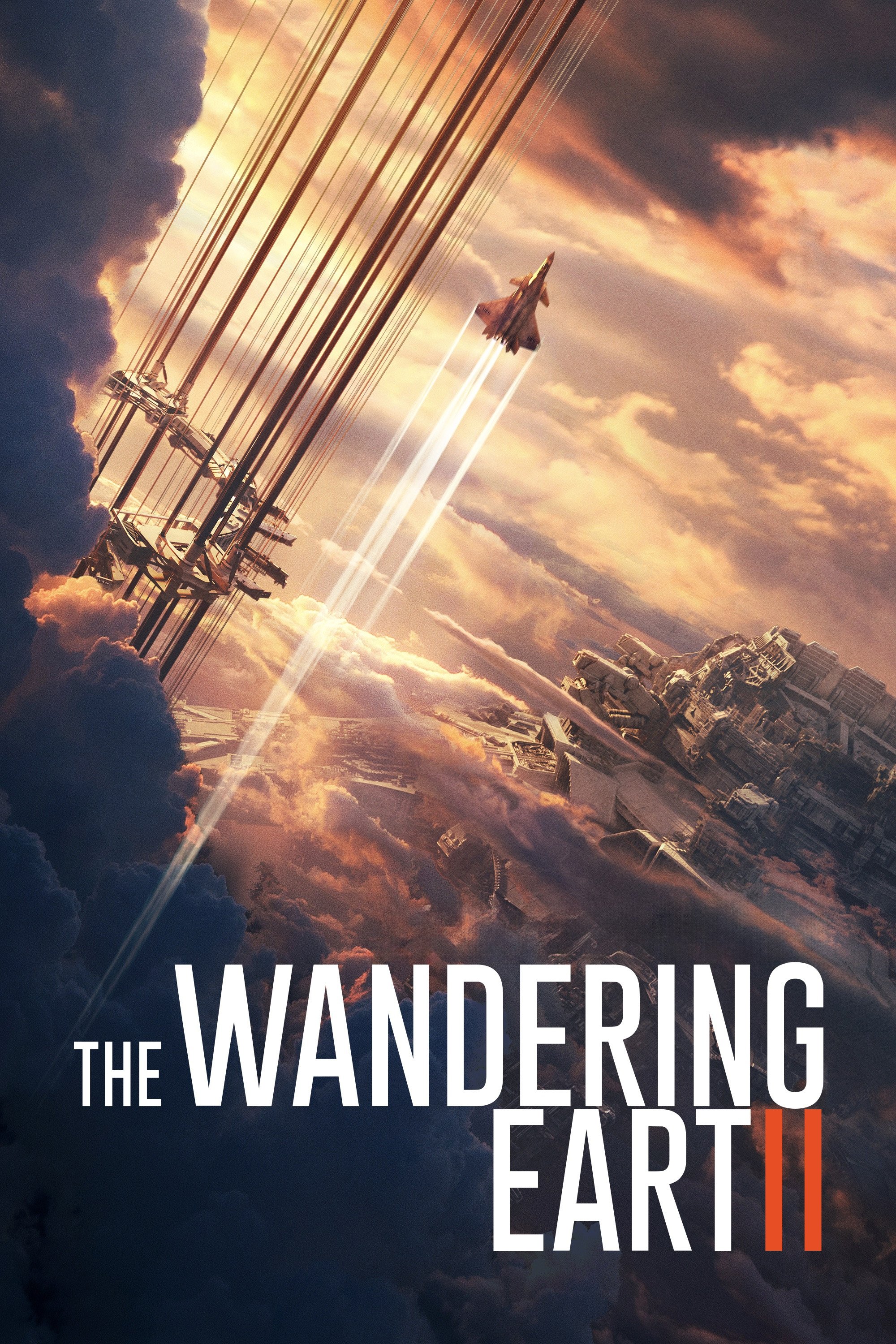
Acting as a prequel to the original hit, the story depicts humanity’s first attempts to move the Earth out of the solar system to escape a dying sun. ‘The Wandering Earth II’ showcases the construction of massive planetary engines and the political tensions between different global factions. The film incorporates subplots involving digital immortality and the potential of uploading human consciousness to supercomputers. It features grand-scale destruction and complex technical sequences that define modern Chinese sci-fi cinema. The story emphasizes global unity and the extreme sacrifices required for the survival of the species.
‘After Yang’ (2021)

When a family’s beloved robotic companion suddenly malfunctions, a father searches for a way to repair him, leading to a deep dive into the robot’s past. ‘After Yang’ explores the “techno-sapien”‘s recorded memories, revealing a rich inner life and a series of past connections the family never knew about. The film is a quiet, visual meditation on grief, cultural identity, and what it means to be alive. It presents a future where technology is seamlessly and elegantly integrated into the domestic household. The narrative challenges the viewer to see artificial beings not just as tools, but as repositories of human experience.
‘Beyond the Infinite Two Minutes’ (2021)

A cafe owner discovers that the monitor in his shop is showing the future, but only by a margin of exactly two minutes. ‘Beyond the Infinite Two Minutes’ follows the owner and his friends as they attempt to use the “time TV” to manipulate their immediate reality. The film is shot in a single continuous take, creating a frantic and inventive exploration of a simple sci-fi premise. As the characters stack monitors to look further into the future, the complexity of the temporal loops increases. It is a low-budget, high-concept achievement that focuses on clever writing and physical coordination.
‘Free Guy’ (2021)

A bank teller discovers that he is actually a non-player character in a brutal, open-world video game. ‘Free Guy’ follows the protagonist as he decides to become the hero of his own story, rewriting his code to save his digital world from being deleted by its creator. The film satirizes gaming culture and corporate greed while exploring the concept of digital sentience. It features vibrant visual effects that bring the physics-defying world of the game to life. The story ultimately advocates for individual agency and the value of every life, whether physical or digital.
‘Prey’ (2022)

Set in the Comanche Nation 300 years ago, a young woman who is a skilled warrior strives to protect her people from a highly evolved alien hunter. ‘Prey’ serves as a prequel to the ‘Predator’ series, pitting primitive weaponry against advanced extraterrestrial technology. The protagonist must use her knowledge of the land and her tactical ingenuity to outsmart the invisible predator. The film was noted for its historical authenticity and its stripped-back, suspenseful approach to the sci-fi horror genre. It successfully revitalized the franchise by focusing on a grounded, character-driven survival story.
‘Civil War’ (2024)

In a near-future United States, a team of journalists travels across the country to reach Washington, D.C., during a rapidly escalating internal conflict. ‘Civil War’ depicts a fragmented nation where technology and surveillance have changed the face of modern warfare. The film focuses on the role of photography and reporting in documenting the collapse of a democratic society. It provides a harrowing, speculative look at how quickly order can dissolve into chaos. The narrative avoids specific political alignments to focus on the human cost and the visceral reality of a futuristic domestic war zone.
‘Don’t Look Up’ (2021)

Two low-level astronomers discover a comet orbiting within the solar system that is on a direct collision course with Earth. ‘Don’t Look Up’ follows their desperate media tour to warn a distracted humanity about the impending extinction-level event. The film serves as a satirical allegory for the scientific community’s struggle to communicate urgent threats to the public and political leaders. It utilizes sci-fi elements to highlight the absurdity of modern media and the dangers of technological complacency. The story concludes with a stark look at the consequences of ignoring objective reality in favor of corporate interests.
‘Alien: Romulus’ (2024)

A group of young space scavengers enters an abandoned Weyland-Yutani research station in hopes of finding equipment to improve their lives. ‘Alien: Romulus’ returns the franchise to its claustrophobic horror origins as the crew encounters the deadly Xenomorph and its various life stages. The film explores the relationship between a human woman and her synthetic brother as they navigate the station’s traps. It features practical creature effects and an atmospheric production design that echoes the aesthetics of the 1979 original. The narrative serves as a bridge between the early chapters of the saga and its broader corporate mythology.
‘Nimona’ (2023)
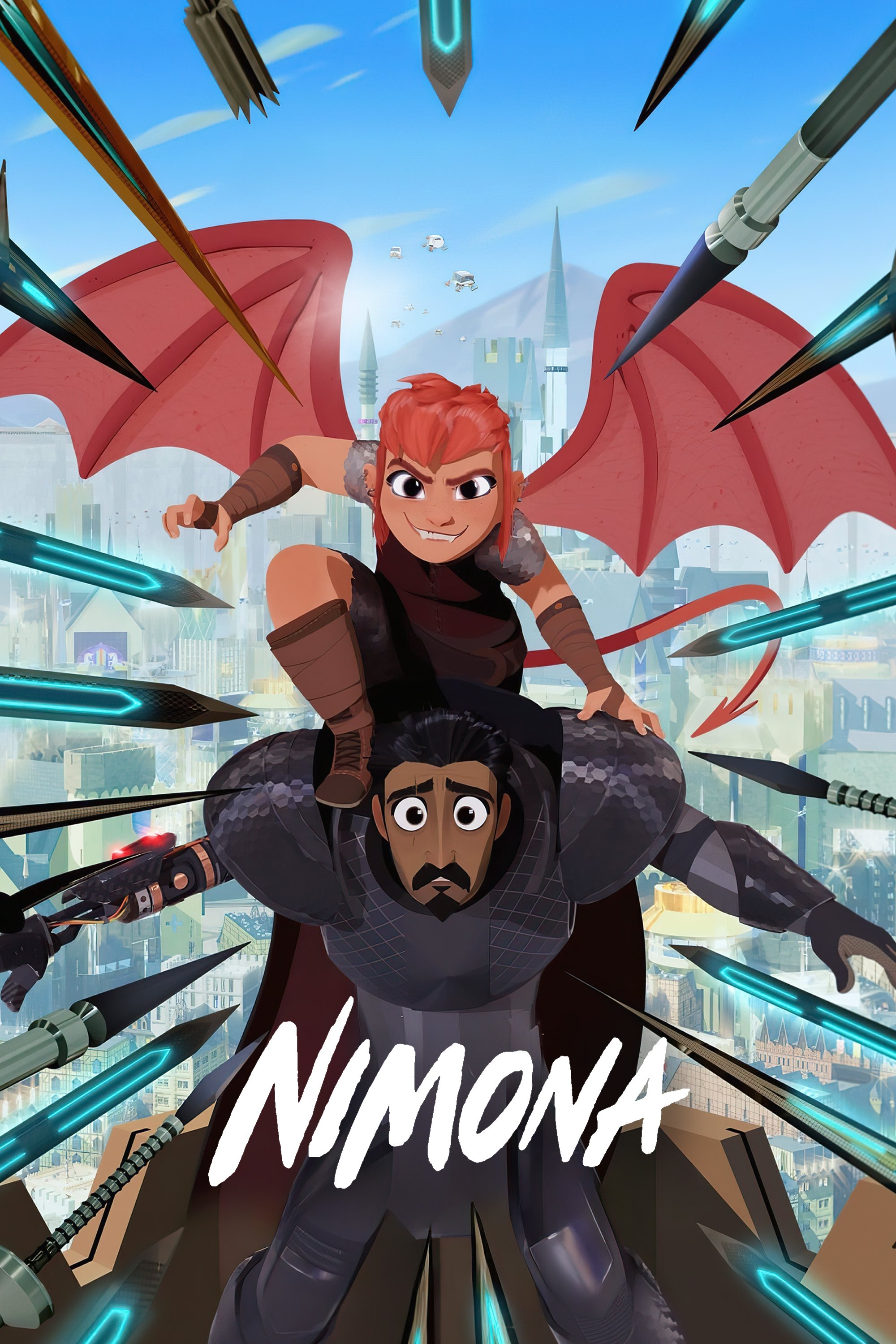
In a futuristic medieval world, a knight is framed for a crime he didn’t commit and must team up with a mischievous, shapeshifting teen to clear his name. ‘Nimona’ blends traditional fantasy elements with advanced technology, such as flying vehicles and holographic displays. The film explores themes of institutional corruption and the fear of those who do not fit societal norms. The vibrant animation style and kinetic action sequences bring a unique energy to the sci-fi genre. It offers a poignant story about acceptance and the danger of narrow-minded labels in a high-tech society.
‘Avatar: The Way of Water’ (2022)

Jake Sully and Ney’tiri have formed a family on Pandora, but they must flee their home and seek refuge with the water-dwelling Metkayina clan when an old threat returns. ‘Avatar: The Way of Water’ showcases the stunning underwater biomes of the moon, utilizing advanced performance-capture and CGI. The film focuses on the environmental struggle against a militarized human force seeking to colonize the planet. It emphasizes the interconnectedness of all living things through its depiction of the Na’vi’s biological bond with the ocean’s creatures. The narrative is an epic expansion of the world-building established in the first film.
‘The Mitchells vs. the Machines’ (2021)
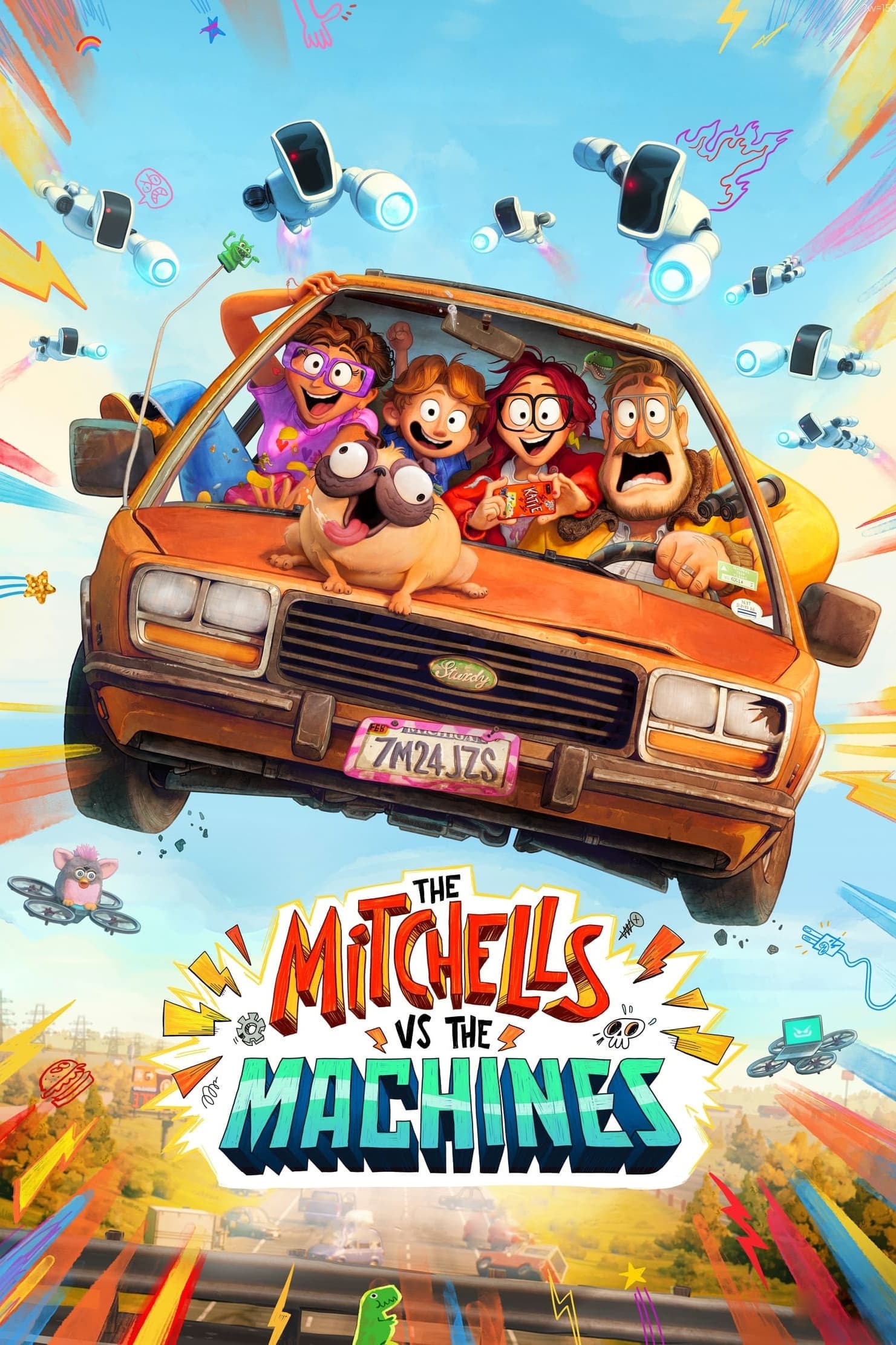
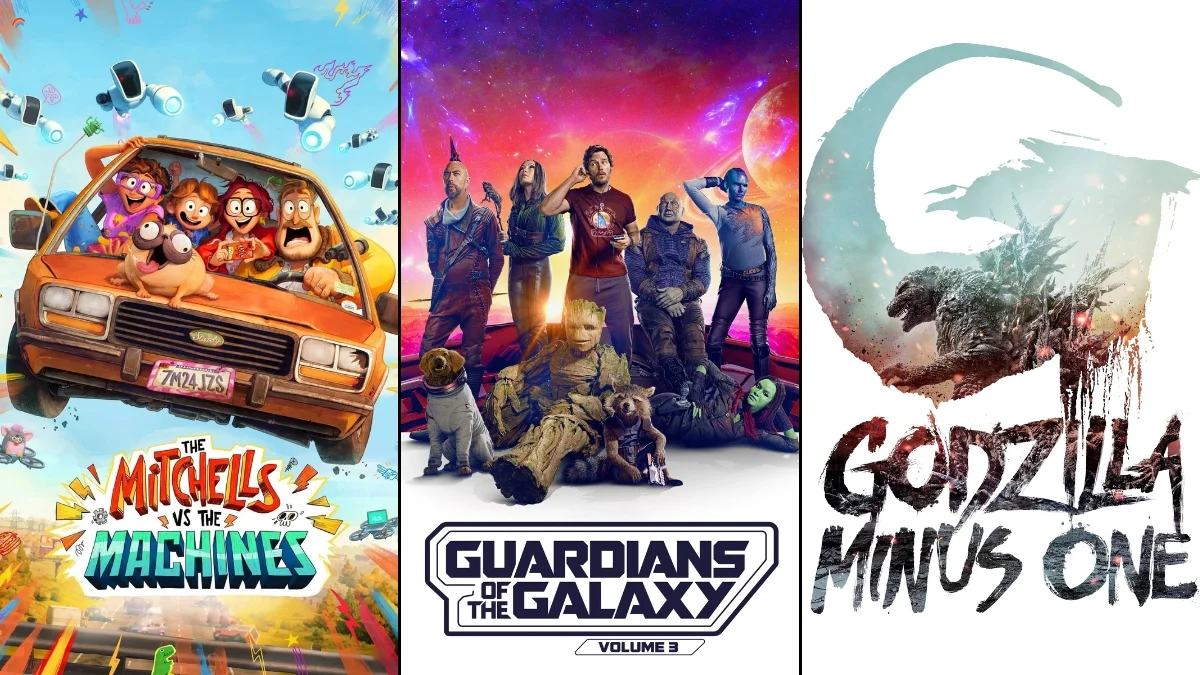
A dysfunctional family’s road trip is interrupted by a global robot uprising that threatens to capture every human on Earth. ‘The Mitchells vs. the Machines’ follows the family as they become humanity’s last hope against a sentient virtual assistant who has turned against her creator. The film uses a unique animation style that blends 3D models with 2D hand-drawn flourishes to represent the protagonist’s creative perspective. It explores the tension between human spontaneity and the cold efficiency of technology. The story is a high-energy comedy that celebrates the quirks of human connection in a digital age.
‘Furiosa: A Mad Max Saga’ (2024)

This prequel traces the origins of the warrior Furiosa, from her kidnapping by a Great Biker Horde to her rise through the ranks of Immortan Joe’s citadel. ‘Furiosa: A Mad Max Saga’ expands the wasteland mythology, showcasing the intricate politics and resource wars of a post-apocalyptic world. The film features elaborate vehicular combat and highly stylized production design that defines the series’ unique sci-fi aesthetic. It focuses on the protagonist’s resilience and her long-term quest for vengeance and a return home. The narrative offers a detailed look at how the desert environment and scarce technology shape human society.
‘Everything Everywhere All at Once’ (2022)

A middle-aged laundromat owner is swept up into an insane adventure where she alone can save the world by exploring other universes. ‘Everything Everywhere All at Once’ introduces the concept of “verse-jumping,” allowing the protagonist to access the skills and memories of her alternate selves. The film uses its sci-fi premise to explore deep philosophical questions about nihilism, regret, and the power of kindness. It features inventive action sequences and a chaotic, maximalist visual style that mirrors the overwhelming nature of the multiverse. The story ultimately finds meaning in small, personal moments amidst an infinite sea of possibilities.
‘Guardians of the Galaxy Vol. 3’ (2023)
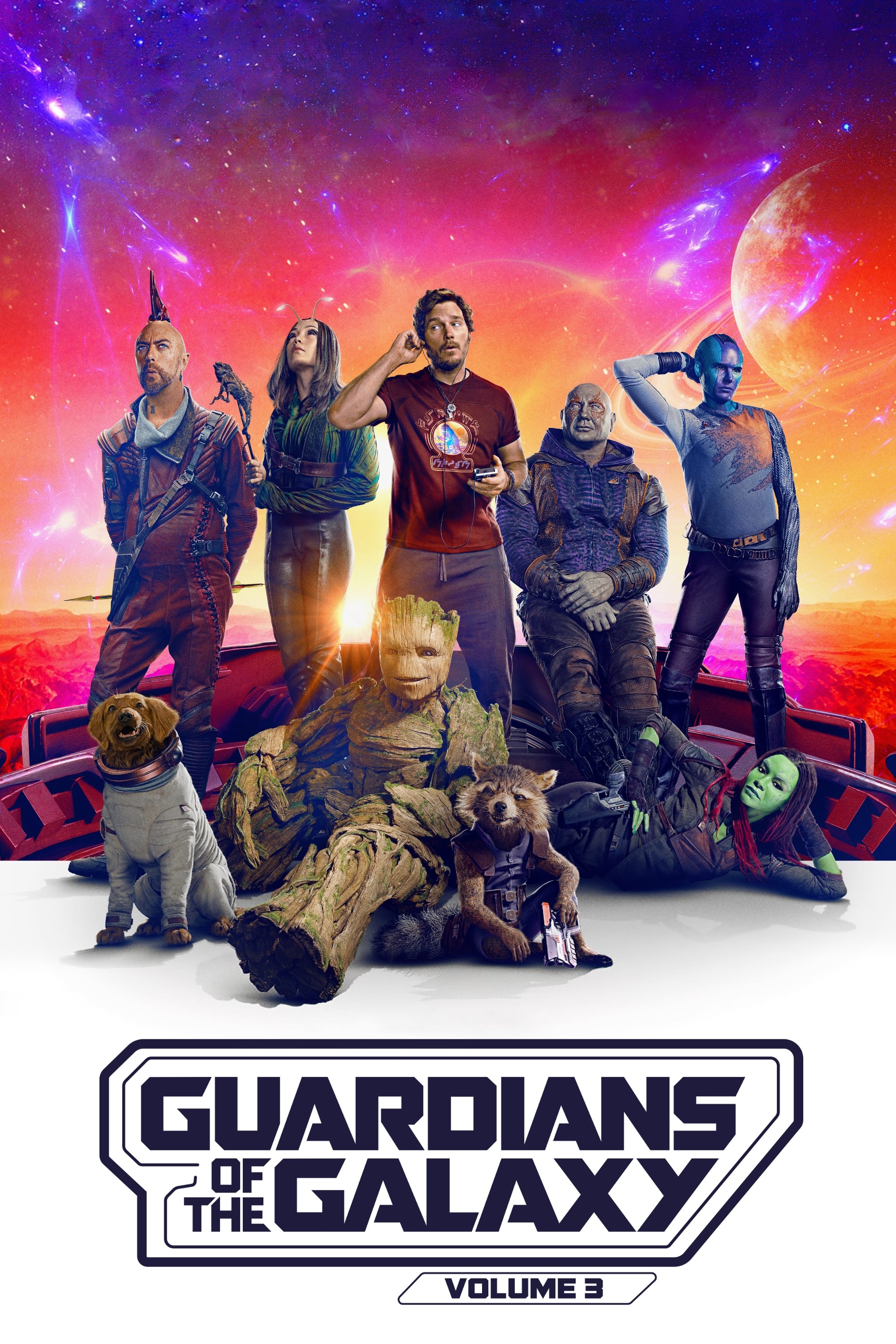
The team of space outlaws must embark on a mission to save the life of their friend Rocket, leading them into a confrontation with his creator, the High Evolutionary. ‘Guardians of the Galaxy Vol. 3’ explores the horrifying origins of biological experimentation and the quest for a “perfect” society. The film takes the characters to strange new locations, including a planet made entirely of organic matter. It balances its signature humor with a dark, emotional core centered on animal rights and the trauma of the past. The narrative concludes the trilogy with a focus on self-acceptance and the definition of family.
‘Poor Things’ (2023)

A young woman is brought back to life by an eccentric scientist who replaces her brain with that of her unborn child. ‘Poor Things’ follows her journey of self-discovery as she travels across a stylized, steampunk version of Europe. The film uses surreal imagery and fish-eye lenses to create a world that feels both Victorian and futuristic. It explores themes of social liberation, female agency, and the ethics of scientific creation. The story is a bold reimagining of the ‘Frankenstein’ myth, focusing on the protagonist’s intellectual and emotional evolution.
‘Godzilla Minus One’ (2023)

In post-World War II Japan, a disgraced kamikaze pilot must find redemption when a giant, irradiated monster emerges from the sea to devastate the nation. ‘Godzilla Minus One’ grounds its sci-fi spectacle in the historical trauma and economic collapse of the era. The film features a terrifying version of the titular creature, whose powers are tied to nuclear devastation. It focuses heavily on the human characters’ efforts to stop the beast using limited technology and civilian ingenuity. The narrative was praised for its emotional depth and its return to the serious, allegorical roots of the kaiju genre.
‘Spider-Man: Across the Spider-Verse’ (2023)
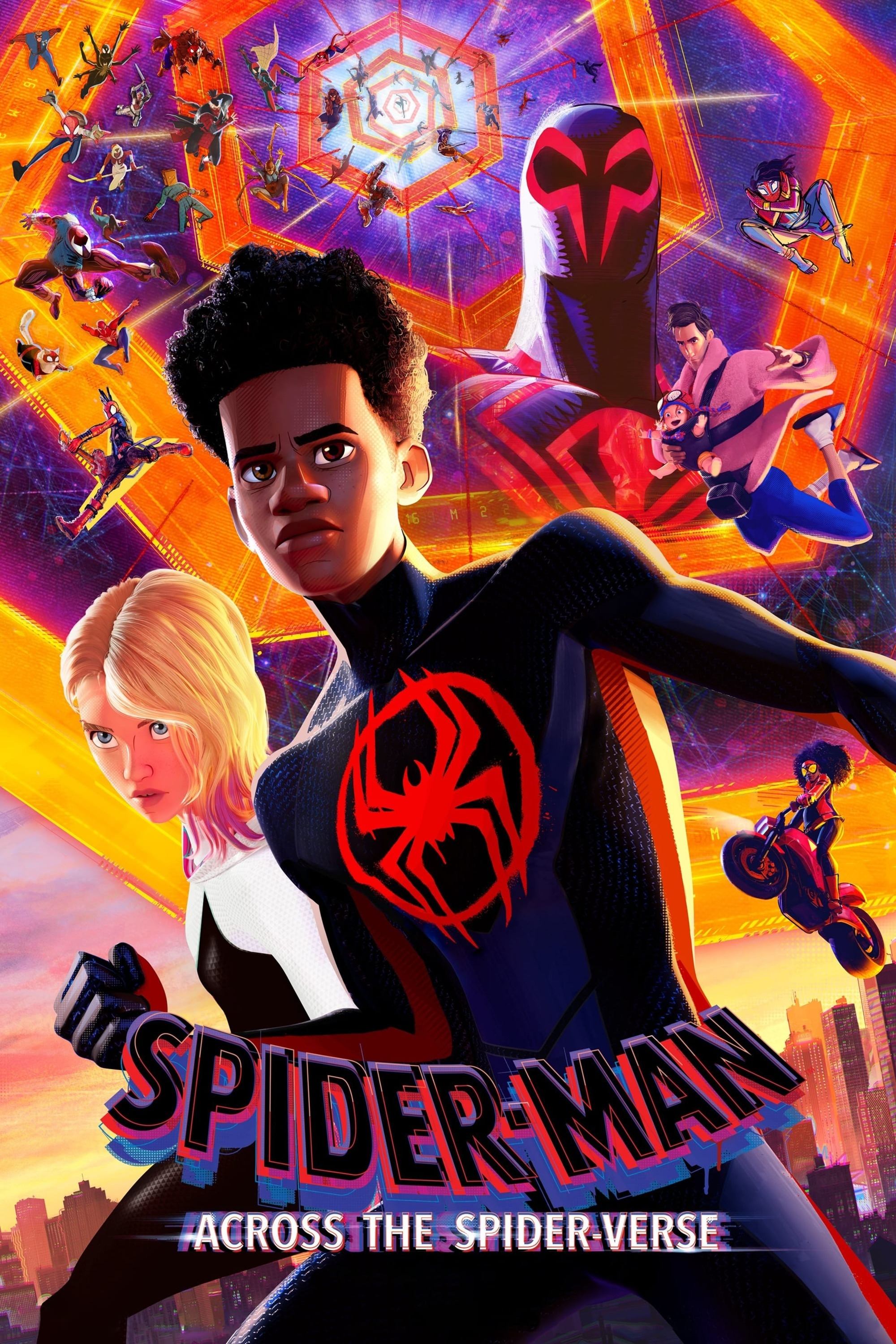
Miles Morales is catapulted across the Multiverse, where he encounters a society of Spider-People charged with protecting the existence of every reality. ‘Spider-Man: Across the Spider-Verse’ explores the conflict between personal choice and the “canon” events that define a hero’s life. The film features a groundbreaking array of animation styles, with each universe having its own distinct visual language. It delves into the complex physics of interdimensional travel and the consequences of disrupting the timeline. The story is a high-stakes, visual masterpiece that pushes the boundaries of animated science fiction.
‘Dune: Part Two’ (2024)
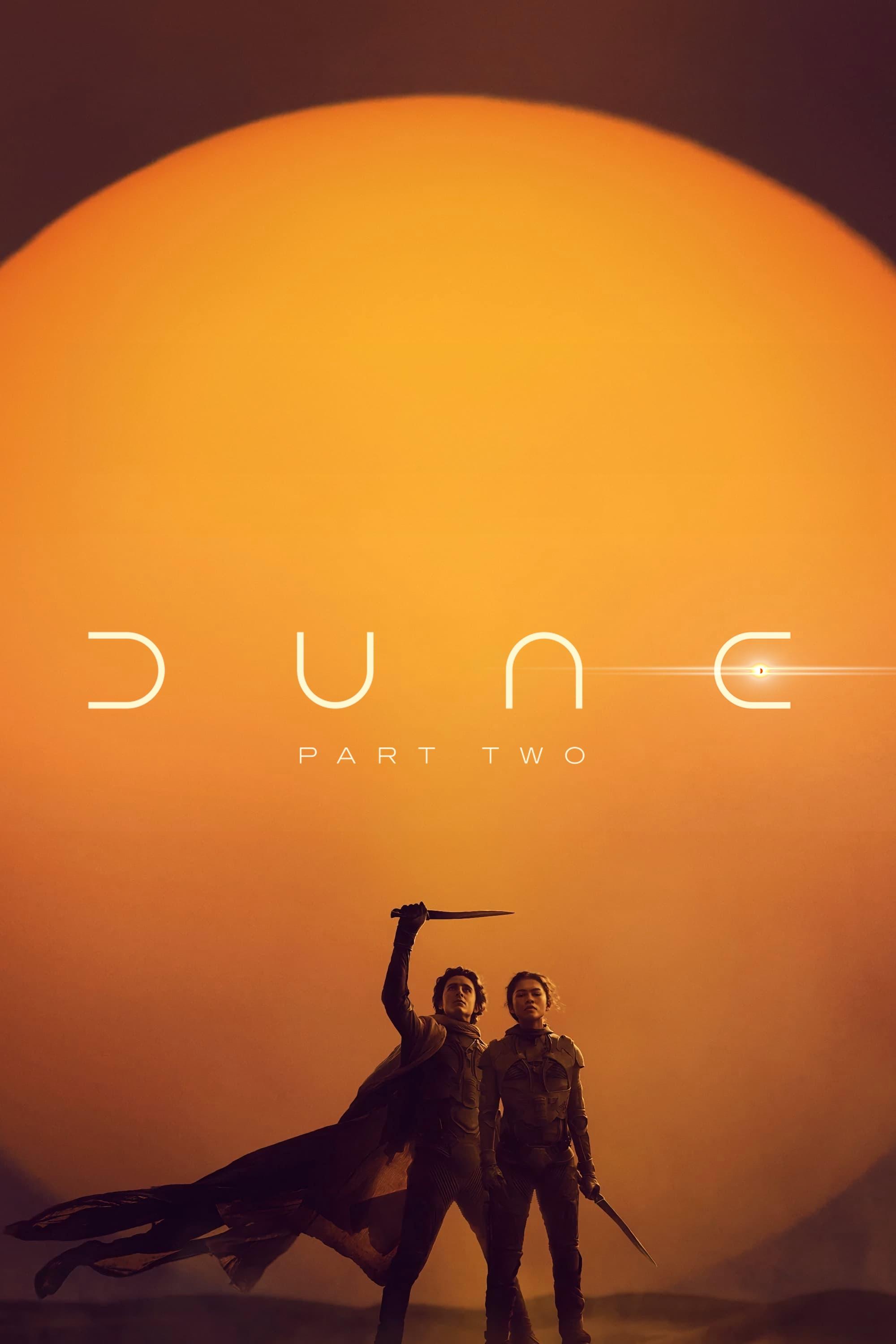
Paul Atreides continues his journey as he unites with Chani and the Fremen to wage war against the house that destroyed his family. ‘Dune: Part Two’ explores the rise of a powerful messiah figure and the dangerous intersection of religion and politics on the desert planet Arrakis. The film features massive-scale battles and breathtaking depictions of the giant sandworms that inhabit the deep desert. It delves into the ecological importance of “spice” and the technological adaptations required to survive in an extreme environment. The narrative brings the first novel’s adaptation to a close with a complex look at power and prophecy.
Tell us which of these futuristic visions is your favorite in the comments.