

The Best Puzzle Games on Steam



Steam offers a vast library of puzzle titles that range from atmospheric adventures to mind-bending logic challenges. These games test player intellect through innovative mechanics and intricate environmental design. Over the years, independent and AAA studios alike have redefined how players interact with digital environments to solve problems. This selection represents some of the most critically acclaimed and enduring puzzle experiences available on the platform today.
‘Machinarium’ (2009)
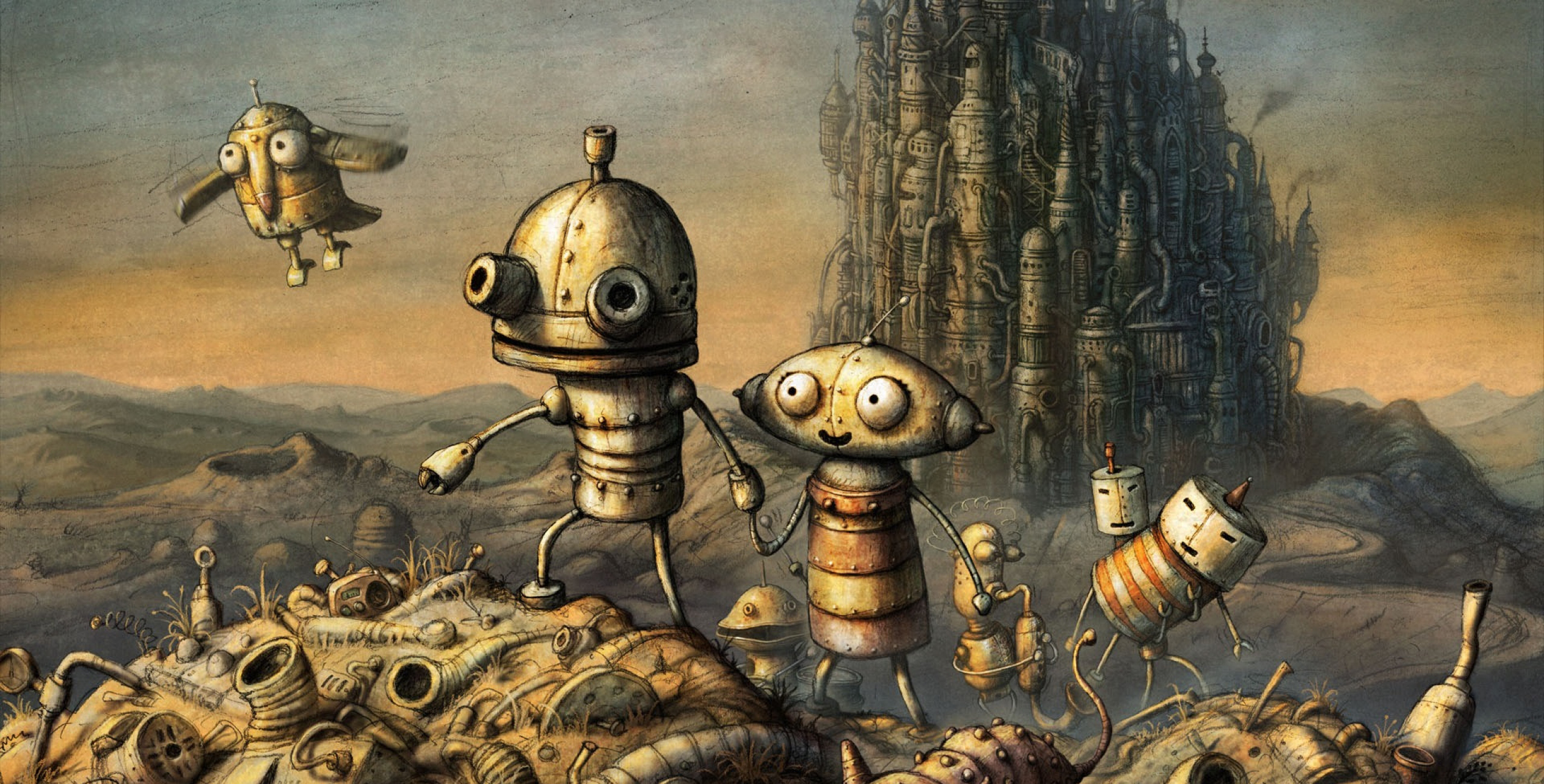
Developed and published by Amanita Design, this point-and-click adventure follows a small robot named Josef. Players must solve a series of interconnected environmental puzzles to rescue Josef’s girlfriend from the Black Cap Brotherhood. The game features a distinct hand-drawn art style and avoids traditional dialogue by using animated thought bubbles. ‘Machinarium’ focuses on mechanical logic and inventory-based challenges set within a rusty, industrial world.
‘Limbo’ (2010)
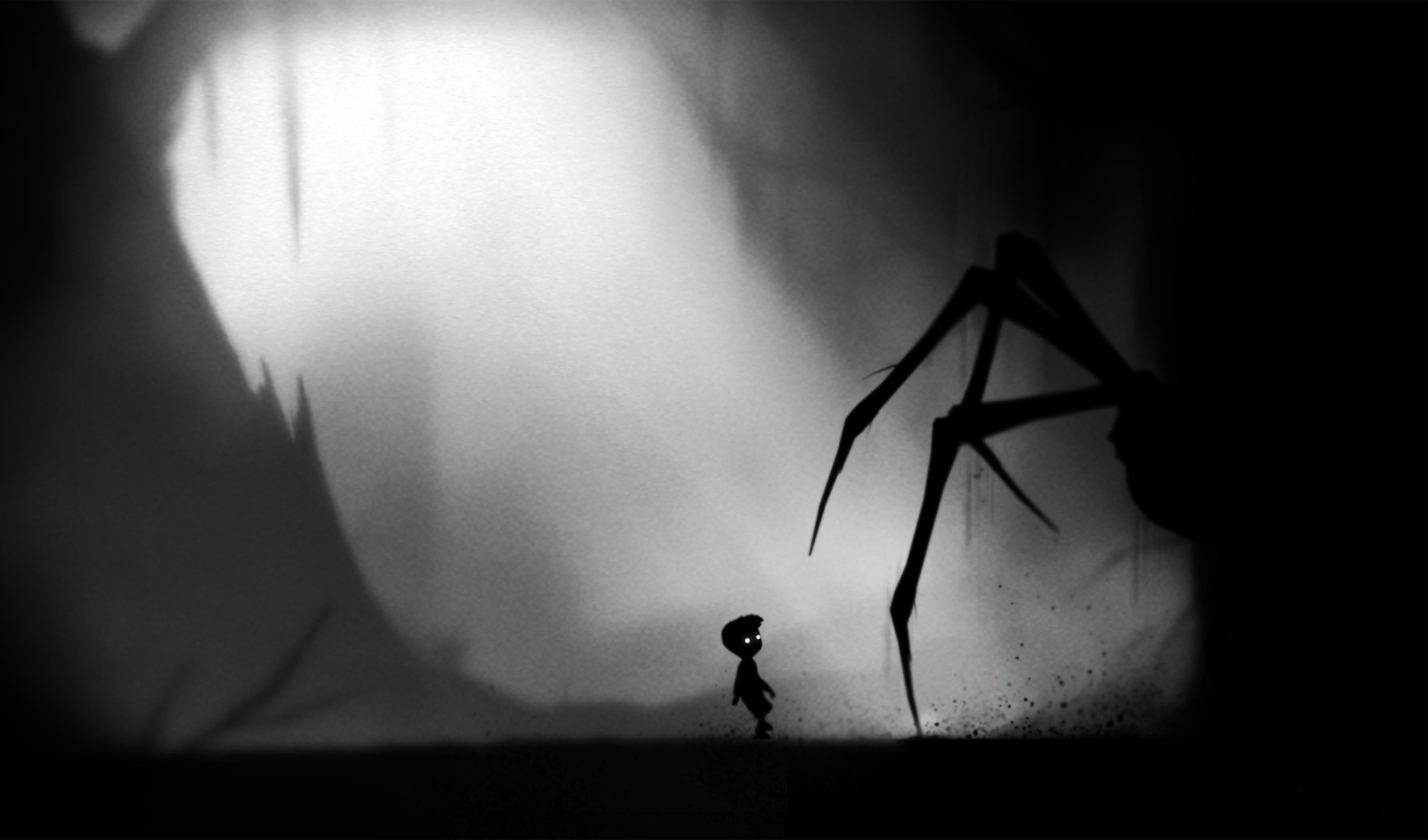
This atmospheric puzzle-platformer was created and published by Playdead. It follows a young boy who awakens in a dark, monochromatic forest and must navigate lethal traps and giant creatures. The gameplay relies on physics-based puzzles and precise timing to progress through increasingly industrial environments. ‘Limbo’ is known for its stark visual design and the trial-and-error nature of its survival mechanics.
‘Unpacking’ (2021)
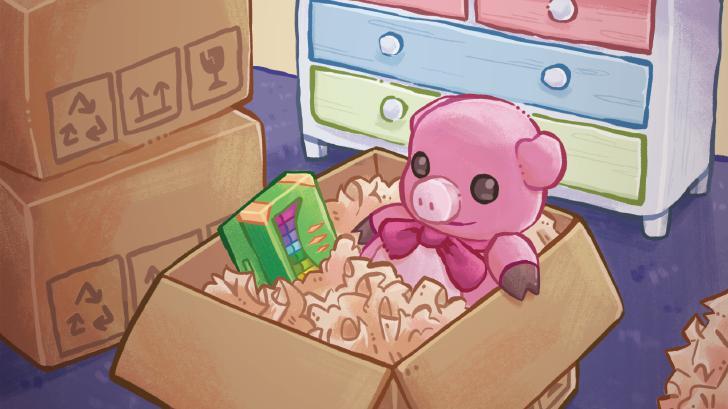
Developed by Witch Beam and published by Humble Games, ‘Unpacking’ is a meditative puzzle game about the familiarity of pulling possessions out of boxes. Players follow the life journey of an unseen character by arranging their belongings in various rooms across several years. Each item tells a story about the protagonist’s growth, relationships, and personal milestones. The game combines interior design with a narrative-driven sorting experience that rewards careful organization.
‘Keep Talking and Nobody Explodes’ (2015)
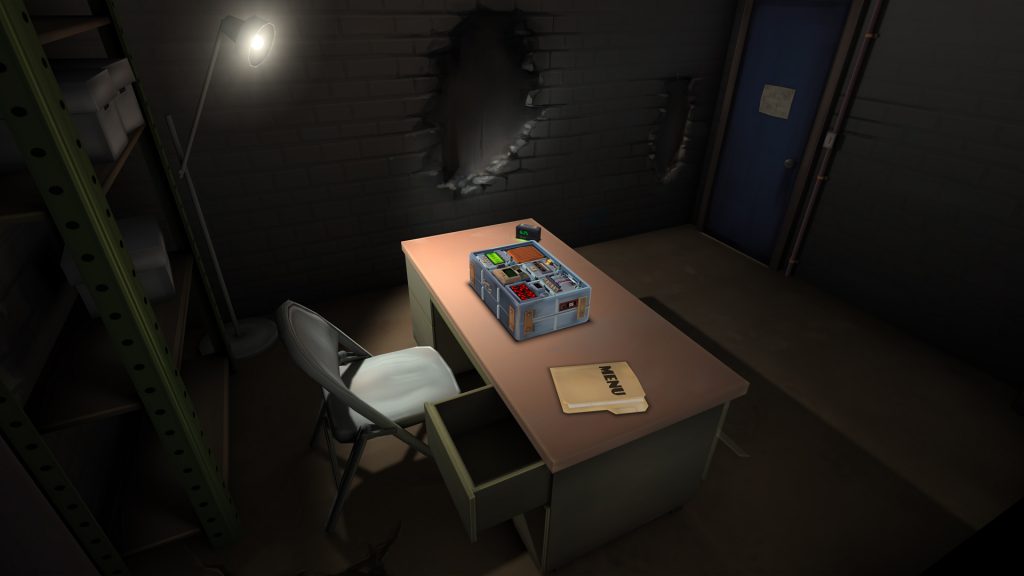
Developed and published by Steel Crate Games, this title focuses on cooperative communication rather than solo logic. One player is trapped in a room with a procedurally generated bomb while the other players act as experts who have the defusal manual. The experts must describe instructions without seeing the bomb, requiring high levels of coordination and verbal clarity. ‘Keep Talking and Nobody Explodes’ leverages high-pressure situations to test social and deductive skills.
‘Gorogoa’ (2017)
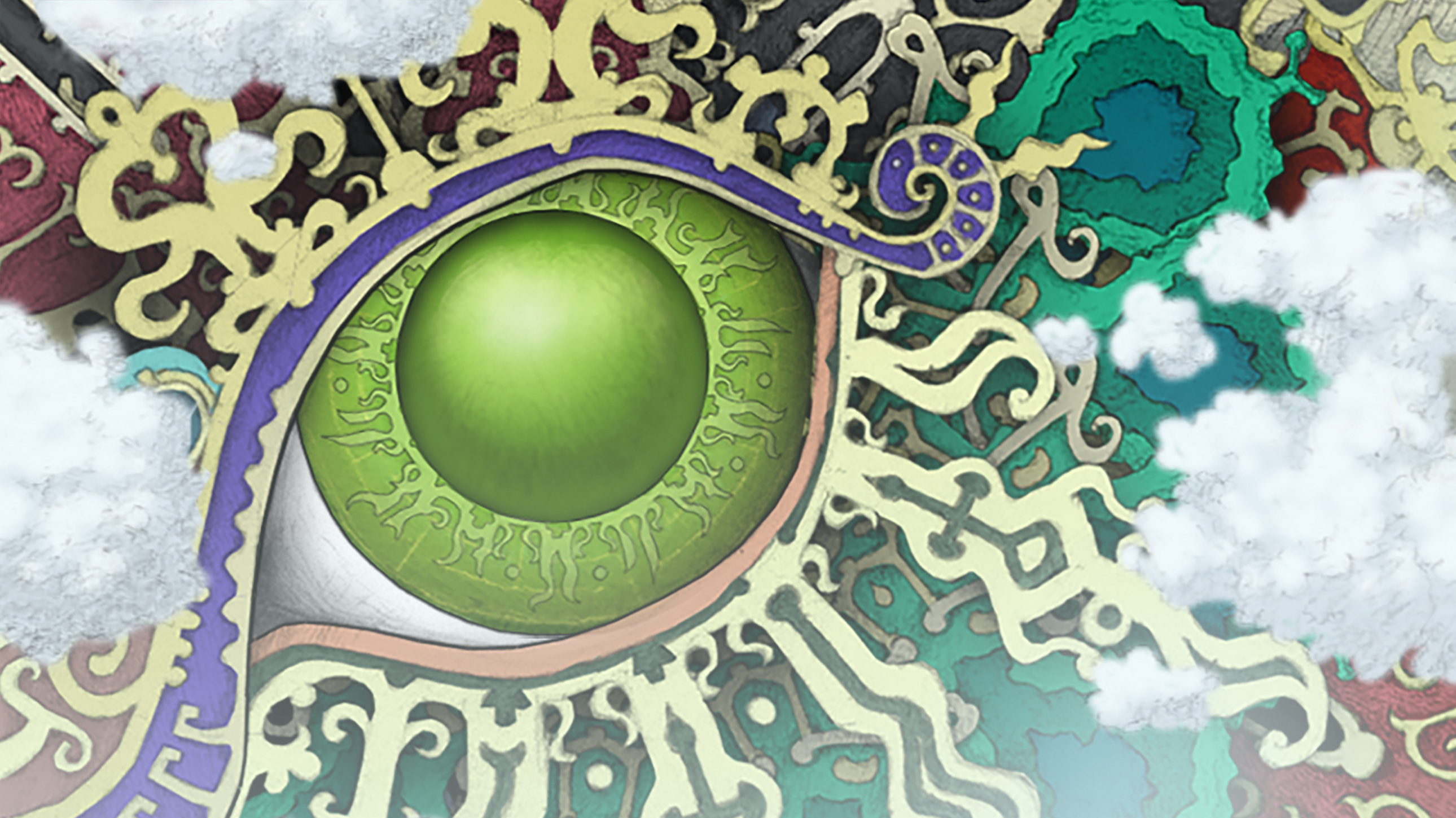
Designed and illustrated by Jason Roberts and published by Annapurna Interactive, ‘Gorogoa’ is a uniquely hand-drawn puzzle game. Players manipulate a two-by-two grid of images, zooming into and layering panels to reveal connections between scenes. The narrative is told silently through these visual transformations, exploring themes of spirituality and history. ‘Gorogoa’ challenges players to look past surface-level details to find hidden spatial relationships between disparate artworks.
‘Superliminal’ (2020)
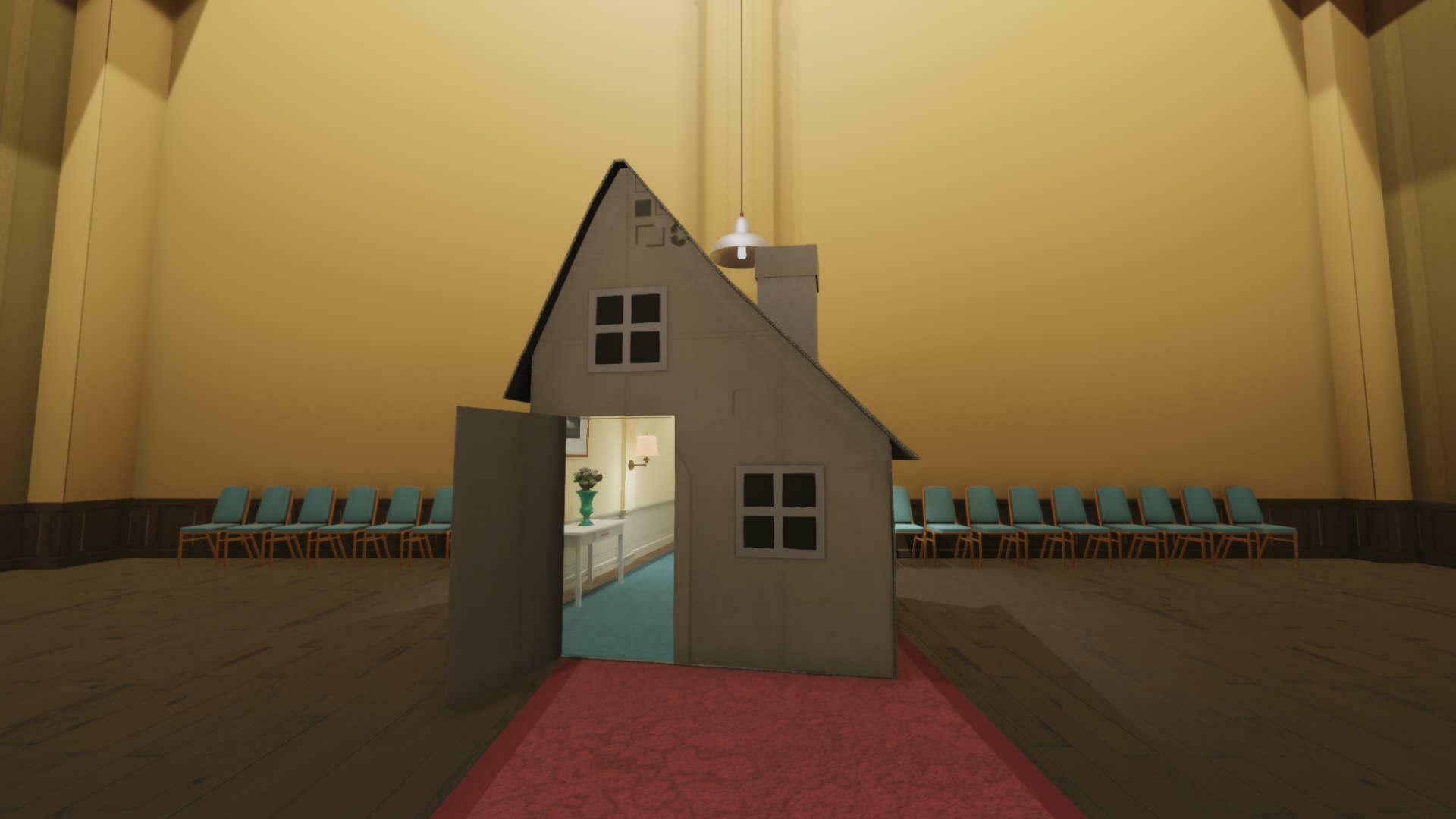
Developed and published by Pillow Castle, ‘Superliminal’ uses forced perspective and optical illusions as its primary mechanics. In this first-person game, objects change size based on the player’s perspective when they are picked up or dropped. Players must navigate a surreal dream therapy program by manipulating the scale of everyday items to overcome physical obstacles. ‘Superliminal’ subverts expectations by forcing players to think outside the literal box to progress.
‘The Case of the Golden Idol’ (2022)
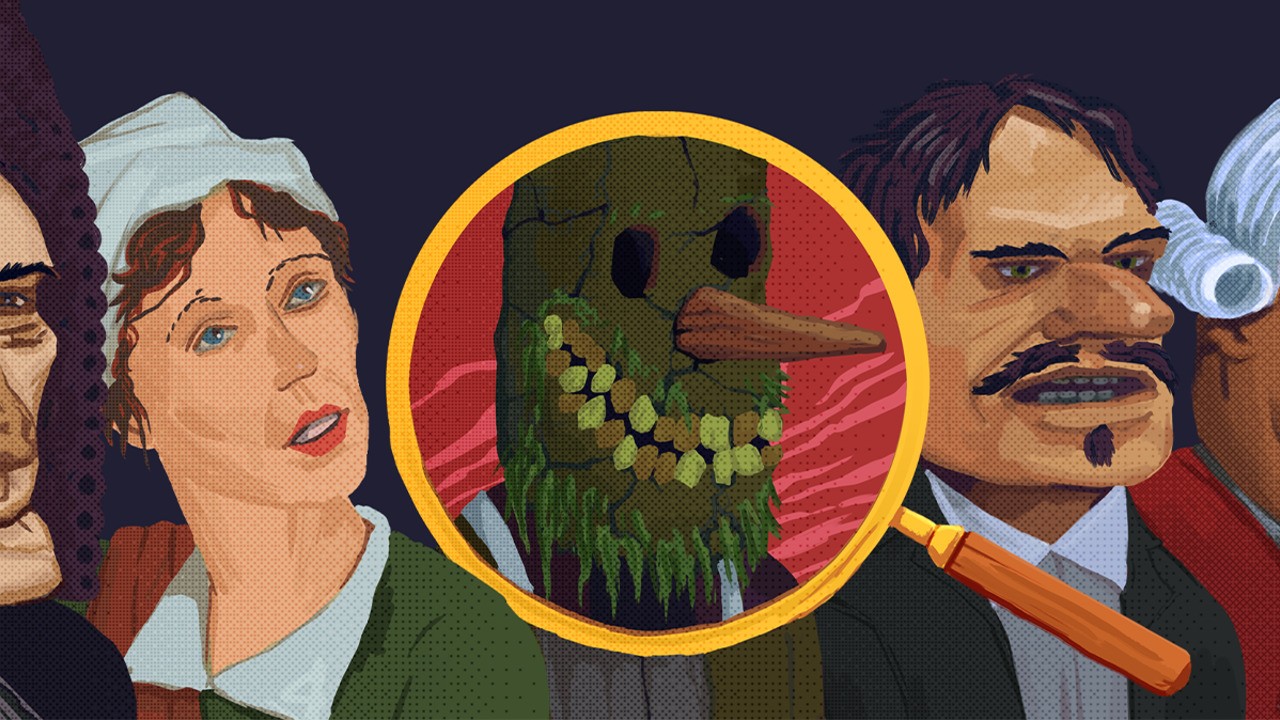
Developed by Color Gray Games and published by Playstack, this point-and-click mystery game requires players to act as 18th-century detectives. Players examine frozen scenes of gruesome deaths to gather clues and identify the names and motives of the characters involved. By filling in a logic grid with the correct words, the player reconstructs the events surrounding a cursed artifact. ‘The Case of the Golden Idol’ emphasizes deduction and observation over traditional inventory management.
‘Cocoon’ (2023)
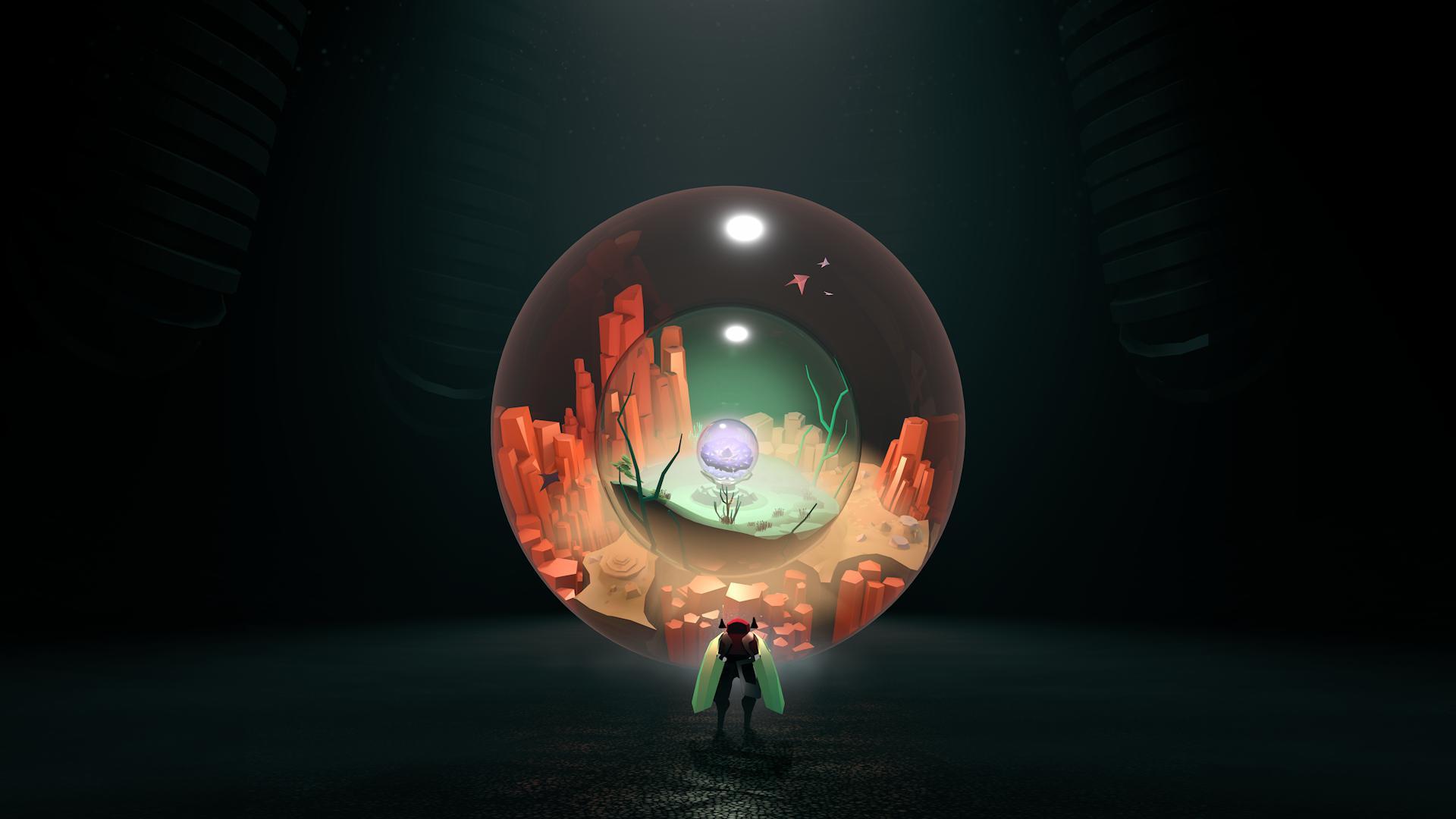
Created by Geometric Interactive and published by Annapurna Interactive, ‘Cocoon’ is a puzzle adventure from the lead gameplay designer of ‘Limbo’. Players control a winged creature that can travel between orbs, with each orb containing an entire world that can be carried on the player’s back. The core loop involves manipulating these nested dimensions to trigger switches and open paths. ‘Cocoon’ introduces complex mechanical layers without the use of text or explicit tutorials.
‘Viewfinder’ (2023)
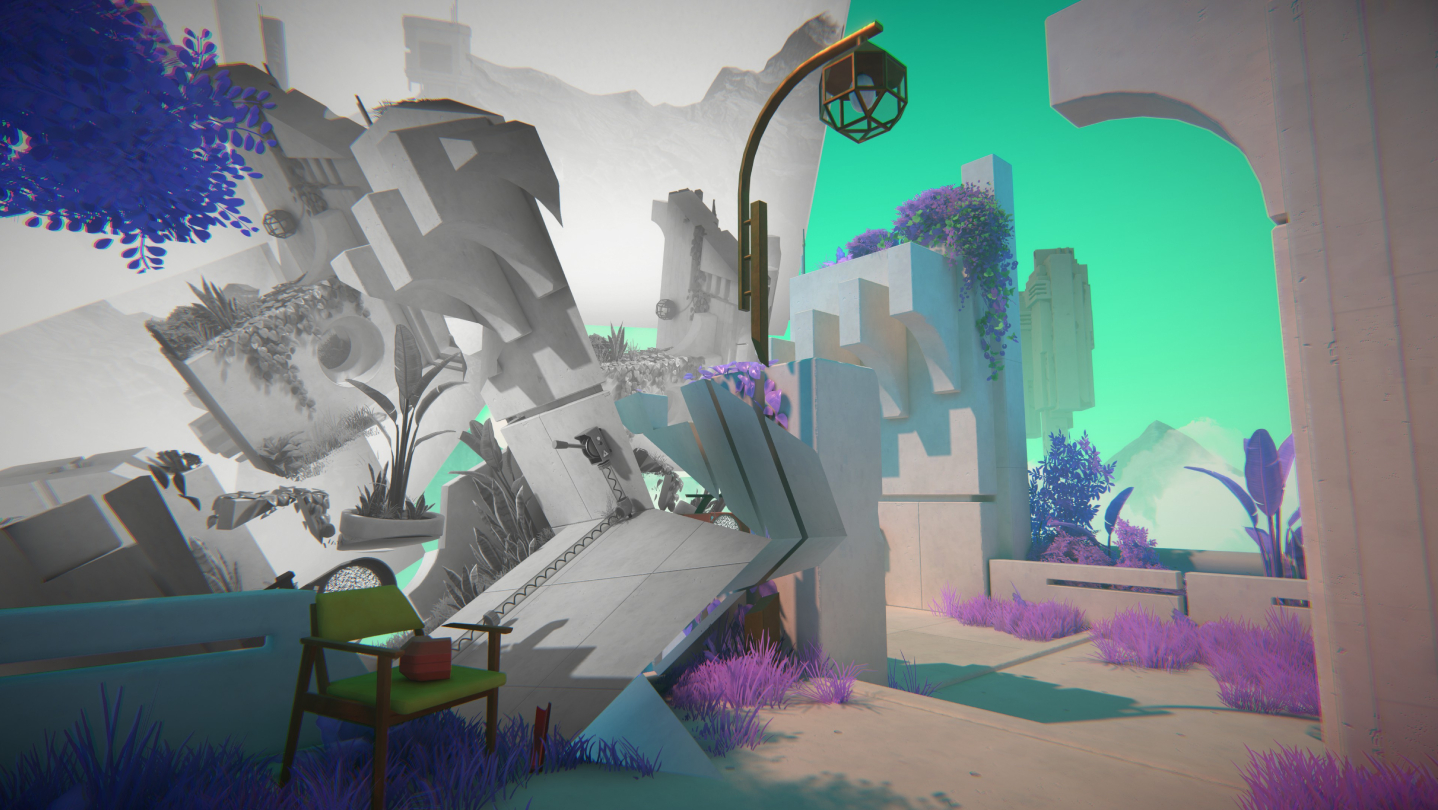
Developed by Sad Owl Studios and published by Thunderful Publishing, ‘Viewfinder’ is a first-person puzzle game that manipulates reality through photography. Players use an instant camera to take pictures of the environment and then “place” those pictures into the world to create new paths. For example, a photo of a bridge can be held up and manifested into a physical object that the player can cross. ‘Viewfinder’ combines aesthetic exploration with mind-bending spatial logic.
‘Patrick’s Parabox’ (2022)
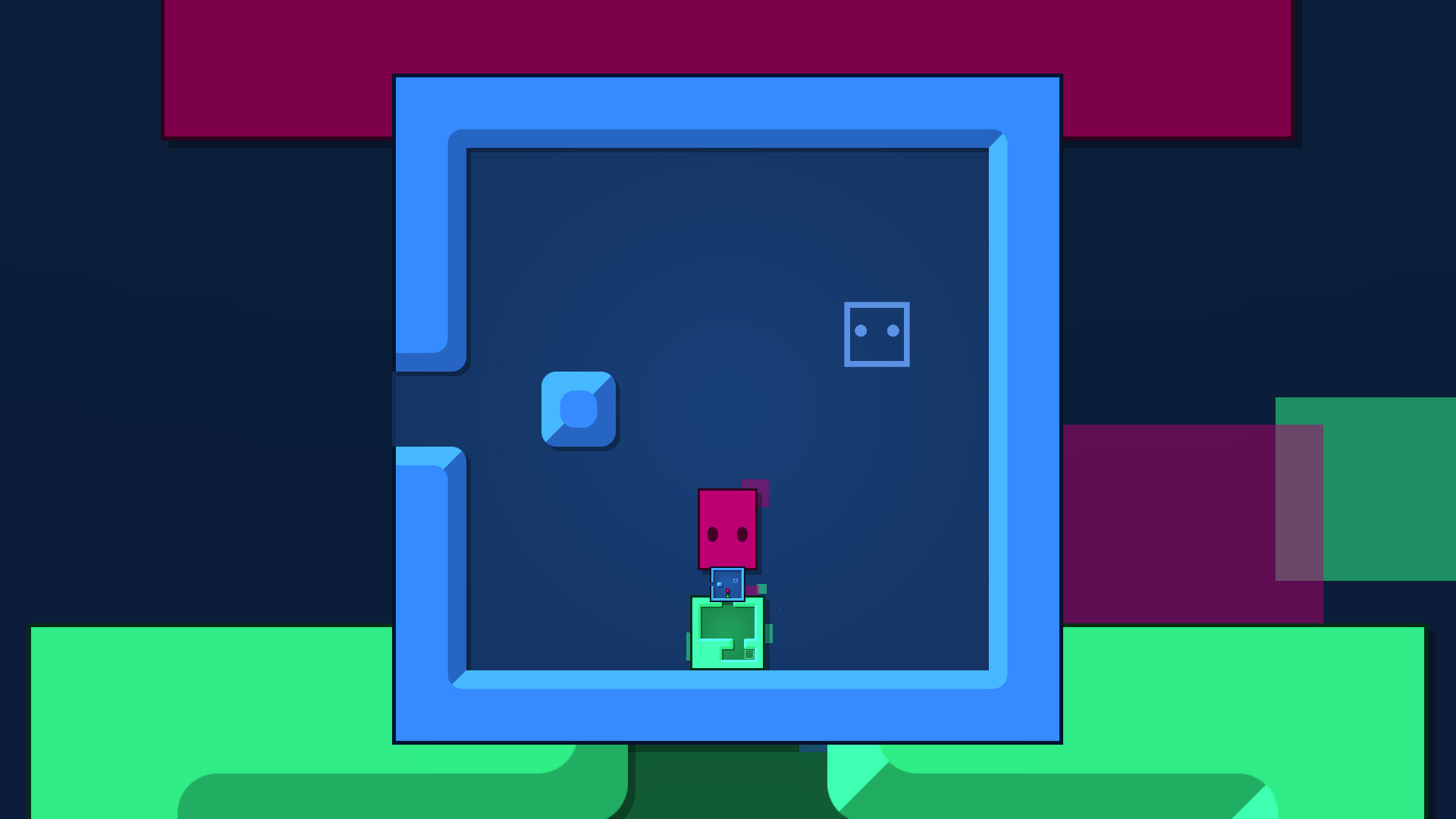
Developed and published by Patrick Traynor, this recursive puzzle game centers on the concept of boxes within boxes. Players push blocks into one another to navigate increasingly complex layouts that involve infinite loops and paradoxical structures. The game slowly introduces new rules about how space functions when objects are shrunk or expanded. ‘Patrick’s Parabox’ is celebrated for its elegant level design and its ability to explain complex mathematical concepts through gameplay.
‘Chants of Sennaar’ (2023)

Developed by Rundisc and published by Focus Entertainment, ‘Chants of Sennaar’ is a game focused on linguistic decryption. Players explore a massive tower inspired by the Myth of Babel and must decipher the languages of different civilizations to progress. By observing environmental cues and NPC behavior, players log symbols into a notebook to translate ancient texts. ‘Chants of Sennaar’ turns the act of translation into a compelling mechanical challenge.
‘The Talos Principle’ (2014)
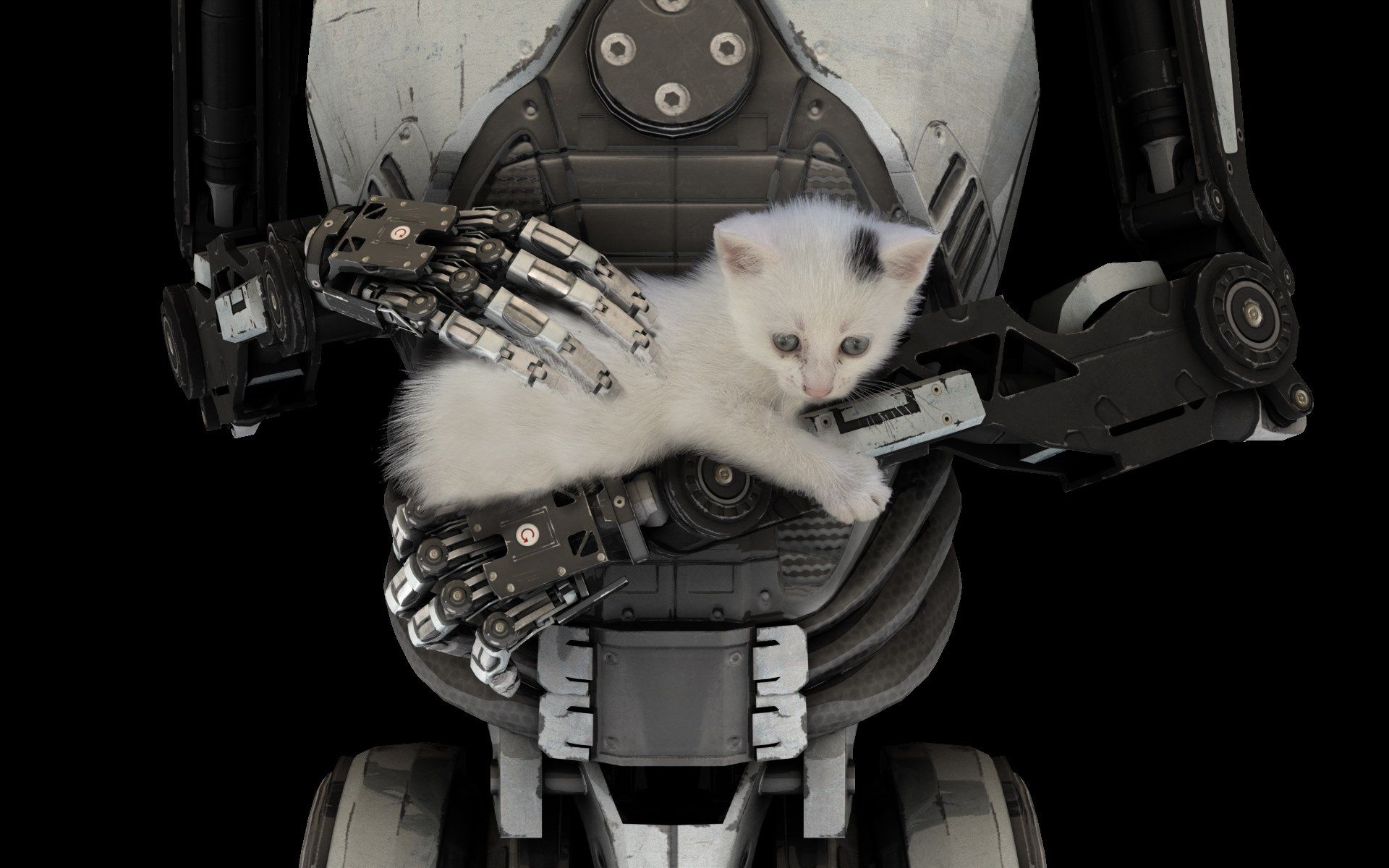
Developed by Croteam and published by Devolver Digital, this philosophical puzzle game puts players in the role of an android. Guided by a voice known as Elohim, players solve increasingly difficult environmental trials involving lasers, jammers, and pressure plates. Parallel to the puzzles, players interact with computer terminals to debate the nature of consciousness and humanity. ‘The Talos Principle’ offers a blend of complex logic and deep existential narrative.
‘The Witness’ (2016)
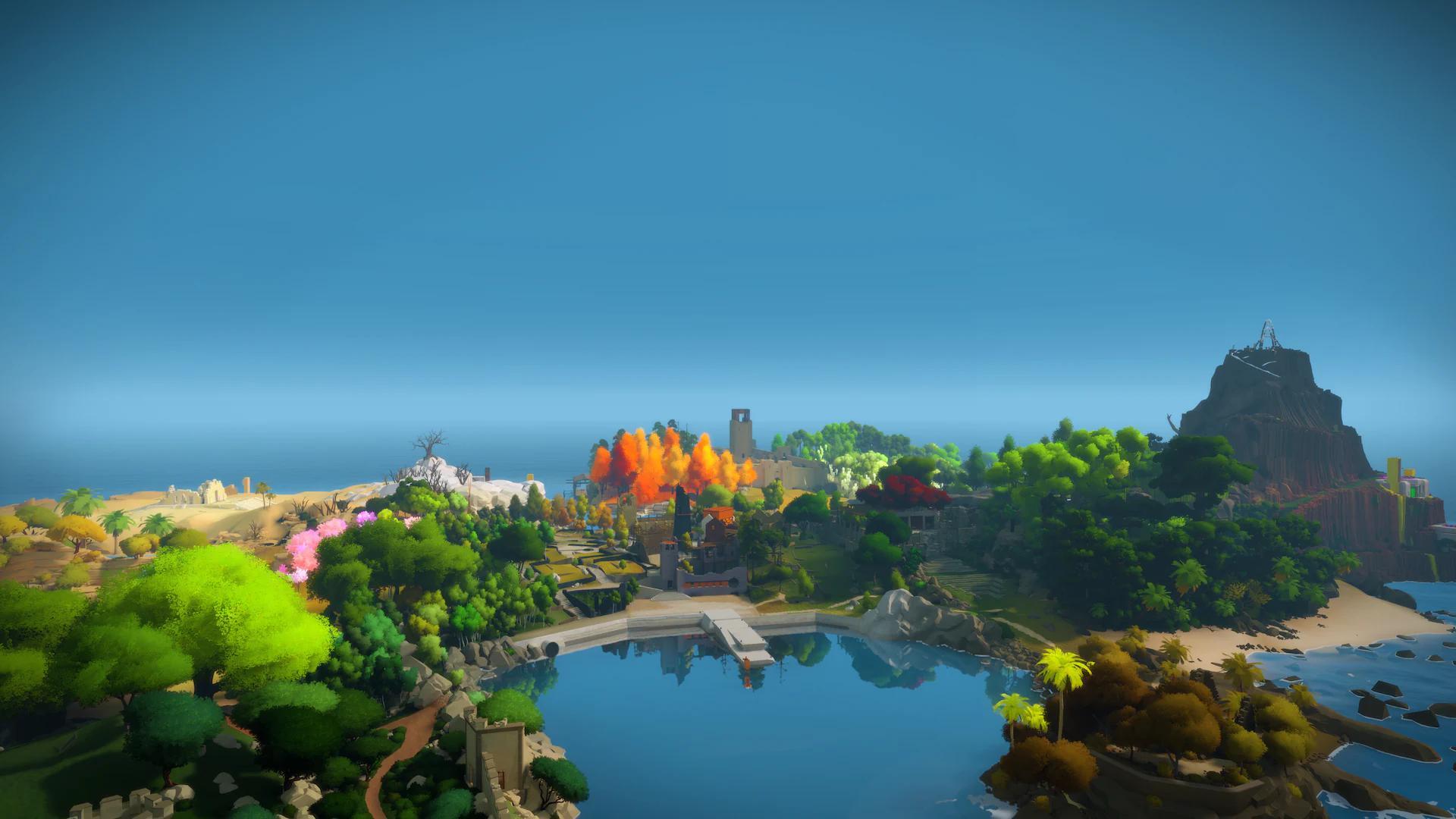
Developed and published by Thekla, Inc., ‘The Witness’ is an open-world puzzle game set on a deserted island. Players interact with hundreds of grid panels that use a consistent language of symbols to define their rules. The game encourages environmental observation, as many solutions are hidden in the perspective or geography of the island itself. ‘The Witness’ is designed to foster “aha” moments through silent teaching and complex non-verbal communication.
‘Baba Is You’ (2019)
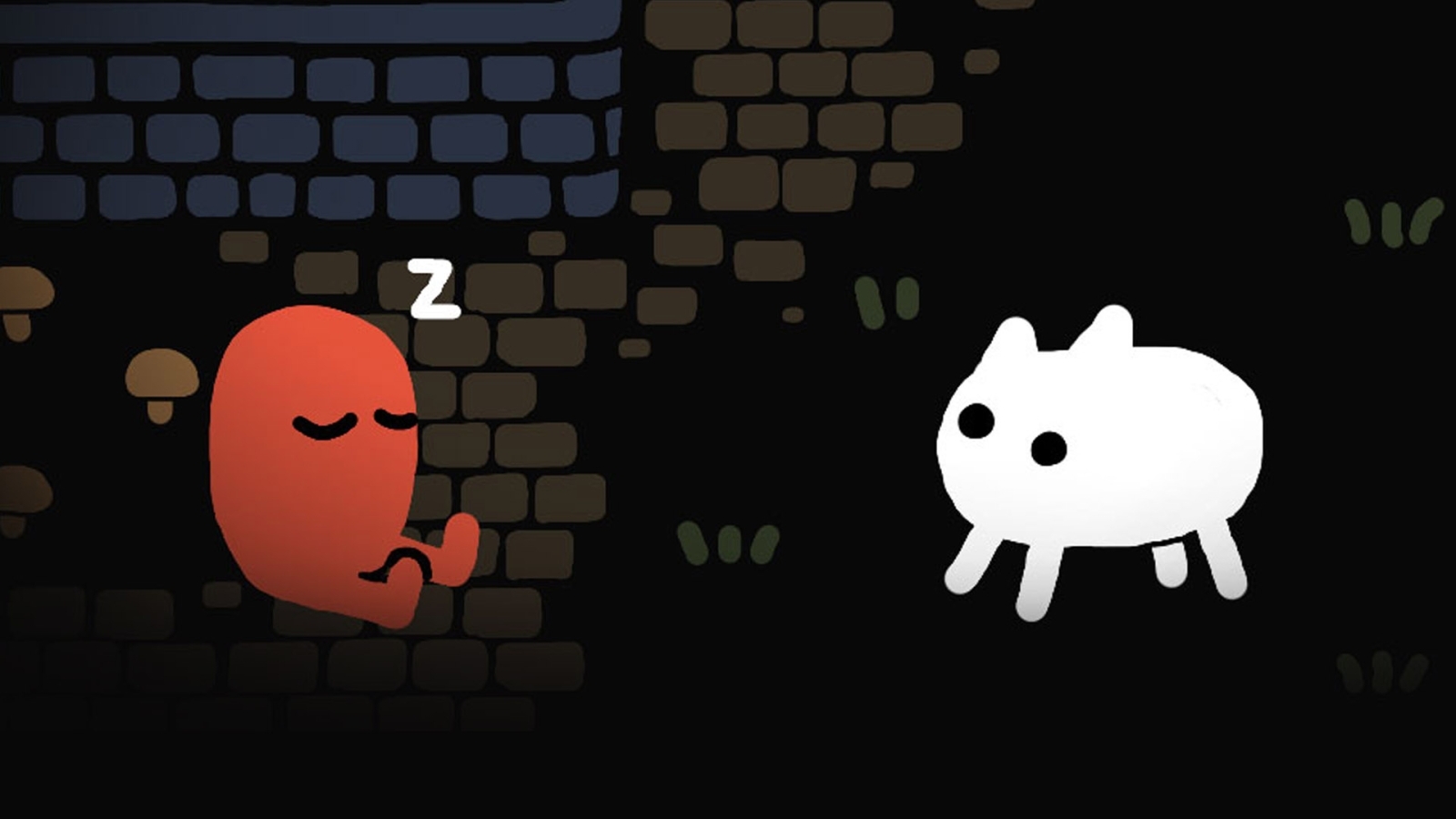
Developed and published by Hempuli, ‘Baba Is You’ is a game where the rules are physical objects that can be manipulated. By pushing blocks representing words like “Baba,” “Is,” and “Win,” players can fundamentally change how the game operates. For instance, moving blocks to create the phrase “Wall Is Push” allows the player to move solid objects. ‘Baba Is You’ challenges players to rethink the internal logic of video games by breaking and rebuilding their rules.
‘Return of the Obra Dinn’ (2018)

Developed by Lucas Pope and published by 3909 LLC, this game is a first-person mystery set aboard a ghost ship. Players use a magical compass called the Memento Mortem to witness the exact moment of a person’s death. The goal is to identify all 60 crew members and determine their fates based on visual clues and audio snippets. ‘Return of the Obra Dinn’ is highly regarded for its unique 1-bit art style and rigorous deductive gameplay.
‘Papers, Please’ (2013)

Also developed by Lucas Pope and published by 3909 LLC, ‘Papers, Please’ casts players as an immigration inspector in the fictional country of Arstotzka. Players must examine documents for discrepancies, such as expired passports or forged entry permits, while managing a limited budget to support their family. The game introduces ethical dilemmas as players must choose between following strict government mandates or showing compassion to travelers. ‘Papers, Please’ successfully blends administrative tasks with high-stakes narrative tension.
‘Outer Wilds’ (2019)
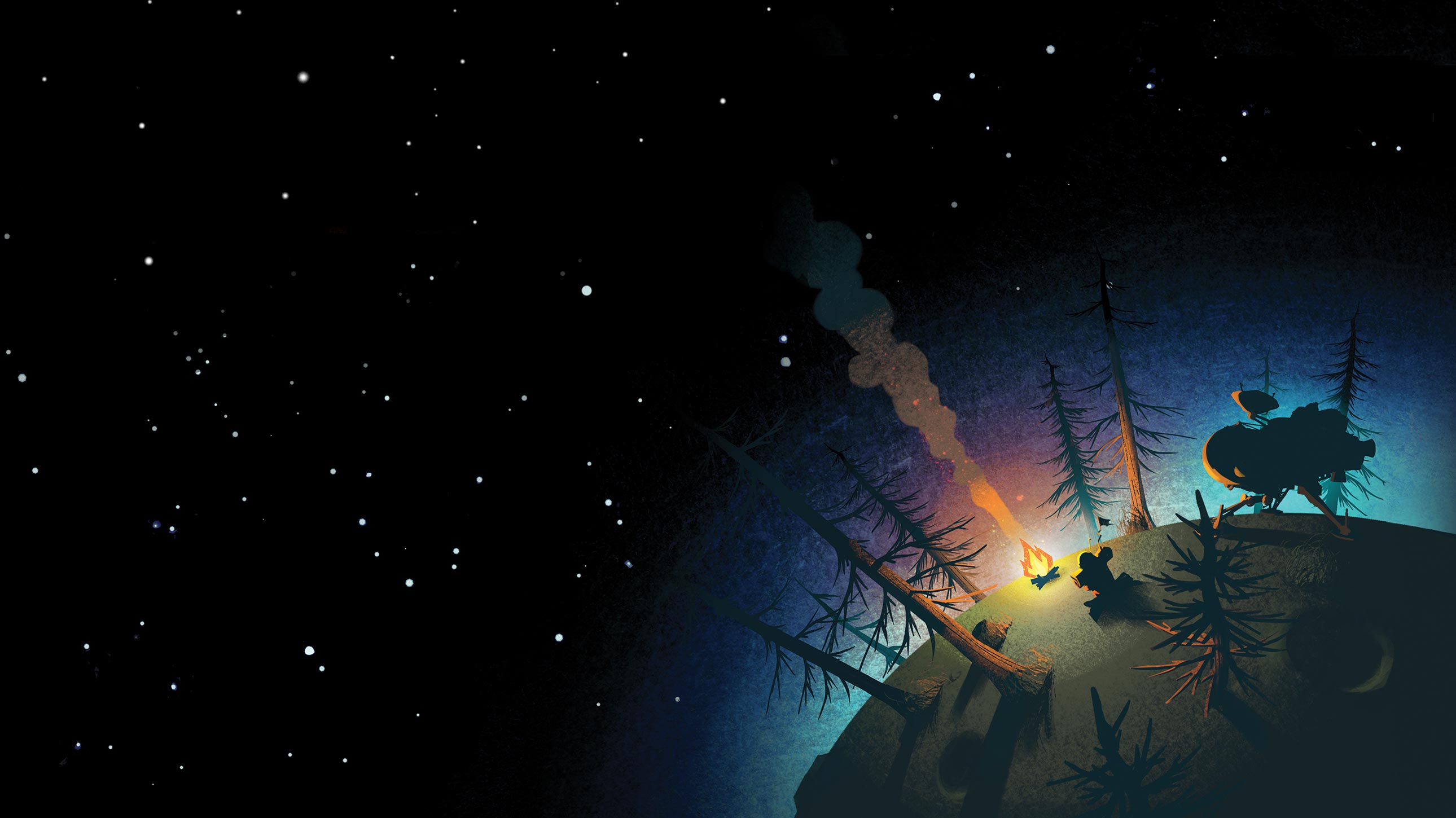
Developed by Mobius Digital and published by Annapurna Interactive, ‘Outer Wilds’ is an open-world mystery about a solar system trapped in a 22-minute time loop. Players pilot a spacecraft to explore different planets and gather information about an ancient extinct race. Knowledge is the primary form of progression, as puzzles are solved by understanding the physical laws and history of the environment. ‘Outer Wilds’ rewards curiosity and exploration with a deeply interconnected cosmic narrative.
‘Portal’ (2007)
Developed and published by Valve, ‘Portal’ introduced the world to the Aperture Science Handheld Portal Device. Players must navigate a series of test chambers by creating interspatial portals on flat surfaces to bypass obstacles. The game is famous for its dark humor, primarily delivered through the passive-aggressive AI antagonist, GLaDOS. ‘Portal’ set a high standard for physics-based puzzle design and environmental storytelling in the first-person genre.
‘Portal 2’ (2011)

Developed and published by Valve, this sequel expands upon the mechanics of its predecessor with new elements like tractor beams, light bridges, and propulsion gels. The story delves deeper into the history of Aperture Science and introduces the charmingly incompetent personality core, Wheatley. In addition to the extensive single-player campaign, ‘Portal 2’ features a dedicated cooperative mode with a separate set of puzzles for two players. It is widely considered one of the greatest puzzle games of all time due to its perfect balance of humor and logic.
Let us know which of these brain-teasers is your favorite by leaving a comment.