

The Best Puzzle Games That Respect Your Time




If you love solving clever challenges without committing to marathon sessions, these puzzle games keep things focused and friendly to busy schedules. They feature short levels, generous checkpoints or undo systems, clear objectives, and progress that saves often—so you can drop in for a few minutes and come back later without losing momentum. Many also offer optional hints, scalable difficulty, or non-linear maps that let you switch to another puzzle if you’re stuck. Here are time-respecting picks across platformers, logic puzzlers, and brain-twisters that make every minute count.
‘Portal’ (2007)

Built by Valve and published by Valve, ‘Portal’ uses the Aperture Science Handheld Portal Device to teach spatial reasoning in compact test chambers. Levels are self-contained and quick to complete, with autosaves and frequent checkpoints that minimize repetition. The game’s puzzle curve is structured in short lessons, each introducing one idea and then combining it with earlier concepts. A timed challenge mode and developer commentary are optional, so you can focus solely on core puzzles at your own pace.
‘Portal 2’ (2011)

Developed and published by Valve, ‘Portal 2’ expands the portal mechanics with gels, light bridges, and excursion funnels while keeping chambers bite-sized. The campaign uses generous autosaving and room-by-room structure, making it easy to pause between puzzles. A separate two-player co-op campaign has discrete courses you can clear in short sessions. Built-in chapter select and chamber replays let you revisit specific ideas without replaying long stretches.
‘Baba Is You’ (2019)
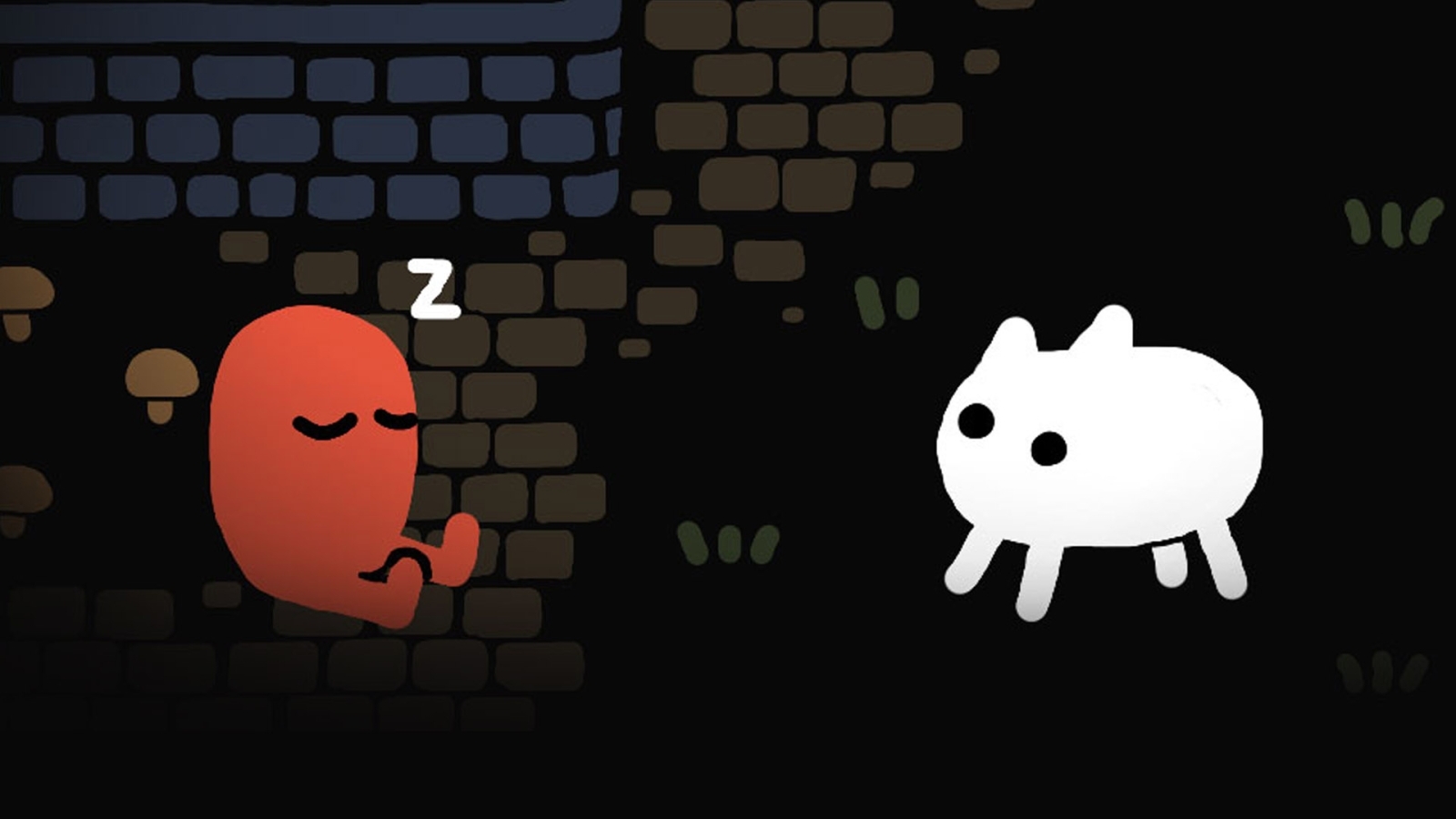
Created and published by Hempuli, ‘Baba Is You’ turns rules into movable blocks you push around to change how the world works. Each stage is a single-screen puzzle that saves progress instantly, and an unlimited undo lets you rewind moves without penalty. The world map is non-linear, so if one idea stumps you, you can open another cluster of levels. Optional extra objectives and variants are clearly marked, keeping the main path efficient.
‘The Witness’ (2016)
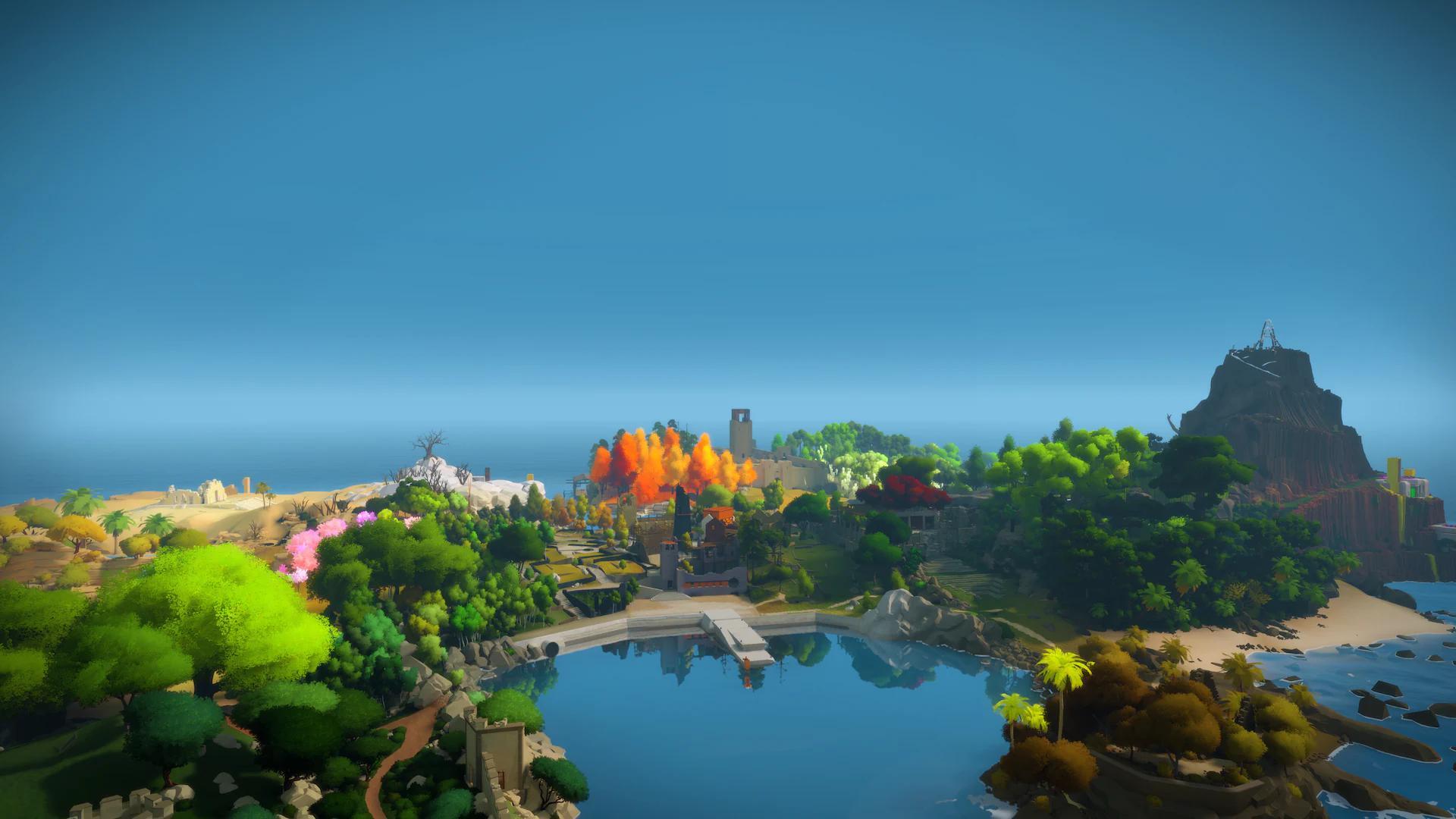
Developed and published by Thekla, Inc., ‘The Witness’ presents hundreds of line-drawing panels organized by mechanic and area. Puzzles are separated into short, teachable sets, and you can leave any location to explore another without losing progress. Environmental clues introduce rules visually, so time isn’t spent reading tutorials. The island’s autosave and fast travel ensure sessions of any length feel productive.
‘Return of the Obra Dinn’ (2018)

Made and published by 3909 LLC (Lucas Pope), ‘Return of the Obra Dinn’ structures its investigation into discrete fates you can deduce one at a time. The notebook confirms groups of three correct solutions, giving clear milestones for short play sessions. You can jump directly to any discovered memory from the map, reducing backtracking. The game logs every clue you’ve seen, so you can pause for days and resume without losing context.
‘Gorogoa’ (2017)

Designed by Jason Roberts (Buried Signal) and published by Annapurna Interactive, ‘Gorogoa’ uses a four-panel grid where you slide, zoom, and align illustrations to create solutions. Each scene is a compact puzzle that autosaves, so stopping between vignettes is seamless. The interface invites quick experiments with no failure states to reset. Chapters transition cleanly, letting you complete a few panels and return later without redoing steps.
‘Monument Valley’ (2014)

Developed and published by ustwo games, ‘Monument Valley’ offers Escher-like structures solved in short, self-contained stages. Touch controls and one-screen layouts keep each puzzle brisk, with progress saved after every level. Optional chapters and expansions are clearly separated, so you can finish the main path efficiently. Subtle visual cues guide interactions, reducing time spent guessing what’s interactive.
‘Patrick’s Parabox’ (2022)
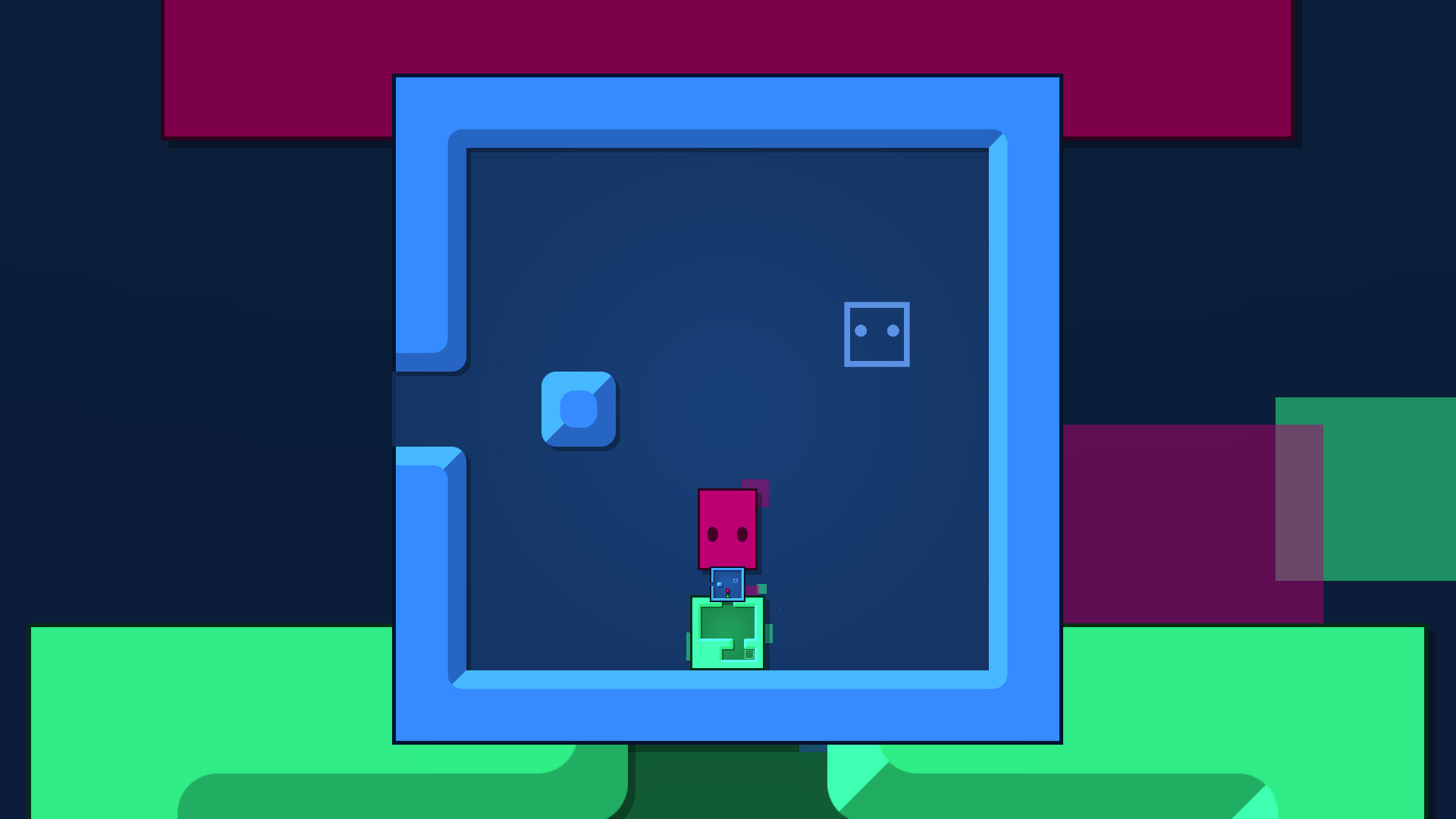
Created and published by Patrick Traynor, ‘Patrick’s Parabox’ explores recursive boxes where levels fit inside blocks that you push around. Stages are compact, with instant reset and undo to encourage quick iteration. The world map branches, allowing you to skip ahead when stuck and return later. Clear labeling of mechanic sets lets you play in short bursts while steadily learning new rules.
‘Opus Magnum’ (2017)
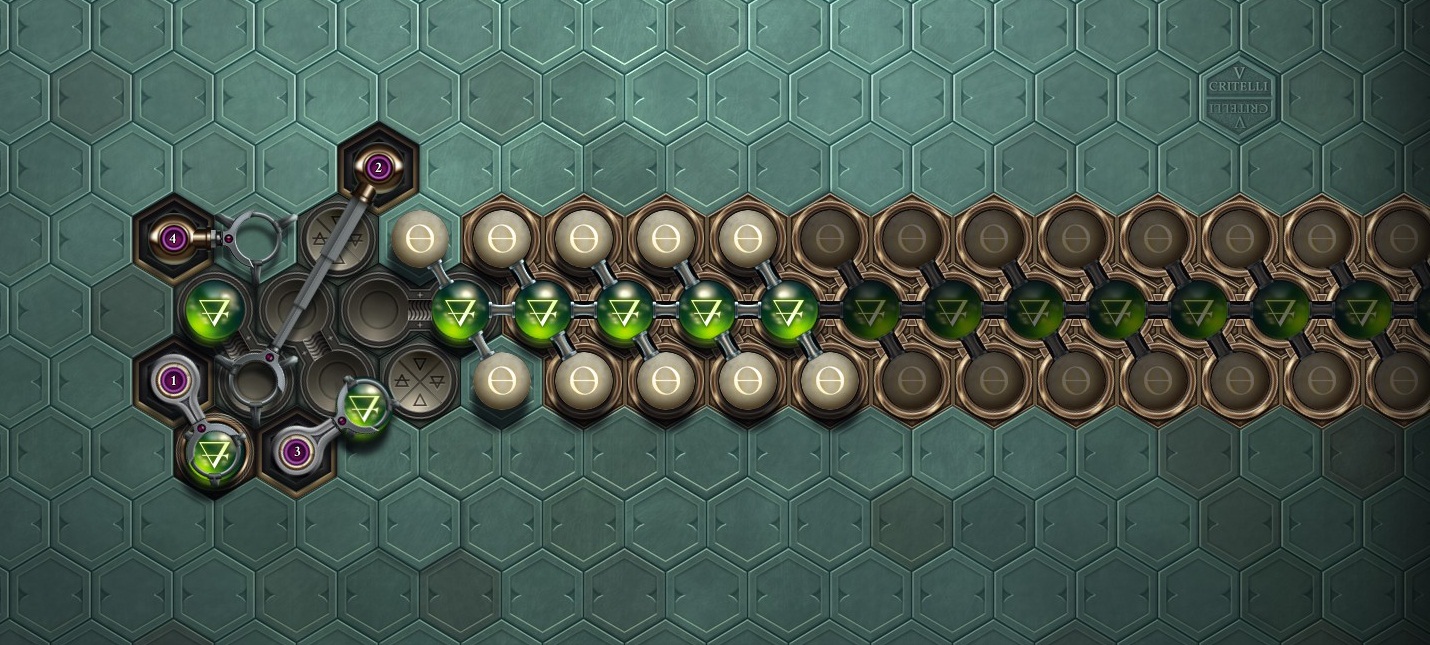
Built and published by Zachtronics, ‘Opus Magnum’ has you assemble alchemical machines on an open hex grid. Each puzzle is standalone and autosaves frequently, with unlimited undo and a fast test-and-iterate loop. Solutions are accepted once they work, and optional optimization metrics can be ignored if you just want to move on. A built-in GIF exporter and puzzle browser make it easy to complete a design and stop at natural breakpoints.
‘Hexcells’ (2014)
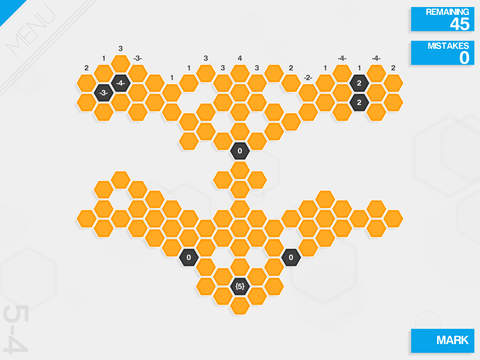
Developed and published by Matthew Brown Games, ‘Hexcells’ blends Minesweeper-style deduction with clear numeric rules. Levels are handcrafted and short, with no timers and instant restarts that preserve flow. Mistake limits are generous, and later entries in the series add helpful rule displays to reduce guesswork. Progression unlocks new sets once you’ve solved enough panels, enabling flexible session lengths.
‘Mini Metro’ (2015)
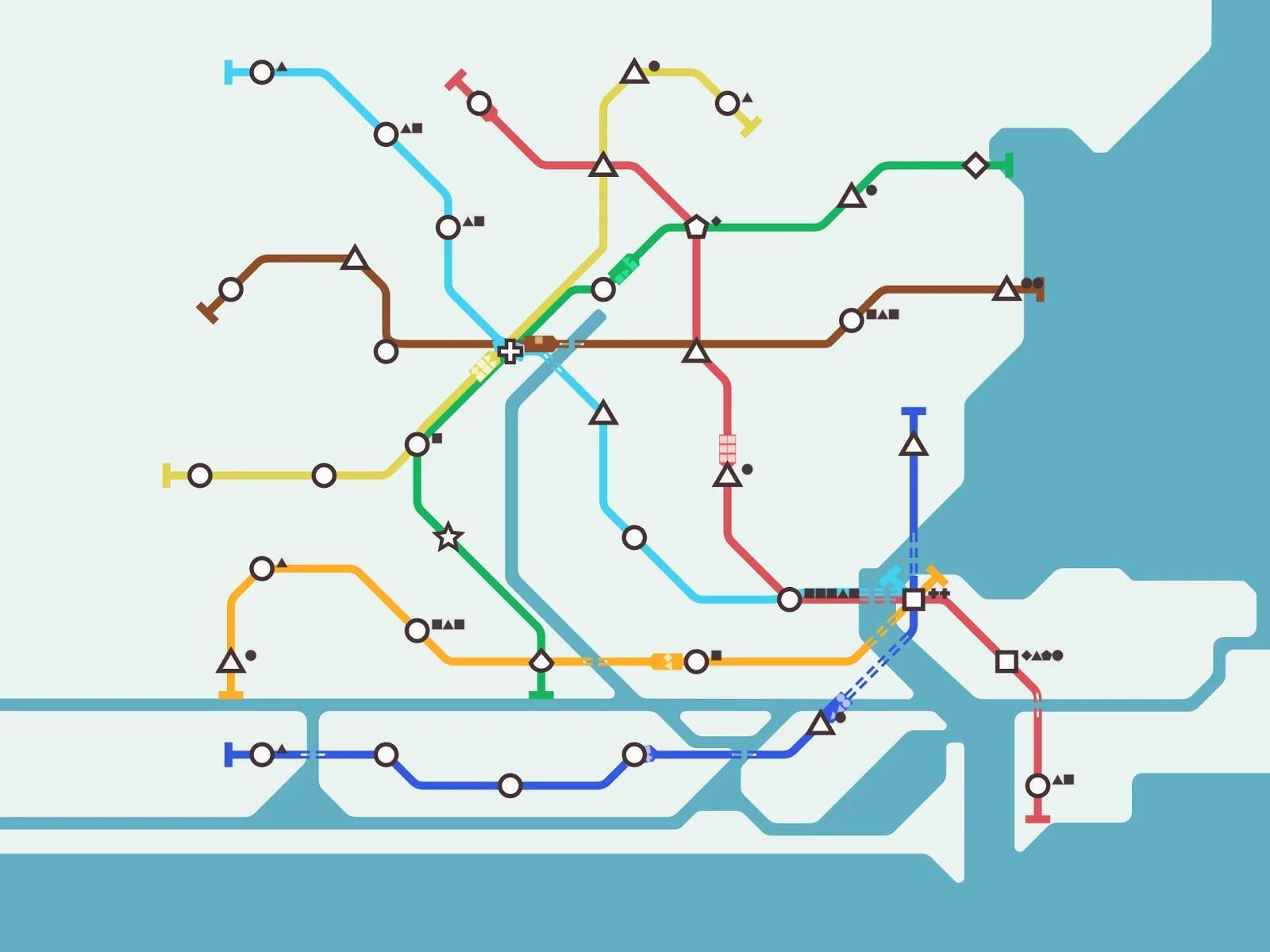
Created and published by Dinosaur Polo Club, ‘Mini Metro’ tasks you with drawing subway lines to keep passengers moving efficiently. Rounds last a few minutes, and multiple modes—including Endless and Creative—let you choose session length. Controls are minimal, and every map saves your best runs and unlocks independently. Daily challenges and per-city goals provide quick objectives without long commitments.
‘FEZ’ (2012)
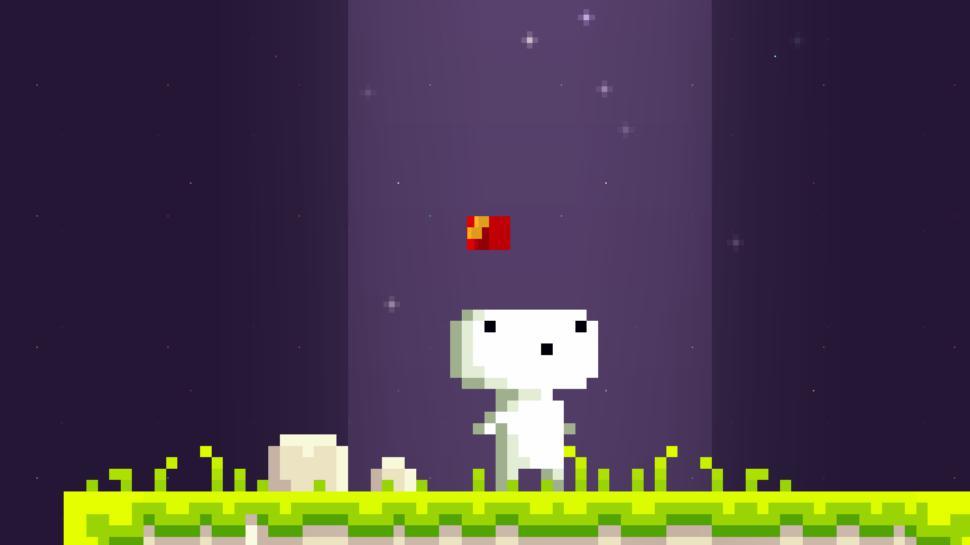
Developed and published by Polytron Corporation, ‘FEZ’ revolves around rotating a 2D world in 90-degree increments to reveal paths and codes. The game saves on screen transitions and room entry, letting you explore a handful of areas and return later. A world map tracks collectibles and solved rooms to avoid redundant backtracking. Optional cipher and artifact puzzles are side content that you can tackle only when you want.
‘Inside’ (2016)
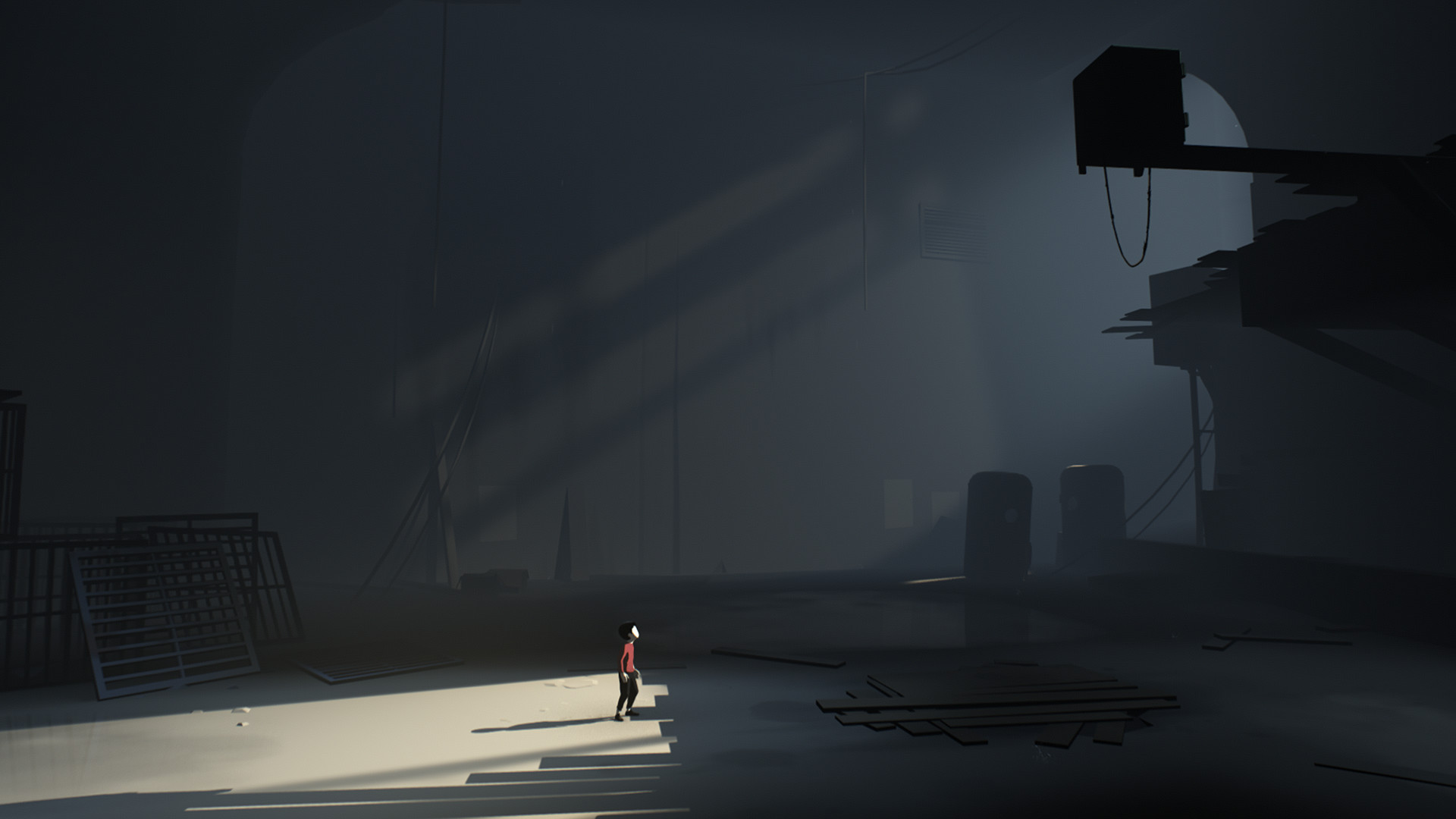
Built and published by Playdead, ‘Inside’ structures its side-scrolling conundrums into short set pieces with frequent checkpoints. Each scene introduces one mechanic, then moves on, keeping puzzle scope narrow. Deaths reload almost instantly near the interaction point, minimizing downtime. The linear path and chapter select support brief sessions without losing place.
‘Limbo’ (2010)
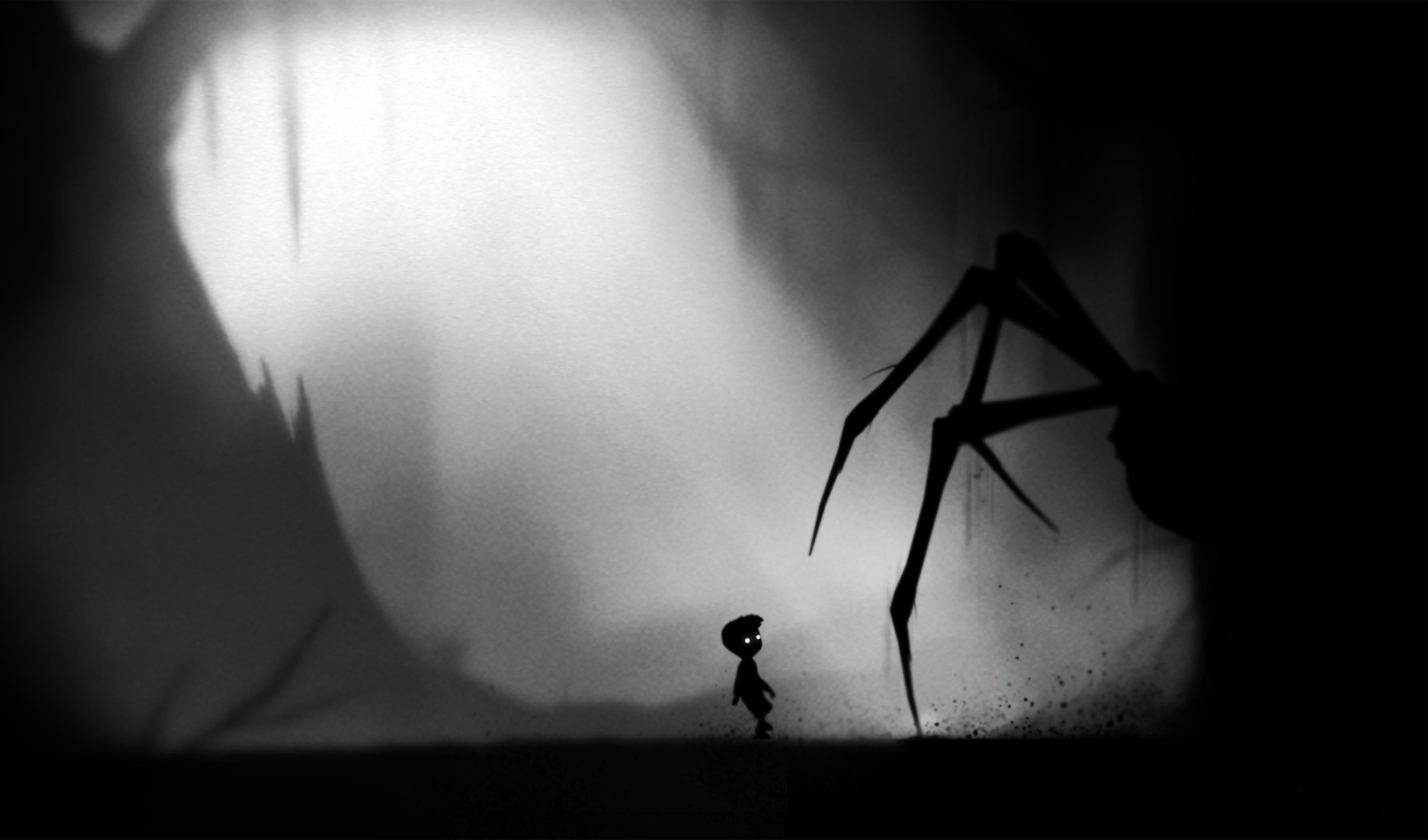
Developed and published by Playdead, ‘Limbo’ arranges physics and logic challenges into compact screens linked by quick checkpoints. The minimal interface and generous respawn points keep retries short. Puzzles typically involve one or two elements, reducing multi-step backtracking. Chapter selection enables you to replay or continue from clean breakpoints.
‘The Talos Principle’ (2014)

Created by Croteam and published by Devolver Digital, ‘The Talos Principle’ offers hub-based puzzle temples solved with jammers, connectors, and recorders. Each puzzle occupies a fenced area, saving progress as you collect sigils and stars. The hub layout lets you pick any open gate, so you can switch to a different chamber instantly. Terminals and optional lore can be skipped to keep sessions focused on puzzle solving.
‘Superliminal’ (2019)
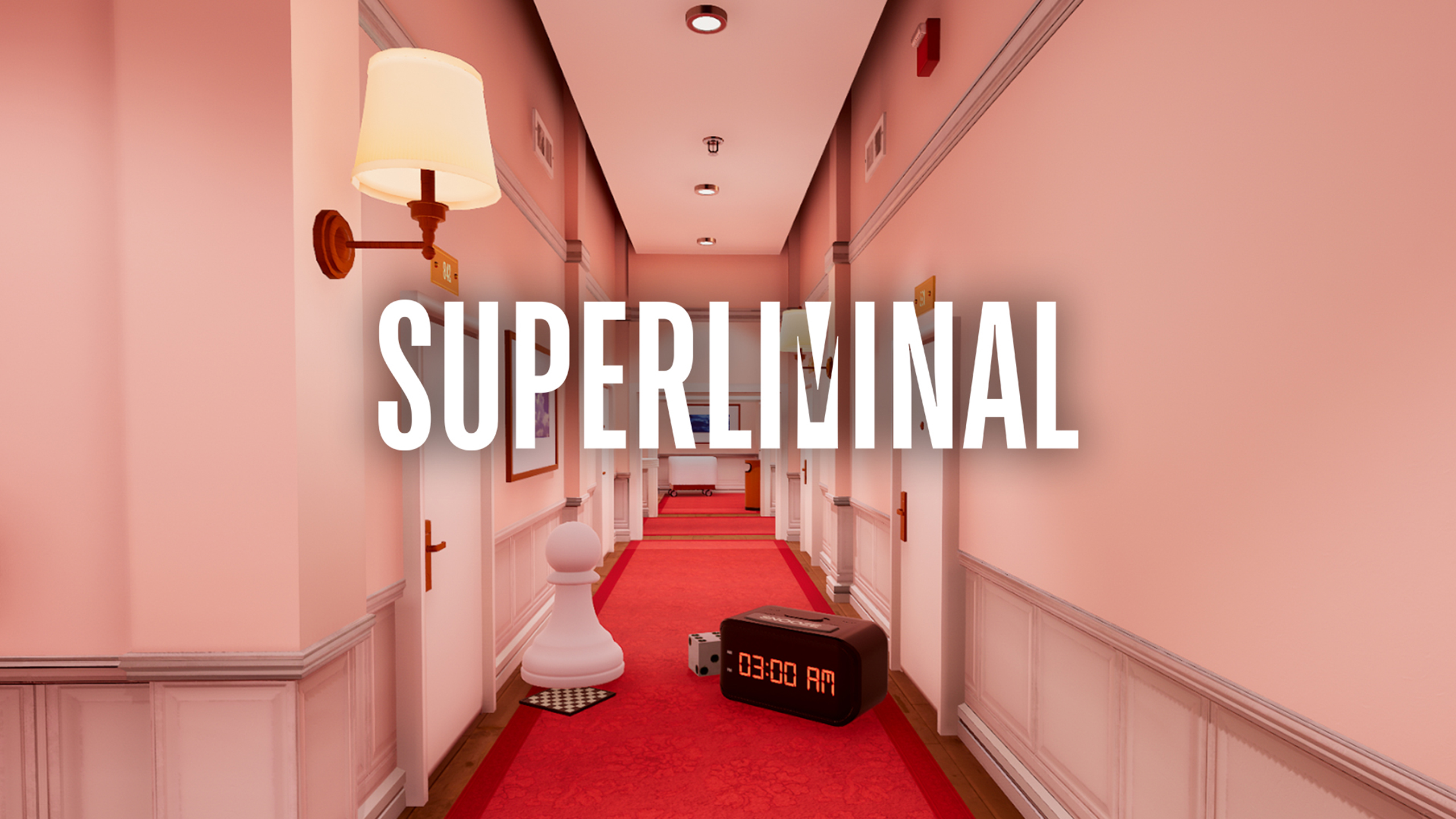
Developed and published by Pillow Castle, ‘Superliminal’ uses forced-perspective object scaling to solve room-by-room puzzles. Levels are segmented into short areas with autosave at each transition. Objects can be reset quickly, and most solutions require only a few interactions, making experimentation fast. A chapter selector unlocks as you progress, enabling targeted replays or quick stops.
‘Lara Croft GO’ (2015)
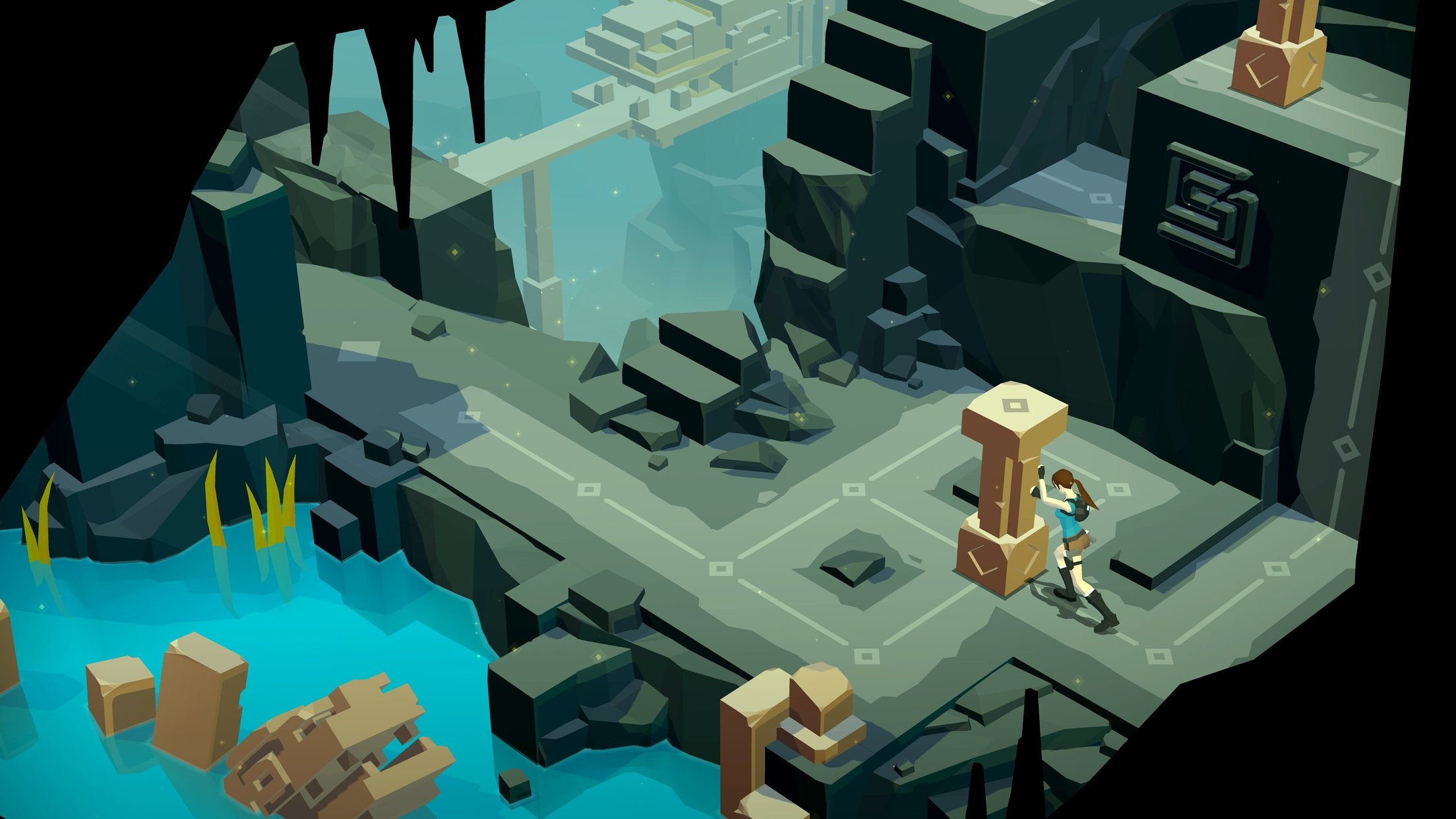
Created by Square Enix Montréal and published by Square Enix, ‘Lara Croft GO’ is a turn-based puzzler where each move advances traps and enemies in step. Levels last a few minutes, with instant restarts and clear objectives. The campaign is divided into small tombs that you can complete one at a time. Optional collectibles and time trials sit off the main path for players who want extra challenges later.
‘BoxBoy!’ (2015)
Developed by HAL Laboratory and published by Nintendo, ‘BoxBoy!’ has you spawn finite boxes to bridge gaps, hit switches, and bypass hazards. Stages are bite-sized with immediate retries and star ratings that don’t block progress. World maps unlock sets gradually, and costumes and extras are optional. The rules for box limits and shapes are clearly labeled per level, keeping attempts concise.
‘Picross S’ (2017)
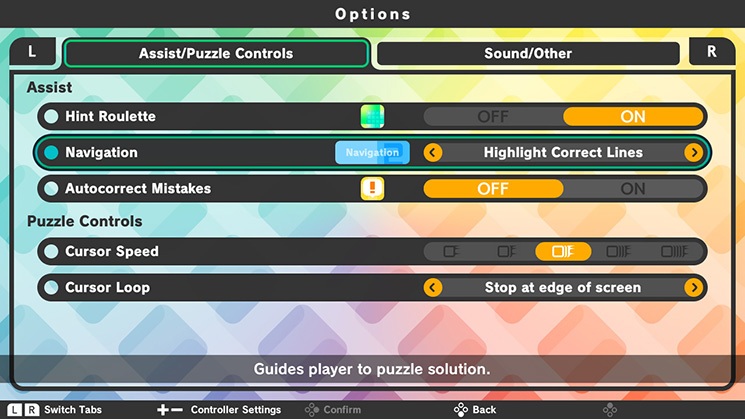
Made and published by Jupiter, ‘Picross S’ compiles hundreds of nonogram puzzles with strict, logical solutions. Each grid can be paused and resumed at any time, and helpers like error checks and hint rules are toggleable. The series separates modes—like Mega Picross and Color Picross—so you can pick quick or longer boards. Puzzle completion is tracked per grid, enabling steady progress across short sessions.
‘KAMI’ (2013)
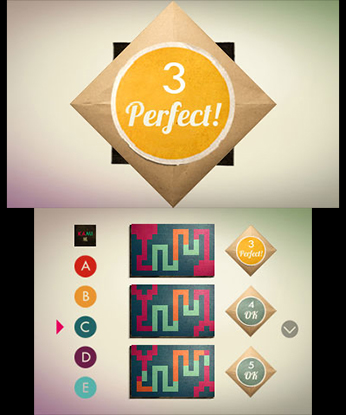
Developed and published by State of Play Games, ‘KAMI’ presents paper-folding color-fill puzzles solved within a limited number of moves. Individual levels take only a few minutes, and you can instantly reset to try a cleaner route. Move targets provide optional mastery without blocking advancement. The interface shows remaining colors and moves clearly, streamlining iterative play.
‘A Monster’s Expedition’ (2020)
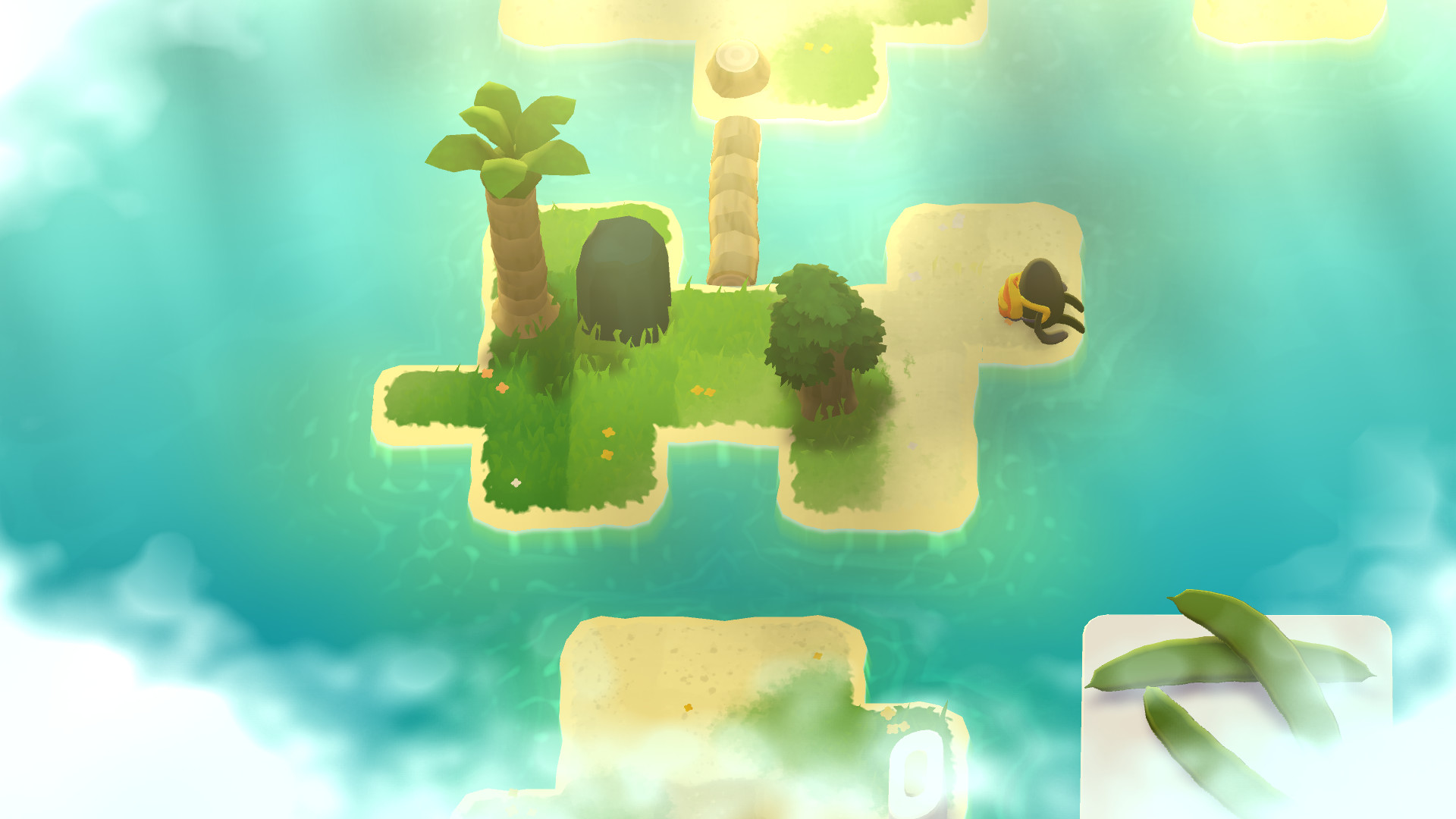
Created and published by Draknek & Friends, ‘A Monster’s Expedition’ features open-world, single-screen log-pushing puzzles connected by islands. Every island saves on arrival, and you can undo or reset without penalty. The map allows multiple paths, so you can leave a tricky setup and explore elsewhere. Museum exhibits serve as optional guidance, giving light hints without interrupting flow.
‘Tetris Effect’ (2018)

Developed by Monstars, Resonair, and Stage Games and published by Enhance, ‘Tetris Effect’ offers quick sessions through its Journey Mode and standalone Effect Modes. Difficulty and speed can be adjusted, and Marathon-style runs save scores per mode and stage. The Zone mechanic pauses gravity briefly, adding a controlled burst for recovery rather than long grinds. Daily and limited-time playlists are clearly timed, fitting neatly into short play windows.
‘Viewfinder’ (2023)
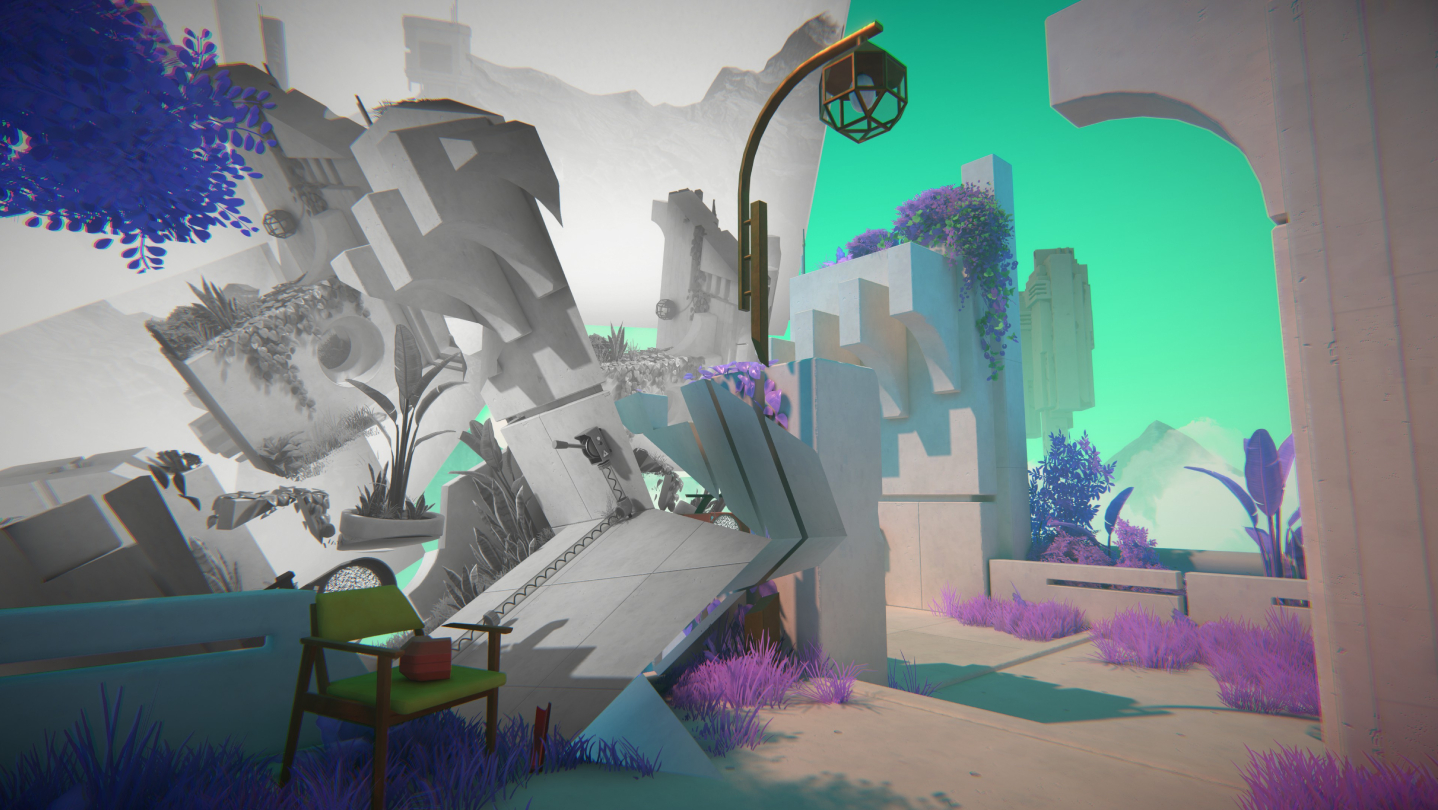
Built by Sad Owl Studios and published by Thunderful Publishing, ‘Viewfinder’ lets you place photographs that become solid geometry, solving problems one room at a time. Levels are compact with frequent checkpoints and a quick reset, and the camera inventory is straightforward. Mechanic sets are introduced in short sequences before switching to the next idea. Optional collectibles and narrative objects sit off the critical path, keeping core progression snappy.
‘Captain Toad: Treasure Tracker’ (2014)

Developed by Nintendo EPD and published by Nintendo, ‘Captain Toad: Treasure Tracker’ splits its diorama levels into brief, self-contained puzzles. Each stage saves completion and optional goals separately, so you can clear the main objective and return later for extras. Touch and camera tools are minimal, reducing setup time between attempts. Episode structure and chapter select create natural stopping points for quick sessions.
Share your favorite time-friendly puzzle picks in the comments and let other readers know which ones fit best into a busy day!