


The Best Scream Kings In Horror Movies

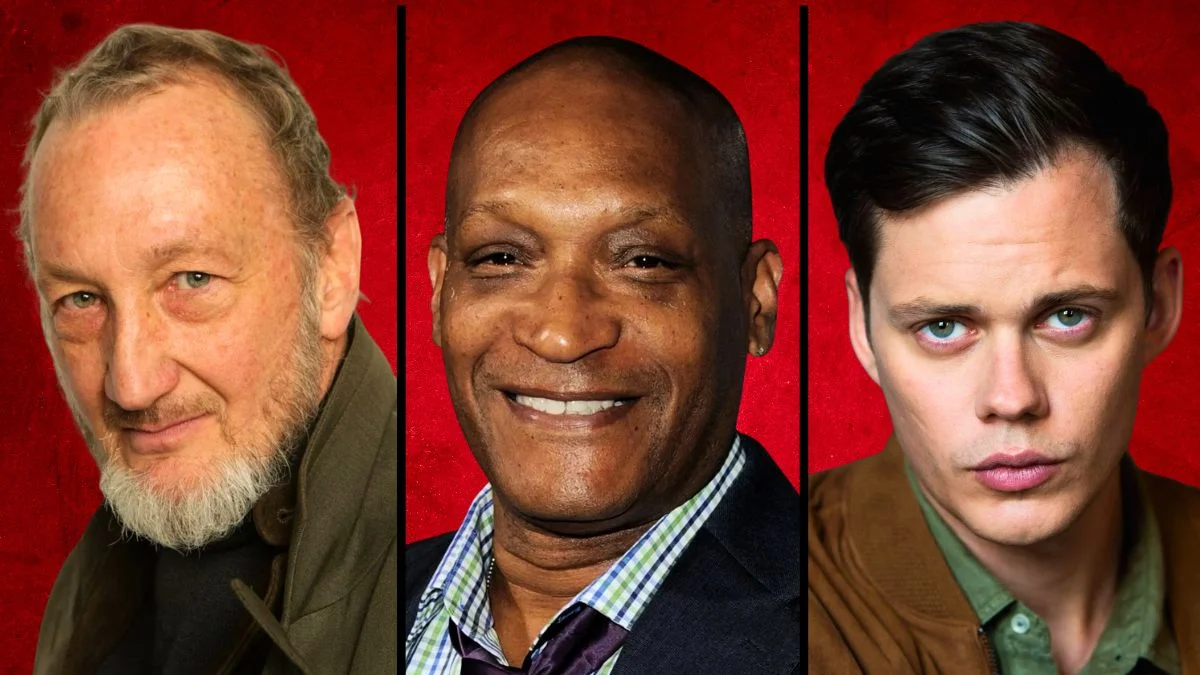


Horror has always relied on memorable performances that turn masked shapes and whispered threats into characters audiences recognize instantly. Across silent classics, mid century chillers, and modern franchises, a handful of men built careers on monsters, final confrontations, and eerie transformations that keep returning to screens.
This list gathers film actors whose names are tied to horror through recurring roles, landmark performances, and characters that spawned sequels or remakes. You will see pioneers of makeup, faces of the Universal cycle, leaders of the Hammer revival, and modern icons who carried major series to new audiences.
Lon Chaney Sr.
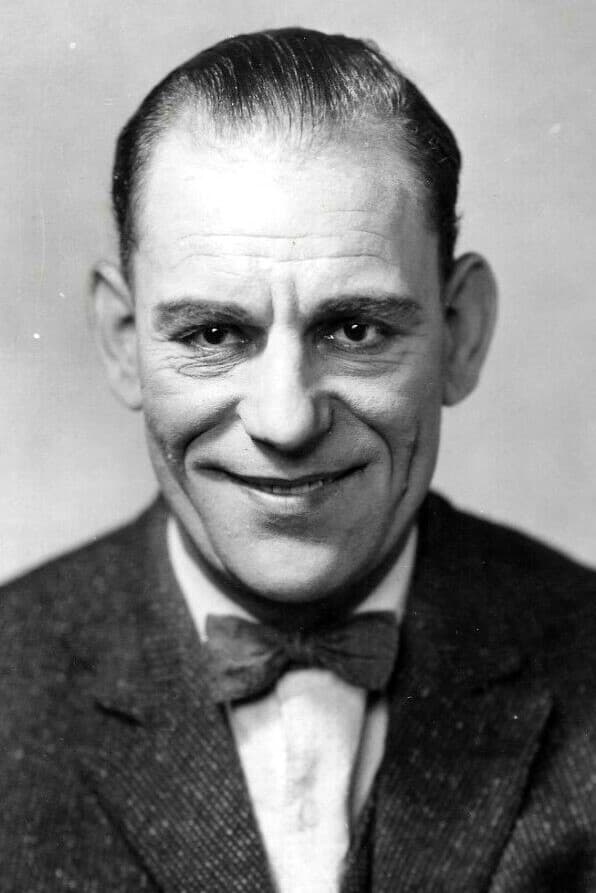
Lon Chaney Sr. earned the nickname The Man of a Thousand Faces through self designed makeup and physical transformations that defined early screen horror. His lead turns in ‘The Phantom of the Opera’ and ‘The Hunchback of Notre Dame’ demonstrated complex prosthetics, body binding, and wire rigs that changed facial contours and posture on camera. He controlled his character designs and methods, which became widely documented by studio publicists and trade papers.
Chaney’s lost film ‘London After Midnight’ remains one of the most discussed missing titles in horror history, fueling reconstructions from still photographs. His approach to makeup influenced studio artisans and trained artists who later worked on Universal productions, and his legacy continued in the family when Lon Chaney Jr. became a key figure in later horror cycles.
Bela Lugosi
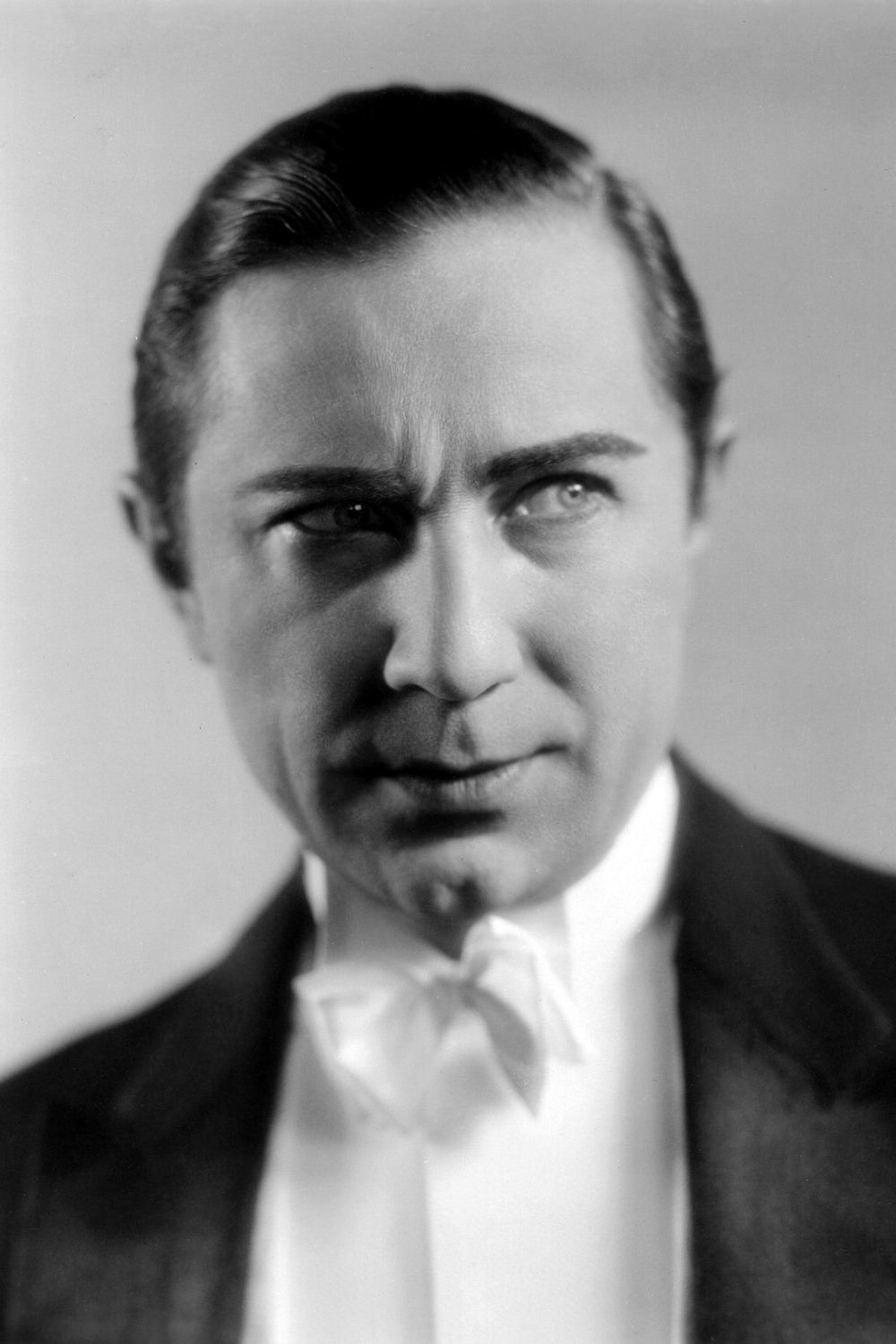
Bela Lugosi brought Count Dracula to American cinema with a measured voice and theatrical precision that carried over from his stage run of ‘Dracula’. He headlined and co starred in a range of genre films that included ‘White Zombie’, ‘The Black Cat’, and ‘The Raven’, working with studios that specialized in chillers and thrillers. His screen presence established a template for cinematic vampires that production designers and performers referenced for decades.
Lugosi’s career later included collaborations with independent producers on titles such as ‘Bride of the Monster’ and ‘Plan 9 from Outer Space’. He maintained a steady schedule of personal appearances tied to horror exhibitions and film openings, keeping his association with the character alive through touring and publicity.
Boris Karloff
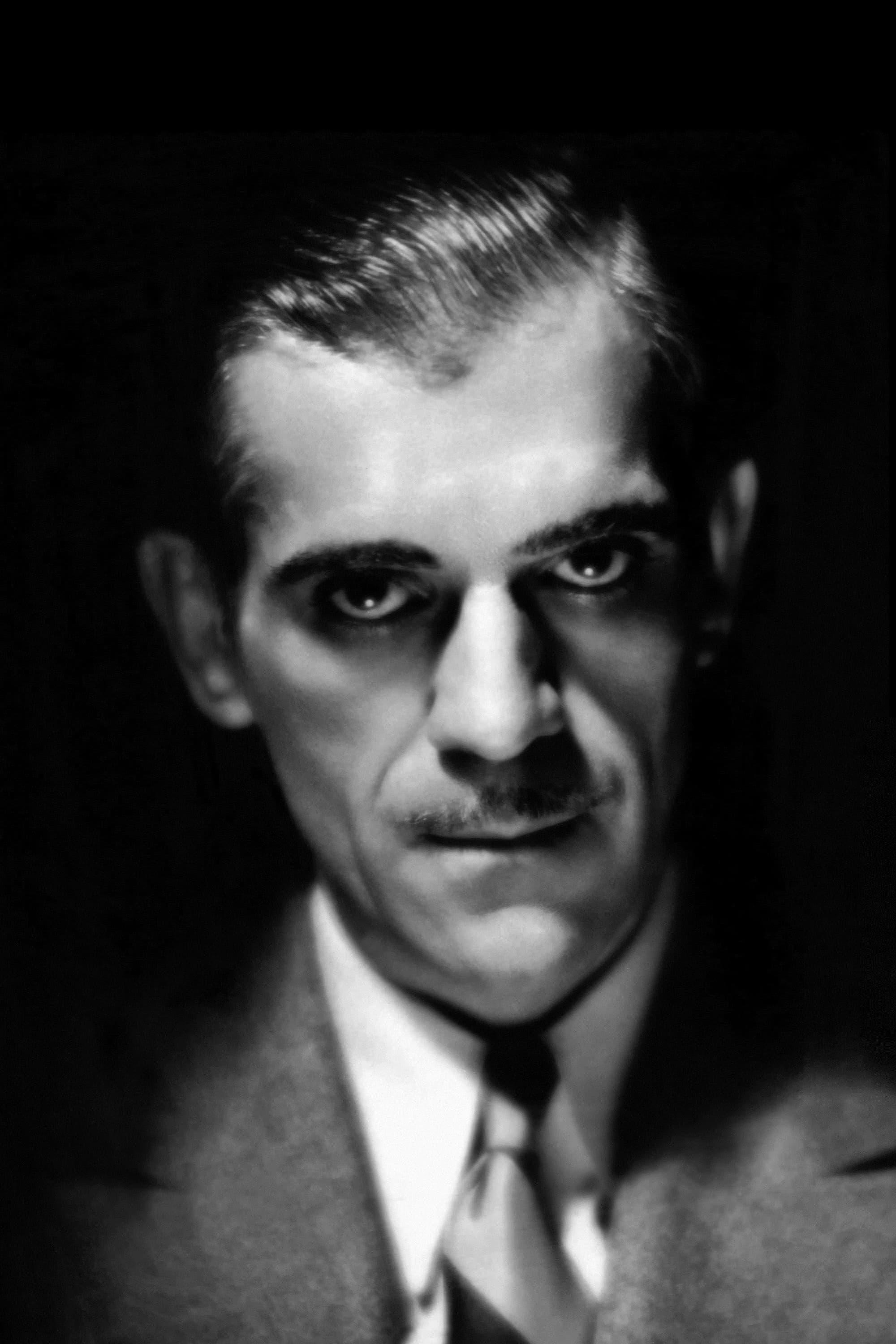
Boris Karloff became synonymous with the Universal monster cycle after his portrayal of the creature in ‘Frankenstein’ and ‘Bride of Frankenstein’. He extended that impact with ‘The Mummy’ and a set of chillers with Edgar Allan Poe inspired material. His work spanned leading parts, anthology projects, and ensemble productions that paired him with other genre names.
Karloff used makeup designs created by studio artists and added a precise physical rhythm that emphasized weight and restraint. He continued to feature in horror anthologies and hosted programs that curated macabre stories for film and television audiences, keeping his name at the center of horror distribution for years.
Vincent Price
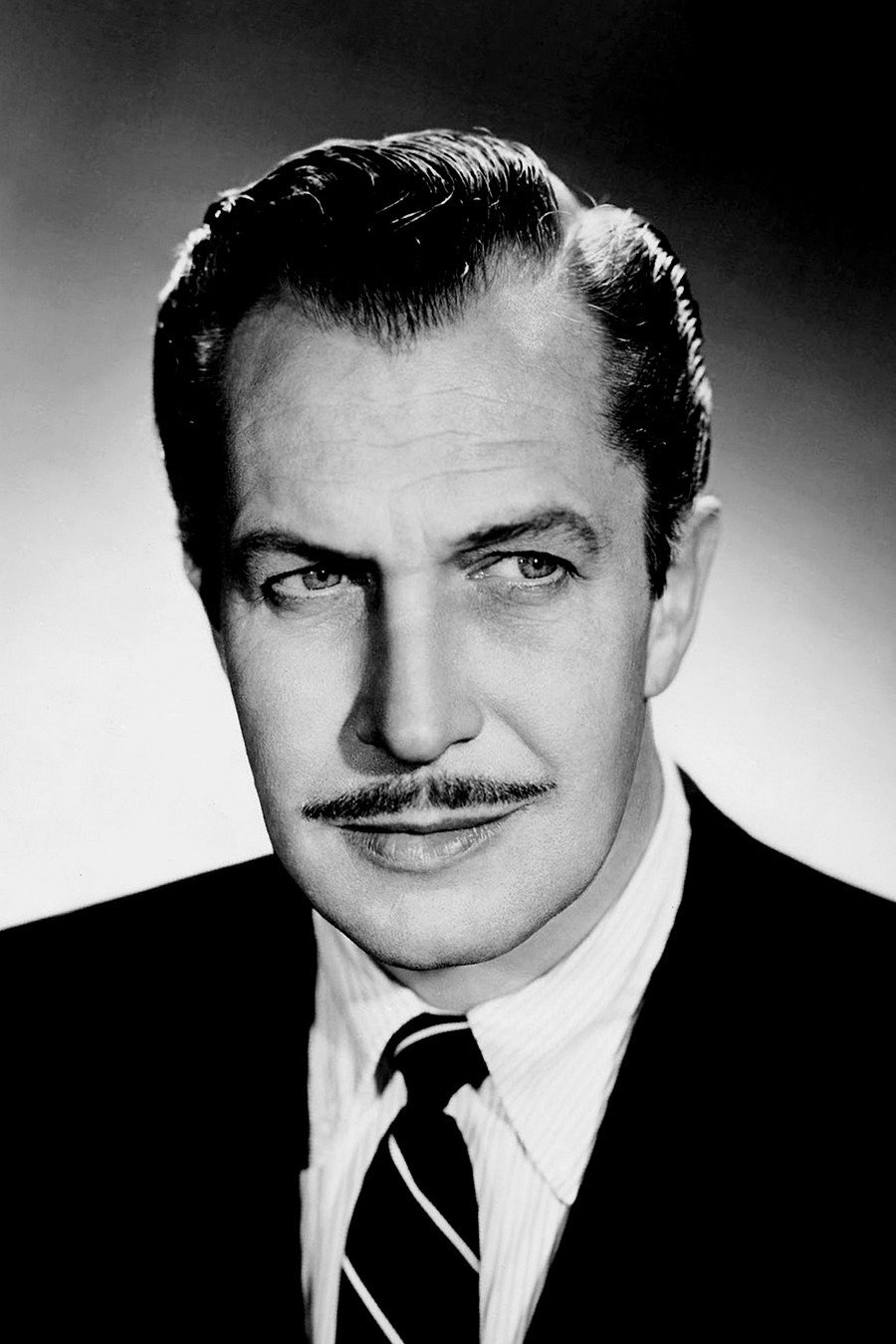
Vincent Price fronted a long run of horror hits that paired gothic sets with literary sources, including ‘House of Wax’, ‘The Fly’, ‘House on Haunted Hill’, and multiple Edgar Allan Poe adaptations such as ‘The Pit and the Pendulum’ and ‘The Masque of the Red Death’. His clear diction and stage training supported a screen persona that producers used for both period and contemporary settings.
Price’s voice and image anchored trailers, radio spots, and poster campaigns that positioned him as a reliable lead for spooky releases. He also appeared in international co productions, which spread his titles across different markets and kept his horror work in circulation through frequent revival screenings.
Christopher Lee
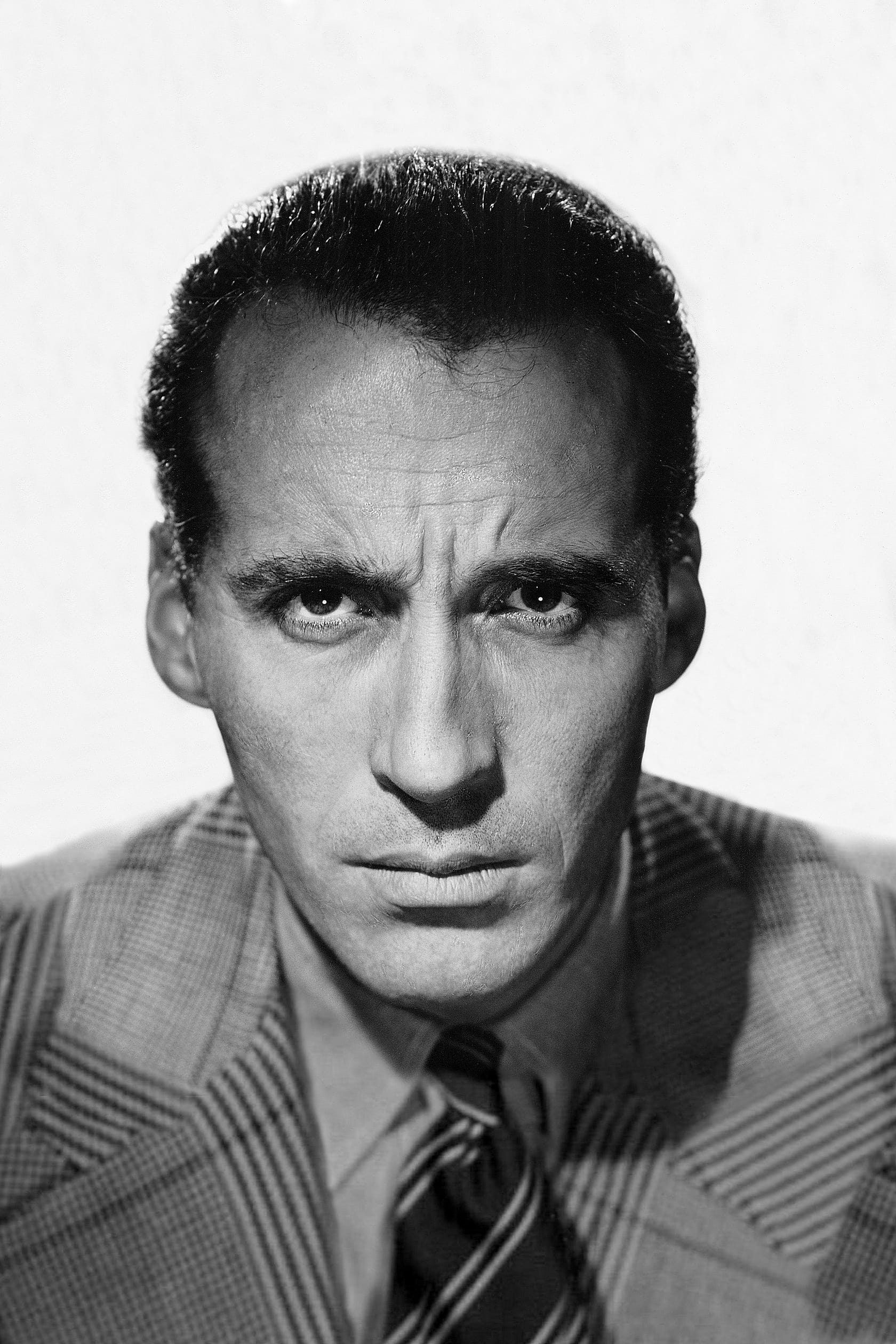
Christopher Lee starred as Dracula for Hammer and appeared in a string of castle bound chillers that revived gothic horror on British stages and screens. His filmography includes ‘The Curse of Frankenstein’, ‘Horror of Dracula’, and the celebrated folk horror ‘The Wicker Man’. He worked across multiple languages and accepted roles in European productions that broadened his reach.
Lee’s tall frame and distinct voice made him a frequent choice for supernatural figures and aristocratic antagonists. He kept returning to horror between adventure and fantasy assignments, maintaining a connection to the genre through conventions, interviews, and narrated projects that documented horror history.
Peter Cushing
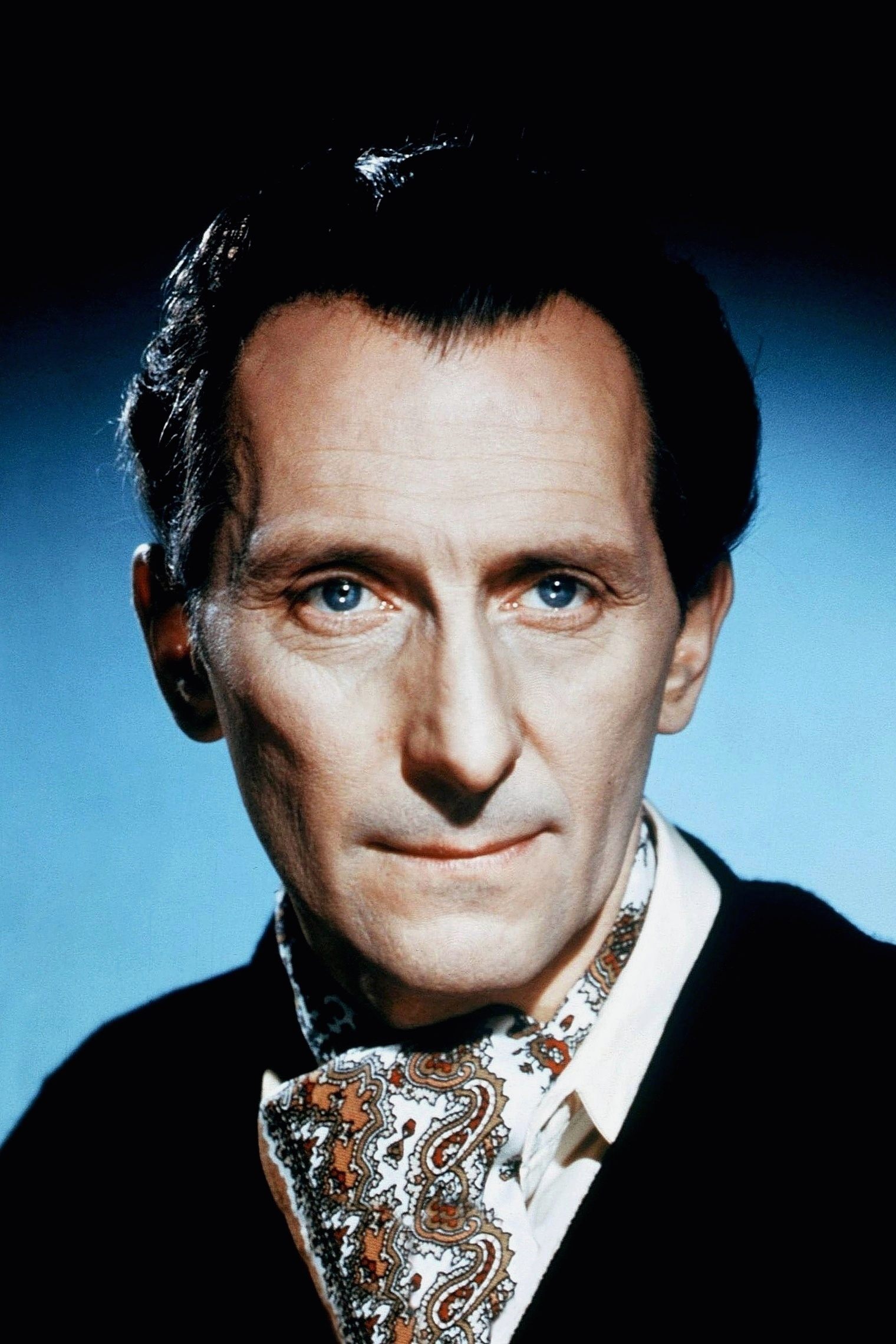
Peter Cushing served as a principal face of Hammer, alternating between heroic and morally complicated roles in films like ‘Horror of Dracula’ and ‘The Curse of Frankenstein’. He portrayed Professor Van Helsing in several entries and also led productions as Baron Victor Frankenstein. His collaborations with Christopher Lee became a hallmark of Hammer marketing and release strategy.
Cushing’s precise line readings and measured energy supported scripts that balanced laboratory scenes with pursuit sequences. His consistent presence across sequels gave the studio a stable anchor, helping Hammer sustain its brand through changing audience tastes and distribution patterns.
Lon Chaney Jr.
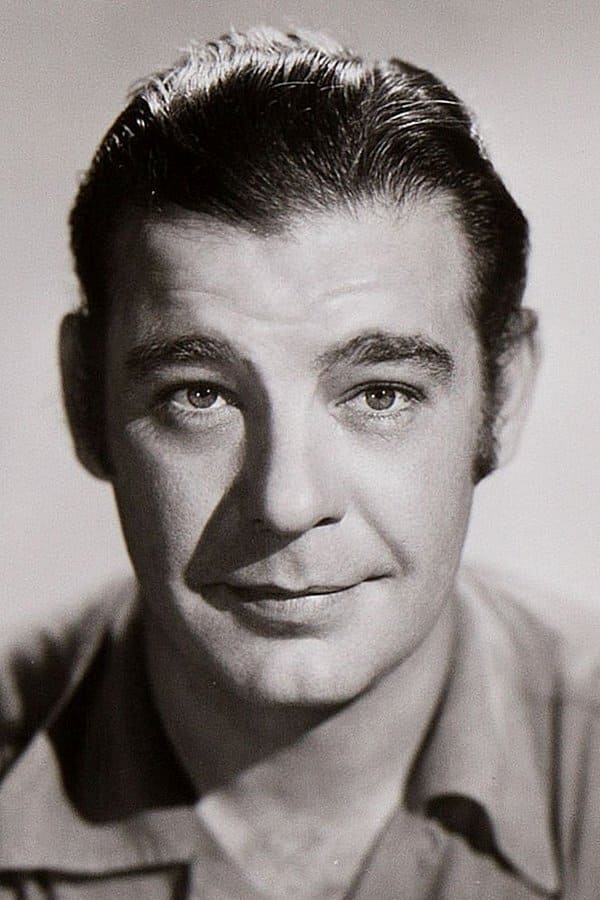
Lon Chaney Jr. became a core player in the Universal lineup through ‘The Wolf Man’ and continued with appearances across crossover films that linked multiple monsters. He also took on roles connected to ‘The Mummy’ series and returned to horror repeatedly in the studio era. His work bridged the gap between earlier silent innovations and the sound age cycle of creature features.
Chaney Jr. maintained a steady schedule of genre performances that kept his name in theaters during double bills and touring packages. His character of Larry Talbot remained central to later revivals and merchandise, ensuring ongoing recognition among fans and collectors.
Anthony Perkins
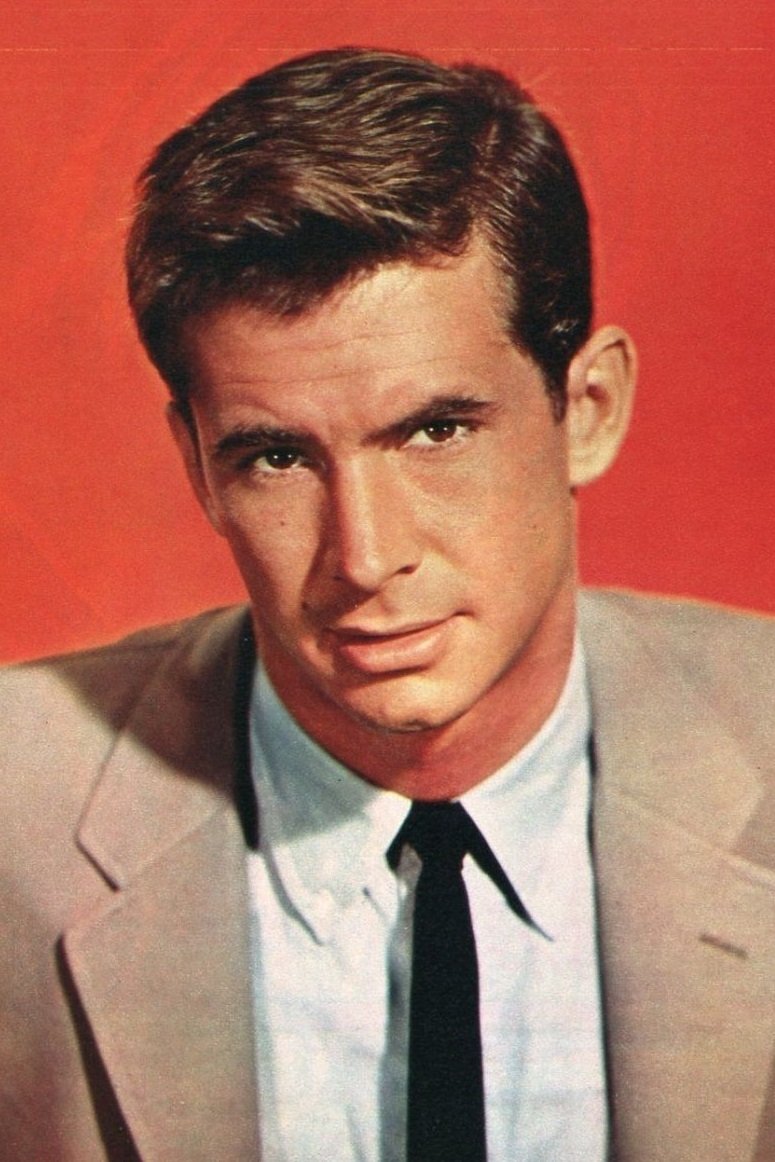
Anthony Perkins created one of the most studied horror performances with Norman Bates in ‘Psycho’. He returned to the role in sequels that expanded the character’s history and psychology, and he also directed one entry in the series. His work in suspense and thrillers kept him associated with offbeat and disturbing stories throughout his film career.
Perkins’ filmography shows how a single character can shape production design, marketing, and audience expectation across decades. The Bates persona influenced later slasher film structures, and the role continued to be referenced in documentaries and retrospectives on horror cinema.
Robert Englund
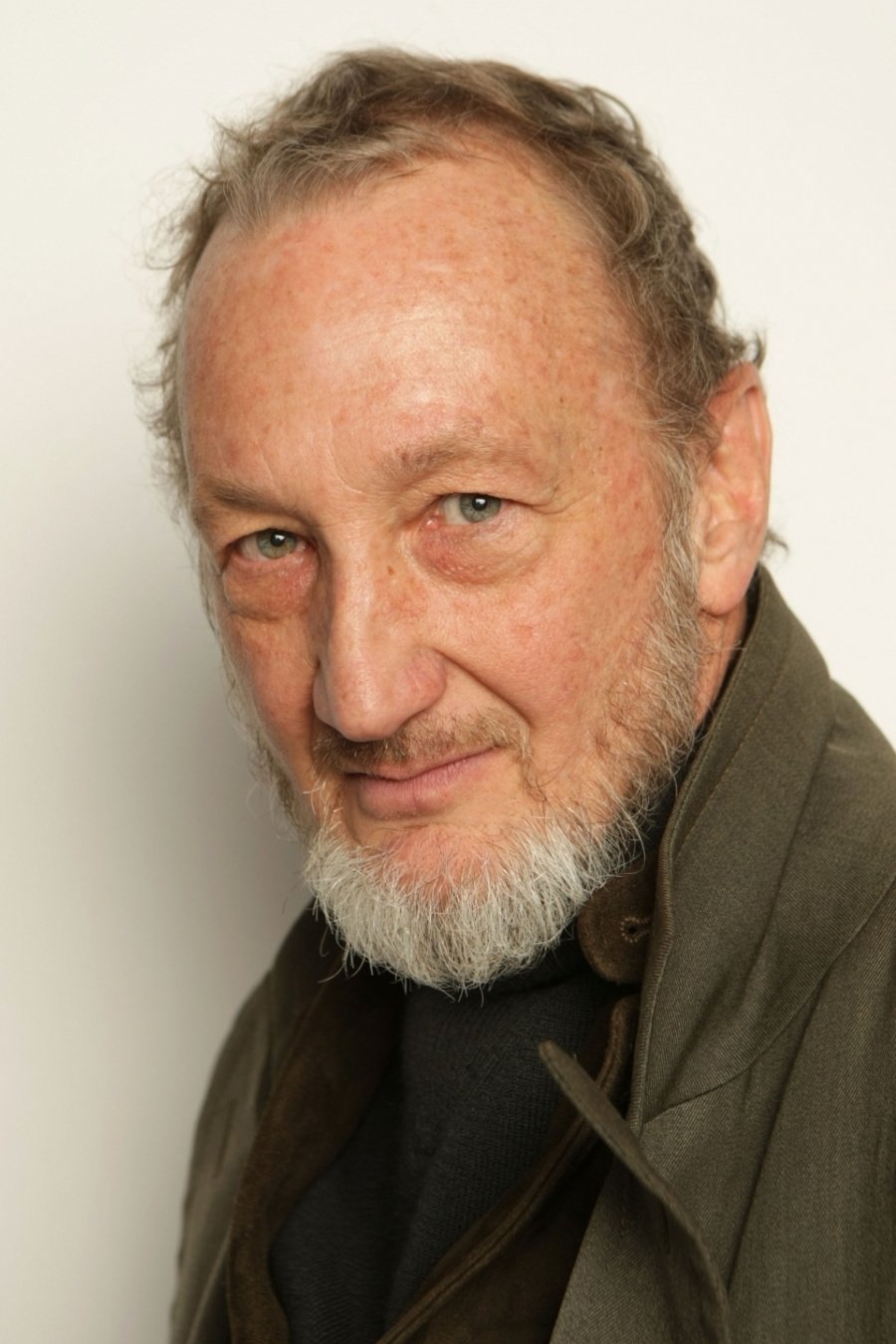
Robert Englund portrayed Freddy Krueger through multiple films in the ‘A Nightmare on Elm Street’ series and appeared again in crossovers such as ‘Freddy vs. Jason’. His glove design, vocal delivery, and body language created a screen figure instantly recognized by audiences. He also headlined and supported other horror projects including ‘The Mangler’.
Englund’s commitment to fan events, interviews, and behind the scenes features helped document the makeup process and the history of the franchise. His presence in promotional tours kept the series active with viewers and introduced the character to new generations during home media reissues.
Bruce Campbell
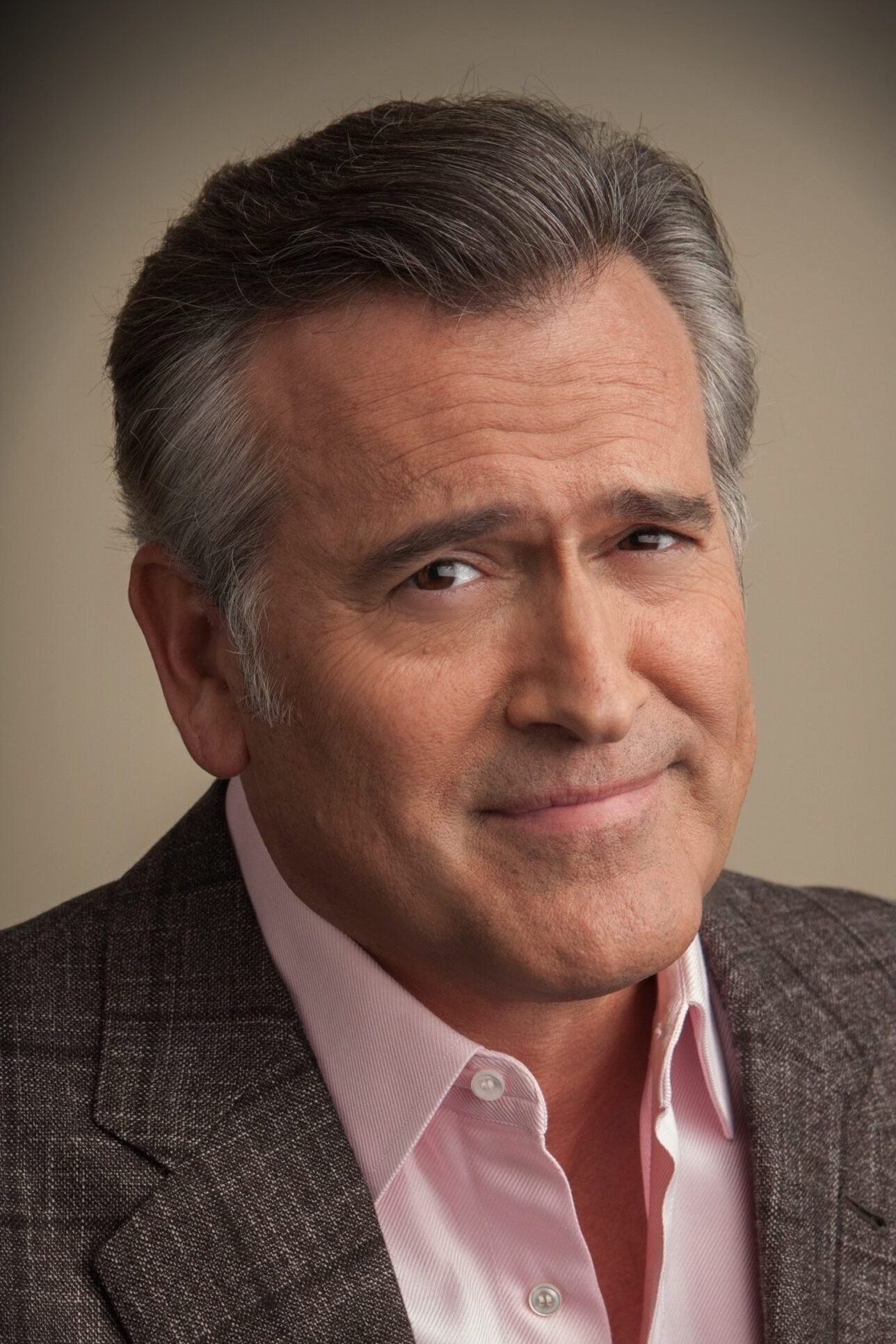
Bruce Campbell led the ‘The Evil Dead’ trilogy as Ash Williams, blending physical performance with practical effects heavy set pieces. He returned for ‘Army of Darkness’ and appeared in later franchise material connected to the property. His film roles also include cult horror entries such as ‘Bubba Ho Tep’.
Campbell has remained visible through commentary tracks, festival appearances, and producing credits tied to ‘The Evil Dead’ brand. His involvement in restorations and anniversary screenings has supported ongoing theatrical revivals and collector editions of the films.
Doug Bradley
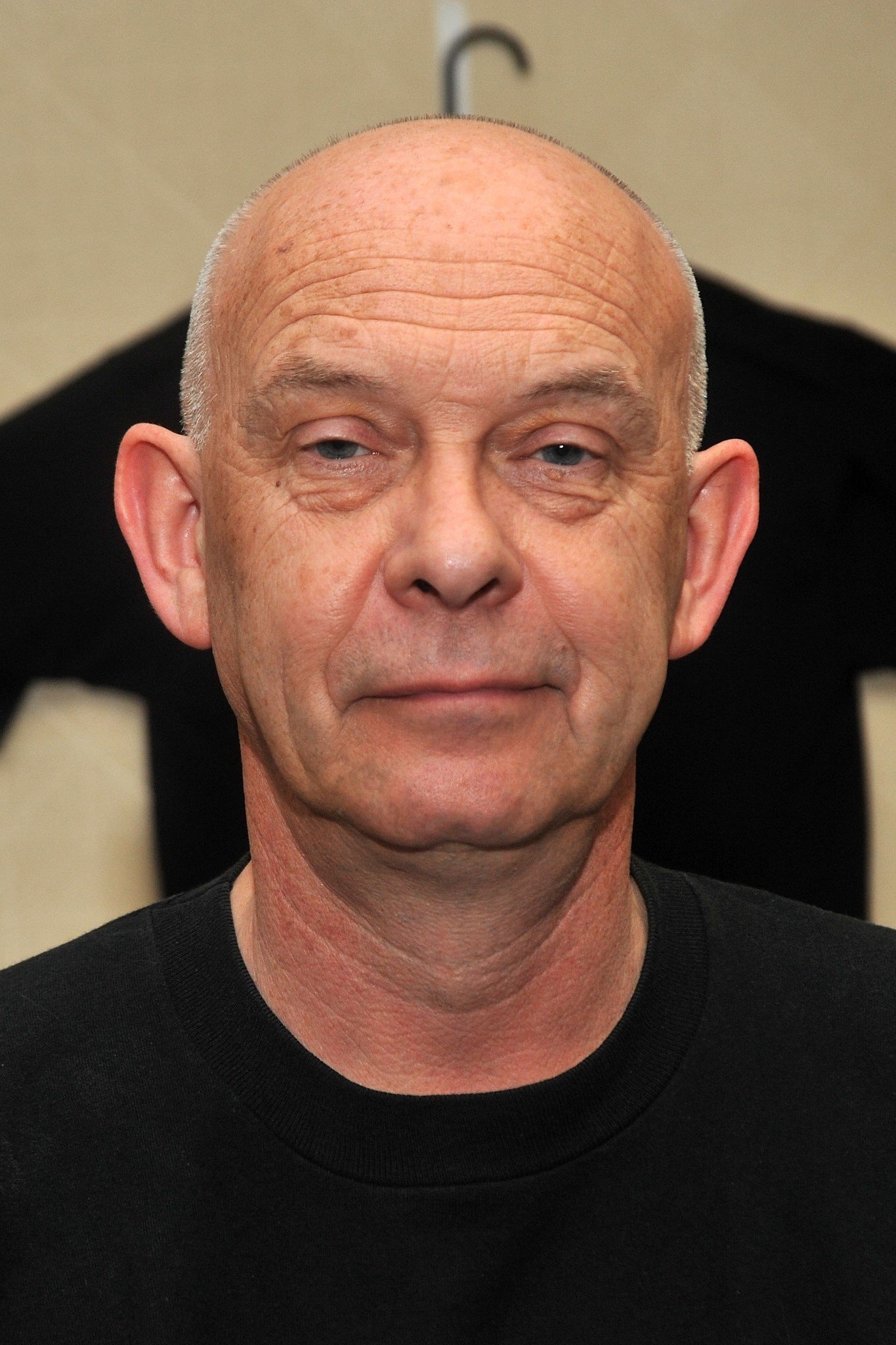
Doug Bradley defined Pinhead in the ‘Hellraiser’ series through a combination of prosthetic application, posture, and controlled movement. He reprised the role across many installments, giving the franchise a consistent center during cast and crew changes. His work showcased intricate makeup appliances and precise application schedules.
Bradley’s association with the character extended to promotional materials, convention panels, and making of features that detailed design elements of the Cenobites. His tenure documented how practical effects and performance can sustain a complex horror figure across numerous films.
Tony Todd
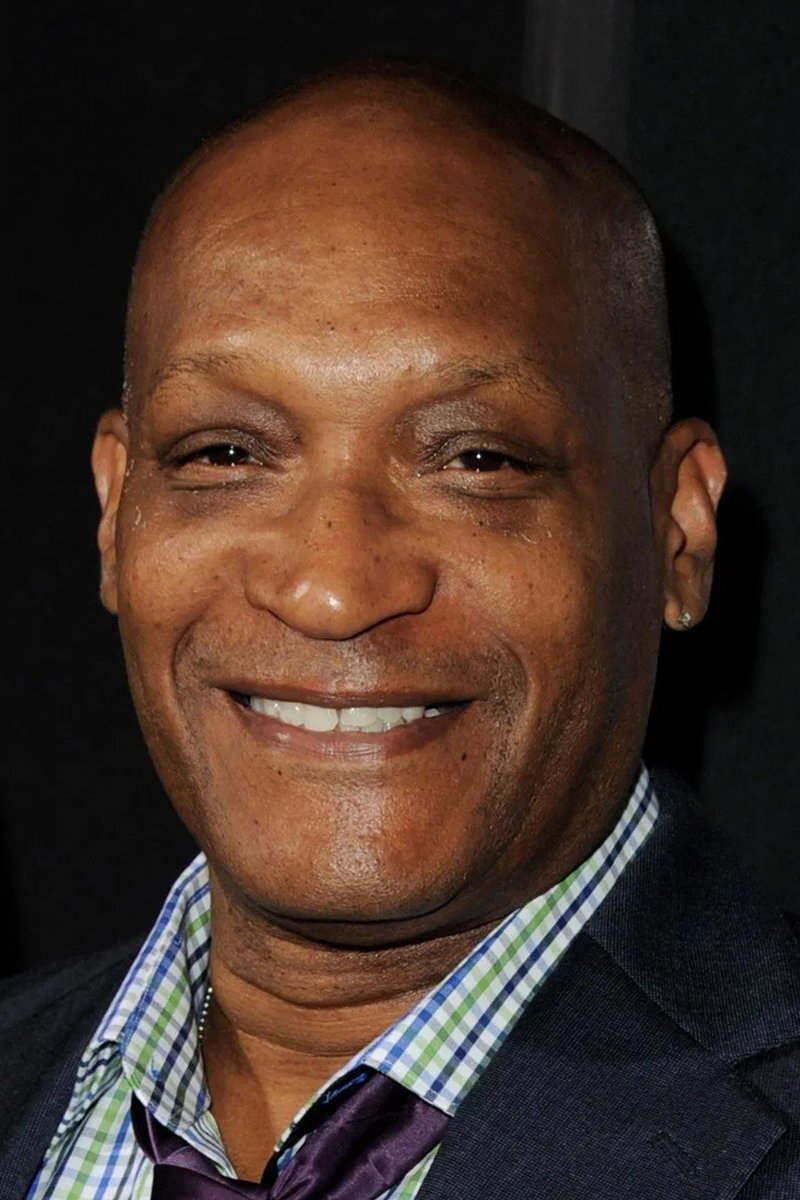
Tony Todd headlined ‘Candyman’ and returned for sequels that built on the legend at the heart of the series. He also appeared as a key presence in the ‘Final Destination’ films, linking entries through a recurring figure tied to the story’s rules. His deep voice and height made him a regular choice for roles that required an imposing screen presence.
Todd’s credits span independent films and studio releases, which helped his horror roles travel widely through festivals, theatrical runs, and cable packages. He remains active in commentary tracks and interviews that map the growth of urban legend themed horror on screen.
Jeffrey Combs
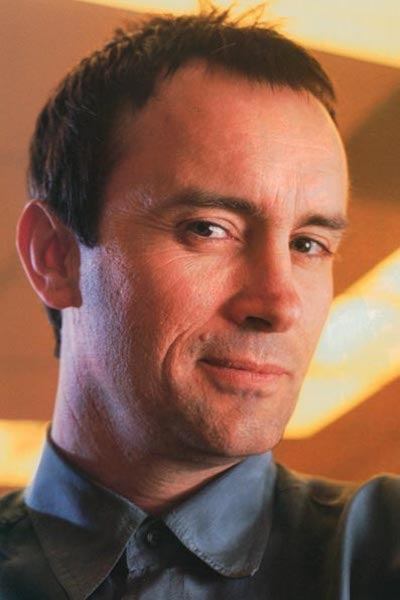
Jeffrey Combs became a cult favorite for his collaborations with director Stuart Gordon on ‘Re Animator’, ‘From Beyond’, and ‘Castle Freak’. He portrayed Herbert West across multiple films, anchoring a continuing storyline with laboratory sequences and effects driven spectacles. His background in theater contributed to precise delivery in dialogue heavy scenes.
Combs’ genre work includes anthology segments and voice acting that kept his name present in horror circles outside the main features. He regularly attends screenings and participates in Q and A sessions that preserve production histories for fans and researchers.
Brad Dourif
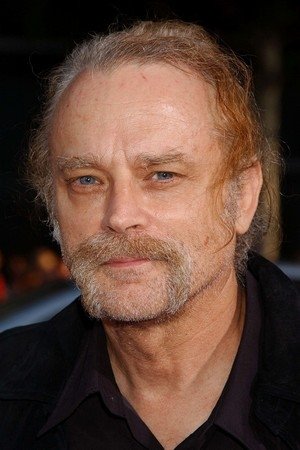
Brad Dourif voiced Chucky in the ‘Child’s Play’ films and appeared on screen in entries that revealed the human origin of the character. His voice performance established a personality that carried through sequels and crossover projects. He also delivered a chilling turn in ‘The Exorcist III’ as the Gemini Killer, adding another significant horror credit to his resume.
Dourif has continued to record new dialogue for franchise releases and contributes to behind the scenes pieces that outline the development of animatronic puppetry and later digital assists. His ongoing involvement provides continuity across changing production teams and formats.
Bill Skarsgård
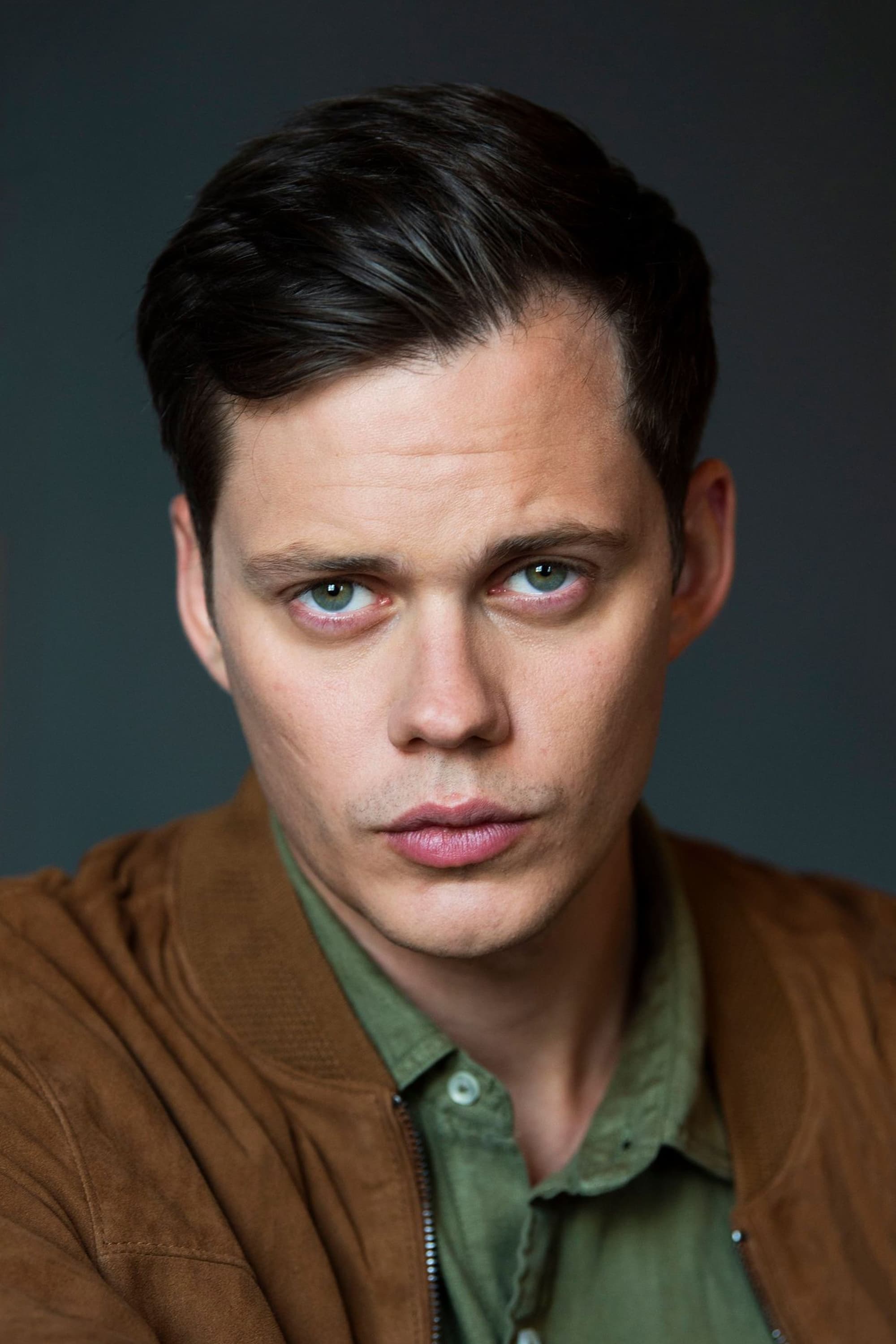
Bill Skarsgård took on Pennywise in the two part adaptation of ‘It’, creating a modern film version of the character that relied on makeup, costuming, and controlled physical tics. He later led the home invasion and underground nightmare of ‘Barbarian’, which expanded his horror profile beyond franchise territory.
Skarsgård’s roles have circulated strongly on streaming and home media, introducing younger viewers to contemporary horror through high visibility releases. His continued selection for thriller and horror projects keeps his filmography aligned with the genre while reaching broad audiences.
Share the scream kings you would add to the list in the comments.