


The 25 Black Actors Fans Say “Act Too White” for Roles

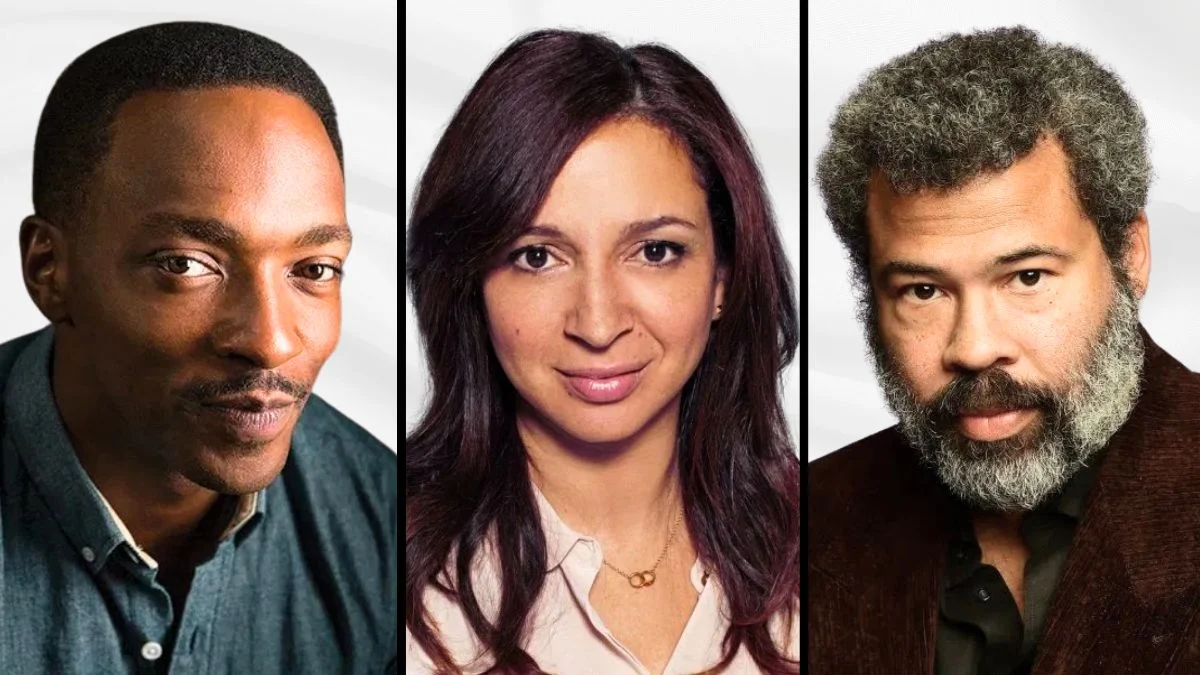


Discussions regarding cultural identity and authenticity are frequent topics of debate within the entertainment industry. Black actors sometimes face criticism from audiences who believe their mannerisms or role choices do not align with traditional representations of the Black experience. This phenomenon is often colloquially referred to as acting white or lacking specific cultural signifiers expected by the public. The backlash can stem from an actor’s upbringing or their tendency to play characters that exist in predominantly white spaces. These performers have all navigated this complex discourse while building their careers in Hollywood.
Wayne Brady
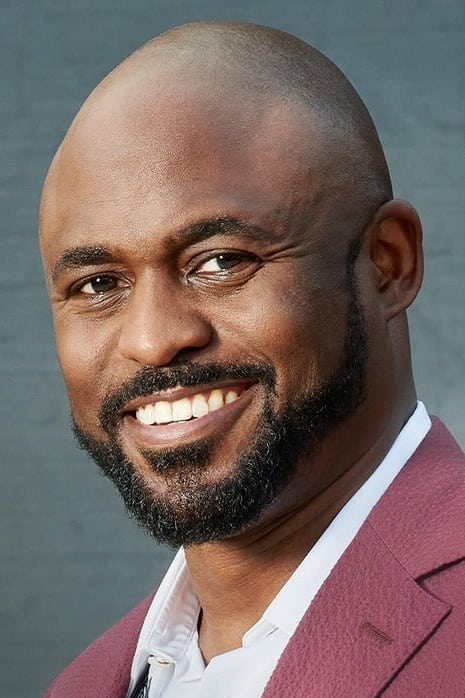
Comedian Wayne Brady became the face of this specific criticism during his tenure on the improvisational show ‘Whose Line Is It Anyway?’. Critics frequently claimed his safe and family-friendly comedy style appealed primarily to white audiences rather than the Black community. He famously addressed this perception in a sketch on ‘Chappelle’s Show’ where he portrayed a violent and menacing version of himself to contradict the narrative. Brady has since spoken openly about the pain caused by these labels and the difficulty of navigating Hollywood expectations.
Alfonso Ribeiro
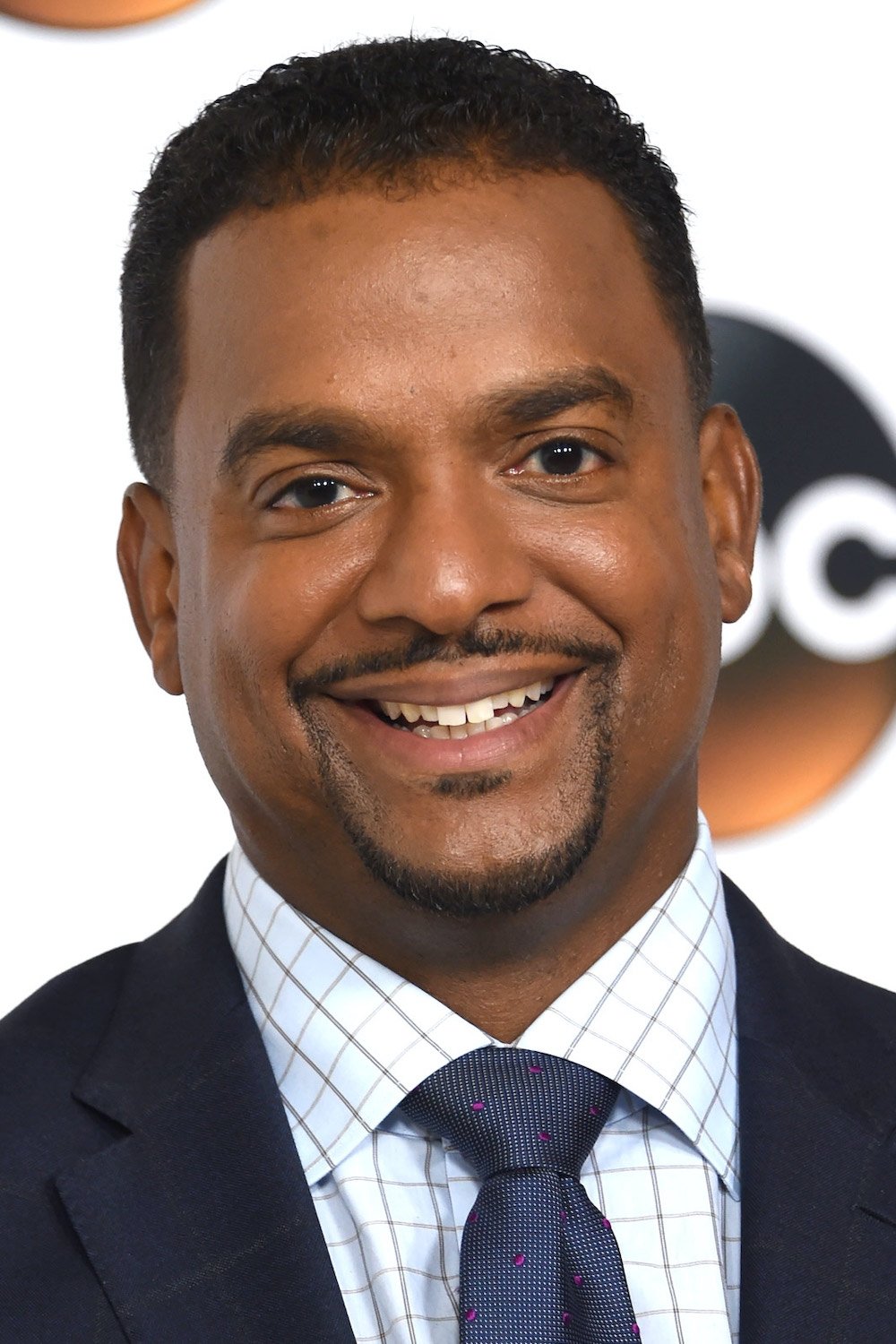
Alfonso Ribeiro is forever linked to his character Carlton Banks from the hit sitcom ‘The Fresh Prince of Bel-Air’. The role was explicitly written to contrast with the street-smart persona of the main character played by Will Smith. Fans frequently conflated Ribeiro with his sweater-vest-wearing counterpart who listened to Tom Jones and danced conservatively. This typecasting made it difficult for him to secure roles that required a tougher or more urban edge for many years.
Raven-Symoné
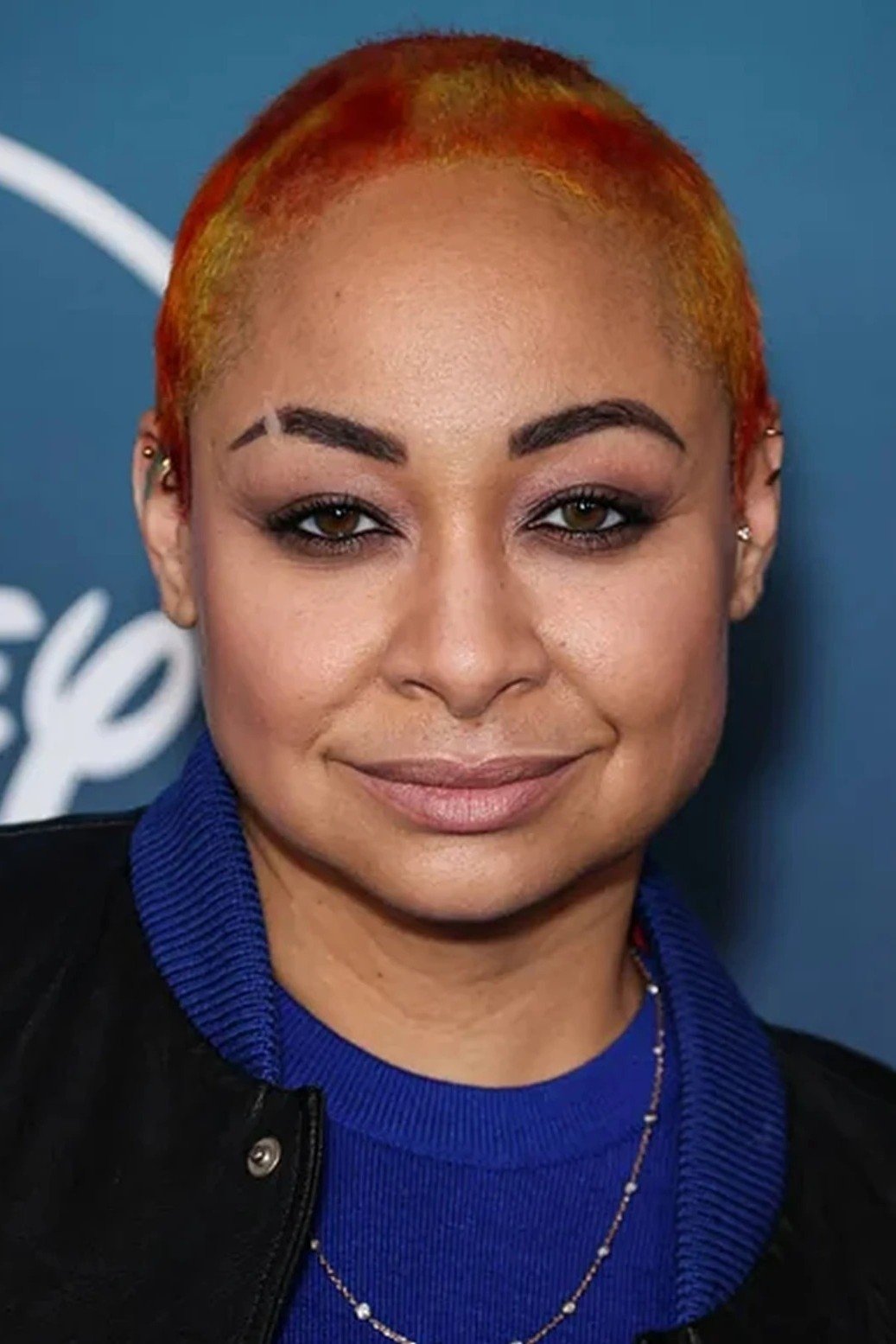
Former child star Raven-Symoné sparked intense debate after an interview where she stated she did not want to be labeled as African American. She expressed a desire to be identified simply as an American and a human who loves humans. Her comments on ‘The View’ regarding stereotypical names further fueled accusations that she was disconnected from her community. These public statements have made her a frequent target of criticism regarding her cultural identity.
Stacey Dash
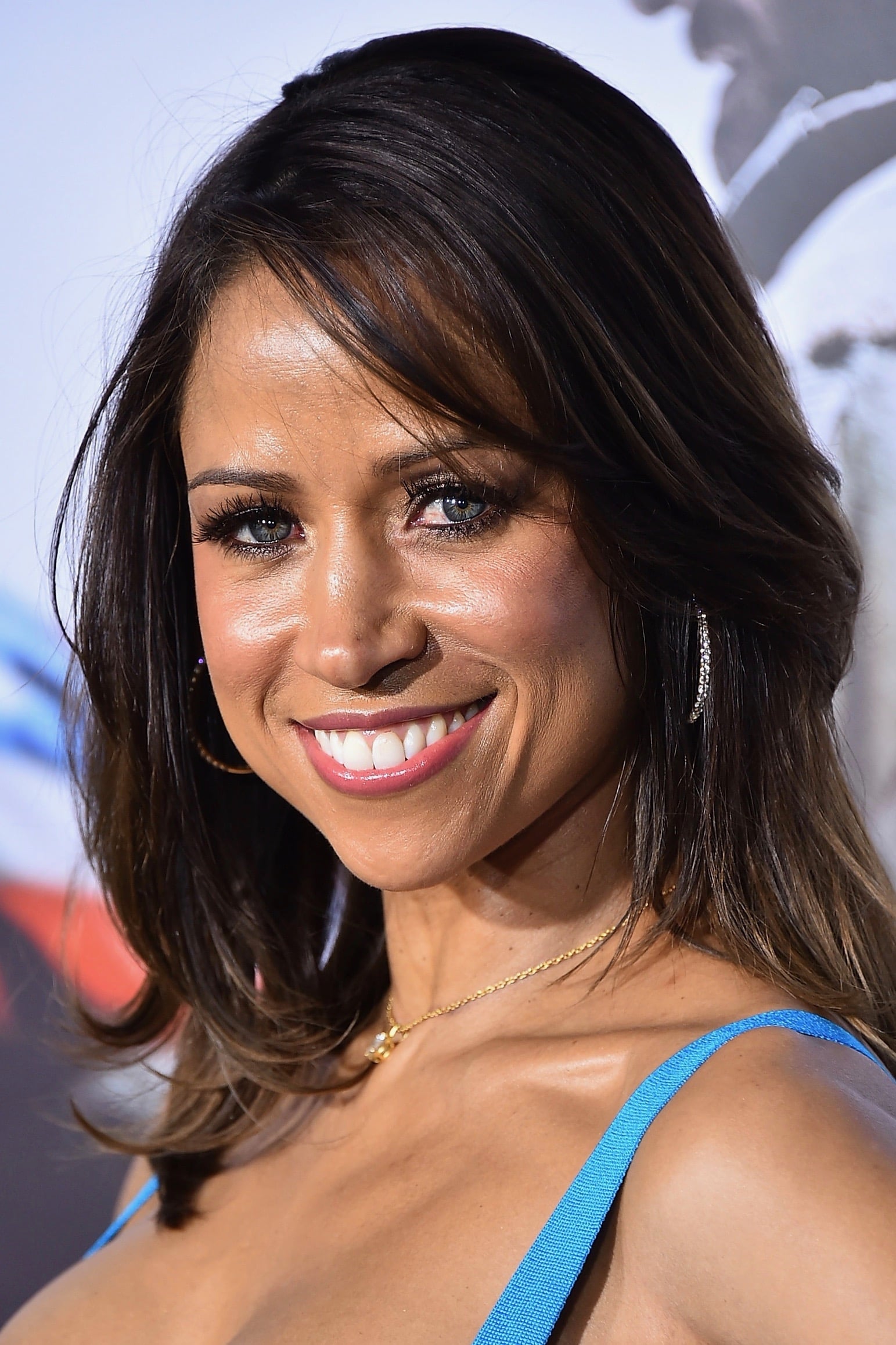
Stacey Dash gained fame as Dionne in the cult classic film ‘Clueless’ before transitioning into a career as a conservative political commentator. Her vocal support for specific political candidates and policies alienated many of her original fans within the Black community. She has argued against the existence of networks like BET and months dedicated to Black history. This political shift led to widespread accusations that she had turned her back on her heritage to appeal to a different demographic.
Taye Diggs
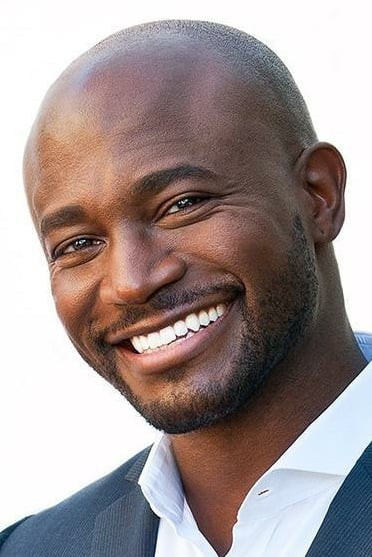
Taye Diggs has faced scrutiny for his dating history and the types of roles he accepts in romantic comedies. He often portrays the polished and successful love interest in films that feature interracial relationships. Diggs has defended his choices and expressed frustration with the judgment he receives regarding his personal life. Critics have sometimes argued that his on-screen persona caters too heavily to the female white gaze.
Donald Glover
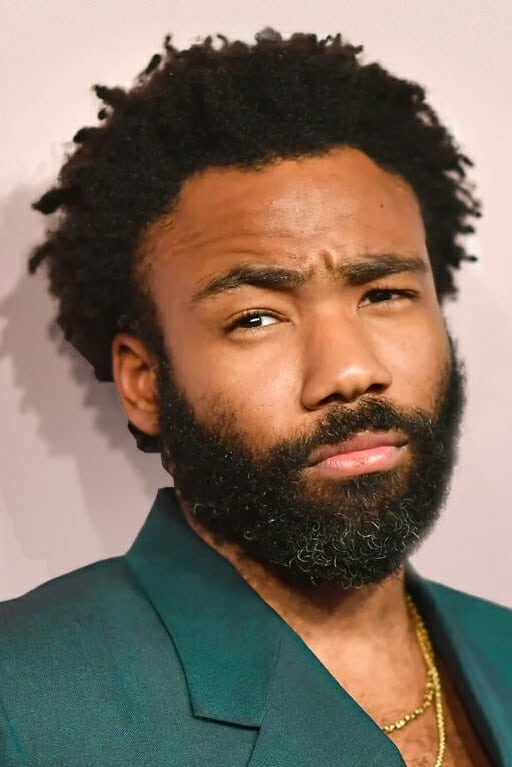
Donald Glover has navigated questions about his identity since his days on the sitcom ‘Community’. His character Troy Barnes was a lovable nerd who defied the hyper-masculine stereotypes often assigned to Black men in media. Glover addressed these specific insecurities directly in his music under the moniker Childish Gambino. He openly rapped about being called an Oreo and not fitting in with typical expectations of Black youth.
Rashida Jones
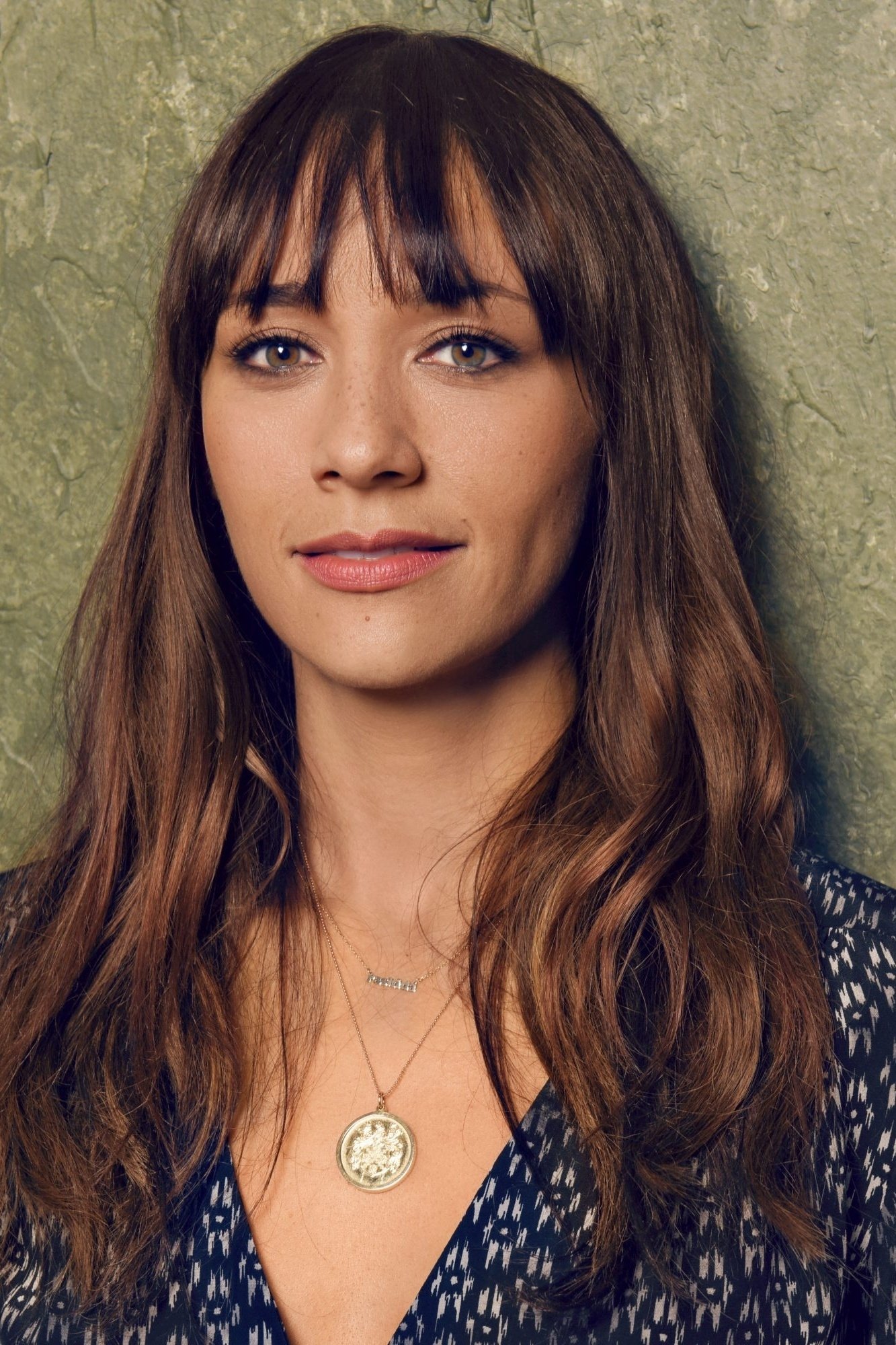
Rashida Jones is the daughter of music legend Quincy Jones and actress Peggy Lipton. She often plays characters who are ethnically ambiguous or exist in predominantly white corporate settings like in ‘Parks and Recreation’. Her upbringing in privileged circles has occasionally led to discussions about her relatability to the average Black viewer. Jones has consistently spoken about the complexities of her biracial identity and navigating two different worlds.
Keegan-Michael Key
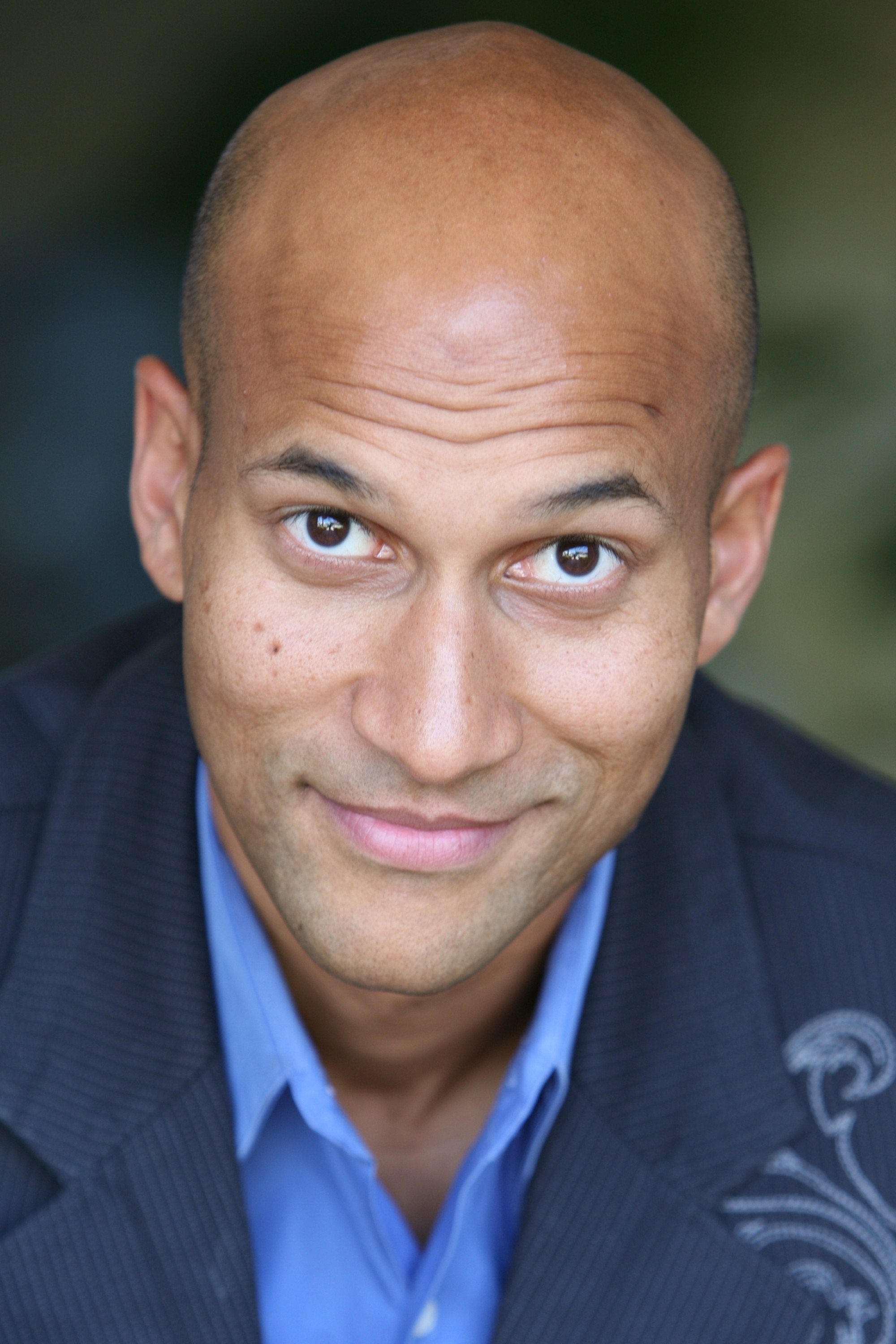
Comedian Keegan-Michael Key rose to fame exploring code-switching and biracial identity on the sketch show ‘Key & Peele’. His sketches frequently highlighted the differences between suburban behaviors and inner-city expectations. Key has utilized his background to play a wide variety of characters that challenge singular definitions of blackness. Some critics initially viewed his polished improvisation style as more palatable to mainstream white audiences.
Jordan Peele
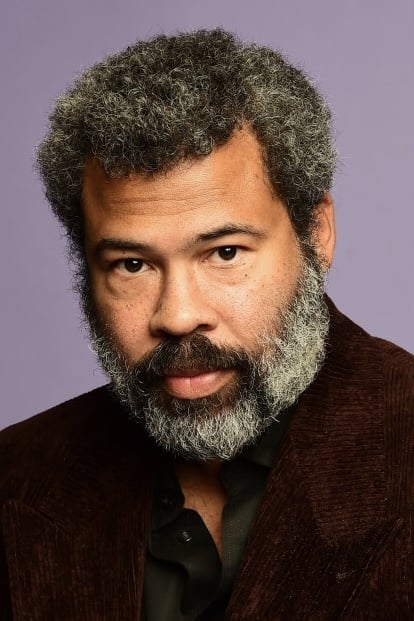
Jordan Peele partnered with Keegan-Michael Key to create comedy that dissected social norms and racial stereotypes. His earlier work often focused on the awkwardness of navigating white spaces as a Black man. Before his pivot to horror with ‘Get Out’ he was primarily known for nerd culture and alternative comedy. This background led to early assumptions that his work was not rooted in the traditional Black experience.
Thandiwe Newton

British actress Thandiwe Newton has faced criticism related to her accent and her casting in roles sometimes written for darker-skinned women. Her upbringing in the United Kingdom and her refined manner of speaking distinguish her from African American peers. She famously addressed the colorism she benefits from in the industry and her feelings of not being Black enough for some roles. Newton continues to advocate for better representation while acknowledging her own privilege.
Zoe Saldaña
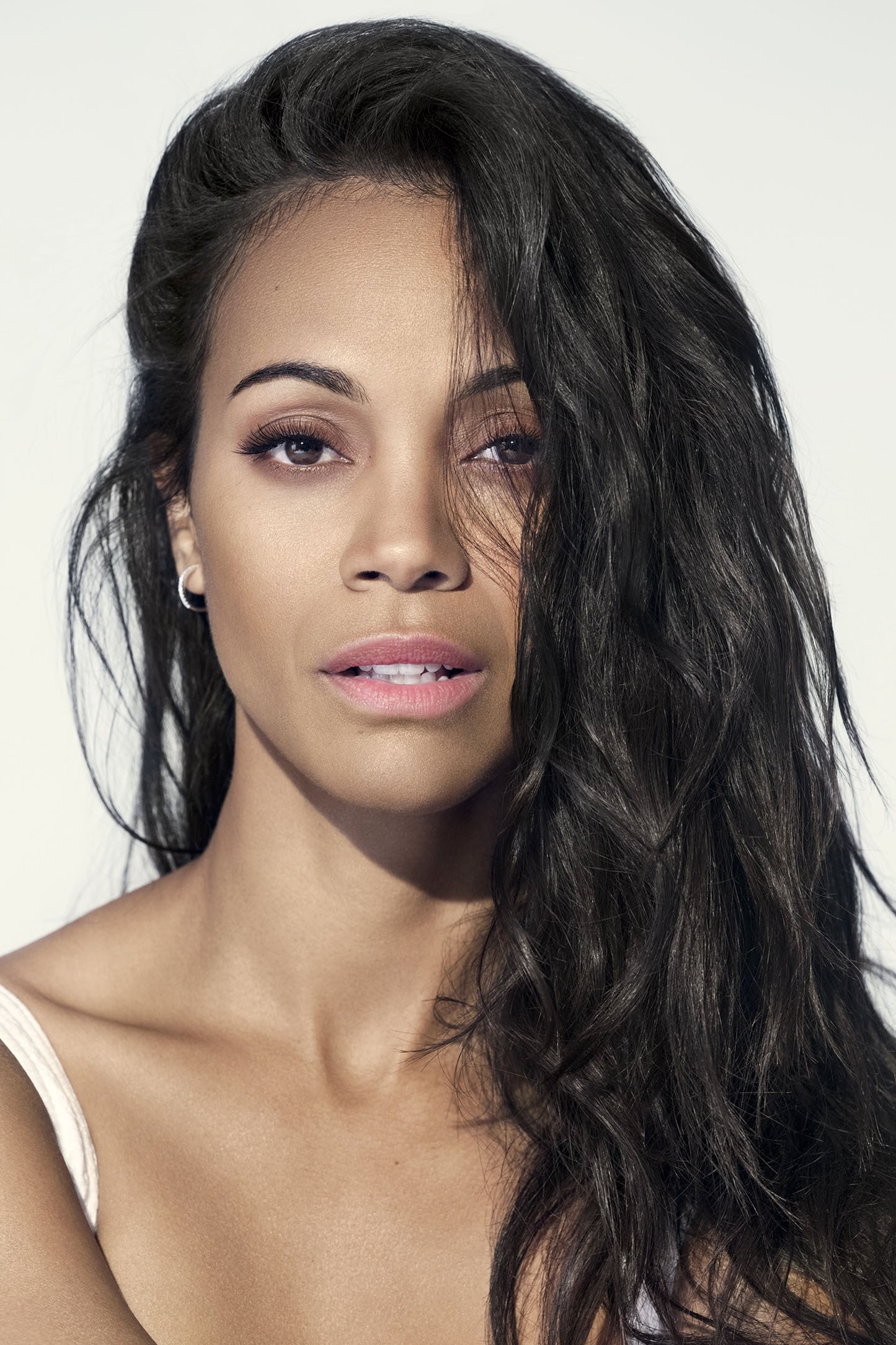
Zoe Saldana has found herself at the center of controversies regarding colorism and casting choices in Hollywood. The backlash intensified when she was cast as Nina Simone in the biopic ‘Nina’ and wore darkening makeup for the role. Fans argued she was too light-skinned and lacked the specific features necessary to honor the legacy of the singer. Saldana later apologized for taking the role and acknowledged the validity of the criticism.
Lenny Kravitz
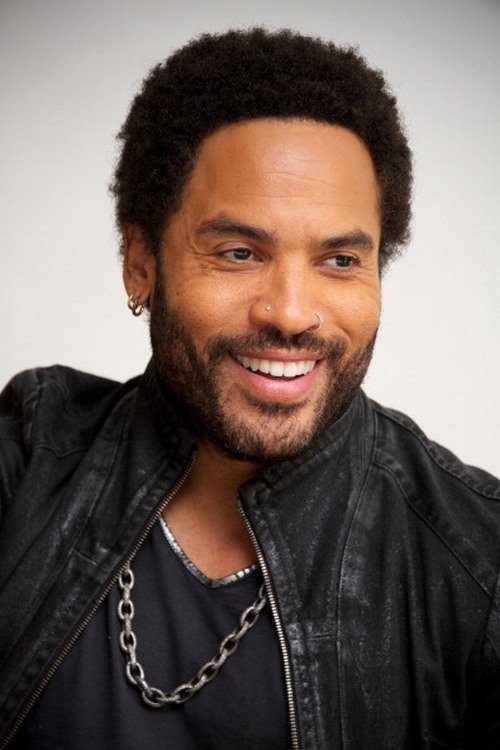
Rock musician and actor Lenny Kravitz has always embraced a bohemian and alternative aesthetic that defies hip-hop norms. His role as Cinna in ‘The Hunger Games’ showcased his ability to exist in avant-garde and futuristic spaces. Kravitz was raised in a multicultural environment that exposed him to various artistic influences early in life. This eclectic background has sometimes led to him being viewed as an outlier in Black entertainment circles.
Jaden Smith
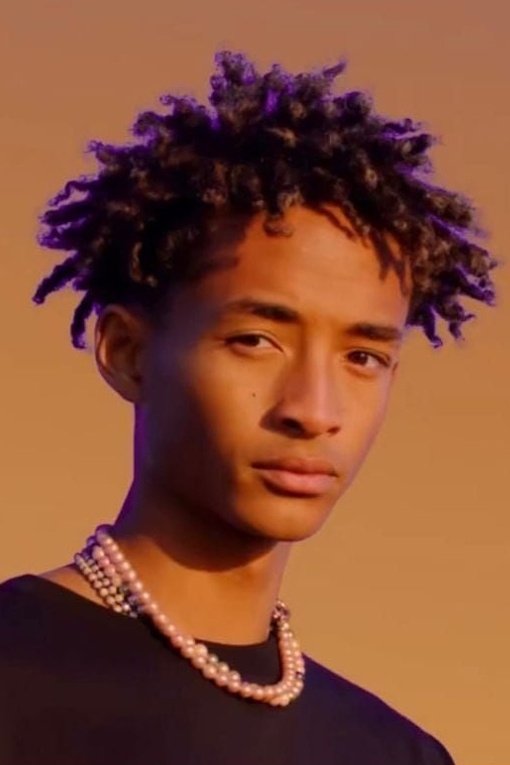
Jaden Smith has cultivated an eccentric public persona that rejects traditional gender norms and fashion expectations. His philosophical tweets and avant-garde clothing choices often confuse mainstream audiences. Smith openly embraces skateboarding culture and alternative rock influences that are historically associated with white suburban youth. His refusal to conform to stereotypes has made him a polarizing figure for some fans.
Willow Smith
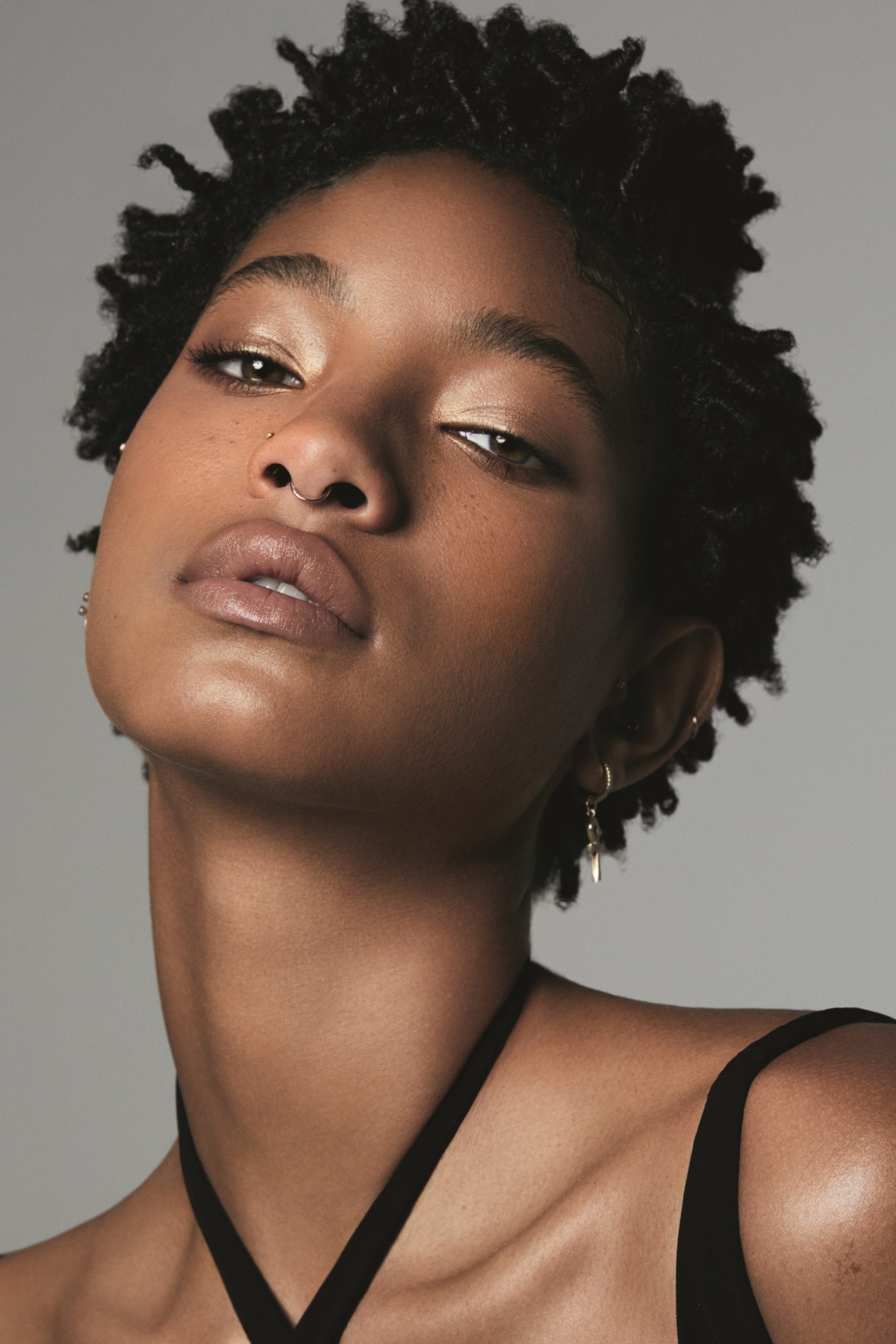
Willow Smith initially gained fame with a pop hit but quickly pivoted to alternative rock and punk genres. She has been vocal about her love for metal music and emo culture which are spaces where Black women are often underrepresented. Her aesthetic and musical choices have drawn criticism from those who expect her to stay within R&B or hip-hop lanes. Smith consistently pushes back against the idea that Black artists must be confined to specific genres.
Terrence Howard
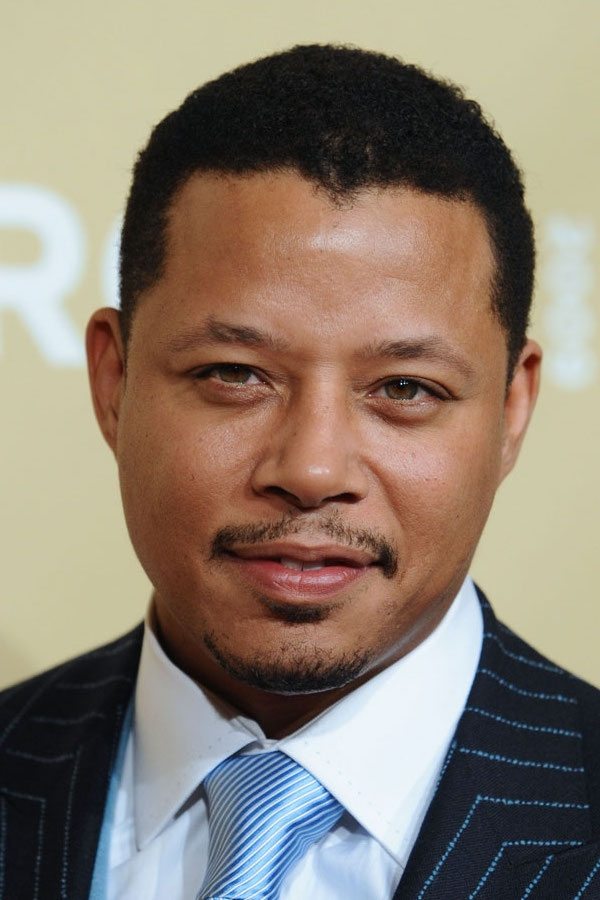
Terrence Howard has faced scrutiny for his unique personal theories on mathematics and science. His interviews often feature elaborate explanations of his own logic systems that baffle listeners. While he has played gritty roles in ‘Hustle & Flow’ and ‘Empire’ his off-screen persona is viewed as eccentric and disconnected. This odd behavior has led to jokes that he operates in a reality completely separate from the general community.
Anthony Mackie
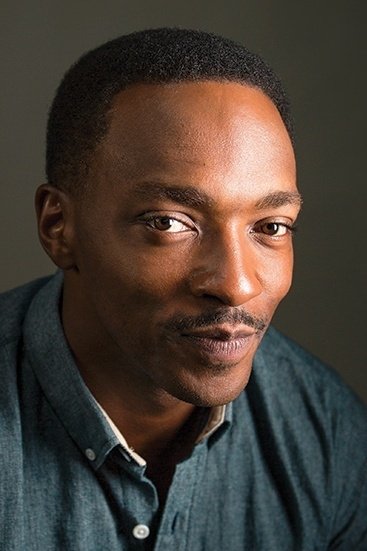
Anthony Mackie plays the Falcon in the Marvel Cinematic Universe and has become a major global star. He has occasionally drawn ire for comments regarding respectability politics and how Black men should present themselves. Mackie once criticized the dreadlocks look in a way that many felt aligned with conservative viewpoints. These instances have caused friction with fans who feel he judges cultural expressions too harshly.
Cuba Gooding Jr.
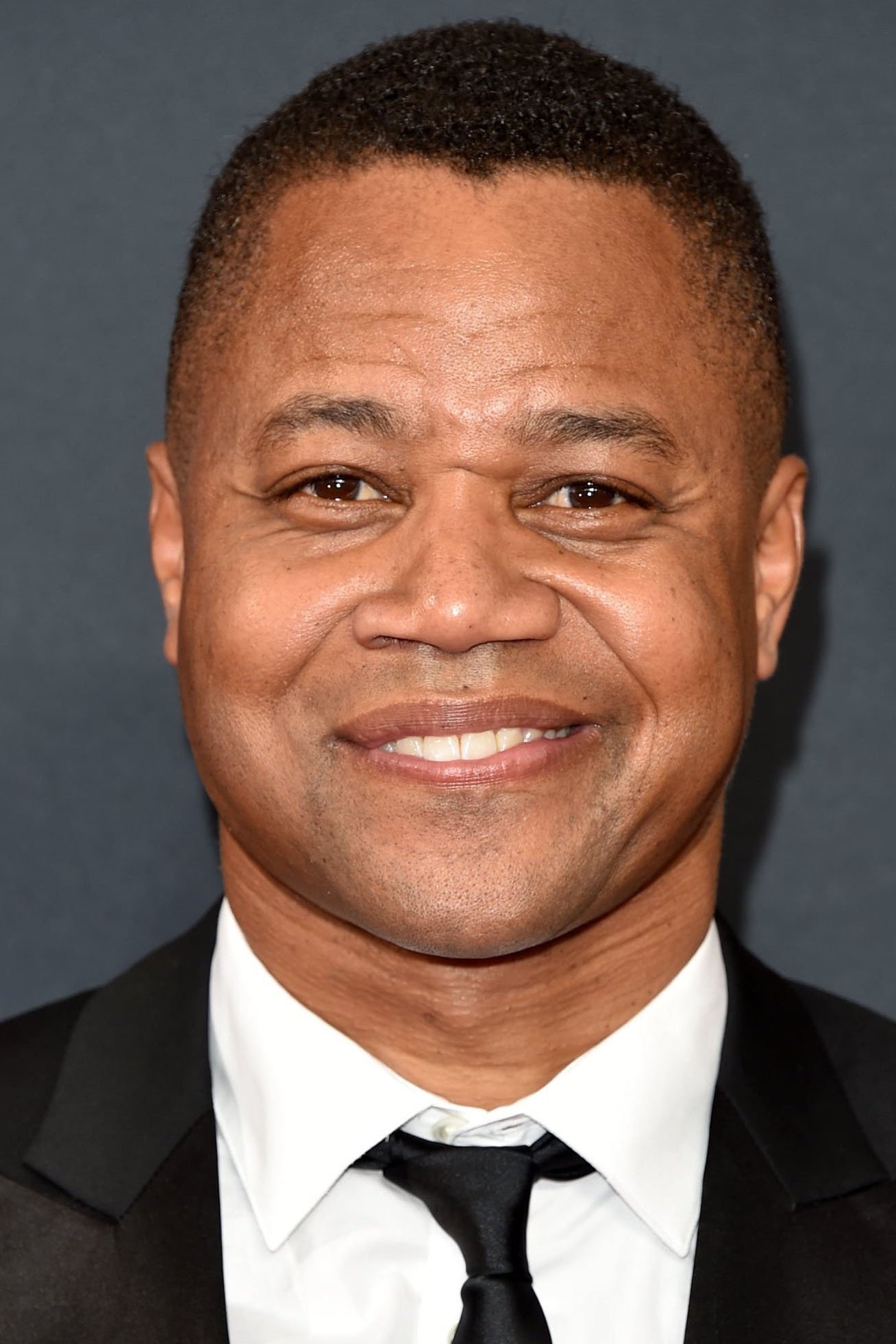
Cuba Gooding Jr. reached the height of his career with an Oscar win for ‘Jerry Maguire’. His subsequent career choices included many family comedies and direct-to-video releases that some fans felt lacked substance. Critics argued he spent too much time playing the sidekick to white leading men or appearing in goofy roles. This career trajectory led to accusations that he was squandering his dramatic talent to appease mainstream studios.
Jesse Williams
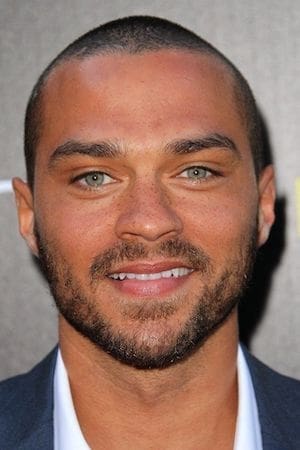
Jesse Williams is a passionate activist who often speaks out on racial injustice and systemic inequality. However his appearance as a light-skinned man with blue eyes has led to debates about his proximity to whiteness. Williams acknowledges his privilege and uses his platform to amplify voices that are often ignored. despite his radical politics some detractors focus solely on his safe and palatable physical appearance.
Maya Rudolph
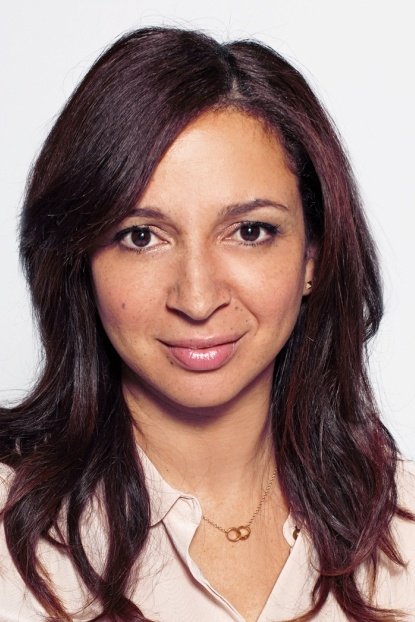
Maya Rudolph is a comedic force known for her versatility and ability to play a vast range of ethnicities on ‘Saturday Night Live’. Her background as the daughter of Minnie Riperton and a white father informs her unique comedic perspective. She often plays characters that are suburban or affluent which distances her from urban stereotypes. Rudolph uses her ambiguity to her advantage but it occasionally leads to discussions about her specific cultural placement.
Tracee Ellis Ross
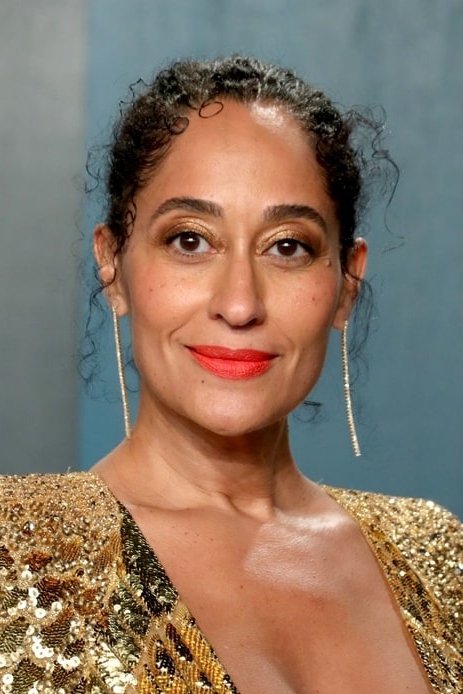
Tracee Ellis Ross is beloved for her role as Rainbow Johnson on the sitcom ‘black-ish’. Her character is a mixed-race doctor who often clashes with her husband over her different upbringing and liberal views. The show frequently uses her character to explore the concept of not being Black enough in the eyes of others. Ross brings her real-life experience as a biracial woman from a famous family to the role.
Meghan, Duchess of Sussex
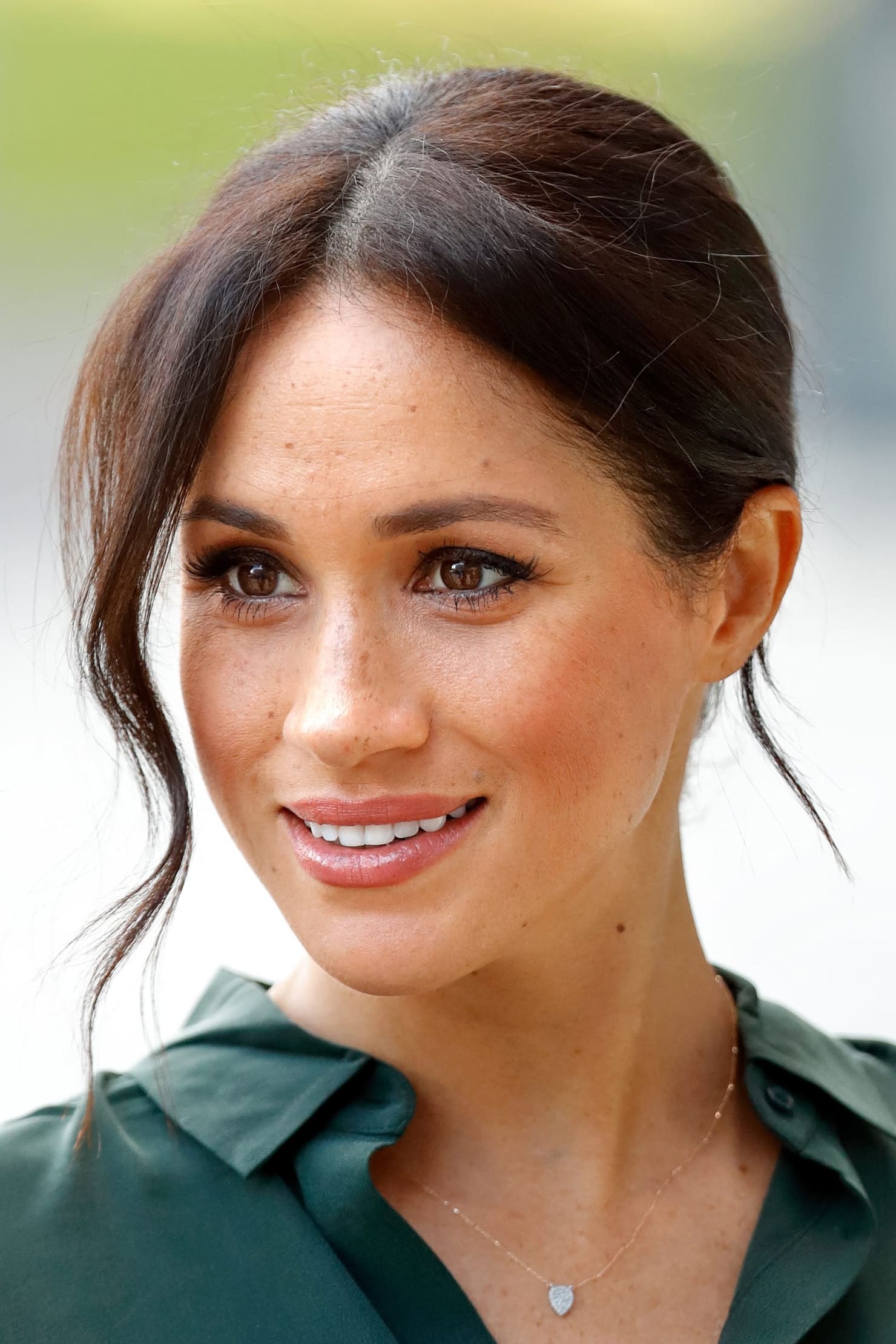
Meghan Markle faced immense scrutiny from the British press and public after marrying Prince Harry. Before her royal life she was an actress on ‘Suits’ where she played a paralegal with a similar mixed background. Discussions about her identity often centered on her ability to pass as white and how that affected her treatment. Her presence in the royal family sparked a global conversation about colorism and privilege within the Black diaspora.
Halle Berry
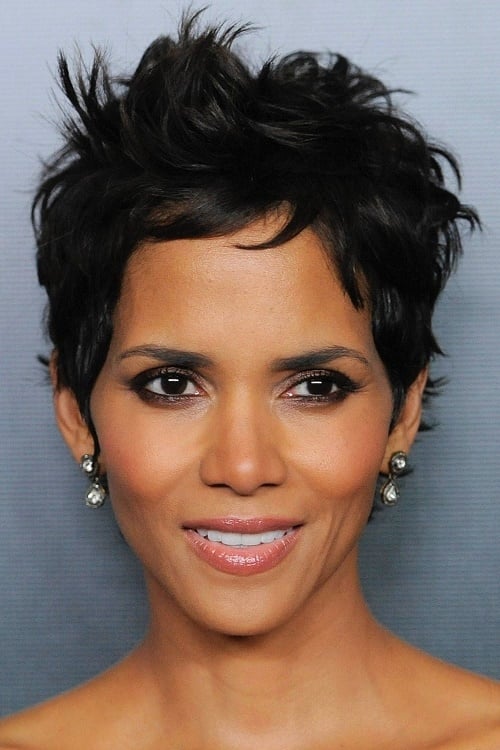
Halle Berry made history as the first Black woman to win the Academy Award for Best Actress. Despite this achievement she has faced questions about her biracial background throughout her career. Early in her acting days she fought to be seen as a Black woman rather than just the exotic other. Berry has consistently identified as Black but her casting in certain roles still generates debate about colorism in the industry.
Tessa Thompson
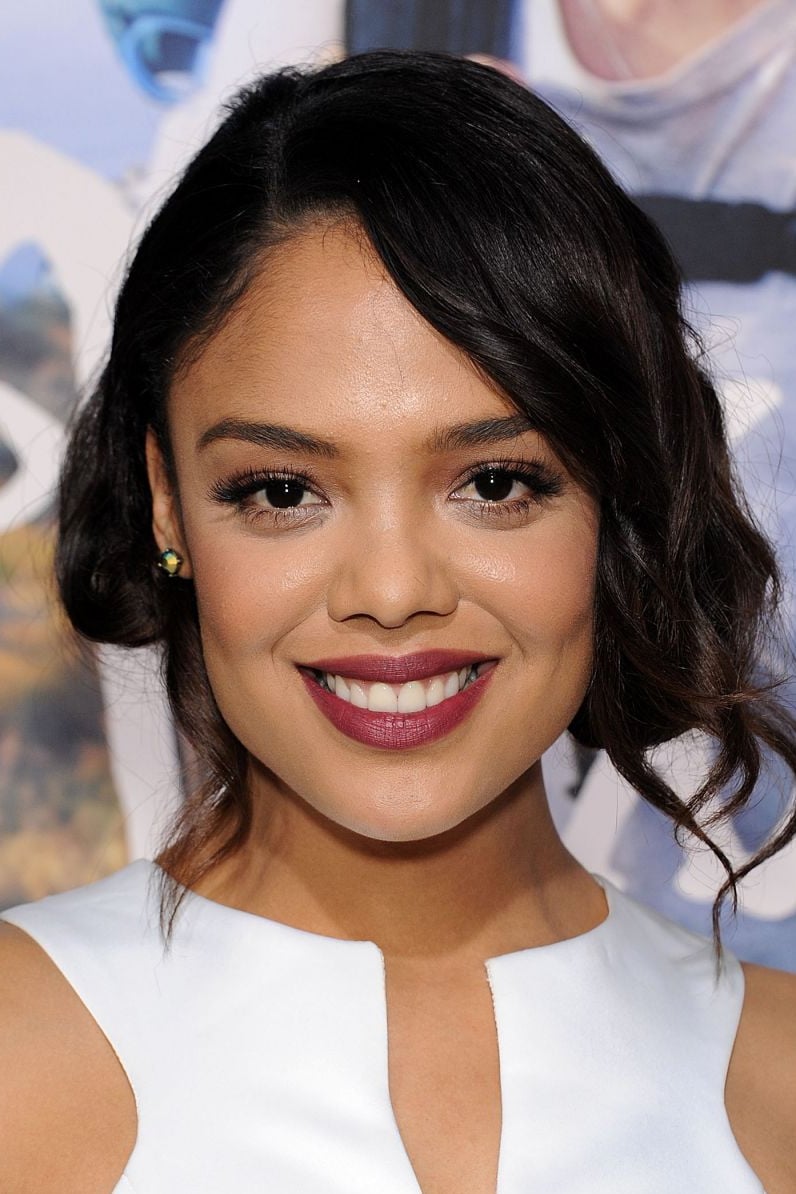
Tessa Thompson has taken on roles in major franchises like ‘Thor’ and ‘Creed’ that showcase her range. She speaks with a distinct cadence that some critics have labeled as a “blaccent” or inauthentic at times. Thompson is vocal about her identity and her attraction to both men and women. Her eclectic role choices and fluid public persona sometimes put her at odds with traditional expectations.
Charles Michael Davis
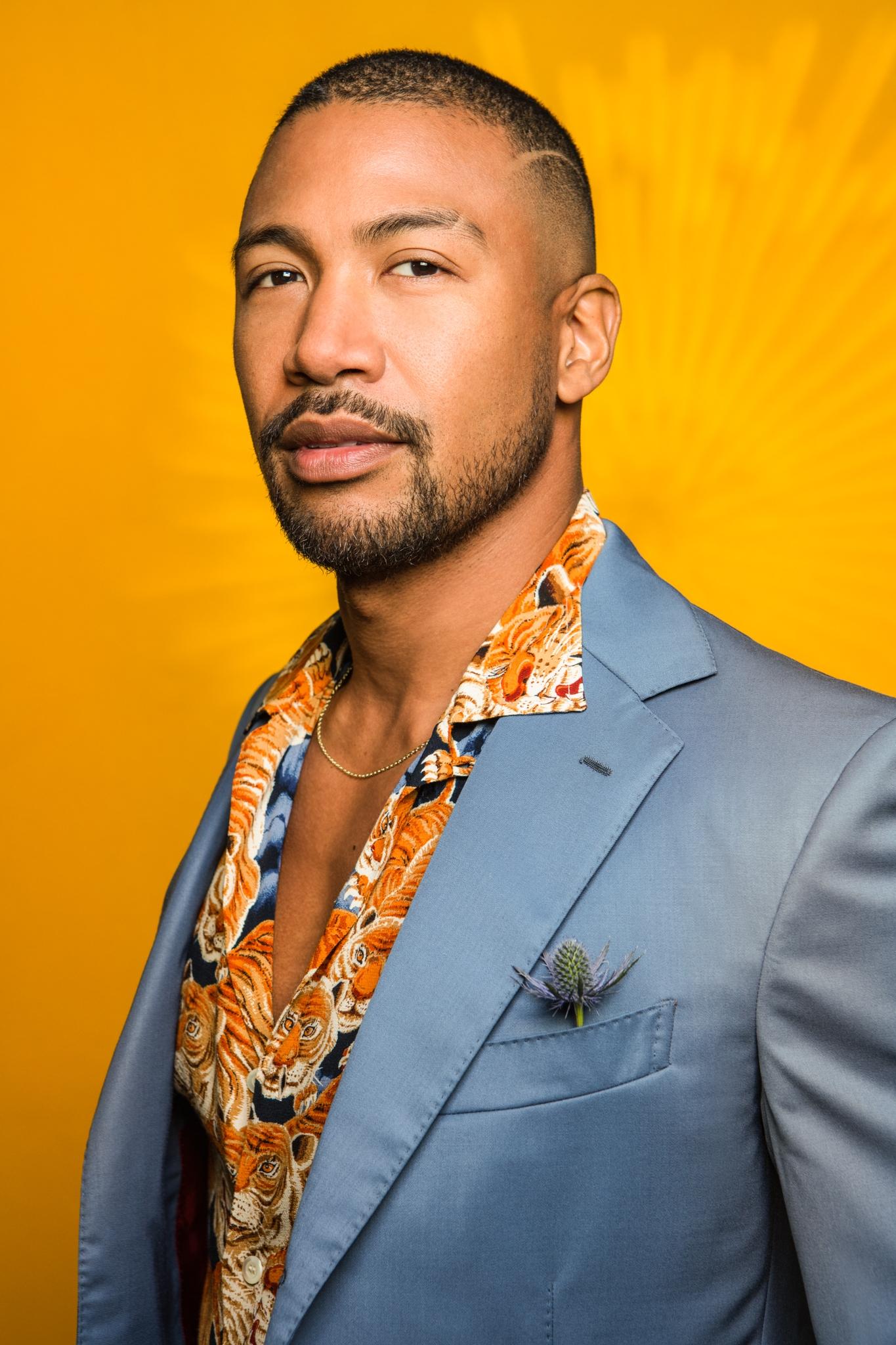
Charles Michael Davis is best known for his role as Marcel Gerard in ‘The Originals’. His character was a polished and charismatic leader who commanded respect in New Orleans. Davis has a background in modeling and a commercial look that is often described as safe for network television. This polish can sometimes lead to typecasting in roles that lack cultural specificity or grit.
Corey Hawkins
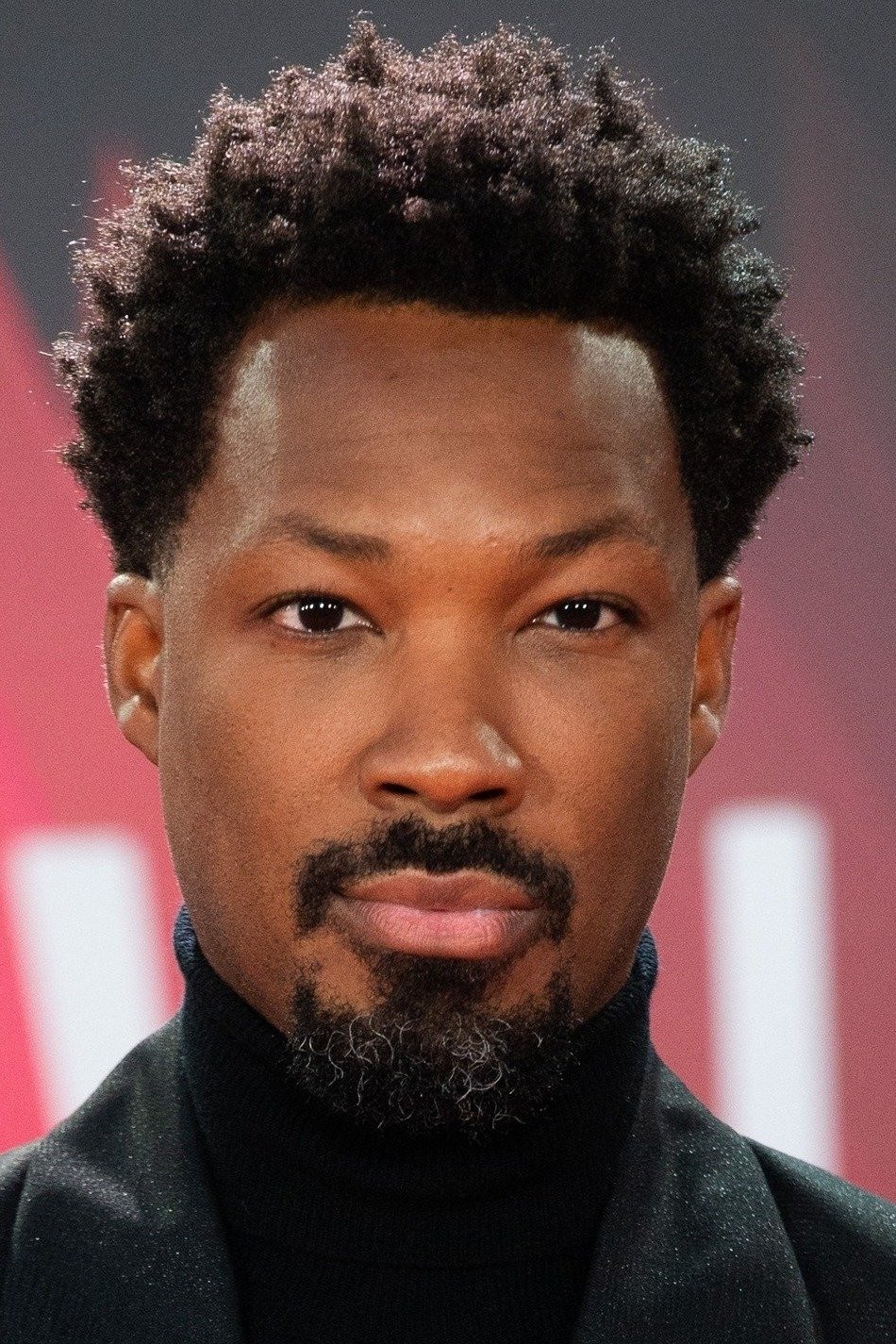
Corey Hawkins gained recognition for playing Dr. Dre in ‘Straight Outta Compton’ but has since taken on very different roles. He appeared in ’24: Legacy’ and ‘In the Heights’ playing characters that were heroic and upstanding. Hawkins was trained at Juilliard and brings a classical technicality to his performances. This training gives him a precision that stands in contrast to the raw naturalism sometimes expected in urban dramas.
Please share your thoughts on whether these actors are unfairly judged for their role choices in the comments.