


The Directors Christopher Nolan Says Are His All-Time Favourites

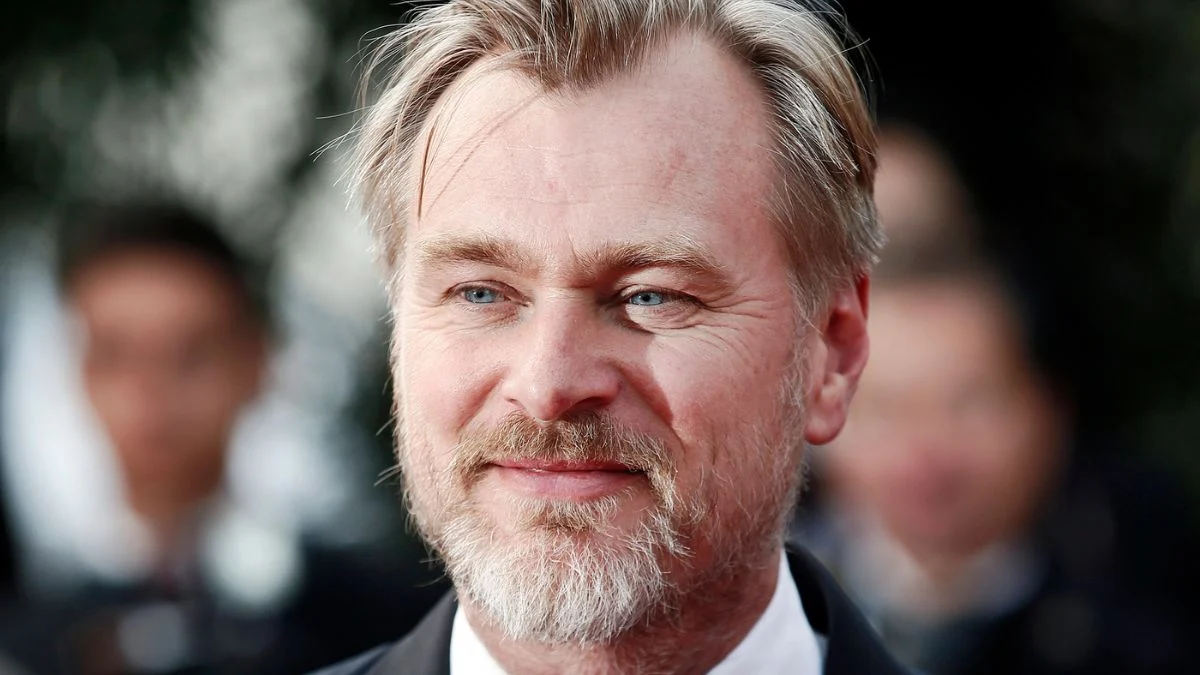


Christopher Nolan is a director who has built an immortal legacy on the foundation of complex, large-scale cinema, yet he remains deeply vocal about the giants who paved his way. His recent success with Oppenheimer showcased his signature penchant for relentless pacing, a trait he openly attributes to the influence of action masterpieces like Jan de Bont’s Speed.
Nolan has described the 1994 Keanu Reeves vehicle as a ticking clock nail-biter that mastered the art of optimal tension. He has similarly praised the work of Tony Scott, particularly the 2010 thriller Unstoppable, for its unwavering and relentless momentum.
Beyond pure action, Nolan’s appreciation for the craft extends to the formalist style of his contemporary, Quentin Tarantino. In a rare move for the typically private director, Nolan hosted an awards screening for Tarantino’s The Hateful Eight in 2015, marveling at the film’s beauty and atmospheric weight.
He observed that the movie possessed an increased level of formalism and a deliberate calm and thought regarding camera placement. For Nolan, watching the Western was an experience that felt deeply rooted in the history of cinema, reinforcing his belief in the theater as a sacred space for storytelling.
Nolan’s cinematic DNA also includes the immersive worlds of Ridley Scott, whose films Alien and Blade Runner famously blew him away as a child. When it came time to craft his own war dramas, such as Dunkirk, Nolan looked toward the visceral, documentary-style grit of Gillo Pontecorvo’s The Battle of Algiers.
He admired how the 1965 masterpiece created an affecting verité narrative that forced empathy through reality rather than theatricality. He also credited Alfred Hitchcock’s Foreign Correspondent for its technical virtuosity, using its depiction of a plane crash at sea as a direct structural inspiration for the aerial sequences in his own military epic.
As of February, Christopher Nolan is currently the most talked-about figure in Hollywood, not just for his films but for his new leadership role. In September 2025, he was elected president of the Directors Guild of America, a position he called one of the greatest honors of his career.
While he navigates the industry’s economic and creative protections, he is simultaneously in the final stages of post-production for his 13th feature film, The Odyssey. The $250 million “mythic action epic” is scheduled for release on July 17, and marks Nolan’s first foray into the fantasy genre with a realistic take on Greek mythology.
The cast for The Odyssey is a massive ensemble of A-list talent, featuring Matt Damon in the lead role of the wily strategist Odysseus. He is joined by Anne Hathaway as Penelope and Tom Holland as their son, Telemachus, with the production marking the first non-Marvel collaboration between Holland and his off-screen partner, Zendaya, who portrays the goddess Athena.
Other confirmed cast members include Robert Pattinson as the suitor Antinous, Charlize Theron as the witch-goddess Circe, and Lupita Nyong’o. The film was shot across global locations, including Greece, Morocco, and Iceland, utilizing over two million feet of IMAX film to capture the scale of Odysseus’s ten-year journey.
Early viewers, including the director’s brother Jonathan Nolan, have already hailed the film as a spectacular and tremendous achievement. As the release date approaches, it is clear that Nolan is once again attempting to redefine the boundaries of what a summer blockbuster can be.
Do you think Christopher Nolan’s decision to move from grounded historical dramas into a high-fantasy adaptation like The Odyssey will alienate fans of his more “realistic” work? Share your thoughts in the comments.