‘The Dog Stars’ Ending Explained, and What Jasper’s Death Means For Hig and Cima

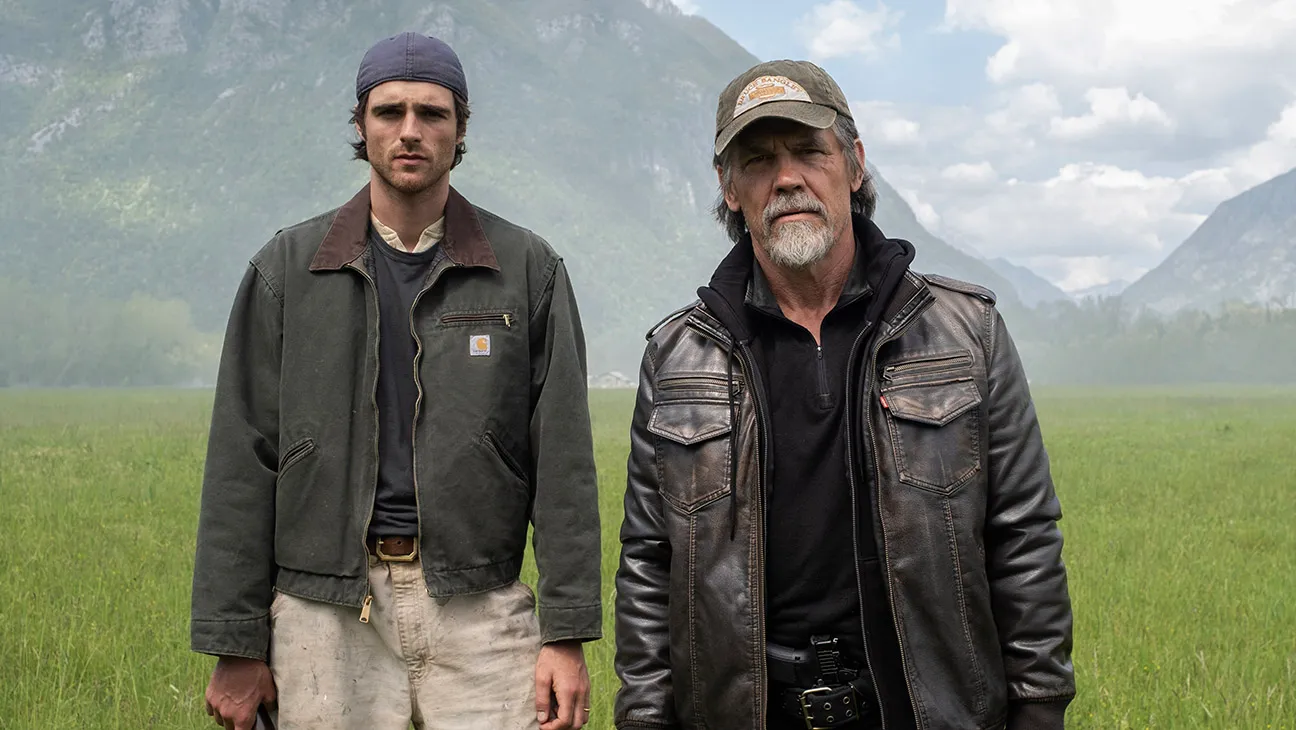

Ridley Scott’s long gestating adaptation of Peter Heller’s post apocalyptic novel arrived in theaters on August 28, 2026, and audiences walking out are asking the same question the book’s readers have wrestled with for more than a decade. The film is directed by Ridley Scott from a screenplay by Mark L. Smith, based on Heller’s 2012 novel, and stars Jacob Elordi, Josh Brolin, Margaret Qualley, Allison Janney, and Guy Pearce. Set after a devastating flu pandemic that has almost eradicated humanity, the story follows Hig, a former civilian pilot, and Bangley, a hardened ex Marine, as they hold their ground against outside threats while trying to imagine a life beyond the one they currently know.
The ending of ‘The Dog Stars’ has become the film’s most discussed element, largely because it refuses the two easiest outcomes a story like this could reach for. It does not pretend the world has been repaired, and it does not leave Hig entirely alone either. Understanding why the film closes the way it does means looking at the novel’s structure, the fate of Hig’s dog Jasper, and the relationship that ultimately reshapes Hig’s outlook on survival.
The ‘Dog Stars’ Ending Sets Up Ridley Scott’s Adaptation
Heller’s original novel, published in 2012, follows Hig, the narrator, and his partner Bruce Bangley as they patrol an eight mile perimeter around an abandoned airport in Erie, Colorado, where fuel and supplies remain plentiful. The book picks up nine years after a flu epidemic and subsequent blood disease devastate the human population, and Hig patrols that perimeter in his Cessna, nicknamed the Beast, with his dog Jasper riding as co pilot. That premise, quiet and defensive rather than explosive, is what gives the eventual turn in the plot its weight.
While flying his old Cessna, Hig picks up a mysterious radio transmission, and that unexpected signal is what prompts him to leave his isolated existence at the hangar and set out to find its source. The choice to chase a signal instead of staying safe is the first sign that Hig has not fully accepted the closed off life Bangley has built around them. It sets the entire back half of the story in motion, both on the page and in Scott’s film.
The official plot summary for the film describes a post apocalyptic world in which a virus wipes out humanity, survivors face roaming scavengers, and Hig, a pilot who survived the flu, has lost his wife. That loss, more than any external threat, is the emotional engine that the ending eventually pays off.
Jasper’s Death Changes Everything For Hig
Jasper’s death is the moment most readers and now viewers point to when discussing why the story ends the way it does. His death is one of the most heartbreaking beats in the film, but it also becomes the catalyst for Hig finding a new life afterward. Hig and Bangley’s ongoing disagreement over how to treat strangers is what initiates the conflict that leads to Jasper’s death, and it is ultimately Hig’s more open minded instinct that wins out, allowing him to eventually find both love and community.
A review of the film notes plainly that Jasper does die, and that this will not sit well with a lot of viewers, to the point that some may avoid the movie because of it. Even so, the death is treated as necessary to the story, since it is the event that finally pushes Hig out of the defensive rut he has been living in. No other single moment in the adaptation carries that same narrative function.
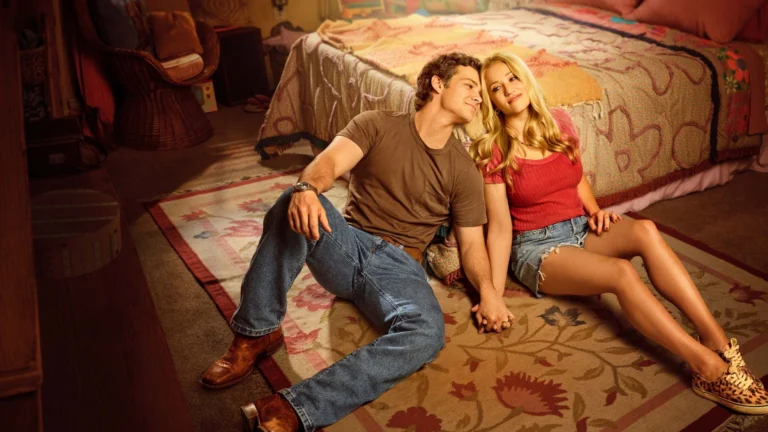
In the film’s closing scene, Hig looks up at the stars with Cima and tells her that one of the constellations is named Jasper, essentially affirming his belief that connection remains necessary for survival even after everything he has lost. It is a small gesture, but it reframes the dog not just as a companion who died, but as a symbol Hig carries forward.
Hig and Cima’s Connection Becomes the Real Ending
The apocalypse causing disease in the story is left somewhat undefined, though the Mennonite children Hig and Bangley encounter appear to suffer from a blood disease that is hereditary and secondary to the original outbreak, rather than contagious on its own. That detail matters because it means a future is not medically impossible, it simply requires people like Bangley to extend trust they have spent years refusing to give.
Hig sets out believing that reaching Grand Junction will mean a return to his old way of life, a final remaining piece of the world as it used to be, but Grand Junction turns out to be a disaster. Even so, Hig finds what he was actually searching for, which was never civilization in its old form but genuine connection, and he finds that connection in Cima.
The ending leaves Hig in a changed emotional reality rather than a fully resolved one, having moved past the purely defensive airport existence and into a more complex future involving Cima, Bangley, memory, danger, and the possibility of renewed attachment. He does not get his old life back, Melissa remains dead, Jasper remains dead, and civilization remains broken, but what he does gain is the ability to imagine a life that is not solely a tribute to everything he lost.
How Critics Are Responding to the Film’s Ending
Reception to Scott’s adaptation has been mixed, and much of that split centers on the tone of its final act. One review argues that the film’s reach for community in its ending feels oddly narrow, and that the star studded cast, with Elordi described as earnest, Qualley as possessing a witty charm, Pearce adding real inner life to Pops, and Brolin clearly enjoying himself, comes close to holding the film together despite a script that lacks a strong driving engine.
Another review points out that Scott ends the story on an unusually uplifting note for him personally, one that feels somewhat at odds with the tone of the rest of the film. That contrast between Scott’s typically bleaker instincts and this ending’s relative hopefulness is a recurring note among critics covering the release.

The project’s path to the screen was not simple either. Discussing the film’s casting during a conversation with fellow director Christopher Nolan, Scott told Variety that Paul Mescal, originally attached to star, was already stacked up with other work including the Beatles project, adding that he might have to let him go. That comment, reported first by Variety, ultimately preceded Elordi stepping into the role of Hig.
With the film now in theaters and its ending dividing critics between those who find its hope earned and those who find it tonally uneven, the real debate belongs to the people who just watched Hig make peace with what he lost. Anyone who sat through Jasper’s fate and Hig’s final moment under the stars likely has a strong opinion about whether that ending actually works, and this is the place to say so.