


The Fiction of Luck: How Stories Turn Randomness Into Meaning

Fiction is great for shaping around a narrative around events that could otherwise feel random. A person misses a train, drops a coin, turns the wrong corner, or sits beside the one stranger who matters, and the scene begins to carry more weight than the event itself should logically bear. That is one of the oldest powers a story has. The UK Publishers Association reported in June 2025 that fiction revenue rose 18 percent in 2024 and passed £1 billion for the first time, while audiobook revenue rose 31 percent to a record £268 million.
That appetite for this storytelling quality moves easily across forms. The same trade group reported in March 2026 that five of the ten most-viewed first-run TV dramas of 2024 were adapted from books, and that book adaptations earned 57 percent more box office revenue than non-adaptations among the top 50 grossing films from 2020 to 2024. A good story survives format because its engine survives format. The engine is often chance. Characters react to random events. The audience reads meaning into the collision. That pattern works in novels, films, comics, anime, and games because it mirrors the way people actually live, except fiction cuts out the banal moments in between.
Casinos are often a go-to setting because they place arithmetic and feeling in the same room and make them stare at each other. A wheel spins with fixed odds, yet a player still reads intention into the turn and omen into the pause. That same tension helps explain the appeal of the social casino, a format The Business Research Company said is projected to reach $14.42 billion by 2030. The appeal is easy to grasp. It offers suspense, repetition, and a little performance without asking for real-money risk, which makes it feel close to the broader world of entertainment rather than separate from it.
Britannica puts the house edge in American roulette at about 5.26 percent for most bets, which means the wheel remains loyal to maths no matter what anyone at the table feels about red, black, fate, or a lucky shirt. That split between cold numbers and hot interpretation gives writers a useful device. It lets them show who a character is while the character thinks the scene is about luck. A steady hand can suggest discipline. A rash bet can expose hunger or vanity. A quiet glance at the wheel can carry more fear than a page of confession. That is why casino scenes keep turning up in fiction. They make inner life visible.
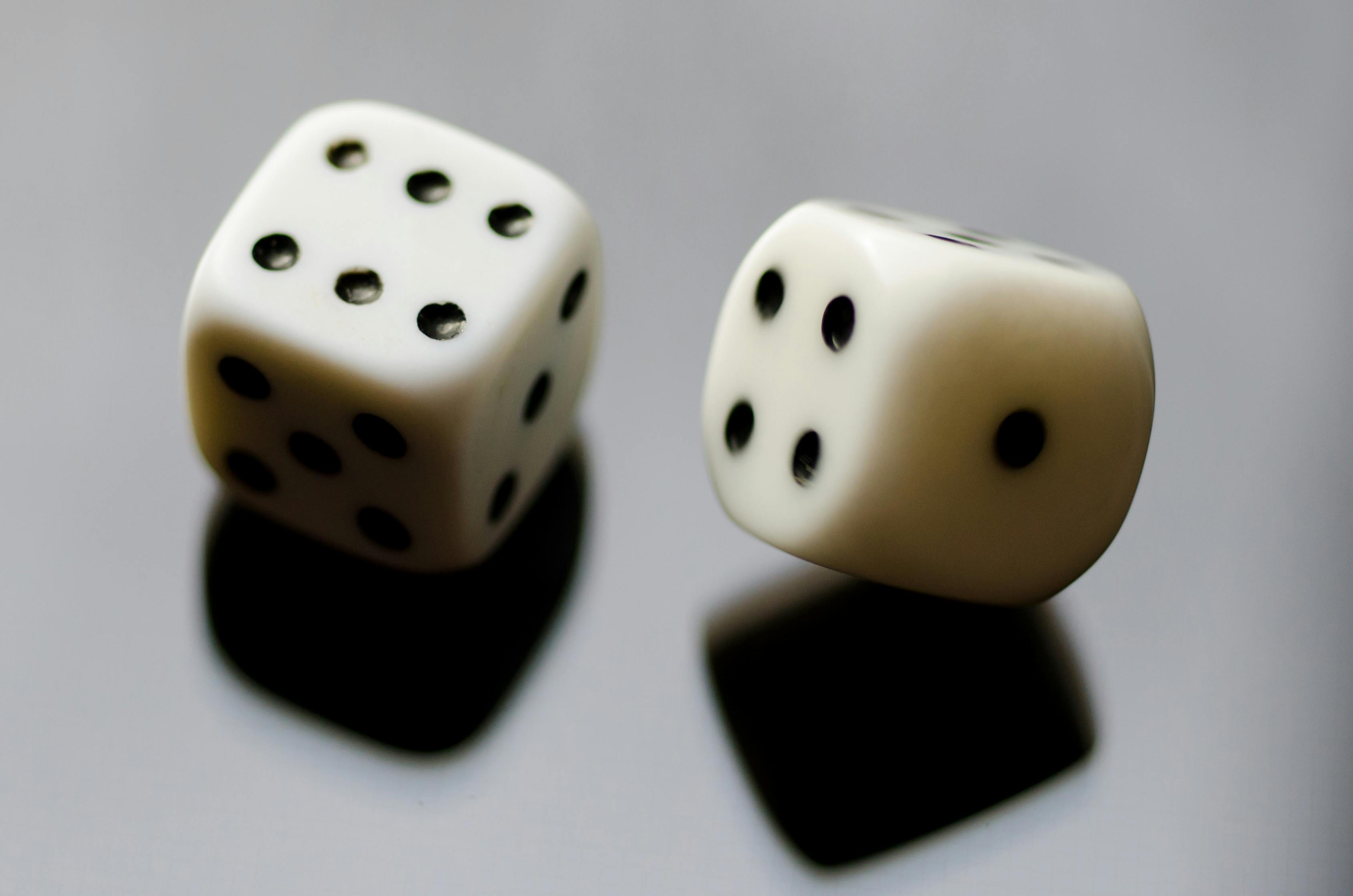
Why Coincidence Feels So Personal
Readers accept these scenes because the mind already leans toward pattern. A 2024 paper in Psychology of Aesthetics, Creativity, and the Arts found that experiencing meaningful coincidences was associated with real-life creative activity and creative achievement across three studies. That finding matters because it suggests something basic about how imaginative people process the world. They notice strange links. They tolerate ambiguity. They are willing to treat an event as more than a bare event. A writer can build on that habit without needing to explain it. The missed call becomes an omen. The lost ticket becomes a hinge. The chance meeting becomes a thread that pulls the rest of the plot into place.
The danger in that habit is obvious enough. People also see patterns where none exist. Research published in the European Journal of Social Psychology found that illusory pattern perception predicts stronger belief in conspiracies and the supernatural. In ordinary life that can make people foolish. In fiction it can make scenes electric. The audience knows a character may be reading too much into a sign, but that uncertainty is part of the pleasure. A story can let the reader sit on both sides at once. You can see the mechanism and still feel the pull. That is one reason luck scenes work so well. They let reason and desire occupy the same paragraph without either one packing a bag and leaving.
The Writer’s Real Work
Luck in fiction rarely works because the event itself is grand. It works because the context is exact. A single card can matter more than a car chase when the audience knows what a character wants and what that character is hiding. A random turn becomes meaningful when it arrives at the worst possible time or the best possible time, with no need for fanfare. This is where many weak scenes fall apart. They treat coincidence as a shortcut. Better scenes treat it as exposure. The event doesn’t solve the story. It reveals the person inside it. That is a different job. It is also the one worth doing.
Film handles this well when it trusts reaction more than spectacle. Think of the clean confidence Leonardo DiCaprio often brings to characters who believe they can ride chance and charm through a closing door, with Frank Abagnale Jr in Catch Me If You Can being a key example. Suspense lives in the reading of the moment. A spinning wheel, a shuffled deck, a delayed text, or a wrongly delivered note can all do the same work on the page.
How Randomness Takes Shape
Often, strange timings lead nowhere. Fiction earns its keep by selecting which events resonate with an audience. That is why luck on the page can feel more truthful than luck in life. The writer has made it convincing by giving it consequence. You feel the event settle into the plot because the plot has prepared a place for it. The best version of this feels inevitable a second after it feels surprising, which is about as close to magic as prose usually gets.