The Films That Turned The CIA’s MK Ultra Program Into Hollywood Nightmare Fuel

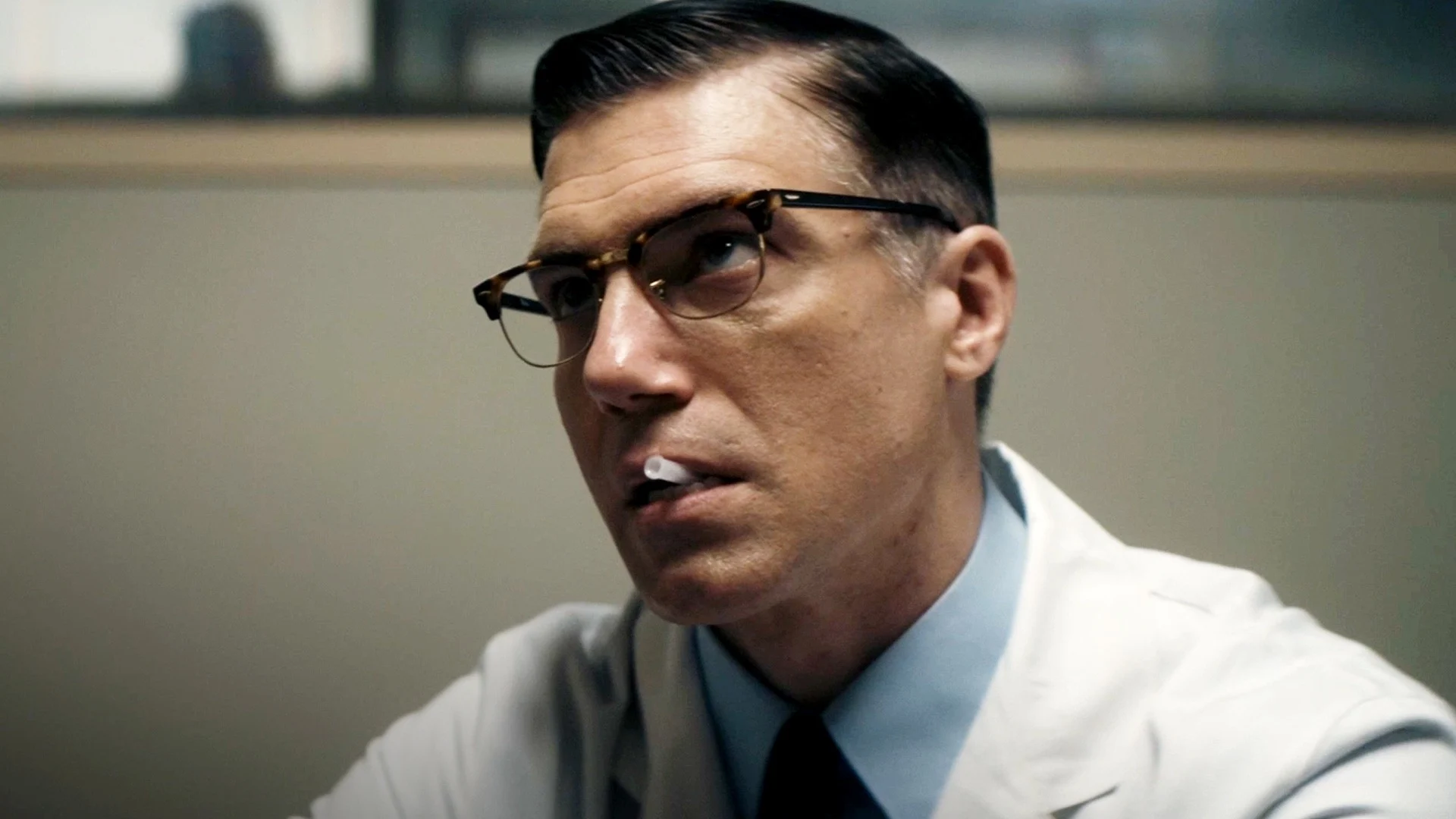

Few pieces of declassified American history have proven as durable a wellspring for genre filmmaking as Project MKUltra. The CIA program, which ran covert experiments on unwitting subjects using drugs and psychological manipulation, has inspired everything from Cold War political thrillers to modern found footage horror. What follows is a rundown of movies that draw directly on MK Ultra, its documented history, and its lingering cultural shadow.
These films range from dramatized true stories to horror riffs and prestige documentaries, but they share a common thread. Each one treats the real program, and the questions it left unanswered, as fertile ground for storytelling about power, memory, and control.
‘MK Ultra’
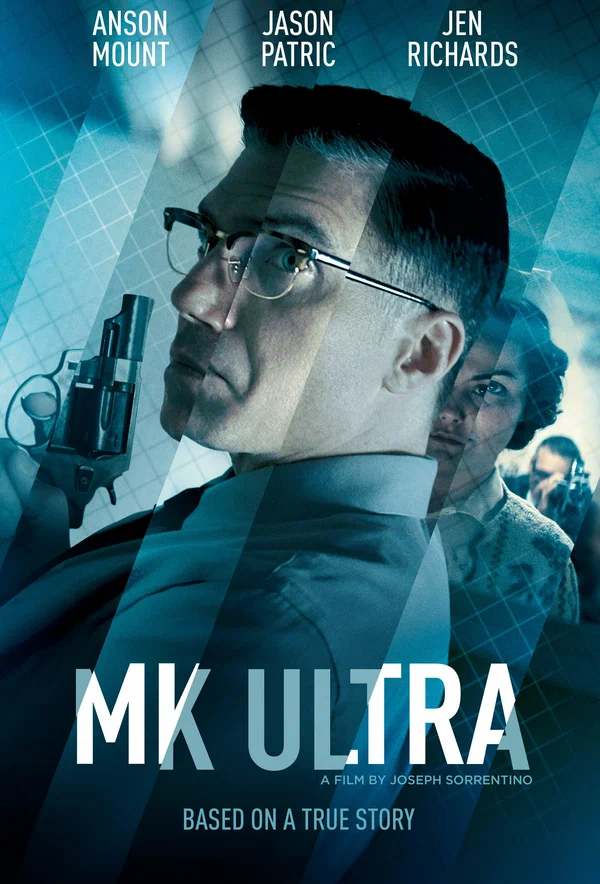
Released theatrically and on demand on October 7, 2022, this psychological thriller was written and directed by Joseph Sorrentino, a filmmaker with a background in intelligence operations. The film follows Dr. Ford Strauss, played by Anson Mount, a psychiatrist who becomes entangled in a government experiment and conspiracy involving psychedelic and other mind altering substances during the CIA’s MKUltra program of the 1960s. Jason Patric costars as the CIA agent who recruits him, alongside Jaime Ray Newman and Jen Richards.
In the story, Strauss is approached by CIA agent Galvin Morgan and cannot immediately tell whether the offer represents a lucky break or blackmail, before agreeing to take the agency’s money to run LSD research on a small group of patients. A review from Screen Rant noted that the film’s tone and performances stay in lockstep, giving it a no frills quality reminiscent of 1970s paranoia thrillers, even though the handheld cinematography gives it a more modern look than the era it depicts. The project was formerly titled ‘Midnight Climax,’ a nod to one of the real MKUltra subprograms.
‘The Manchurian Candidate’

No conversation about MK Ultra on screen can skip this title, since it predates the program’s public exposure by more than a decade. The 1962 original, directed by John Frankenheimer, follows a platoon of American soldiers led by Major Bennett Marco, played by Frank Sinatra, who are captured and brainwashed during the Korean War. Laurence Harvey and Angela Lansbury costar, and the black and white thriller was added to the Library of Congress National Film Registry in 1994.
The very term Manchurian candidate, now shorthand for a brainwashed pawn, came from a film inspired by early reports of communist brainwashing, essentially a Hollywood forecast of what MKUltra investigators would later pursue in reality. A 2004 remake directed by Jonathan Demme reworked the premise for a new era. That version stars Denzel Washington as Ben Marco and Liev Schreiber as Congressman Raymond Shaw, who is manipulated into becoming a vice presidential candidate, with Meryl Streep as his controlling mother. Critics noted the shift in villain, with one review pointing out that corporations rather than communists became the sinister force behind the plot in the remake.
‘The Banshee Chapter’
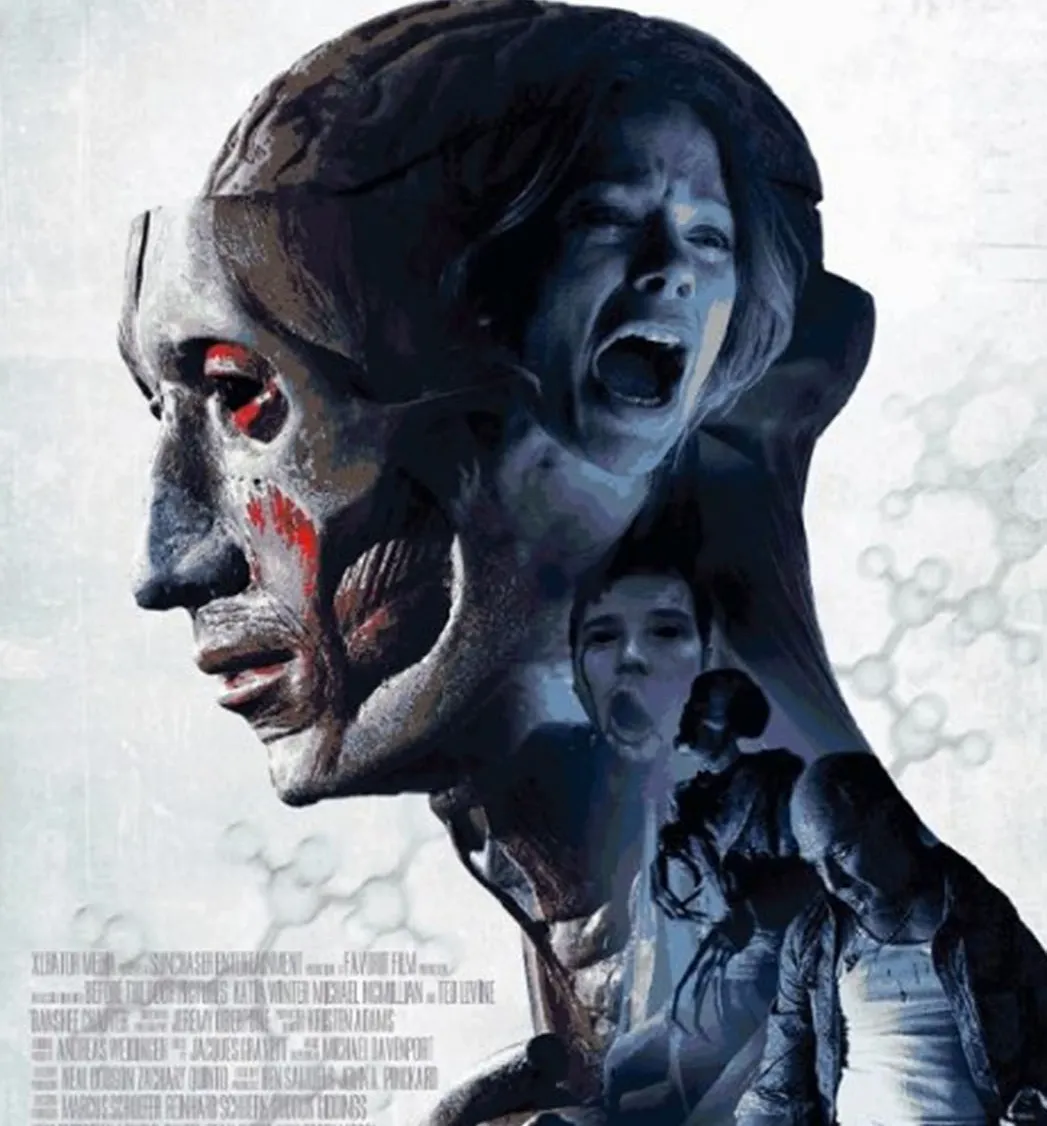
This 2013 horror thriller, directed by Blair Erickson and produced by Zachary Quinto, takes a more speculative approach to the material. The film had its first screening at Fantasy Filmfest on August 22, 2013, and was released on video on demand that December, running 87 minutes. It follows investigative journalist Anna, played by Katia Winter, who researches her missing friend’s disappearance after he ingested an undocumented research chemical once tested on civilians during the real MKUltra experiments.
Archival footage of CIA director Stansfield Turner testifying about MK Ultra in 1977 opens the film, alongside a clip of President Bill Clinton publicly apologizing for the government’s role in the testing. The story itself is loosely based on H.P. Lovecraft’s short story ‘From Beyond,’ blending that fictional premise with real historical material about the program. Roger Ebert’s site observed that one goal listed on a surviving MKUltra document was to develop substances that would promote illogical thinking to the point where a subject could be discredited in public.
‘Wormwood’
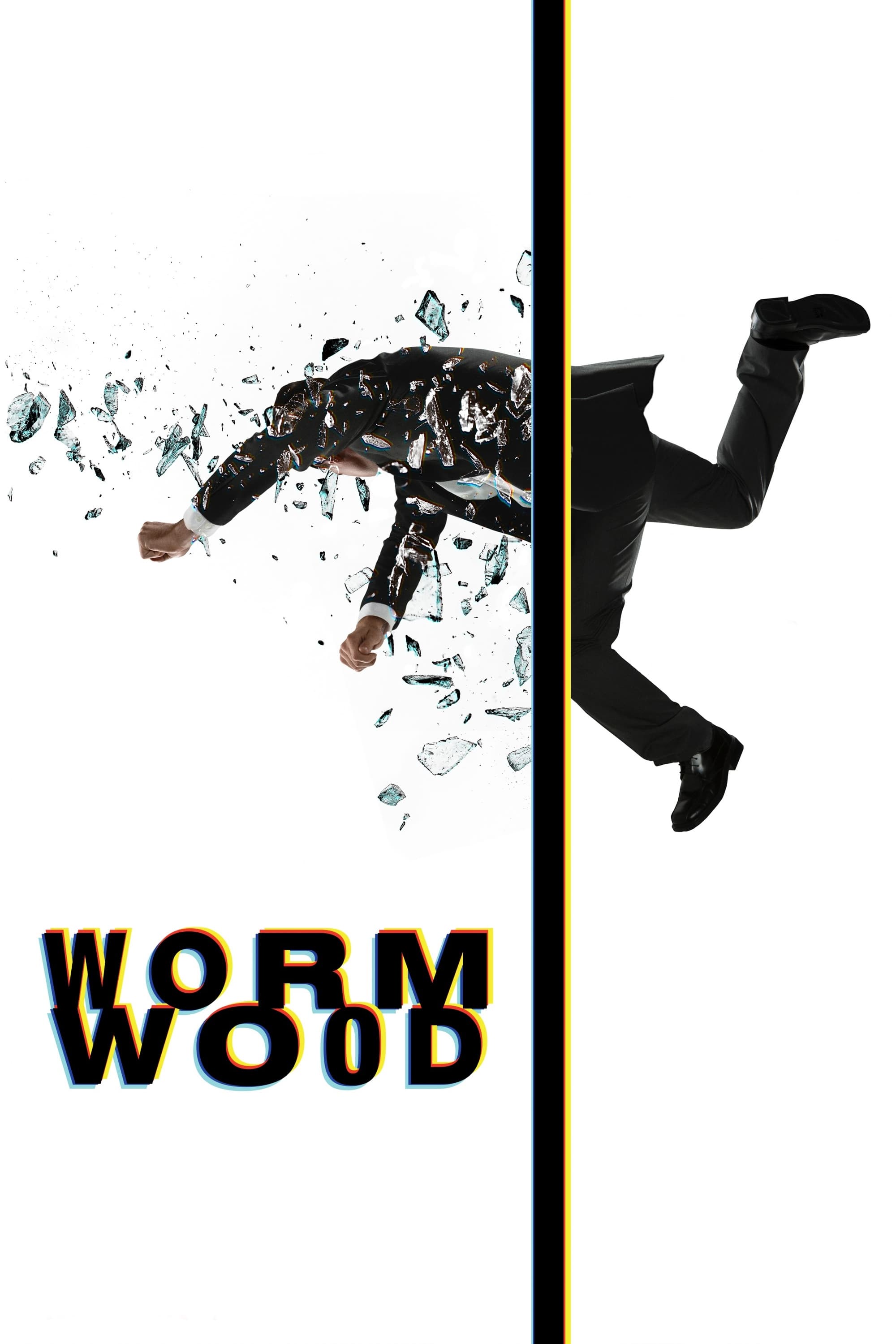
Errol Morris, the Oscar winning documentarian behind ‘The Fog of War,’ took a hybrid approach to MK Ultra with this 2017 project for Netflix. Styled as a six part docudrama miniseries running between 40 and 48 minutes per episode, it stars Peter Sarsgaard as Frank Olson, alongside Molly Parker, Christian Camargo, and Tim Blake Nelson. NPR described it as either a 241 minute film or a six part television series depending on how a viewer chooses to watch it.
The project centers on the real 1953 death of bacteriologist Frank Olson, who fell from the 13th floor of the Statler Hotel in New York City not long after being secretly dosed with LSD on the orders of his CIA superior. Morris told Rolling Stone that even with MK Ultra, a program he described as involved with memory replacement and mind control, many of the records were destroyed at the direction of the people who ran it. The series concludes with Olson’s son Eric describing his decades long search for the truth as having consumed his life without ever offering real closure.
Taken together, these four films show how differently filmmakers have approached the same historical material, moving between courtroom grade docudrama and full blown genre horror. Which version of the MK Ultra story do you find hardest to shake, the human tragedy at the center of ‘Wormwood,’ or the paranoid what if of ‘The Manchurian Candidate’?