


The 25 Marvel Projects That Race-Bent Characters and Lost Black Fans



Casting decisions in comic book adaptations often spark intense debate, particularly when characters’ racial identities are altered from the source material. While some race-bending is celebrated for increasing diversity, other instances have drawn criticism for colorism, whitewashing, or tokenism that fails to capture the essence of the original character. Black fans, in particular, have voiced concern over projects that erase Afro-Latino identity, cast light-skinned actors for dark-skinned roles, or fundamentally change a character’s background without adding narrative depth. This list explores twenty-five Marvel projects where race-bending choices became a point of contention within the fanbase.
‘The New Mutants’ (2020)
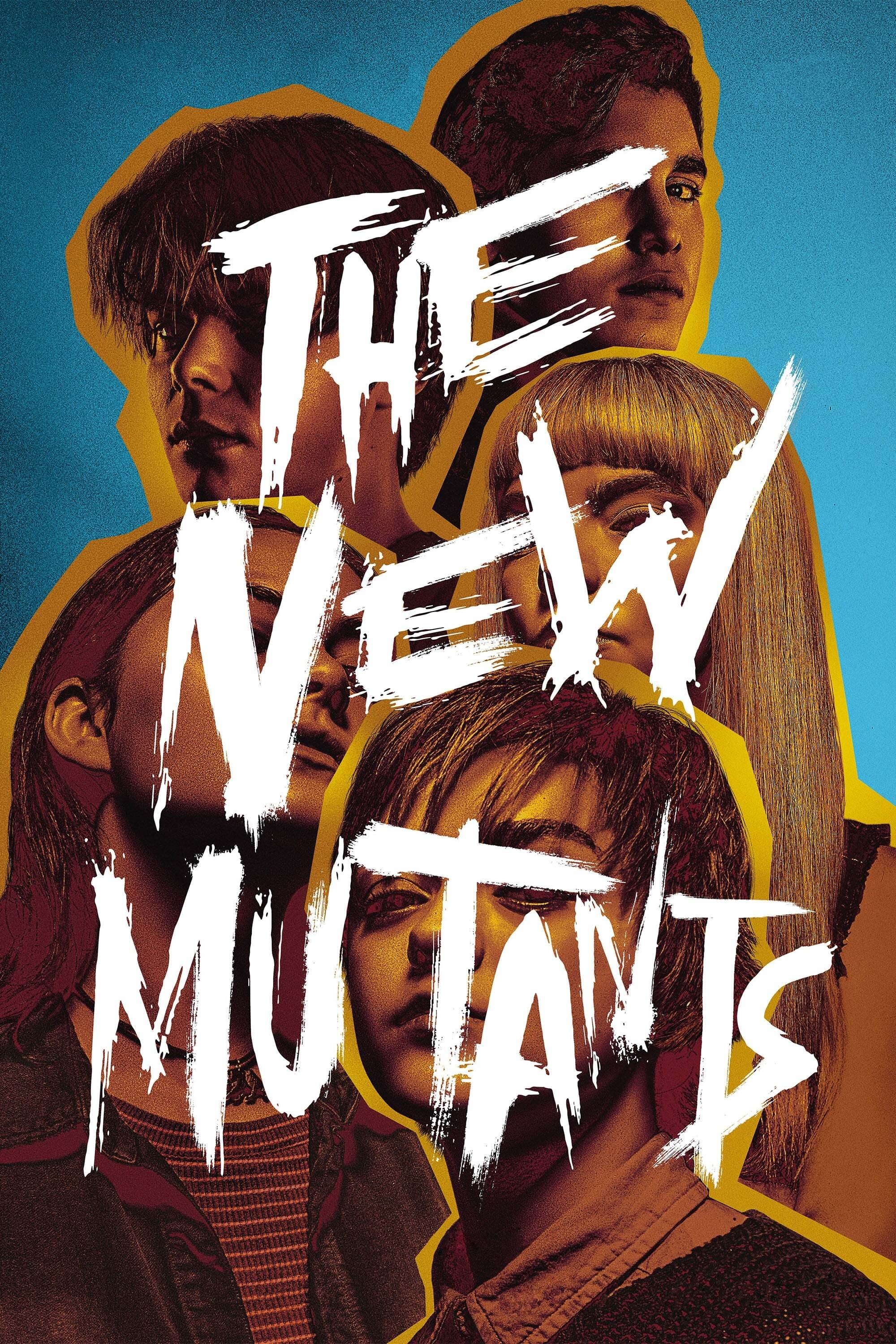
The casting of Henry Zaga as Roberto da Costa, also known as Sunspot, generated significant backlash regarding whitewashing and erasure. In the comics, Roberto is an Afro-Brazilian character whose dark skin is integral to his backstory and experiences with racism in Brazil. Zaga, a light-skinned Brazilian actor, did not reflect the character’s specific racial identity, leading to accusations that the film erased his Black heritage. Director Josh Boone’s defense of the casting further alienated fans who felt the nuance of Roberto’s origin was ignored. The decision remains one of the most cited examples of colorism in modern superhero films.
‘X-Men’ (2000)
Halle Berry’s portrayal of Ororo Munroe, or Storm, established a cinematic legacy but also initiated a long-standing conversation about colorism in Hollywood casting. Storm is depicted in the comics as a dark-skinned Kenyan woman with distinct African features and white hair. While Berry is a celebrated actress, her casting as a biracial woman with lighter skin was seen by some fans as a safe, commercial choice that diluted the character’s visual impact. This decision set a precedent for the “Fox-Men” universe that often prioritized light-skinned actors for prominent Black roles.
‘X-Men: Apocalypse’ (2016)
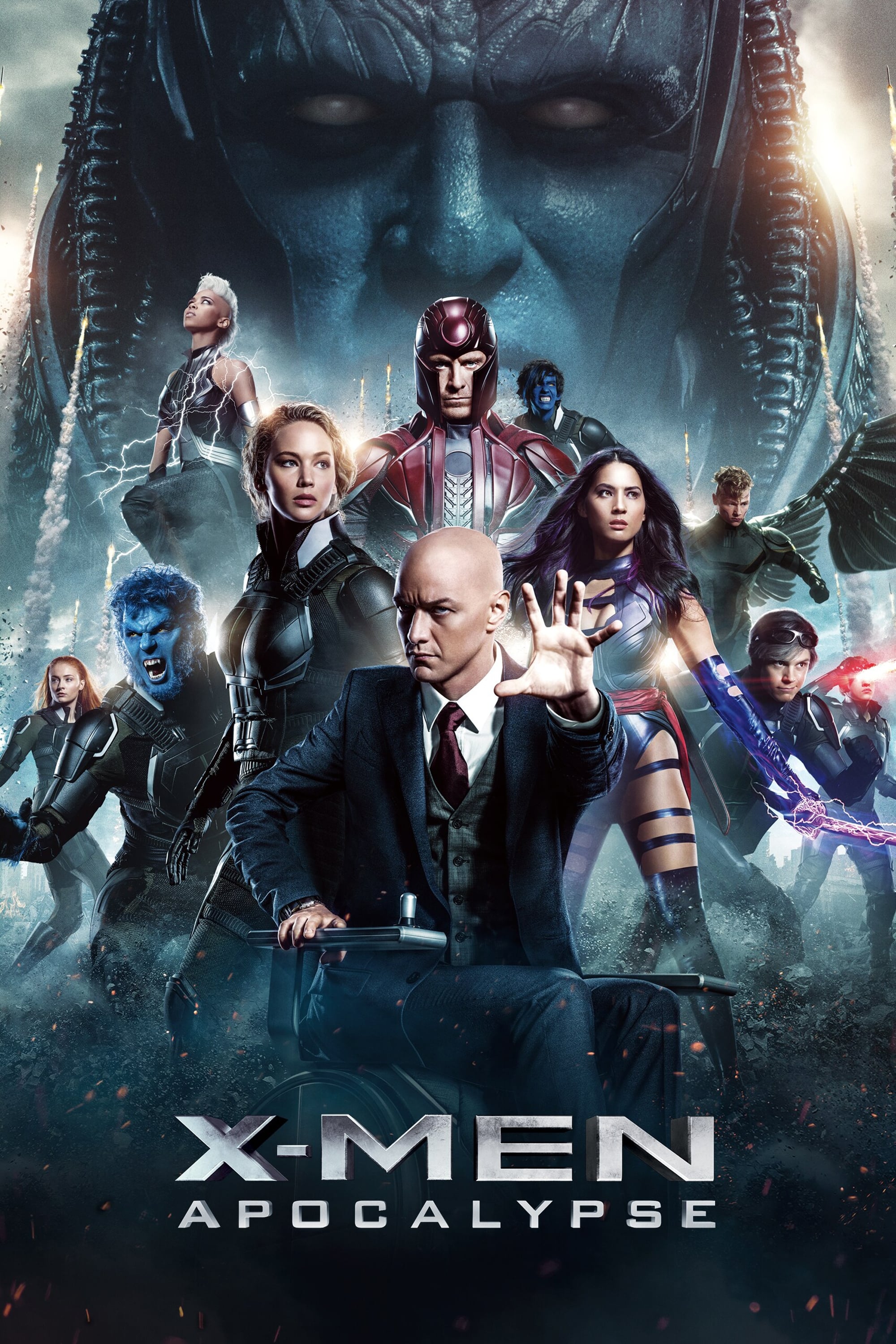
When the X-Men franchise rebooted its timeline, Alexandra Shipp was cast as a younger version of Storm, reigniting the colorism debate that began with Halle Berry. Fans expressed disappointment that the studio missed a second opportunity to cast a dark-skinned actress who more closely resembled the comic book iteration. Shipp defended her casting, which led to heated online exchanges that further polarized the fanbase. Critics argued that the repeated casting of light-skinned women for Marvel’s most iconic Black female hero contributed to the erasure of dark-skinned representation.
‘Deadpool 2’ (2018)
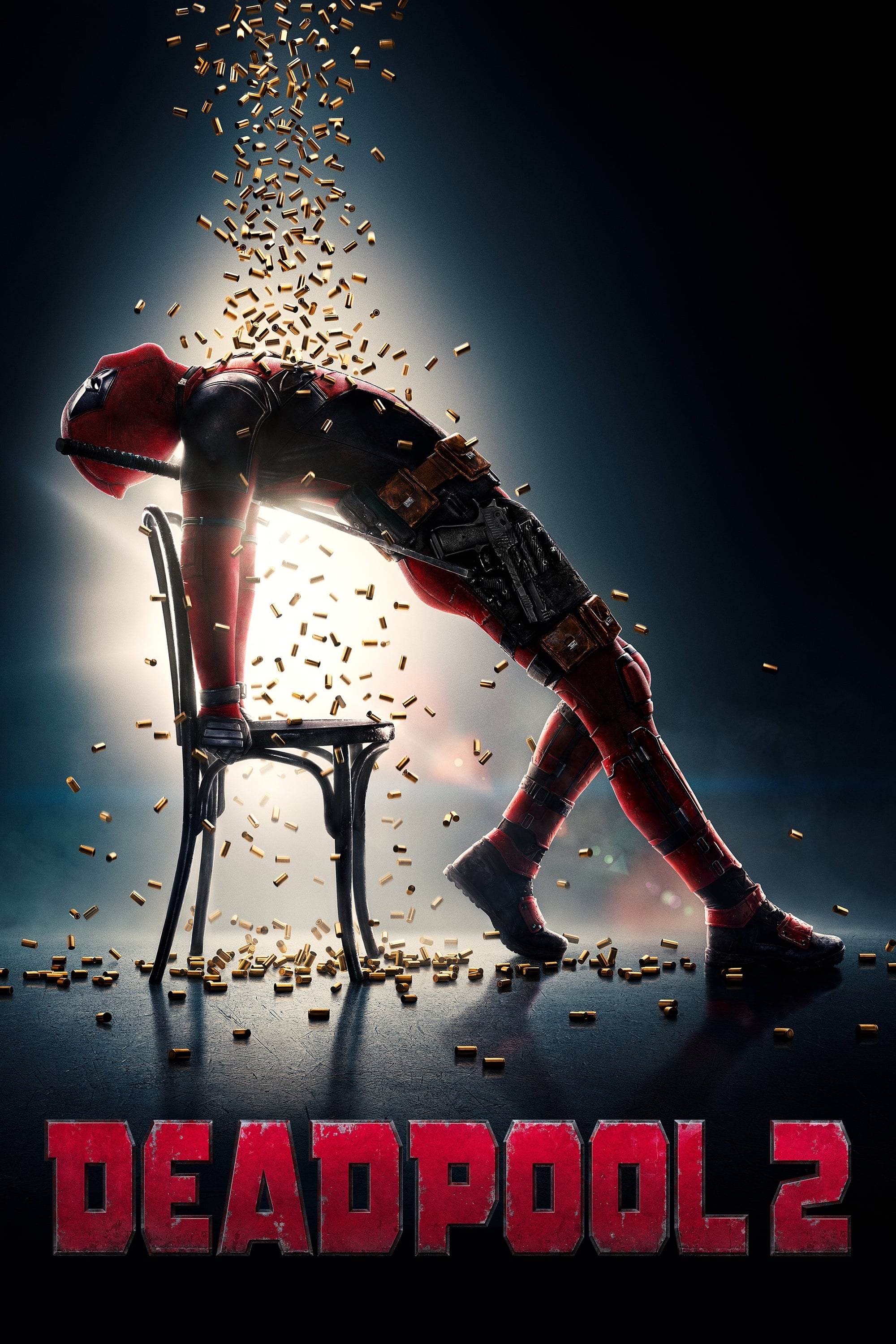
The introduction of Domino, played by Zazie Beetz, offered a fresh take on the mutant mercenary but sparked a complex debate regarding race-bending. In the comics, Domino is a white woman with a black patch over her eye, yet Beetz’s casting was criticized by some for being another instance of casting a light-skinned biracial actress in a Black role, rather than utilizing a dark-skinned actress if race-bending was the goal. While Beetz’s performance was generally praised for its charisma, the casting choice reignited discussions about the “brown paper bag test” in Hollywood. The film highlighted the tension between increasing diversity and the specific nuances of Black representation.
‘Spider-Man: Homecoming’ (2017)

Zendaya’s casting as “MJ” was kept under wraps until the film’s release, leading to a mixed reception regarding the reimagining of Mary Jane Watson. While the character was officially Michelle Jones, her role as the primary love interest drew comparisons to the comic book icon, sparking debates about colorism and the replacement of redheads with Black characters. Some fans appreciated the modernization of Queens’ demographics, while others felt it was a half-measure that avoided creating a new, original Black character. The ambiguity of her initials served as a nod to the lore but left some fans feeling the representation was non-committal.
‘Fantastic Four’ (2015)
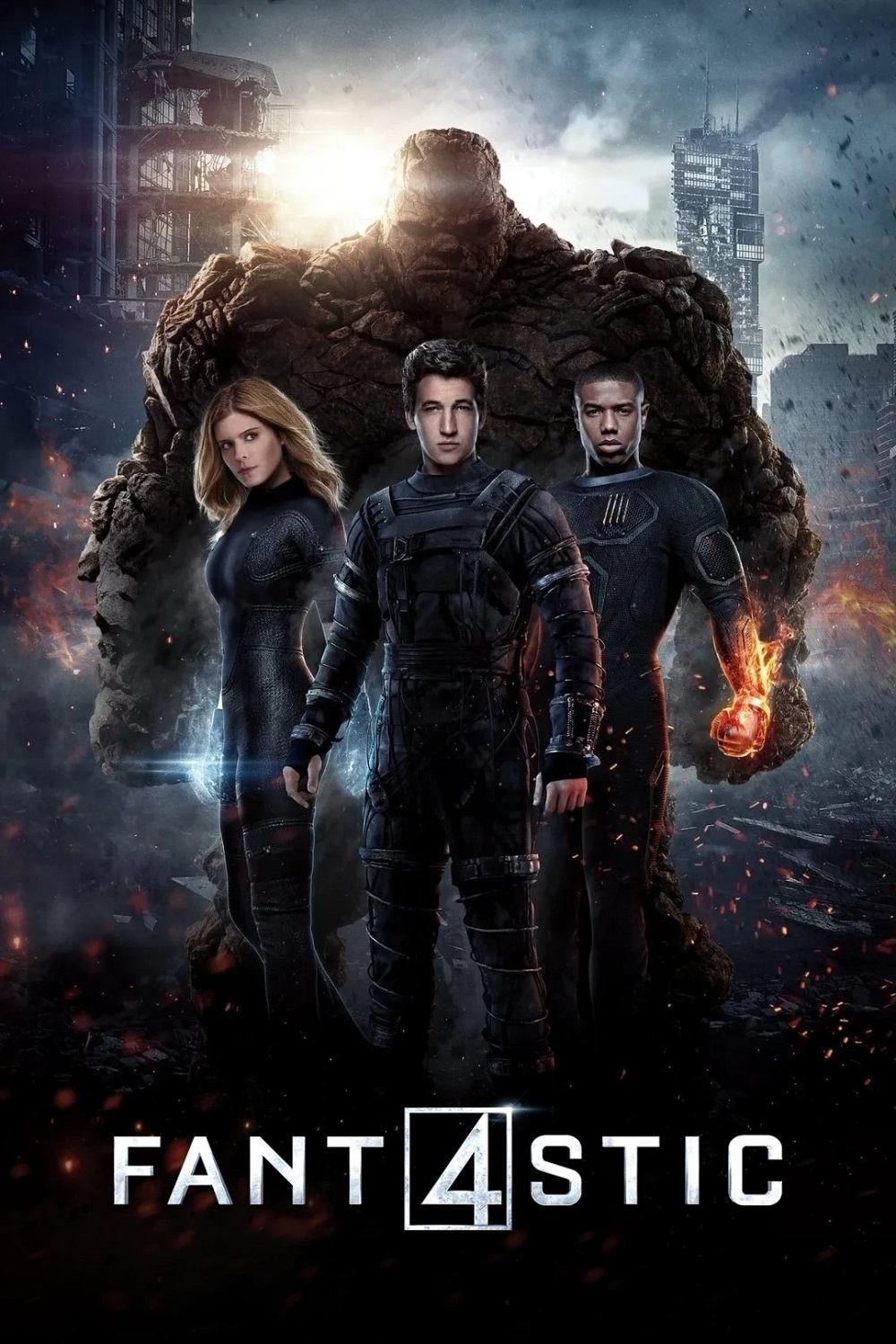
Josh Trank’s reboot made headlines for casting Michael B. Jordan as Johnny Storm, a character traditionally depicted as white. While Jordan is a highly acclaimed actor, the decision was met with racist backlash from some corners of the internet and skepticism from others who felt it was a superficial change in a poorly constructed film. The lack of explanation for the racial difference between Johnny and his sister Sue Storm confused general audiences and was viewed as clumsy world-building. Ultimately, the film’s critical and commercial failure meant this version of the Human Torch did not have the opportunity to win over detractors.
‘Thor’ (2011)
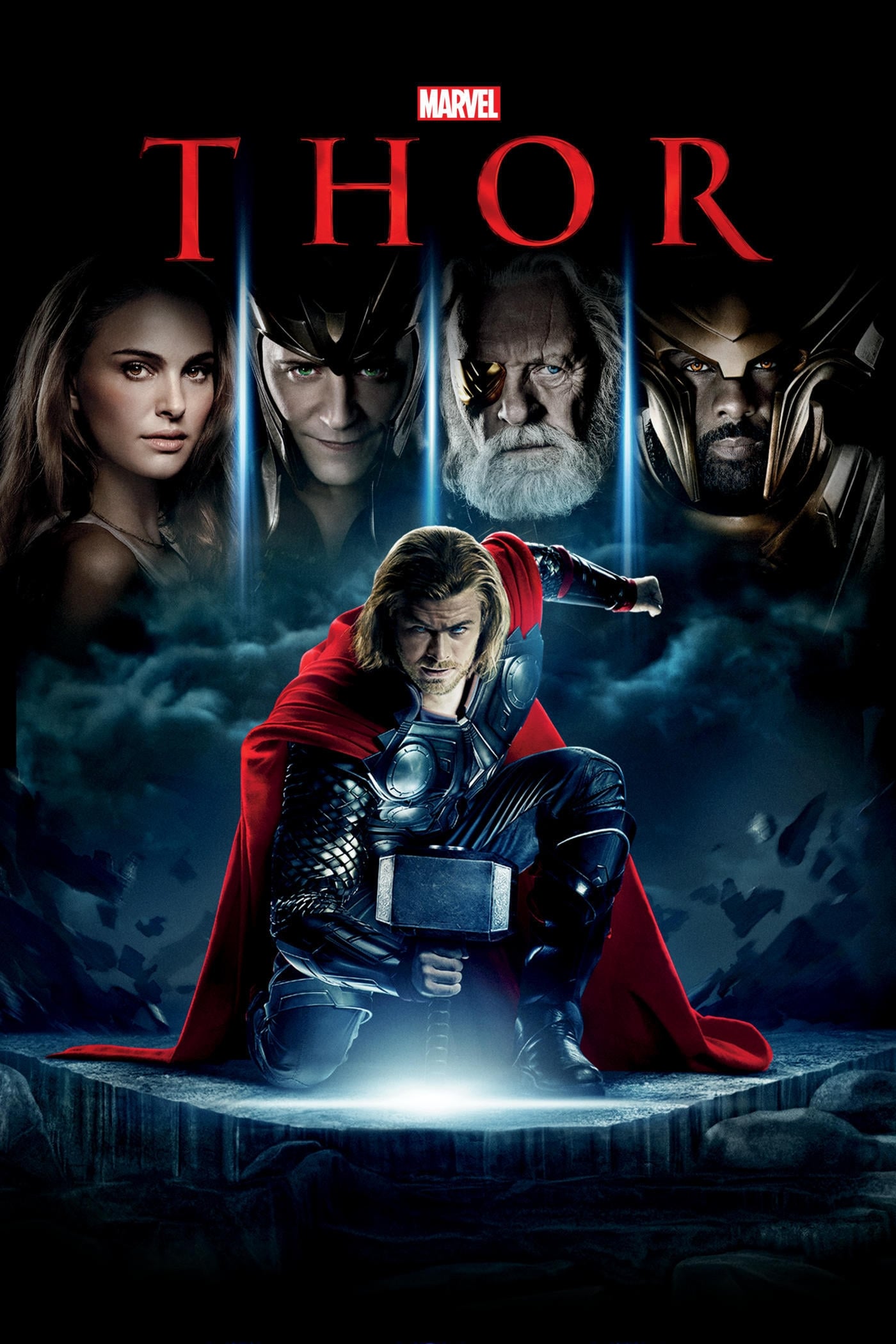
Idris Elba’s role as Heimdall, the all-seeing guardian of the Bifrost, challenged the traditional depiction of Norse gods as exclusively white. While Elba’s commanding presence won over many viewers, the initial announcement faced resistance from purists who argued it contradicted the mythological roots. Conversely, some Black fans criticized the role for being a gloried servant to the white royal family, rather than a character with his own agency. The discourse highlighted the difficulties in navigating diversity within mythologies that are historically monochromatic.
‘Doctor Strange’ (2016)
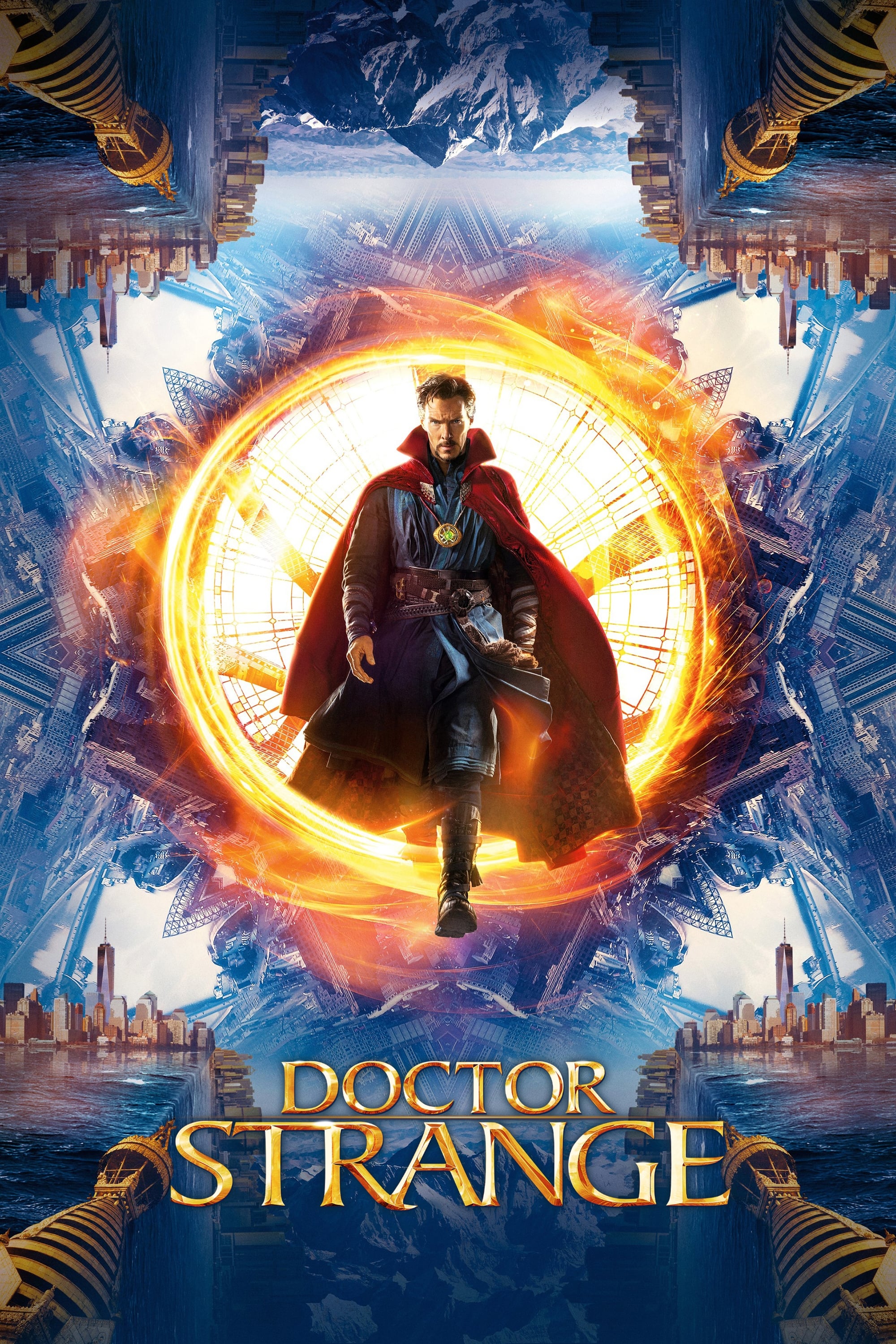
Chiwetel Ejiofor was cast as Baron Mordo, changing the character from a Transylvanian nobleman to a Black sorcerer. While Ejiofor provided a gravitas to the role, the change played into the trope of the Black best friend turning into a villain. Additionally, the film faced severe backlash for whitewashing the Ancient One, which overshadowed the conversation about Mordo. For some fans, the race-bending of Mordo felt like a token effort to balance the erasure of the Asian lead character.
‘Daredevil’ (2003)
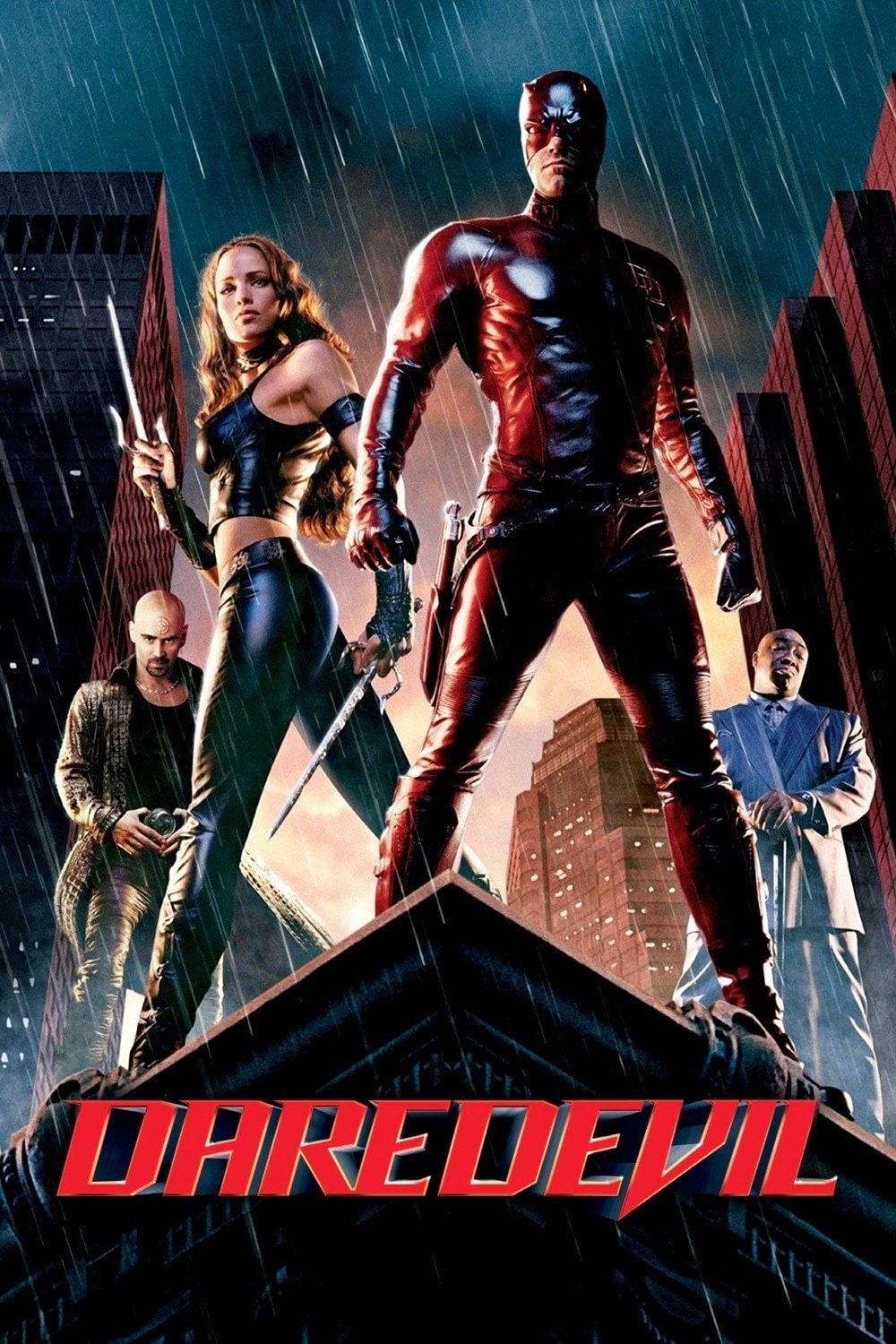
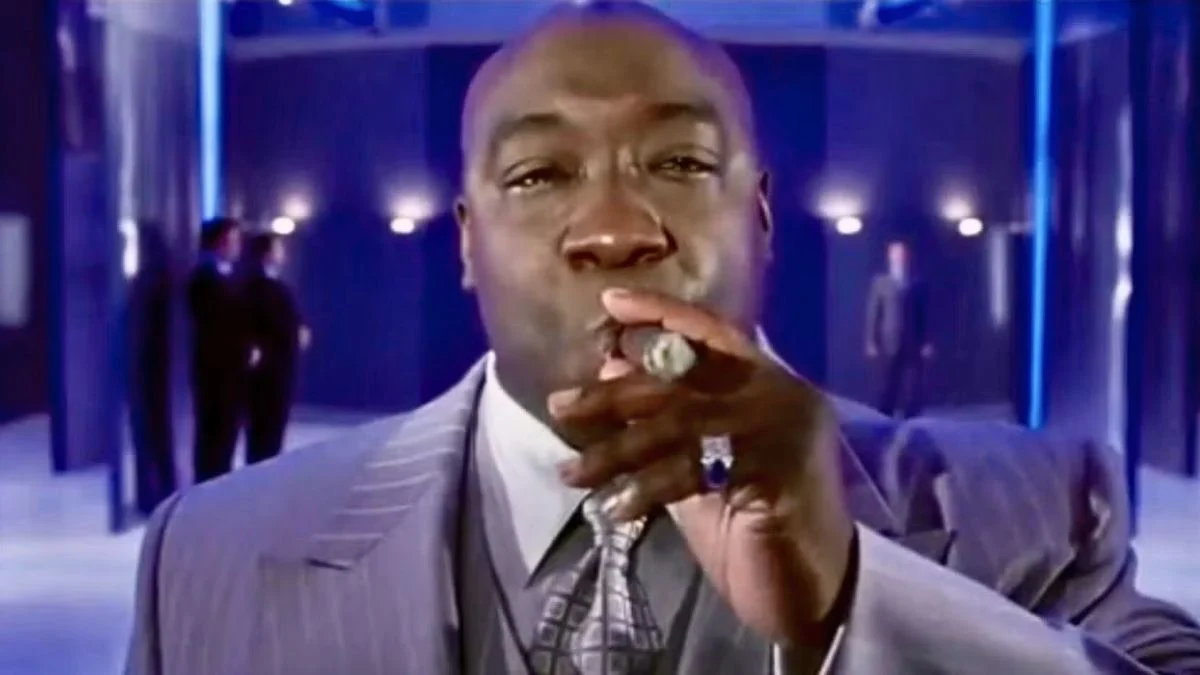
The casting of Michael Clarke Duncan as the Kingpin was one of the earliest high-profile instances of race-bending a major Marvel villain. Duncan’s imposing physique and acting ability were praised, but the decision to change Wilson Fisk’s race was met with resistance from comic purists at the time. Over time, the performance has been re-evaluated, but it remains a reference point for early 2000s casting controversies. The film’s overall poor reception prevented this iteration of the Kingpin from becoming the definitive version for fans.
‘Thor: Ragnarok’ (2017)
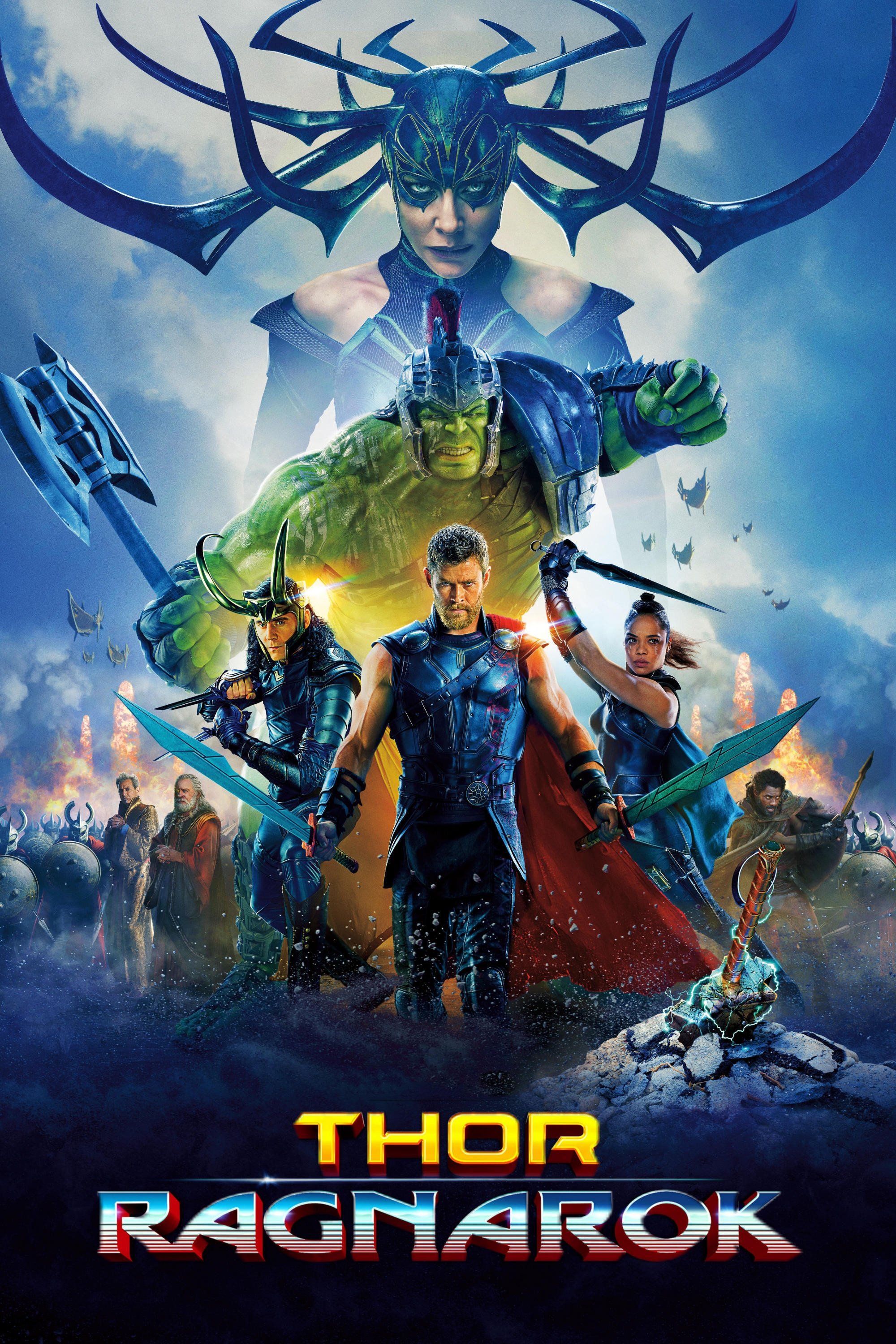
Tessa Thompson’s casting as Valkyrie reimagined the character from a blonde, white warrior to a woman of color. While the performance was energetic, the race-swap drew ire from those attached to the comic book visuals, while some Black fans critiqued the character’s depiction as a functioning alcoholic. The character’s race was a focal point of the marketing, which some viewed as corporate posturing rather than organic storytelling. Despite the film’s success, the alteration remained a point of contention for those seeking comic accuracy.
‘Spider-Man: No Way Home’ (2021)
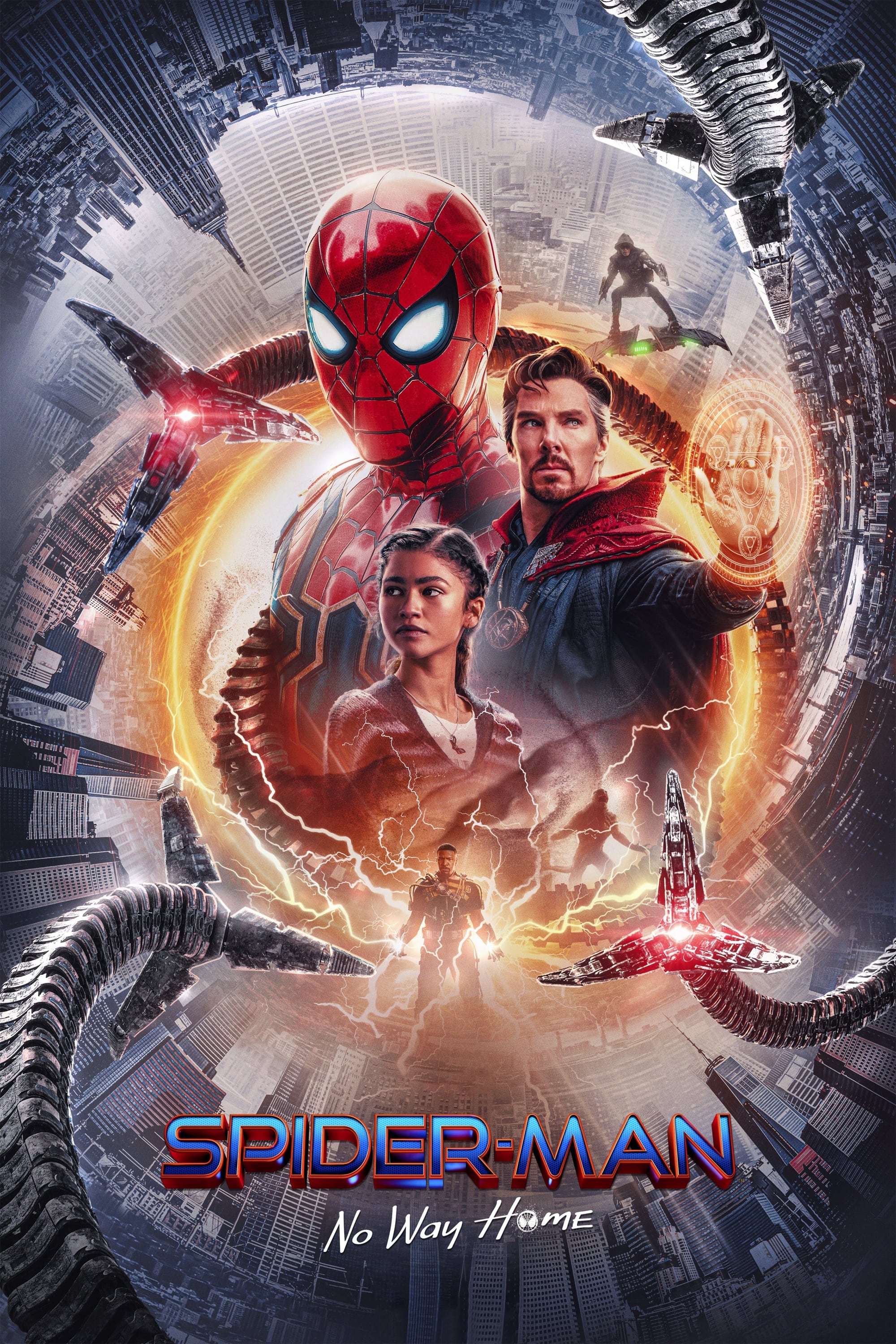
Jamie Foxx reprised his role as Electro, but with a completely different look that abandoned the blue skin and comb-over for a more grounded appearance. The character’s dialogue included a meta-commentary line about assuming Spider-Man was Black, which some viewers found pandering or unnecessary. The drastic shift in character design from The Amazing Spider-Man 2 to this film raised questions about the consistency of multiverse variants. While the removal of the blue makeup was an improvement, the character’s race-bending history in film remains complicated.
‘The New Mutants’ (2020)
In addition to Sunspot, the film featured Alice Braga as Dr. Cecilia Reyes, a character who is Afro-Latina in the comics. Braga is a talented Brazilian actress but does not share the Black ancestry or physical appearance of the comic character. This second instance of whitewashing within the same main cast compounded the frustration of Black fans who felt the film systematically erased Afro-Latino representation. The production’s disregard for the racial identities of its source material damaged the film’s reputation before it even premiered.
‘X-Men: Days of Future Past’ (2014)
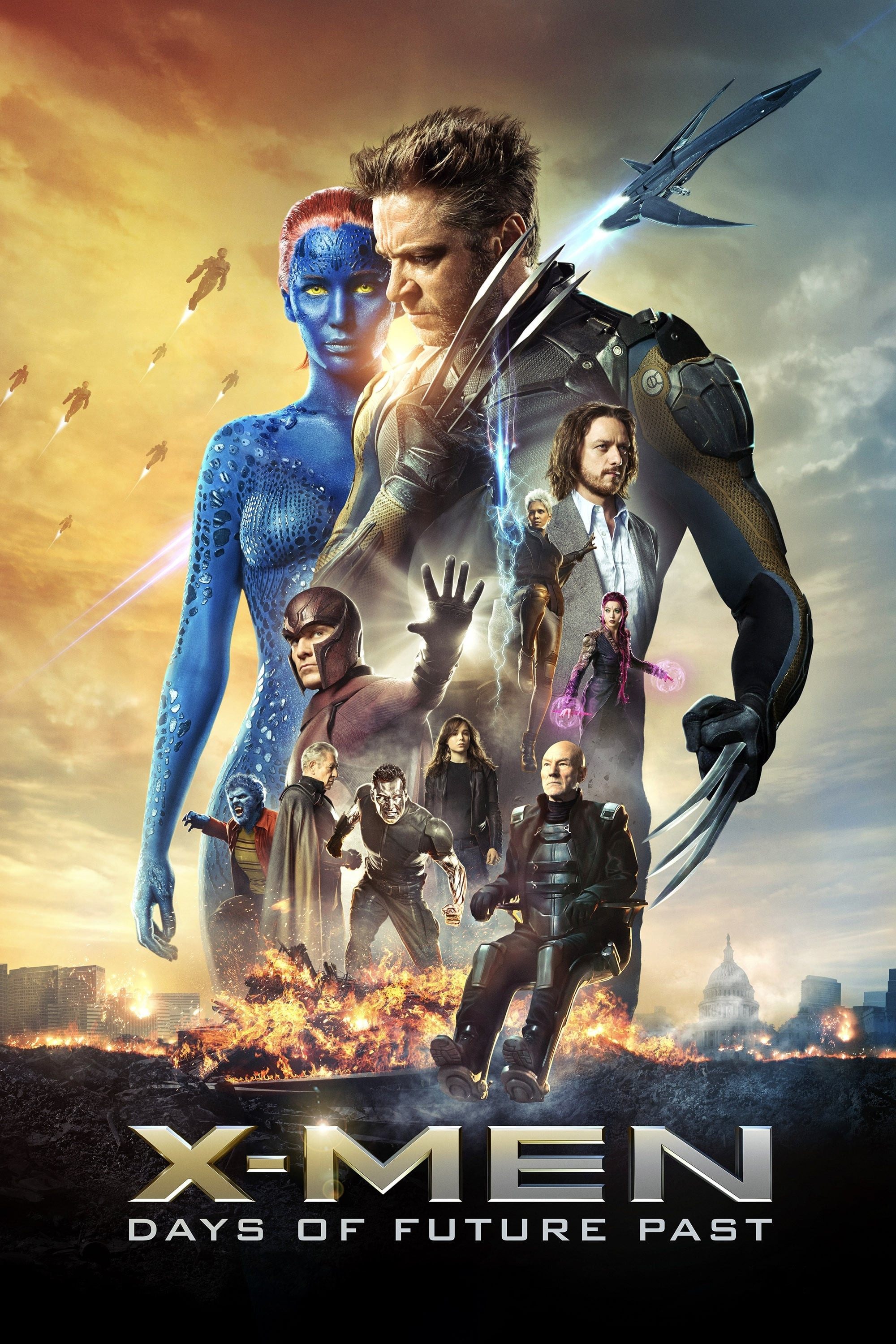
Omar Sy portrayed the mutant Bishop, a character who is Aboriginal Australian in some canons and Black American in others, but typically depicted with dark skin and textured hair. Sy’s look in the film included straight hair and a design that some fans felt did not capture the rugged, distinct aesthetic of the comic character. The limited screen time and lack of dialogue for such a major X-Men figure disappointed fans who hoped for a substantial adaptation. The portrayal was seen as a visual nod rather than a meaningful inclusion of the character.
‘Eternals’ (2021)
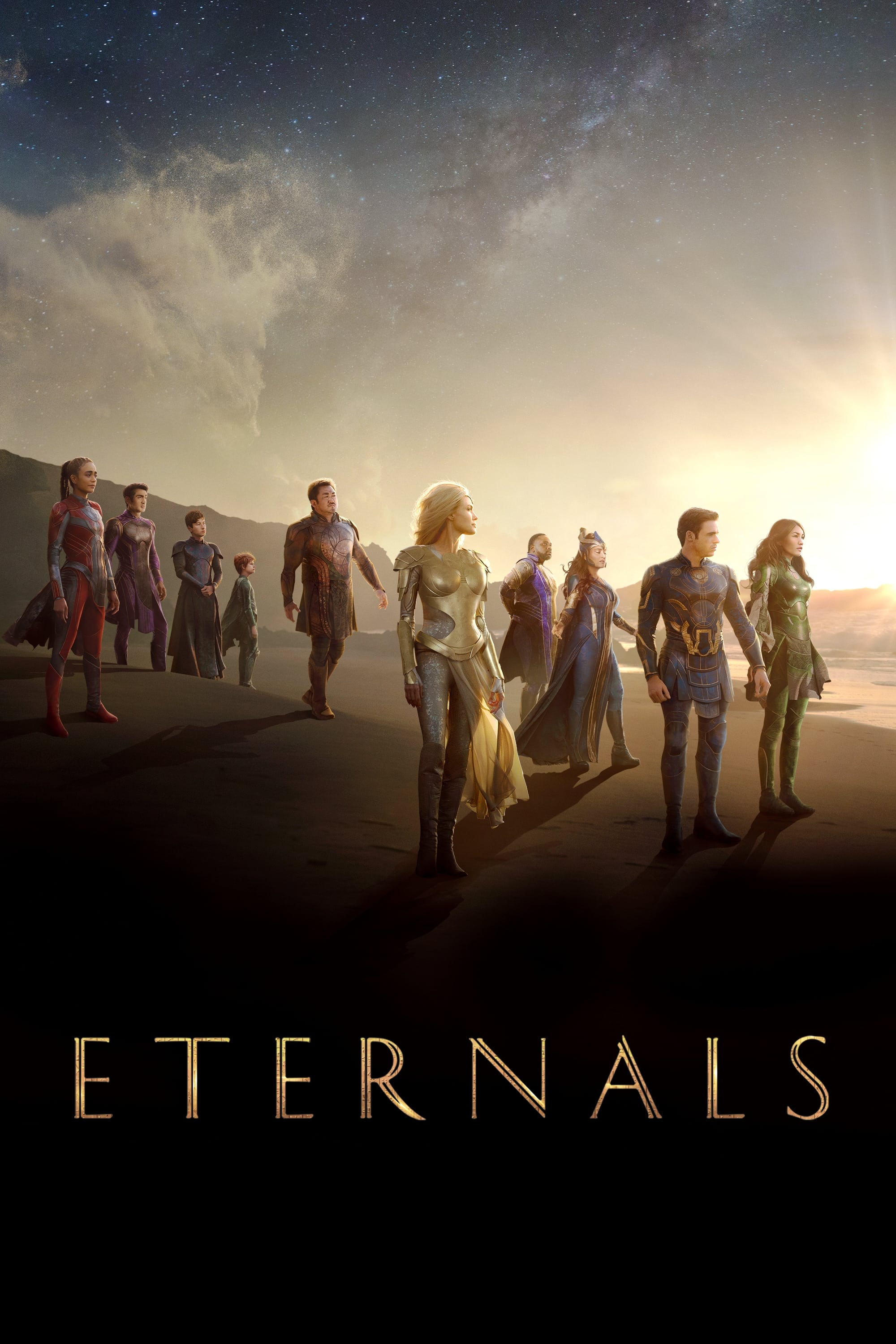
Brian Tyree Henry played Phastos, the MCU’s first gay superhero, who was reimagined as a Black man for the film. While the inclusion was historic, the film’s explanation that Phastos was responsible for advancing humanity’s technology, including the atomic bomb, was criticized for placing the burden of human atrocities on a Black character. This narrative choice complicated the representation, making it feel fraught with negative implications. Some viewers felt that the race-bending served to diversify the cast visually while assigning the character a morally compromised history.
‘Iron Man 2’ (2010)
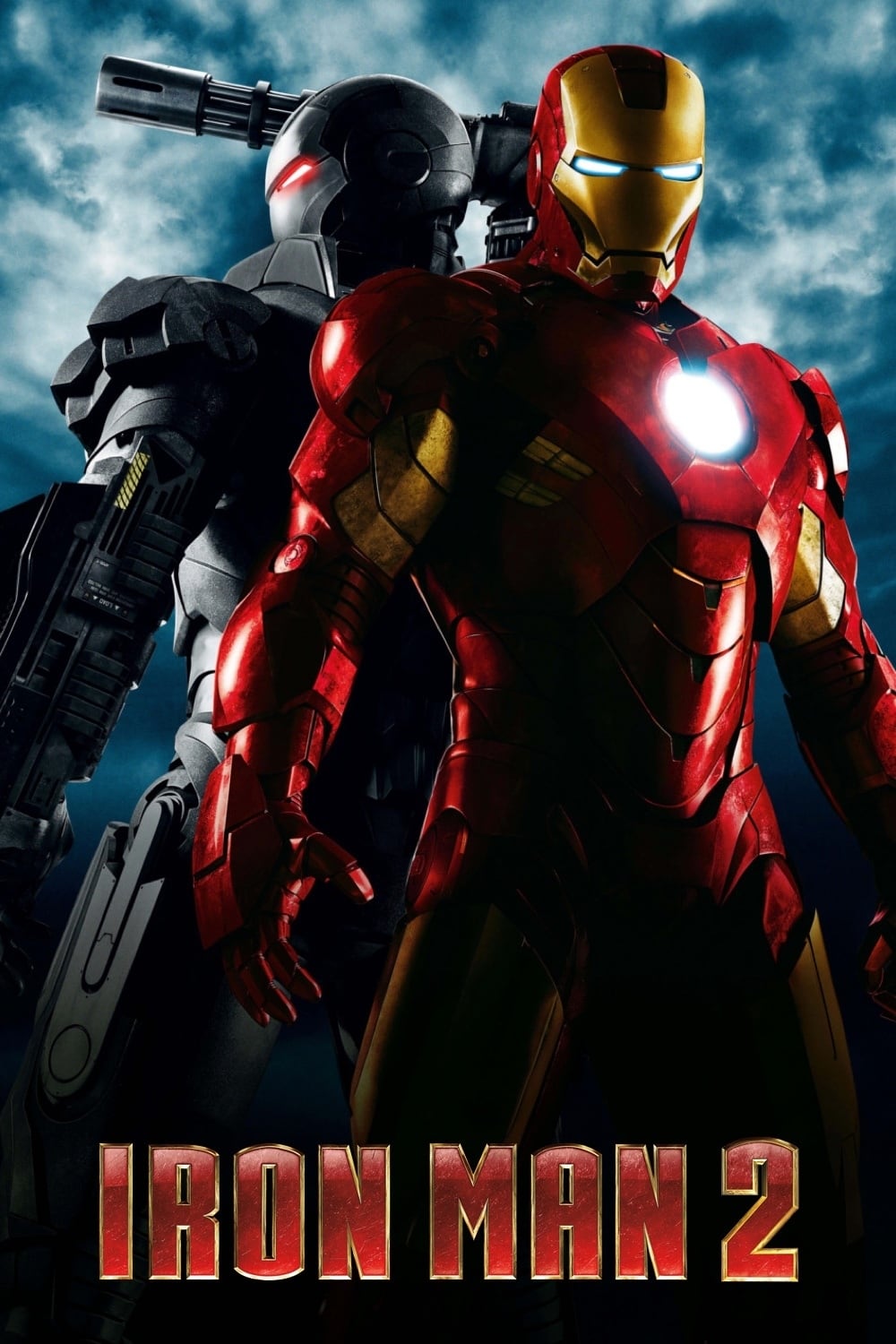
The recasting of James Rhodes involved replacing Terrence Howard with Don Cheadle, a move that sparked industry-wide discussions about the expendability of Black actors. While not a race-bend in the traditional sense, the studio’s reported reasoning—that audiences wouldn’t notice the switch—was perceived as insulting and colorist. Howard claimed he was pushed out due to salary disputes and the studio’s lack of respect for his contribution to the first film’s success. The incident remains a sore point regarding how Marvel Studios treats its legacy Black talent.
‘Ant-Man and the Wasp’ (2018)

Hannah John-Kamen was cast as Ghost, a character who is male in the comics, creating a race and gender-bent antagonist. The character’s portrayal as a suffering victim in constant pain was viewed by some critics as playing into tropes about tragic mulatto figures or traumatized women of color. The race-bending did not result in a particularly empowering role, as Ghost spent much of the film desperate for a cure from the white heroes. This dynamic led to mixed feelings about the value of changing the character’s identity.
‘Captain America: The First Avenger’ (2011)
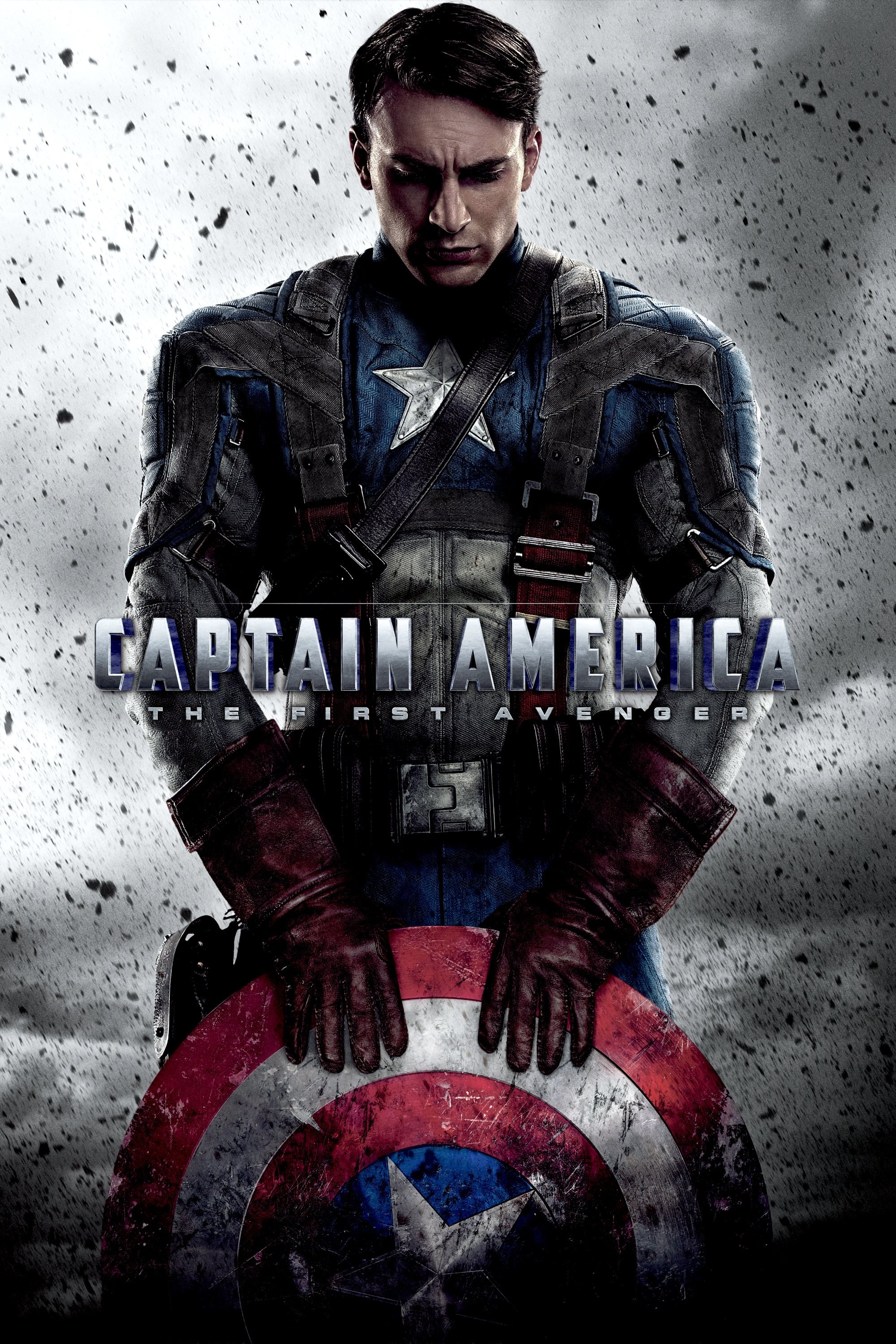
The inclusion of Gabe Jones, played by Derek Luke, as a member of the Howling Commandos integrated a Black soldier into a World War II unit that was segregated in real life. While intended to show a diverse team, the historical revisionism was critiqued for glossing over the realities of racism in the 1940s. The character was given little development or backstory compared to his white counterparts. For some, this “colorblind” approach to history erased the struggle of Black soldiers during that era.
‘Venom: Let There Be Carnage’ (2021)
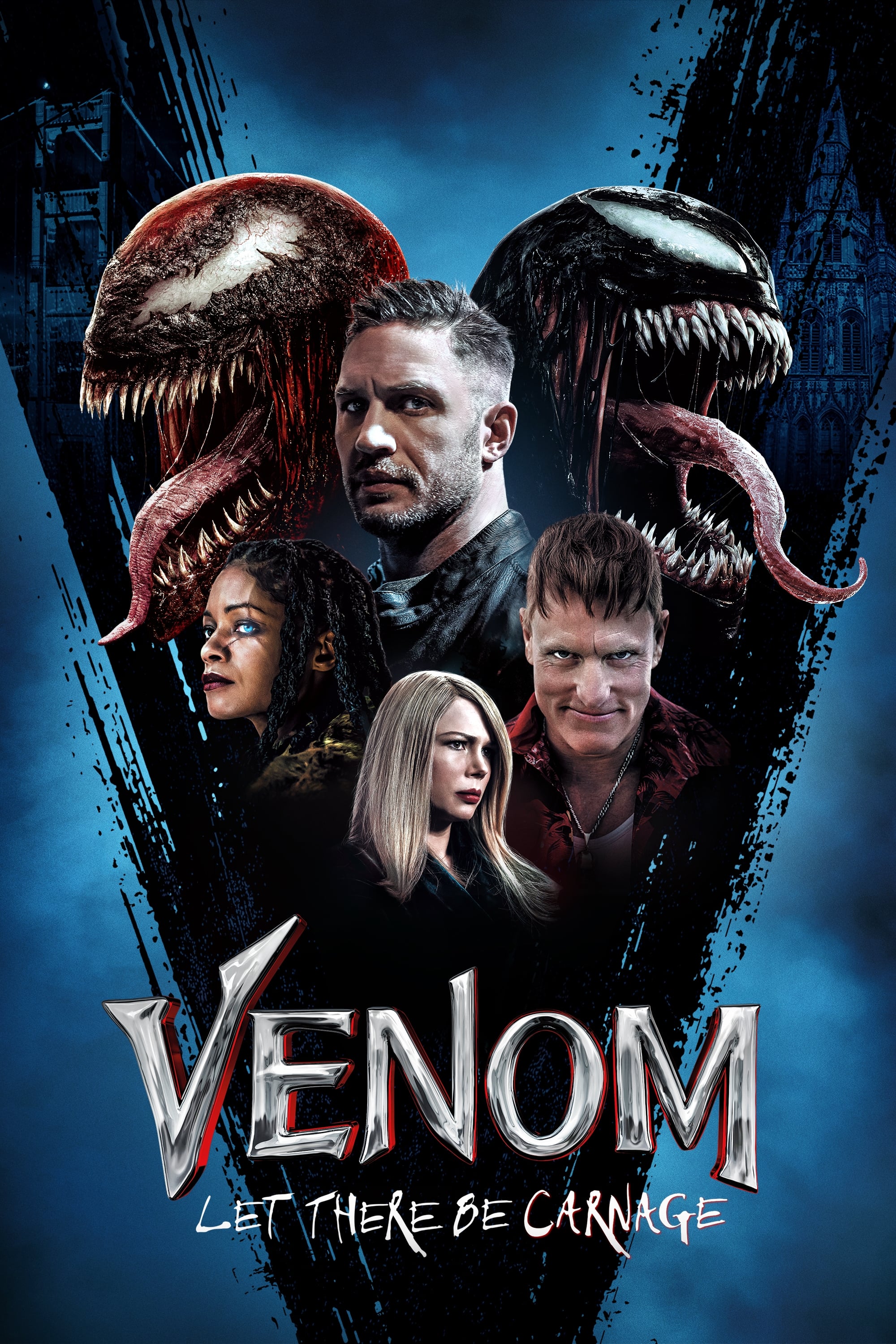
Naomie Harris played Shriek, a villain race-bent from the comics to align with the casting. Her character was depicted as imprisoned and silenced for much of her life, which some critics found to be a regressive trope for a Black female character. The narrative focus on her being a accessory to Cletus Kasady deprived her of independent agency. The casting added diversity to the villain roster but failed to provide a character arc that avoided victimization clichés.
‘Thor: Love and Thunder’ (2022)
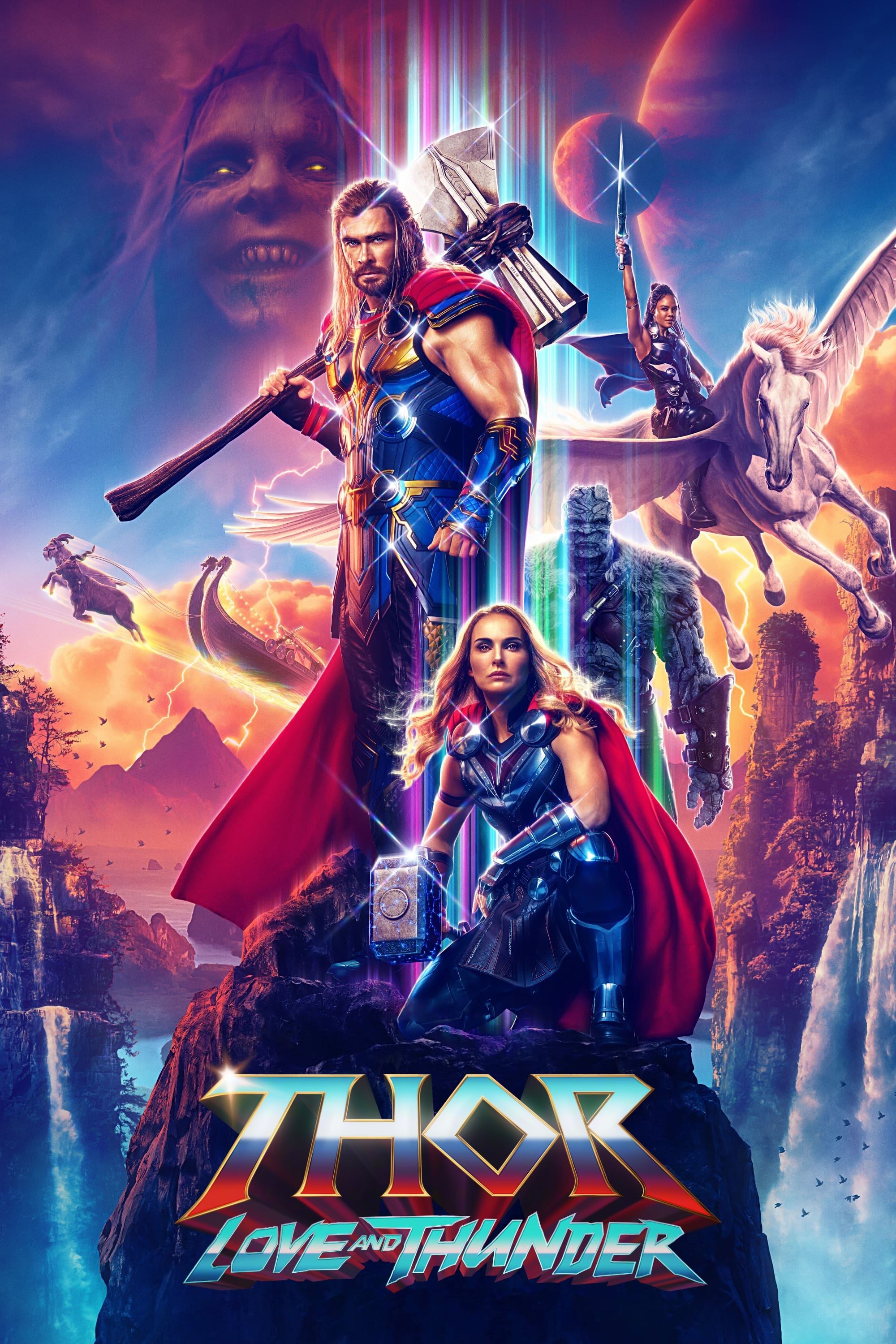
Tessa Thompson’s Valkyrie returned as the King of New Asgard, but the film’s handling of her character arc was criticized for sidelining her in favor of the main romance. Despite the “King” title, her role was largely relegated to supporting action scenes and comedic beats, rather than ruling her people. Fans who hoped the race-bent character would receive a more serious storyline were disappointed by the film’s tonal inconsistency. The promise of exploring her queer identity was also minimized, leading to accusations of queerbaiting.
‘Doctor Strange’ (2016)
While the casting of Tilda Swinton as the Ancient One is primarily cited as Asian erasure, it also alienated Black fans who stood in solidarity against whitewashing in media. The explanation that they wanted to avoid Asian stereotypes resulted in the removal of a person of color entirely, replacing them with a white woman. This logic was seen as a convenient excuse to center whiteness in a story about mystical arts. The controversy served as a rallying point for diverse fanbases demanding authentic representation.
‘Secret Invasion’ (2023)
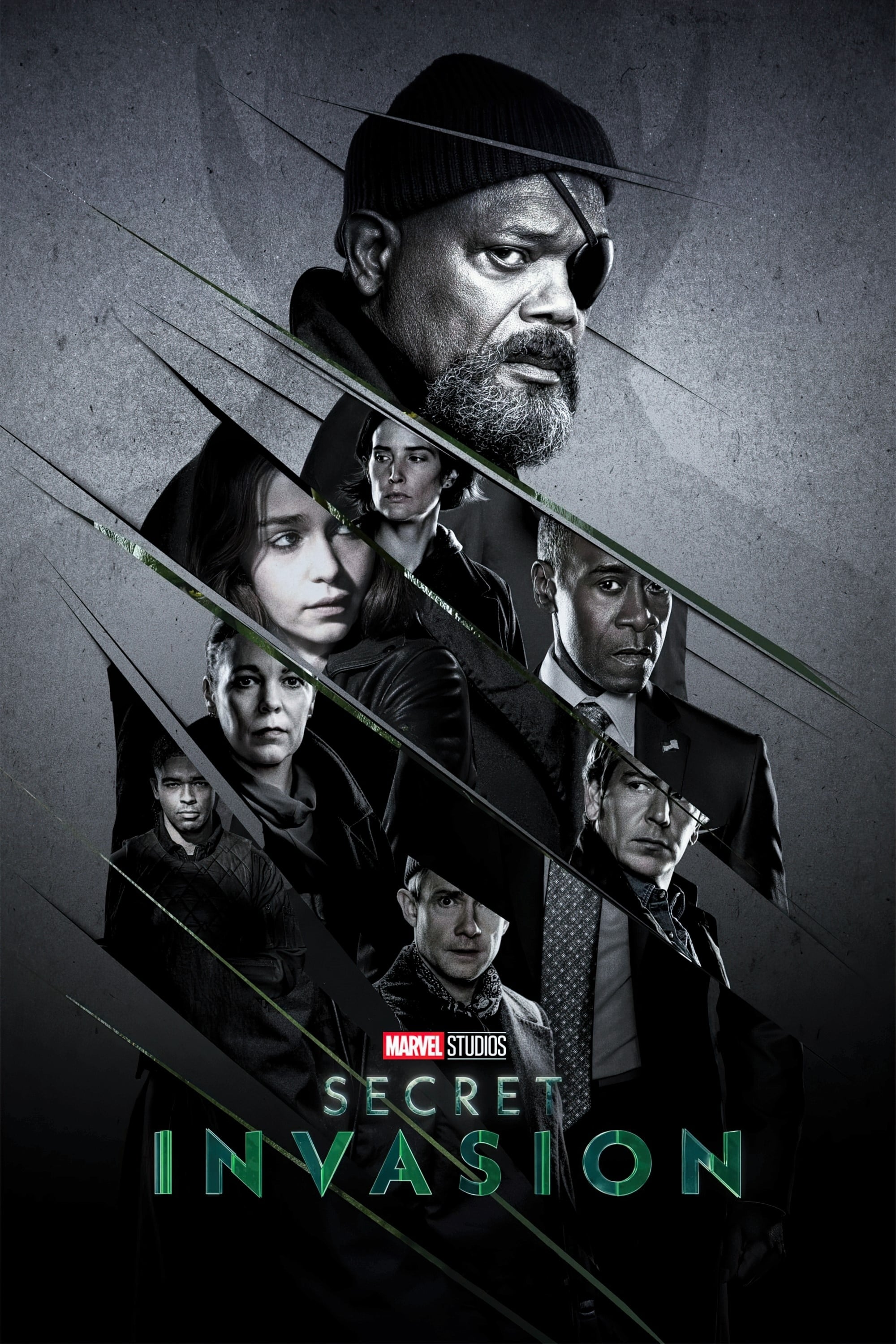
Kingsley Ben-Adir played the villain Gravik, a race-bent interpretation of the Super-Skrull concept, while Samuel L. Jackson returned as Nick Fury. The series was heavily criticized for its grim tone and the deconstruction of Nick Fury into a broken, weary man who seemingly failed without the Avengers. Black fans expressed frustration that the first project led by the MCU’s most prominent Black character depicted him as weak and past his prime. The narrative choices were seen as a disservice to the legacy of the character established over a decade.
‘Black Widow’ (2021)
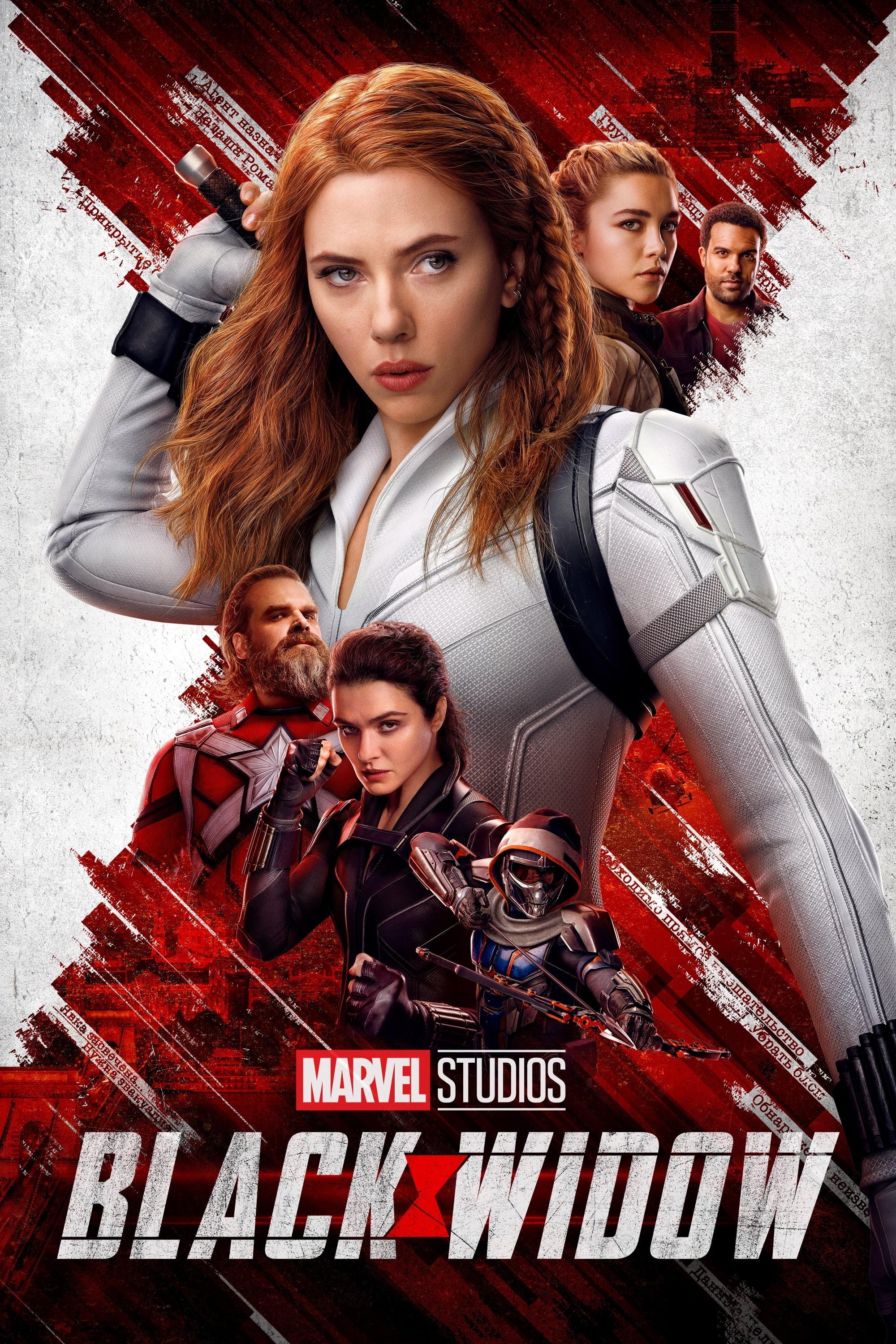
The reveal of Taskmaster as a woman, played by Olga Kurylenko, was a significant departure from the comics, but the character remained white despite the mask often allowing for ambiguous casting interpretation. However, the controversy lies in the complete removal of the character’s agency, turning a formidable mercenary into a silent, mind-controlled drone. Fans of the comic character felt the adaptation ruined the source material. The change stripped the character of the personality that made him popular, rendering the identity underneath the mask irrelevant.
‘Marvel’s Iron Fist’ (2017)

The Netflix series faced immense backlash for casting Finn Jones as Danny Rand, missing the opportunity to cast an Asian-American actor to subvert the “white savior” trope. While not a case of changing a Black character, the refusal to race-bend in this instance alienated Black audiences who are sensitive to narratives where a white outsider masters a culture better than its own people. The show’s handling of martial arts and culture was viewed as outdated and offensive. The controversy highlighted the demand for thoughtful updates to problematic comic origins.
‘Marvel’s Inhumans’ (2017)
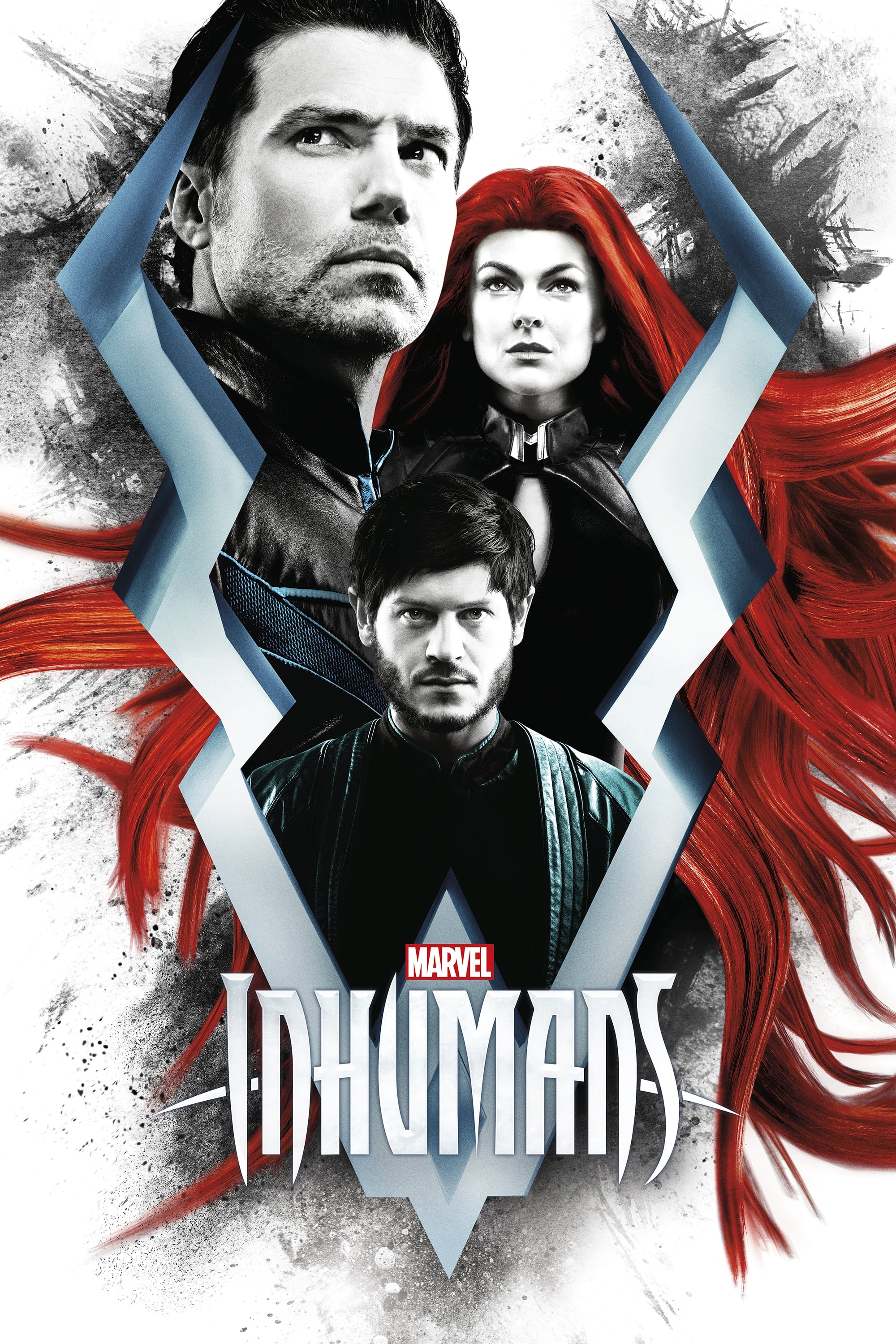
The character of Karnak was played by Ken Leung, but the show featured a diverse cast that struggled with poor writing and budget constraints. Eme Ikwuakor played Gorgon, race-bending the character to Black, but the special effects required to portray his hooves were widely mocked. The show’s failure was seen as a setback for the actors involved, as the poor quality overshadowed the diversity of the ensemble. It served as an example of how diversity cannot save a project with fundamental creative flaws.
‘Helstrom’ (2020)
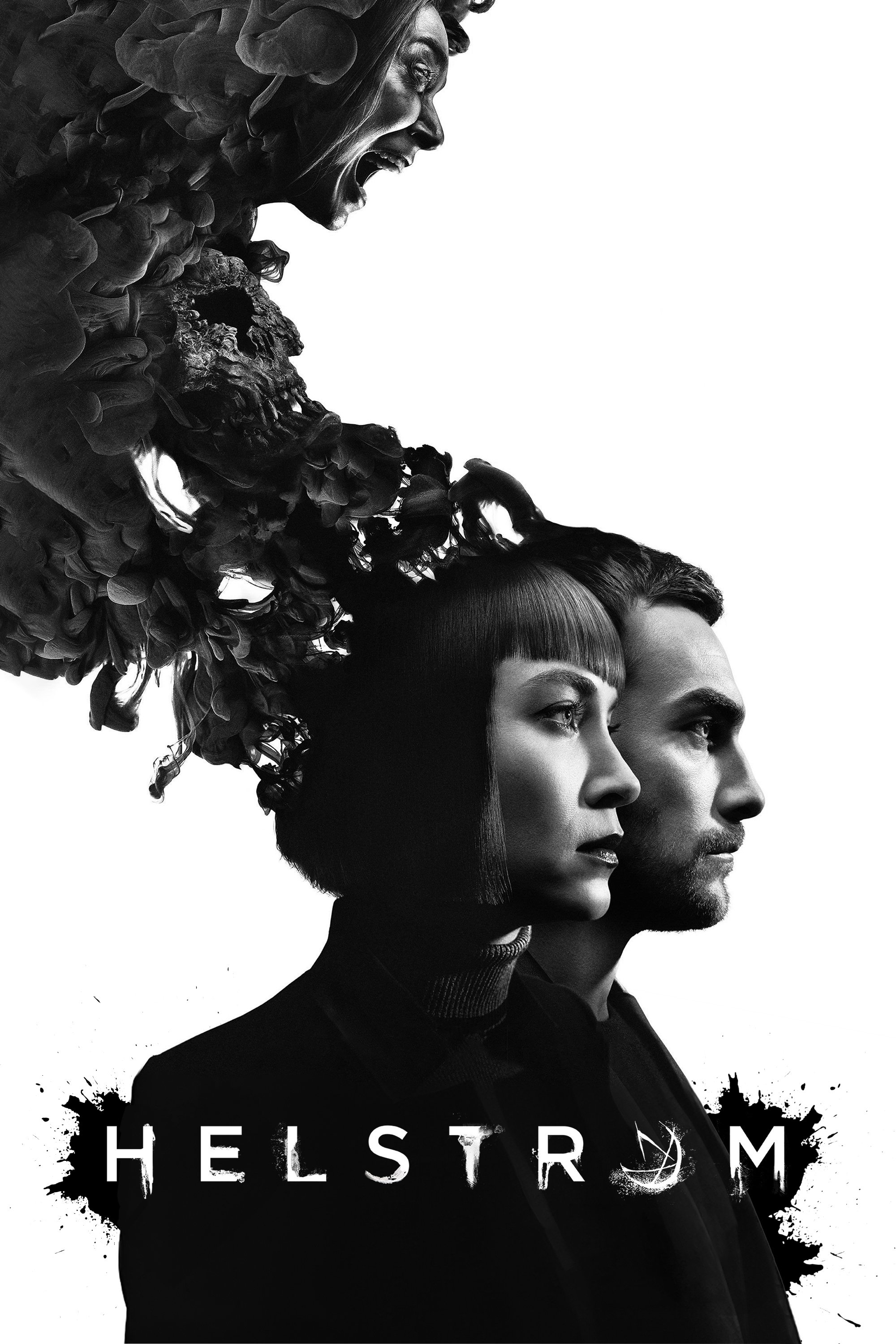
The character of Caretaker was race-bent and played by Robert Wisdom, changing a traditionally white character to Black. The series was disconnected from the main MCU and suffered from a lack of promotion and low viewership. The casting choice, while adding diversity, felt inconsequential due to the show’s immediate cancellation and lack of cultural impact. It stands as a forgotten footnote where race-bending occurred but failed to garner any significant fanbase or praise.
Share your thoughts on which changes worked and which didn’t in the comments.