


The 25 Most Anti-Black Comments From Black A-Listers

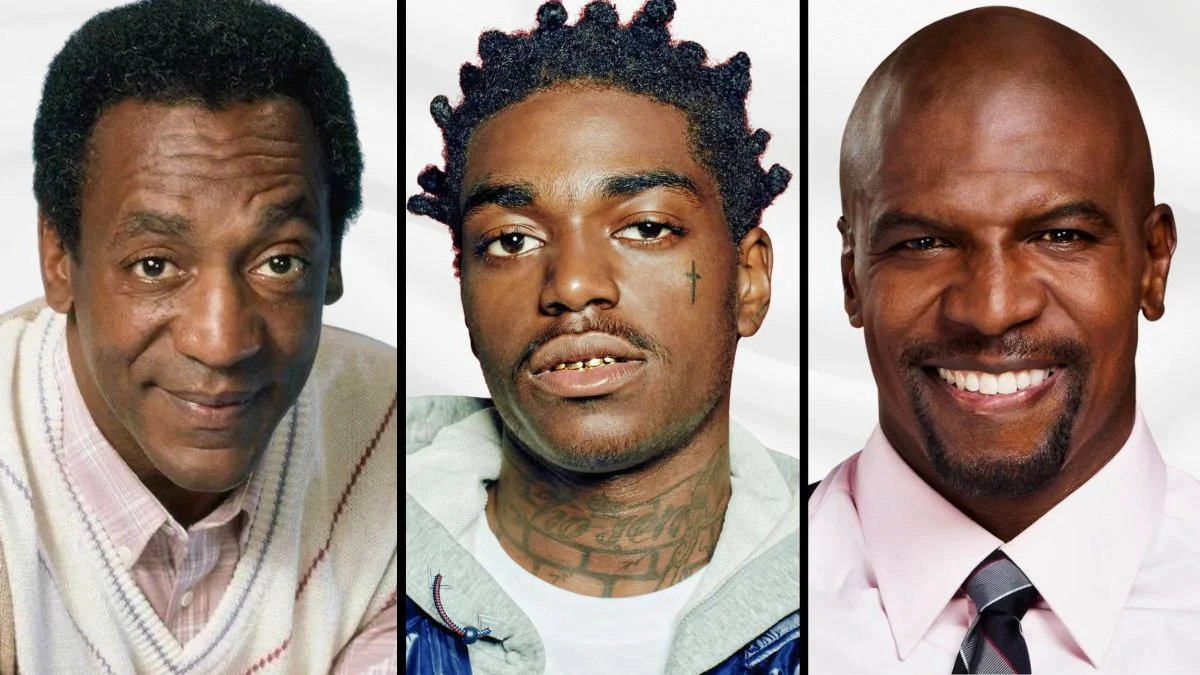


Navigating the intersection of celebrity and racial identity often leads to intense public scrutiny. This list explores moments when prominent Black figures made statements that sparked significant controversy and backlash within their own communities. These instances range from dismissals of historical oppression to critiques of cultural aesthetics and modern social movements. The following examples highlight times when comments were widely perceived as harmful or disparaging to Black people.
Ye
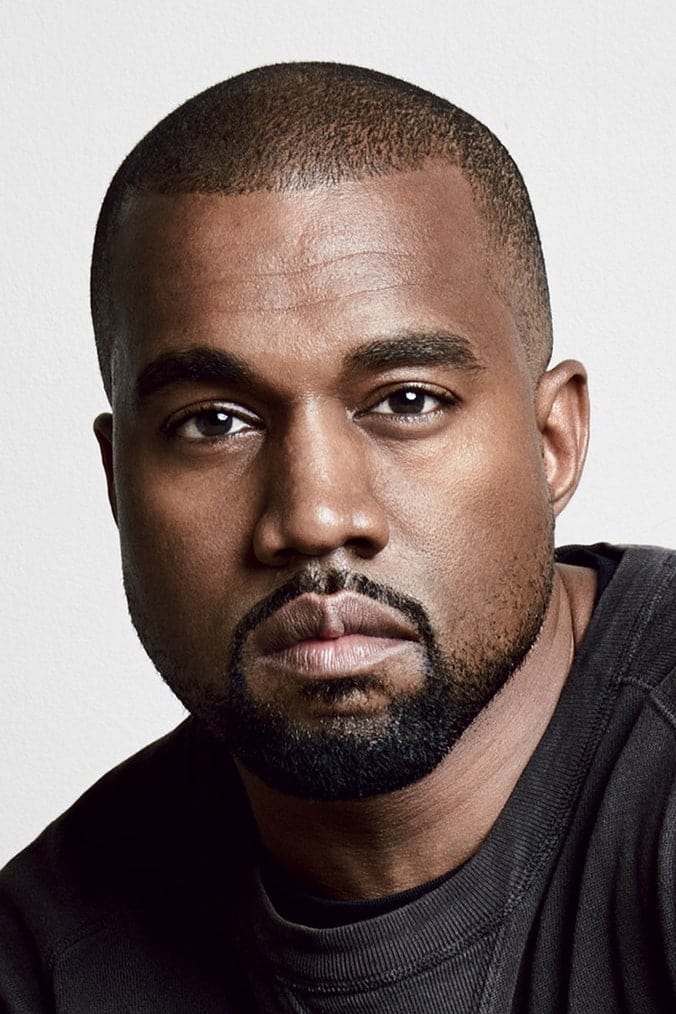
Kanye West caused a media firestorm during an appearance on TMZ Live when he suggested that slavery was a choice. He argued that four hundred years of servitude sounded like a mental imprisonment rather than a forced condition. Historians and activists immediately rebuked his statement for ignoring the brutal reality of chattel slavery and systemic violence. The comment alienated many fans who felt he was disrespecting the suffering of ancestors to make a philosophical point.
Bill Cosby
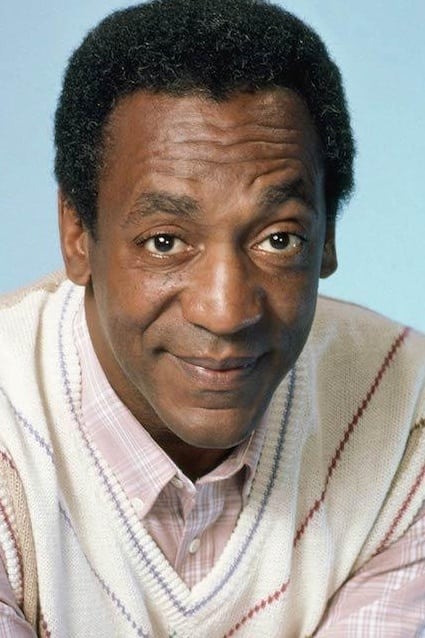
Bill Cosby delivered a controversial address known as the Pound Cake speech during an NAACP awards ceremony. He criticized lower-income Black Americans for their dress codes and parenting styles and naming conventions. Cosby argued that the community was failing to uphold the values of the civil rights movement by not seizing opportunities. Many critics viewed his remarks as elitist and an example of respectability politics that blamed systemic victims for their poverty.
Raven-Symoné
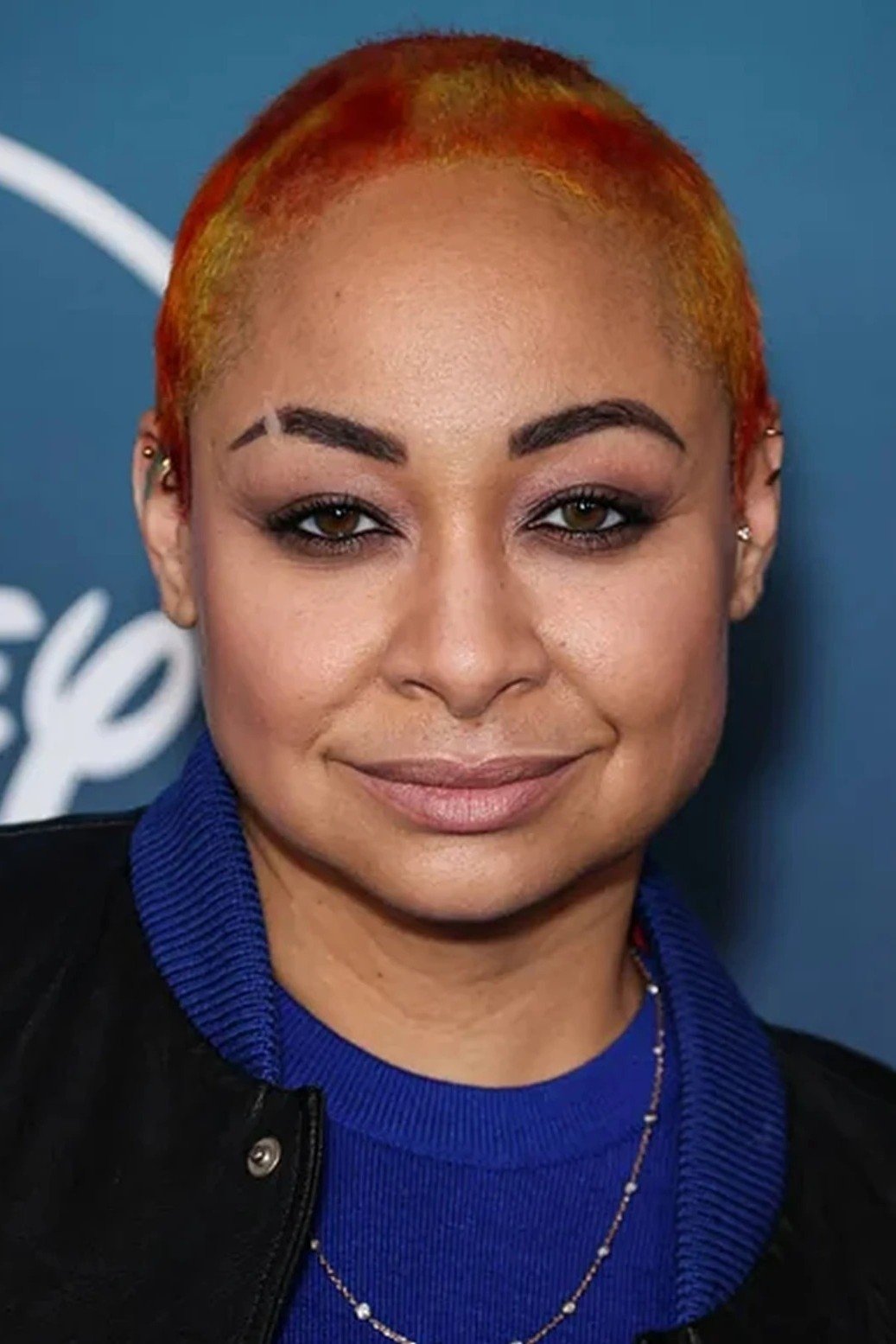
Raven-Symoné sparked a debate on identity when she told Oprah Winfrey that she did not want to be labeled as African American. She expressed a desire to be recognized simply as an American and rejected racial categorization entirely. This declaration was met with criticism from those who felt she was attempting to distance herself from her Black heritage. The conversation highlighted the tension between personal identity and the social reality of race in America.
Stacey Dash
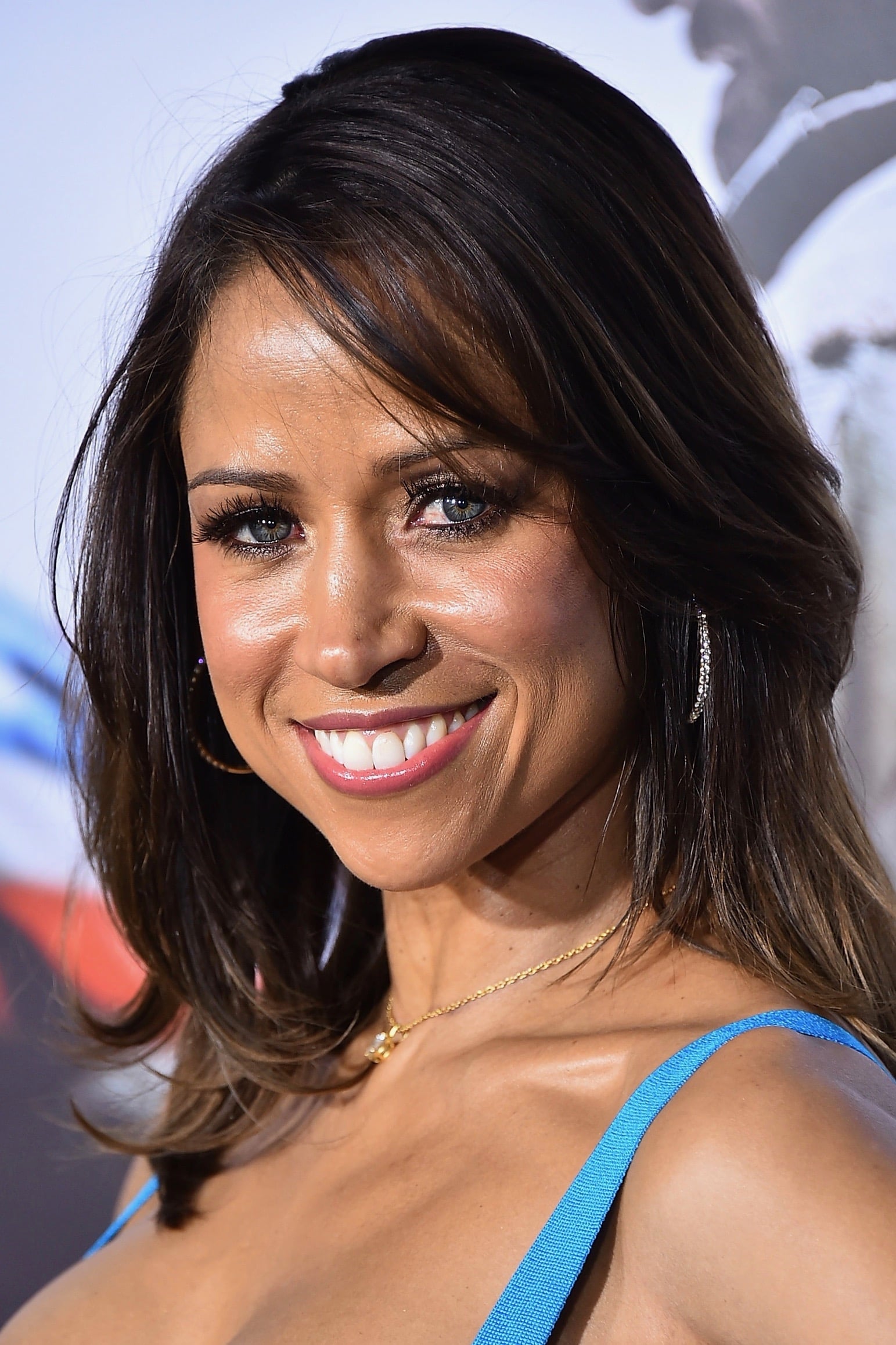
Stacey Dash drew ire when she called for the elimination of Black History Month and the BET network. She argued that these institutions promoted segregation rather than inclusion and that true equality meant removing specific designations. Her comments were widely condemned by Black media figures who noted the lack of representation in mainstream outlets. Dash faced professional consequences and social isolation within the industry following her remarks.
Lil Wayne
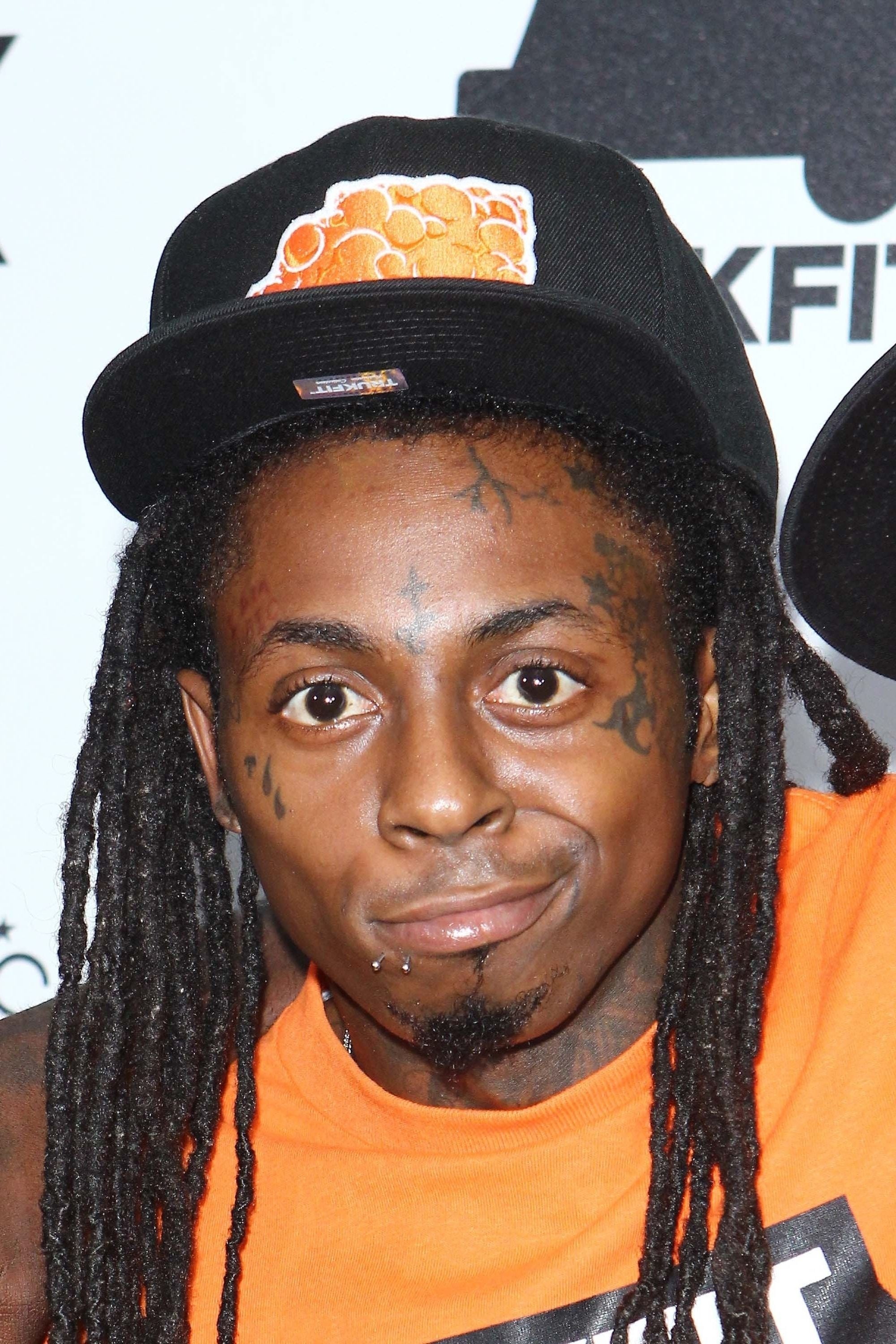
Lil Wayne dismissed the Black Lives Matter movement during an interview by claiming it had nothing to do with him. He pointed to his own financial success as proof that racism did not affect his life or career. The rapper stated that his status as a rich Black man meant that the social issues being protested were irrelevant to his reality. Activists expressed disappointment that an influential hip-hop artist would disconnect himself from the struggles of his community.
Morgan Freeman
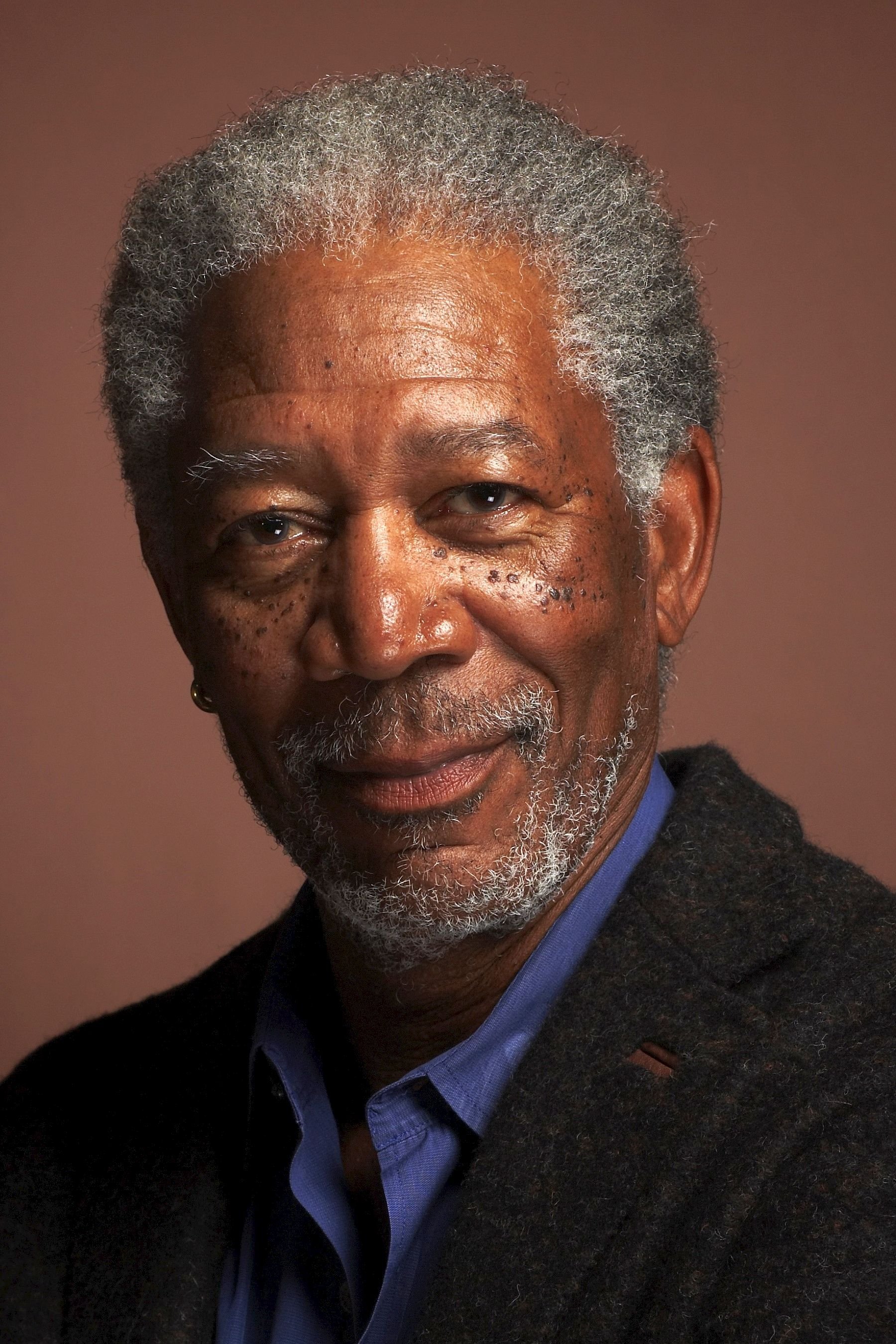
Morgan Freeman famously argued during a 60 Minutes interview that the best way to stop racism is to stop talking about it. He labeled Black History Month as ridiculous and questioned why there was no white history month. His perspective was praised by some conservatives but criticized by many Black scholars who felt it ignored systemic inequality. Freeman suggested that focusing on race only perpetuates the divide between people.
Gilbert Arenas
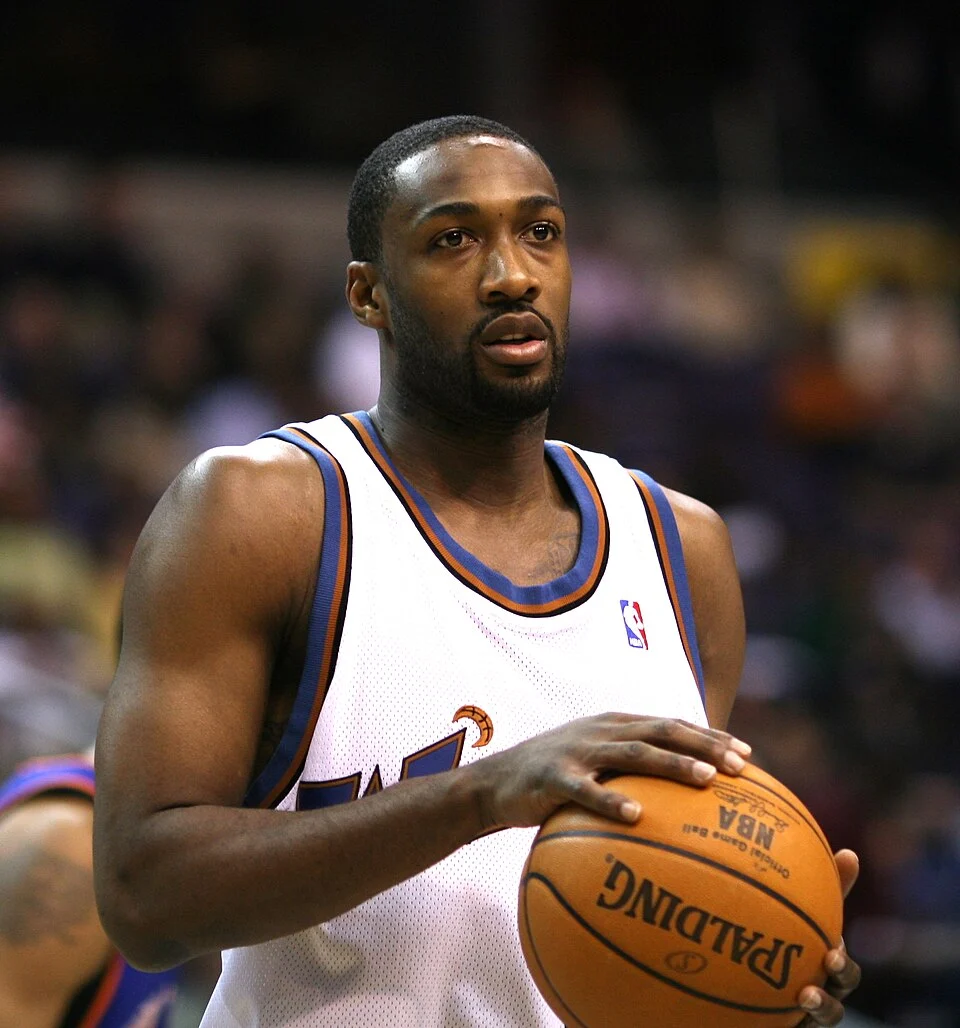
Gilbert Arenas posted disparaging comments on social media regarding the complexion of dark-skinned Black women. He specifically targeted Lupita Nyong’o and claimed that very few people desire women with deep skin tones. These statements fueled a heated conversation about colorism and misogynoir within the Black community. Arenas eventually offered an apology after facing widespread condemnation for his hurtful rhetoric.
A$AP Rocky
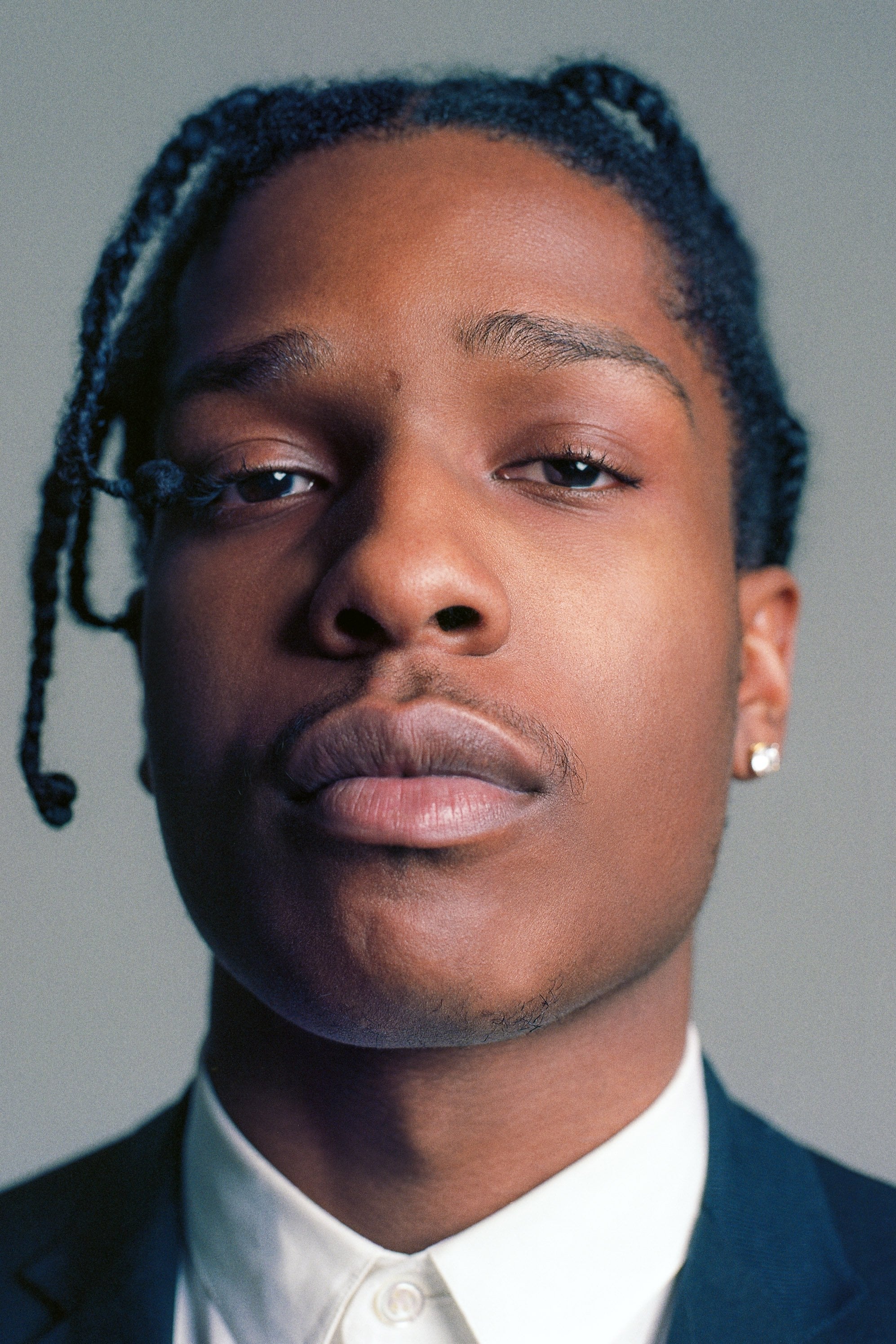
A$AP Rocky faced backlash after an interview where he distanced himself from events in Ferguson following the shooting of Michael Brown. He questioned why he should be forced to address political issues just because he is a Black celebrity. The rapper stated that he did not sign up to be a political activist and preferred to focus on his art and fashion. Many fans felt his comments showed a lack of empathy for the racial injustice occurring in the country.
Pharrell Williams
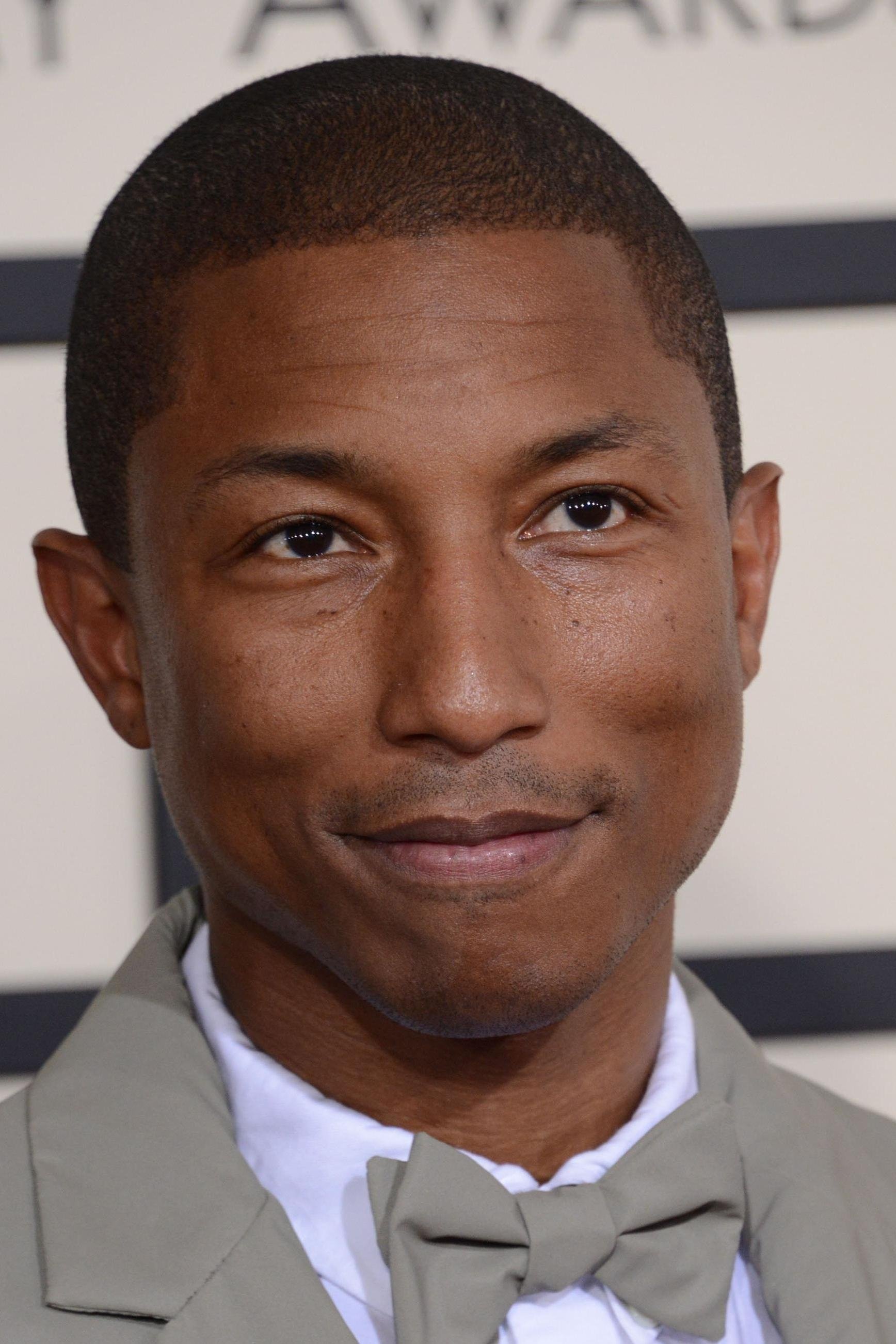
Pharrell Williams coined the term New Black to describe a generation that he believed had moved past seeing race as a burden. He argued that this new demographic did not blame others for their problems and focused on individual achievement. Critics argued that his concept ignored the persistence of institutional racism and catered to white comfort. The backlash forced a conversation about whether economic success truly insulates one from racial prejudice.
Terry Crews
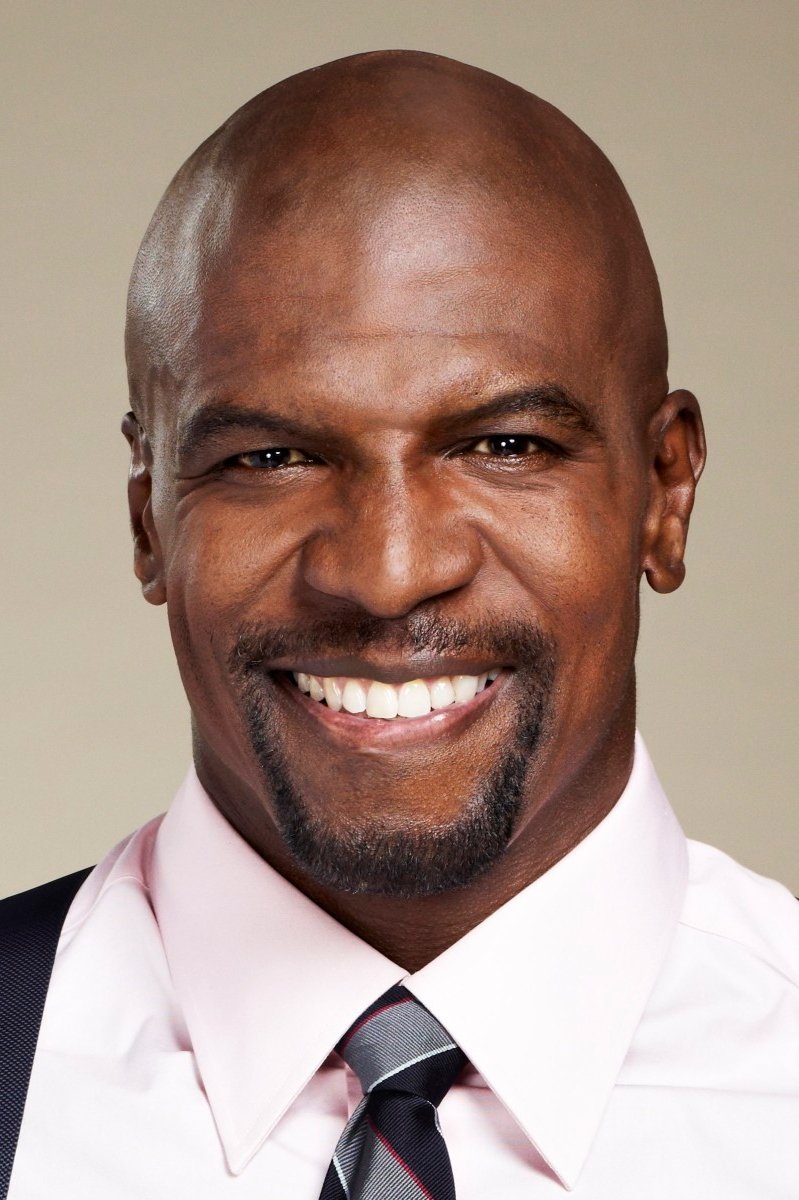
Terry Crews ignited a controversy on Twitter when he warned that the Black Lives Matter movement could morph into Black supremacy. He argued that defeating white supremacy without white people would create a new form of oppression. His comments were met with confusion and anger from activists who pointed out the power imbalance between the groups. Crews spent weeks defending his position against peers who felt he was undermining the movement.
Kodak Black
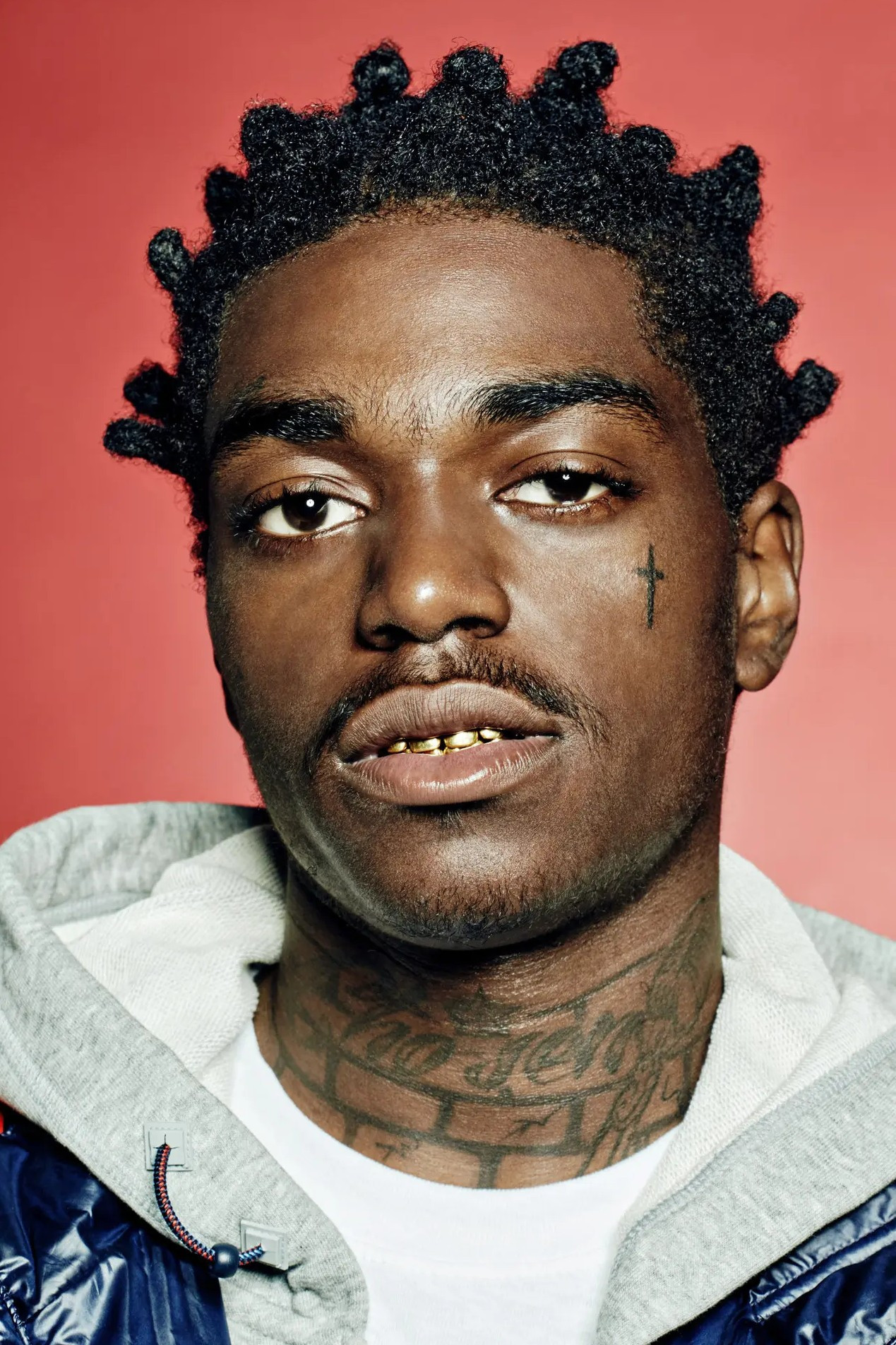
Kodak Black made several derogatory statements regarding Black women and his preference for lighter skin. He explicitly stated that he did not find dark-skinned women attractive and suggested they were less desirable than other races. His comments were viewed as a clear example of internalized colorism that perpetuates harmful beauty standards. The rapper faced significant criticism from Black women who felt targeted by his exclusionary preferences.
Charles Barkley
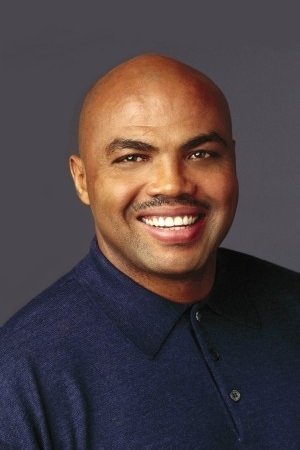
Charles Barkley consistently sided with law enforcement during protests against police brutality in Ferguson and other cities. He referred to looters as scumbags and argued that the police are the only thing standing between order and chaos in Black neighborhoods. His stance was praised by conservative media but alienated many in the Black community who felt he ignored the root causes of unrest. Barkley maintained that the community needed to take responsibility for its own issues.
Tiger Woods
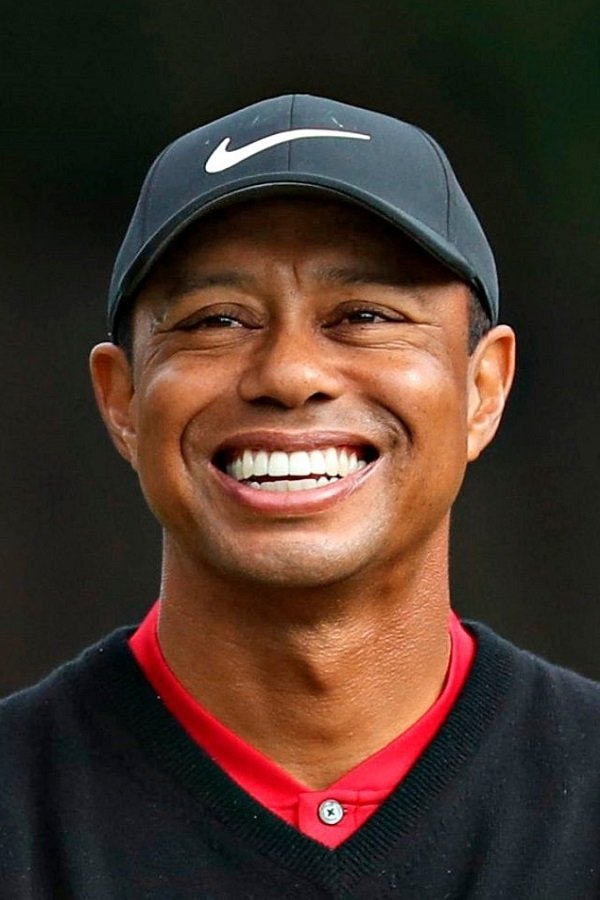
Tiger Woods famously rejected the label of African American early in his career by creating the term Cablinasian. He explained that he wanted to honor all aspects of his mixed heritage rather than being placed in a single box. While some respected his desire for accuracy his rejection of the Black label was seen by others as an attempt to escape racial stigmatization. The discussion highlighted the complexities of multiracial identity in a society that relies on the one-drop rule.
Don Lemon
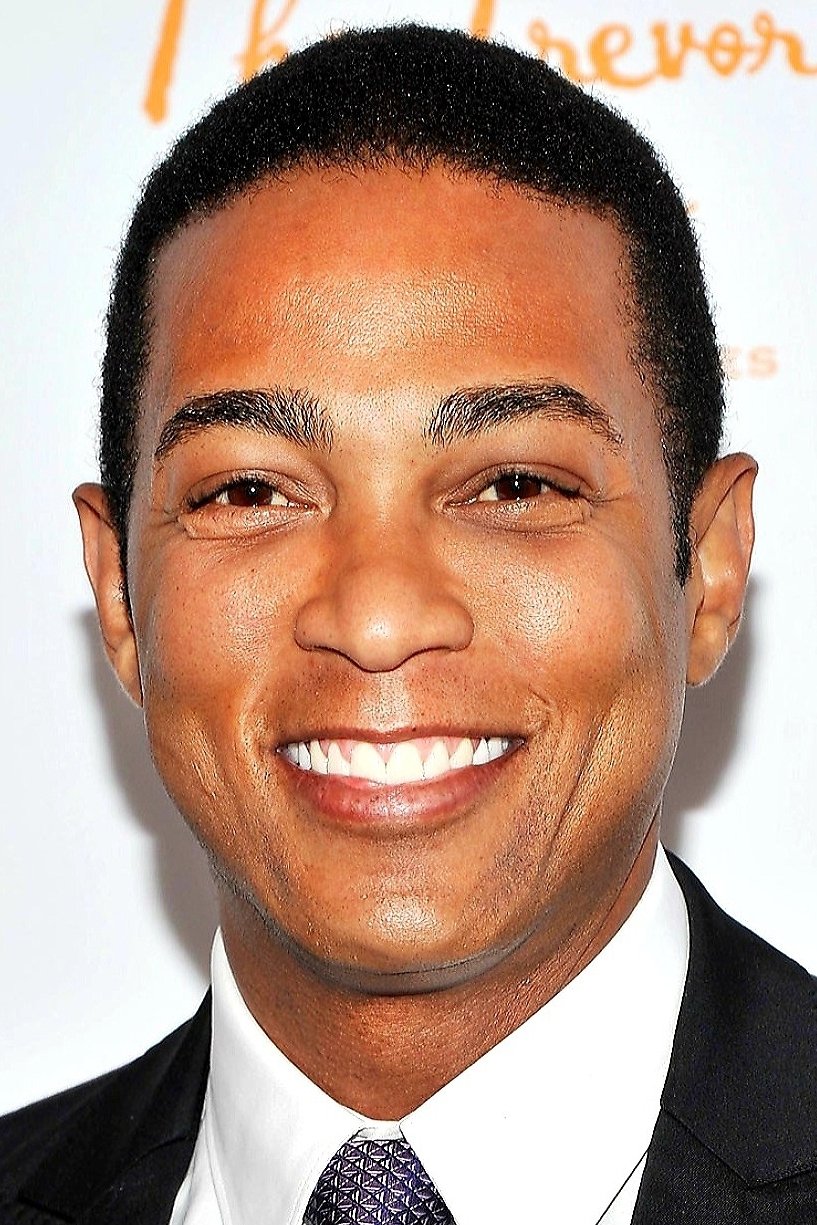
Don Lemon spent a segment on CNN criticizing the Black community for what he perceived as self-inflicted wounds. He listed behaviors such as sagging pants and littering and the use of the N-word as reasons for lack of progress. His commentary was blasted as respectability politics that shifted the blame from systemic racism to personal choices. Many viewers felt he was using his platform to validate conservative talking points against his own race.
Tyrese Gibson
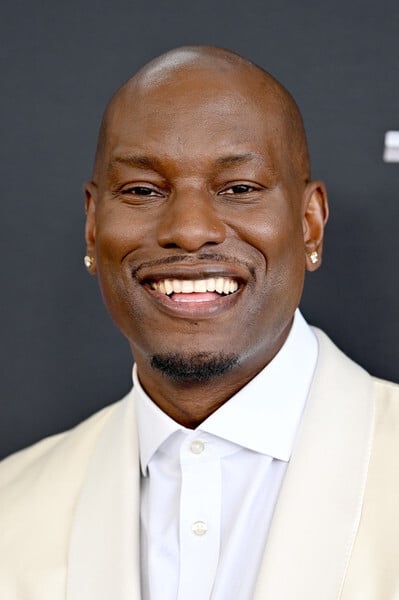
Tyrese Gibson posted a rant on social media criticizing Black women who wear weaves and manufactured hair. He claimed that men prefer natural beauty and attacked women for altering their appearance to fit European standards. The actor faced immediate backlash for policing the bodies and grooming choices of Black women. His comments were seen as hypocritical and divisive within the context of Black relationships.
Common
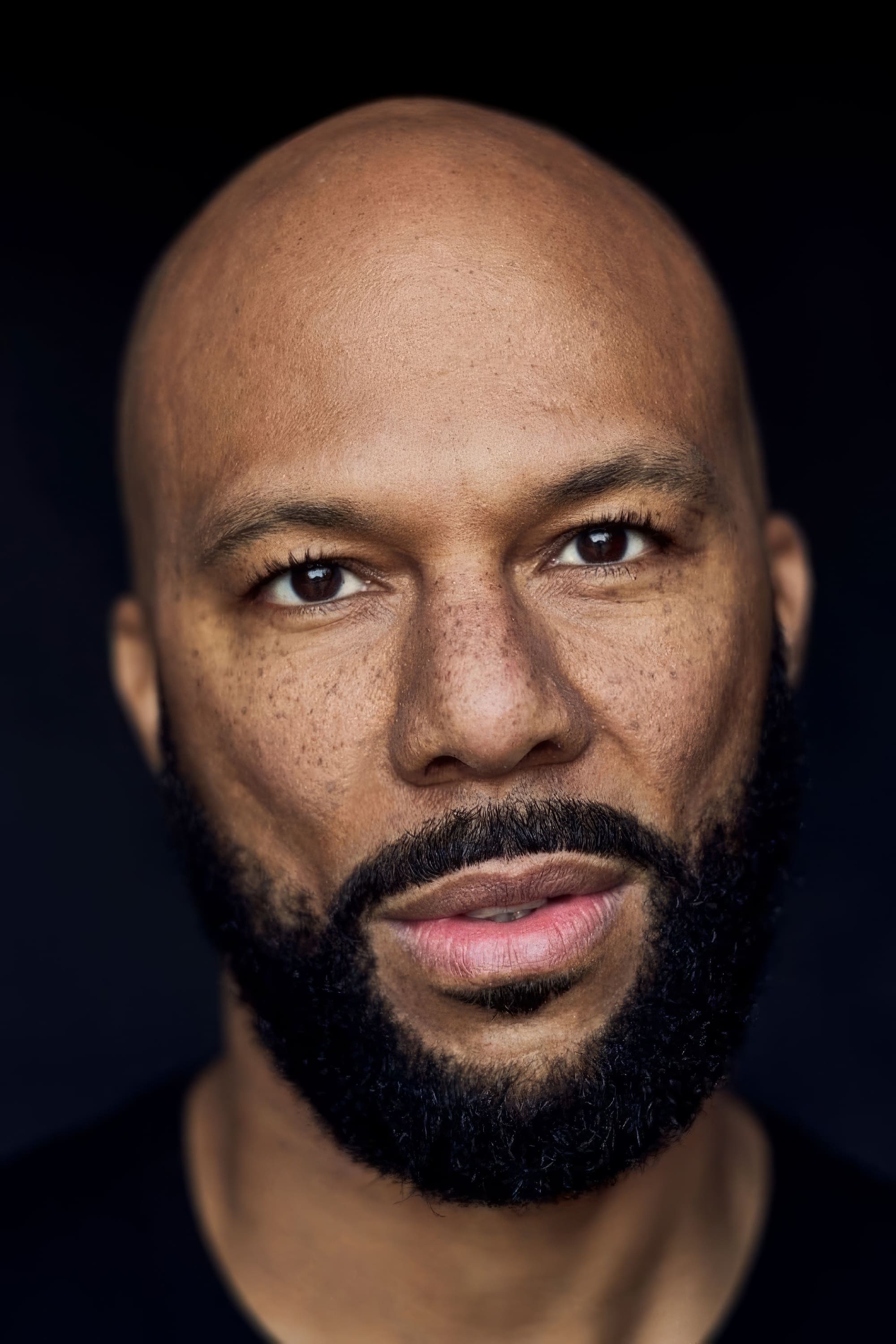
Common drew criticism when he suggested that Black people should extend a hand of love to white people to end racism. He made these remarks while discussing the film ‘Selma’ and implied that forgetting the past was necessary for progress. Many felt that his approach placed the burden of solving racism on the victims rather than the perpetrators. The rapper later clarified his stance but the initial comments left a mark on his reputation as a conscious artist.
O. J. Simpson

O.J. Simpson famously distanced himself from civil rights activism during his career by reportedly stating he was not Black but simply O.J. This attitude reflected a desire to transcend race and appeal to a broad white corporate audience. His indifference to racial issues during his peak fame was remembered bitterly by the Black community during his murder trial. The quote became a symbol of celebrities who attempt to shed their racial identity for commercial success.
Zoe Saldana
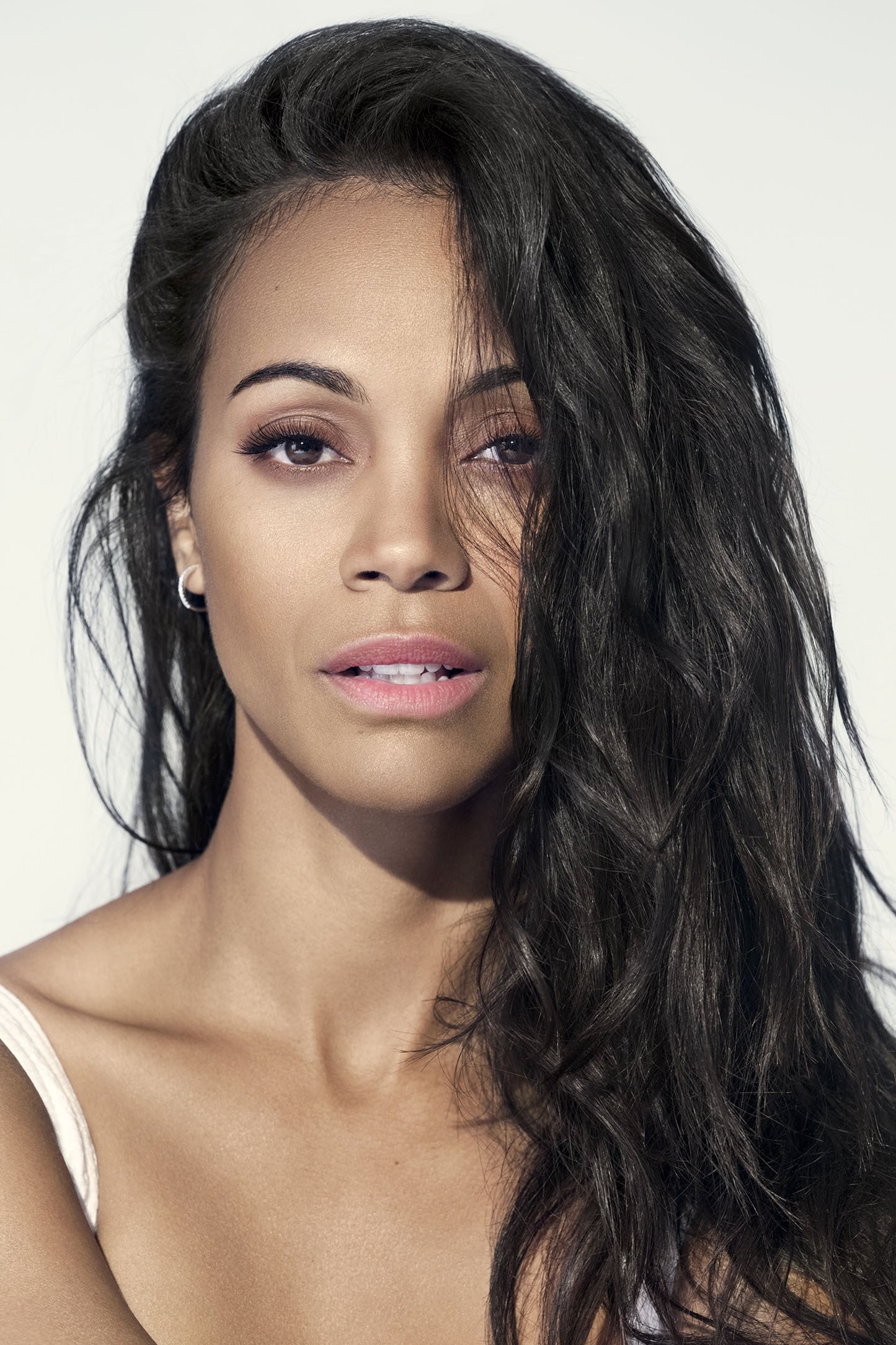
Zoe Saldana faced intense scrutiny for defending her role as Nina Simone despite needing a prosthetic nose and skin darkening makeup. She argued that there is no one way to be Black and that she had every right to tell the story of the singer. Critics felt her casting erased the specific struggles Simone faced due to her dark skin and African features. The controversy sparked a wider debate about colorism in Hollywood casting practices.
Stephen A. Smith
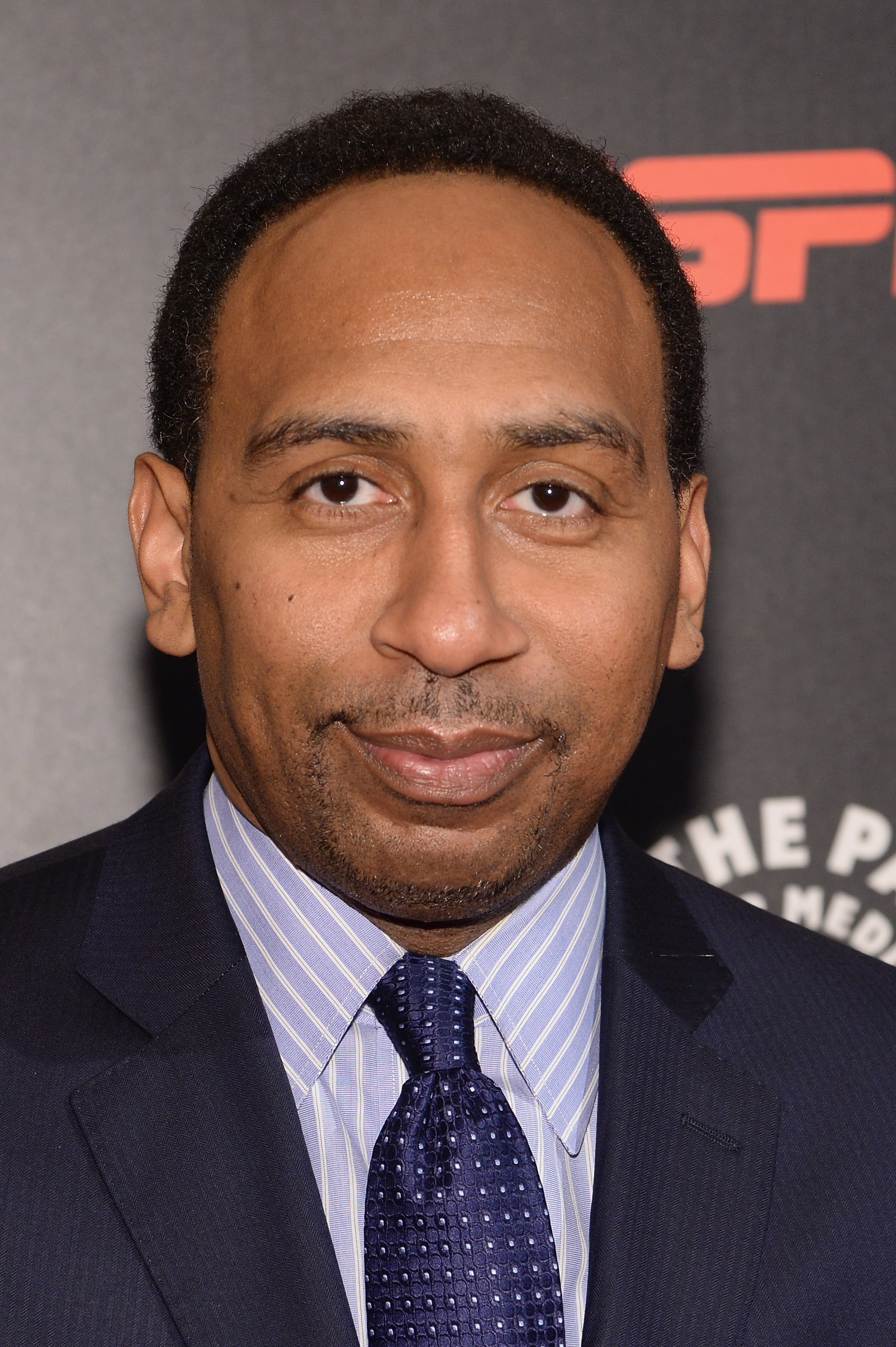
Stephen A. Smith angered many viewers when he criticized Colin Kaepernick for not voting while protesting social injustice. He argued that the quarterback betrayed his cause by failing to participate in the political process he was trying to influence. Activists felt that Smith was distracting from the core message of police brutality with a procedural critique. The commentator has frequently clashed with Black athletes over their methods of protest.
Candace Owens

Candace Owens emerged as a conservative pundit who characterized George Floyd as a criminal rather than a martyr. She produced content that attacked the character of victims of police violence and questioned the validity of systemic racism. Her rhetoric has been widely embraced by right-wing media but rejected by the majority of Black civil rights organizations. Owens consistently argues that Black culture is the primary driver of negative outcomes in the community.
Jason Whitlock
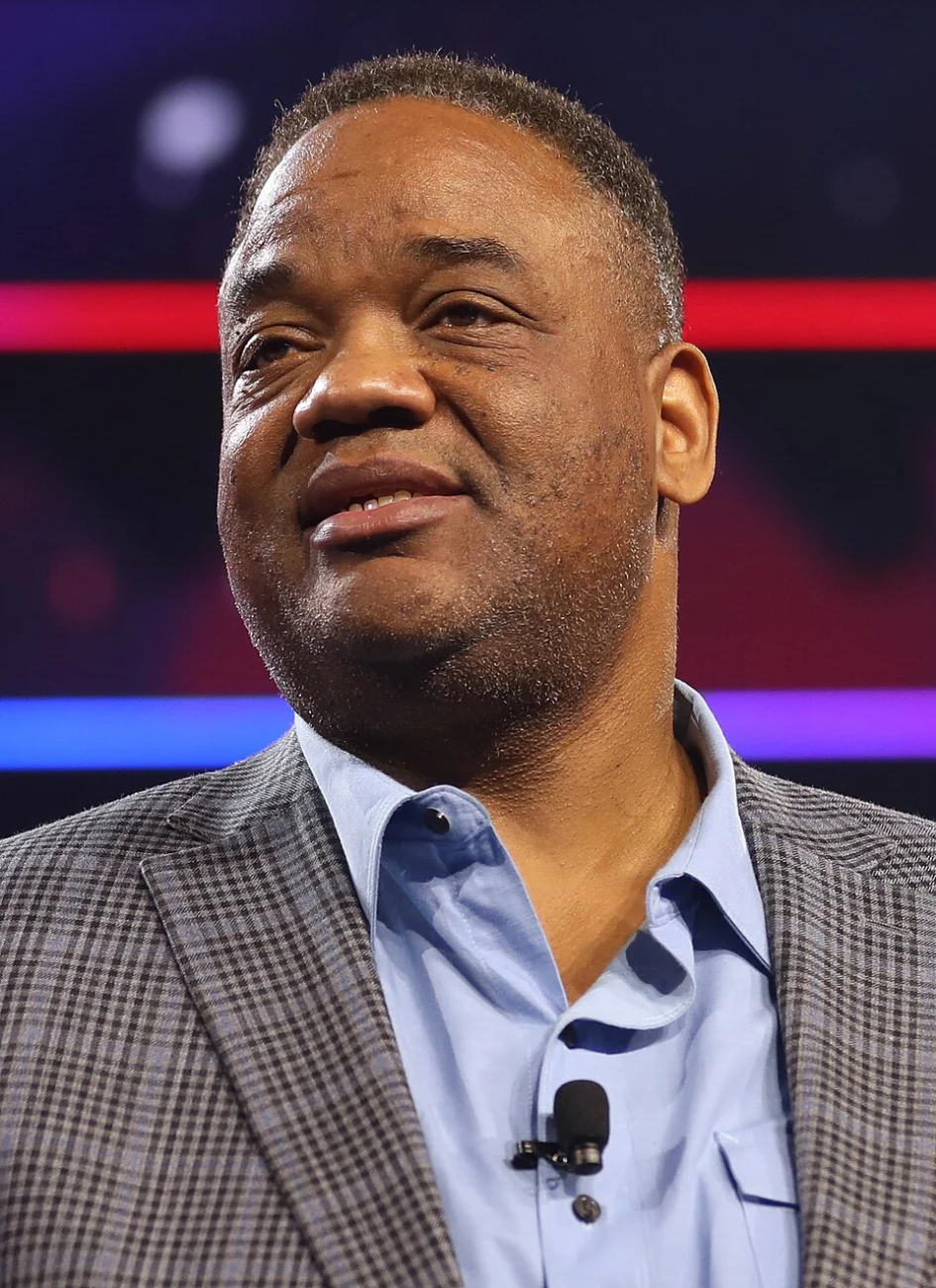
Jason Whitlock has built a career on sports commentary that frequently criticizes Black culture and athletes who speak out on social issues. He has referred to the Black Lives Matter movement as a Marxist fraud and ridiculed athletes like LeBron James for their activism. His perspectives are often cited by detractors of social justice movements as proof that racism is exaggerated. Whitlock maintains that he is a truth-teller fighting against a victim mentality.
Erykah Badu
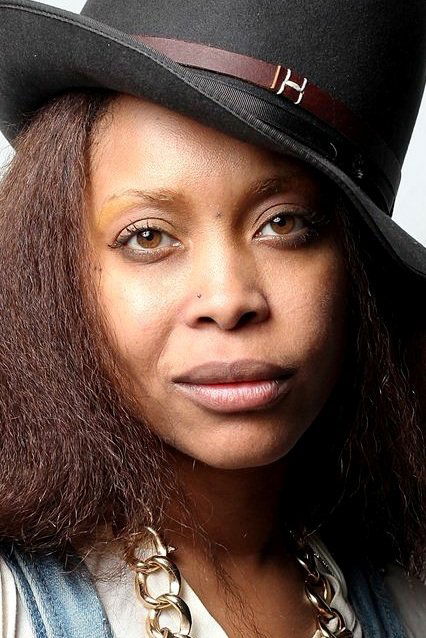
Erykah Badu shocked fans during an interview when she expressed a desire to see the good in everyone including Adolf Hitler. She argued that as a humanist she tries to find positive attributes in all souls regardless of their actions. While her intent was to express radical empathy many found the comments deeply offensive and insensitive. The backlash was compounded when she also expressed empathy for Bill Cosby amidst his sexual assault allegations.
Ray Lewis
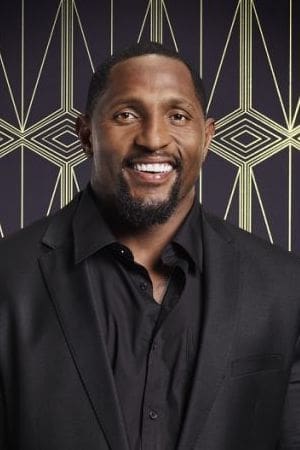
Ray Lewis criticized Colin Kaepernick for kneeling during the national anthem and suggested he should keep his protests off the football field. He argued that the flag should be respected and that social justice work should be done in the community instead. Lewis faced accusations of hypocrisy given his own controversial past and previous clashes with the legal system. His stance was seen as siding with ownership over the rights of players to express themselves.
Sage Steele
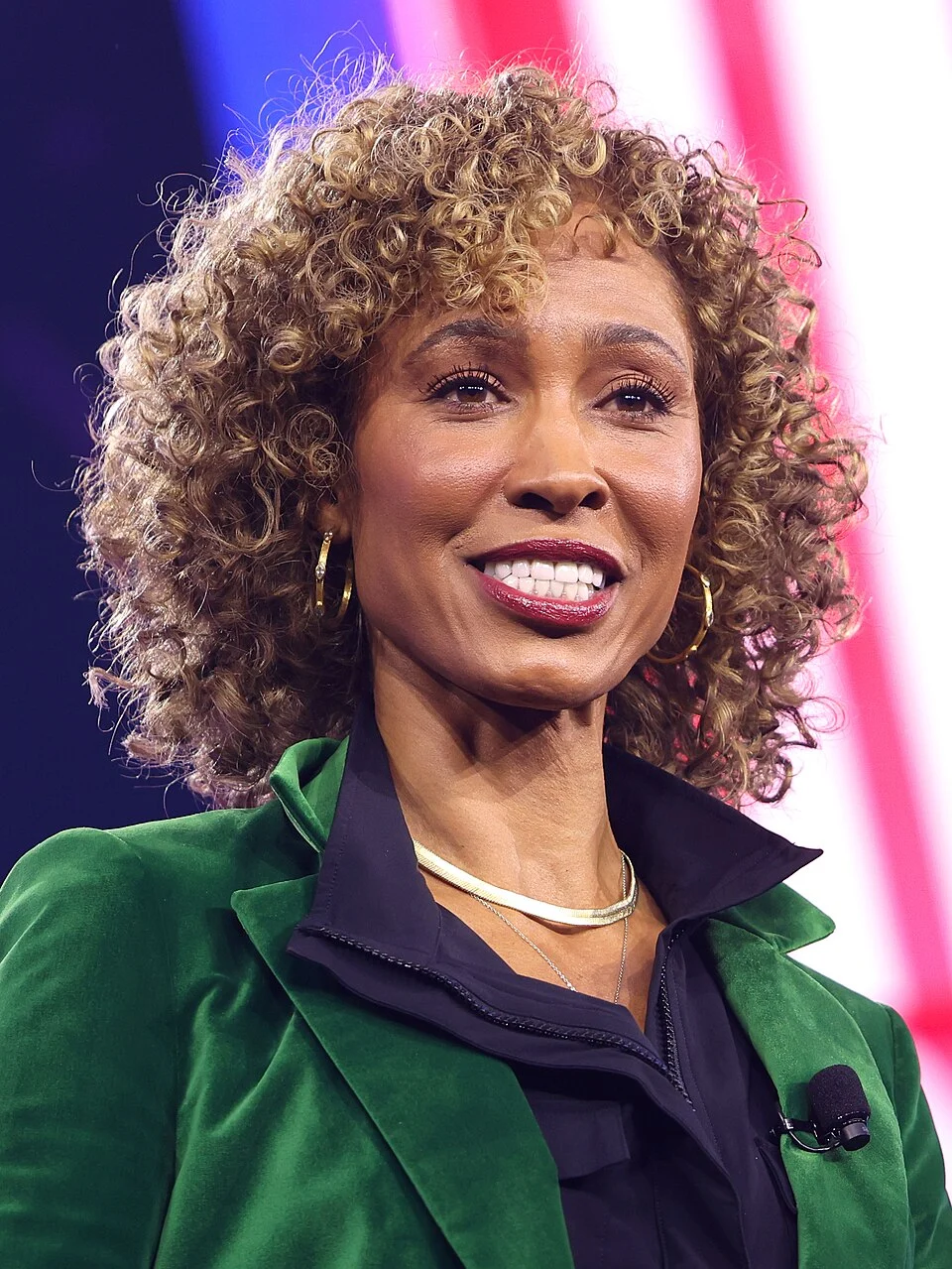
Sage Steele criticized Barack Obama for choosing to identify solely as Black on the US Census. She argued that his decision was disrespectful to the white mother who raised him and ignored half of his heritage. This commentary drew accusations of internal bias and a lack of understanding regarding how race functions socially. Critics felt she was policing Black identity and imposing her own views on mixed-race classification.
Whoopi Goldberg
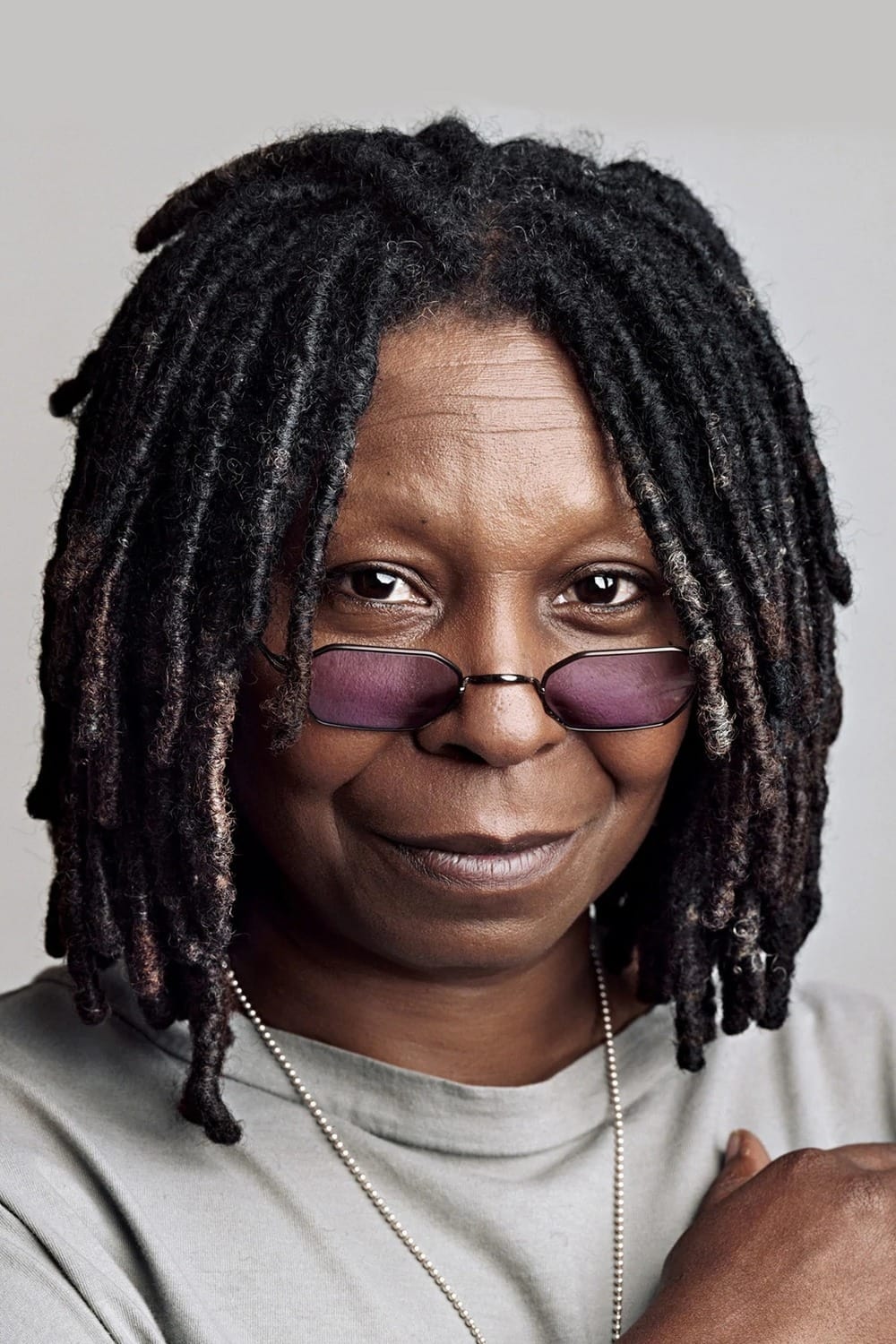
Whoopi Goldberg faced suspension from ‘The View’ after claiming that the Holocaust was not about race. She argued that the conflict was between two groups of white people and was instead a matter of man’s inhumanity to man. Jewish organizations and Black historians corrected her by explaining the racial ideology of the Nazis. Her comments were viewed as an erasure of the specific racial hatred that fueled the genocide.
Please share your thoughts on these controversial moments in the comments.