


The 20 Most Anti-Black “Empowerment” Movies Hollywood Greenlit



Hollywood has a long history of producing films that claim to tackle racism or empower Black characters while centering white perspectives. These movies often rely on tropes that minimize systemic oppression or reduce Black characters to supporting roles in their own stories. Studios frequently market these projects as inspirational dramas that bridge racial divides through individual acts of kindness. Critics and audiences have revisited many of these titles to highlight how they mishandle the very subjects they aim to address. The following films are often cited as examples of performative empowerment that ultimately serves white comfort.
‘The Blind Side’ (2009)
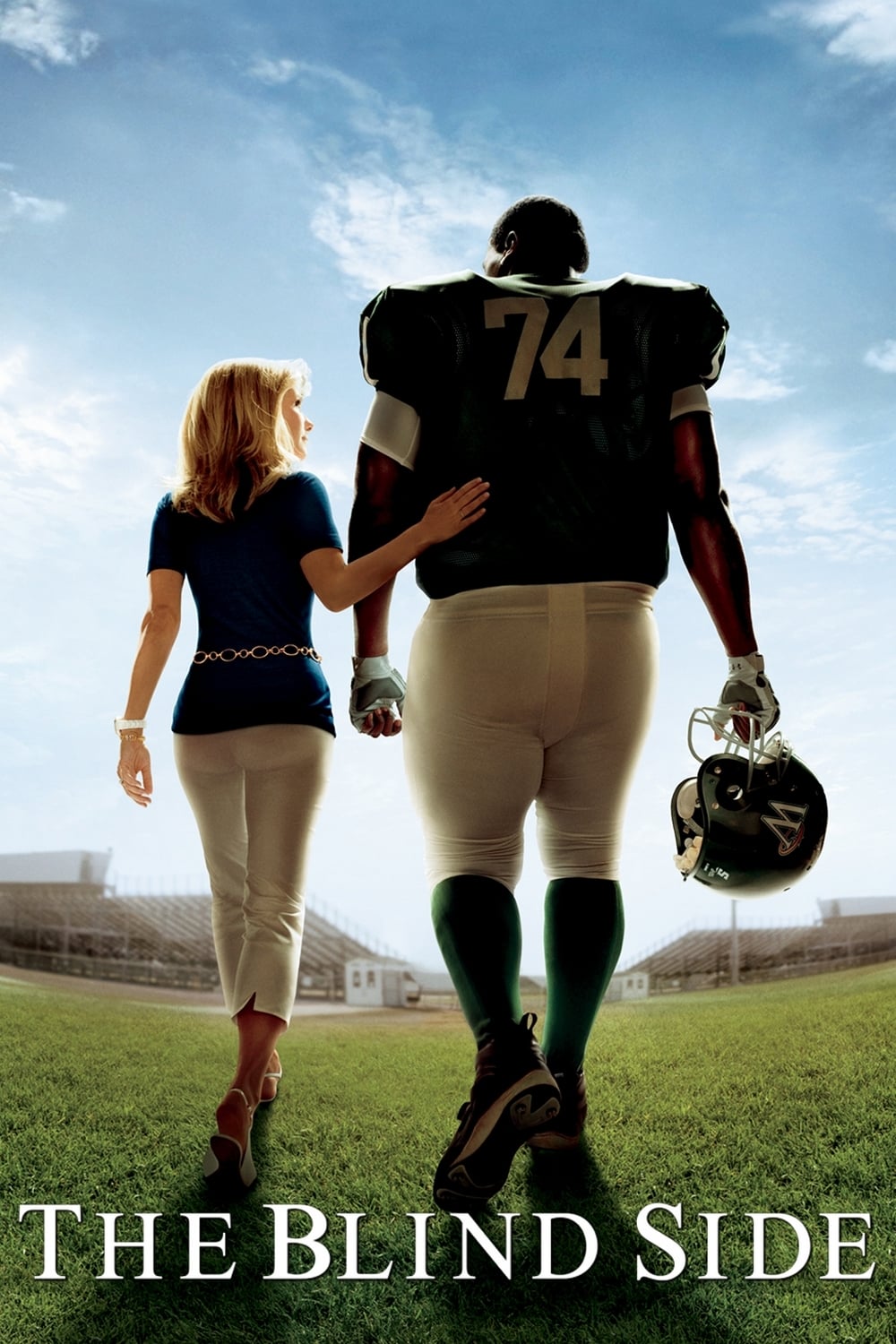
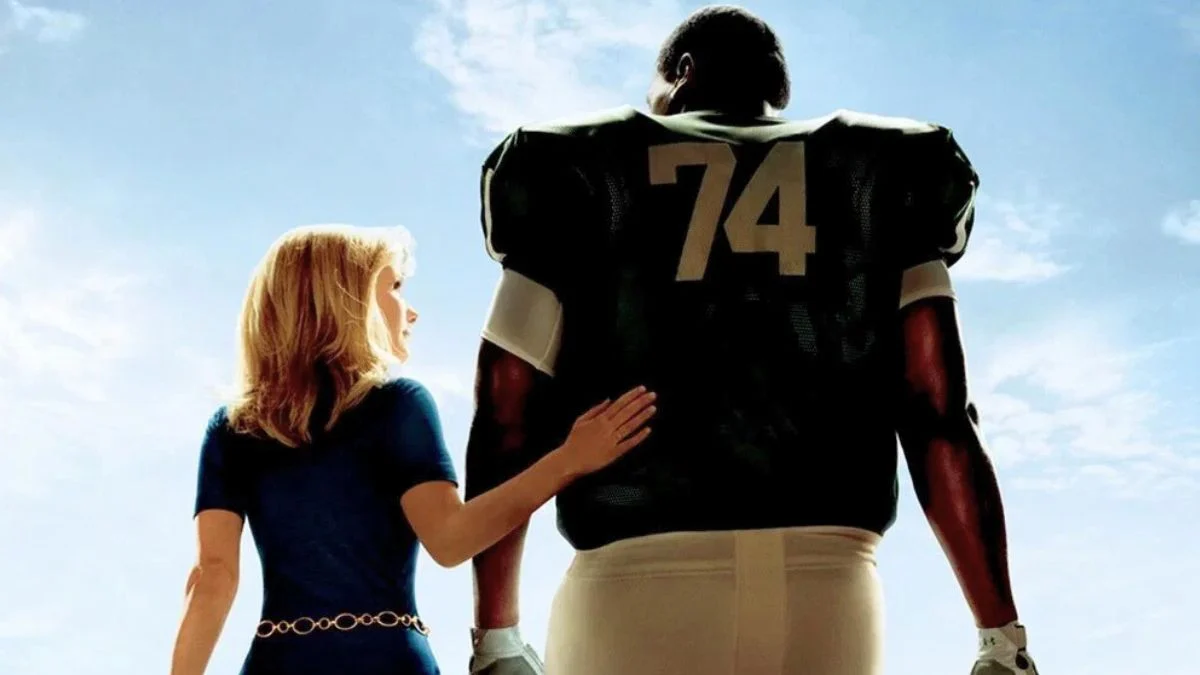
This sports drama tells the story of Michael Oher and his adoption by the wealthy Tuohy family. The narrative suggests that Oher required the guidance of a white family to understand football and achieve success. Scenes depict the protagonist as passive and intellectually slow until his adoptive mother intervenes on his behalf. Many viewers criticized the film for stripping Oher of his agency and ignoring his previous athletic experience. The movie frames his eventual triumph as a result of white charity rather than his own talent and hard work.
‘Green Book’ (2018)
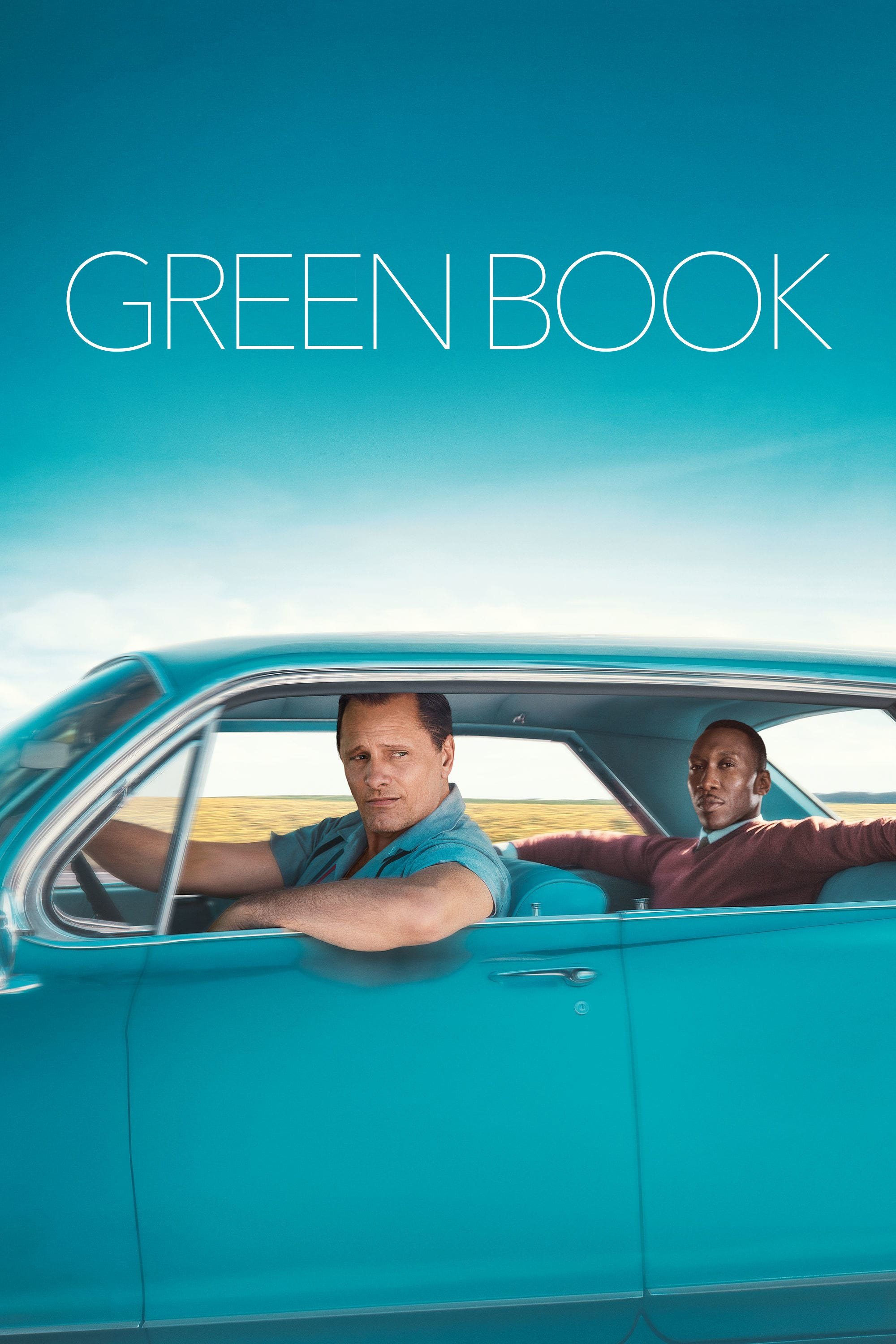
The film focuses on the friendship between pianist Don Shirley and his white driver Tony Lip during a tour of the Deep South. Much of the screen time is dedicated to Tony Lip teaching Shirley how to embrace Black culture through food and music. Critics pointed out that the script relied heavily on the white savior trope by making the driver the primary agent of change. The movie simplifies the complex reality of segregation into a story about a white man becoming less prejudiced. Shirley’s family later condemned the portrayal for its inaccuracies and the minimization of the musician’s accomplishments.
‘The Help’ (2011)
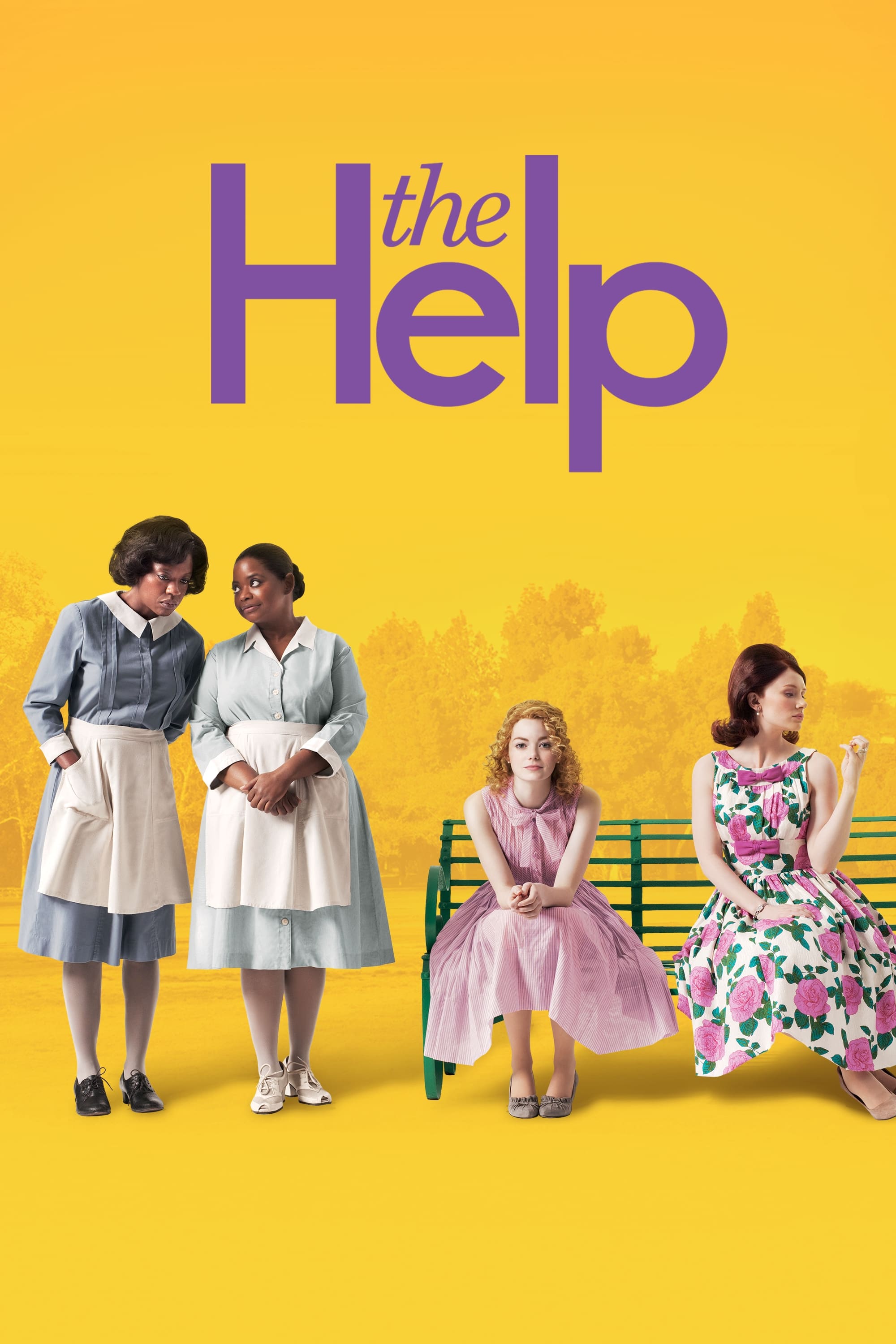
This adaptation centers on a young white journalist who decides to write a book from the perspective of Black maids in Mississippi. The narrative frames the journalist as the courageous catalyst who gives the maids a voice they supposedly lacked. While the performances of the Black actresses were praised the story itself prioritizes the risks taken by the white protagonist. The film glosses over the brutal reality of the Civil Rights era in favor of a sanitized and sentimental approach. It suggests that racism is solved through interpersonal relationships rather than structural change.
‘Driving Miss Daisy’ (1989)
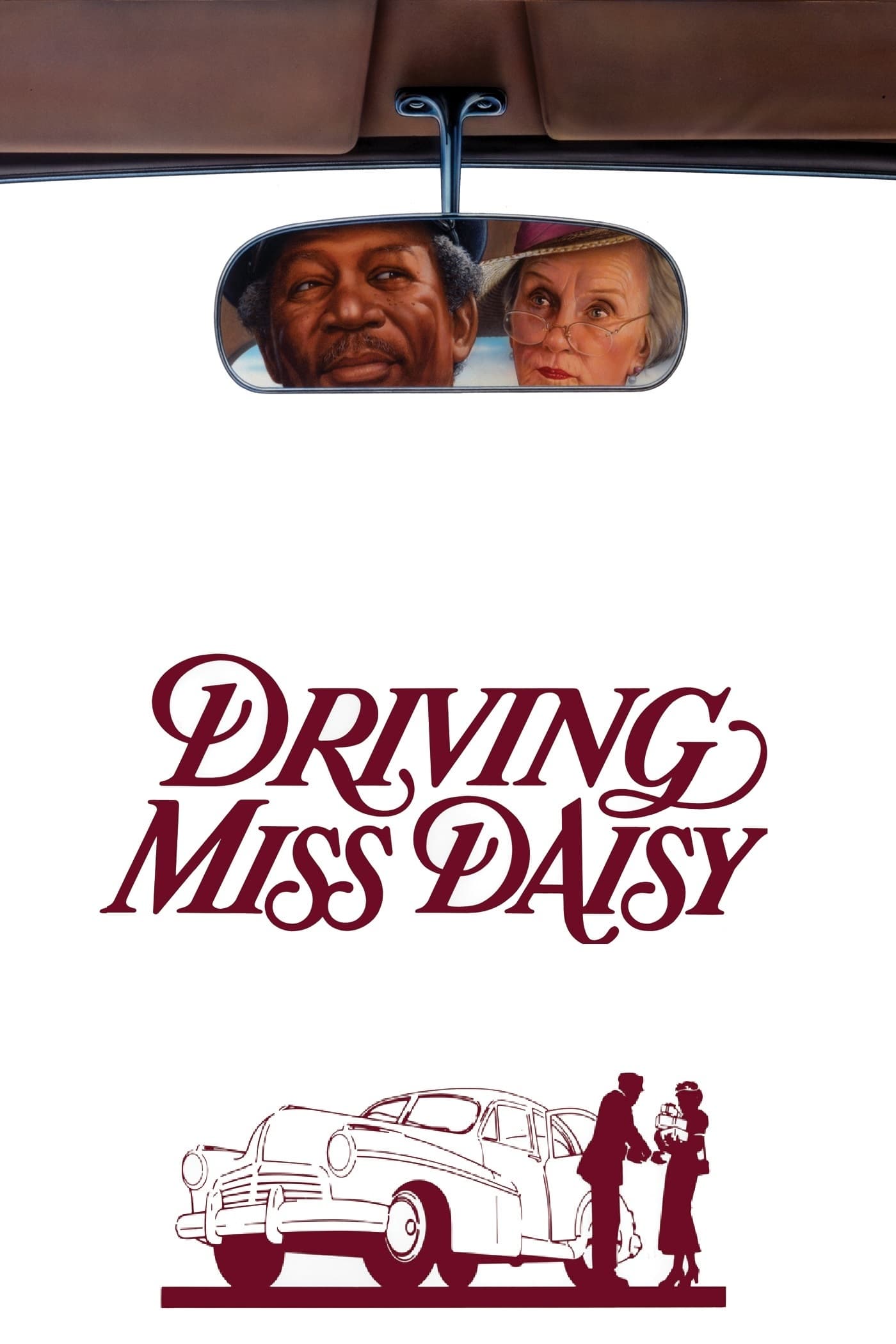
The plot follows the relationship between an elderly Jewish woman and her Black chauffeur over several decades. The dynamic between the characters remains rooted in subservience despite the film framing it as a touching friendship. Hoke Colburn is depicted as endlessly patient and saintly while enduring the indignities of the era. The movie avoids confronting the harsh realities of racism by focusing on small moments of connection. It ultimately serves as a comfort film that reassures viewers without challenging the status quo.
‘The Legend of Bagger Vance’ (2000)
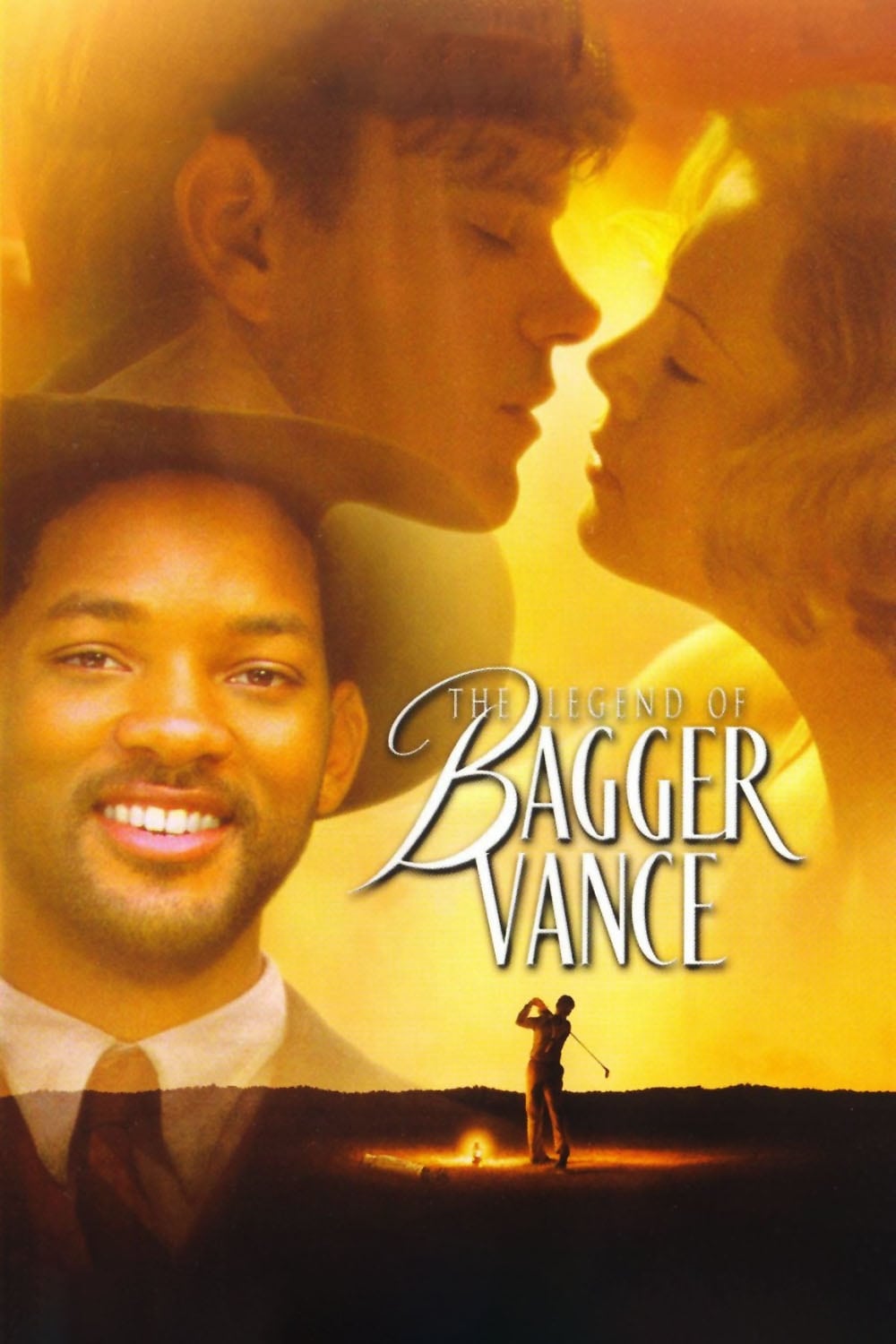
A mystical caddy appears to help a disillusioned white war veteran regain his golf swing and his confidence. The title character exists solely to solve the problems of the white protagonist with folk wisdom and magical insight. This film is often cited as a prime example of the Magical Negro trope where Black characters lack their own interior lives. The setting in the Jim Crow South completely ignores the racial tension of the time period. The narrative uses Black spirituality as a mere plot device for white redemption.
‘Crash’ (2004)

This ensemble drama attempts to show how racism affects everyone in Los Angeles through intersecting storylines. The script draws false equivalencies between the prejudice held by different characters regardless of power dynamics. It suggests that racism is merely a result of misunderstandings that can be resolved when individuals are forced to connect. Many critics argued that the film simplifies complex systemic issues into melodramatic encounters. The movie was seen by many as a superficial exploration of race that prioritized emotional manipulation over genuine insight.
‘Freedom Writers’ (2007)
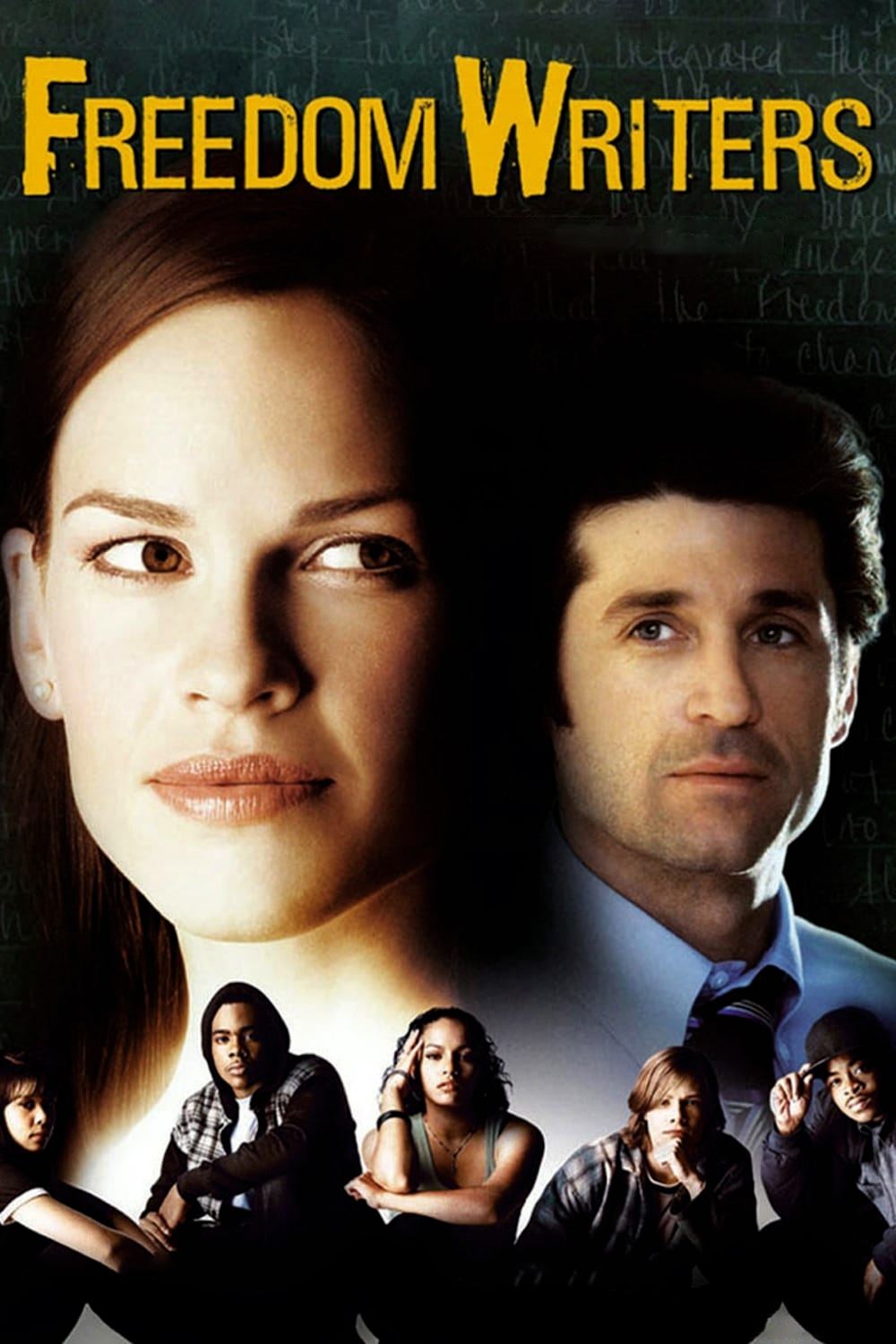
A dedicated teacher takes a job at a racially divided school and attempts to inspire her at-risk students. The story focuses heavily on the teacher’s personal sacrifices and her unique ability to reach the students when others could not. It reinforces the idea that inner-city youth can only succeed if a benevolent outsider intervenes to save them. The students’ own communities and families are often depicted as obstacles to their success. The film follows a predictable formula that centers the emotional journey of the educator.
‘Dangerous Minds’ (1995)

An ex-marine becomes a teacher in a tough inner-city high school and uses unconventional methods to connect with students. The film emphasizes her ability to discipline and save Black and Latino teenagers through karate and Bob Dylan lyrics. The narrative suggests that the students lack the moral guidance or intellectual curiosity to succeed without her. It relies on stereotypes of urban poverty to elevate the heroism of the protagonist. The complexities of the education system are ignored in favor of a singular hero narrative.
‘Mississippi Burning’ (1988)
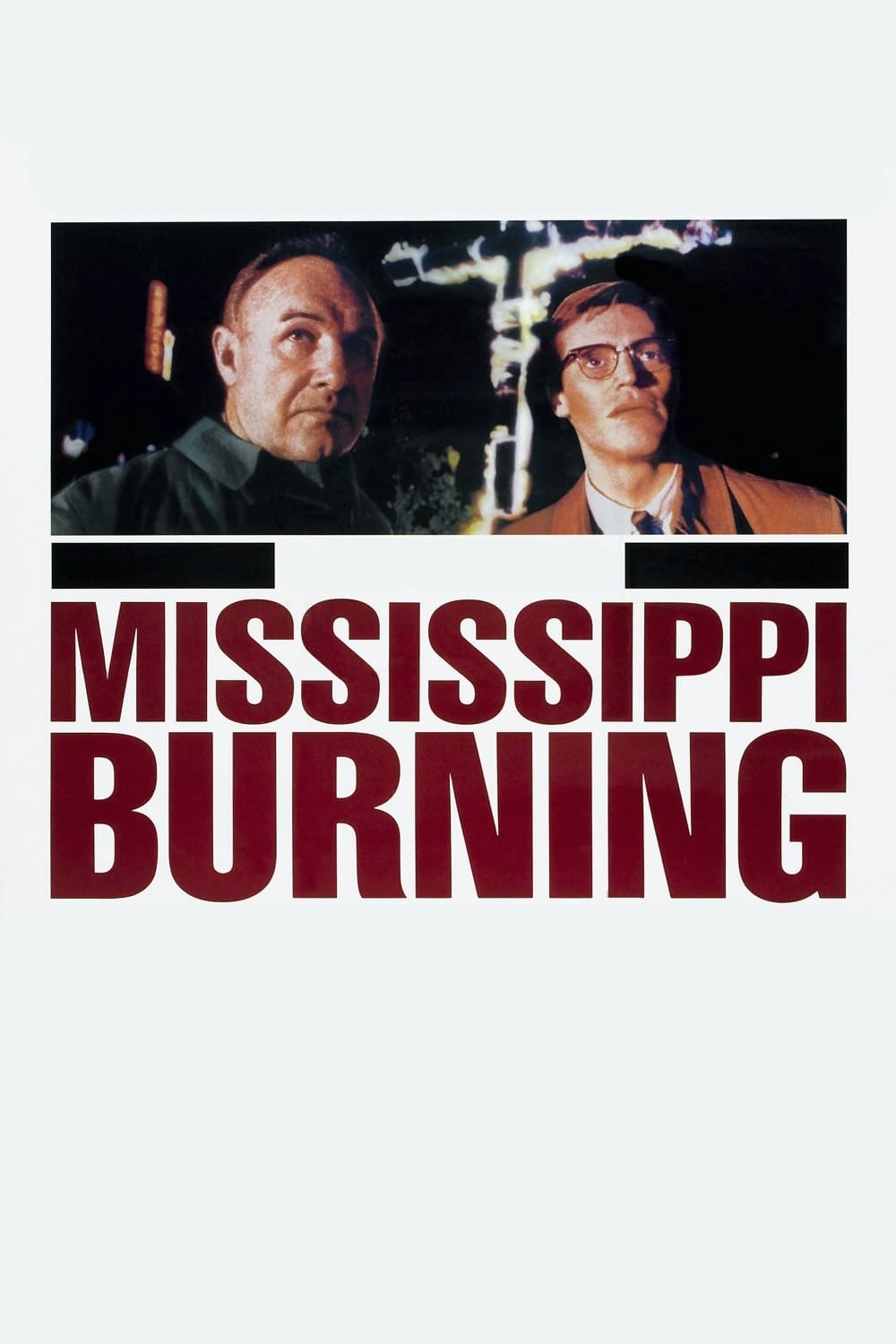
Two FBI agents arrive in a small town to investigate the disappearance of civil rights activists. The film turns the historical struggle for voting rights into a police procedural where federal agents are the heroes. Black activists are largely relegated to the background as passive victims waiting to be saved. Historical accuracy is sacrificed to create a thriller that centers white law enforcement officers. Veterans of the Civil Rights Movement criticized the film for erasing the essential work of Black organizers in the South.
‘The Green Mile’ (1999)
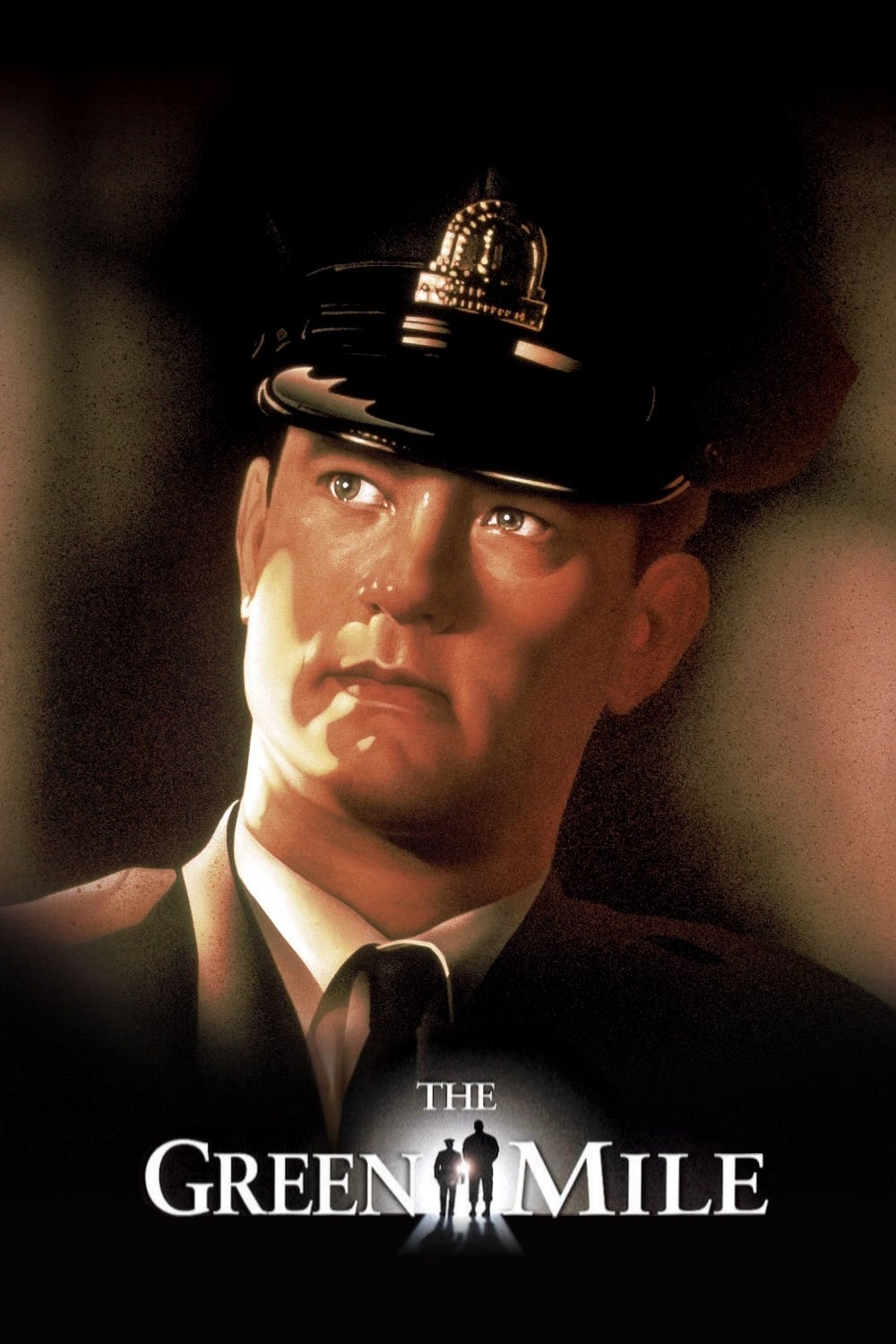
A gentle giant on death row possesses miraculous healing powers that he uses to help the white prison guards. The character of John Coffey is defined entirely by his magical ability and his willingness to suffer for others. He has no personal ambitions or history outside of his function in the lives of the white characters. The film uses his tragic execution to evoke sympathy without examining the injustice of the legal system. It is another clear instance of a Black character serving as a spiritual guide for white emotional growth.
‘Radio’ (2003)
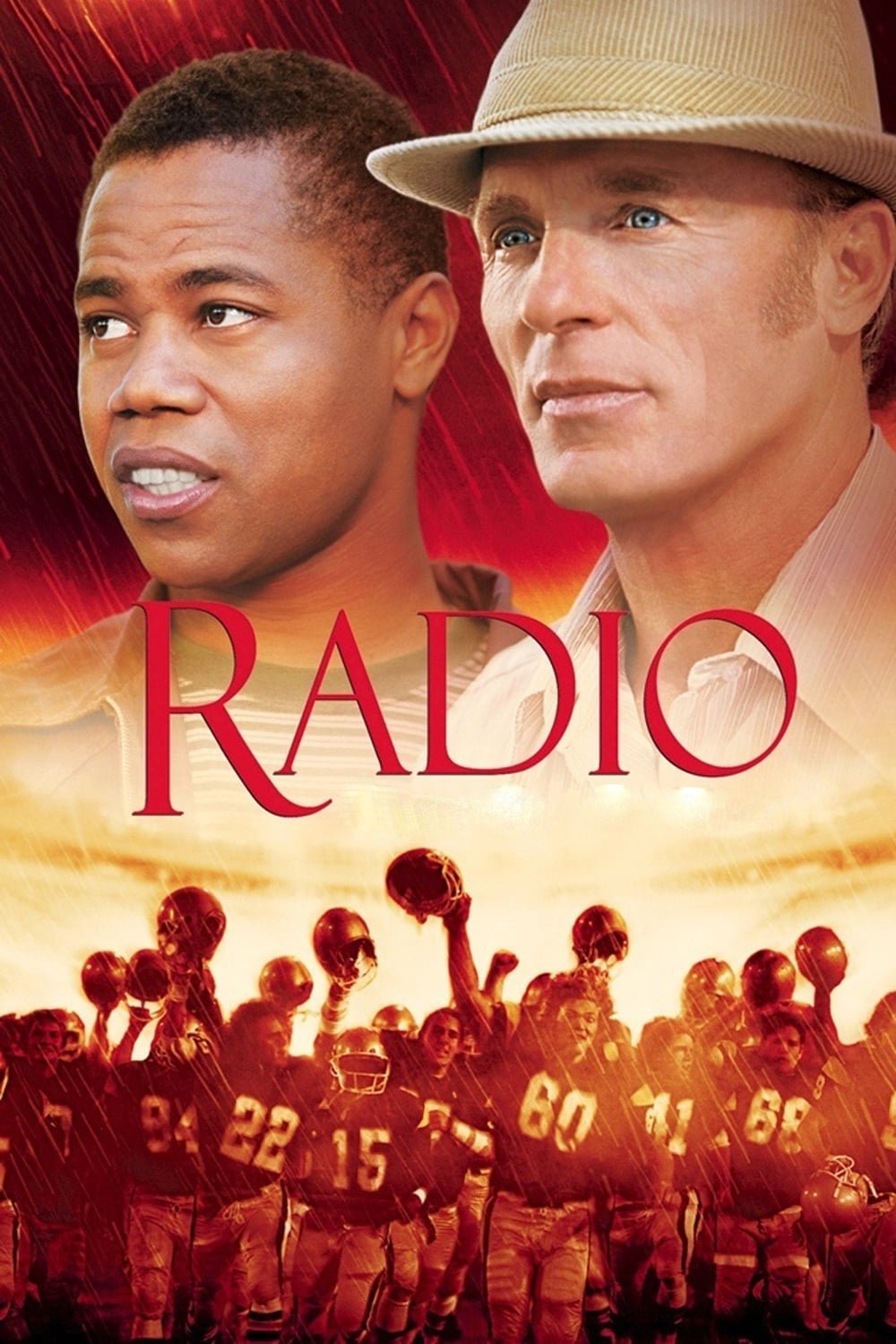
A high school football coach befriends a young Black man with an intellectual disability. The film frames their relationship as a charitable act performed by the coach who integrates the young man into the team. Critics argued that the portrayal of the title character was patronizing and relied on performance tropes. The narrative focuses on how the town learns tolerance through the presence of the young man. It uses disability and race as inspirational props rather than exploring the character’s actual humanity.
‘Amistad’ (1997)
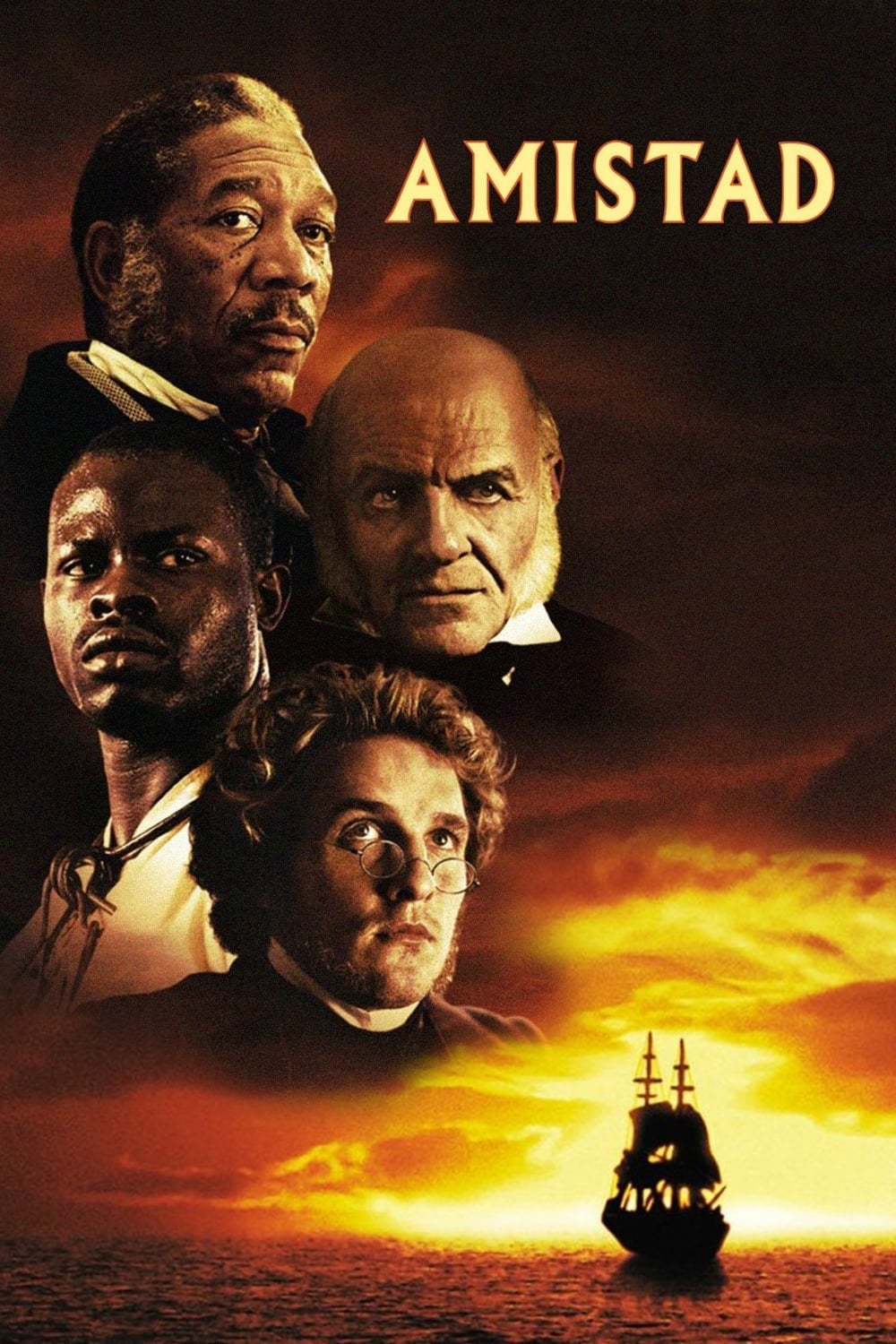
This historical drama depicts the legal battle that followed a slave ship mutiny. While the film opens with the rebellion it quickly shifts focus to the white lawyers debating the case in court. The captured Africans are often left as observers in their own fight for freedom while white men deliver speeches. The intricate legal maneuvering takes precedence over the human experience of the enslaved people. It frames the abolition of slavery as a gift granted by the American judicial system.
‘Hidden Figures’ (2016)

The film highlights the contributions of Black female mathematicians at NASA during the Space Race. One prominent scene features a white boss dramatically destroying a “Colored Ladies” bathroom sign to end segregation in the building. This moment was entirely fictionalized and did not happen in real life or the book the movie is based on. The addition of this scene creates a white savior moment that gives credit to a character who did not earn it. It distorts history to make the white authority figure appear more progressive than reality allowed.
‘Antebellum’ (2020)

A modern successful author finds herself trapped in a nightmarish reality resembling a pre-Civil War plantation. The movie was marketed as an empowerment thriller but was criticized for its excessive depiction of brutal violence against Black bodies. Critics argued that the film indulged in trauma porn rather than offering meaningful commentary. The twist ending does little to justify the prolonged suffering the protagonist endures. It attempts to address historical trauma but ultimately exploits it for shock value.
‘Ghosts of Mississippi’ (1996)
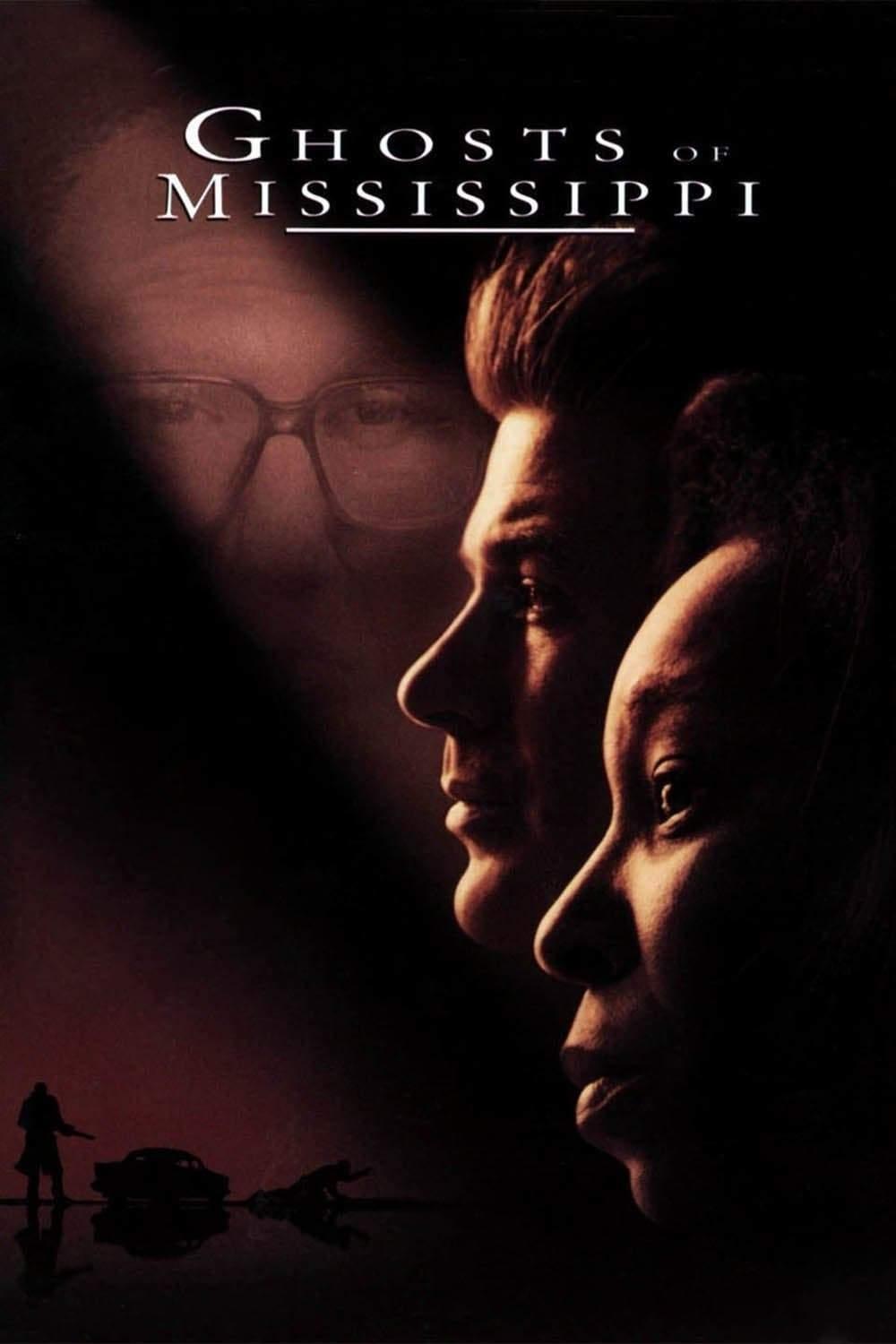
A prosecutor reopens the case of the murdered civil rights leader Medgar Evers decades after the crime. The story focuses primarily on the legal efforts of the white lawyer and his family struggles. Medgar Evers and his widow are secondary to the narrative arc of the man seeking conviction. The film frames the conviction as a moment of redemption for the white community and the legal system. It sidelines the long-term suffering and activism of the Evers family.
‘A Time to Kill’ (1996)
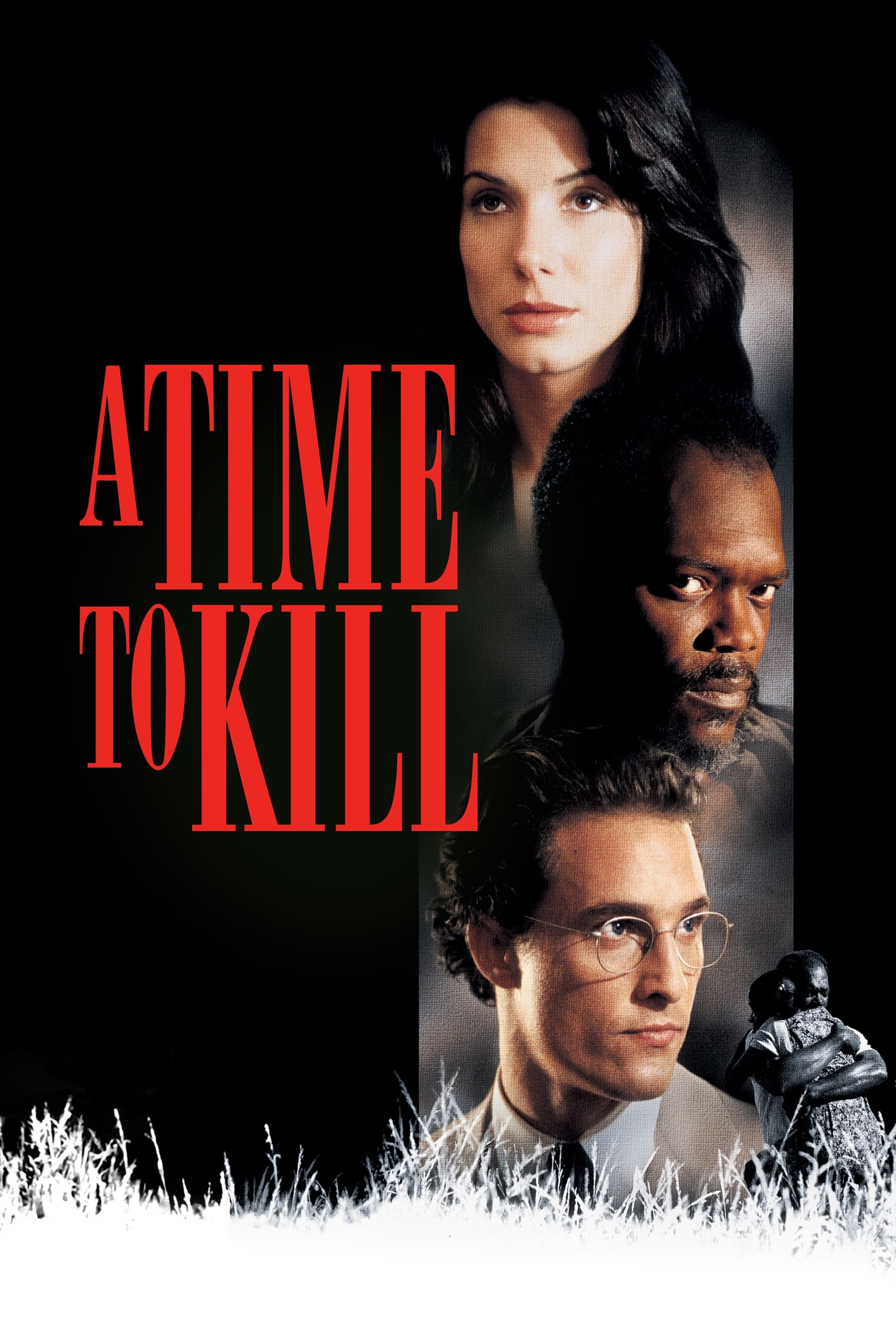
A white lawyer defends a Black father who killed the men who assaulted his daughter. The film culminates in a closing argument where the lawyer asks the jury to imagine the victim was white. This strategy suggests that empathy is only possible when Black suffering is viewed through a white lens. The narrative is driven by the lawyer’s peril and moral crusade rather than the father’s plight. It reinforces the idea that justice for Black people depends on the eloquence of white defenders.
‘The Best of Enemies’ (2019)

A civil rights activist and a Ku Klux Klan leader are forced to co-chair a community meeting. The film attempts to humanize the Klan member and suggests that his racism can be cured through friendship. It draws a false equivalence between the hate group leader and the woman fighting for basic rights. The story prioritizes the redemption of the oppressor over the safety and dignity of the Black community. It presents a sanitized version of history where deep-seated hatred is resolved with simple dialogue.
‘Harriet’ (2019)

This biopic covers the life of freedom fighter Harriet Tubman and her work on the Underground Railroad. The film includes a fictional Black slave catcher character who serves as a major antagonist. It also features a fictional white slave owner who is given a complex relationship with Tubman. Critics felt these fabrications distracted from Tubman’s real achievements and catered to Hollywood formulas. The inclusion of a white savior figure in her journey to freedom was seen as particularly unnecessary.
‘Monster’s Ball’ (2001)

A corrections officer begins a relationship with the widow of a man he helped execute. The film was criticized for the degrading sexual nature of the relationship and the passive role of the female lead. The narrative explores the racist officer’s potential for change through his proximity to a Black woman. It relies on stereotypes regarding Black poverty and desperation to drive the plot. The “empowerment” is framed as the woman finding a protector in a man who represents the system that destroyed her family.
‘Remember the Titans’ (2000)

A newly integrated high school football team struggles to come together under a Black head coach. The movie suggests that winning football games was the primary factor in ending racism in the town. It glosses over the deep-seated structural violence of the era in favor of sports movie clichés. The resolution of racial tension is portrayed as swift and complete once the team succeeds. It simplifies the struggle for integration into a feel-good story about teamwork.
Please share which movies you think deserved to be on this list in the comments.