


The 20 Most Anti-Black Remarks From “Progressive” White LGBTQ Celebs

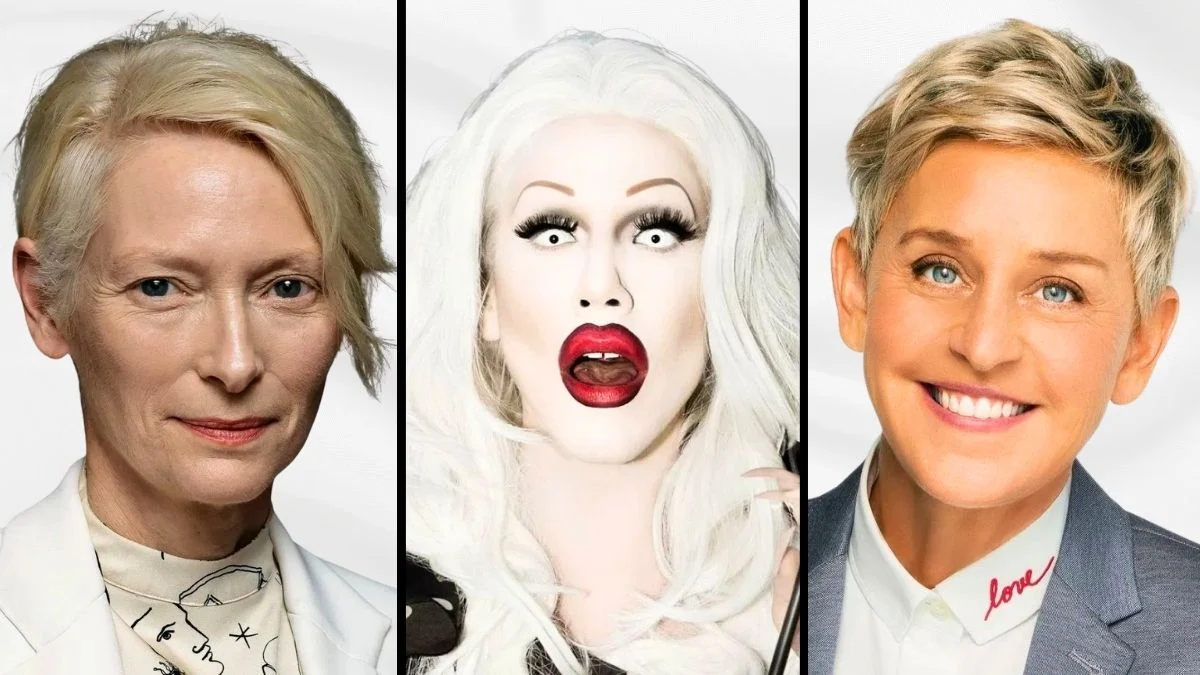


While many white LGBTQ celebrities position themselves as progressive allies in the fight for equality, the intersection of queerness and whiteness often reveals blind spots regarding racial sensitivity. From microaggressions disguised as comedy to explicit slurs and cultural appropriation, the entertainment industry has seen numerous instances where white queer figures have perpetuated anti-Black sentiments. This list explores twenty notable moments where these public figures faced backlash for remarks or actions that contradicted their inclusive public personas.
Jeffree Star (2006–2020)
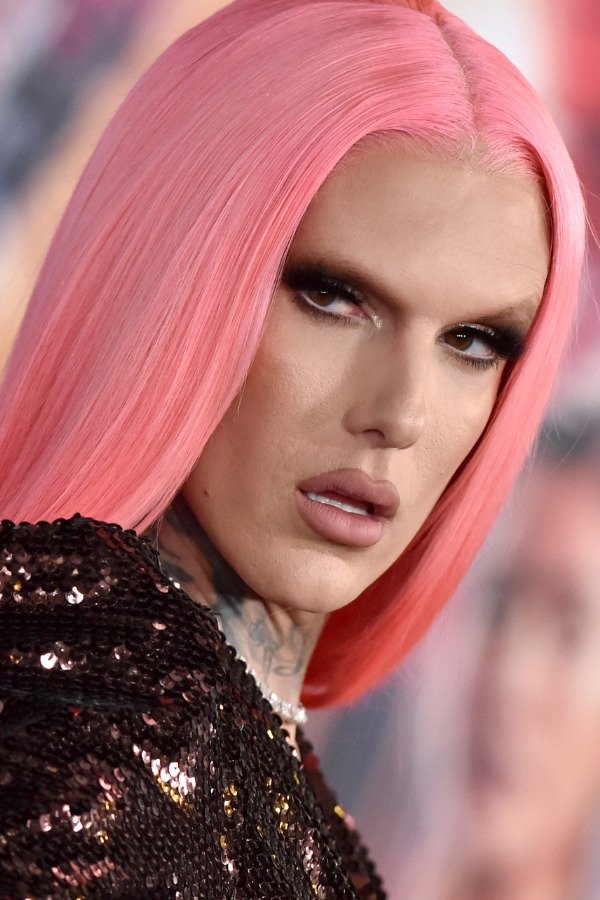
Beauty mogul and YouTuber Jeffree Star has faced career-long criticism for a history of racist remarks captured on video during his MySpace era. Resurfaced clips showed Star using the N-word and making derogatory comments about people of color, including a skit where he joked about throwing battery acid on a Black woman to lighten her skin foundation match. While Star has issued multiple apologies over the years claiming he has grown, the violent and specific nature of the original remarks has left a permanent stain on his reputation. The controversy highlighted how early internet “edginess” was often built on the dehumanization of Black women.
Shane Dawson (2008–2014)

YouTube veteran Shane Dawson built his massive following on sketch comedy that frequently relied on offensive racial stereotypes, including the use of blackface to portray characters. Dawson faced a massive reckoning when compilations of his past content went viral, showcasing him mocking Black vernacular and using the N-word for comedic shock value. One recurring character, “Shanaynay,” was criticized as a modern minstrel show that traded on harmful tropes about Black women. Dawson eventually released a “Taking Accountability” video, acknowledging that his career was built on racism he had previously ignored.
Sharon Needles (2012–Present)
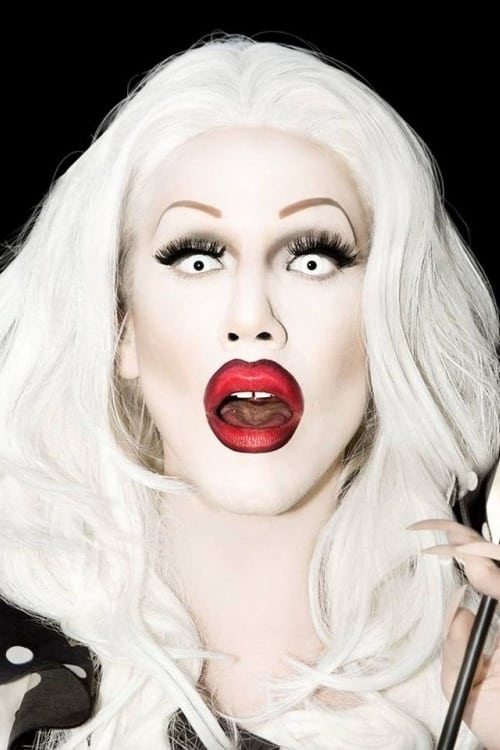
‘RuPaul’s Drag Race’ winner Sharon Needles has been plagued by allegations of racism and the use of the N-word throughout her career. Former drag daughter Aquaria and fellow contestant Dida Ritz have publicly accused Needles of using racial slurs and making fans uncomfortable with racist jokes during meet-and-greets. Needles was also criticized for signing merchandise with racial slurs and using Nazi imagery in her punk-rock aesthetic, which critics argued went beyond subversion into hate speech. The accumulation of these incidents led to her being effectively blacklisted by many venues and fans within the drag community.
Madonna (2014)
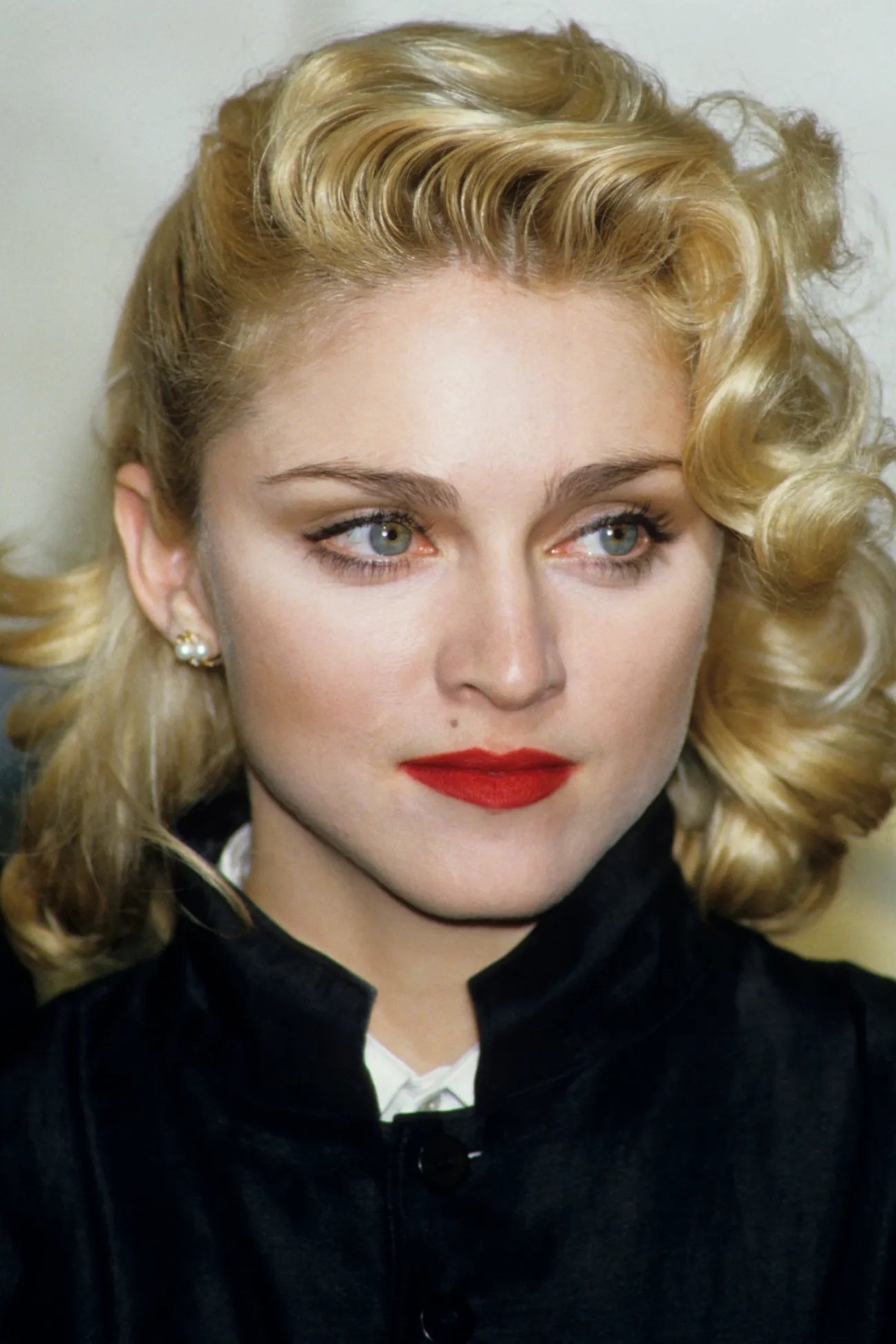
Pop icon Madonna sparked outrage when she posted a photo of her son Rocco on Instagram with the caption “#disnigga.” When fans immediately called out the racial slur, she initially dismissed them as “haters” before later deleting the post and issuing an apology that claimed she used the word as a term of endearment. In a separate incident promoting her ‘Rebel Heart’ album, she posted photoshopped images of Martin Luther King Jr. and Nelson Mandela bound with black cords to mimic her album cover art. These actions were criticized for trivializing Black civil rights history and appropriating Black struggle for aesthetic marketing.
Ellen DeGeneres (2020)
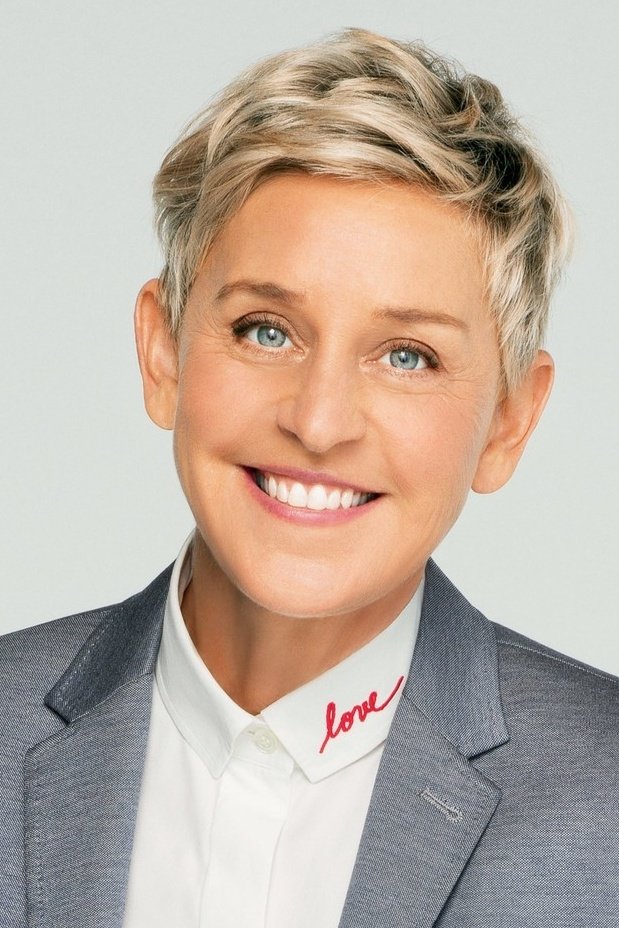
While Ellen DeGeneres built her brand on the motto “Be Kind,” allegations of a toxic workplace culture at ‘The Ellen DeGeneres Show’ revealed a different reality for Black employees. WarnerMedia launched an investigation after Buzzfeed News reported that Black staff members faced specific racial microaggressions and harassment from top producers under DeGeneres’s watch. DeGeneres herself faced backlash for a tweet showing her riding on the back of Olympic sprinter Usain Bolt with the caption, “This is how I’m running errands from now on,” which many critics viewed as tone-deaf and evocative of slavery imagery.
Andy Cohen (2022)
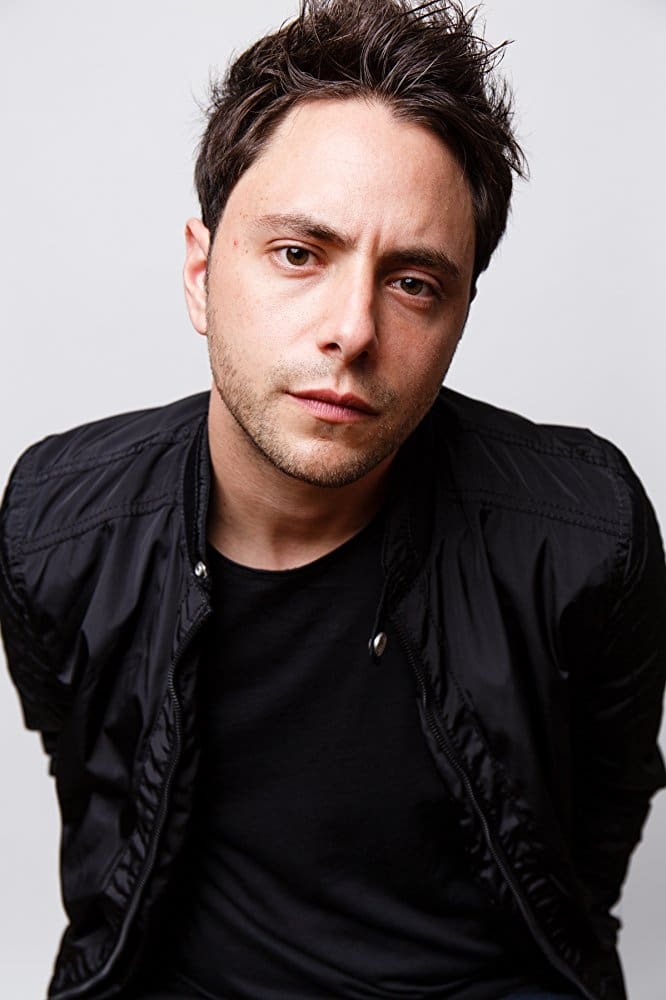
Bravo executive and host Andy Cohen faced a discrimination lawsuit from ‘The Real Housewives of Atlanta’ star NeNe Leakes, who alleged that Cohen and the network fostered a racially insensitive workplace. Leakes claimed that Cohen and production ignored her complaints about a white co-star’s racist remarks and that the network enforced de facto segregation by treating Black-led shows differently than white-led ones. While the suit was eventually dismissed, Cohen has faced ongoing criticism from other Black housewives, including Eboni K. Williams and Garcelle Beauvais, regarding his handling of race relations during reunion specials.
Rebel Wilson (2016)
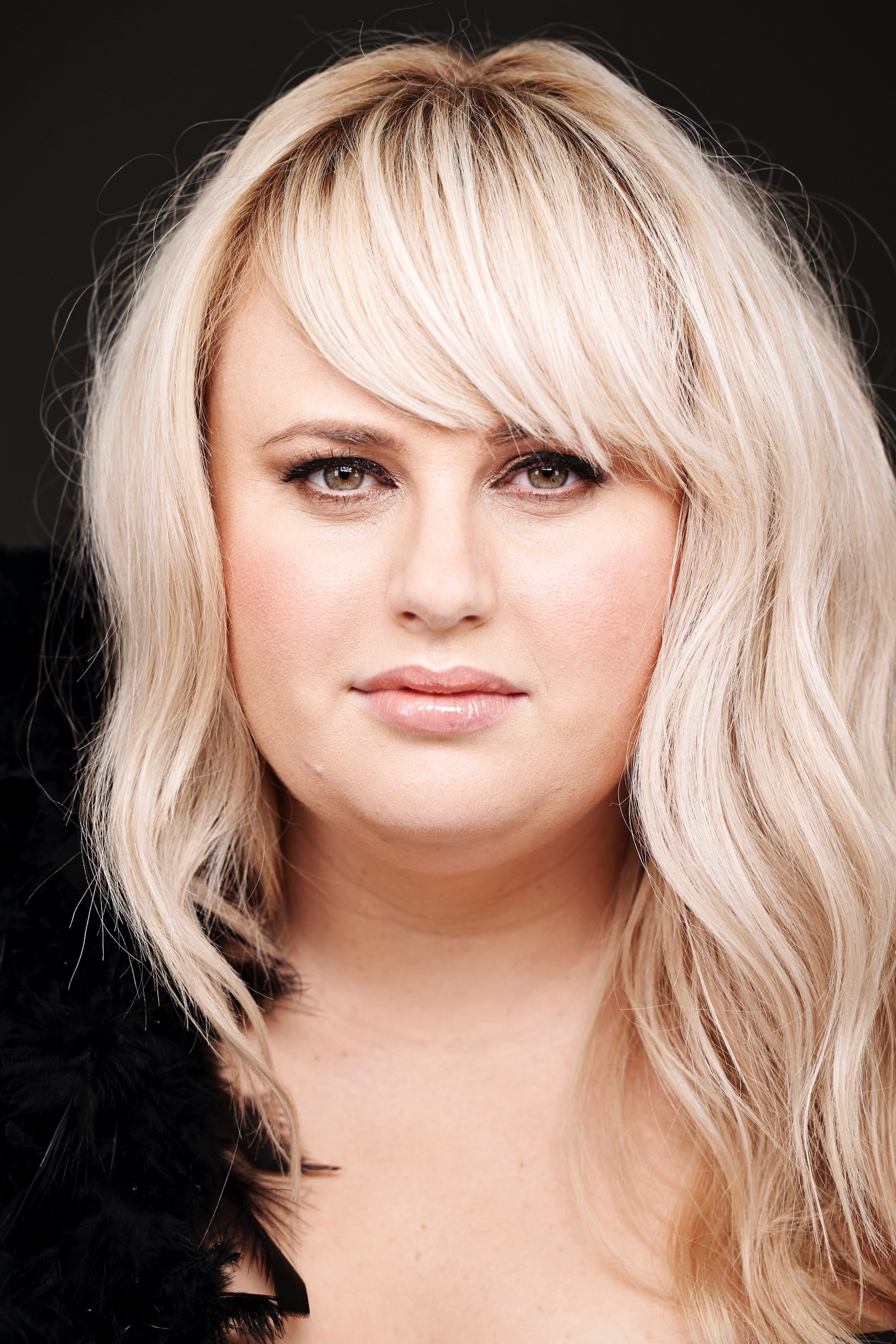
Australian actress Rebel Wilson faced backlash after the 2016 BAFTAs for a speech where she joked about the “Oscars So White” controversy in a way that centered her own experience. During the speech, she referred to actor Idris Elba as “chocolate,” stating she was “sociologically programmed to want chocolate on Valentine’s Day,” a comment criticizing for fetishizing Black men. In a separate incident at the MTV Video Music Awards, she performed a skit involving “stripper police” at the height of the Black Lives Matter movement, which activists felt made light of police brutality against the Black community.
Miley Cyrus (2017)
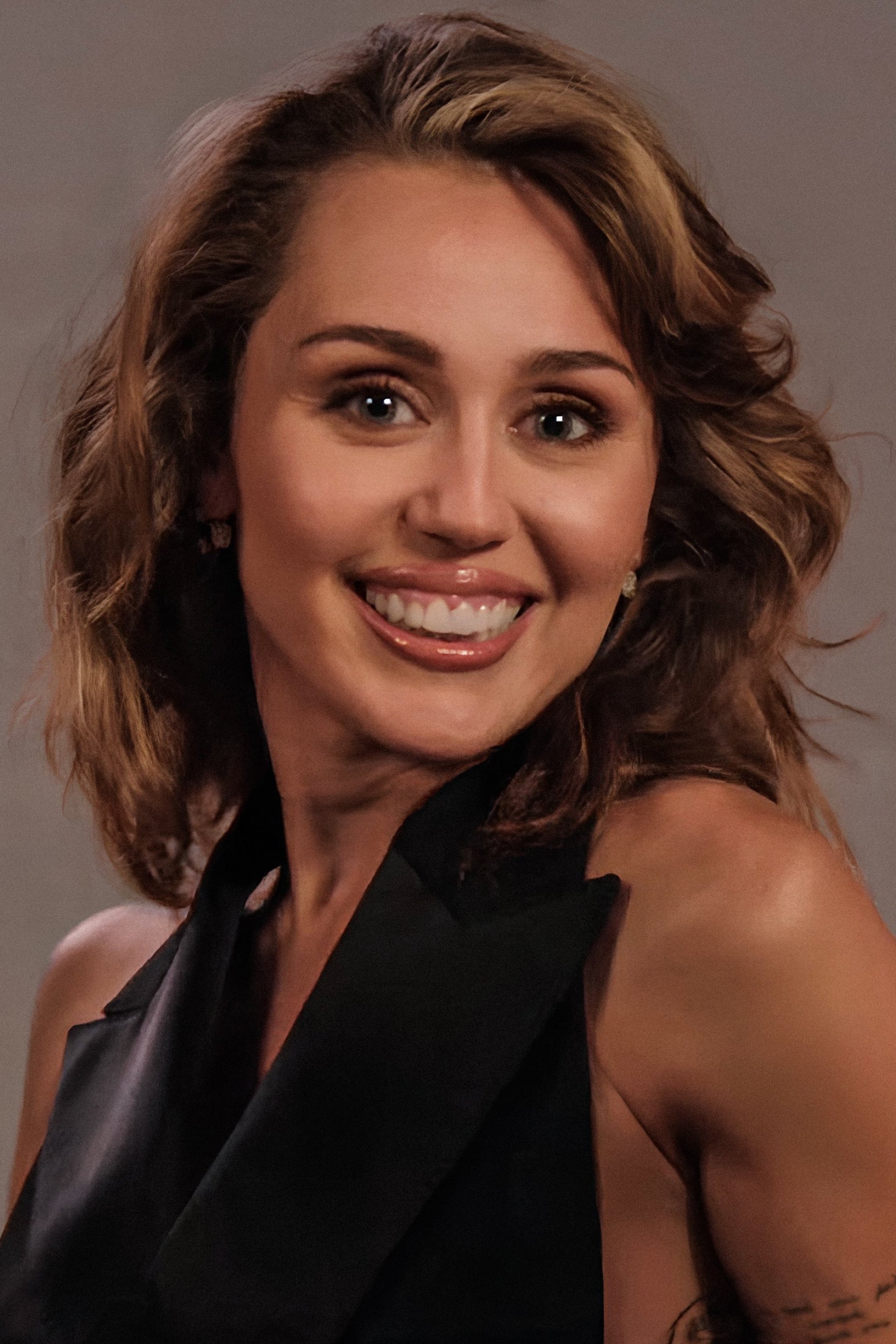
In a 2017 interview with Billboard magazine, Miley Cyrus distanced herself from the hip-hop culture she had heavily appropriated for her ‘Bangerz’ era. Cyrus stated she was moving away from rap music because she couldn’t relate to lyrics about “Lamborghini, got my Rolex, got a girl on my c*ck,” implicating the genre as materialistic and misogynistic. Critics pointed out that Cyrus had profited immensely from working with Black producers and using Black aesthetics, only to discard and disparage the culture when she decided to pivot back to country-pop. The comments were viewed as a classic example of a white artist treating Black culture as a disposable costume.
Tilda Swinton (2016)
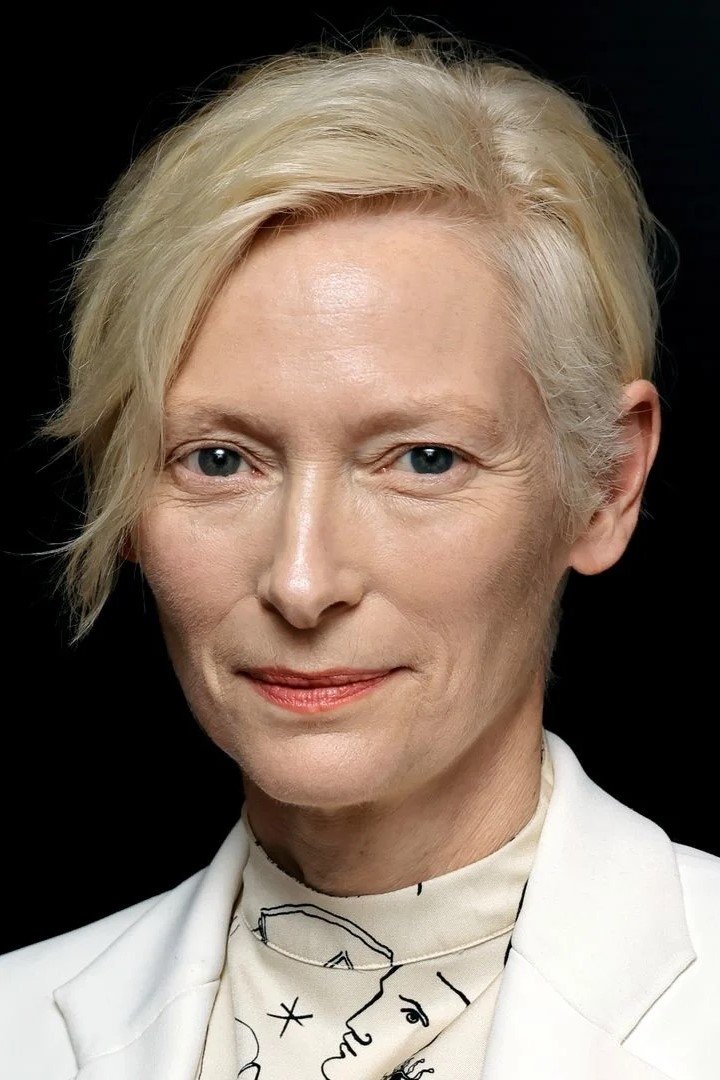
When Tilda Swinton was cast as The Ancient One in ‘Doctor Strange’, a role originally written as a Tibetan man, she faced accusations of whitewashing. In an attempt to understand the backlash, she privately emailed Korean-American comedian Margaret Cho, despite the two having no prior relationship. Cho later revealed that the exchange made her feel like a “house Asian” or a servant, as Swinton asked her to explain the anger of the entire Asian community. While the incident centered on Asian erasure, the dynamic of a white celebrity demanding free emotional and intellectual labor from a person of color became a case study in white entitlement.
Kelly Osbourne (2015)
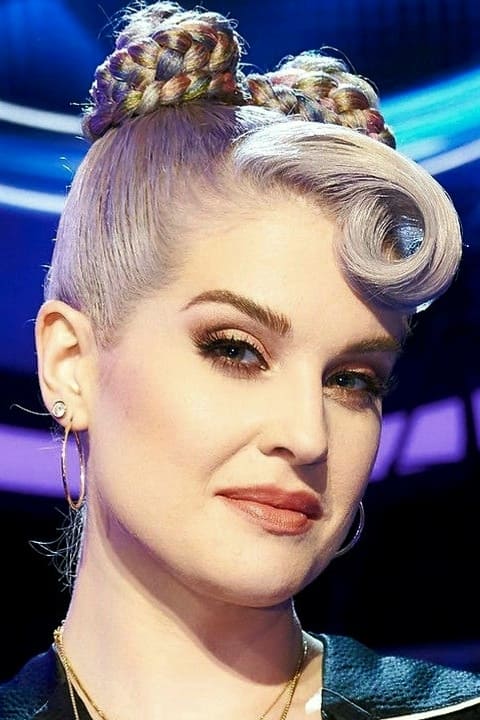
During a discussion about Donald Trump’s immigration policies on ‘The View’, Kelly Osbourne attempted to make a counterpoint that backfired disastrously. She asked, “If you kick every Latino out of this country, then who is going to be cleaning your toilet, Donald Trump?” The remark was intended to highlight the reliance on immigrant labor but instead relied on a racist stereotype that reduced Latinos to domestic servitude. Her co-hosts immediately corrected her, and Osbourne later apologized, admitting that her poor choice of words reflected an unconscious bias despite her progressive intentions.
James Charles (2017)
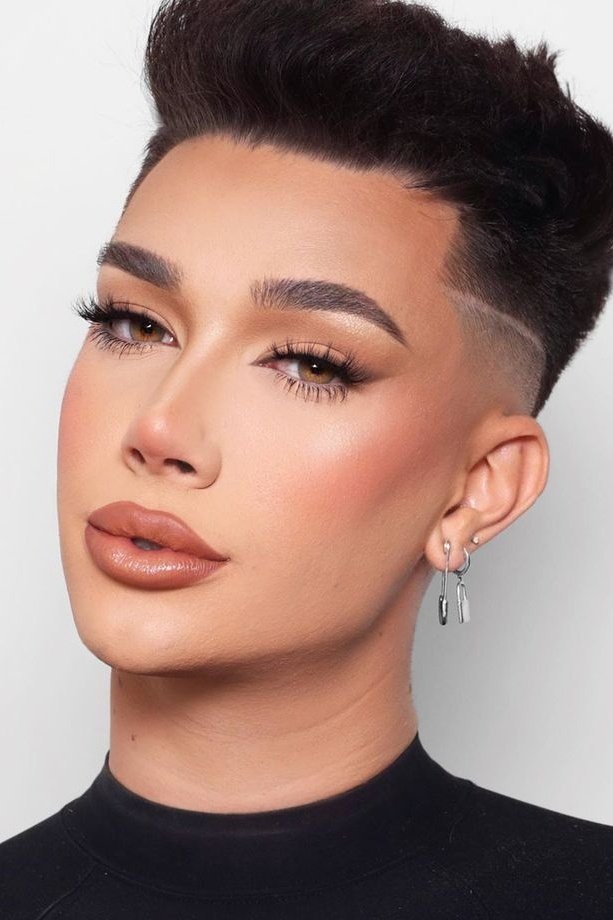
Makeup influencer James Charles sparked a firestorm of criticism before a trip to South Africa when he tweeted a “joke” about the Ebola virus. He wrote, “‘I can’t believe we’re going to Africa today omg what if we get Ebola.’ ‘James we’re fine we could’ve gotten it at chipotle last year’….” The tweet was widely condemned for conflating the entire continent of Africa with a disease outbreak and perpetuating offensive stereotypes about African health and hygiene. Charles later issued an apology acknowledging his ignorance and the privilege inherent in his careless remarks.
Elliott with 2 Ts (2021)
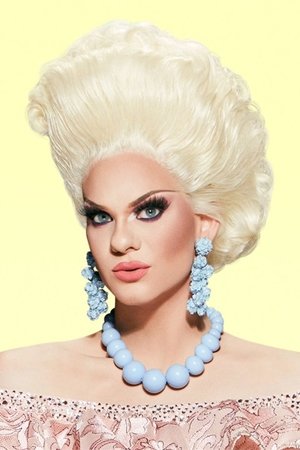
During Season 13 of ‘RuPaul’s Drag Race’, contestant Elliott with 2 Ts faced backlash for microaggressions directed at her Black competitor, Symone. In an interview, Elliott described Symone’s drag aesthetic as “Black Girl Magic,” but qualified the compliment by adding that it was “not aggressive” and “done with taste.” The comment was criticized for implying that Black pride or “Black Girl Magic” is inherently aggressive or tasteless unless tempered by white standards of elegance. Fellow contestants later corroborated that Elliott had made other uncomfortable remarks during filming that were not aired.
Charlie Hides (2015)
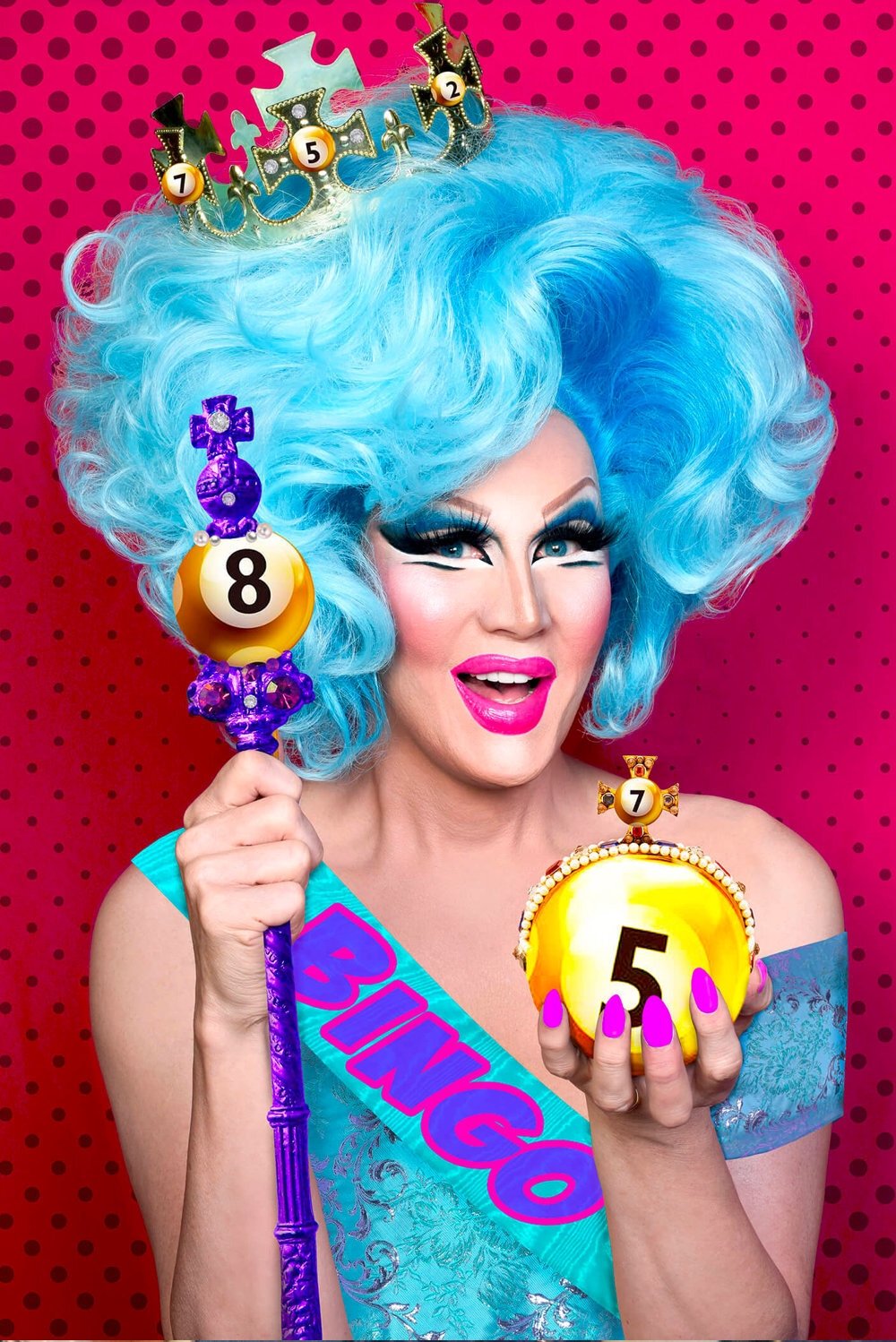
Before appearing on ‘RuPaul’s Drag Race’, drag queen Charlie Hides performed for years using a character named “Laquisha Jonz,” which involved the use of blackface and exaggerated stereotypes of Black women. A petition was launched to ban the act, arguing that the character was a racist caricature that mocked Black working-class women. Hides initially defended the character as an “alter ego” but eventually retired it after significant pressure from activists and the realization that the performance was a form of minstrelsy.
Scarlet Adams (2021)
‘RuPaul’s Drag Race Down Under’ contestant Scarlet Adams was confronted on the main stage by RuPaul regarding a history of performing in blackface. Photos had surfaced of Adams wearing blackface, Aboriginal flag t-shirts, and missing teeth to mock Indigenous Australians. Adams apologized on the show, admitting to using blackface as a “joke” in her younger years, but many viewers felt the show’s decision to allow her to reach the finale minimized the severity of her anti-Black and anti-Indigenous actions.
Eureka O’Hara (2018)
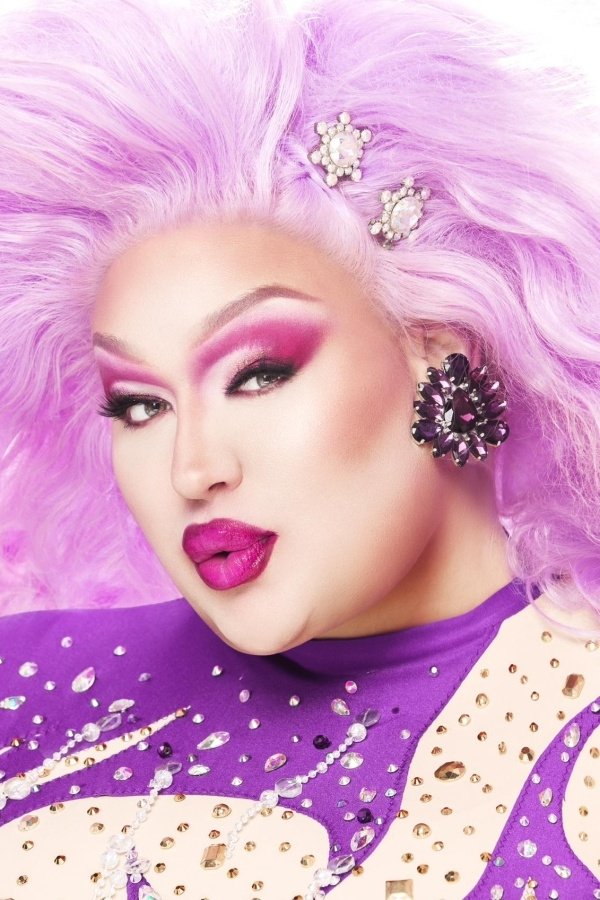
Drag queen Eureka O’Hara faced intense scrutiny after an old video surfaced showing her singing the N-word while rapping along to a song. Additionally, another clip circulated where Eureka, in a moment of frustration, stated, “I wish I was Black, bitch,” implying that Black people had some social advantage she lacked. O’Hara has since apologized repeatedly, attributing the behavior to ignorance and a lack of education, but the incidents are frequently cited in discussions about the casual racism prevalent in white drag spaces.
Derrick Barry (2016)
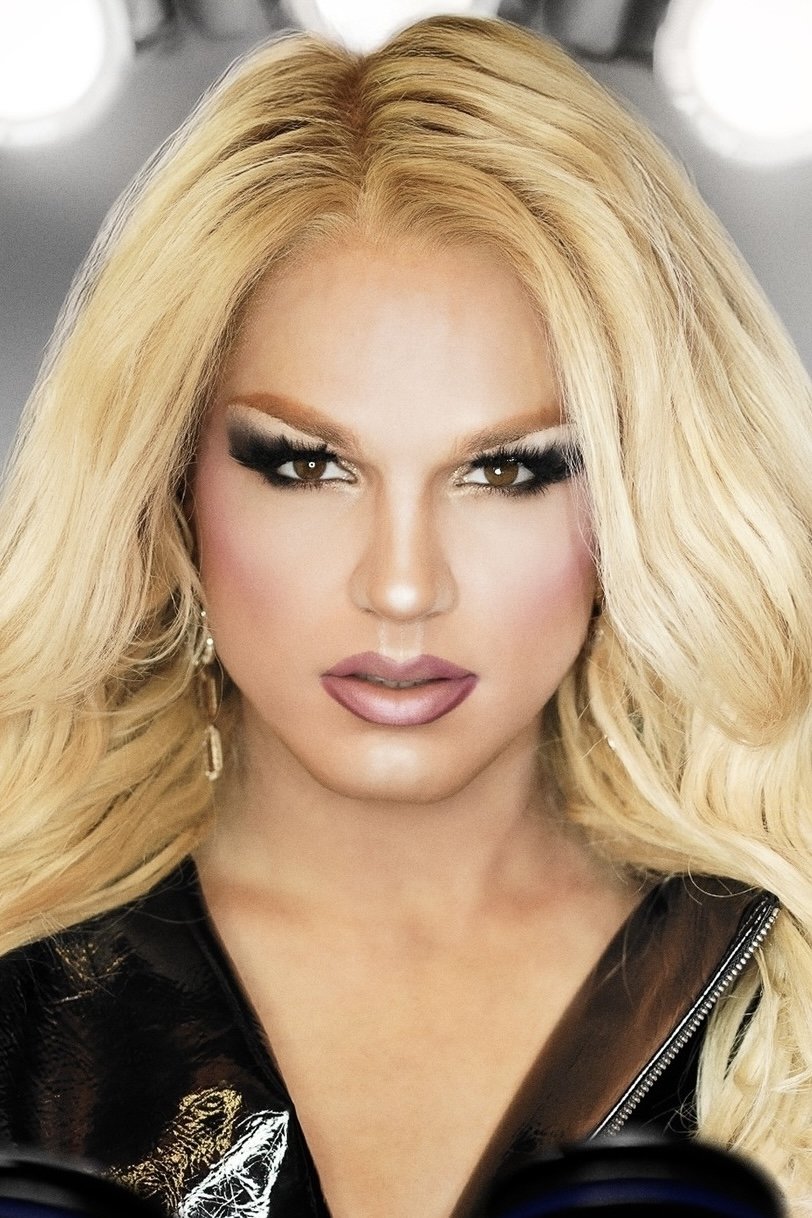
During Season 8 of ‘RuPaul’s Drag Race’, Britney Spears impersonator Derrick Barry made a comment to Bob the Drag Queen that was widely criticized as a racial microaggression. Barry asked Bob, “If I want to do ratchet drag next week, can you give me any tips?” The question associated “ratchet”—a term often used codedly to describe “uncultured” Black behavior—specifically with Bob, despite Bob’s polished aesthetic. The moment highlighted how white queens often default to viewing Black drag through a lens of ghetto-fication regardless of the performer’s actual style.
Perez Hilton (2007–2009)
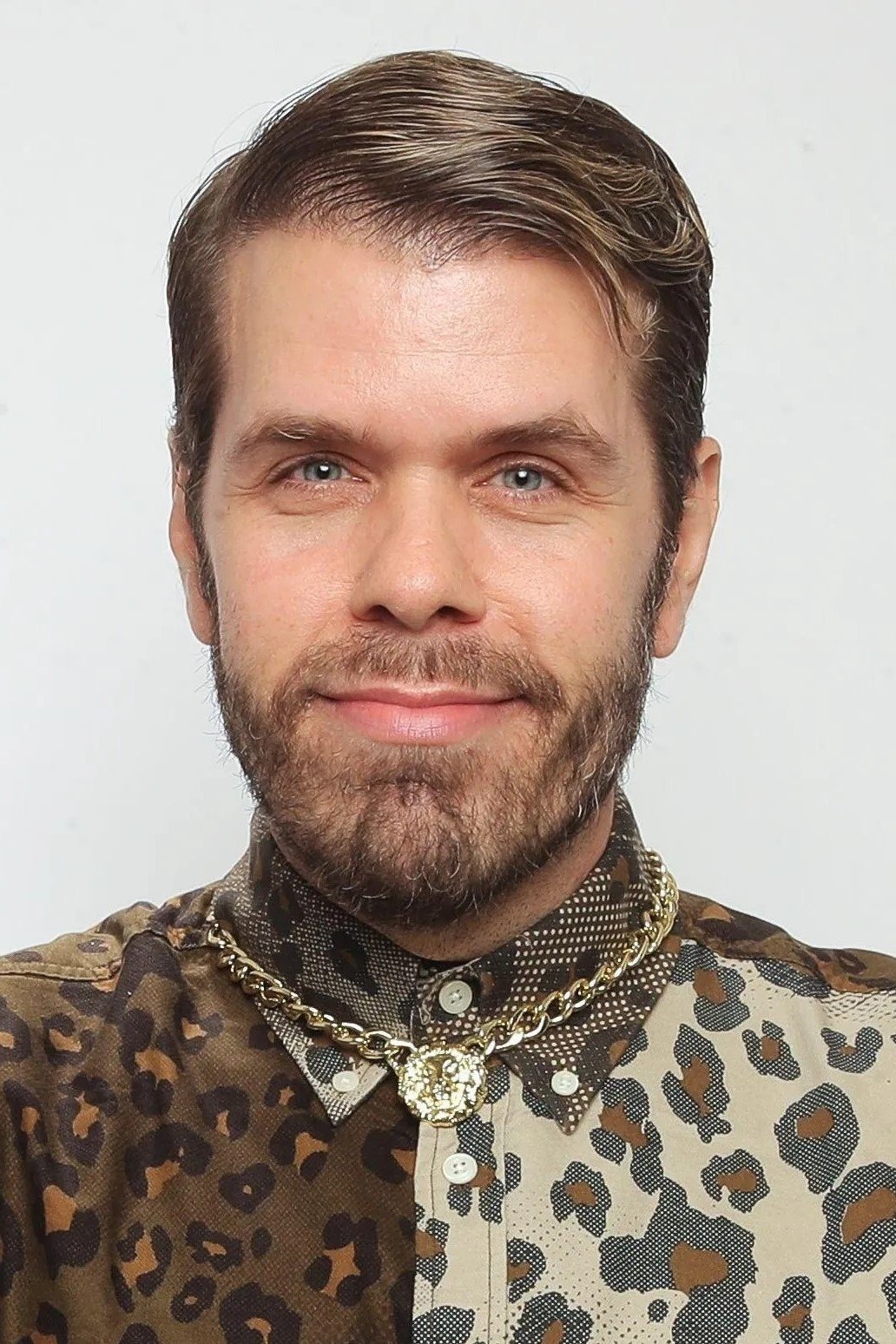
Celebrity blogger Perez Hilton built his empire on outing closeted celebrities and making vicious attacks on stars, often using racial slurs. He was caught on camera using the N-word in a heated argument with Black Eyed Peas member Will.i.am, later claiming he used the slur specifically to get a reaction because he knew it was the “worst thing” he could say. Hilton also frequently targeted Jennifer Hudson with racially charged insults during her rise to fame, calling her a “posur” and attacking her appearance in ways that critics noted were specifically anti-Black.
Sandra Bernhard (1998)
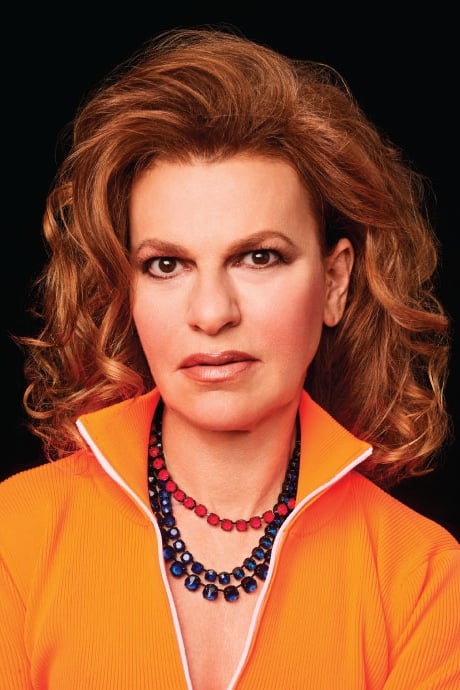
Comedian and actress Sandra Bernhard, a fixture in the LGBTQ entertainment world, faced backlash for a stand-up set where she attacked Mariah Carey. Bernhard criticized Carey’s proximity to Black culture, stating that Carey was “acting real n*ggerish” while hanging out with Sean “Diddy” Combs. The use of the hard-R slur to police a mixed-race woman’s identity was viewed as a shocking display of white gatekeeping and racism. Carey later revealed she was deeply hurt by the comments, noting that Bernhard treated her Black identity as a costume.
Gary Janetti (2017–2021)
Television writer and producer Gary Janetti gained a massive Instagram following for posting memes that imagined a sassy, vicious internal monologue for Prince George. The account frequently targeted Meghan Markle, depicting the child royal making racist and classist attacks against her, mocking her wedding, family, and status. Critics argued that Janetti, a white man, was using the image of a white child to project misogynoir onto a Black woman without consequence. The HBO Max animated series based on the account was eventually cancelled, partly due to the discomfort surrounding the relentless bullying of Markle.
Trinity The Tuck (2021)
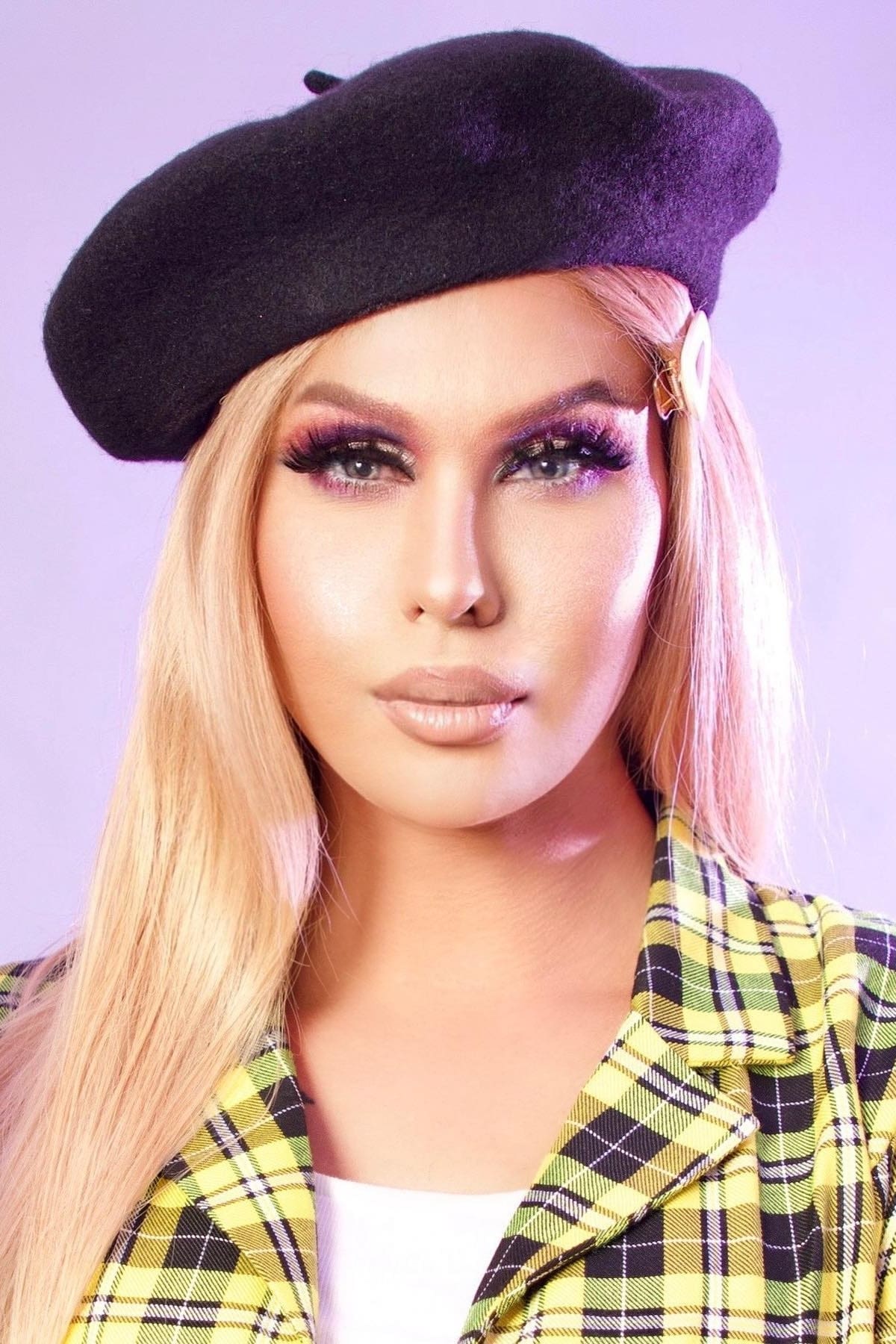
‘All Stars’ winner Trinity The Tuck faced a bizarre controversy when Reddit users uncovered a burner account on Twitter/X that appeared to belong to her. The account, under the handle “SheDevilByNight,” claimed to be a Black trans woman and spent extensive time defending Trinity against criticism while attacking other Black queens. Trinity eventually admitted to running the account, though the specific claim of posing as a Black trans woman remained a point of contention and confusion. The incident was slammed as a form of “digital blackface,” where a white cis man co-opted the identity of a marginalized group to win online arguments.
Tell us which of these moments surprised you the most in the comments.