


The 20 Most Controversial Roles Featuring Child Actors

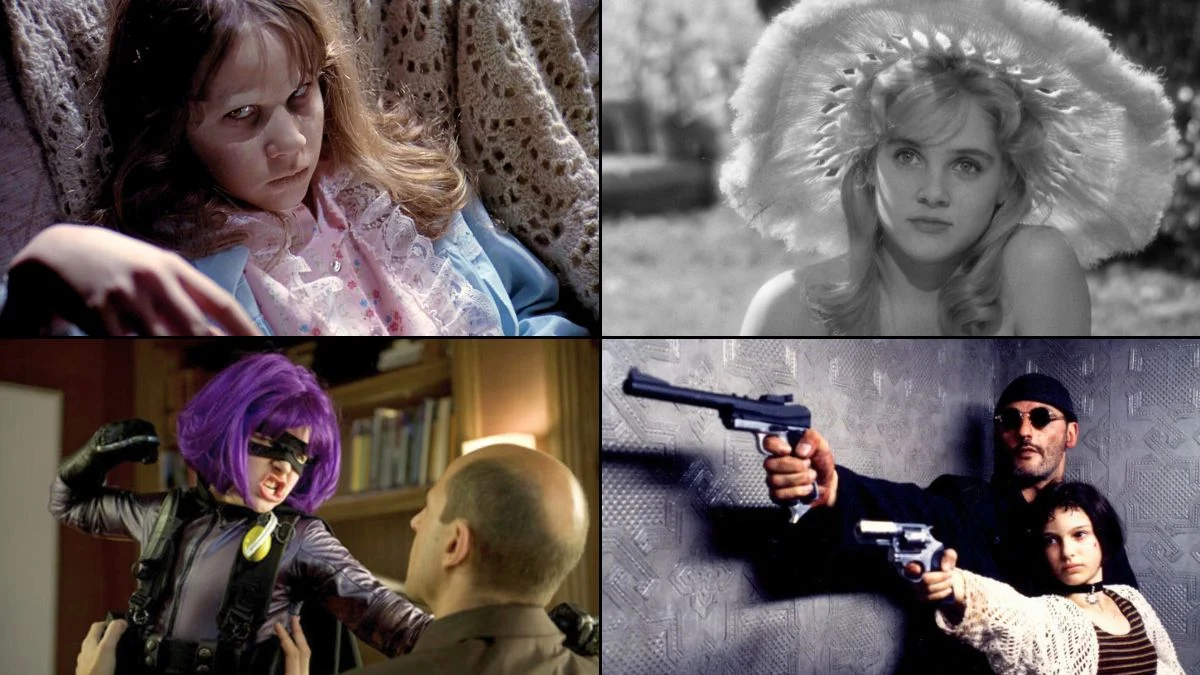


Child performers have been part of film and TV history for decades, and sometimes the roles they take spark intense debate. Concerns usually focus on sexualization, graphic violence, or whether productions followed child-protection guidelines during filming. Many of these projects used body doubles, on-set teachers, and strict supervision to meet legal standards. Even with safeguards, public reaction has often pushed ratings boards, studios, and lawmakers to revisit how minors are portrayed on screen.
‘Pretty Baby’ (1978)
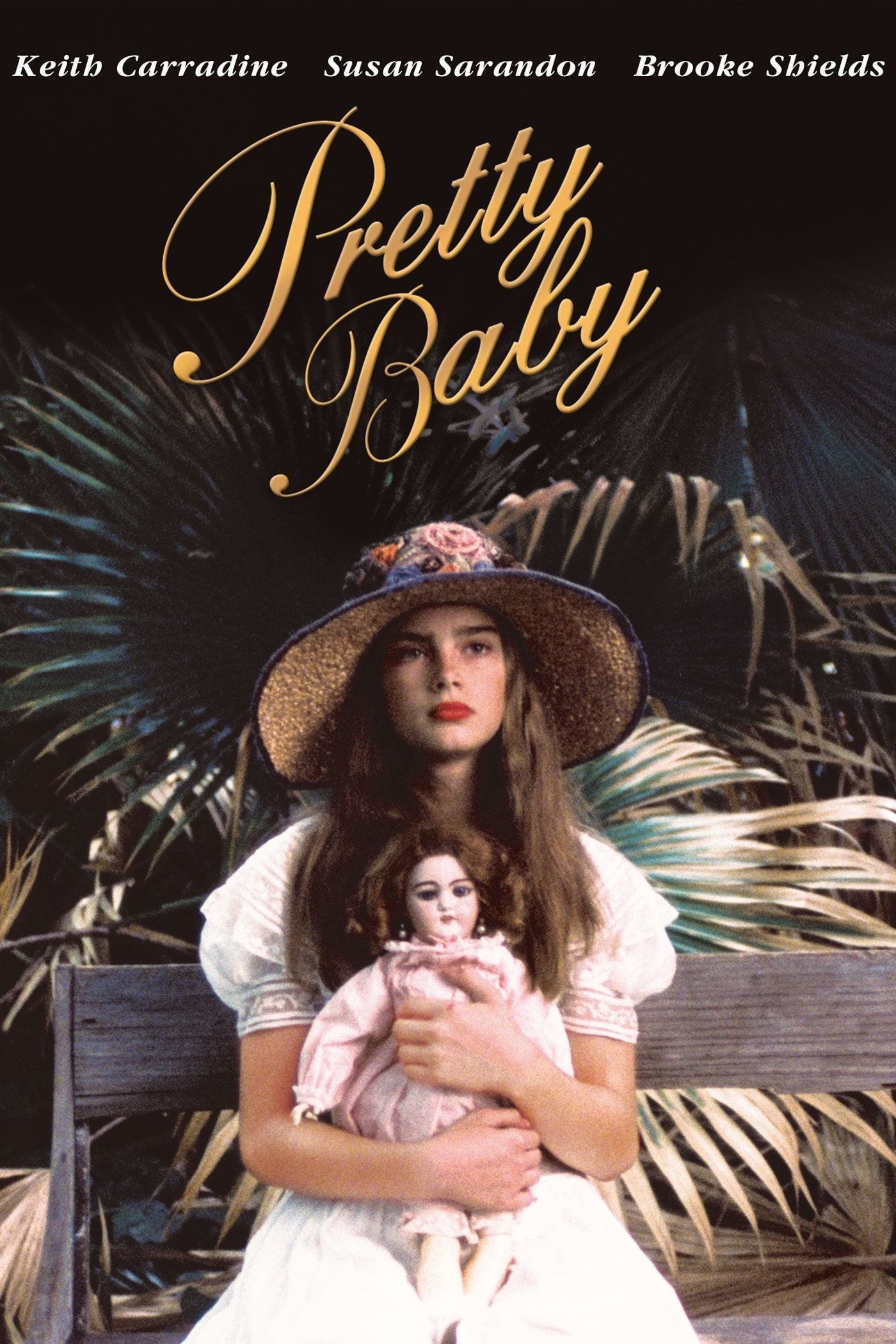
Brooke Shields was 12 when she played a child living in a New Orleans brothel in ‘Pretty Baby’. The production used strategic staging and body doubles while working under state child-labor rules and a studio tutor system. Censors in several countries demanded cuts or restricted screenings due to sexualized imagery of a minor. The film’s marketing and poster art also drew formal complaints and prompted policy discussions about advertising featuring minors.
‘Taxi Driver’ (1976)
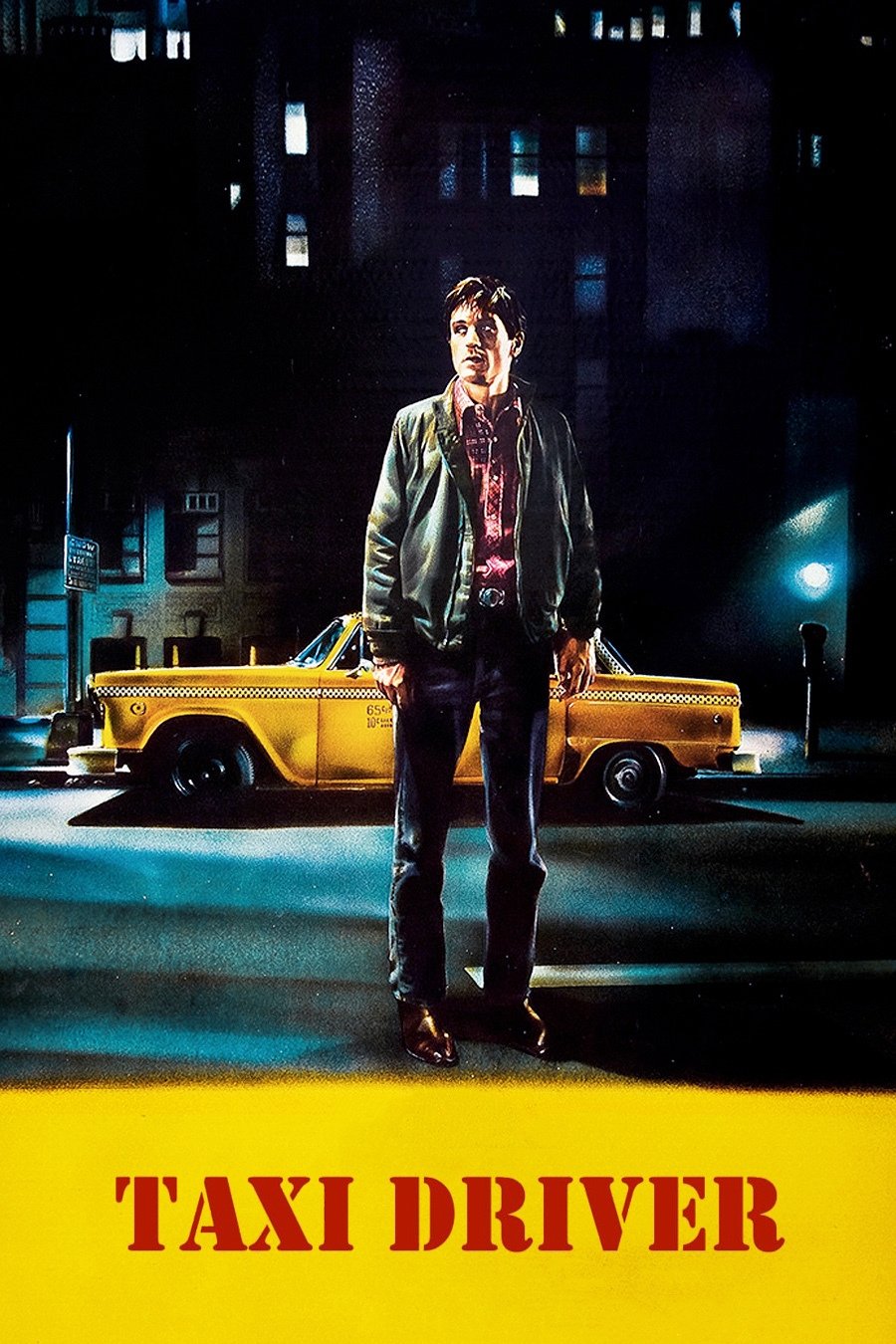
Jodie Foster was 12 when she portrayed Iris, a runaway exploited by adults, in ‘Taxi Driver’. Social workers and a welfare advocate were present on set, and her older sister served as a body double for suggestive shots. The role triggered media scrutiny about exposing a child to mature subject matter. Studio notes and guild oversight documented tutoring hours and limited workdays to comply with regulations.
‘The Exorcist’ (1973)

Linda Blair was 13 during filming of ‘The Exorcist’, which depicted intense possession scenes and medical procedures. Effects teams used prosthetics, puppetry, and doubles to stage the most extreme moments. The production kept a teacher and guardian on set and scheduled short work blocks to meet child-labor requirements. Debate over the film’s religious and psychological content included questions about how much context a young performer should receive.
‘Lolita’ (1962)
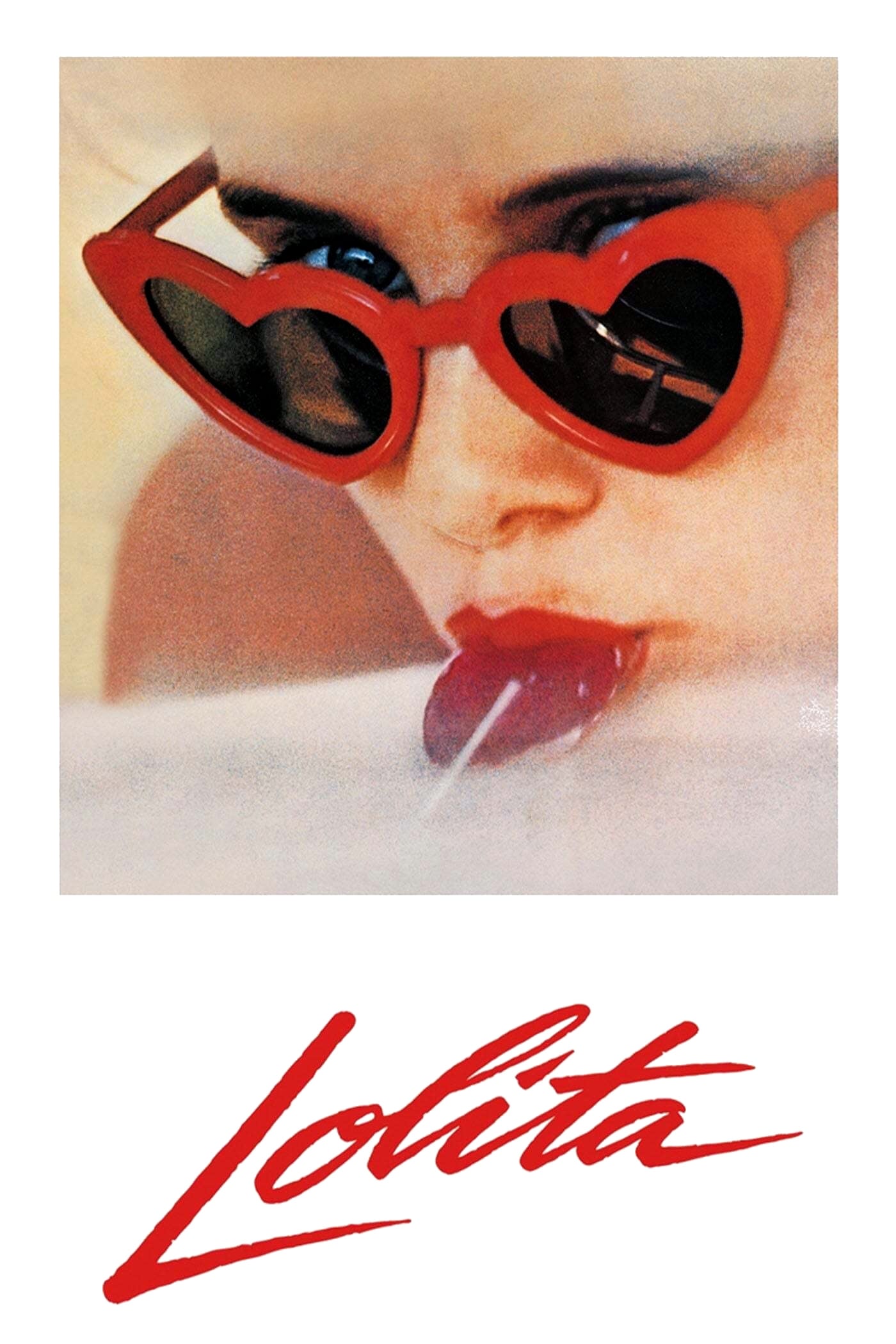
Sue Lyon was a mid-teen when she played the title character in ‘Lolita’, adapted from Vladimir Nabokov’s novel. The screenplay and direction softened explicit elements while publicity leaned on provocative imagery. Some territories required edits and age-restricted screenings on release. The role remained a reference point in later ratings board deliberations about sexual themes involving minors.
‘Hounddog’ (2007)
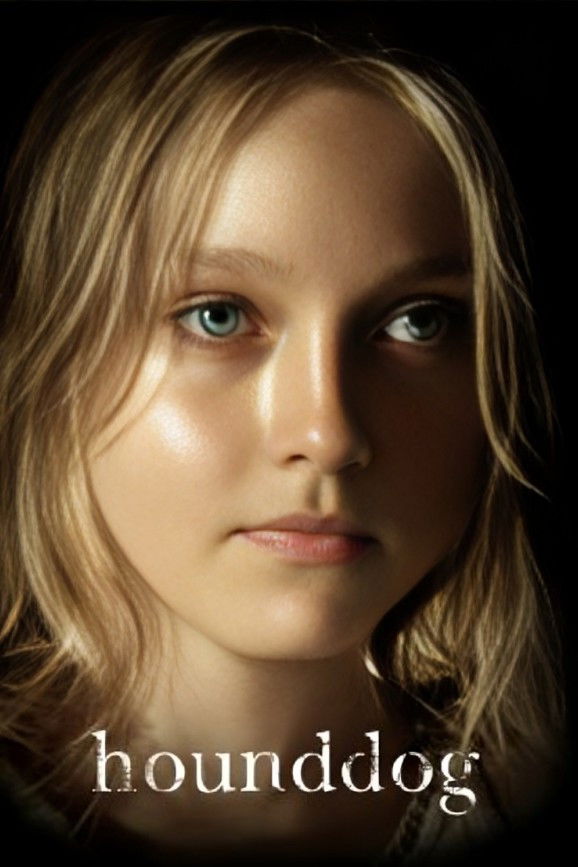
Dakota Fanning was 12 when she filmed a drama that included a simulated assault scene in ‘Hounddog’. The scene used careful blocking, closed sets, and no nudity, with a child-welfare representative overseeing the work. Advocacy groups organized protests at festivals and called for distribution limits. The movie received an R rating and became a case study in how productions document safeguards for sensitive material.
‘Kick-Ass’ (2010)
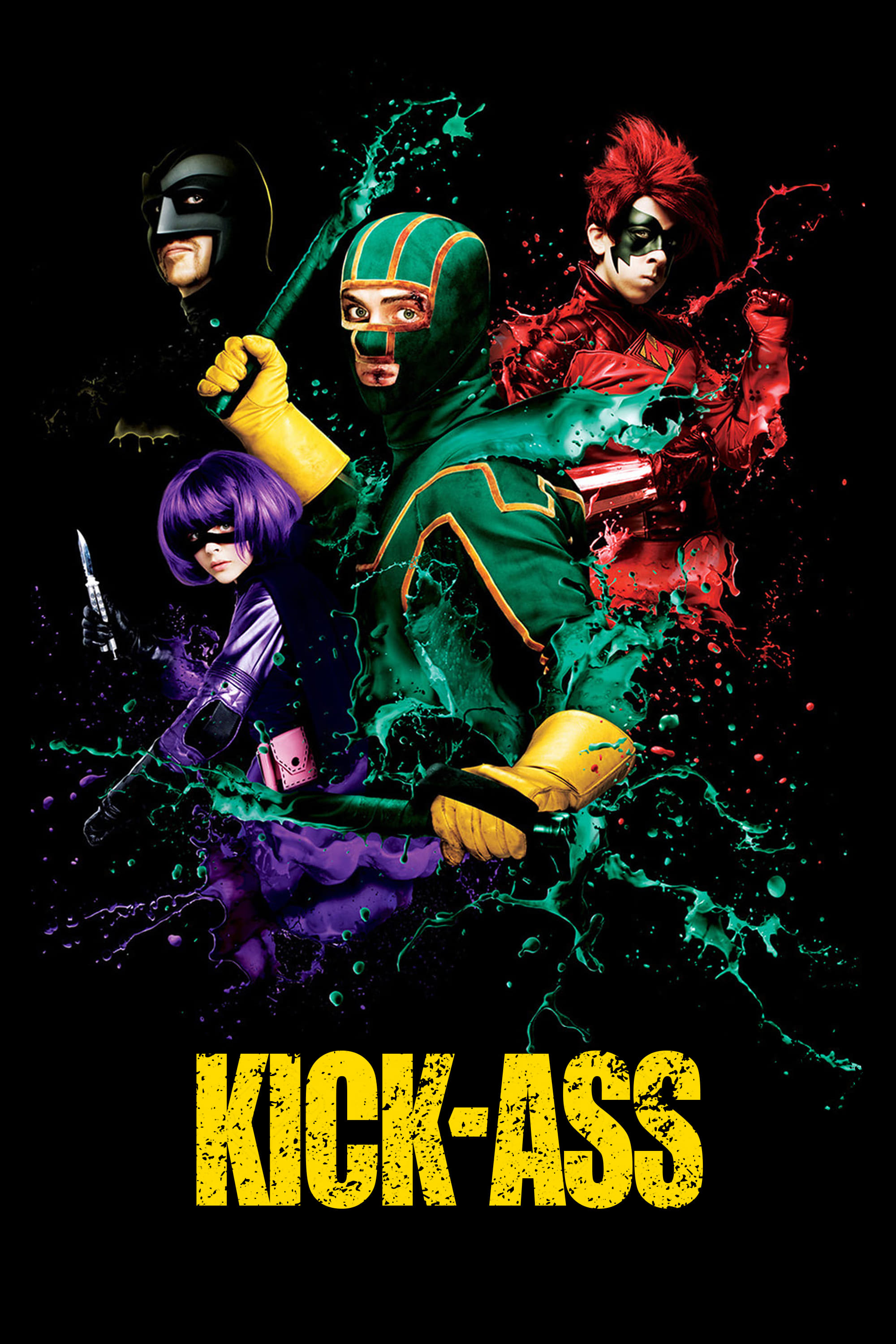
Chloë Grace Moretz was 11 when she trained extensively for stunt choreography and weapons handling as Hit-Girl in ‘Kick-Ass’. Dialogue featuring profanity and stylized combat raised questions about age-appropriate content. The production relied on stunt doubles, lightweight prop weapons, and set tutors to meet safety and schooling rules. Ratings boards cited language and violence when assigning age restrictions.
‘Léon: The Professional’ (1994)
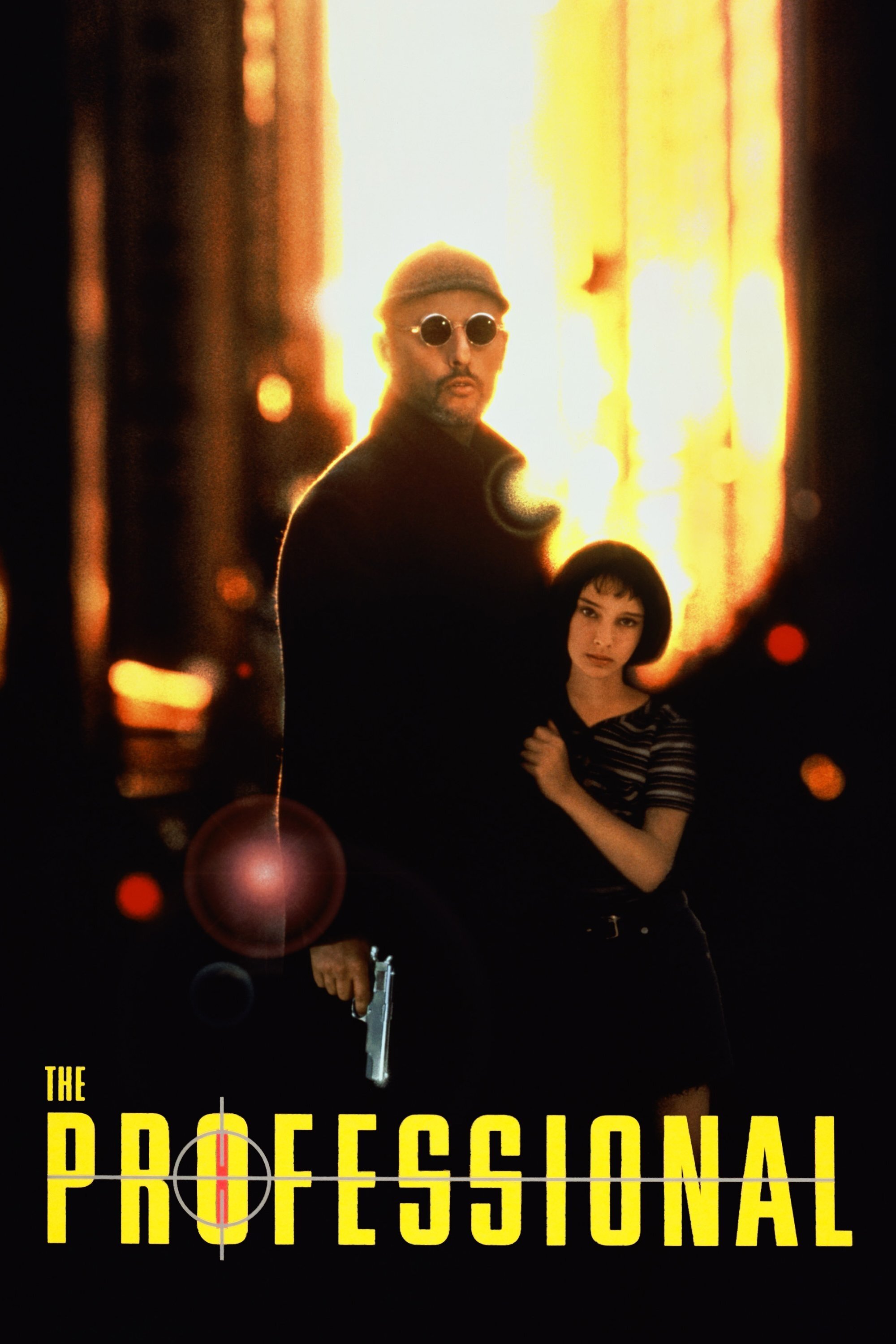
Natalie Portman was 12 while playing Mathilda in ‘Léon: The Professional’. The American release trimmed suggestive material compared with international cuts, and scenes were staged with strict supervision. Casting paperwork detailed tutoring, limited hours, and guardian presence for all sequences. The film is frequently cited in industry discussions about boundaries in stories pairing a minor with an adult hitman character.
‘Birth’ (2004)
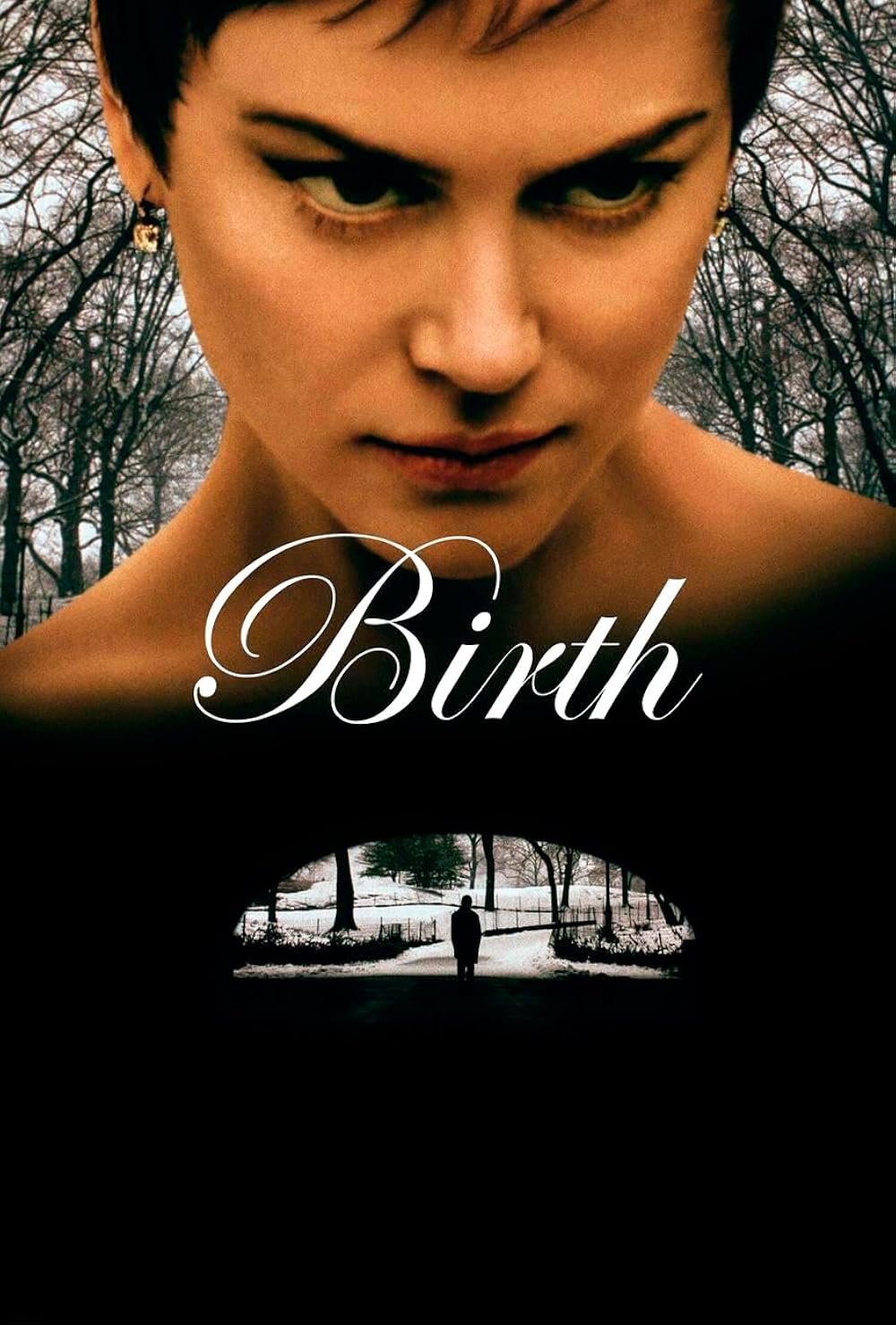
Cameron Bright was 10 when he performed opposite Nicole Kidman in ‘Birth’, including a widely discussed kissing scene. Filming used camera cheats, body doubles, and a closed set with guardians and child-welfare oversight. The distributor emphasized these safeguards during press briefings. Ratings notes referenced mature themes and ensured marketing targeted adult audiences.
‘Cuties’ (2020)
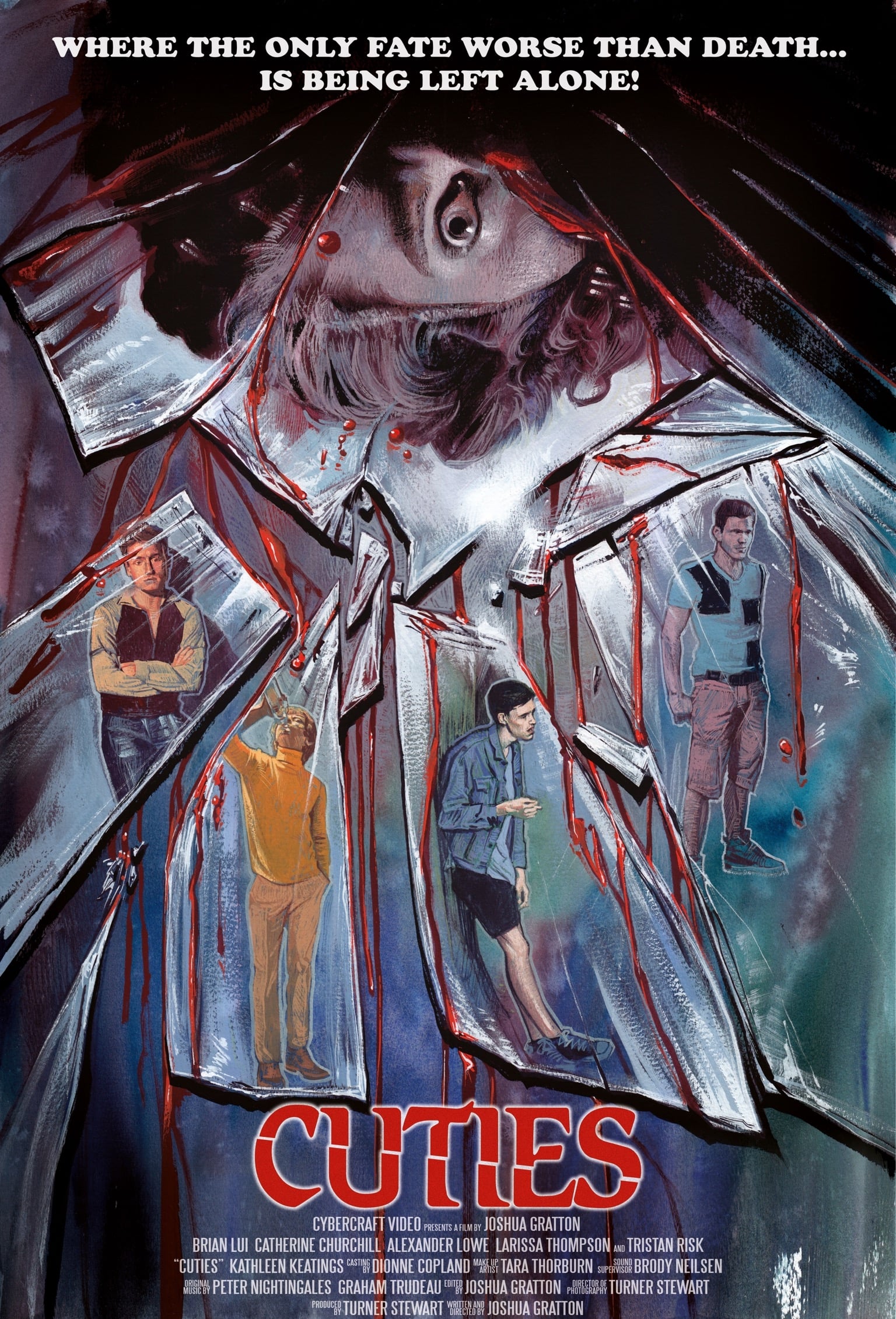
The French film ‘Cuties’ follows preteen dancers navigating social pressure and online culture. Controversy escalated after an early poster and thumbnails used by a streaming platform were criticized as sexualized. The director stated the intent was to critique exploitation, and the film’s release included Q&A materials explaining its context. Age ratings varied by country, with some regions adding warnings about thematic elements.
‘Kids’ (1995)
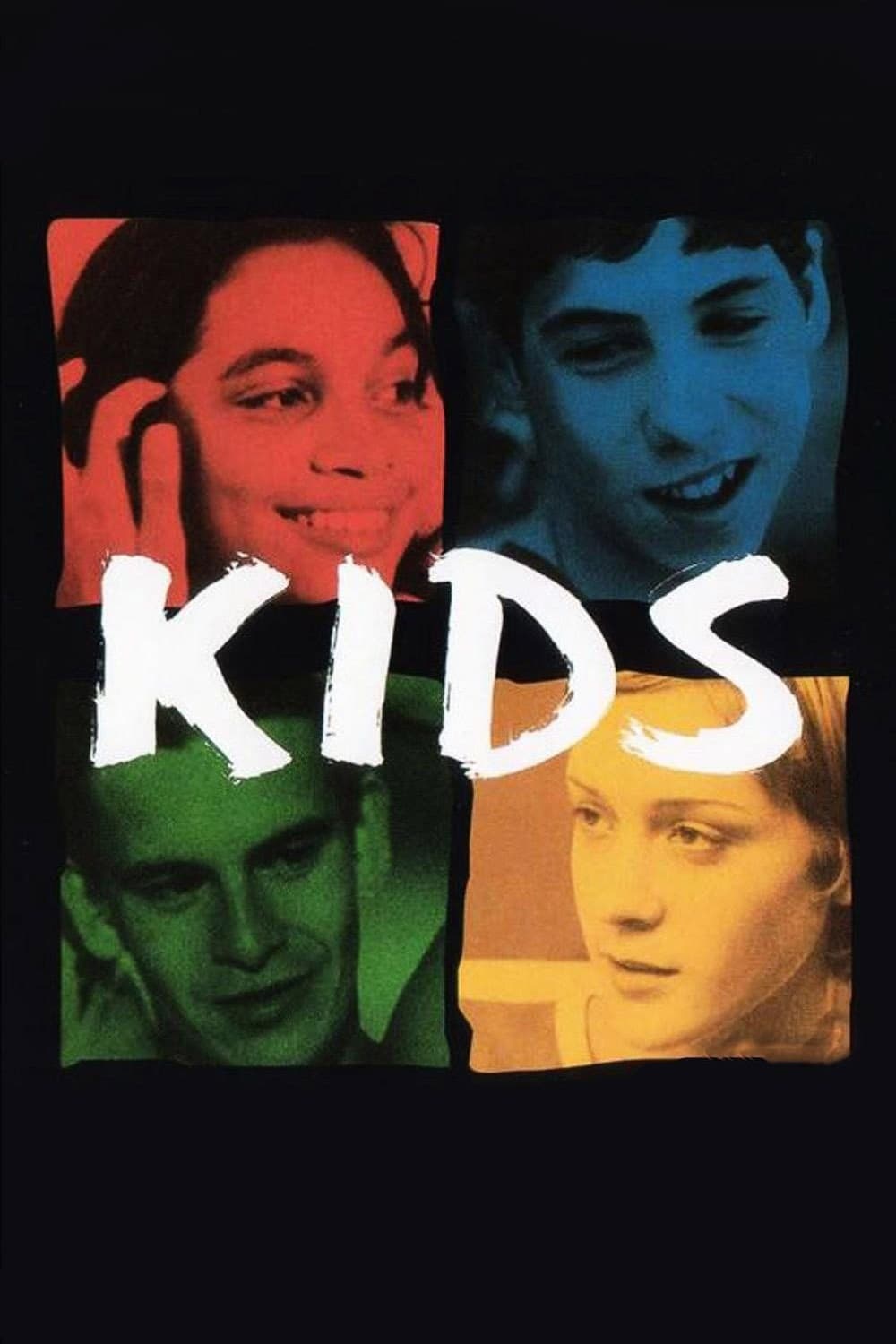
‘Kids’ used largely nonprofessional teen actors to depict risky behavior across a single day in New York City. Minors in the cast were covered by guardian consent, tutoring logs, and short workdays. The movie’s explicit themes led to an unrated release in some markets after challenges with standard ratings. Festivals and retailers implemented access restrictions to limit viewership to adults.
‘Twilight Zone: The Movie’ (1983)

A nighttime helicopter stunt accident during ‘Twilight Zone: The Movie’ killed actor Vic Morrow and two child actors. Investigations found violations around late-night work and safety planning. The incident led to stricter enforcement of child-labor permits and expanded safety protocols for stunts involving minors. Studios updated risk assessments and insurance requirements for shoots with children after the case.
‘Tideland’ (2005)
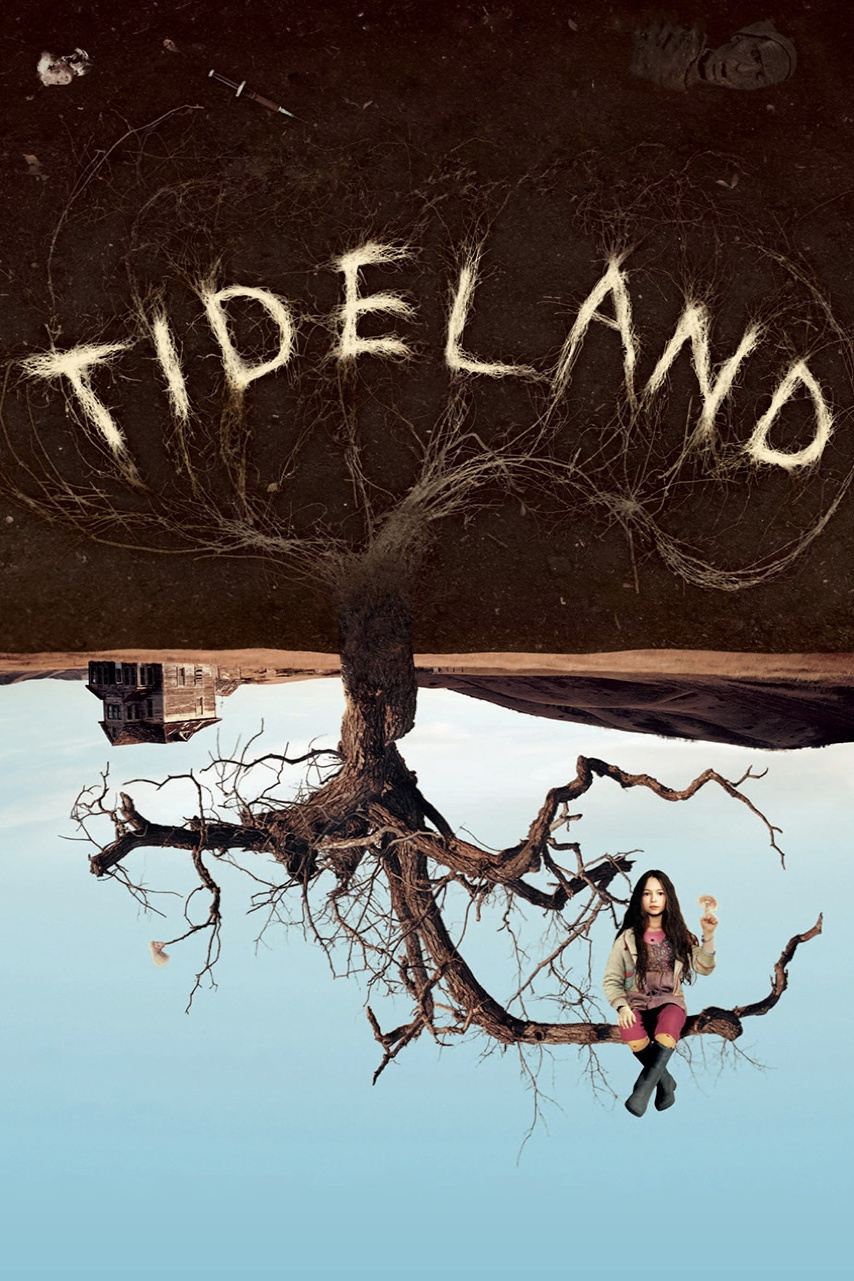
Jodelle Ferland starred in ‘Tideland’ as a child coping with disturbing adult situations. Production notes describe on-set coaching to frame scenes from the character’s imaginative perspective rather than explicit realism. The distributor prepared educator guides and content advisories for festival screenings. Ratings decisions cited pervasive dark themes and recommended adult supervision.
‘Thirteen’ (2003)
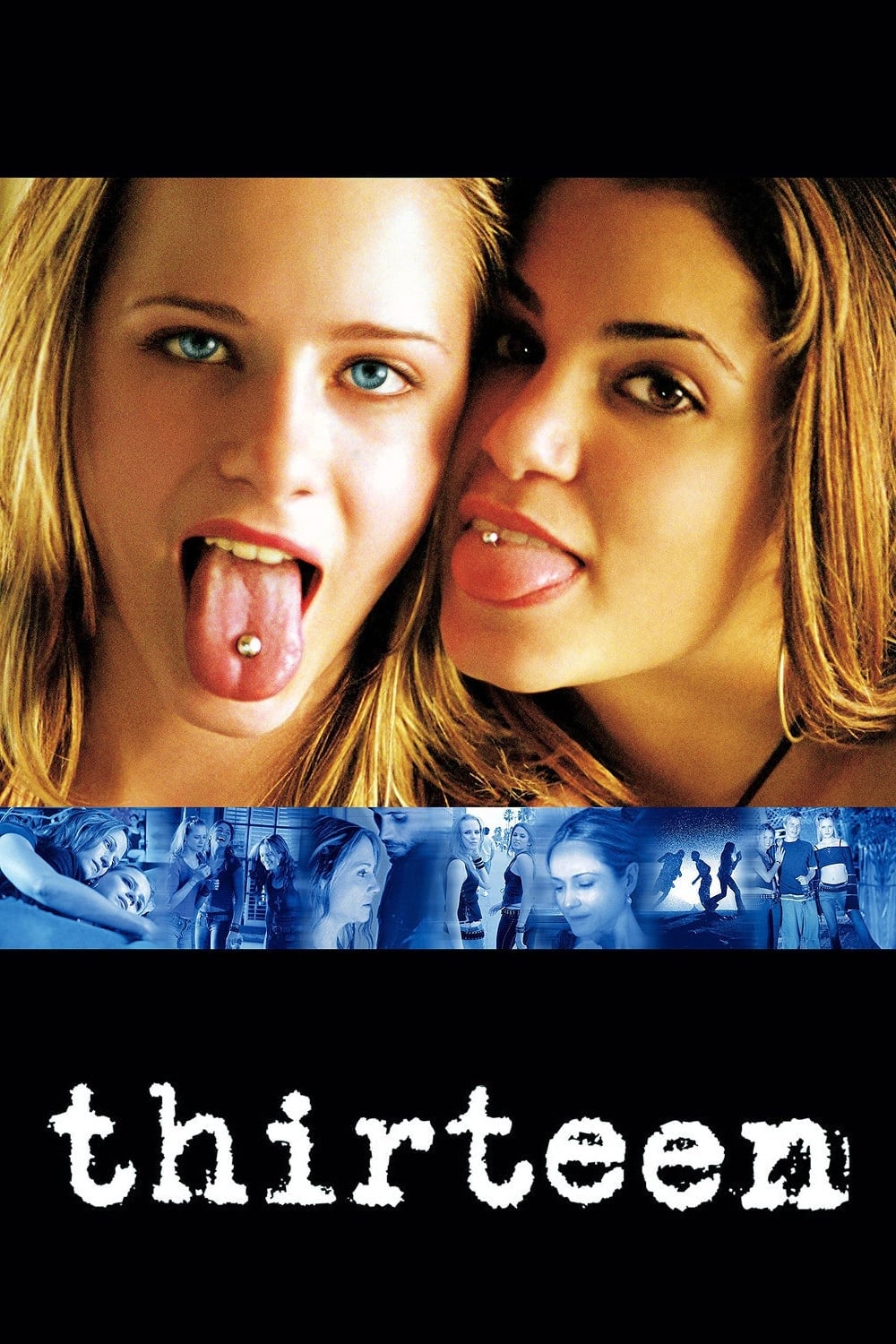
Evan Rachel Wood was 14 when she portrayed a teen drawn into self-harm, theft, and substance use in ‘Thirteen’. The production maintained tutoring schedules, limited hours, and guardian presence documented in compliance filings. Marketing avoided glamorizing behavior and emphasized cautionary themes. The film received an R rating with detailed content descriptors.
‘The Good Son’ (1993)
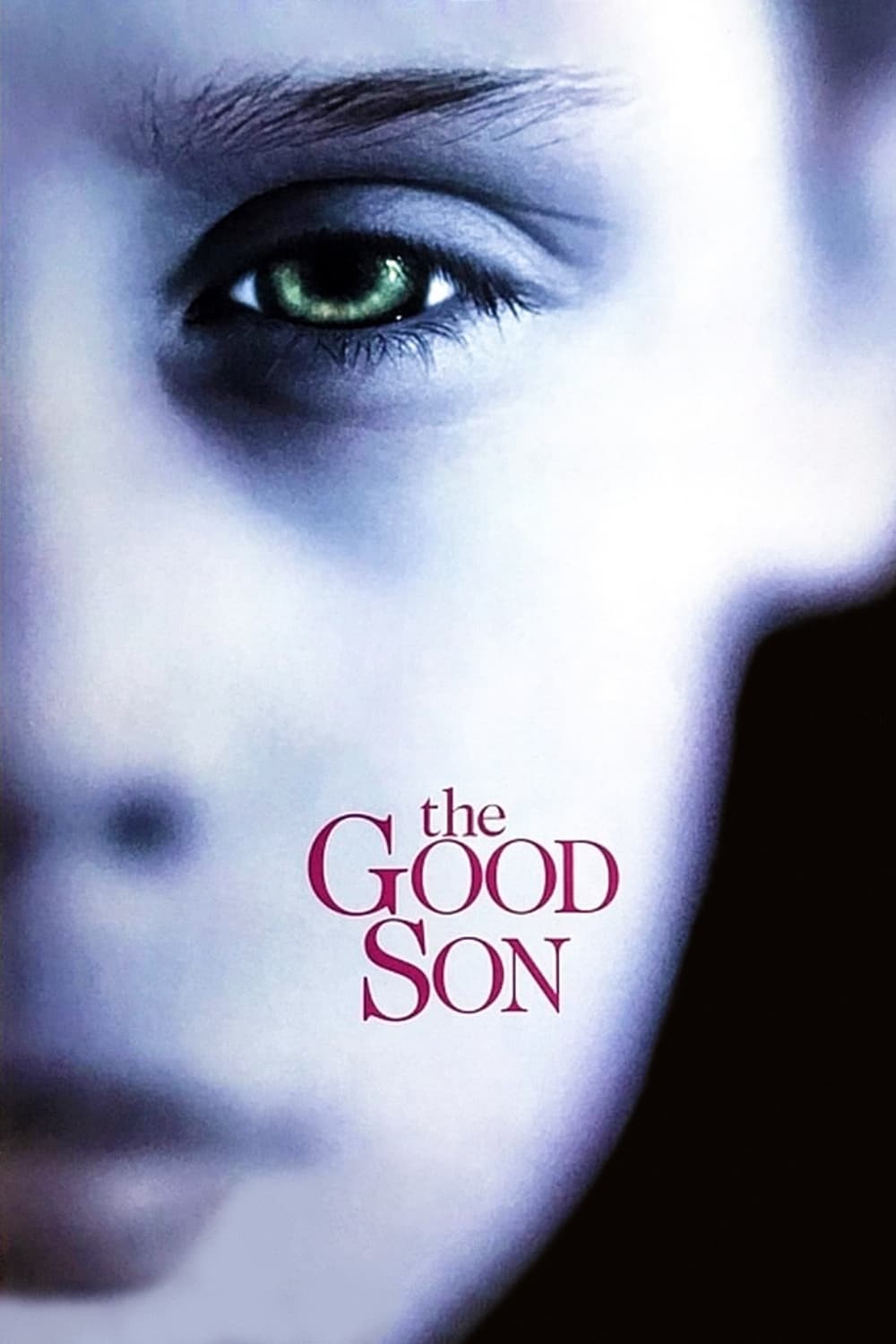
‘The Good Son’ featured Macaulay Culkin as a manipulative child who commits violent acts. The production balanced safety planning for stunt work with tutoring logs and restricted hours. Publicity materials clarified the difference between the actor’s family-friendly image and the role’s darker content. The release carried an R rating that limited youth access in theaters.
‘Moonrise Kingdom’ (2012)
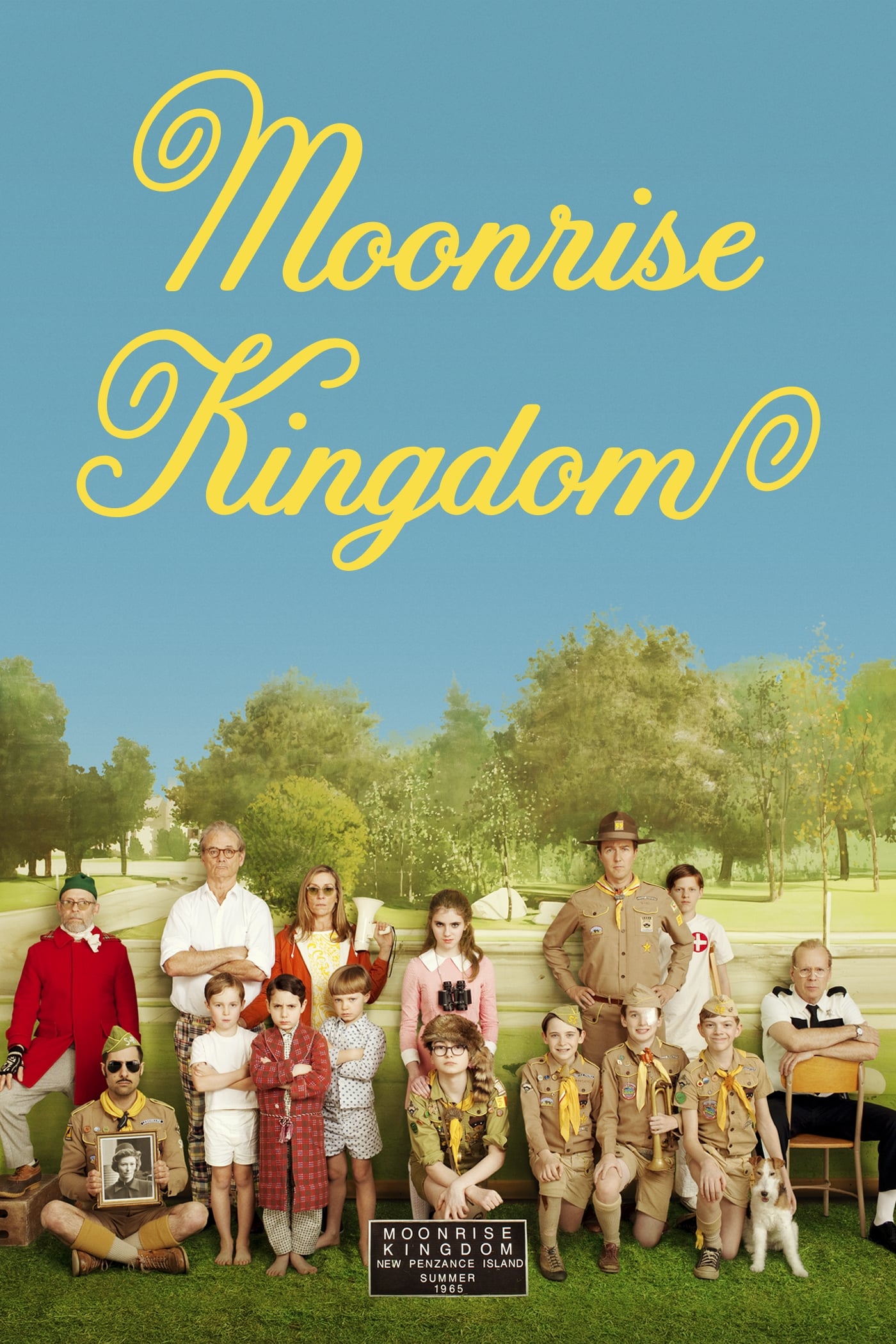
‘Moonrise Kingdom’ includes a beach scene where two young teens kiss and explore boundaries. Filming used closed sets, modesty garments, and choreography approved by guardians and studio representatives. Press notes addressed the steps taken to ensure performers were comfortable and informed. The movie was rated PG-13 with guidance for parents on maturity of content.
‘The Blue Lagoon’ (1980)
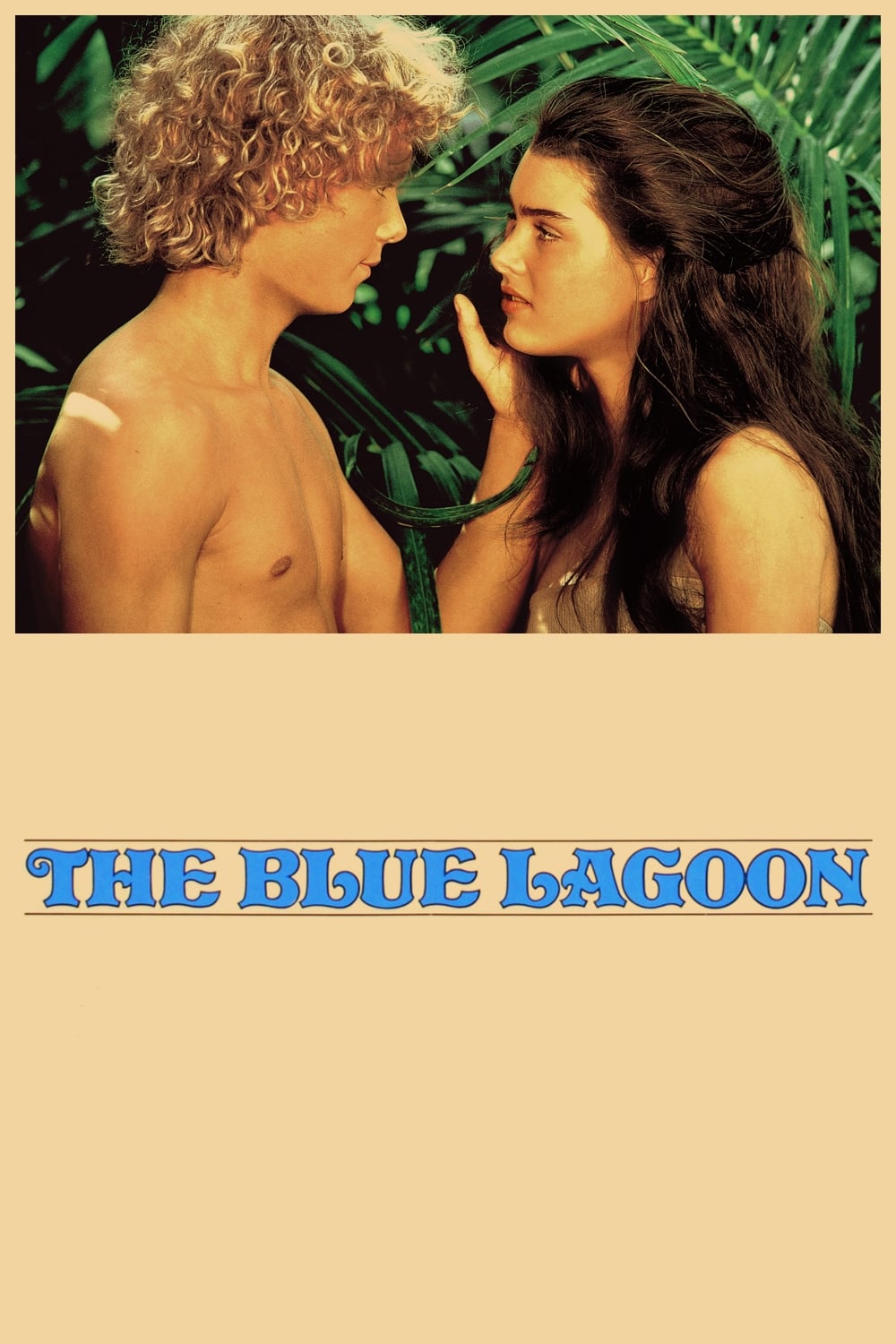
Brooke Shields was 14 during ‘The Blue Lagoon’, which depicted adolescent sexuality on a deserted island. Producers used body doubles for nude shots and carefully framed scenes to comply with laws. Documentation from the shoot highlighted tutoring and limited workdays alongside guardian oversight. The film prompted regulatory reviews of how productions verify age and use doubles for minors.
‘The Painted Bird’ (2019)
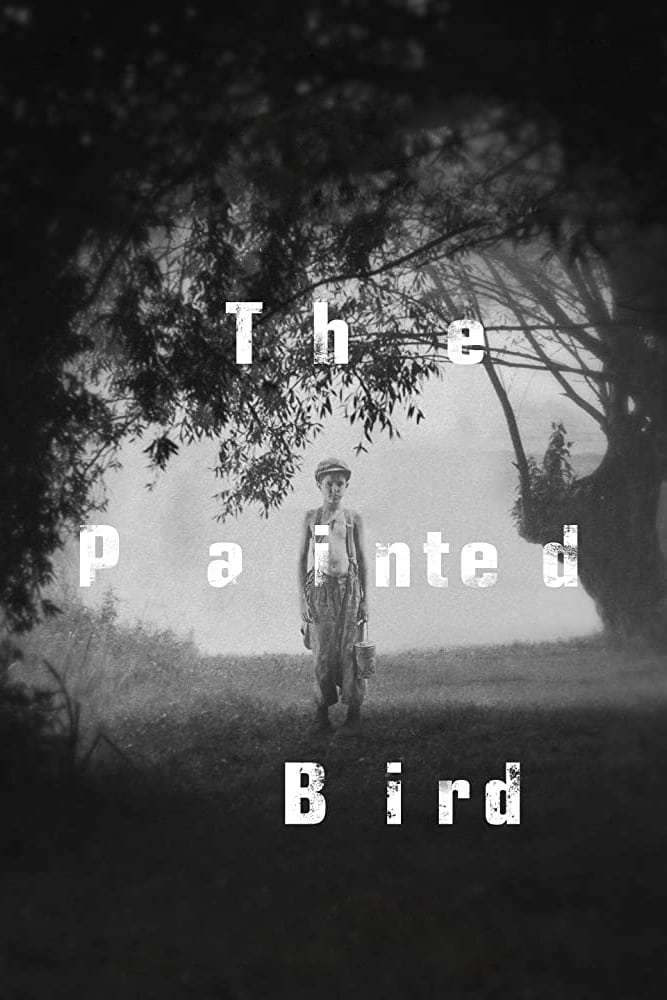
‘The Painted Bird’ follows a young boy witnessing wartime atrocities. The director stated that the child actor was shielded from full context through editing, stand-ins, and fragmented shooting. Festival screenings included content warnings due to graphic violence. The production coordinated with guardians and educators to structure the workload and debrief scenes.
‘Beasts of No Nation’ (2015)

‘Beasts of No Nation’ centers on a child soldier portrayed by Abraham Attah. The production partnered with advisors familiar with trauma-informed practices and used staged effects for combat. Scheduling respected tutoring requirements and daily hour limits for a minor. Release materials emphasized the film’s educational outreach on the issue of child recruitment.
‘Gummo’ (1997)

‘Gummo’ featured children and teens in unscripted-style scenes that included risky behavior. Location permits, guardian consents, and closed sets were used to control hazards. The film’s raw presentation led some venues to limit screenings to adults. Its production notes became part of classroom discussions on documentary-style filmmaking and minors.
‘American Beauty’ (1999)
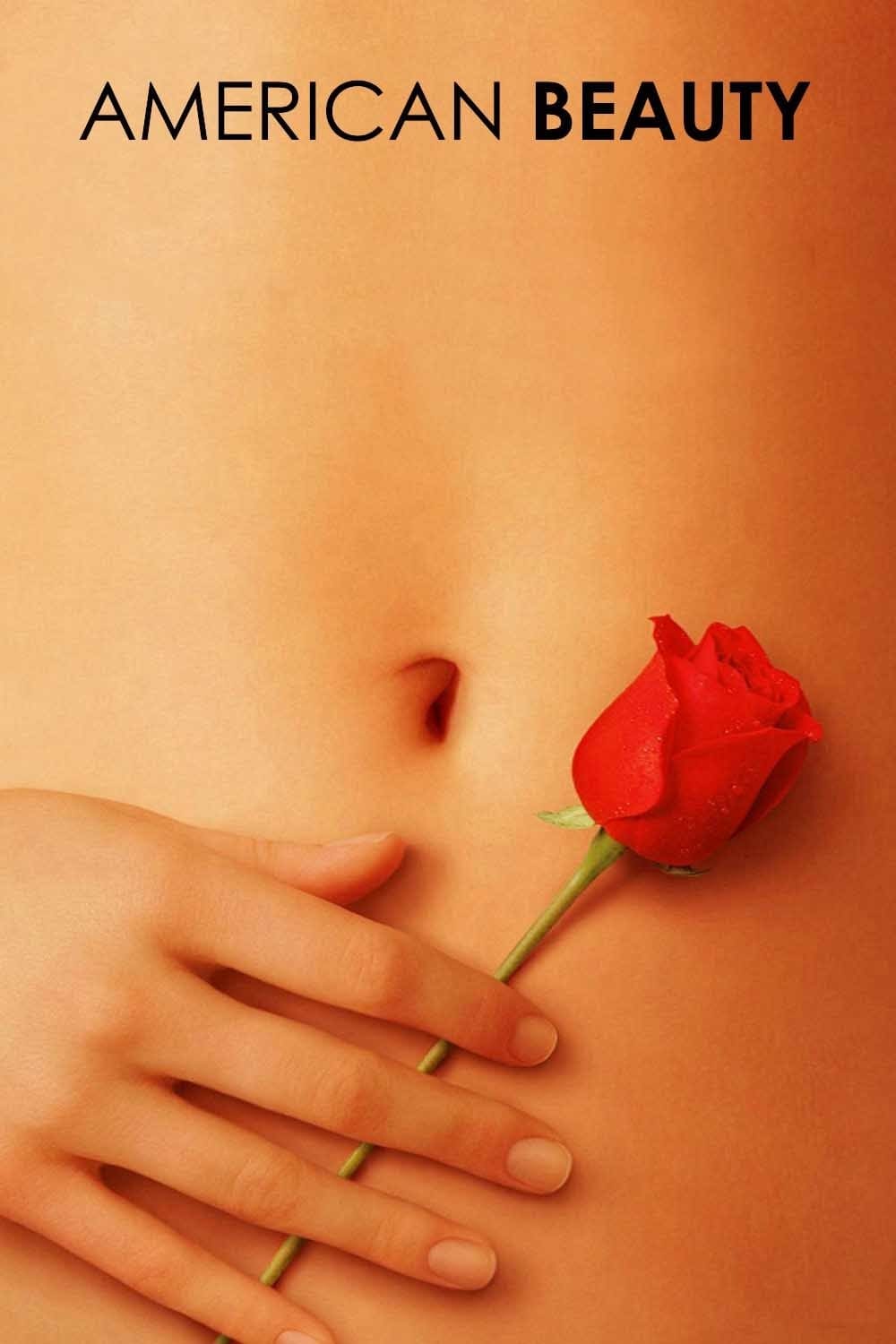
Thora Birch was a minor during production of ‘American Beauty’, and a topless scene was filmed with parental consent and union approvals. The set used a closed environment with modesty protocols and a carefully timed work schedule. Documentation included a waiver process and guardian presence for all sensitive material. The release carried an R rating and detailed advisories about sexual content.
Share the roles you think created the most important industry changes in the comments.