


The 20 Most Cringe “Woke” Speeches by Black Oscar Winners




The Academy Awards have increasingly evolved into a platform for social commentary and political activism during acceptance speeches. Winners often utilize their limited broadcast time to address systemic issues or deliver emotionally charged messages about identity and representation. While many of these moments are celebrated for their passion, others have sparked debate or discomfort among viewers for being performative or awkwardly delivered. The following list highlights instances where Black Oscar winners delivered speeches that generated significant conversation regarding their political or social content.
Daniel Kaluuya
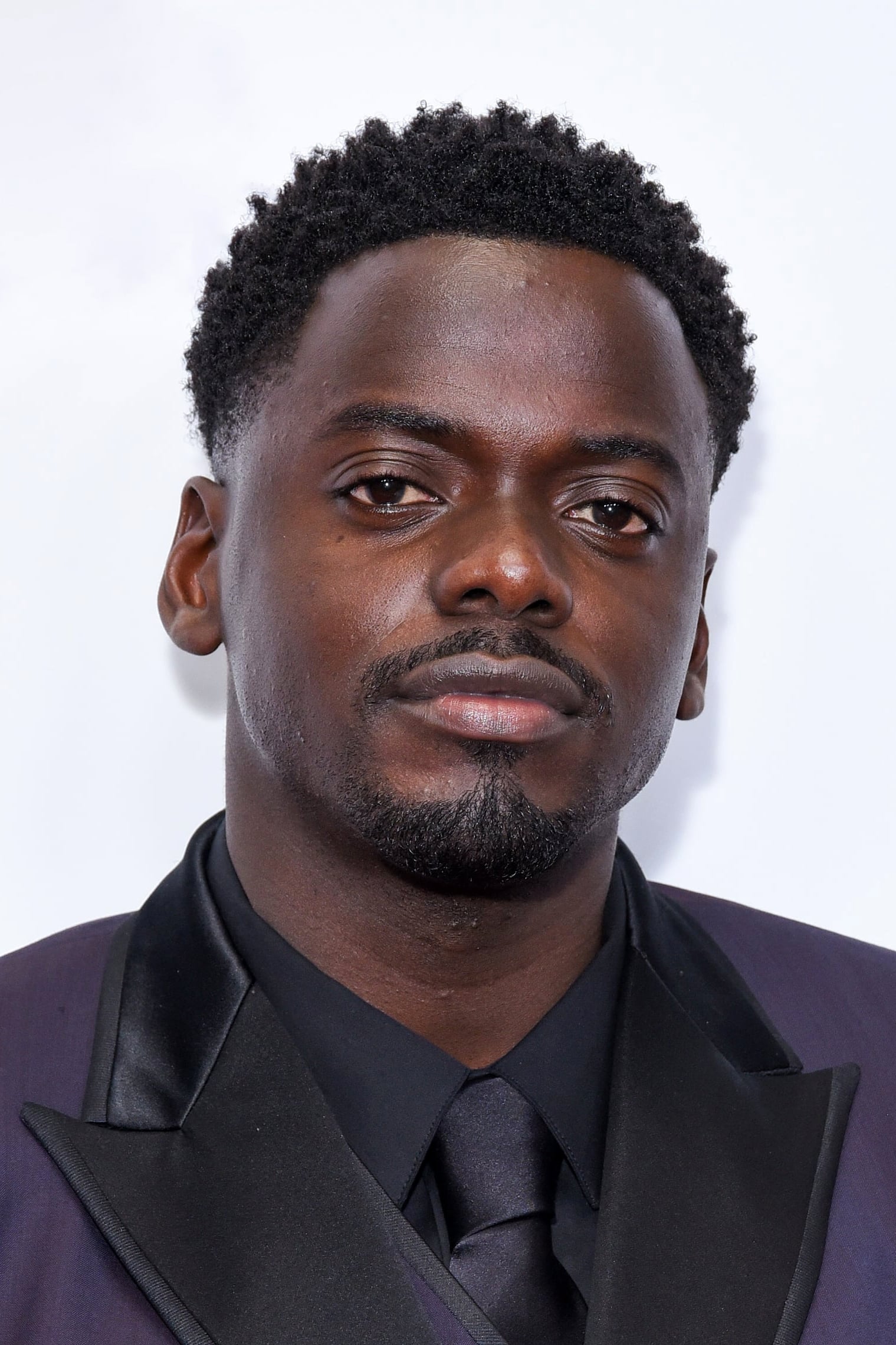
Daniel Kaluuya took the stage to accept the Best Supporting Actor award for his performance in ‘Judas and the Black Messiah’. He began with traditional thank yous to his family and God for his success. The tone shifted drastically when he celebrated the fact that his parents had sex to create him. The camera cut to his mother in the audience who appeared visibly confused and embarrassed by the remark. This sudden pivot from a serious acceptance speech to a joke about conception was widely labeled as an awkward blunder.
Spike Lee
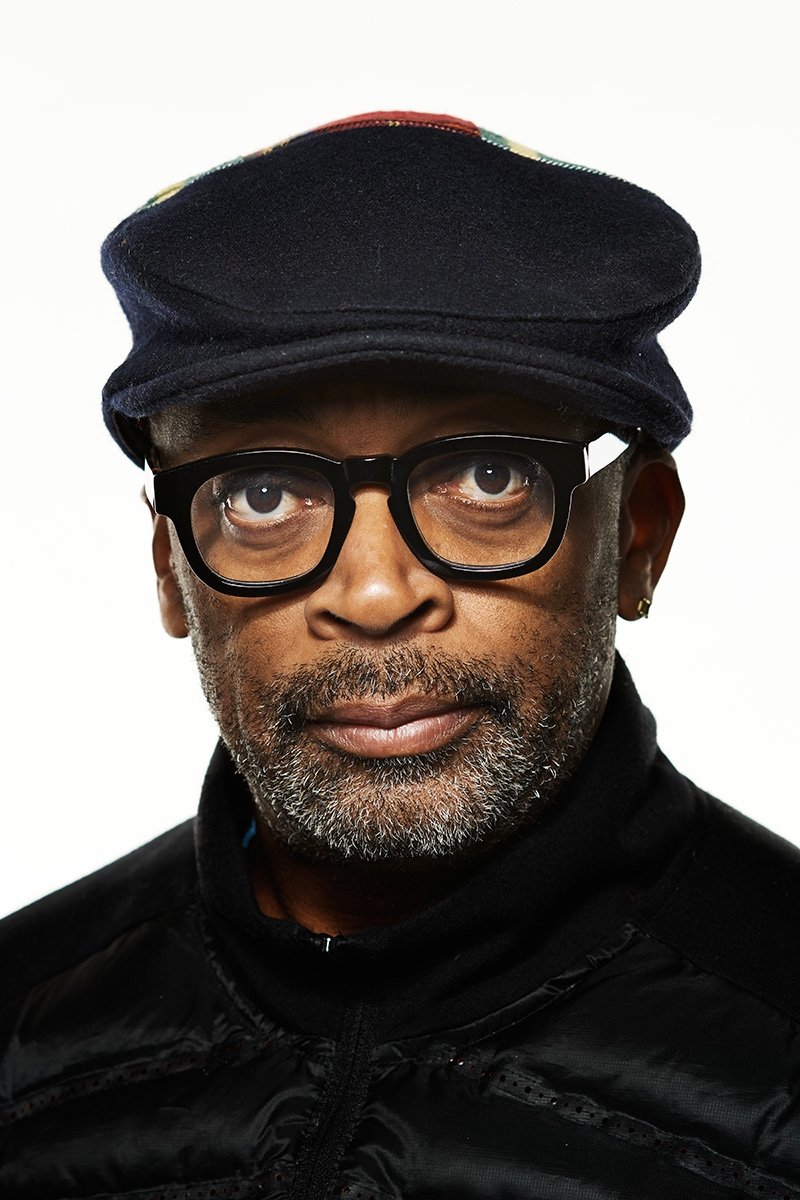
Spike Lee finally won a competitive Oscar for Best Adapted Screenplay for ‘BlacKkKlansman’. He leaped into the arms of presenter Samuel L. Jackson before reading from a prepared sheet of notes. His speech connected the history of slavery in 1619 to the upcoming presidential election. He urged the audience and viewers to make the moral choice between love and hate. The director emphasized that everyone must mobilize to be on the right side of history.
Will Smith
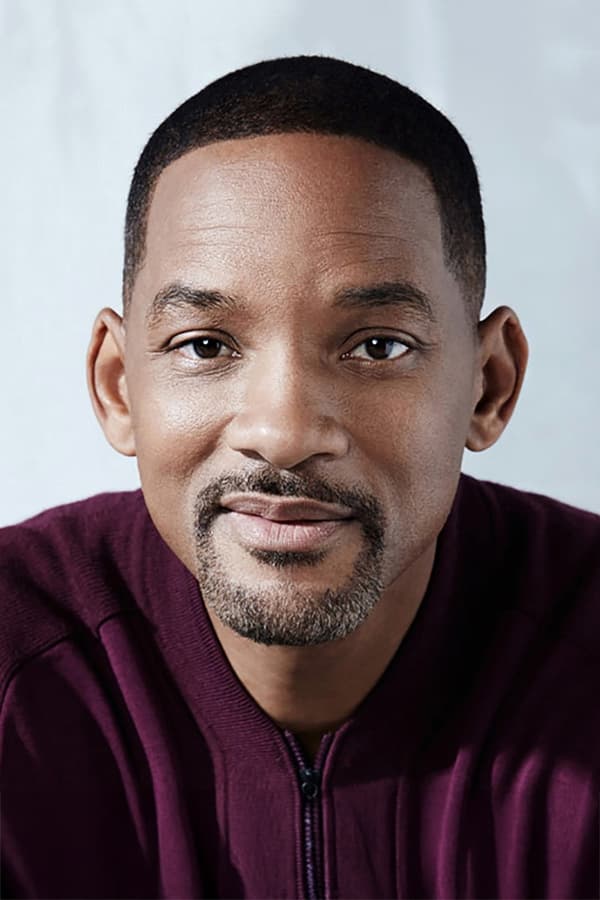
Will Smith won Best Actor for ‘King Richard’ shortly after the shocking moment where he slapped Chris Rock on stage. He delivered a tearful speech about Richard Williams being a fierce defender of his family. Smith claimed that love invites you to do crazy things while apologizing to the Academy and his fellow nominees. He positioned himself as a protector amid a chaotic and violent atmosphere. The speech was viewed by many as a self-serving justification for his earlier outburst.
Travon Free
Travon Free accepted the award for Best Live Action Short Film for ‘Two Distant Strangers’. He wore a suit jacket lined with the names of Black individuals killed by police. He utilized his time to cite statistics regarding police shootings in the United States. Free stated that the police kill three people every day and urged the audience not to be indifferent to that pain. The speech focused entirely on sociopolitical statistics rather than the production of the film.
Common and John Legend
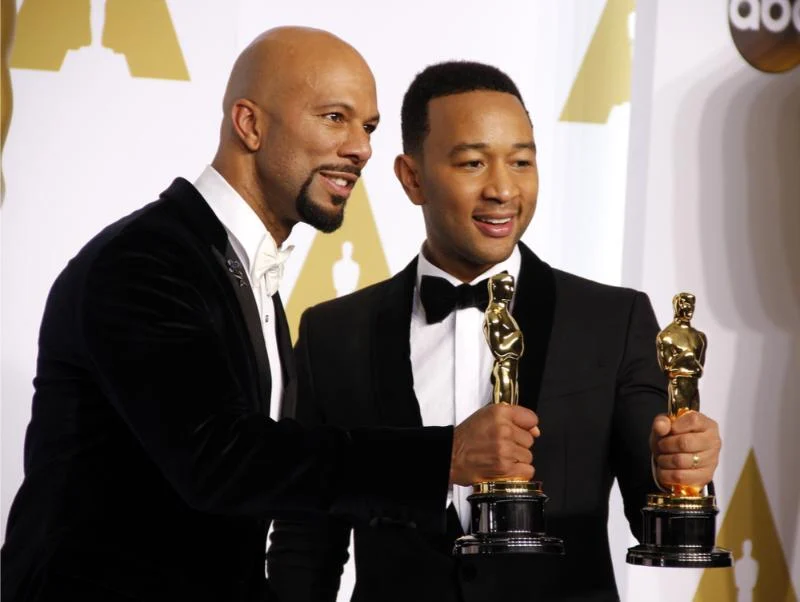
The duo won Best Original Song for their track from the film ‘Selma’. Common spoke about the bridge in Selma being a symbol of the struggle for freedom. John Legend followed by stating that the struggle for justice is not over and cited incarceration statistics. He claimed there are more Black men under correctional control today than were enslaved in 1850. Their speech transformed the musical category into a somber reflection on the criminal justice system.
Halle Berry
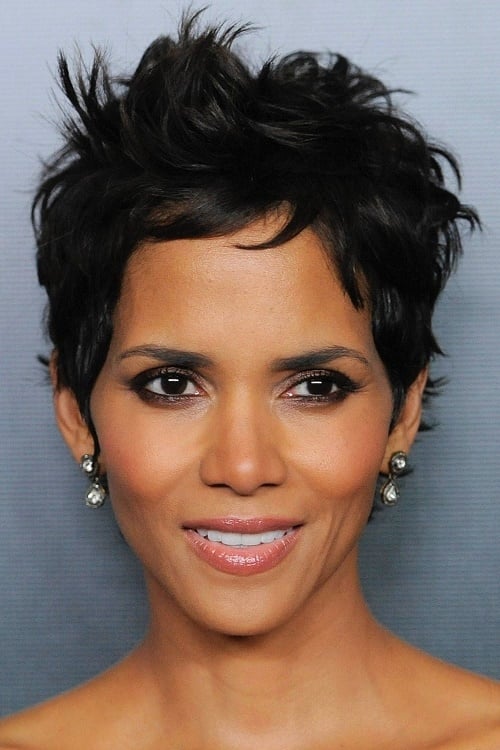
Halle Berry became the first Black woman to win Best Actress for her role in ‘Monster’s Ball’. She spent the first several minutes of her time sobbing uncontrollably at the podium. She dedicated the award to Dorothy Dandridge and every nameless woman of color who now had a chance. The speech is historic but often critiqued for its overwhelming length and intense emotional display. It remains one of the most tearful acceptances in Academy history.
Ariana DeBose
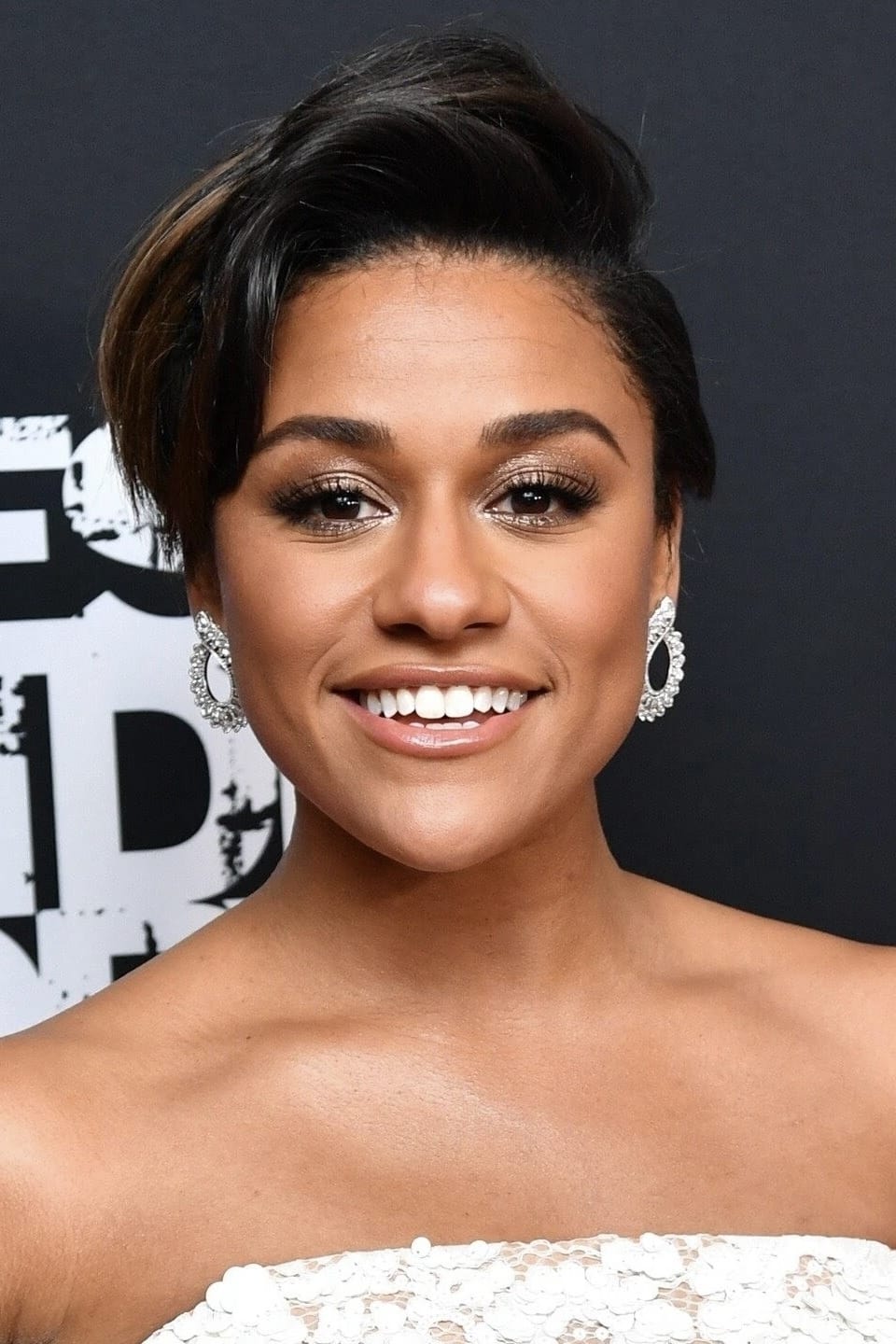
Ariana DeBose won Best Supporting Actress for her role in ‘West Side Story’. She focused her speech heavily on her specific identity markers. She described herself as an openly queer woman of color who found her strength through art. DeBose told the audience that there is indeed a place for them in the gray spaces of identity. Her emphasis on labels was praised by some but seen by others as standard Hollywood identity politics.
Regina King
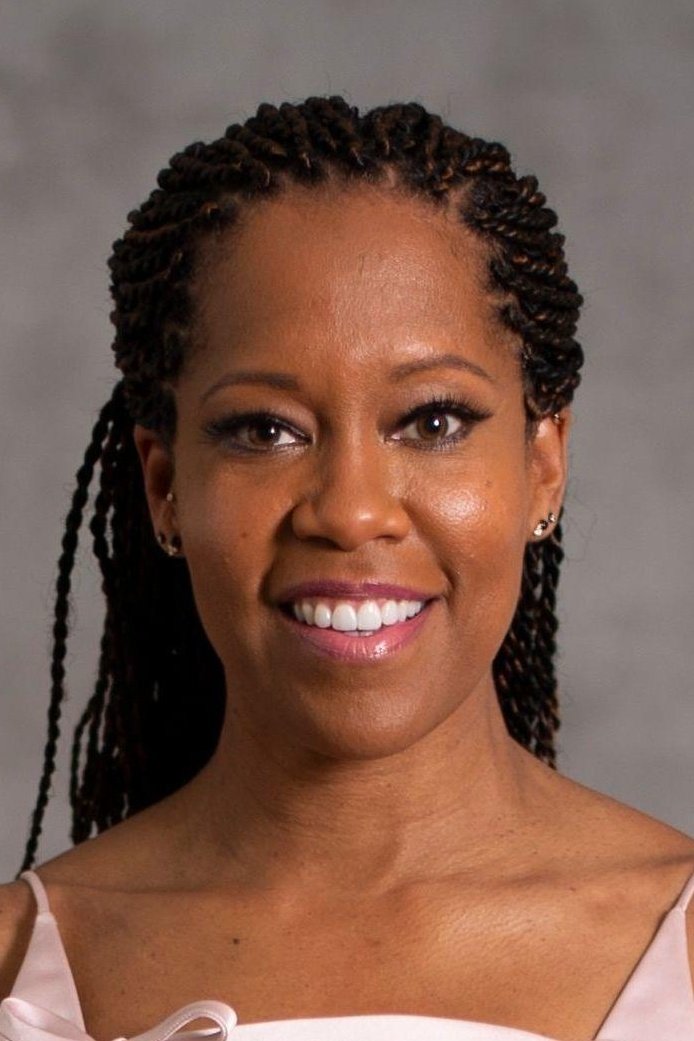
Regina King won Best Supporting Actress for ‘If Beale Street Could Talk’. She immediately quoted the author James Baldwin to frame her acceptance. She spoke about the protection of God and how her success proved that God is good. King also made a pledge to ensure everything she produces is fifty percent women. The speech blended religious testimony with a hard commitment to industry gender quotas.
Viola Davis
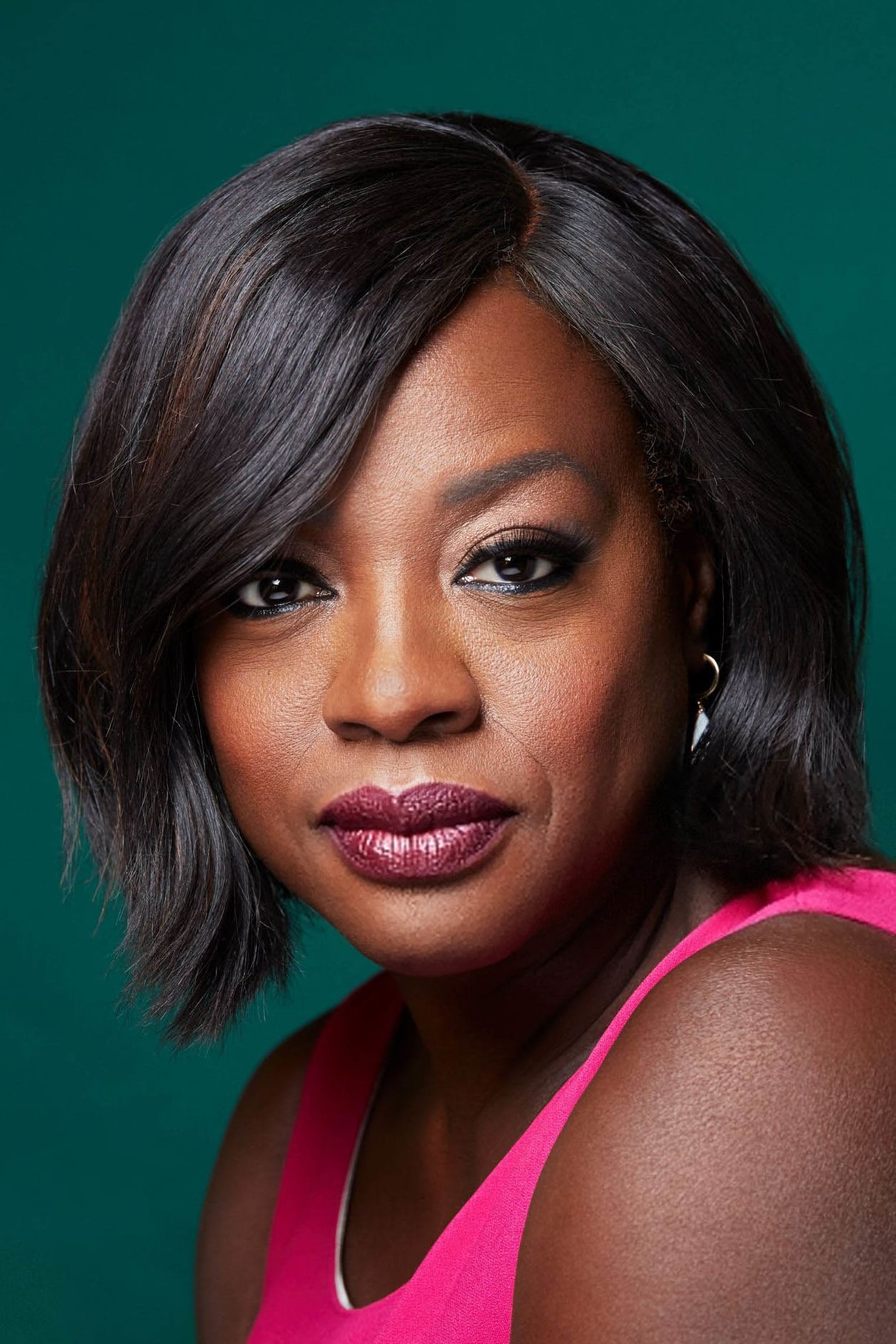
Viola Davis won Best Supporting Actress for her performance in ‘Fences’. She delivered a highly theatrical speech about the graveyard being the place where people with potential are buried. She spoke about her desire to exhume the stories of those who dreamed big but never saw those dreams come to fruition. Her delivery was incredibly intense and performed with the gravitas of a monologue. Some viewers felt the dramatic intensity was excessive for an awards show acceptance.
Tyler Perry
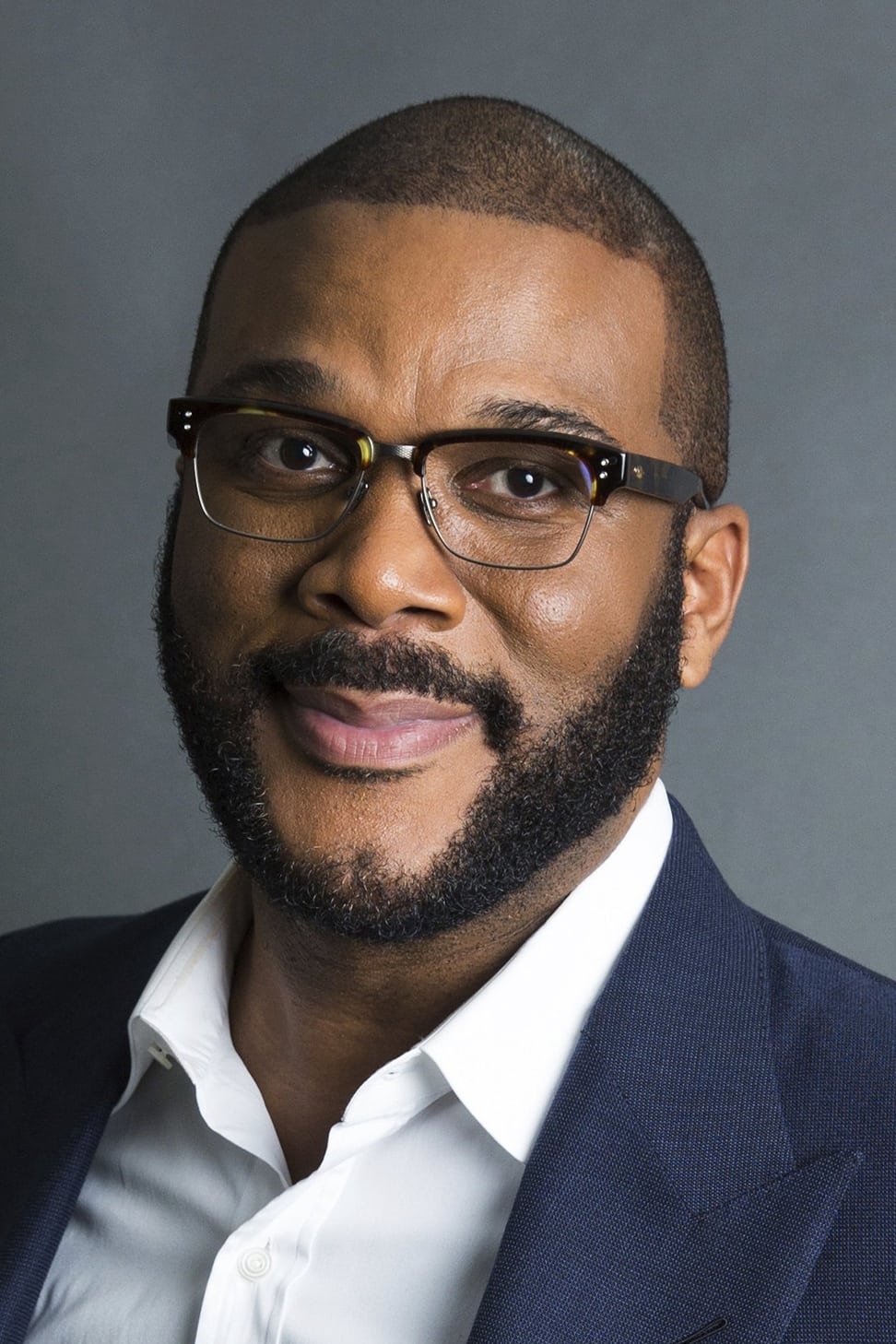
Tyler Perry received the Jean Hersholt Humanitarian Award and used the platform to deliver a sermon-like address. He told a lengthy story about offering help to a homeless woman he met on the street. Perry stated that he refuses to hate someone because they are a police officer or because of their race. He urged viewers to meet in the middle and refuse hate in all forms. The speech was criticized for being meandering and overly moralizing.
H.E.R.
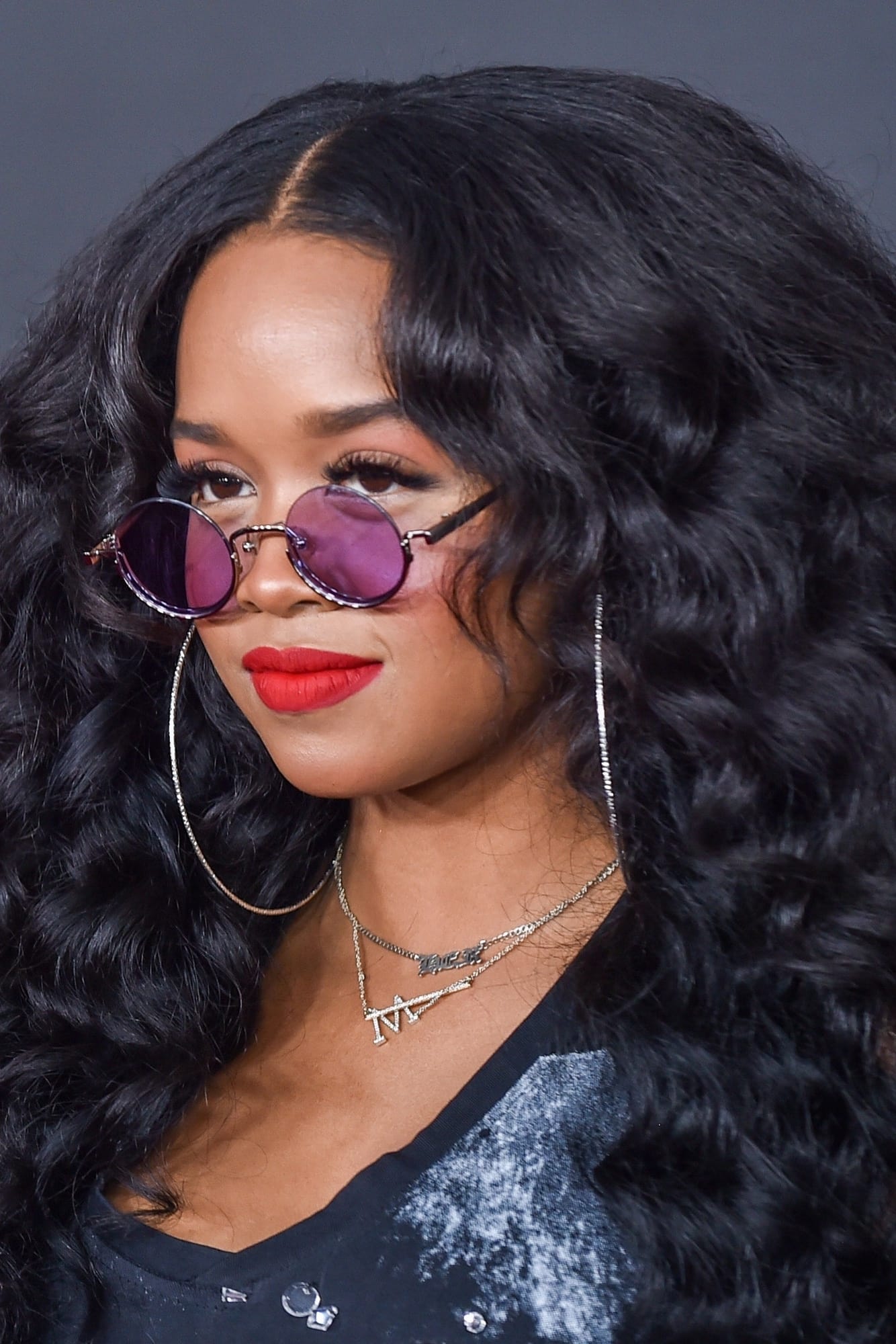
The singer won Best Original Song for her contribution to ‘Judas and the Black Messiah’. She opened her speech by claiming that musicians have a responsibility to tell the truth. She referenced the Black Panthers and stated that knowledge is power. H.E.R. framed her musical win as part of a larger fight for justice and freedom. It was a call to arms for artists to use their platforms for social activism.
Mo’Nique
Mo’Nique won Best Supporting Actress for her role in ‘Precious’. She thanked the Academy for proving that the award can be about performance and not politics. This comment was widely interpreted as a criticism of the campaigning process required to win Oscars. She later claimed that her refusal to play the Hollywood game led to her being blackballed. The speech was a defiant jab at the very institution honoring her.
Lupita Nyong’o
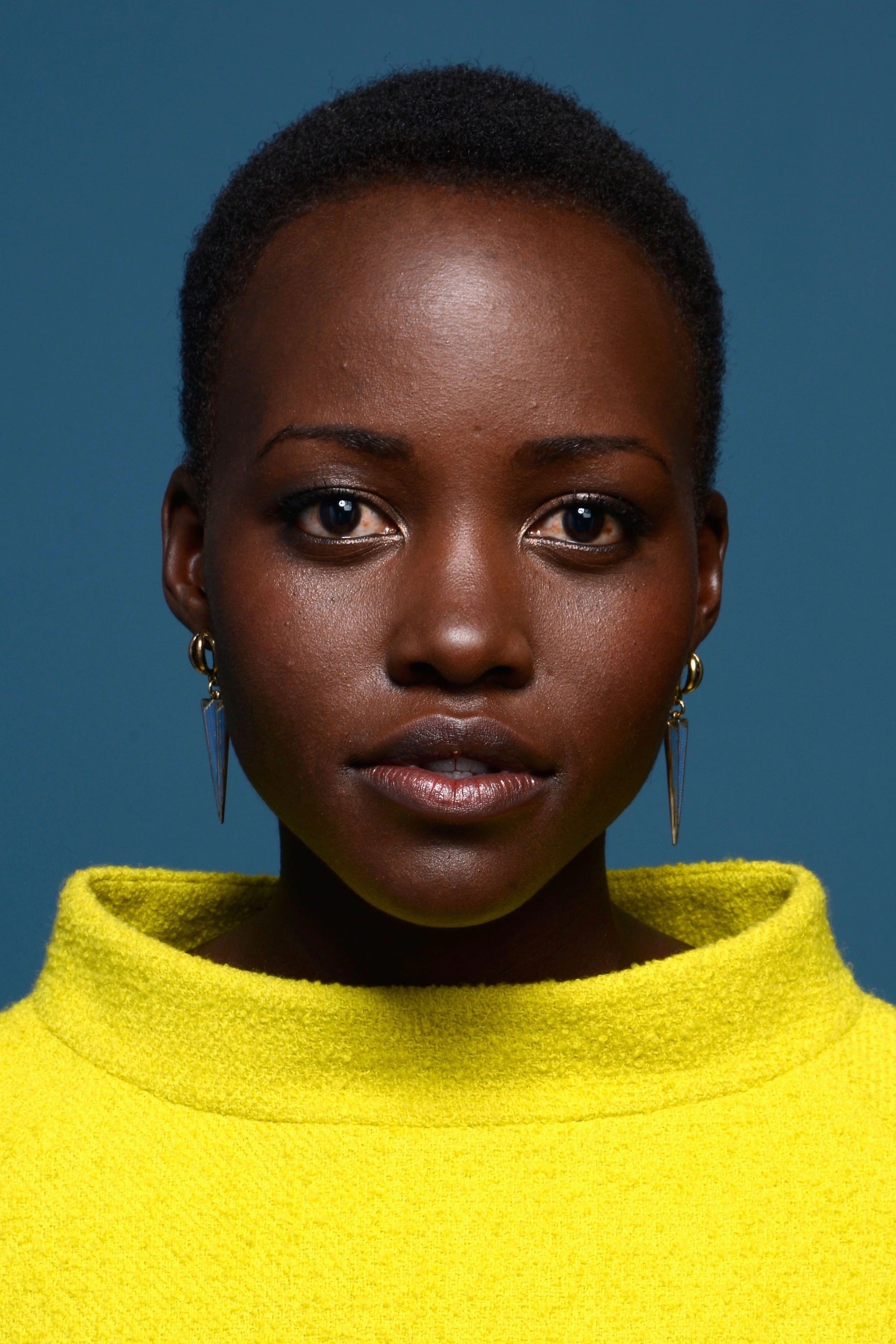
Lupita Nyong’o won Best Supporting Actress for ’12 Years a Slave’. She acknowledged the strangeness of feeling joy that came from someone else’s immense pain. She concluded with the famous line that no matter where you are from your dreams are valid. While inspirational to many the phrase became an instant cliché of celebrity activism. The speech followed a perfectly curated public relations narrative.
Barry Jenkins and Tarell Alvin McCraney
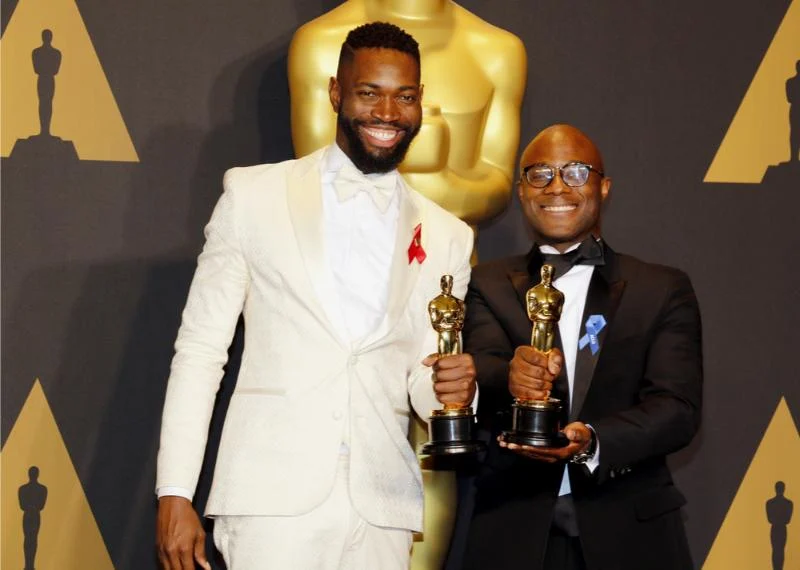
The writers of ‘Moonlight’ gave their speech following the chaotic mix-up with ‘La La Land’. They dedicated their win to all the Black and brown boys and girls and gender-nonconforming individuals. They emphasized that the Academy and the winners were trying to represent those marginalized groups. The speech was rushed due to the confusion but heavy on identity politics. It served as a frantic conclusion to a politically charged evening.
Matthew A. Cherry
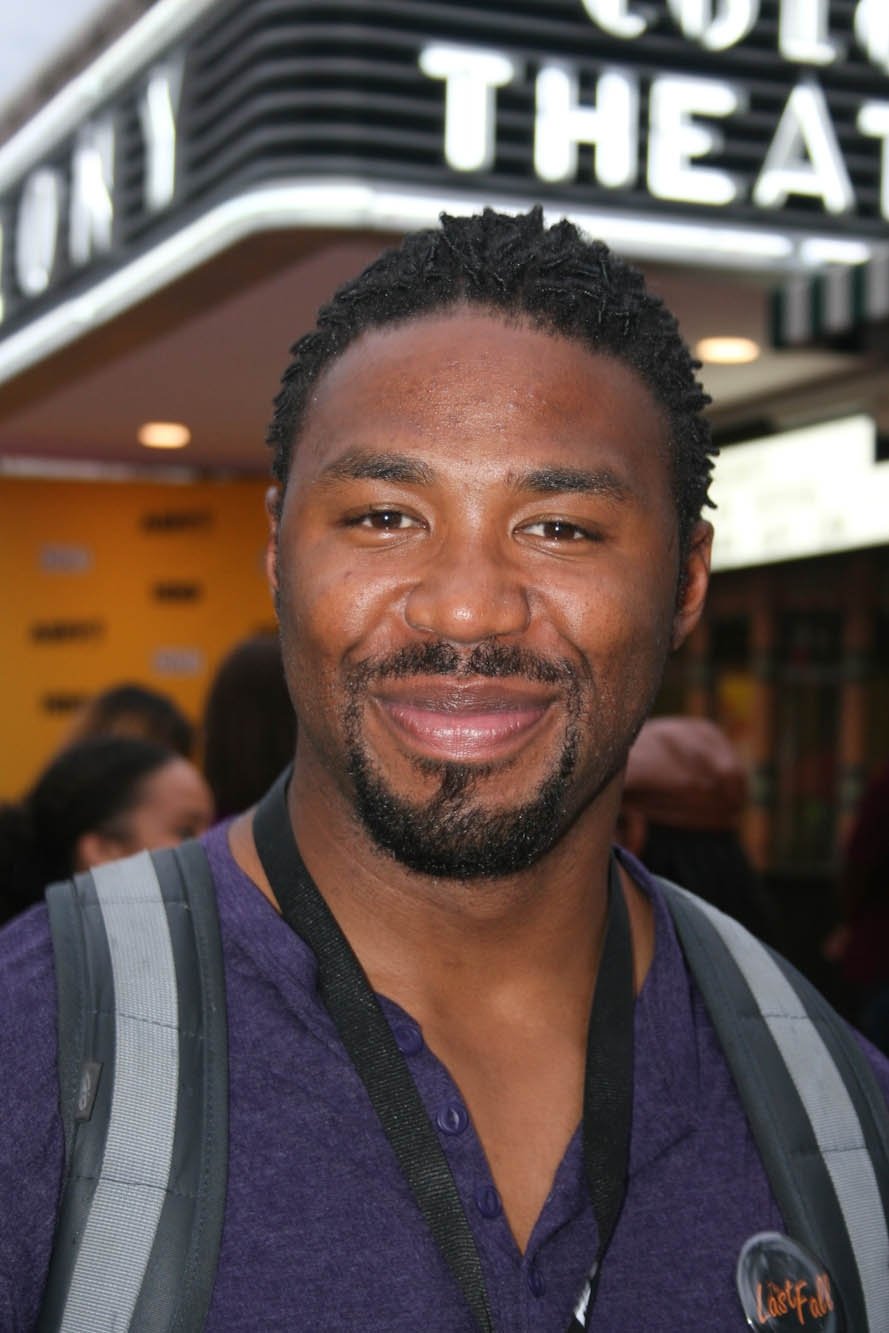
Matthew A. Cherry won Best Animated Short Film for ‘Hair Love’. He used his speech to advocate for the CROWN Act which prohibits discrimination based on hair texture. He highlighted the importance of representation in animation for young children. Cherry positioned his film as a tool for normalizing Black hair in society. The speech functioned as a direct legislative advocacy effort on the Oscar stage.
Ruth E. Carter
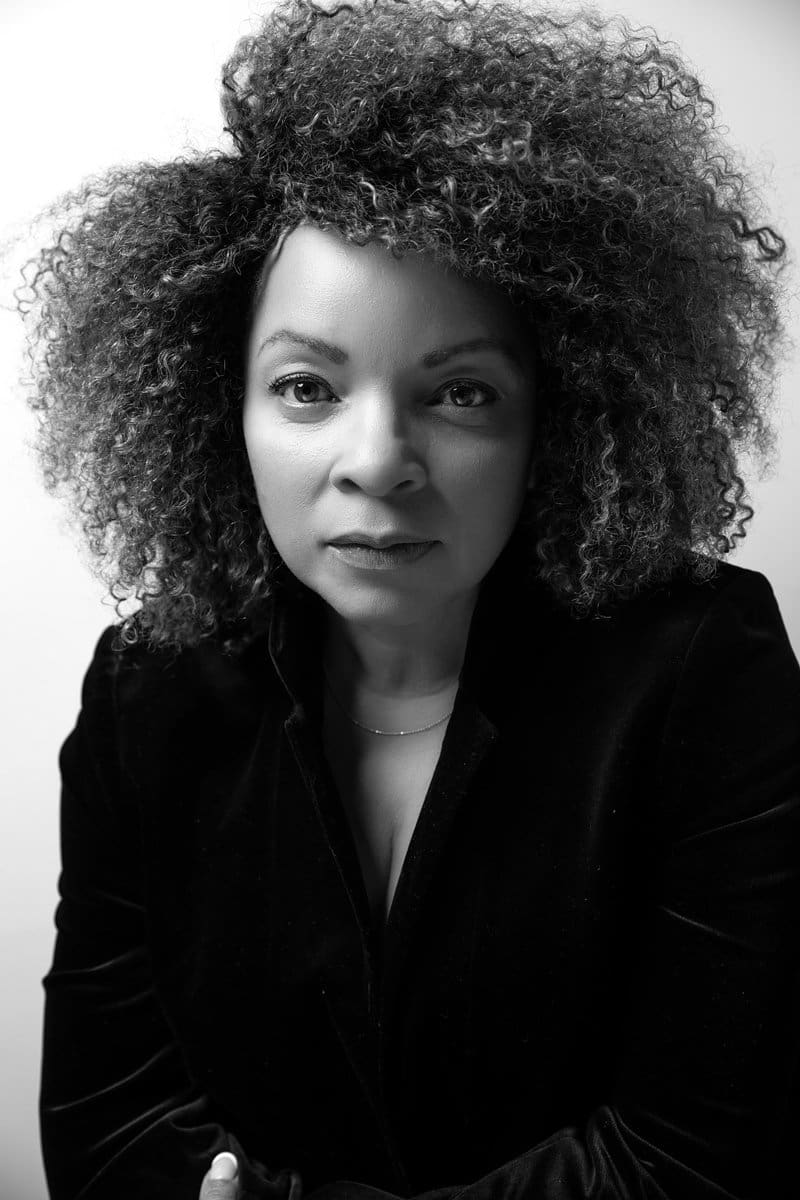
Ruth E. Carter became the first Black winner for Costume Design for ‘Black Panther’. She thanked Spike Lee for giving her a start in the film industry. Carter spoke about the power of costume to empower women and tell stories of African royalty. She dedicated the honor to her ninety-seven-year-old mother. The speech framed a technical award as a major victory for cultural representation.
Questlove
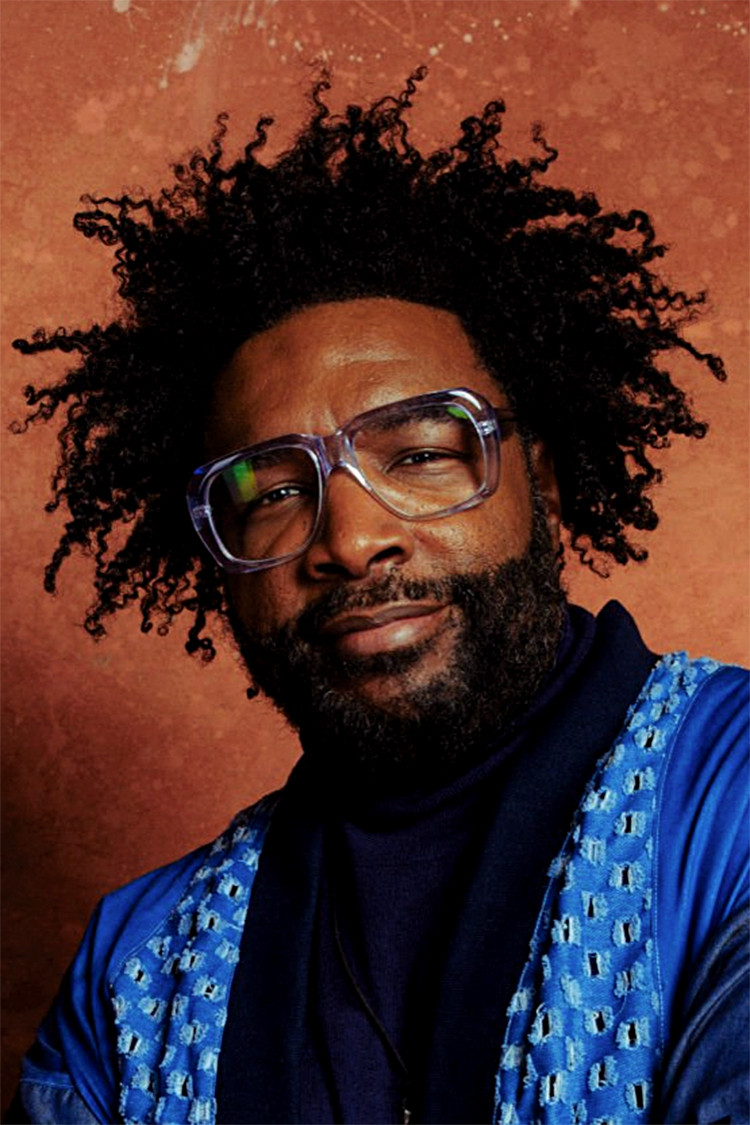
Questlove accepted the award for Best Documentary Feature for ‘Summer of Soul’. He spoke about the historical erasure of Black history and culture. His speech was somewhat overshadowed because it occurred immediately after the Will Smith slap incident. He attempted to keep the focus on the importance of the Harlem Cultural Festival. The atmosphere was incredibly awkward which made his serious message difficult to land.
Jennifer Hudson
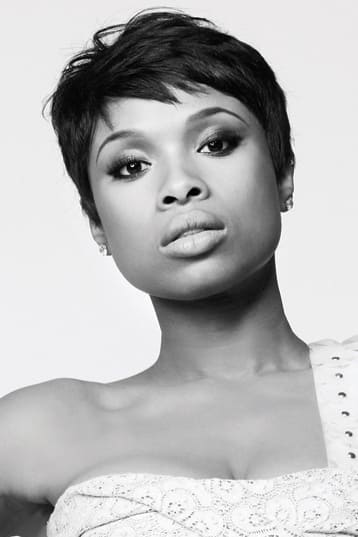
Jennifer Hudson won Best Supporting Actress for ‘Dreamgirls’ and delivered a speech steeped in religious fervor. She thanked God multiple times and claimed she did not think she was going to win. Hudson dedicated the award to her grandmother who she described as a singer who never had the chance to shine. The speech was emotionally exhausting and leaned heavily on her personal faith. It was a traditional but overpowering display of emotion.
Forest Whitaker
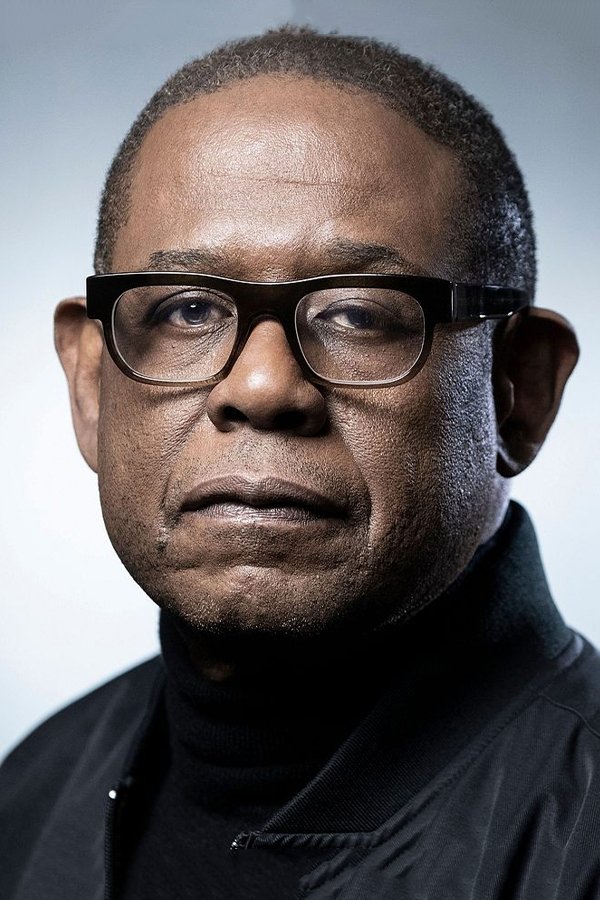
Forest Whitaker won Best Actor for his portrayal of Idi Amin in ‘The Last King of Scotland’. He pulled a crumpled piece of paper from his pocket and spoke softly about his ancestors. He described how his acting career allowed him to connect with the human spirit. The speech was poetic but rambling and difficult to follow at times. His quiet delivery contrasted sharply with the typical energy of an Oscar win.
Cord Jefferson
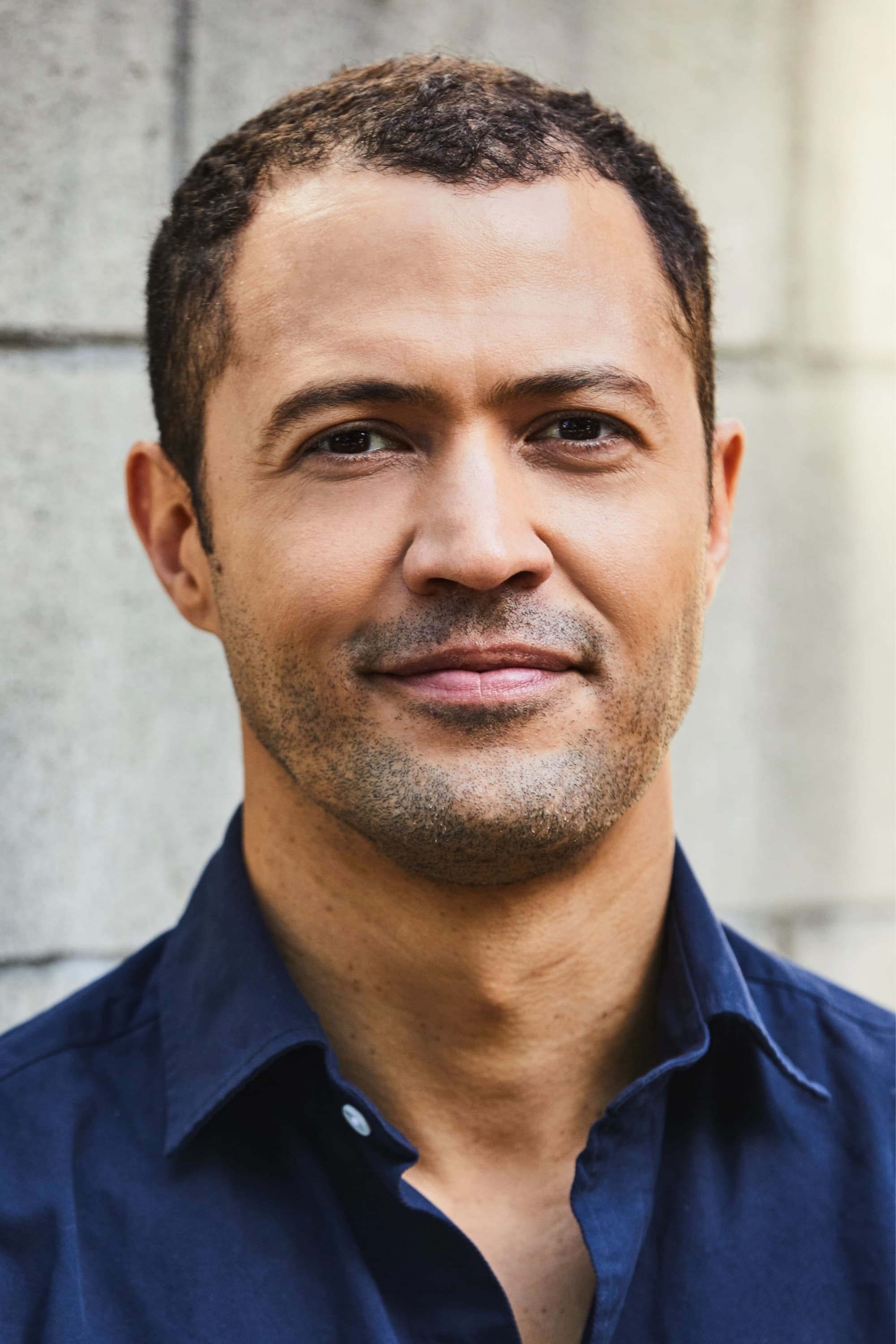
Cord Jefferson won Best Adapted Screenplay for ‘American Fiction’. He used his time to plead with studio executives to change their financial models. He argued that instead of making one expensive movie they should make ten smaller ones. He framed this as a way to give more voices a chance to be heard in the industry. It was a direct lecture to the power brokers in the room about wealth distribution.
Share your thoughts on which speeches you found the most memorable or controversial in the comments.