

The 20 Most Disappointing Final Boss Fights In Masterpiece Games



Video games often spend dozens of hours teaching players complex mechanics and immersing them in rich narratives. A great final boss should serve as the ultimate test of those skills and a satisfying conclusion to the story. Some of the most acclaimed titles in gaming history fumble this crucial moment with battles that are tedious or anticlimactic. These masterpieces delivered exceptional experiences right up until the credits rolled but failed to stick the landing.
‘Dead Space’ (2008)

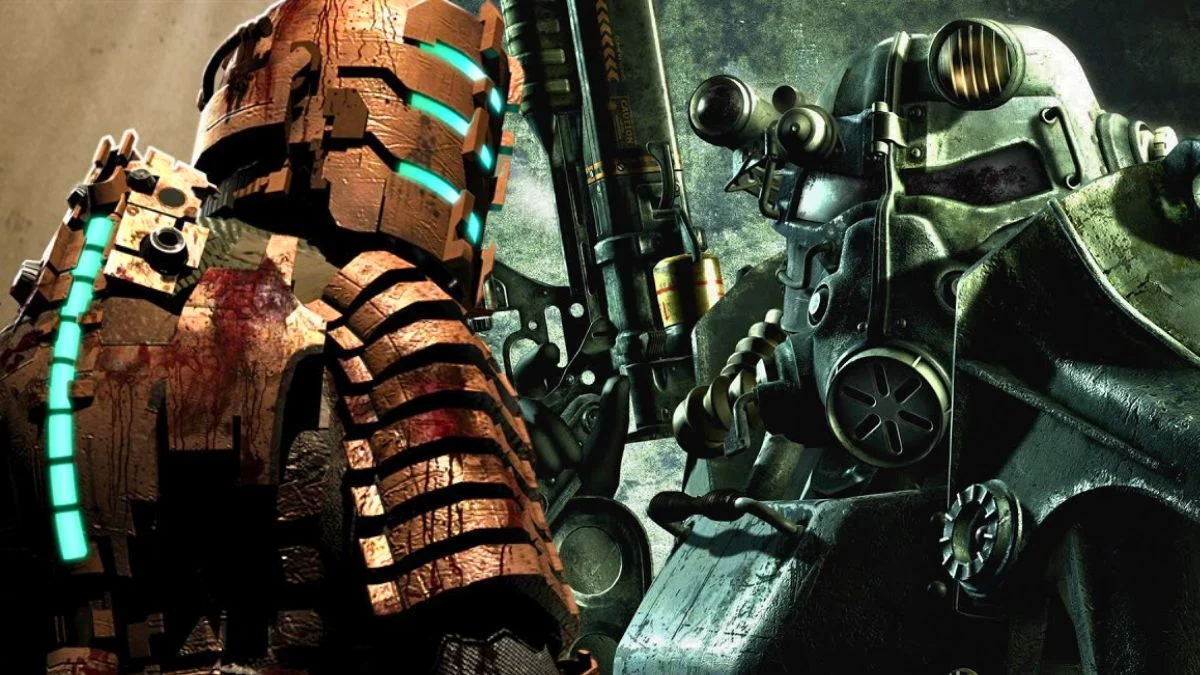
Isaac Clarke faces the massive Hive Mind on the surface of Aegis VII before making his escape. This stationary creature relies on glowing yellow weak points that players must shoot while strafing back and forth. The battle feels like a generic arcade shooter encounter rather than a terrifying fight for survival. It lacks the claustrophobic tension and strategic dismemberment mechanics that define the rest of the game.
‘Resident Evil 4’ (2005)
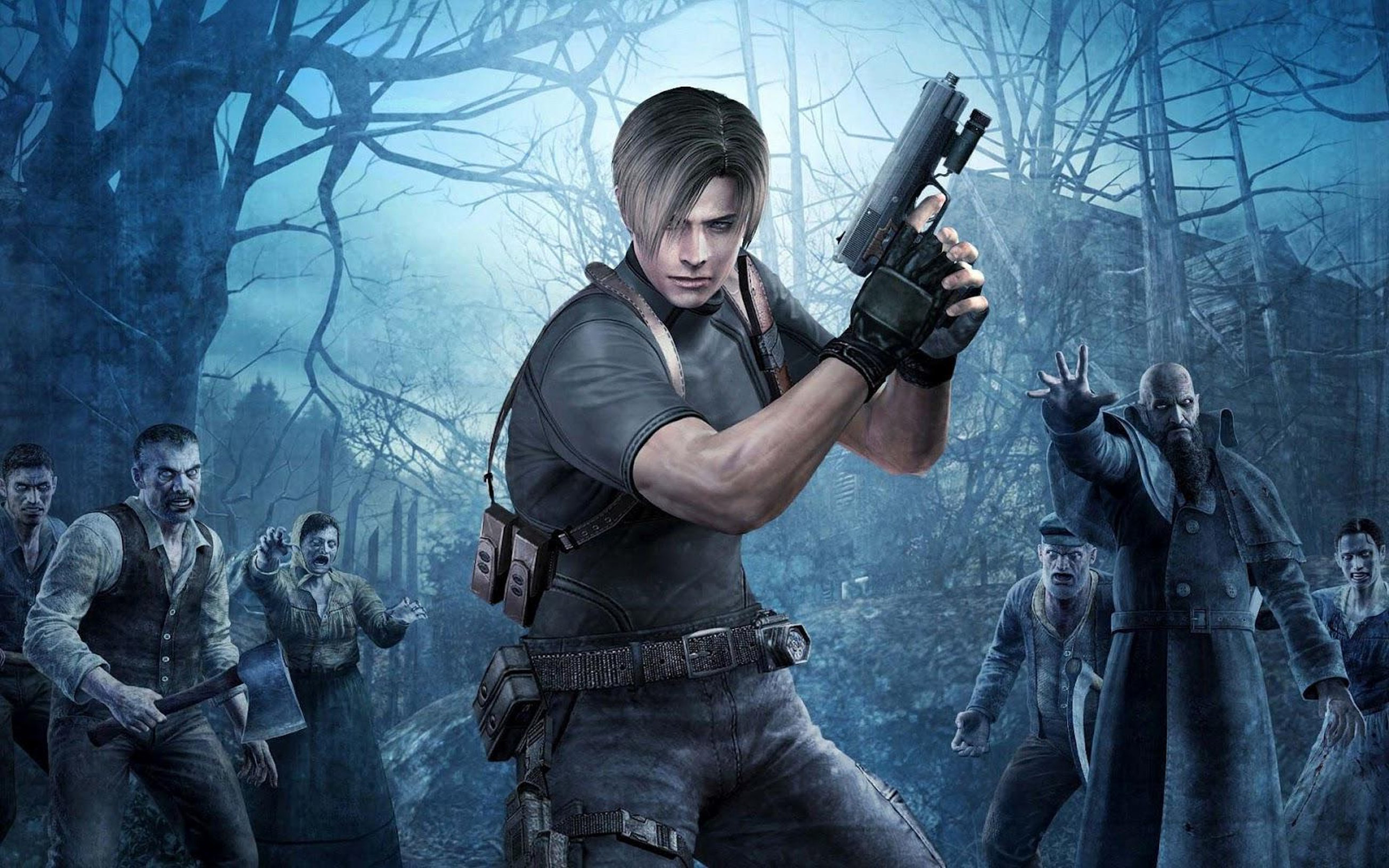
Leon Kennedy confronts the cult leader Osmund Saddler on a construction platform. The villain transforms into a grotesque spider creature with giant exposed eyes that serve as obvious targets. Players can easily defeat him by utilizing the rocket launcher found in the arena or one brought from a merchant. This encounter presents very little danger compared to the relentless crowds of enemies faced earlier in the village.
‘Super Mario Sunshine’ (2002)
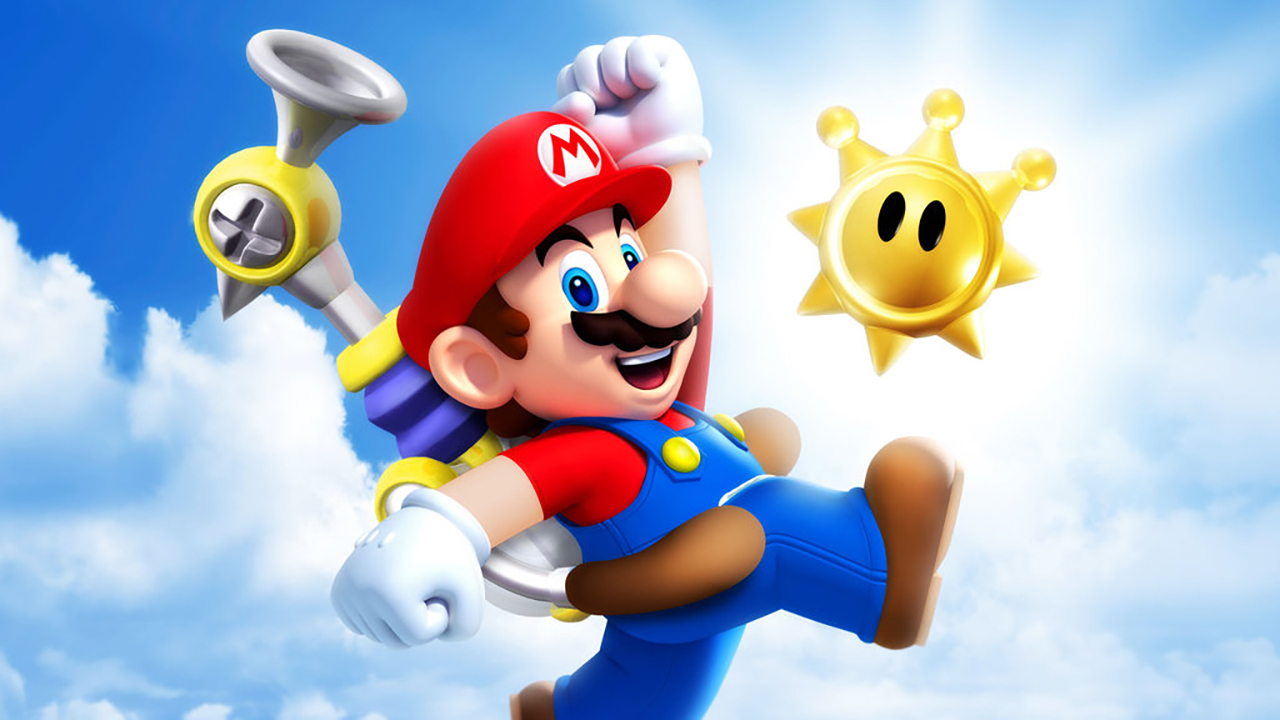
Mario and FLUDD face off against Bowser and his son in a giant hot tub floating in the sky. The objective is to destroy the supports of the tub while dodging slime missiles and fire breath. The camera often gets stuck or obscured due to the enclosed nature of the arena. This clumsy finale frustrates players who expected a platforming challenge focused on precision movement.
‘Fallout 3’ (2008)
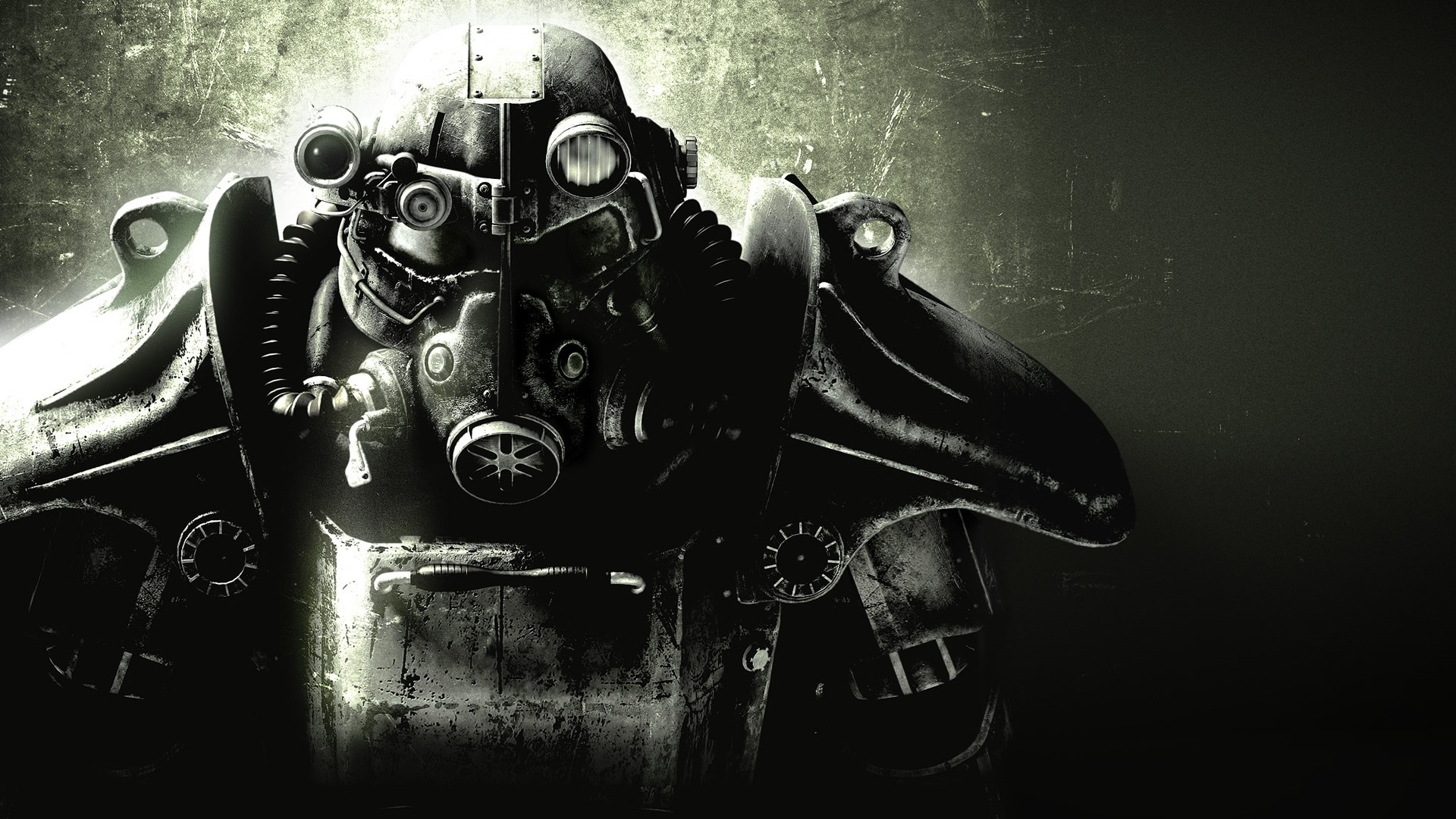
The Lone Wanderer storms the Jefferson Memorial to retake Project Purity from the Enclave forces. Colonel Autumn stands in the way but he can be easily killed or persuaded to stand down with high speech skills. The true ending involves a moral choice inside a radiation chamber rather than a climactic battle. Fans hoping for a showdown against a massive power armor threat were left with a brief conversation.
‘Dying Light’ (2015)

Kyle Crane climbs a skyscraper to confront the warlord Rais during a zombie outbreak. The parkour and melee combat skills honed throughout the campaign are completely abandoned for this final segment. The confrontation plays out as a scripted Quick Time Event where players simply press buttons when prompted. This restrictive design choice removes player agency right when it matters most.
‘Uncharted 3: Drake’s Deception’ (2011)
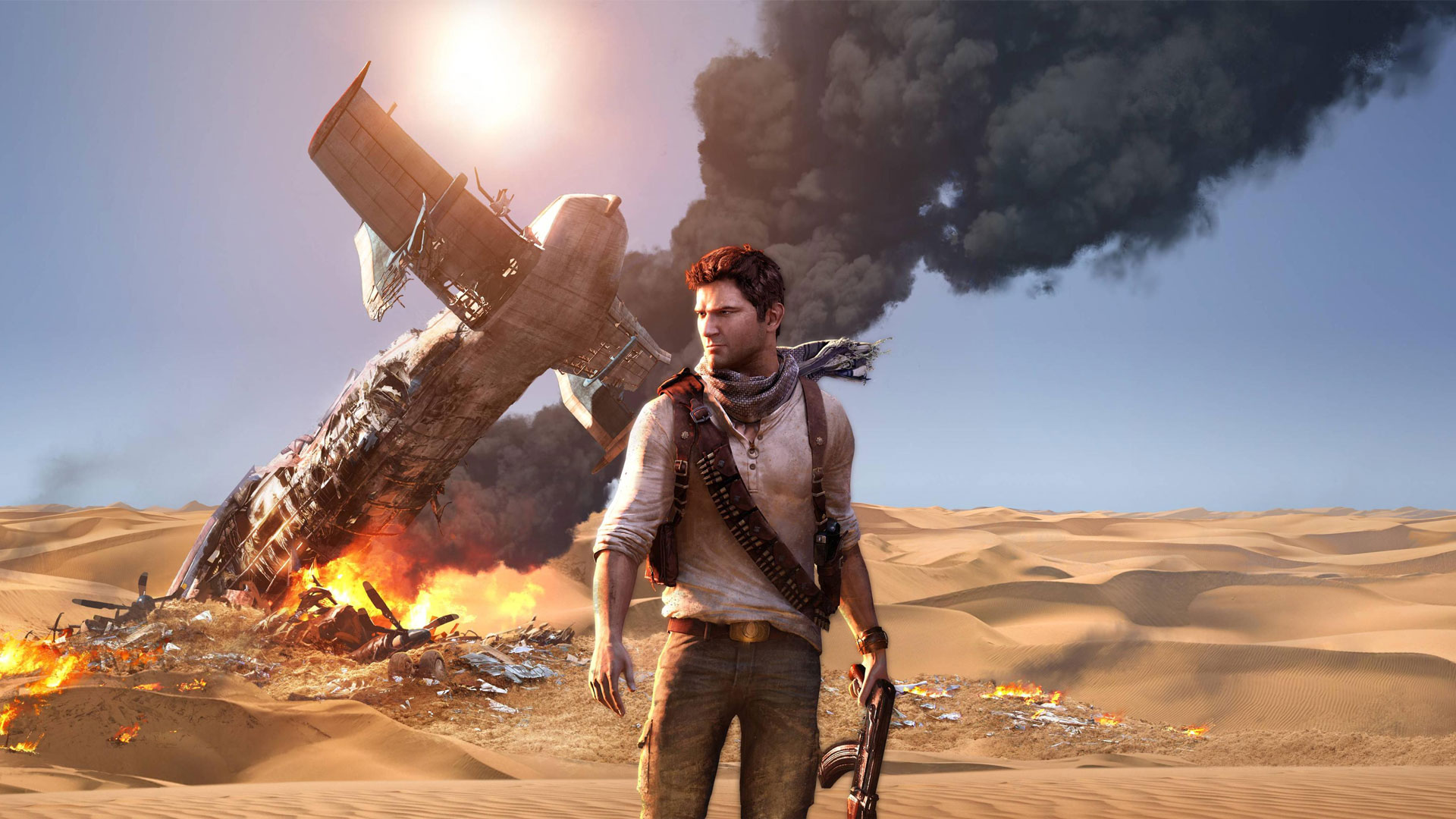
Nathan Drake races to the lost city of Ubar to stop a secret society from unleashing a hallucinogenic power. The story builds toward a supernatural threat but resolves with a standard fistfight against the villain Talbot. The encounter lacks the spectacle of a gunfight or the complexity of environmental puzzles found in previous entries. It feels like a surprisingly scaled back conclusion to a cinematic action adventure.
‘L.A. Noire’ (2011)
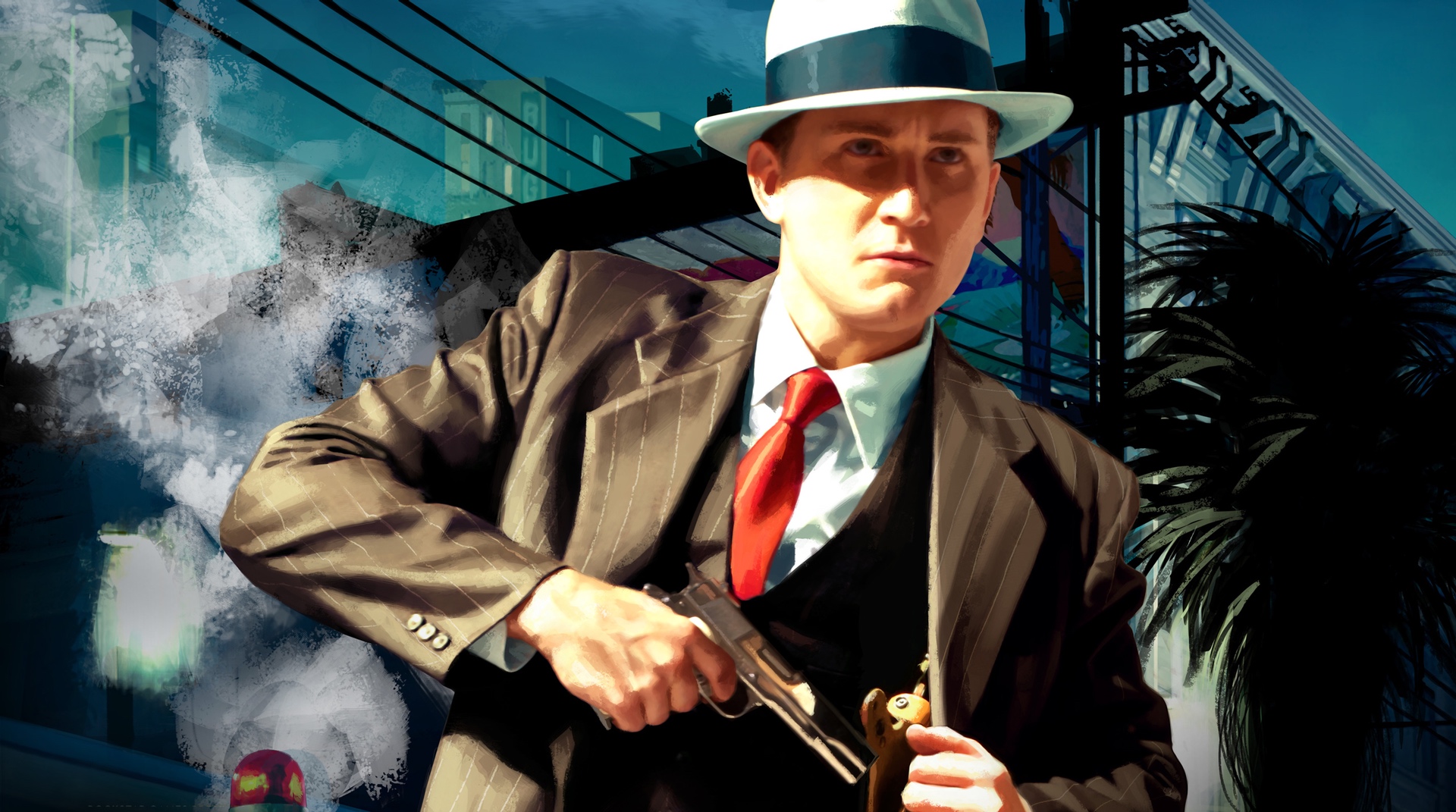
Cole Phelps tracks the arsonist to the Los Angeles storm drains for a final showdown. The nuanced interrogation and investigation mechanics are discarded in favor of a generic third-person shooting gallery. Players must eliminate waves of nameless henchmen before a scripted event ends the conflict. The finale fails to utilize the detective skills that make the core experience so unique.
‘Far Cry 3’ (2012)
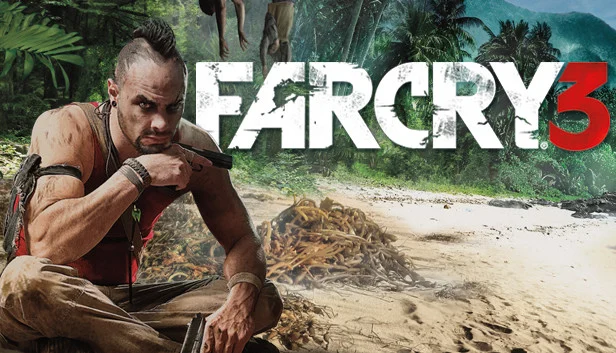
Jason Brody confronts the crime lord Hoyt Volker in a high stakes poker game. The physical battle takes place entirely within a hallucination sequence driven by Quick Time Events. This knife fight feels disconnected from the open world shooting and stealth mechanics used to liberate the island. The death of the more charismatic antagonist Vaas earlier in the game makes this final duel feel even less impactful.
‘Borderlands’ (2009)
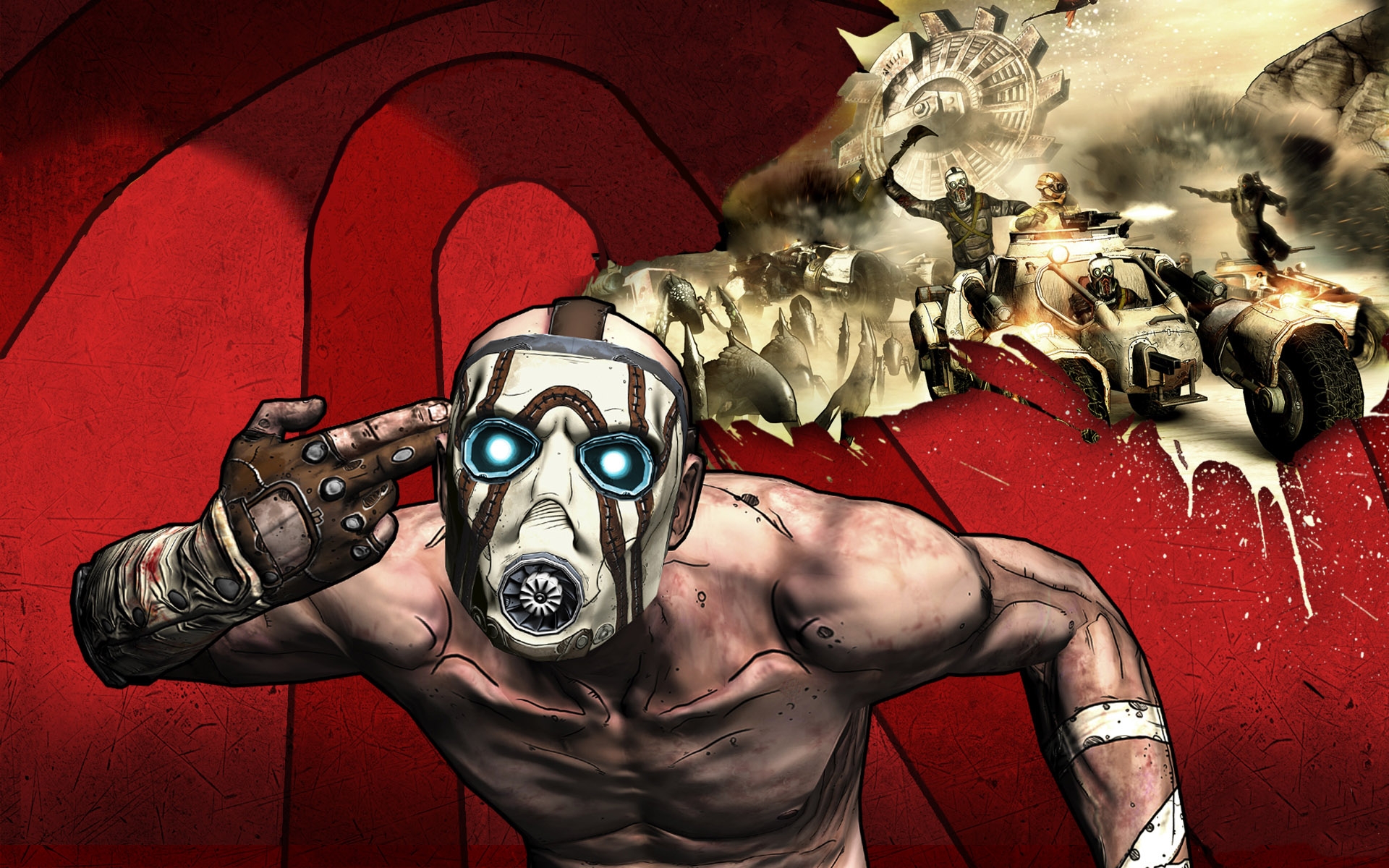
The Vault Hunters finally open the alien Vault only to be greeted by a giant tentacled beast called The Destroyer. This entity stays in one spot and acts as a massive damage sponge for several minutes. Players can hide behind pillars to avoid almost all incoming attacks while continuously firing their weapons. The loot dropped by the boss is often underwhelming compared to the time it takes to whittle down its health.
‘The Elder Scrolls V: Skyrim’ (2011)
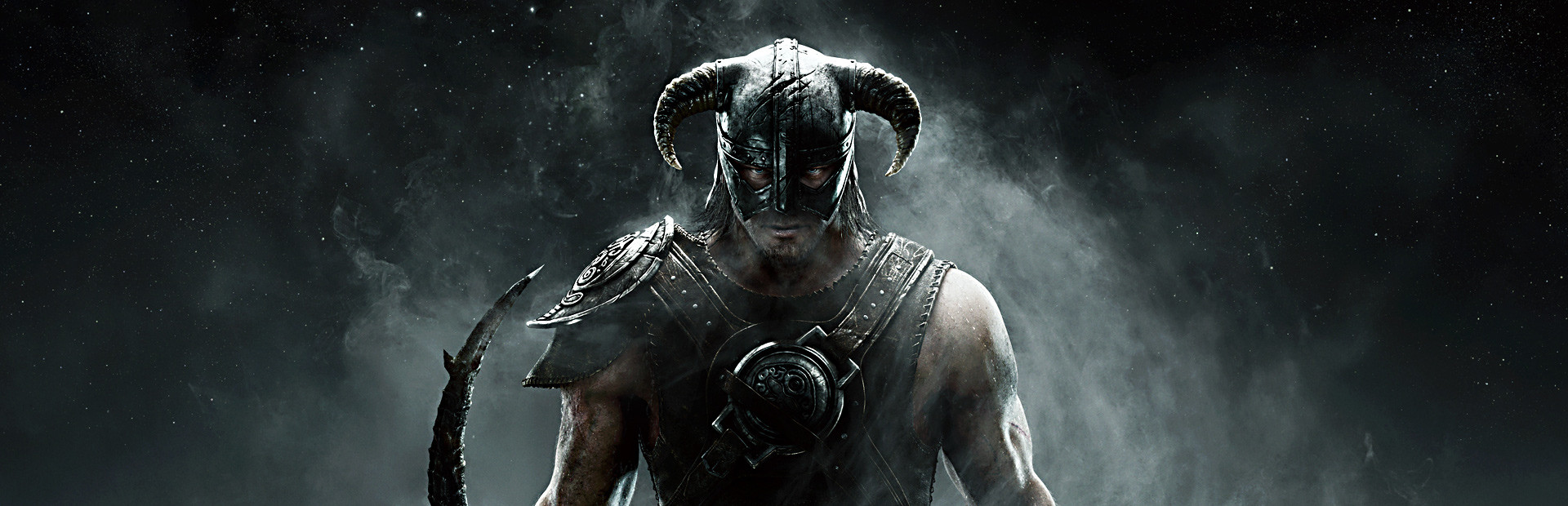
The Dragonborn travels to the afterlife of Sovngarde to stop Alduin from devouring the world. The battle plays out almost exactly like every other random dragon encounter found in the wilderness. Alduin flies around and shouts while the player hacks away at his health bar. The narrative stakes are incredibly high but the mechanical execution is indistinguishable from a roadside skirmish.
‘Half-Life’ (1998)
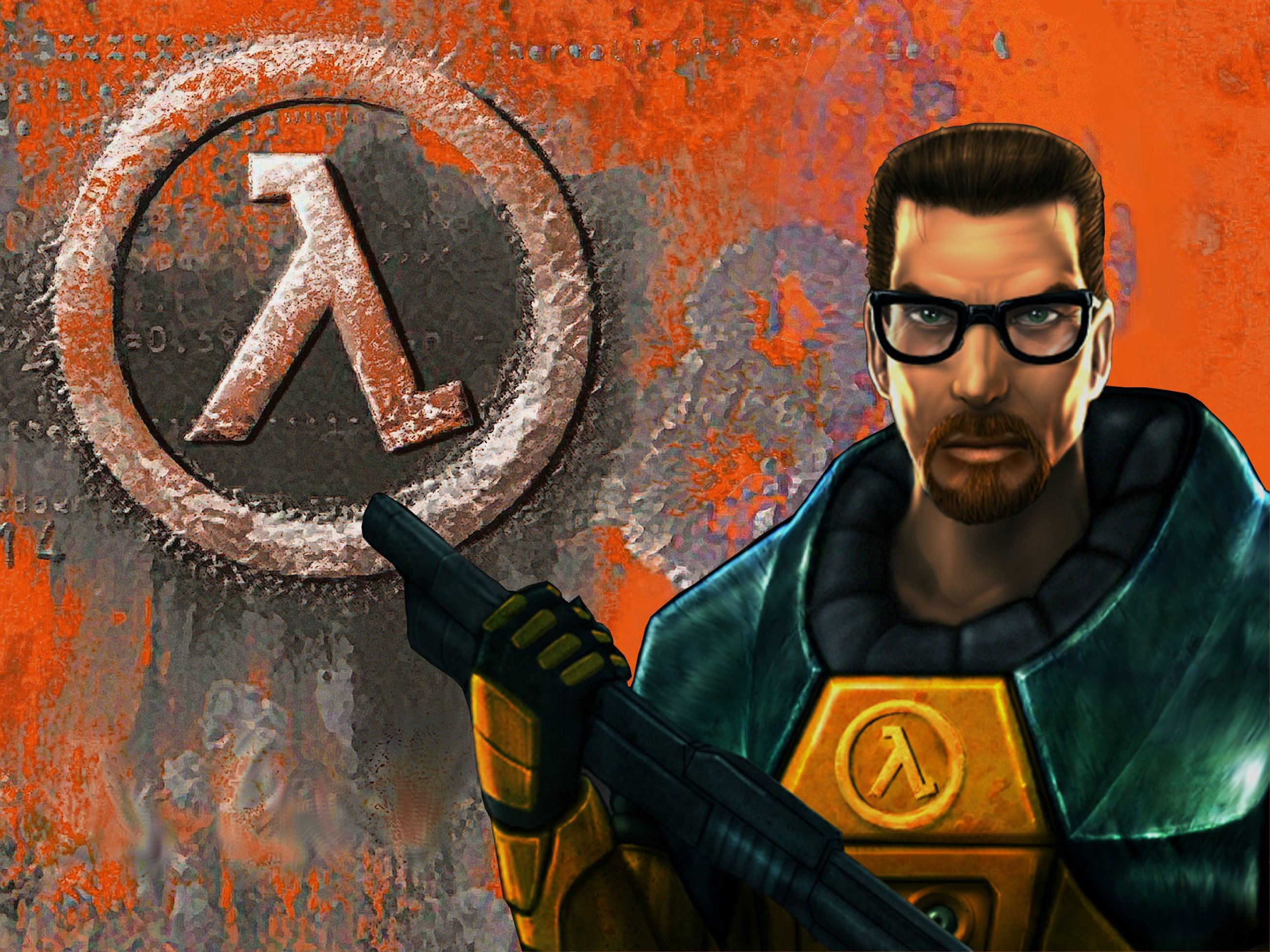
Gordon Freeman travels to the alien dimension of Xen to stop the invasion at its source. The Nihilanth is a giant floating fetus that teleports the player to side rooms filled with enemies. Destroying the crystals and shooting the open brain of the beast is a tedious and repetitive process. Most fans consider the platforming and combat in this alien chapter the weakest part of the revolutionary shooter.
‘Demon’s Souls’ (2009)
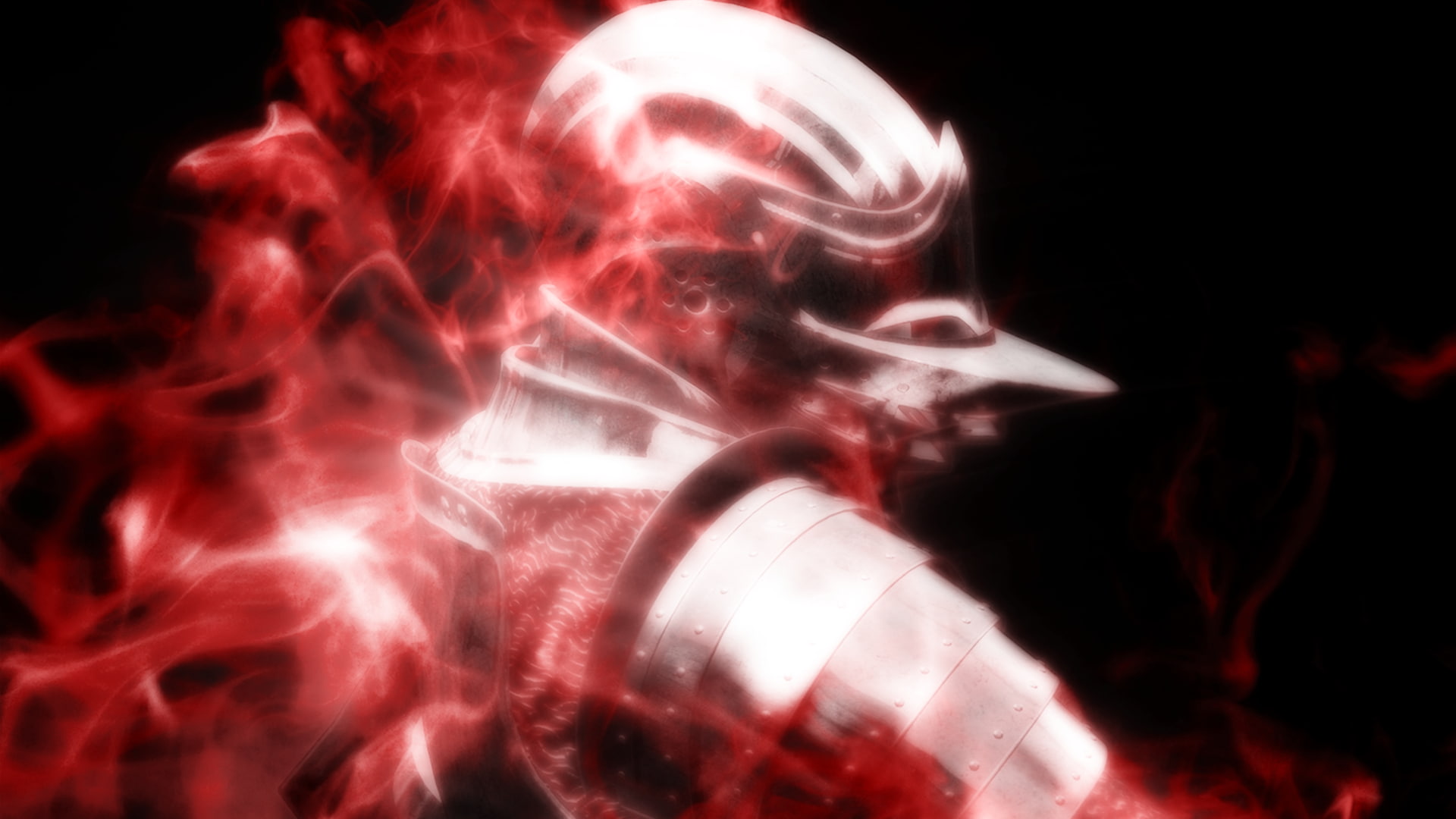
King Allant has degenerated into a wretched blob of flesh by the end of the narrative. The player enters the Old One to find the helpless creature struggling on the ground. He poses almost no physical threat and dies after a few simple weapon swings. This fight is thematically poignant but offers zero gameplay challenge for a series famous for its difficulty.
‘Gears of War 2’ (2008)
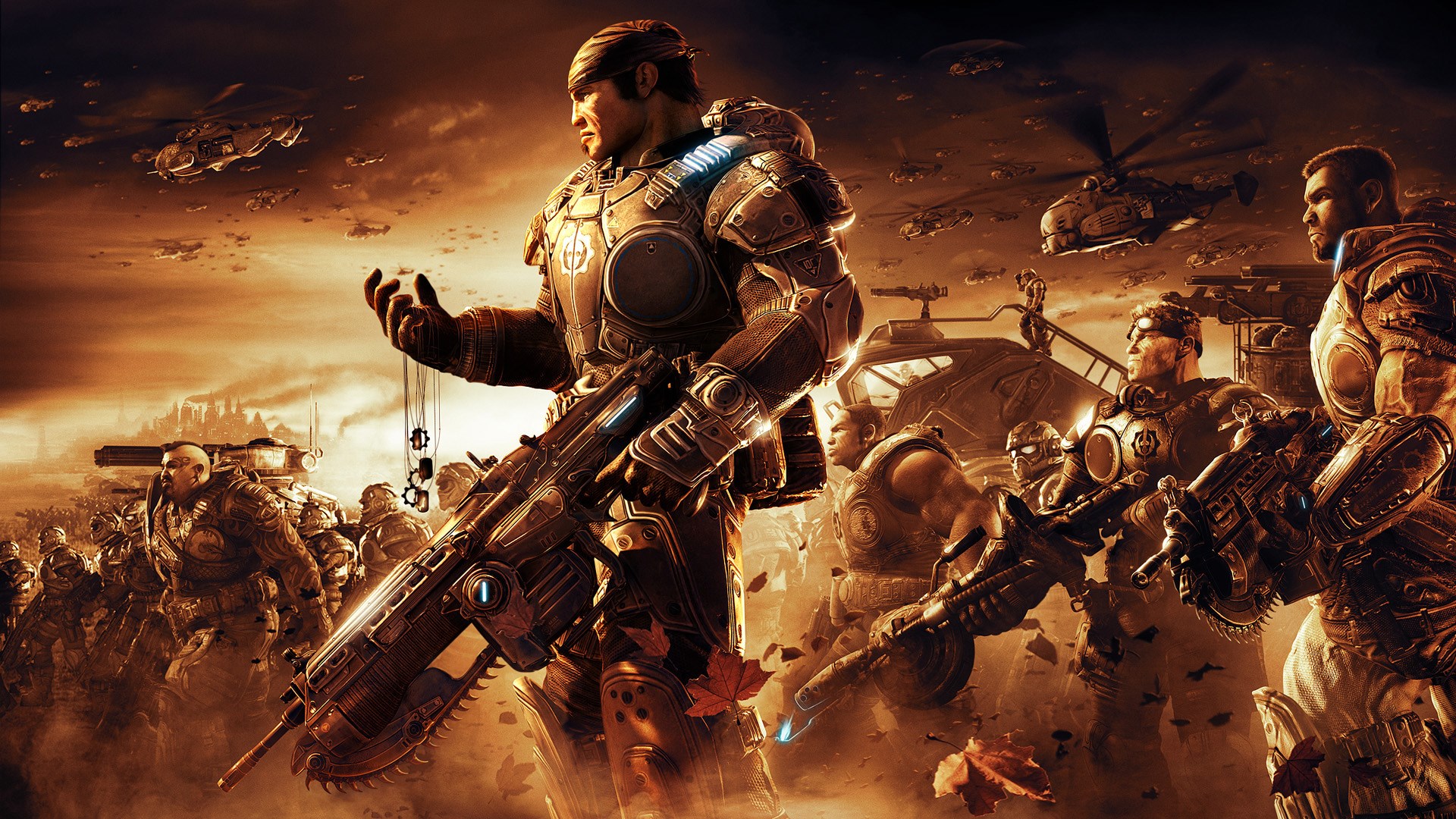
Delta Squad mounts a Brumak to destroy the Lambent threat in the sunken city. The sequence plays out as an on-rails shooter section where players simply hold down the trigger to win. There is no need for tactical cover usage or squad commands during this finale. The game concludes with a Hammer of Dawn strike that requires only a single button press.
‘Final Fantasy X’ (2001)
The party confronts Yu Yevon inside the entity known as Sin to break the cycle of death. The characters have a permanent Auto-Life status during this battle which makes it impossible to lose. Players simply cycle through attacks until the boss runs out of health points. It serves as a narrative victory lap rather than the strategic role-playing challenge fans expected.
‘The Legend of Zelda: Breath of the Wild’ (2017)
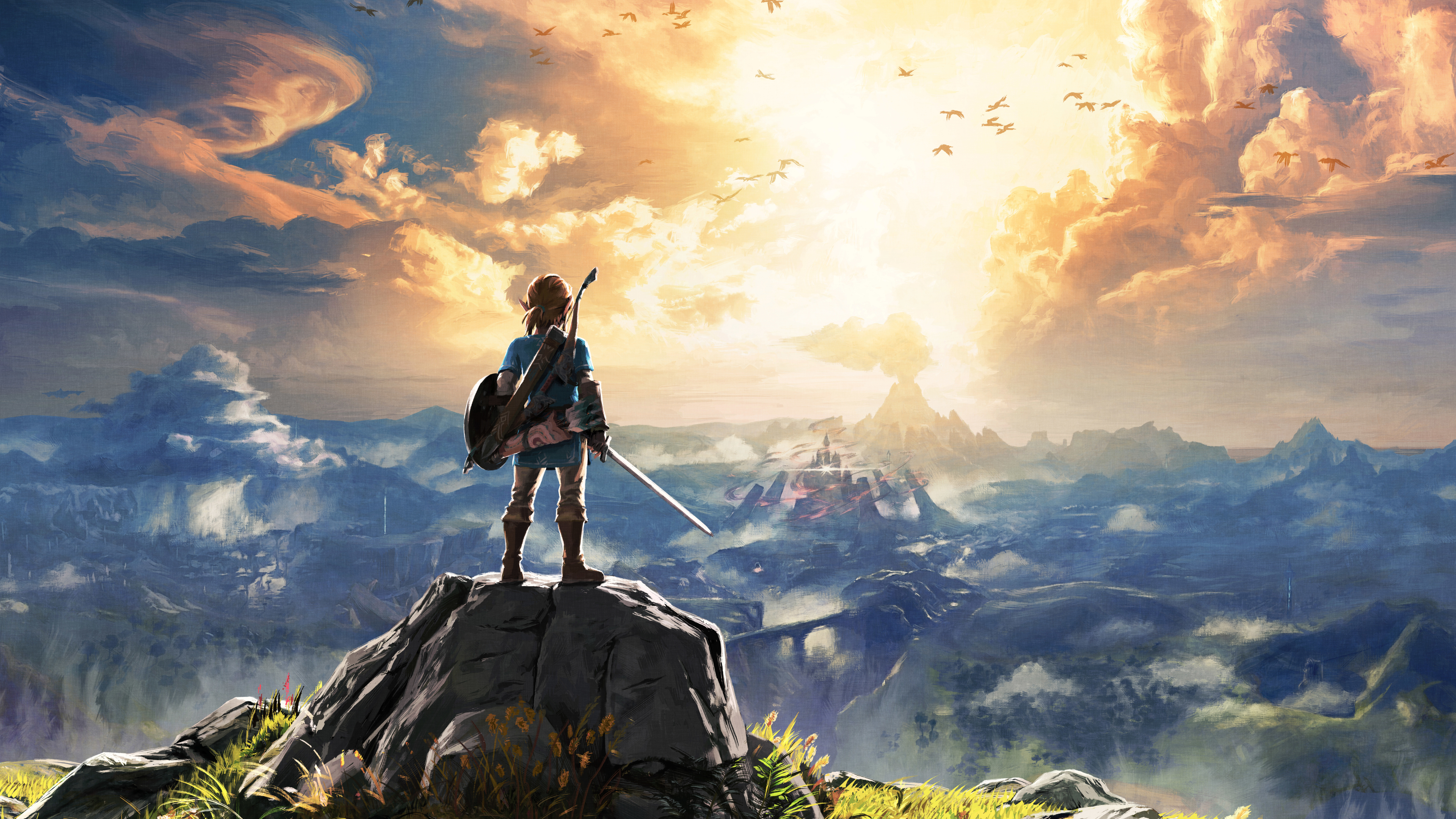
Dark Beast Ganon appears as a massive boar in Hyrule Field after the battle in the castle. Link rides his horse around the slow beast and shoots glowing targets with the Bow of Light. The boss barely attacks the player and serves more as an interactive cinematic than a test of skill. This target practice session stands in stark contrast to the difficult Lynel fights found elsewhere in the world.
‘Batman: Arkham Asylum’ (2009)
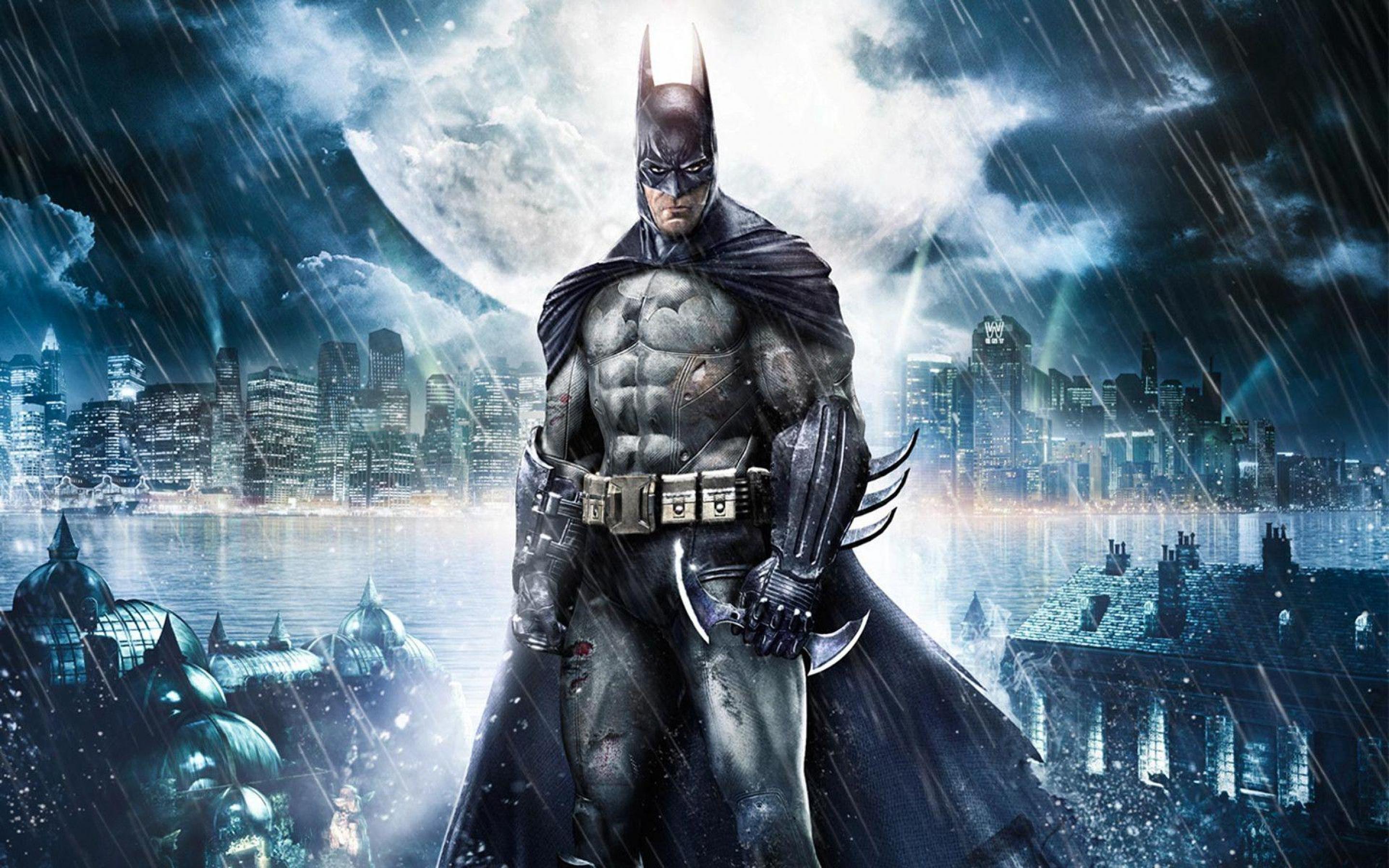
The Joker doses himself with the Titan formula to become a massive muscular beast for the finale. Batman spends the fight dodging swipes and fighting waves of generic henchmen while waiting for an opening. The transformation undermines the Joker character as a cerebral threat rather than a physical one. This encounter relies on repetitive patterns that feel out of place in a game focused on stealth and counter attacks.
‘BioShock’ (2007)
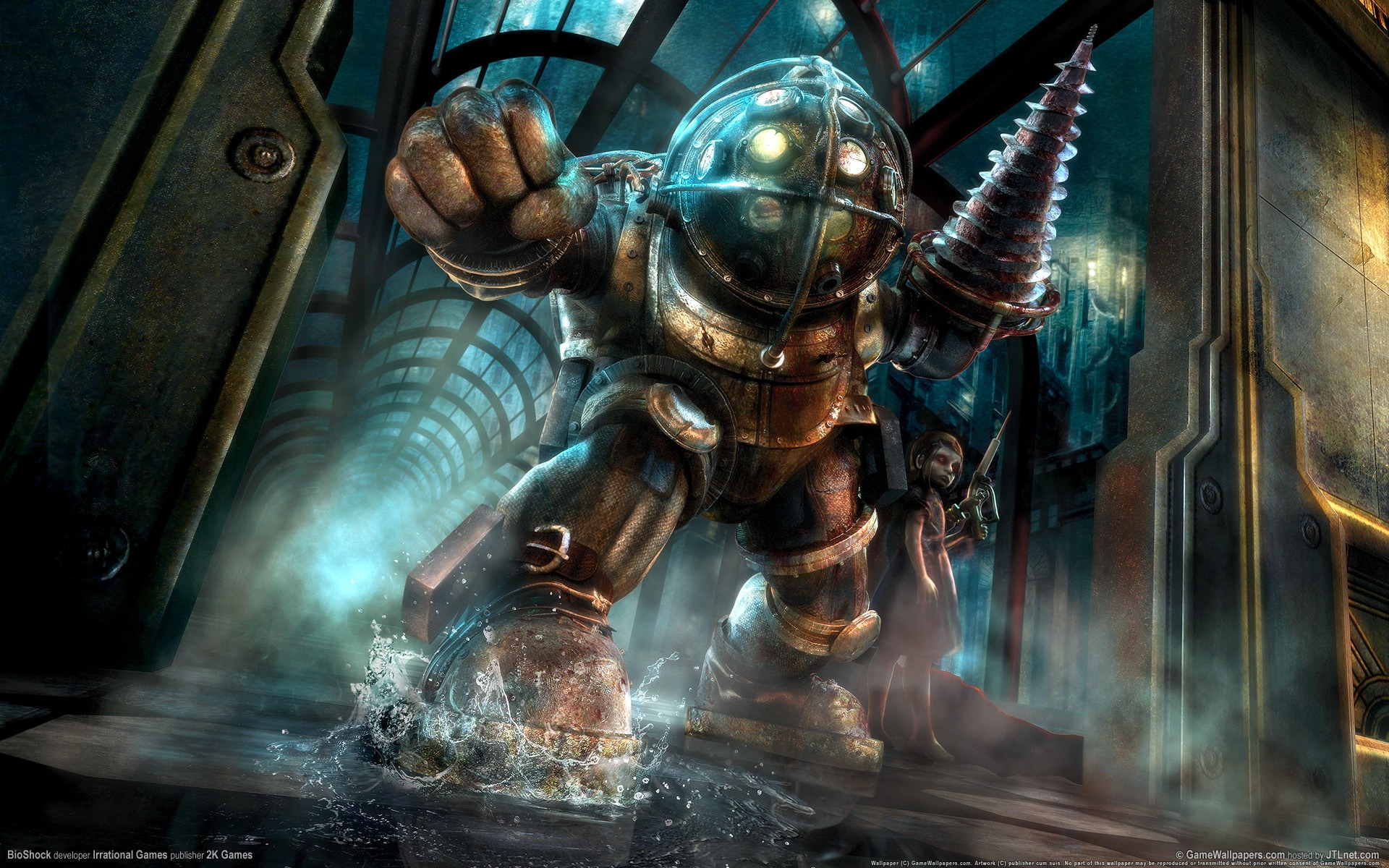
Frank Fontaine injects himself with massive amounts of ADAM and transforms into a generic hulking monster. The nuanced tactical gameplay is replaced by a straightforward battle against a damage sponge. Players must drain his health while dodging predictable elemental attacks and charging enemies. The fight feels like a tonal departure from the philosophical atmosphere established earlier in the underwater city.
‘Middle-earth: Shadow of Mordor’ (2014)
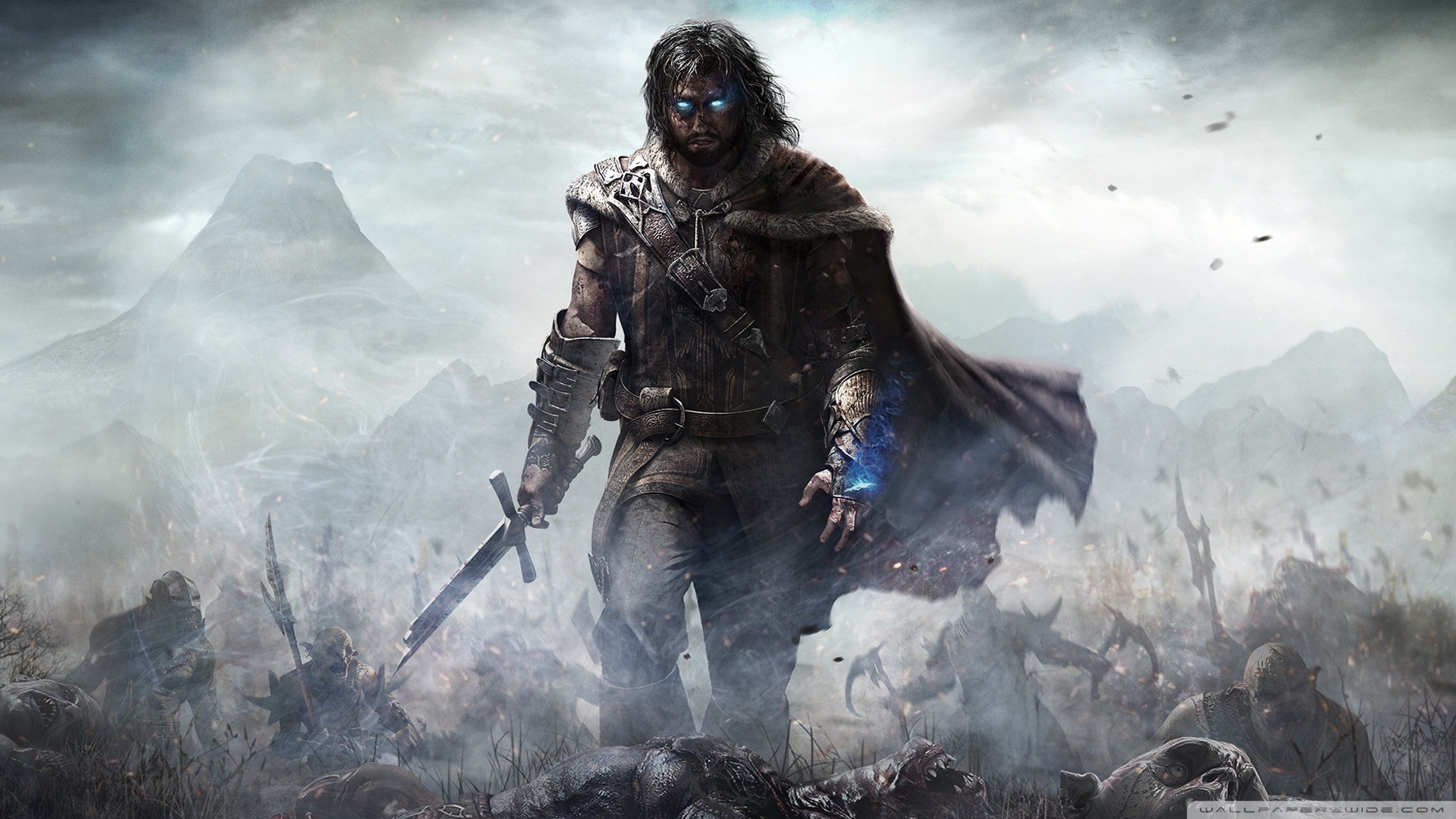
The Nemesis System provides dynamic and challenging encounters throughout the entire campaign. Talion fights his way to the Black Hand of Sauron expecting a grueling duel against his nemesis. The fight resolves itself through a simple sequence of Quick Time Events rather than actual combat. Players felt robbed of a chance to utilize their fully upgraded abilities in the climax.
‘Fable II’ (2008)
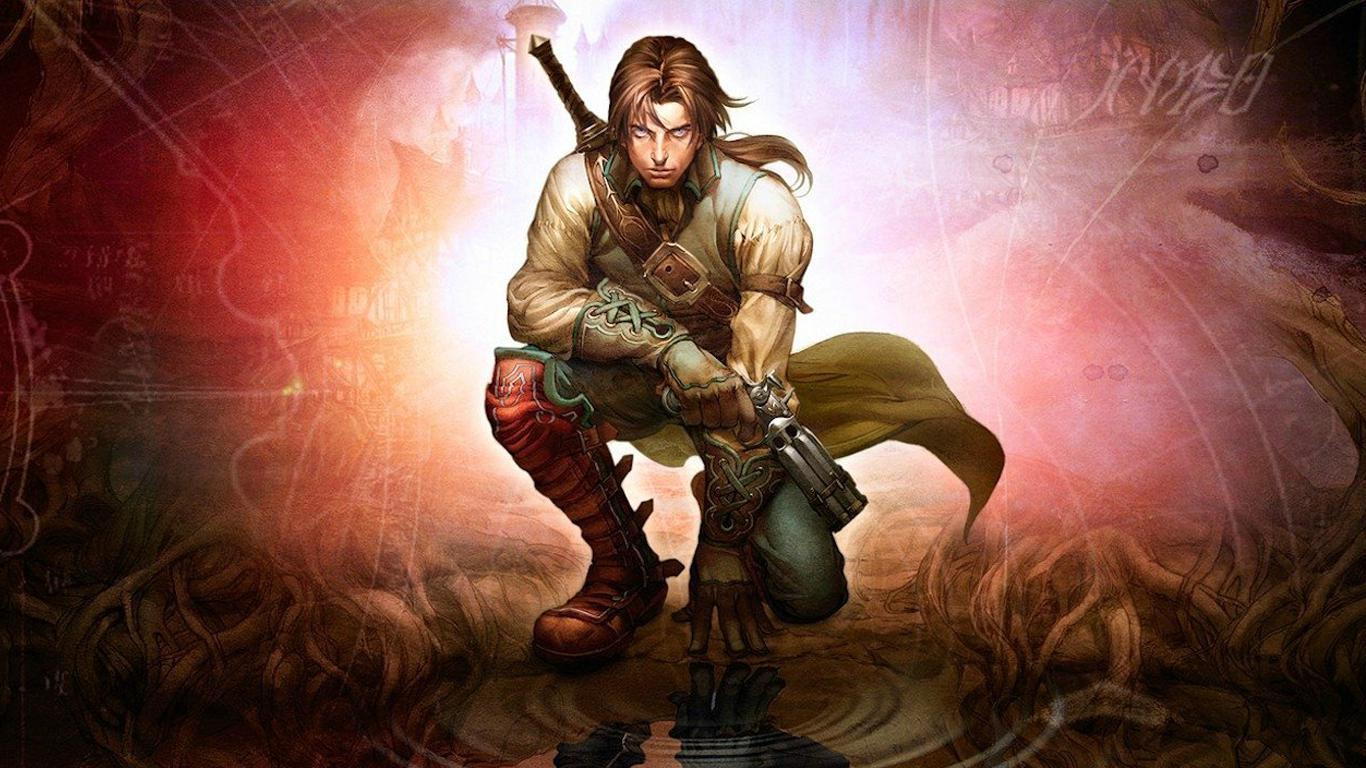
Lucien is the main antagonist who kills the family of the hero at the start of the game. Players spend the entire narrative building up their strength and gathering allies to confront this powerful foe. The final confrontation ends with a single button press that interrupts his monologue and kills him instantly. This anticlimactic conclusion offers no challenge or mechanical depth after a long journey.
‘Mass Effect 2’ (2010)
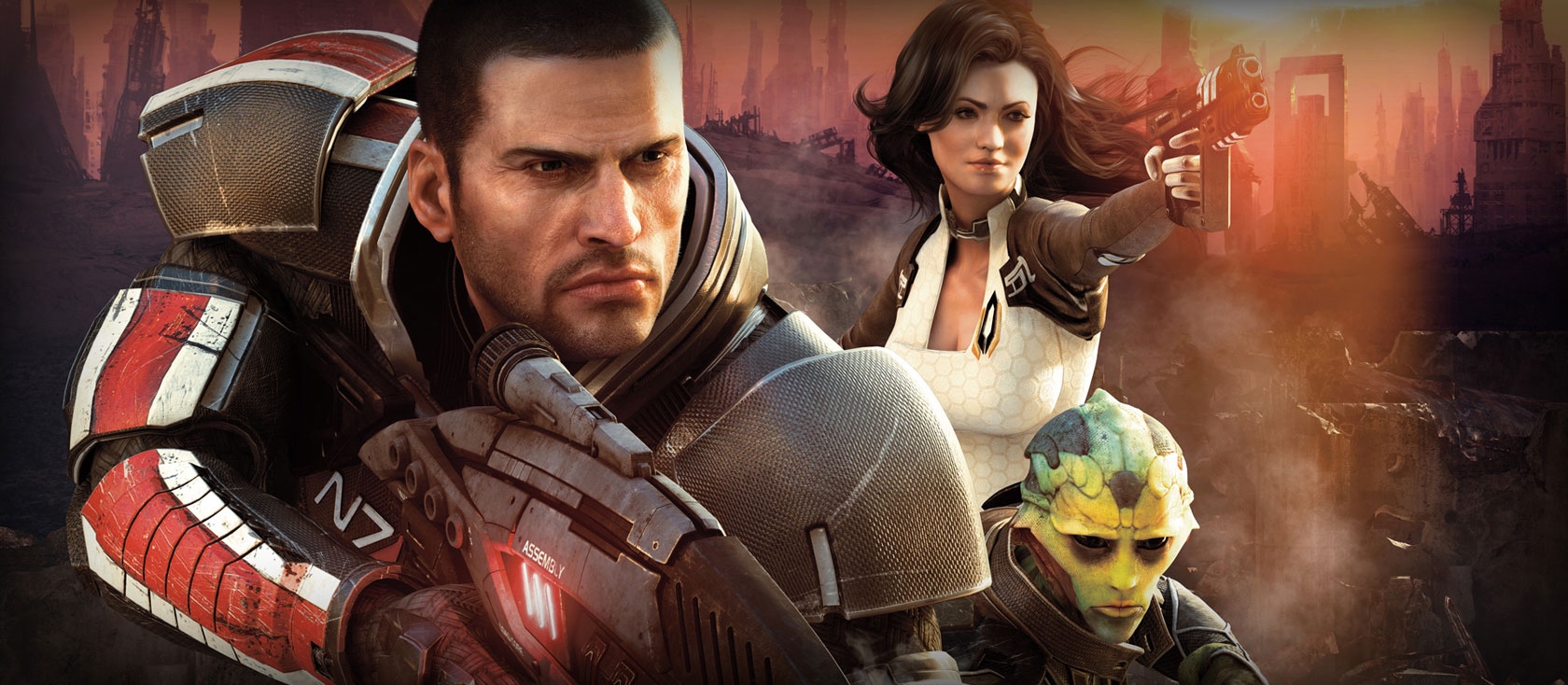
Shepard leads a suicide mission into the center of the galaxy to stop the Collectors. The final enemy reveals itself to be a gigantic metallic skeleton known as the Human Reaper. This terminator looking boss relies on predictable patterns and glowing weak points. The absurdity of the design clashes with the grounded sci-fi aesthetic of the rest of the series.
Tell us which highly rated game let you down with its ending in the comments.