


The 15 Most Forced “Diversity” Castings That Backfired Spectacularly




The entertainment industry has increasingly prioritized inclusivity in recent years by reimagining classic characters and historical figures with diverse casting choices. Studios often aim to modernize beloved franchises or tell historical stories through a contemporary lens to reach wider audiences. This strategy has sometimes resulted in significant friction between content creators and long-time fanbases who value source material accuracy. The following examples highlight instances where casting decisions sparked intense controversy and resulted in commercial failure or critical panned receptions. These projects faced substantial backlash that often overshadowed the narratives the creators intended to present.
‘Queen Cleopatra’ (2023)
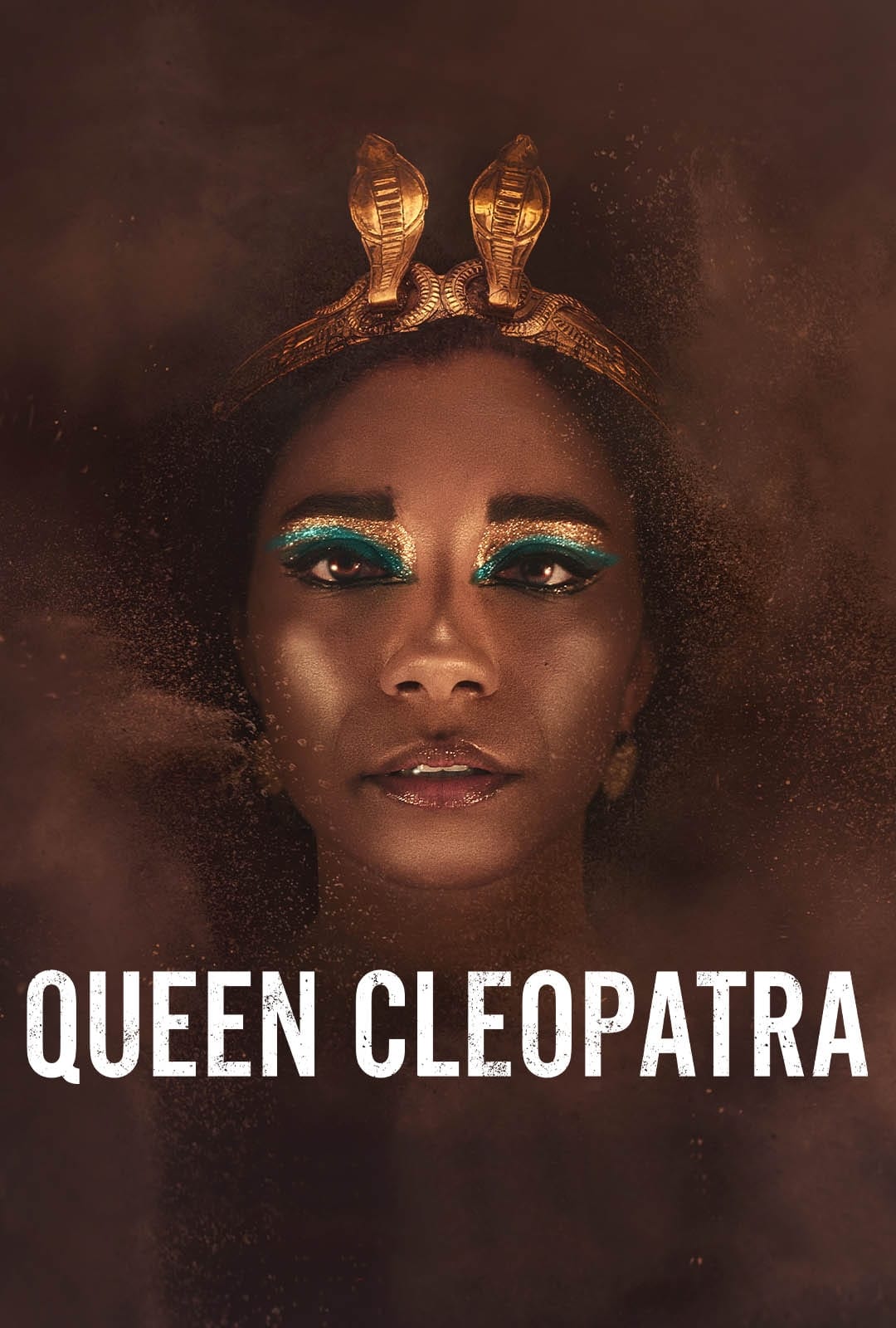
Netflix released this docudrama with the intention of exploring the life of the famous Egyptian ruler through a new perspective. The decision to cast Adele James as the titular queen sparked immediate international outrage and legal threats from Egyptian officials who cited historical inaccuracies regarding her heritage. Viewers rejected the series en masse resulting in some of the lowest audience scores in the platform’s history. The controversy dominated the discourse surrounding the show and ultimately led to it being viewed as a cautionary tale for historical depictions.
‘Ghostbusters’ (2016)
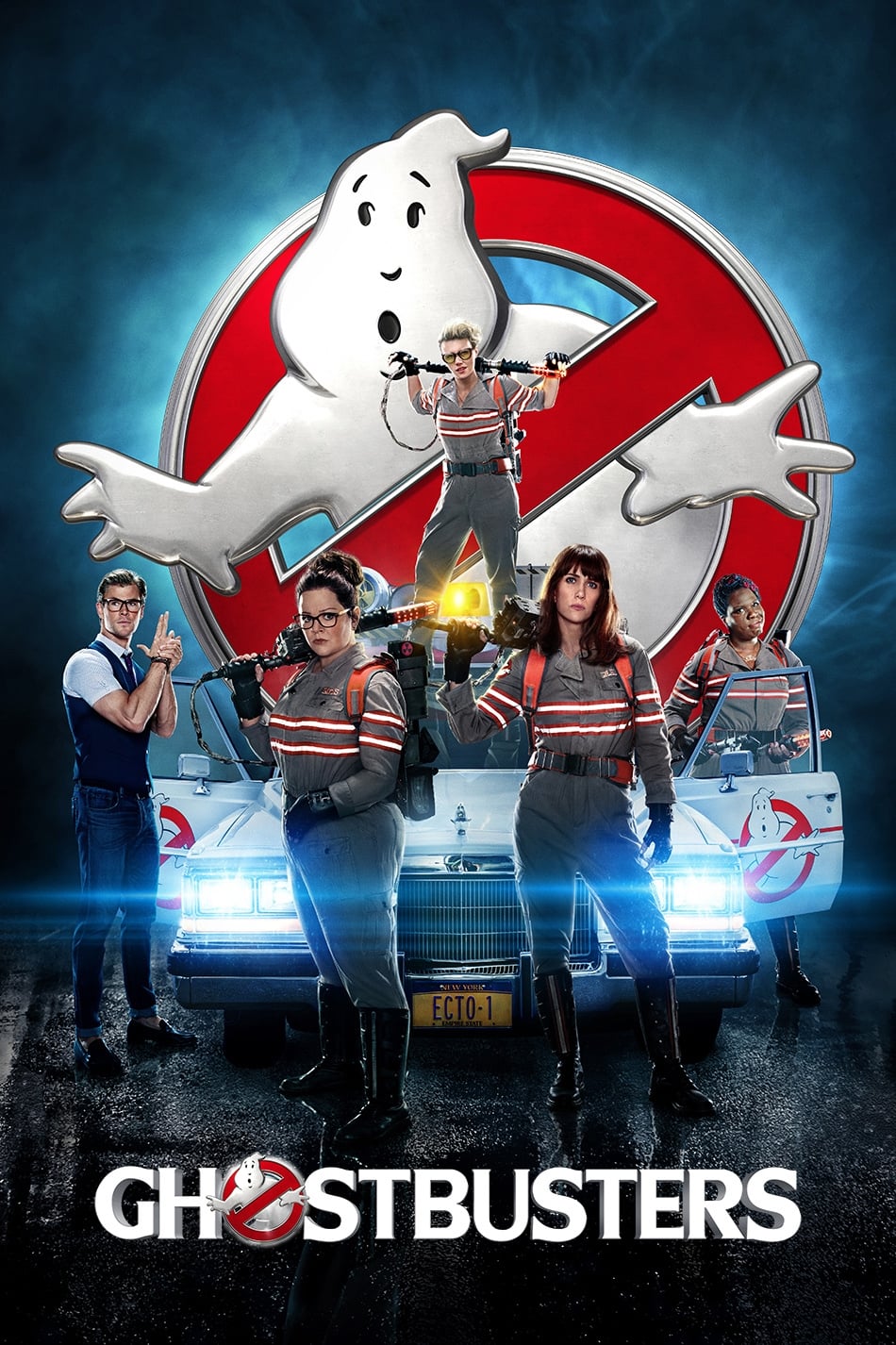
Sony attempted to reboot the legendary comedy franchise by replacing the original male team with an all-female cast including Melissa McCarthy and Kristen Wiig. The marketing campaign focused heavily on the gender swap aspect which alienated a significant portion of the built-in fanbase before the film even hit theaters. Critics praised the cast’s chemistry but the film ultimately failed to recoup its production and marketing costs at the box office. The studio canceled plans for a direct sequel and eventually reverted to the original continuity with subsequent releases.
‘Velma’ (2023)
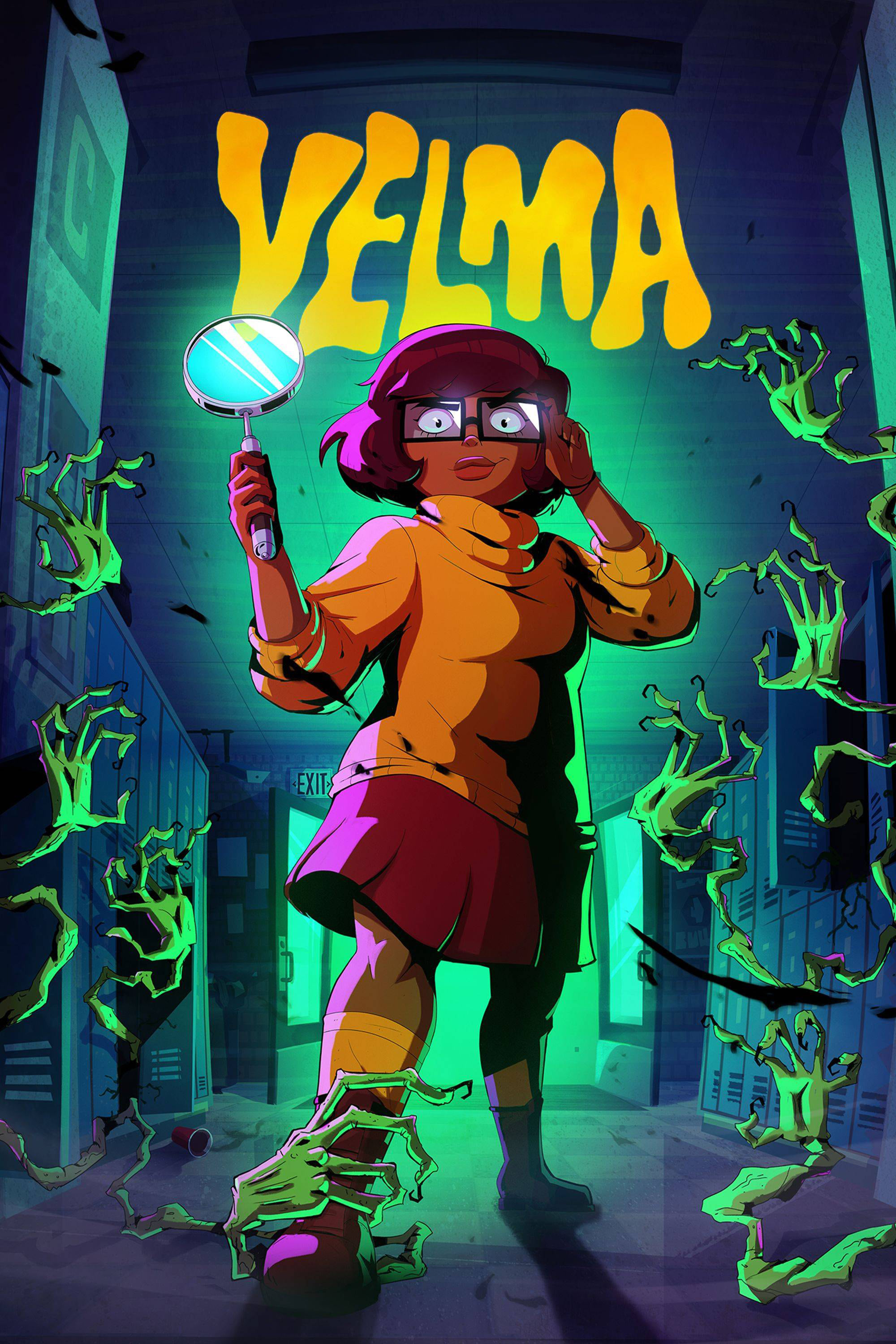
Mindy Kaling spearheaded this adult animated series that reimagined the Scooby-Doo gang with significant changes to their ethnicities and personalities. The titular character was rewritten as South Asian while other core members underwent drastic alterations that stripped away their familiar traits. Audiences and critics alike panned the show for its mean-spirited humor and lack of respect for the source material. The series holds the distinction of being one of the lowest-rated animated shows on IMDb due to the overwhelming negative reception.
‘Anne Boleyn’ (2021)
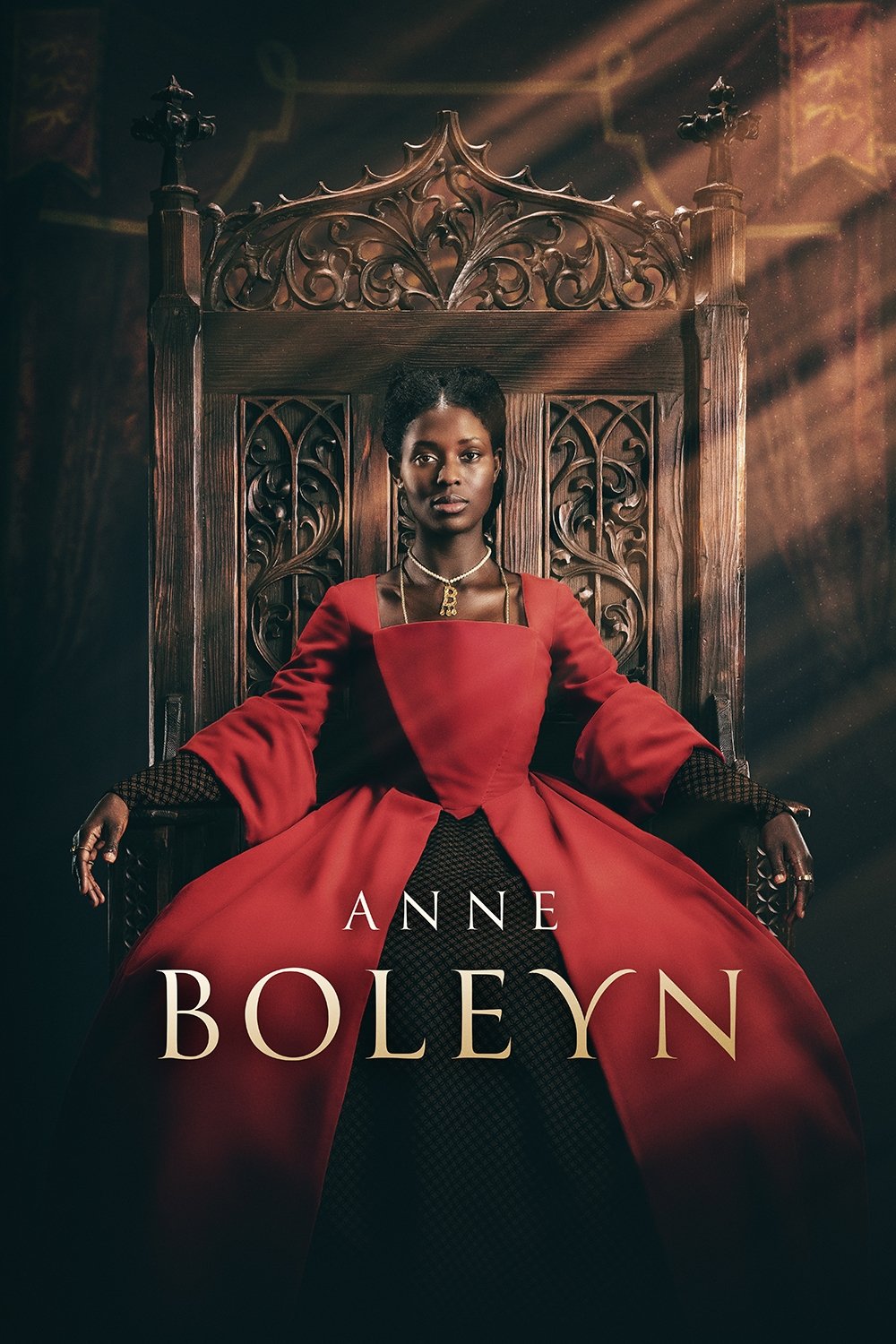
Channel 5 produced this historical thriller starring Jodie Turner-Smith as the doomed second wife of King Henry VIII. The casting of a Black actress to play a historically white English queen drew immediate criticism for historical revisionism. Viewers largely ignored the series upon its release and caused it to suffer from dismal ratings during its broadcast. The production aimed to challenge conventions but ultimately failed to find an audience willing to accept such a radical departure from established history.
‘Fantastic Four’ (2015)
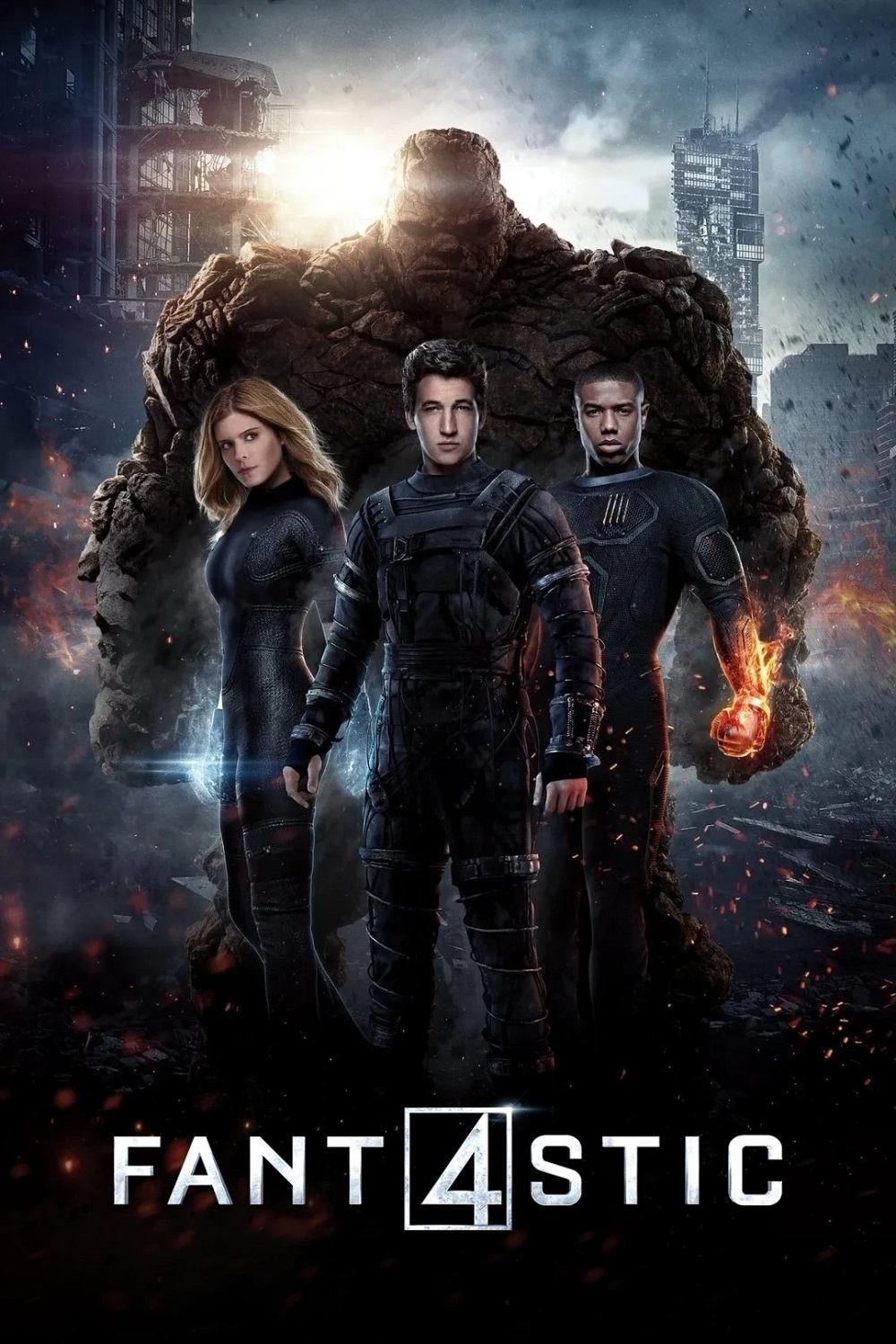
Director Josh Trank attempted a gritty reboot of Marvel’s first family that included casting Michael B. Jordan as Johnny Storm. The change to the character’s race created narrative inconsistencies regarding his biological relationship to his sister Sue Storm which the film struggled to address convincingly. Fans rejected the dark tone and the deviations from the comic book origins resulting in a massive box office bomb. The failure of this adaptation forced the studio to abandon its planned cinematic universe and eventually sell the rights back to Marvel Studios.
‘Resident Evil’ (2022)

Netflix adapted the popular survival horror video game franchise into a live-action series that made significant changes to established lore. The showrunners cast Lance Reddick as Albert Wesker despite the character being historically depicted as white in the games. While Reddick delivered a strong performance the writing and deviation from the source material alienated the core gaming fanbase. The streaming giant canceled the series shortly after its premiere due to low viewership and poor completion rates.
‘Cowboy Bebop’ (2021)
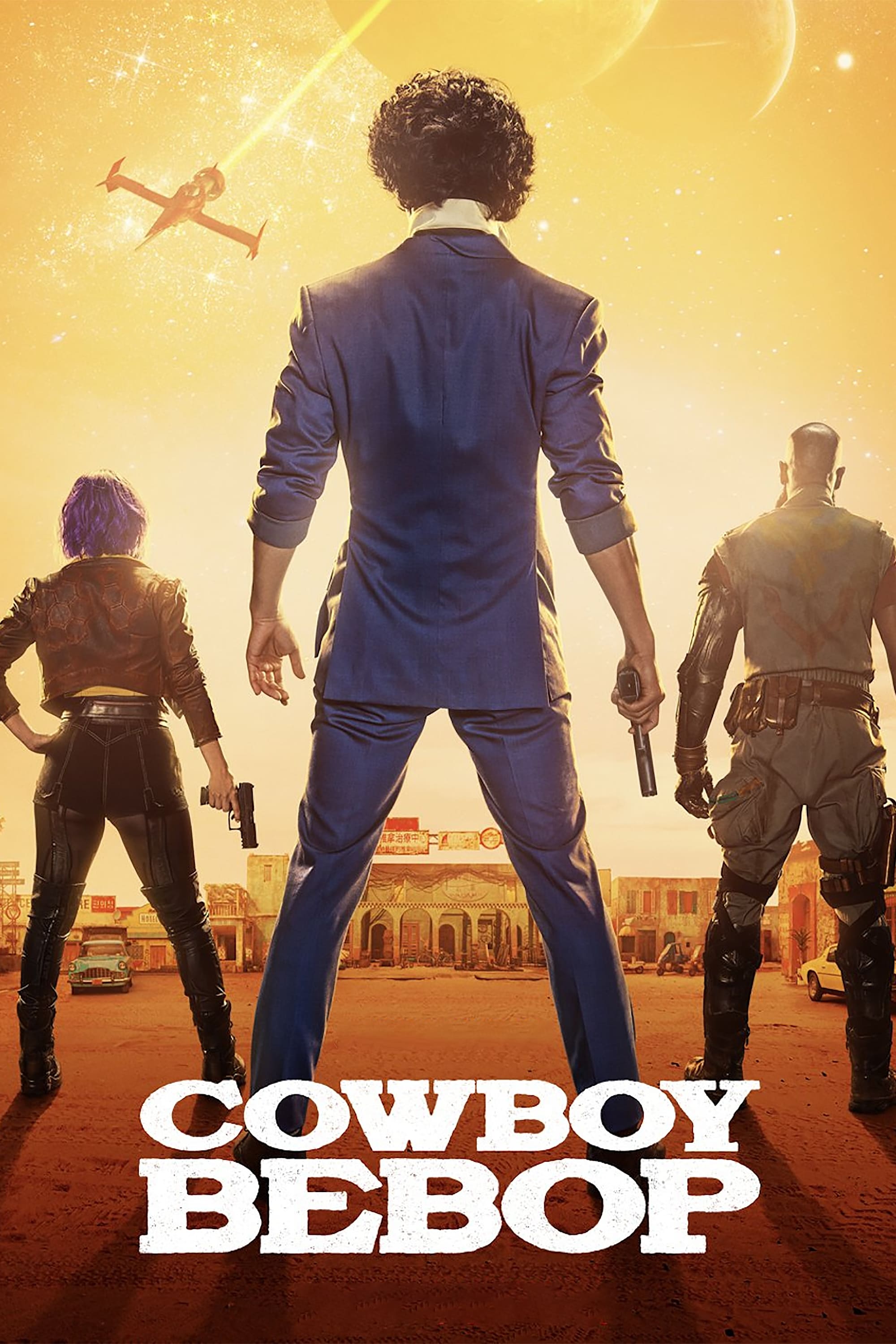
This live-action adaptation of the seminal anime series attempted to bring the stylish space western to a new medium with a diversified ensemble. The casting and characterization of Faye Valentine and Jet Black drew criticism for missing the nuance and spirit of their animated counterparts. Fans felt the writing sacrificed the original’s philosophical depth in favor of quippy dialogue and superficial changes. Netflix canceled the expensive production less than a month after its release following a steep drop in viewer interest.
‘Charlie’s Angels’ (2019)
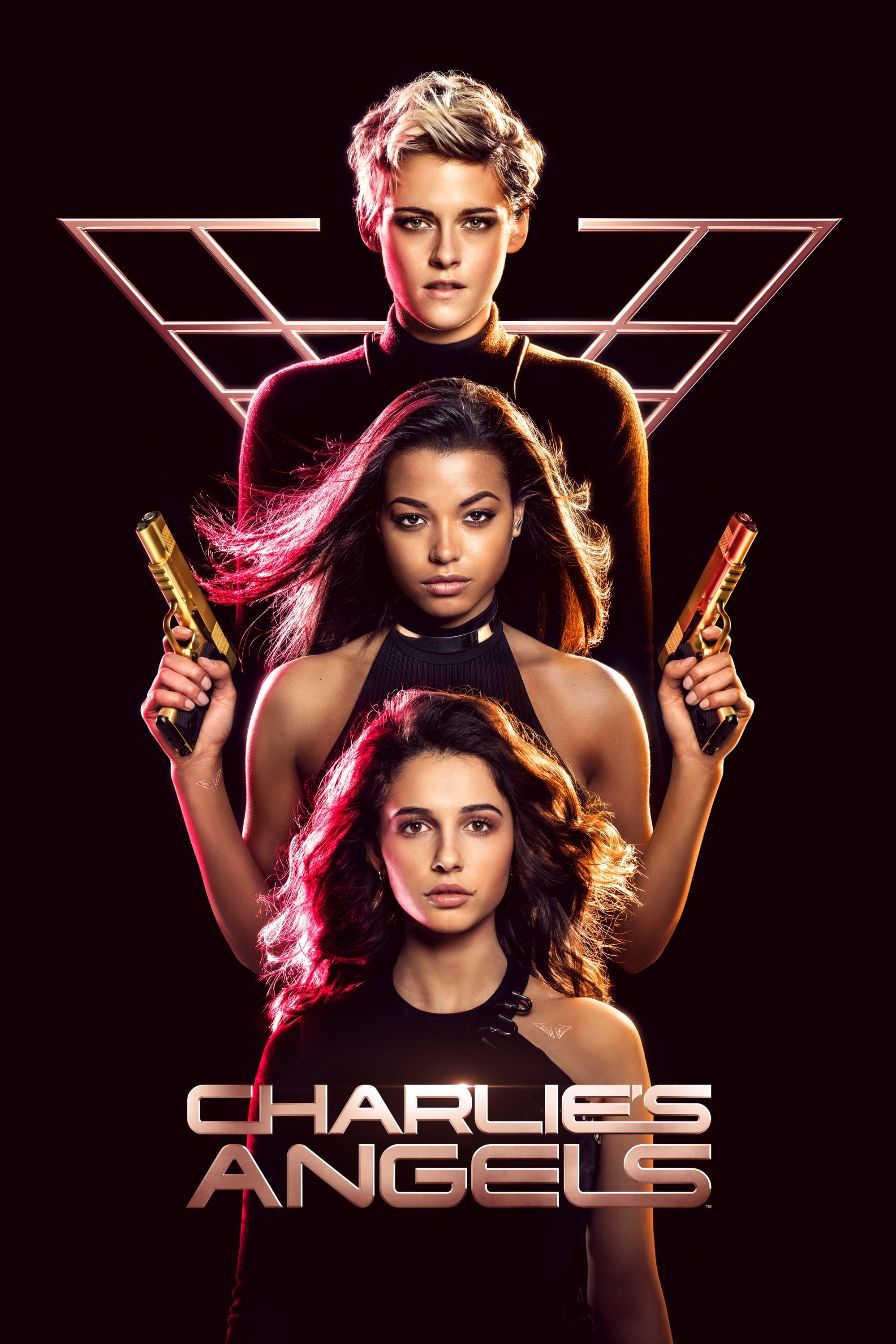
Elizabeth Banks directed this continuation of the spy franchise with a focus on female empowerment and a new diverse trio of agents. The marketing campaign adopted a combative tone toward male audiences which many box office analysts cited as a major strategic error. The film opened to disastrous financial numbers and failed to resonate with the target female demographic it hoped to attract. The franchise has remained dormant since this installment failed to justify its existence to moviegoers.
‘The Dark Tower’ (2017)
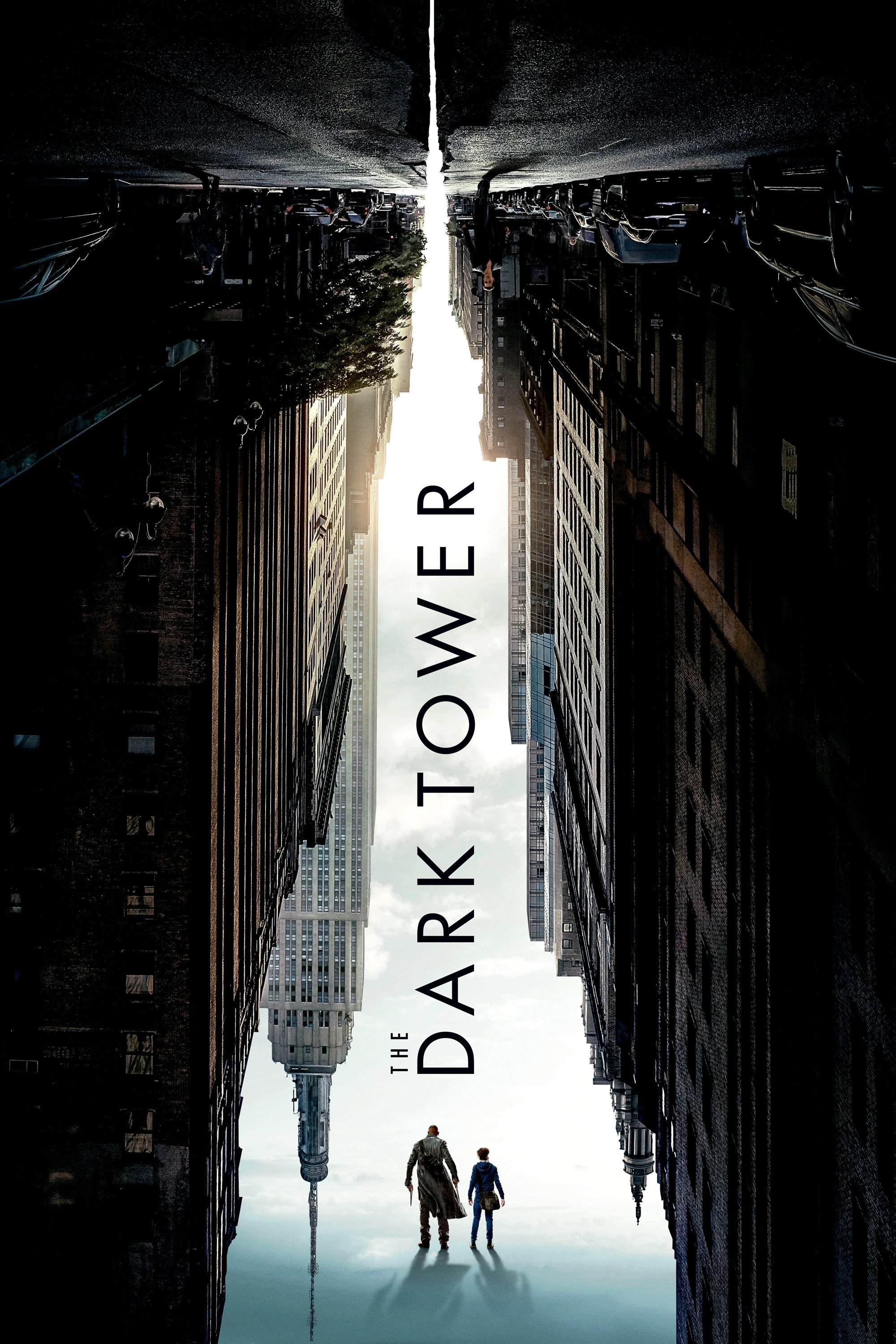
Stephen King’s magnum opus arrived in theaters with Idris Elba cast as the gunslinger Roland Deschain. The decision to cast a Black actor in a role defined partly by racial tensions in the source material removed key character dynamics involving Odetta Holmes. Fans of the book series lamented that the adaptation felt rushed and stripped of the complex lore that made the novels iconic. The movie underperformed critically and commercially effectively killing plans for a companion television series.
‘Troy: Fall of a City’ (2018)

The BBC and Netflix co-produced this retelling of the Trojan War which featured Black actors in the roles of Greek mythological figures like Achilles and Zeus. This creative choice sparked heated debates about historical and mythological authenticity among viewers who expected a traditional depiction of ancient Greece. The series suffered from extremely low viewership numbers in the United Kingdom and failed to gain traction globally. Reviewers noted that the controversy over casting overshadowed the actual drama and production values of the show.
‘Batwoman’ (2019–2022)
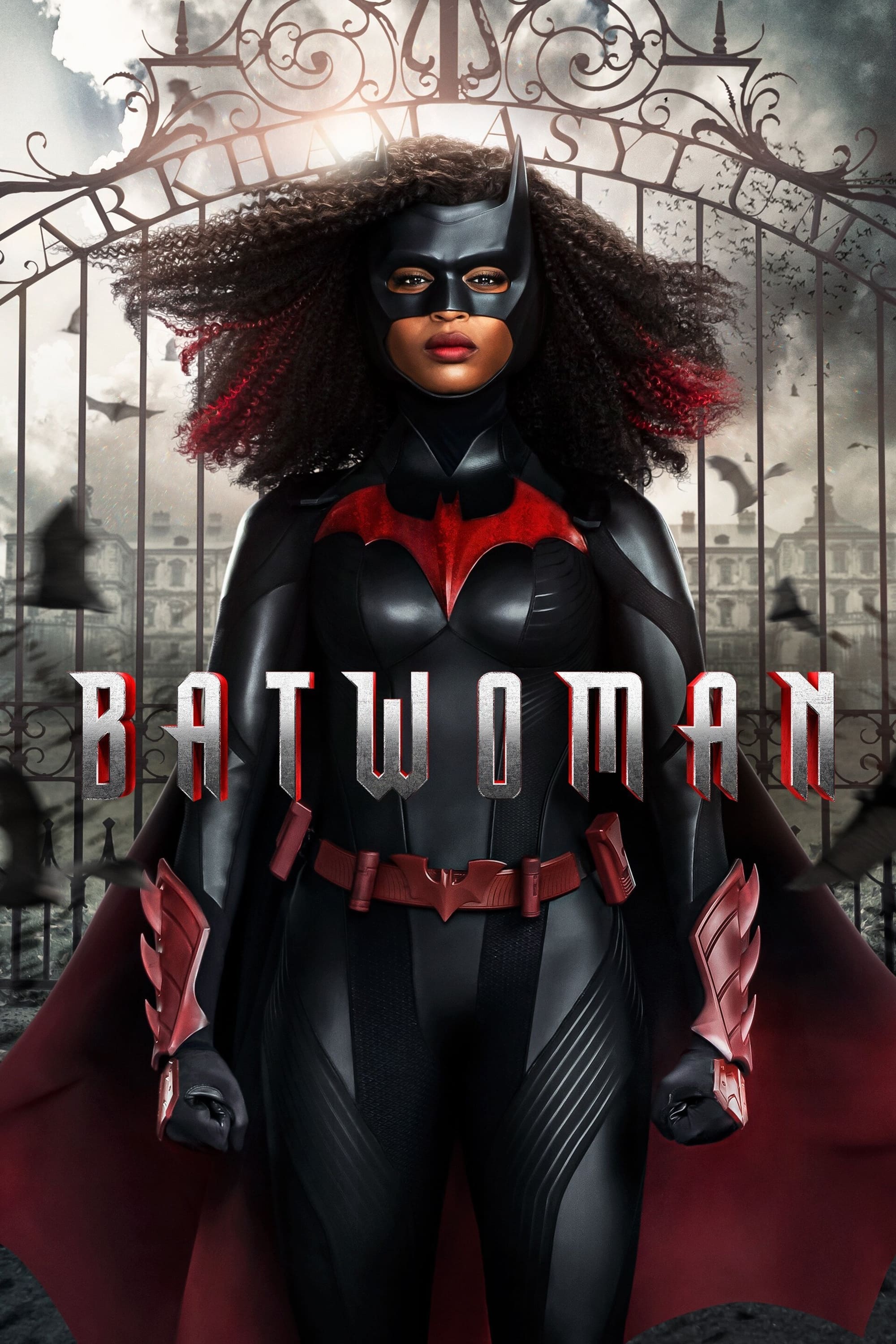
The CW series faced turbulence when original lead Ruby Rose departed and was replaced by Javicia Leslie as a new character named Ryan Wilder. The writers prioritized social messaging over cohesive storytelling which led to a steady decline in viewership season after season. Fans criticized the show for lecturing its audience rather than focusing on compelling superhero action and character development. The network eventually canceled the series as ratings fell to unsustainable lows during its final run.
‘Terminator: Dark Fate’ (2019)
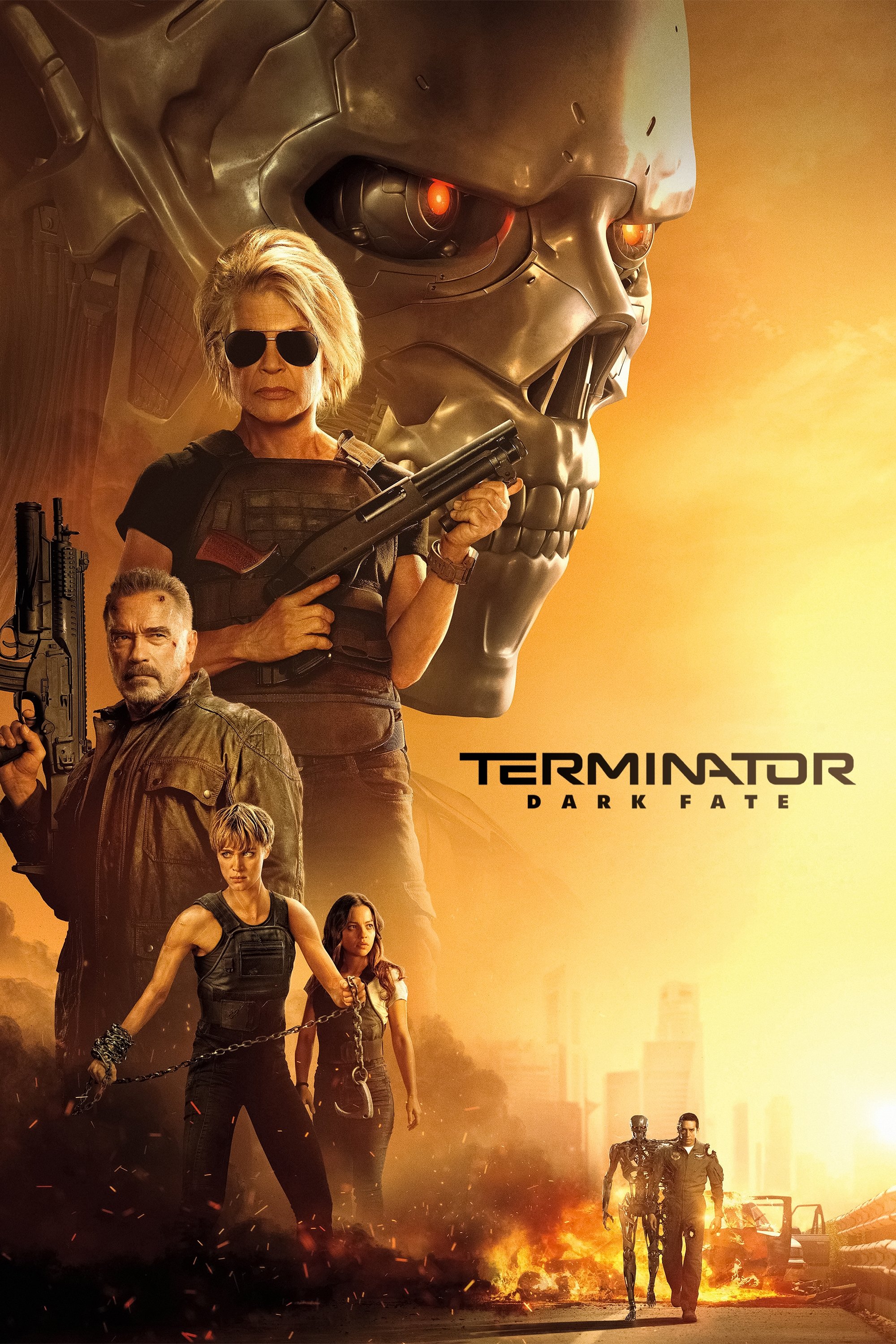
Paramount Pictures attempted to revitalize the sci-fi saga by shifting the focus to a new female protagonist and replacing John Connor’s savior role. Director Tim Miller and producer James Cameron made creative decisions that alienated long-time fans who felt the male characters were sidelined to push a specific agenda. The film reportedly lost over one hundred million dollars despite receiving better reviews than previous sequels. General audiences showed little interest in a franchise that seemed to actively disrespect its own narrative history.
‘Peter Pan & Wendy’ (2023)
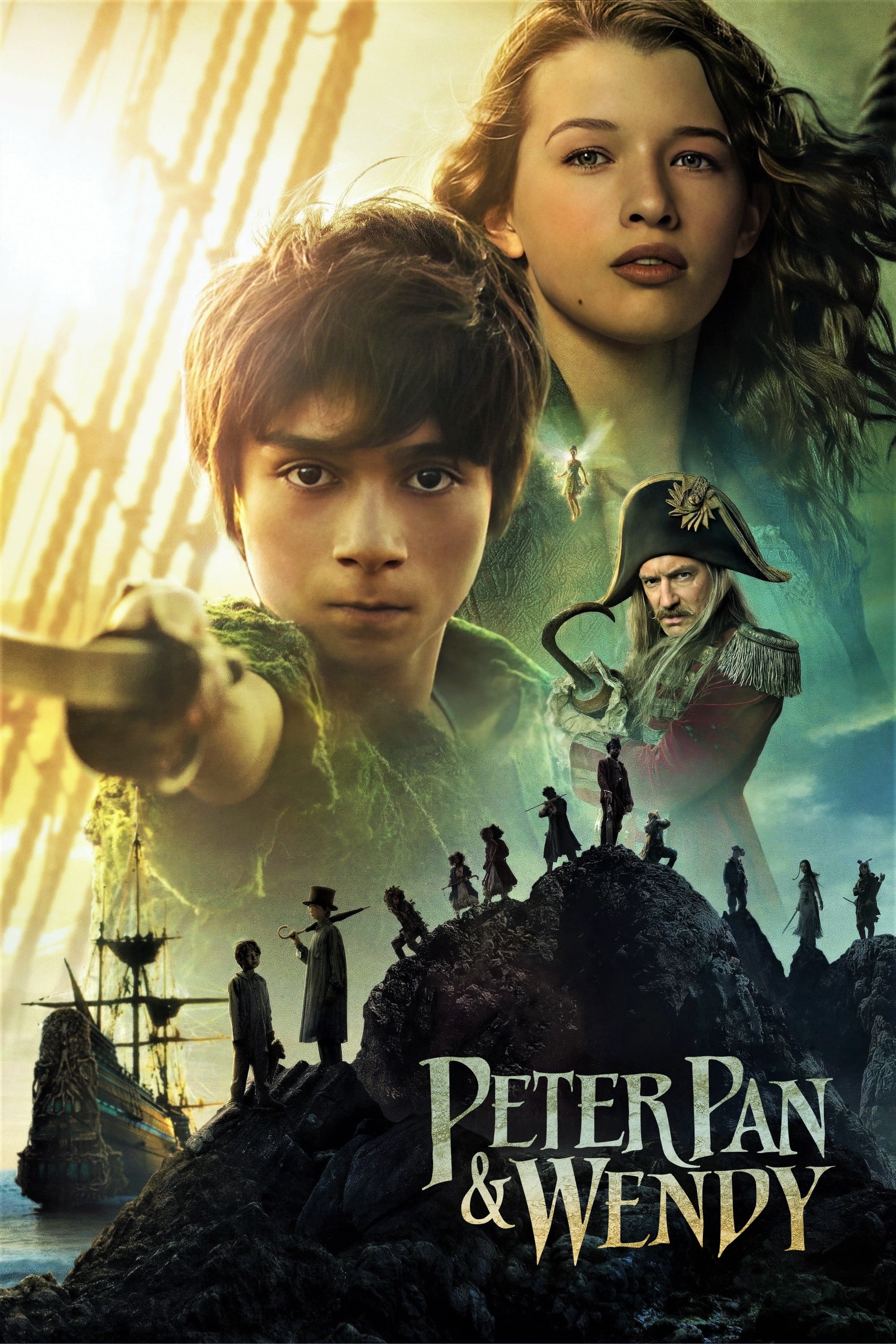
Disney released this live-action remake directly to streaming with Yara Shahidi cast as the iconic fairy Tinker Bell. The film faced backlash for altering the classic characters and removing traditional elements that audiences associated with the 1953 animated original. Critics and viewers panned the movie for its drab visuals and lack of magical wonder compared to previous iterations. The negative discourse surrounding the casting choices contributed to the film fading quickly from public conversation.
‘Death Note’ (2017)
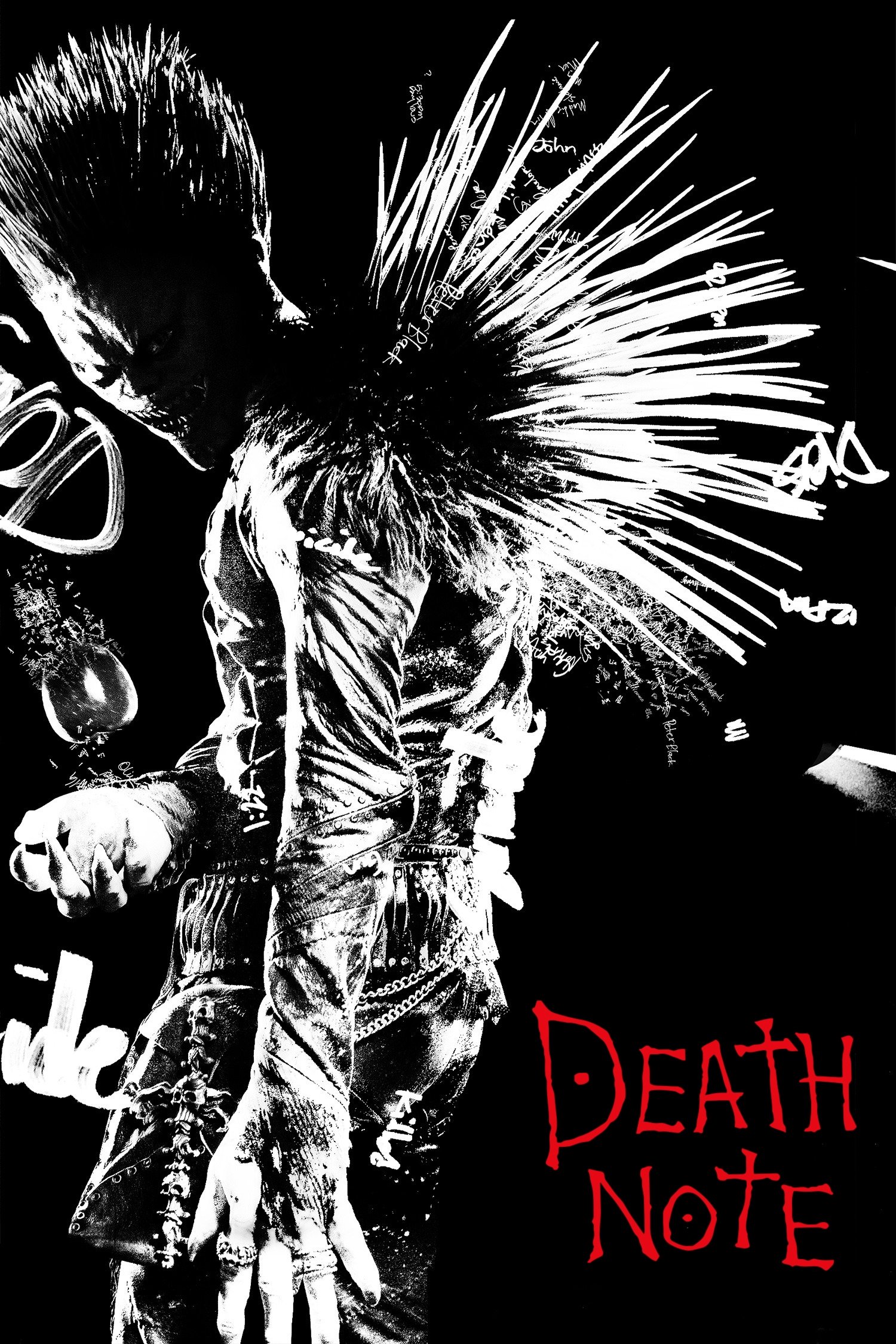
Netflix adapted the famous Japanese manga with an Americanized setting and Lakeith Stanfield in the role of the genius detective L. Fans of the original material criticized the film for whitewashing the protagonist Light Yagami while drastically changing L’s personality and background. The movie struggled to capture the intellectual cat-and-mouse dynamic that made the anime a global phenomenon. The director faced intense scrutiny on social media for the changes and the planned sequel has remained in development hell.
‘The Witcher: Blood Origin’ (2022)
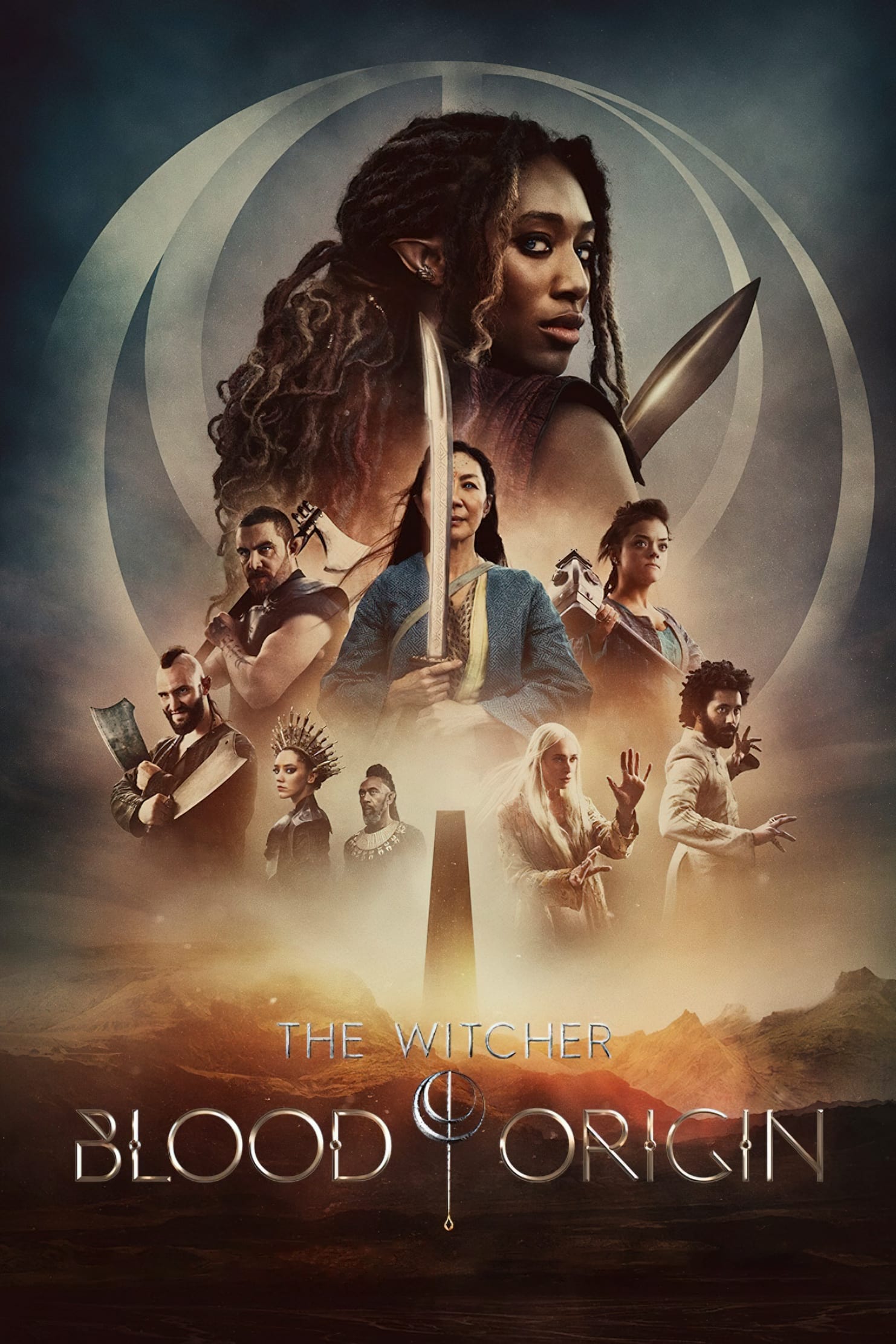
This prequel miniseries to the hit fantasy show introduced a new cast of elves that deviated significantly from the descriptions in Andrzej Sapkowski’s novels. The writers ignored established lore to create a story that many fans felt was a generic fantasy wrapper for modern identity politics. The audience response was vitriolic resulting in one of the worst viewer scores for a major Netflix production. The negative reception damaged the brand’s reputation and contributed to the waning enthusiasm for the main series.
Share your thoughts on these casting choices and their impact on the franchises in the comments.