


The 20 Most Iconic Female Leads in Sitcom History

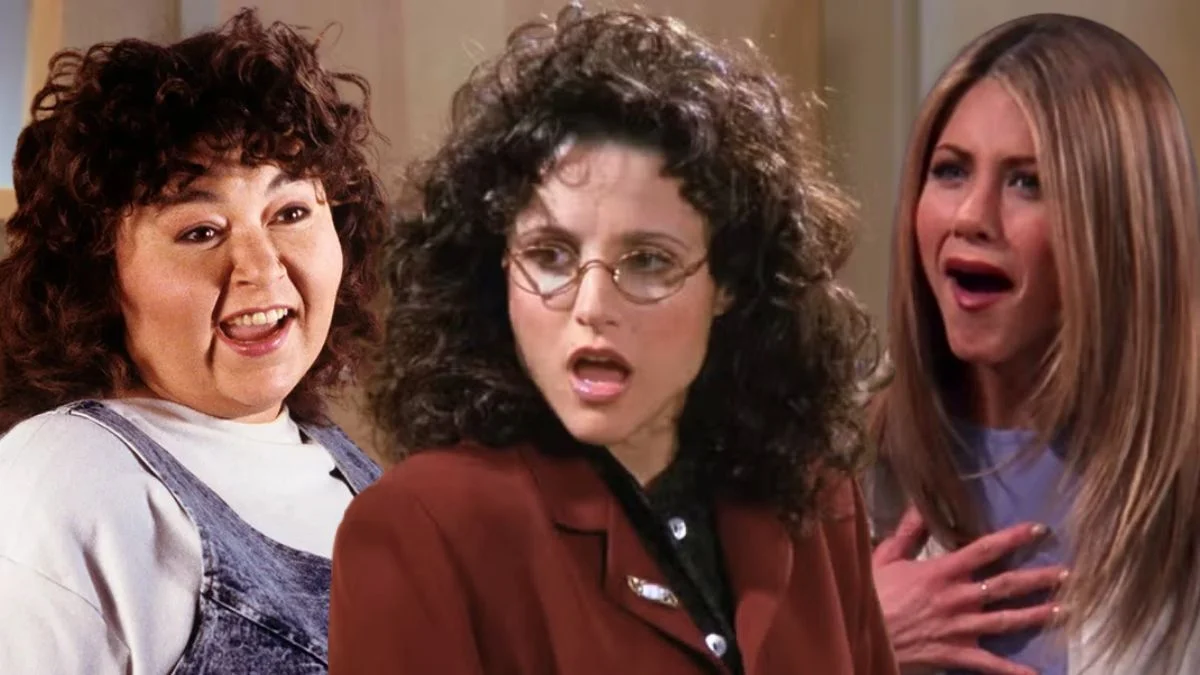


Sitcom history is full of unforgettable women who shaped stories, set new standards for comedy, and changed what audiences expected from primetime television. These leads anchored shows through sharp writing, distinctive characters, and plots that blended family life, work life, and community with memorable humor. Many of them turned side characters into cultural talking points, drove huge ratings, and helped launch spinoffs that kept their worlds going for years.
This list spotlights female leads whose characters delivered big laughs while also moving the medium forward. You will find trailblazers who pushed workplace comedies to the mainstream, mothers who grounded family ensembles, and single women who redefined independence on network TV. Each entry includes useful details about the character, the series setting, and the influence that followed.
Lucille Ball in ‘I Love Lucy’
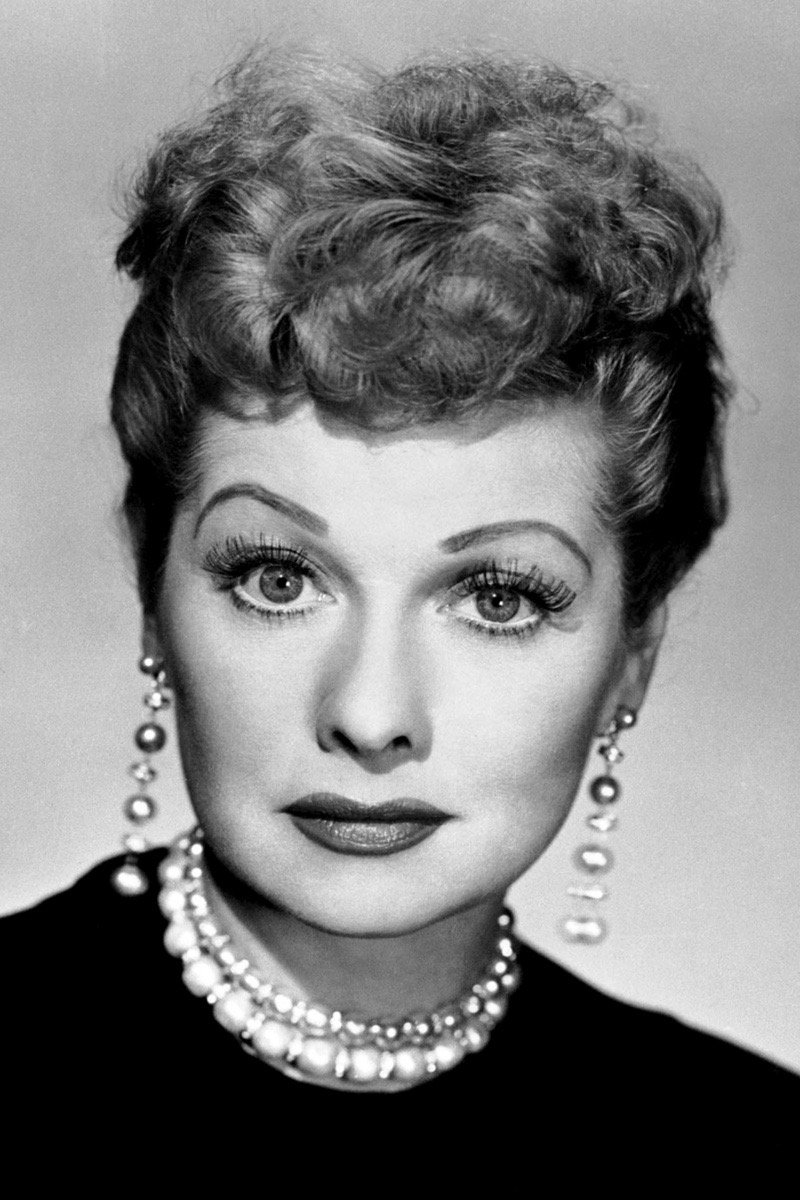
Lucy Ricardo powered a landmark for studio audiences and three camera production, which became the template for countless multicam comedies. The character’s schemes with Ethel Mertz produced classic set pieces such as the candy factory conveyor belt and the grape stomping fiasco, both built on precise timing and repeatable physical bits.
The series made TV history by integrating family milestones into its plot, including Lucy and Ricky’s home life and a widely watched on air pregnancy storyline. Syndication kept episodes in constant rotation, which helped standardize rerun economics and spread Lucy’s comedy blueprint across the globe.
Mary Tyler Moore in ‘The Mary Tyler Moore Show’
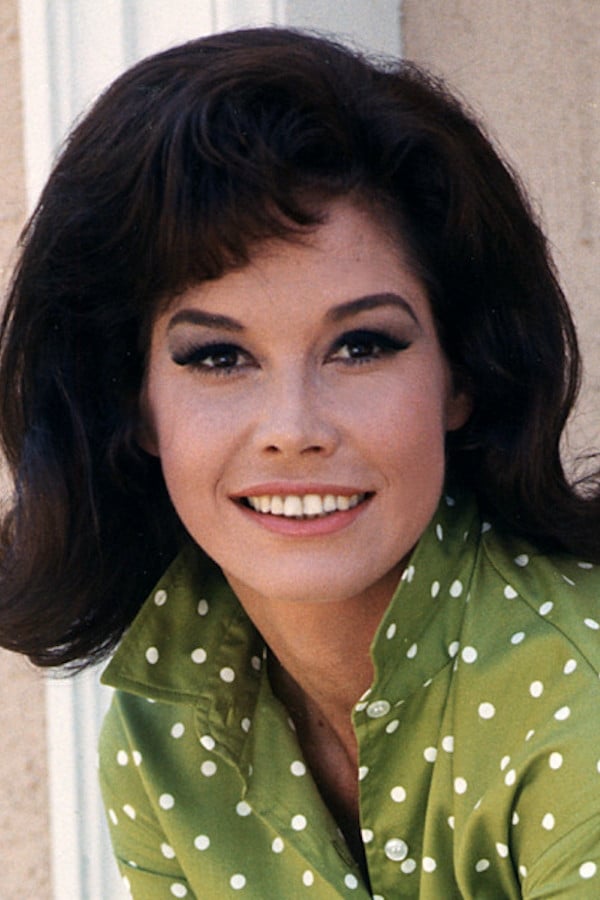
Mary Richards centered a workplace comedy around an independent single woman at a local TV newsroom, a premise that gave sitcoms a new professional setting. The WJM team supported ongoing story arcs about career growth, friendships, and the challenges of producing the nightly news.
The show built out a durable TV universe that led to successful spinoffs such as ‘Rhoda’ and ‘Lou Grant’. It also opened more doors for female writers and producers, with production leadership that influenced how later ensembles balanced humor with character development.
Candice Bergen in ‘Murphy Brown’
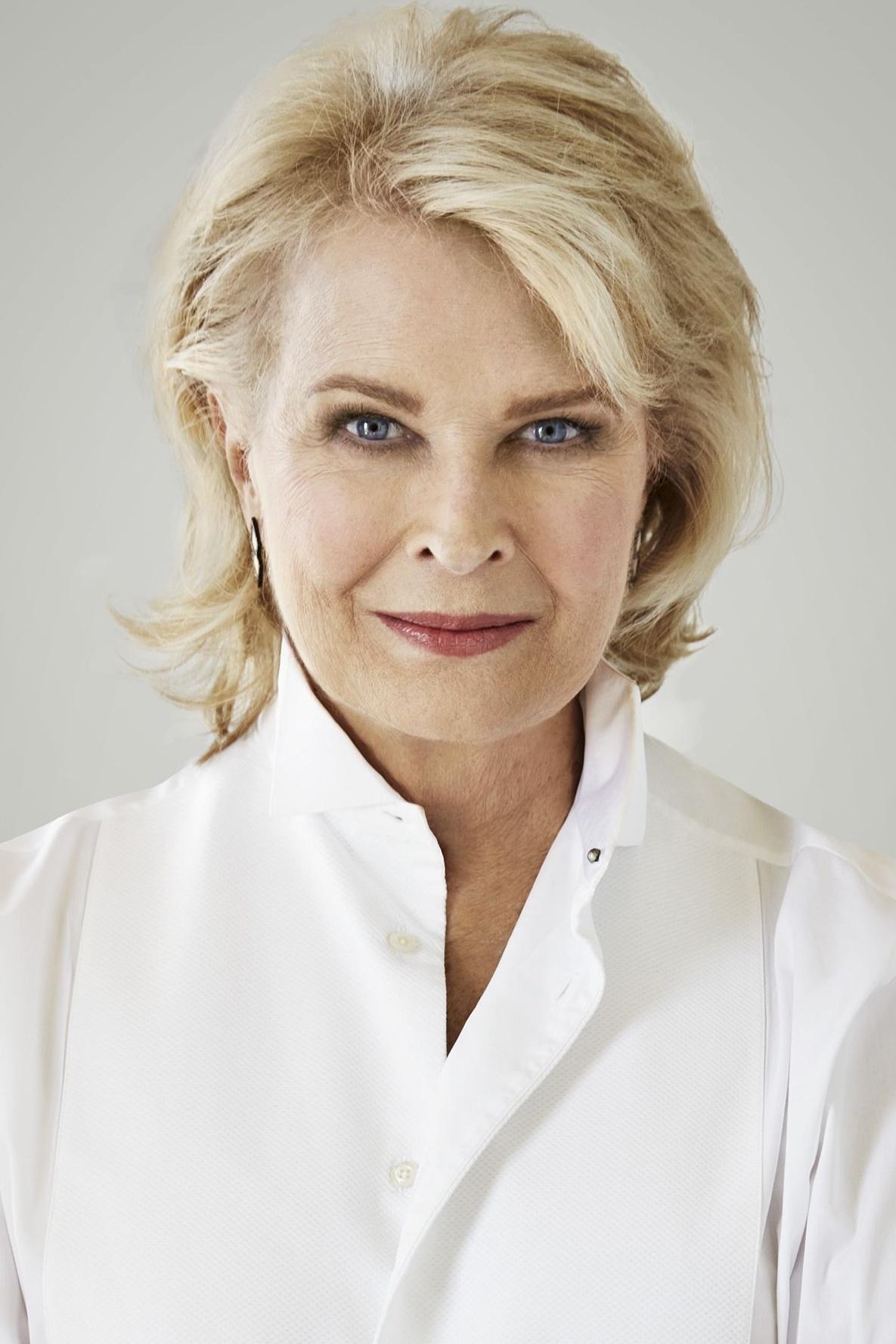
Murphy Brown fronted ‘FYI’, a news magazine staffed by competitive reporters and a frequently replaced personal secretary, which became a running gag. Storylines followed investigative work, newsroom rivalries, and Murphy’s on camera presence, giving viewers a sharp look at media from within a sitcom frame.
The character’s decision to raise a child on her own sparked national conversations about single motherhood on television. A later revival returned the team to air with updated media targets, showing how the format could adapt while keeping its core workplace dynamics intact.
Bea Arthur in ‘The Golden Girls’
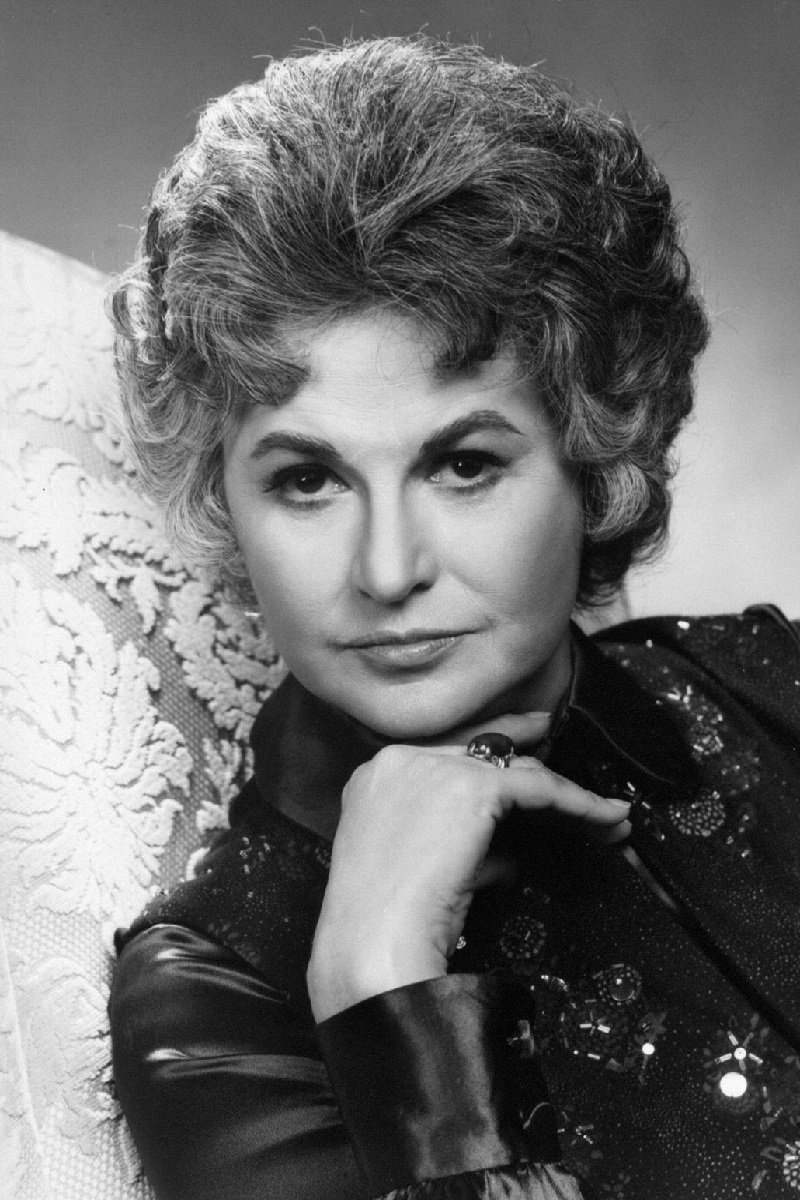
Dorothy Zbornak lived with Blanche Devereaux and Rose Nylund in a Miami home that became one of TV’s most familiar gathering places. Dorothy’s dry delivery cut through household dramas while the show tackled friendships, aging, and health topics that most comedies had not addressed so directly.
Episodes mixed farce with grounded plots about family and work, often bringing Dorothy’s ex husband and her mother Sophia into the weekly conflict. The ensemble’s chemistry powered award wins and inspired later series centered on older women living together and supporting one another.
Roseanne Barr in ‘Roseanne’
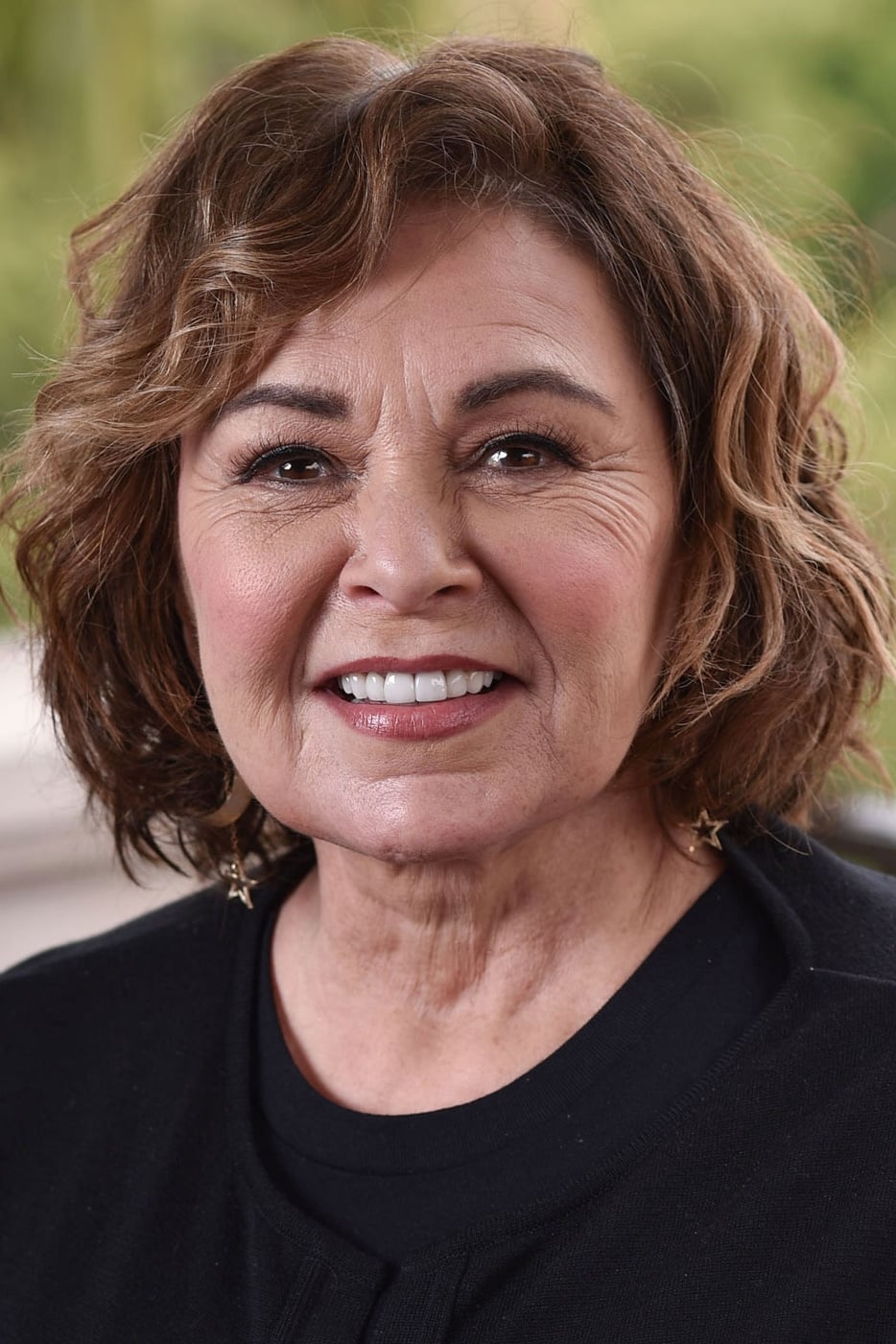
Roseanne Conner anchored a working class family sitcom in the fictional town of Lanford, with stories built around factory shifts, bills, and kitchen table decisions. The series focused on the daily logistics of raising kids and keeping a household running, which gave network comedy a different socioeconomic lens.
The revival reintroduced the Conners to new viewers and led to the ongoing spinoff ‘The Conners’. The character’s influence is evident in later comedies that present blue collar life with unvarnished details, from job insecurity to family negotiations about money and childcare.
Julia Louis-Dreyfus in ‘Seinfeld’
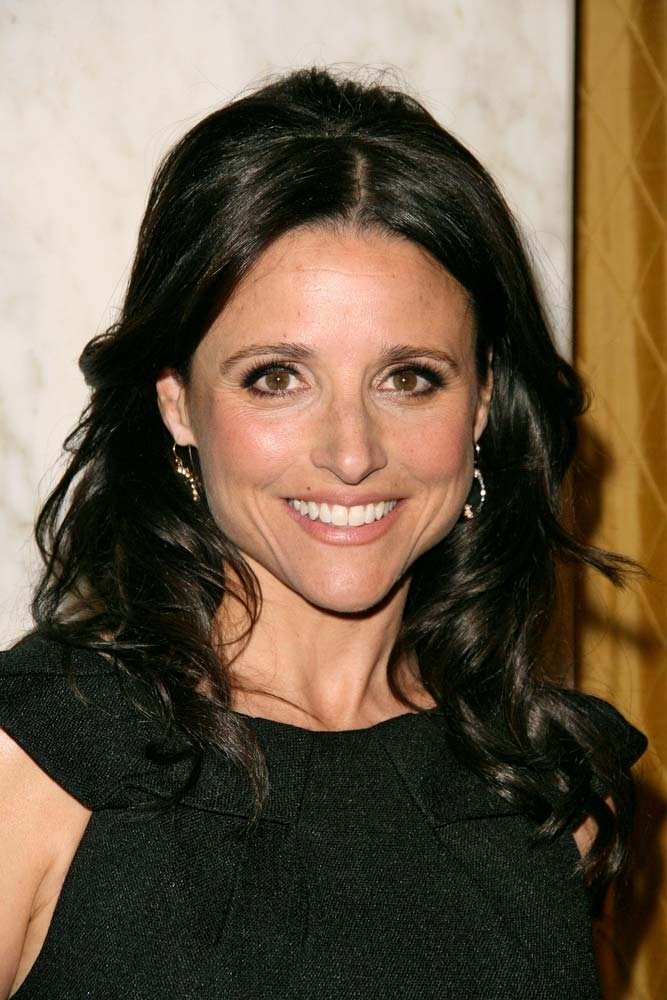
Elaine Benes completed a quartet that treated everyday social behavior as an endless source of plots. Her time at Pendant Publishing and later at the J. Peterman catalog turned workplace quirks into recurring bits, while stories explored dating rules, office etiquette, and personal boundaries.
Memorable episodes highlighted Elaine’s contraceptive brand challenge, the urban sombrero brainstorm, and her unforgettable dance. The character expanded the show’s vocabulary for social mishaps and helped codify a comedy style that favored observation and consequence over neat moral endings.
Jennifer Aniston in ‘Friends’
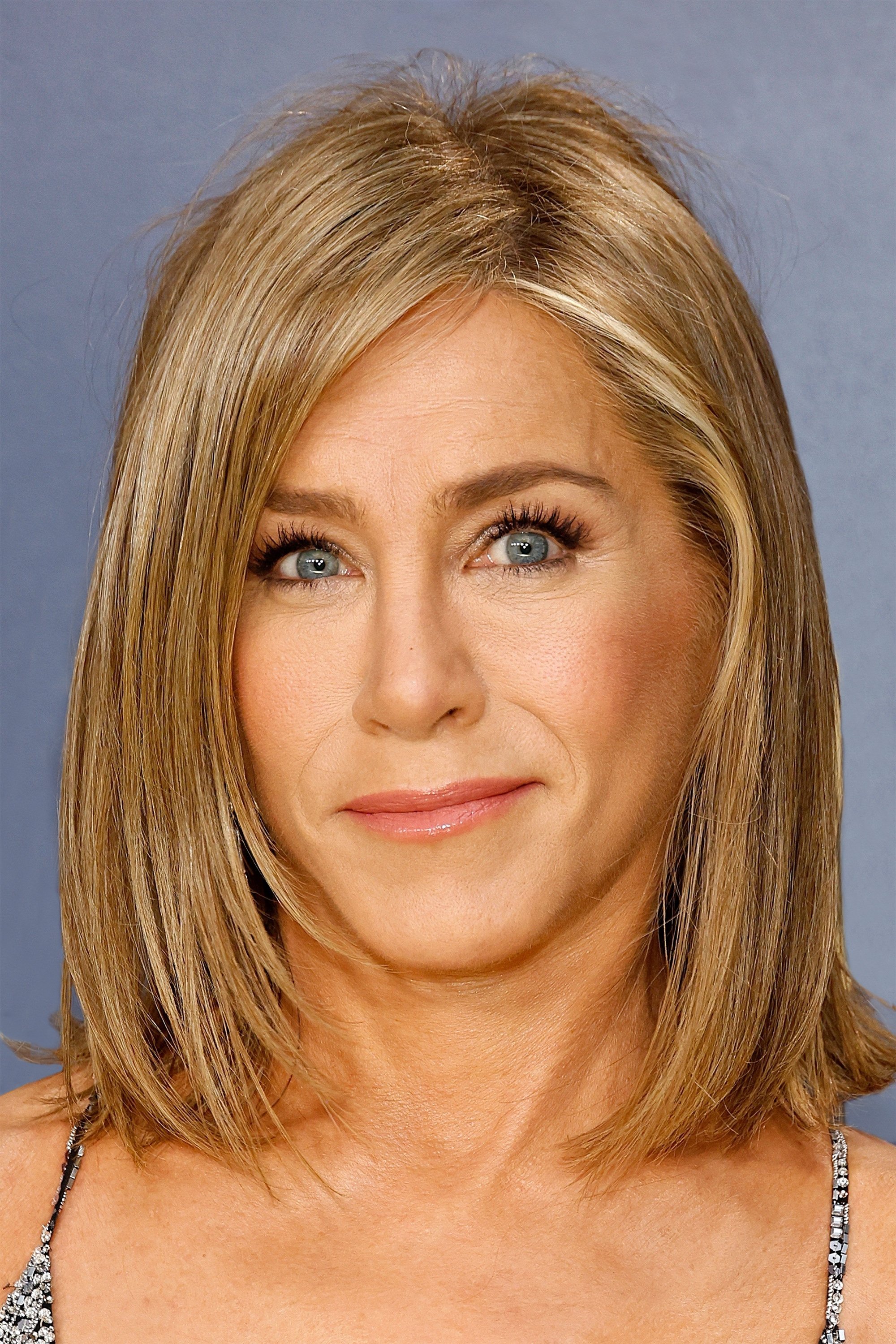
Rachel Green entered as a runaway bride who forged a new path in Manhattan, first with service work and then with a steady climb in the fashion industry. The character’s career moves at Bloomingdale’s and Ralph Lauren charted how sitcoms could track professional growth alongside friendships.
The on and off relationship with Ross Geller created one of TV’s most followed romantic arcs. The character also popularized a layered haircut that became a style trend, showing how sitcom fashion and storylines could influence culture far beyond the screen.
Tina Fey in ’30 Rock’
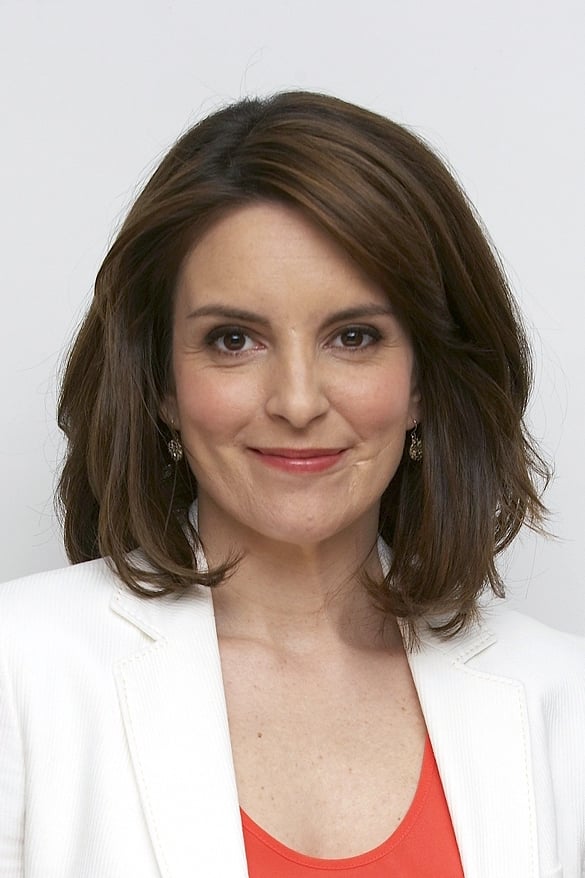
Liz Lemon ran the writers room for a sketch show called ‘TGS with Tracy Jordan’, which let the series dramatize everything from network notes to last minute rewrites. Episodes used the backstage setting to explore staffing, late night schedules, and the tug of war between creative teams and corporate bosses.
The character’s juggling act across casting, production crises, and personal life gave the show an engine for meta humor that still explained how TV gets made. The performance earned major awards and demonstrated how a female showrunner character could lead a fast joke dense sitcom.
Amy Poehler in ‘Parks and Recreation’
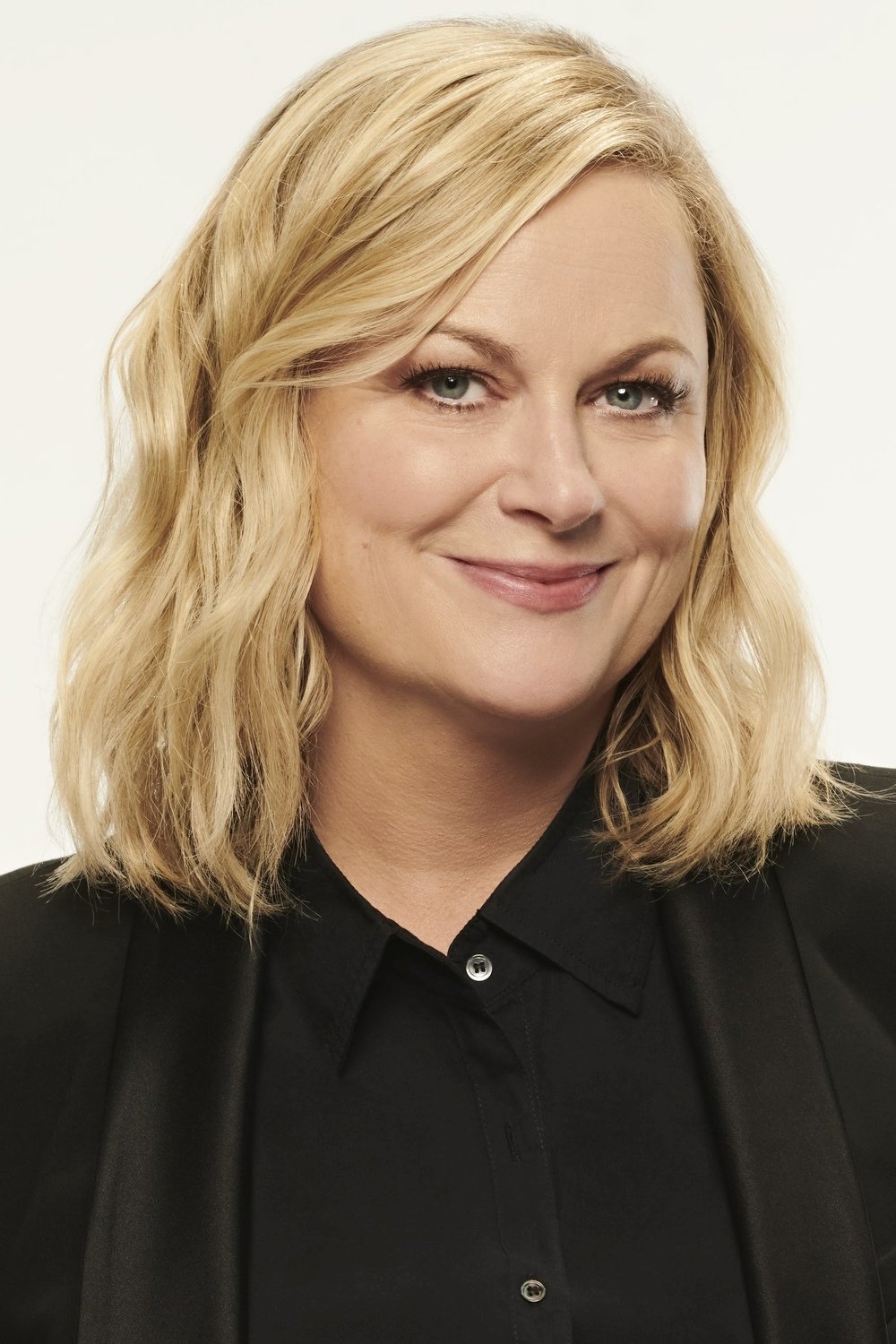
Leslie Knope worked in the Parks Department of the fictional city of Pawnee, where municipal processes became the backbone for stories about community projects. The show mapped out budget meetings, public forums, and campaign logistics, which turned local government into reliable sitcom fuel.
Through promotions and elections, Leslie’s career tracked upward while friendships at City Hall deepened. The series documented how small victories like building a park or fixing a pothole can generate real stakes, and it supplied a model for civic themed comedies that followed.
Katey Sagal in ‘Married… with Children’
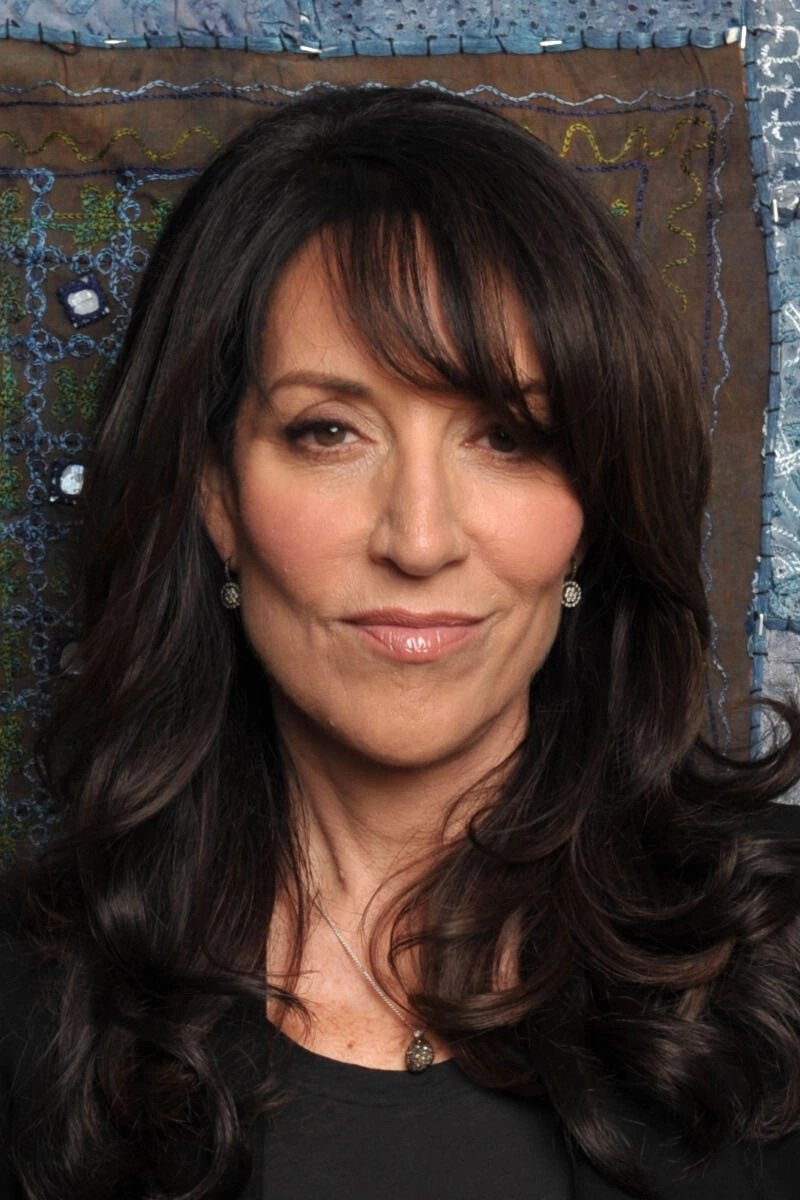
Peggy Bundy subverted the traditional sitcom homemaker with loud prints, big hair, and a permanent spot on the couch. The show leaned on family sparring and neighborhood shenanigans, which gave the character ample room for sarcastic one liners and comic reversals inside the Bundy household.
Plots repeatedly toyed with marriage expectations, housework, and finances, often via Al Bundy’s misadventures and the kids’ schemes. Peggy’s persona influenced later comedies that wanted a sharper take on domestic life rather than a tidy lesson at the end of the episode.
Julie Kavner in ‘The Simpsons’
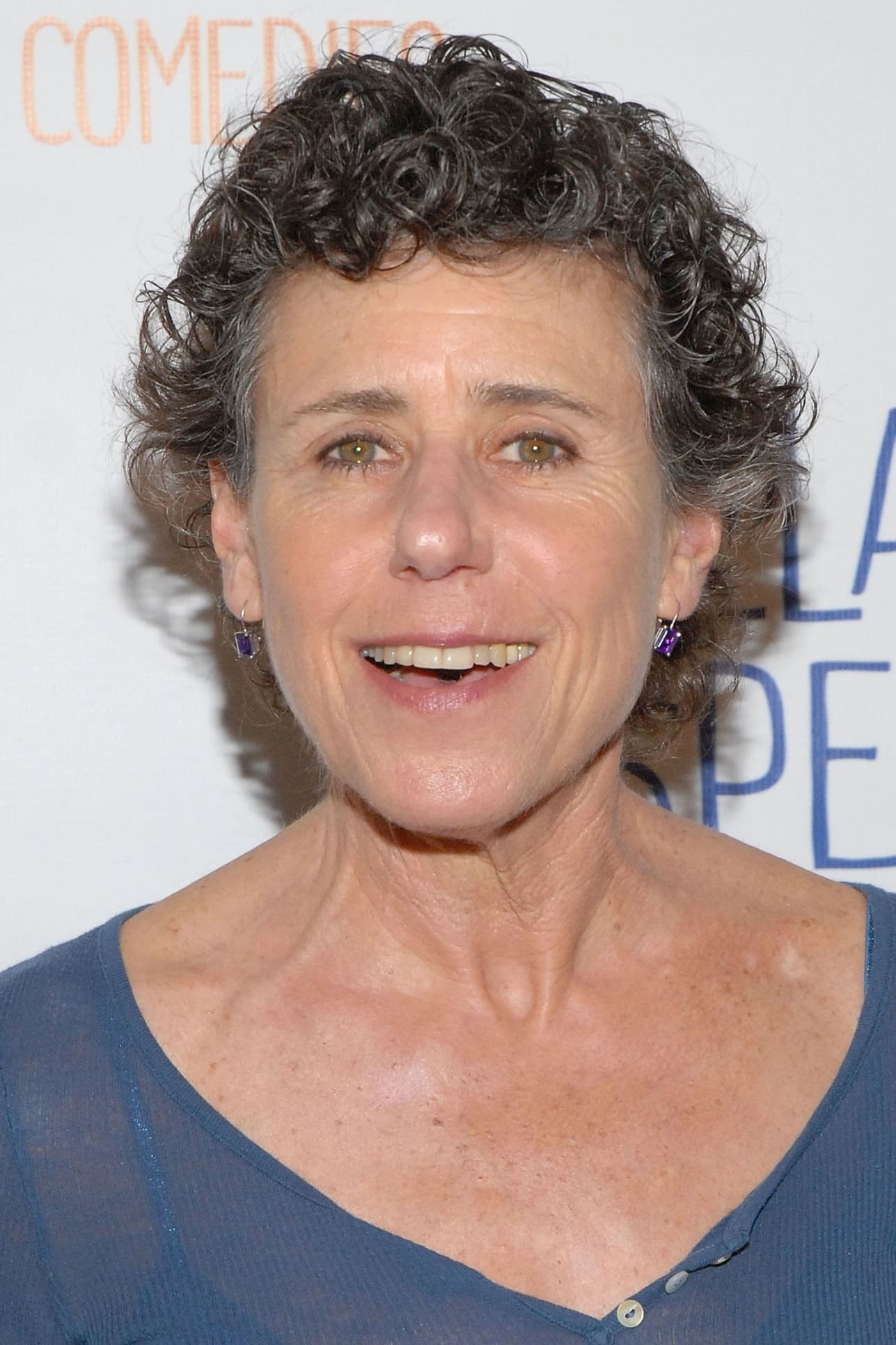
Marge Simpson steadied a family whose adventures covered school, work, and community life in Springfield. The character’s blue beehive and patient presence framed stories that explored marriage, parenting, and personal ambition from week to week.
The series became the longest running American scripted primetime show, and Marge featured in episodes that sent her to jobs outside the home, from police work to painting. Her voice performance is instantly recognizable, and her moral compass helped structure countless A and B plots across seasons.
Shelley Long in ‘Cheers’
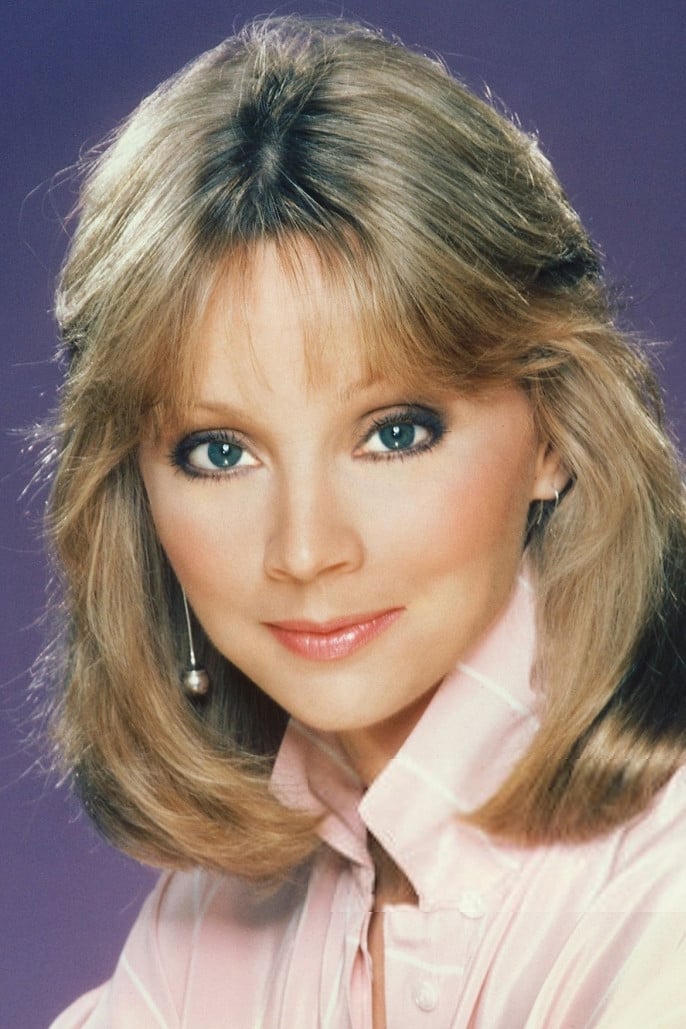
Diane Chambers brought literary flair to a Boston bar run by former relief pitcher Sam Malone. Her arrival set up a workplace built around a single room where regulars discussed love, sports, and local gossip while Diane tried to bring intellectual order to the daily chaos.
The series used her dynamic with Sam to drive multi season arcs that balanced romance and rivalry. Diane’s departure and later return appearances showed how a sitcom could write a major exit while keeping the world intact for new story runs.
Kaley Cuoco in ‘The Big Bang Theory’

Penny started as the aspiring actor who moved across the hall from two physicists, which created a steady stream of culture clash stories. As friendships deepened, the show tracked how shared routines like takeout nights and holiday traditions held the ensemble together.
The character changed careers and became a successful pharmaceutical sales rep, a pivot that broadened the show’s workplace scenes. The evolution from neighbor to spouse gave the series room to explore commitment, career choices, and found family within a long running ensemble.
Fran Drescher in ‘The Nanny’
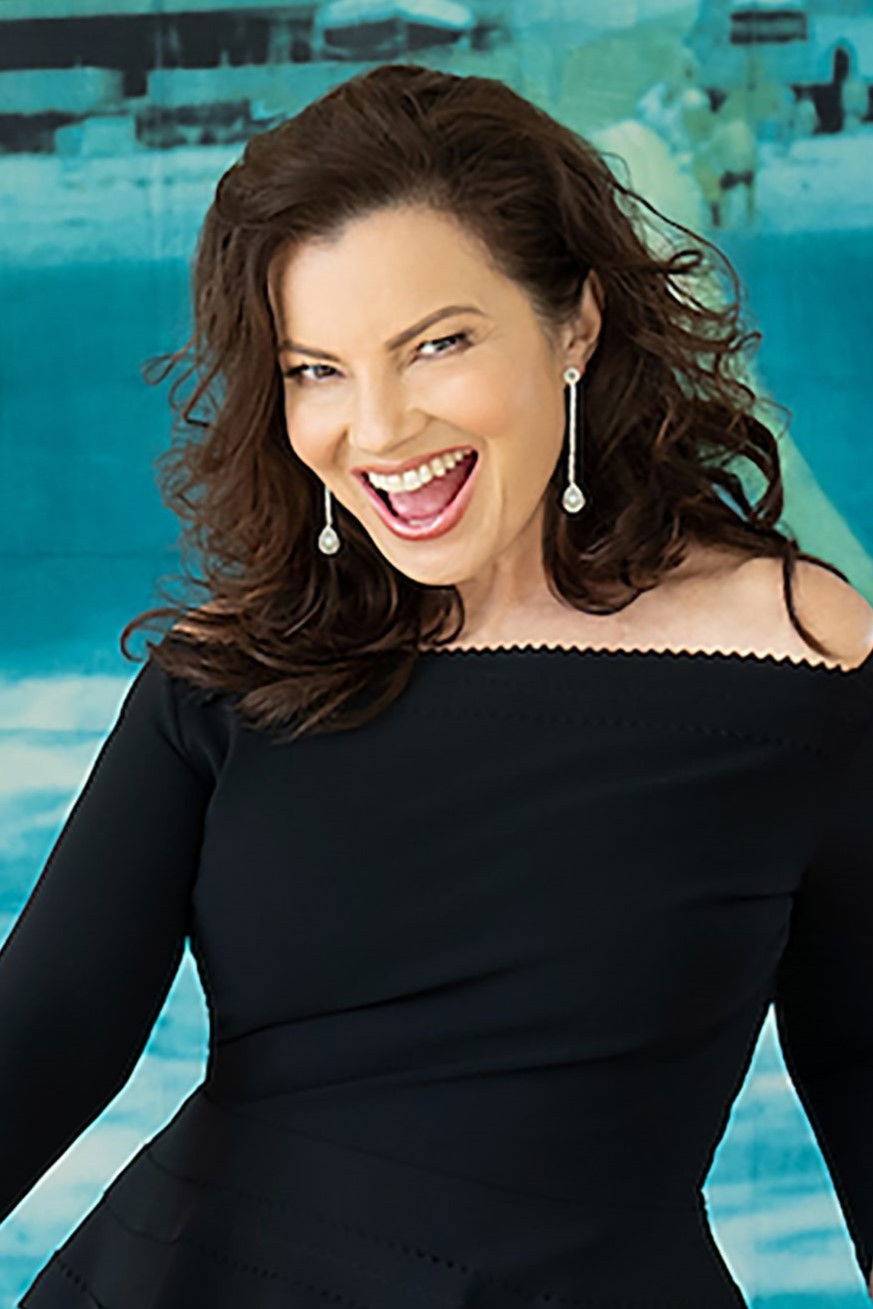
Fran Fine arrived at the Sheffield home as a cosmetics seller turned child caregiver, which set up weekly plots about etiquette, homework, and Broadway infused living room theatrics. Her Queens accent, quick patter, and bold wardrobe created a strong identity that the show used for fish out of water humor.
The slow build romance with producer Maxwell Sheffield moved from will they or will they not to a formal family, bringing new storylines with in laws and babies. Recurring bits with the butler Niles and socialite C. C. Babcock gave the series reliable comic matchups each week.
Elizabeth Montgomery in ‘Bewitched’

Samantha Stephens married a mortal ad executive and promised to live without magic, a premise the show tested in nearly every episode. Her nose twitch and quick spells solved problems that often spiraled when relatives like Endora and Uncle Arthur arrived unannounced.
The series explored suburban life through magical complications, from dinner parties to client meetings. Two different actors played Darrin, and the show kept its rhythm through that major cast change, which later comedies studied as a template for sustaining momentum.
Barbara Eden in ‘I Dream of Jeannie’
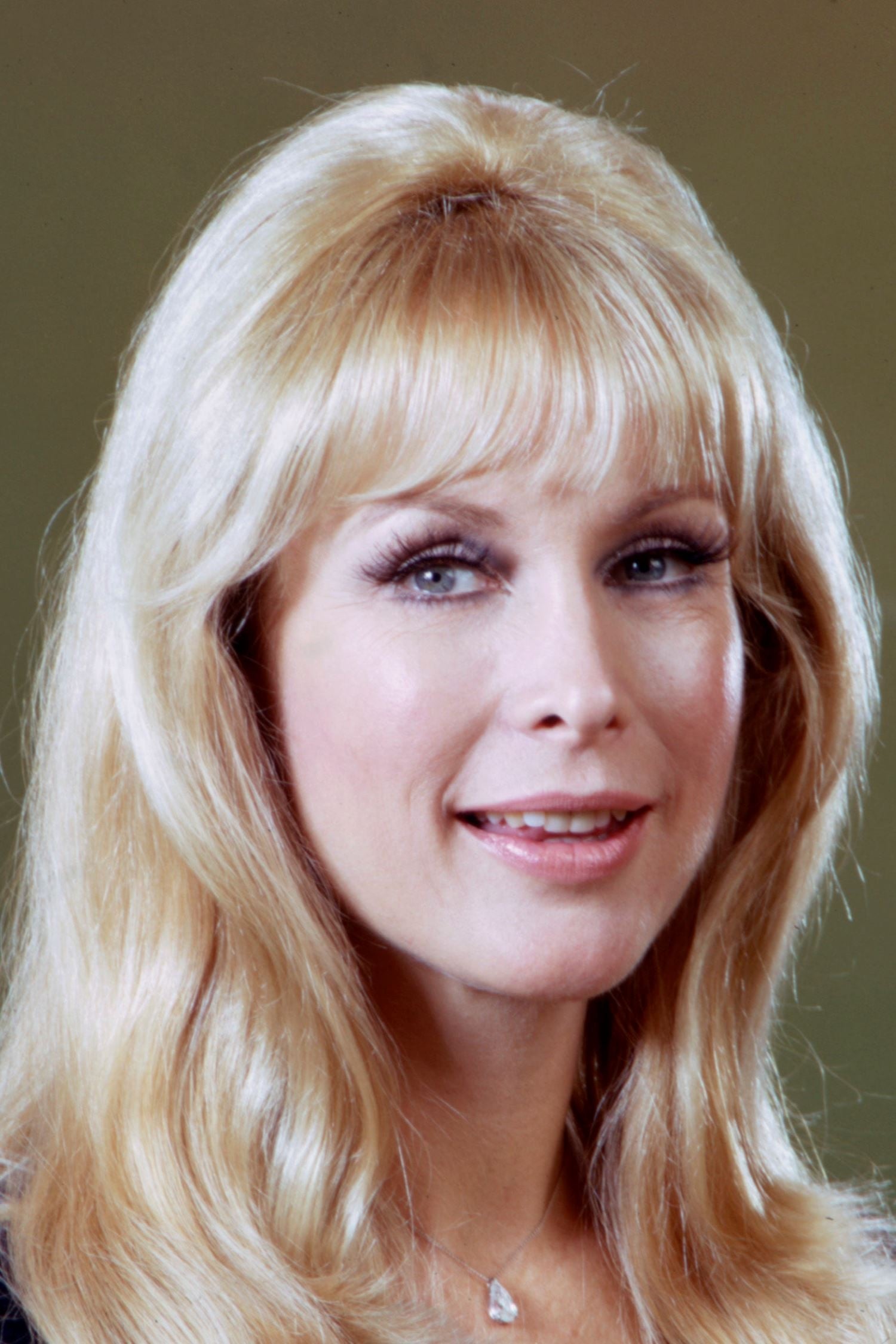
Jeannie was freed by astronaut Tony Nelson and then moved into his life with a bottle based secret and a mischievous streak. The show built on misunderstandings between Jeannie’s magical logic and military protocol, which kept Major Healy and Dr. Bellows busy.
Iconic props like the pink bottle set and Jeannie’s crossed arm blink made episodes instantly legible. The series paired fantasy with domestic setups, placing Jeannie’s wishes against real world rules that ground each week’s conflict.
Bonnie Franklin in ‘One Day at a Time’
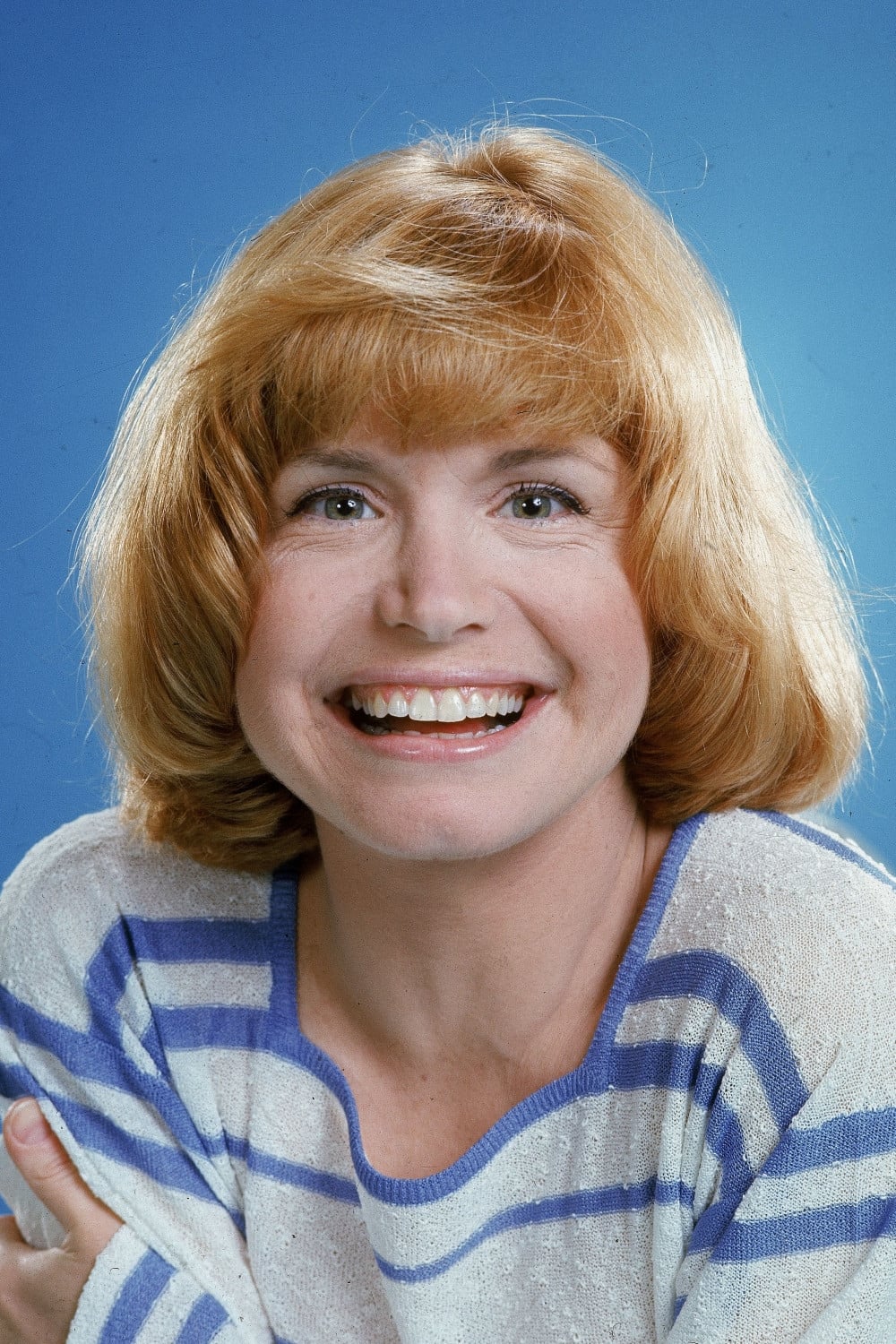
Ann Romano portrayed a divorced single mom raising two daughters in Indianapolis, with plots that dealt directly with wages, dating, and health. The building superintendent Dwayne Schneider served as a constant presence, moving between comic relief and mentor.
Episodes looked at teen pressures, workplace barriers, and mother daughter disagreements without sacrificing laughs. The format proved that issue driven stories could fit inside a half hour, which later family comedies followed when addressing serious topics.
Debra Messing in ‘Will & Grace’

Grace Adler ran an interior design firm while sharing an apartment with her best friend and lawyer Will Truman. The show’s weekly mix of client work, dating misadventures, and friendship rituals created a reliable rhythm for character growth.
The series returned for additional seasons after its original run, reuniting the core ensemble for new arcs. Karen Walker and Jack McFarland amplified the comic energy around Grace, while the main friendship remained the structural center for holiday specials and event episodes.
Brandy Norwood in ‘Moesha’
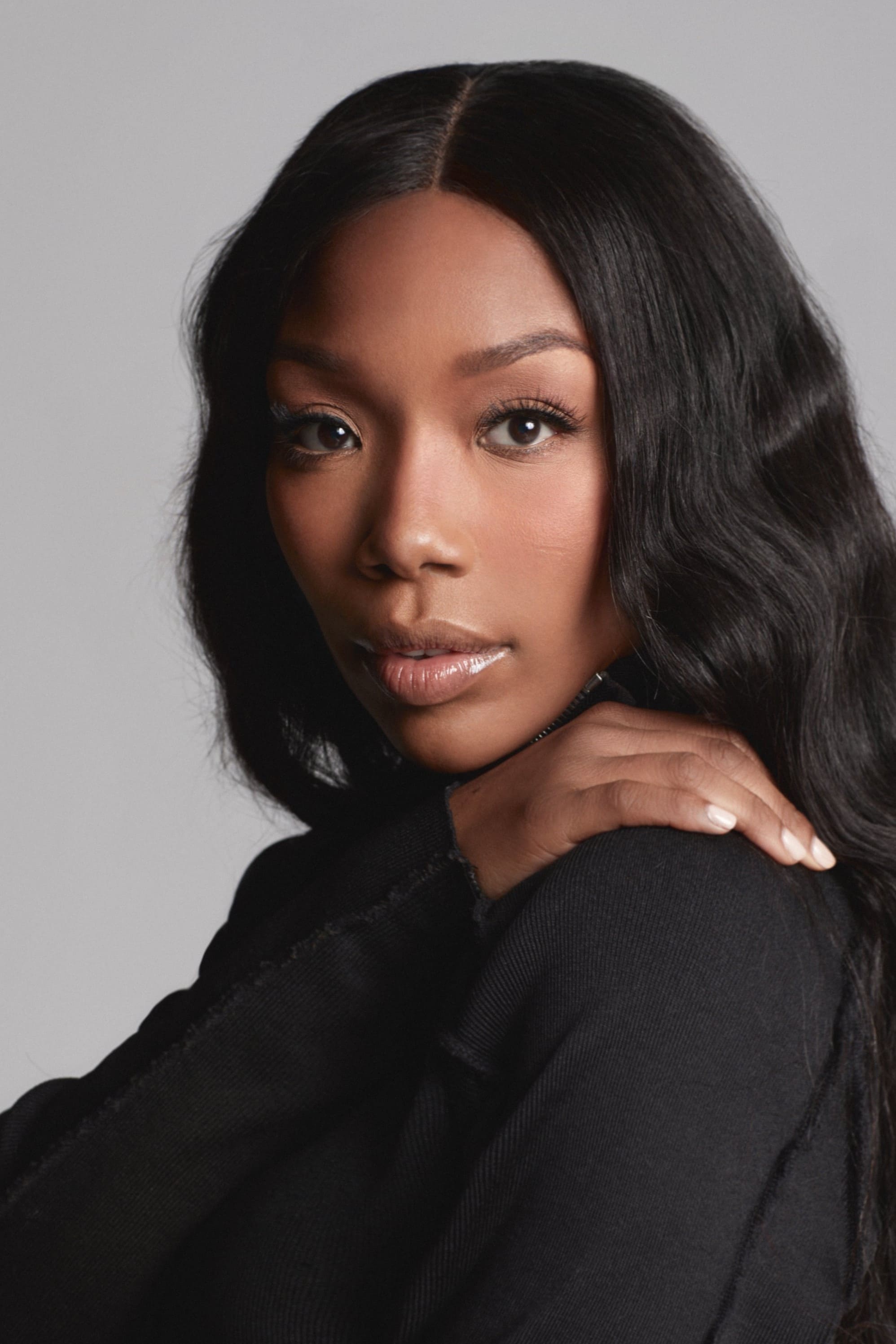
Moesha Mitchell guided a teen focused sitcom that followed diary entries, school life, and family changes after her father remarried. The setting in Los Angeles let the show weave music, community events, and mentorship into its plots.
The series helped launch ‘The Parkers’, a spinoff featuring Moesha’s friend Kim and Kim’s mother Nikki. Storylines engaged with topics like academic pressure, relationships, and social issues affecting teens, which made the character a touchstone for younger viewers.
Penny Marshall in ‘Laverne & Shirley’
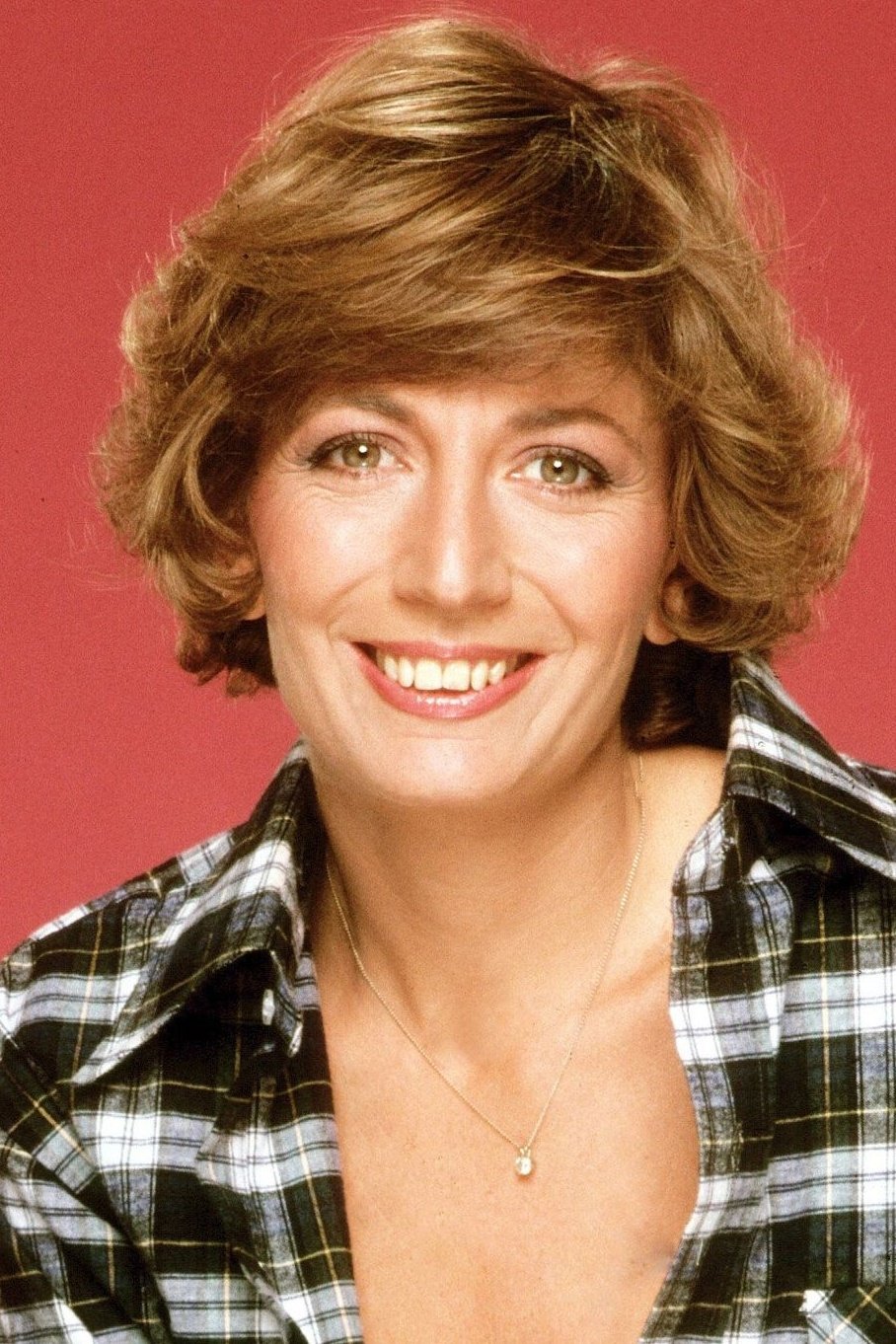
Laverne DeFazio worked on the bottle line at the Shotz Brewery with best friend Shirley Feeney, turning factory routines into dependable slapstick. The show used roommates, neighbors, and co workers to build a city backdrop that supported weekly capers.
Physical comedy sequences became a hallmark, from assembly line mishaps to apartment antics with Lenny and Squiggy. The series spun out of ‘Happy Days’, showing how a strong supporting character could lead a successful sitcom that developed its own identity quickly.
Share your picks for the most iconic female sitcom leads in the comments so everyone can compare favorites and add the ones you think we missed.