


The Most Influential Black Lesbian Directors

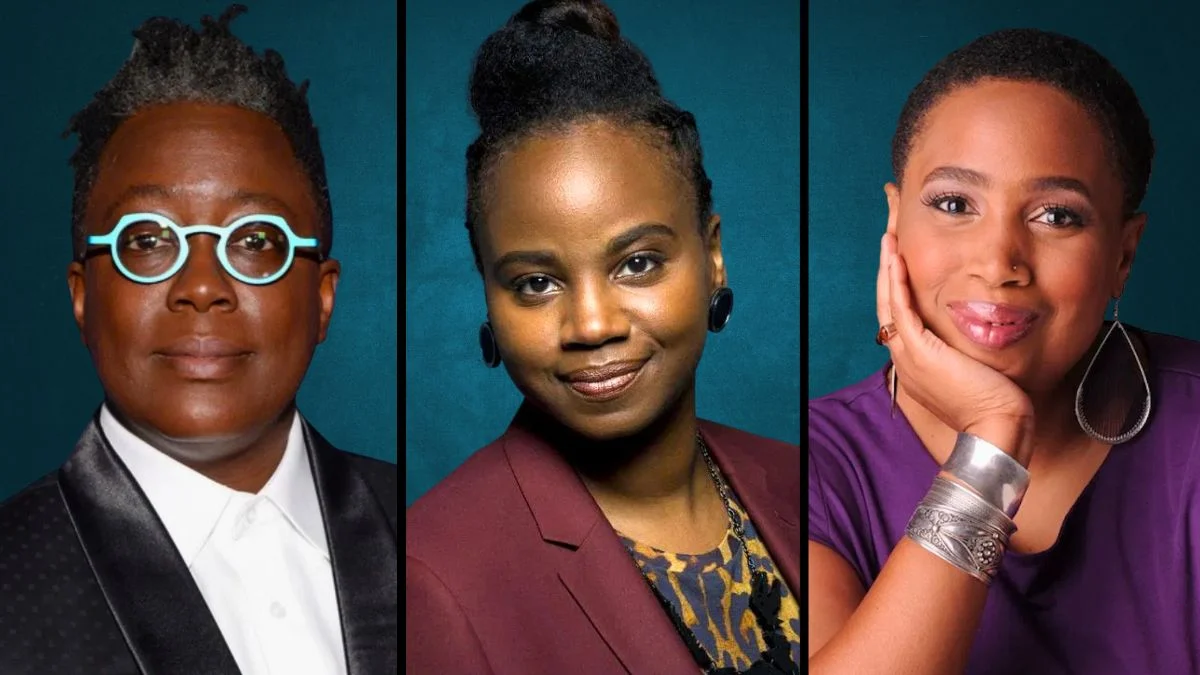


The landscape of cinema has been undeniably shaped by the unique perspectives and powerful storytelling of Black lesbian directors. These filmmakers have consistently pushed boundaries while bringing nuanced narratives of race, gender, and sexuality to the forefront of the entertainment industry. From groundbreaking documentaries to acclaimed feature films, their work challenges societal norms and amplifies voices that have historically been marginalized. This list highlights directors who have made significant contributions to film and television through their creative vision and authentic representation.
Cheryl Dunye
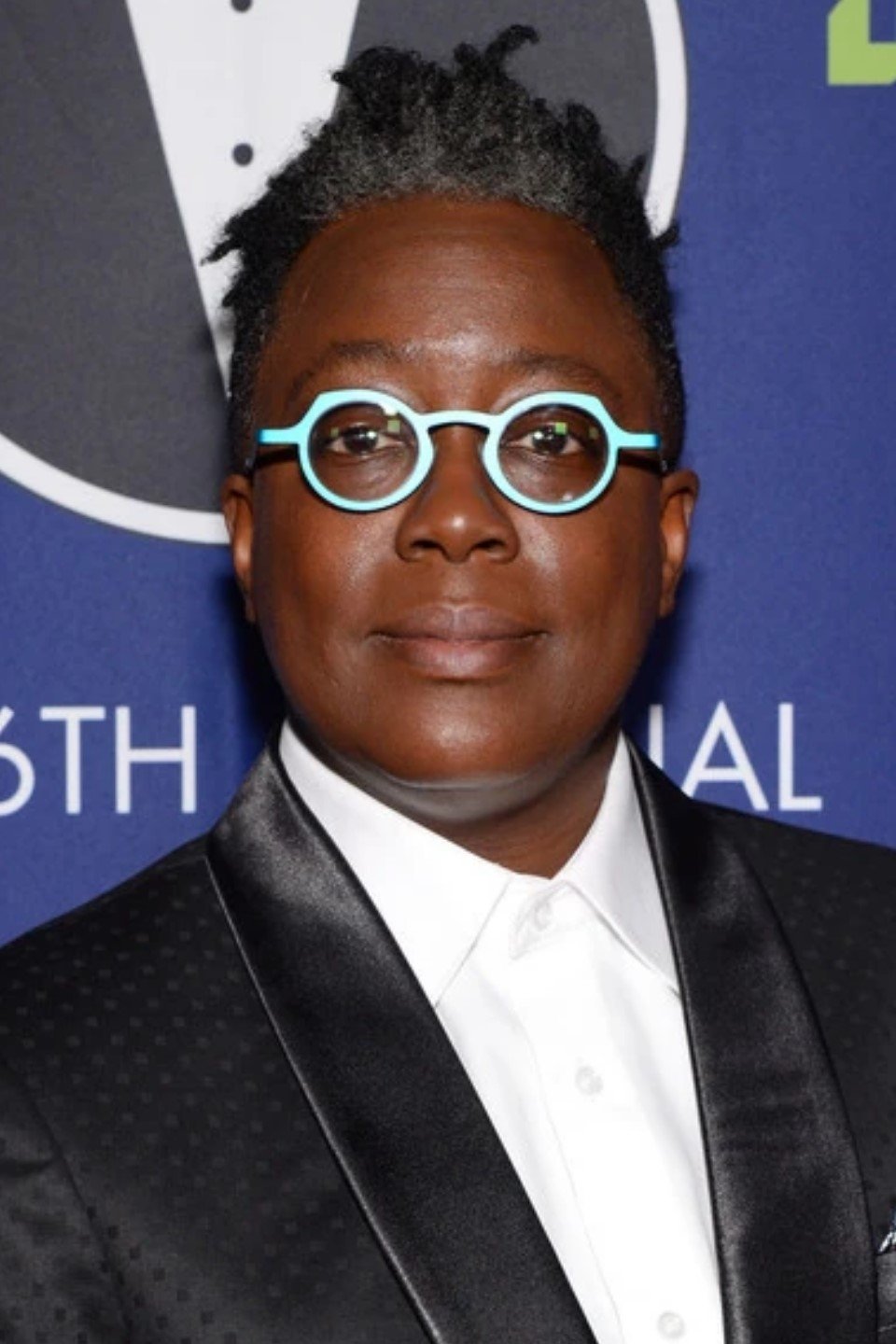
Cheryl Dunye is a pioneering figure in the world of independent cinema and is often credited with creating the first feature-length narrative film by and about a Black lesbian. Her 1996 classic ‘The Watermelon Woman’ explores the history of Black women in film while blending fiction with documentary elements. Dunye utilizes a distinctive style she calls the Dunyementary to investigate the intersections of race and sexuality. She has since directed episodes for major television series including ‘Queen Sugar’ and ‘Lovecraft Country’.
Dee Rees
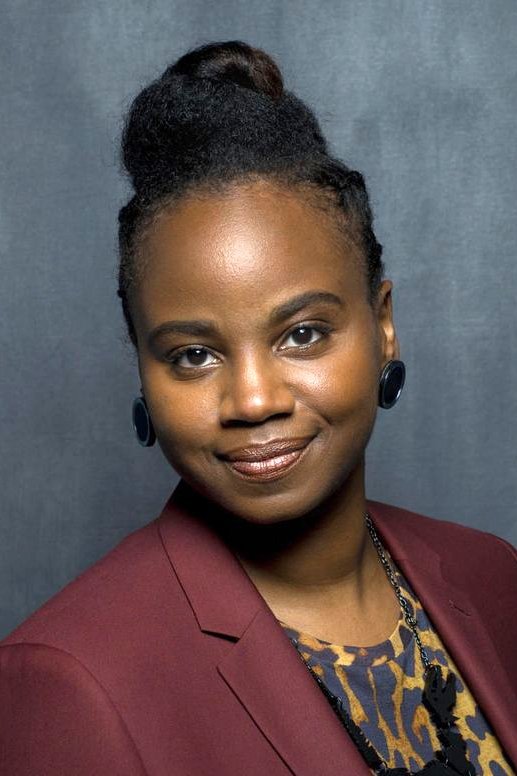
Dee Rees garnered widespread critical acclaim with her feature directorial debut ‘Pariah’ which vividly depicts the coming-of-age journey of a Black lesbian teenager in Brooklyn. She solidified her status in Hollywood with the HBO biopic ‘Bessie’ regarding the life of blues singer Bessie Smith. Her film ‘Mudbound’ earned her an Academy Award nomination for Best Adapted Screenplay and showcased her ability to handle complex historical narratives. Rees continues to be a formidable force in creating stories that center on multidimensional Black female characters.
Angela Robinson
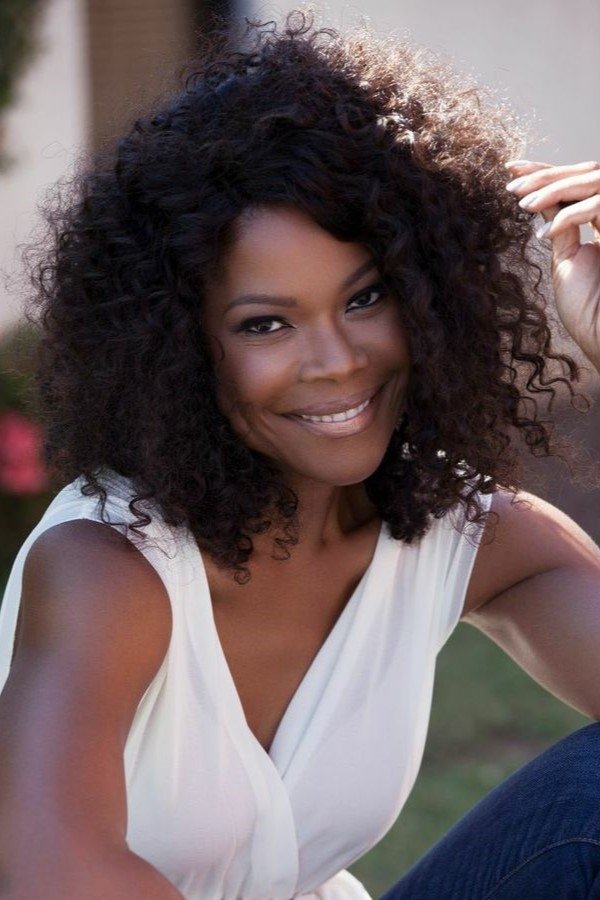
Angela Robinson has made a lasting impact on both film and television with her work on projects that frequently center LGBTQ+ themes. She directed the cult favorite ‘D.E.B.S.’ which subverts the spy genre through a lesbian romance narrative. Robinson also served as a writer and director for the hit series ‘The L Word’ and later directed ‘Professor Marston and the Wonder Women’. Her career seamlessly bridges the gap between independent queer cinema and mainstream commercial success.
Tina Mabry
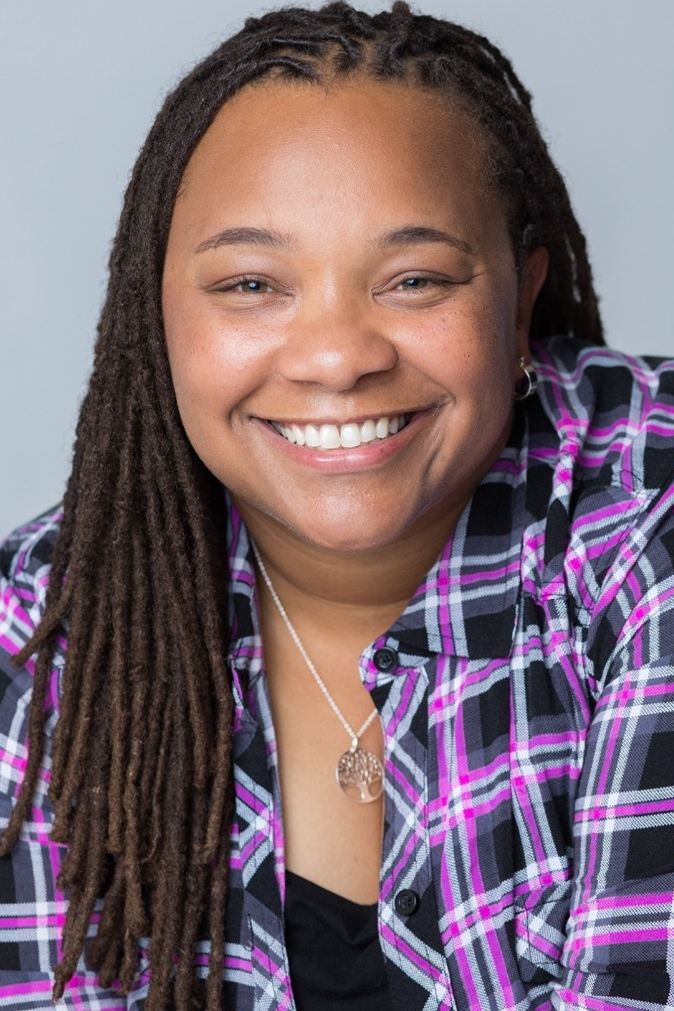
Tina Mabry is the writer and director of the critically acclaimed film ‘Mississippi Damned’ which offers an unflinching look at poverty and addiction in the American South. Her work often draws from her own upbringing and addresses difficult family dynamics with raw honesty. Mabry has lent her directorial talents to popular television shows such as ‘Pose’ and ‘Insecure’. She remains a vocal advocate for authentic LGBTQ+ representation in the entertainment industry.
Michelle Parkerson
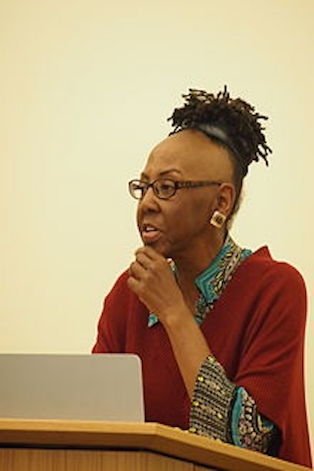
Michelle Parkerson is a celebrated filmmaker and academic whose work focuses on African American women’s history and activism. She co-directed ‘A Litany for Survival: The Life and Work of Audre Lorde’ which documents the profound impact of the Black lesbian poet and warrior. Her film ‘Stormé: The Lady of the Jewel Box’ profiles a legendary drag king and Stonewall veteran. Parkerson uses her platform to highlight the intersection of art and political resistance within the Black community.
Aishah Shahidah Simmons
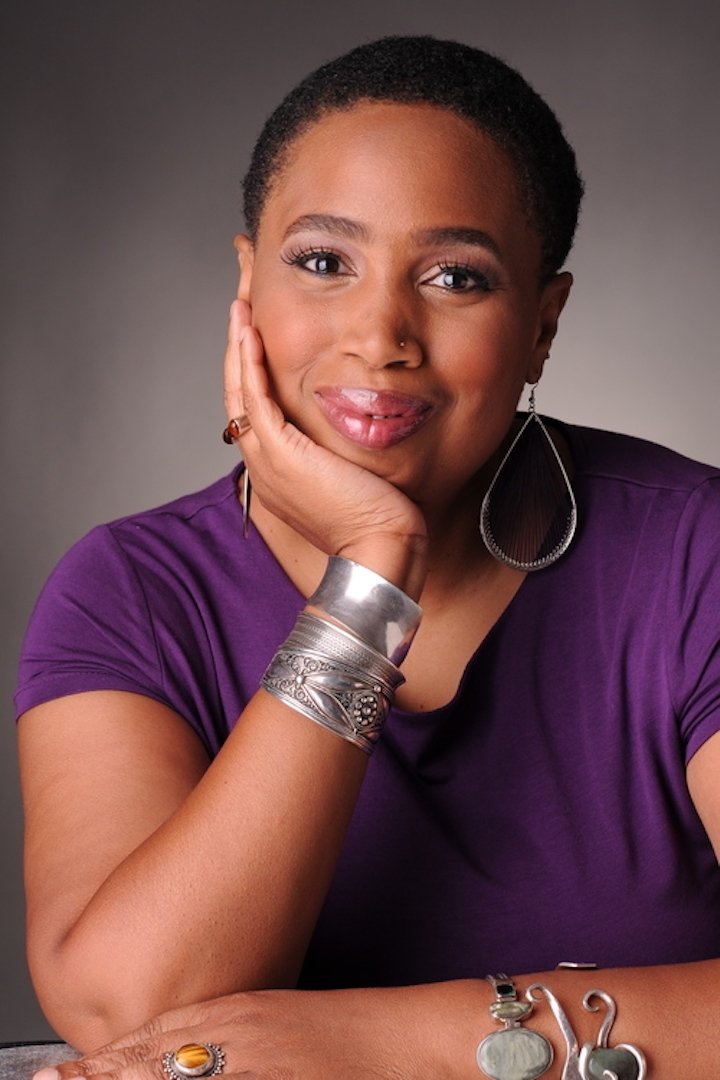
Aishah Shahidah Simmons is a documentary filmmaker and activist known for her powerful work regarding violence against women. Her groundbreaking film ‘NO! The Rape Documentary’ explores the silence surrounding sexual assault within Black communities. Simmons combines personal testimony with cultural analysis to foster healing and accountability. She continues to lecture and create media that addresses the intersections of gender, sexuality, and human rights.
Yoruba Richen
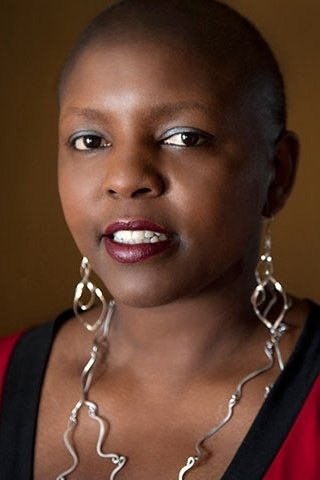
Yoruba Richen is a documentary filmmaker whose work frequently examines the intersections of race, sexuality, and rights in America. Her film ‘The New Black’ investigates how the African American community grapples with the issue of marriage equality. Richen has also directed ‘The Green Book: Guide to Freedom’ which explores the history of Black travel during segregation. Her documentaries are celebrated for their ability to humanize complex political and social issues.
Leilah Weinraub
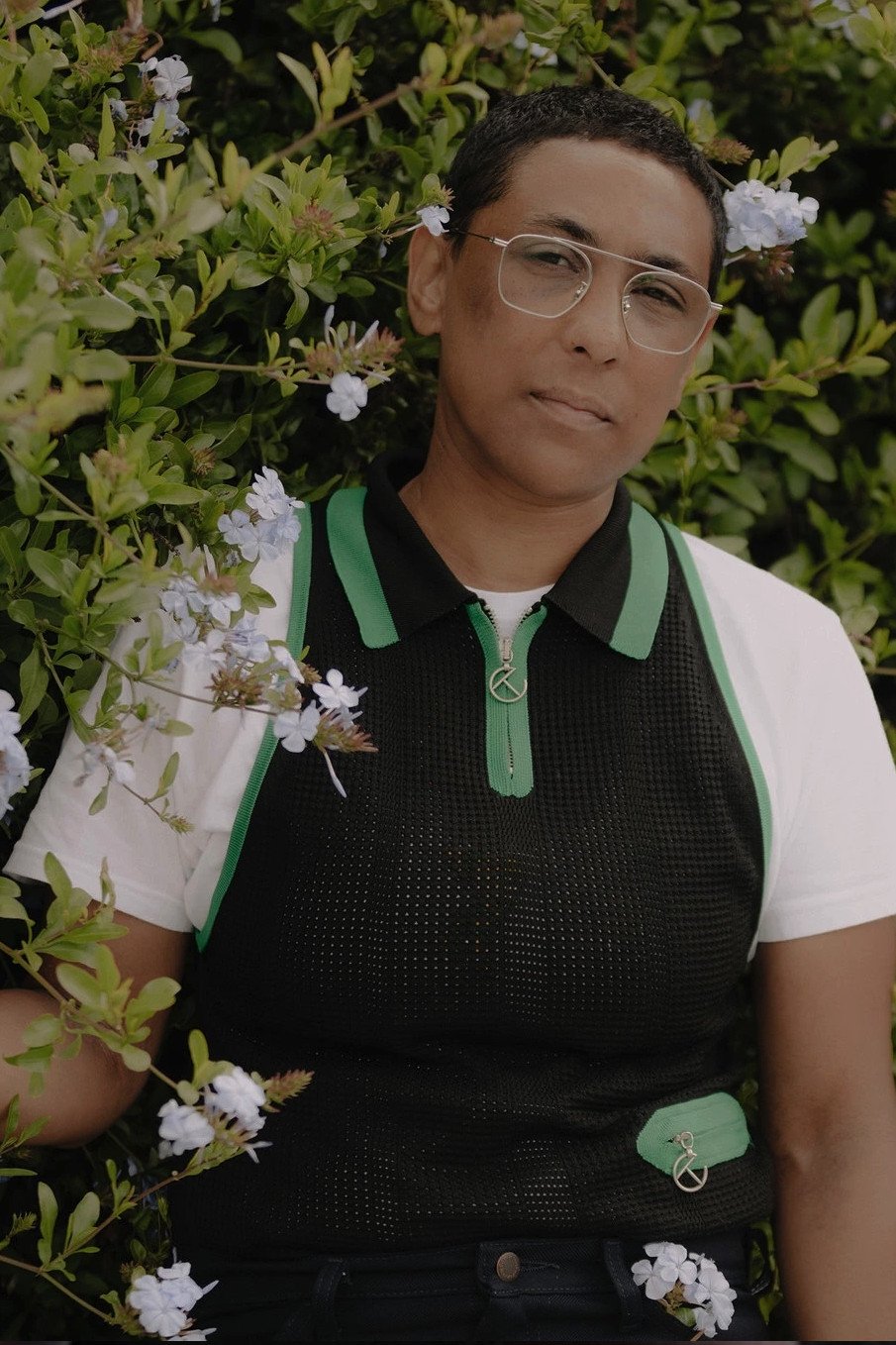
Leilah Weinraub is a filmmaker and artist whose documentary ‘Shakedown’ chronicles the explicit and underground world of a Black lesbian strip club in Los Angeles. She spent over a decade capturing the intimate lives and performances of the women in this subculture. Weinraub previously served as the CEO of the fashion brand Hood By Air which is known for its avant-garde approach to gender. Her cinematic work preserves the history of ephemeral queer spaces that often go undocumented.
Crystal Kayiza
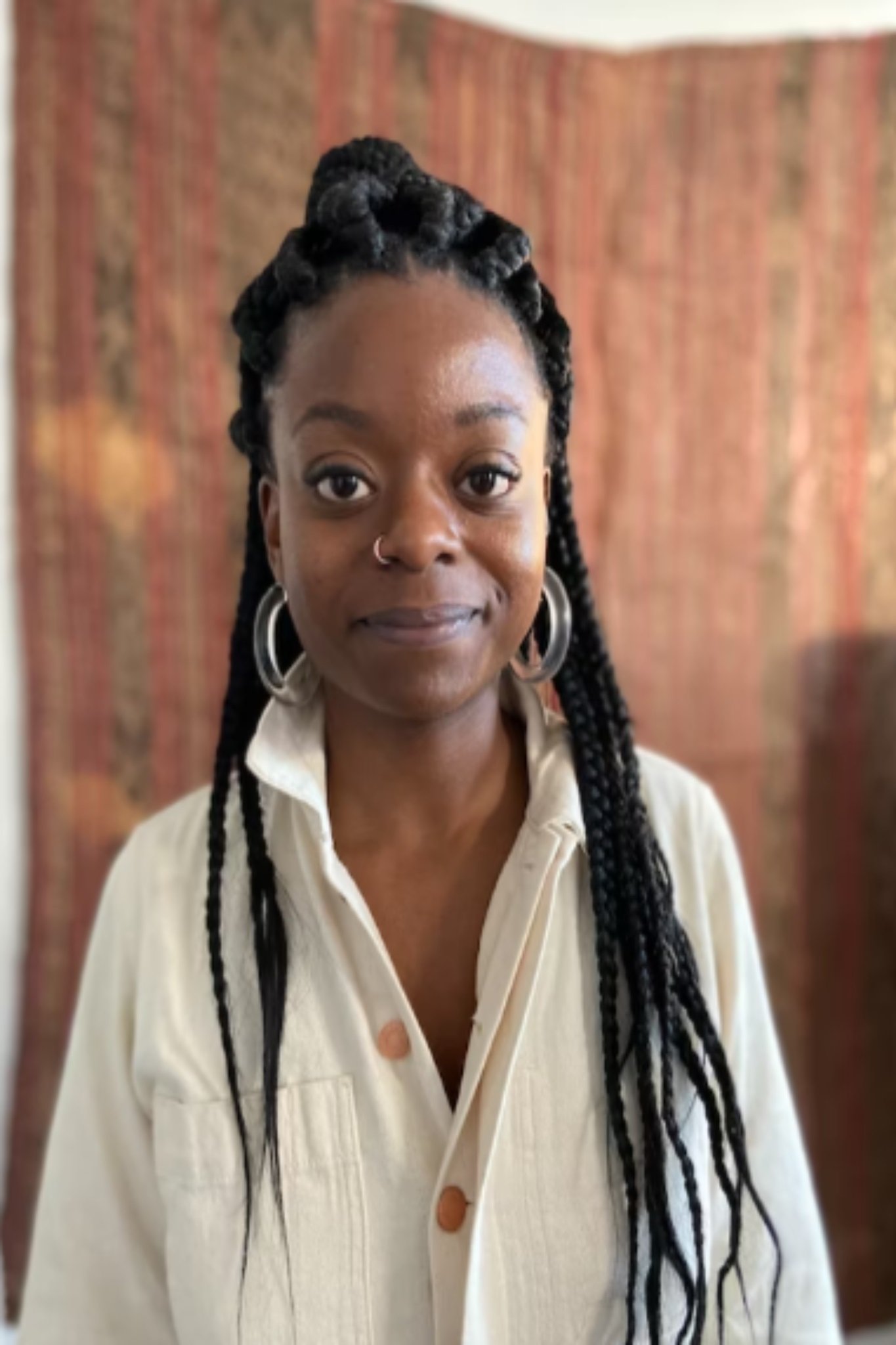
Crystal Kayiza is an emerging filmmaker whose work intimately captures the nuances of Black life and womanhood. Her short film ‘Rest Stop’ won the Jury Prize for Best US Short at the Sundance Film Festival and explores migration and family bonds. Kayiza directed ‘See You Next Time’ which looks at the relationship between a nail technician and her client. She consistently centers the experiences of Black women and queer people in her evocative narratives.
Chanelle Aponte Pearson
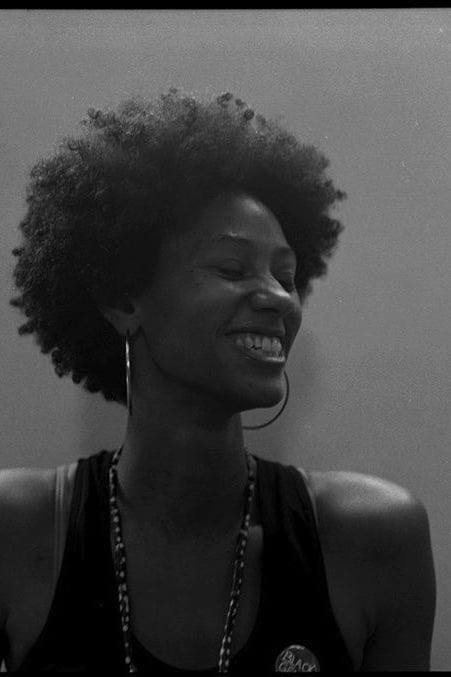
Chanelle Aponte Pearson directed the award-winning web series ‘195 Lewis’ which portrays the lives of a group of Black queer women navigating polyamory in Brooklyn. She produces work that focuses on the diversity of the African diaspora through her production company. Pearson’s visual style is noted for its vibrancy and ability to capture the authentic texture of urban life. Her work provides much-needed visibility for Black polyamorous and queer relationships.
Chinonye Chukwu

Chinonye Chukwu is the first Black woman to win the Grand Jury Prize at the Sundance Film Festival for her death row drama ‘Clemency’. Her short film ‘Bottom’ explores the power dynamics within a lesbian relationship. Chukwu directed the biographical drama ‘Till’ which focuses on Mamie Till-Mobley’s pursuit of justice for her son. Her films are renowned for their emotional depth and their focus on the humanity of Black characters facing systemic oppression.
Raven-Symoné
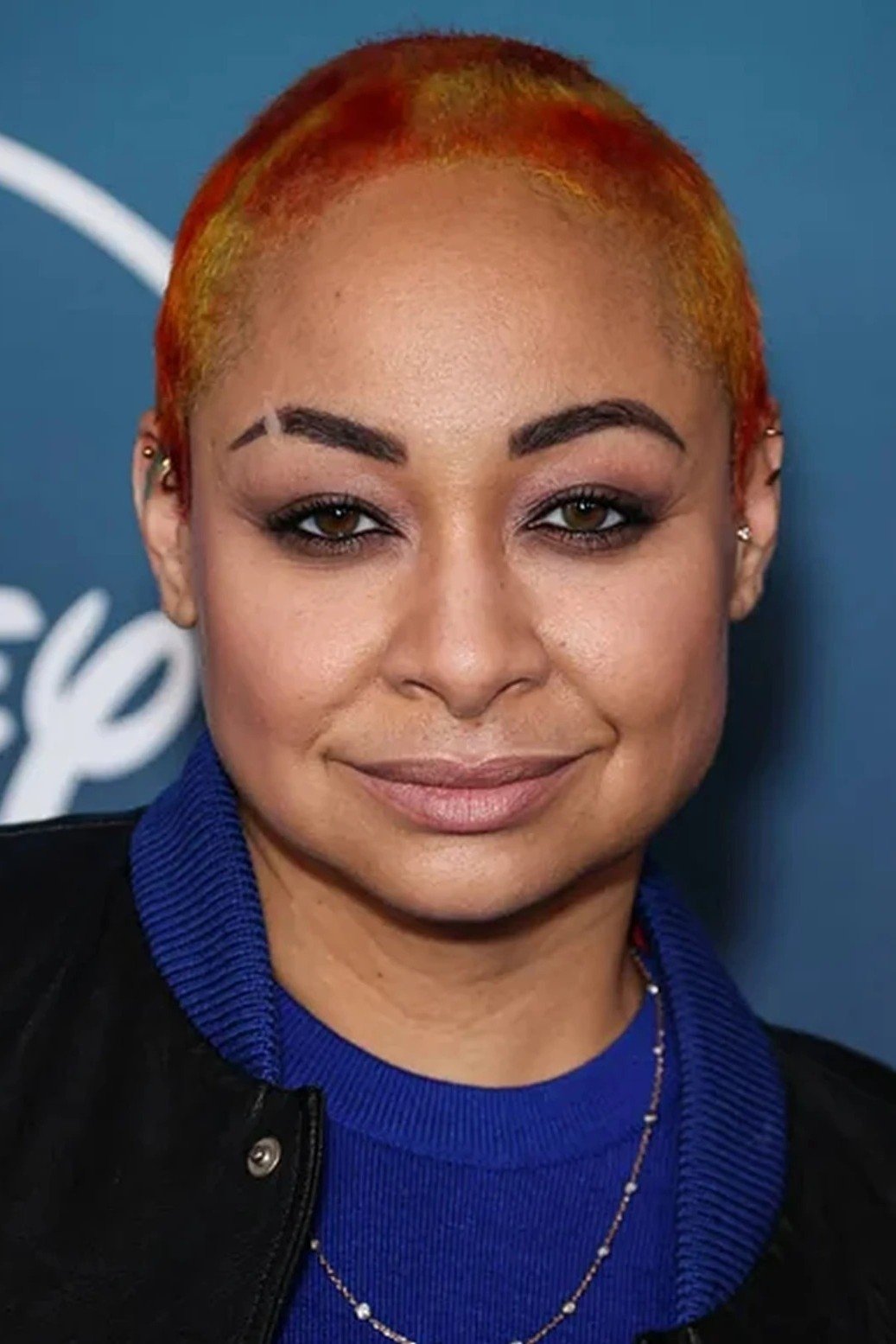
Raven-Symoné has transitioned from a beloved child actress to a director who helms episodes for various television sitcoms. She has directed multiple episodes of ‘Raven’s Home’ and ‘The Ms. Pat Show’ while bringing her comedic expertise to the production side. As an openly lesbian Black woman in Hollywood she uses her platform to increase visibility for LGBTQ+ families. Her career longevity and evolution continue to inspire new generations of performers and creators.
Lena Waithe
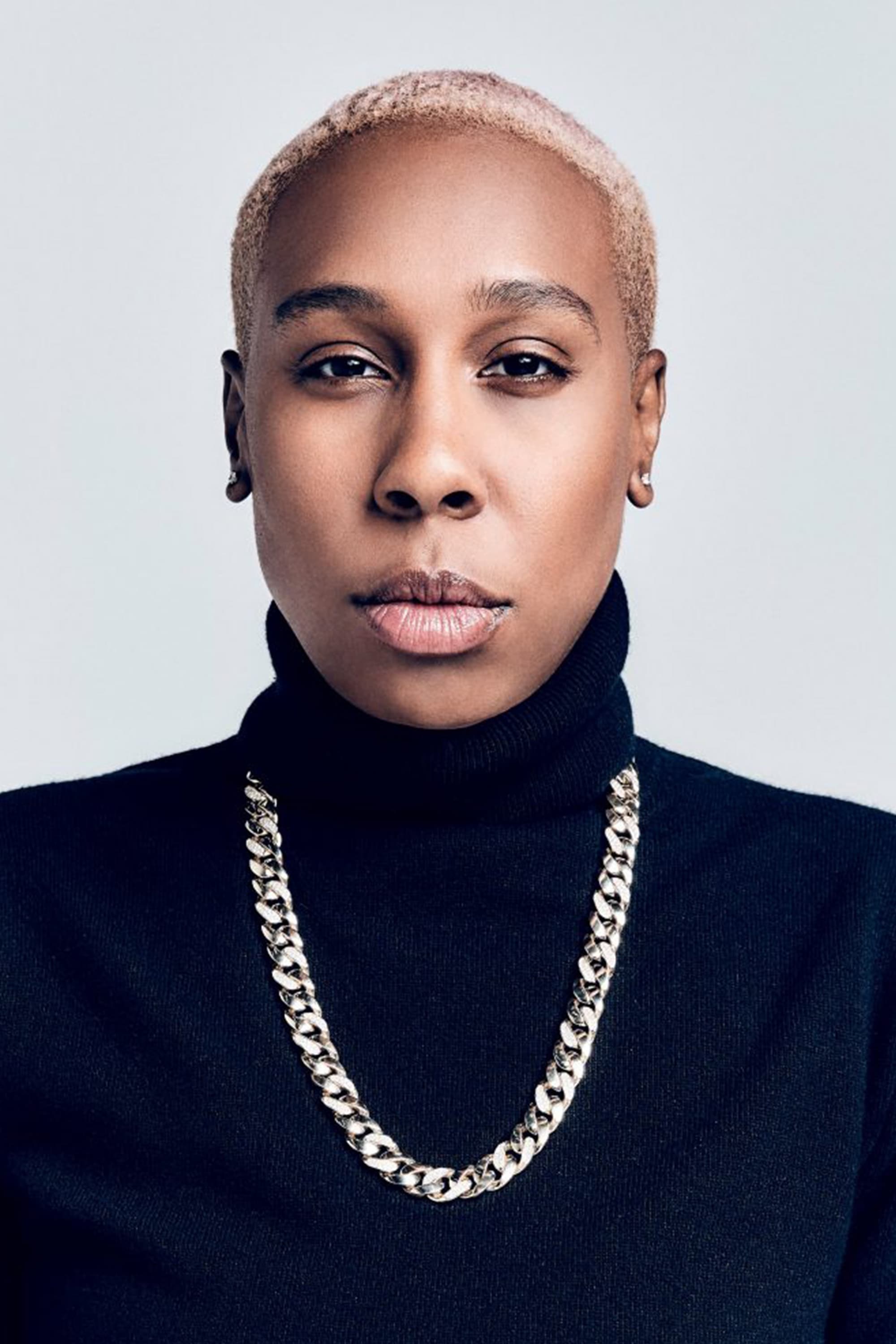
Lena Waithe is a powerful creator and producer who made history as the first Black woman to win an Emmy for comedy writing. She directed the short film ‘Save Me’ and has been a driving force behind series like ‘The Chi’ and ‘Twenties’. Waithe produced the film ‘The Forty-Year-Old Version’ and wrote the screenplay for ‘Queen & Slim’. Her production company Hillman Grad is dedicated to championing marginalized voices and providing opportunities for diverse storytellers.
Patrisse Cullors
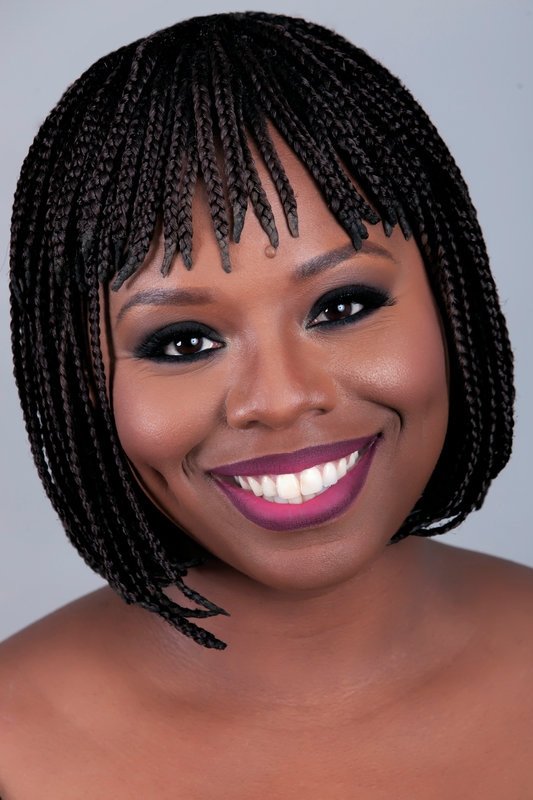
Patrisse Cullors is a co-founder of the Black Lives Matter movement and a multimedia artist who has expanded into directing. She created and directed the YouTube Originals series ‘Resist’ which documents the grassroots work of local organizers in Los Angeles. Cullors uses film as a tool for activism and social justice education. Her work emphasizes the importance of art in the struggle for civil rights and systemic change.
Tchaiko Omawale
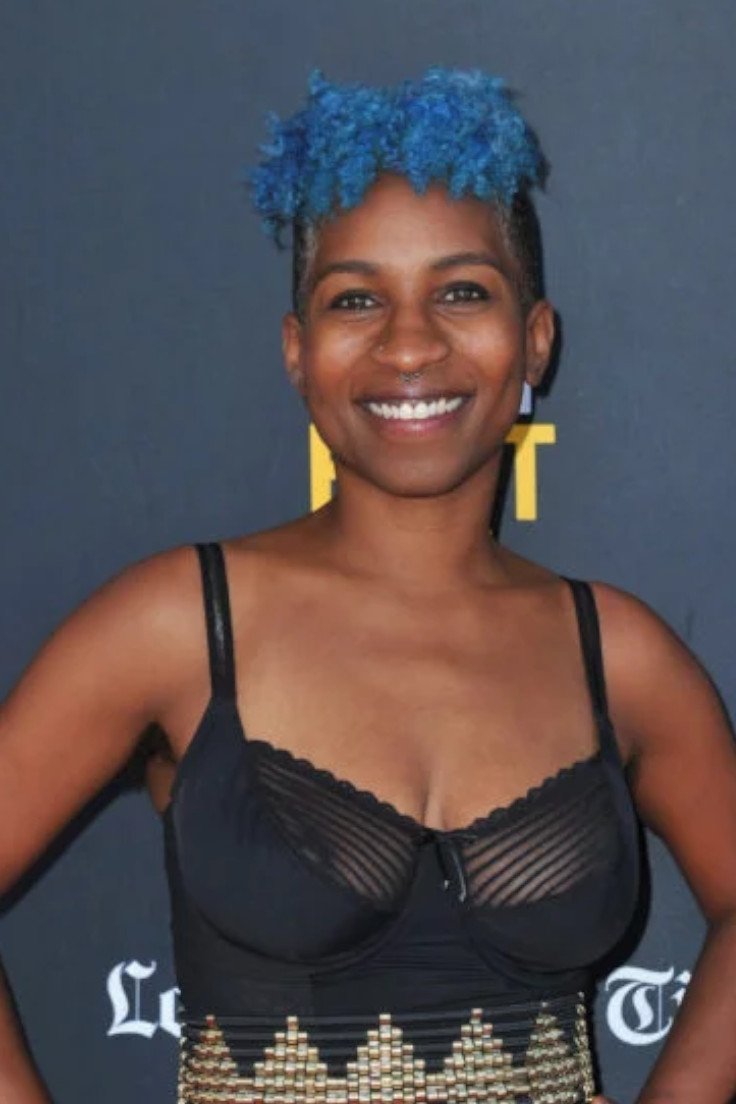
Tchaiko Omawale directed the feature film ‘Solace’ which tackles issues of eating disorders and self-harm within a coming-of-age story. Her work explores the embodied experiences of Black queer women and the complexities of mental health. Omawale draws from personal history to create narratives that are both visually striking and emotionally raw. She actively contributes to the dialogue surrounding wellness and identity in Black cinema.
Which of these directors’ films have impacted you the most? Share your thoughts in the comments.