


The Most Influential LGBTQ+ Actors of All Time

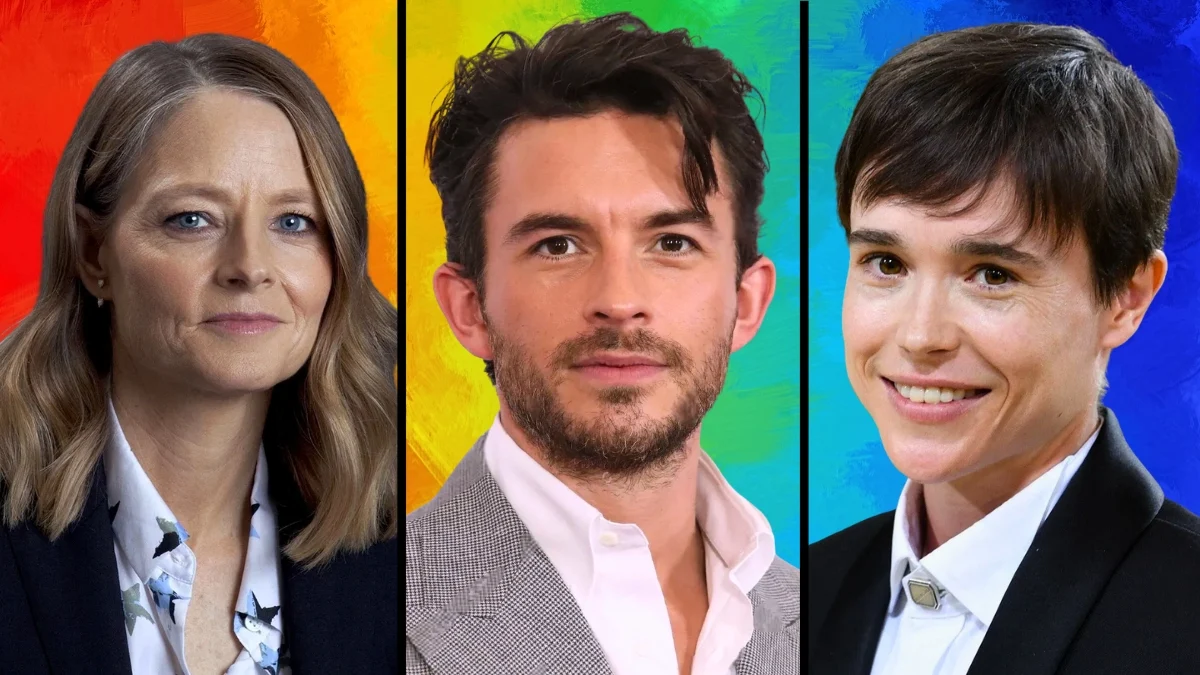


From classic stage and screen to today’s streaming era, openly LGBTQ+ actors have helped expand what audiences get to see, what stories get funded, and who gets to be the face of mainstream entertainment. Their influence shows up in breakthrough performances, industry-first visibility moments, award recognition, and the steady work of making sets and casting rooms more inclusive. Here are 40 performers whose careers have shaped culture, representation, and opportunity across generations.
Ian McKellen
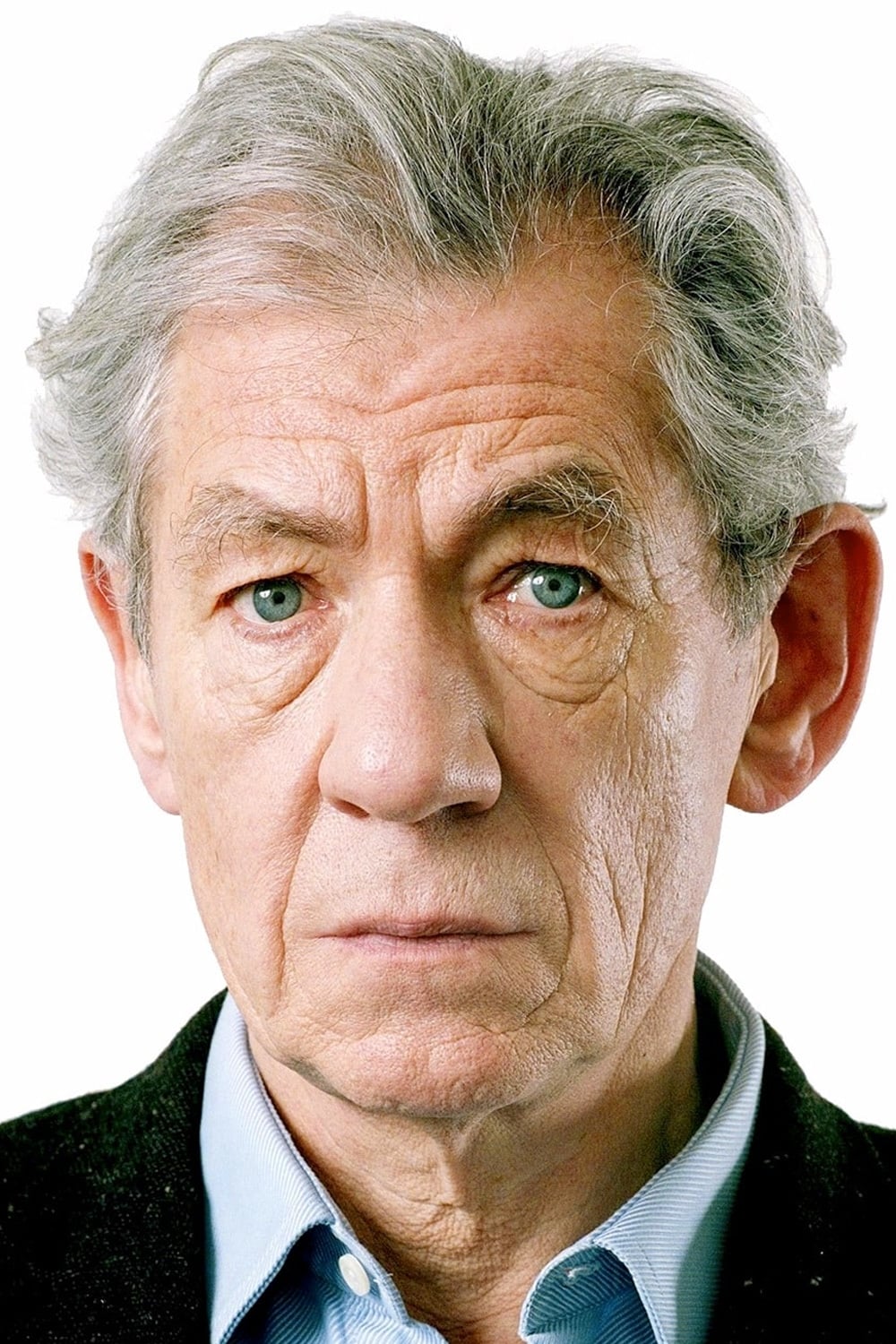
Ian McKellen brought world-class stage training into global pop culture through roles in franchises like ‘The Lord of the Rings’ and ‘X-Men’. He has also used his platform to support LGBTQ+ equality and anti-discrimination efforts, often speaking directly about the real-world impact of stigma. His visibility helped normalize the idea that an openly gay actor could lead blockbuster casts and remain a respected classical performer. McKellen’s mix of prestige work and mass-audience roles has influenced how studios approach casting and public-facing advocacy.
Ellen DeGeneres
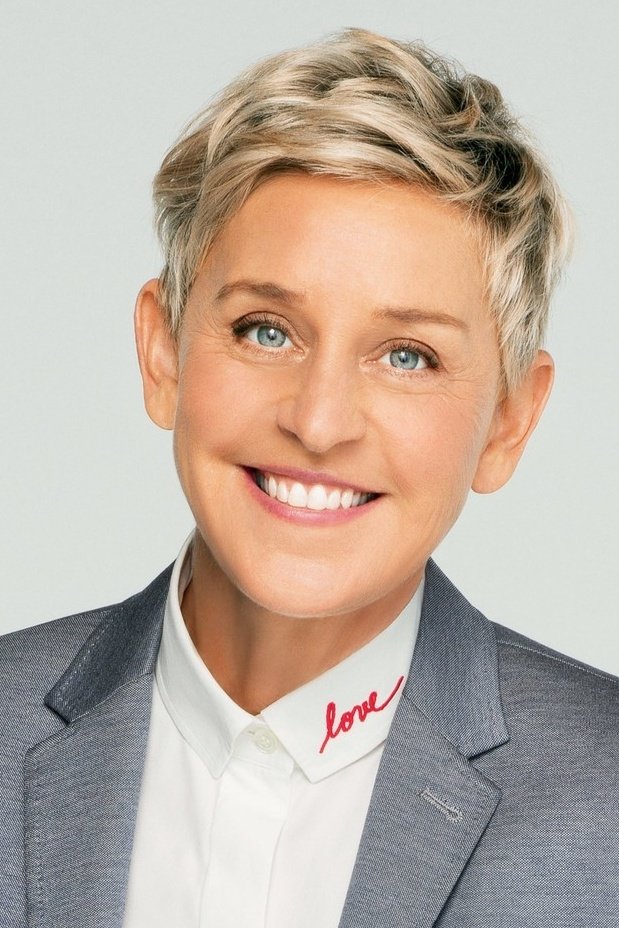
Ellen DeGeneres made LGBTQ+ visibility part of mainstream television conversation through her sitcom ‘Ellen’ and later as a major daytime host. Her public coming-out era became a reference point for how entertainment can shift social attitudes, for better and for worse. As a comedian-actor turned media figure, she showed how LGBTQ+ talent could anchor broad, advertiser-supported programming. Her career also illustrates how celebrity, identity, and public expectations intersect in highly visible formats.
Jodie Foster
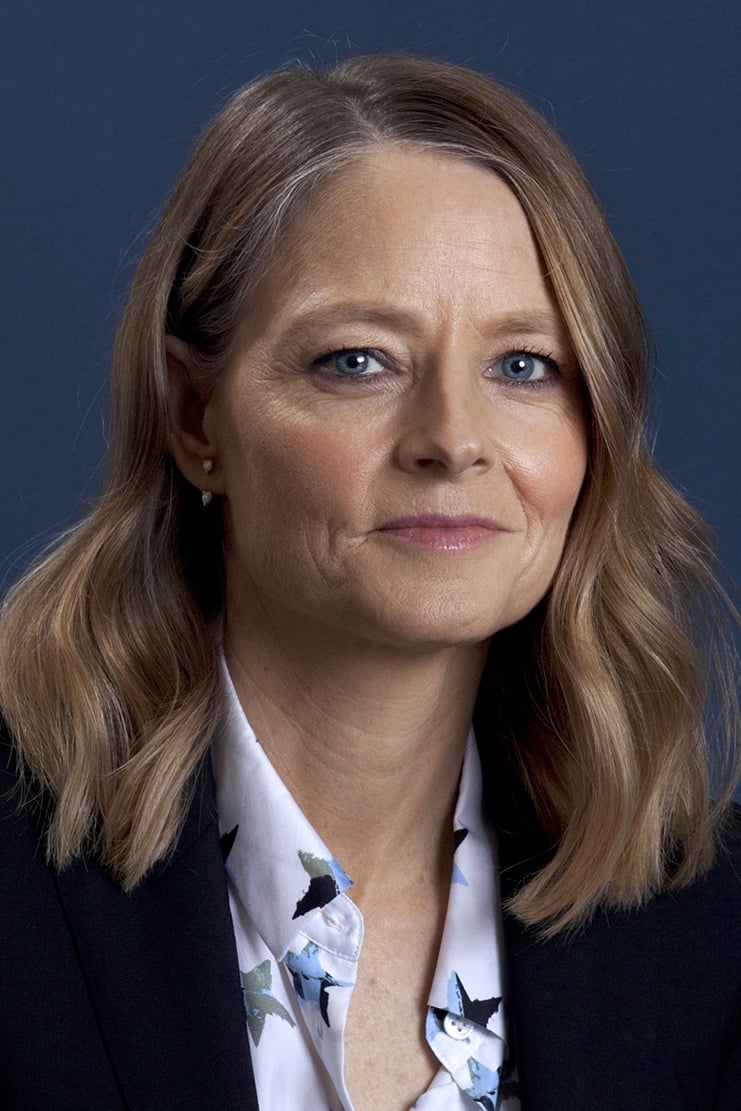
Jodie Foster built a career defined by prestige acting, including iconic work in films like ‘The Silence of the Lambs’. She kept her private life closely guarded for years, then later spoke more openly in ways that resonated across Hollywood’s old privacy norms. Foster’s presence reinforced that an LGBTQ+ actor could remain a bankable, serious dramatic lead without being boxed into identity-focused roles. Her long arc is often referenced in discussions of privacy, press culture, and public acknowledgment.
Lily Tomlin
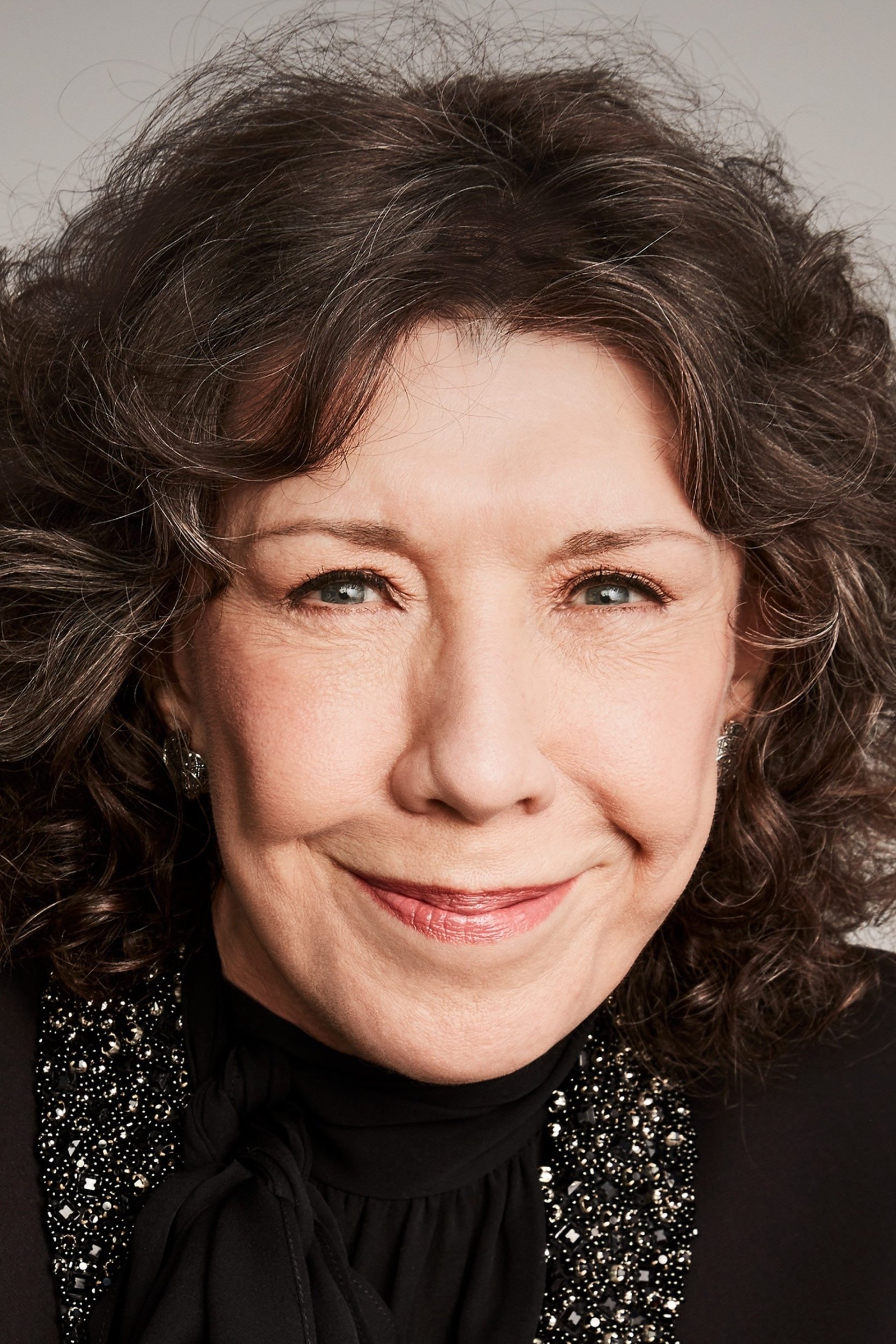
Lily Tomlin shaped modern comedy and character performance through projects like ‘Rowan & Martin’s Laugh-In’ and later ‘Grace and Frankie’. She has been a steady example of how LGBTQ+ performers can sustain multi-decade careers across stand-up, film, and television. Tomlin’s work also helped keep older women and queer characters visible in mainstream comedy spaces. Her career is frequently cited when talking about longevity, craft, and evolving representation.
Jane Lynch
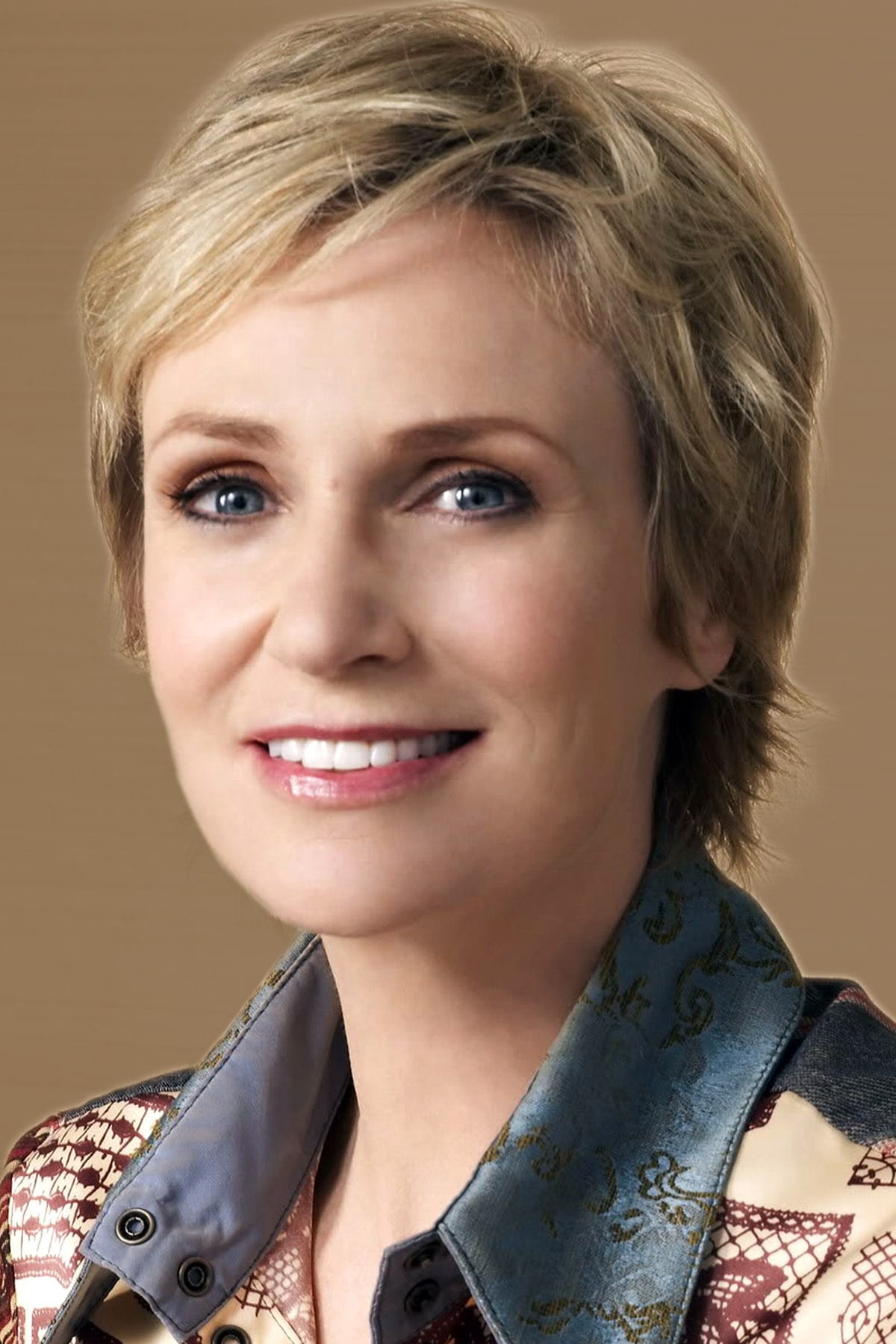
Jane Lynch helped make queer performers and characters more visible in mainstream comedy through widely watched work like ‘Glee’. She brought a grounded authority to ensemble casts, proving that comedic timing and character work can drive cultural catchphrases and awards attention. Lynch has also been part of the broader shift toward more openly LGBTQ+ casting in network TV. Her career is a useful case study in how a “scene-stealer” can reshape what audiences expect from supporting roles.
Portia de Rossi

Portia de Rossi became a recognizable sitcom presence through roles on ‘Ally McBeal’ and ‘Arrested Development’. Her public life and marriage kept LGBTQ+ relationships in the mainstream celebrity conversation during a period of rapid cultural change. De Rossi’s career highlights how comedy ensembles can normalize queer performers without making sexuality the sole focus of their characters. She also shows the media pressures that can come with high-visibility representation.
RuPaul
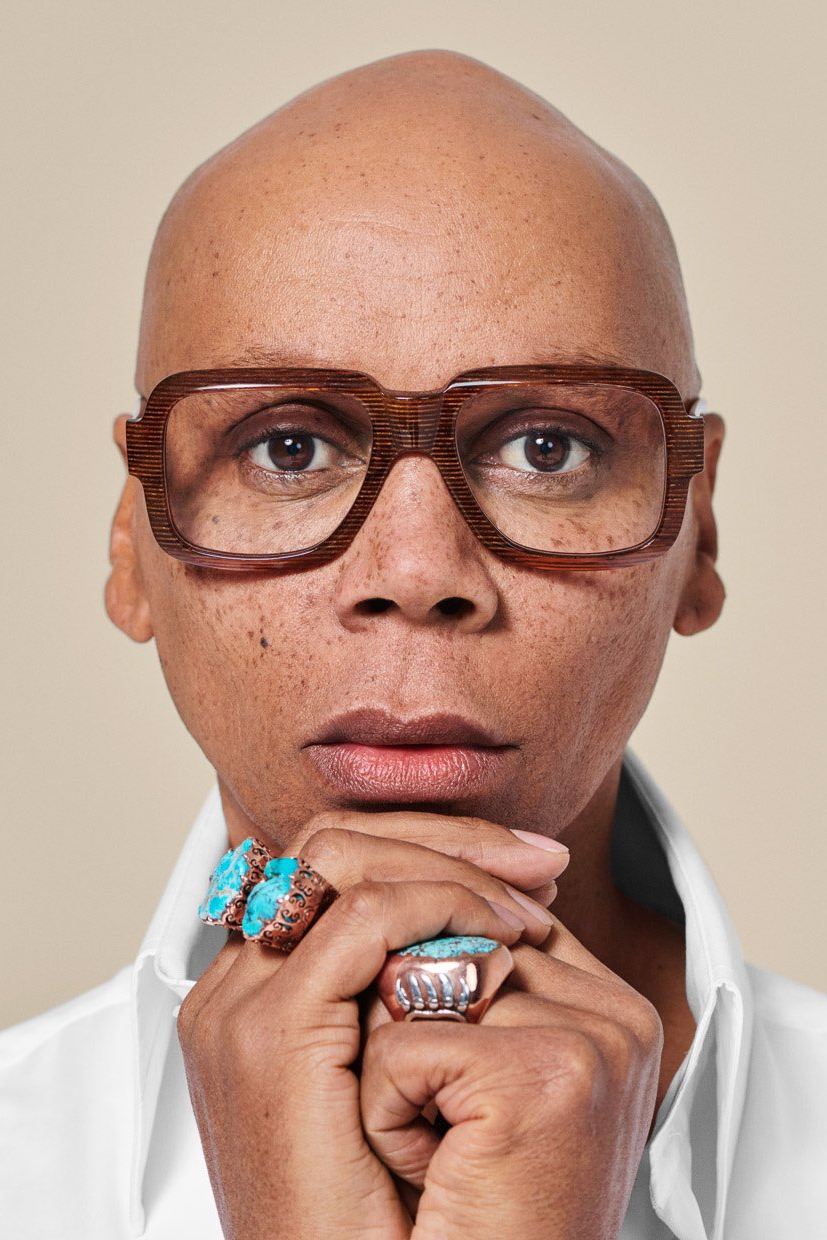
RuPaul expanded what audiences consider star-making entertainment by blending acting, hosting, music, and brand-building through ‘RuPaul’s Drag Race’. As an on-screen performer, RuPaul helped move drag culture from niche spaces into global pop awareness, influencing casting, comedy, and fashion-driven storytelling. The franchise created a pipeline of LGBTQ+ talent into acting, hosting, and scripted roles. RuPaul’s mainstream reach also helped cement drag as a recurring element in contemporary TV and marketing.
Billy Porter
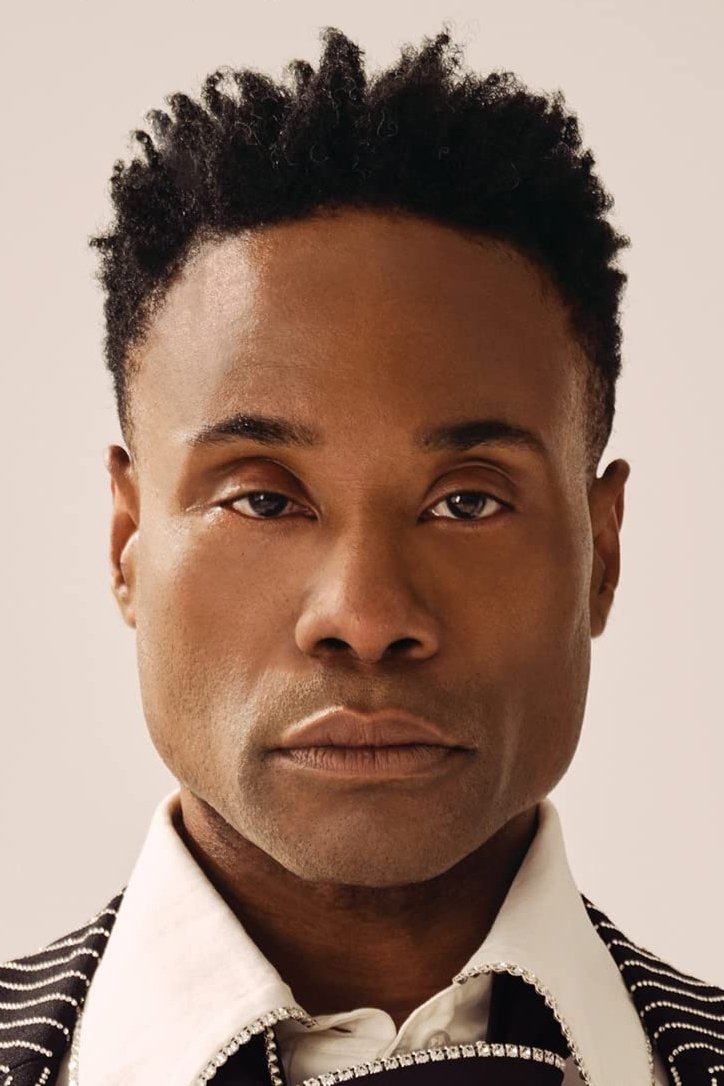
Billy Porter brought Broadway-level performance energy to television through roles like in ‘Pose’. His red-carpet visibility and public advocacy have helped push conversations about gender expression, fashion norms, and industry inclusion. Porter’s career demonstrates how musical theater skills translate into screen charisma and awards momentum. He has also helped widen the range of how queer Black performers are positioned in mainstream media.
Laverne Cox
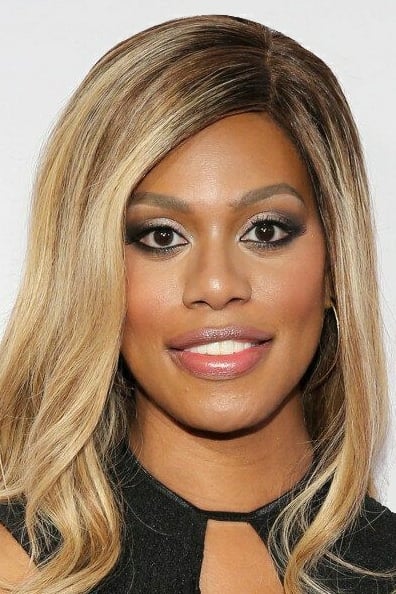
Laverne Cox became a major cultural figure through her work on ‘Orange Is the New Black’. Her visibility helped shift trans representation toward fuller characters and more sustained, mainstream storylines. Cox has also used interviews, documentaries, and public speaking to explain trans issues in accessible ways that reach broad audiences. Her career is often referenced when discussing the link between on-screen work and wider public understanding.
Elliot Page
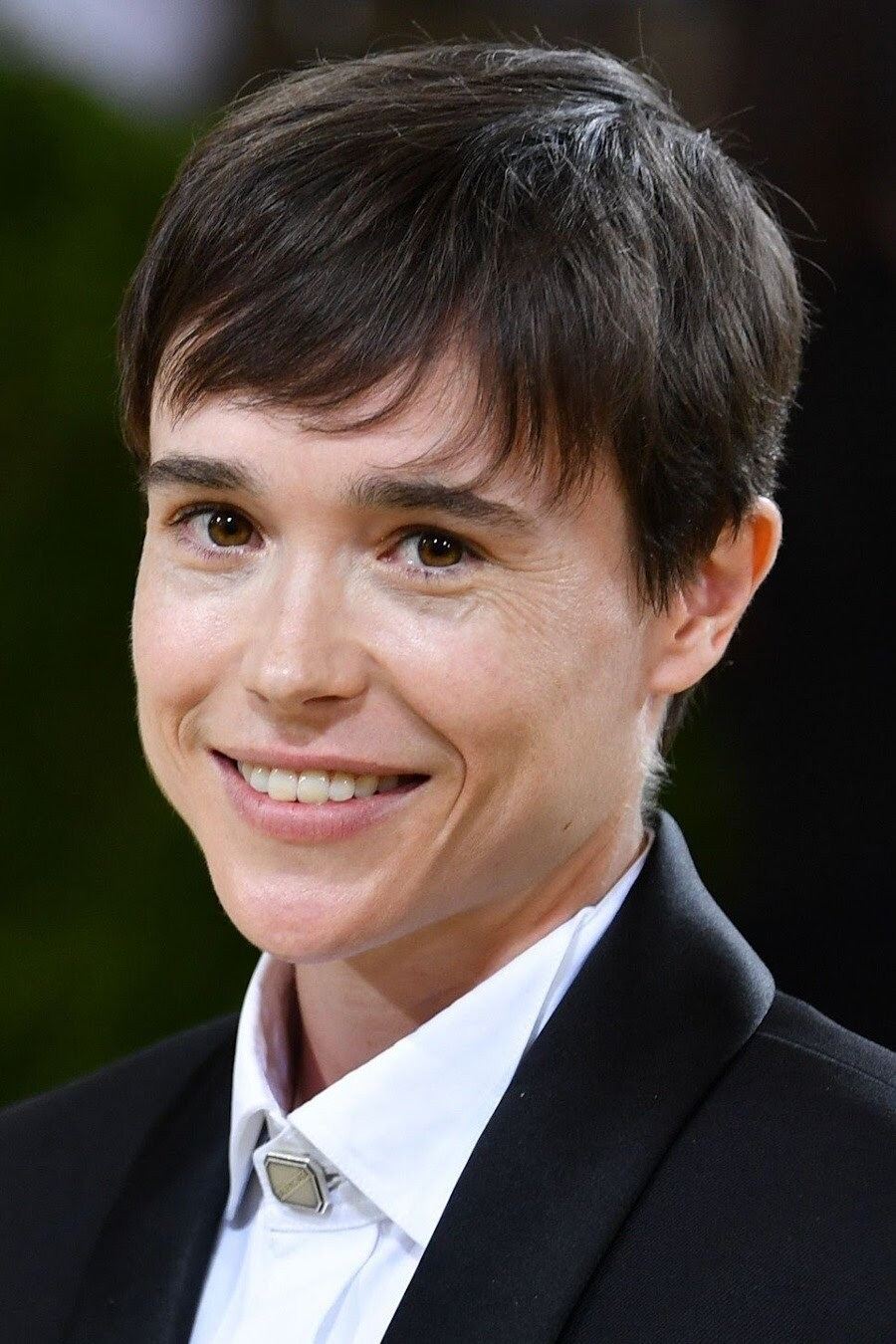
Elliot Page has built a career across indie film, mainstream cinema, and television, including ‘Juno’ and ‘The Umbrella Academy’. His public transition and continued work on major productions have impacted how studios, crews, and audiences talk about gender identity in professional settings. Page’s ongoing visibility supports the idea that trans actors can remain central to large-scale, global releases. His career is frequently cited in conversations about respect, naming, and workplace standards in entertainment.
Neil Patrick Harris
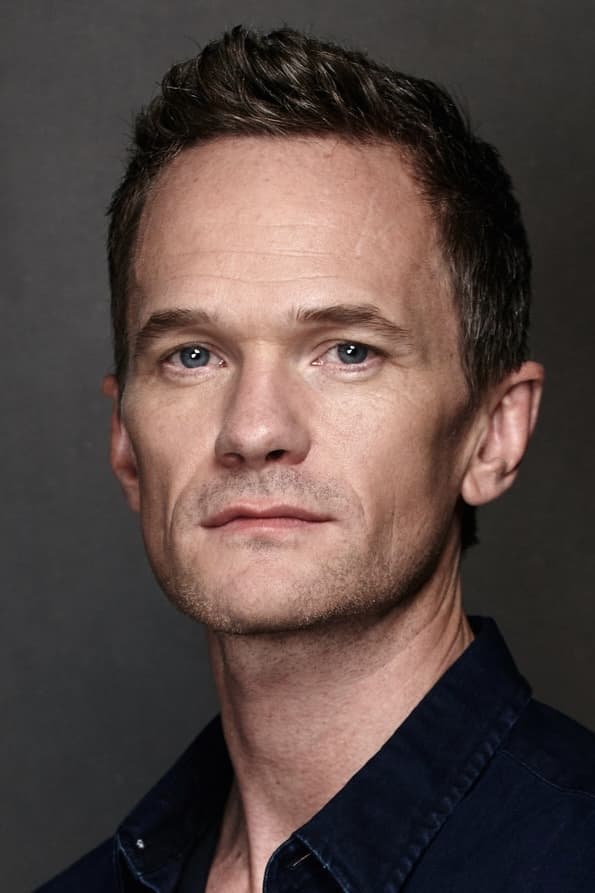
Neil Patrick Harris combined sitcom appeal with stage credentials, reaching huge audiences through ‘How I Met Your Mother’ and major award-show hosting. His career helped normalize openly gay leading men in network comedy during a period when that was still debated in casting rooms. Harris also illustrates how performers can move between family-friendly roles, adult comedy, and theater without being reduced to identity stereotypes. His mainstream ubiquity broadened expectations for who can be a conventional TV lead.
Jim Parsons

Jim Parsons became a household name through ‘The Big Bang Theory’, showing how a long-running network hit can make an openly gay actor one of the most recognizable faces on TV. He later leaned into stage and prestige projects, reinforcing the idea that sitcom success can translate into broader artistic range. Parsons has also been part of award-season visibility that keeps LGBTQ+ performers in the center of industry conversation. His career is a clear example of mass-audience familiarity supporting long-term influence.
Zachary Quinto
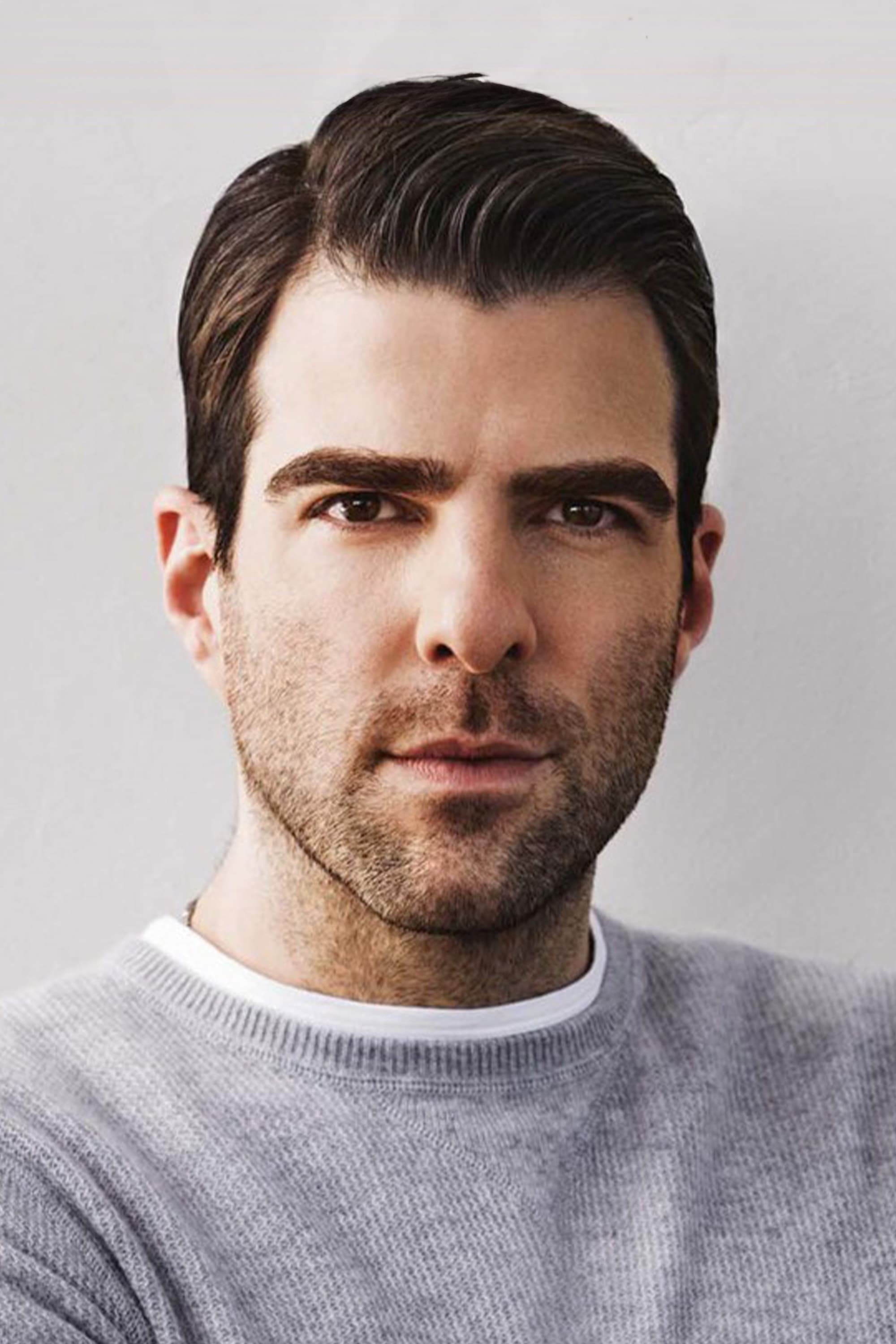
Zachary Quinto built major franchise recognition through ‘Star Trek’ while also taking on darker character work in projects like ‘American Horror Story’. His public coming out during a time of renewed LGBTQ+ activism connected his career to broader cultural conversations. Quinto’s mix of blockbuster and riskier material has helped expand what “leading man” pathways can look like for queer actors. He has also been involved in producing and supporting LGBTQ+ storytelling beyond acting.
Matt Bomer
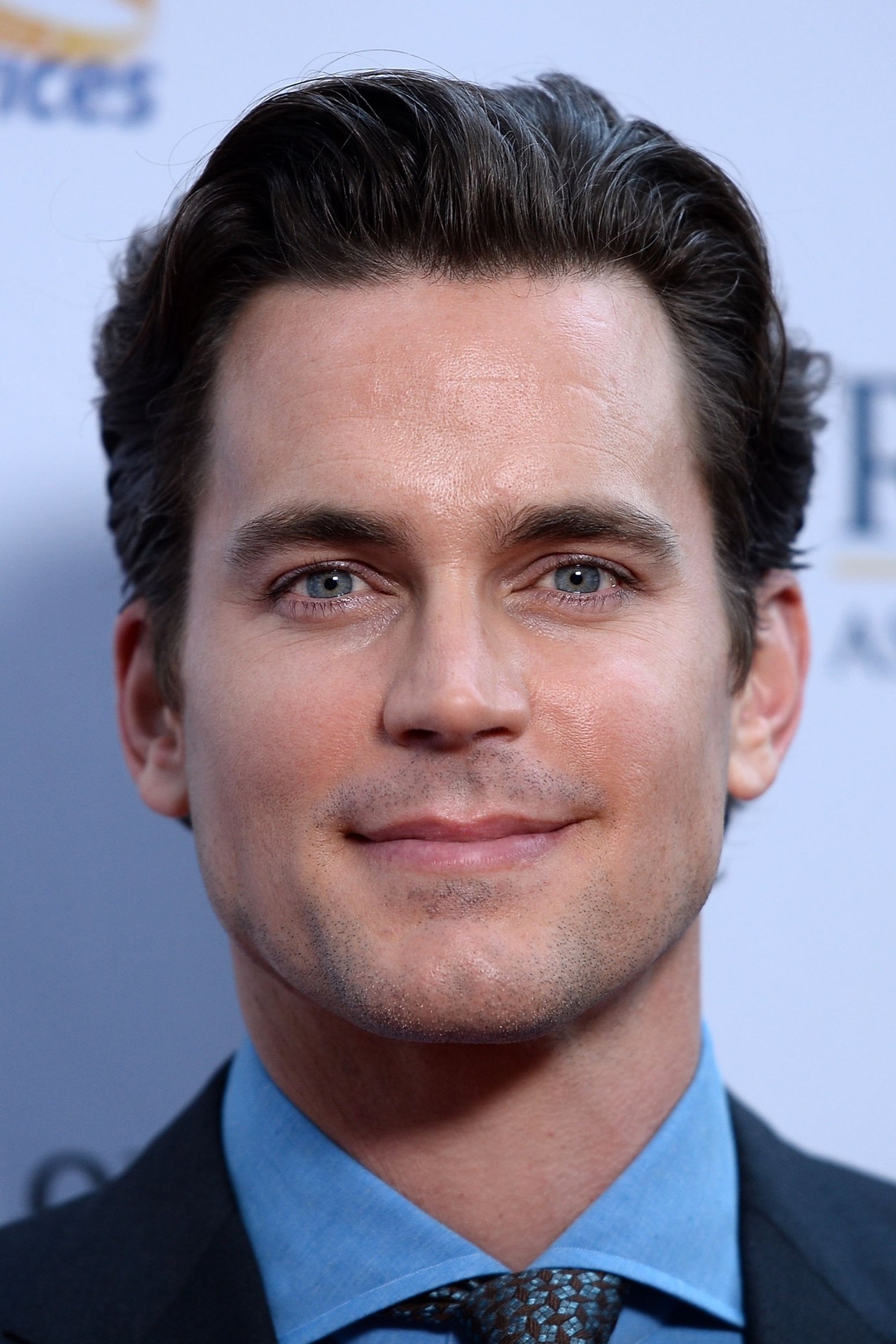
Matt Bomer moved between network series, cable drama, and prestige limited series, including standout work in ‘White Collar’ and ‘The Normal Heart’. His career has helped normalize the idea that an openly gay actor can be cast for traditionally “straight-leading-man” archetypes without the role being rewritten. Bomer’s choices also show how LGBTQ+ performers can balance crowd-pleasing work with issue-driven projects. His presence in both romance and drama has broadened casting expectations.
Jonathan Bailey
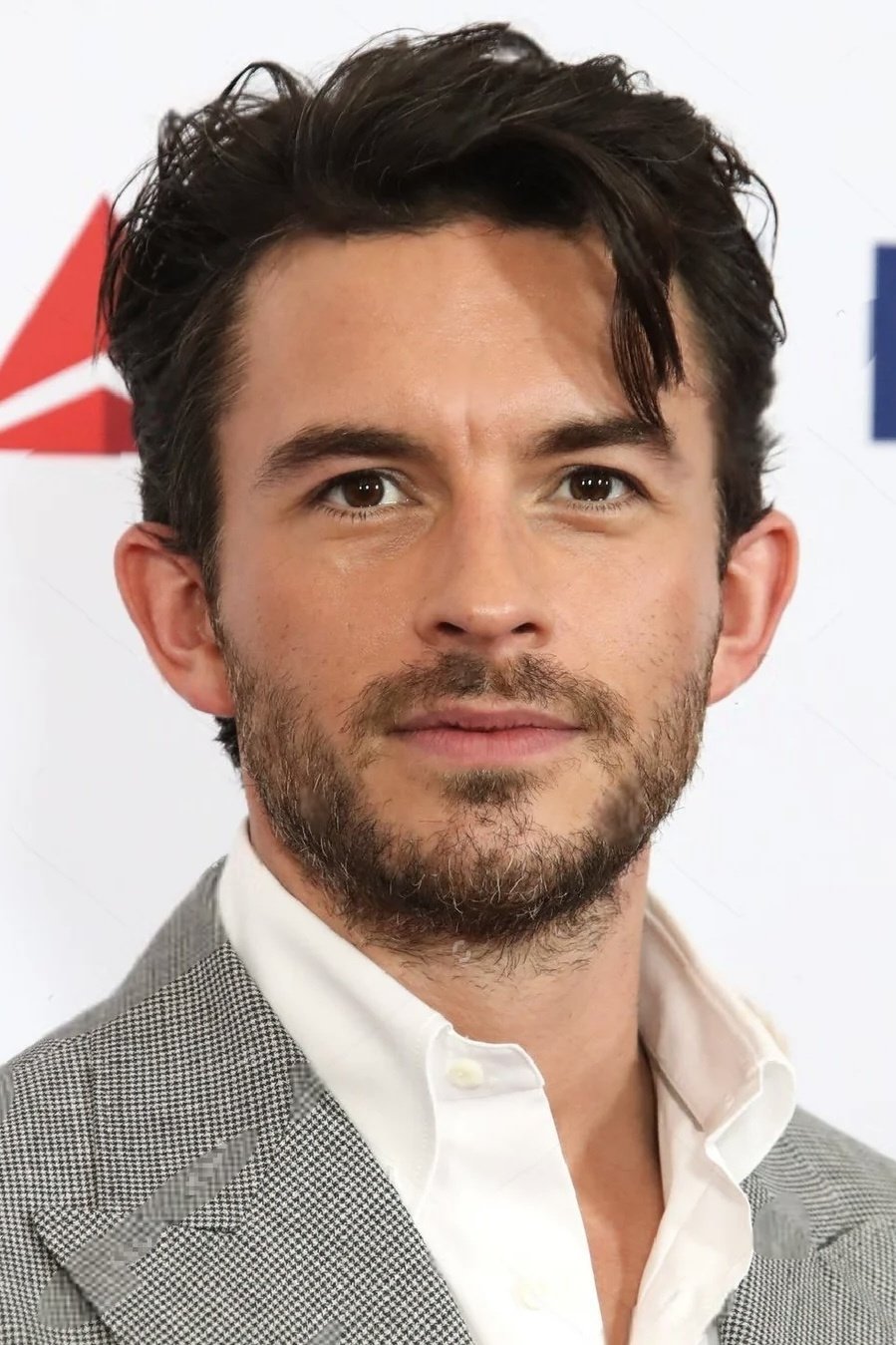
Jonathan Bailey reached global audiences through ‘Bridgerton’ while also maintaining a strong theater profile. His success in a mainstream romantic lead role has influenced conversations about inclusive casting in period and fantasy-adjacent genres. Bailey’s career demonstrates how streaming-era hits can accelerate visibility and open doors quickly. He’s also part of a wider generation reshaping what leading romance on TV looks like.
Sarah Paulson
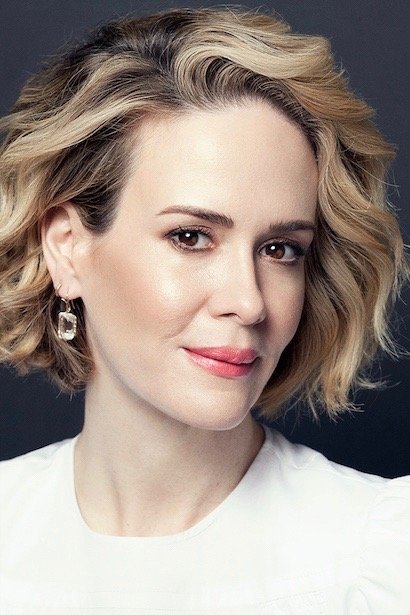
Sarah Paulson became a defining face of modern anthology TV through ‘American Horror Story’ and worked across film, stage, and limited series. She has consistently brought depth to characters that sit outside conventional “likable lead” templates, expanding what mainstream audiences accept as compelling. Paulson’s visibility, including prominent queer roles, has supported a broader range of LGBTQ+ storytelling on prestige television. Her work is often used as an example of how performance-driven projects can shape representation trends.
Kristen Stewart

Kristen Stewart transitioned from global franchise stardom in ‘Twilight’ into a career centered on indie films, auteur projects, and awards-focused performances. As an openly queer actor, she has helped normalize LGBTQ+ identity within the highest tiers of celebrity visibility. Stewart’s career choices highlight how a performer can use blockbuster recognition to take creative risks and widen the kinds of queer characters seen on screen. Her presence has also influenced fashion and media narratives around gender presentation.
Kate McKinnon
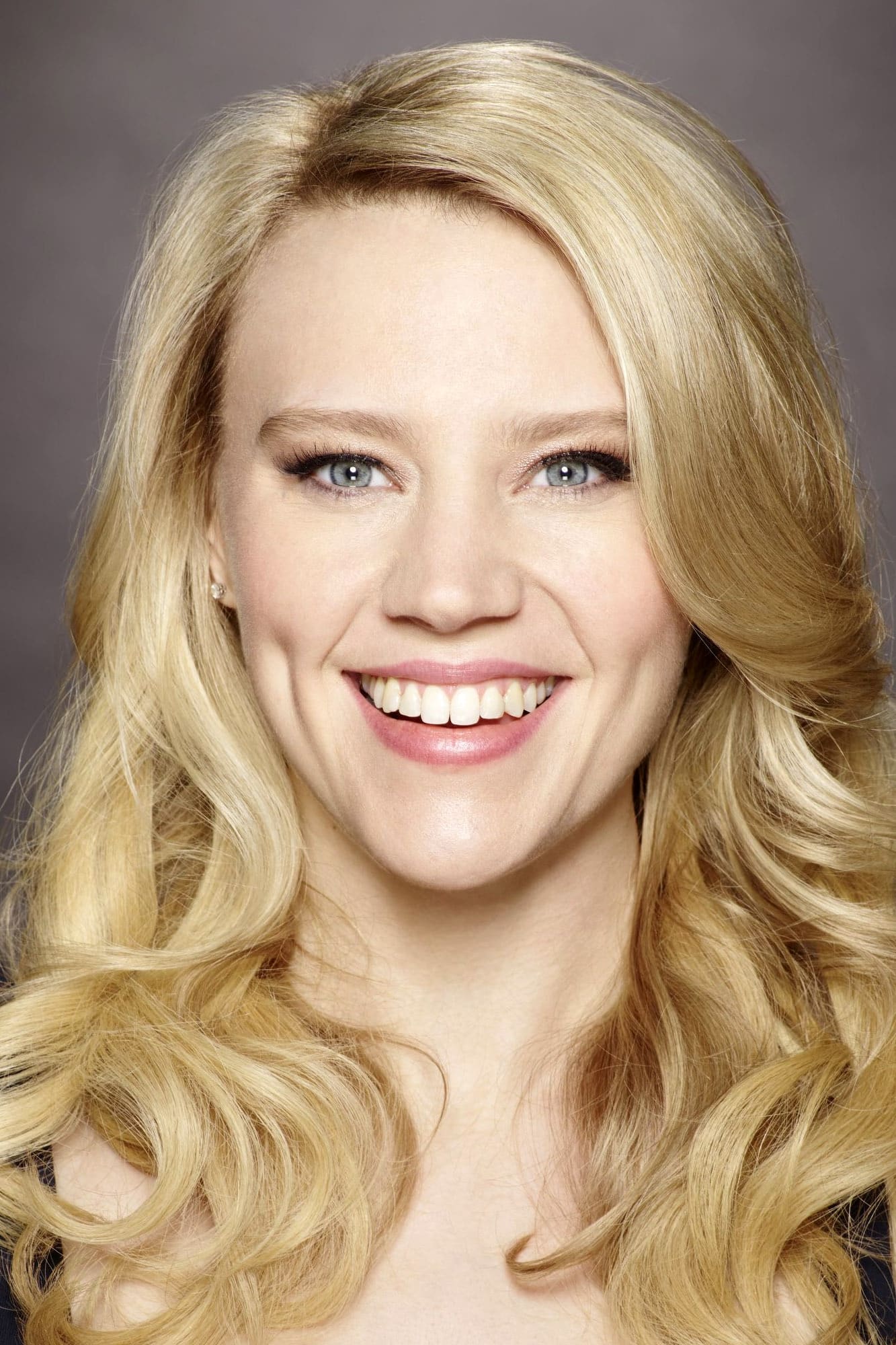
Kate McKinnon became one of the most prominent modern sketch performers through ‘Saturday Night Live’. Her high-profile impersonations and character work have reached massive weekly audiences, making an openly LGBTQ+ comedian central to mainstream political and pop-cultural satire. McKinnon has also carried major studio comedies, reinforcing how sketch-to-film pipelines can elevate queer performers. Her visibility helped make LGBTQ+ identity feel ordinary in one of TV’s most tradition-heavy institutions.
Tig Notaro
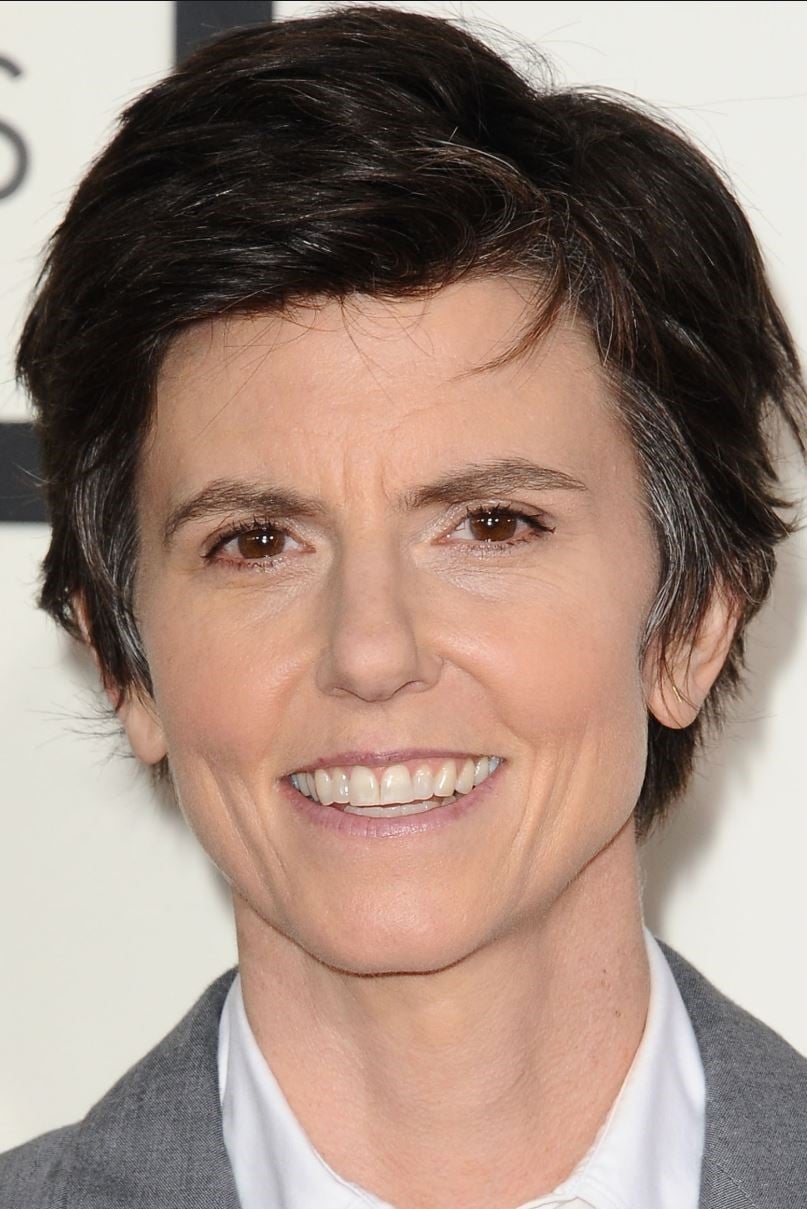
Tig Notaro’s influence comes from a blend of stand-up, acting, and writing that connects personal storytelling to broader cultural conversation. She has appeared in projects like ‘One Mississippi’ and has helped expand how queer lives are portrayed beyond coming-out narratives. Notaro’s work also shows how comedy can hold serious topics while still fitting mainstream formats. Her career has supported more nuanced, adult LGBTQ+ storytelling in scripted television.
Bowen Yang

Bowen Yang has helped reshape modern sketch comedy and pop-culture commentary through ‘Saturday Night Live’. His work demonstrates how queer perspectives can drive broadly appealing humor without being treated as a niche add-on. Yang has also become part of animated and voice-performance spaces, widening the lanes for LGBTQ+ performers beyond on-camera roles. His rise reflects the current era’s stronger demand for specific, authentic comedic voices.
Dan Levy
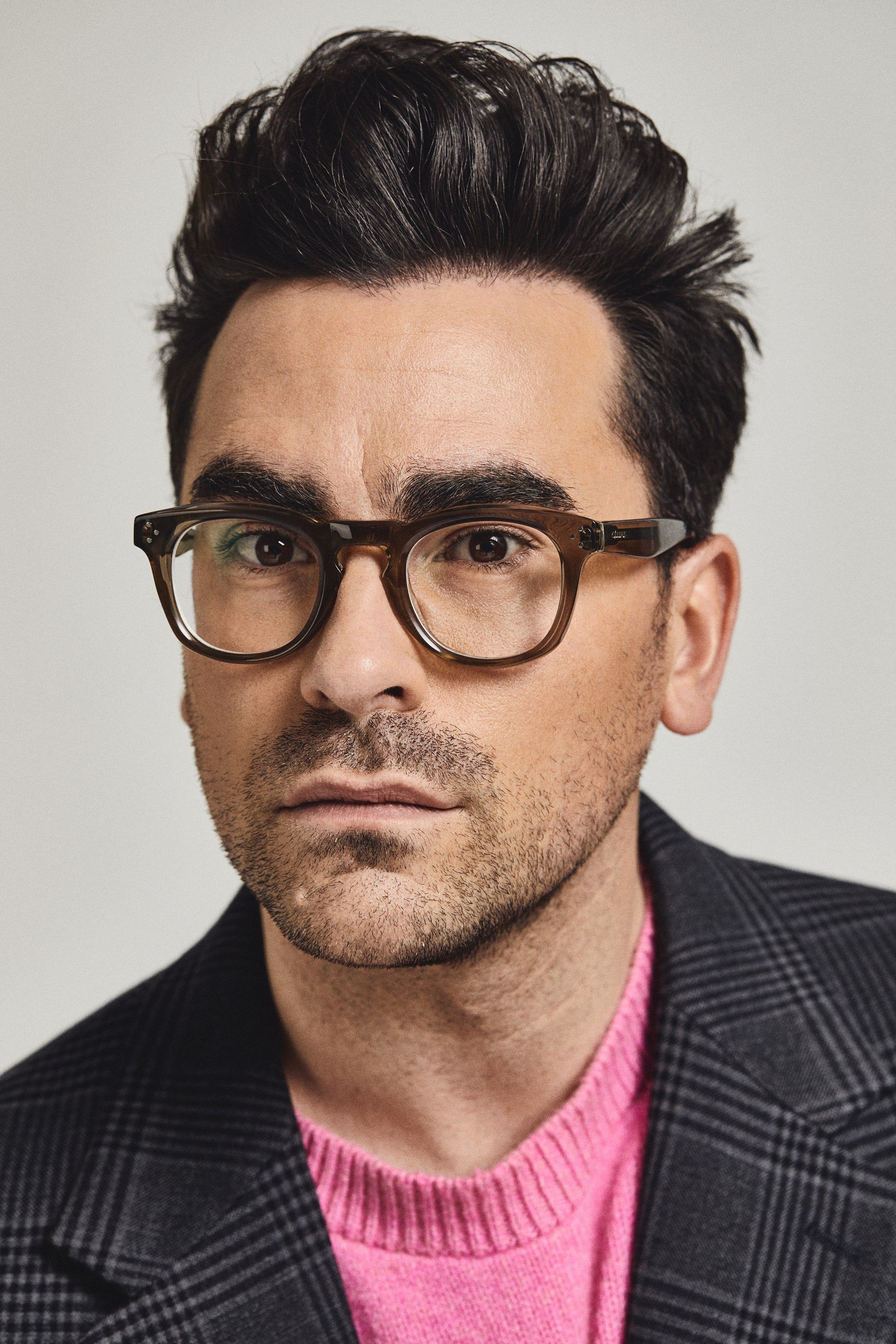
Dan Levy co-created and starred in ‘Schitt’s Creek’, which became a widely referenced example of how to portray queer romance without tragedy as the default engine. The show’s success influenced how networks and streamers greenlight inclusive comedies with broad appeal. Levy’s work also highlights the power of creator-performers who shape both the writing and the on-screen tone. His career has become a model for building mainstream hits around inclusive storytelling.
Leslie Jordan
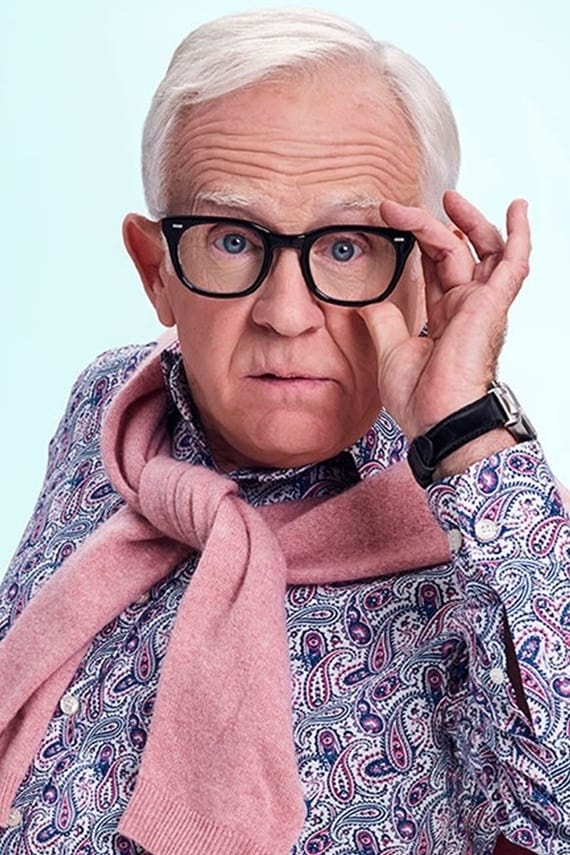
Leslie Jordan became an instantly recognizable character actor through TV staples like ‘Will & Grace’. His late-career social media presence also introduced him to new audiences and reinforced the idea that comedic craft and warmth can transcend platforms. Jordan’s visibility helped normalize flamboyant, unapologetically queer energy in mainstream sitcom spaces. His career is often cited as proof that supporting actors can have outsized cultural impact.
Harvey Fierstein
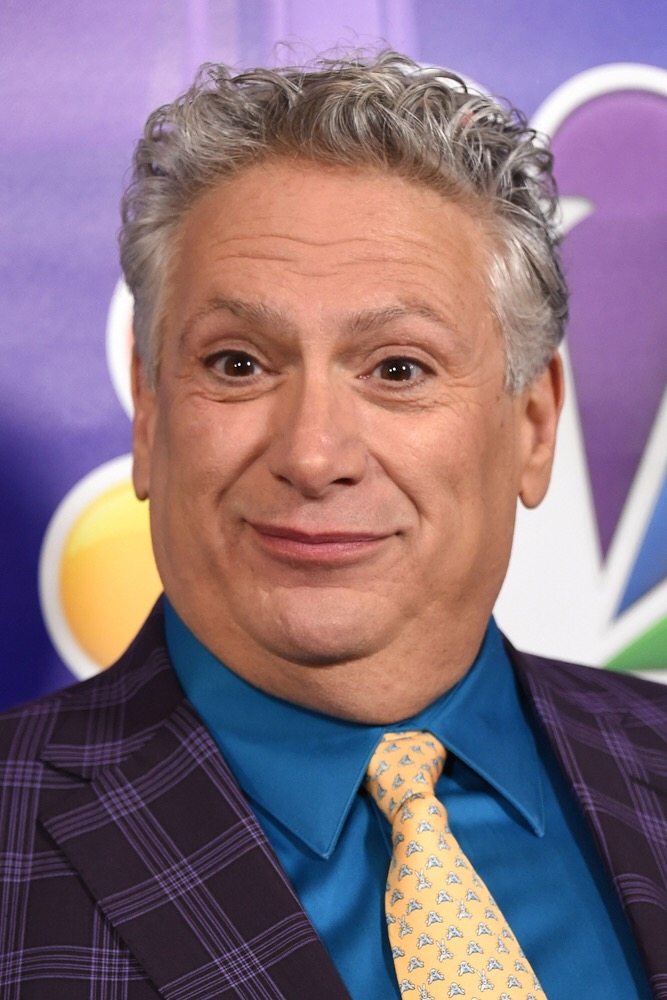
Harvey Fierstein has influenced entertainment through acting, playwriting, and a distinct vocal presence that became culturally recognizable. His work in theater and screen projects like ‘Mrs. Doubtfire’ helped keep openly queer performers visible in mainstream family entertainment. Fierstein also broadened public familiarity with queer voices and mannerisms at a time when many performers were pressured to hide them. His cross-medium influence connects Broadway activism with Hollywood visibility.
Nathan Lane
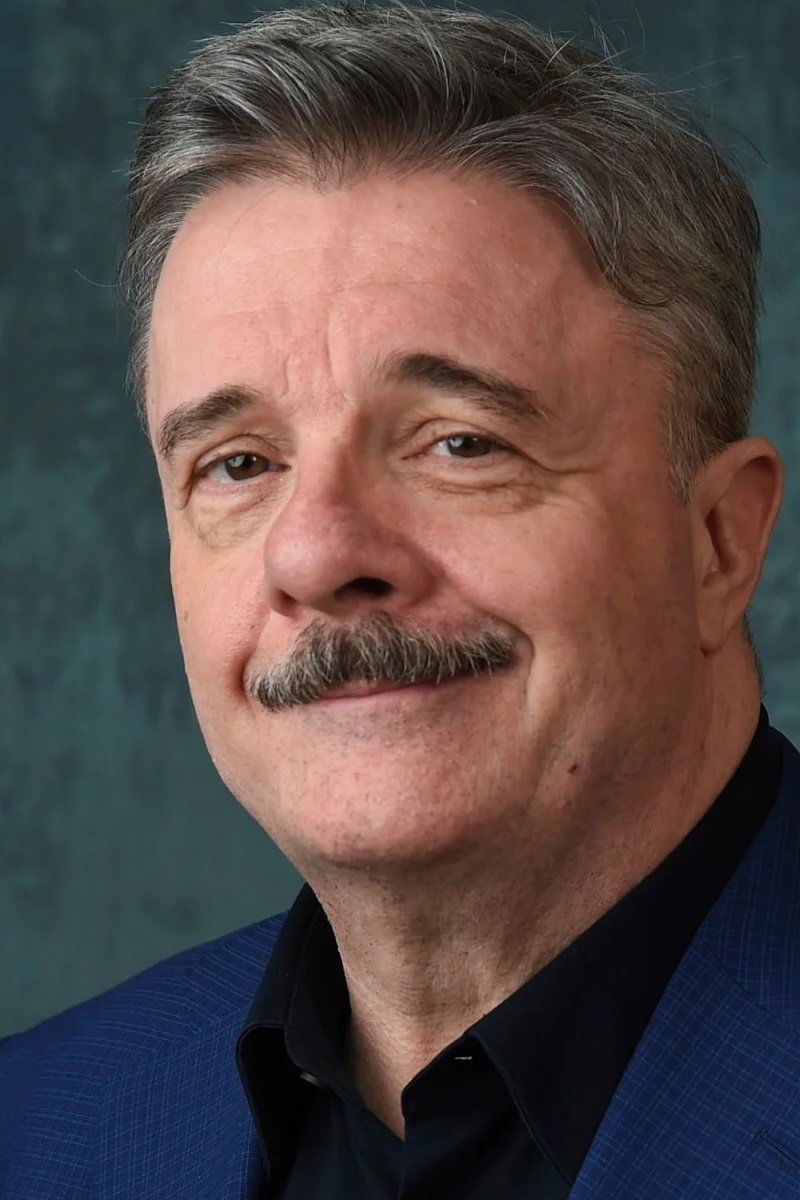
Nathan Lane combined Broadway dominance with mainstream film and TV work, including ‘The Birdcage’ and voice performance in ‘The Lion King’. His career helped bring queer comedic sensibilities into large-scale entertainment without reducing him to a single type of role. Lane’s continued prominence has supported more openness about LGBTQ+ identity among top-tier comedic performers. He also illustrates how stage credibility can reinforce longevity and influence in screen careers.
Alan Cumming
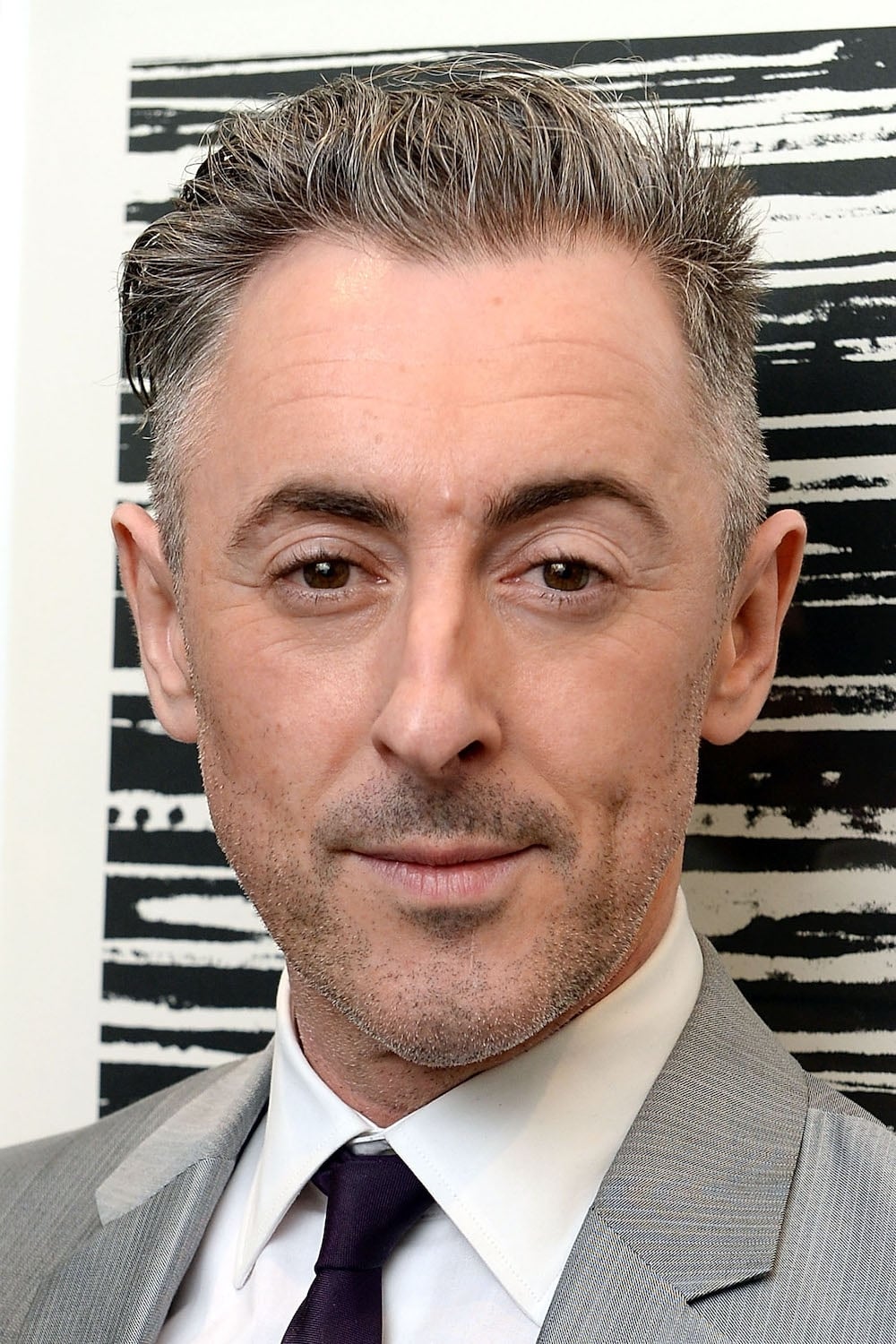
Alan Cumming has built a career across film, TV, and theater, blending mainstream visibility in projects like ‘X2: X-Men United’ with hosting and stage work. As an openly bisexual performer, he has helped broaden public understanding of queer identity beyond simple labels. Cumming’s career shows how versatility and bold character choices can expand what casting directors imagine for LGBTQ+ actors. His presence across genres has kept queer visibility steady rather than trend-driven.
Stephen Fry
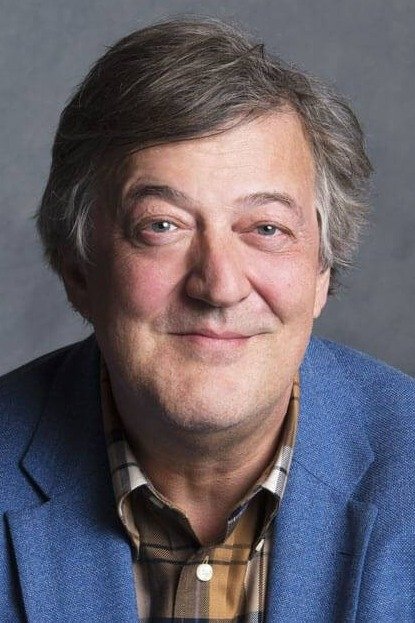
Stephen Fry became a major British cultural figure through acting, writing, and hosting, with prominent work in ‘Blackadder’ and many documentary and literary projects. His openness about sexuality and mental health has helped connect entertainment fame to public education and advocacy. Fry’s influence also reflects how comedians and presenters can shape social attitudes as much as dramatic actors do. His multi-hyphenate career demonstrates cultural impact beyond a single medium.
Derek Jacobi
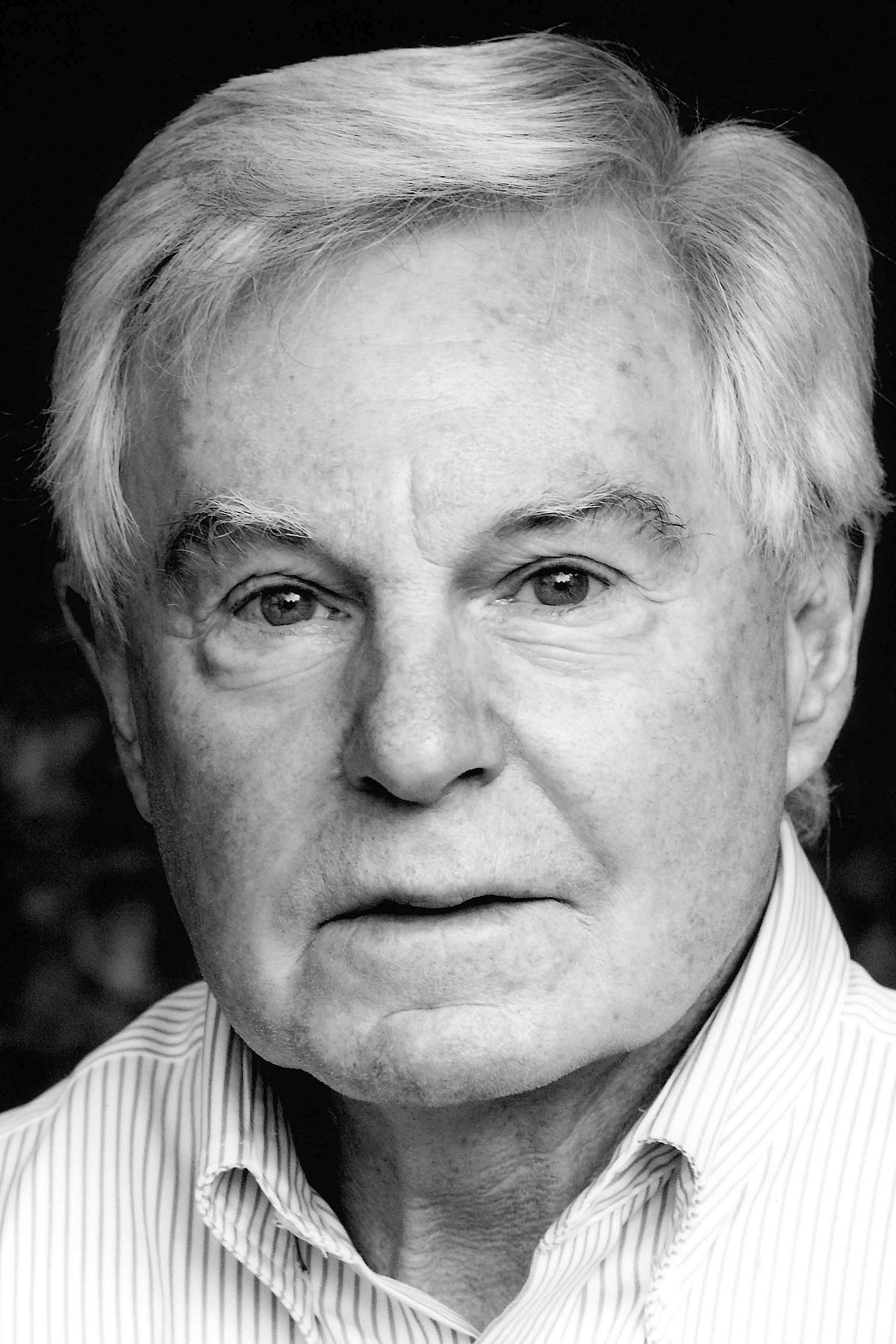
Derek Jacobi is known for classical acting excellence on stage and screen, with work spanning Shakespeare, prestige drama, and popular TV. His long-term visibility as an openly gay actor helped challenge outdated assumptions about who can credibly play historical, romantic, or authoritative roles. Jacobi’s career also shows how British theater traditions can feed into global screen recognition. He remains a key reference point for craft-driven influence.
George Takei
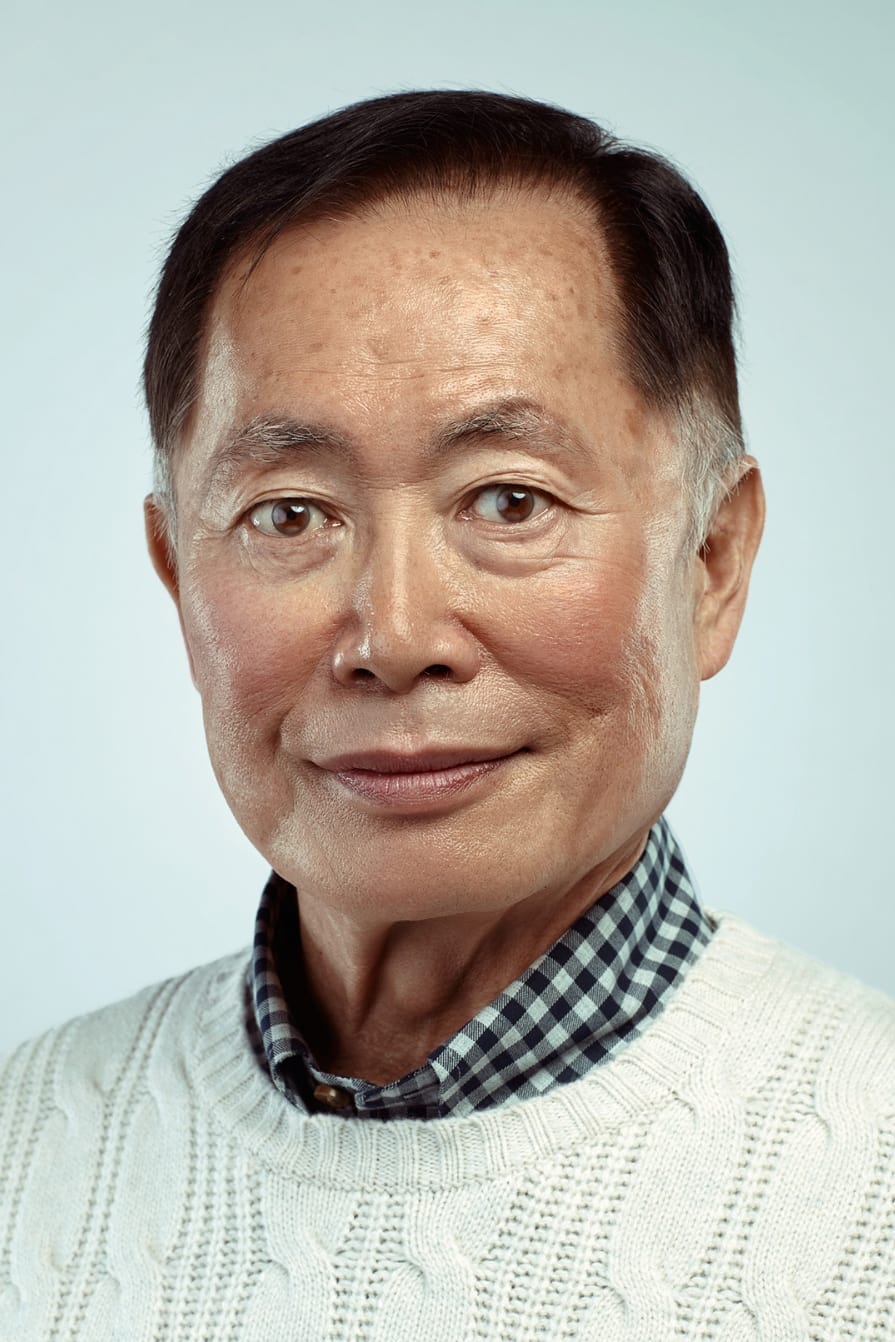
George Takei reached worldwide recognition through ‘Star Trek’ and later became a prominent public voice through writing and advocacy. His openness about identity and willingness to discuss history, including civil rights and community experience, expanded what fans associate with legacy science-fiction icons. Takei’s career shows how genre fandom can become a platform for broader social change. His influence spans performance, memoir, and public education.
BD Wong
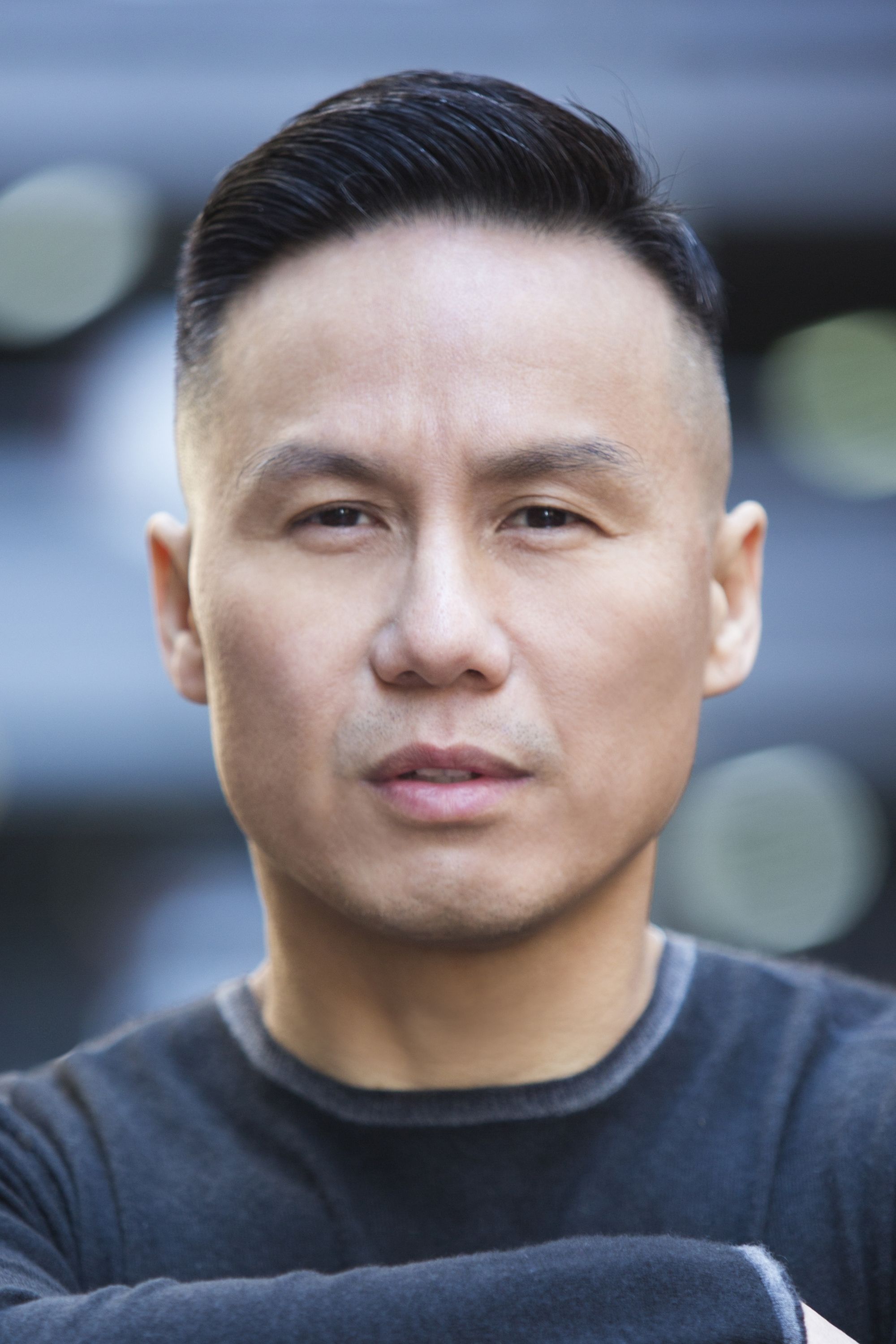
BD Wong has built a long-running career across film, television, and theater, with notable work in ‘Jurassic Park’ and ‘Law & Order: SVU’. As an openly gay Asian American actor, he has helped broaden representation in roles that are often authority figures or technical experts. Wong’s steady presence demonstrates how consistent casting over decades can shape what audiences see as “normal” in mainstream storytelling. He has also been vocal about family and identity in ways that expand public conversation.
Colman Domingo
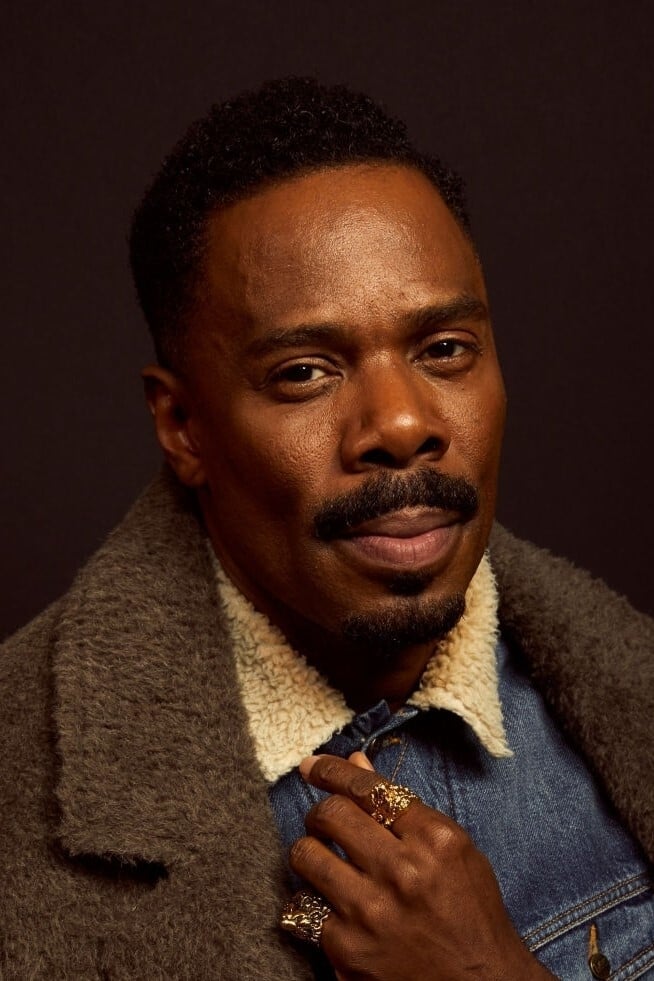
Colman Domingo has become a major prestige-TV and film presence through projects like ‘Euphoria’ and ‘Rustin’. His career shows how an openly gay actor can be positioned as a dramatic anchor across genres, from intimate character work to historical storytelling. Domingo has also contributed as a writer and director, expanding influence behind the camera. His visibility supports broader casting imagination for queer Black performers in lead roles.
Wentworth Miller
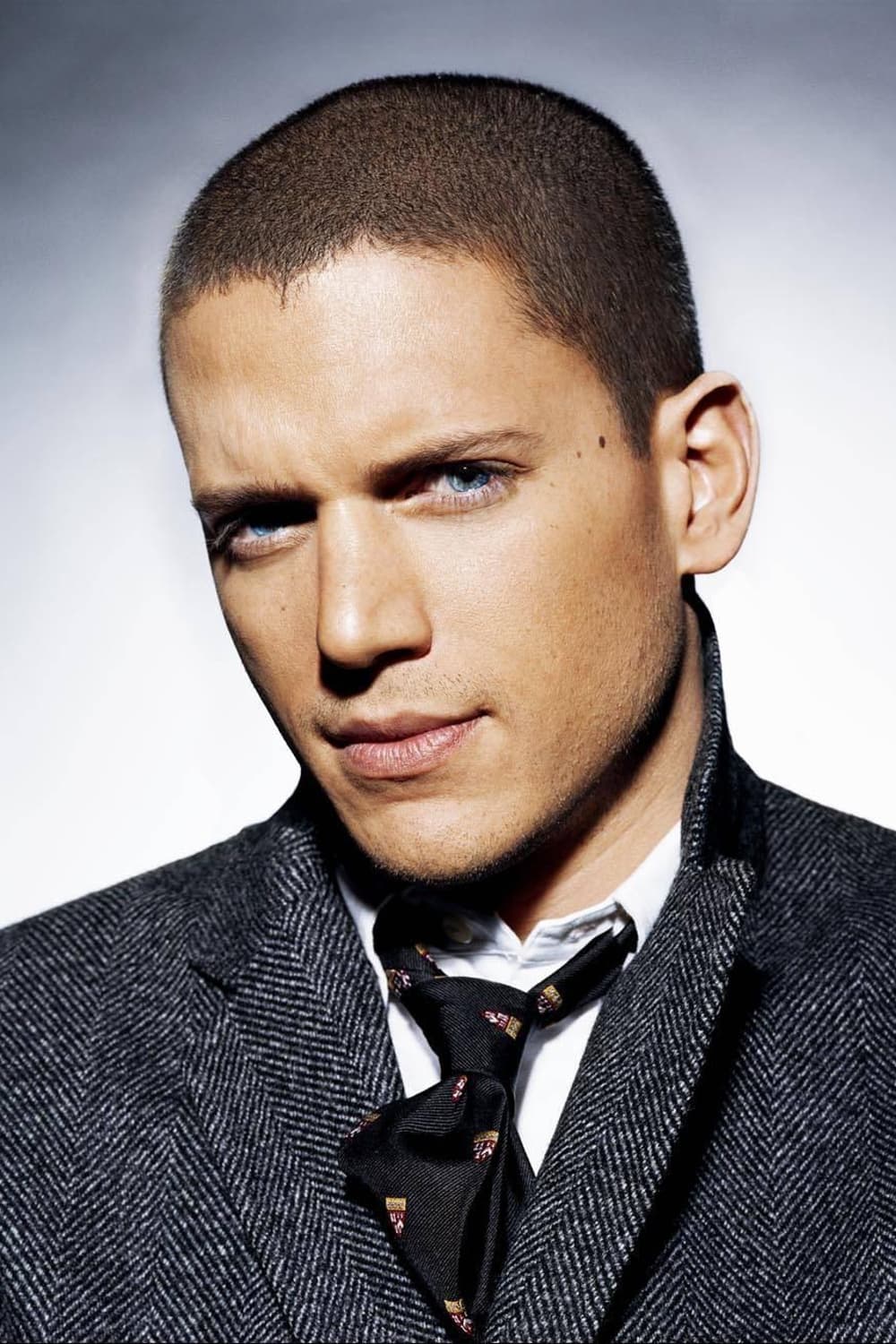
Wentworth Miller became widely recognized through ‘Prison Break’ and later used his platform to speak about identity and industry pressures. His openness has contributed to conversations about mental health, privacy, and the expectations placed on actors in high-visibility roles. Miller’s career also illustrates how fandom-driven fame can intersect with personal disclosure in complicated ways. His work and public stance have influenced how audiences talk about authenticity and boundaries.
Luke Evans
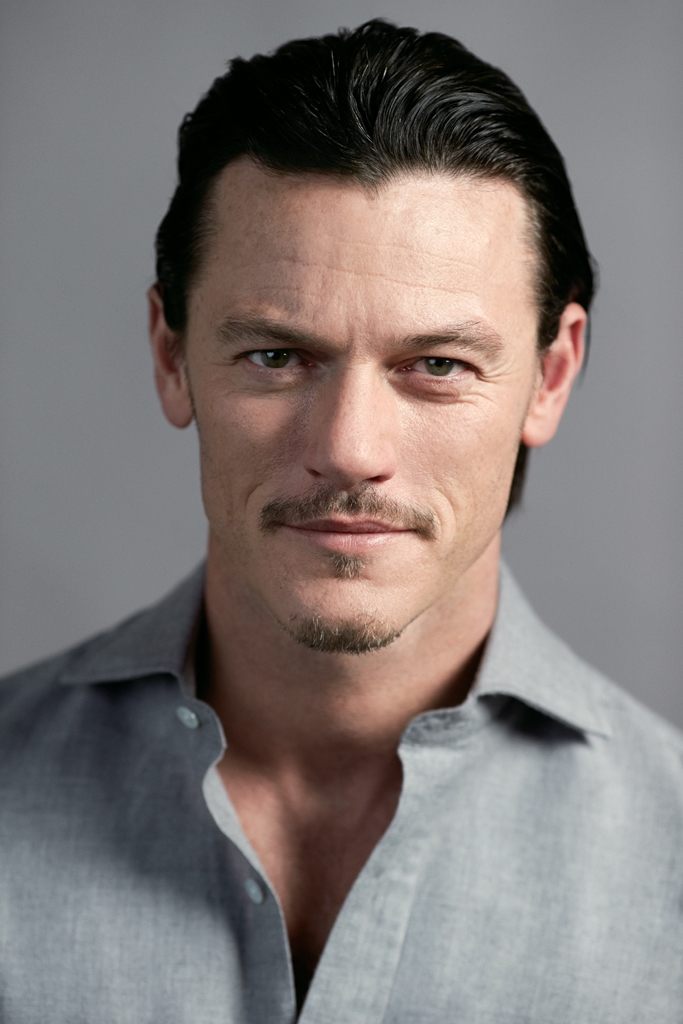
Luke Evans has worked across action, fantasy, and musical projects, including ‘The Hobbit’ and ‘Beauty and the Beast’. As an openly gay actor in traditionally “straight-coded” blockbuster spaces, his career has helped normalize LGBTQ+ visibility in big studio casting. Evans’s filmography shows how queer performers can thrive in mainstream leading-man lanes without identity being the marketing hook. His continued presence supports broader assumptions about who fits franchise storytelling.
Ben Whishaw
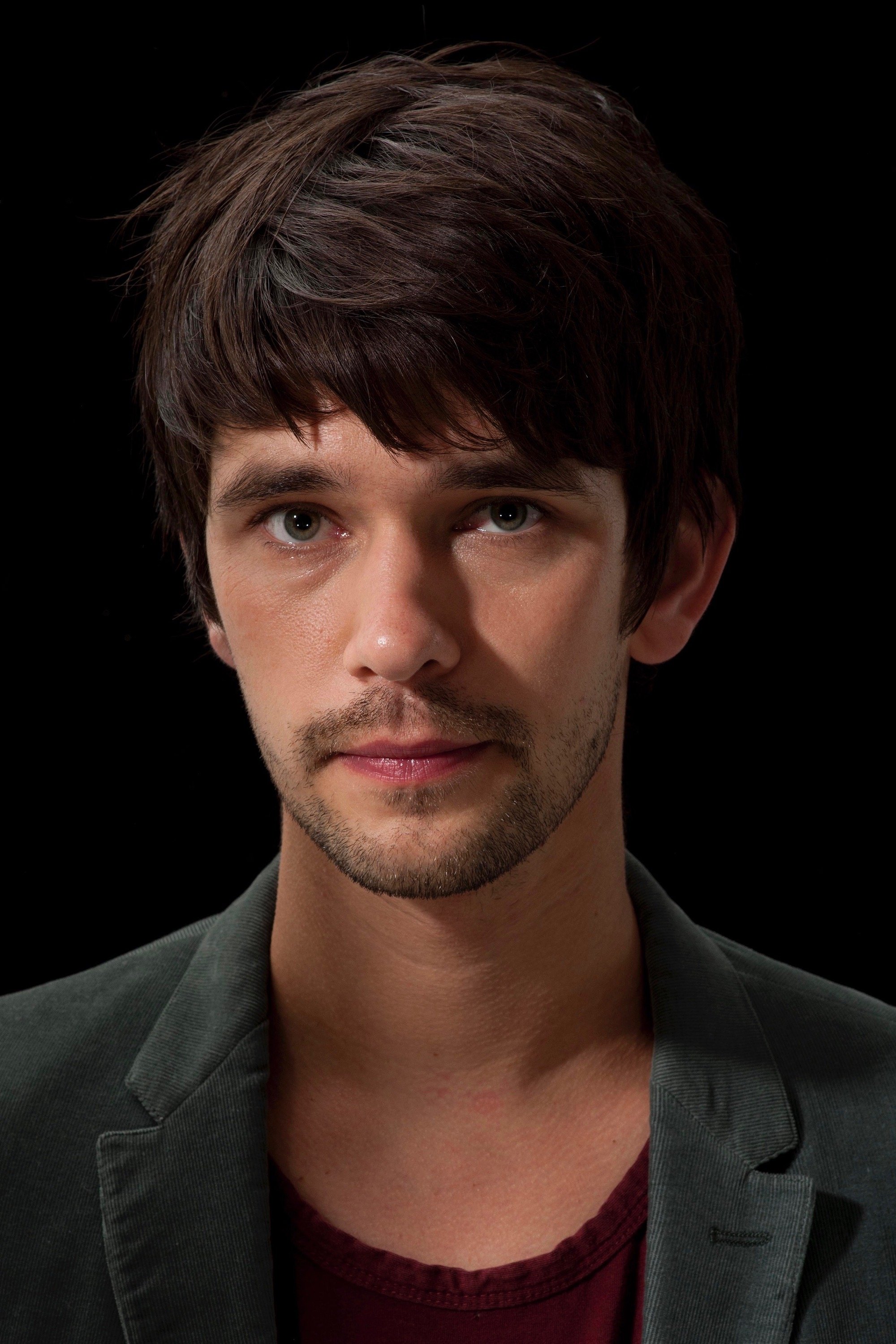
Ben Whishaw has built a career that balances intimate dramas with major franchises, including playing Q in the modern ‘James Bond’ films. His work demonstrates how a performer can maintain a low-key public persona while still being openly gay and consistently cast in high-profile projects. Whishaw’s range has supported more flexible casting ideas around masculinity and vulnerability. He also highlights how voice work and ensemble roles can carry major cultural visibility.
Andrew Scott
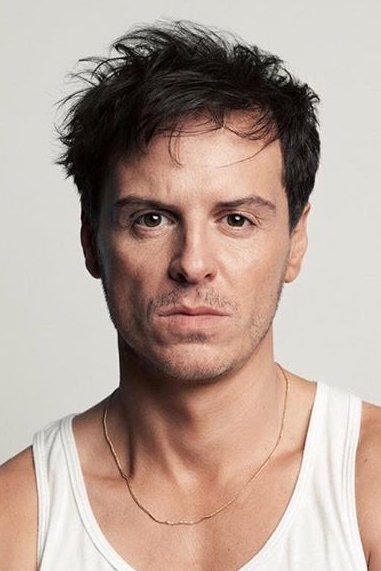
Andrew Scott reached massive audiences through ‘Sherlock’ and ‘Fleabag’, while also maintaining deep theater credibility. His performances often center on precision and emotional intensity, helping push complex queer and non-queer characters into mainstream acclaim. Scott’s openness and continued casting in varied roles show the industry’s growing comfort with LGBTQ+ actors as dramatic centerpieces. His career is frequently referenced in conversations about modern prestige television performance standards.
Rupert Everett
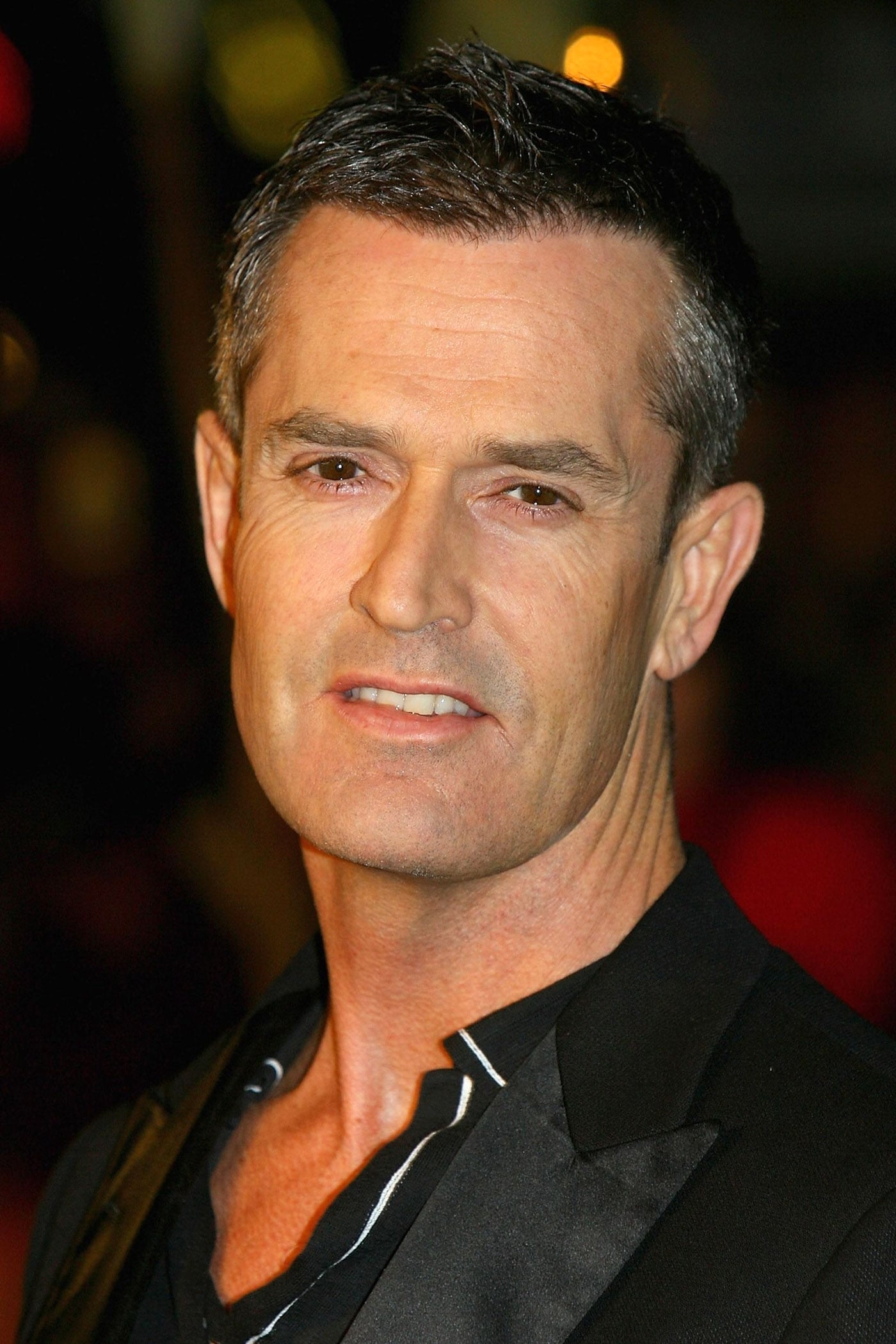
Rupert Everett became a recognizable screen presence through films like ‘My Best Friend’s Wedding’ and later took on writing and directing work. His career has been part of ongoing discussions about how Hollywood historically treated openly gay leading men. Everett’s public candor has helped document industry attitudes and shifts over time. His influence includes both his performances and his role as a visible witness to changing norms.
John Cameron Mitchell

John Cameron Mitchell helped expand LGBTQ+ cinema and stage-to-screen adaptation through work like ‘Hedwig and the Angry Inch’. As a performer, writer, and director, he has influenced how gender, sexuality, and music can merge into narrative form. Mitchell’s career also demonstrates how cult work can become a long-term reference point for later creators and performers. His multi-role authorship has shaped expectations for queer-led projects outside traditional studio lanes.
Michaela Jaé Rodriguez
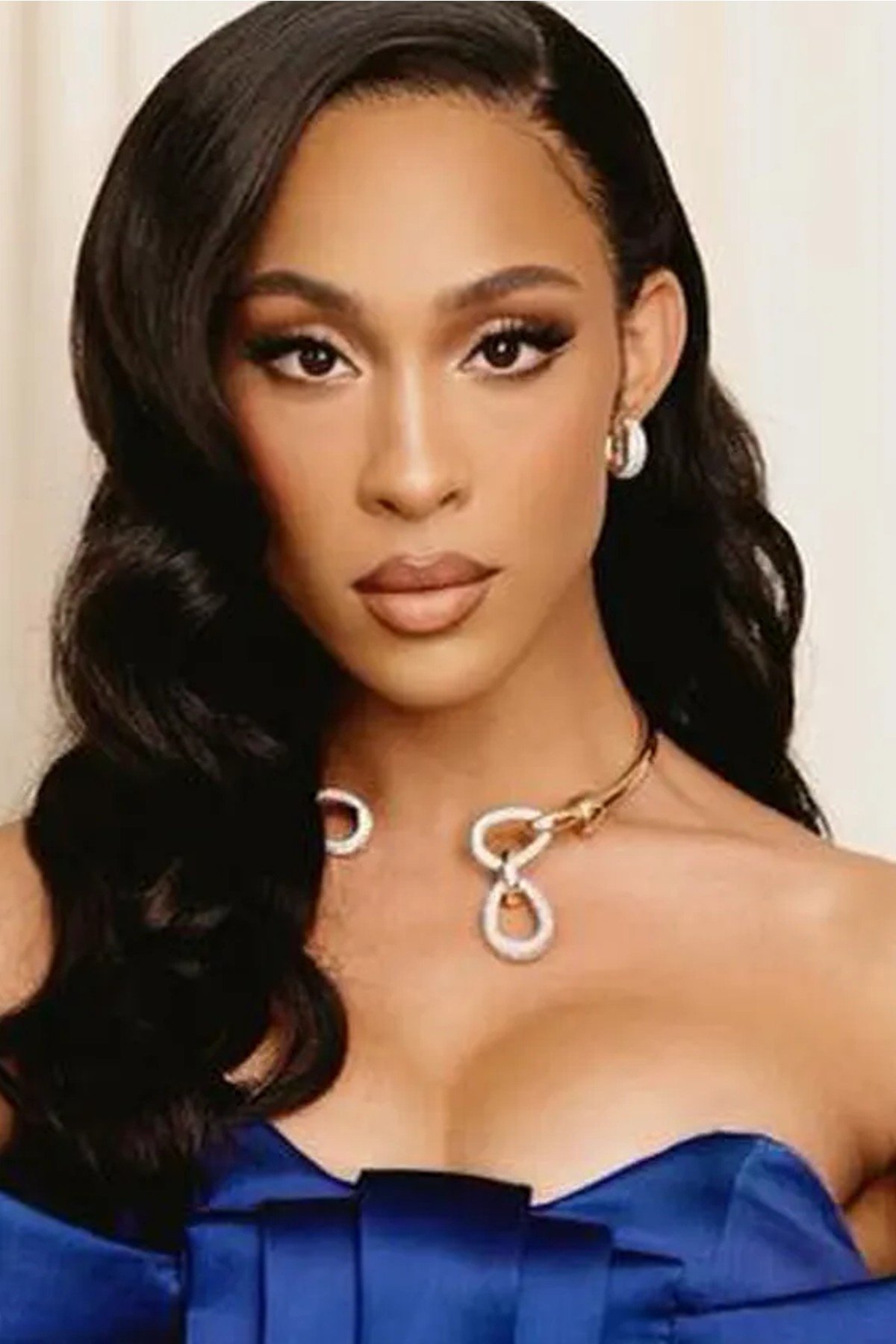
Michaela Jaé Rodriguez became a landmark presence through ‘Pose’, helping bring trans women’s stories into mainstream awards and critical conversation. Her visibility has supported broader casting possibilities for trans actors beyond limited, trauma-focused roles. Rodriguez’s work also shows how ensemble storytelling can elevate performers into global recognition. Her success has become part of industry discussions about opportunity pipelines for trans talent.
Indya Moore
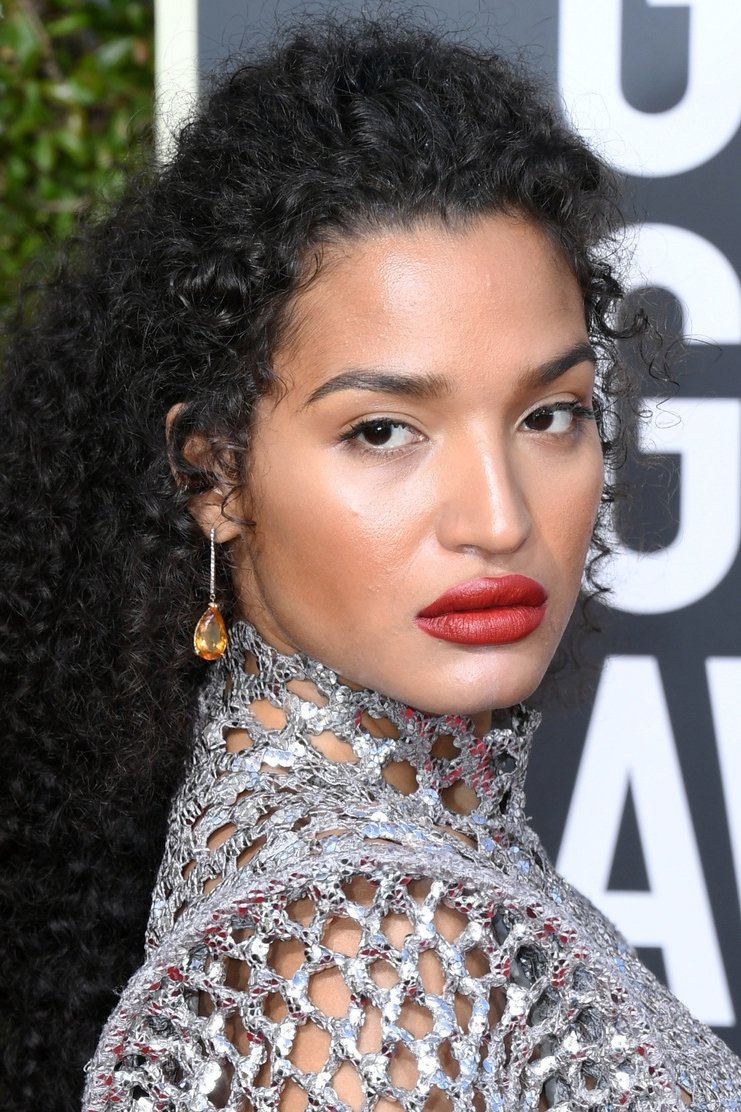
Indya Moore gained wide recognition through ‘Pose’ and has also worked as a model and activist. Their public discussions of identity have expanded mainstream awareness of non-binary and trans experiences in entertainment spaces. Moore’s career highlights how visibility can extend beyond acting into fashion and media narratives, influencing how audiences see gender expression. Their work continues to push for broader, more accurate representation both on-screen and off.
Ariana DeBose
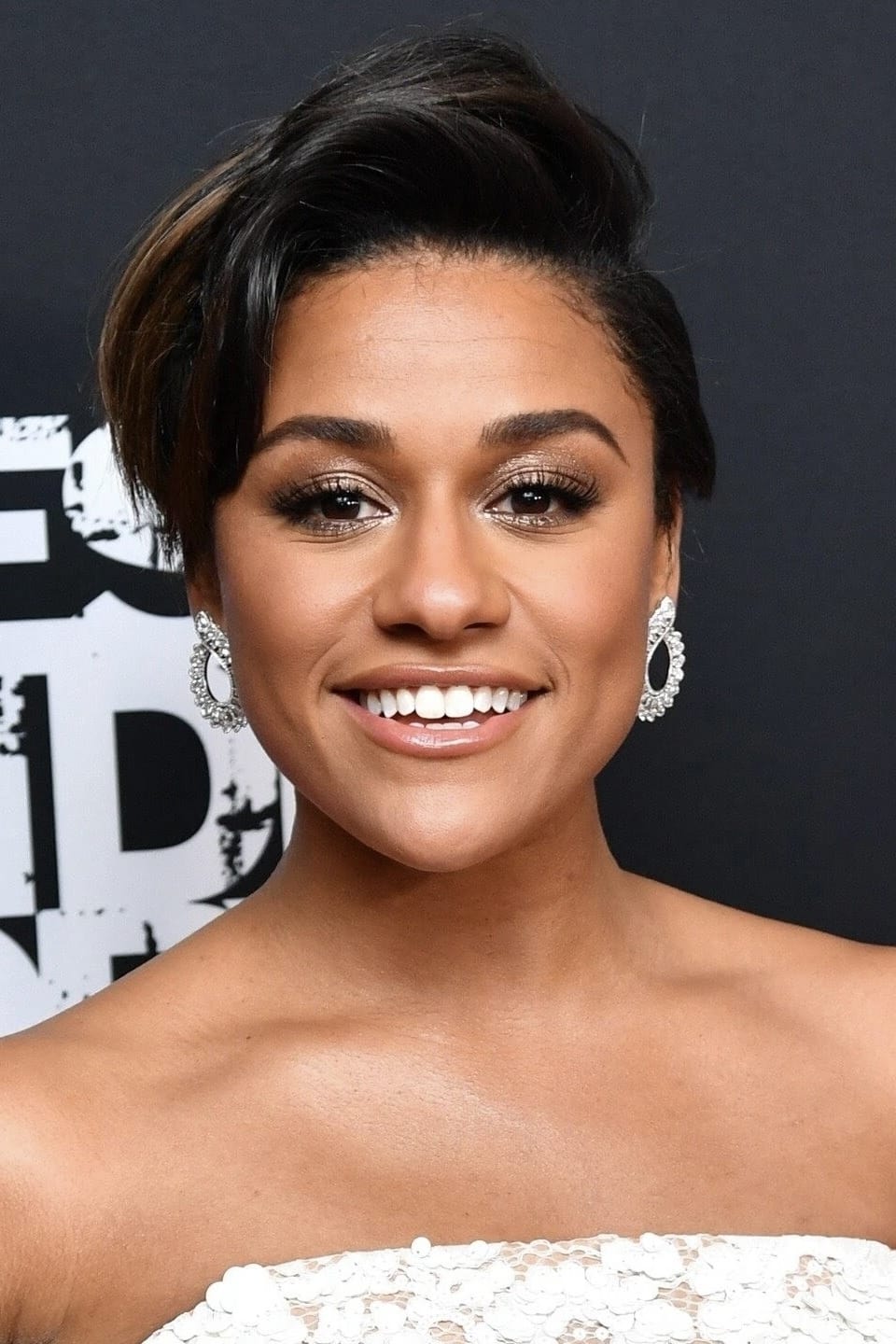
Ariana DeBose brought major musical-theater energy to film and TV, including an Oscar-winning performance in ‘West Side Story’. As an openly queer performer, she has increased visibility for LGBTQ+ talent in big, traditional Hollywood genres like the movie musical. DeBose’s skill set also reflects the growing value of triple-threat performers who can act, sing, and dance at a high level. Her presence supports more inclusive casting in mainstream awards-season projects.
Emma Corrin

Emma Corrin has combined prestige drama visibility with boundary-pushing roles, including work on ‘The Crown’. As a non-binary, openly queer performer, Corrin’s public profile has helped normalize gender diversity in high-fashion, awards, and major series publicity cycles. Their career also reflects the industry’s increasing willingness to cast beyond traditional gender expectations. Corrin’s choices and public presence contribute to ongoing shifts in how identity and leading roles intersect.
Share your picks and the LGBTQ+ actors who’ve influenced you most in the comments.