


The Most Notable Gay Actors Who Passed Away (With Cause Of Death)

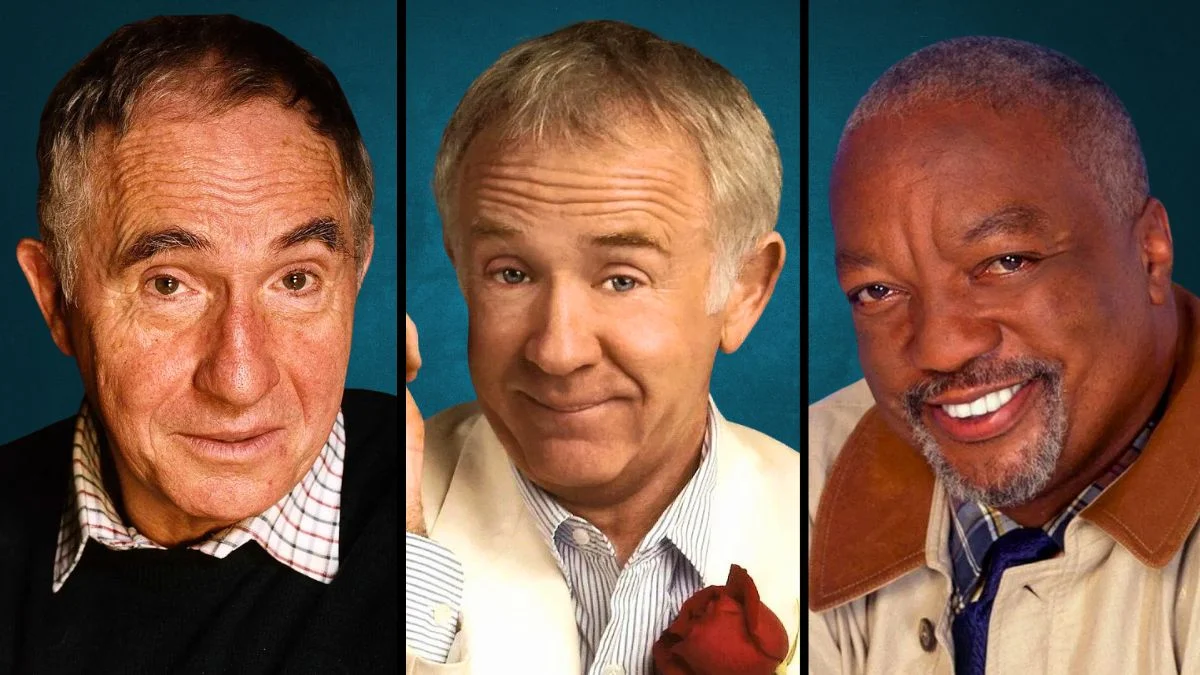


These actors left a lasting mark on screen and stage while also helping broaden visibility for LGBTQ+ people in entertainment. Below are notable men whose lives and careers shaped film, television, and theater, along with the causes of their deaths and a few key facts about their work and legacy.
Rock Hudson
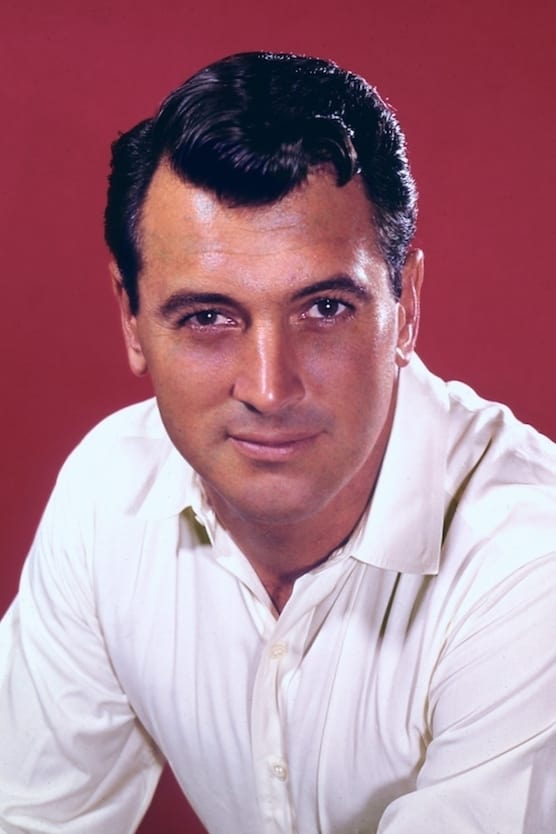
A towering Hollywood leading man, Rock Hudson died on October 2, 1985 from AIDS-related complications. His public acknowledgment of his illness became a watershed moment that increased awareness and funding for HIV/AIDS research. Hudson earned an Academy Award nomination for his dramatic work and was one of the era’s most bankable stars. His passing prompted major studios and charities to support education and care initiatives more visibly.
Anthony Perkins
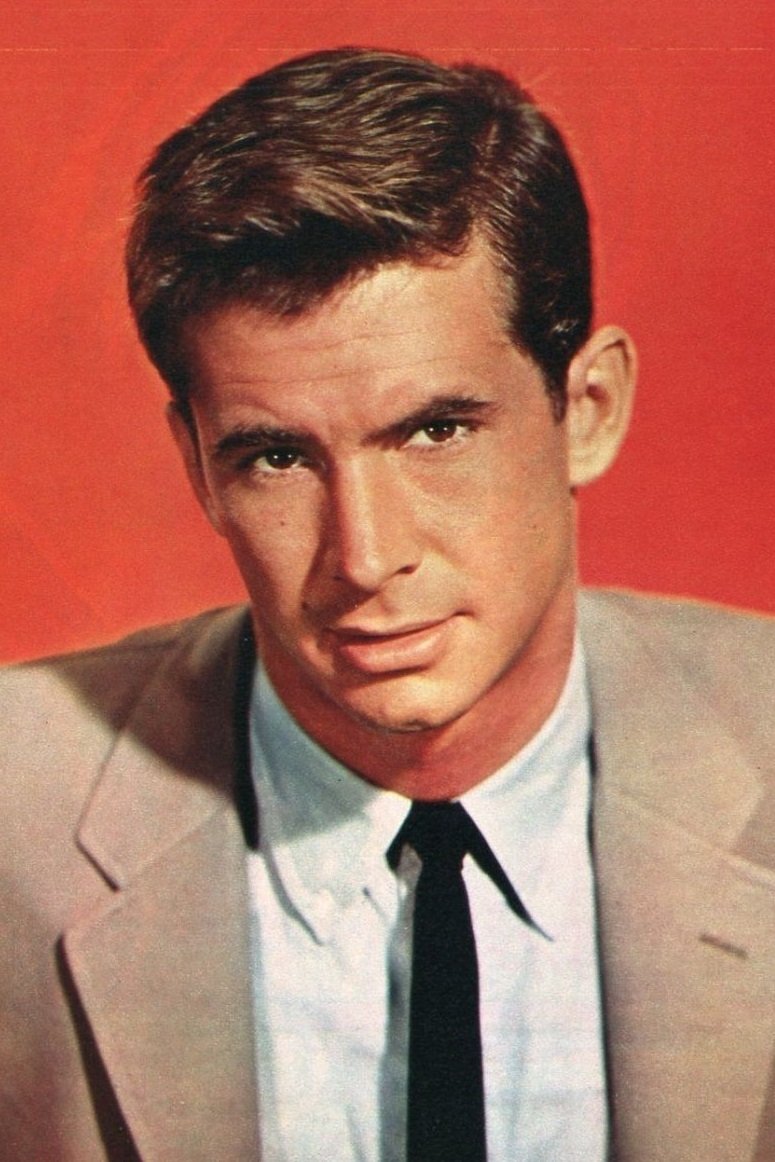
Anthony Perkins, best known for his career-defining turn in suspense cinema, died on September 12, 1992 from AIDS-related pneumonia. He balanced stage, television, and international film roles across several decades. Perkins also wrote and directed, showing a wide creative range beyond acting. His illness and death drew attention to the toll AIDS had taken within the arts community.
Ian Charleson
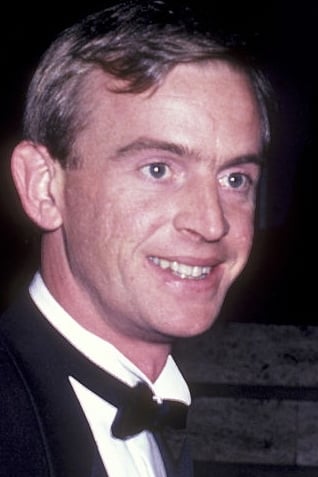
Scottish actor Ian Charleson died on January 6, 1990 from AIDS-related complications. He delivered acclaimed performances on the West End and at the National Theatre and earned wide recognition in prestige cinema. Charleson’s final stage role is often cited for its courage and emotional impact during his illness. The Ian Charleson Awards were created in his memory to honor classical stage performances by young actors.
Leslie Cheung

Hong Kong icon Leslie Cheung died by suicide on April 1, 2003 after a struggle with depression. He was a major figure in the region’s film industry and also a chart-topping recording artist. Cheung’s screen roles helped popularize modern Asian cinema internationally. His death spurred greater public discussion across East Asia about mental health support for performers and fans.
Sal Mineo
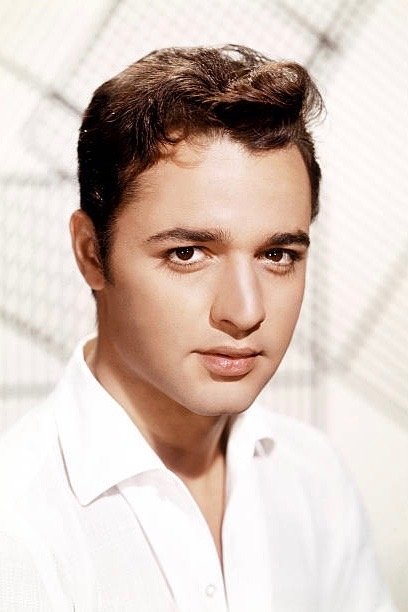
Sal Mineo was murdered on February 12, 1976, fatally stabbed in Los Angeles. A two-time Academy Award nominee, he also directed and worked on stage throughout the 1960s and 1970s. Mineo’s death initially puzzled investigators before an arrest led to a conviction in the case. His career is remembered for early, vivid portrayals of complex young characters.
Ramón Novarro
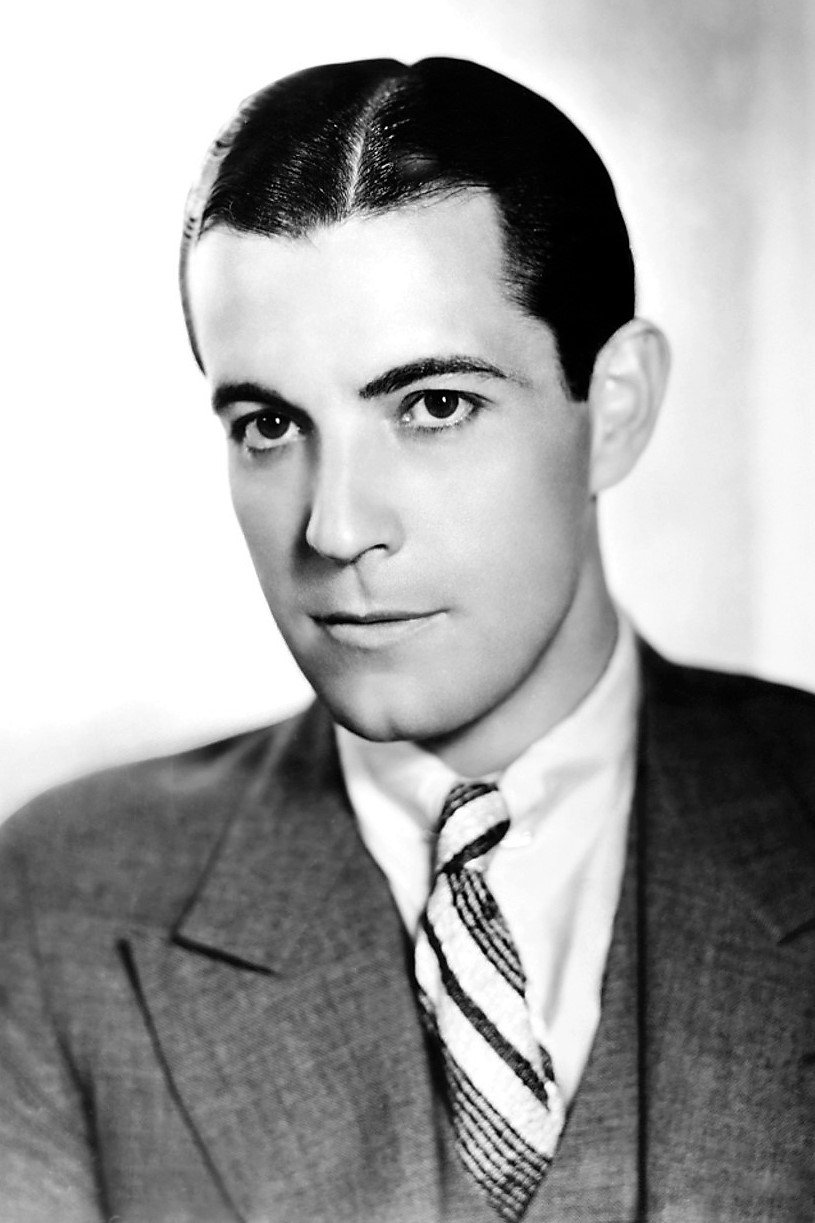
Silent-era star Ramón Novarro was murdered on October 30, 1968 during a robbery at his home. He had transitioned from silent epics to sound pictures and later to television guest roles. Novarro’s case became one of Hollywood’s most notorious crimes of the decade. His legacy illustrates the long history of Latino leading men in American film.
Tab Hunter
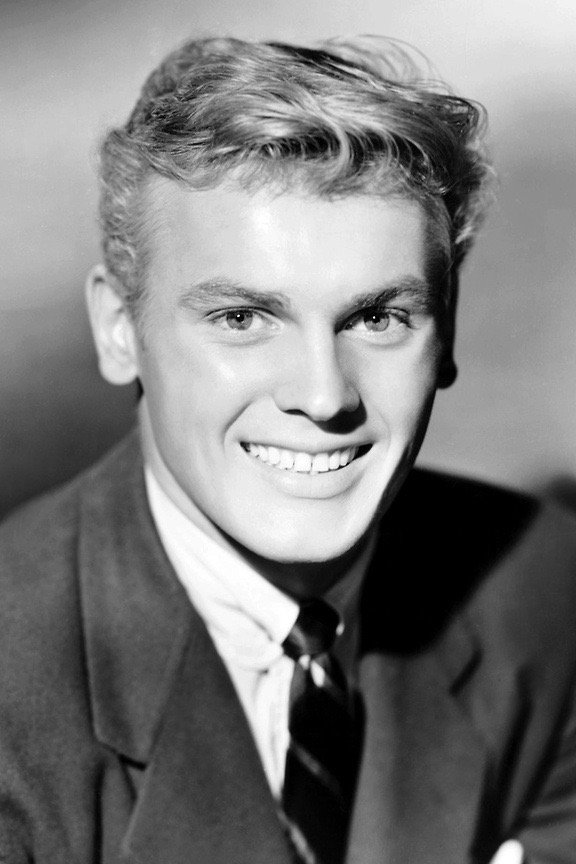
Tab Hunter died on July 8, 2018 of cardiac arrest brought on by a blood clot. A 1950s heartthrob, he moved from studio features to stage and television with notable success. Hunter later produced and wrote, documenting his life and career in a memoir. His late-career visibility helped reframe perceptions of mid-century matinee idols.
John Gielgud
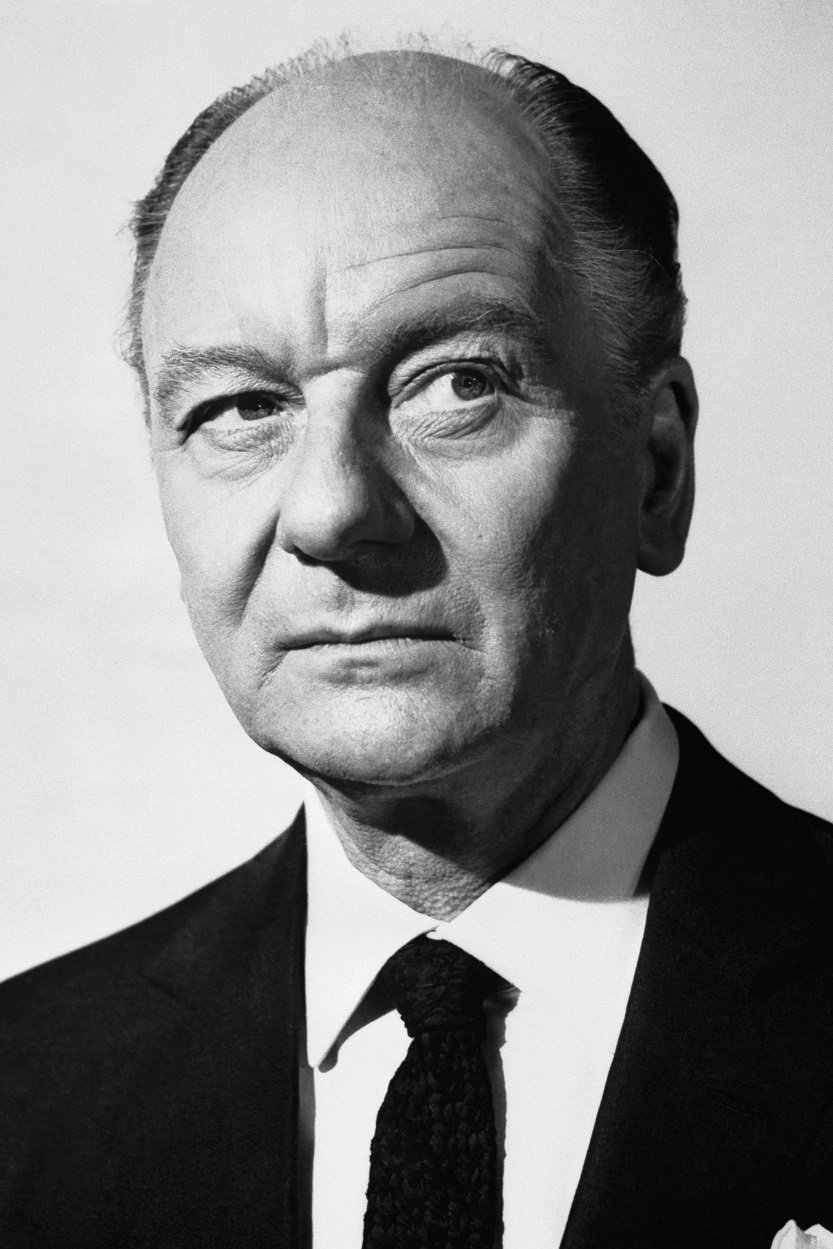
Sir John Gielgud died on May 21, 2000 of natural causes at age 96. A titan of classical theater, he also worked extensively in film and television and achieved the rare EGOT distinction. Gielgud directed major Shakespeare productions and mentored generations of actors. His long life bridged stage traditions from the early twentieth century to the modern era.
Paul Lynde
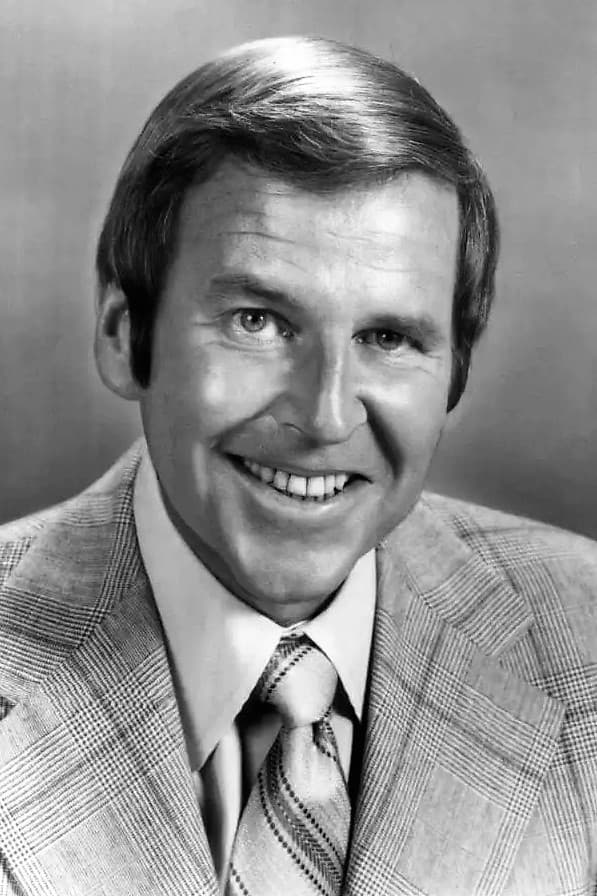
Paul Lynde died on January 10, 1982 of a heart attack. He became a household name through television variety and game shows along with sitcom and stage work. Lynde’s distinctive voice and timing made him one of TV’s most recognizable personalities. His death underscored how many comedic performers of his era moved fluidly between Broadway and network television.
Charles Nelson Reilly
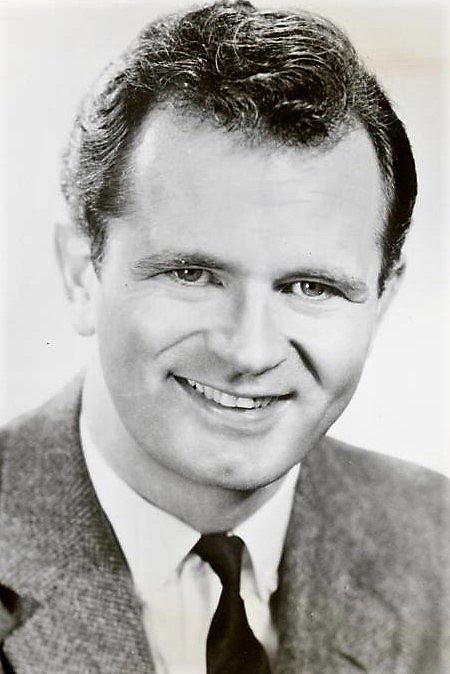
Charles Nelson Reilly died on May 25, 2007 from complications of pneumonia. He was a Tony Award-winning stage actor and a beloved television presence over several decades. Reilly also directed acclaimed theater productions and taught acting. His career highlighted the value of character actors who bring longevity and versatility to multiple mediums.
Raymond Burr
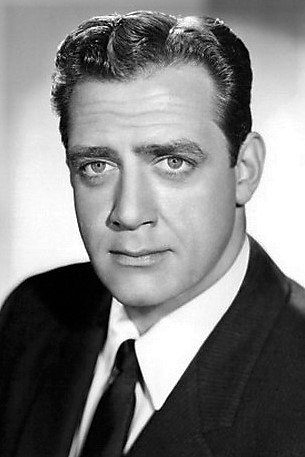
Raymond Burr died on September 12, 1993 from kidney cancer. He became internationally known for television roles in long-running legal and detective series. Burr also worked extensively in radio and film noir earlier in his career. He spent later years producing wine and supporting philanthropic projects related to education and wildlife.
Denholm Elliott
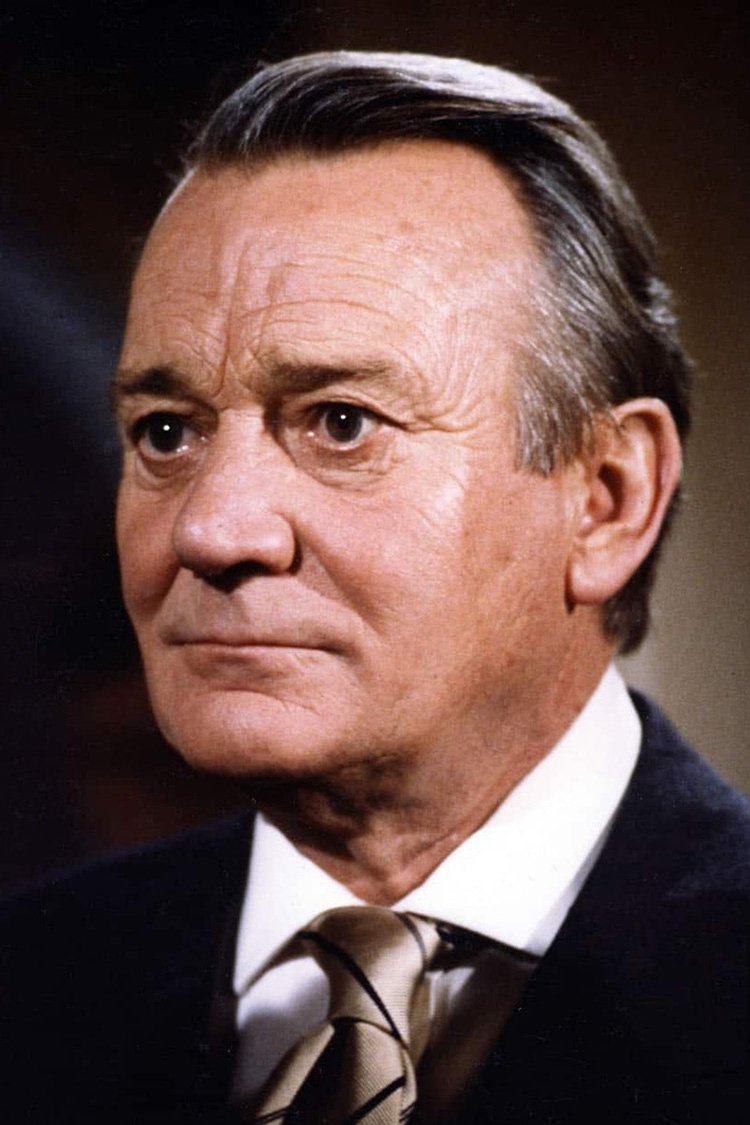
Denholm Elliott died on October 6, 1992 from AIDS-related tuberculosis. He earned major awards for film and television and appeared in celebrated adventure and drama franchises. Elliott trained at the Royal Academy of Dramatic Art and served in the military before acting. His career included character parts that added depth to large ensemble casts.
Paul Winfield
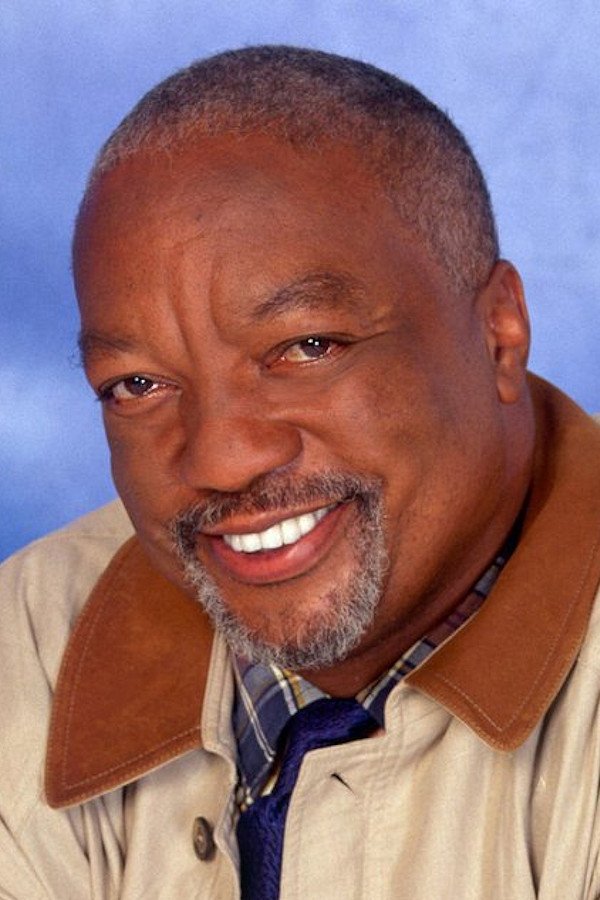
Paul Winfield died on March 7, 2004 of a heart attack. He received top industry nominations for film and television and appeared in historical dramas and science fiction. Winfield narrated documentaries and contributed voice work to animation and educational programming. He also supported literacy and community arts initiatives during his later career.
Jeremy Brett
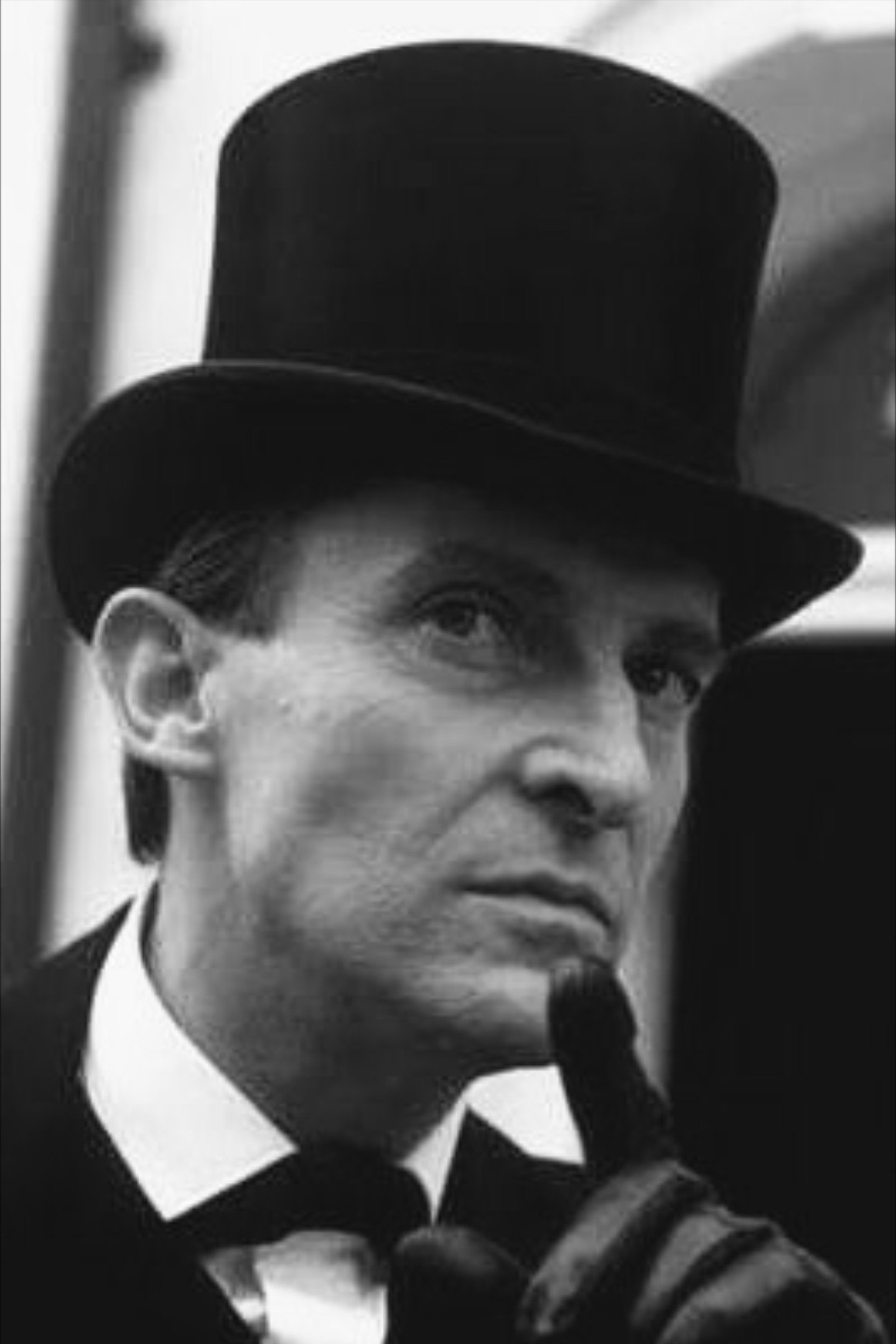
Jeremy Brett died on September 12, 1995 from heart failure related to cardiomyopathy. He trained classically and performed on stage and screen across several decades. Brett’s meticulous approach to character work influenced many television adaptations of literary properties. He also spoke publicly about health challenges while continuing to perform.
Tom Villard
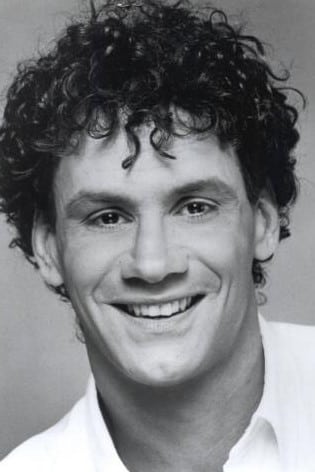
Tom Villard died on November 14, 1994 from AIDS-related pneumonia. He worked in film, television, and stage, building a résumé of comedy and drama. Villard gave interviews to raise awareness about HIV and housing discrimination. His advocacy supported nonprofit efforts that served people living with HIV and AIDS.
Michael Jeter
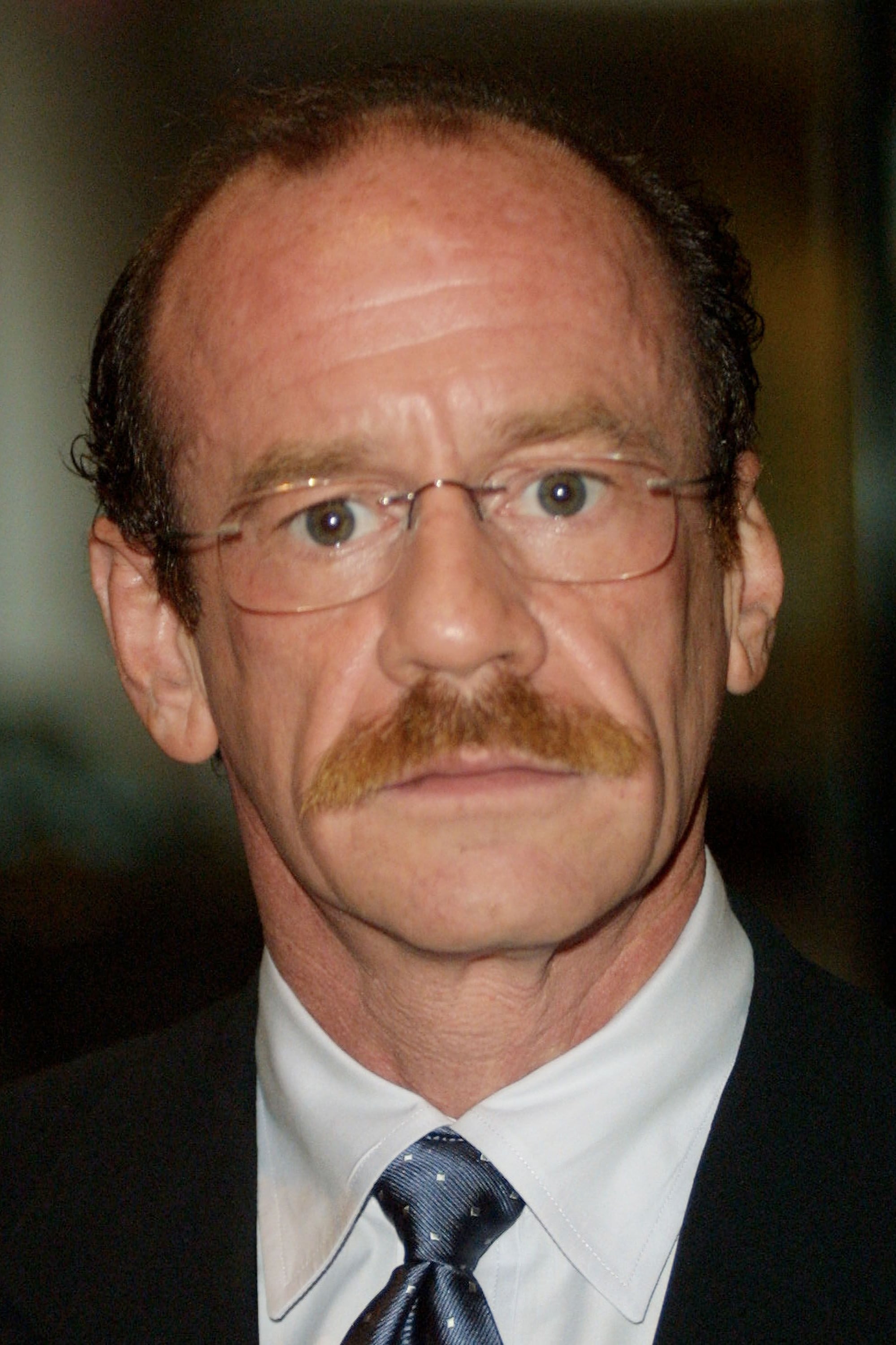
Michael Jeter died on March 30, 2003 from an epileptic seizure. He earned major awards for stage and television and appeared in family films and prestige dramas. Jeter’s performances often combined physical precision with vulnerability. He remained active in theater even as his film and TV profile grew.
Taylor Negron
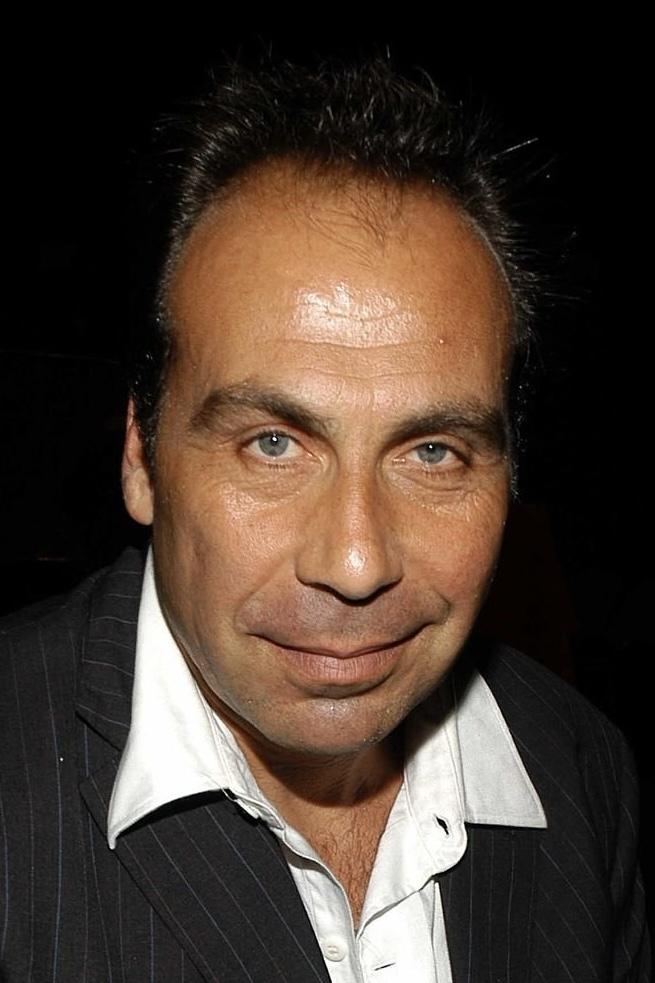
Taylor Negron died on January 10, 2015 from liver cancer. He appeared in studio comedies, independent films, and television series over three decades. Negron also wrote for stage and exhibited visual art. His career bridged stand-up, acting, and storytelling in live venues.
Frankie Howerd
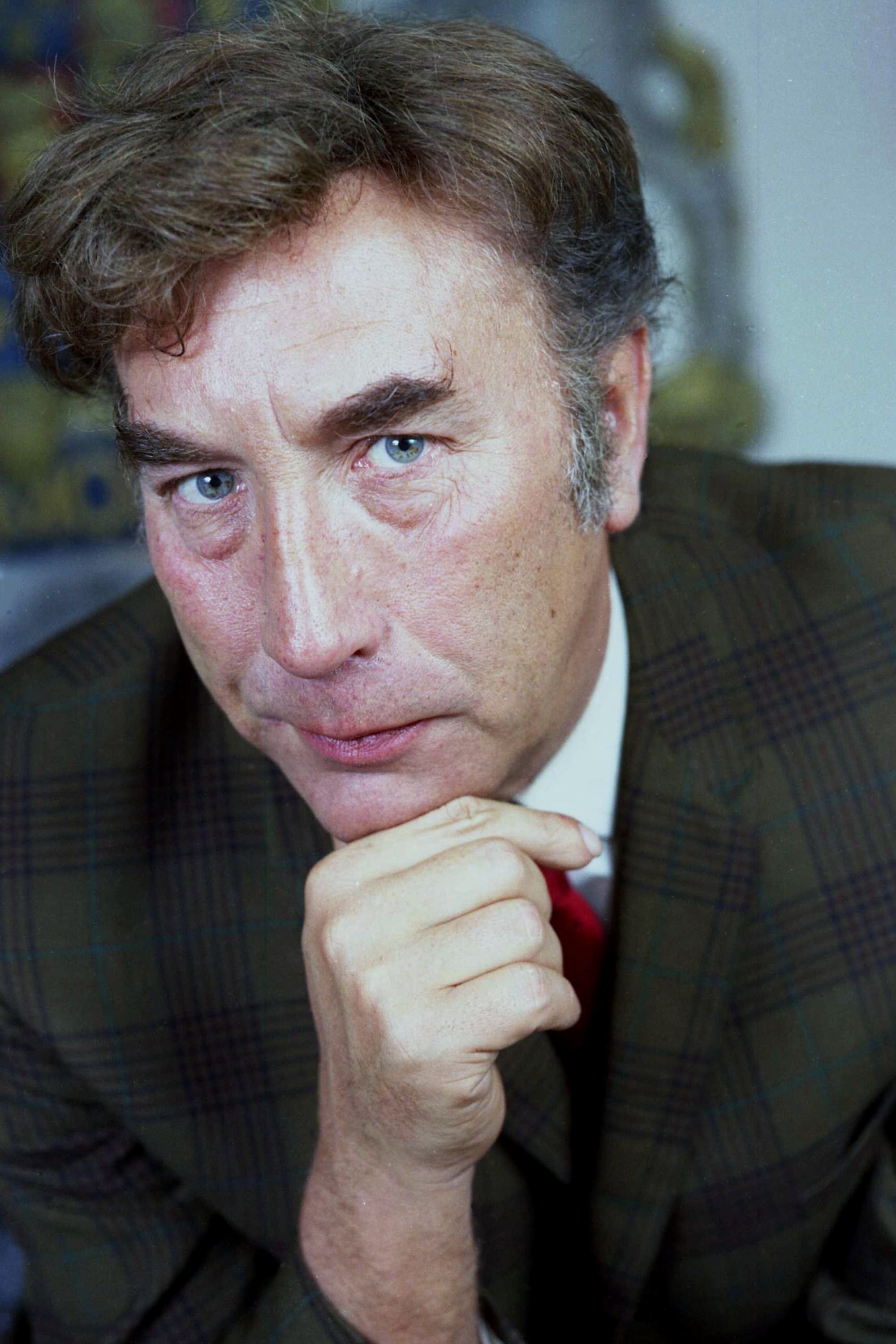
Frankie Howerd died on April 19, 1992 of heart failure. He became a household name through British television, radio, and live performance. Howerd’s career included successful West End runs and international tours. He supported younger comedians and remained active in charity work.
Noël Coward
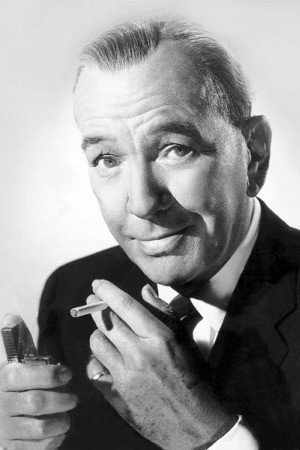
Noel Coward died on March 26, 1973 of heart failure. He wrote and starred in plays and films while directing and composing songs that became standards. Coward’s career spanned revues, wartime entertainment, and international productions. His home archives preserve manuscripts and recordings that document mid-century theater.
Charles Laughton
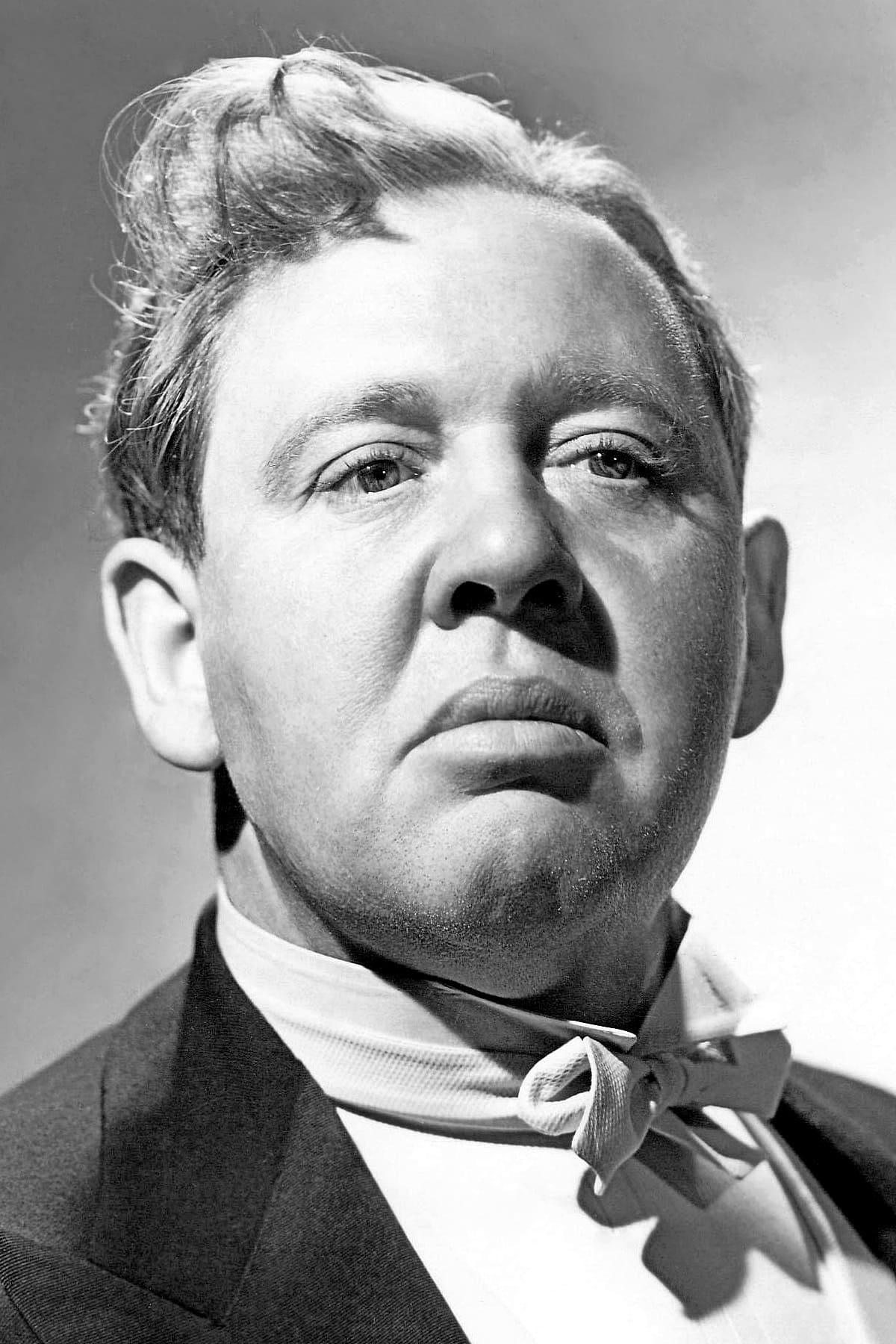
Charles Laughton died on December 15, 1962 from kidney cancer. He earned major awards for film and stage and directed a landmark thriller that later gained classic status. Laughton taught acting and coached performers on vocal technique and interpretation. He brought literary adaptations to both theater and cinema with distinctive care.
Rudolph Valentino
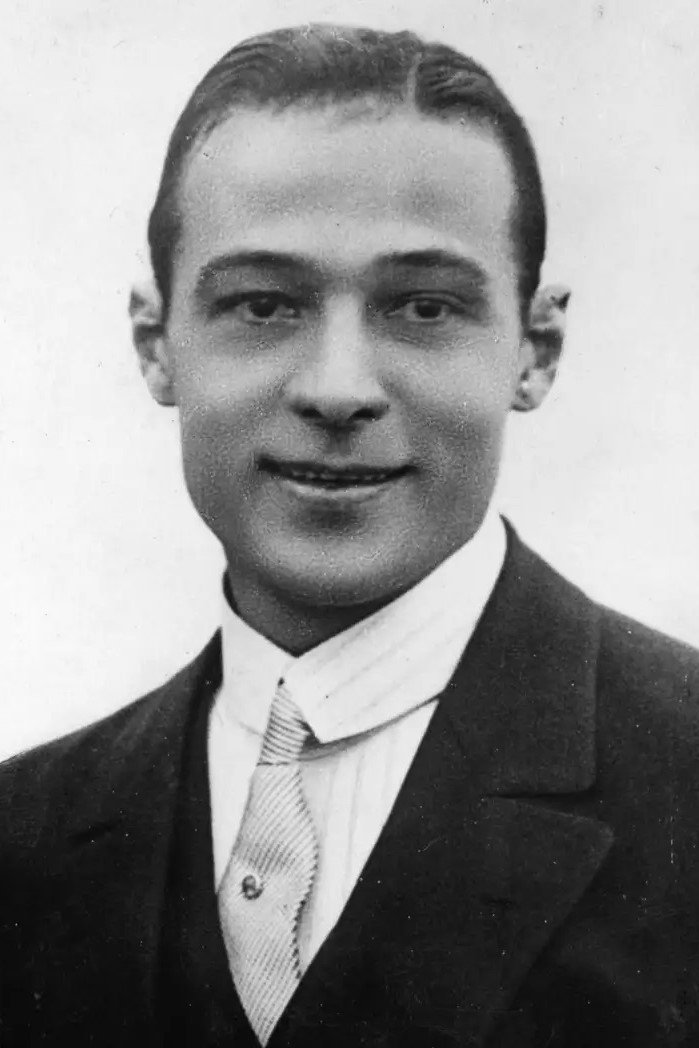
Rudolph Valentino died on August 23, 1926 from peritonitis following an acute abdominal illness. A leading figure of the silent era, he headlined romantic dramas that drew massive crowds. Studios used his image to market fashion and travel tie-ins across the world. His funeral drew extraordinary public turnout, reflecting global celebrity culture of the time.
Cesar Romero
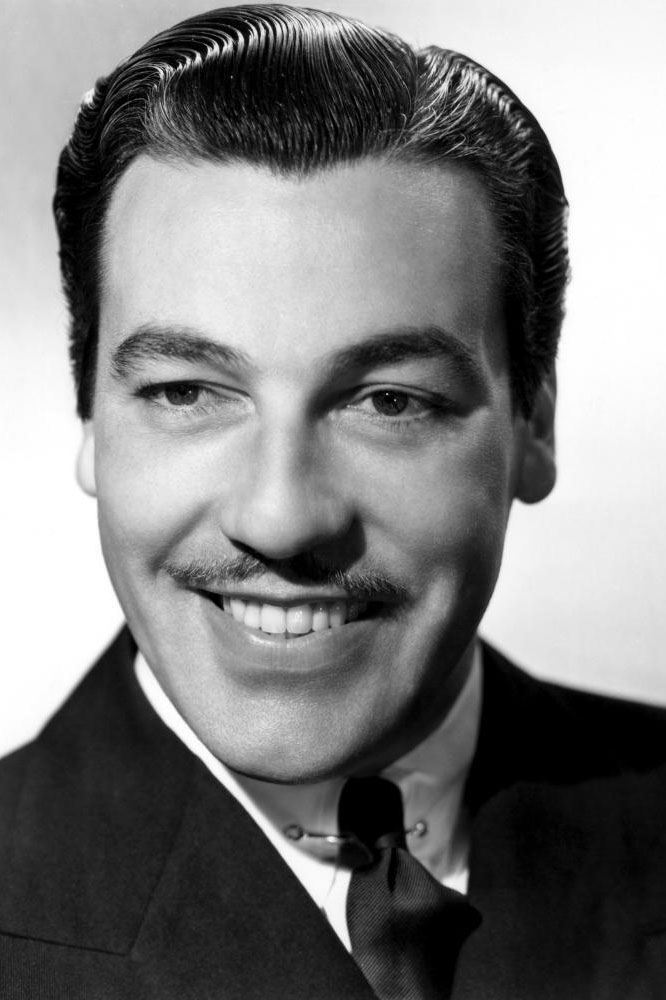
Cesar Romero died on January 1, 1994 from complications of pneumonia. He worked in film musicals, adventure serials, and television across more than five decades. Romero also did USO tours during wartime and supported charity events. His later career included guest roles that introduced him to new generations of viewers.
Laurence Harvey
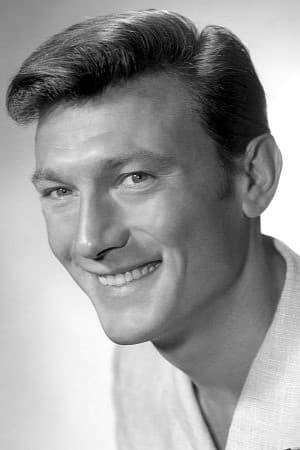
Laurence Harvey died on November 25, 1973 from stomach cancer. He appeared in British and American films and produced several projects later in his life. Harvey trained at drama school after wartime service and quickly moved into leading roles. His performances in political thrillers and literary adaptations remain widely studied.
Jean Marais
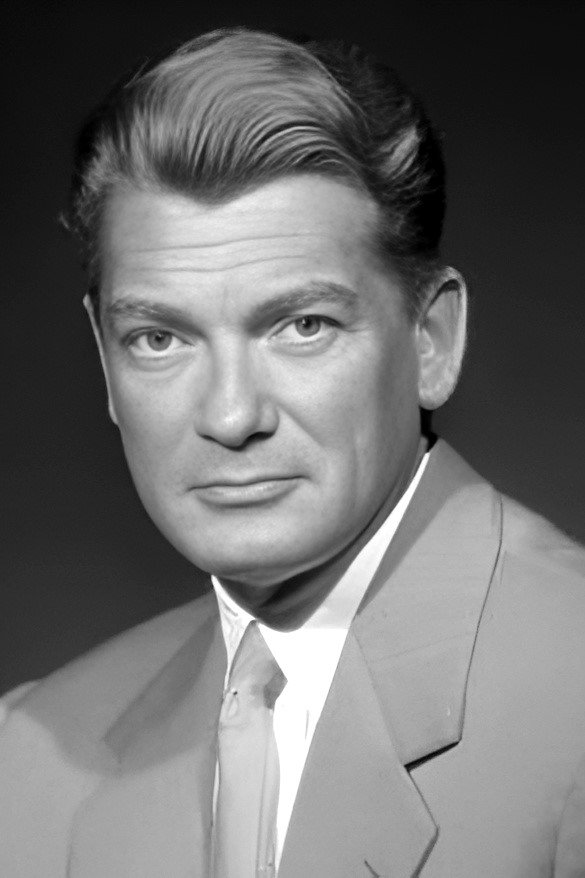
Jean Marais died on November 8, 1998 from cardiovascular disease. He starred in classic fantasy and adventure films and worked closely with leading French directors. Marais also sculpted and wrote, exhibiting in galleries during later years. He remained active on stage, touring nationally and appearing in television productions.
Derek Jarman
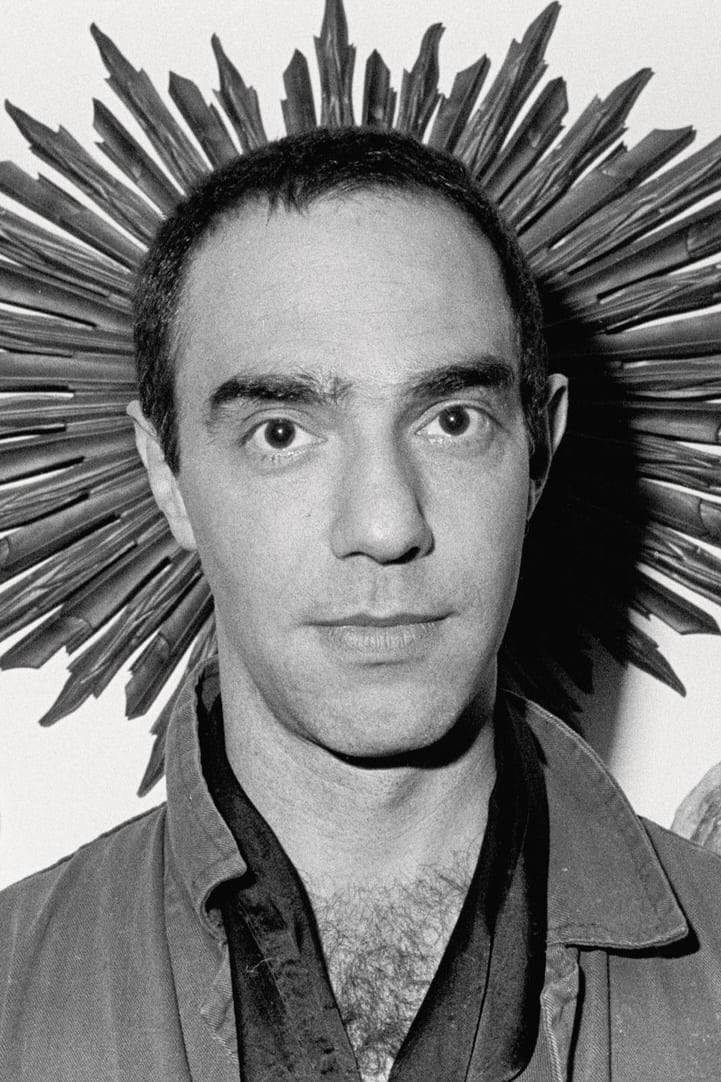
Derek Jarman died on February 19, 1994 from AIDS-related complications. He directed influential independent films and also acted in experimental projects and music videos. Jarman’s journals and paintings are part of museum collections and university archives. His coastal garden became a cultural landmark associated with his life and work.
Farley Granger
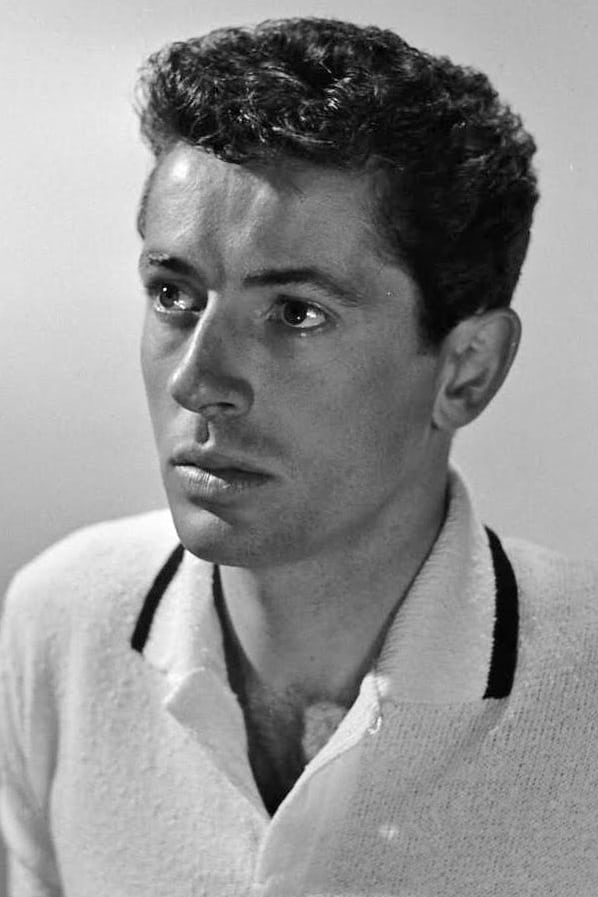
Farley Granger died on March 27, 2011 of natural causes. He began as a studio contract player and later worked in European cinema and on Broadway. Granger studied acting techniques that emphasized naturalism and restraint. He published a memoir detailing collaborations with major directors and playwrights.
Quentin Crisp
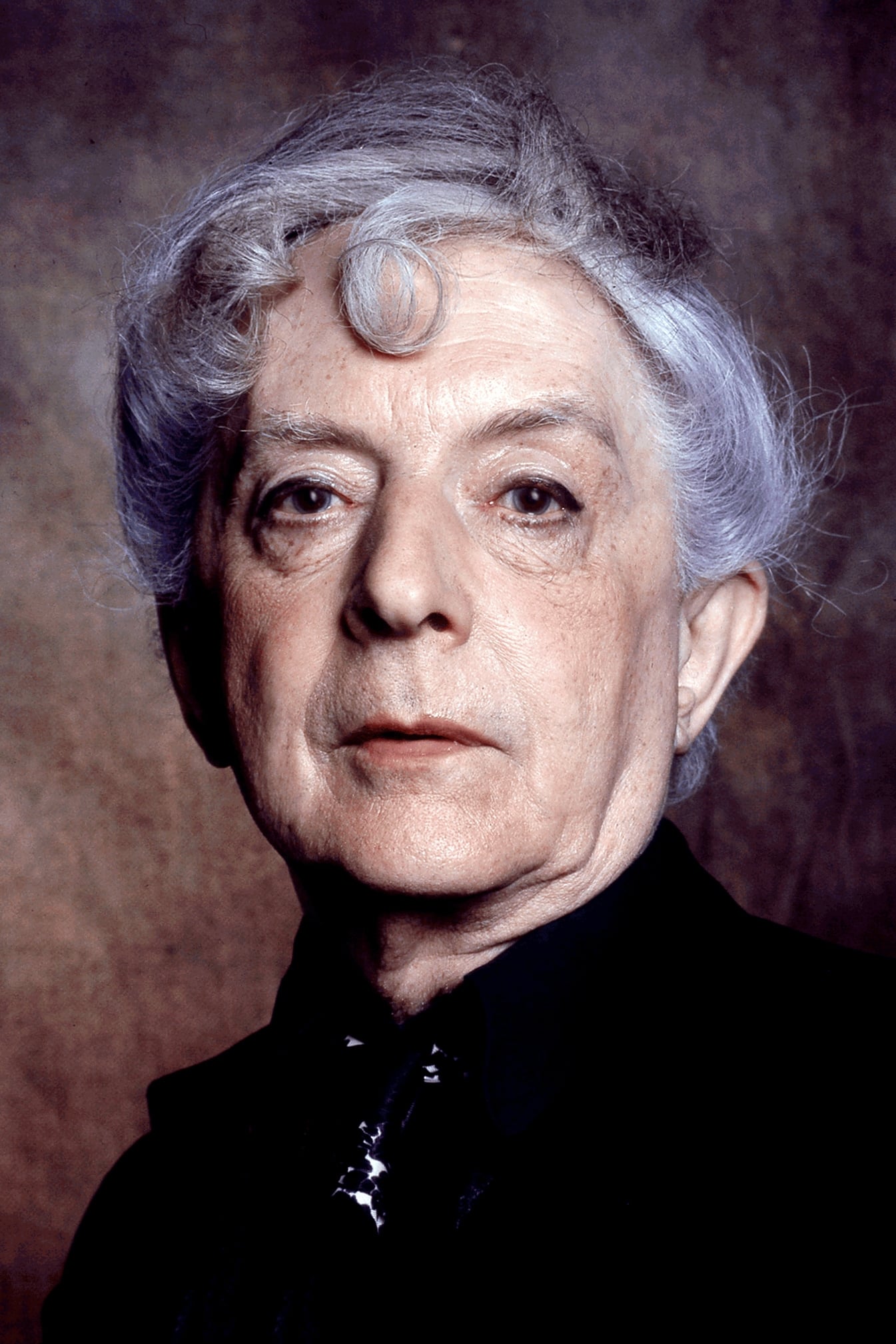
Quentin Crisp died on November 21, 1999 from a heart attack. He wrote autobiographical works and acted in films and one-man shows. Crisp toured internationally with lectures that explored identity and public life. His archived correspondence and recordings are used in social history research.
Peter Wyngarde
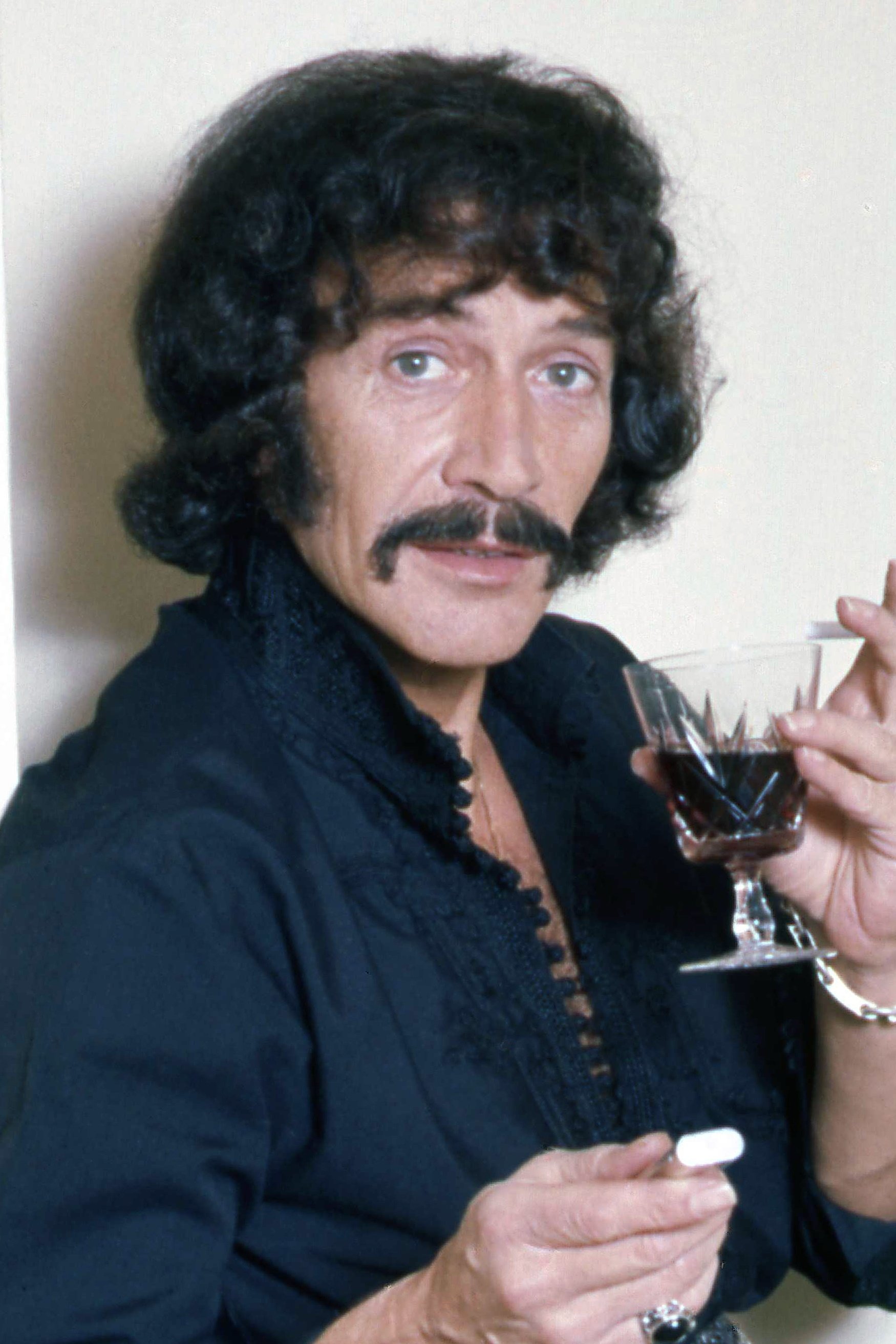
Peter Wyngarde died on January 15, 2018 from complications of influenza. He became widely known through popular British television series and stage appearances. Wyngarde also recorded spoken-word albums and participated in fan conventions. He supported repertory theater companies through guest performances and mentorship.
Tommy Kirk
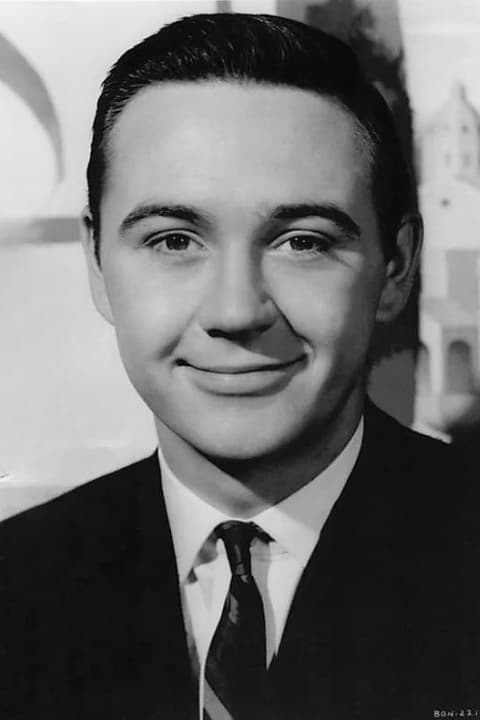
Tommy Kirk died on September 28, 2021 from heart failure. He became a familiar face in family films and later appeared in independent productions. Kirk also worked behind the scenes in small business ventures after his acting peak. His filmography remains part of classic television scheduling worldwide.
Leslie Jordan
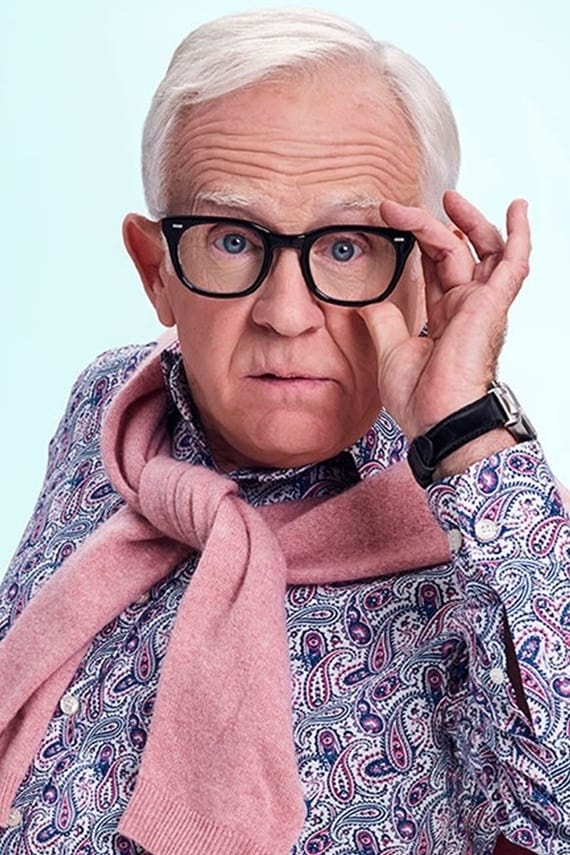
Leslie Jordan died on October 24, 2022 from sudden cardiac dysfunction. He worked in television comedy, stage plays, and independent film while touring with live storytelling shows. Jordan used social media to raise funds for community causes and arts organizations. His recordings and guest appearances broadened his reach beyond scripted roles.
Nigel Hawthorne
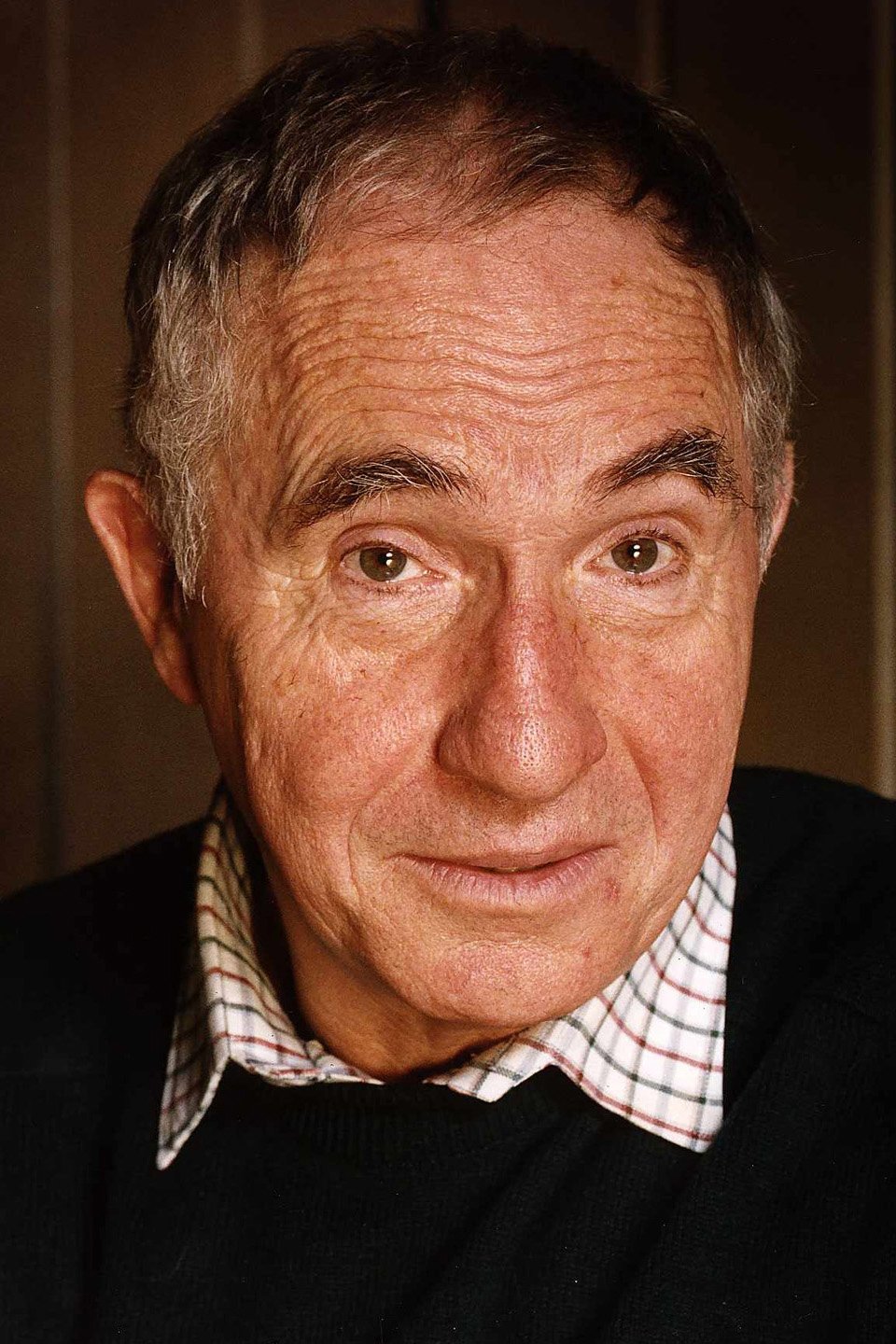
Nigel Hawthorne died on December 26, 2001 of a heart attack after a period of illness. An award-winning stage and screen performer, he earned top honors in both television and film. Hawthorne’s later years included advocacy for privacy and dignity for queer performers. His body of work remains a benchmark for intelligent, nuanced character portrayals.
Dirk Bogarde
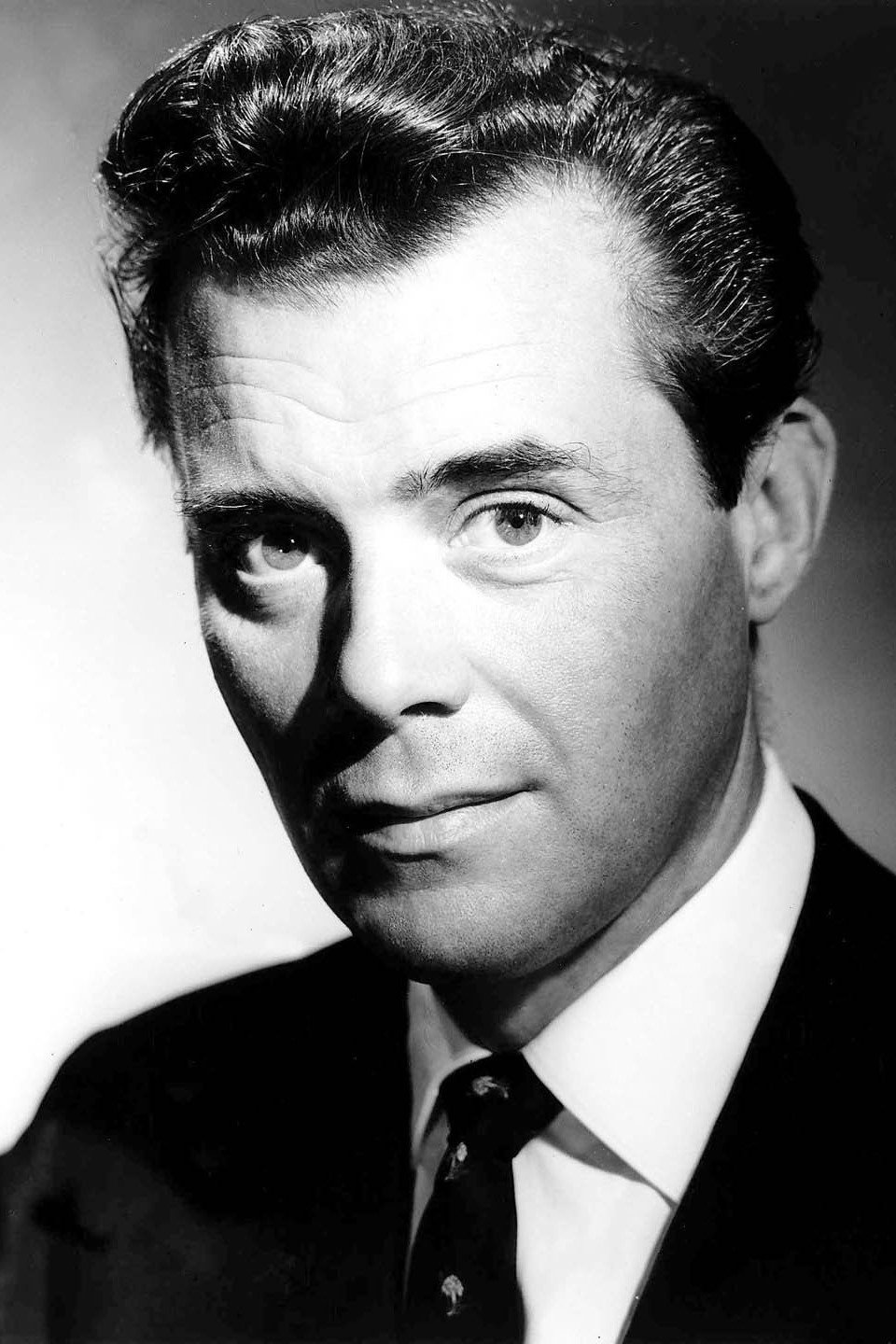
Dirk Bogarde died on May 8, 1999 of a heart attack, several years after a severe stroke. He moved from popular British cinema to acclaimed European art films as his career evolved. Bogarde also became a successful author of novels and memoirs. His choices helped redefine what a leading man’s career could look like beyond purely commercial roles.
Montgomery Clift

Montgomery Clift died on July 23, 1966 of a heart attack. A seminal figure in postwar American acting, he brought a new psychological realism to leading roles. Clift balanced studio projects with challenging dramatic parts that influenced later generations. His life story continues to illuminate pressures faced by queer actors in mid-century Hollywood.
Jim Nabors

Jim Nabors died on November 30, 2017 of natural causes at his home in Honolulu. He achieved fame on television and maintained a parallel career as a popular vocalist. Nabors’s long partnership and later marriage drew warm public support late in life. He remained active in community and charitable events in Hawaii for many years.
Graham Chapman
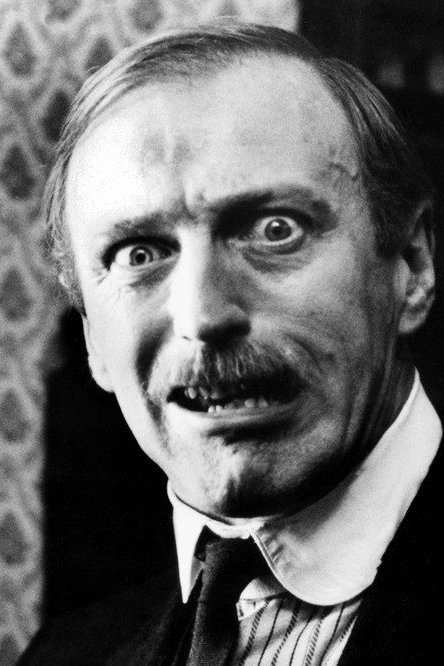
Graham Chapman died on October 4, 1989 from cancer. Trained as a physician, he brought a sharp intellect to writing and performance across film, television, and books. Chapman’s later years included public speaking and support for free expression. His colleagues often emphasized his pivotal role in shaping landmark British comedy.
Kenneth Williams

Kenneth Williams died on April 15, 1988 from an overdose, with an open verdict recorded at the inquest. He became famous through film comedies, radio, and television, where his voice work was especially celebrated. Williams was also a prolific diarist whose writings offer insight into his era’s entertainment industry. His passing sparked discussion about mental health and pressures on comic performers.
George Nader
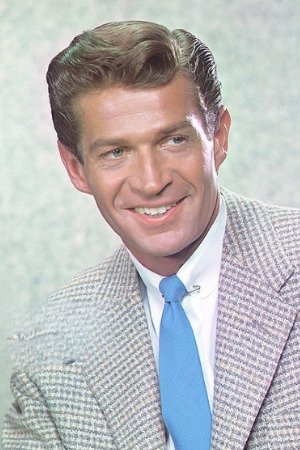
George Nader died on February 4, 2002 of respiratory failure due to pneumonia. A contract player who later found success in European productions, he also wrote fiction. Nader’s career reflected the challenges and opportunities of working across markets during the studio system’s decline. His personal papers have since informed film historians studying mid-century Hollywood.
Robert Reed
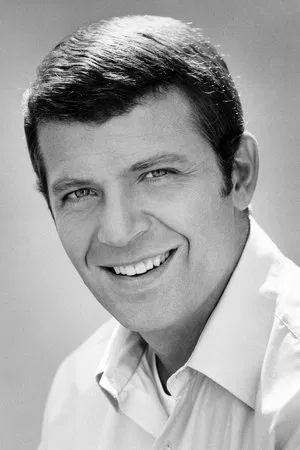
Robert Reed died on May 12, 1992 of colon cancer, with HIV infection noted as a contributing condition. He performed in classical theater, television dramas, and long-running family sitcoms. Reed taught and directed in addition to acting, emphasizing craft and discipline. His death led to renewed public conversations about health privacy for performers.
Divine
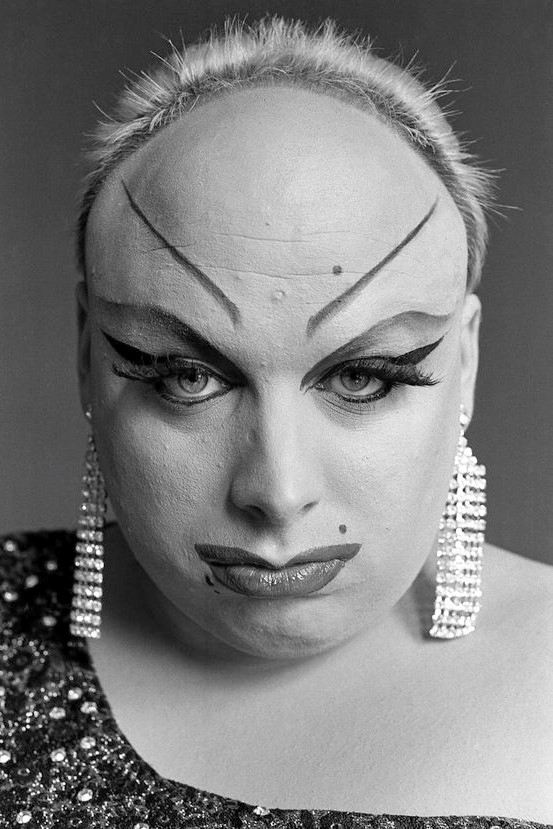
Divine, born Harris Glenn Milstead, died on March 7, 1988 of heart failure. An actor and recording artist, he became a cult figure through independent cinema and live performance. Divine’s screen persona challenged mainstream notions of gender and celebrity. His influence can be traced in later generations of performers across drag, music, and film.
John Inman
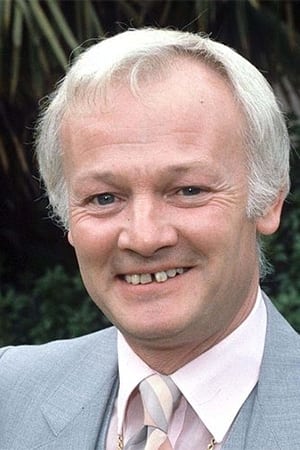
John Inman died on March 8, 2007 from hepatitis A-related complications. He worked extensively in British television and theater and toured in popular stage productions. Inman’s comedic roles were widely known and frequently revived in repeats and live shows. His passing prompted tributes from colleagues who highlighted his professionalism and generosity.
Share the names you think belong here too, and add any we missed in the comments.