


The 25 Most Obvious “Algorithm” Shows Netflix Regrets



Netflix has developed a reputation for greenlighting content based heavily on viewership data and specific genre tags. This data-driven approach often results in television shows that feel engineered to check boxes rather than tell organic stories. Many of these productions attempt to replicate the success of previous hits or capitalize on fleeting social media trends. The following list explores twenty-five series that appear to be the product of algorithmic calculation but failed to secure a lasting audience.
‘Blockbuster’ (2022)

Netflix produced a workplace comedy set in the last remaining store of the video rental chain they helped destroy. The series follows manager Timmy Yoon as he fights to keep his small business alive alongside his quirky staff. Writers attempted to blend nostalgia with modern office humor similar to ‘Brooklyn Nine-Nine’ or ‘Superstore’. The irony of the premise failed to attract a substantial audience during its short run. Executives cancelled the single-camera sitcom after just one season due to low viewership metrics.
‘Space Force’ (2020–2022)
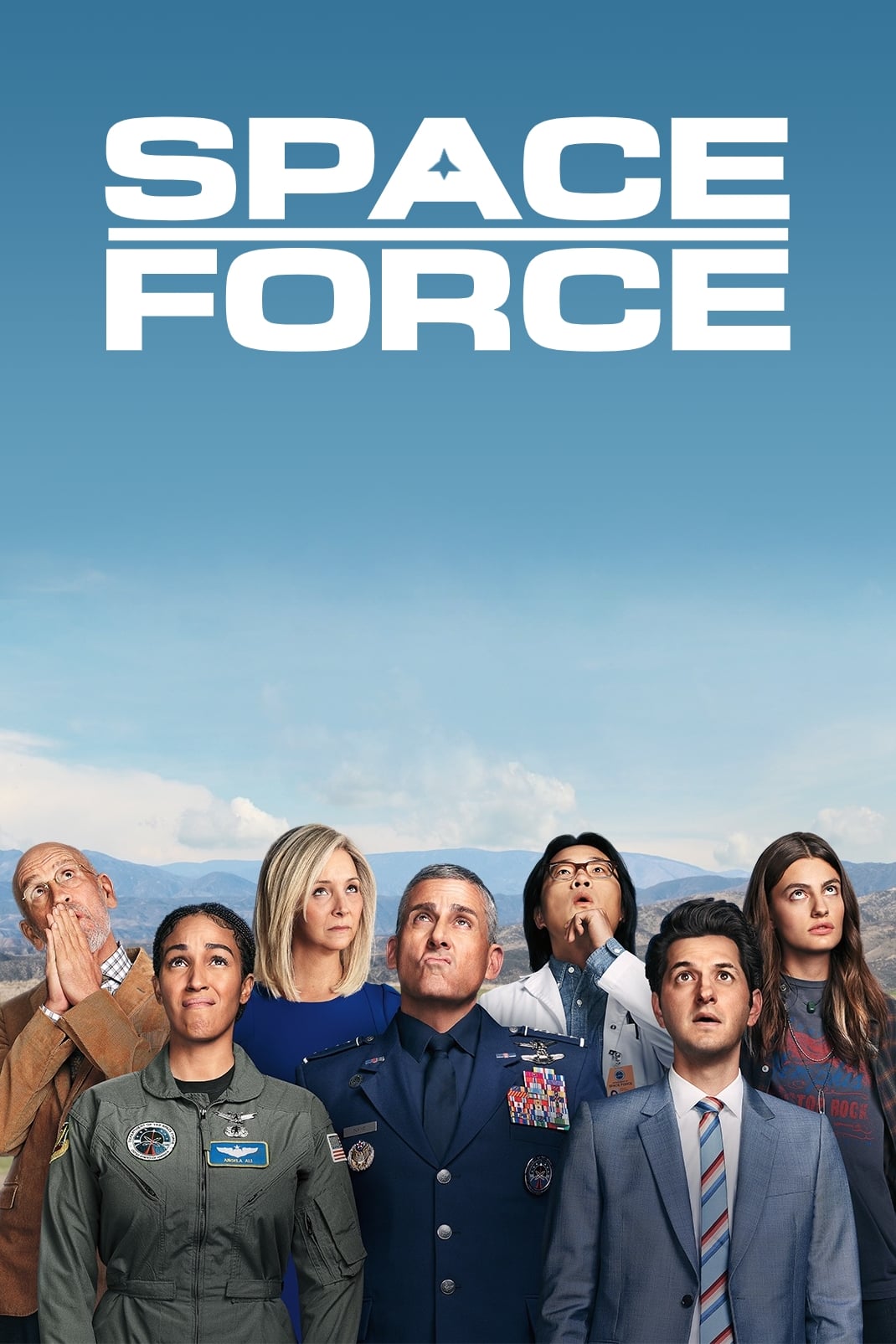
Steve Carell reunited with Greg Daniels to create a satire based on the formation of the United States Space Force. The show centers on General Mark Naird as he uproots his family to Colorado to lead the newly formed military branch. High production costs and an ensemble cast led to high expectations for this workplace comedy. Critics noted the tonal inconsistencies between the political satire and the character-driven humor. Netflix ended the expensive experiment after two seasons failed to generate the anticipated buzz.
‘Jupiter’s Legacy’ (2021)

This superhero drama aimed to launch a new cinematic universe based on the comic books by Mark Millar. The plot spans decades to explore the complex relationship between the first generation of heroes and their disillusioned children. Production issues and a massive budget ballooned during the filming of the eight-episode season. The streaming service cancelled the series less than a month after its release despite the initial franchise plans. This cancellation marked a significant stumble in the attempt to compete with established superhero brands.
‘Cowboy Bebop’ (2021)
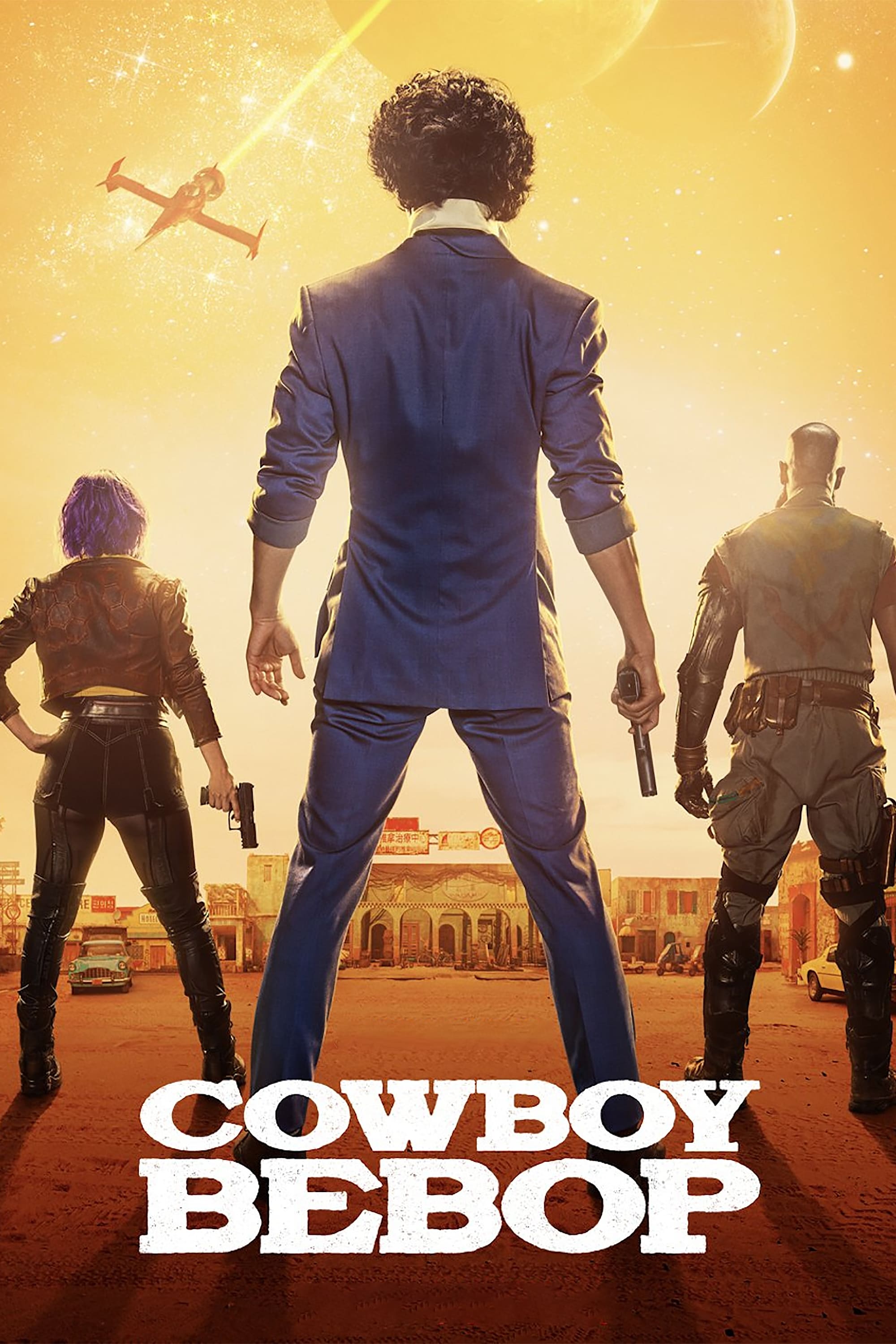
The live-action adaptation of the beloved anime series followed three bounty hunters traveling through space on the Bebop. John Cho starred as Spike Spiegel in a stylized production that tried to capture the jazz-infused noir atmosphere of the original. Creative choices regarding tone and character arcs deviated significantly from the source material. Viewership numbers dropped sharply after the premiere week resulting in a swift cancellation. Fans of the original anime expressed dissatisfaction with the translation of the animated medium to live action.
‘Resident Evil’ (2022)

This adaptation of the popular survival horror video game franchise split its narrative across two distinct timelines. One storyline follows teenage sisters navigating New Raccoon City while the other depicts a virus-ravaged future. The show attempted to merge teen drama elements with the gore and action associated with the game series. Critical reception focused on the uneven pacing and the deviation from established game lore. Netflix declined to renew the series for a second season shortly after it premiered.
‘The I-Land’ (2019)

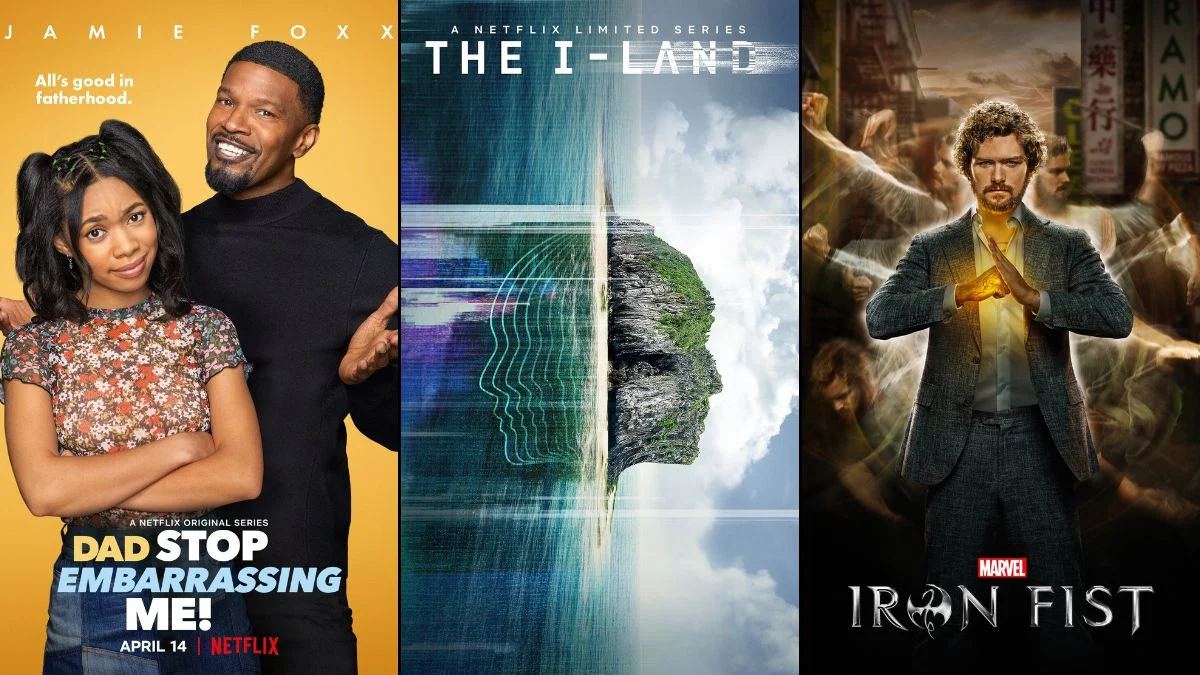
Ten strangers wake up on a treacherous island with no memory of who they are or how they arrived. The limited series combined elements of survival thrillers with science fiction simulation twists. Marketing materials presented the show as a high-concept mystery similar to ‘Lost’ or ‘The Hunger Games’. Viewers discovered a complex plot involving virtual reality prisons and criminal rehabilitation. The show received largely negative reviews for its writing and production quality upon release.
‘Sexy Beasts’ (2021)

Dating hopefuls donned elaborate prosthetic makeup to disguise themselves as animals and mythical creatures during blind dates. The premise relied on participants forming personality-based connections before revealing their true appearances. This reality concept originated from a British format that aimed to subvert superficial dating standards. Social media users frequently discussed the bizarre visuals rather than the romantic connections. The novelty of the masks wore off quickly leading to a decline in interest.
‘Hype House’ (2022)
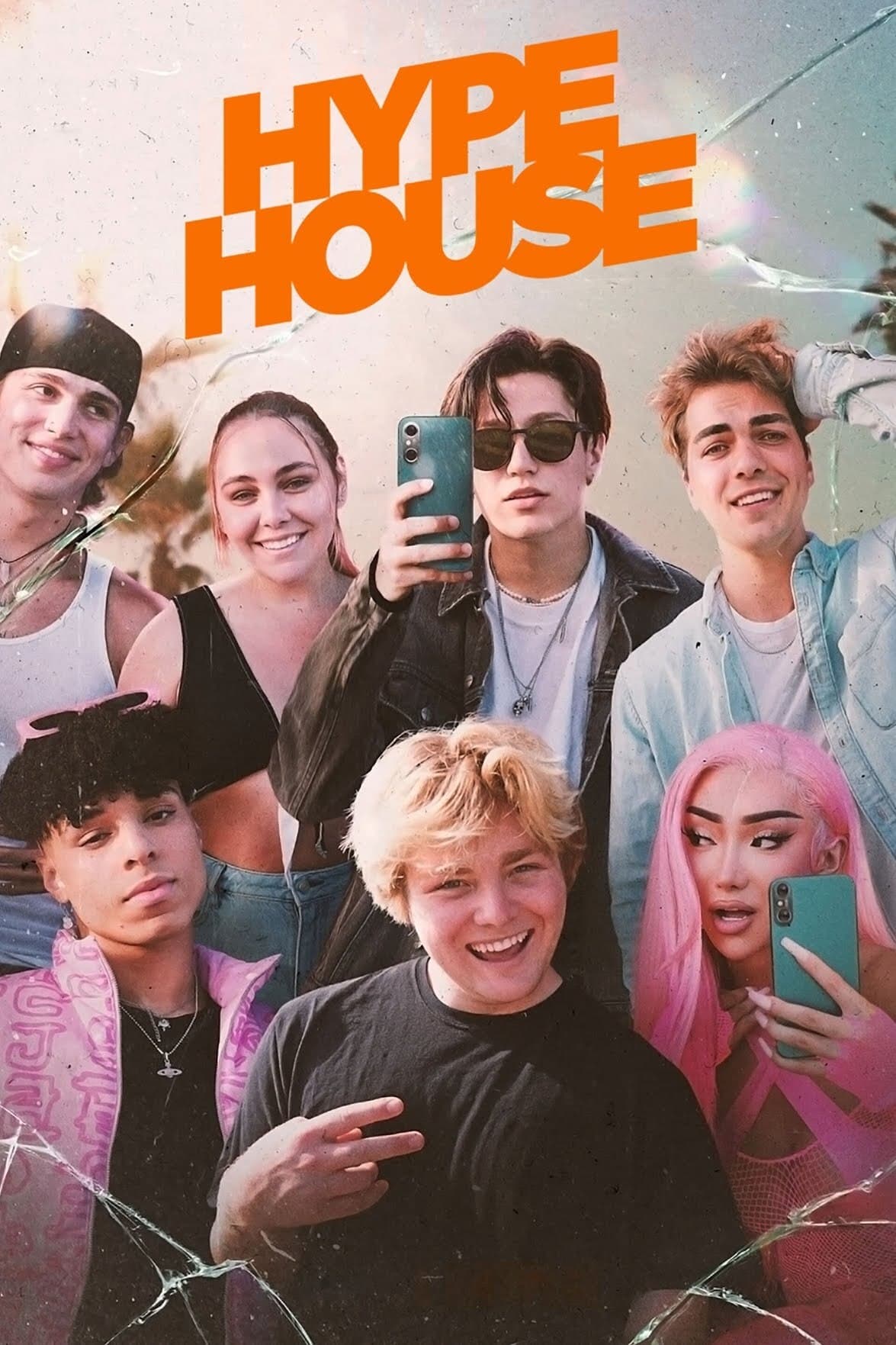
This reality series documented the lives of teenage TikTok stars living together in a Los Angeles mansion. Cameras followed the influencers as they created content and navigated interpersonal drama within the collective. The show attempted to capitalize on the massive social media followings of its cast members. Critics and audiences found the manufactured conflicts and lifestyle displays unengaging. The project highlighted the difficulty of translating short-form internet fame into long-form television entertainment.
‘Dated and Related’ (2022)

Pairs of siblings traveled to a luxury villa in the south of France to help each other find romantic partners. The reality competition featured awkward double dates and commentary on sibling relationships. Producers designed the show to fit the viral reality dating mold established by other hits on the platform. The uncomfortable premise drew attention online but failed to sustain a dedicated viewership. It stands as a prime example of data-driven programming targeting specific reality TV niches.
‘Snowflake Mountain’ (2022)

A group of pampered young adults was tricked into participating in a wilderness survival retreat. Ex-military survivalists led the cast through challenges designed to teach them self-reliance and maturity. The show followed a formula similar to ‘The Simple Life’ by placing privileged individuals in uncomfortable environments. Viewers watched the contestants struggle with basic tasks and camping conditions. The series did not return for a second season after failing to make a significant cultural impact.
‘The Pentaverate’ (2022)
Mike Myers created and starred in this comedy series about a secret society that has influenced world events for centuries. The actor played eight different characters in a style reminiscent of his earlier film work. The plot involves a Canadian journalist uncovering the truth about the benevolent organization. Humor relied heavily on referential jokes and the specific comedic sensibilities of its creator. The expensive production failed to attract a broad modern audience and flew under the radar upon release.
‘Q-Force’ (2021)
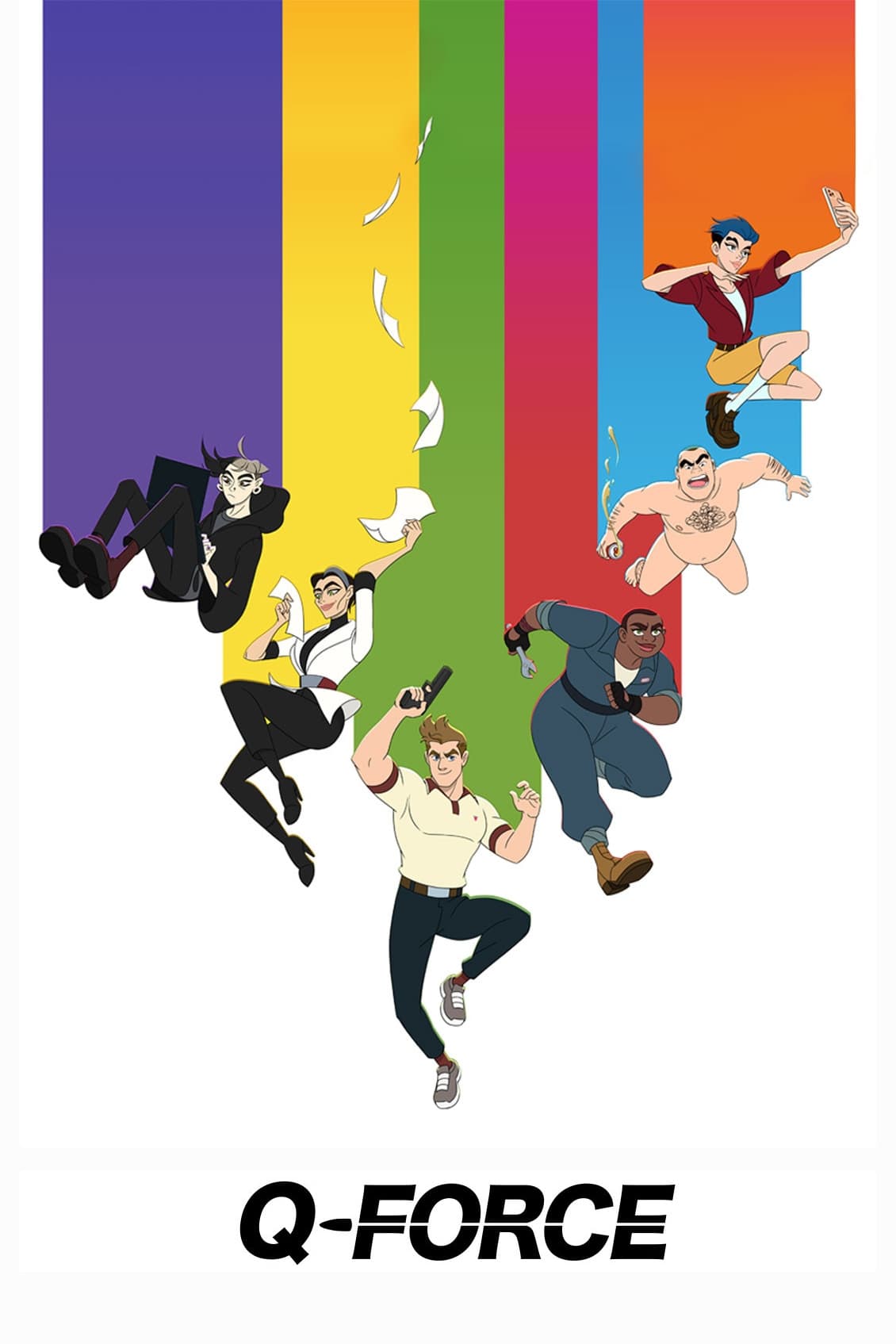
A group of undervalued LGBTQ+ superspies attempts to prove themselves to the agency that sidelined them. The adult animated comedy aimed to combine spy action tropes with queer culture humor. Voice actors included established stars like Sean Hayes and Wanda Sykes. Online backlash began immediately after the release of the first trailer due to perceived stereotyping. Netflix cancelled the series after a single ten-episode season.
‘Hoops’ (2020)
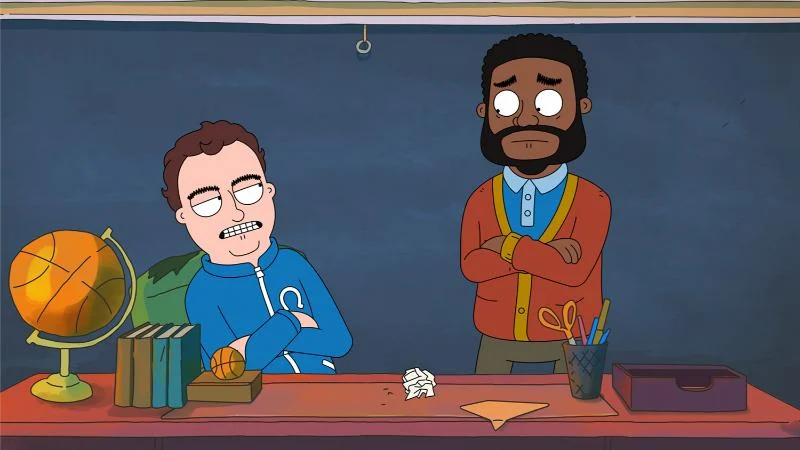
A foul-mouthed high school basketball coach believes that turning his terrible team around will lead to the big leagues. The adult animated sitcom featured the voice of Jake Johnson and relied on crude humor and profanity. Critics panned the show for its lack of wit and overreliance on shock value. The series failed to find an audience in a crowded adult animation landscape. It was cancelled a few months after its premiere.
‘Dad Stop Embarrassing Me!’ (2021)
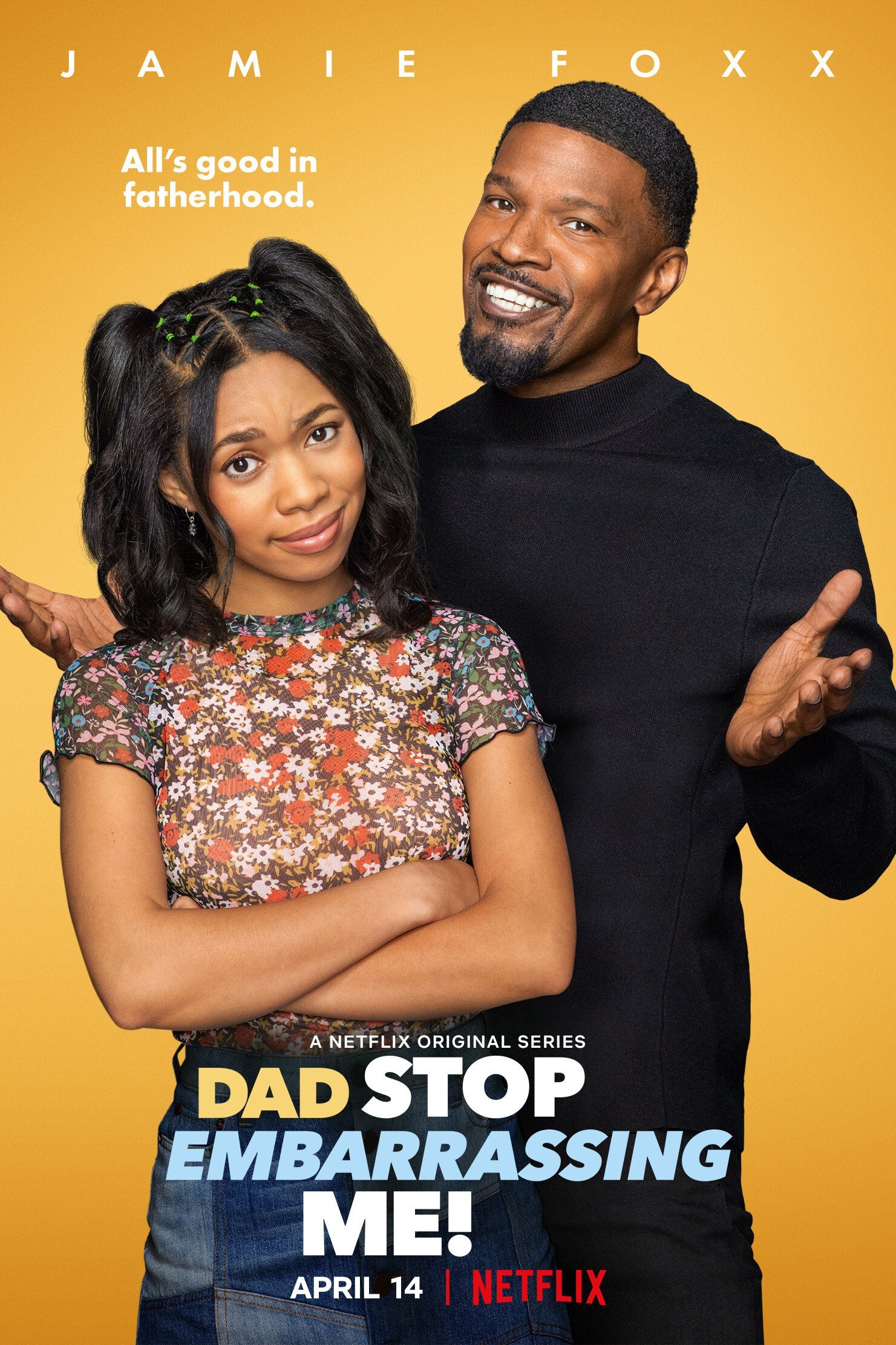
Jamie Foxx returned to the sitcom format to play a single father dealing with his teenage daughter. The multi-camera show drew inspiration from the actor’s real-life relationship with his own daughter. Scripts utilized traditional laugh tracks and broad physical comedy typical of 90s television. The series struggled to find a unique voice despite the star power attached to the project. Production ended after just one season following mutual decisions by the star and the network.
‘Hard Cell’ (2022)
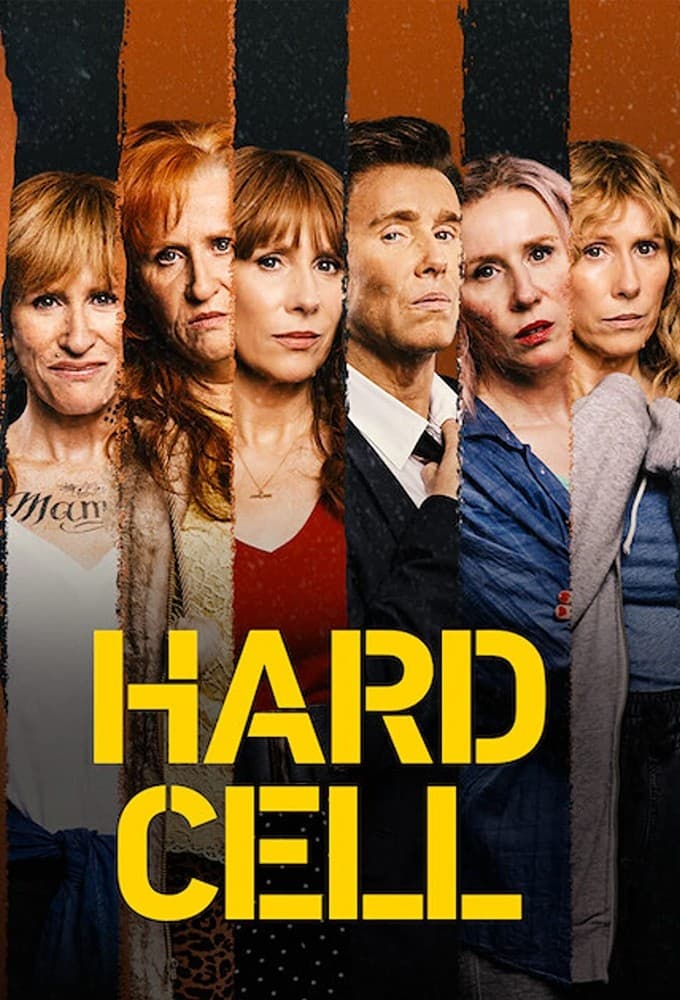
Catherine Tate wrote and co-directed this mockumentary set within a fictional female prison. The comedian played multiple characters including the governor of the prison and several inmates. The six-part series explored the quirks of the prison system through a comedic lens. Audiences found the tone inconsistent as it oscillated between slapstick and serious drama. The show did not receive a renewal order after its quiet release.
‘Disjointed’ (2017–2018)
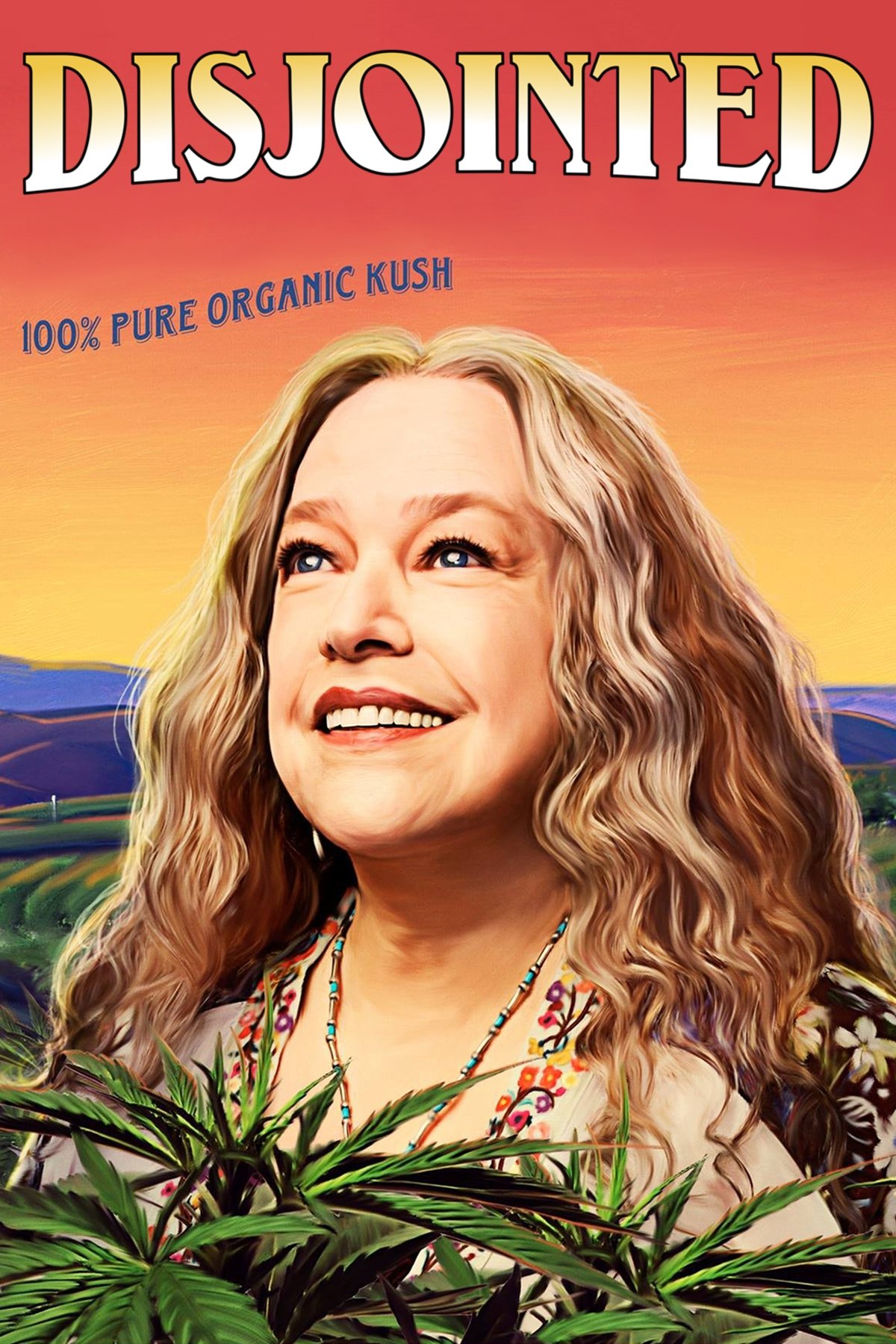
Kathy Bates starred as a lifelong advocate for legalization who finally opens her own cannabis dispensary. Chuck Lorre produced this multi-camera sitcom that featured psychedelic animated segments between scenes. The show attempted to bridge the gap between traditional sitcom viewers and stoner comedy fans. Reviews criticized the outdated jokes and the jarring laugh track. Netflix cancelled the series after twenty episodes released in two parts.
‘Girlboss’ (2017)
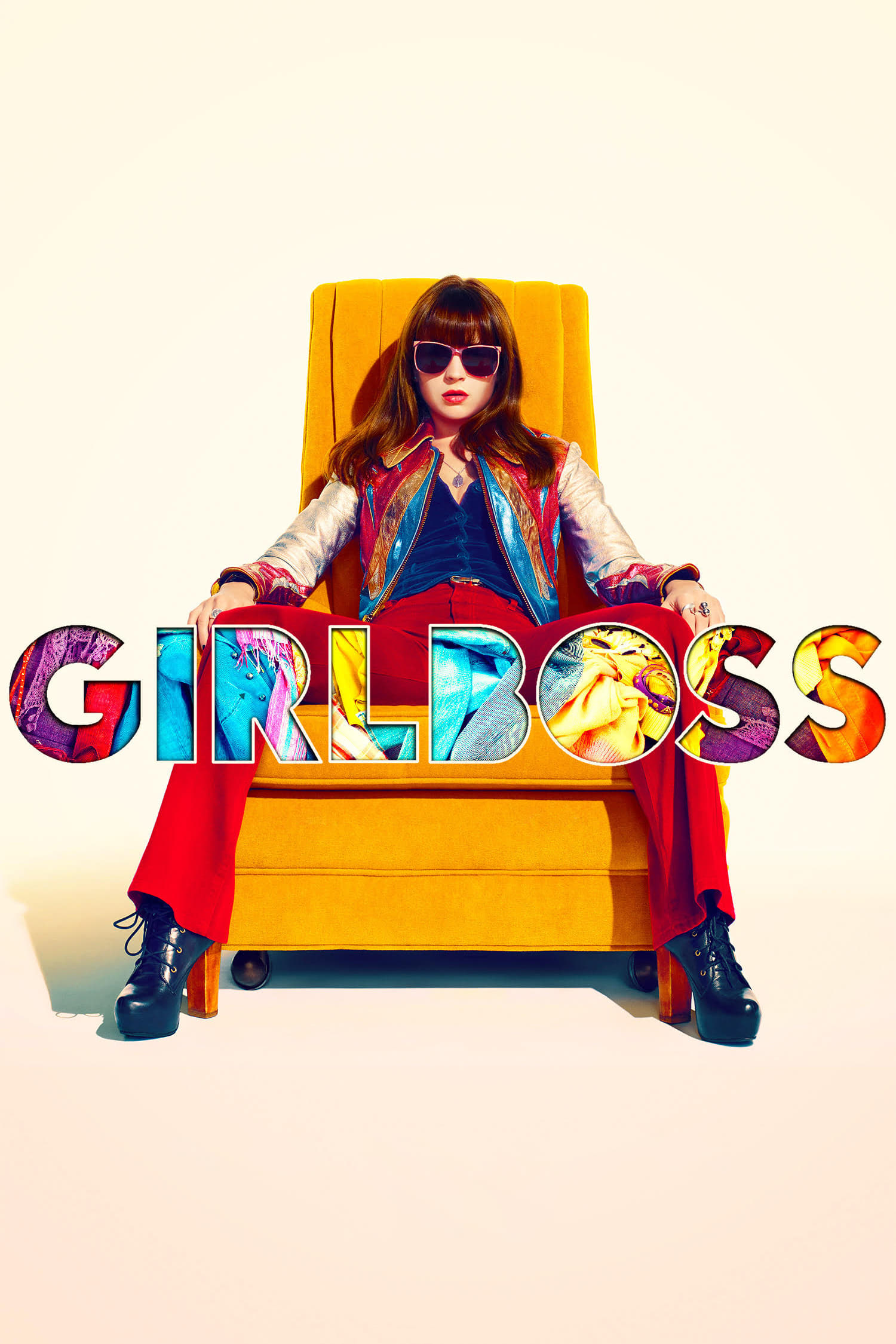
Britt Robertson starred in this comedy based on the autobiography of Sophia Amoruso. The narrative charted the rise of the Nasty Gal fashion empire from an eBay store to a multi-million dollar business. Writers focused on the scrappy and sometimes abrasive personality of the protagonist. The cancellation arrived shortly after the real-life company filed for bankruptcy protection. Critics felt the show struggled to make the main character likable or compelling.
‘Insatiable’ (2018–2019)
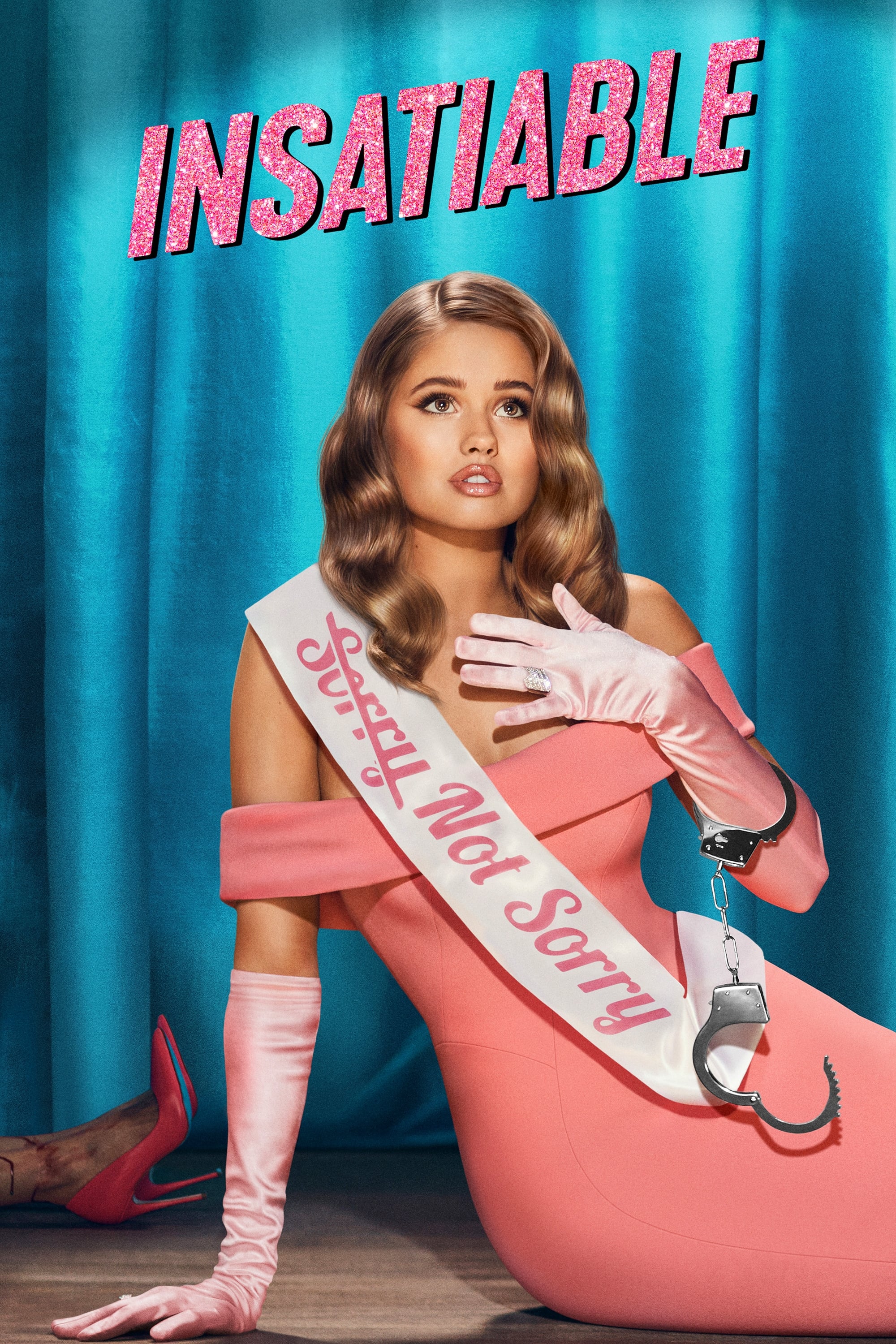
A disgraced civil attorney turned beauty pageant coach takes on a vengeful teenager as his client. The show sparked immediate controversy upon its announcement due to accusations of fat-shaming in the premise. Narratives veered wildly between dark comedy and campy thriller elements. Despite the negative press generating initial curiosity the viewership eventually dwindled. The platform cancelled the series after two seasons of polarizing reception.
‘Marvel’s Iron Fist’ (2017–2018)

Danny Rand returns to New York City after being presumed dead to reclaim his family company. This series was the fourth installment in the buildup to the ‘The Defenders’ crossover event. Action sequences and choreography received heavy criticism compared to the other Marvel shows on the service. The casting and pacing issues alienated both comic book fans and general audiences. It became the first of the Marvel Netflix shows to face cancellation before the entire partnership dissolved.
‘The Witcher: Blood Origin’ (2022)
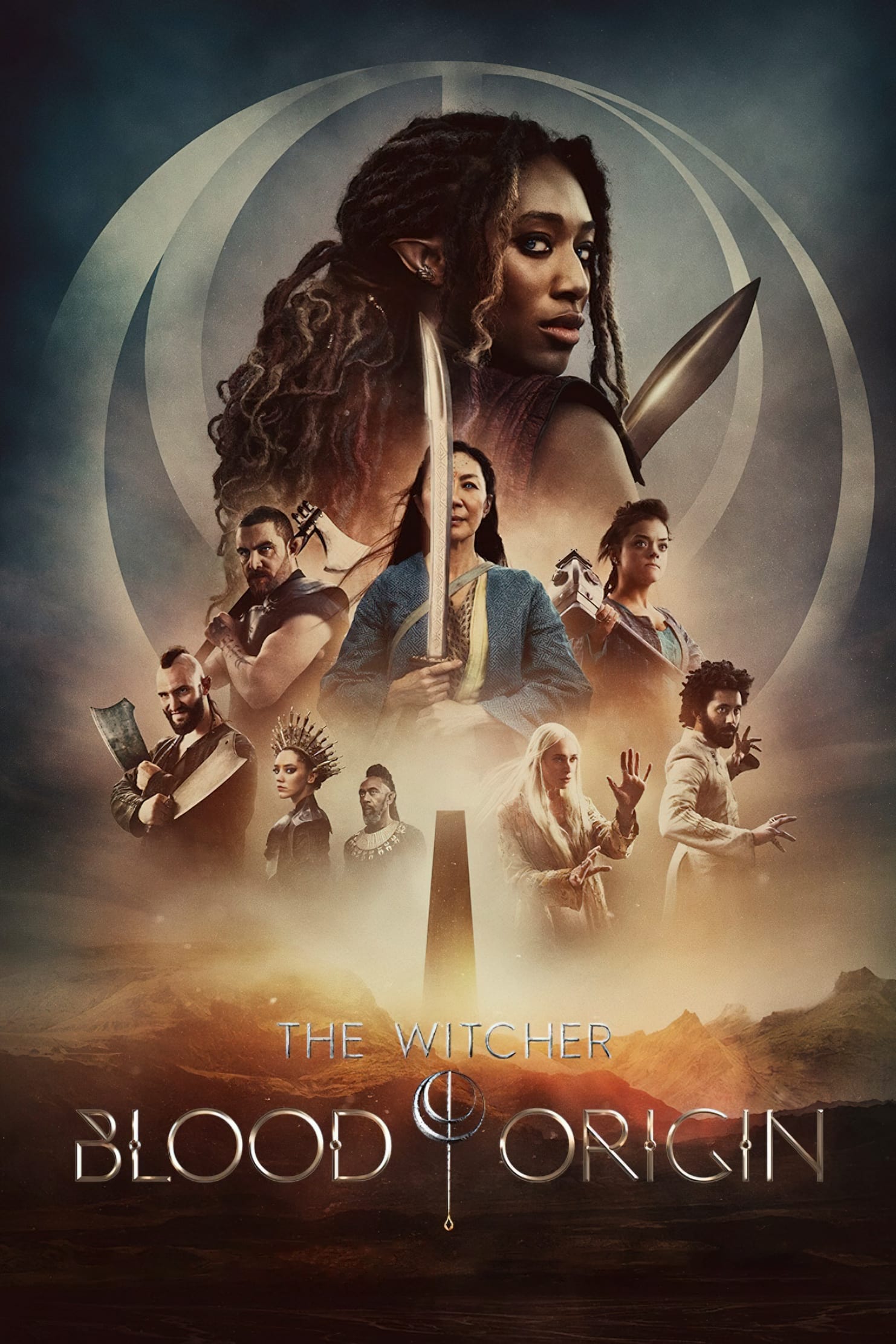
This prequel miniseries detailed the creation of the first prototype Witcher and the Conjunction of the Spheres. Writers attempted to expand the lore of the successful fantasy franchise with a new cast of elves. Fan reception was overwhelmingly negative due to writing choices and canonical inconsistencies. The show suffered from poor visual effects and a rushed narrative structure. It holds one of the lowest audience scores for a Netflix original production.
‘Cursed’ (2020)
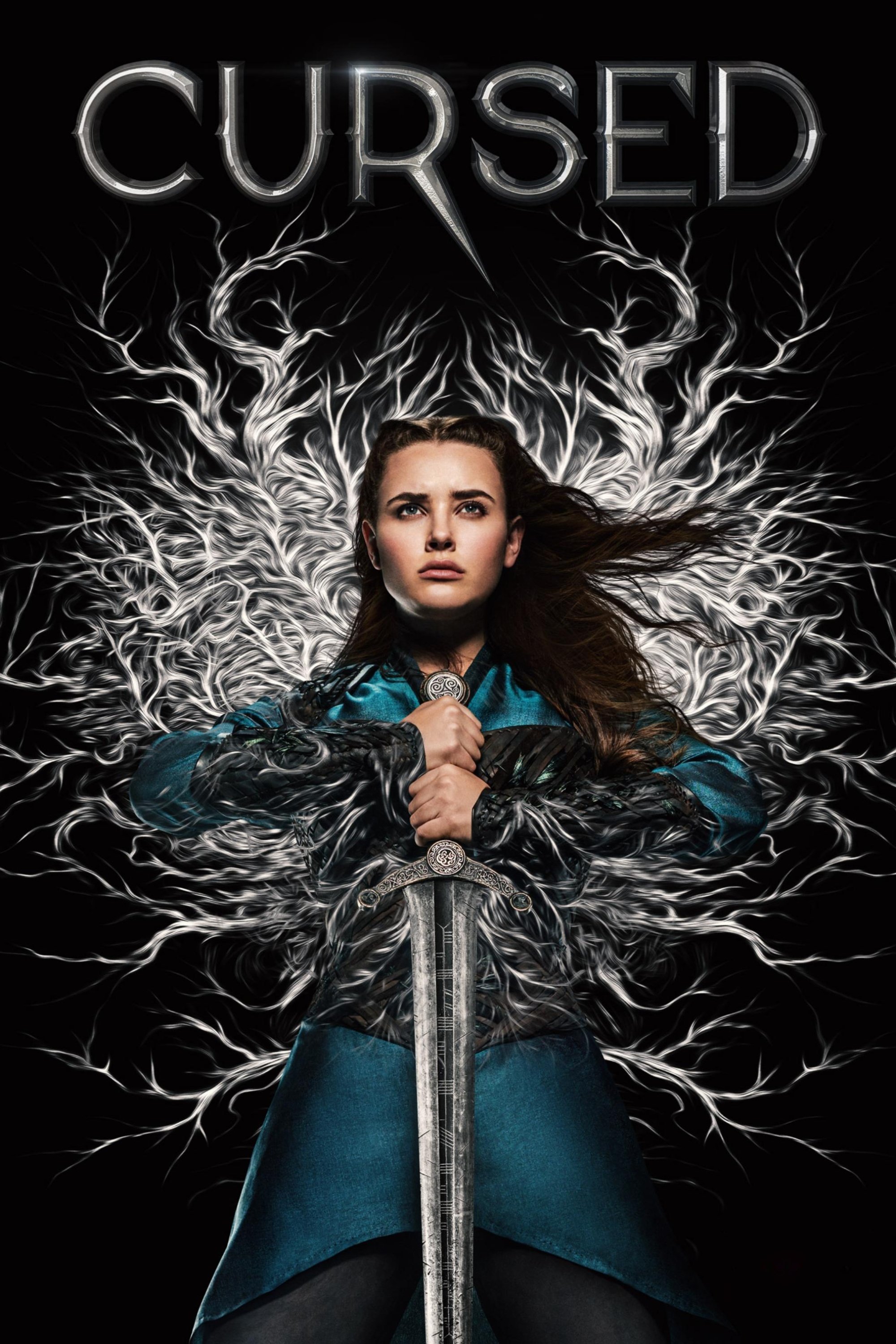
Katherine Langford starred in this reimagining of the Arthurian legend told through the eyes of Nimue. The series adapted a graphic novel by Frank Miller and Tom Wheeler. High fantasy elements aimed to fill the void left by the conclusion of ‘Game of Thrones’. The show struggled to distinguish itself in a saturated genre market. Netflix cancelled the expensive production after one season due to middling viewership.
‘Gypsy’ (2017)
Naomi Watts played a therapist who develops dangerous and intimate relationships with the people in her patients’ lives. The psychological thriller was marketed as a prestigious drama with high cinematic values. Pacing issues and an implausible plot hindered the show from gaining momentum. Critics described the narrative as a slow burn that never actually caught fire. The series was cancelled after ten episodes despite having a planned second season.
‘Chambers’ (2019)
A young heart attack survivor becomes consumed by the mystery surrounding the donor who saved her life. The supernatural horror series featured Uma Thurman in a supporting role. The plot blended teenage drama with psychological thrills and metaphysical concepts. Audience engagement metrics did not justify the production costs required for the genre elements. Netflix opted not to renew the show shortly after its release.
‘Neo Yokio’ (2017)

Ezra Koenig created this anime-inspired series about a demon-slaying bachelor in a futuristic version of New York. The show featured voice work from Jaden Smith and Jude Law alongside high-fashion brand references. It polarized viewers with its deadpan humor and satirical take on elite society. The specific niche appeal failed to translate into a mass audience. The series concluded after a holiday special and one season.
‘Messiah’ (2020)
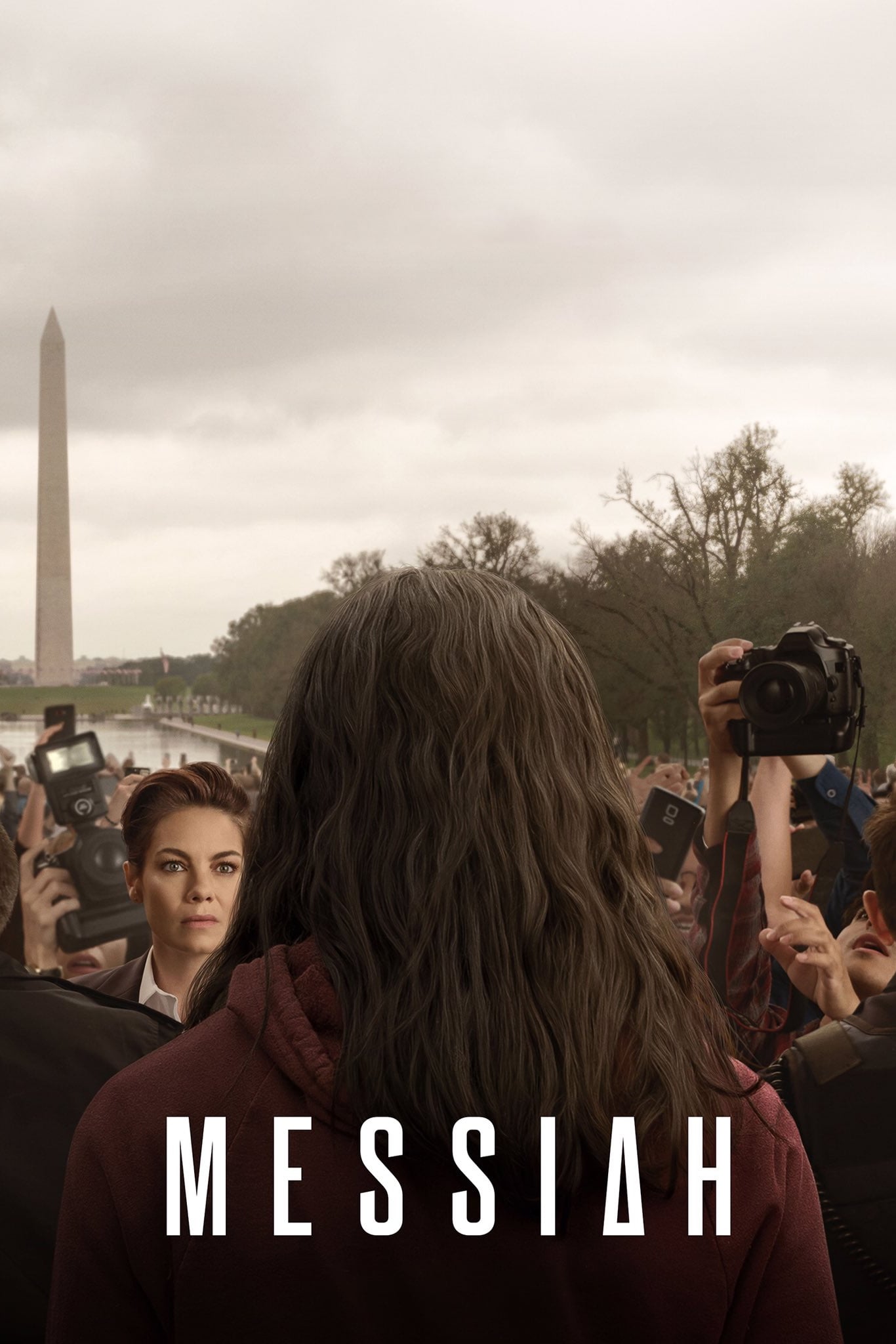
A CIA officer investigates a charismatic figure whose followers believe he is a divine entity. The political thriller explored the geopolitical reaction to a modern-day religious movement. Controversy arose regarding the depiction of religious themes and the filming locations. The streaming service cancelled the show after one season citing production challenges. The cliffhanger ending remained unresolved leaving the central mystery unanswered.
Tell us which of these cancelled shows you actually enjoyed in the comments.