


The 20 Most Overhyped Netflix Series That Crashed and Burned



Netflix has established itself as a dominant force in streaming entertainment by producing a vast library of original content. The platform invests billions of dollars annually to secure top talent and develop expansive franchises that aim to capture global attention. This aggressive strategy sometimes results in high-profile failures that struggle to find an audience or satisfy critics despite significant marketing pushes. The following series generated immense anticipation before release but ultimately failed to meet expectations regarding quality or viewership longevity.
‘Hemlock Grove’ (2013–2015)
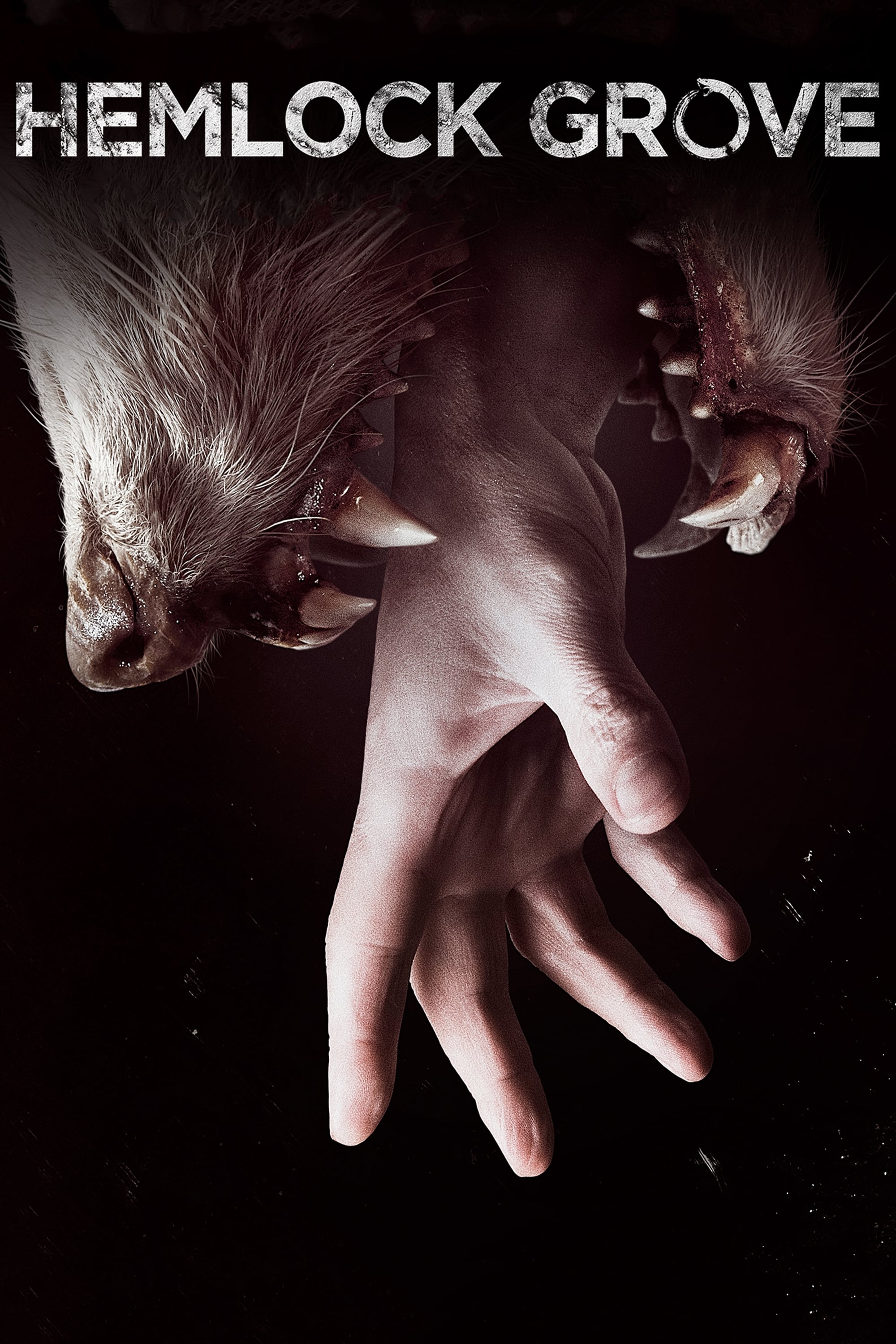
This horror series was one of the very first original productions launched by the streaming giant. The show featured big names like Famke Janssen and Bill Skarsgård in a story about strange happenings in a Pennsylvania town. Critics immediately panned the show for its disjointed storytelling and reliance on shock value over substance. It managed to survive for three seasons despite consistently poor reviews from outlets and viewers alike. The series remains a notable example of the platform struggling to find its footing during its early content expansion.
‘The Irregulars’ (2021)
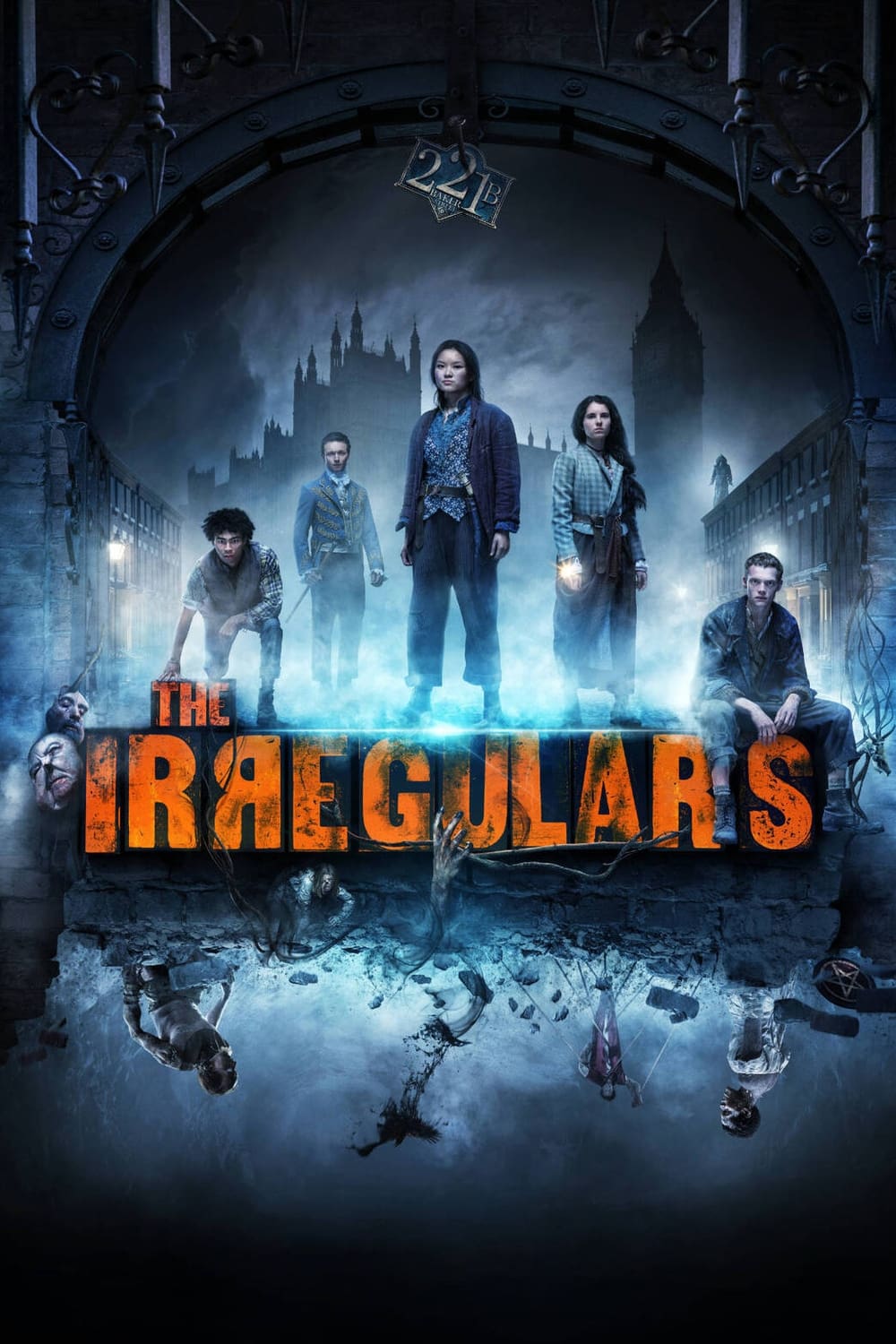
This supernatural drama attempted to put a new spin on the Sherlock Holmes mythology by focusing on a group of street urchins. The marketing campaign highlighted the connection to the famous detective to draw in mystery fans. Viewers criticized the series for deviating too far from the source material and failing to capture the essence of the Conan Doyle stories. Netflix cancelled the show shortly after its premiere due to a sharp decline in viewership retention. It stands as a failed attempt to leverage public domain intellectual property for a young adult audience.
‘Chambers’ (2019)
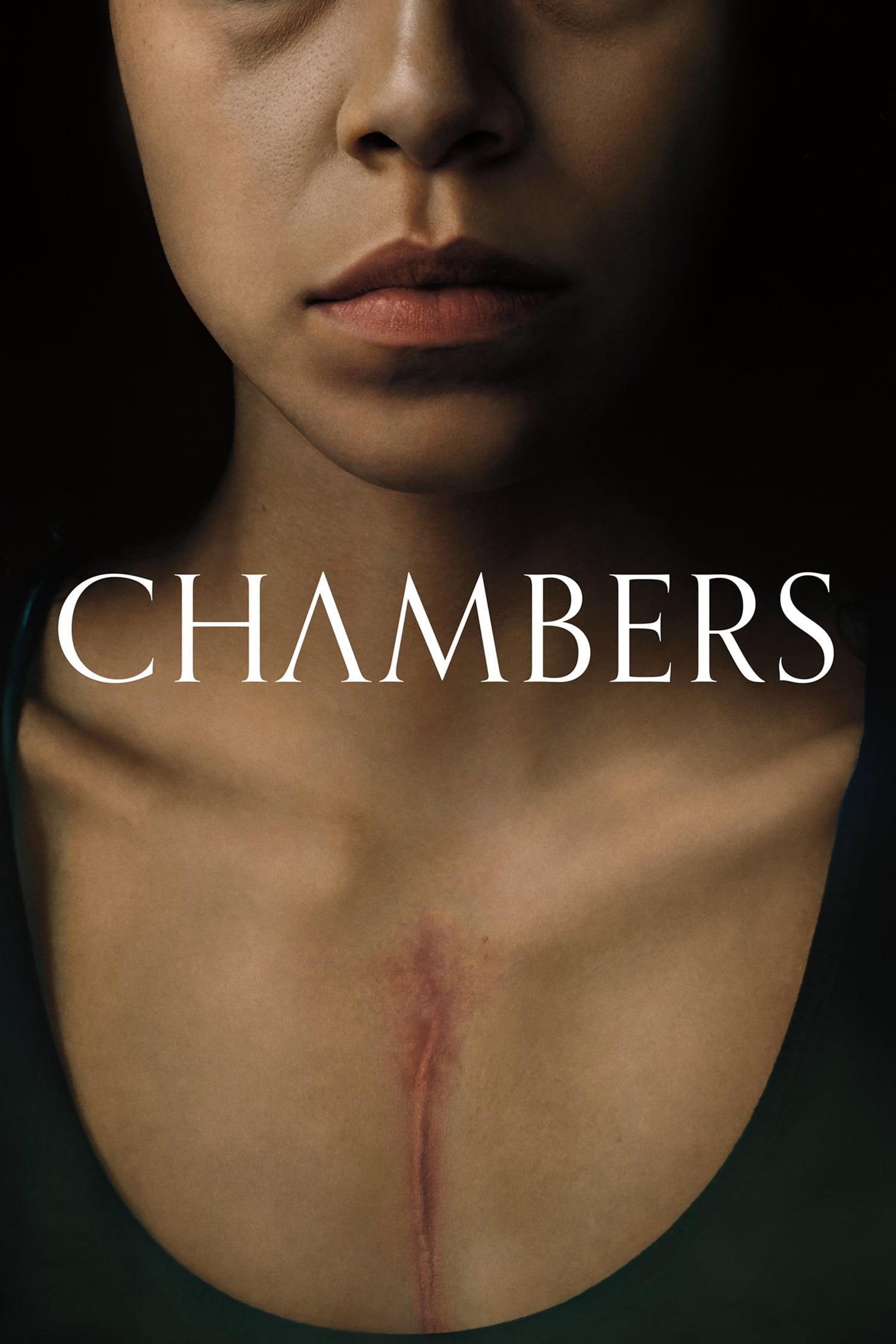
Uma Thurman starred in this psychological horror drama about a heart transplant survivor who takes on the traits of her donor. The premise generated intrigue and the involvement of an A-list celebrity suggested a prestige production. Audiences found the pacing sluggish and the narrative payoff unsatisfying after ten episodes. The show failed to generate enough social media buzz or viewing hours to justify a renewal. The cancellation arrived swiftly and marked another misfire in the platform’s attempts at supernatural thrillers.
‘Away’ (2020)
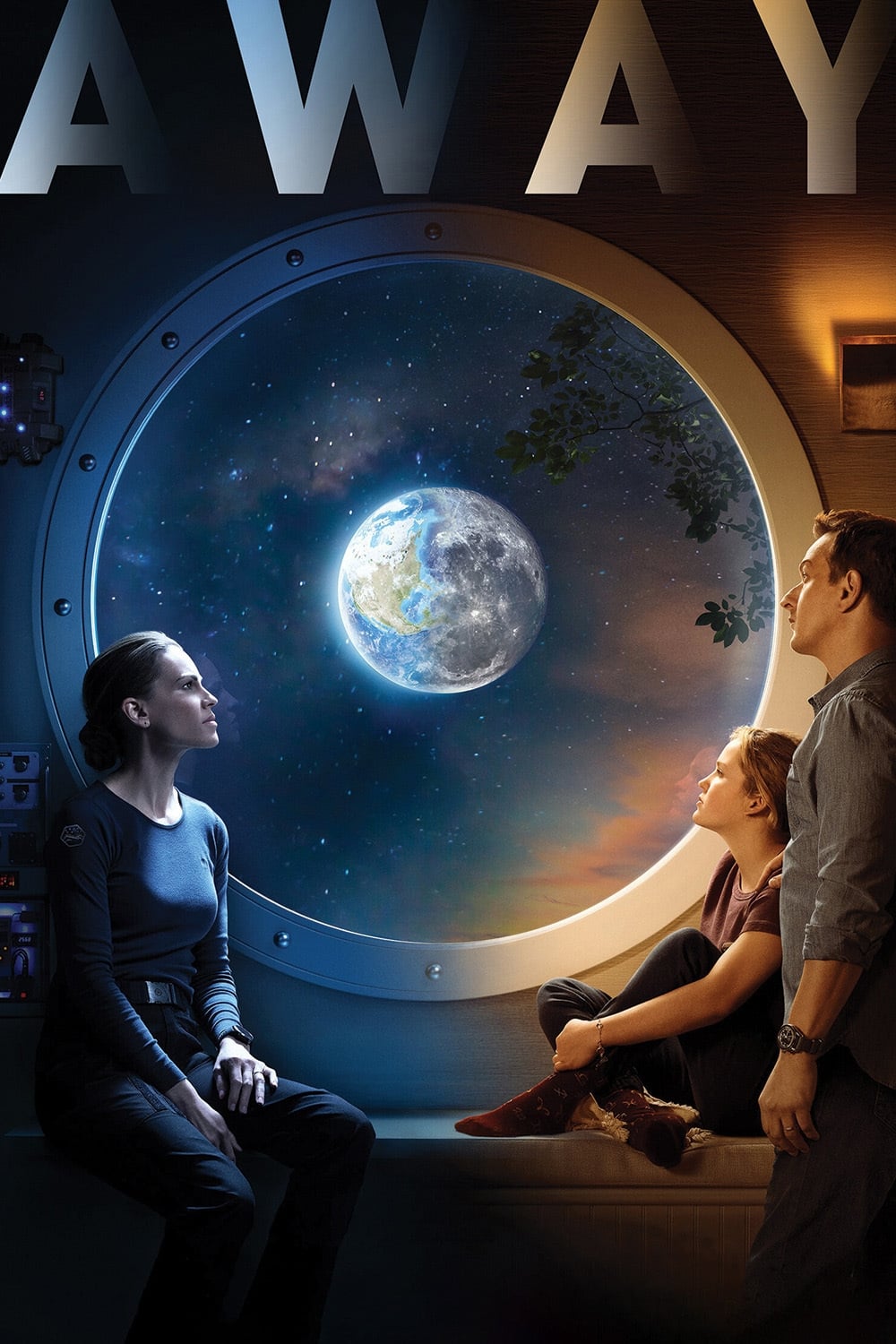
Hilary Swank led the cast of this expensive science fiction drama centered on the first human mission to Mars. The production boasted impressive visual effects and a sentimental tone intended to appeal to a broad demographic. Viewers pointed out technical inaccuracies and melodramatic subplots that detracted from the space travel elements. The high cost of production combined with middling viewership numbers led to its cancellation after just one season. The show is often cited as an example of how star power alone cannot save a series with narrative issues.
‘Disjointed’ (2017–2018)
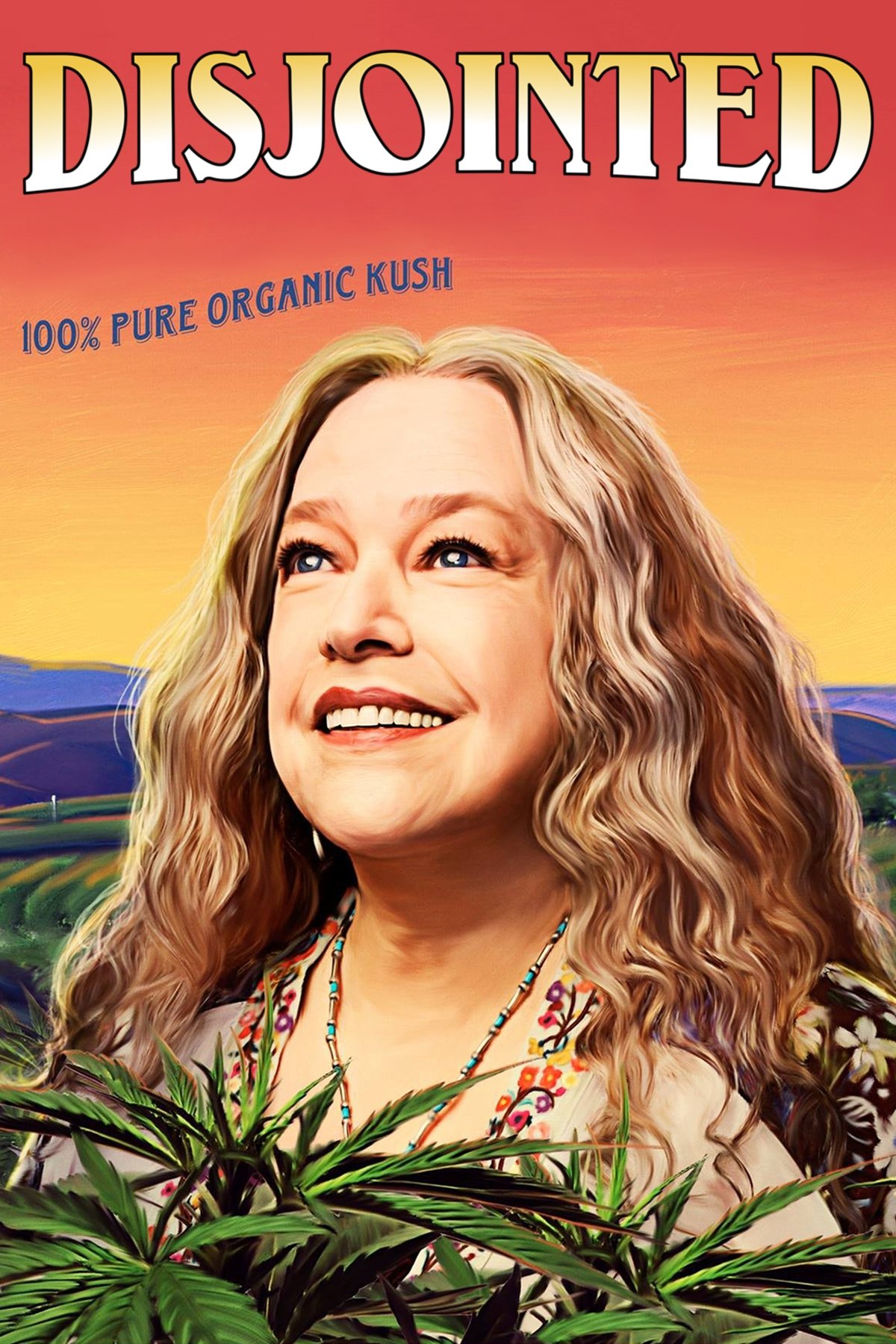
Legendary sitcom creator Chuck Lorre and Oscar winner Kathy Bates teamed up for this multi-camera comedy set in a cannabis dispensary. The combination of talent and subject matter created high expectations for a potential hit comedy. Critics disparaged the show for its reliance on dated stereotypes and an awkward blend of dramatic moments with a laugh track. The series struggled to find a consistent tone that resonated with modern streaming audiences. It was axed after two parts and remains a blemish on the otherwise successful careers of its lead and creator.
‘Girlboss’ (2017)
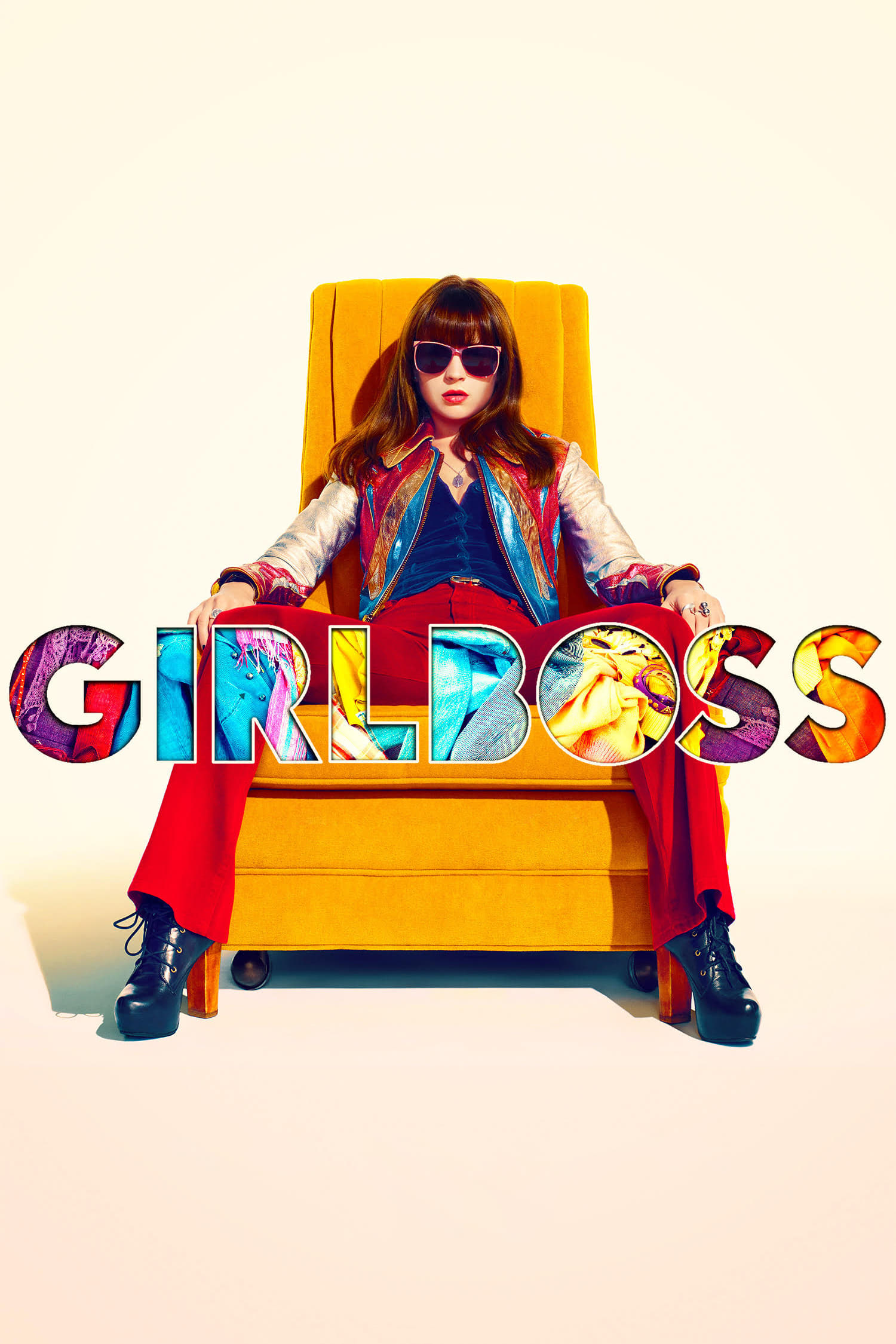
This comedy series adapted the bestselling memoir by Sophia Amoruso and was produced by Charlize Theron. The marketing positioned it as an edgy and empowering story about building a fashion empire from scratch. Viewers found the protagonist unlikable and the humor difficult to connect with throughout the first season. The cancellation came shortly after the release and coincided with the real-world bankruptcy of the company depicted in the show. The series serves as a reminder that adapting trendy nonfiction does not always translate to successful scripted television.
‘Gypsy’ (2017)
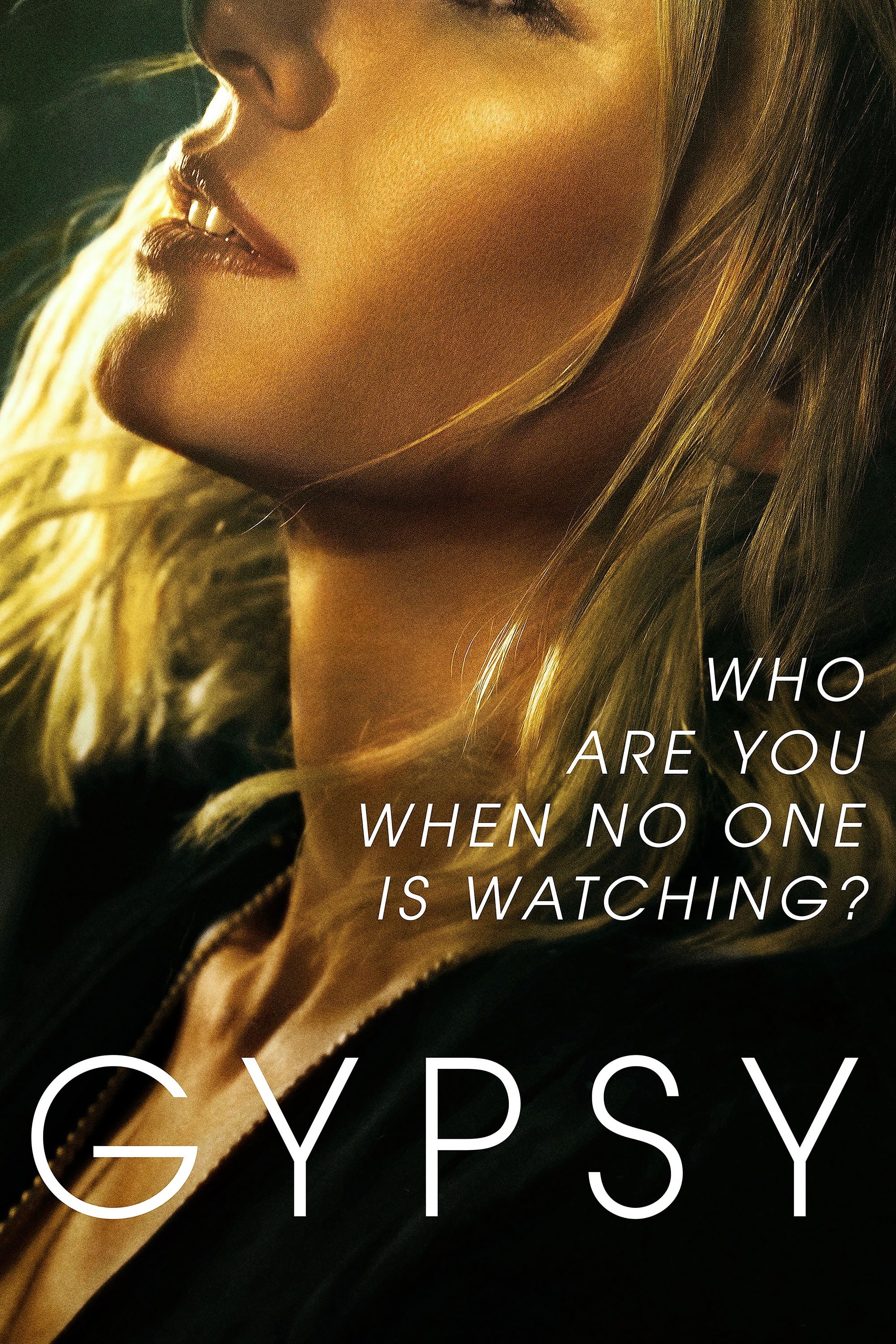
Naomi Watts starred as a therapist who infiltrates the lives of her patients in this psychological thriller. The show was marketed as a tense and provocative drama geared towards an adult audience. Reviews highlighted the slow pacing and implausible plot developments that dragged down the narrative momentum. The series failed to secure a second season despite the star power attached to the project. It remains one of the quicker cancellations for a high-profile drama in the history of the network.
‘Cursed’ (2020)
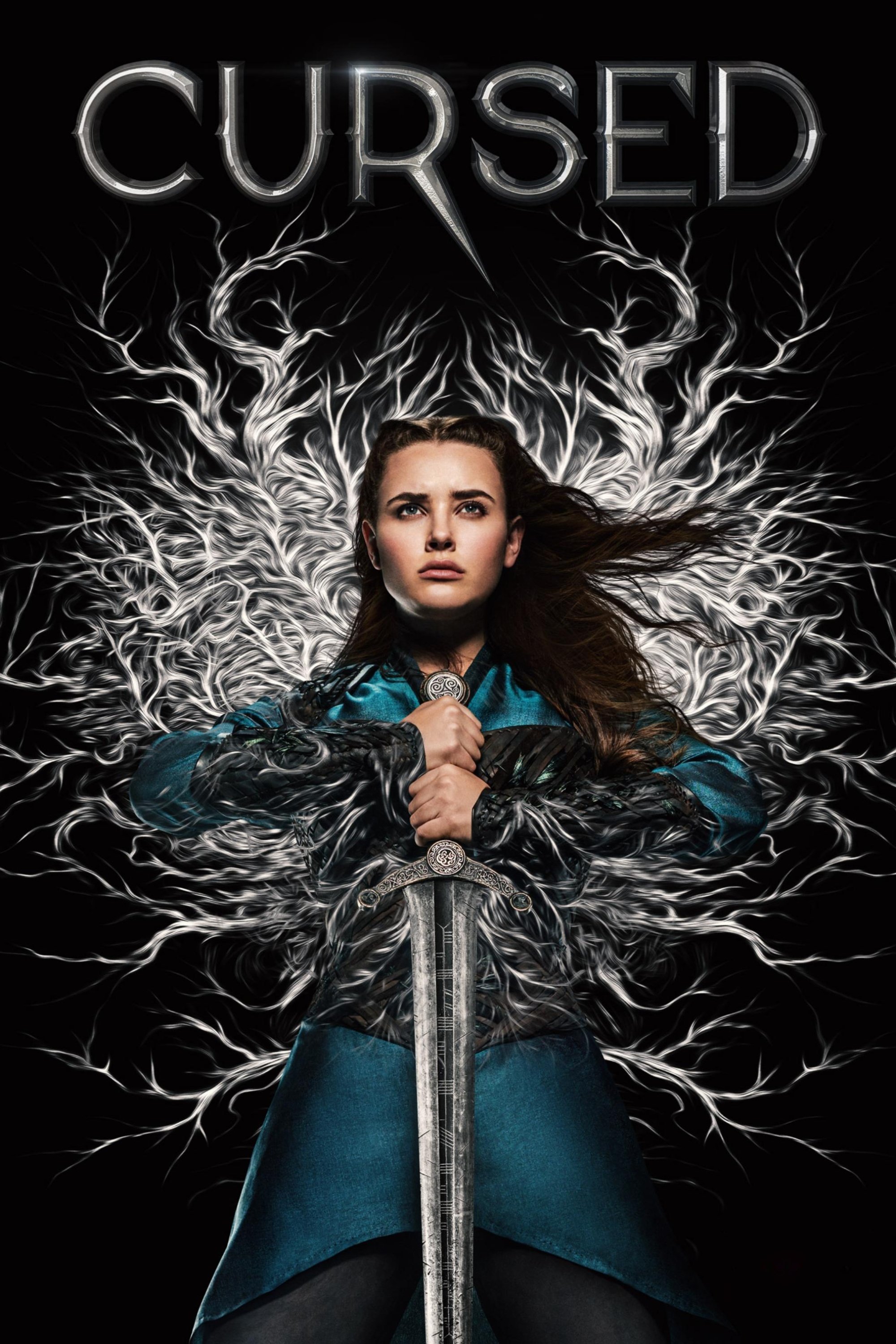
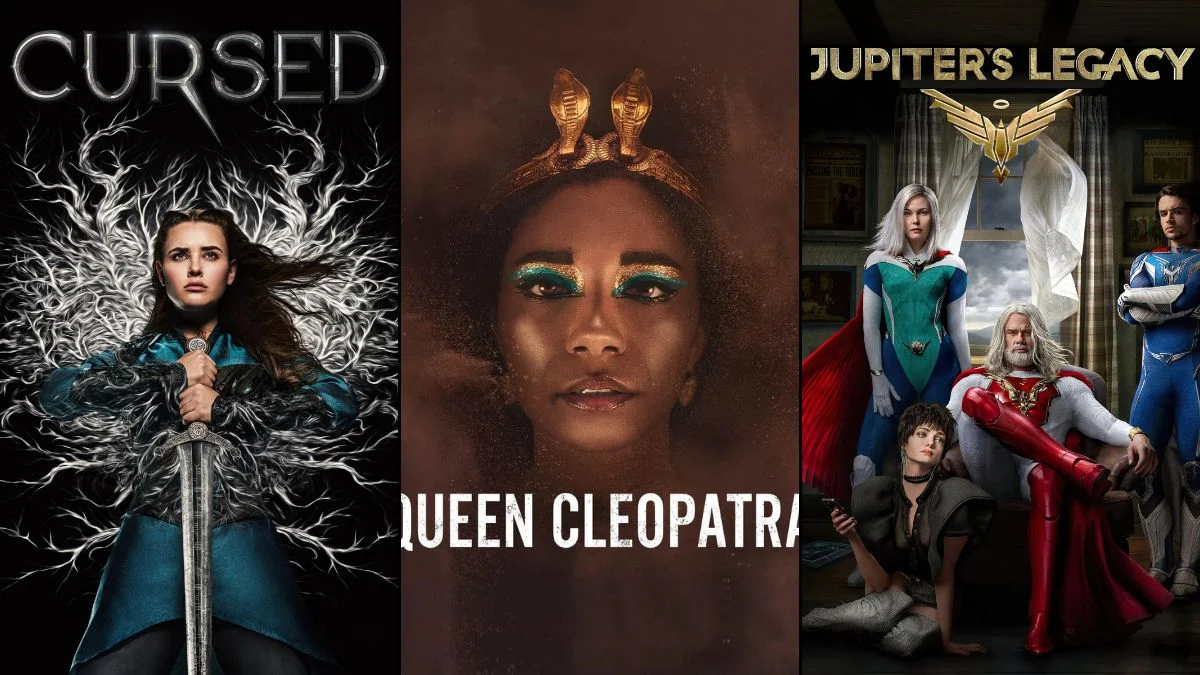
This fantasy series aimed to reimagine the Arthurian legend through the eyes of Nimue played by Katherine Langford. The show arrived with significant hype due to the involvement of Frank Miller and the popularity of its lead actress. Critics and fantasy fans noted the generic writing and inconsistent visual effects that failed to distinguish it from similar shows. The series was quietly cancelled after one season without resolving its major plotlines. It represents a failed attempt to capitalize on the demand for epic fantasy content following the end of other major franchises.
‘Marco Polo’ (2014–2016)
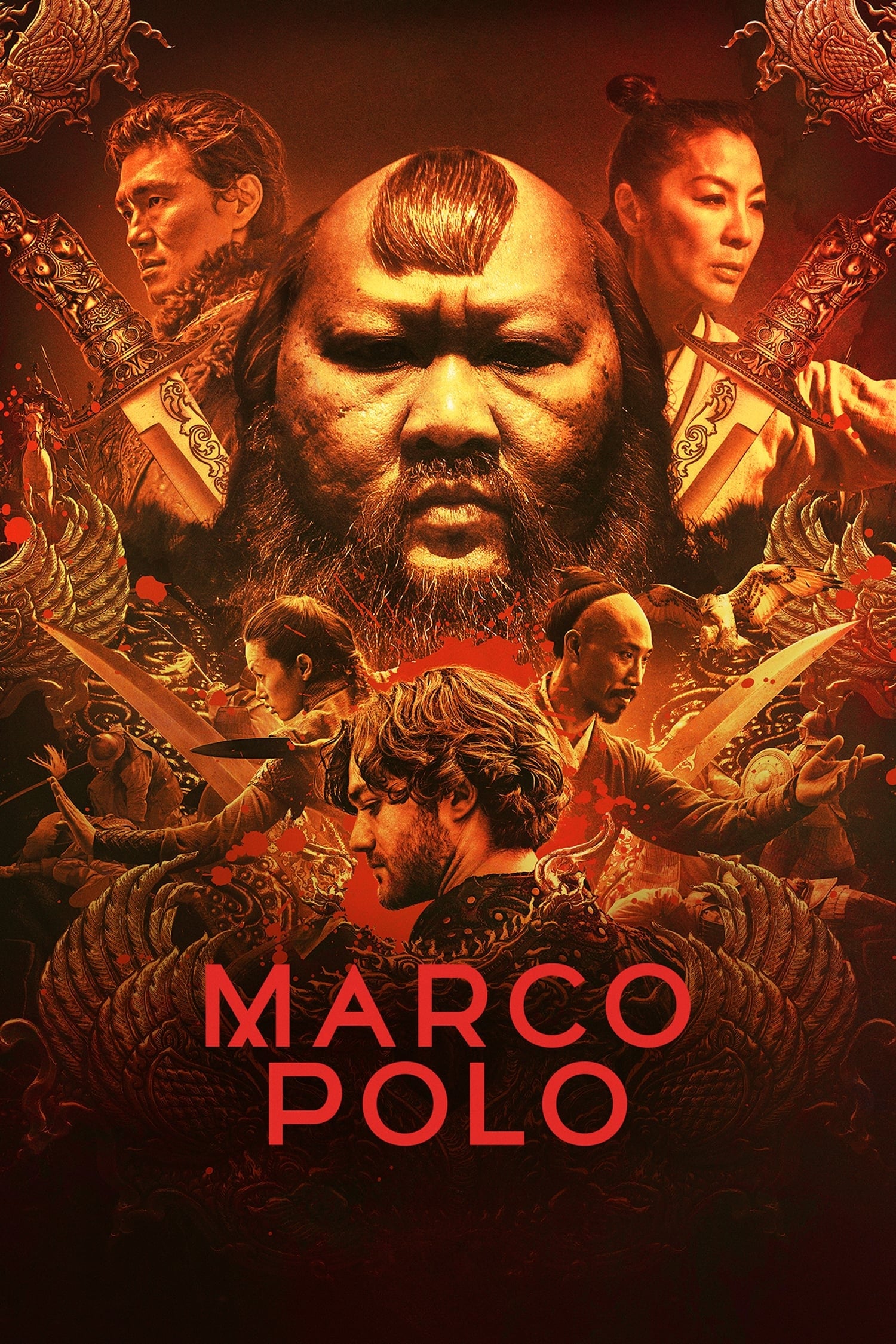
The streaming service aimed to create a historical epic to rival cable competitors with this lavish production about the famous explorer. The budget was reportedly one of the highest in television history at the time of its release. Audiences found the storytelling sluggish despite the beautiful cinematography and intricate costume design. The massive financial loss incurred by the production contributed to its cancellation after two seasons. It stands as a cautionary tale regarding the risks of inflating budgets without a guarantee of massive subscriber engagement.
‘The Get Down’ (2016–2017)
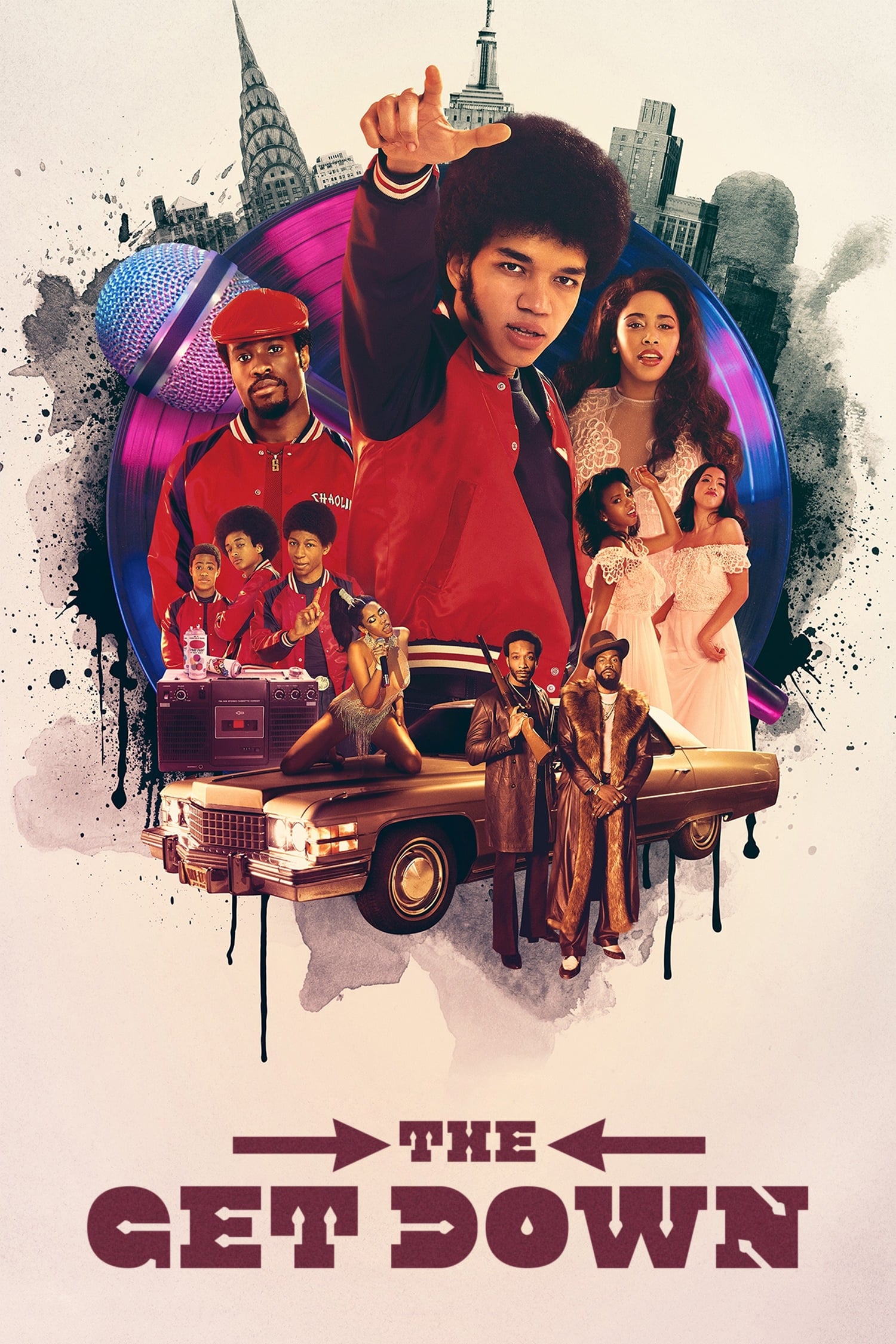
Baz Luhrmann created this musical drama that chronicled the rise of hip-hop in the South Bronx during the 1970s. The production was plagued by delays and a ballooning budget that made it one of the most expensive shows ever made. While the visual style was praised the narrative structure and lengthy episodes alienated some viewers. The show was cancelled after one split season because the viewership numbers could not justify the exorbitant costs. The project remains an ambitious but financially unsustainable experiment in the platform’s history.
‘Space Force’ (2020–2022)
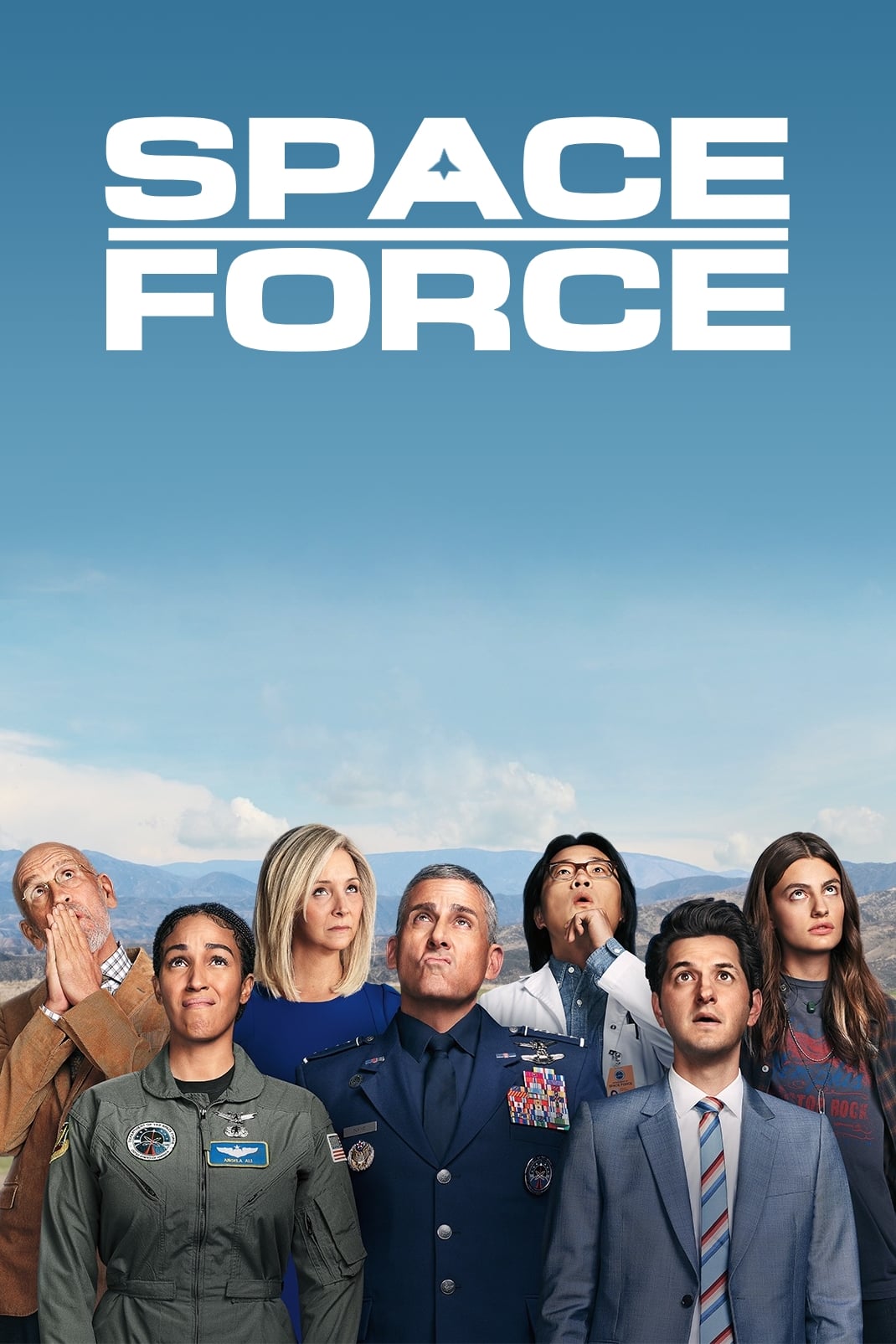
Steve Carell and Greg Daniels reunited for this workplace comedy that satirized the newly formed branch of the military. The involvement of the team behind ‘The Office’ generated massive anticipation among comedy fans. Reviews were lukewarm as critics felt the satire lacked bite and the tonal shifts were jarring. The show underwent a creative overhaul for its second season but still failed to secure a long-term future. It is remembered as a disappointment given the immense pedigree of the talent involved both on and off screen.
‘Troy: Fall of a City’ (2018)

This co-production with the BBC attempted to retell the events of the Trojan War with a gritty and realistic approach. The series faced backlash for its writing choices and significant deviations from the classical source material. Viewers complained about the dialogue and the lack of emotional resonance in the character arcs. The show holds a very low audience score on major review aggregators indicating widespread rejection. It failed to capture the grandeur of the Iliad and was quickly forgotten by the streaming public.
‘Marvel’s Iron Fist’ (2017–2018)

The fourth entry in the darker corner of the Marvel Cinematic Universe was expected to complete the lineup for ‘The Defenders’. Critics savaged the first season for its slow pacing and unconvincing fight choreography. The casting and writing choices sparked controversy and debate within the fanbase prior to release. While a second season attempted to course-correct the damage to the brand had already been done. The cancellation marked the beginning of the end for the partnership between the comic giant and the streaming service.
‘The I-Land’ (2019)
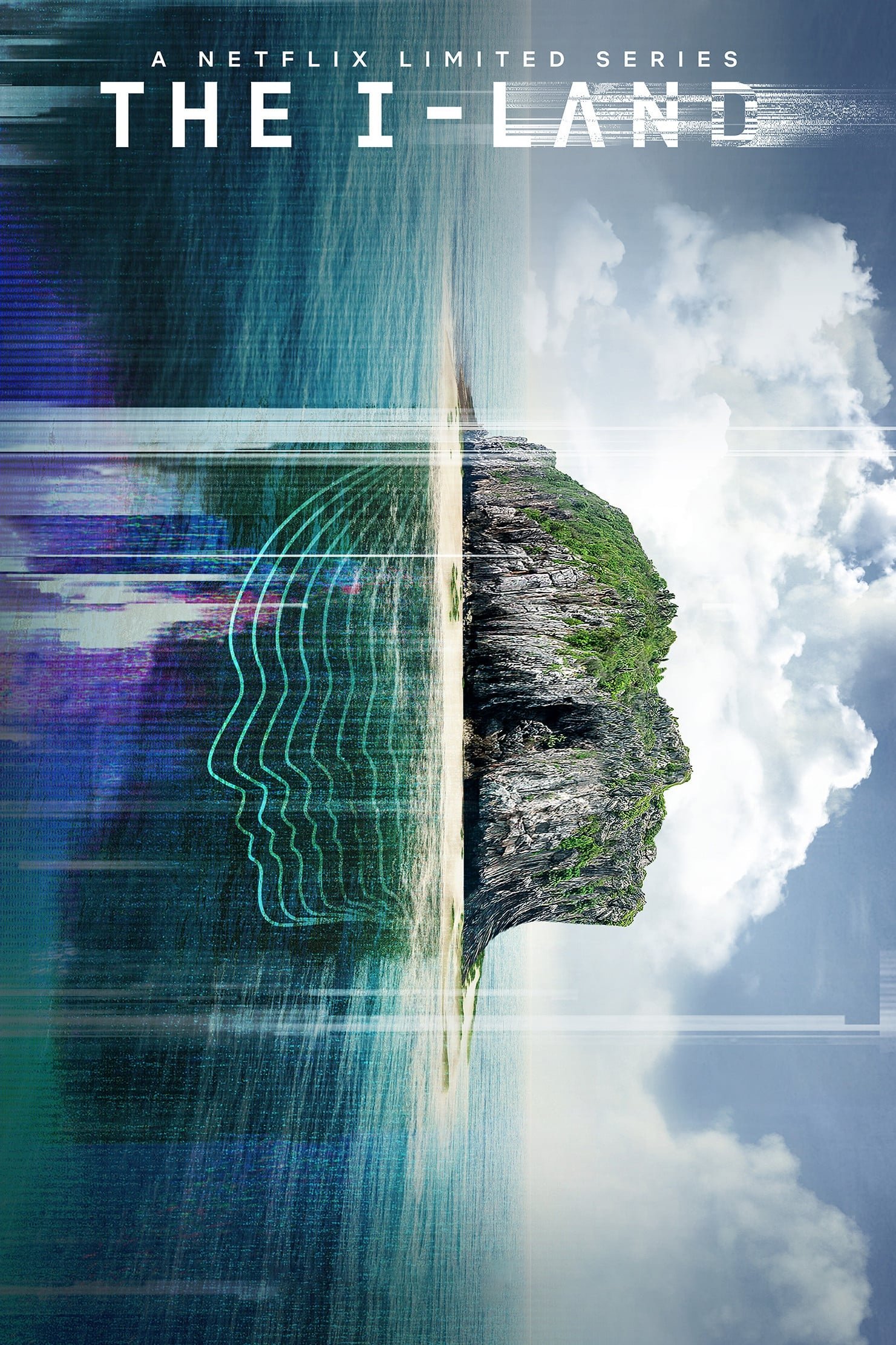
This science fiction miniseries followed a group of strangers who wake up on a deserted island with no memory. The marketing drew comparisons to the Fyre Festival disaster and promised a mind-bending mystery. Critics and audiences alike ridiculed the show for its nonsensical plot twists and wooden acting performances. The series maintains one of the lowest critical ratings in the history of original streaming content. It is often cited in discussions about the worst television writing of the last decade.
‘Blockbuster’ (2022)

The irony of the streaming service producing a sitcom about the last remaining video rental store was the primary selling point of this show. Randall Park and Melissa Fumero led a cast that struggled to elevate the generic workplace humor. Viewers felt the nostalgia was mishandled and the comedy lacked the sharpness of similar single-camera sitcoms. The show was cancelled shortly after its premiere due to failing to break into the top viewership charts. It serves as a meta-example of the streaming giant burying its former competitor one last time.
‘Jupiter’s Legacy’ (2021)

This superhero drama was intended to be the flagship series of the acquired Millarworld imprint. The production cost was reported to be around two hundred million dollars for a single season. Critics pointed out the cheap-looking costumes and the tedious flashbacks that took up much of the runtime. The abrupt cancellation came weeks after the premiere and resulted in a complete restructuring of the creative team’s future projects. It stands as one of the most expensive single-season flops in the history of television.
‘Cowboy Bebop’ (2021)
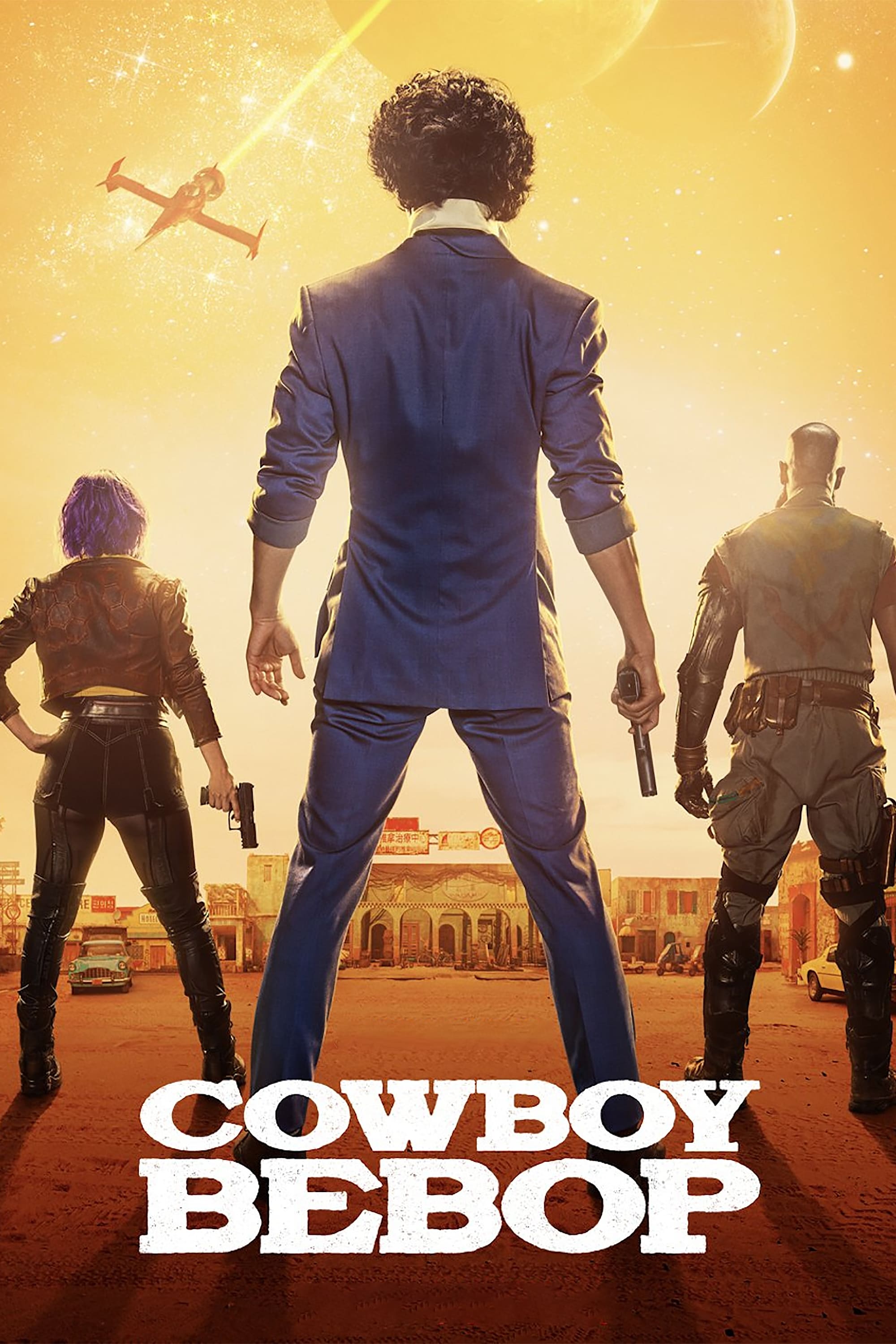
The live-action adaptation of the legendary anime series generated intense skepticism and hype in equal measure. Fans of the original criticized the tonal changes and the visual style that felt like a caricature of the source material. The chemistry between the leads did not resonate enough to overcome the script issues in the eyes of the viewers. Netflix cancelled the series less than a month after its debut following a steep drop in viewing hours. The failure reinforced the ongoing narrative that anime adaptations are difficult to execute in a live-action format.
‘Resident Evil’ (2022)

This adaptation of the popular video game franchise attempted to tell a story across two different timelines. The show deviated significantly from the established lore of the games which alienated the core fanbase immediately. General audiences criticized the teen drama elements and the inconsistent logic within the post-apocalyptic setting. The series plummeted in viewership rankings after its opening weekend and was cancelled shortly thereafter. It is widely considered one of the weakest entries in the entire media franchise.
‘Queen Cleopatra’ (2023)
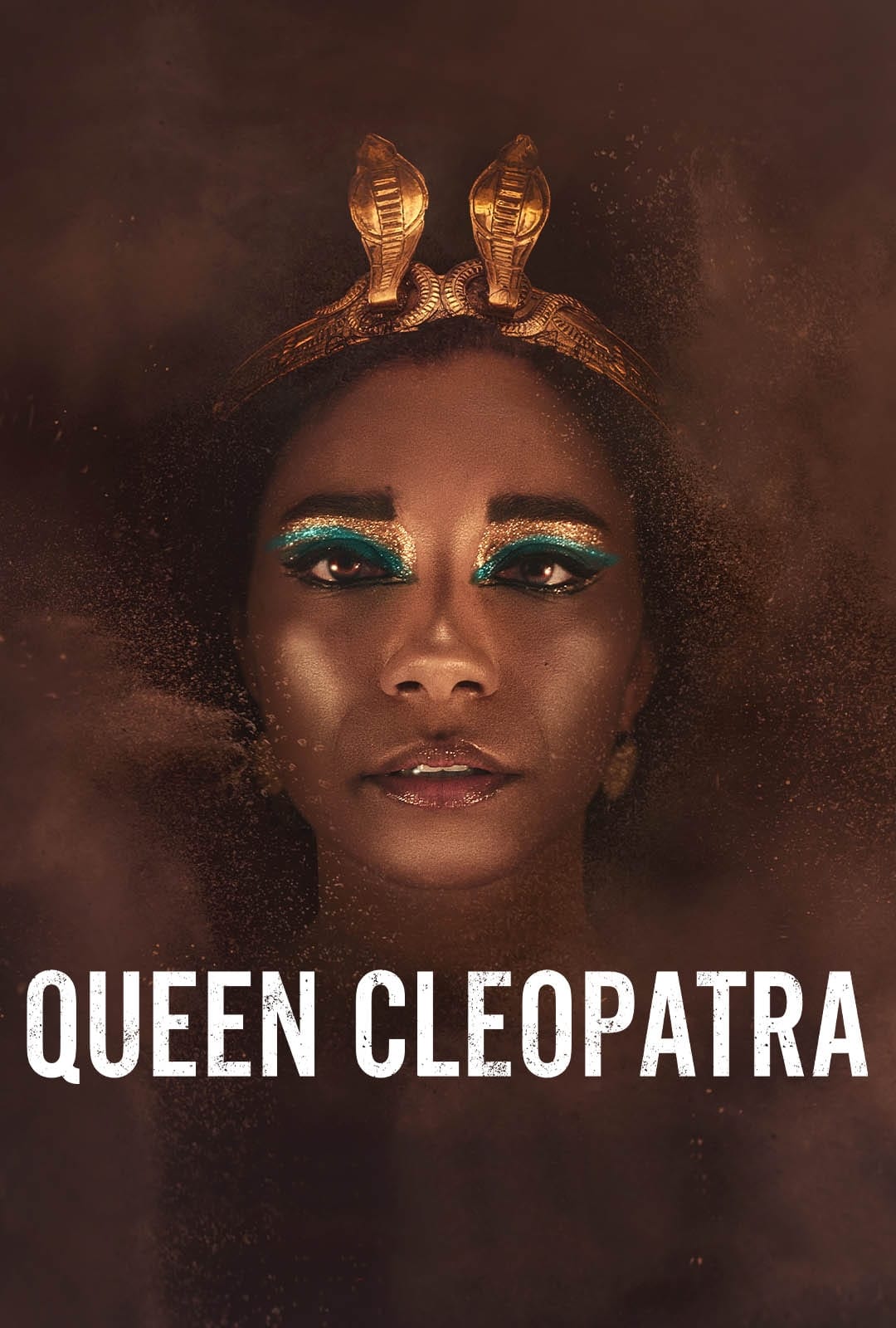
This docudrama produced by Jada Pinkett Smith sparked an international controversy regarding its casting choices before it even aired. The focus on historical depiction overshadowed the narrative content and led to a massive review-bombing campaign. Critics found the reenactments poorly produced and the expert commentary lacking in academic rigor. The series achieved some of the lowest audience scores ever recorded on major review platforms. It serves as a prominent example of how controversy does not always translate to positive engagement or long-term success.
‘The Witcher: Blood Origin’ (2022)
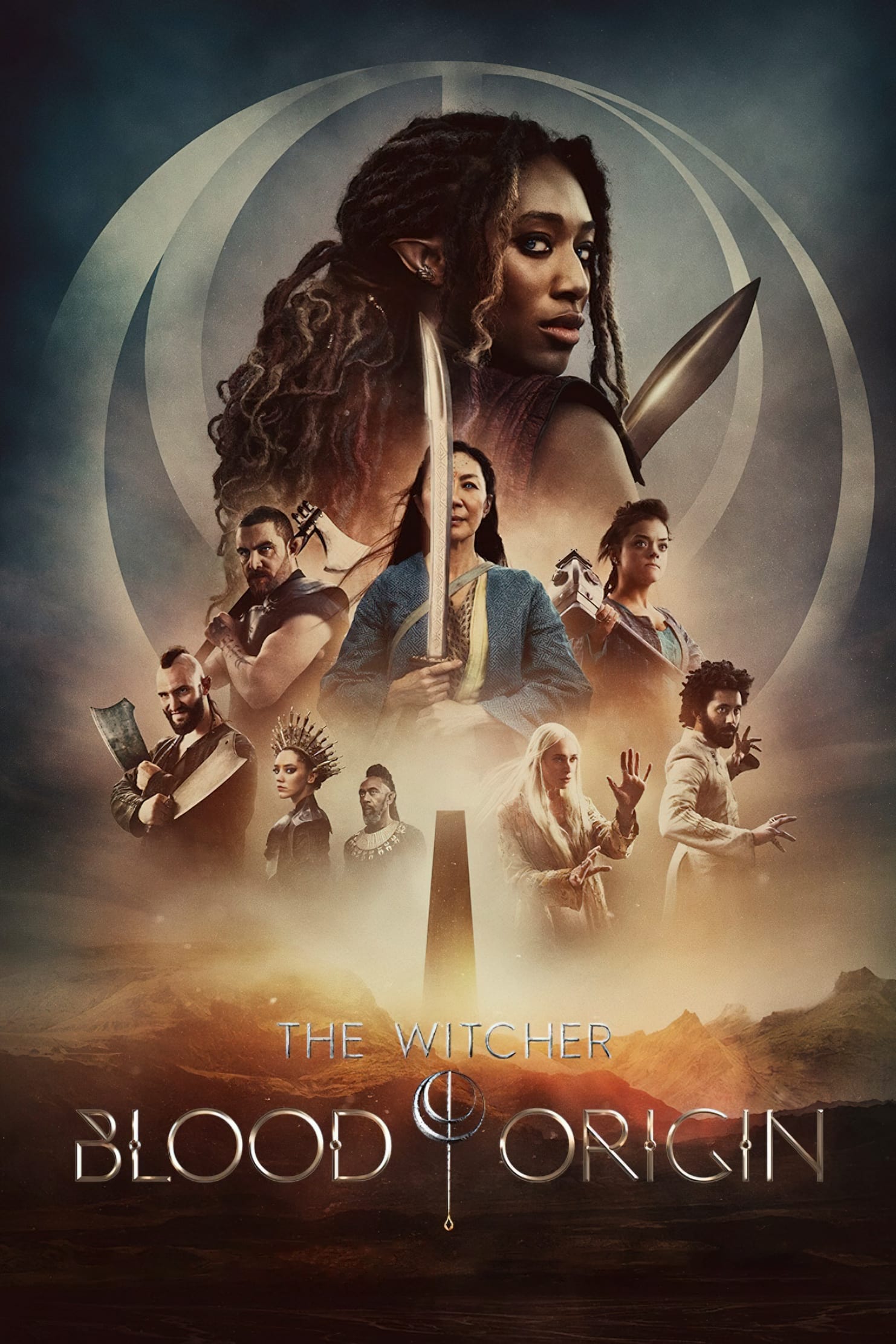
This prequel series was designed to expand the lore of the platform’s successful fantasy flagship. Fans rejected the show due to its disregard for the established canon and the simplified writing style. The visual effects and production design were criticized for appearing lower budget than the main series. The viewership numbers were disappointing and the audience reception was overwhelmingly negative. The four-part event damaged the goodwill of the franchise and raised concerns about future spinoffs.
Tell us which of these series disappointed you the most in the comments.