


The 15 Most Overrated A-List Directors in Hollywood

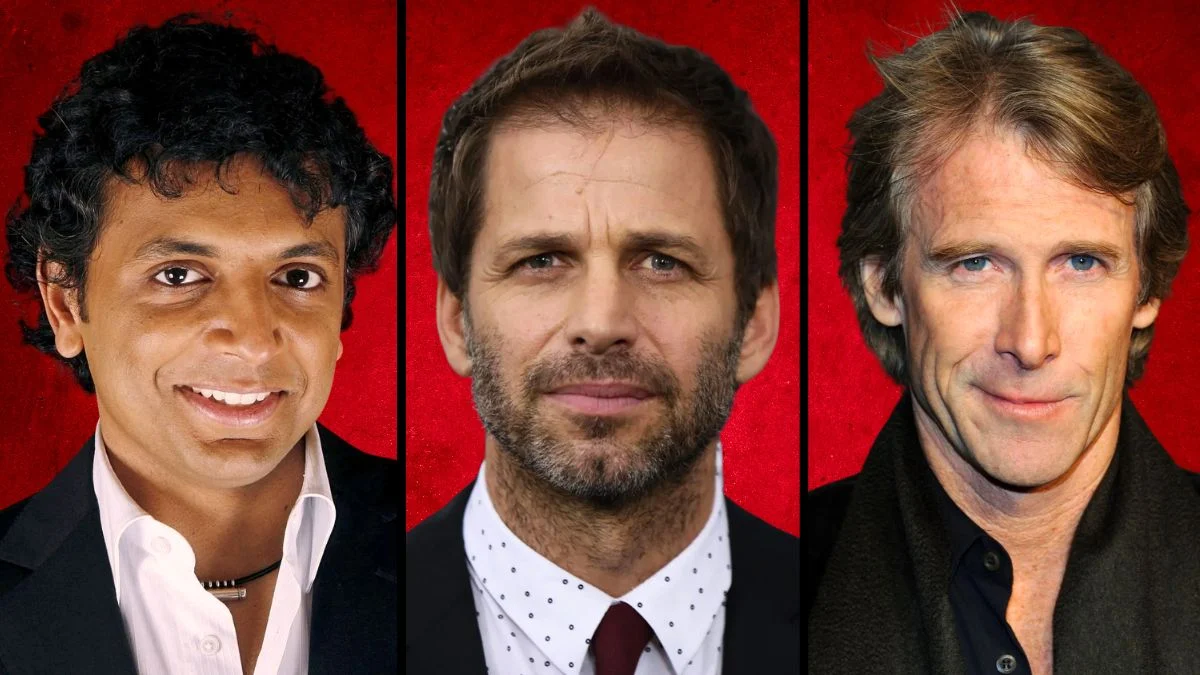


Hollywood consistently elevates certain filmmakers to A-list status based on box office returns rather than critical consistency. Many of these directors established themselves with early hits but subsequently faced criticism for repetitive stylistic choices or declining narrative quality. Audiences and critics often debate whether their widespread recognition matches the actual artistic merit of their filmographies. The following directors frequently appear in discussions regarding industry figures who receive more acclaim than their work arguably warrants.
Michael Bay
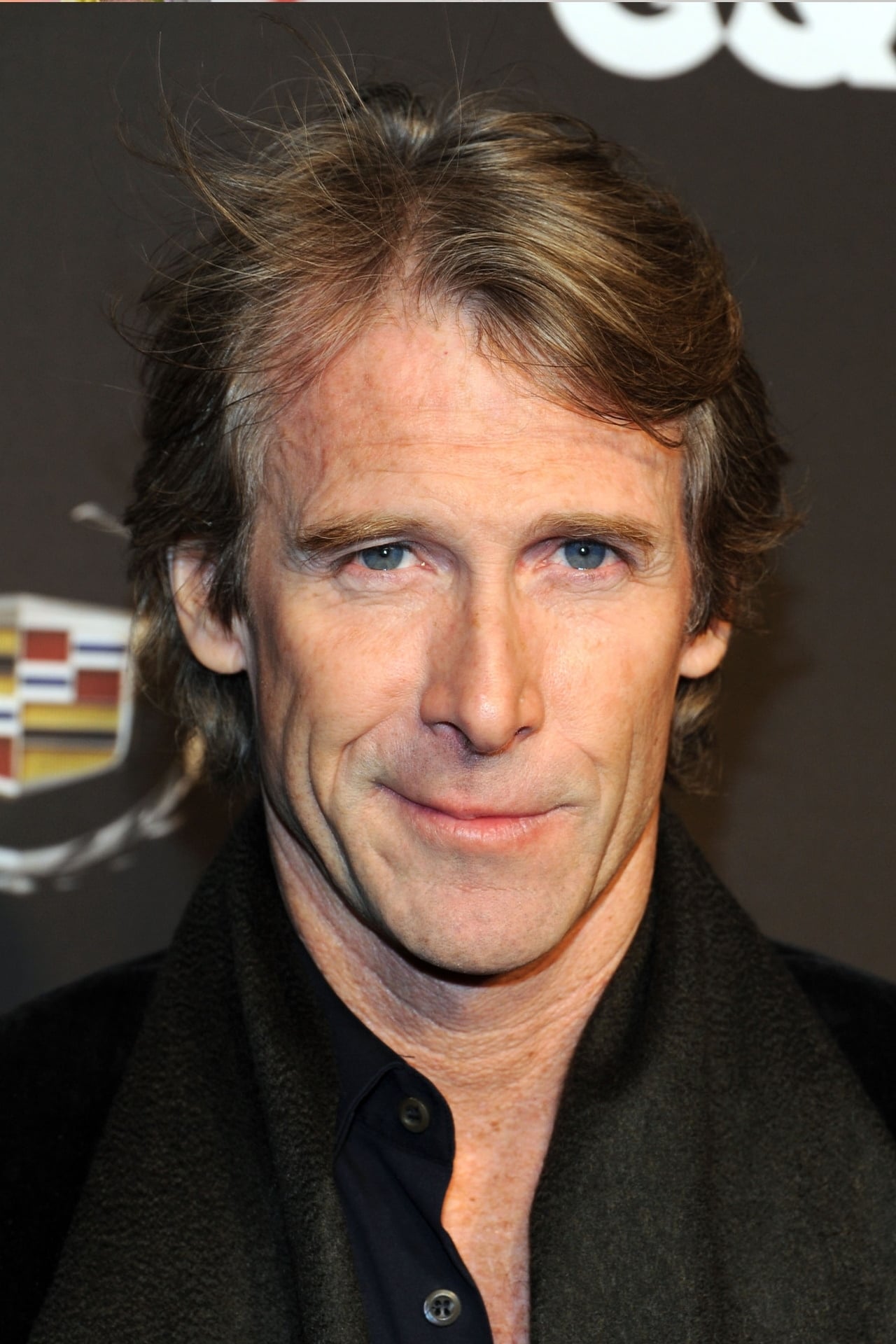
Michael Bay is synonymous with high-octane action sequences and massive explosions that often overshadow narrative depth. Critics frequently point out that his reliance on visual chaos results in films with thin plots and underdeveloped characters. The ‘Transformers’ franchise exemplifies his tendency to prioritize special effects over coherent storytelling. His commercial success is undeniable yet many film scholars argue his contribution to cinema is purely technical rather than artistic.
M. Night Shyamalan

This director burst onto the scene with ‘The Sixth Sense’ and established a reputation for shocking plot twists. His reliance on this specific narrative device eventually became a predictable trope that diminished the impact of his later films. Audiences have noted a significant inconsistency in the quality of his writing and direction over the last two decades. While he remains a prominent name in the thriller genre his output often fails to recapture the acclaim of his debut.
Zack Snyder
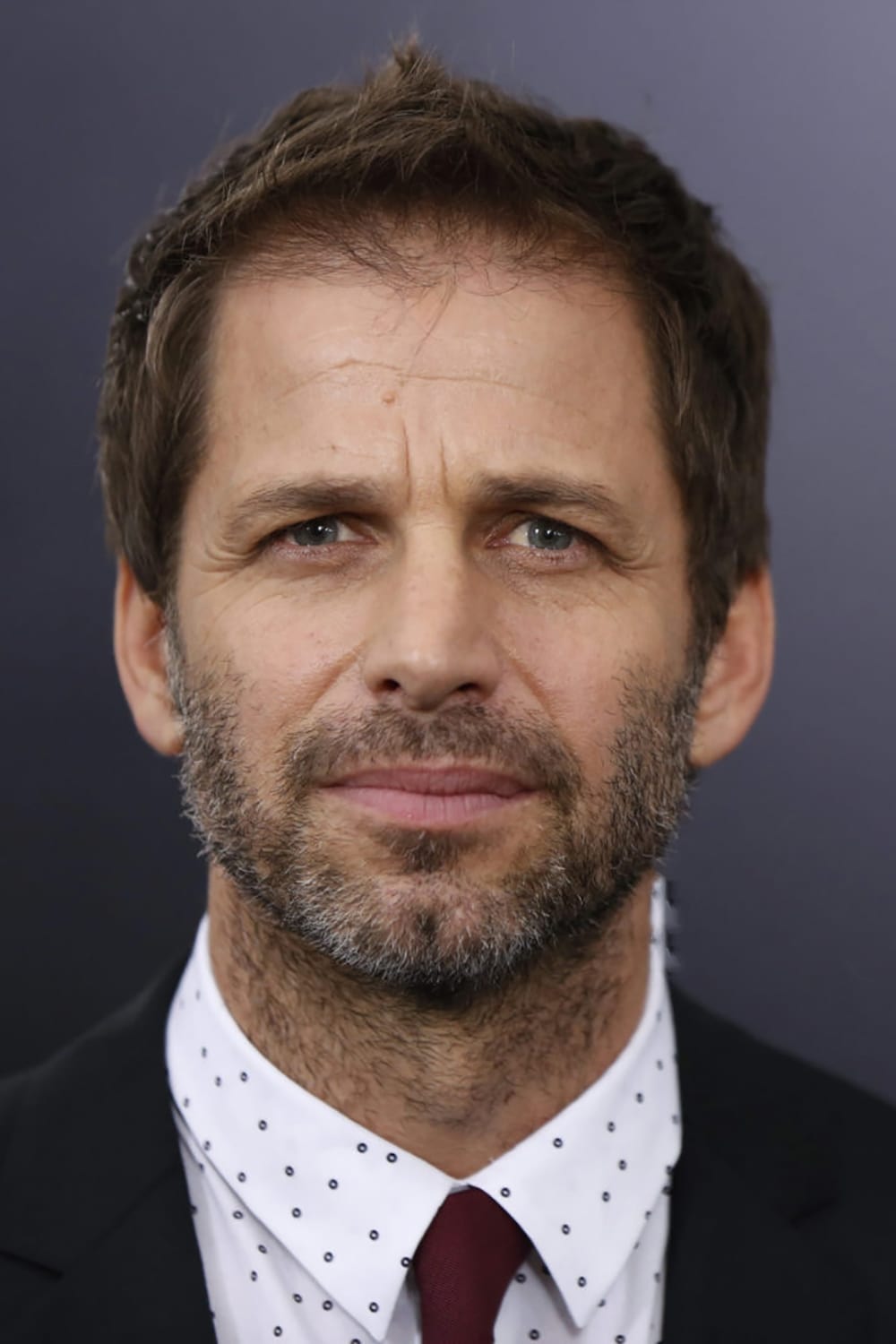
Zack Snyder creates visually stunning frames that often look like comic book panels brought to life. His intense focus on aesthetics often leads to accusations of style over substance regarding character development and plot pacing. Films like ‘Batman v Superman: Dawn of Justice’ polarized audiences due to their somber tone and convoluted narratives. He maintains a devoted fanbase even as general critics argue his slow-motion techniques are overused and self-indulgent.
Tim Burton
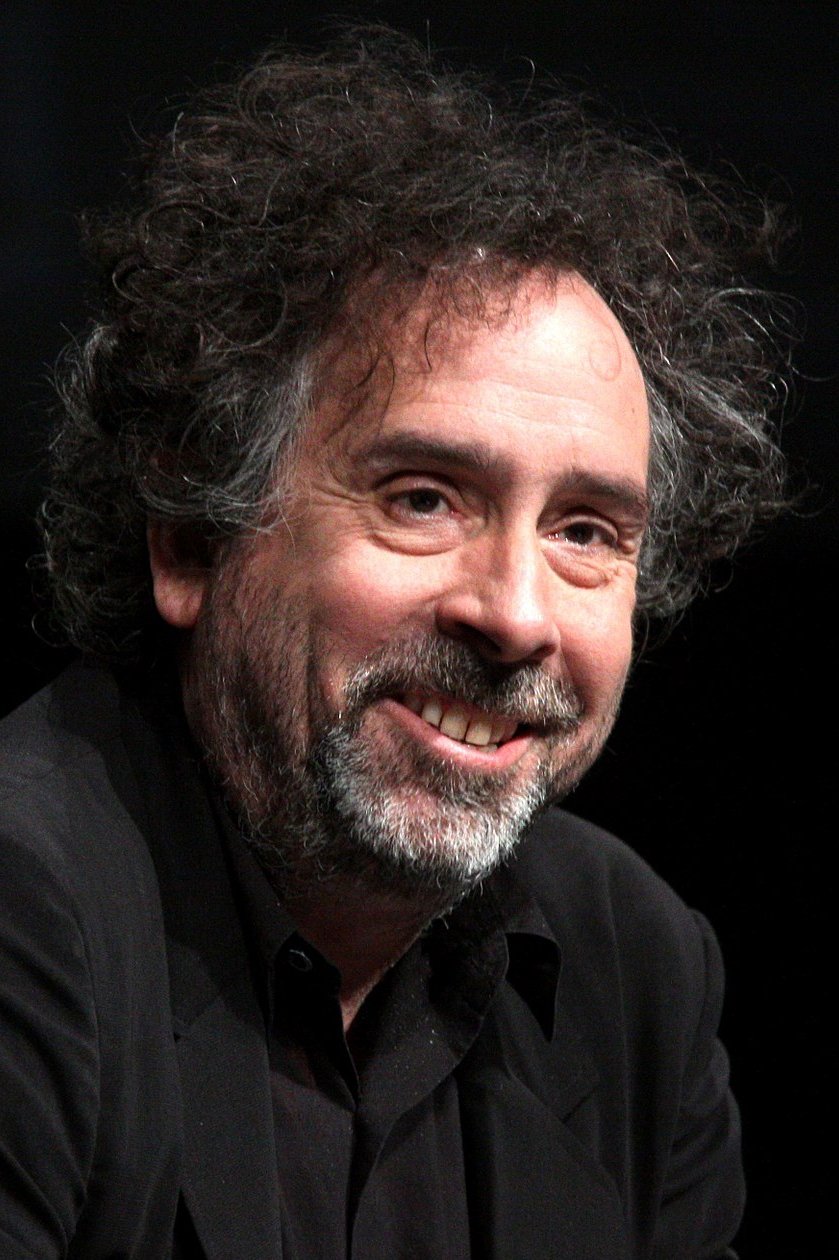
Tim Burton is celebrated for his gothic whimsy and distinct visual style that defined a specific era of filmmaking. Many critics argue that his once-unique aesthetic has become a repetitive caricature of itself in recent years. His frequent collaboration with specific actors and reliance on quirks often replace genuine emotional depth in his modern projects. Remakes such as ‘Alice in Wonderland’ demonstrated a shift toward commercial CGI spectacles rather than the practical charm of his earlier works.
J.J. Abrams

J.J. Abrams is known for revitalizing major franchises through his fast-paced direction and mystery box storytelling approach. Critics often argue that his films rely too heavily on nostalgia and references to past works rather than creating something new. The reliance on lens flares and frenetic action often disguises a lack of original plotting or satisfactory resolutions to his mysteries. His work on ‘Star Wars: The Rise of Skywalker’ drew criticism for playing it safe instead of offering a cohesive narrative conclusion.
Baz Luhrmann
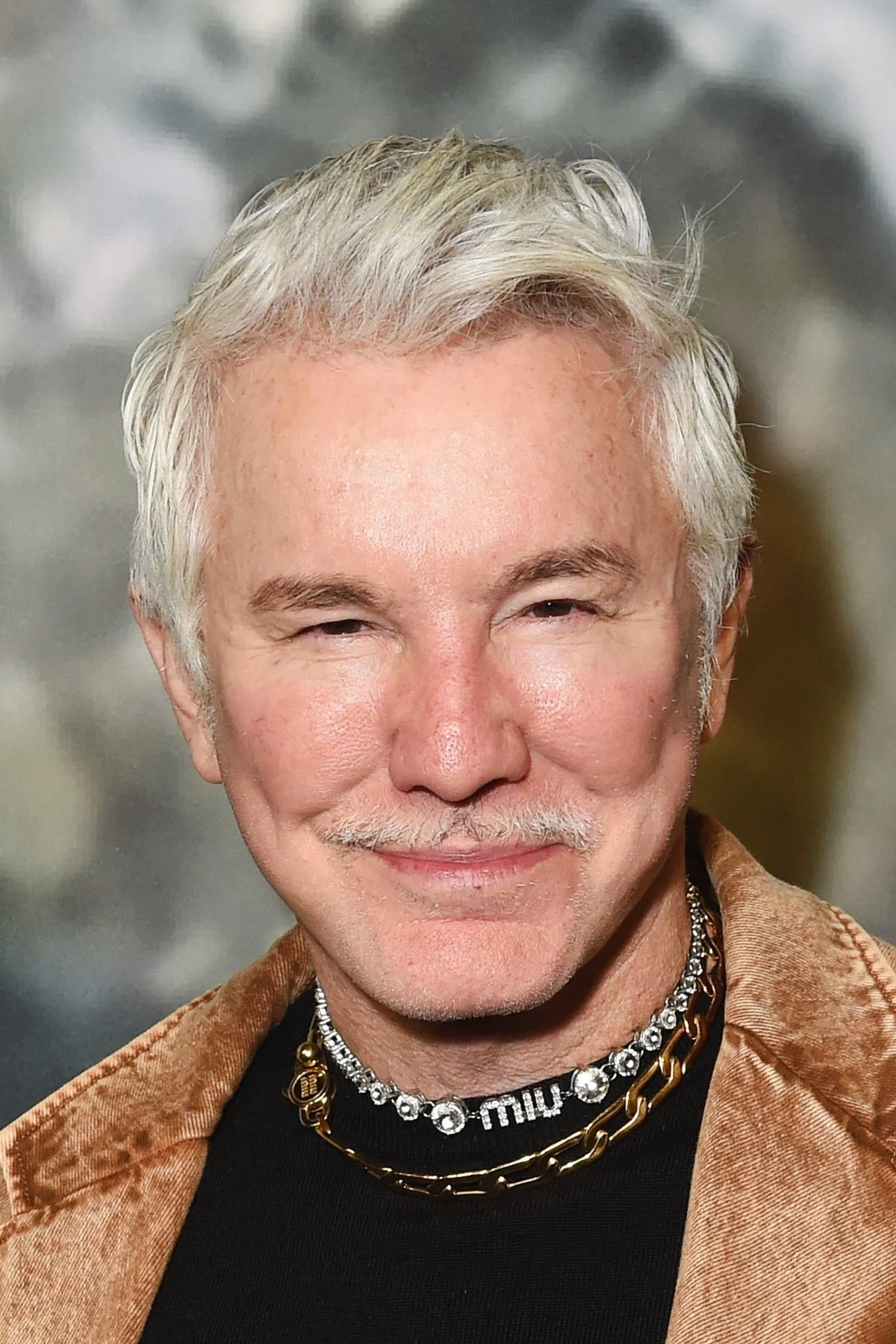
Baz Luhrmann employs a maximalist visual style characterized by frenetic editing and anachronistic musical choices. This sensory overload often distracts viewers from the lack of emotional resonance or character depth in his stories. Movies like ‘The Great Gatsby’ prioritized spectacular set pieces over the subtle social critique found in the source material. His approach creates a polarizing experience where the spectacle consistently outweighs the narrative substance.
George Lucas
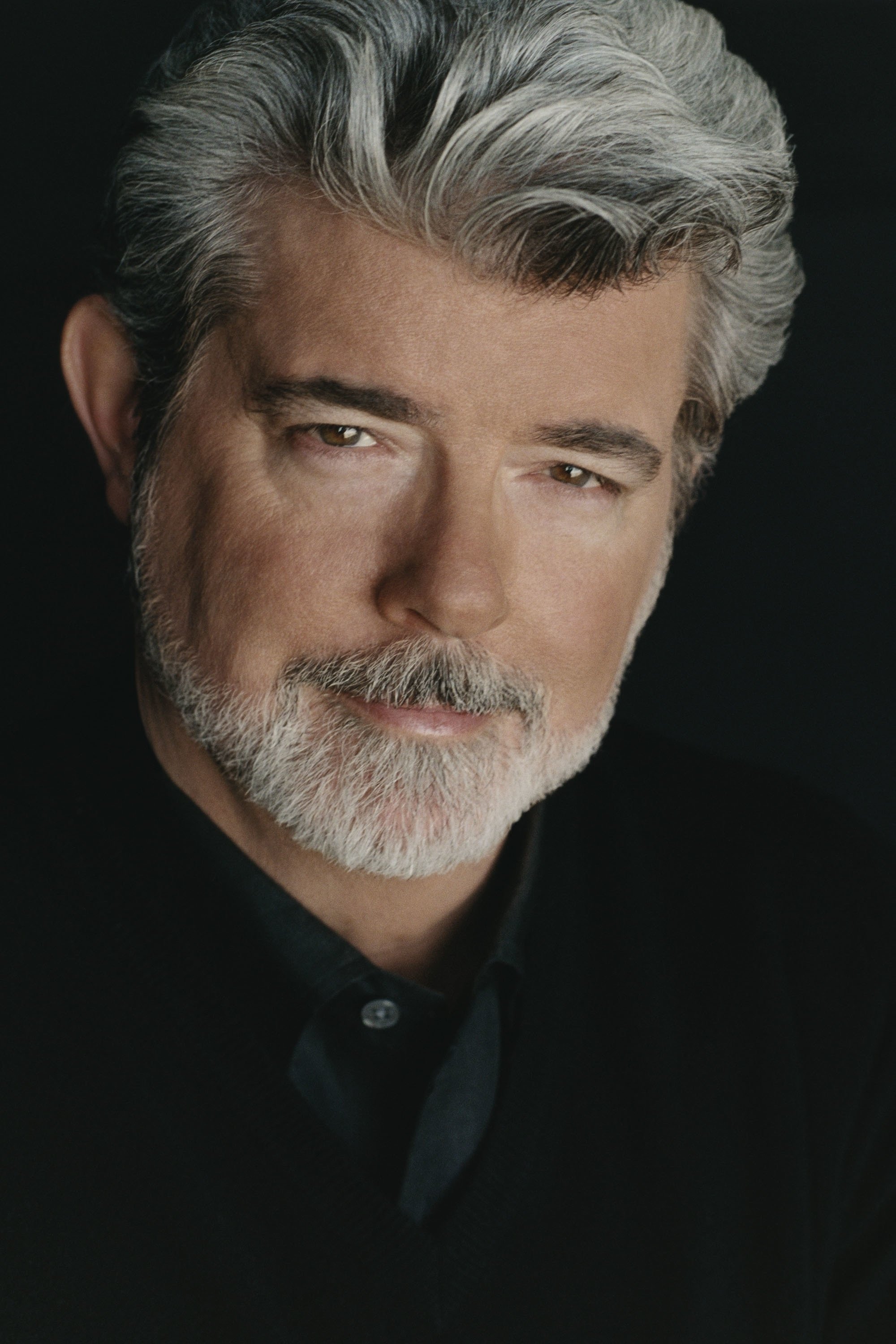
George Lucas forever changed pop culture with the original ‘Star Wars’ trilogy and his advancements in special effects technology. His reputation took a hit with the prequel trilogy as critics lambasted the wooden dialogue and overreliance on green screens. He is often cited as a visionary world-builder who struggles with the nuances of directing actors and writing natural conversations. The immense merchandising empire he built sometimes overshadows his actual limitations as a director of dramatic scenes.
Roland Emmerich

Roland Emmerich is the master of the modern disaster movie and is known for destroying landmarks on a global scale. His films frequently feature clichéd characters and dialogue that serves only to move the plot between action set pieces. Blockbusters like ‘Independence Day: Resurgence’ highlighted his tendency to recycle plot points from his own previous successes. Critics view him as a commercially successful director who consistently produces shallow entertainment without artistic ambition.
Guy Ritchie

Guy Ritchie burst onto the scene with sharp British gangster films that featured quick dialogue and nonlinear editing. His transition to big-budget studio films often resulted in projects where his signature style felt forced or out of place. The critical failure of ‘King Arthur: Legend of the Sword’ exposed the limitations of applying his kinetic editing to traditional blockbuster formats. He is often accused of repeating the same macho tropes and stylistic ticks regardless of the genre he is tackling.
James Cameron

James Cameron is responsible for some of the highest-grossing films in history including ‘Titanic’ and ‘Avatar’. While his technical mastery is undisputed many critics find his screenwriting to be derivative and his dialogue surprisingly clunky. The visual splendor of his films often masks simple narratives that rely on broad archetypes rather than complex characterizations. His immense box office returns grant him A-list status despite frequent criticism regarding the simplicity of his storytelling.
Ron Howard
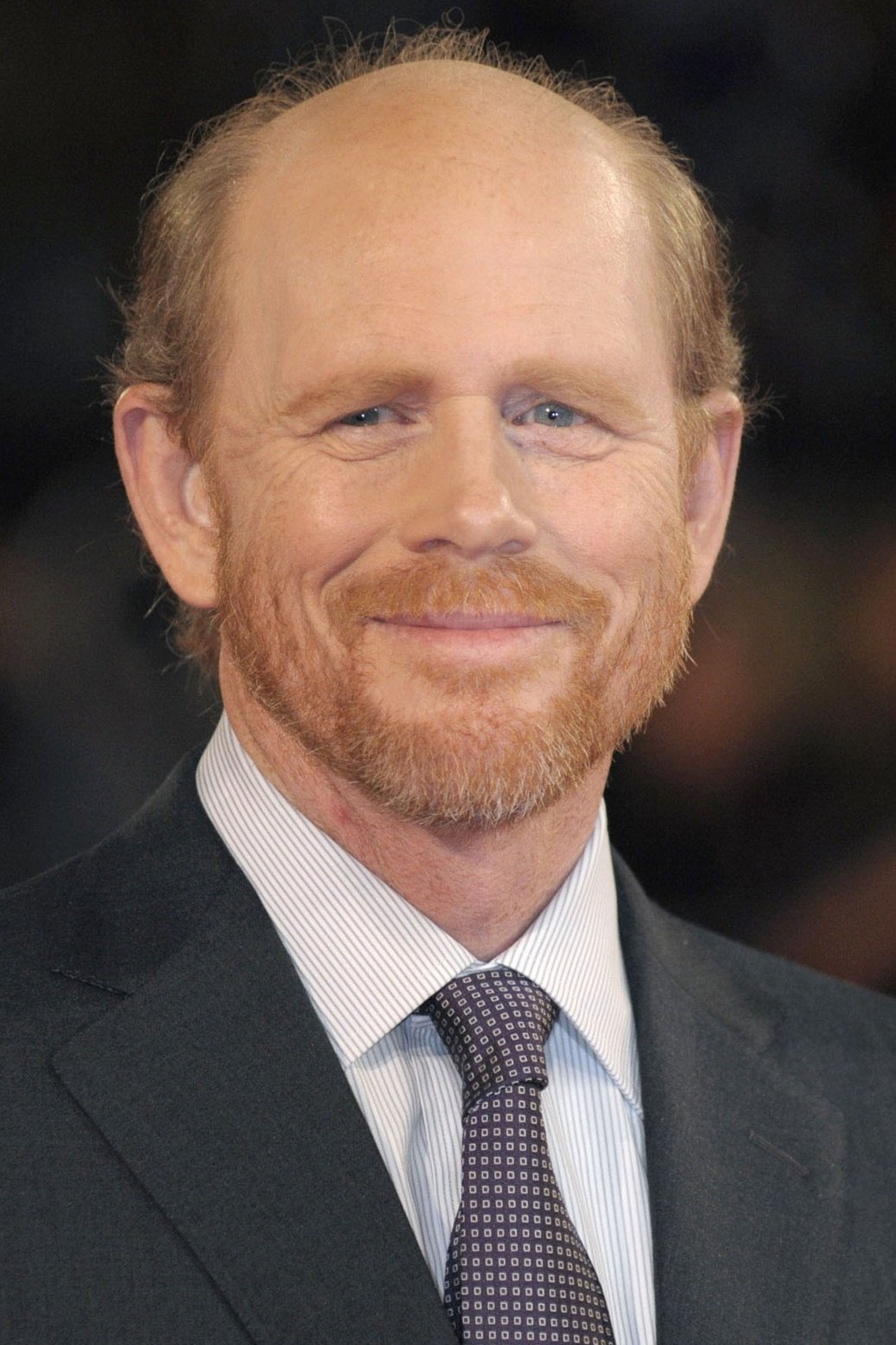
Ron Howard is viewed by many as a competent craftsman who lacks a distinct or visionary directorial voice. His filmography covers various genres but rarely challenges the audience or pushes the boundaries of the medium. Critics often describe his Oscar-winning work as safe and conventional specifically designed to appeal to award voters. He consistently delivers polished products that rarely leave a lasting cultural impact beyond their initial release window.
Robert Zemeckis

Robert Zemeckis directed beloved classics like ‘Back to the Future’ before becoming obsessed with motion-capture technology. His fixation on digital effects in films like ‘The Polar Express’ resulted in characters that many viewers found unsettling and lifeless. This pursuit of technological advancement often came at the expense of the warmth and humanity that defined his earlier live-action hits. Critics argue he lost his storytelling magic when he prioritized computer-generated innovation over emotional connection.
Ridley Scott
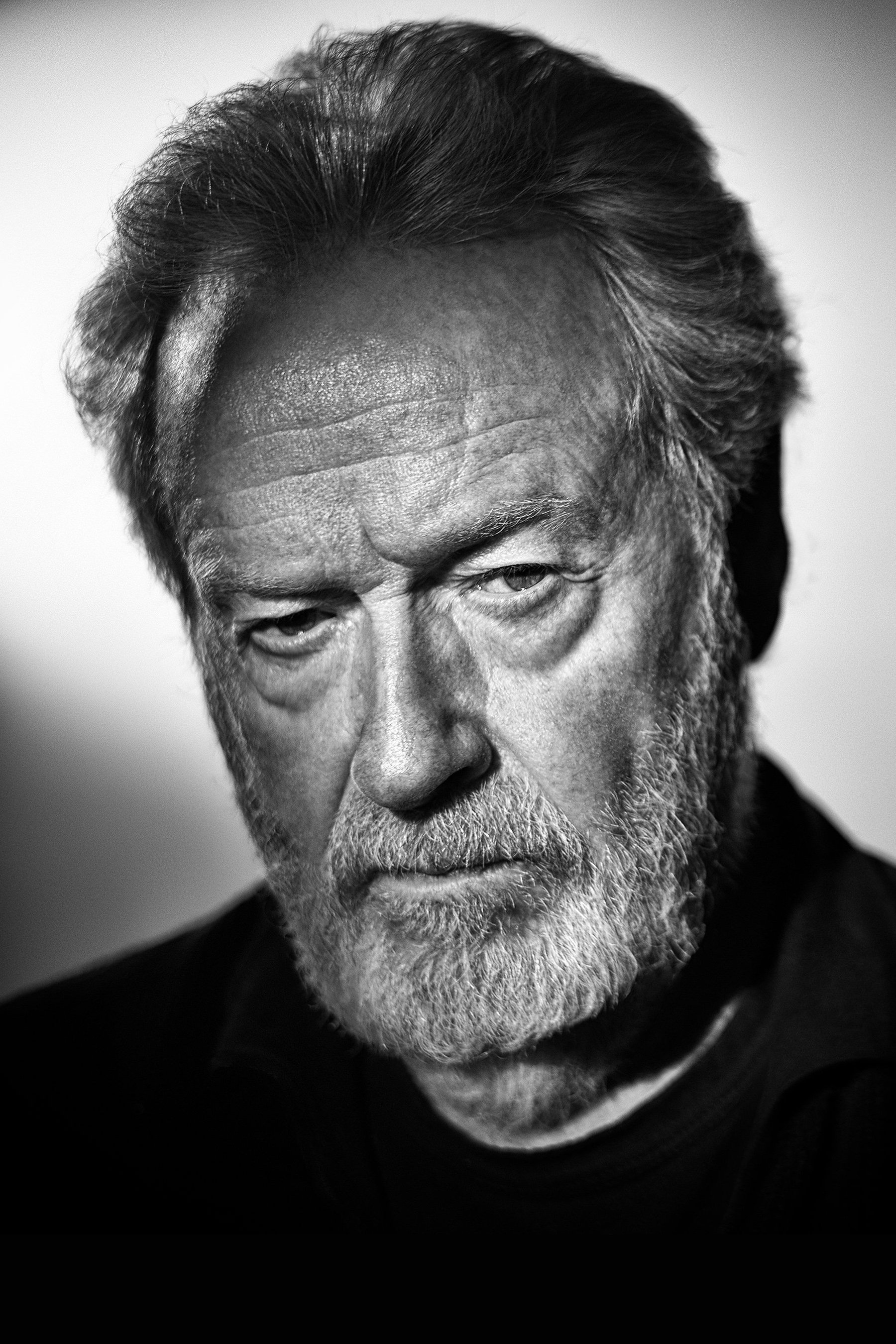
Ridley Scott directed two of the most influential science fiction films of all time with ‘Alien’ and ‘Blade Runner’. His vast filmography since then has been marked by extreme inconsistency and a number of critical disappointments. Recent entries like ‘Prometheus’ were criticized for confused plotting and characters making illogical decisions to serve the script. His prolific output often results in a quantity-over-quality approach that dilutes his status as a visionary auteur.
Oliver Stone
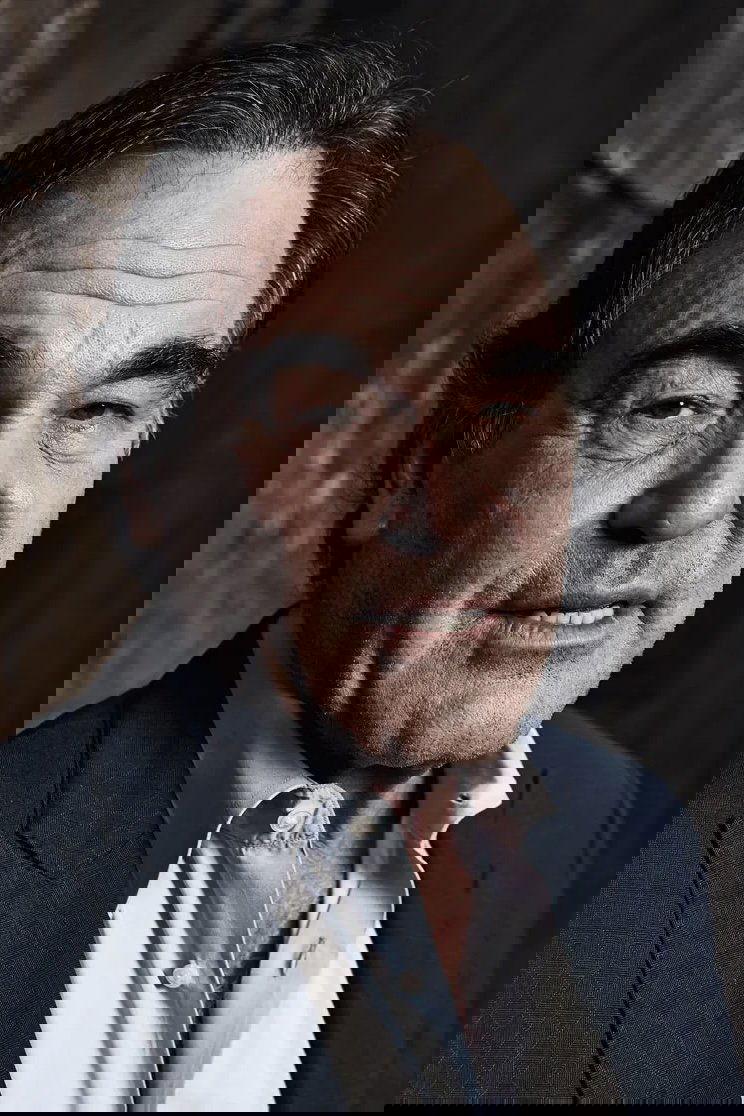
Oliver Stone was once the provocative voice of political cinema with films like ‘Platoon’ and ‘JFK’. His later works have been criticized for heavy-handed messaging and a lack of subtlety that borders on preaching. The director frequently prioritizes his controversial interpretations of history over coherent narrative structures. Audiences and critics alike have found his recent output to be less insightful and more conspiratorial than his acclaimed early work.
Woody Allen
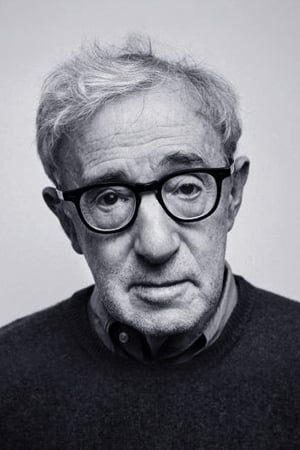
Woody Allen was once hailed as a comedic genius for his neurotic characters and intellectual wit. His output in recent decades has been criticized for being repetitive and increasingly out of touch with modern audiences. The dialogue often feels recycled from his superior early films while the plots tread familiar ground without offering new insights. His prolific pace of releasing a film nearly every year led to a noticeable decline in quality control.
Share this article on social media to join the debate about which Hollywood directors deserve their A-list status.