

The Most Popular Anime of Each Year Over the Last 20 Years

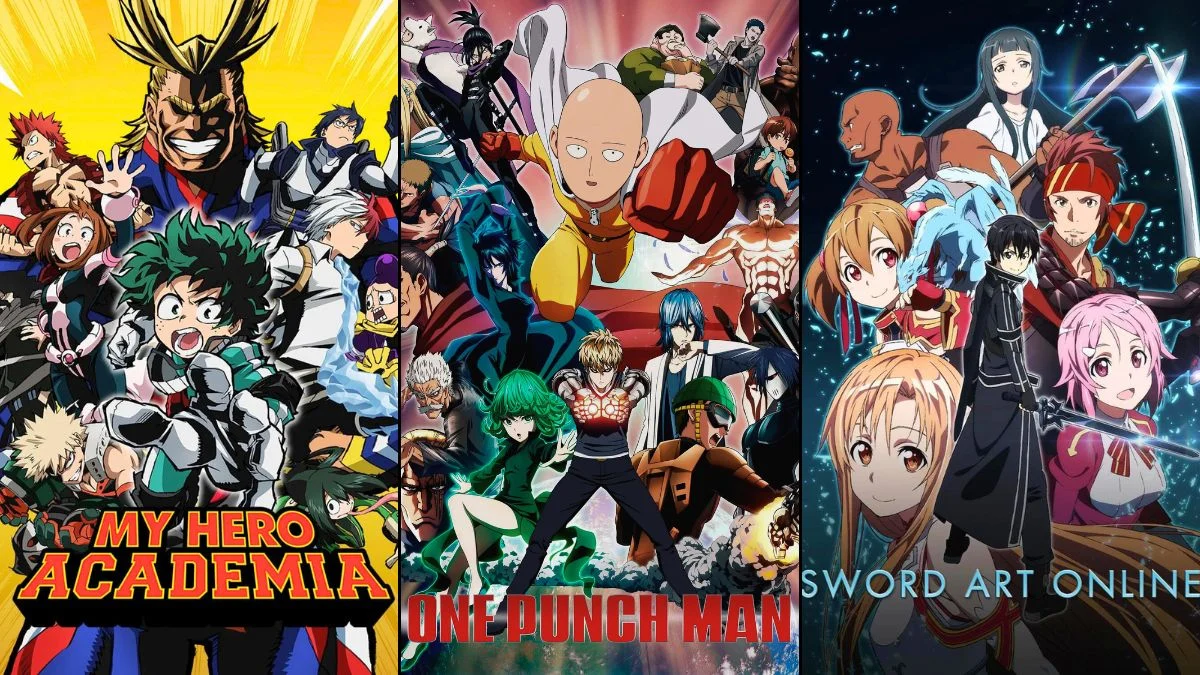


From breakout series that defined entire seasons to blockbuster films that drew new viewers into the medium, each year delivered at least one anime that dominated conversation and screens. This roundup highlights the title that captured the widest audience attention each year through broadcast reach, streaming momentum, merchandise sales, and cultural footprint. You’ll find smash hits from shonen powerhouses, prestige dramas, and a few singular movies that rewrote records. Each entry sticks to the essentials fans look for, from premise and studio to where it originally ran and what made it the show everyone talked about.
‘Death Note’ (2006–2007)
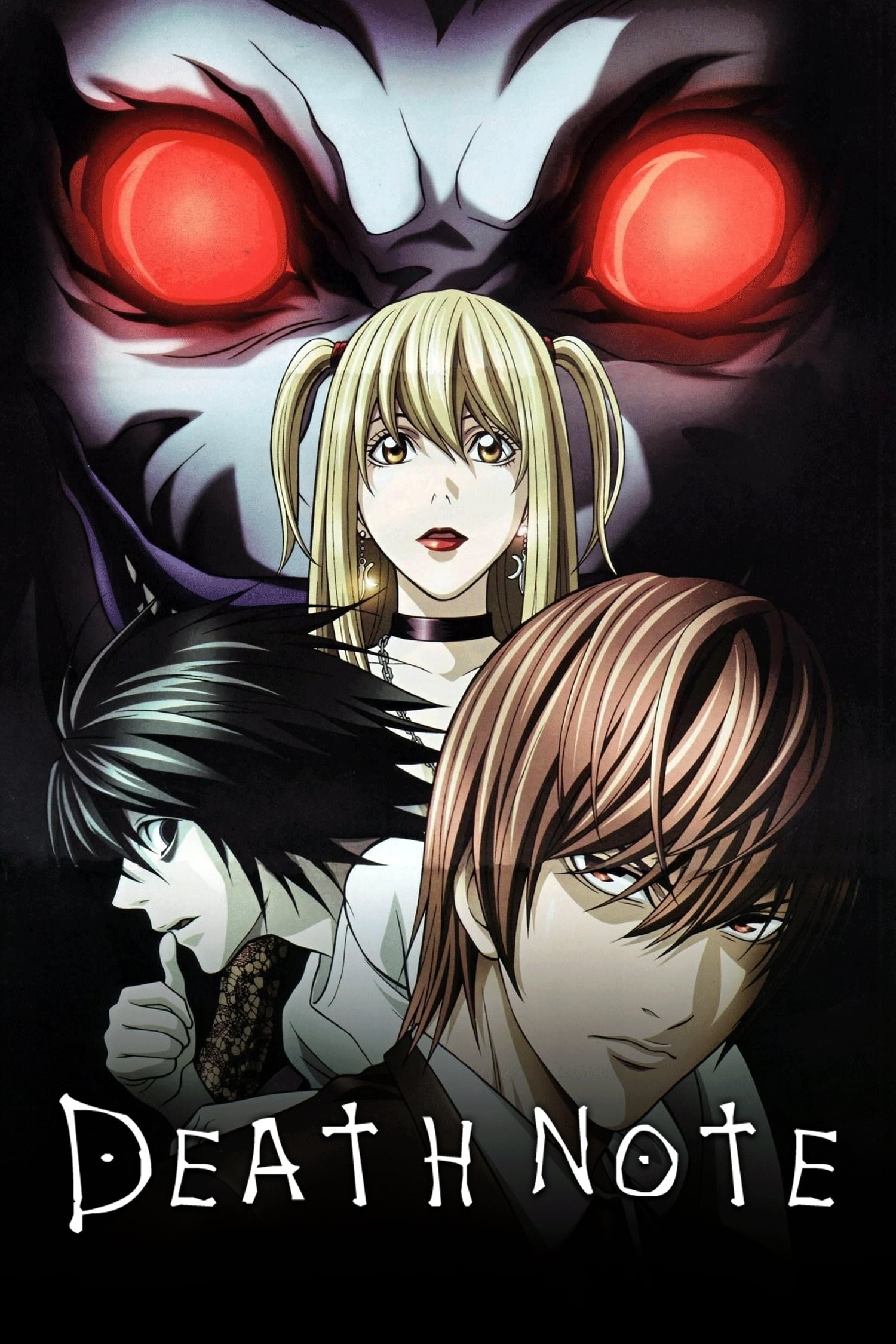
This psychological thriller follows a student who gains a notebook that can kill anyone whose name is written in it. Produced by Madhouse, it aired on late-night television and quickly spread internationally through early legal streaming and home video. The cat-and-mouse battle between Light and L kept fans engaged with tight pacing and memorable twists. Character designs by Takeshi Obata’s original manga art and a moody score helped it break out beyond typical anime circles.
‘Gurren Lagann’ (2007)
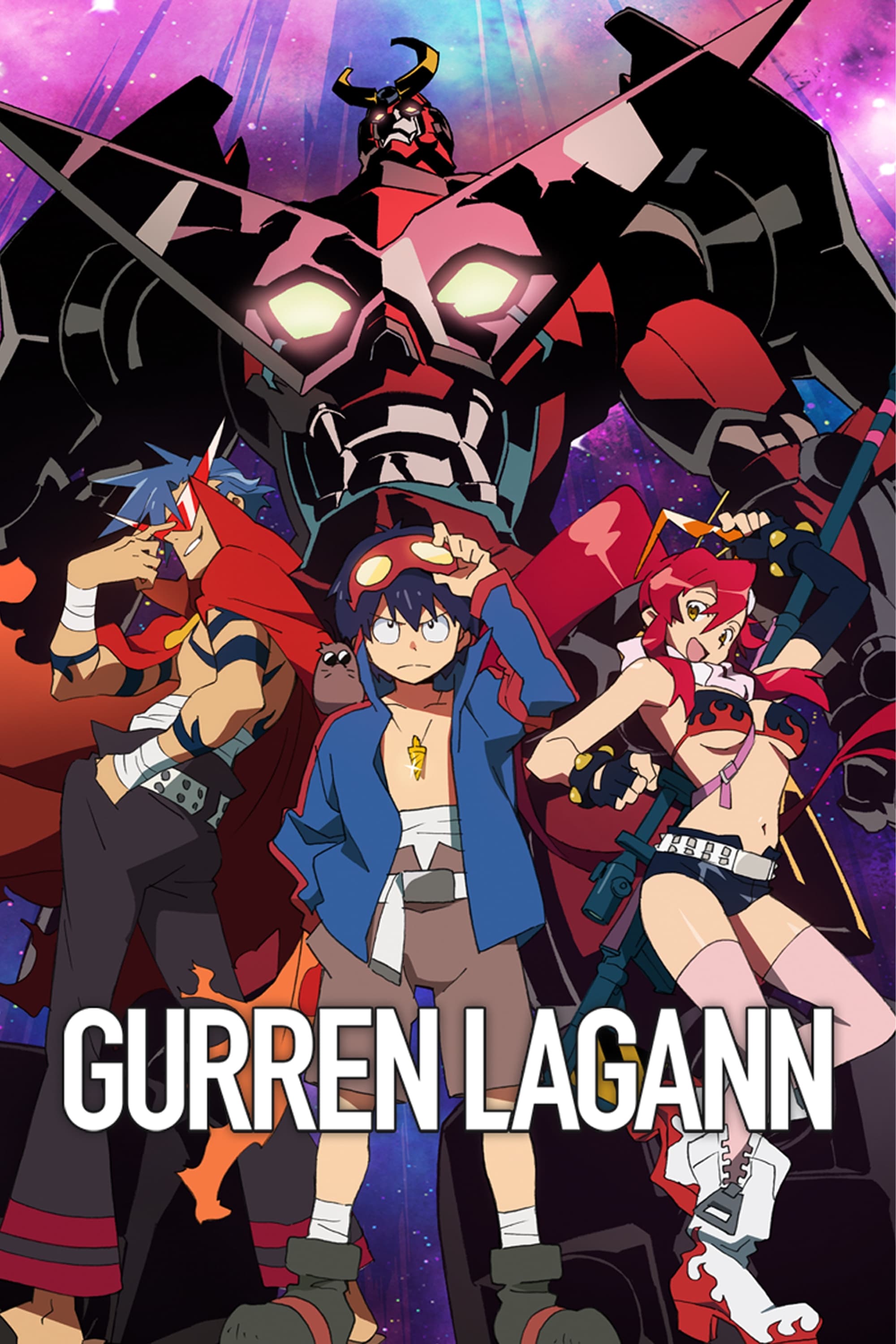
A mecha adventure from Gainax, it pairs over-the-top action with an underdog story about humans escaping underground life to fight oppressive foes. Its escalating set pieces, quotable lines, and distinctive visual style made it a convention staple. Broadcast on Japanese TV and picked up widely overseas, it fueled merchandise and figure lines around its mechs and cast. The series also launched careers for key staff who later led other landmark projects.
‘Code Geass: Lelouch of the Rebellion R2’ (2008)
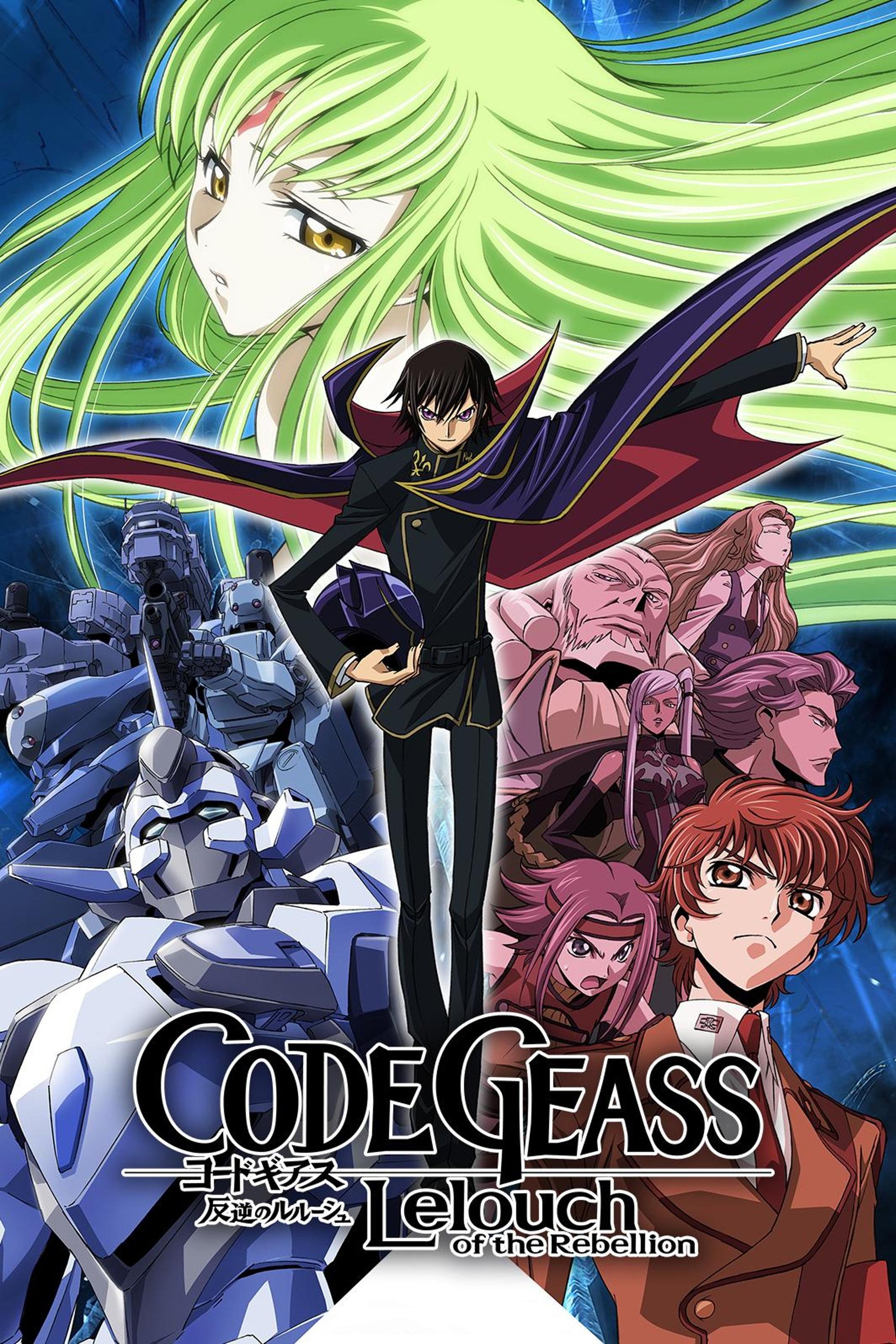
Sunrise delivered a sequel that amplified intrigue, battles, and the Zero Requiem payoff. Weekly TV broadcasts drove intense speculation around its masked rebel lead and political gambits. The show mixed tactical mech combat with school-life interludes that broadened appeal. Strong character marketing and soundtracks kept it near the top of sales charts during its run.
‘Fullmetal Alchemist: Brotherhood’ (2009–2010)
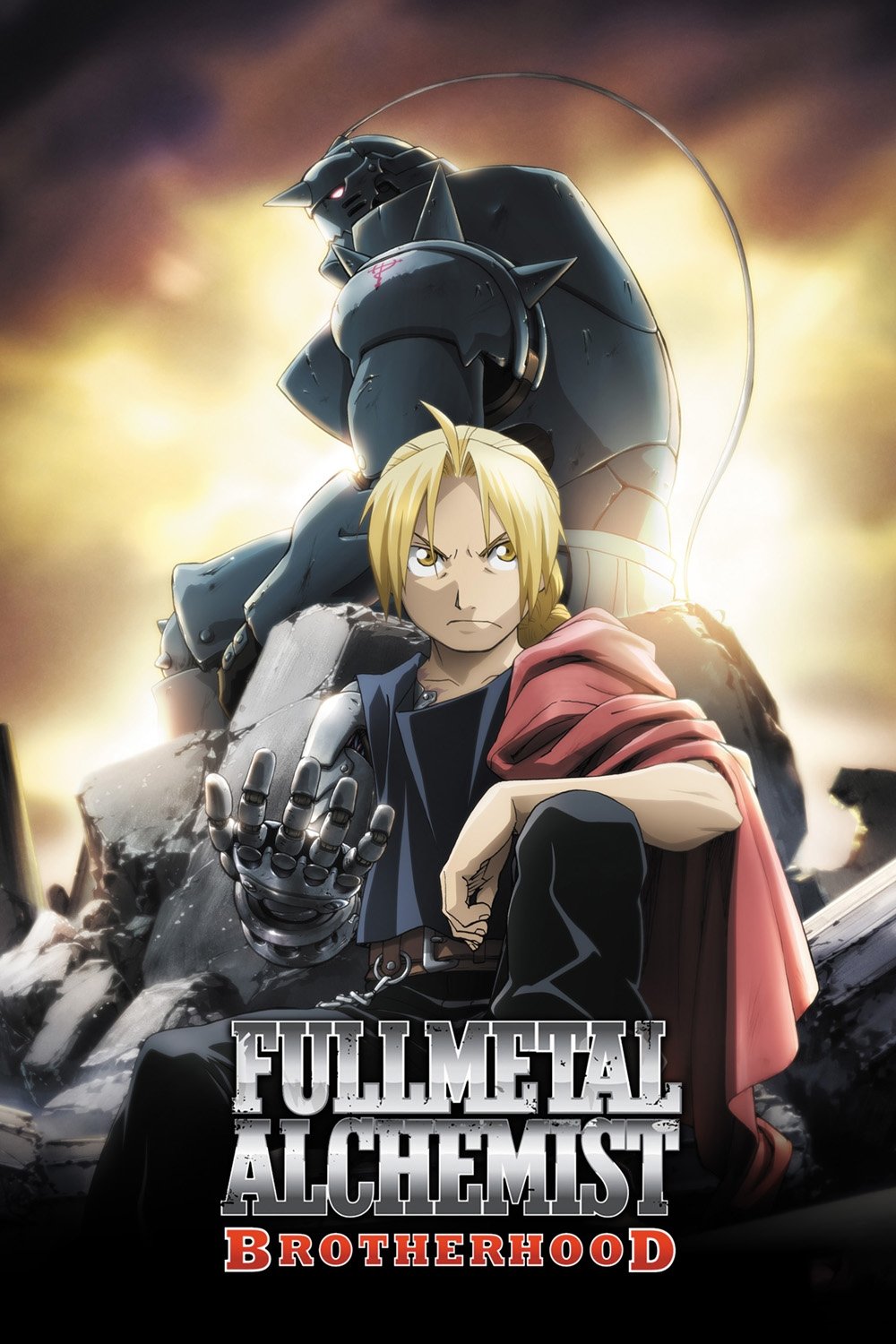
Bones adapted the manga to completion with consistent animation quality and a faithful storyline. The tale of the Elric brothers blends alchemy lore, military conspiracies, and personal sacrifice. Simulcasting made it easy for global audiences to follow as episodes dropped on schedule. Its ensemble cast, worldbuilding, and climactic arcs sustained long-tail popularity on streaming platforms.
‘K-On!’ (2010)
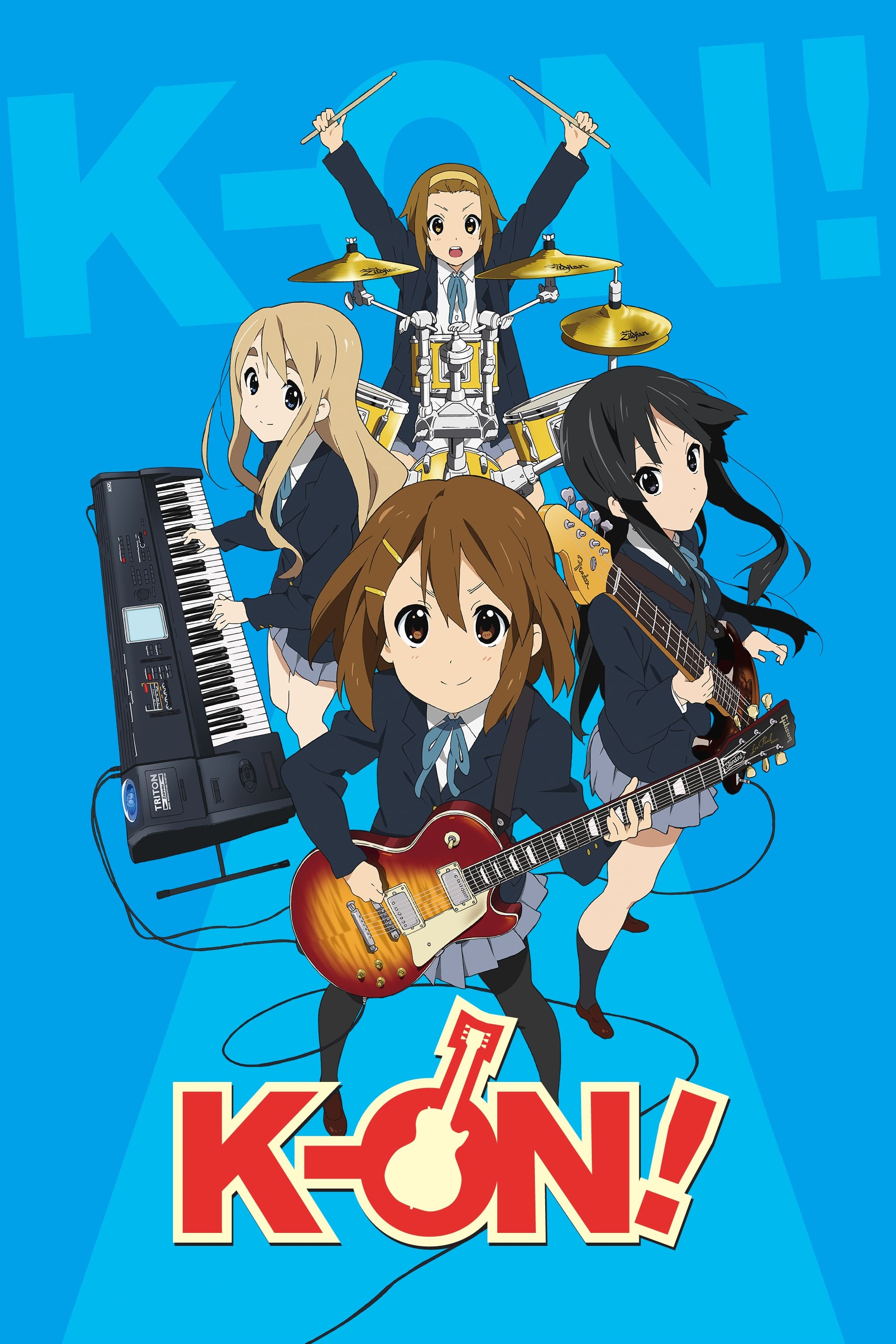
Kyoto Animation’s slice-of-life music sequel followed a high school light music club balancing practice with everyday fun. Catchy insert songs translated to real-world hits, fueling concerts and CD sales. Character goods, apparel, and instrument tie-ins spread its presence outside anime shops. Gentle humor and polished direction made it a go-to comfort watch on TV and later streaming.
‘Hunter x Hunter’ (2011–2014)
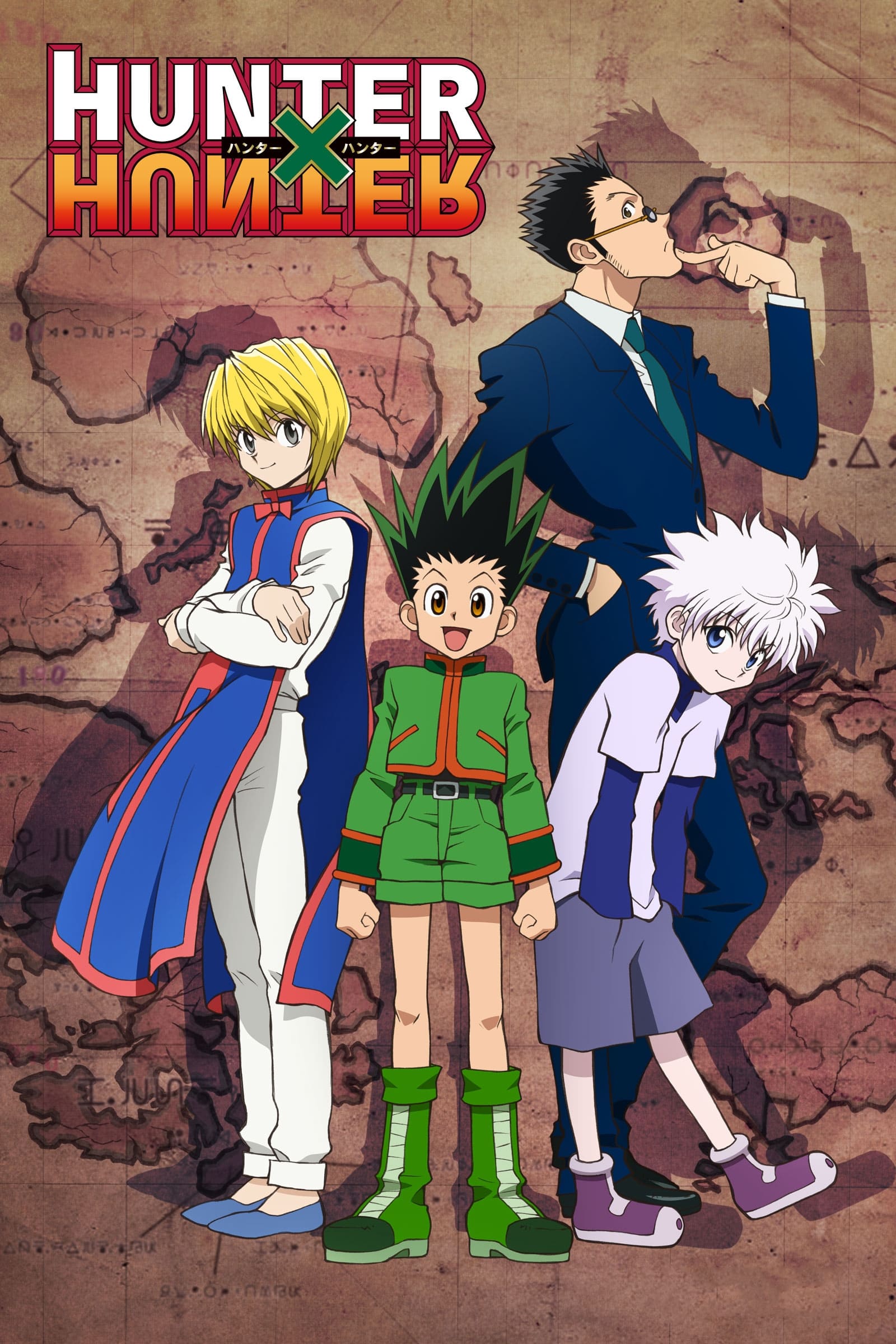
Madhouse’s long-form adaptation delivered consistently strong production across adventure arcs from the Hunter Exam to the Chimera Ant saga. Its flexible tone let it shift from whimsy to high-stakes drama without losing momentum. Regular TV slots and broad licensing expanded its reach to new viewers. The series became a fixture on major platforms, maintaining high completion rates across lengthy arcs.
‘Sword Art Online’ (2012–2014)

A virtual-reality survival premise and sleek action helped A-1 Pictures’ series reach mainstream audiences. Simulcasts and quick home releases made it easily accessible worldwide. Character-driven arcs and game-world variety supported spinoffs, films, and a wide merchandise range. It also sparked waves of online discussion around MMO mechanics and ethics in virtual spaces.
‘Attack on Titan’ (2013–2023)
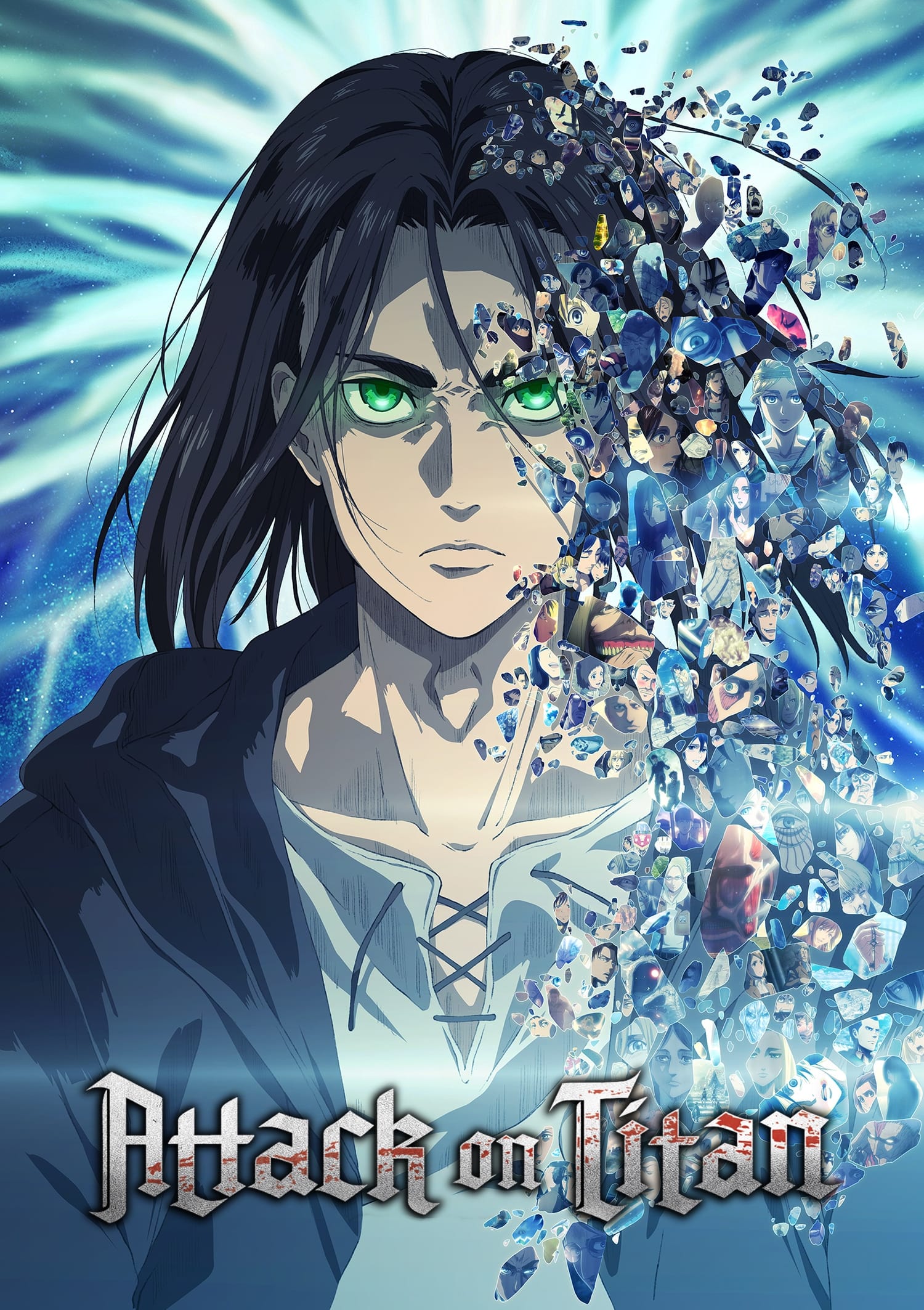
Wit Studio launched the phenomenon with wall-breaching titans, vertical maneuver gear, and a relentless tone. Epic set pieces and mystery-driven storytelling made weekly viewing an event. Theme songs climbed charts and live concerts amplified the brand. The property’s later seasons and collaborations kept it a top-tier draw across broadcasters and streaming services.
‘Tokyo Ghoul’ (2014–2015)
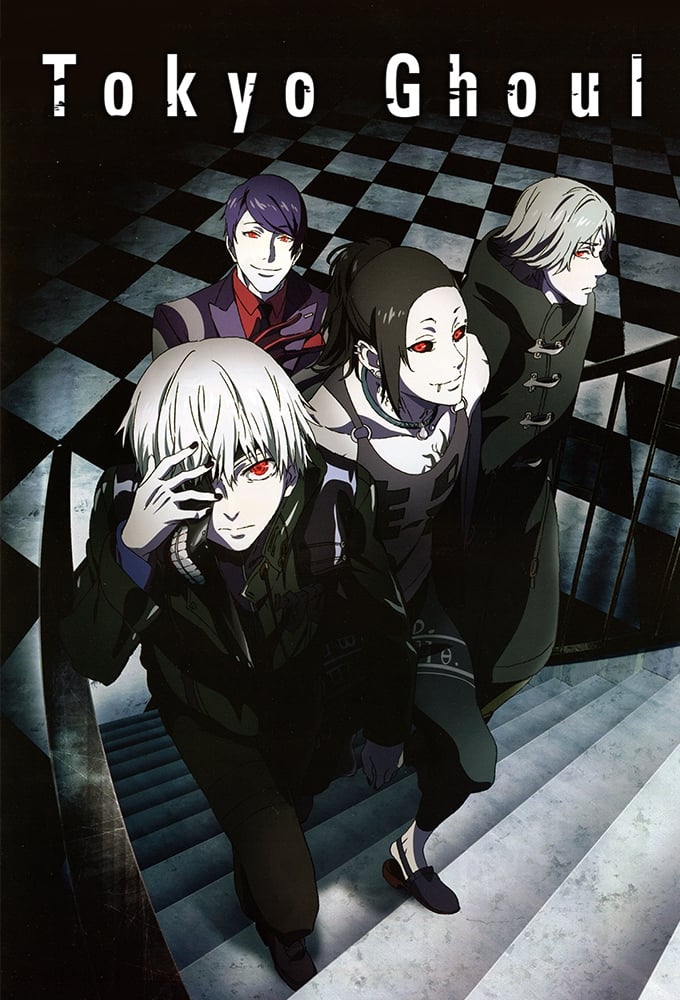
Studio Pierrot’s adaptation blended urban horror with identity struggles as its lead navigates life between human and ghoul worlds. Striking mask designs and café settings drove strong cosplay and goods sales. The manga tie-in surged alongside the show, pulling in new readers. Broadcast presence and international licensing ensured rapid recognition beyond horror fans.
‘One-Punch Man’ (2015–2019)
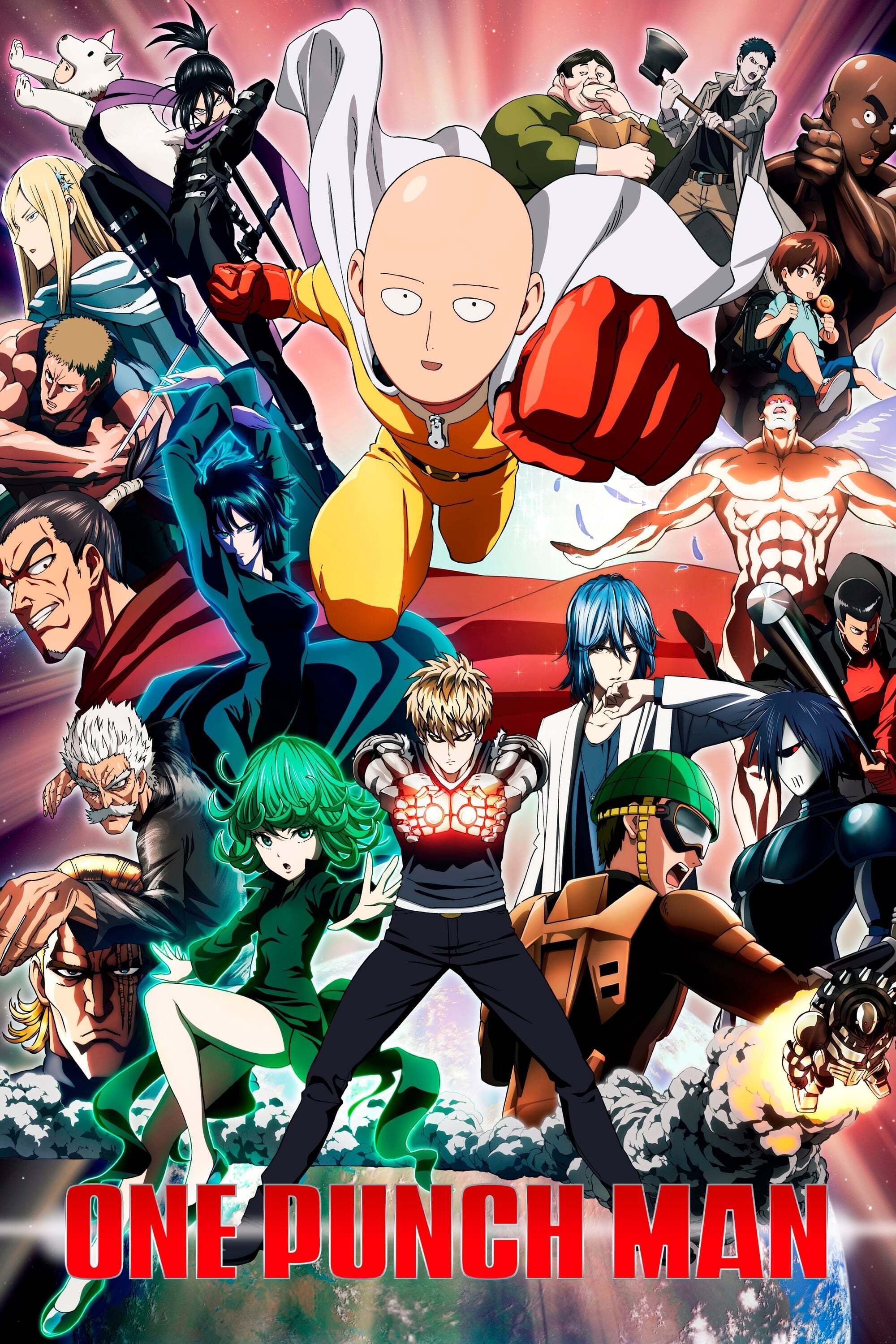
Madhouse delivered crisp action and comic timing in the story of a hero who wins every fight with a single punch. Viral clips from battles and training gags spread across social media. Opening and ending themes became staples at fan events. Its approachable satire and high rewatch value gave it staying power on major platforms.
‘Your Name.’ (2016)
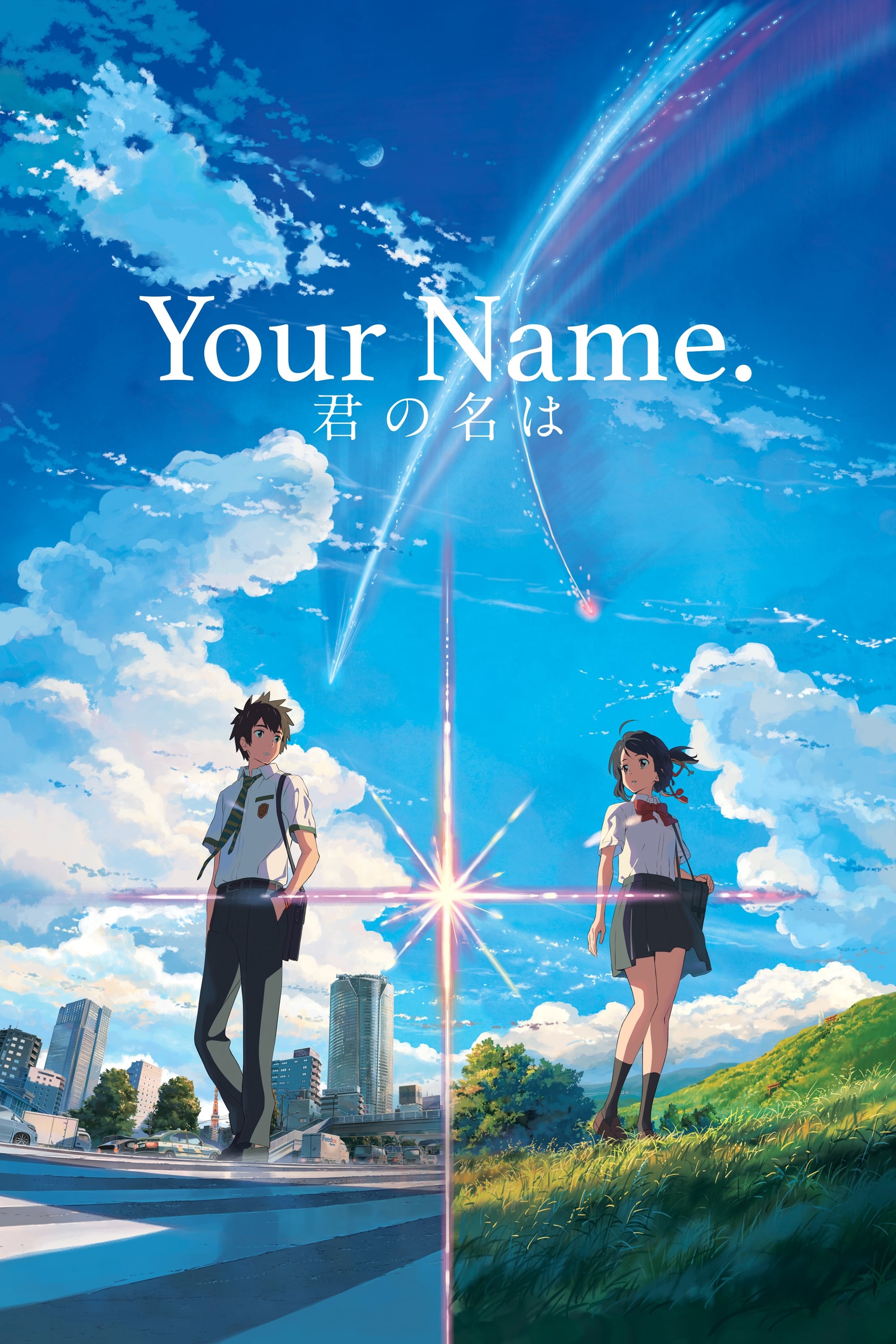
Makoto Shinkai’s body-swap romance from CoMix Wave Films set box-office milestones in multiple regions. Detailed backgrounds and emotive scoring carried its small-town and city settings. The film’s soundtrack collaborations boosted radio play and music sales. Global theatrical runs and quick digital releases made it a crossover hit for audiences new to anime.
‘My Hero Academia’ (2016–2024)
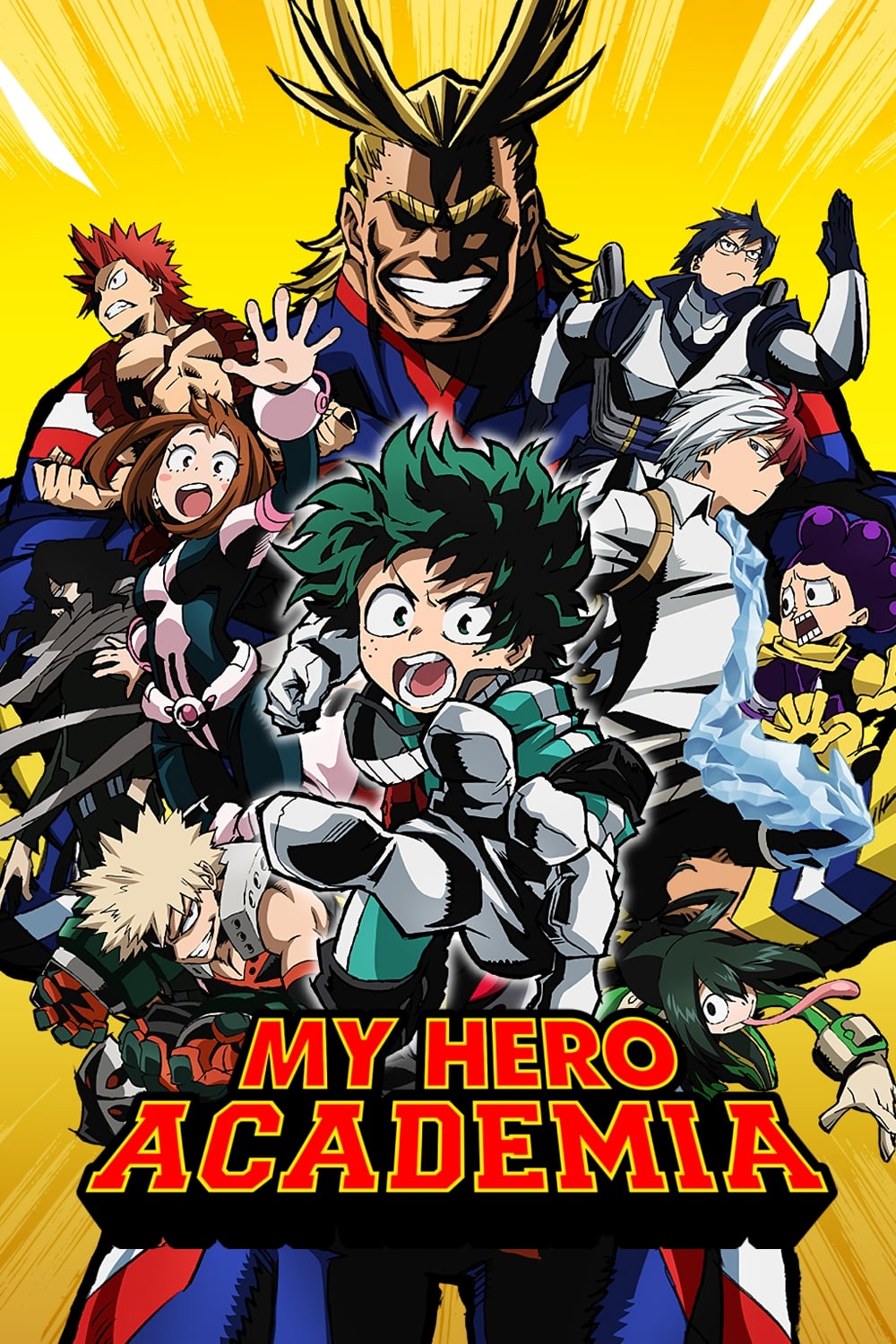
Bones adapted a school-for-heroes saga that blends training arcs with large-scale villain showdowns. Seasonal releases created reliable viewing cycles and fueled theater events for tie-in films. Character popularity polls translated into steady figure and apparel drops. The show’s clear power systems and tournament structure made it easy for new viewers to jump in.
‘Violet Evergarden’ (2018)
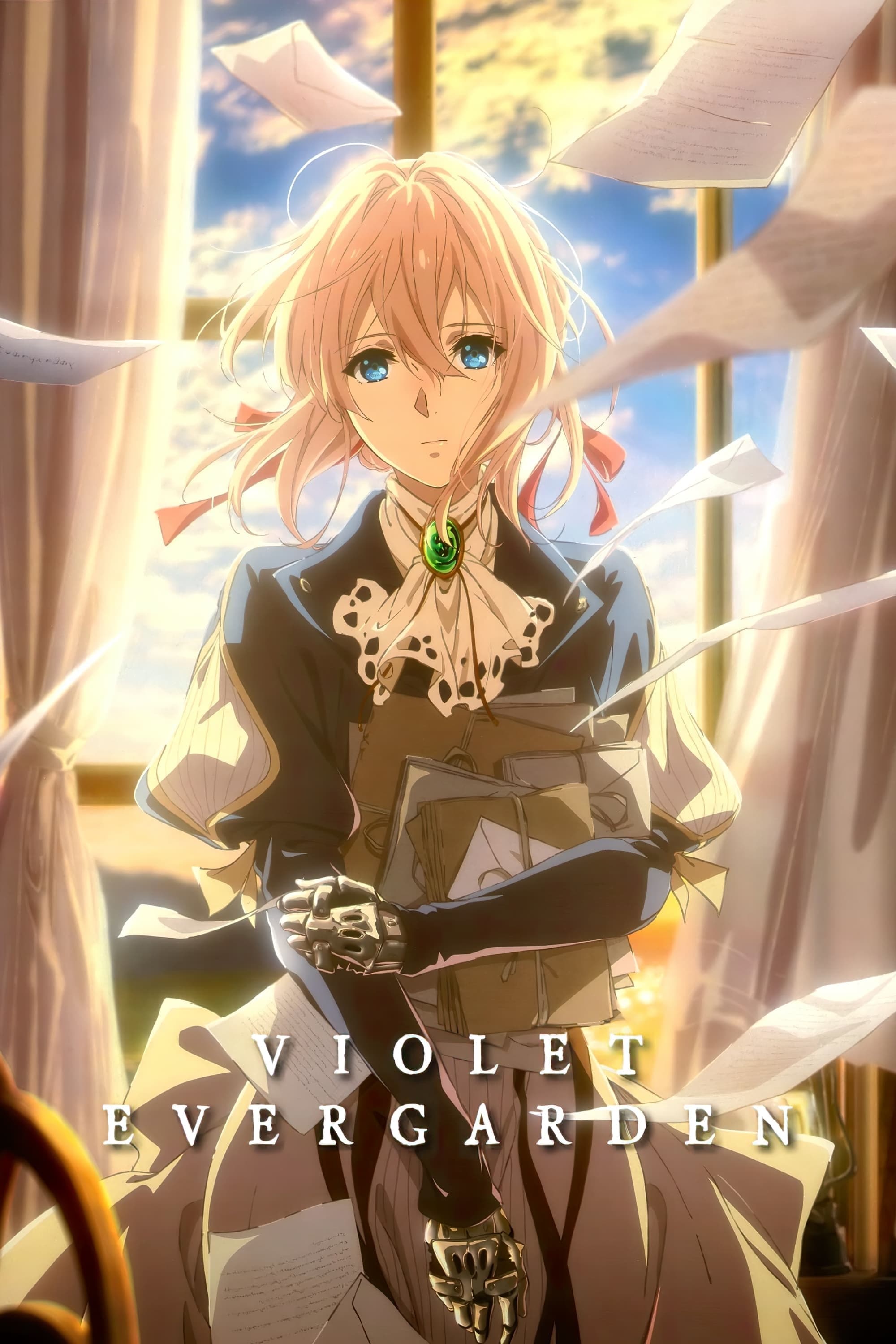
Kyoto Animation’s prestige drama followed a former soldier learning to write letters that convey feelings she struggles to express. High-fidelity animation and careful lighting set a new bar for weekly TV visuals. International streaming availability put it in front of a wide audience simultaneously. The series expanded with side stories and a feature film that deepened its themes.
‘Demon Slayer: Kimetsu no Yaiba’ (2019– )
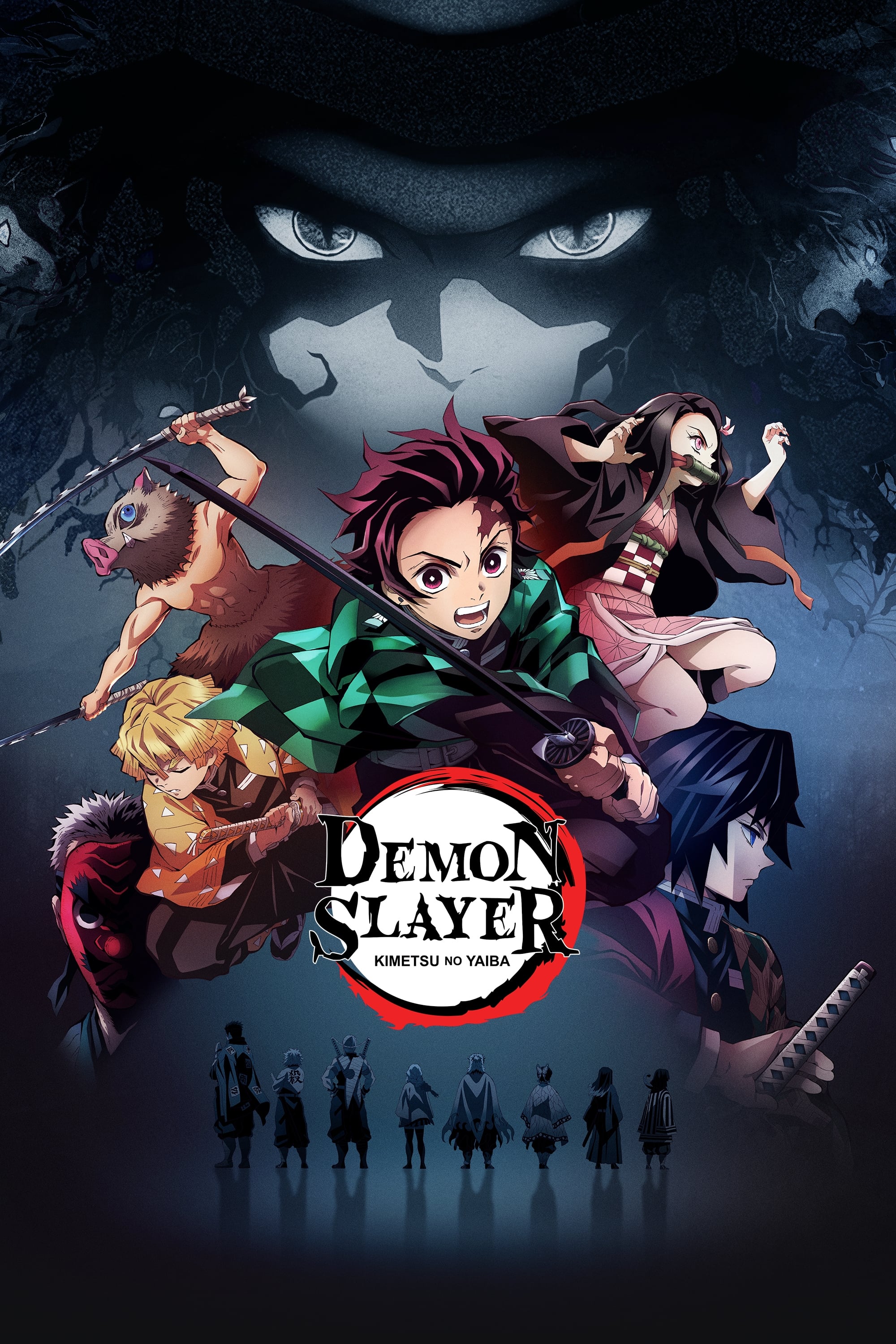
Ufotable’s adaptation paired fluid swordplay with stylized effects and family-driven stakes. Weekly episodes spiked search trends around its characters and breathing techniques. The property’s film continuation set records and fed interest back into the series. Extensive licensing ranged from snacks to fashion, keeping it visible between seasons.
‘Jujutsu Kaisen’ (2020– )
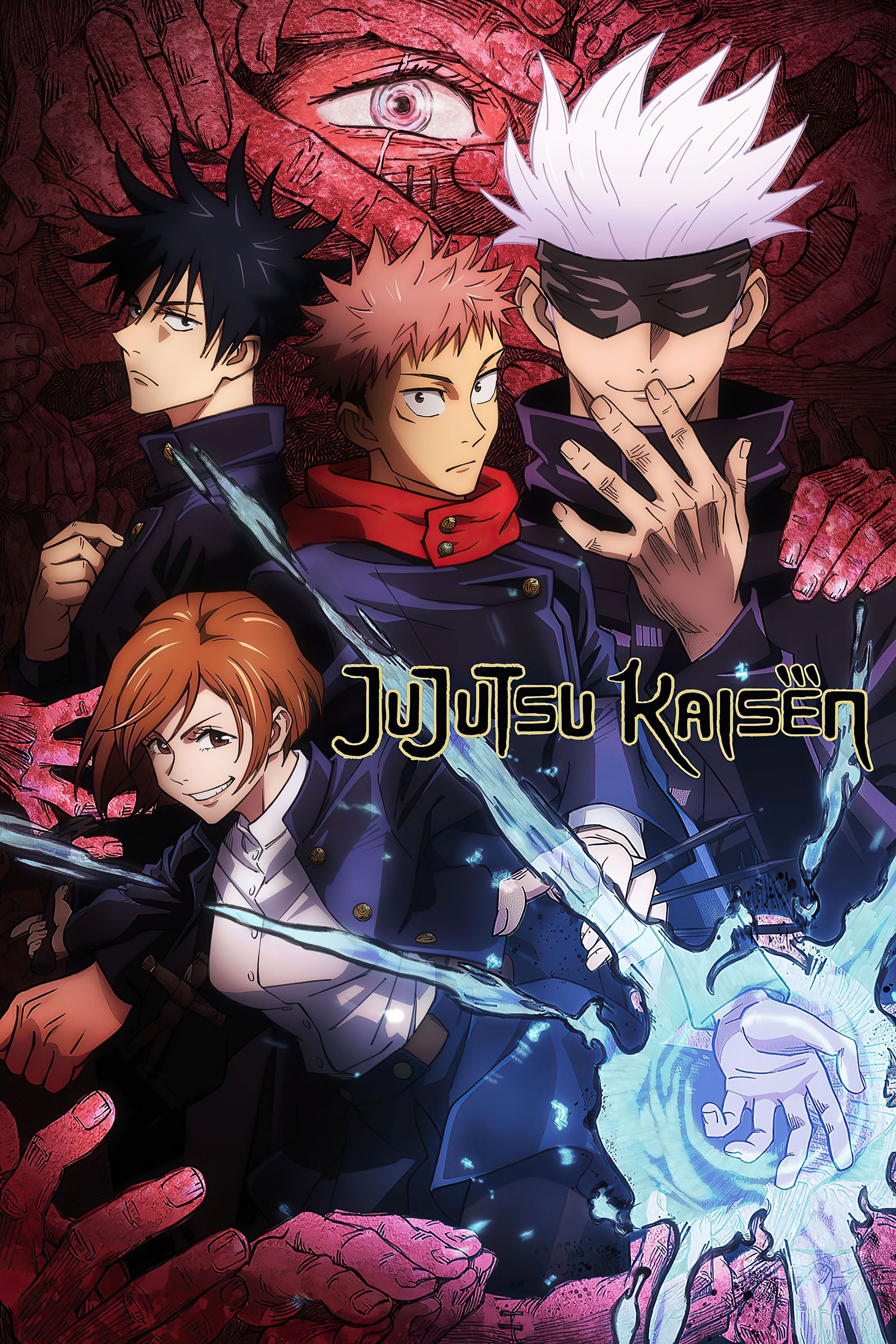
MAPPA’s modern sorcery action combined dynamic choreography with memorable character banter. Consistent simulcasting and strong subtitle and dub pipelines broadened access. Story arcs introduced power ceilings and domain battles that trended after each episode. Music tie-ins and character goods maintained momentum during seasonal breaks.
‘Tokyo Revengers’ (2021–2023)
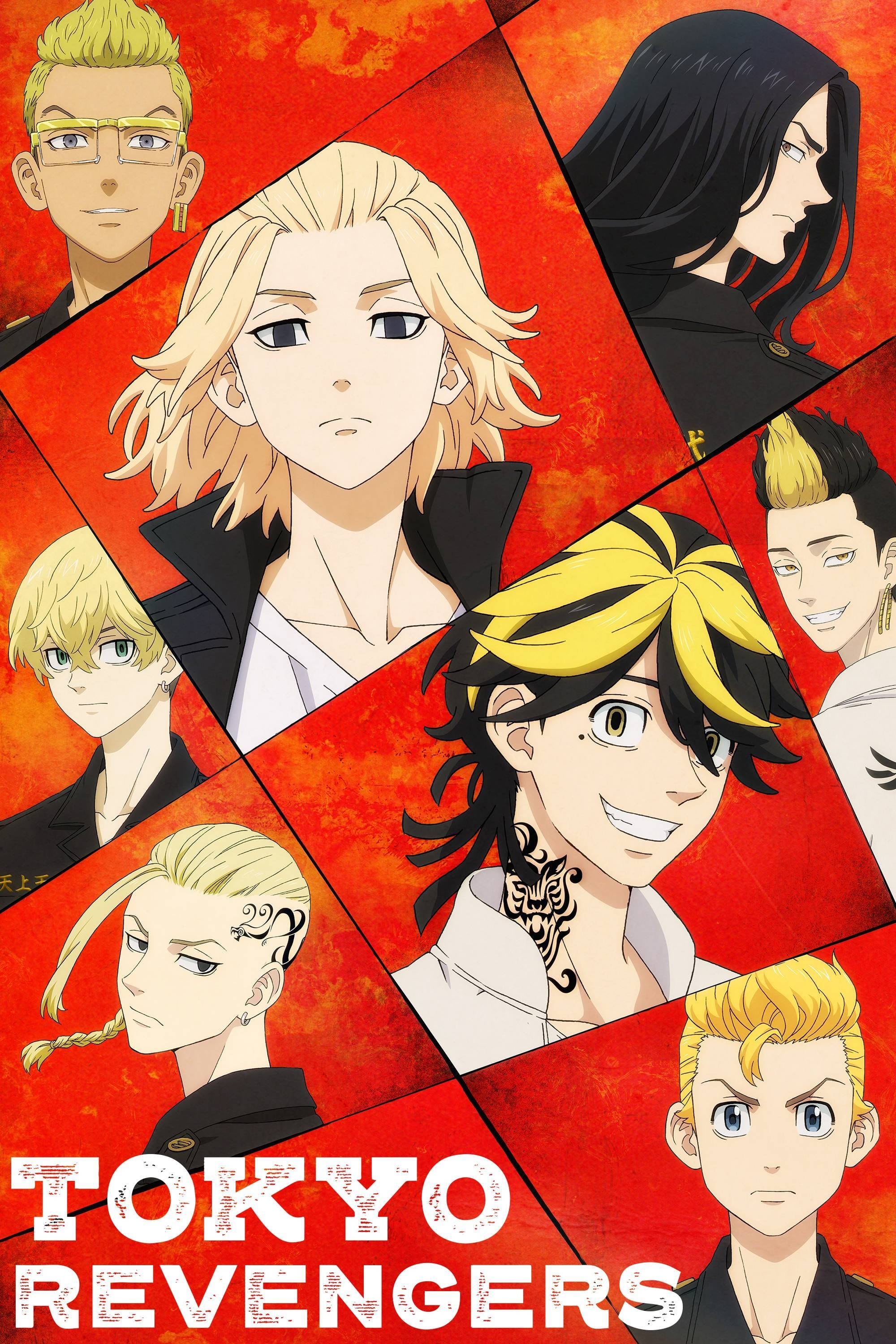
This delinquent-gang time-leap drama from LIDENFILMS linked street conflicts with personal redemption. Its cast of rival crews fueled fashion collaborations and character-centric goods. Wide streaming availability and a gripping cliffhanger format boosted binge completion. Live-action adaptations and manga sales reinforced its presence beyond the anime audience.
‘Chainsaw Man’ (2022)

MAPPA’s adaptation brought cinematic cuts, grounded backgrounds, and varied ending sequences per episode. The blend of horror, dark humor, and found-family dynamics attracted broad demographic interest. Merchandise centered on its iconic weapon designs moved quickly across retailers. The show’s marketing leaned on bold visuals that became instantly recognizable on social feeds.
‘Oshi no Ko’ (2023– )
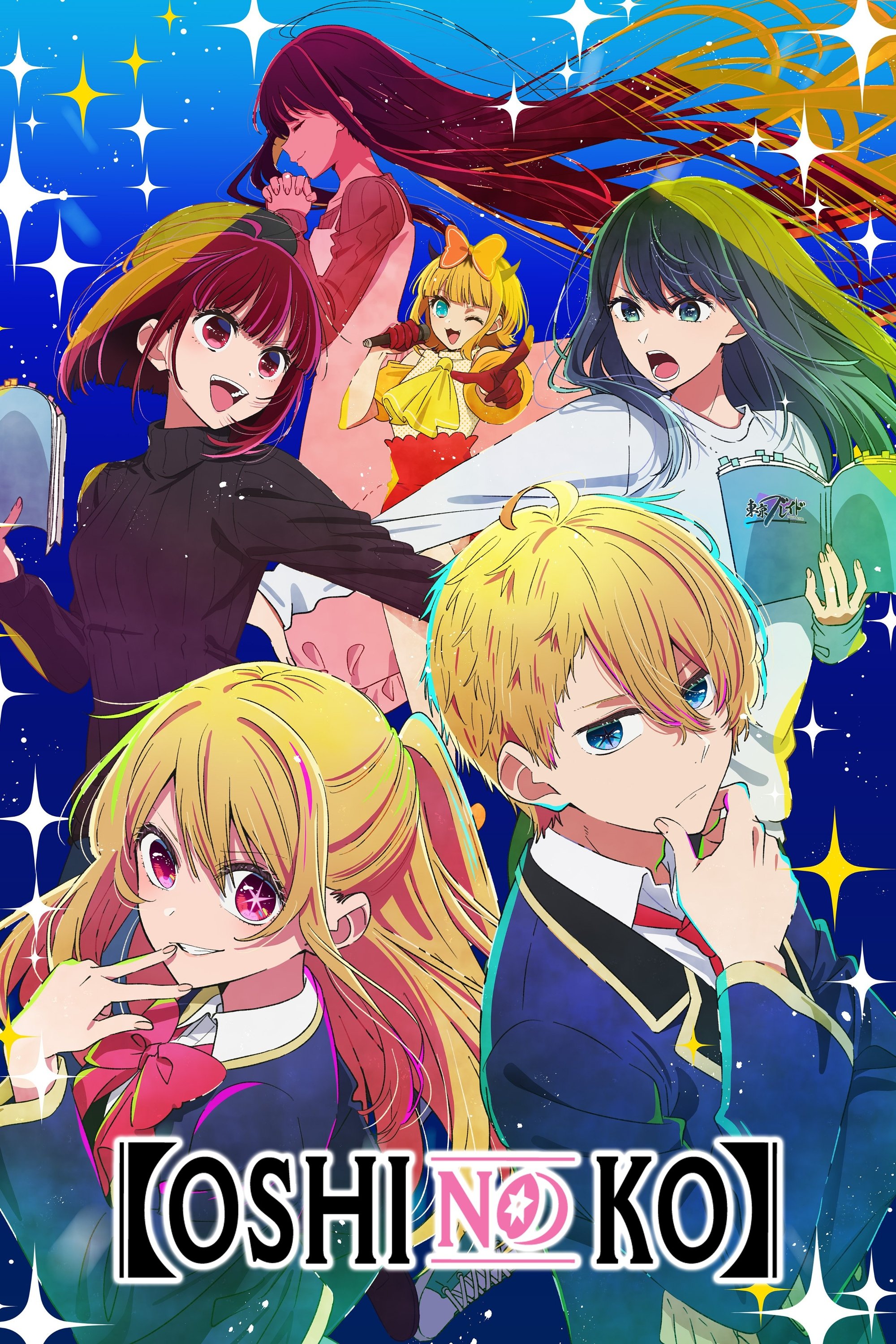
Doga Kobo opened with a feature-length first episode that spotlighted the idol industry’s pressures and secrets. Its mystery hook and music performances drew strong week-to-week chatter. Tie-ups with music platforms and charting songs expanded reach beyond anime viewers. The series also boosted interest in the original manga, driving notable volume reprints.
‘Solo Leveling’ (2024– )
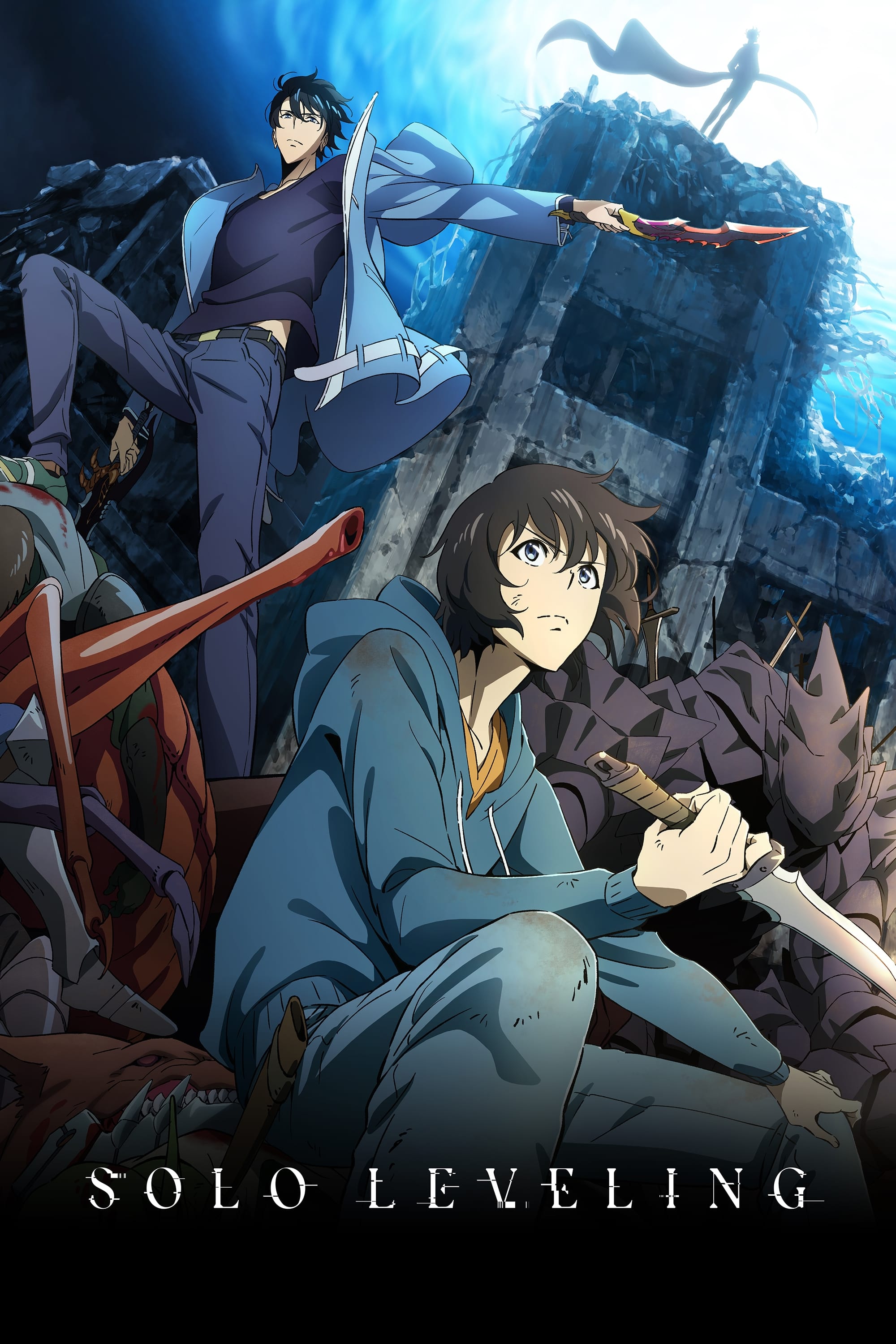
A-1 Pictures adapted the hit webcomic about a weak hunter who unlocks a unique leveling system. Premieres landed on major streaming services with fast localization. Character transformations and dungeon boss fights fueled clip sharing and reaction content. Official game collaborations and apparel drops broadened the brand beyond anime communities.
‘One Piece’ (1999– )
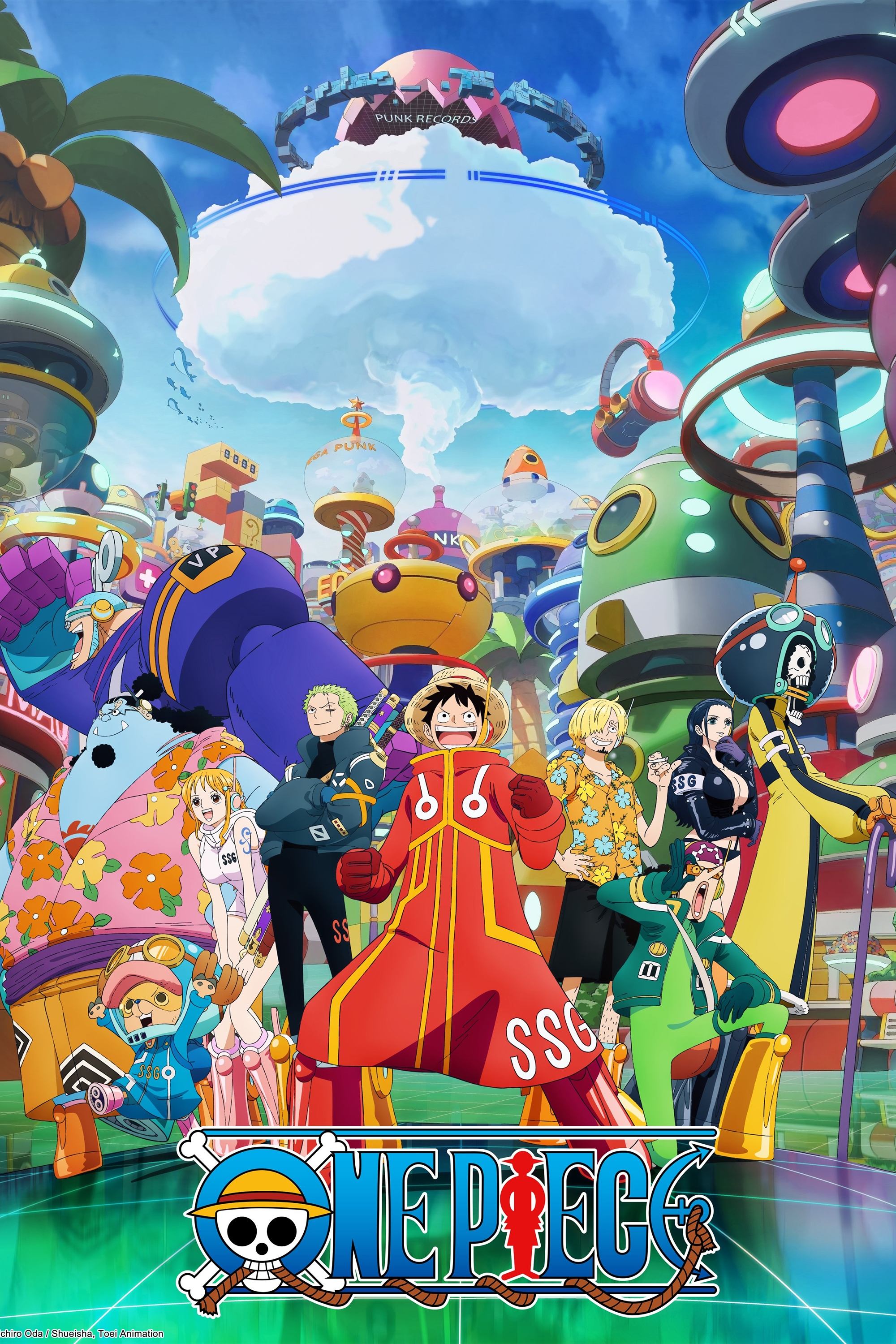
Toei Animation’s long-running pirate epic continued drawing massive weekly audiences with new arcs and high-profile battles. Consistent broadcast slots and comprehensive streaming catalogs kept entry barriers low for newcomers. Ongoing manga synergy and theatrical events sustained cross-media engagement. Updated openings, refreshed animation highlights, and anniversary campaigns maintained strong visibility throughout the year.
Share your own picks for each year in the comments and tell us which title defined the era for you.