


The 25 Most Propaganda-Heavy Kids Shows of the Last Decade



Children’s programming has long been a battleground for ideologies where governments and organizations attempt to shape young minds through entertainment. The last decade has seen a significant rise in animated content that serves clear political or nationalistic agendas ranging from state-sponsored historical revisionism to overtly partisan educational series. These shows often prioritize messaging over storytelling and use colorful characters to deliver heavy-handed lessons on patriotism, social values, or military might. The following list explores twenty-five examples of programming from around the world that have been widely characterized as propaganda.
‘Year Hare Affair’ (2015–Present)
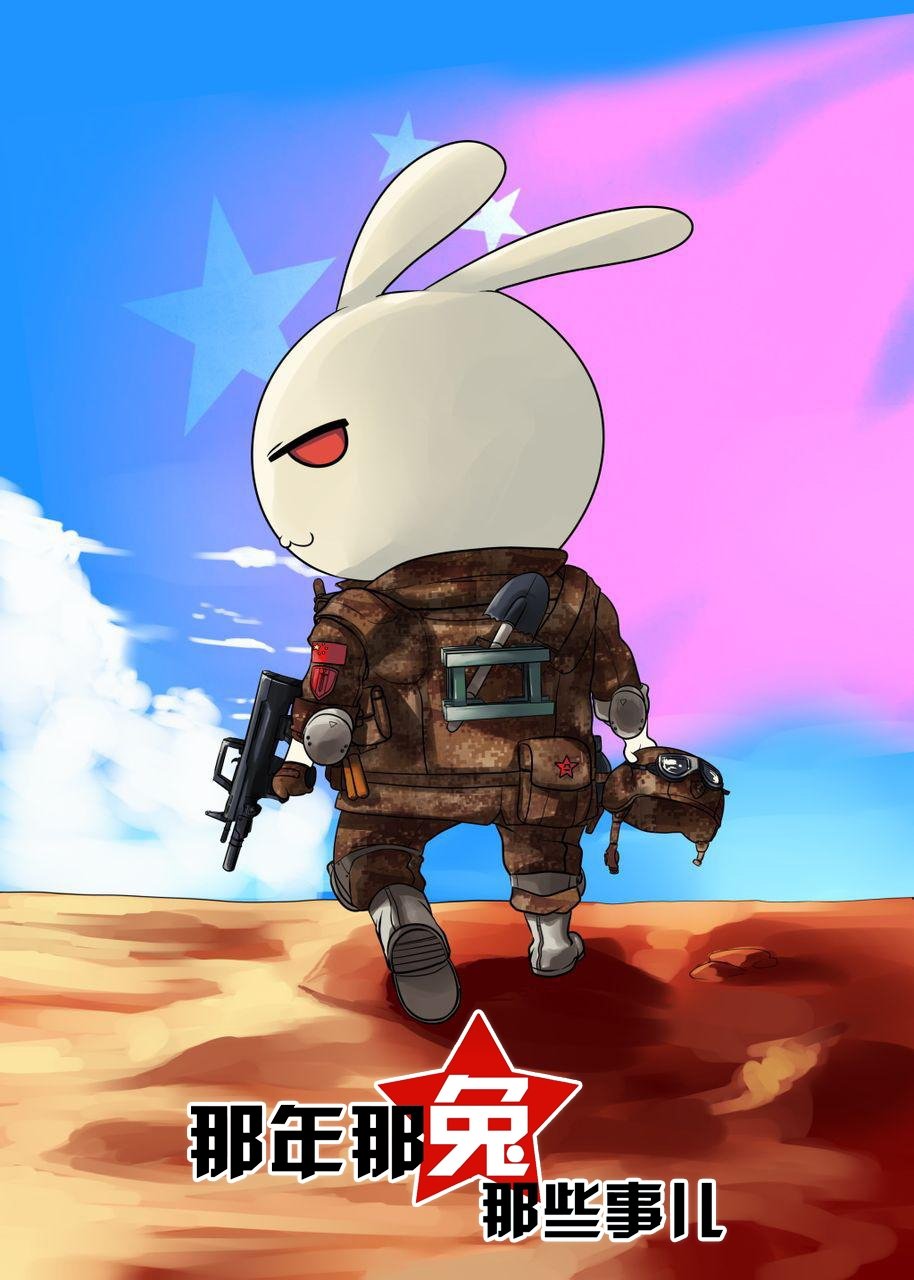
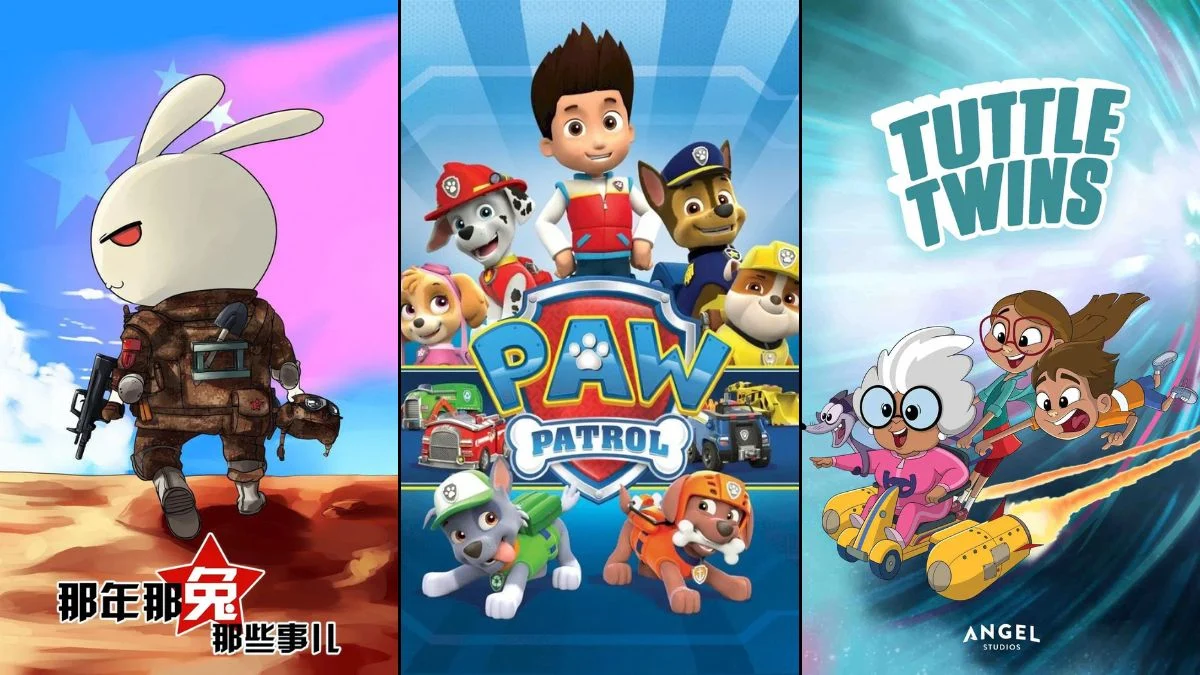
This Chinese webcomic and animated series reimagines modern history through the use of anthropomorphic animals representing different nations. The show depicts China as a colony of peace-loving rabbits who must constantly defend their homeland against treacherous eagles that represent the United States. The series simplifies complex geopolitical conflicts into clear battles between good and evil to foster intense nationalism among young viewers. It has been officially promoted by the Communist Youth League of China as a tool for patriotic education.
‘The Leader’ (2019)
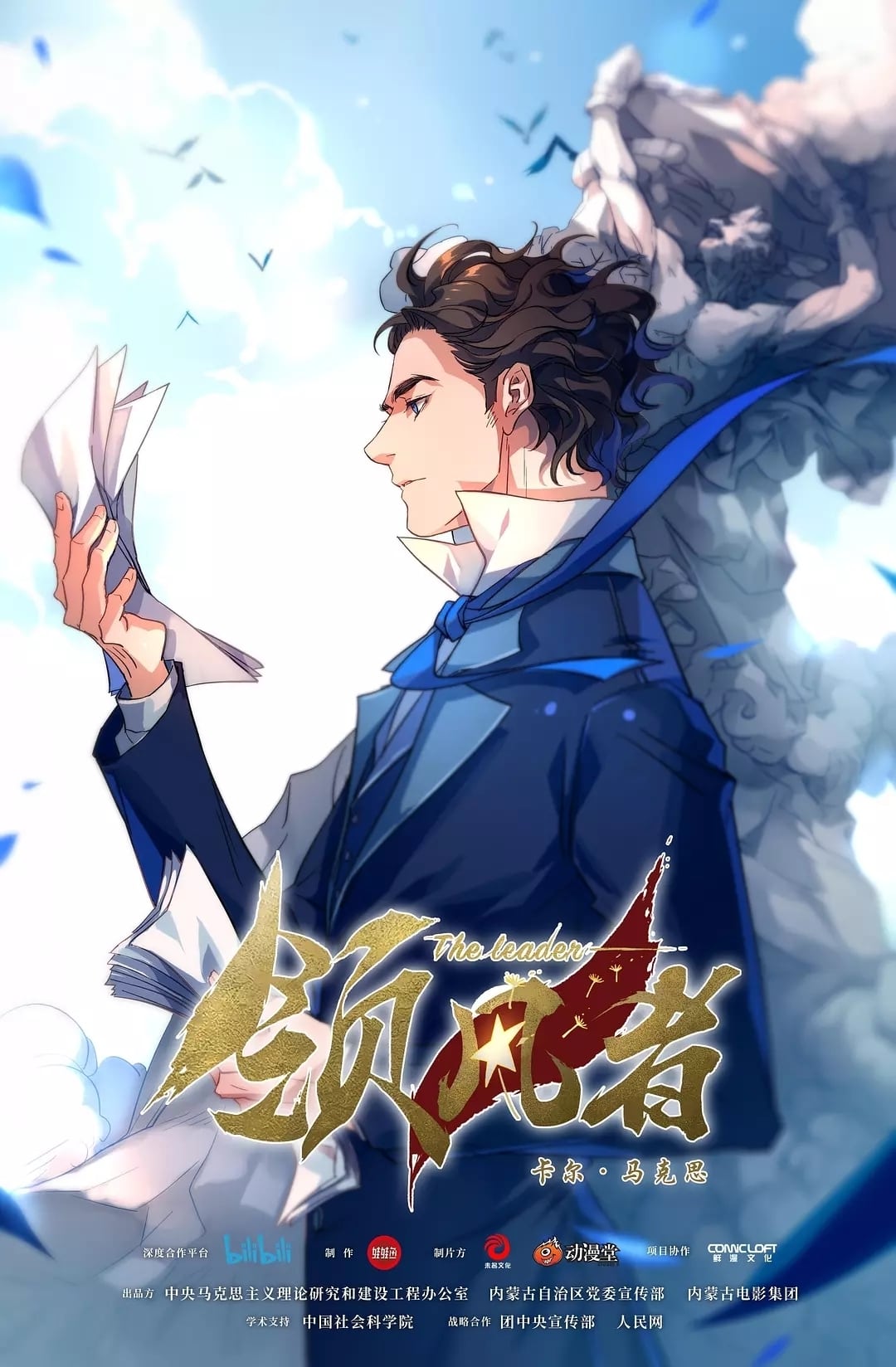
Commissioned by the Communist Party of China to mark the 200th anniversary of the birth of Karl Marx, this anime series dramatizes the life of the German philosopher. The show presents Marx as a dashing and romantic hero who fights against corrupt capitalists and feudal lords to liberate the working class. The narrative glosses over historical controversies to present a sanitized and idolized version of communist ideology for a modern youth audience. It blends the visual style of Japanese anime with strict state-approved political messaging.
‘Leo & Layla’s History Adventures’ (2021–Present)
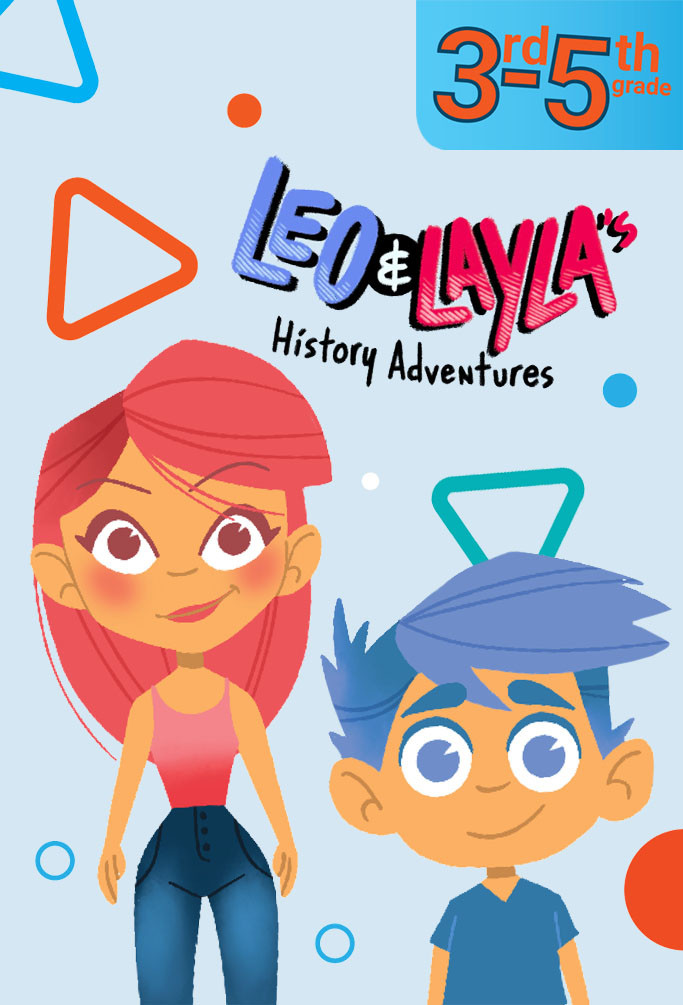
Produced by the conservative media organization PragerU, this series was created to offer an alternative to mainstream public school curricula. The episodes feature two siblings who travel through time to meet historical figures like Christopher Columbus and Ronald Reagan. Critics note that the show frequently downplays historical atrocities such as slavery or imperialism to promote a specific vision of American exceptionalism. The content is explicitly designed to instill right-wing values and counter what the creators perceive as leftist indoctrination in schools.
‘Tuttle Twins’ (2021–Present)
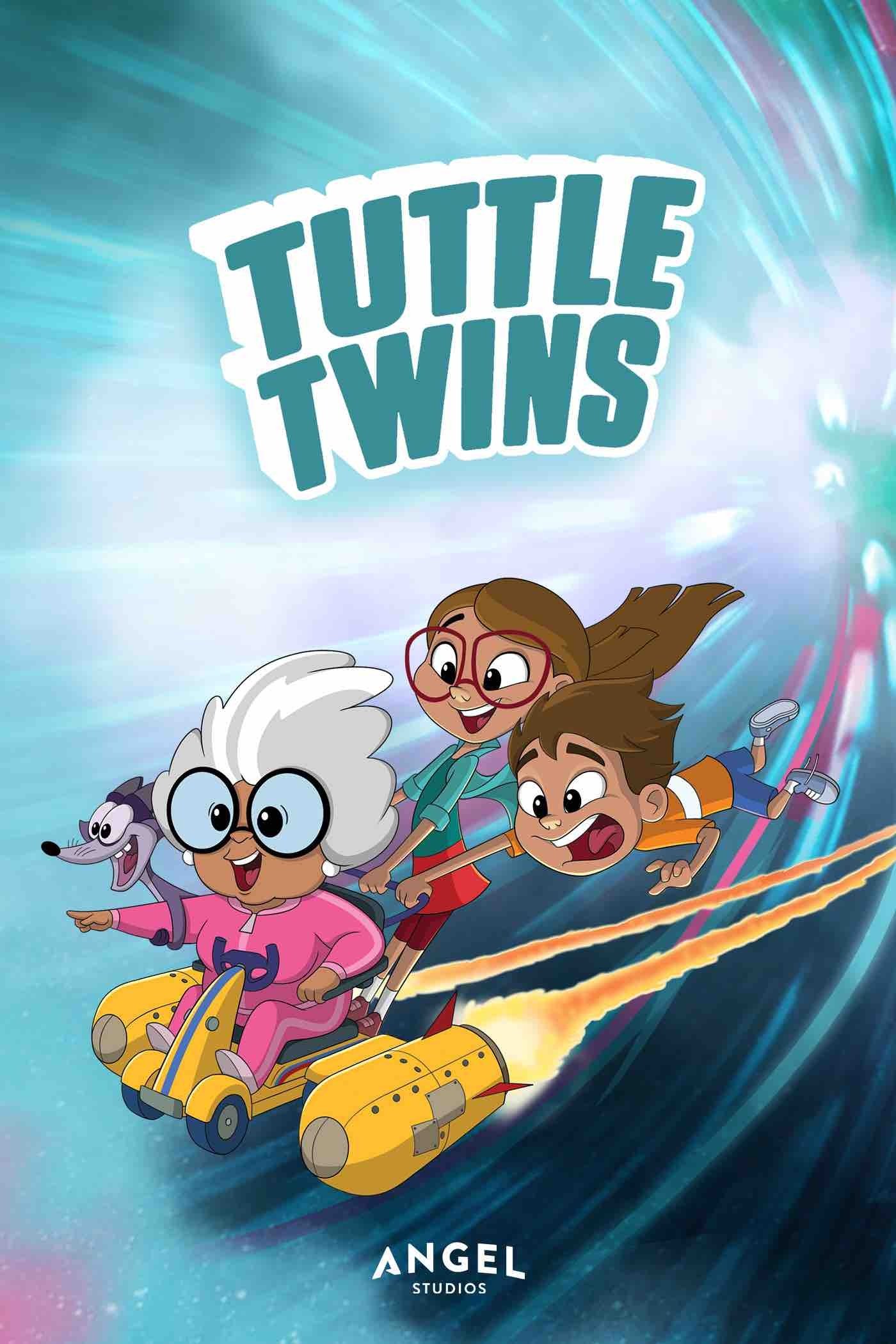
Based on a series of books, this animated show focuses on teaching children the principles of libertarianism and free-market capitalism. The central characters learn lessons about the dangers of socialism, the importance of individual rights, and the perceived evils of government regulation. The show uses comedy and adventure to simplify complex economic theories into binary narratives about freedom versus tyranny. It has found a dedicated audience among parents looking for entertainment that aligns with anti-statist political views.
‘Bunny Brothers and the Wolf’ (2019)
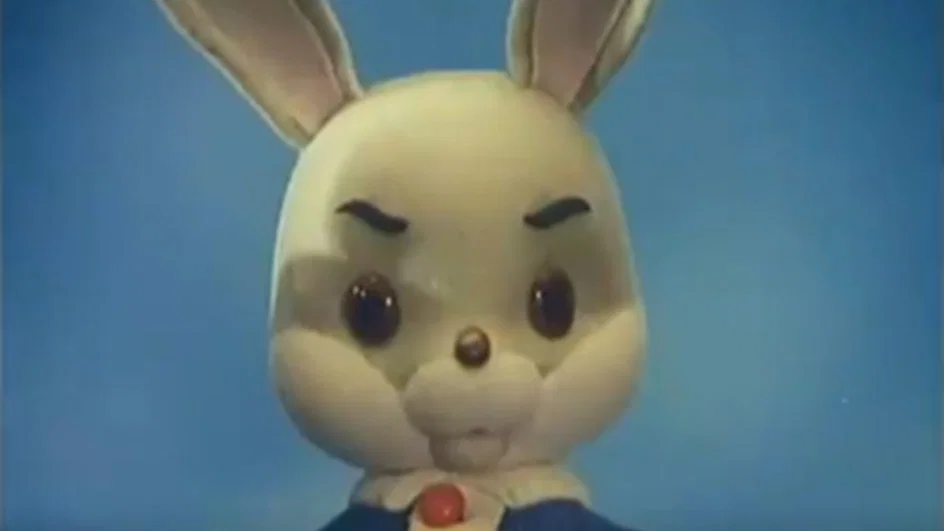
North Korean television frequently broadcasts animated content designed to instill loyalty to the state and hatred for its enemies. This particular series features cute rabbits who must violently defend their village from a demonic wolf that serves as a stand-in for American imperialism. The violence is often graphic and intended to teach children that mercy to enemies is a weakness while military vigilance is a virtue. The animation quality has improved in recent years to make the violent ideological messaging more palatable to younger viewers.
‘Chip Chilla’ (2023–Present)
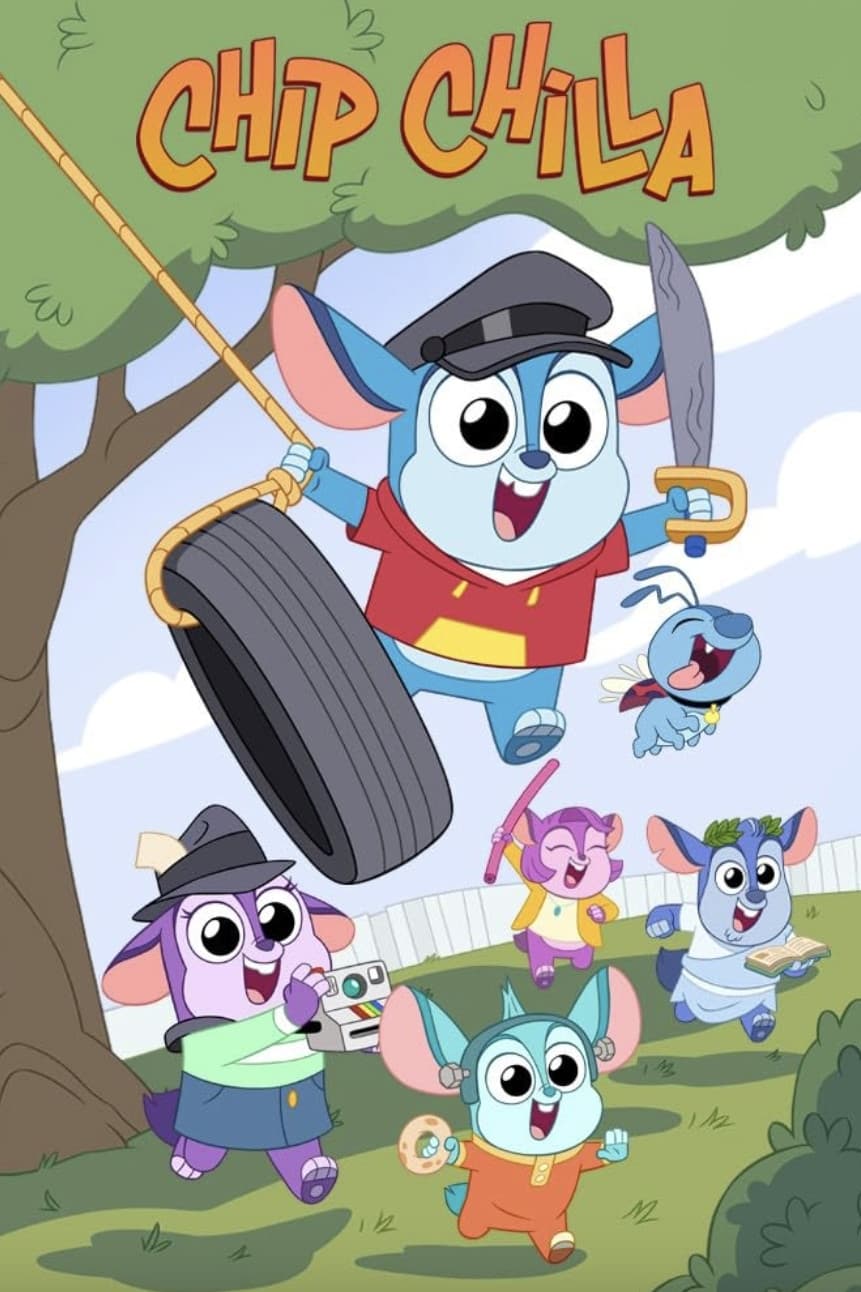
Developed by The Daily Wire as part of their Bentkey streaming service, this show serves as a conservative answer to popular programs like ‘Bluey’. The series follows a family of homeschooling chinchillas and emphasizes traditional family roles, respect for authority, and Western historical values. The storytelling avoids modern social themes found in mainstream media and focuses instead on classicism and parental obedience. It represents a growing trend of parallel economy entertainment built specifically to oppose perceived progressive cultural dominance.
‘The Three Heroes’ (2004–Present)
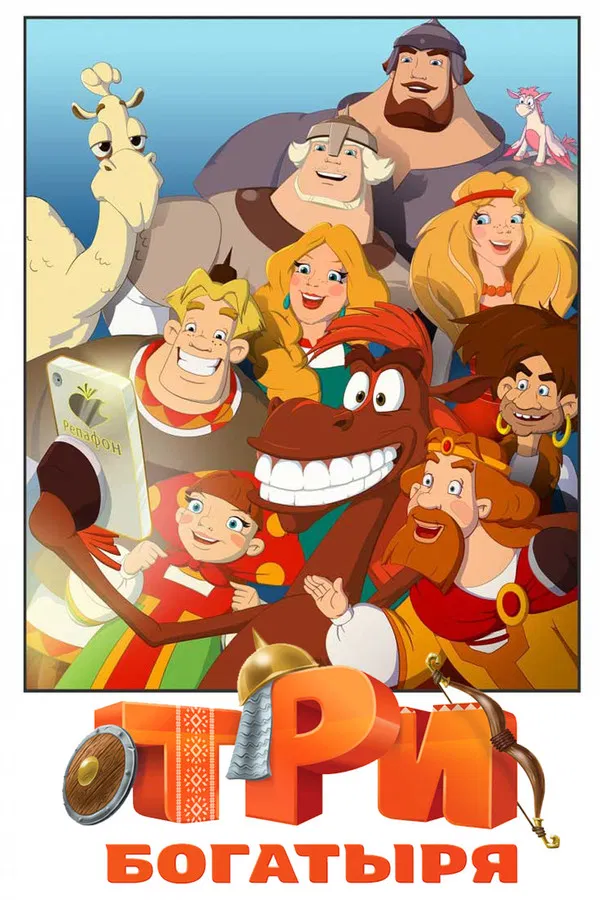
While this Russian animated franchise began earlier, its entries over the last decade have increasingly leaned into nationalistic themes supported by the state. The films feature legendary Slavic knights known as Bogatyrs who defend Russia against foreign invaders and internal traitors. Recent installments have been criticized for echoing Kremlin talking points regarding sovereignty and the need for a strong leader to guide the nation. The movies combine folklore with contemporary political subtext to foster a sense of imperial pride.
‘Paw Patrol’ (2013–Present)
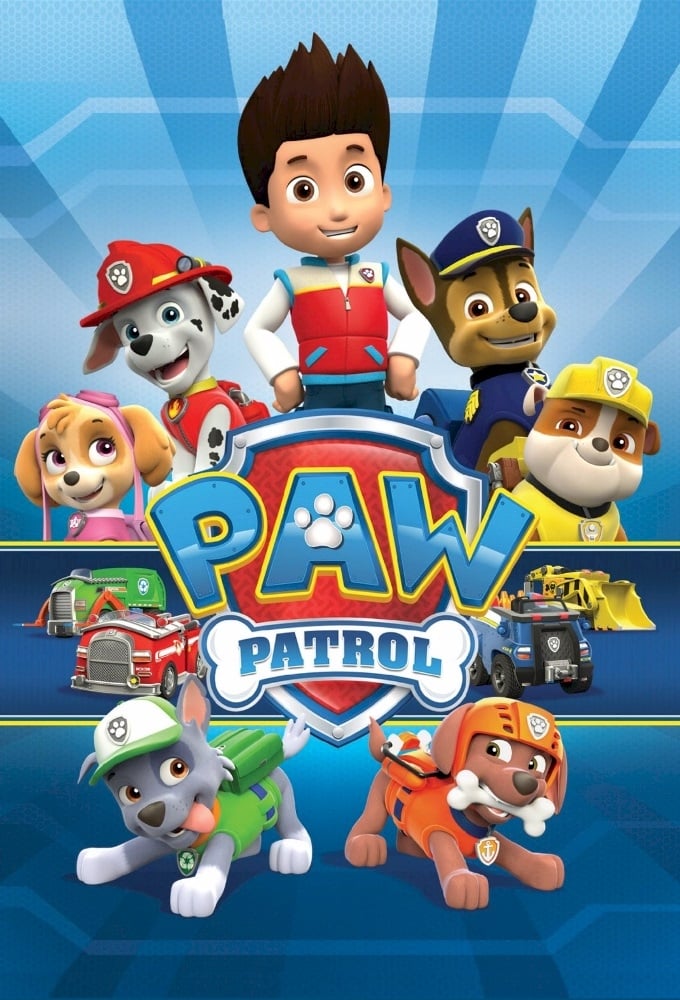
This massive global franchise has faced repeated criticism from media scholars for presenting a worldview labeled as copaganda. The show depicts a private police force and emergency service team that functions more effectively than incompetent elected officials. Critics argue the narrative consistently frames law enforcement as the only solution to social problems while erasing systemic issues. The primary police dog Chase is portrayed as an infallible hero who normalizes the concept of surveillance and state force for toddlers.
‘Little Singham’ (2018–Present)
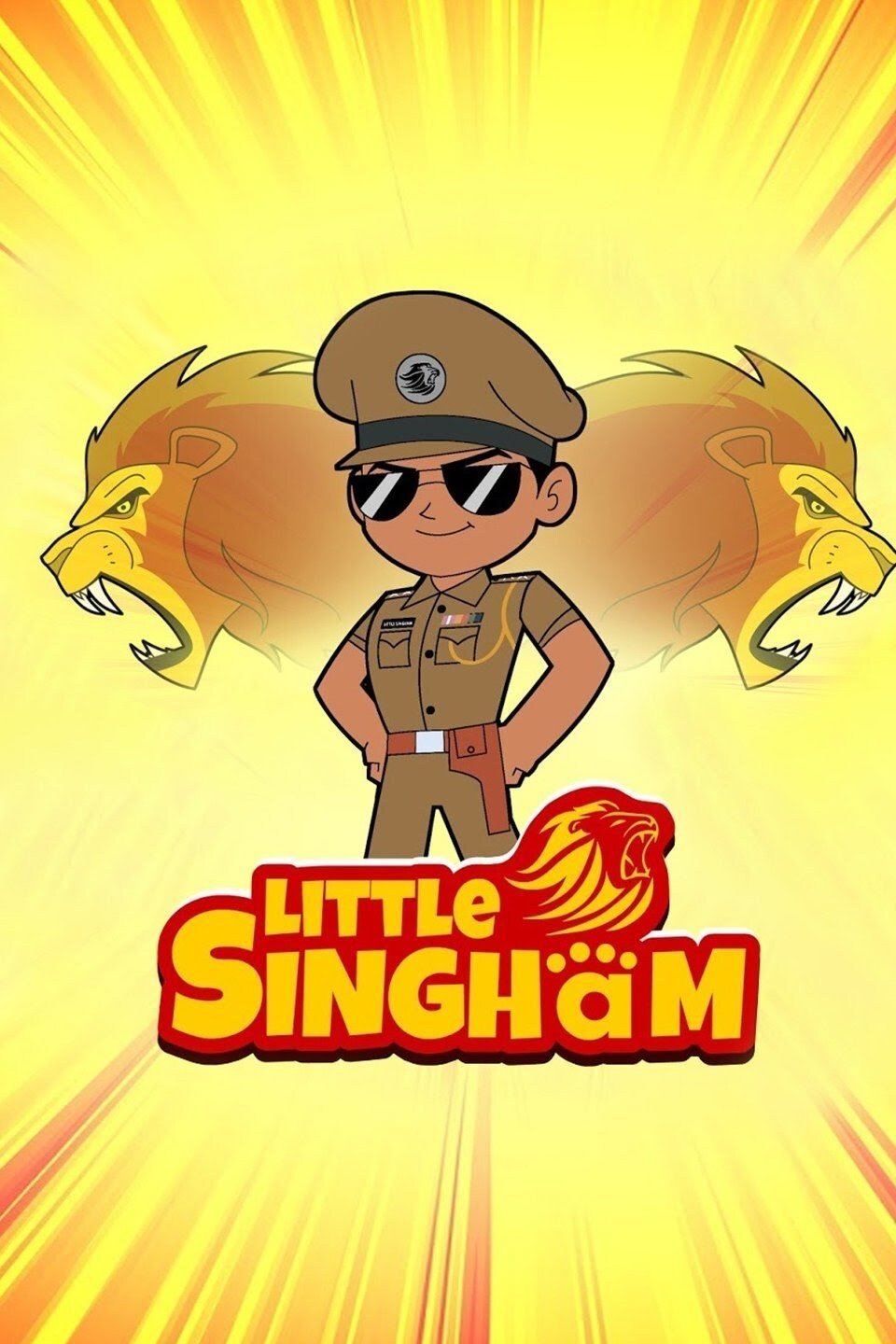
This Indian animated series is a spinoff of a popular Bollywood action franchise and features a child police officer with superpowers. The show is heavily nationalistic and frequently depicts the young protagonist fighting terrorists and foreign spies to protect India. The imagery often glorifies police violence and extrajudicial justice as necessary tools for maintaining order. It aligns closely with the muscular nationalism that has become more prominent in Indian popular culture during the last decade.
‘Battle of Persian Gulf II’ (2017)
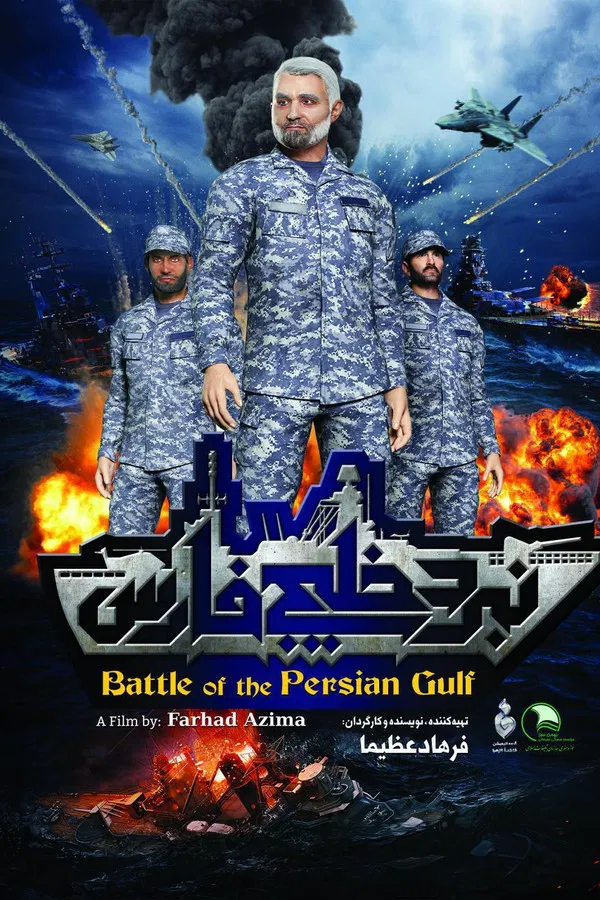
This Iranian animated feature, which was marketed to families and youth, depicts a hypothetical military conflict between Iran’s Islamic Revolutionary Guard Corps and the United States Navy. The film shows Iranian forces destroying a US fleet led by a character resembling a prominent American general. The director explicitly stated the film was made to send a message of defiance to the West and to inspire the next generation. It serves as a direct piece of military propaganda designed to showcase Iranian strength.
‘Abominable’ (2019)

This animated film sparked an international diplomatic incident due to a brief scene featuring a map of Asia. The map included the Nine-Dash Line which represents China’s disputed territorial claims in the South China Sea. Governments in Vietnam, the Philippines, and Malaysia banned or censored the movie for validating illegal territorial expansion through children’s entertainment. The inclusion of the map was viewed by many analysts as a successful example of Beijing’s soft power influence over Hollywood productions.
‘The Proud Family: Louder and Prouder’ (2022–Present)
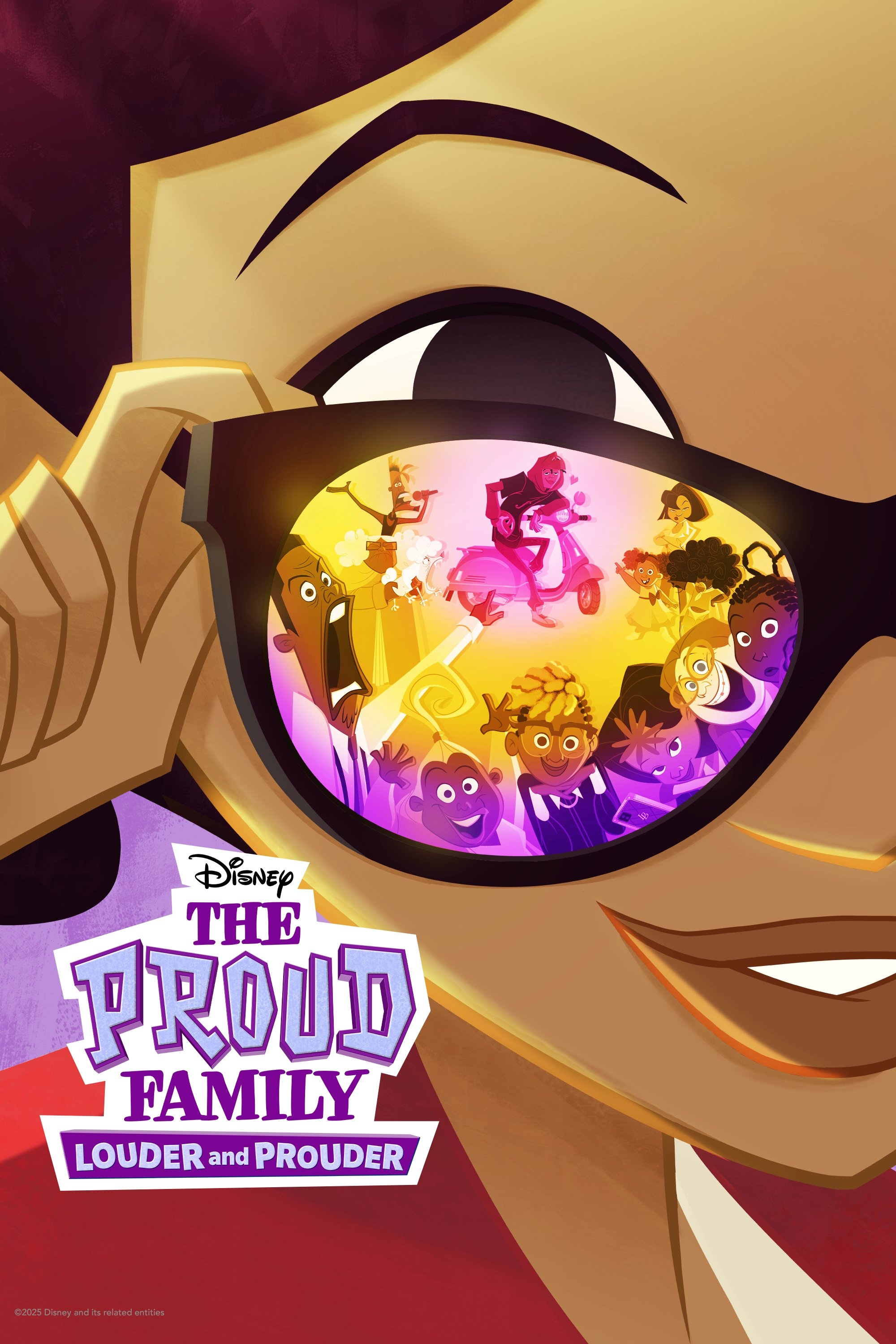
The reboot of the classic Disney Channel series garnered significant controversy for its overt inclusion of modern progressive political themes. One specific episode features the characters performing a spoken word poem that claims America was founded on slavery and demands reparations. Conservative outlets labeled the segment as anti-American propaganda that pushes Critical Race Theory on children. The show creators defended the content as a necessary and truthful examination of history for a new generation.
‘High Guardian Spice’ (2021)

Released on the anime streaming service Crunchyroll, this series was widely panned and accused of prioritizing ideological signaling over plot. Critics and viewers argued that the show focused excessively on gender identity and social justice messaging at the expense of coherent world-building. The dialogue often felt like a vehicle for the writers to lecture the audience on modern social etiquette rather than to tell a fantasy story. It became a flashpoint in the online culture wars regarding the inclusion of diversity in animation.
‘Ridley Jones’ (2021–2023)
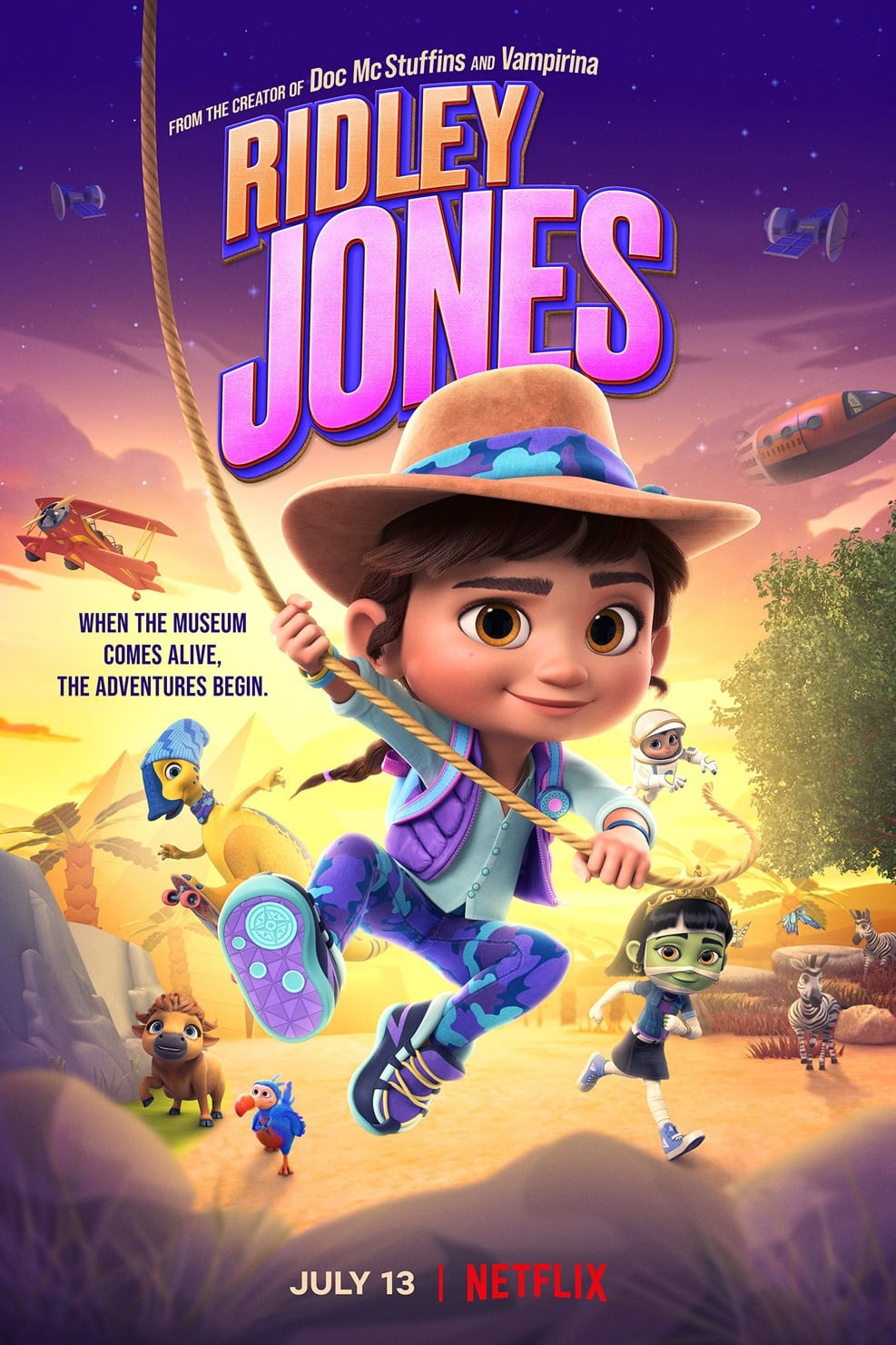
This preschool series from Netflix faced backlash and cancellation accusations after an episode where a bison character comes out as non-binary. The scene involves the character explaining their pronouns to their grandmother in a moment clearly designed to model acceptance for young viewers. Conservative critics labeled the show as gender ideology propaganda intended to confuse toddlers about biological reality. The show highlights the intense polarization surrounding the inclusion of LGBTQ topics in content aimed at the very young.
‘Transformers: EarthSpark’ (2022–Present)
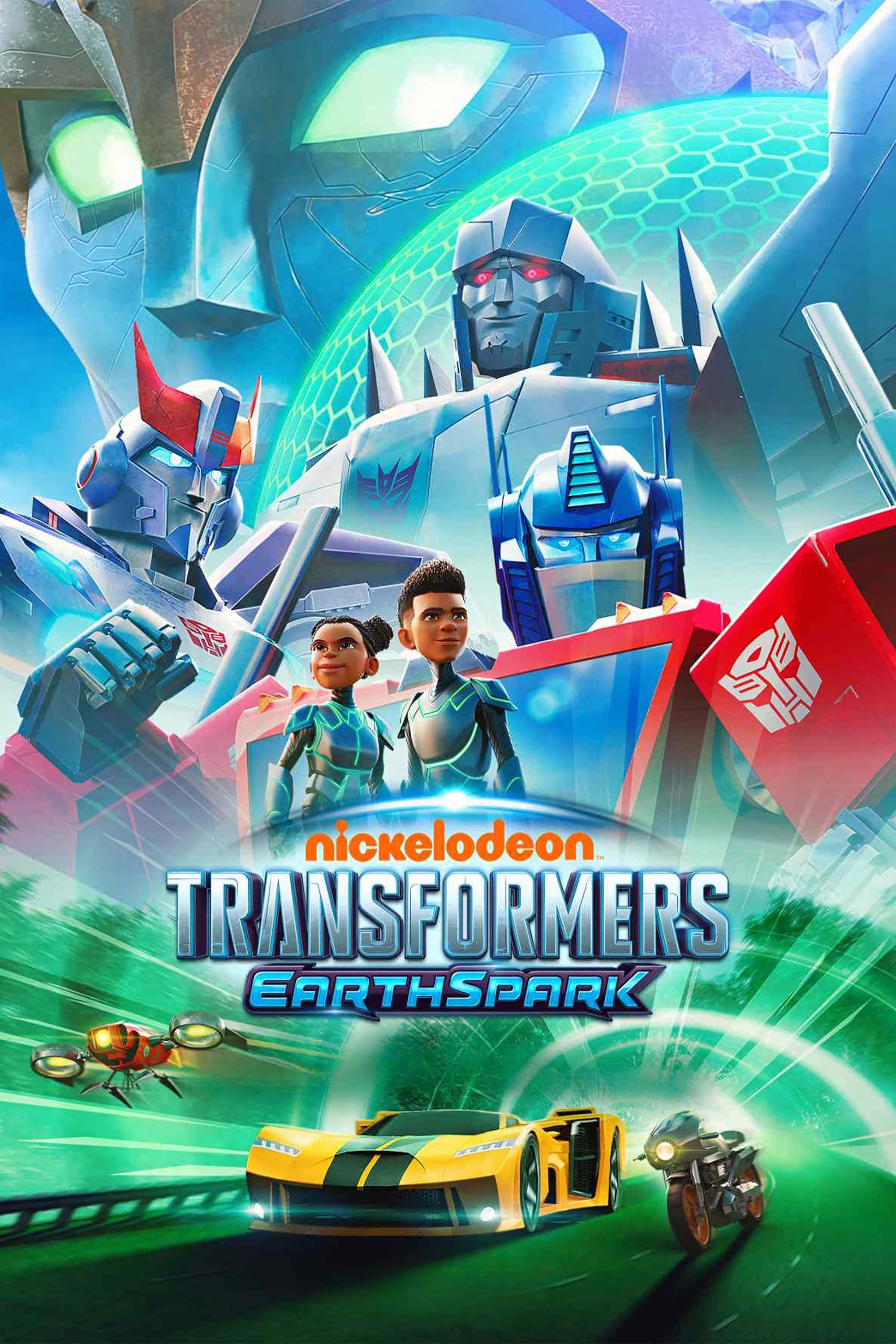
This recent entry in the Transformers franchise introduced the first non-binary Transformer explicitly identified by pronouns. The inclusion of the character Nightshade and scenes discussing pronouns sparked a debate about the necessity of gender politics in a show about fighting robots. Detractors argued that the franchise was being used to push a specific social agenda onto a captive audience of children. Supporters viewed it as essential representation, but the clumsy execution led to accusations of preachy writing.
‘Lightyear’ (2022)
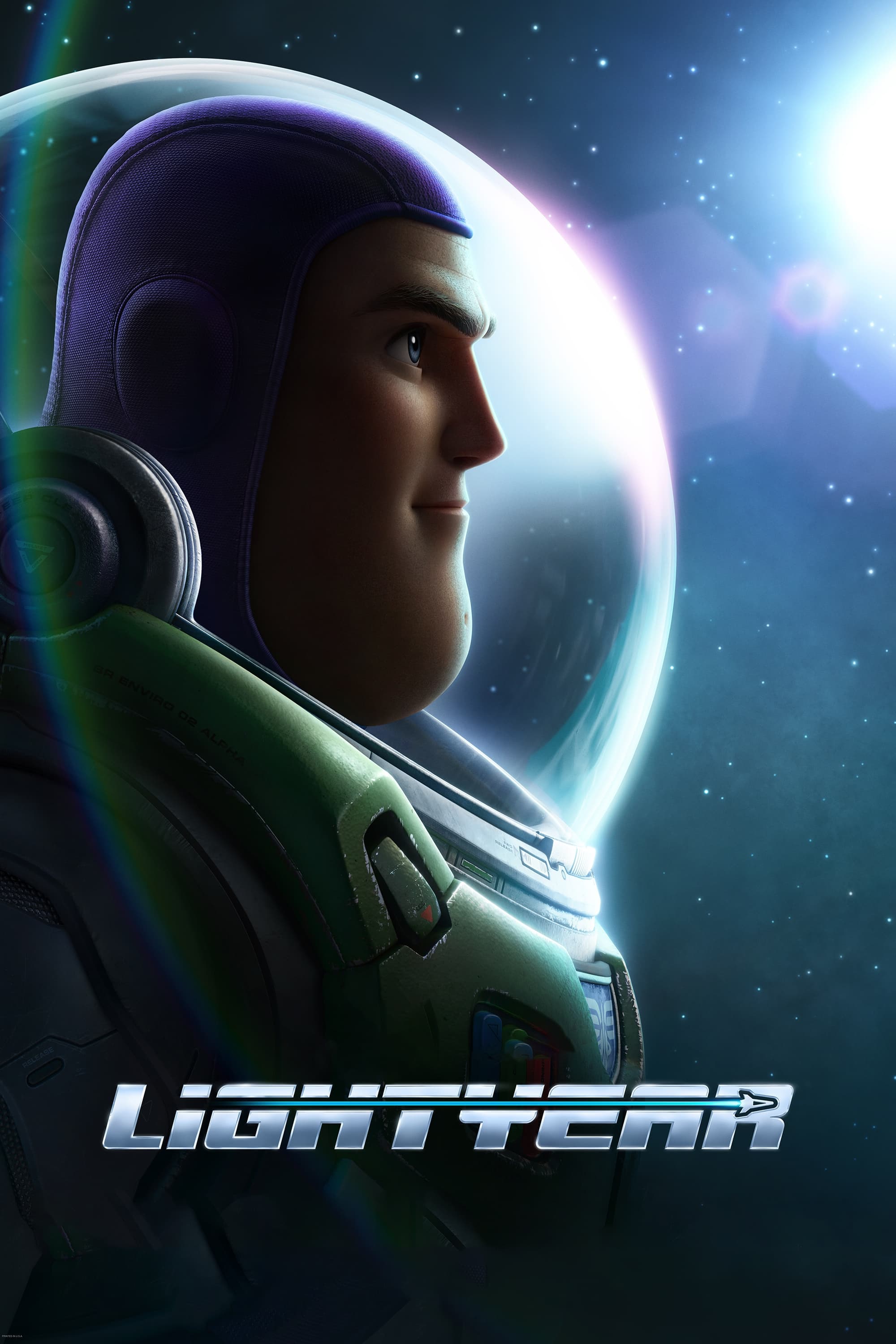
Pixar’s Toy Story spinoff became the subject of a global debate over a brief on-screen kiss between two female characters. The film was banned in several countries across the Middle East and Asia for violating local standards regarding homosexuality. In the West, the inclusion was praised by some as progress but attacked by others as corporate performative activism or propaganda. The controversy overshadowed the film itself and highlighted the friction between global entertainment and regional cultural values.
‘Strange World’ (2022)
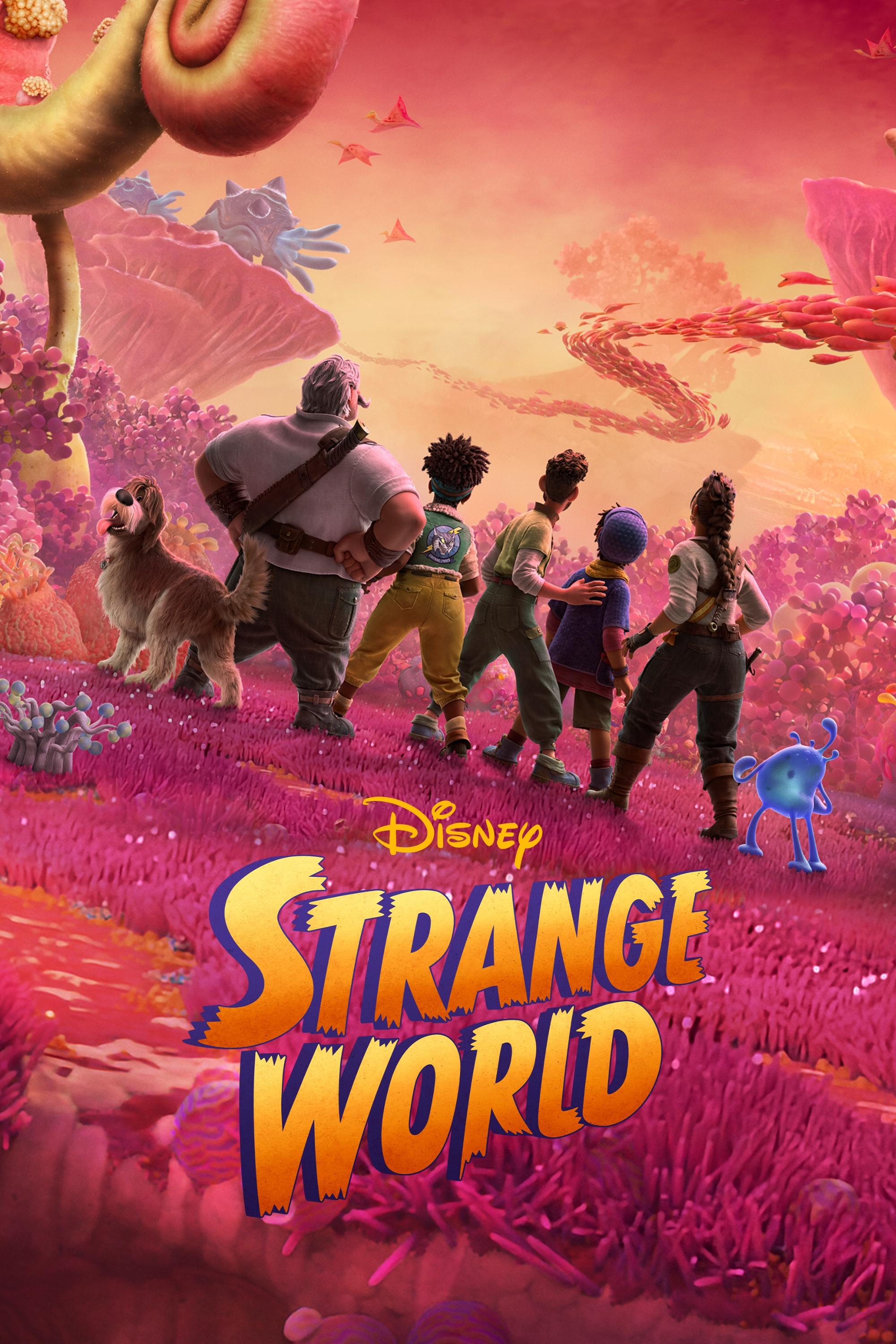
Disney’s sci-fi adventure featured the first openly gay teen romance in a major animated feature from the studio. The film performed poorly at the box office which led to arguments that audiences were rejecting the prioritization of identity politics over traditional storytelling. Critics of