


The Most Underrated Actors of the 21st Century




Some actors carry films and series with such quiet consistency that audiences recognize the face before the name. These performers have anchored ensembles, elevated mid budget dramas, and stolen scenes in blockbusters, often without the headline that matches their impact. Their filmographies are packed with roles that show craft, preparation, and a deep grasp of story.
This list highlights twenty men whose bodies of work speak for themselves. You will find leads and character actors who move between indie productions and studio franchises with ease. Look to their credits for proof of range, attention to detail, and the kind of reliability directors depend on when a project needs depth.
Ben Foster
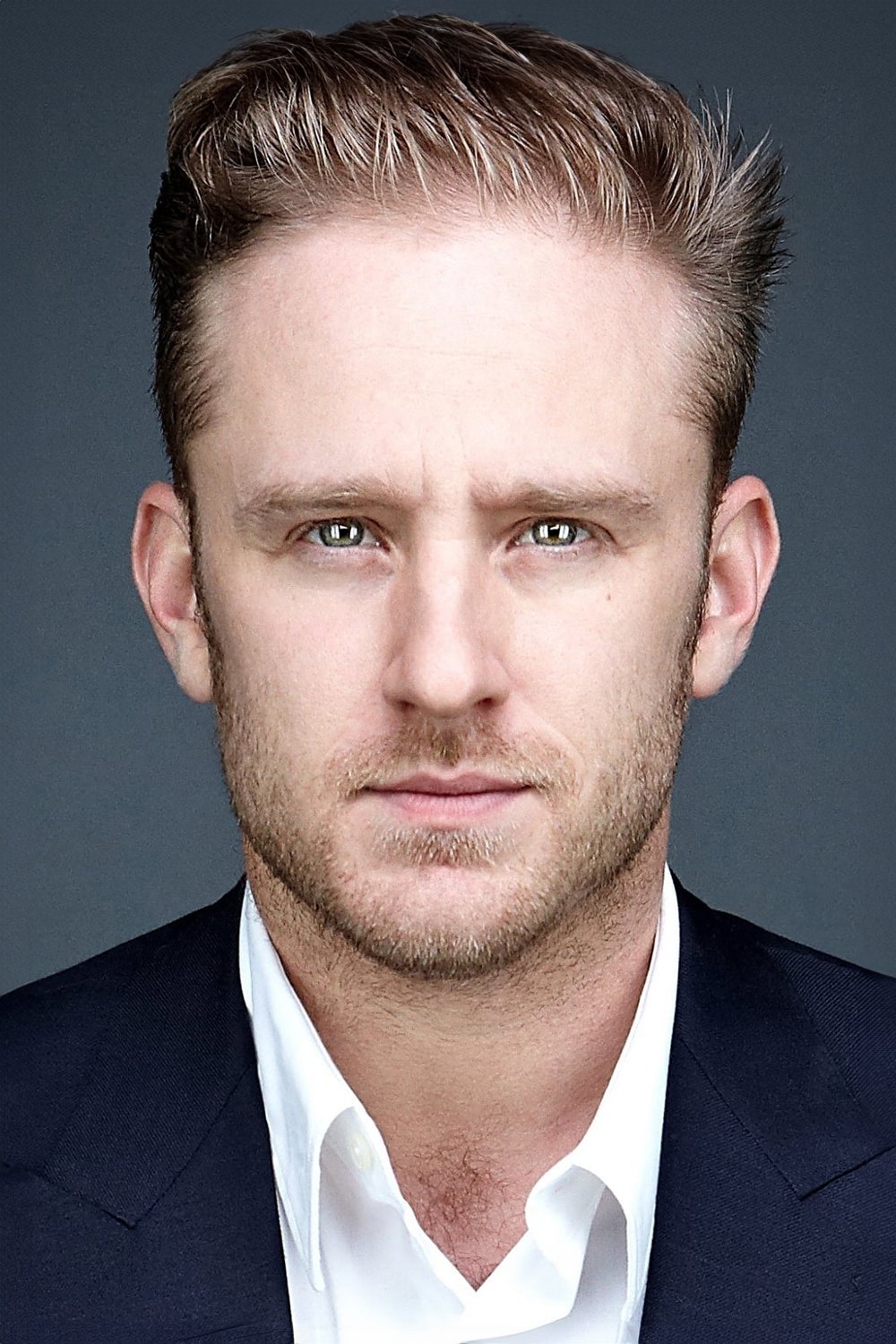
Foster built a career on physically and emotionally demanding roles across indies and studio projects. He delivered tightly coiled work in ‘Hell or High Water’ and ‘Leave No Trace’ and shifted to raw transformation in ‘The Program’. Directors regularly tap him for characters under pressure because he matches intensity with restraint.
He has also supported large scale films like ‘3:10 to Yuma’ and ‘Lone Survivor’ while continuing to lead intimate dramas. His preparation often includes immersive research into professions and military backgrounds which shows in lived in physicality and precise behavioral choices.
Michael Stuhlbarg
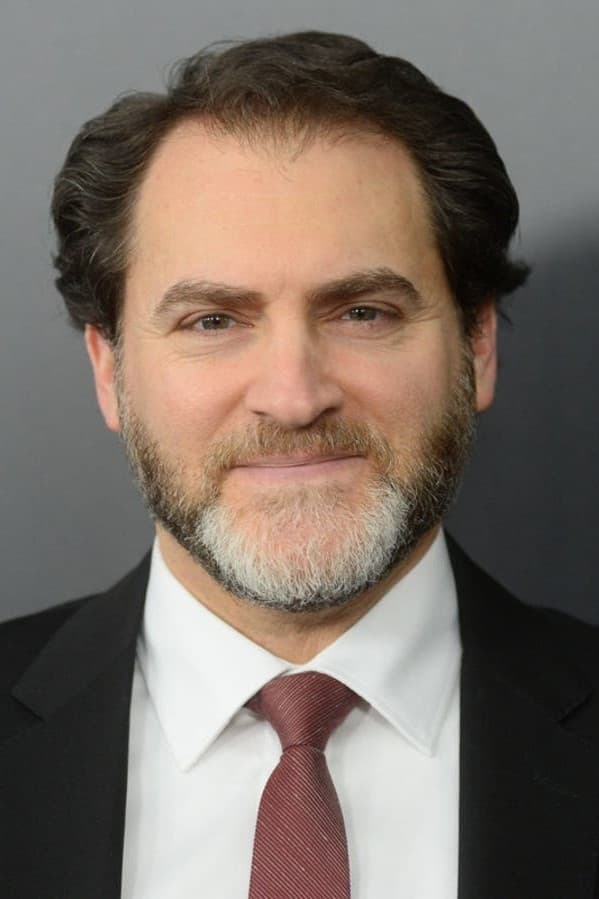
Stuhlbarg moves from prestige television to auteur led cinema with ease. He anchored ‘A Serious Man’ with a controlled unraveling and then became a linchpin across ensembles in ‘Call Me by Your Name’ and ‘The Shape of Water’. His stage background informs crisp diction and carefully modulated timing.
On television he has delivered detailed portrayals in ‘Boardwalk Empire’ and ‘Dopesick’. Casting directors trust him for roles that require sympathy without sentimentality and intelligence without showiness which makes him an invaluable supporting presence.
Stephen Graham

Graham brings authenticity to working class characters and historical figures alike. He powered episodes of ‘Line of Duty’ and ‘Boiling Point’ with lived in realism and command of rhythm. His collaborations with filmmakers like Shane Meadows produced layered portraits that feel observational rather than performed.
In international projects such as ‘Boardwalk Empire’ and ‘The Irishman’ he handled accents and period detail with precision. His ability to register tiny shifts in status within a scene lets him change the temperature of a story without drawing attention to technique.
Scoot McNairy
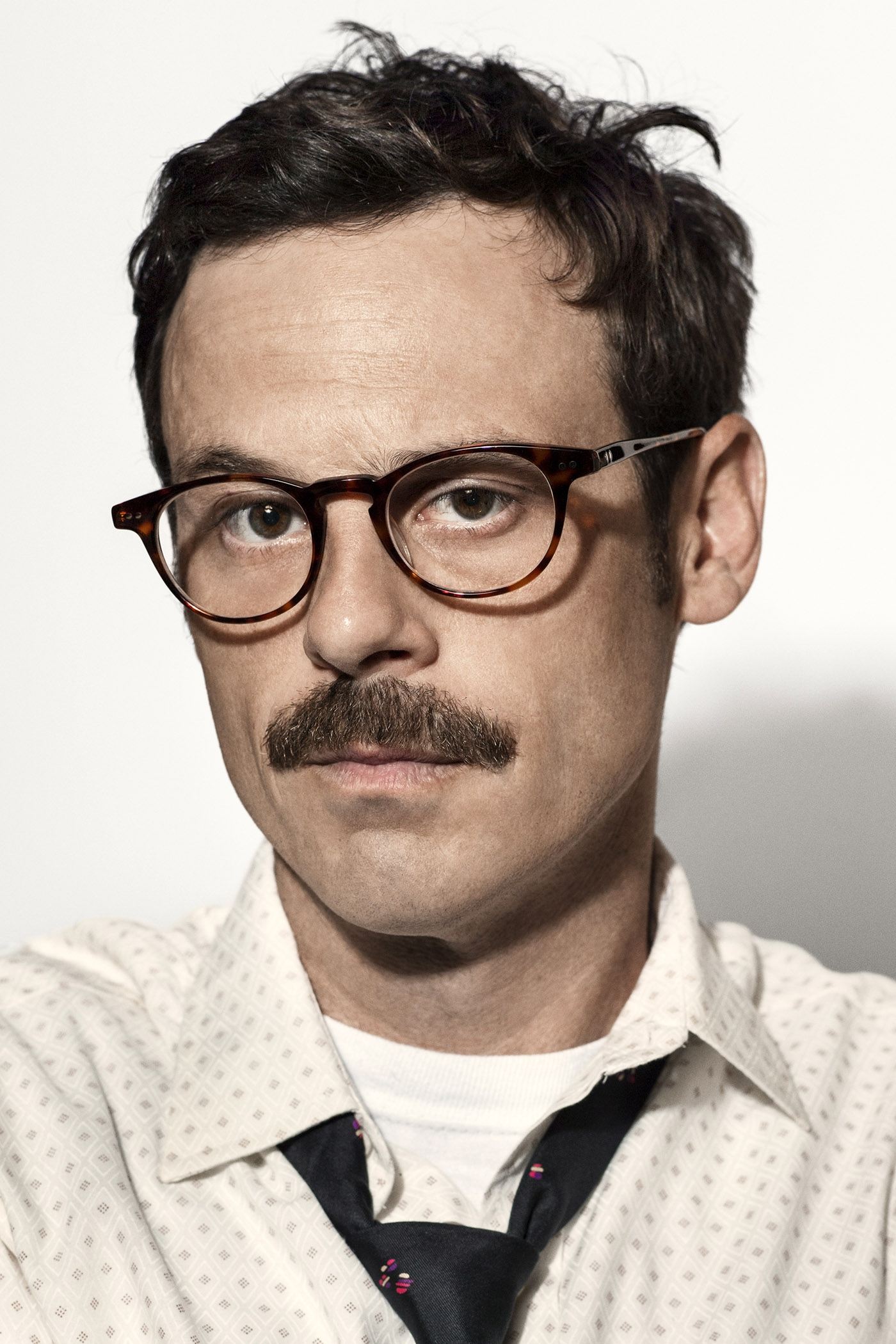
McNairy is a go to choice for grounded everymen pushed into extreme situations. He anchored ‘Monsters’ with understated charm and brought urgency to ‘Argo’ and ‘Gone Girl’. In ‘Halt and Catch Fire’ he charted a character’s evolution through subtle shifts in posture and cadence.
His filmography mixes thrillers, tech dramas, and neo westerns. He often chooses roles with moral ambiguity which he plays through small behavioral cues rather than speeches. That restraint keeps plots believable and gives co stars room to breathe.
Toby Kebbell
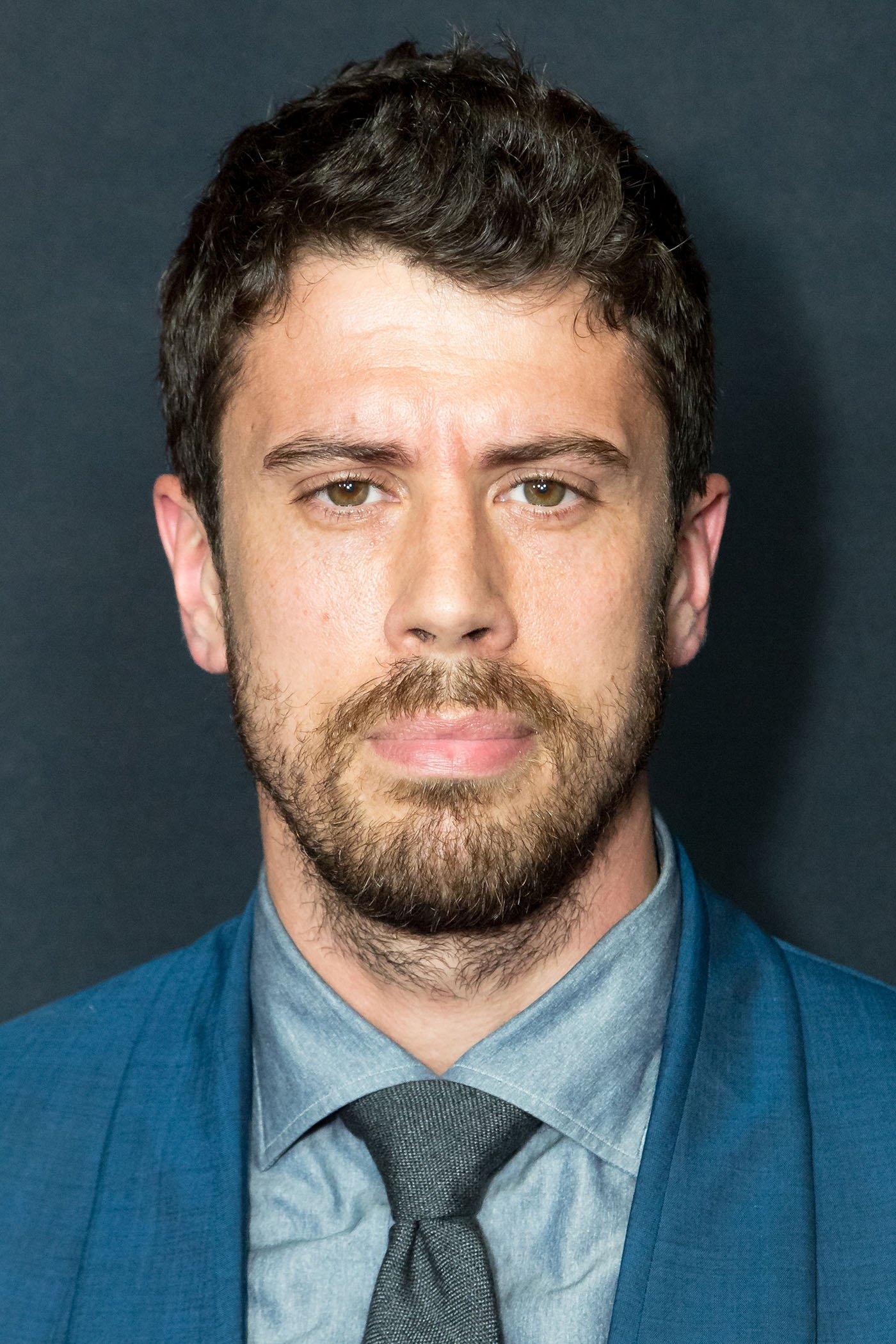
Kebbell combines technical control with emotional weight. He delivered complex motion capture work in ‘Dawn of the Planet of the Apes’ and ‘Warcraft’ and showed ferocity in ‘RocknRolla’. His performances balance vulnerability with menace which suits modern genre storytelling.
He frequently adopts precise dialects and physical profiles for roles from soldiers to magicians. Directors rely on his ability to sell high concept worlds through genuine reactions which helps effects heavy films feel immediate.
Shea Whigham
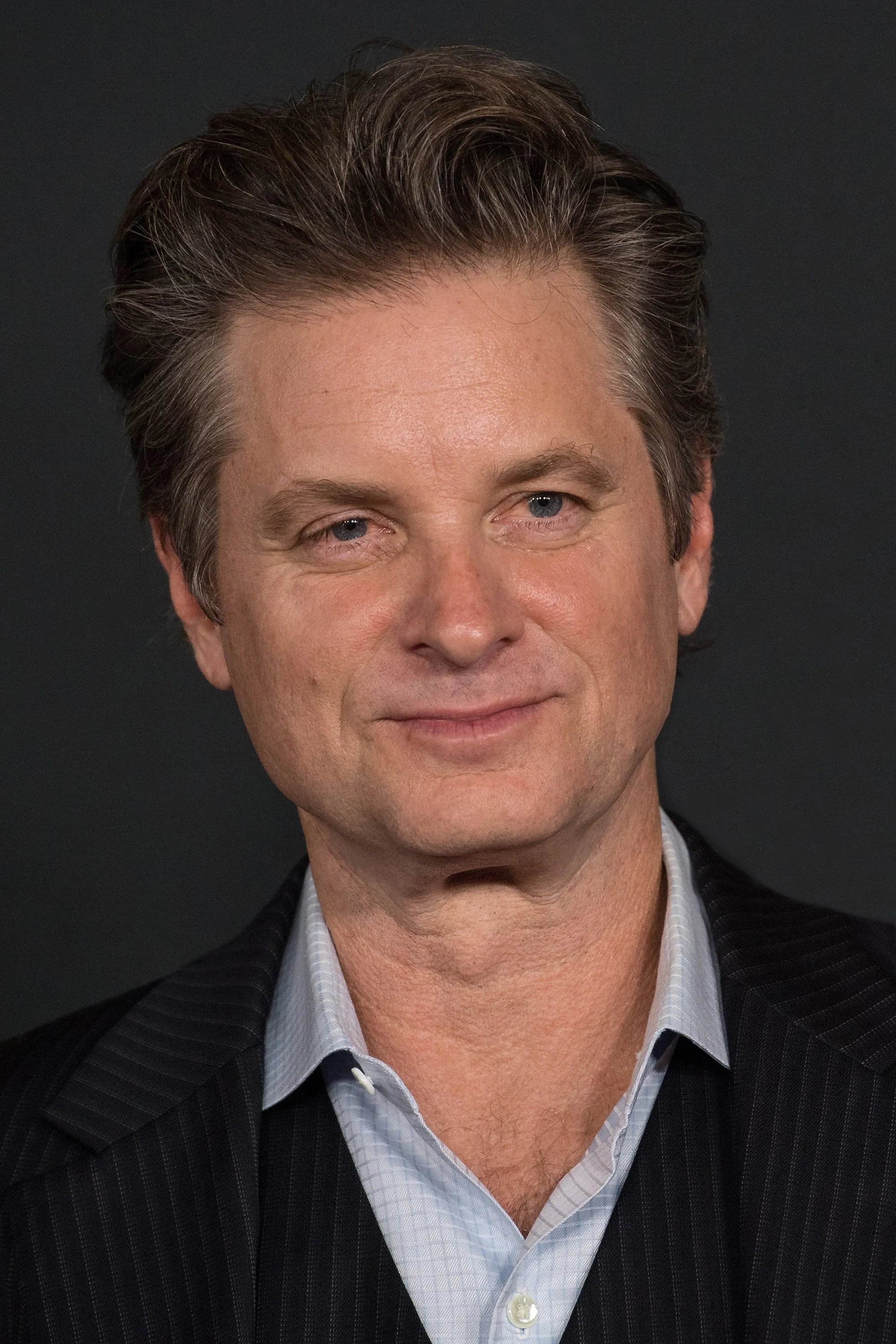
Whigham specializes in characters who carry history in their faces and gestures. He enriched ‘Boardwalk Empire’ with a delicate blend of loyalty and frustration and added texture to ‘Joker’ and ‘First Man’. His scenes often hinge on micro expressions that reveal internal conflict.
He works steadily across television and film and brings the same attention to a one scene role as to a series regular. Filmmakers value his reliability and craft language which is why he appears consistently in projects that prize detail.
John Hawkes
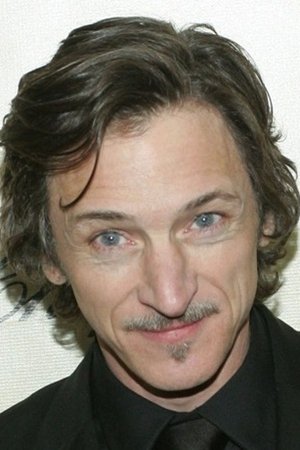
Hawkes is known for quiet intensity and careful character construction. He delivered a tender lead in ‘The Sessions’ and chilling menace in ‘Winter’s Bone’. His choices are economical yet specific which lets audiences project into his characters.
He gravitates toward stories about outsiders and crafts them without caricature. Whether playing a cult leader in ‘Martha Marcy May Marlene’ or a struggling musician in ‘Bodied’ adjacent work, he tracks inner life through posture, breath, and silences.
Garret Dillahunt
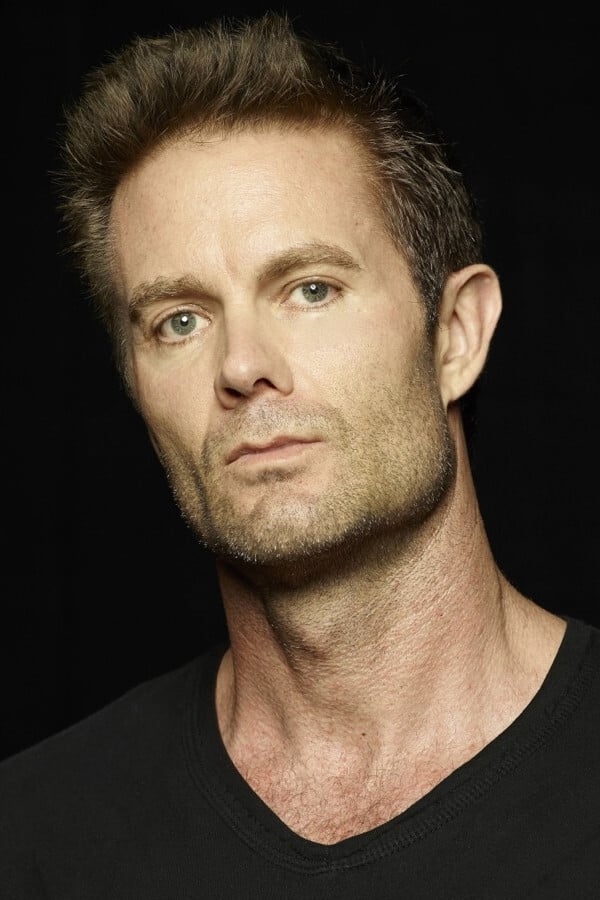
Dillahunt moves between comedy and bleak drama with impressive control. He showed range on ‘Deadwood’ by embodying two distinct characters and later brought warmth and timing to ‘Raising Hope’. In films like ‘No Country for Old Men’ he adds tension through measured stillness.
He studies physical environment closely and uses props and space to define personality. This attention to craft makes small roles memorable and gives leads a stable scene partner who can adjust to any tone.
Ben Mendelsohn
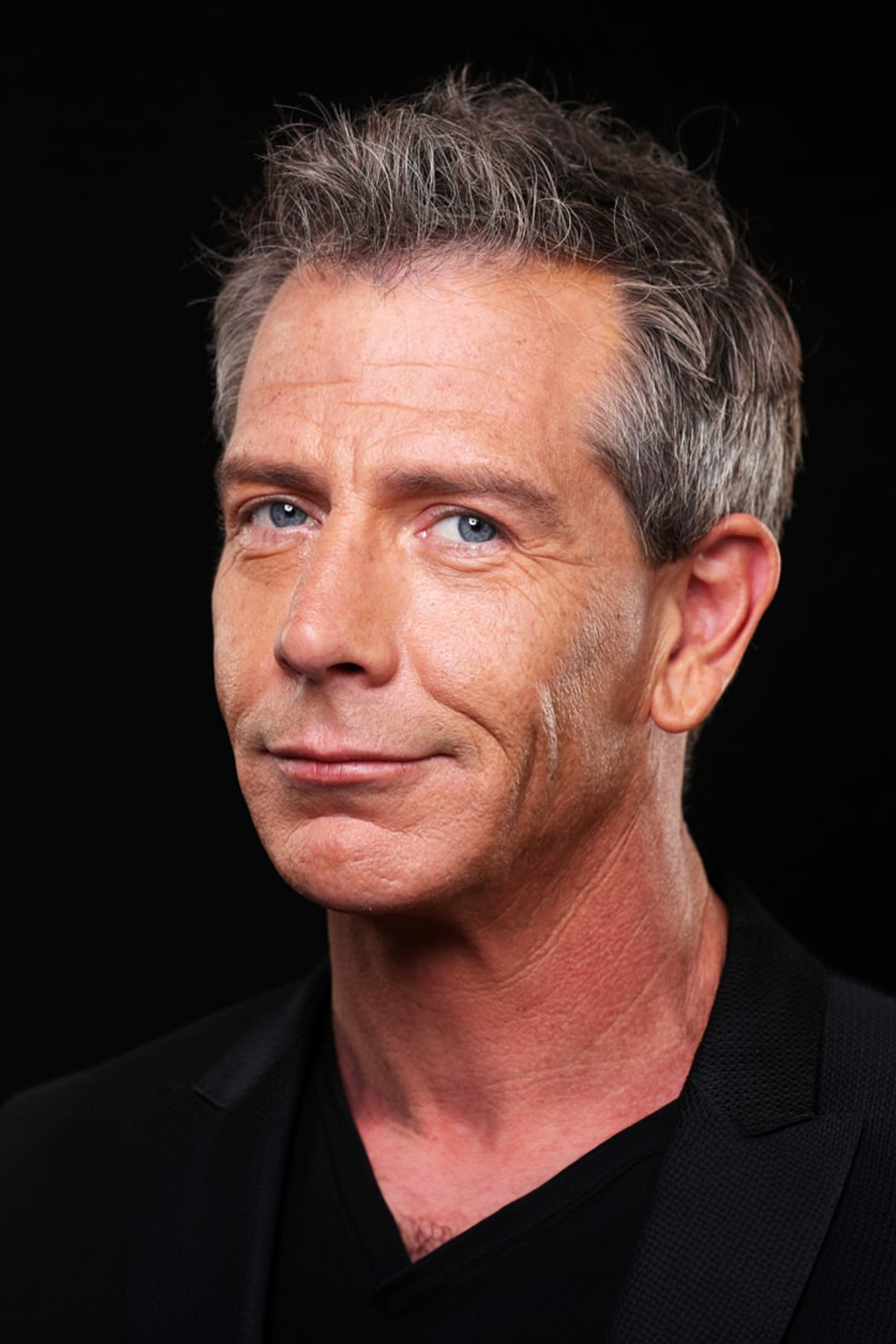
Mendelsohn excels at complex antagonists and wounded authority figures. He broke through internationally with ‘Animal Kingdom’ and continued with nuanced turns in ‘Rogue One’ and ‘The Dark Knight Rises’. His voice work and clipped delivery convey control that can crack without warning.
He also shines in family dramas like ‘Bloodline’ where he built a layered portrait of addiction and resentment. Casting teams look to him when a script needs unpredictability that still fits a precise narrative arc.
Matthias Schoenaerts

Schoenaerts brings physical presence and tenderness to character studies. He drew acclaim for ‘Rust and Bone’ and then carried ‘Bullhead’ with tightly wound energy. His bilingual work allows him to transition from European art house films to English language dramas like ‘Far from the Madding Crowd’.
He often researches trades and sports specific movement which gives his roles occupational credibility. This approach grounds romantic and crime narratives in believable routines and habits that show rather than tell.
Tahar Rahim
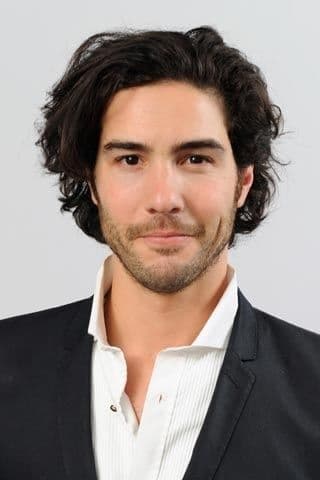
Rahim emerged with a breakout in ‘A Prophet’ and has since moved confidently across languages and formats. He handled procedural nuance in ‘The Mauritanian’ and explored reinvention in ‘The Serpent’. His calm exterior masks strategic thinking which suits stories about systems and survival.
He prepares dialects and cultural detail with care which helps international productions maintain authenticity. Directors rely on his ability to carry long stretches with minimal dialogue while keeping tension high.
Mads Mikkelsen
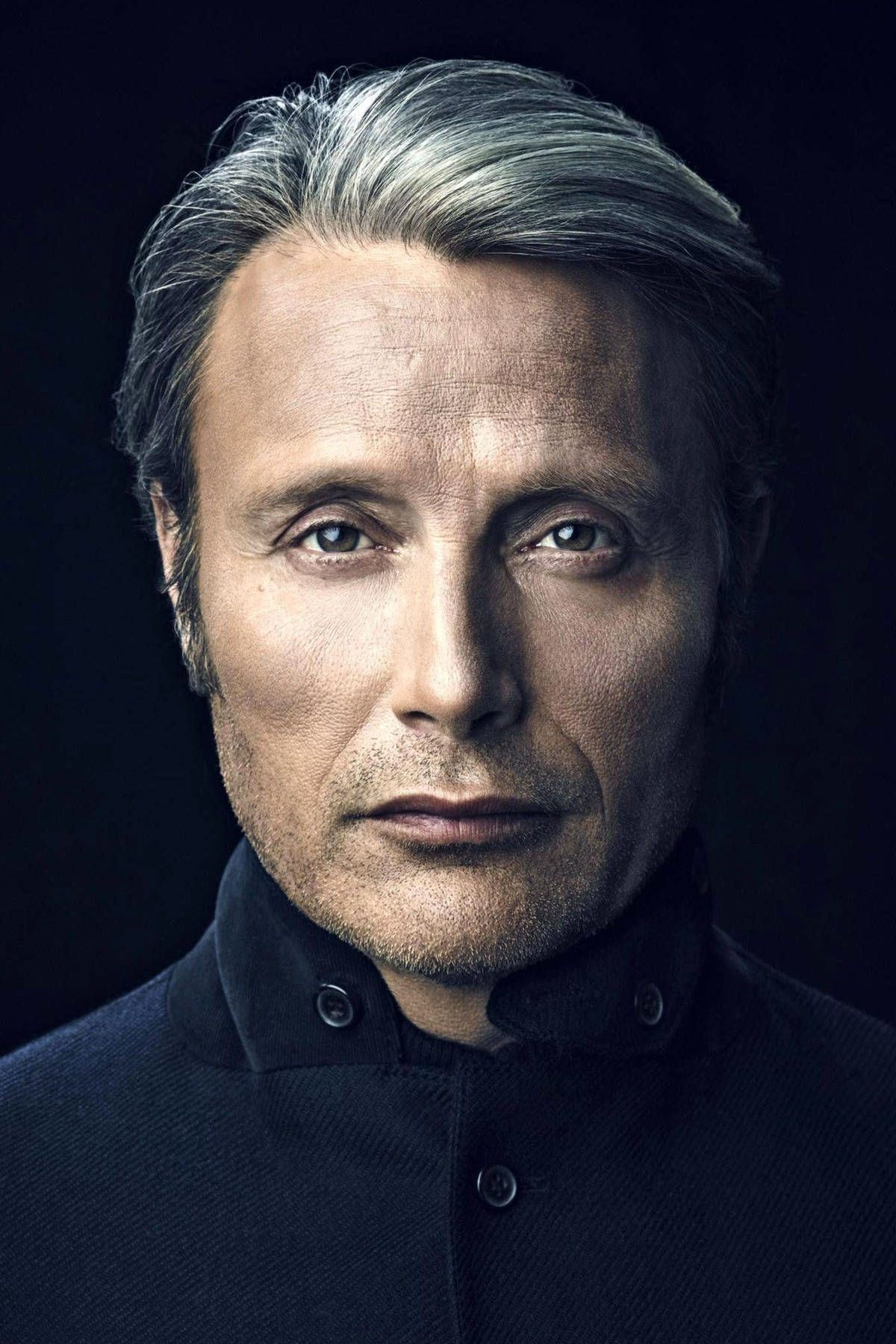
Mikkelsen blends elegance with danger across European cinema and global franchises. He led ‘Another Round’ with finely calibrated shifts in mood and gave memorable interpretations in ‘Hannibal’ and ‘Casino Royale’. His controlled physicality communicates status before a word is spoken.
He frequently collaborates with Danish auteurs while stepping into large series without losing specificity. His training in dance informs smooth movement and crisp beats which translate into camera friendly performances.
Wagner Moura
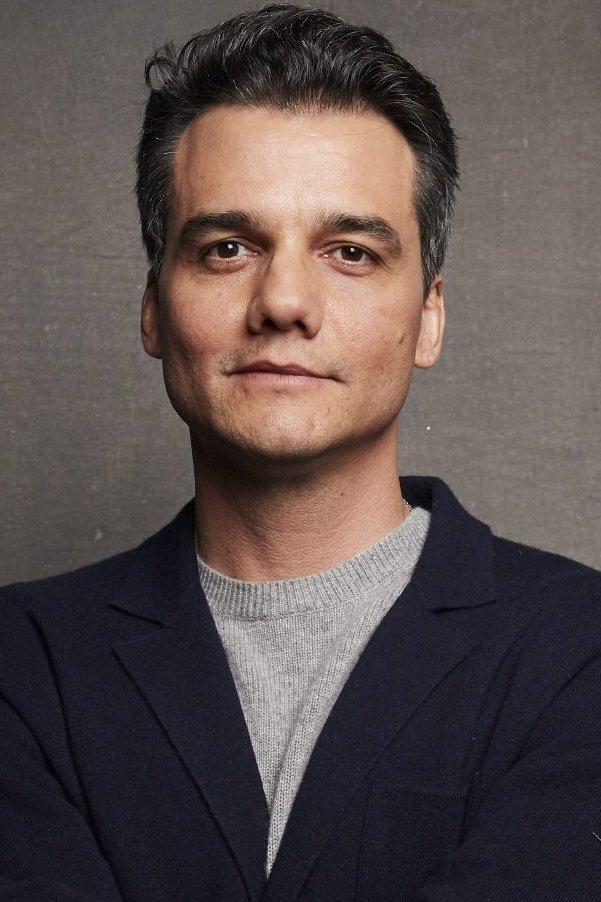
Moura carries investigative narratives and political dramas with authority. He defined ‘Elite Squad’ and then portrayed a tech visionary in ‘Narcos’ with meticulous attention to cadence and public facing mannerisms. His work in Portuguese and English allows wide casting options.
He studies institutional structures that surround his characters which helps him play leaders and operatives credibly. That research oriented approach lets him anchor stories that hinge on procedure and strategy.
Domhnall Gleeson
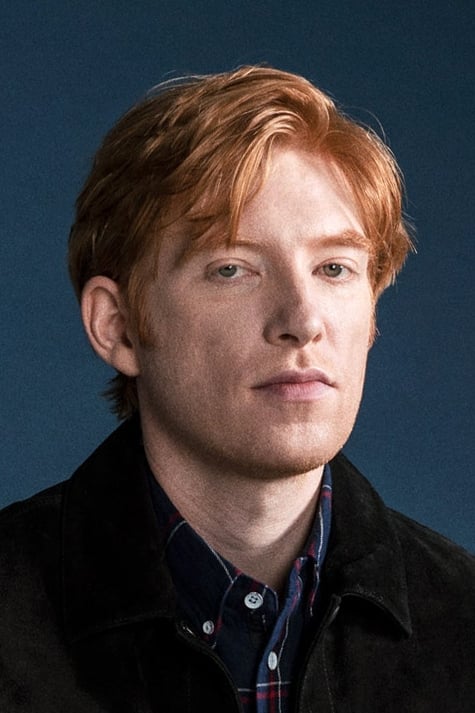
Gleeson shifts from sensitive leads to unsettling figures with ease. He grounded intimate science fiction in ‘Ex Machina’ and brought empathy to ‘About Time’. In franchises like ‘Star Wars’ he delivered theatrical authority while staying precise to blocking and rhythm.
He writes and produces as well which sharpens his understanding of structure. That perspective shows in choices that support pacing and theme which makes him a valuable ensemble player.
Jason Clarke
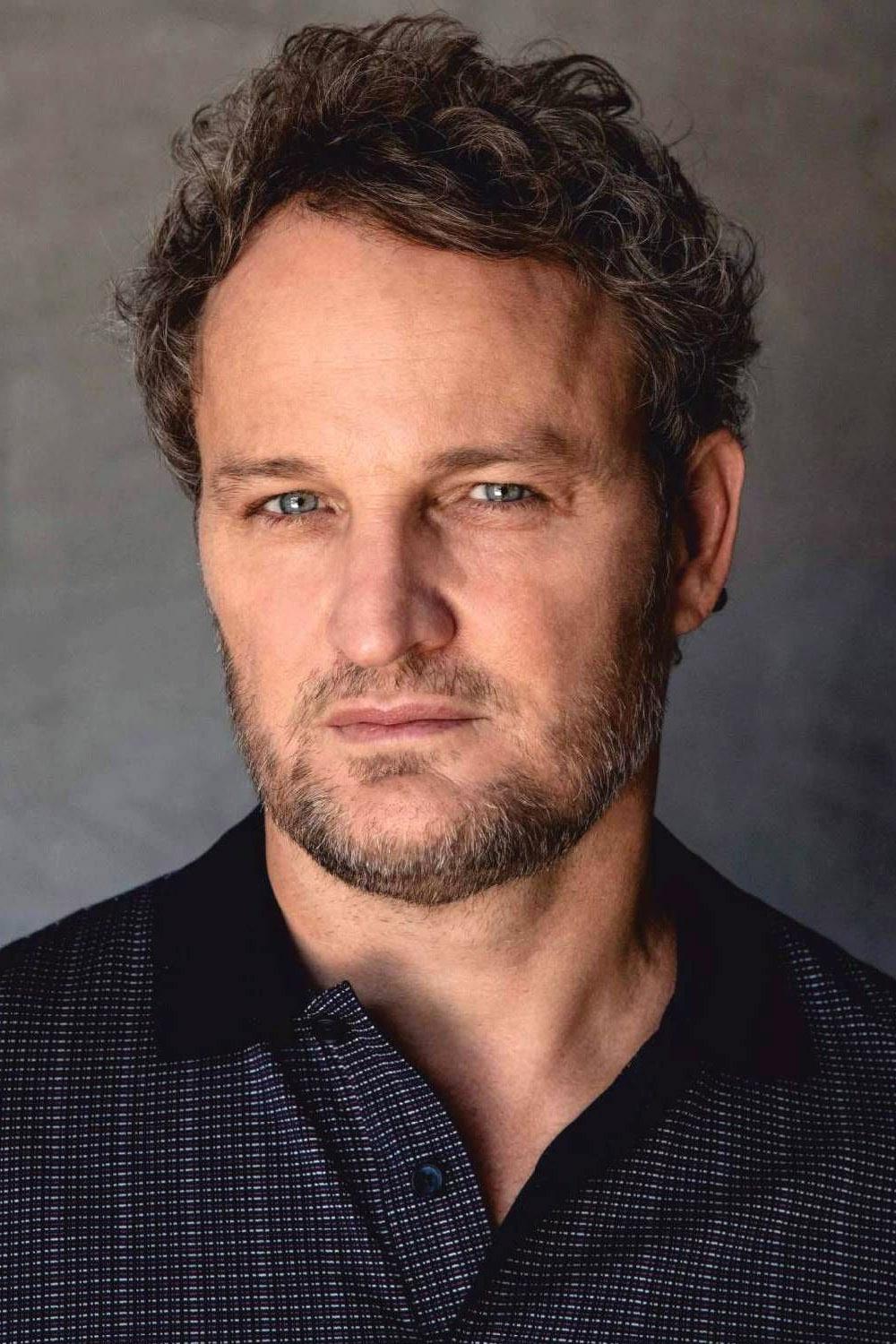
Clarke is a specialist in morally complicated roles within historical and action settings. He brought steel to ‘Zero Dark Thirty’ and layered humanity to ‘Chappaquiddick’. His performances often rest on careful listening which gives scenes a reactive pulse.
He prepares through research into institutional cultures and period context. This preparation helps him integrate smoothly into ensembles where accuracy of protocol matters to the story.
Lakeith Stanfield
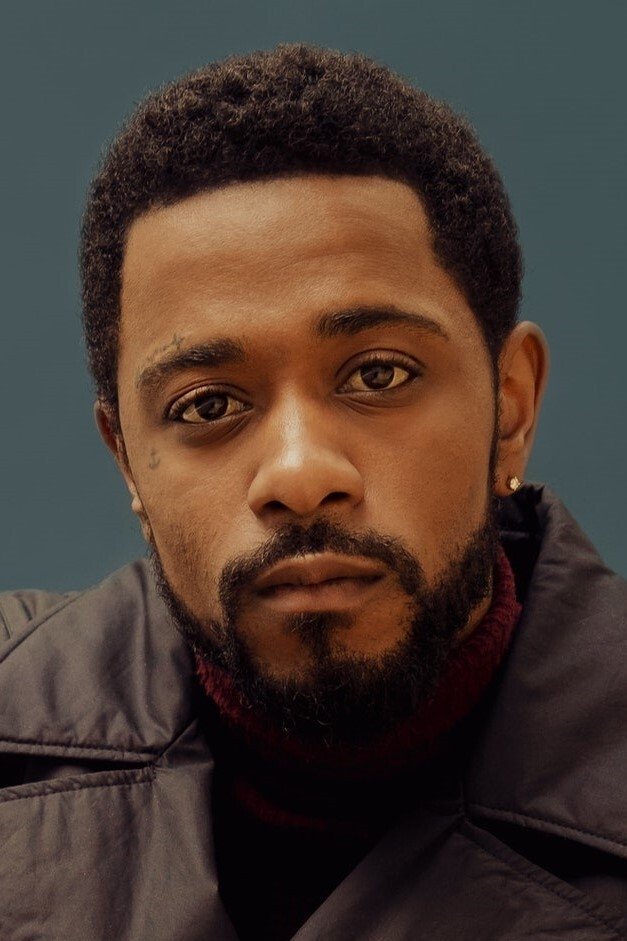
Stanfield brings idiosyncratic rhythm to drama, horror, and satire. He anchored ‘Sorry to Bother You’ with inventive vocal control and provided quiet gravity in ‘Short Term 12’. In ‘Atlanta’ he explored surreal comedy while maintaining emotional truth.
He experiments with voice, gait, and gesture to build singular characters. That experimentation keeps familiar genres fresh and gives directors a set of unexpected yet coherent options in the edit.
Cliff Curtis
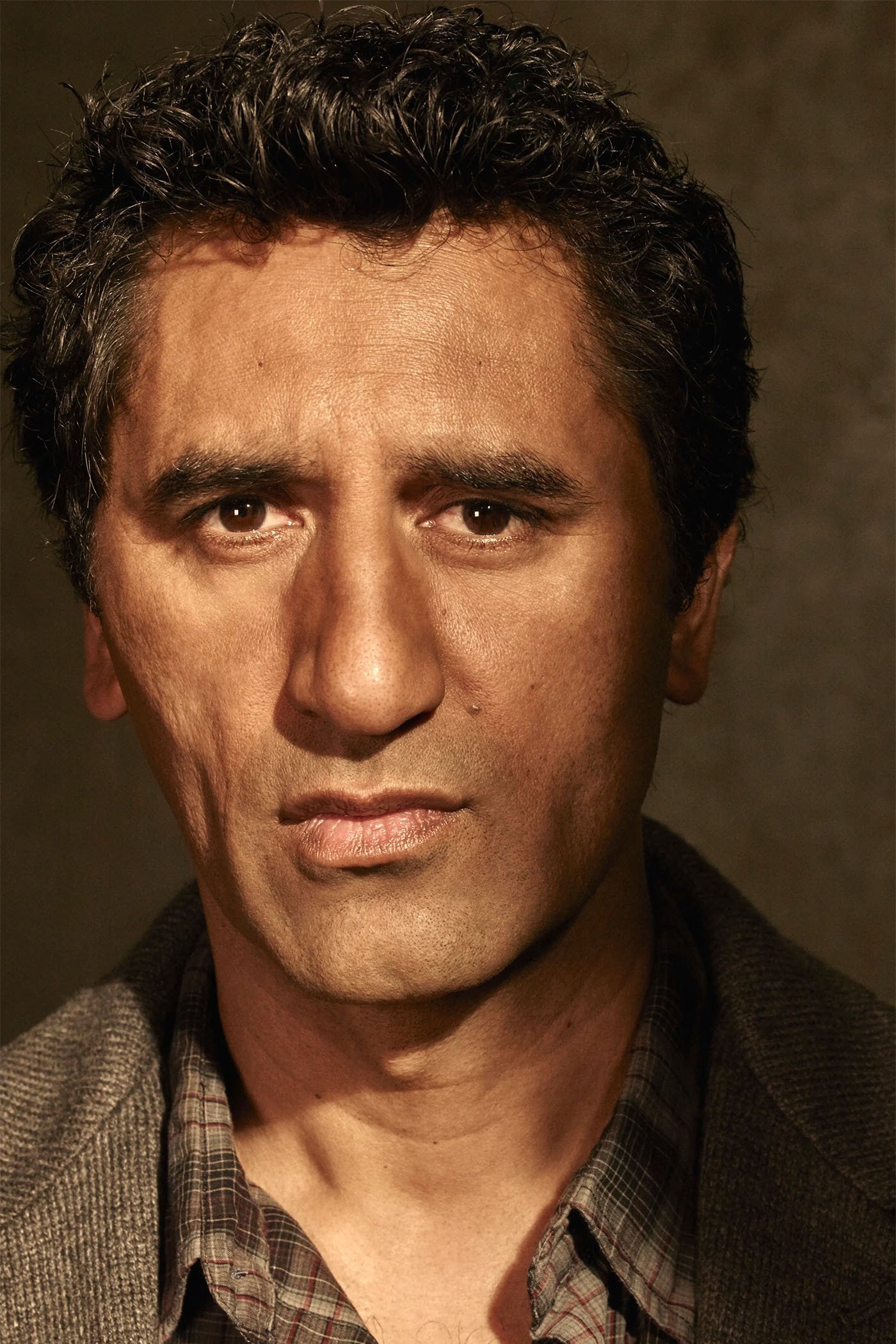
Curtis has portrayed a wide range of ethnicities and professions across global productions. He led ‘The Dark Horse’ with compassionate restraint and supported blockbuster worlds in ‘Avatar’ and ‘Fear the Walking Dead’. His adaptability stems from deep dialect work and cultural consultation.
He often mentors within casts and communities during shoots which strengthens local authenticity. Producers value his ability to balance community engagement with the demands of large scale filmmaking.
David Oyelowo
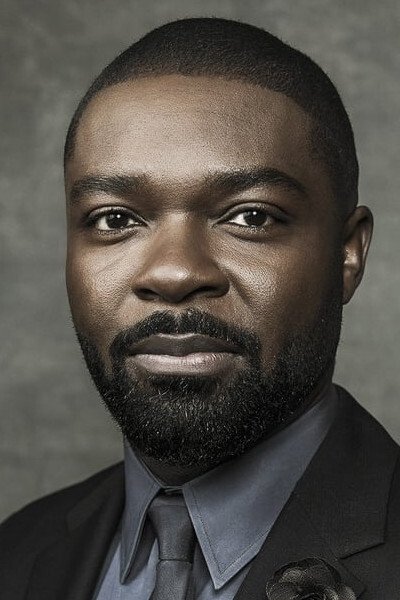
Oyelowo combines classical training with cinematic clarity. He delivered a commanding portrayal in ‘Selma’ and then explored espionage and family drama in ‘Nightingale’ and ‘Five Days’. His vocal control allows precise replication of public figures and varied accents.
He frequently develops projects as a producer which aligns roles with meaningful themes. That involvement results in performances that connect character motivations to larger historical or social contexts without losing intimacy.
Caleb Landry Jones

Jones specializes in unsettling characters who reveal vulnerability over time. He made sharp impressions in ‘Get Out’ and ‘Three Billboards Outside Ebbing, Missouri’ and then led ‘Nitram’ with meticulous restraint. His choices often involve unusual rhythms and sudden shifts that feel organic rather than showy.
He prepares through deep script annotation and musical references which shape tempo and breath. That method yields performances that keep audiences slightly off balance while staying rooted in the given circumstances.
Paul Walter Hauser

Hauser transitioned from comedic support to intense dramatic leads with notable results. He embodied ‘I, Tonya’ scene stealing humor and then carried ‘Richard Jewell’ with detailed physical and vocal work that emphasized ordinariness under scrutiny. In ‘Black Bird’ he sustained menace through stillness and measured speech.
He studies real world subjects through interviews and archival material when available. This research heavy process guides choices in posture, eye lines, and environment interaction which creates persuasive realism on screen.
Share the names you would add to this list in the comments and tell us which performance convinced you.