


The 10 Most Underrated Helen Mirren Movies, Ranked (From Least to Most Underrated)




Helen Mirren’s filmography stretches across decades of stage influenced dramas, intricate thrillers, and intimate character pieces. Tucked among the awards magnets are features that many viewers missed the first time around, yet they showcase craft, range, and attention to detail at every level of production.
This list spotlights ten such films and focuses on concrete details about stories, roles, crews, and how each production came together. You will find plot setups, creative teams, and behind the scenes specifics that help explain what each film set out to do and how it did it.
‘Brighton Rock’ (2010)
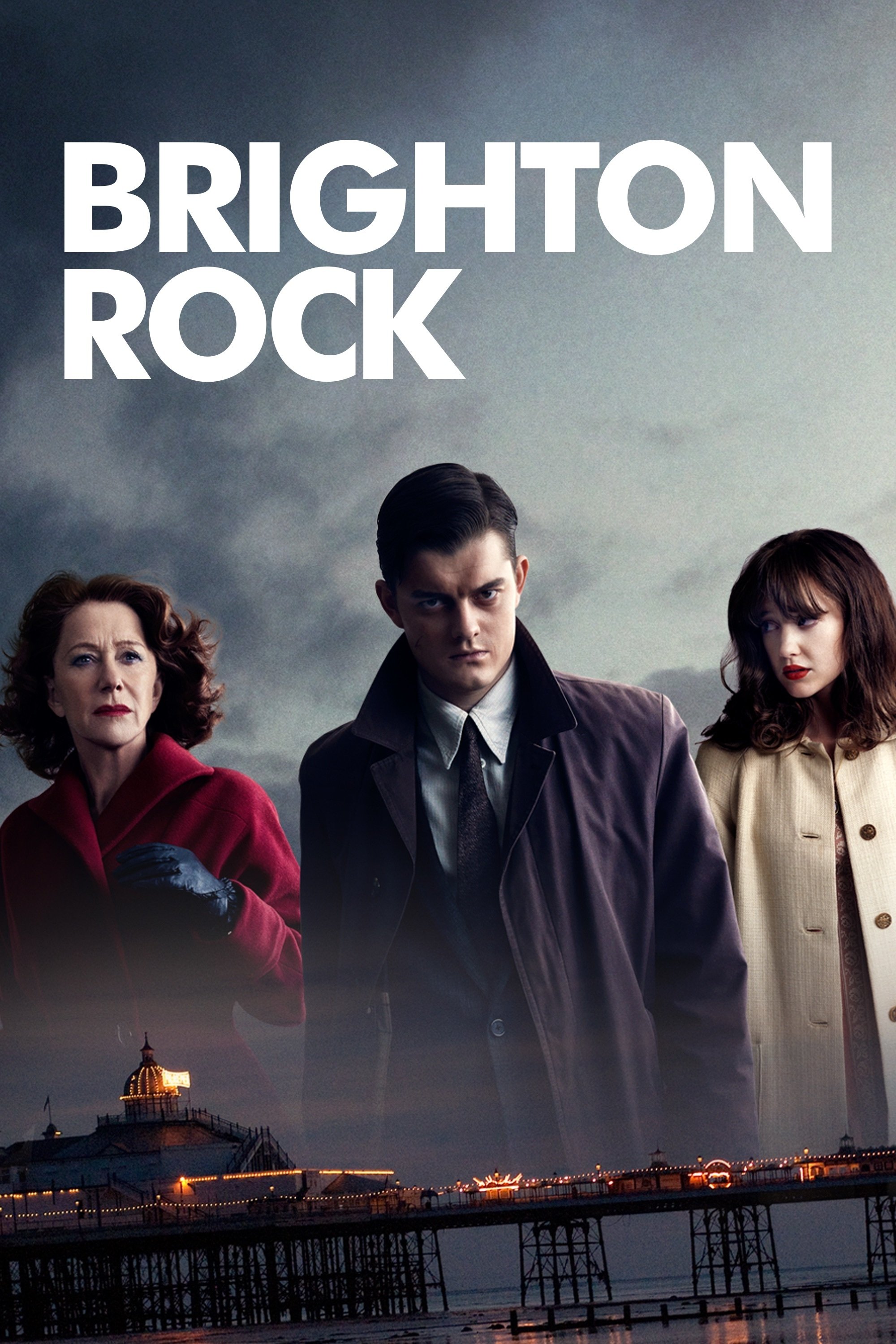
This adaptation of Graham Greene’s novel follows gangster Pinkie Brown in seaside Brighton, with Helen Mirren as Ida Arnold, a determined observer who tracks a killing that others would rather forget. Rowan Joffe directs an ensemble that includes Sam Riley, Andrea Riseborough, and John Hurt, with period styling that places scooters, café culture, and street scuffles at the center of the setting.
Location work makes strong use of the pier, the seafront, and back lanes that mirror the story’s cat and mouse rhythms. The script shifts the novel’s timeline to align with a Mods and Rockers backdrop, and Mirren’s Ida provides the parallel investigation thread that refuses to let the case fade, pushing the plot into confrontations that hinge on witness protection and local loyalties.
‘The Clearing’ (2004)
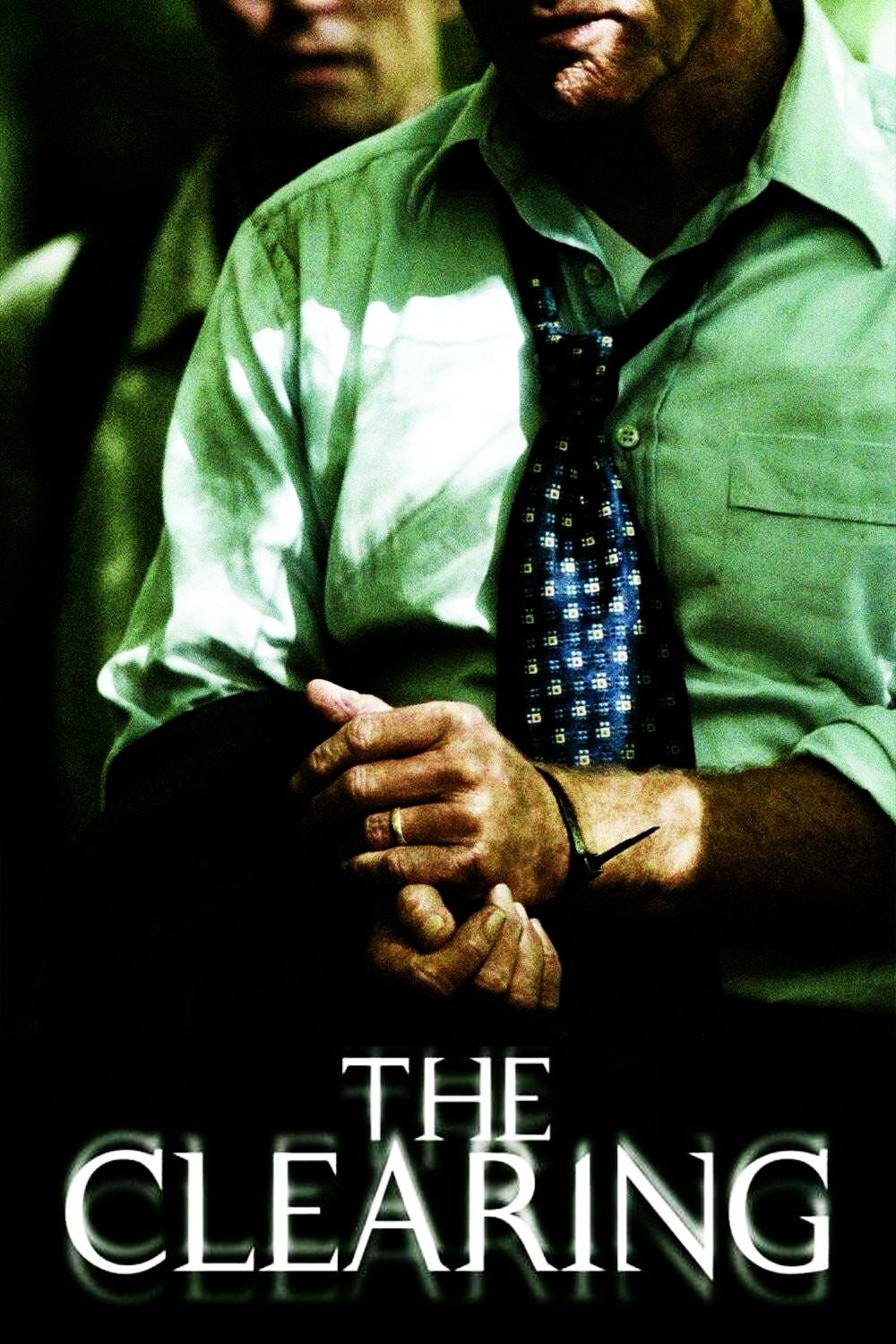
A kidnapping thriller built around negotiation and consequence, this film centers on Wayne Hayes and the man who abducts him, while Helen Mirren’s Eileen coordinates with investigators as decisions tighten around her family. Pieter Jan Brugge directs with Robert Redford and Willem Dafoe in key roles, keeping the focus on dialogue, terrain, and the mechanics of a missing person case.
The narrative cuts between captivity and home, using measured cross cutting to reveal timelines as they intersect. Production took place in suburban neighborhoods and wooded spaces that ground the story in everyday environments, and the film leans on restrained sound design and handheld framing to underline uncertainty without flash.
‘Age of Consent’ (1969)

Set on a remote Australian island, this Michael Powell drama follows a painter seeking new inspiration, with Helen Mirren as Cora, a local who becomes his model and catalyst for a creative shift. James Mason leads the story’s artist perspective while the film explores the working relationship that develops around sketches, swims, and shared routine.
Tropical locations and shoreline coves shape the look of the film, with underwater sequences and sunlit exteriors giving the art world premise a natural texture. The adaptation of Norman Lindsay’s novel keeps the focus on process, from canvases and charcoal to the quiet logistics of island life, and Mirren’s role is central to that everyday detail.
‘Greenfingers’ (2000)
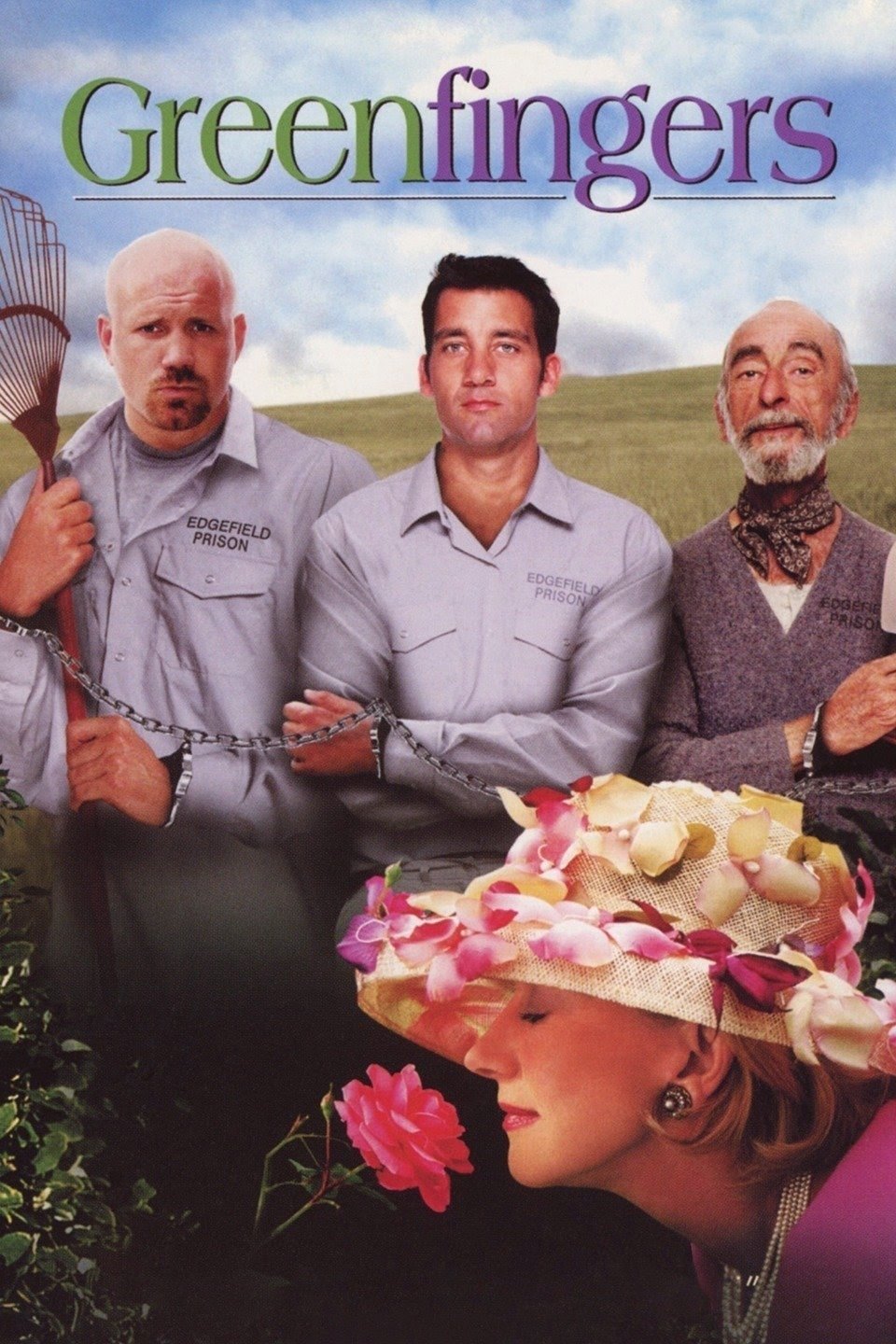
Inspired by real events at HMP Leyhill, this comedy drama follows a group of inmates who discover a talent for gardening, with Helen Mirren as expert Georgina Woodhouse, a mentor who helps the team refine technique and presentation. Clive Owen and David Kelly co star as the prisoners whose plant care becomes a path to trust and responsibility.
The story builds toward the Hampton Court Flower Show, tracking soil planning, design mock ups, and the practical challenges of frost, pests, and timing. Production used locations around Gloucestershire, and the gardens seen on screen were created with input from experienced competitors so that the layouts, tools, and seasonal rhythms feel accurate.
‘The Debt’ (2010)
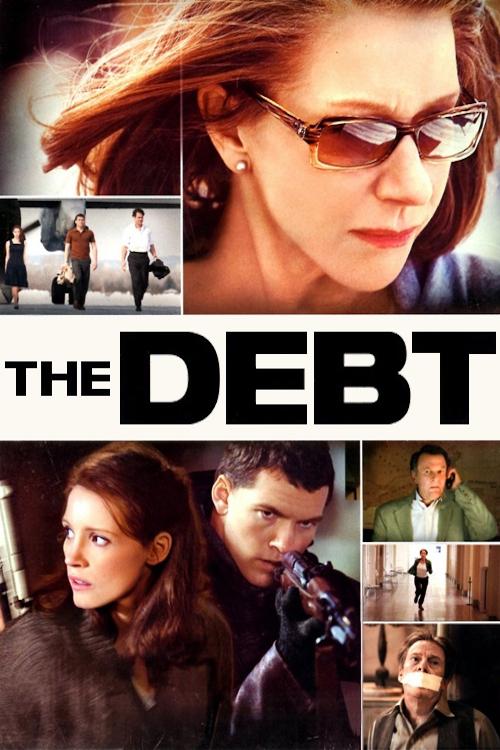
John Madden directs this espionage drama about a Mossad team assigned to capture a Nazi war criminal, with Helen Mirren as the retired operative Rachel Singer and Jessica Chastain as the same character in earlier scenes. The plot examines what happens when an operational secret enters the historical record, and how that secret binds teammates across continents.
The film moves between East Berlin safe flats, medical facilities, and present day European locations, using parallel casts to mirror past and present. Interrogation sequences and close quarter fights rely on practical staging, while production design tracks documents, forged identities, and surveillance detail to map how intelligence work seeps into ordinary life.
‘Cal’ (1984)
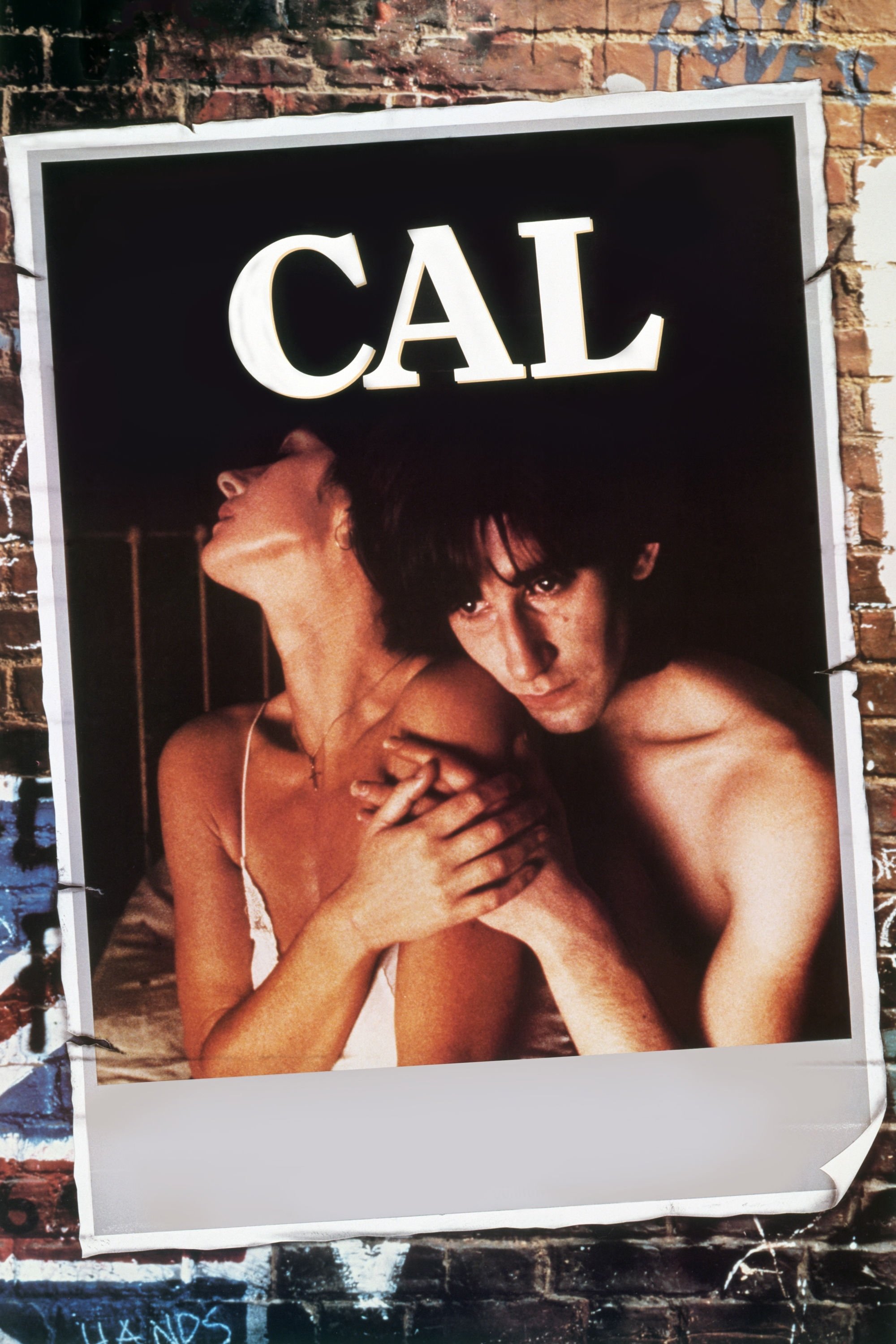
Adapted from Bernard MacLaverty’s novel and directed by Pat O’Connor, this drama follows a young man adrift during the Troubles who forms a connection with a widow, played by Helen Mirren. John Lynch portrays Cal as he grapples with guilt and pressure in a community marked by checkpoints, murals, and watchful streets.
Location shooting around County Down and Belfast gives the story a lived in texture, with narrow terraces, rural lanes, and modest interiors that place characters within the conflict’s daily reality. Mark Knopfler’s score supports the quiet tone, and Mirren received Best Actress at the Cannes Film Festival for a performance rooted in restraint and careful observation.
‘Some Mother’s Son’ (1996)
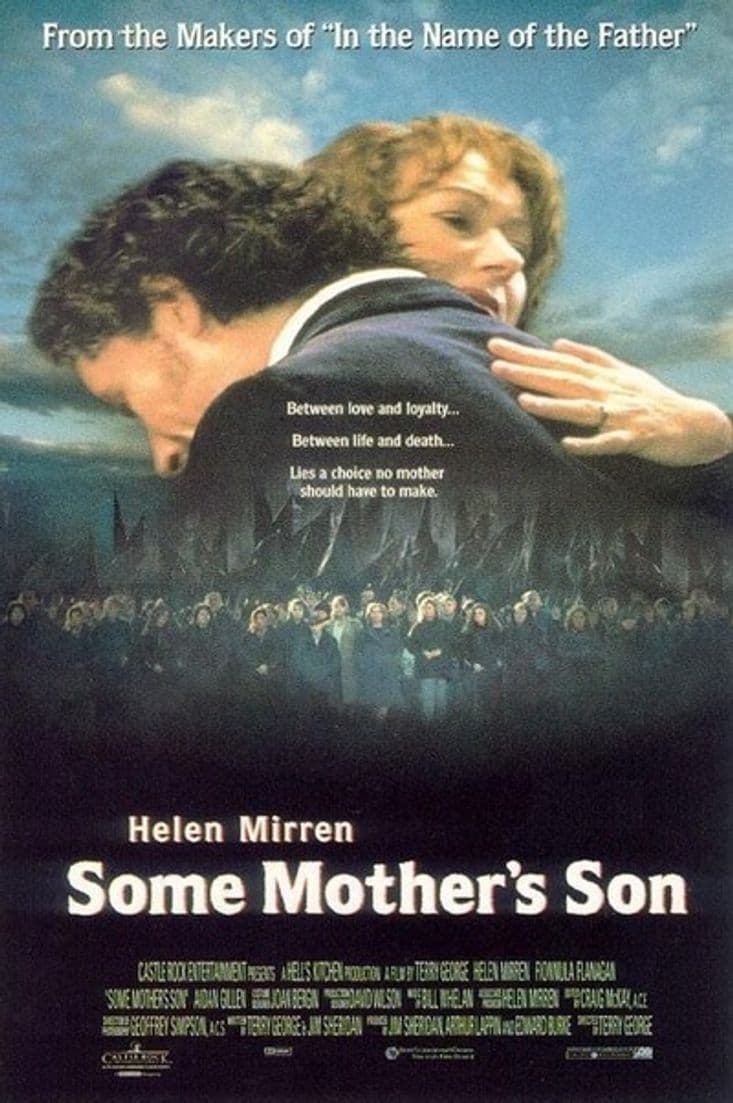
Terry George directs this drama co written with Jim Sheridan about mothers whose sons join a prison hunger strike, with Helen Mirren and Fionnula Flanagan anchoring the film through family visits, legal advice, and hard choices. The script keeps the focus on everyday tasks such as queueing for access, meeting clergy, and dealing with school and work while public events accelerate outside.
Production recreated H Block layouts on sets that emphasize corridors, cell sizes, and movement controls, and exterior scenes use marches, patrols, and press scrums to connect households to headlines. Costumes and props track badges, posters, and leaflets that move through kitchens and community halls, showing how politics enters domestic space.
‘Woman in Gold’ (2015)
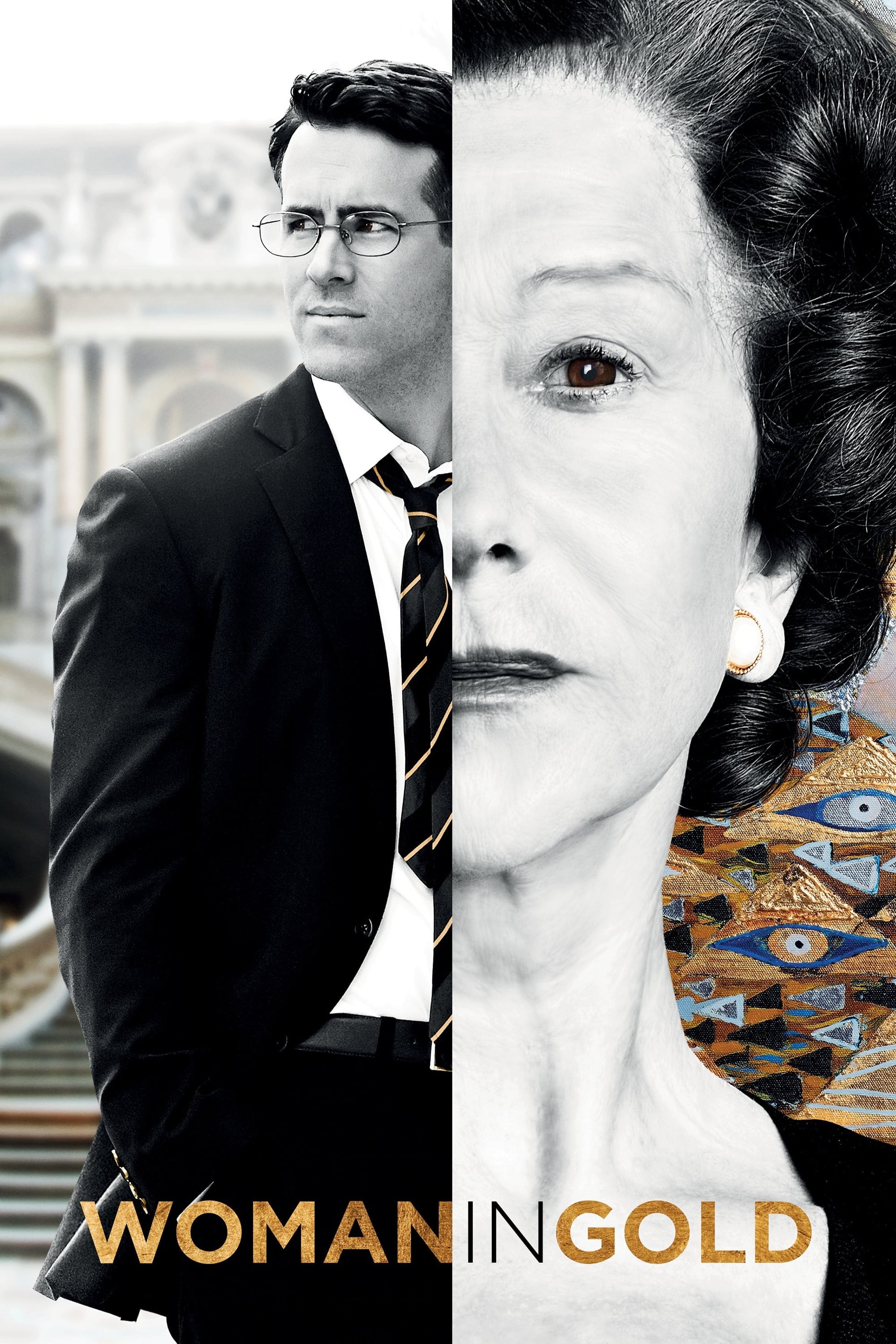
A legal drama from director Simon Curtis, this film follows Maria Altmann’s effort to reclaim Gustav Klimt’s portrait of her aunt, with Helen Mirren leading opposite Ryan Reynolds as attorney E Randol Schoenberg. The case winds through filings, depositions, and hearings, as relatives, curators, and government representatives present competing evidence.
The production balances courtroom strategy with flashbacks to family life in Vienna, using careful art direction to recreate salons, ateliers, and municipal offices tied to the painting’s path. Filming took place in the United Kingdom, the United States, and Austria, and the narrative closes with the decision that determines the work’s ownership and public display.
‘Eye in the Sky’ (2015)
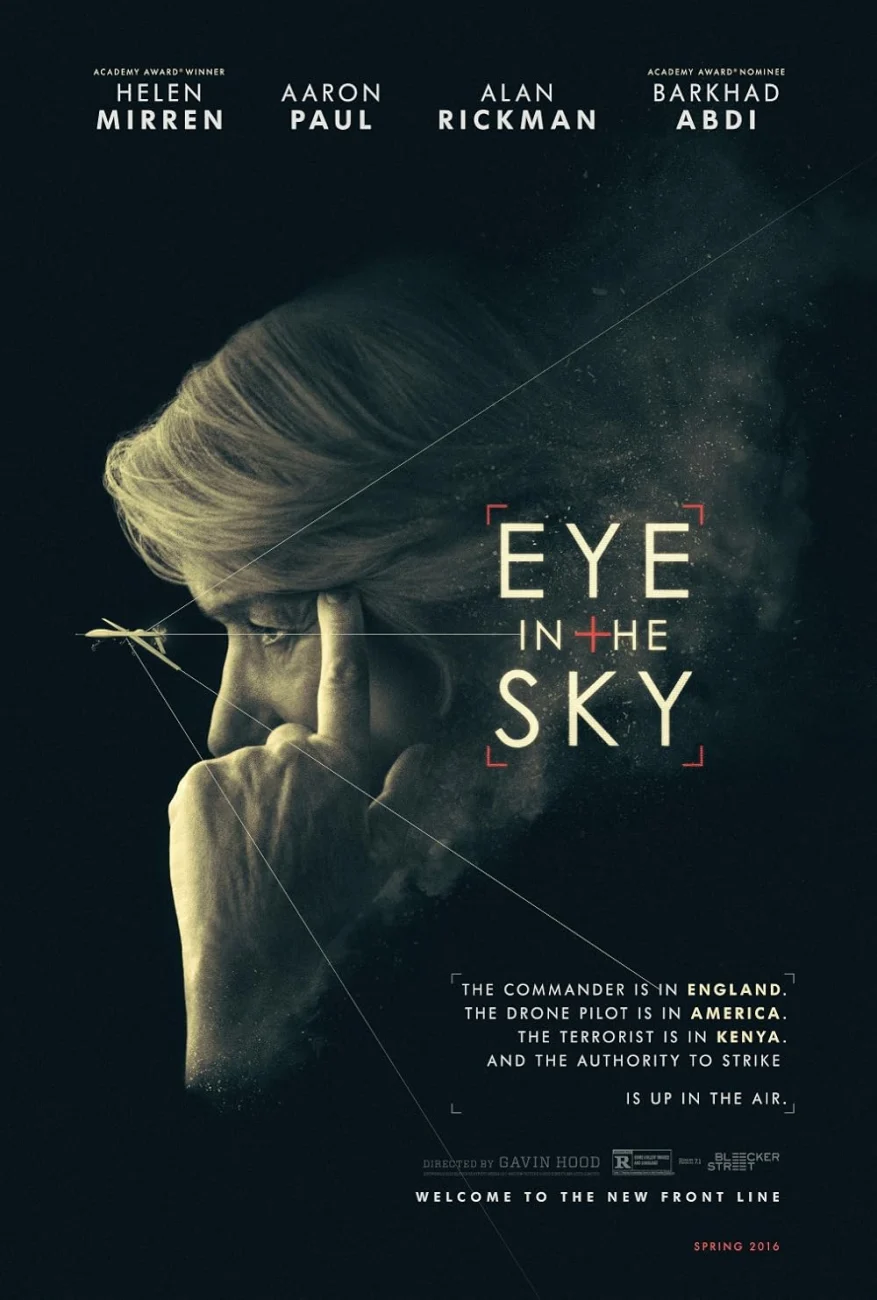
Gavin Hood’s contemporary military thriller places Helen Mirren as Colonel Katherine Powell, a commander directing a drone operation that draws in cabinet ministers, legal advisers, and pilots on different continents. The ensemble includes Alan Rickman, Aaron Paul, and Barkhad Abdi, with each location connected by secure links that carry live feeds and briefings.
The film tracks the escalation from surveillance to potential strike through collateral damage estimates, rules of engagement, and authorizations that move up the chain. Real time cutting between control rooms, streets, and a pilot station shows how data, ethics, and orders collide, and the credits close with a dedication to Alan Rickman.
‘The Cook, the Thief, His Wife & Her Lover’ (1989)
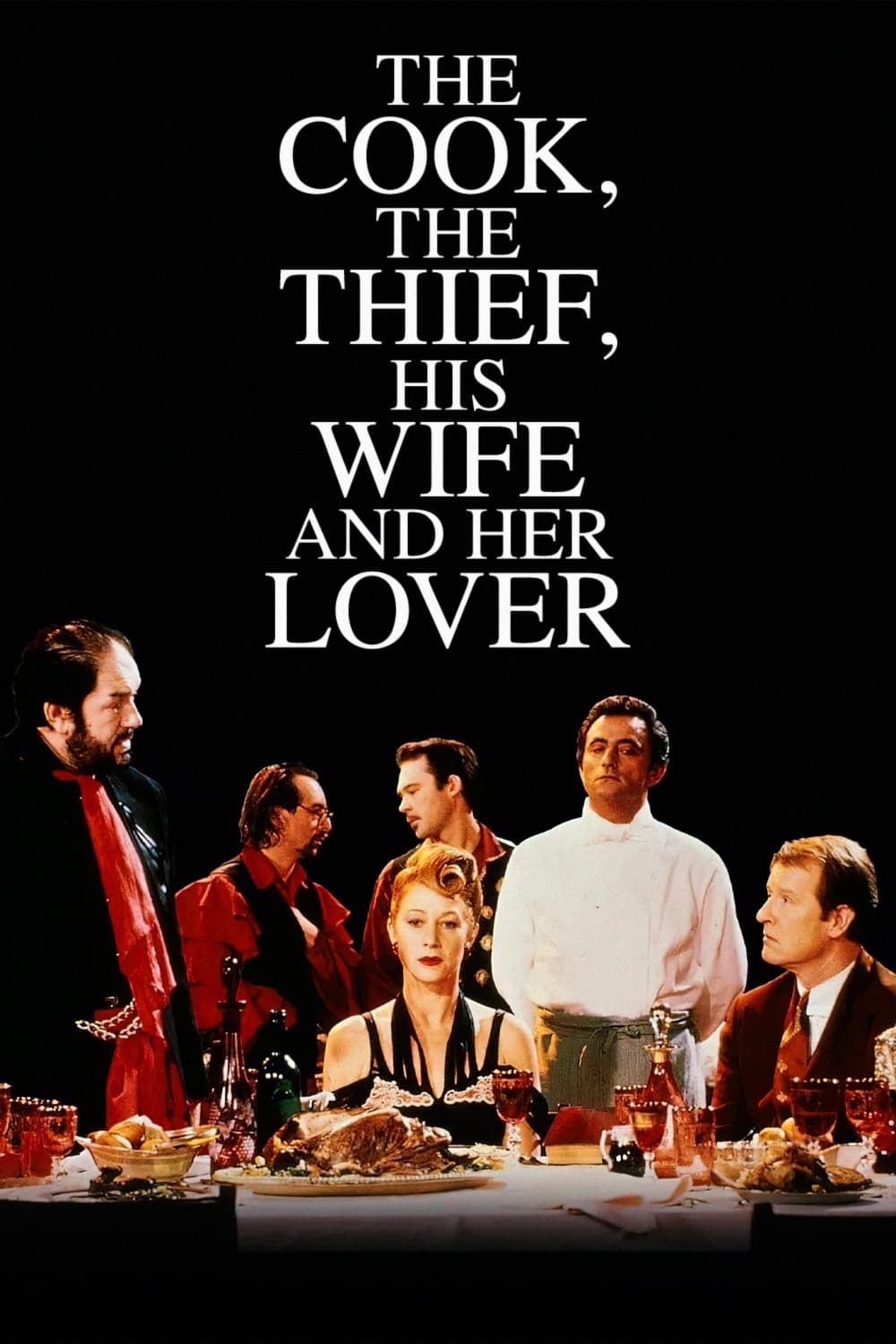
Peter Greenaway’s chamber piece unfolds inside a grand restaurant where Helen Mirren plays Georgina, the wife of a violent owner portrayed by Michael Gambon, who begins an affair with a quiet patron. Tim Roth and Richard Bohringer round out a cast that moves through spaces where color shifts from room to room, guided by Michael Nyman’s score.
Sacha Vierny’s cinematography and costumes by Jean Paul Gaultier build a precise visual language of tableaus, long takes, and controlled camera moves. The production’s art direction leans on sculptural food design, book lined back rooms, and meticulously lit kitchens, and the film’s tour of international festivals cemented its reputation for bold staging and craft.
Share your picks for overlooked Helen Mirren films in the comments so others can discover them too.