


The 10 Most Underrated Javier Bardem Movies, Ranked (From Least to Most Underrated)




Javier Bardem has built a career that moves easily between Spanish cinema and major international productions. He began acting in Spain as part of a family of performers and later won an Academy Award for a supporting role in an American film. Along the way he worked with filmmakers such as Pedro Almodóvar, Alejandro González Iñárritu, Alejandro Amenábar, Fernando León de Aranoa, Asghar Farhadi, Miloš Forman, and John Malkovich.
This list looks at feature films that feature Bardem in leading or prominent roles across genres and languages. You will find dramas, thrillers, and character studies with details on directors, co-stars, settings, awards recognition, and other concrete information that helps place each title in his body of work.
‘Perdita Durango’ (1997)

Andrés Vicente Gómez
Álex de la Iglesia directs this crime thriller adapted from Barry Gifford’s novel about a pair of lovers who slip into violent schemes along the Mexico United States border. Javier Bardem plays Romeo Dolorosa opposite Rosie Perez as the title character, with a plot that involves kidnapping and a criminal underworld tied to ritual and superstition. The film was released in some territories as ‘Dance with the Devil’ and features English and Spanish dialogue.
Production involved an international team with financing that brought together Spanish partners and distributors handling different cuts for various markets. Bardem’s performance uses physical transformation and accent choices that match the character’s background, and the film’s soundtrack leans on gritty textures that support its road movie structure.
‘Mouth to Mouth’ (1995)
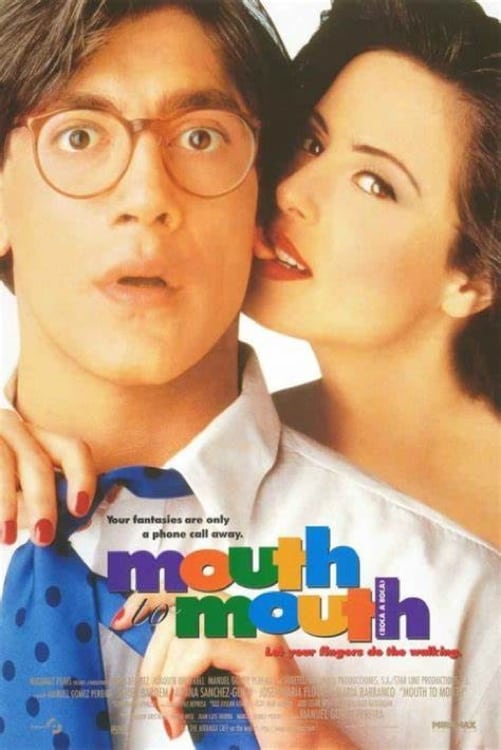
Manuel Gómez Pereira’s ‘Boca a boca’ casts Bardem as an aspiring actor who pays his bills by taking calls for an adult phone service and then stumbles into a case involving a wealthy couple. Aitana Sánchez Gijón co-stars, and the story moves through Madrid apartments, casting offices, and sleek villas as the plot blends romance and crime. The tone stays light while the script gives Bardem room for quick switches between comedic timing and tense encounters.
The production comes from Sogecine with a release that played to strong attendance in Spain before traveling to festivals abroad. The film shows Bardem in early collaboration with technicians and crew he would meet again on later Spanish productions, and it helped him collect national award attention that raised his profile across Europe.
‘Goya’s Ghosts’ (2006)

Miloš Forman directs this historical drama set during the Spanish Inquisition and the later arrival of Napoleon’s forces. Bardem plays Brother Lorenzo, a cleric who rises in power and crosses paths with painter Francisco Goya and a young woman played by Natalie Portman. The film uses English as its primary language and stages courtroom sequences, workshops, and prisons to trace the shifting politics of the period.
Shooting took place at Spanish locations and studio builds that recreated Madrid streets and interiors associated with the painter’s world. The release brought together an international cast that also includes Stellan Skarsgård, and the score supports a sober period atmosphere. Costumes and makeup departments leaned on research into late eighteenth and early nineteenth century clothing to ground the narrative.
‘The Dancer Upstairs’ (2002)
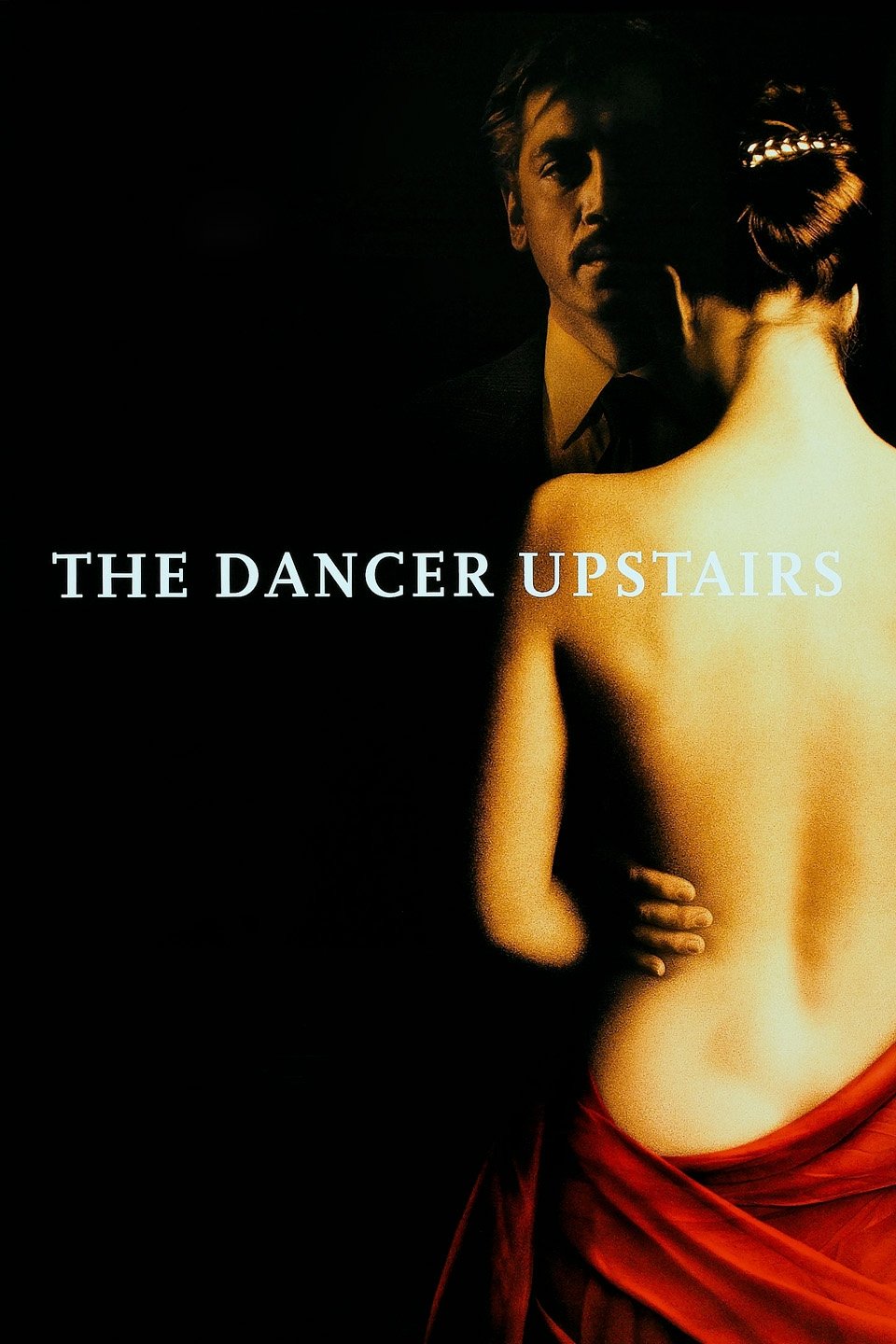
John Malkovich makes his feature directing debut with this adaptation of Nicholas Shakespeare’s novel. Bardem leads as Agustín Rejas, a police investigator tracking a mysterious insurgent in an unnamed Latin American country modeled on contemporary events. The film intercuts surveillance work, courtroom strategy, and family scenes with a story about a schoolteacher played by Laura Morante, and it steadily follows small clues that reveal the group’s reach.
The production filmed in Ecuador with a multinational crew and a Spanish language primary track supported by subtitles for international markets. Editing keeps the procedural beats clear while shaping a portrait of public life under emergency measures, and the cinematography favors natural light in crowded streets and government offices to emphasize realism.
‘Everybody Knows’ (2018)

Asghar Farhadi directs this Spanish language thriller that begins with a family wedding in a village near Madrid. Bardem plays a farmer named Paco opposite Penélope Cruz as Laura, whose family gathers for the celebration before an abduction shakes the event. Ricardo Darín joins the ensemble, and the narrative parses secrets through confrontations in living rooms, vineyards, and town squares.
The film opened the Cannes Film Festival and continued through a wide festival circuit before theatrical releases in multiple territories. Farhadi worked with Spanish crew and cast while keeping his signature focus on moral choices under pressure, and the score and sound mix emphasize diegetic music from the wedding to anchor the story’s early passages.
‘The Good Boss’ (2021)
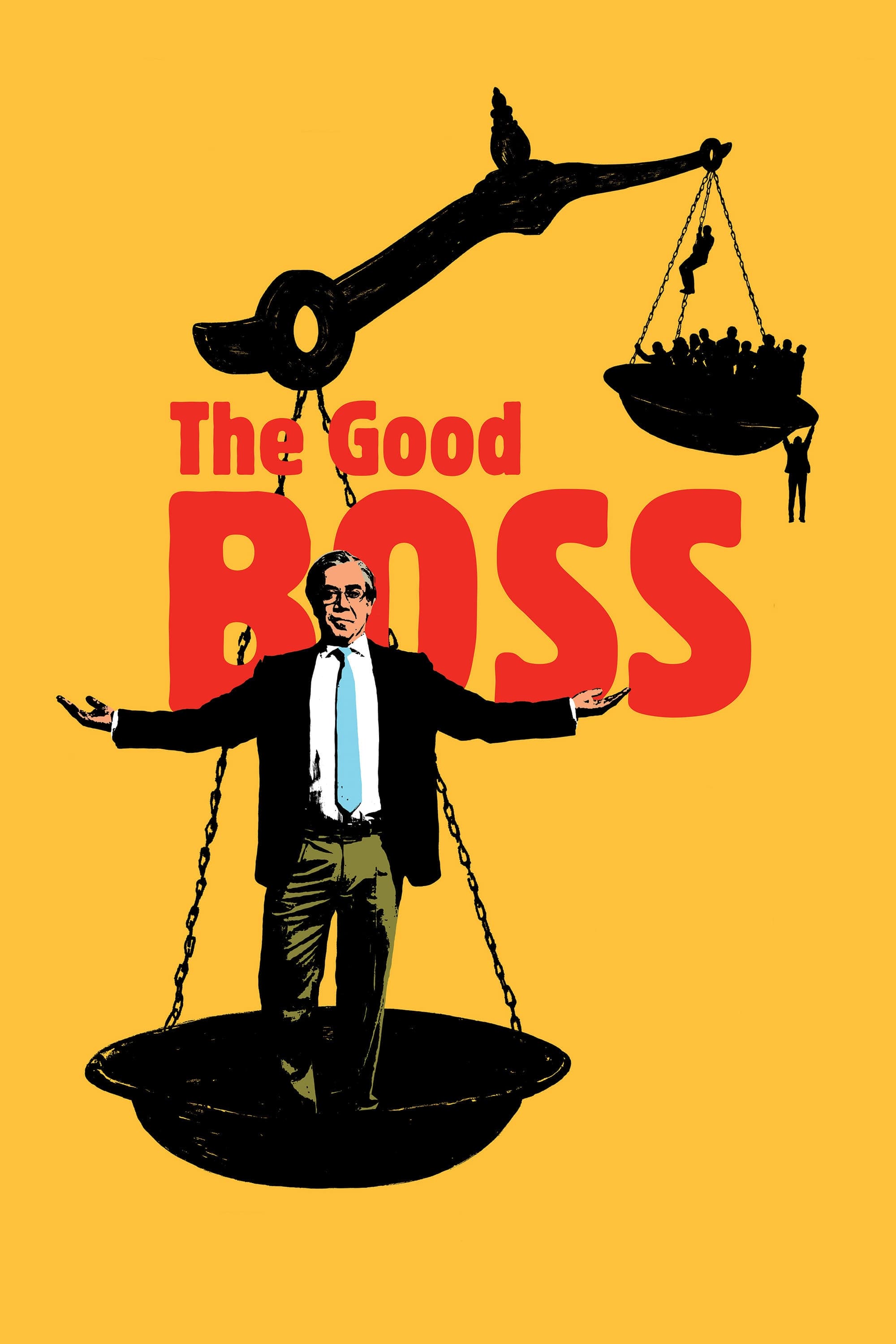
Fernando León de Aranoa writes and directs this workplace satire starring Bardem as Julio Blanco, the owner of a family company that manufactures industrial scales. The plot covers a week in which the firm competes for a regional award while employees bring personal crises to the factory gates, and Bardem’s character juggles those demands with local media appearances and visits from officials. The cast includes Almudena Amor and Manolo Solo in roles that orbit the boss’s efforts to control outcomes.
The film was Spain’s official submission for the Academy Award for International Feature Film and earned a record number of nominations at the Goya Awards. It won top honors including Best Film and Best Actor for Bardem, and its release pattern moved from Spain to wider European markets with positive box office results and extended runs in urban theaters.
‘Live Flesh’ (1997)

Pedro Almodóvar adapts Ruth Rendell’s novel into a Madrid set drama about intertwined relationships following a late night incident. Bardem plays David, a young police officer whose life changes after a shooting leaves him using a wheelchair. The story follows years of shifting alliances among characters played by Liberto Rabal, Francesca Neri, Ángela Molina, and Penélope Cruz.
The production marks a key period in Almodóvar’s collaboration with cinematographer Affonso Beato, whose images find saturated color in apartments and night streets. Almodóvar’s longtime costume and art departments ground the characters with distinct palettes, and the film took home multiple Goya Awards with a release that expanded Almodóvar’s global audience.
‘Biutiful’ (2010)
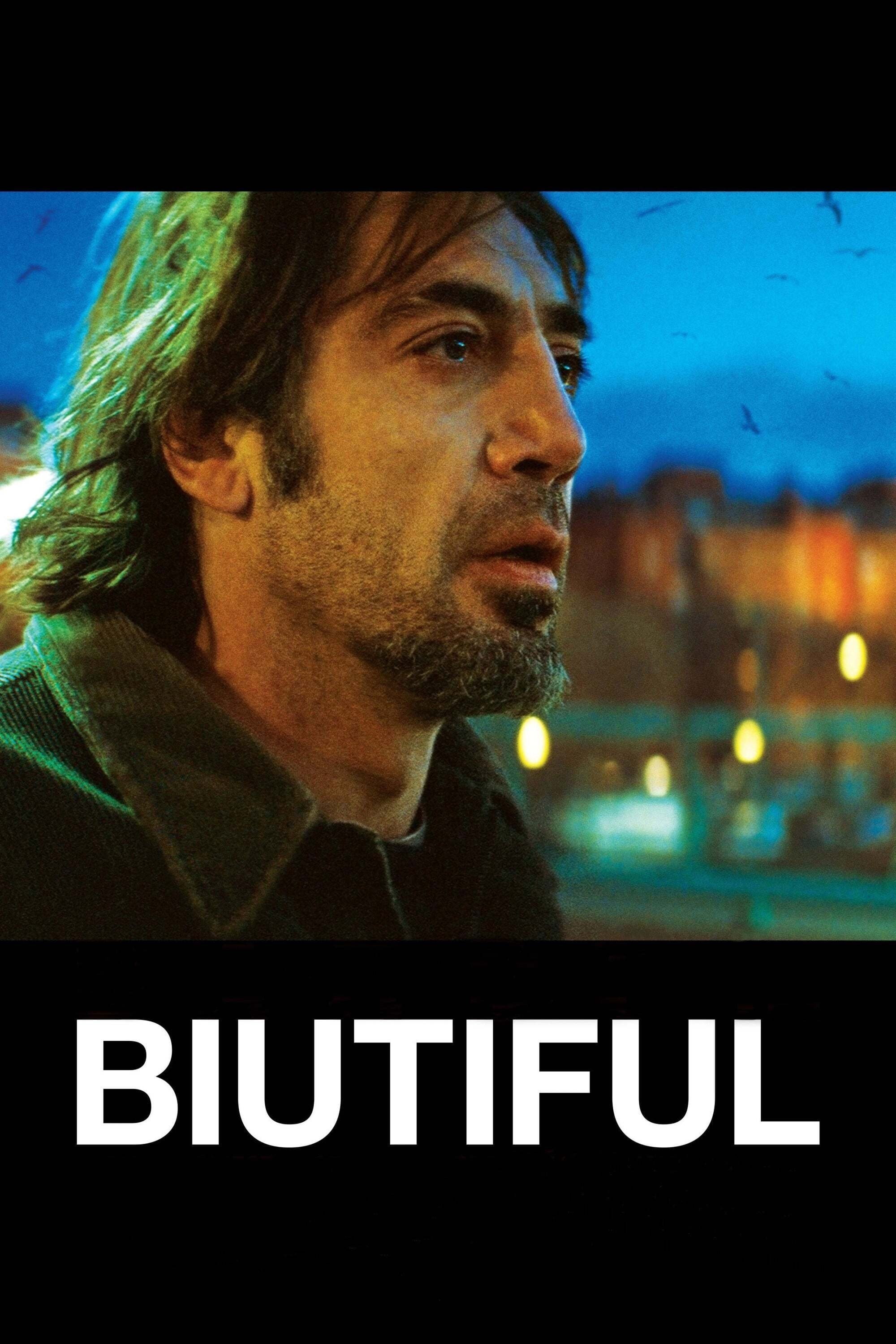
Alejandro González Iñárritu directs this Barcelona set drama centered on Bardem’s character Uxbal, a father navigating informal economies while coping with illness and visions tied to the dead. The film moves between immigrant communities, construction sites, and cramped apartments, and it stays close to Uxbal’s routines as he tries to manage work and family. Maricel Álvarez and Hanaa Bouchaib stand out among the ensemble around him.
The film competed at the Cannes Film Festival where Bardem received the Best Actor award. It later earned Academy Award nominations for Best Actor and for International Feature Film under Mexico, and it reached audiences worldwide through a coordinated release by specialty distributors with strong city center playdates and extended runs.
‘Mondays in the Sun’ (2002)
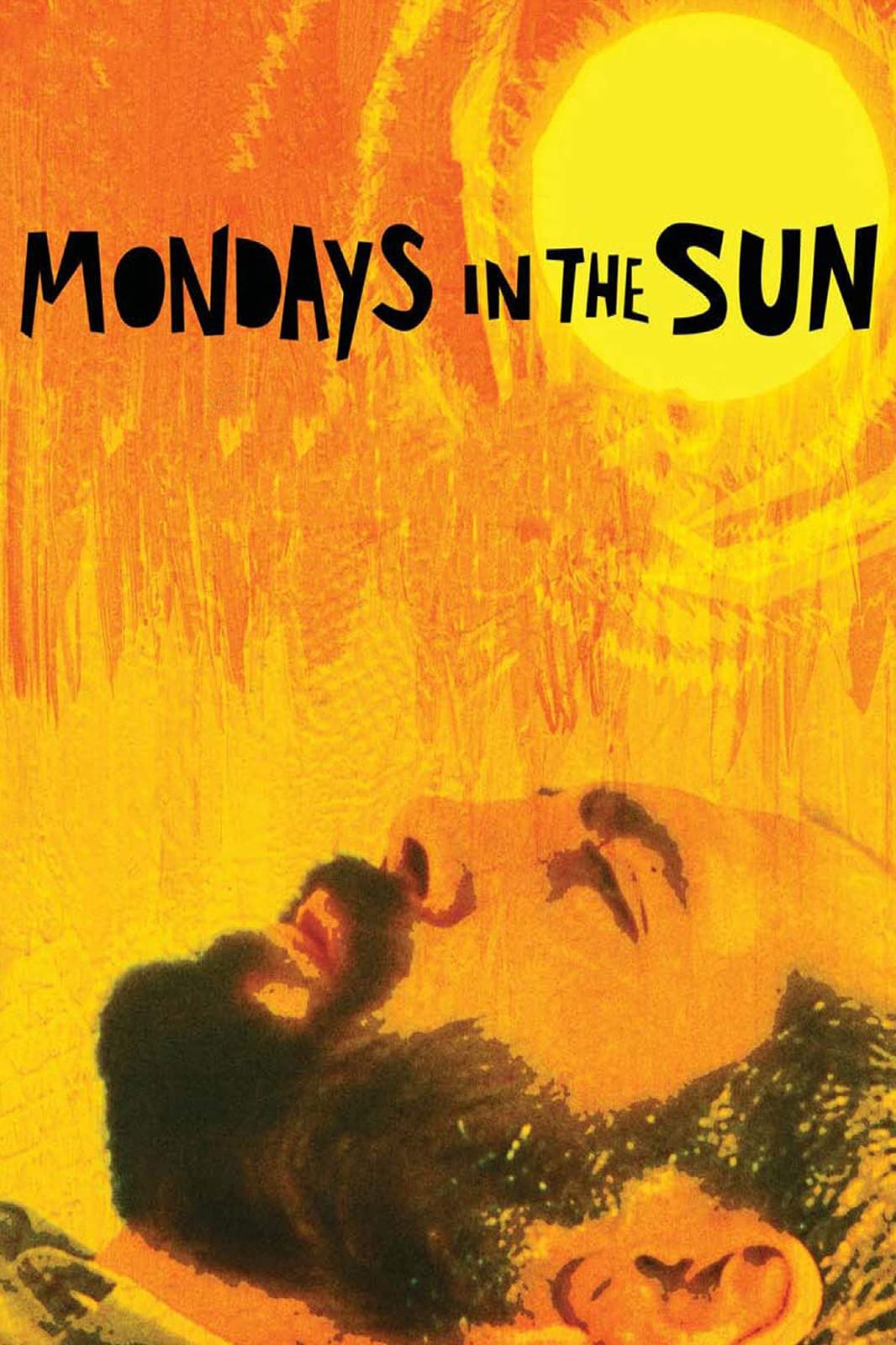
Fernando León de Aranoa’s drama follows a group of friends in a port city after the closing of a shipyard. Bardem plays Santa, a former worker who spends days with companions at a bar while looking for small ways to get by. Luis Tosar, José Ángel Egido, and Nieve de Medina share the ensemble, and the script sets scenes across the waterfront, employment offices, and apartments.
The film won multiple Goya Awards including Best Film and Best Actor for Bardem, and it traveled widely on the festival circuit before opening in European theaters. Location work in Vigo gives the story a sense of place, and the production uses natural light and handheld camera work to follow the characters through streets, buses, and ferry terminals.
‘The Sea Inside’ (2004)
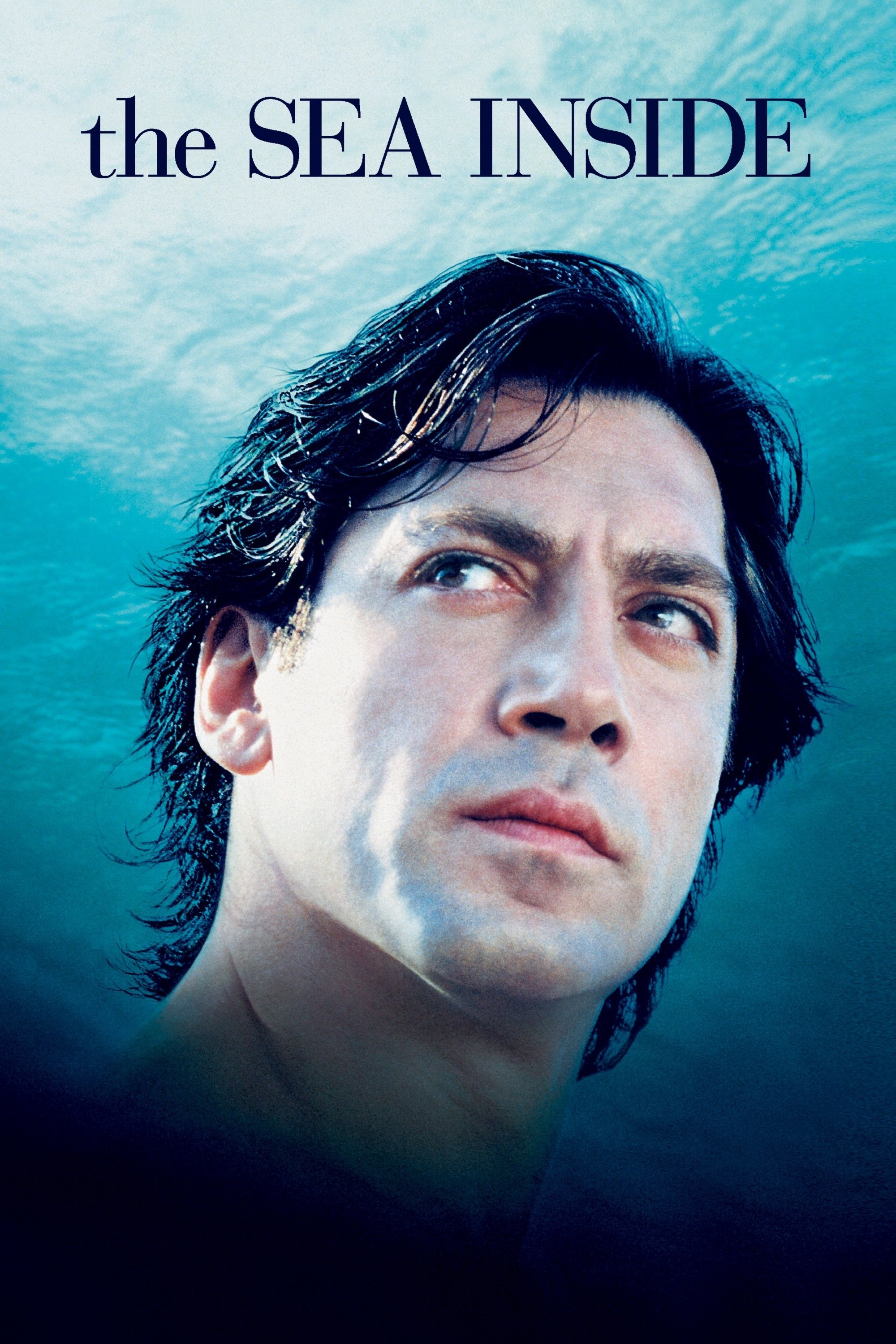
Alejandro Amenábar directs this biographical drama about Ramón Sampedro, a Galician man who sought legal recognition for his right to end his life after a diving accident left him quadriplegic. Bardem plays Sampedro across years of hospital rooms and family life, with key roles for Belén Rueda and Lola Dueñas as women who represent different paths and philosophies in his world. The screenplay draws on letters and public statements associated with the real case.
The film won the Academy Award for Best International Feature Film representing Spain and added major prizes at the Goya Awards including Best Film and Best Actor. Amenábar composed the score, and cinematographer Javier Aguirresarobe captured coastal landscapes that tie Sampedro’s memories to his home region. International distribution brought the film to art house venues and national broadcasters, where it reached large audiences.
Tell us which Javier Bardem films you would add to this list in the comments.