


The 10 Most Underrated Jeremy Irons Movies, Ranked (From Least to Most Underrated)

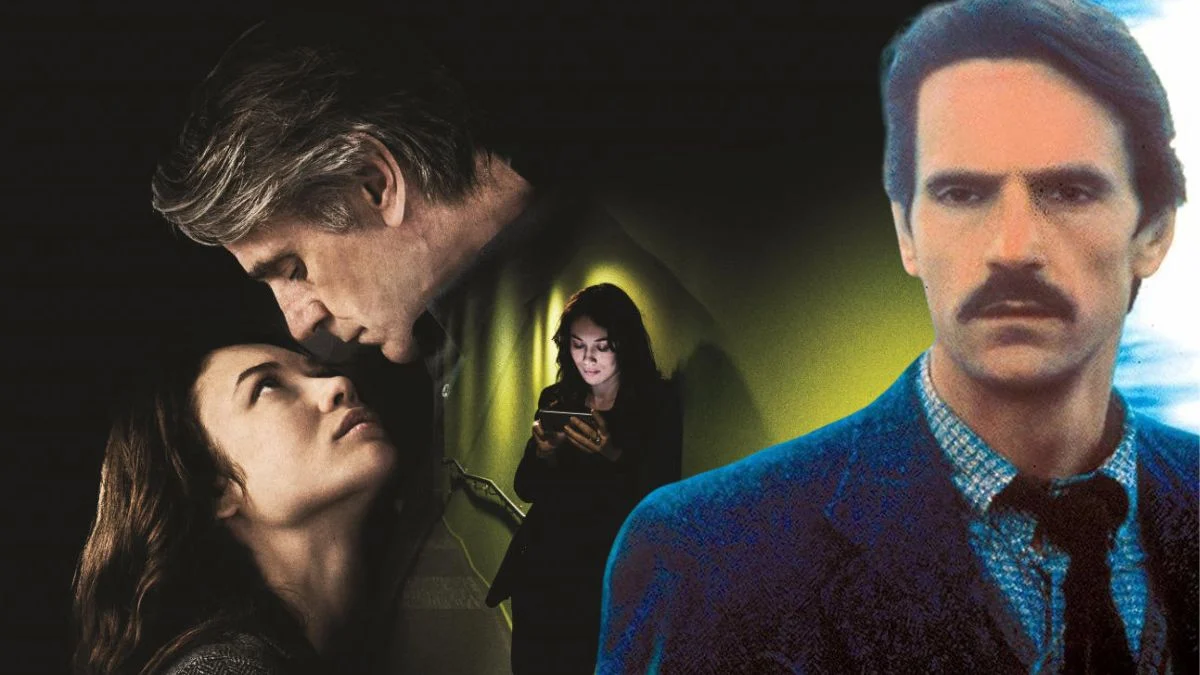


Jeremy Irons has built a career that moves easily between stage, film, television, and voice work. He won an Academy Award for ‘Reversal of Fortune’ and reached global audiences as the voice of Scar in ‘The Lion King’. He has also worked with filmmakers across Europe and Hollywood and has taken on projects that range from literary adaptations to political thrillers.
This countdown highlights ten films that sit outside the usual talking points. Each entry notes the creative teams, source material, and production details that show how wide his filmography really is without repeating the same familiar titles. The aim is to give you a clear snapshot of the role, the story, and where each film fits in his body of work.
‘The Correspondence’ (2016)

Giuseppe Tornatore directs this modern mystery about an astrophysics professor and his former student who continue to exchange messages after his death. Jeremy Irons plays a celebrated academic whose carefully scheduled emails and packages arrive in a pattern that draws his partner back through their past. The story uses text messages, video clips, and deliveries to reveal a plan that was put in place long before the film begins.
The production was mounted across Italy and the United Kingdom and places academic settings alongside locations tied to the characters’ personal lives. Ennio Morricone wrote the score and the structure leans on the timing of communications to build the narrative piece by piece.
‘Chinese Box’ (1997)

Wayne Wang sets this drama in Hong Kong during the transfer of sovereignty and follows a British journalist as he documents the city’s final months under colonial rule. Jeremy Irons plays a reporter who moves through street scenes, nightclubs, and press gatherings while recording what he sees and what he is losing to illness.
The film was shot on location and includes real city celebrations and crowds as the handover approaches. Gong Li plays a businesswoman whose personal history mirrors the city’s uncertain future and the story uses handheld footage and voiceover to capture a place caught between eras.
‘Waterland’ (1992)
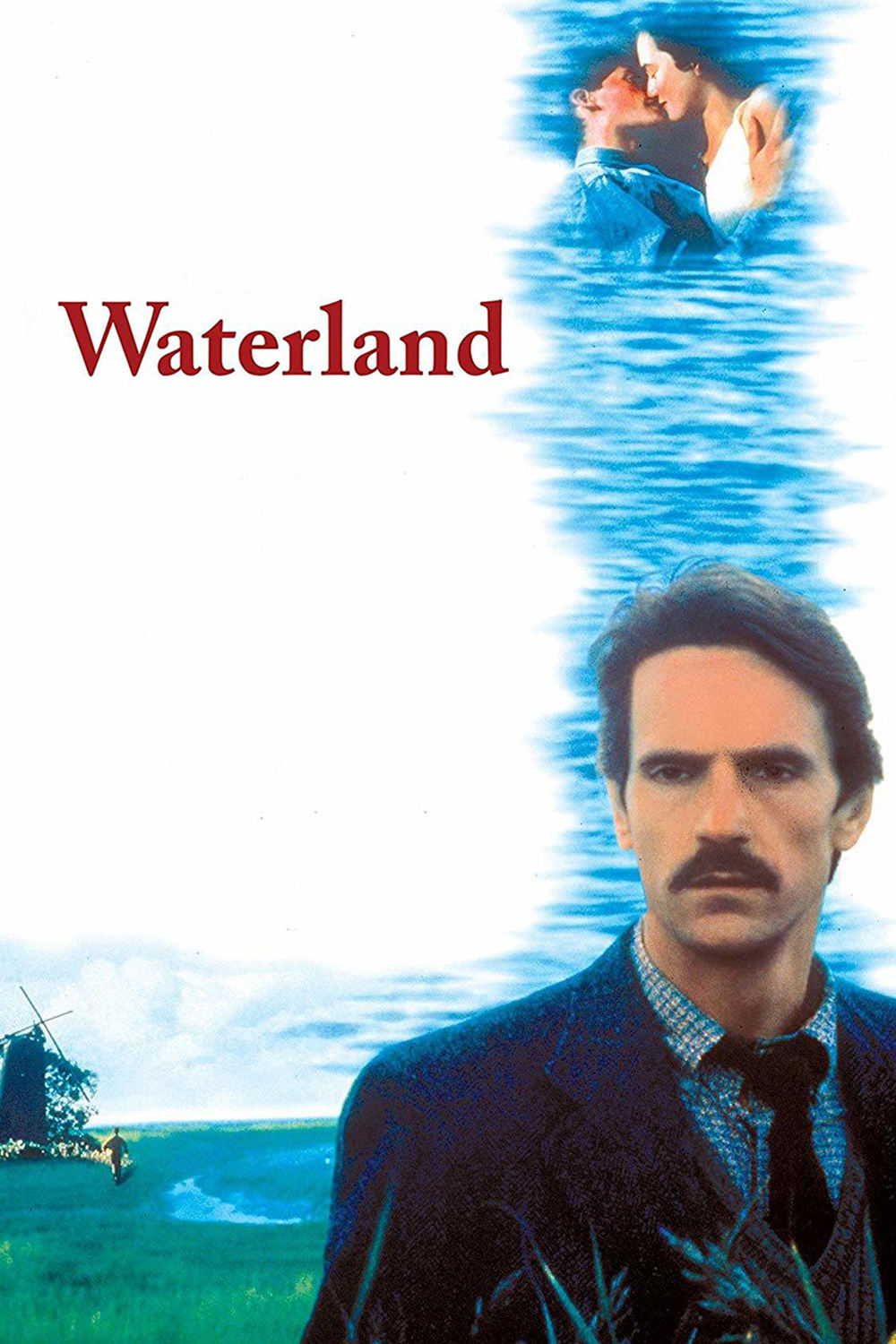
Stephen Gyllenhaal adapts Graham Swift’s Booker shortlisted novel and centers the story on a history teacher whose lessons drift into his own past. Jeremy Irons plays Tom Crick, a teacher whose memories return to the Fenlands and to events that shaped his life and his marriage.
The film moves between a modern classroom and watery flatlands and keeps the book’s shifting timelines. It explores how landscapes and family histories weigh on people and frames these ideas through lectures, field trips, and stories told to students.
‘Swann in Love’ (1984)

Volker Schlöndorff adapts a section of Marcel Proust’s cycle and casts Jeremy Irons as Charles Swann. The film traces Swann’s fixation on Odette and follows social calls, musical evenings, and salon gossip in Paris.
The production recreates Belle Époque settings with period costumes and interiors. The screenplay draws primarily from the part known as Swann’s Way and brings in characters like Odette and Charlus to show the networks that govern reputation and desire.
‘Night Train to Lisbon’ (2013)
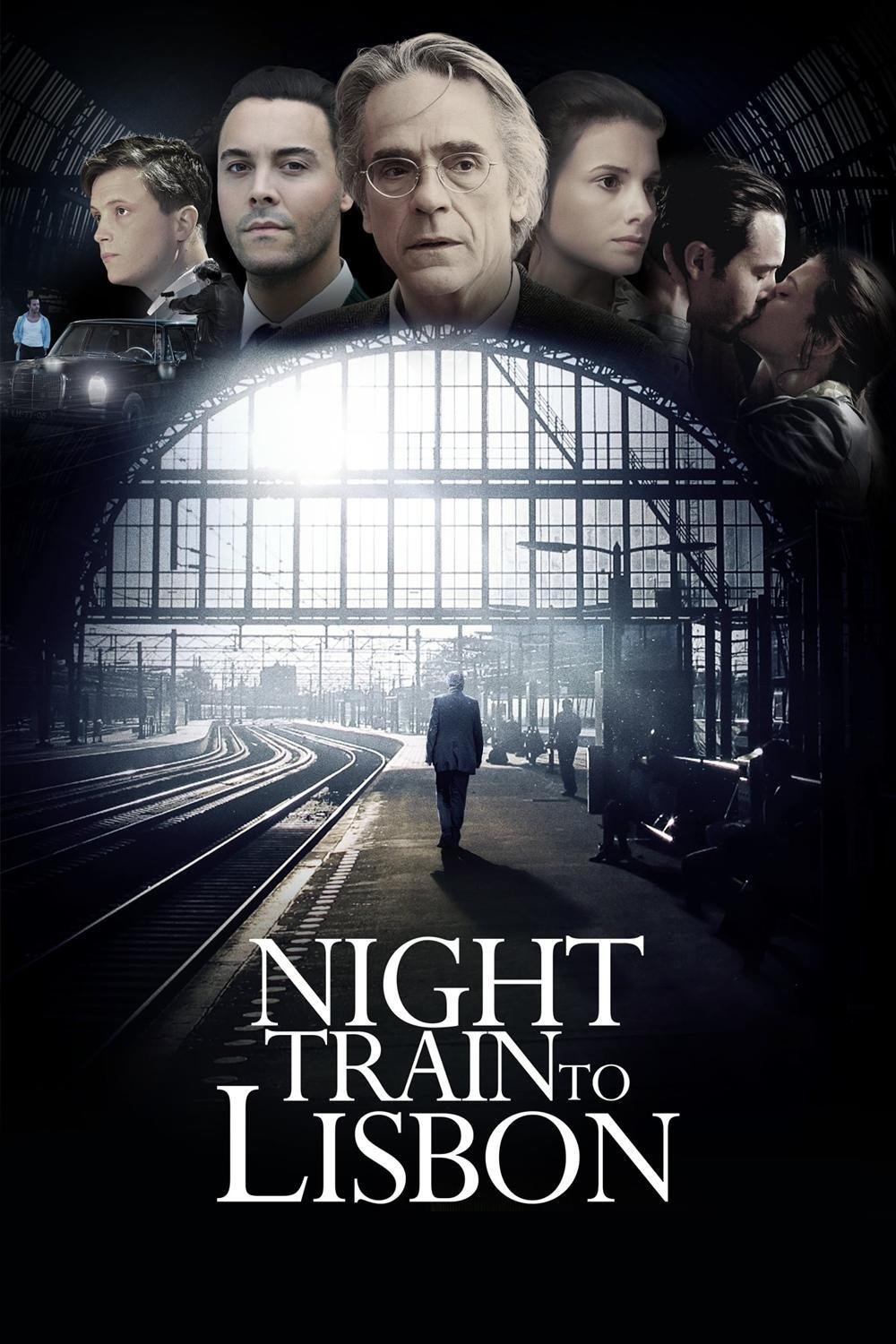
Bille August adapts Pascal Mercier’s novel and follows a Swiss classics professor who finds a book that sends him to Portugal. Jeremy Irons plays Raimund Gregorius, whose trip leads him into the life of a doctor whose writings touch on conscience and resistance.
The film was shot in Bern and Lisbon and uses narrow streets, archives, and riverfronts as key locations. The story unfolds through interviews and letters that open windows onto clandestine networks during the Estado Novo and the later shift to democracy.
‘M. Butterfly’ (1993)

David Cronenberg adapts David Henry Hwang’s play and centers the film on French diplomat René Gallimard and opera performer Song Liling. Jeremy Irons plays Gallimard opposite John Lone and the plot follows a relationship that intersects with intelligence services and diplomatic work.
The film keeps key scenes from the stage version while expanding the settings to embassies, performance halls, and apartments. It is also informed by the real espionage case that inspired the play and it uses music and staging from opera to frame crucial moments.
‘Kafka’ (1991)
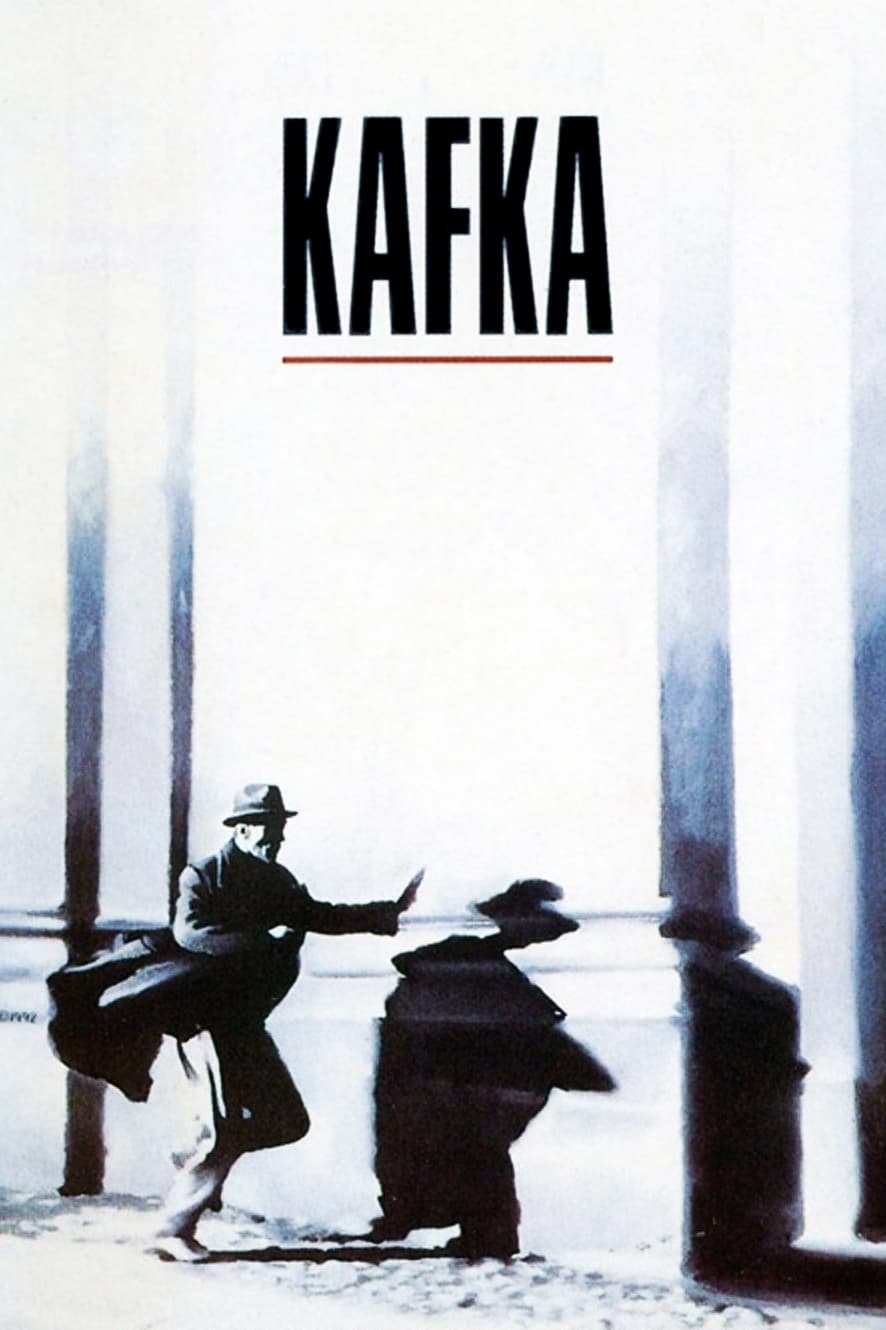
Steven Soderbergh creates a fiction that blends Franz Kafka’s life with his novels and casts Jeremy Irons as a Prague insurance clerk who stumbles into a conspiracy. The supporting cast includes Theresa Russell, Ian Holm, and Alec Guinness and the story winds through offices, alleys, and archives.
The production mixes black and white with bursts of color and uses Prague locations tied to Kafka’s world. The script nods to works like ‘The Trial’ and ‘The Castle’ and sends its protagonist deeper into a maze of bureaucrats and secret police.
‘Lolita’ (1997)

Adrian Lyne adapts Vladimir Nabokov’s novel and casts Jeremy Irons as Humbert Humbert with Dominique Swain as Dolores Haze and Melanie Griffith as her mother. The film keeps the American period setting and follows a move into a boardinghouse that sets the story in motion.
The project faced distribution hurdles in the United States and premiered on cable television before receiving selected theatrical play. It uses voiceover from Humbert and leans on diaries, letters, and motel stopovers to track the relationship as it unravels.
‘The Merchant of Venice’ (2004)

Michael Radford brings Shakespeare’s play to the screen with Al Pacino as Shylock, Jeremy Irons as Antonio, Joseph Fiennes as Bassanio, and Lynn Collins as Portia. Venice locations and canals give the film an authentic backdrop for the bond, the court case, and the Belmont scenes.
The adaptation keeps the original dialogue with trims and rearrangements to fit a feature. It stages the casket trial, the courtroom sequence, and the ring subplot with period costumes and sets that reflect late Renaissance Venice.
‘The Man Who Knew Infinity’ (2015)
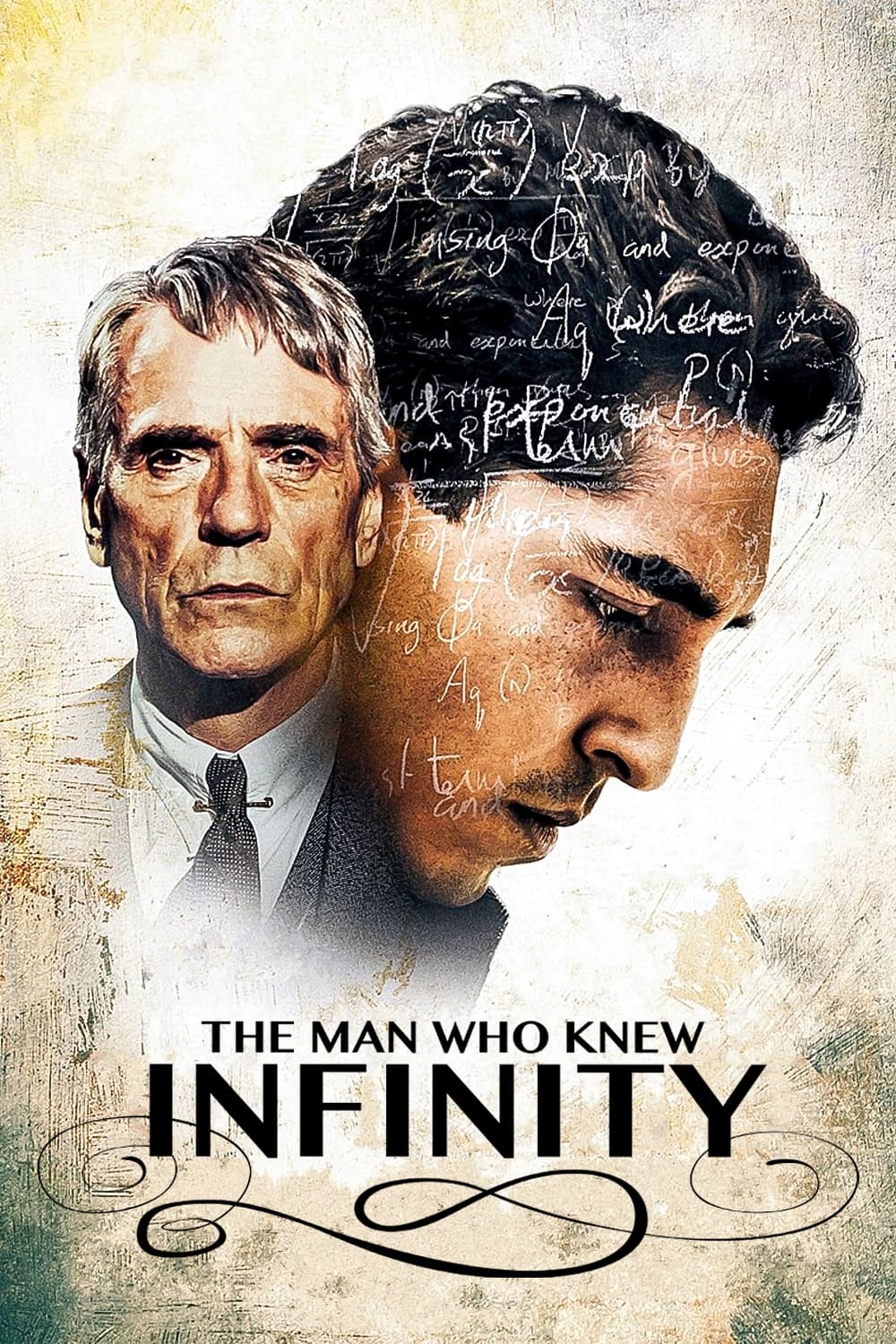
Matthew Brown adapts Robert Kanigel’s biography and pairs Dev Patel as Srinivasa Ramanujan with Jeremy Irons as G. H. Hardy. The film covers Ramanujan’s journey from India to Trinity College and follows collaborations on partitions, series, and identities that changed number theory.
Production worked with mathematicians to recreate notebooks and proofs and secured access to historic college spaces. The story includes Hardy’s mentorship, the pressures of wartime Britain, and the recognition that followed Ramanujan’s submissions to leading journals.
Share your picks for overlooked Jeremy Irons films in the comments and tell us which titles you think deserve a spot here.