


The 10 Most Underrated Martin Sheen Movies, Ranked (From Least to Most Underrated)

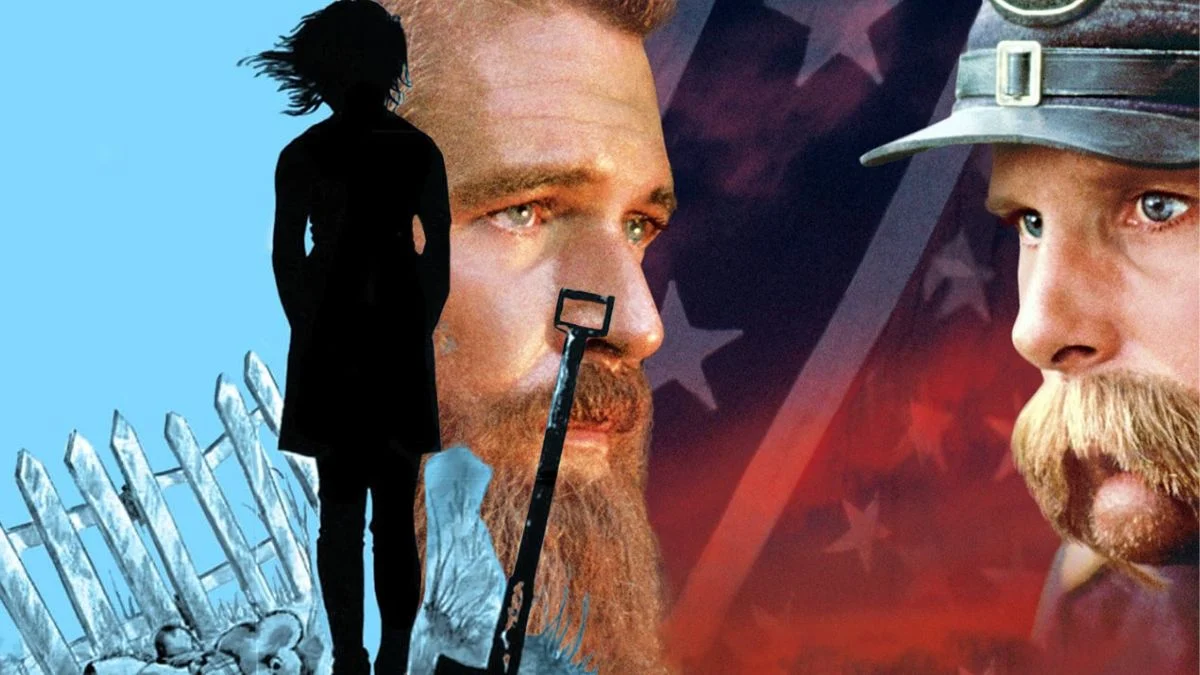


Martin Sheen has spent decades moving between intimate dramas and large scale epics, building a filmography that stretches from independent productions to studio releases. Along the way he has taken lead roles, memorable antagonists, and key supporting parts that shaped stories in surprising ways. Many of those turns live outside the handful of performances most people mention first.
This countdown spotlights feature films where Sheen’s contribution is central or defining. Each entry notes what the movie is about, who made it, and how it was put together or received. The goal is to give you concrete details that help you find these titles and understand where they sit in his career.
‘Stella Days’ (2011)

Set in a small Irish town, this drama follows a parish priest who tries to open a cinema while balancing church duties and community pressure. Martin Sheen plays Father Daniel Barry, working opposite Stephen Rea and a local ensemble that grounds the story in the rhythms of rural life. The production filmed on location in Ireland, using real streets and parish settings to capture the feel of a close knit community.
Directed by Thaddeus O’Sullivan, the film draws from local history related to the arrival of movie houses in conservative towns. The story looks at how parish leadership interacts with civic authorities and patrons when new forms of entertainment arrive. Distribution reached art house circuits and Irish festivals, which helped the film find an audience beyond its domestic release.
‘The Believers’ (1987)
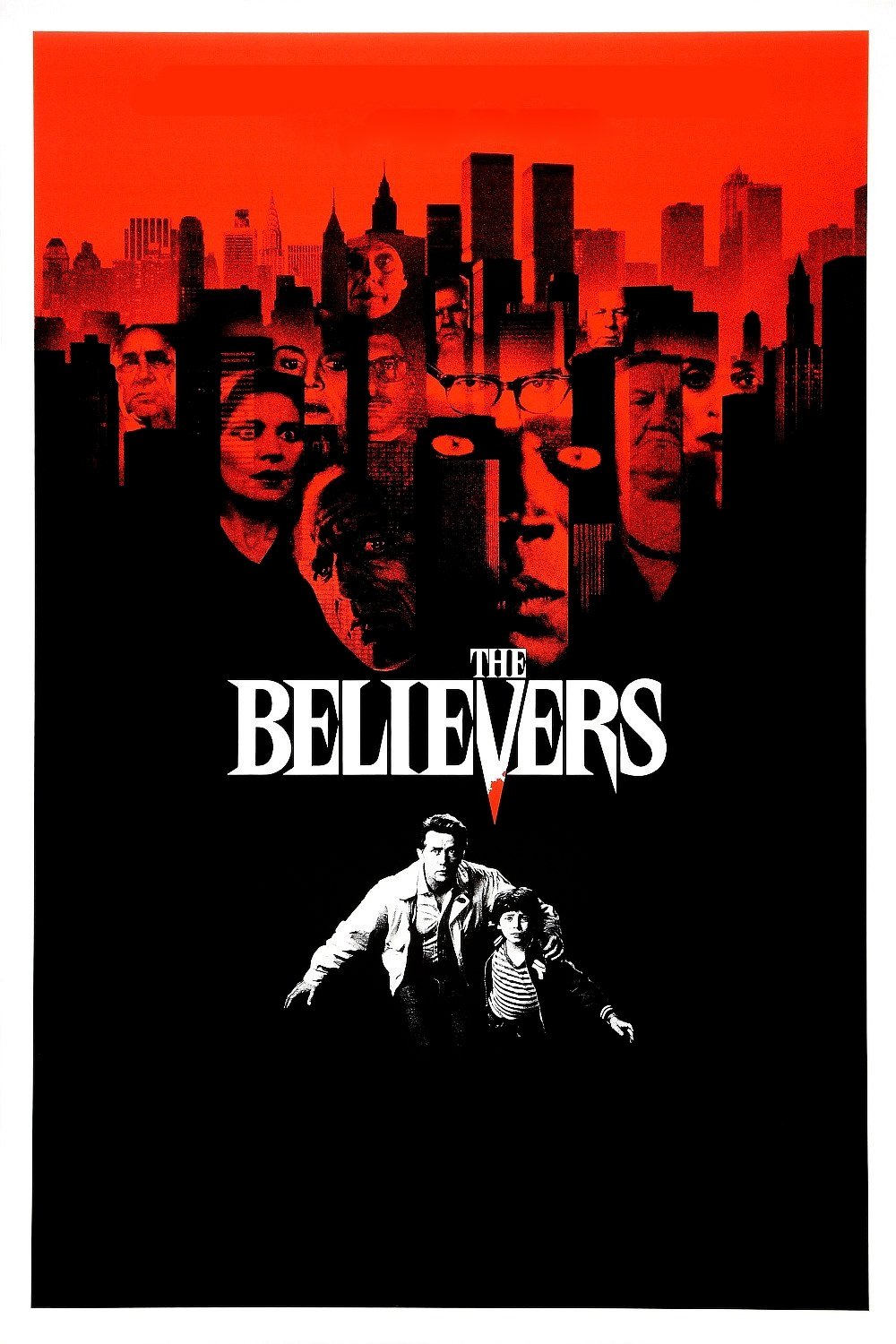
This New York set thriller follows a police psychologist who becomes involved in a series of ritualistic killings after a family tragedy. Martin Sheen plays Cal Jamison, a therapist who advises detectives while navigating a case that pulls him into the city’s underground. The film uses real street locations, apartment interiors, and precinct spaces to set a grounded procedural tone.
John Schlesinger directed, bringing together a cast that includes Jimmy Smits, Helen Shaver, and Robert Loggia. The production drew attention for its depiction of belief systems inside a crime narrative and for practical effects work used in key sequences. Its marketing emphasized urban paranoia and moral conflict, and it later found a second life through cable rotation and home video.
‘The Arrival’ (1996)
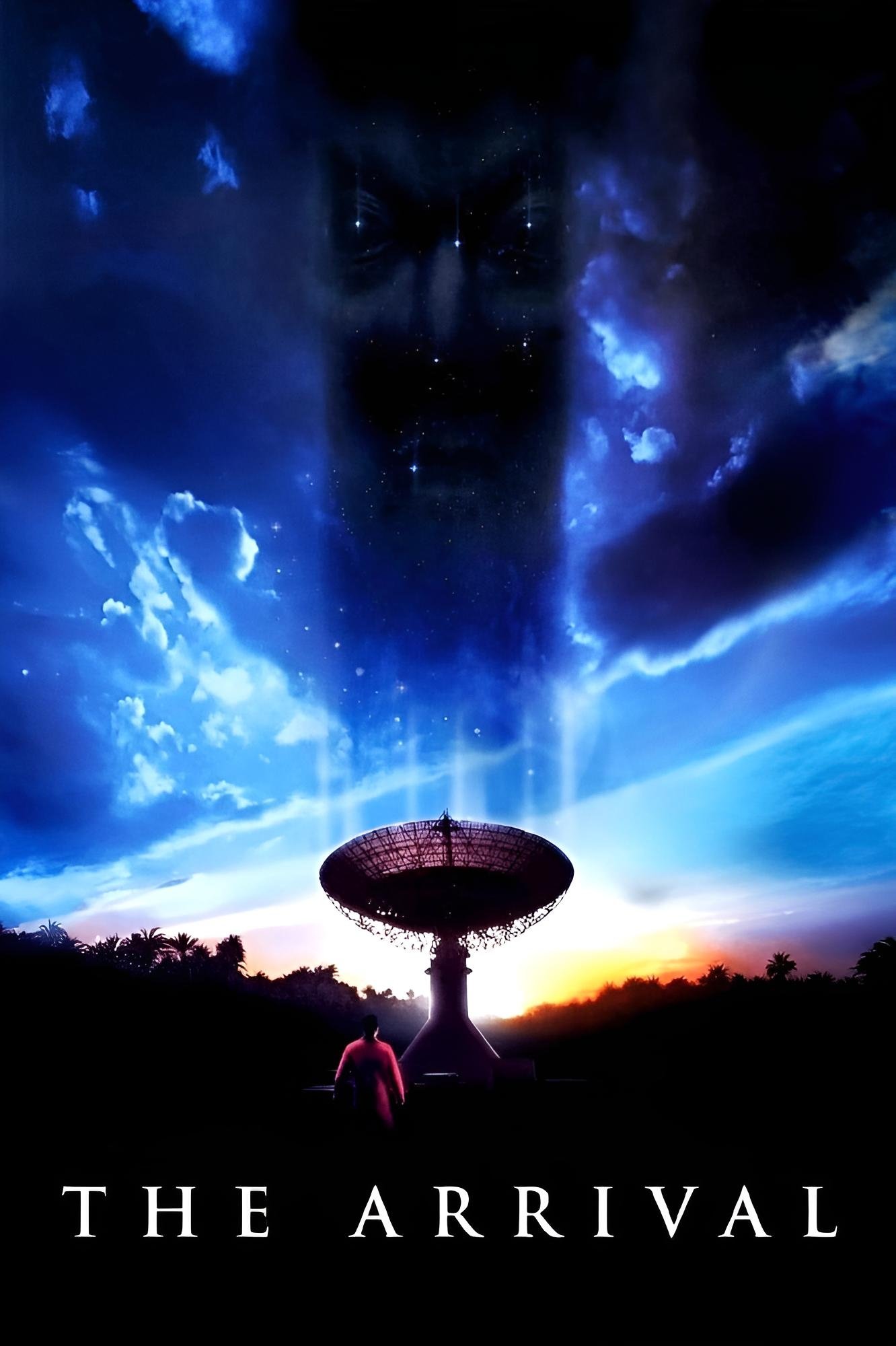
A radio astronomer discovers a signal that suggests a covert extraterrestrial presence and uncovers a corporate cover up tied to environmental shifts. Martin Sheen appears as Phil Gordian, an executive whose decisions intersect with the investigation. The movie blends corporate boardrooms, laboratory spaces, and remote facilities to create a conspiracy that moves across borders.
Written and directed by David Twohy, the production features Charlie Sheen in the lead and uses a mix of practical set pieces and visual effects for its alien technology. Filming took place in the United States and Mexico, with large antenna arrays and industrial plants providing distinctive backdrops. The film performed modestly in theaters and then expanded its audience through video rentals and late night broadcasts.
‘The Little Girl Who Lives Down the Lane’ (1976)
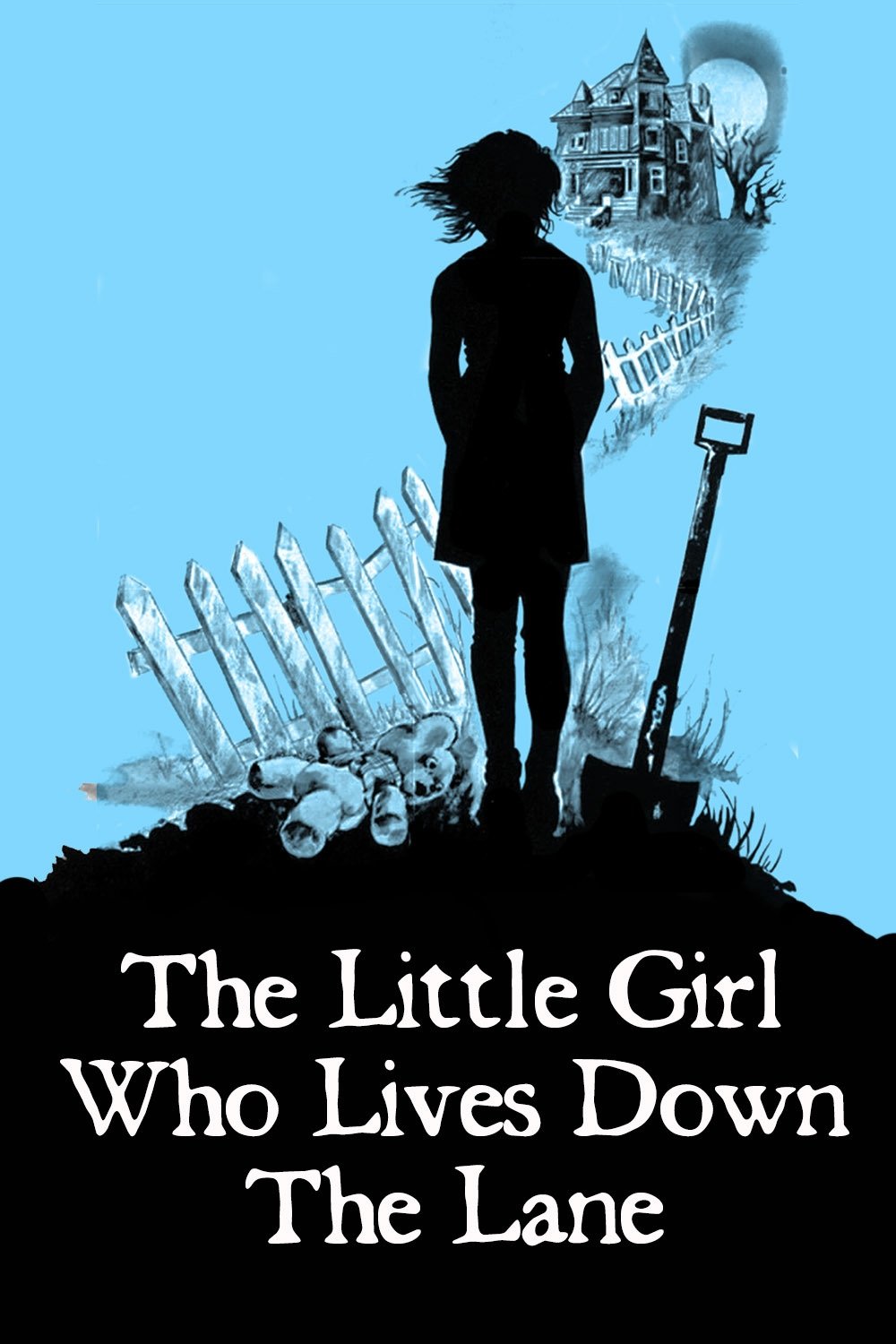
In a coastal New England town, a self reliant teenager protects her independence as suspicious adults begin to probe her private life. Martin Sheen plays Frank Hallet, a neighbor whose attention becomes a source of danger. The movie largely unfolds in a single house and a few nearby locations, which lets small props and quiet moments carry much of the tension.
Nicolas Gessner directed this Canada and France co production starring Jodie Foster. The film adapts Laird Koenig’s novel of the same name, keeping its focus on secrecy, guardianship, and the limits of small town oversight. Careful framing and minimal music choices support the mood, and the release built its reputation over time through specialty screenings and television airings.
‘The Incident’ (1967)

Two young men board a late night subway car and terrorize a cross section of passengers, turning a routine ride into a study of fear and courage. Martin Sheen is Artie Connors, one of the attackers, acting opposite Tony Musante. The film uses a near real time structure, limited space, and tight close ups to lock viewers into the car with the characters.
Larry Peerce directed, adapting a television play into a feature with a larger ensemble and more elaborate staging. Production combined location photography with sets that replicated subway interiors, using camera rigs designed for cramped environments. The movie’s sound design emphasizes rail noise and sudden silences to heighten the effect, and its critical reception highlighted the performers who portrayed the riders and their shifting alliances.
‘The Subject Was Roses’ (1968)

A young man returns home from military service and finds his parents trapped in old resentments that pull the family into a series of sharp confrontations. Martin Sheen plays Timmy Cleary, the son who becomes both witness and catalyst. The chamber like staging keeps most scenes inside the family apartment, letting dialogue and small gestures carry the story forward.
Ulu Grosbard directed from Frank D. Gilroy’s Pulitzer winning play, with Jack Albertson and Patricia Neal completing the trio. The film preserved the play’s structure while opening key moments into city settings, including church and street scenes that underline the family’s place in a larger community. Awards attention focused on the performances, and the adaptation has remained a reference point for stage to screen transfers.
‘The Dead Zone’ (1983)

After waking from a coma, a schoolteacher discovers he can see hidden truths about people and future events when he touches them. Martin Sheen plays Greg Stillson, a rising politician whose path crosses with the protagonist during a campaign. The movie balances quiet character work with bursts of visionary imagery, using small town locations and winter landscapes to set an eerie mood.
David Cronenberg directed, adapting the Stephen King novel while keeping the story grounded in personal choices rather than spectacle. The production filmed in Ontario communities that stood in for New England, and practical effects teams created the film’s signature premonition sequences. The ensemble features Christopher Walken, Brooke Adams, Tom Skerritt, and Herbert Lom, and the score by Michael Kamen supports the restrained tone.
‘The Way’ (2010)
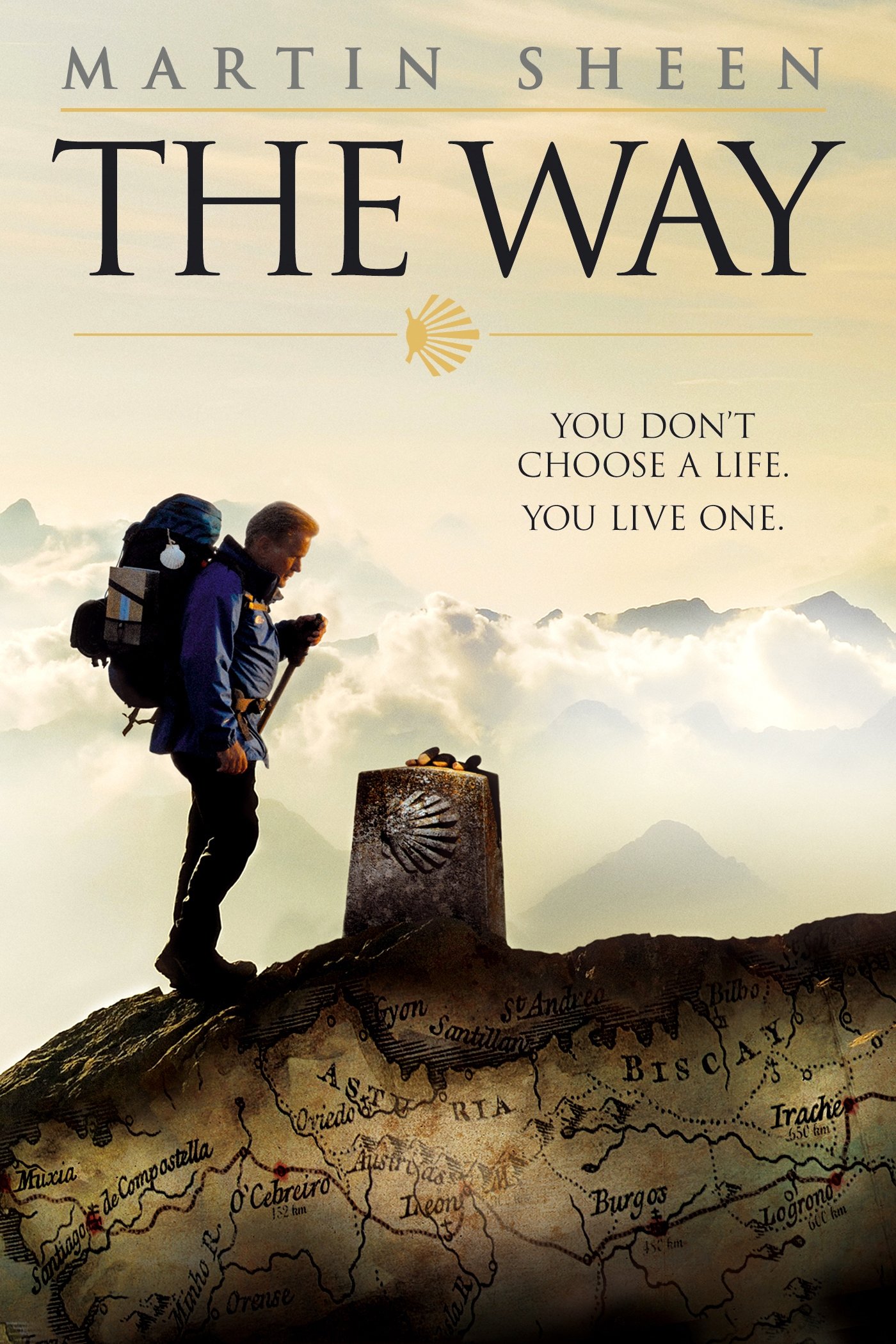
A California doctor travels to Europe to collect his son’s remains and decides to complete the Camino de Santiago, meeting fellow pilgrims who are also carrying personal burdens. Martin Sheen leads the film as Tom Avery, with an ensemble that includes Deborah Kara Unger, Yorick van Wageningen, and James Nesbitt. The production shot along real sections of the Camino, capturing hostels, village squares, and cathedral plazas with natural light and minimal staging.
Written and directed by Emilio Estevez, the film grew out of family trips that mapped key route segments and identified welcoming communities. Local authorities and cathedral staff facilitated access to heritage sites and processions, giving the movie an authentic sense of place. Screenings at regional festivals and word of mouth among travelers helped keep the title in circulation well after its initial run.
‘Bhopal: A Prayer for Rain’ (2014)
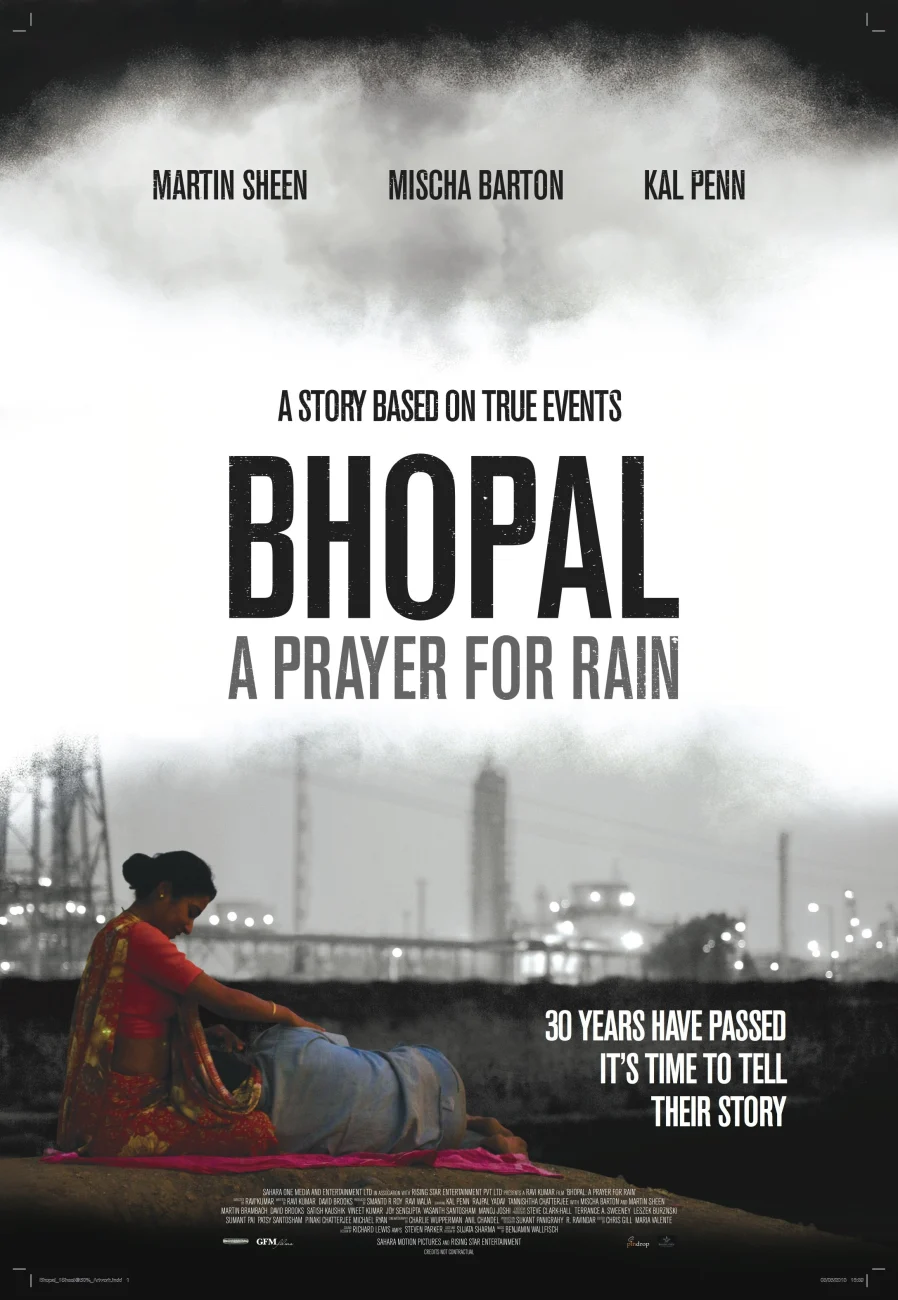
This drama reconstructs events surrounding an industrial gas leak in central India, following workers, residents, and executives in the days leading up to the disaster. Martin Sheen portrays Warren Anderson, the chief executive whose decisions become part of the narrative. The film intercuts factory floors, company offices, and crowded neighborhoods to show how small oversights can accumulate into a large scale crisis.
Directed by Ravi Kumar, the production features Rajpal Yadav, Mischa Barton, and Kal Penn, along with Indian supporting players who anchor the local perspective. Filming used locations that echoed the real city layout and relied on practical effects and atmospheric set design to depict the leak and its aftermath. The release generated discussion at international festivals and brought renewed attention to corporate responsibility and regulatory oversight.
‘Gettysburg’ (1993)

An epic account of the pivotal battle told through the perspectives of officers and foot soldiers on both sides, with extended time devoted to planning, maneuver, and the final assaults. Martin Sheen plays General Robert E. Lee, working alongside Tom Berenger as James Longstreet and Jeff Daniels as Joshua Lawrence Chamberlain. Large scale scenes used thousands of reenactors, period uniforms, and historically accurate formations to stage multi day engagements.
Ronald F. Maxwell directed, adapting Michael Shaara’s novel ‘The Killer Angels’ and shooting on location at the national military park with additional work on nearby private land. The production originated with Turner Pictures and was supported by the park service and reenactment groups, which allowed access to key terrain features and commemorative sites. The film’s length preserves the flow of orders and countermoves, and its home video editions include extended material and commentary that deepen the historical context.
Share your pick for a Martin Sheen film that more people should seek out in the comments.