


The 10 Most Underrated Michelle Pfeiffer Movies, Ranked (From Least to Most Underrated)

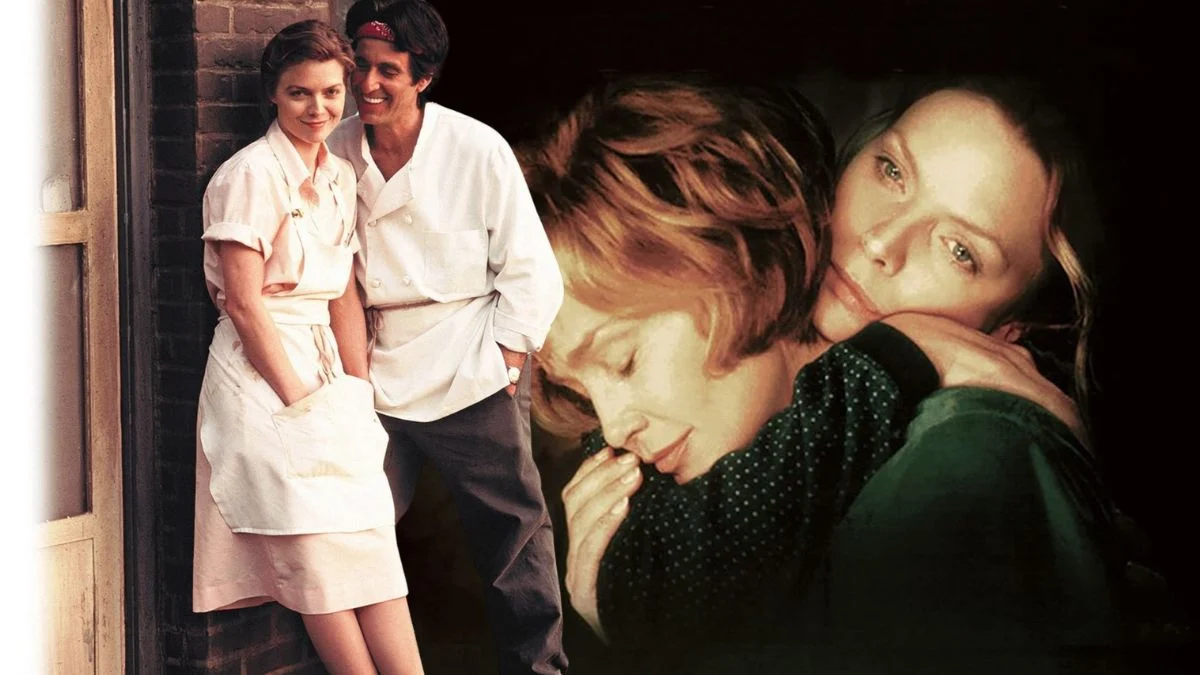


Michelle Pfeiffer’s career reaches across genres with memorable work in drama, romance, fantasy, and thriller. She has collaborated with major directors and held the screen opposite many of the biggest names in film. Along the way she has anchored a number of projects that deserve another look.
This list focuses on titles that show her range in specific roles, production contexts, and adaptations. It moves in a countdown format so the final entry sits at the top based on audience scores, while the write ups stick to clear details on stories, collaborators, and craft.
‘Tequila Sunrise’ (1988)
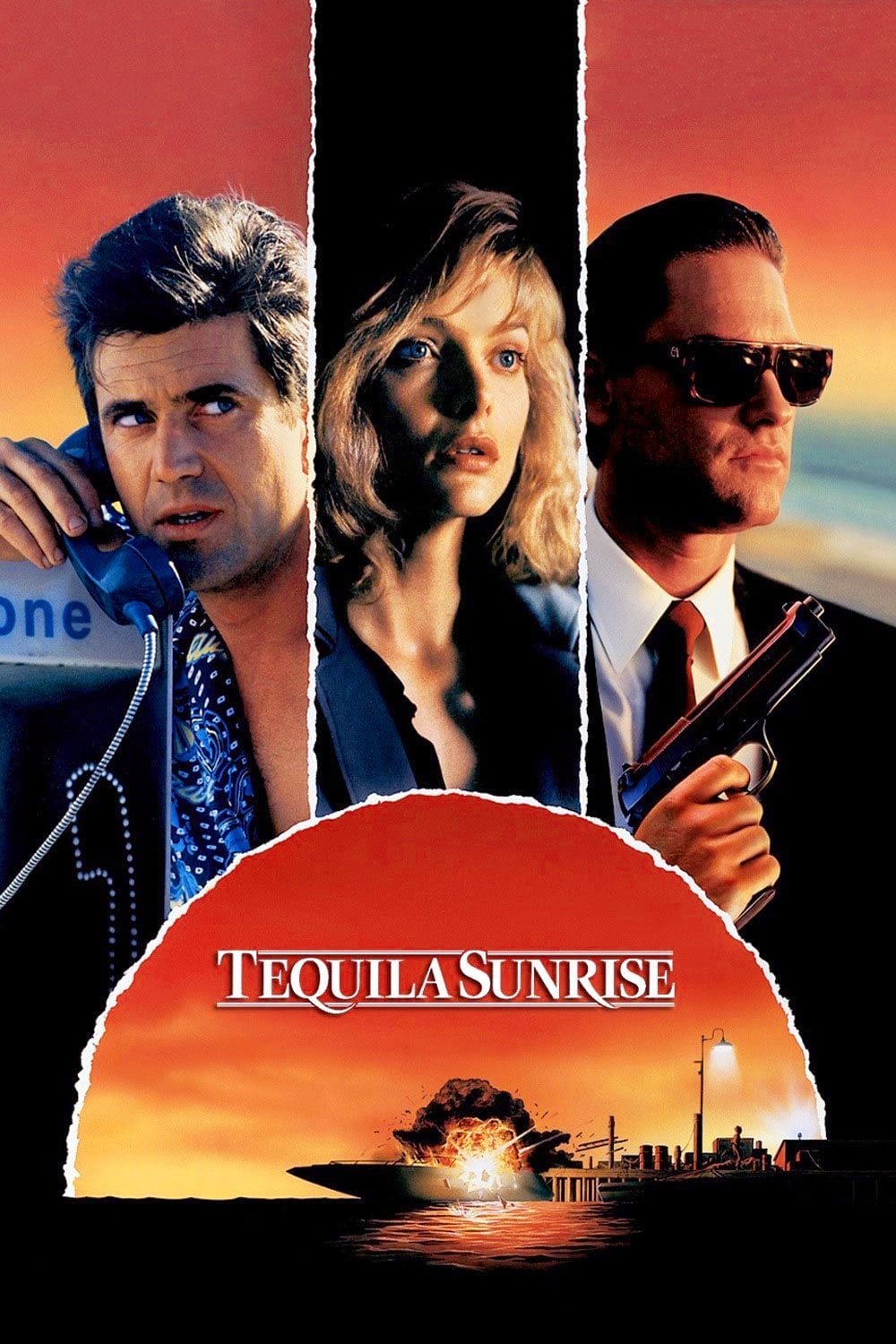
Robert Towne wrote and directed this crime romance that pairs Michelle Pfeiffer with Mel Gibson and Kurt Russell. Pfeiffer plays a Los Angeles restaurateur who becomes the intersection point for an old flame involved in drug trafficking and a determined narcotics detective. The film uses coastal locations and sleek night photography to set an atmosphere of shifting loyalties.
Cinematographer Conrad Hall frames the triangle with warm interiors and reflective surfaces that keep attention on character choices. The score and setting place the action in upscale South Bay enclaves while the script builds its tension through conversations in kitchens, dining rooms, and a quiet marina rather than long shootouts.
‘I Could Never Be Your Woman’ (2007)

Writer director Amy Heckerling sets this romantic comedy inside a television writers room where a showrunner casts a younger actor played by Paul Rudd and then starts to fall for him. Michelle Pfeiffer plays the producer balancing a demanding job with single motherhood as her daughter, played by Saoirse Ronan, navigates school and early crushes.
The film folds together on set scenes with everyday errands so the professional world mirrors the personal one. It also comments on age and image through the mechanics of a weekly sitcom, using table reads, network notes, and wardrobe fittings as story beats rather than stopping for separate speeches.
‘Cheri’ (2009)

Stephen Frears directs this adaptation of Colette with a screenplay by Christopher Hampton. Michelle Pfeiffer plays Léa de Lonval, a celebrated courtesan in Belle Époque Paris who begins a years long affair with the son of a former rival. Rupert Friend and Kathy Bates round out a cast that traces the changing economics and etiquette of leisure classes.
Production design emphasizes salons, mirrored dressing rooms, and hotel apartments dressed in pale silks and polished wood. Consolata Boyle’s costumes track Léa’s status through fabrics and color families while the story follows contracts, inheritances, and arranged marriages that shape the private choices of its central pair.
‘A Thousand Acres’ (1997)

Jocelyn Moorhouse adapts Jane Smiley’s Pulitzer Prize winning novel into a Midwestern family drama. Michelle Pfeiffer plays Rose Cook Lewis, one of three daughters on a large Iowa farm who must navigate a sudden division of the property. Jessica Lange and Jennifer Jason Leigh complete the trio as the film examines how legal deeds and family secrets collide.
The script reimagines themes from a classic royal succession story within county fairs, church suppers, and zoning meetings. Farm operations, bank appointments, and medical visits move the plot forward while the camera records landmarks such as irrigation ditches, grain silos, and a farmhouse kitchen that becomes a quiet courtroom.
‘The Deep End of the Ocean’ (1999)
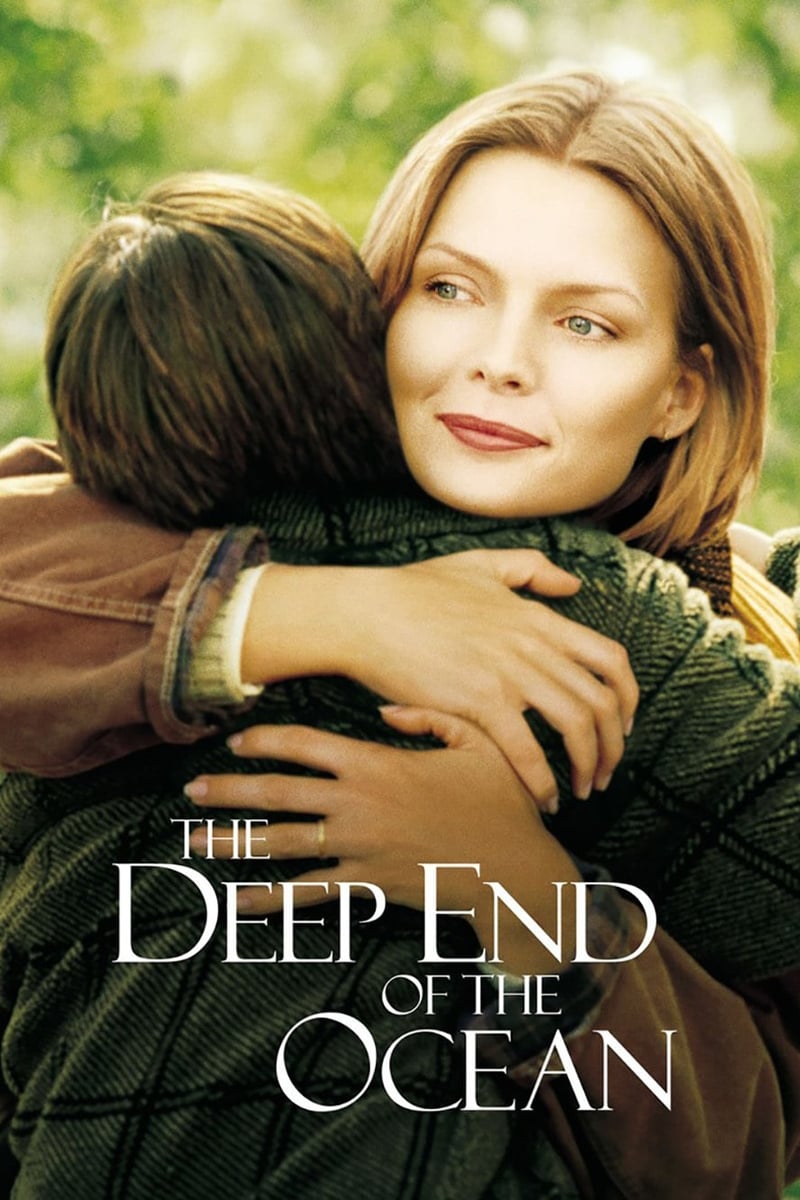
Ulu Grosbard directs this drama based on the novel by Jacquelyn Mitchard. Michelle Pfeiffer plays a mother whose young son disappears during a high school reunion and is later found living with another family. Treat Williams and Whoopi Goldberg support a story that centers on identification procedures, custody arrangements, and therapy sessions.
The film focuses on daily adjustments once the boy returns, including new sleeping routines, school transfers, and supervised visits. Investigative steps such as photo lineups and address histories are treated as practical tasks, and neighborhood dynamics shift as neighbors question what they thought they knew about the people next door.
‘One Fine Day’ (1996)

Director Michael Hoffman places Michelle Pfeiffer and George Clooney in a romantic comedy about two single parents whose schedules fall apart on the same morning in New York City. A misplaced field trip form, a broken phone, and a lost appointment start a day that forces both to share child care while chasing work deadlines.
Street level scenes use water taxis, playgrounds, and office lobbies to keep the pace brisk. The film works through calendar conflicts and late arrivals rather than grand misunderstandings, and it gives supporting characters like editors, clients, and teachers clear roles that constantly complicate or unblock the leads.
‘The Witches of Eastwick’ (1987)

George Miller brings John Updike’s novel to the screen with Michelle Pfeiffer, Cher, and Susan Sarandon as three friends in a New England town who discover latent powers after a stranger arrives. Jack Nicholson plays the visitor whose attention sets off a chain of wishes and consequences that affect the entire community.
Practical effects and early optical work stage levitation, storm bursts, and kitchen mishaps in real rooms. The film tracks the local response through school events, town meetings, and church services, and it shows how rumors travel through small routines like grocery runs and newspaper deliveries.
‘Frankie and Johnny’ (1991)
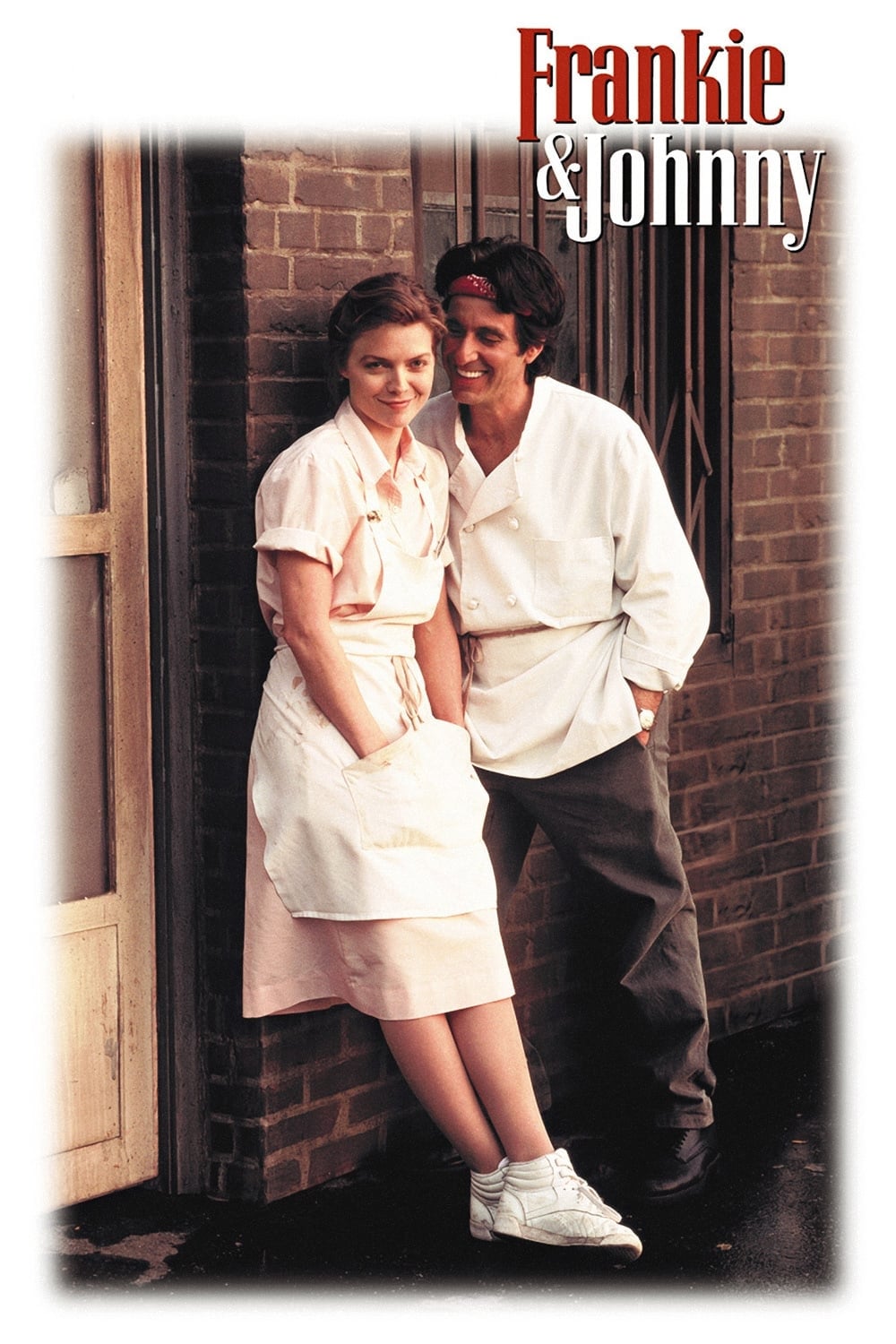
Garry Marshall adapts Terrence McNally’s play into a romance set in a Manhattan diner. Michelle Pfeiffer plays a waitress whose quiet life is disrupted when a new short order cook, played by Al Pacino, joins the staff. The ensemble includes fellow servers and regulars who help sketch the rhythms of late night shifts.
The production builds its world around a working kitchen, with orders called, plates stacked, and rent due dates talked through during closing. The film uses pay phones, bus rides, and apartment hallways to map a neighborhood, and the play’s intimate conversations are reblocked across counter stools and booth seats.
‘The Fabulous Baker Boys’ (1989)
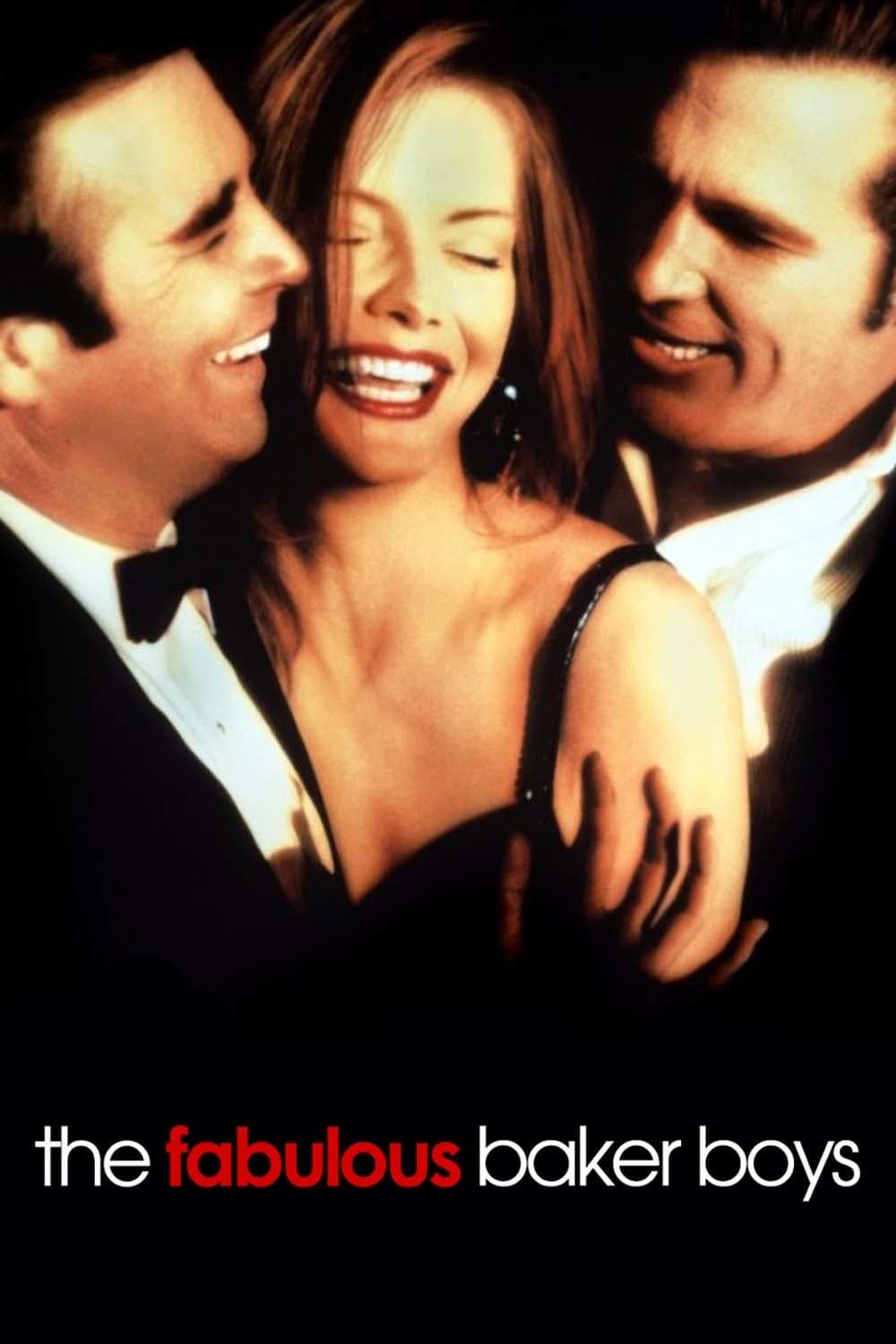
Writer director Steve Kloves follows a pair of lounge pianist brothers who hire a singer to refresh their act. Michelle Pfeiffer plays Susie Diamond and performs standards on camera, including a now famous number staged across the top of a grand piano. Jeff Bridges and Beau Bridges complete the trio as their booking calendar shifts from hotel bars to larger rooms.
Pfeiffer’s performance received major awards recognition and the film’s music team recorded the vocals to match the acoustics of the venues shown on screen. The story tracks real logistics such as set lists, rehearsal times, and club owners who care about weeknight foot traffic as much as weekend draws.
‘White Oleander’ (2002)

Peter Kosminsky directs this adaptation of Janet Fitch’s novel about a gifted teenage artist who moves through several foster homes after her mother is imprisoned. Michelle Pfeiffer plays Ingrid, a poet whose choices shape each new chapter in her daughter’s life as the girl meets caretakers played by Renée Zellweger, Robin Wright, and others.
The film uses art projects, letters, and visitation rules to structure the story of separation and change. It pays attention to the details of social services, including home evaluations and school placements, and it shows how each house sets different expectations for chores, curfews, and trust.
Share your picks in the comments and tell us which Michelle Pfeiffer film you would add to this list.