


The 10 Most Underrated Philip Seymour Hoffman Movies, Ranked (From Least to Most Underrated)

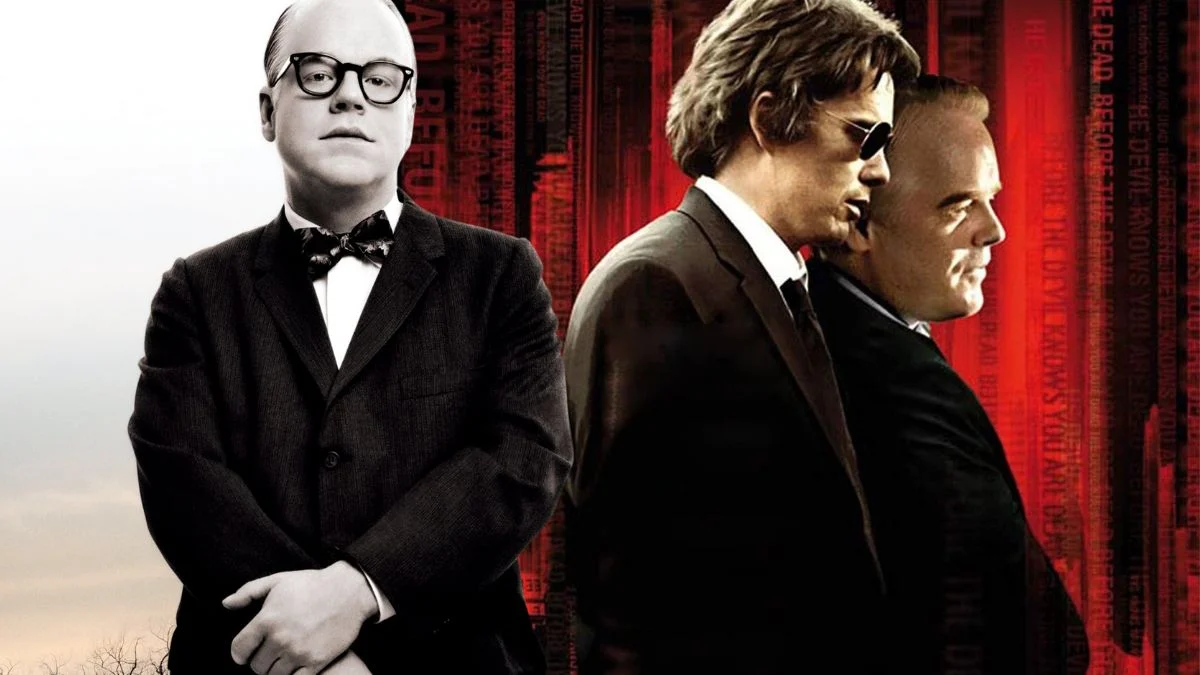


Philip Seymour Hoffman’s filmography stretches across thrillers, dramas, comedies, and one of a kind experiments, and it spans everything from intimate character studies to large scale ensembles. He worked with major directors, anchored challenging leads, and stole scenes in supporting roles, often disappearing into parts that served the story first.
This countdown focuses on films where his presence is essential to how the movie works, whether he is front and center or the quiet engine in a larger cast. You will find true crime, literary adaptations, and backstage stories, along with studio efforts and indie landmarks, all arranged in descending order so the final entry closes on a high note.
‘A Most Wanted Man’ (2014)
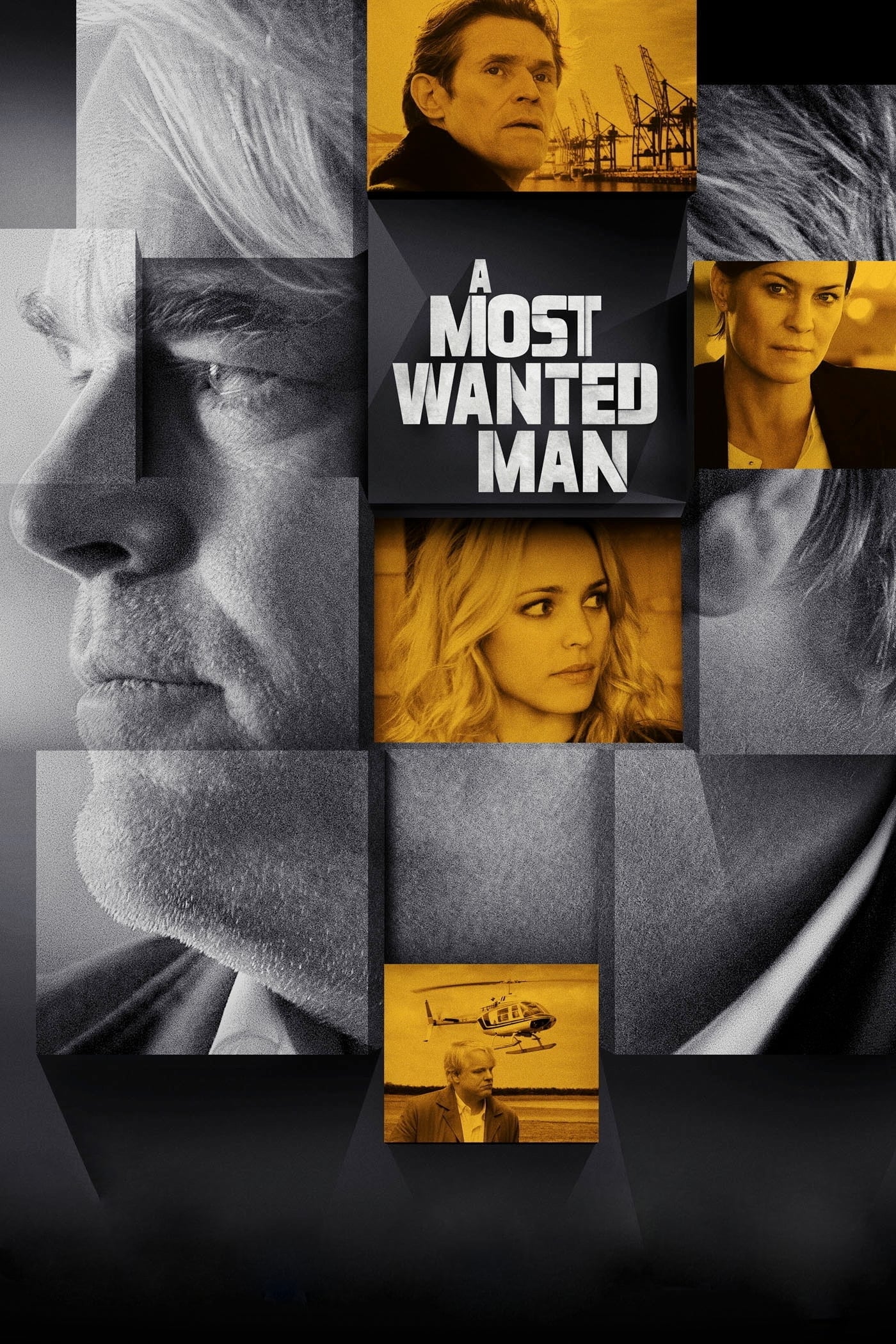
This espionage drama adapts a John le Carré novel and follows a counterterror unit in Hamburg as it tracks a Chechen refugee who may be connected to hidden funds. Philip Seymour Hoffman plays Günther Bachmann, who coordinates surveillance on a civil rights lawyer and a private banker as they navigate competing interests from local and foreign agencies. The story uses safe houses, wire transfers, and maritime routes to map how intelligence work actually moves.
The film is directed by Anton Corbijn and was shot in Hamburg and Berlin with Rachel McAdams, Willem Dafoe, and Robin Wright in key roles. It was released in the years of the actor’s final performances and shows the procedural detail of le Carré’s world, including methods for covert meetings, layered debriefs, and slow building operations that depend on patience rather than explosions.
‘State and Main’ (2000)

This comedy follows a film crew that descends on a small Vermont town after a production crisis forces a last minute location change. Philip Seymour Hoffman plays Joseph Turner White, a playwright who has been hired to rewrite the script on the fly as the shoot runs into budget headaches, lost permits, and a star with a public scandal. The plot tracks how the team negotiates with local businesses and officials while trying to keep cameras rolling.
The movie is written and directed by David Mamet and features William H. Macy, Alec Baldwin, Sarah Jessica Parker, and Julia Stiles. It uses storefronts, town halls, and makeshift sets to show how a shoot gets patched together day by day, including script pages delivered before breakfast and scene changes decided beside the craft services table.
‘Owning Mahowny’ (2003)
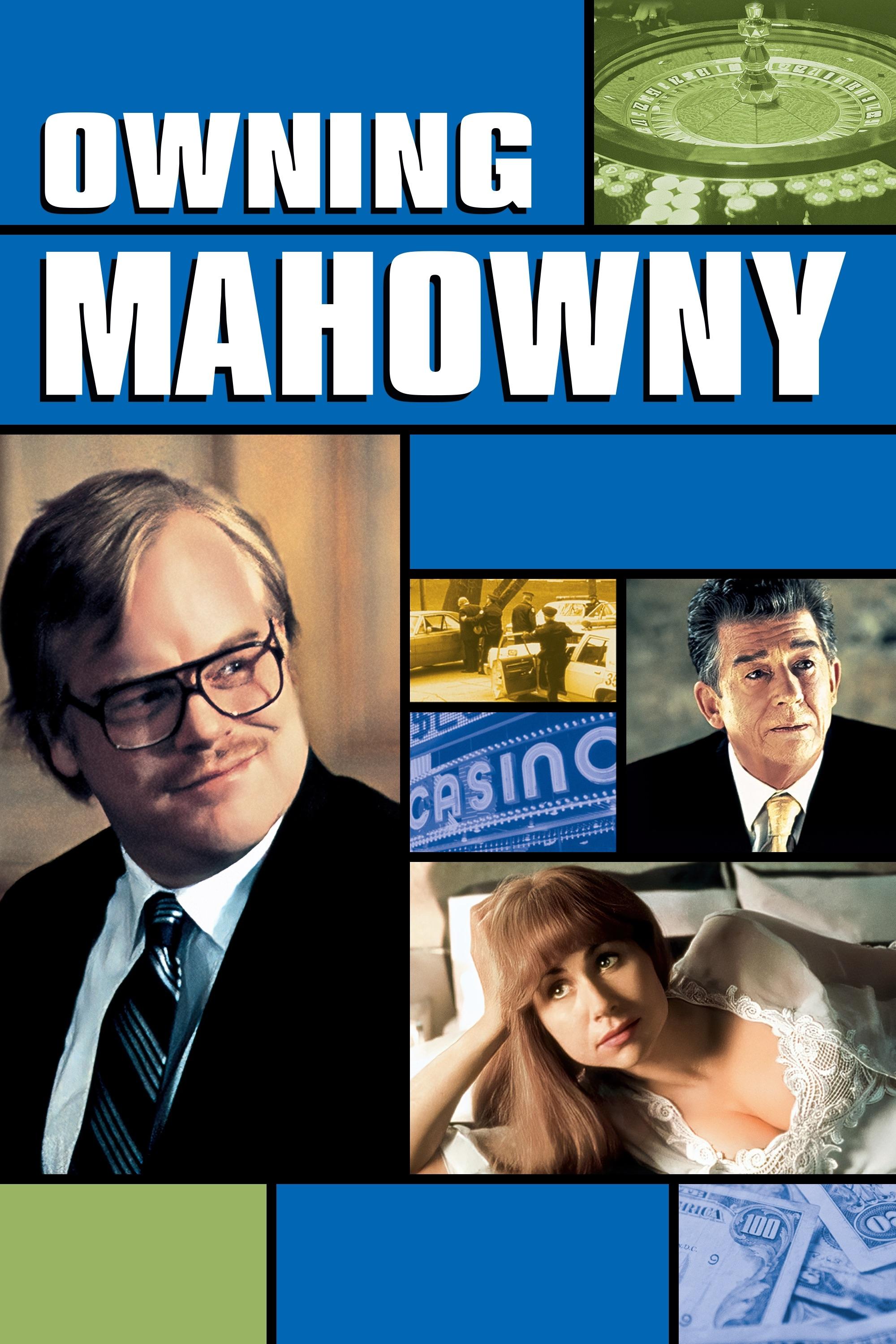
This crime drama is based on the true story of a Toronto bank manager who quietly moves funds to feed a gambling addiction that escalates beyond control. Philip Seymour Hoffman plays Dan Mahowny, whose account approvals and branch level access allow small transfers to become large ones while casino markers and comped suites keep him in action. The narrative shows how audit trails, teller procedures, and travel records eventually converge.
The film is directed by Richard Kwietniowski and was shot in Toronto and Atlantic City with Minnie Driver and John Hurt among the principal cast. It draws on newsroom coverage and court documents from the real case and shows how casinos track high rollers, how banks flag anomalies, and how timelines of wagers and withdrawals are reconstructed.
‘Before the Devil Knows You’re Dead’ (2007)
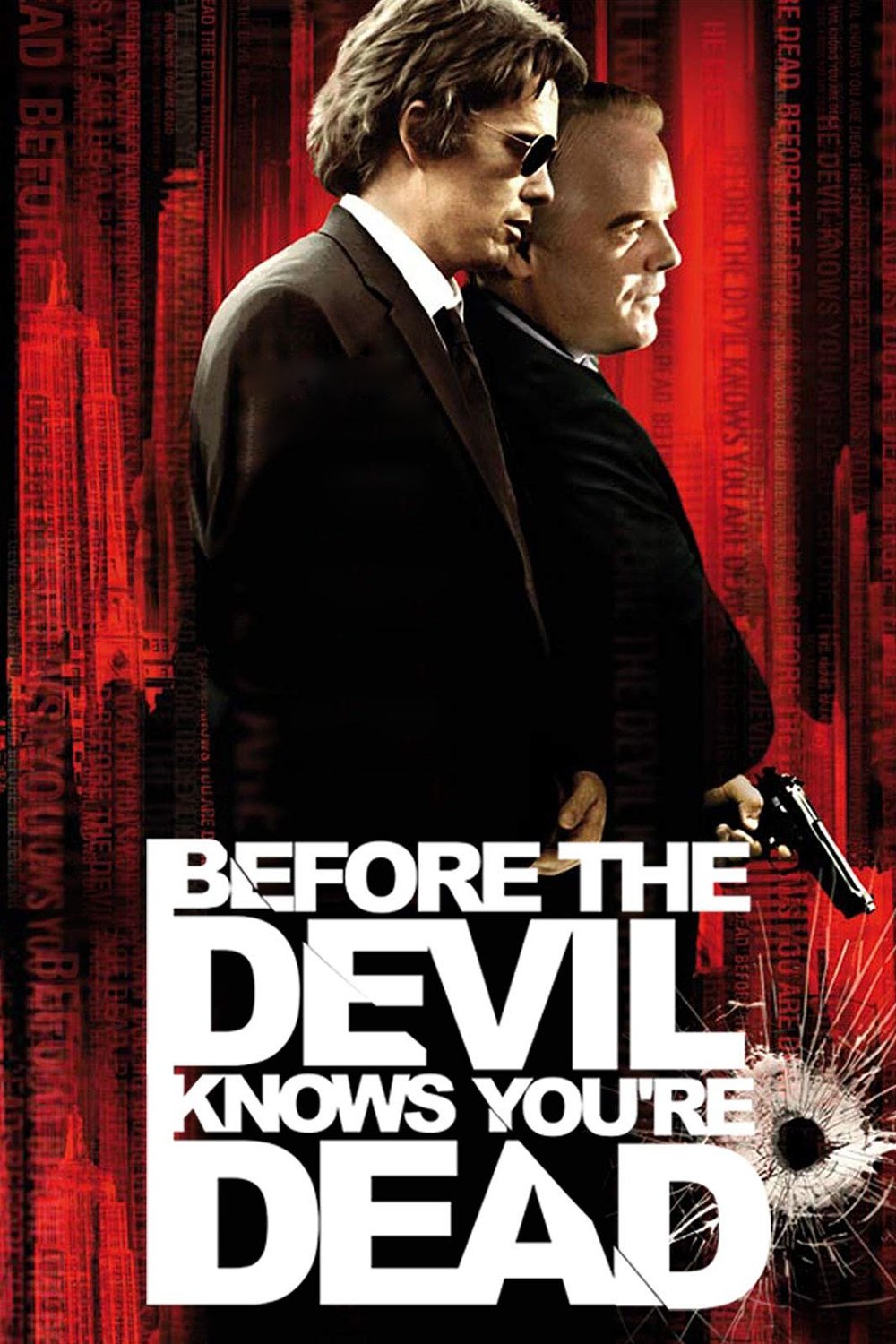
This heist drama follows two brothers who plan a robbery of their parents’ jewelry store that goes wrong and triggers a chain of cover ups. Philip Seymour Hoffman plays Andy Hanson, who pitches the job to his younger brother and sets operations in motion using cash advances, fake alibis, and a fence to move stolen goods. The film’s structure jumps in time to show overlapping accounts of the same day from multiple points of view.
Sidney Lumet directs the film with scenes set across New York apartments, suburban houses, and strip mall storefronts. Ethan Hawke, Marisa Tomei, and Albert Finney round out the family and criminal circles. The production uses a non linear timeline to reveal how evidence accumulates, how police interviews shift as new facts appear, and how personal finances drive criminal decisions.
‘Capote’ (2005)
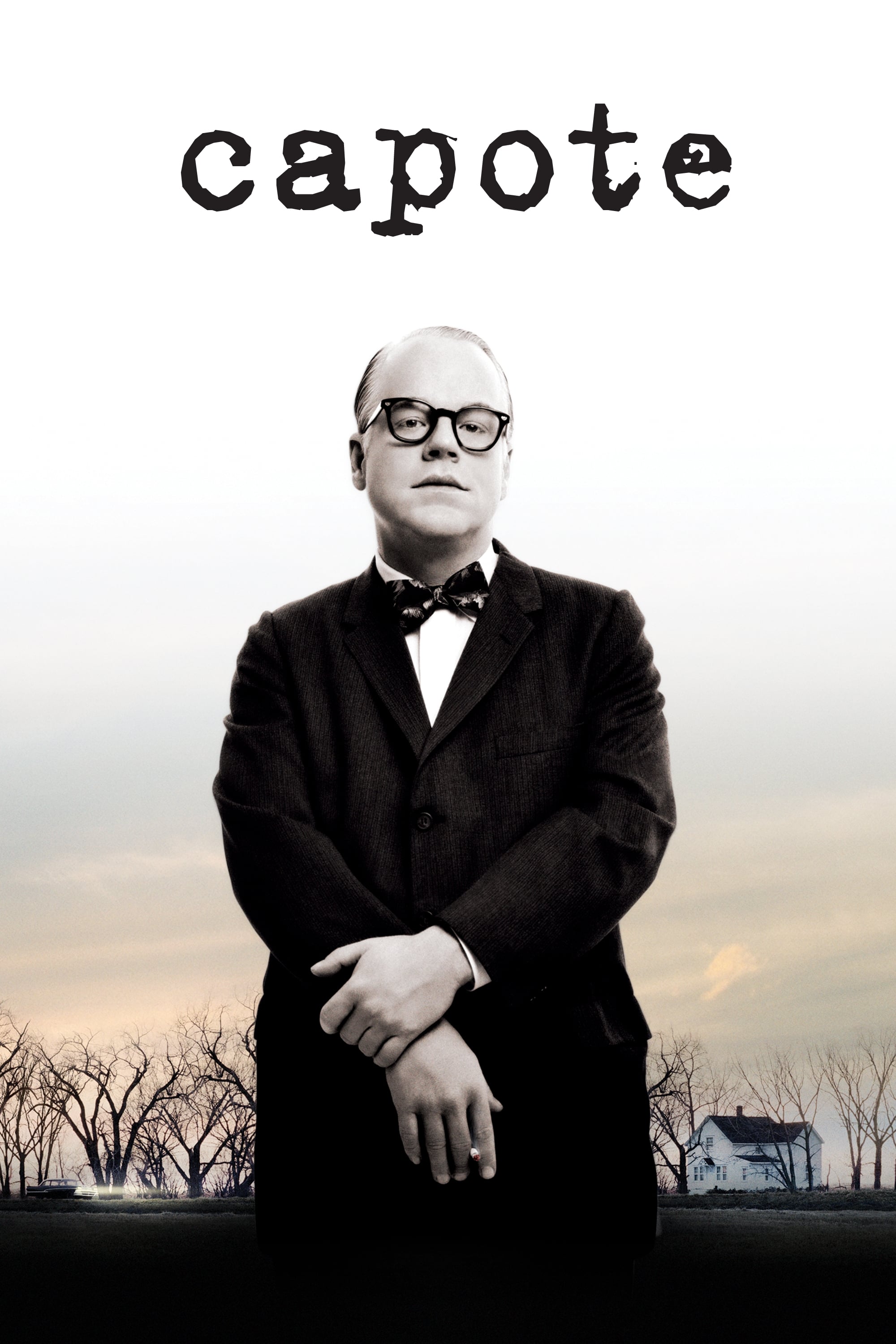
This biographical drama covers the reporting that led to the book ‘In Cold Blood’ and the years the author spent documenting a Kansas murder case. Philip Seymour Hoffman portrays Truman Capote as he secures access to the two men accused of the killings and builds a working relationship with investigators and residents in the town. The film follows interviews, courthouse procedures, and research trips that produce the material for the nonfiction narrative.
Bennett Miller directs, with Catherine Keener as ‘To Kill a Mockingbird’ author Harper Lee and Clifton Collins Jr as Perry Smith. Philip Seymour Hoffman won the Academy Award for Best Actor for this performance. The production stages writing sessions, publishing meetings, and legal filings to show how a magazine piece expands into a book and how contracts and deadlines shape the final chapters.
‘The Talented Mr. Ripley’ (1999)
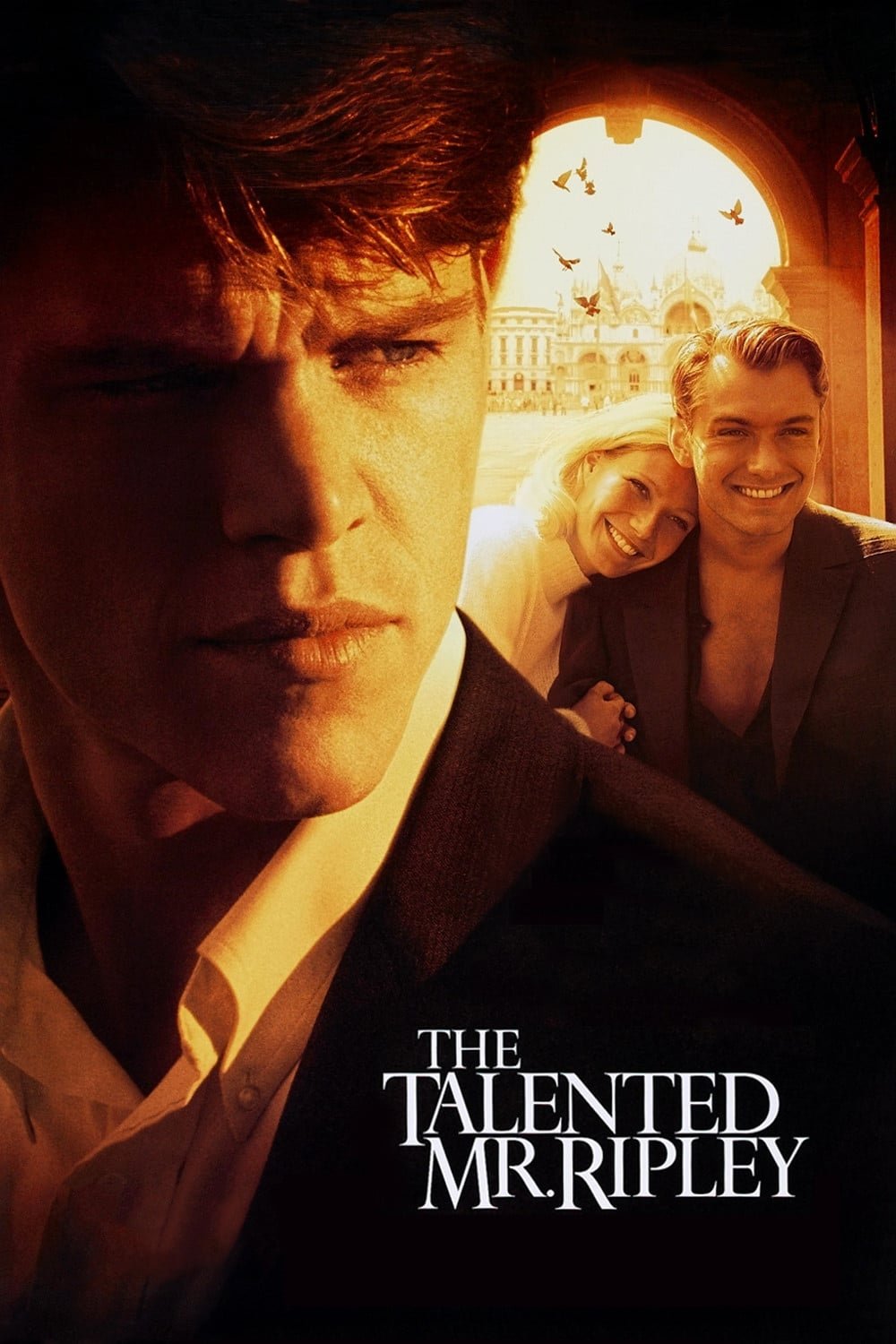
This adaptation of Patricia Highsmith’s novel follows a young man who is sent to Italy to retrieve a shipping heir and becomes entangled in deception and identity theft. Philip Seymour Hoffman plays Freddie Miles, an old friend whose visits and questions threaten the cover story as forged signatures, duplicate keys, and passport checks come into play. The plot uses seaside villas, jazz clubs, and harbor offices to trace the movements of its characters.
The film is directed by Anthony Minghella and stars Matt Damon, Jude Law, Gwyneth Paltrow, and Cate Blanchett. It was filmed across Italian locations and features period cars, water taxis, and train compartments that anchor the timeline and logistics of travel. The production design and costume work reconstruct mid century leisure and the paperwork that supports international living.
‘Synecdoche, New York’ (2008)
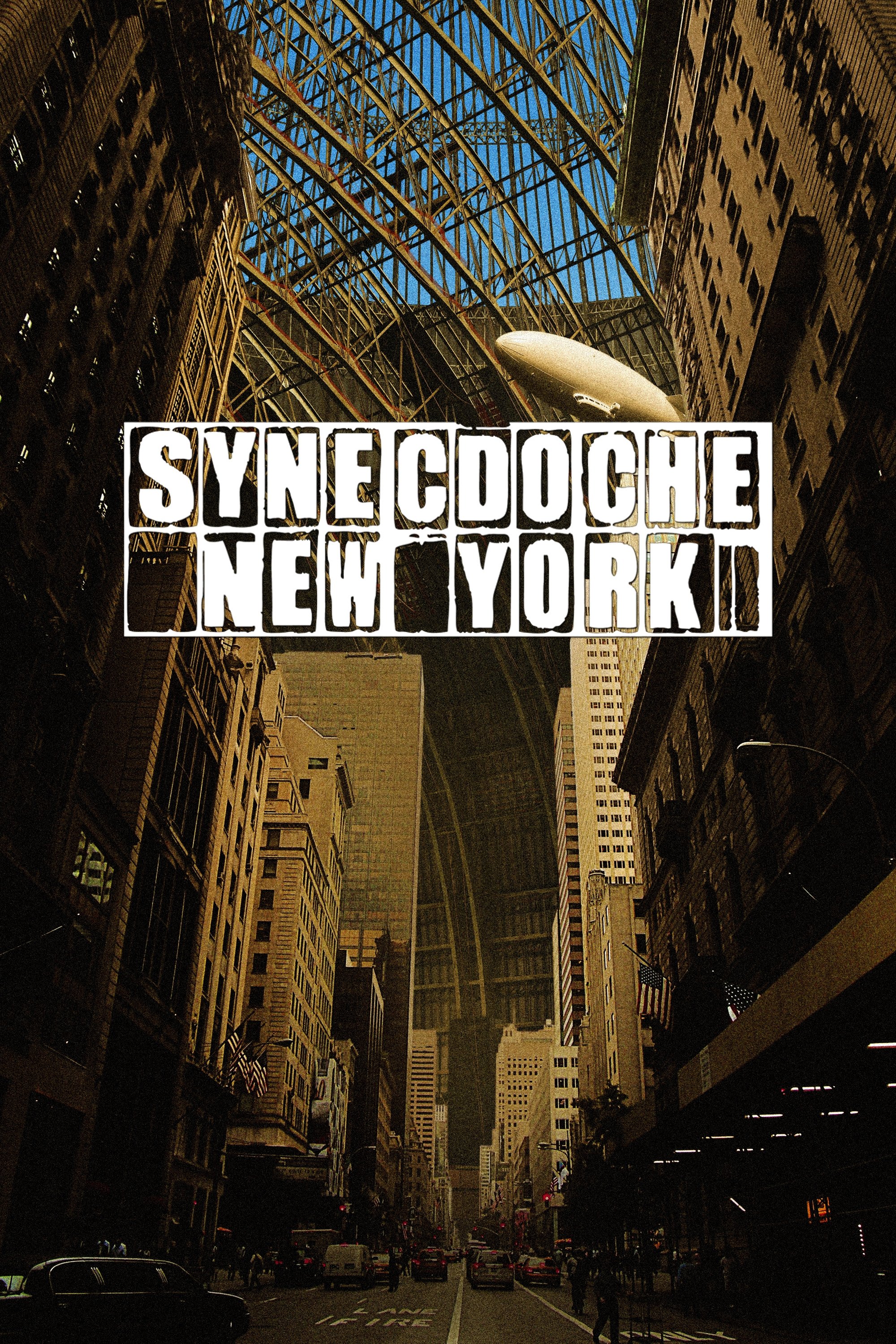
This drama follows a theater director who mounts a rehearsal project that grows into an enormous replica of his city and life. Philip Seymour Hoffman plays Caden Cotard, who leases a vast warehouse and builds apartments, streets, and working shops while hiring actors to portray the people around him. Casting calls, rehearsal schedules, and stage budgets expand until the production becomes a living archive.
The film is written and directed by Charlie Kaufman and features Samantha Morton, Michelle Williams, Catherine Keener, Emily Watson, Hope Davis, and Dianne Wiest. It marks Kaufman’s transition from screenwriter to director and uses set construction, stage management, and voiceover cues to show how a production evolves from an idea to an all consuming project.
‘Doubt’ (2008)
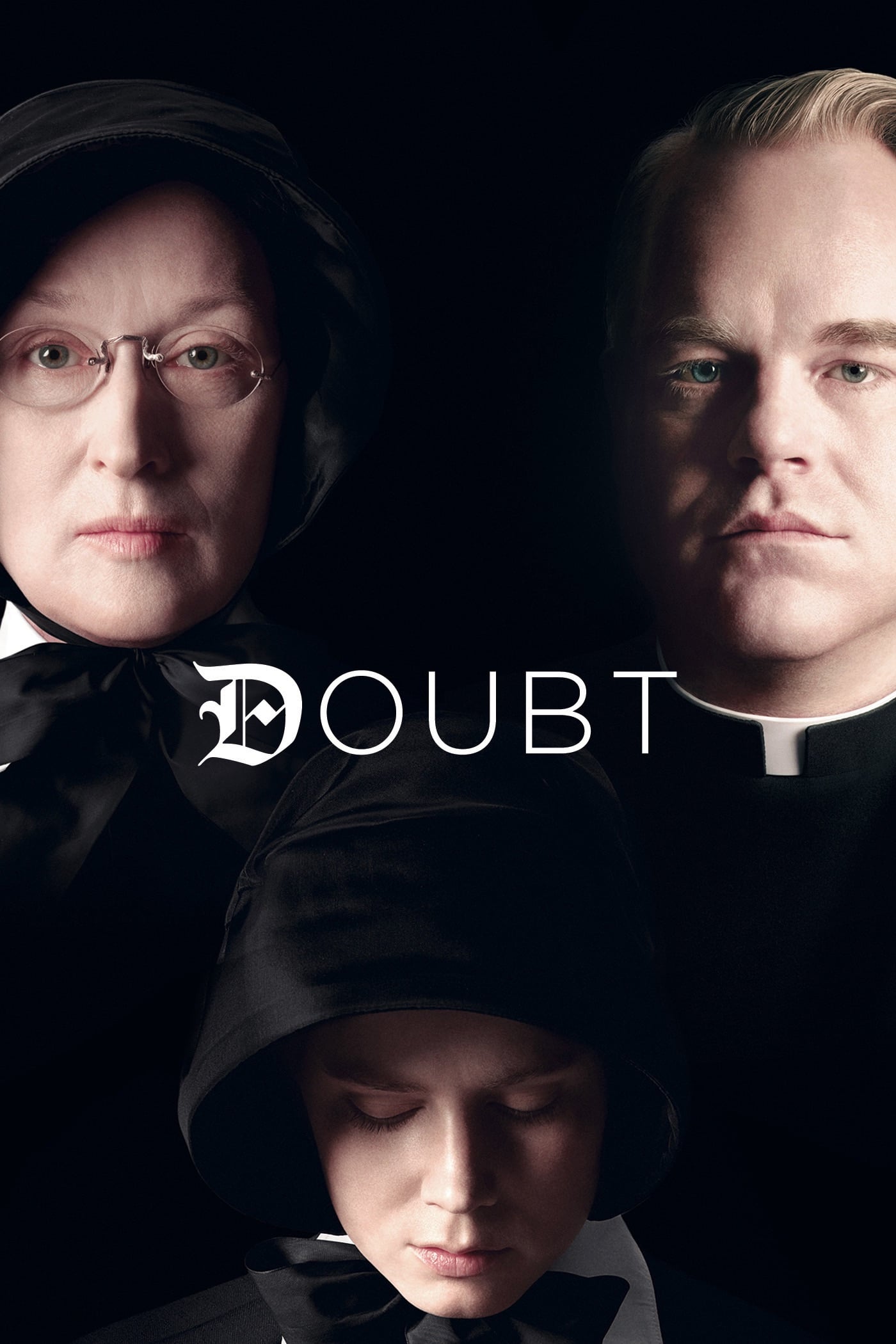
This adaptation of John Patrick Shanley’s play centers on a Bronx parish where a principal questions a priest’s conduct with a student. Philip Seymour Hoffman plays Father Brendan Flynn, who faces formal and informal inquiries as school policies, sermons, and classroom routines are examined. The story presents meetings in the rectory, conversations in the courtyard, and structured classroom observations that follow the procedures of the setting.
John Patrick Shanley directs with Meryl Streep as Sister Aloysius, Amy Adams as Sister James, and Viola Davis as Mrs. Miller. All four principal actors received Academy Award nominations. The film shows parish governance, chain of command within the school, and the language of homilies and letters that document concerns and responses.
’25th Hour’ (2002)
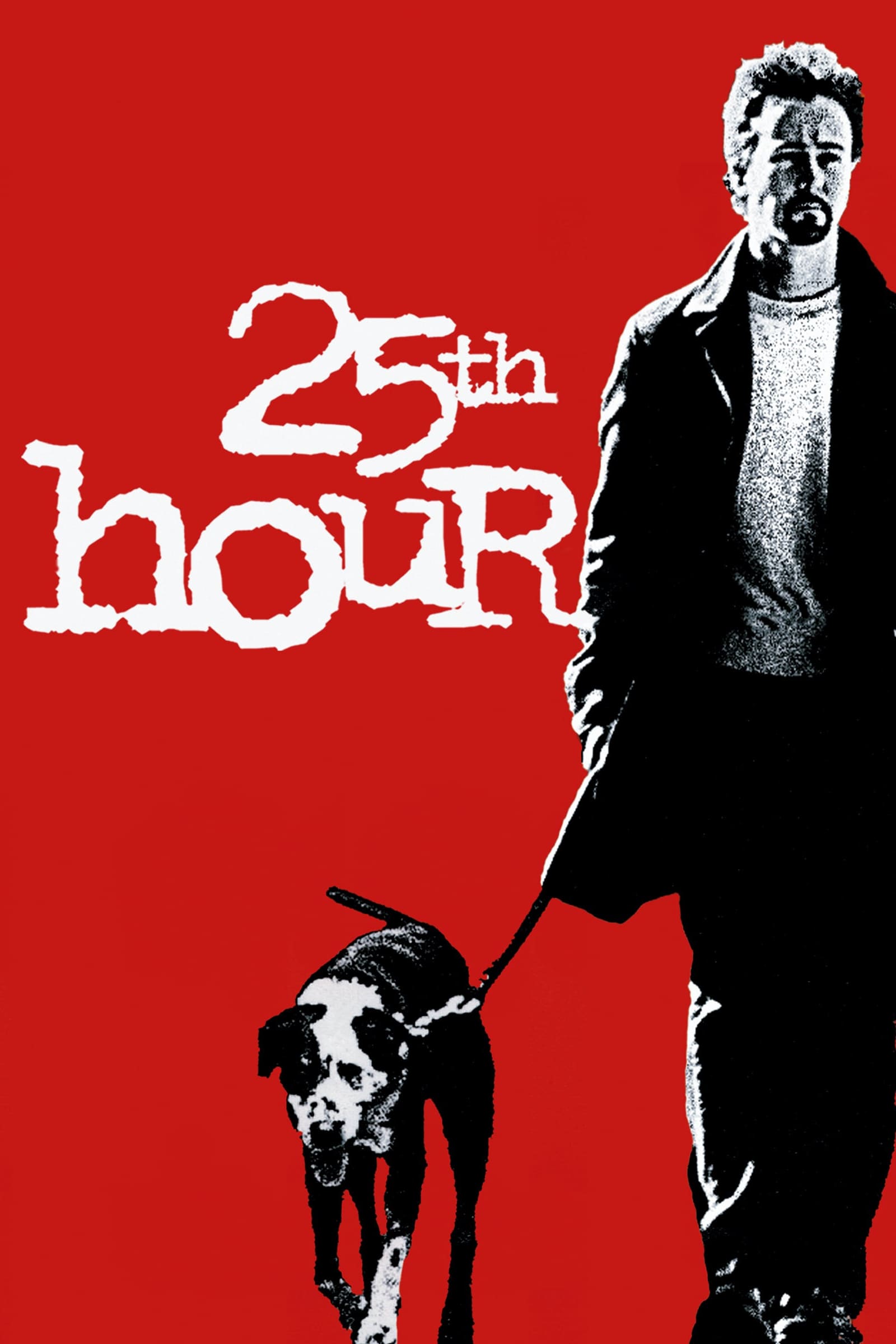
This New York drama follows a man on his last day before reporting to prison as he spends time with friends and makes decisions about what to do before the morning. Philip Seymour Hoffman plays Jacob Elinsky, a teacher whose day intersects with a student and with an old friend as the group moves through clubs, apartments, and riverfront parks. The timeline tracks the countdown through late night conversations and early morning goodbyes.
Spike Lee directs from David Benioff’s novel and screenplay with Edward Norton, Barry Pepper, Rosario Dawson, Anna Paquin, and Brian Cox in the ensemble. The film incorporates city locations that reflect the period after the September 11 attacks, including views of the Tribute in Light and construction scenes near Ground Zero. It uses bridges, school hallways, and a riverside bar to mark the route of the final hours.
‘Happiness’ (1998)

This ensemble drama follows several interconnected families and neighbors in New Jersey as private lives collide in uncomfortable ways. Philip Seymour Hoffman plays Allen, a tenant whose phone calls and apartment routine intersect with the lives of the women at the center of the story. The film moves between suburban homes, therapists’ offices, and common spaces as it maps out the connections among characters.
Todd Solondz directs, with Jane Adams, Dylan Baker, Lara Flynn Boyle, and Jon Lovitz among the cast. The film premiered at Cannes and won the International Critics’ Prize. Its release involved a limited rollout and discussions about ratings and distribution, and it remains associated with the independent film circuit of its era and the production companies that supported challenging material.
Share your picks in the comments and tell us which Philip Seymour Hoffman films you think people overlook the most.