


The 10 Most Underrated Rachel Weisz Movies, Ranked (From Least to Most Underrated)



Rachel Weisz has moved across genres with ease, working with filmmakers on intimate dramas, inventive science fiction, and sly capers. Audiences first met her in large scale adventures, then watched her shift into complex characters in stories drawn from history, literature, and original screenplays. She has won major awards for roles in films like ‘The Constant Gardener’ and earned wide attention for ‘The Favourite’.
This list spotlights ten films that show the range of her work, from modern London to ancient Alexandria and from courtroom battles to war torn cities. You will see projects built from acclaimed novels, true events, and bold original ideas, along with details on roles, collaborators, releases, and production backgrounds.
‘Disobedience’ (2017)
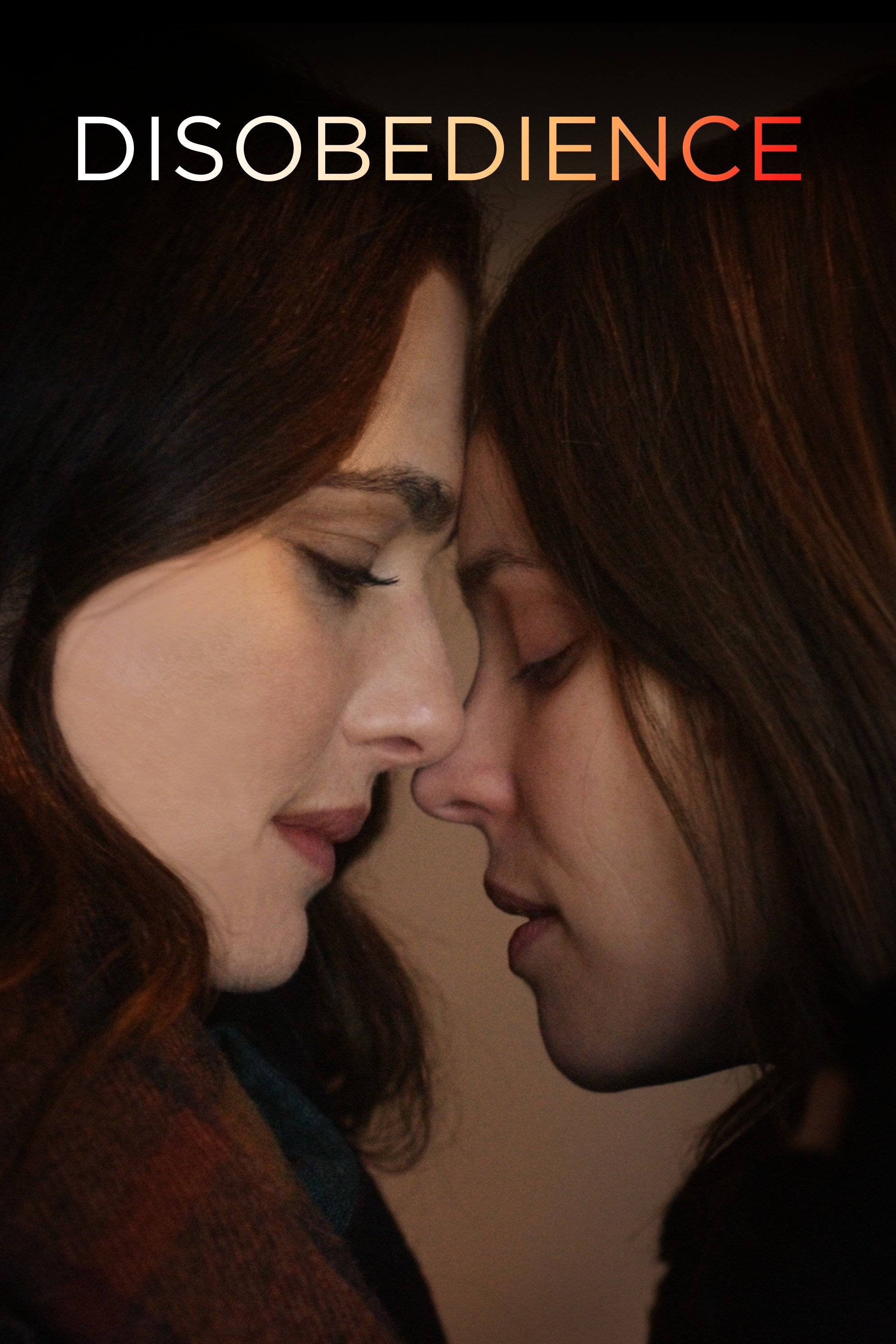
Rachel Weisz stars as Ronit, a photographer who returns to the North London Orthodox Jewish community where she was raised after the death of her father. The film adapts the novel by Naomi Alderman and follows Ronit as she reconnects with her childhood friend Esti, played by Rachel McAdams, and with Dovid, played by Alessandro Nivola. Sebastián Lelio directed the film and set the story in real neighborhoods, with location work around Hendon and Golders Green.
The project was developed by Element Pictures with Weisz as a producer through her company, demonstrating her involvement from development to screen. ‘Disobedience’ premiered at the Toronto International Film Festival and later opened in the United Kingdom and the United States in a platform release. The score by Matthew Herbert and the restrained visual approach support a character driven drama focused on faith, identity, and personal choice.
‘Denial’ (2016)
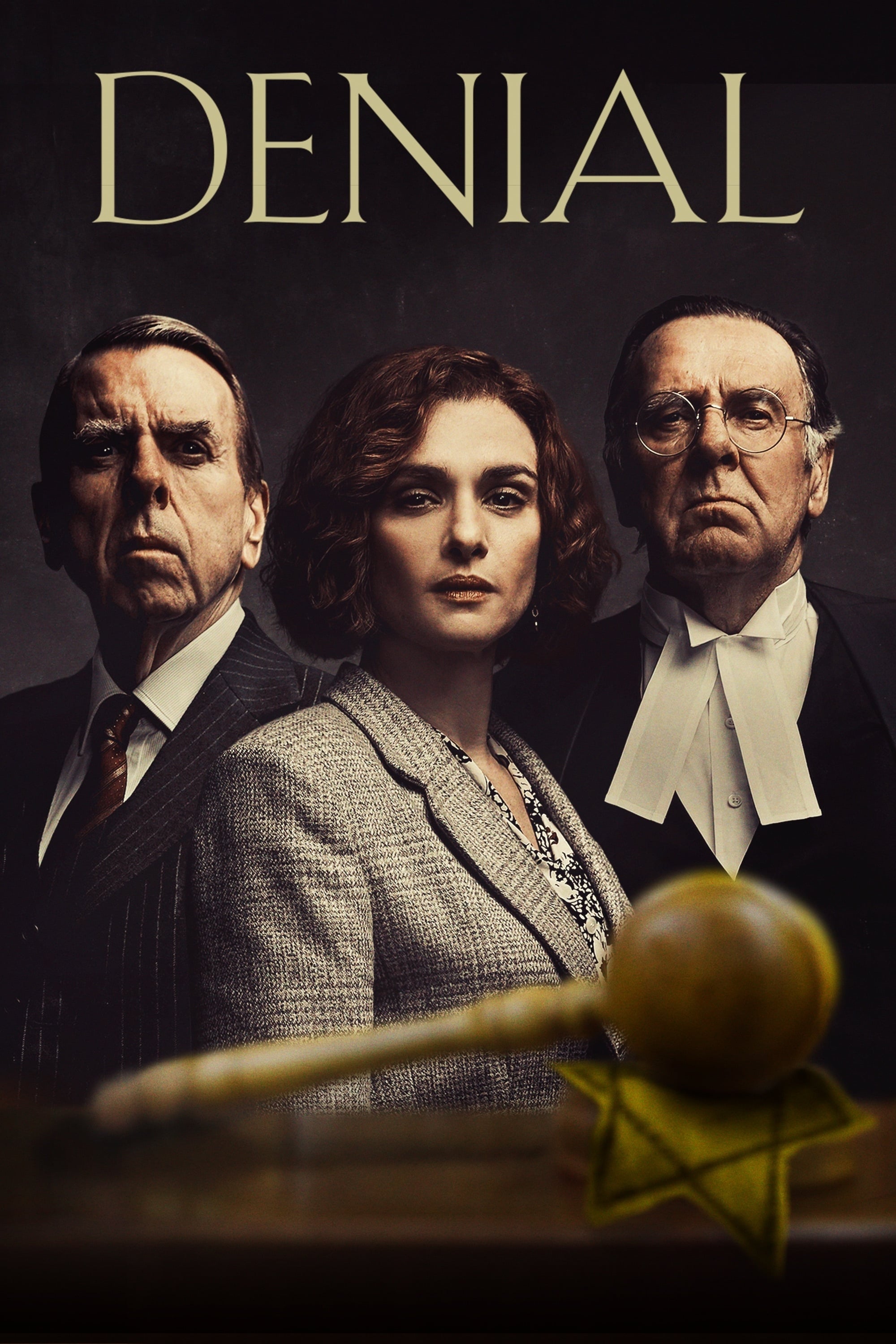
‘Denial’ dramatizes the legal case brought in London by David Irving against American scholar Deborah Lipstadt, whom he claimed libeled him by calling him a Holocaust denier. Rachel Weisz plays Lipstadt opposite Timothy Spall as Irving and Tom Wilkinson as barrister Richard Rampton. Mick Jackson directed the film from a screenplay by David Hare, based on Lipstadt’s book ‘History on Trial’.
The production filmed in and around London, including courtroom interiors that match the proceedings of the High Court. It recreates key elements of the trial record and includes sequences set at historical sites that Lipstadt and her legal team visited during preparation. The film opened in the United Kingdom and the United States in 2016, bringing a detailed account of litigation that relied on expert testimony and archival evidence.
‘The Brothers Bloom’ (2008)
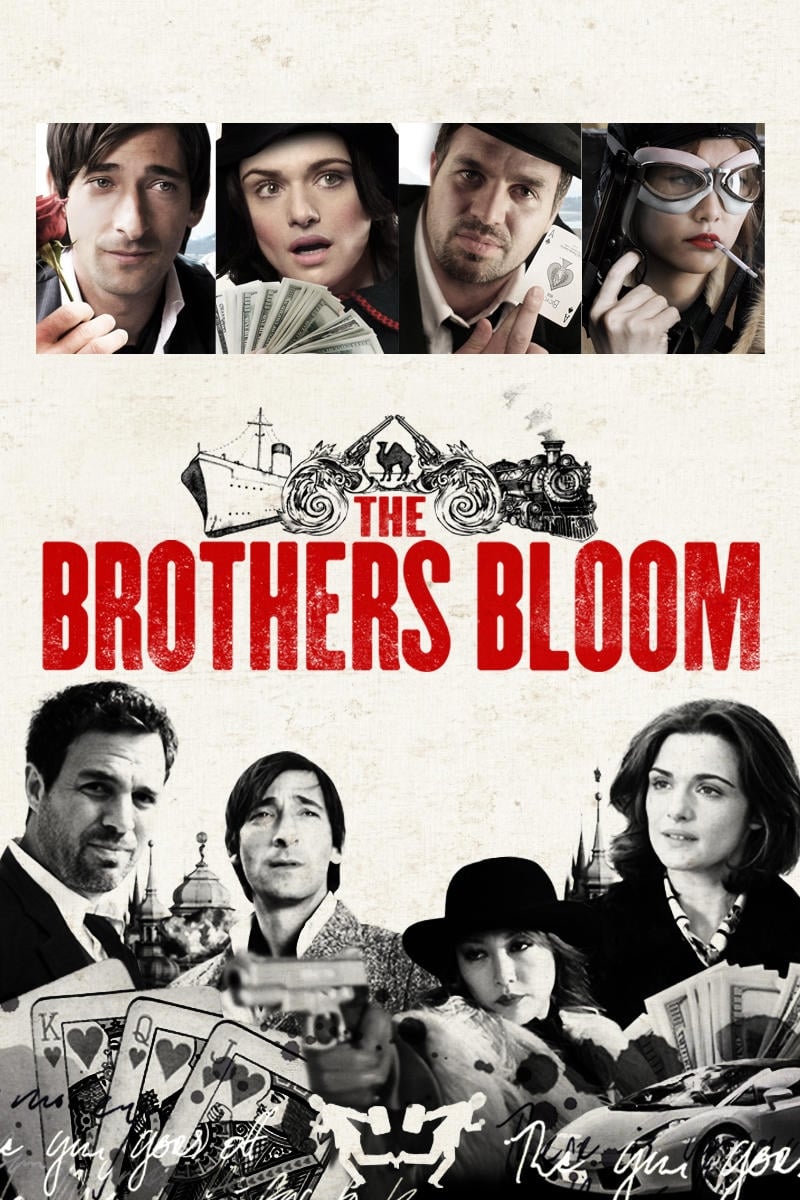
Rian Johnson wrote and directed ‘The Brothers Bloom’, a globe hopping con artist story starring Adrien Brody and Mark Ruffalo as brothers who build elaborate schemes. Rachel Weisz plays Penelope, a wealthy and curious heiress who becomes the target and then the partner in a layered caper. The cast also includes Rinko Kikuchi as a demolitions expert whose quiet presence adds timing and precision to the crew’s plans.
Production traveled to multiple countries, with scenes shot in the Czech Republic, Montenegro, and additional European locations that give the film its cosmopolitan feel. Costumes and production design lean into vintage textures and practical locations rather than soundstage recreations. The film premiered at festivals before its theatrical rollout and has since been noted for intricate set pieces coordinated across city streets, harbors, and countryside estates.
‘The Whistleblower’ (2010)
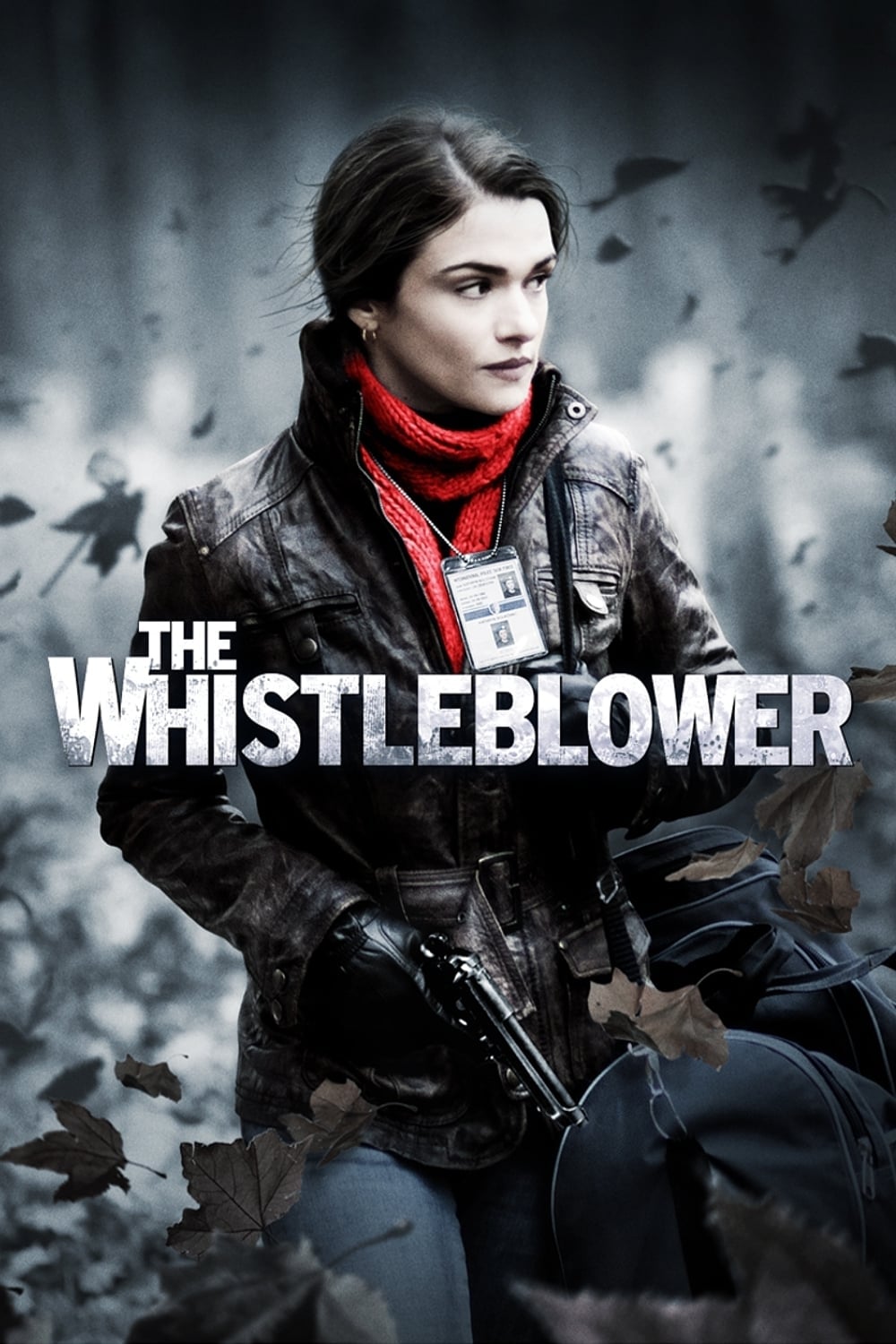
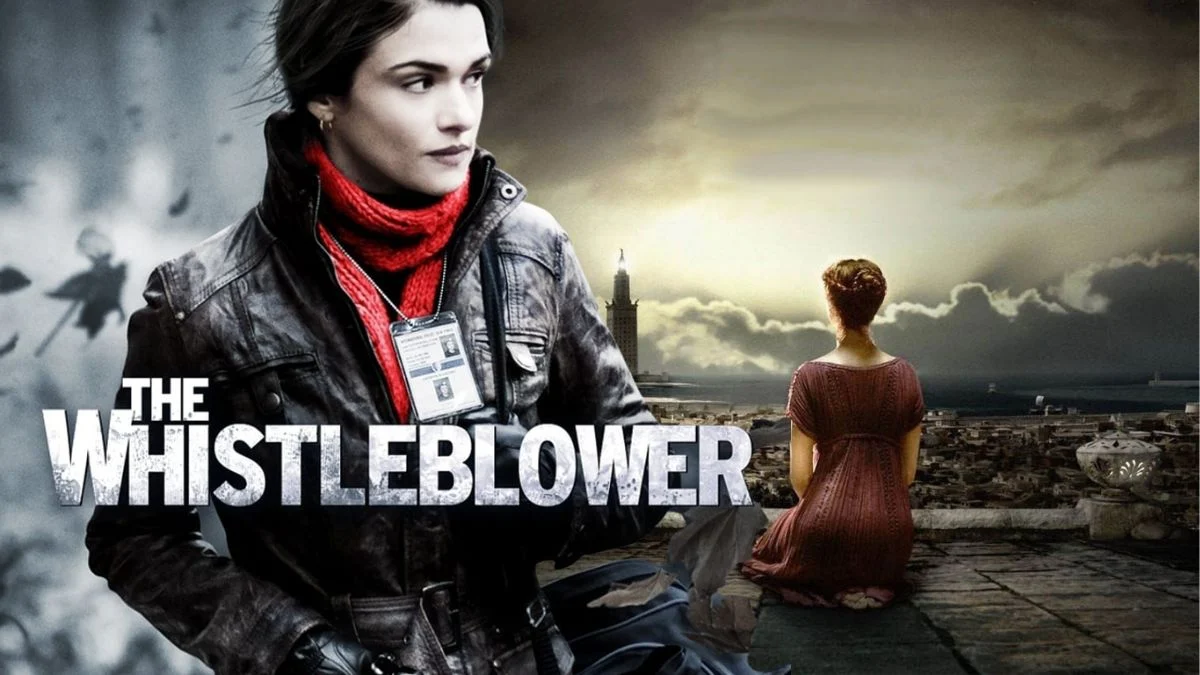
In ‘The Whistleblower’, Rachel Weisz portrays Kathryn Bolkovac, a Nebraska police officer who works as a United Nations peacekeeper in Bosnia and uncovers a human trafficking ring. The film is inspired by Bolkovac’s real experiences, with Larysa Kondracki directing and co writing. The cast includes Vanessa Redgrave, David Strathairn, and Monica Bellucci, who appear as officials and contractors connected to the mission.
The production shot in Romania to depict post war Bosnia, making use of local crews and locations that match the period setting. ‘The Whistleblower’ premiered at the Toronto International Film Festival, then saw releases in North America and Europe. The screenplay draws on documented reports and testimonies surrounding peacekeeping operations, shaping the narrative around investigations, internal obstacles, and the challenges faced by those pursuing accountability.
‘Definitely, Maybe’ (2008)
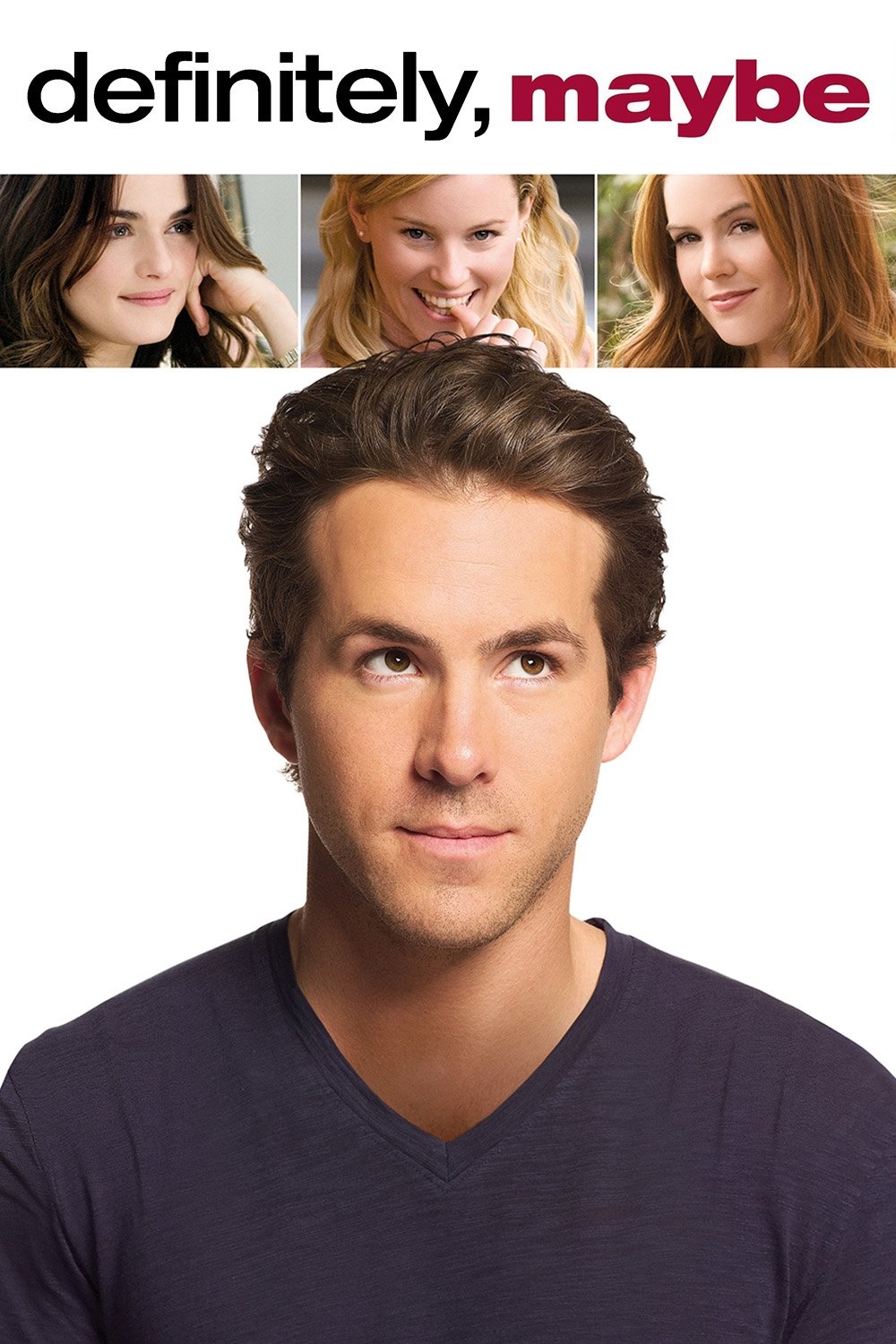
‘Definitely, Maybe’ follows a New York City political consultant who tells his daughter the story of three important relationships and asks her to guess which woman became her mother. Rachel Weisz plays Summer Hartley, a journalist and graduate student connected to the world of books and publishing. The film stars Ryan Reynolds as Will Hayes, with Isla Fisher and Elizabeth Banks rounding out the central trio, and Abigail Breslin as the daughter who drives the framing story.
Written and directed by Adam Brooks, the production used Manhattan and Brooklyn locations for campaign offices, bookstores, and apartments that mark changes in the characters’ lives. The timeline moves through the 1990s into the early 2000s, threading in real political moments to anchor the plot. Working Title Films produced the movie, and it opened through Universal Pictures with a focus on Valentine’s season releases.
‘The Fountain’ (2006)
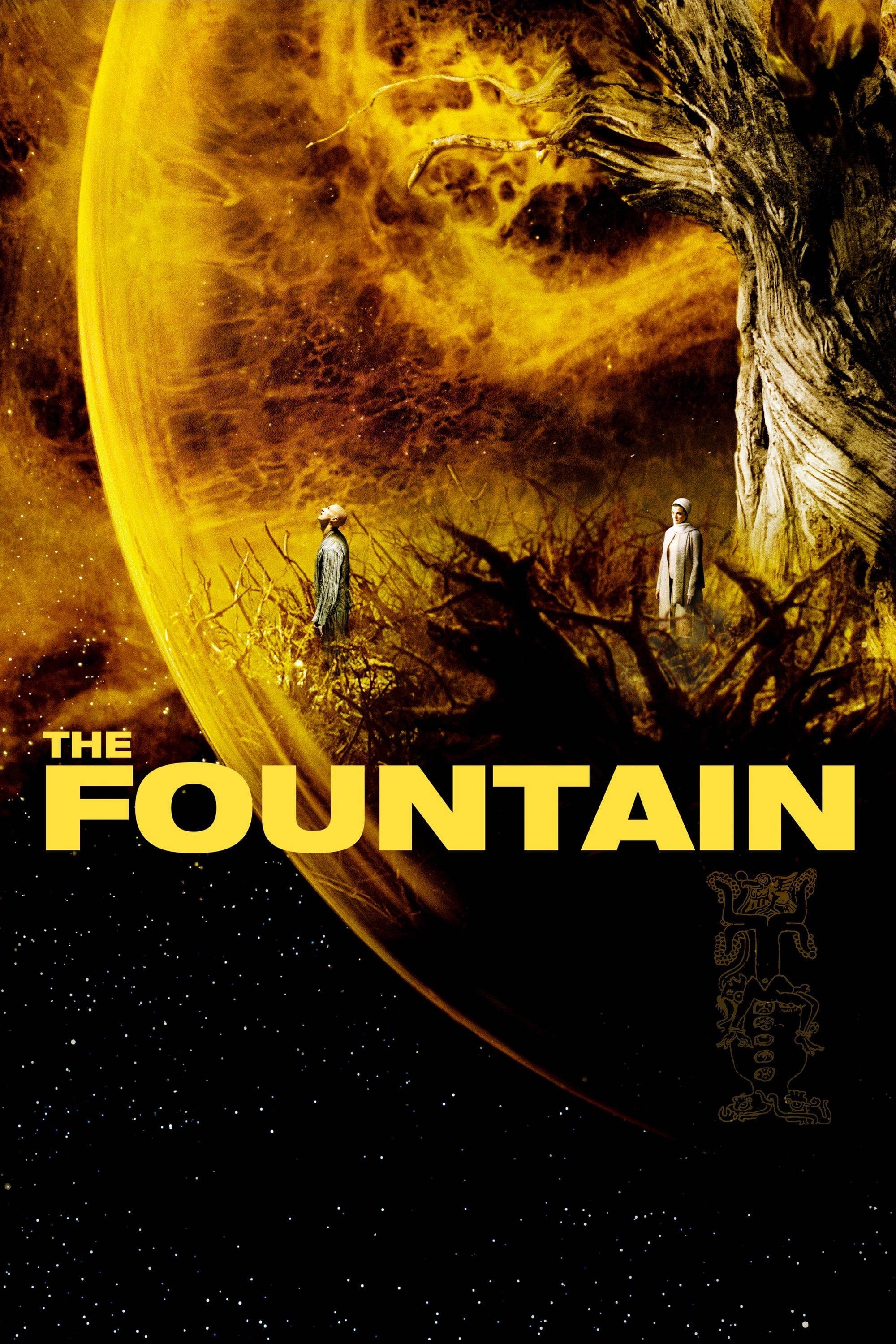
Darren Aronofsky’s ‘The Fountain’ interweaves three narratives featuring Hugh Jackman and Rachel Weisz across different eras that echo one another. Weisz appears as a modern day writer, a queen in a story set during the time of the Spanish conquest, and a presence that connects the film’s themes of love, mortality, and time. Matthew Libatique served as cinematographer and Clint Mansell composed the score performed with the Kronos Quartet.
To create its distinctive images, the production relied on macro photography of chemical reactions for celestial visuals, choosing practical techniques over heavy digital effects. The film premiered at the Venice Film Festival before continuing to other festivals and theatrical release. Its design team built sets that could shift between centuries while maintaining visual motifs, and costume work by Renée April helped separate timelines through fabrics and silhouettes.
‘Agora’ (2009)
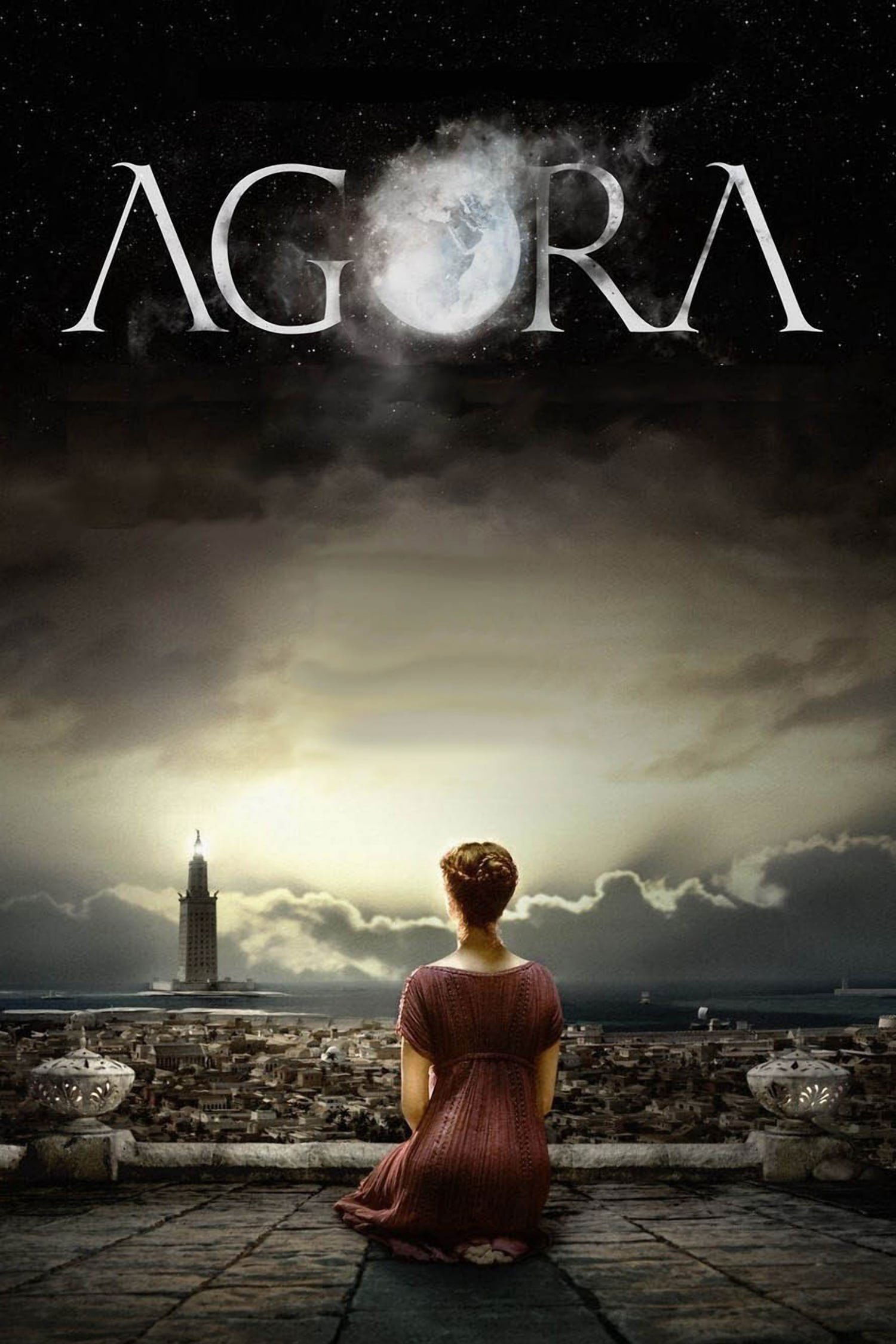
Alejandro Amenábar directed ‘Agora’, which centers on the philosopher and mathematician Hypatia in fourth century Alexandria. Rachel Weisz plays Hypatia as she teaches at the Library of Alexandria and navigates social change amid conflicts between religious groups. The supporting cast includes Max Minghella and Oscar Isaac, who portray figures around Hypatia as events reshape the classical world.
Filming took place in Malta, where the production constructed large outdoor sets to represent the Library complex and the city’s streets. Amenábar combined historical research with cinematic staging to depict the decline of pagan institutions and the rise of new authorities. ‘Agora’ screened at the Cannes Film Festival out of competition and rolled out theatrically across European territories before reaching additional markets.
‘The Light Between Oceans’ (2016)
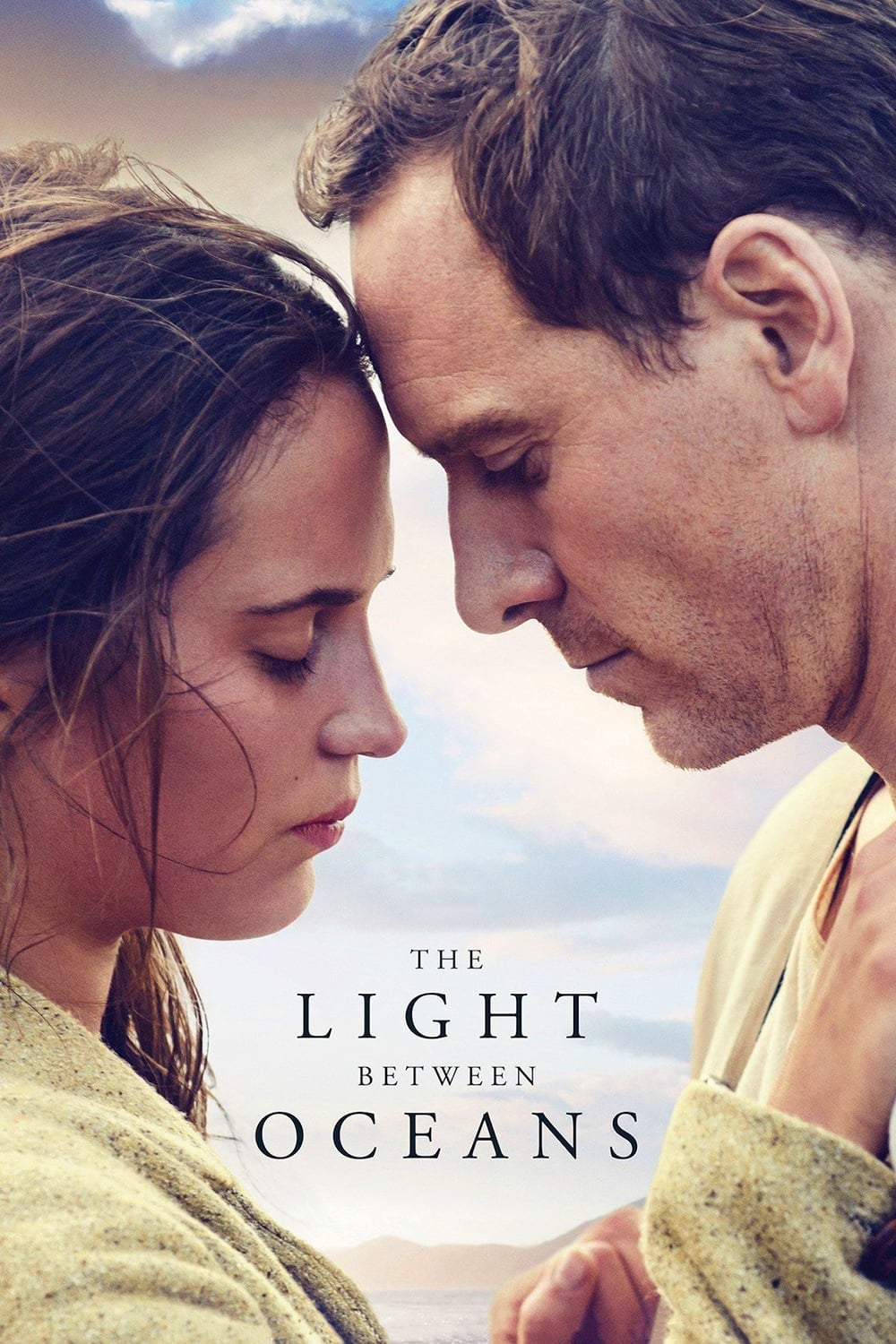
Based on the novel by M L Stedman, ‘The Light Between Oceans’ tells the story of a lighthouse keeper and his wife who find a baby adrift and face the consequences of their choice. Rachel Weisz plays Hannah Roennfeldt, a woman whose past connects directly to the central mystery. Michael Fassbender and Alicia Vikander lead the film, with Derek Cianfrance writing and directing.
The film shot on remote locations in New Zealand and Tasmania to capture shorelines and weather that shape the story. It premiered at the Venice Film Festival and later screened at the Toronto International Film Festival ahead of wider release. Production emphasized natural light and practical lighthouse interiors, with period accurate costumes and props to place the narrative in the years following the First World War.
‘Youth’ (2015)
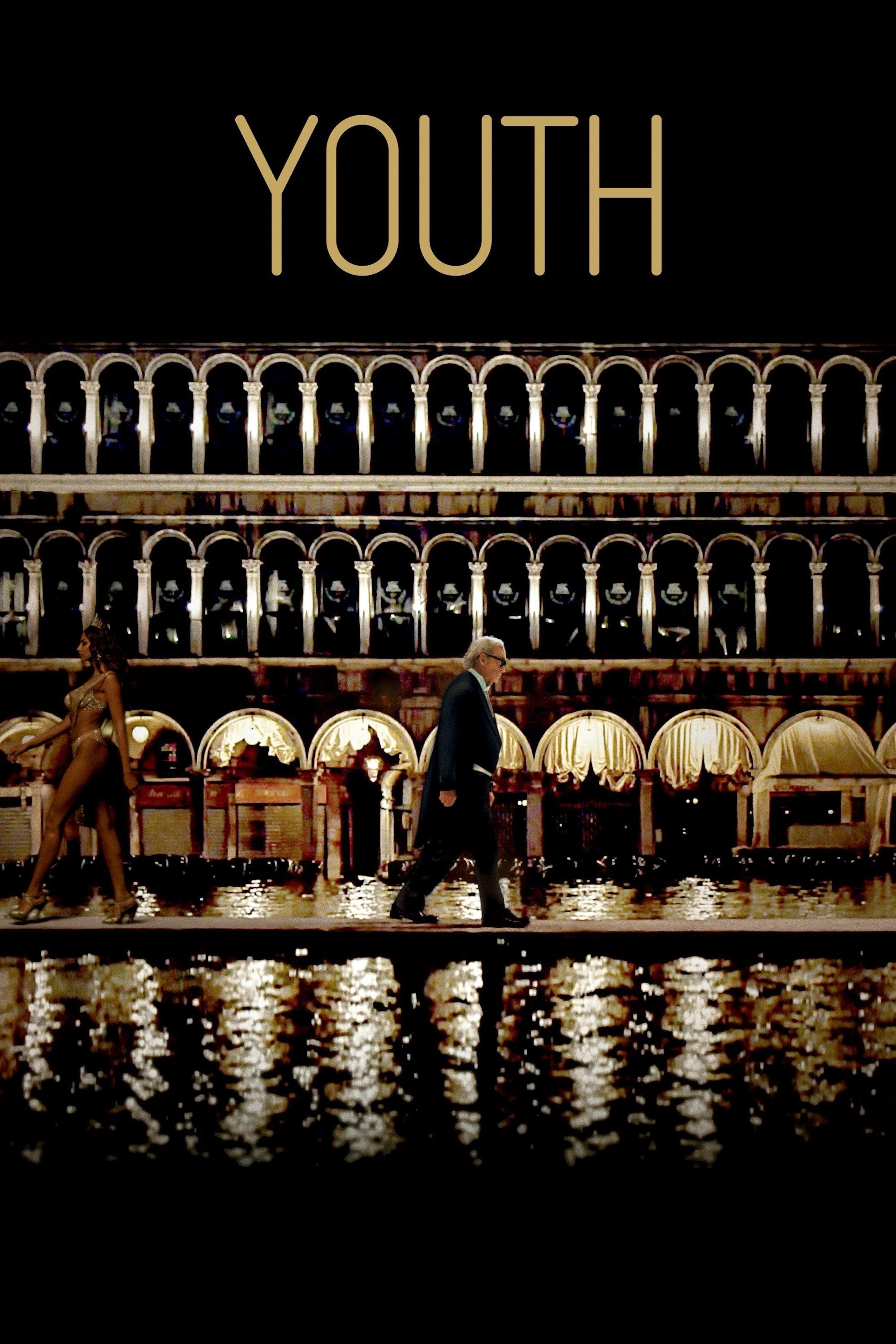
Paolo Sorrentino’s ‘Youth’ is set at a luxury spa in the Swiss Alps, where a retired composer considers a royal invitation while his daughter and his best friend confront turning points in their lives. Rachel Weisz plays Lena Ballinger, the daughter of Michael Caine’s character, whose marriage and work are both in transition. The ensemble includes Harvey Keitel, Paul Dano, and Jane Fonda, and the film balances quiet conversations with carefully staged set pieces.
Principal photography took place in Switzerland and Italy, using a mountain resort for the central location and building sequences around choreographed movement and music. ‘Youth’ premiered in competition at the Cannes Film Festival and later won multiple European Film Awards. The production design uses reflective surfaces and geometric lines, while Sorrentino’s frequent collaborator Luca Bigazzi shapes the look with fluid camera work.
‘Enemy at the Gates’ (2001)
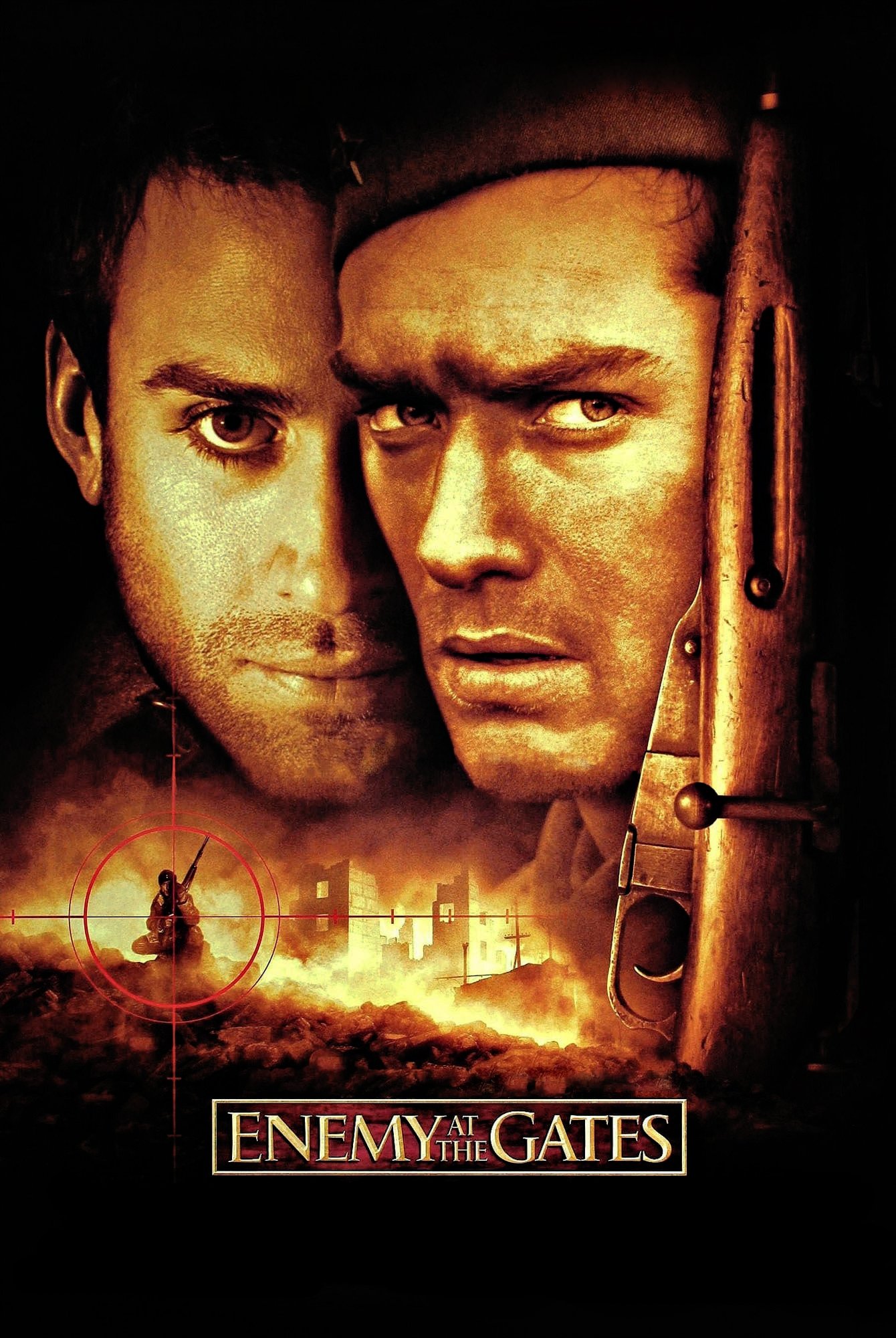
Set during the Battle of Stalingrad, ‘Enemy at the Gates’ follows a duel between Soviet sniper Vasily Zaitsev and a German marksman sent to stop him. Rachel Weisz plays Tania Chernova, a citizen who joins the fight and becomes a key figure in the circle around Zaitsev, played by Jude Law. The cast also features Ed Harris, Joseph Fiennes, and Bob Hoskins, with Jean Jacques Annaud directing.
The film draws inspiration from William Craig’s nonfiction book of the same name and shot primarily in Germany, where large sets recreated devastated cityscapes. James Horner composed the score and Robert Fraisse handled cinematography, giving the production a combination of orchestral music and grounded visuals. The film opened internationally in early 2001, presenting a wartime drama built around tactics, propaganda, and survival within a besieged city.
Share your picks for overlooked Rachel Weisz films in the comments so everyone can compare discoveries and recommendations.