


The 10 Most Underrated Uma Thurman Movies, Ranked (From Least to Most Underrated)




Uma Thurman’s career stretches from indie dramas to large scale thrillers, which means some strong performances can slip past casual viewers. She has anchored intimate character studies, held her own in literary adaptations, and matched pace with major ensemble casts. Along the way she has worked with filmmakers like Stephen Frears, Richard Linklater, Andrew Niccol, Lars von Trier, and Woody Allen, building a filmography that rewards a closer look.
This list spotlights ten titles that show how varied her screen work really is. You will find roles that lean into sharp dialogue and chamber like staging, period pieces adapted from classic novels, and contemporary stories set in New York and beyond. If you know her from ‘Pulp Fiction’ and ‘Kill Bill’ alone, these films fill in the rest of the picture.
‘Prime’ (2005)
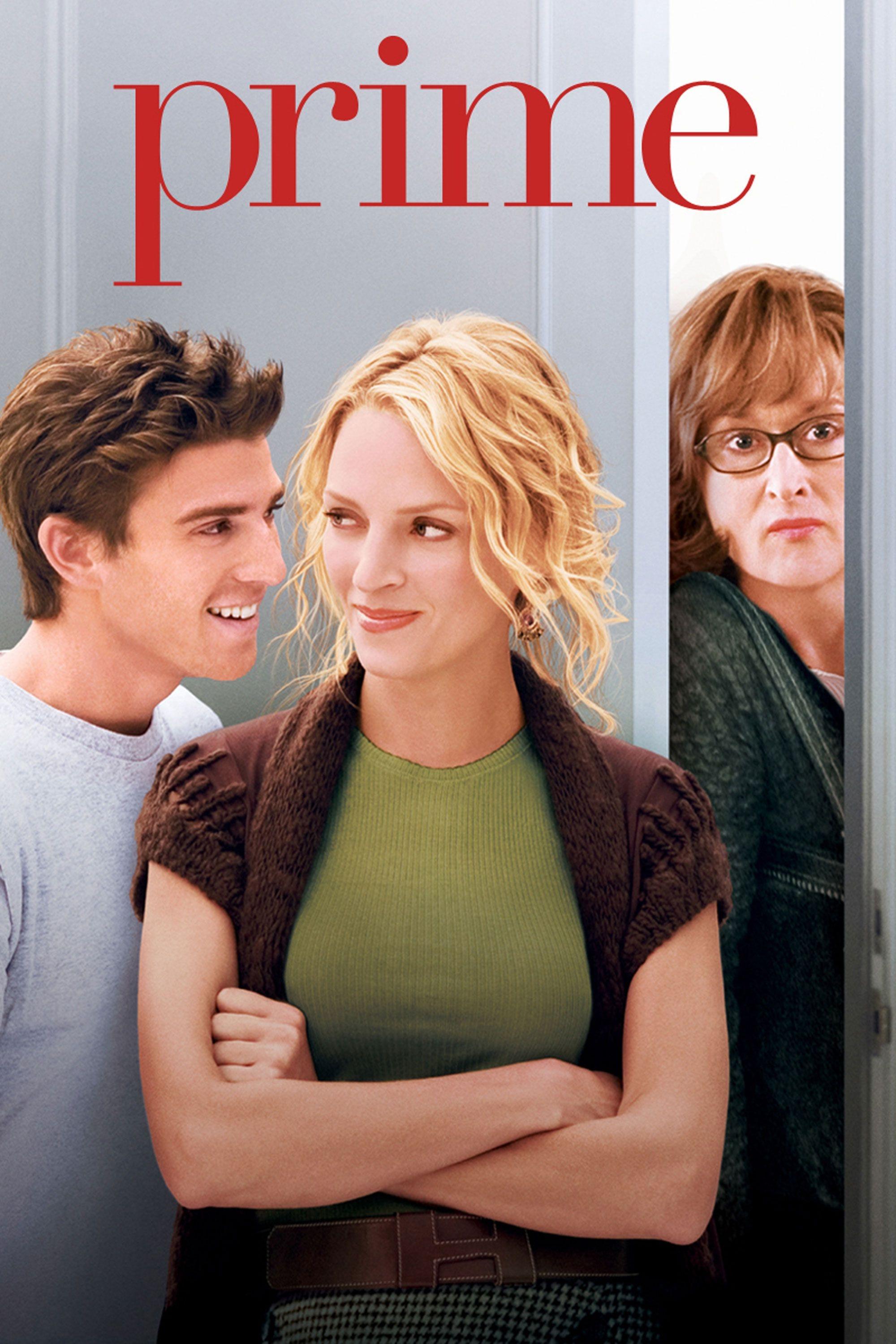
Uma Thurman plays Rafi, a recent divorcée who begins a relationship with a younger painter she meets in Manhattan. The complication arrives when she discovers that her new boyfriend is the son of her therapist, a development that folds therapy sessions into the couple’s private life. The film follows the trio through family traditions, religious expectations, and the practical hurdles of an age gap.
Written and directed by Ben Younger, the story uses New York settings in and around downtown neighborhoods and the Upper West Side. Meryl Streep appears as the therapist whose professional guidance keeps colliding with personal ties, while Bryan Greenberg plays the aspiring artist. The film focuses on the realities of career ambitions, dating, and confidentiality rules as those worlds overlap in everyday situations.
‘The Truth About Cats & Dogs’ (1996)
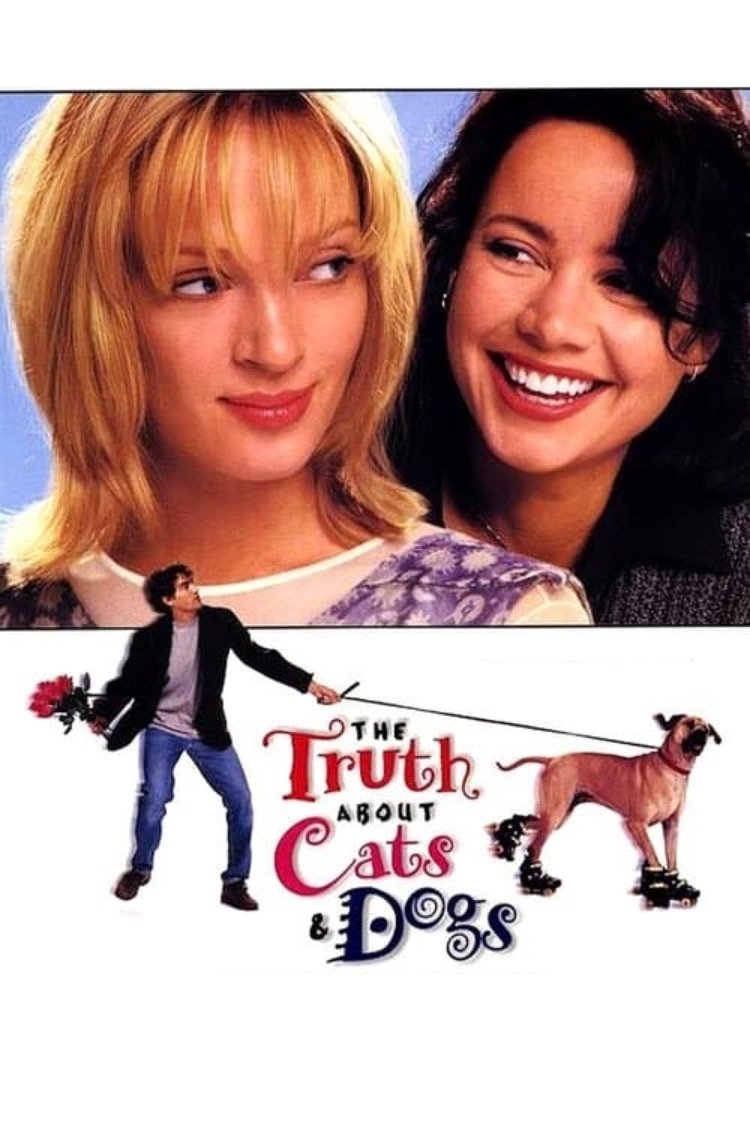
A modern take on the Cyrano style setup pairs a witty radio host with a shy photographer who falls for her voice. Uma Thurman plays Noelle, a model who agrees to stand in as the face of a woman her friend believes will be rejected on looks alone. The plan complicates a simple blind date and turns a single introduction into a prolonged mix up.
Directed by Michael Lehmann, the romantic comedy builds its tension through phone calls, on air advice segments, and photo shoots around Los Angeles. Janeane Garofalo co stars as the radio host, while Ben Chaplin plays the photographer trying to match a voice to a face. The film uses the media world to track how image and identity can separate under public attention.
‘Mad Dog and Glory’ (1993)
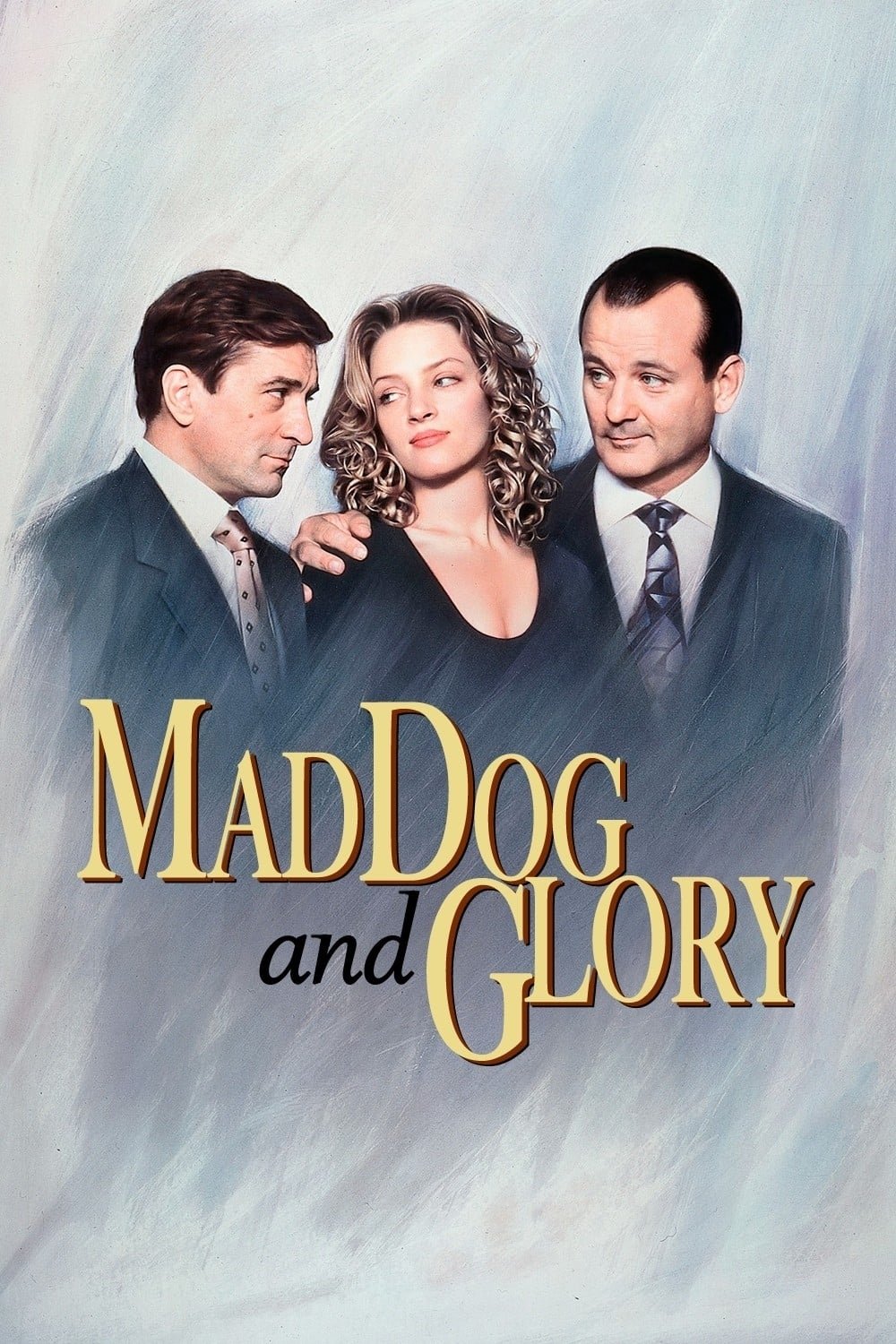
In this offbeat crime story, a Chicago evidence technician saves a small time performer’s life and receives an unusual thank you. Uma Thurman plays Glory, a bartender who becomes part of a personal debt settlement between a police officer and a nightclub owner. The situation places day to day routines in conflict with obligations neither character planned to carry.
John McNaughton directs from a screenplay by Richard Price, who sets the action in apartments, bars, and corners of the city that sit away from headline cases. Robert De Niro plays the soft spoken cop, while Bill Murray appears as the club owner whose influence reaches beyond the stage. The film moves between dark humor and low level menace as a private arrangement reshapes the lives of everyone involved.
‘Nymphomaniac: Vol. I’ (2013)

Uma Thurman appears as Mrs H, a woman who arrives at an apartment to confront her husband’s lover in front of their children. The scene unfolds in real time and uses the cramped space to emphasize the awkwardness of a planned confrontation that becomes more complicated by the minute. The character’s formal speech and sudden outbursts turn a single visit into a long reckoning.
Lars von Trier structures the project as a story told to a stranger over the course of a night, with this segment serving as one chapter in a larger confession. The film was released in two parts and later in a longer cut, with scenes assembled from a multinational production that blended European locations and studio work. Thurman’s section became one of the film’s most talked about passages because of its staging and attention to small behavioral details.
‘Beautiful Girls’ (1996)
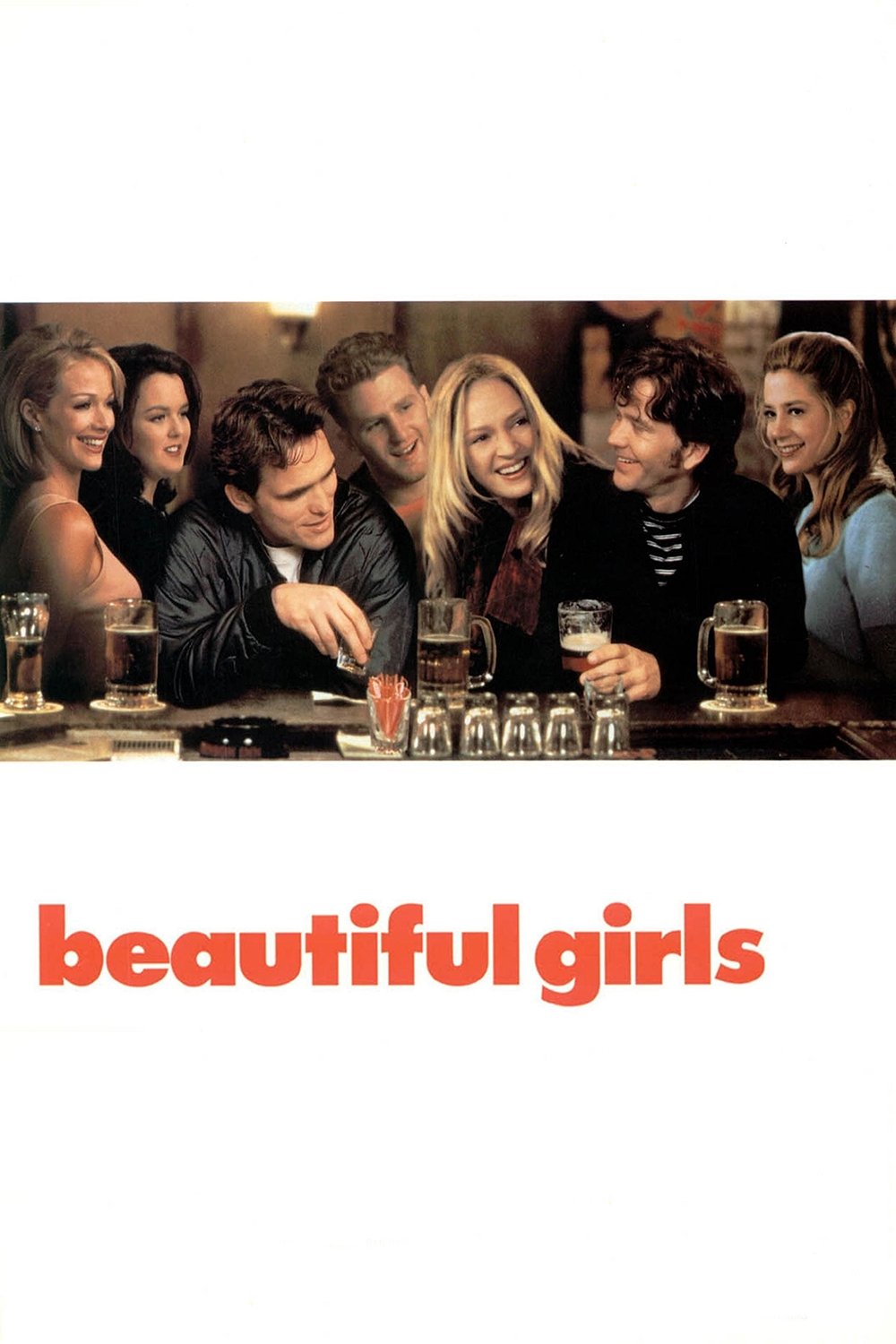
A group of friends reunites in a snowy New England town for a high school get together that stirs up questions about work, commitment, and adulthood. Uma Thurman plays Andera, a visiting cousin from Chicago who drifts into the local bar crowd and upends a few assumptions about life outside the town limits. Her easy rapport with the regulars helps connect out of town experience to hometown routines.
Directed by Ted Demme, the ensemble includes Timothy Hutton, Matt Dillon, Michael Rapaport, Natalie Portman, and Rosie O’Donnell. The film moves between living rooms, diners, and bars, using everyday conversations to map where each character stands as a new chapter of life begins. Music from the period and recurring gatherings at a neighborhood spot provide a steady rhythm for intersecting stories.
‘Tape’ (2001)
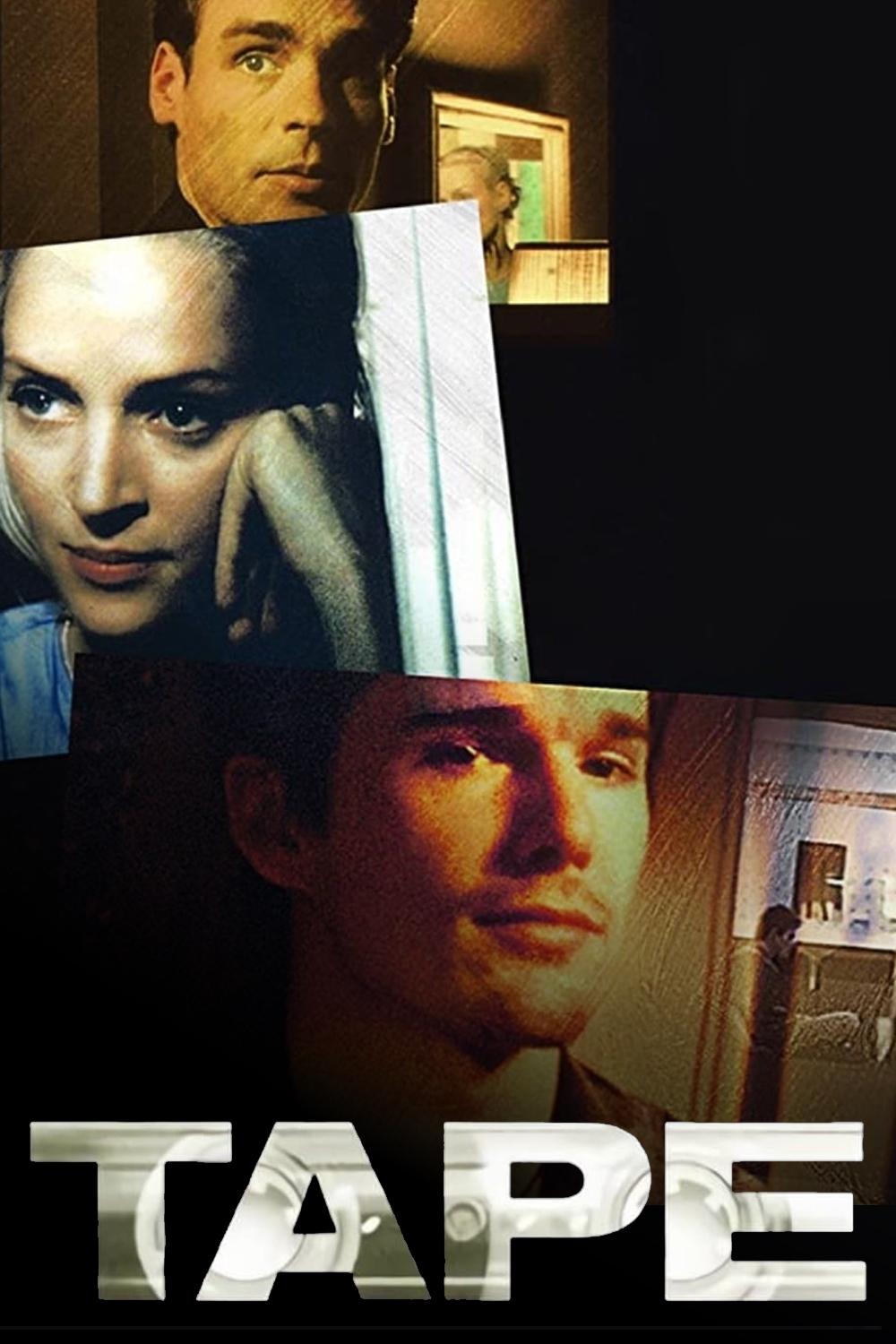
Set entirely in a small motel room, this chamber drama brings three former classmates back together after years apart. Uma Thurman plays Amy, now an assistant district attorney, who stops by to see an old boyfriend and a mutual friend during a weekend film festival in town. The visit turns into a series of recorded conversations that force everyone to revisit a night they remember differently.
Richard Linklater adapted Stephen Belber’s stage play and shot the film on digital video to preserve the immediacy of a real time encounter. Ethan Hawke and Robert Sean Leonard round out the trio, with the camera staying close enough to capture shifting power dynamics and small changes in tone. The single location setup highlights performance and dialogue, letting the story build through memory, tape playback, and confession.
‘Sweet and Lowdown’ (1999)
This period dramedy follows a self styled guitar virtuoso whose talent sits alongside a long list of personal flaws. Uma Thurman plays Blanche, a novelist who becomes involved with the musician and channels their time together into her writing. Their relationship maps the distance between admiration and exasperation as artistic life meets public performance.
Woody Allen frames the story with mock documentary interviews and recreates jazz clubs and boardwalk venues from the era. Sean Penn plays the guitarist at the center of the tale, while Samantha Morton appears as a mute seamstress who represents a different kind of connection. The film blends staged scenes with talking head commentary to present a portrait of ambition, invention, and unreliable narration.
‘Les Misérables’ (1998)
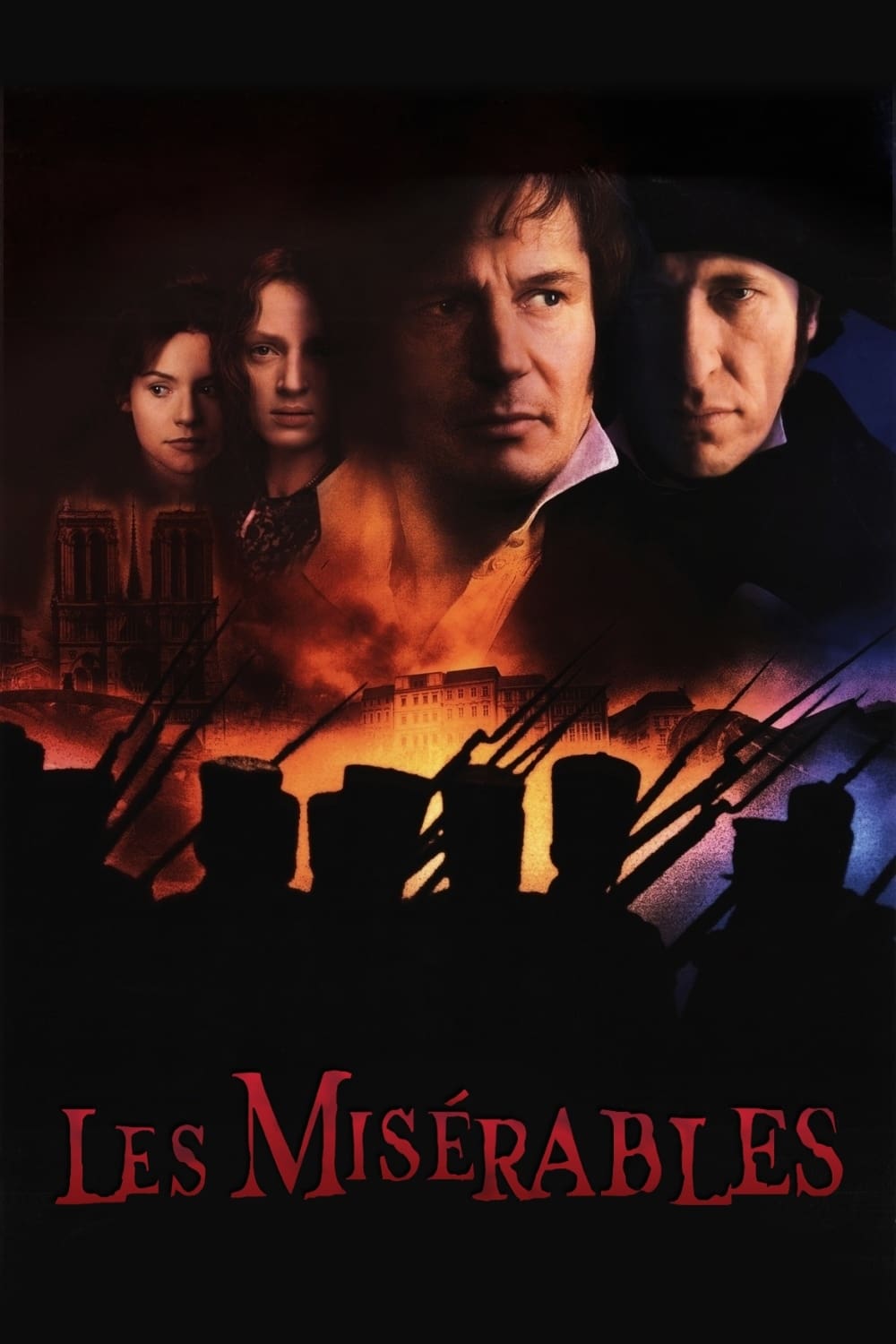
This adaptation of Victor Hugo’s novel tells the story of a former prisoner whose new life is shadowed by a relentless lawman. Uma Thurman plays Fantine, a factory worker whose misfortune sends her daughter into the care of innkeepers and sets the stage for a promise that drives the rest of the plot. Her scenes show the cost of poverty and the choices that bind strangers together.
Directed by Bille August, the film is a non musical version that focuses on the pursuit between Jean Valjean and Inspector Javert. Liam Neeson plays Valjean and Geoffrey Rush plays Javert, with Claire Danes as Cosette. The production uses European locations to present city streets, courtrooms, and fields that reflect shifting fortunes during a time of social unrest.
‘Dangerous Liaisons’ (1988)

Based on Pierre Choderlos de Laclos’s epistolary novel, this drama follows two aristocrats who manipulate others for sport and status. Uma Thurman plays Cécile de Volanges, a convent raised young woman whose engagement and innocence attract the attention of schemers. Her letters and lessons become pieces on a board controlled by people with more experience and fewer scruples.
Stephen Frears directs an ensemble that includes Glenn Close, John Malkovich, and Michelle Pfeiffer, with Keanu Reeves as a music teacher drawn into the plot. The film features elaborate costumes and interiors that recreate pre revolutionary French society. Its design and writing were recognized with major awards, and the adaptation remains a key screen version of the novel studied in schools and film courses.
‘Gattaca’ (1997)
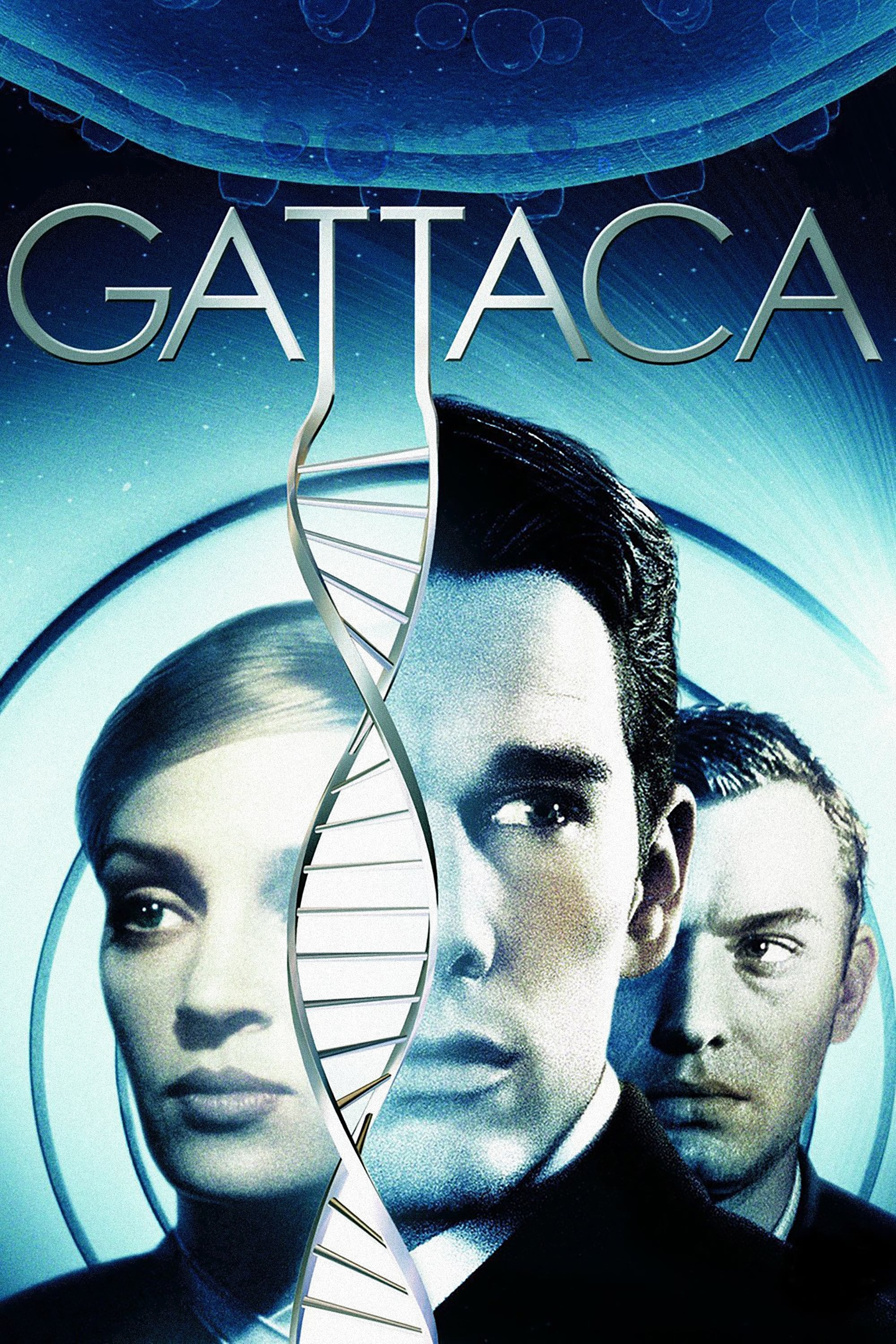
In a near future society organized around genetic profiles, Uma Thurman plays Irene Cassini, a navigator at an elite space agency who suspects a colleague is not who he claims to be. The story tracks the careful preparation required to pass identity checks and the toll that constant surveillance takes on personal relationships. Irene’s role bridges corporate ambition and private uncertainty as a mission to Titan approaches.
Andrew Niccol directs a cast that includes Ethan Hawke and Jude Law, using sleek modernist locations in California to create a world built on quiet control rather than visible force. Production design and costume choices emphasize order and symmetry while Michael Nyman’s score underlines the push toward a launch window. The film has become a frequent reference point in discussions about genetics, workplace screening, and access to opportunity.
Share your favorite hidden gem from Uma Thurman’s filmography in the comments and tell us which one you think more people should catch next.