

The Most Unfair Difficulty Spikes in Casual Games

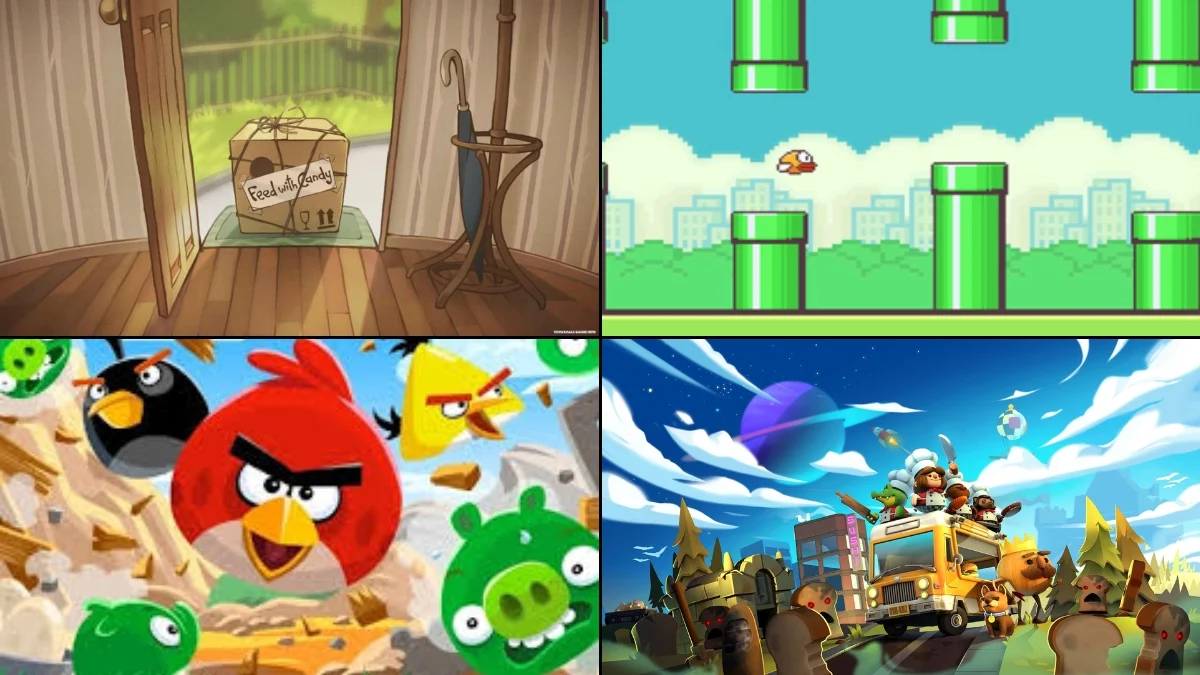


Casual games are supposed to be easy to pick up and play, but plenty of them hide sudden difficulty walls that catch relaxed players completely off guard. Some of these spikes come from carefully tuned level design and AI that watches how often players win or lose, especially in modern match-3 games that constantly add new boards. Others come from late-game modes, secret stages, or higher difficulty tiers that pile on hazards after hours of gentle practice. From early mobile hits to living-room party favorites, these are some of the most notorious moments where “just one more round” suddenly turns into a serious challenge.
‘Candy Crush Saga’ (2012)
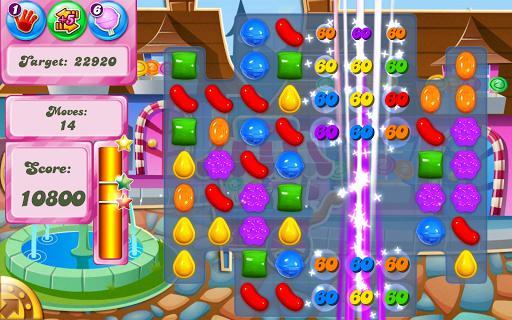
Developed and published by King, ‘Candy Crush Saga’ builds most of its difficulty around tightly limited moves and board layouts that can strand key candies in unreachable corners. Levels like 65 and other “blocker” stages introduce multi-layered meringue, licorice, and awkward conveyor belts that demand very specific special-candy combinations to clear. Because new candies fall in semi-random patterns, players can reach a point where only a perfect sequence of cascades will finish the order before moves run out. Many event and tournament boards reuse this structure, turning them into chokepoints for progression. King’s live-ops team then adjusts pass rates over time, so some of these notorious stages stay significantly tougher than the levels around them.
‘Candy Crush Soda Saga’ (2014)
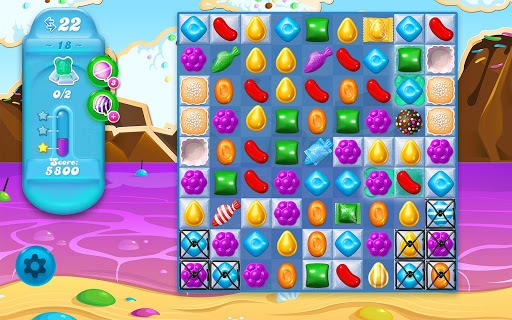
Also developed and published by King, ‘Candy Crush Soda Saga’ adds rising soda levels, ice layers, and floating bears that radically change how boards play. Difficulty spikes often arrive when the game first combines several mechanics at once—such as freeing gummy bears while managing purple soda that alters candy float direction. On these boards, objectives sit behind thick ice or honey, so failing to generate wrapped and striped candies early can make the level effectively unwinnable. Timed “hard” and “super hard” stages in longer episodes push this even further by pairing strict move counts with unusually low spawn rates for helpful candies. Because Soda shares lives and events with the wider Saga ecosystem, these spikes can stall progress across multiple simultaneous challenges.
‘Two Dots’ (2014)
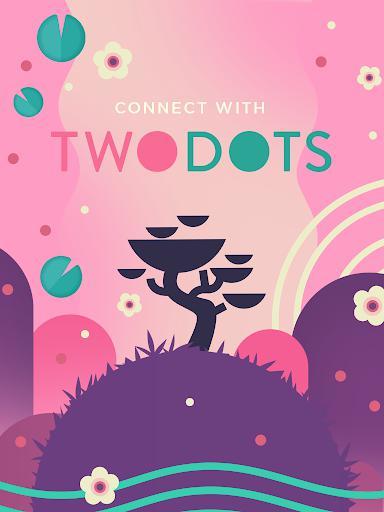
‘Two Dots’, developed by Playdots and published with partners like Tencent, looks simple but introduces very sharp difficulty jumps in mid- and late-game chapters. Obstacles such as fire, anchors, and slime blocks quickly force players to build rectangles on command rather than casually clearing whatever matches appear. Many infamous levels pair strict move limits with objectives that sit at the very bottom of tall boards, so one or two unlucky cascades can make success mathematically impossible. The game’s life system and limited free boosters mean repeatedly failing these stages can halt map progression for long stretches. Special expedition and treasure-hunt events regularly reuse these tough layouts, magnifying their impact for completionist players.
‘Bejeweled 3’ (2010)

PopCap’s ‘Bejeweled 3’ hides some of its hardest moments in side modes instead of the main classic game. In Ice Storm, the speed at which frozen columns climb accelerates abruptly once players reach higher ranks, turning a relaxed matching mode into a frantic race against a rising bar. Lightning mode similarly boosts the tempo so that keeping the bonus time meter filled requires chain-matching and instant recognition of board patterns. Quest mode contains specific challenges where limited move counts and strict score targets combine, leaving almost no room for misplays. Because these modes unlock gradually, casual players often encounter this difficulty jump after many hours of relatively forgiving gameplay.
‘Peggle’ (2007)
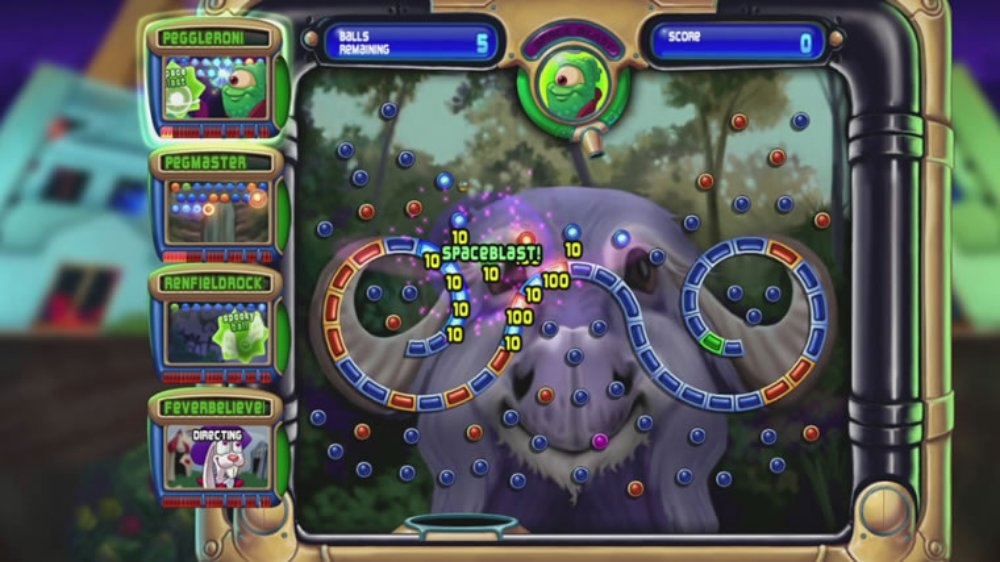
Developed and published by PopCap Games, ‘Peggle’ builds to a notorious spike in its master challenges and final levels. Early stages give players generous peg layouts and plenty of balls, teaching basic banking and power-up usage. Later challenge boards drastically reduce the number of orange pegs while placing them behind awkward blue-peg shields, demanding near-perfect precision with each shot. Some levels also restrict which Peggle Master power is available, removing popular safety nets like multiball or guaranteed long shots. For players who just wanted to clear the campaign, the sudden demand for trick shots and long bounce chains can feel wildly out of step with the relaxed first half of the game.
‘Plants vs. Zombies’ (2009)
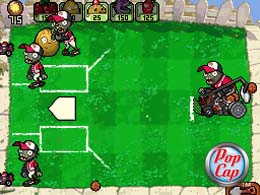
‘Plants vs. Zombies’, developed and originally published by PopCap Games, eases players in with straightforward daytime lawns before introducing much tougher scenarios on the roof and in endless modes. Roof levels change projectile arcs and limit placement rows, which makes earlier staple plants less reliable and forces a complete rebuild of common strategies. Gargantuar and balloon zombie waves arrive in dense clusters, requiring carefully timed cherry bombs, jalapeños, and support plants to avoid a lane collapse. Puzzle and Survival variants like “Last Stand” push this even further by handing players a fixed amount of sun and expecting them to engineer a layout that withstands repeated final-wave assaults. Because the game’s art and pacing feel so approachable, these late-game demands often surprise casual players who were cruising through earlier worlds.
‘Angry Birds’ (2009)
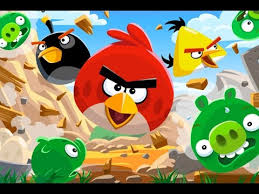
Rovio’s ‘Angry Birds’ looks accessible thanks to its slingshot controls and cartoon birds, but many episodes hide difficulty spikes in their later stages. Complex fortresses made from stone and glass require highly specific impact points and bird orders to collapse efficiently. On some of the hardest levels, the number of birds provided barely matches the number of optimal shots, leaving almost no room for experimentation. Three-star scoring multiplies this pressure, since players must combine minimal bird usage with extensive structural damage. As new bird types and gimmick blocks appear in seasonal and spin-off packs, these tightly tuned layouts become even more punishing for anyone aiming to clear entire episode sets.
‘Flappy Bird’ (2013)

Developed and published by .Gears, ‘Flappy Bird’ is famous for how quickly its basic tap-to-fly loop escalates into a precision challenge. The game keeps its pipe gaps and physics consistent, but even minor timing errors become lethal because any collision instantly ends a run. This creates a practical difficulty wall for casual players around relatively low scores, since maintaining perfect rhythm for extended stretches requires intense concentration. The lack of checkpoints or power-ups means there is no way to smooth this curve with gradual assists. As a result, a title that visually resembles a light arcade distraction effectively turns into a high-skill endurance test after only a short learning period.
‘Temple Run’ (2011)
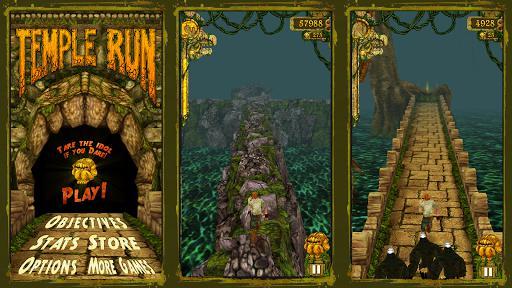
‘Temple Run’, developed and published by Imangi Studios, ramps its difficulty by steadily increasing character speed and layering new obstacle patterns. In the early minutes, simple swipes to jump, slide, and turn around corners are forgiving, with generous reaction windows. After a certain distance threshold, the game starts mixing tight double turns, back-to-back gaps, and sudden tree-root hazards that require near-instant inputs. Because the camera remains fixed behind the runner and coins encourage riskier paths, one mistimed turn at high speed ends even strong runs. For players chasing distance objectives or leaderboard scores, this combination turns long sessions into repeated collisions at roughly the same late-run stretch.
‘Subway Surfers’ (2012)
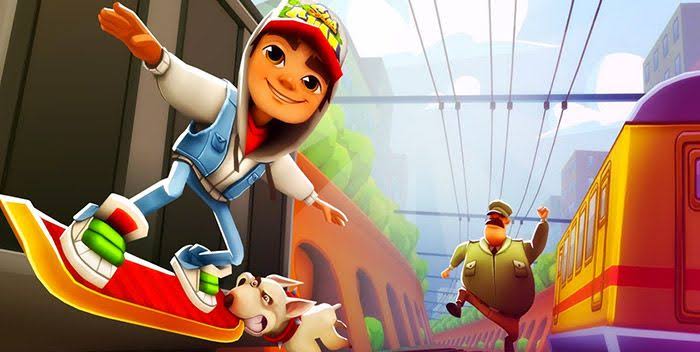
Co-developed by Kiloo and SYBO Games, ‘Subway Surfers’ follows a similar endless-runner model but adds its own sudden difficulty jumps. As speed increases, the game begins spawning multi-lane train combinations, tight tunnel sequences, and low-visibility obstacles that appear with little warning. Missions and season pass challenges often require stringing together long, uninterrupted runs or collecting items that only appear deep into a high-speed segment. Because the swipe controls share timing with hoverboard activations and lane changes, crowded traffic patterns can demand overlapping inputs that newer players are not prepared for. The result is a sharp transition from relaxed early dodging to memorized reflex routes once distance goals climb.
‘Doodle Jump’ (2009)
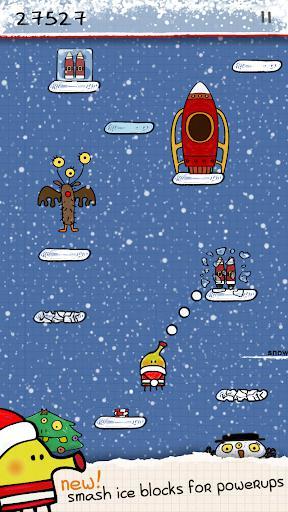
‘Doodle Jump’, developed and published by Lima Sky, starts with a gentle upward climb but introduces steeper hazards as players reach higher scores. Moving platforms, breakable tiles, and randomly placed monsters gradually replace the stable ledges found near the beginning of a run. UFOs and black holes later appear alongside these obstacles, drastically limiting safe landing spots and forcing quick mid-air course corrections. Theme variations like Space or Underwater adjust enemy behavior and platform density, which can make the transition from one skin to another feel like a hidden difficulty bump. Because a single missed jump or collision sends the Doodler all the way back to zero, these new mechanics create a sudden barrier around mid-to-high score ranges.
‘Cut the Rope’ (2010)

ZeptoLab’s ‘Cut the Rope’, originally published on mobile by Chillingo, steadily increases complexity by introducing new box types with unique physics elements. Early cardboard levels focus on simple rope-cut timing, but later boxes add air cushions, teleporters, and gravity switches that demand multi-step planning. Many of the biggest spikes appear where the game expects players to collect all three stars while also delivering the candy to Om Nom in a single smooth path. Because stars are required to unlock future boxes, failing to master these precision puzzles blocks access to large portions of the game. Optional experiment and holiday packs reuse this structure with even tighter timing windows, making 100% completion far harder than the first worlds suggest.
‘Fruit Ninja’ (2010)
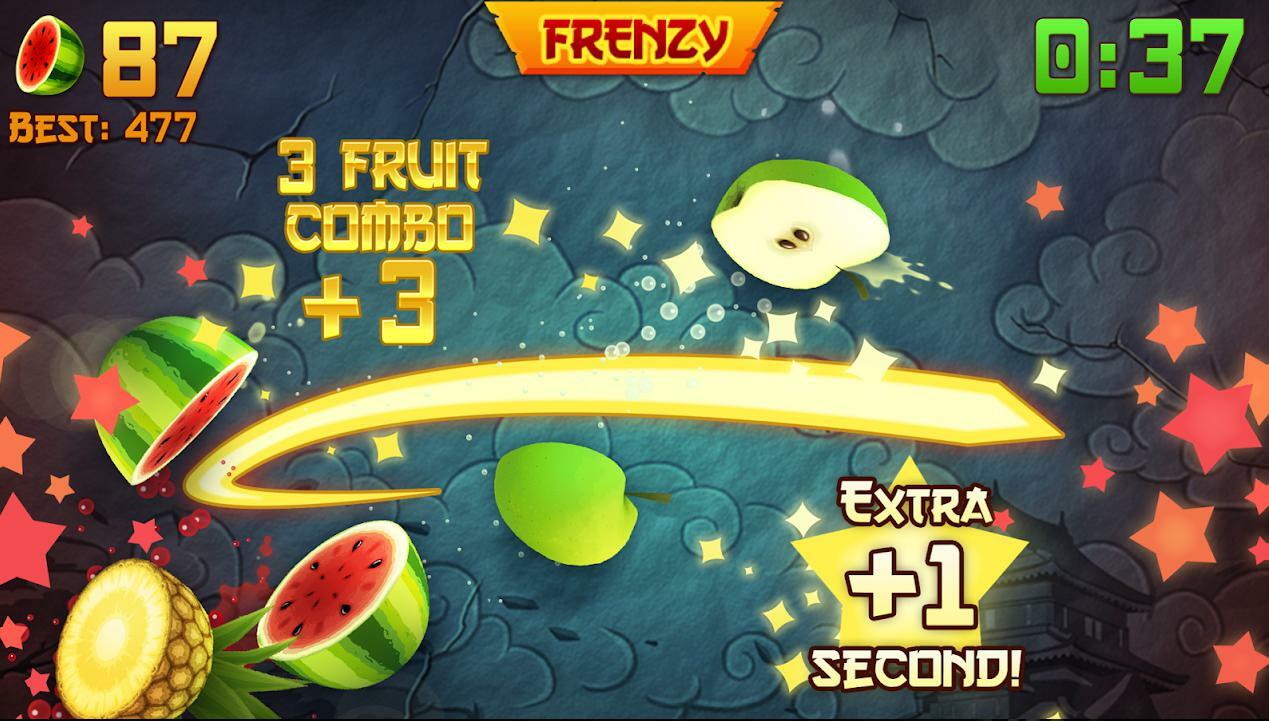
‘Fruit Ninja’, developed and published by Halfbrick Studios, keeps basic fruit slicing approachable but hides severe difficulty jumps in its special modes. Arcade and challenge variants frequently increase fruit spawn rates while mixing in bombs that instantly end the round if touched. High-level objectives demand long combo chains and near-constant screen coverage, leaving almost no margin for accidental bomb slices. Limited-time events and crossover content introduce additional complications like special fruit types that must be prioritized or sliced in particular patterns. For players who only experienced the relaxed Classic mode, stepping into these high-speed variants can feel like a sudden shift into competitive reflex play.
‘Jetpack Joyride’ (2011)
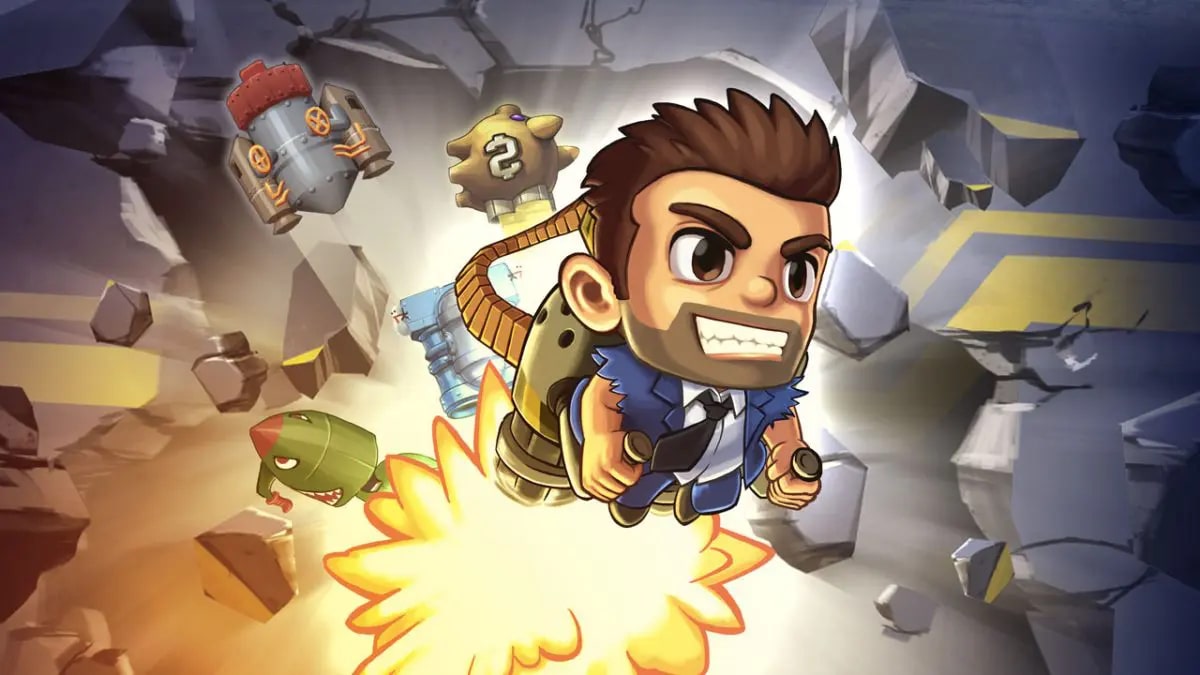
Halfbrick’s ‘Jetpack Joyride’ looks like a straightforward endless runner, but its mission system creates notable difficulty spikes. As players rank up, missions shift from general goals like “travel a certain distance” to highly specific tasks such as avoiding all coins for long stretches or weaving between multiple zappers in a row. These objectives often run counter to the instincts the game has taught—dodging coins, for example, requires players to unlearn standard movement patterns. Vehicle-based missions also demand mastery of alternate control schemes that only appear occasionally during normal play. Failing a mission resets progress for that particular task, so these advanced requirements can stall rank advancement far more than the base obstacle difficulty would suggest.
‘Crossy Road’ (2014)

‘Crossy Road’, developed and originally published by Hipster Whale, raises the challenge through speed and environmental variations rather than traditional levels. As the run continues, traffic frequency increases and rivers fill with shorter logs, leaving fewer safe tiles to pause on. Some biomes introduce weather effects, limited lighting, or new hazards like fast trains that are hard to see until they are almost on screen. Because one misstep resets the entire score, these late-run conditions become a practical skill barrier for players chasing character unlock missions or leaderboard positions. The game’s randomization means tough patterns can also appear suddenly after long stretches of comfortable progress, exaggerating the sense of a sharp difficulty wall.
‘Geometry Dash’ (2013)
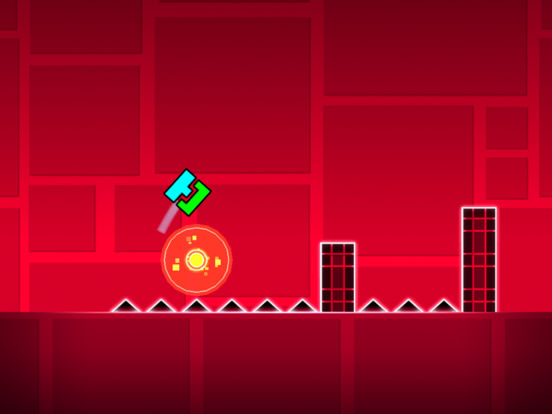
‘Geometry Dash’, developed and published by RobTop Games, is built around rhythm-based platforming where each official level has a distinct difficulty rating. The early stages introduce jump timing and portal mechanics gradually, but later levels such as “Clubstep,” “Theory of Everything 2,” and “Deadlocked” compress these ideas into continuous sequences of spikes and tight corridors. These sections often require memorizing long patterns of jumps, gravity switches, and ship segments with almost no visual reaction time. Because there are no mid-level checkpoints in the main mode, a single mistake near the end forces a full restart, greatly amplifying the practical difficulty. Community-made demon levels build on this template, turning the step from official content to user challenges into one of the steepest spikes in modern casual platformers.
‘Overcooked’ (2016)
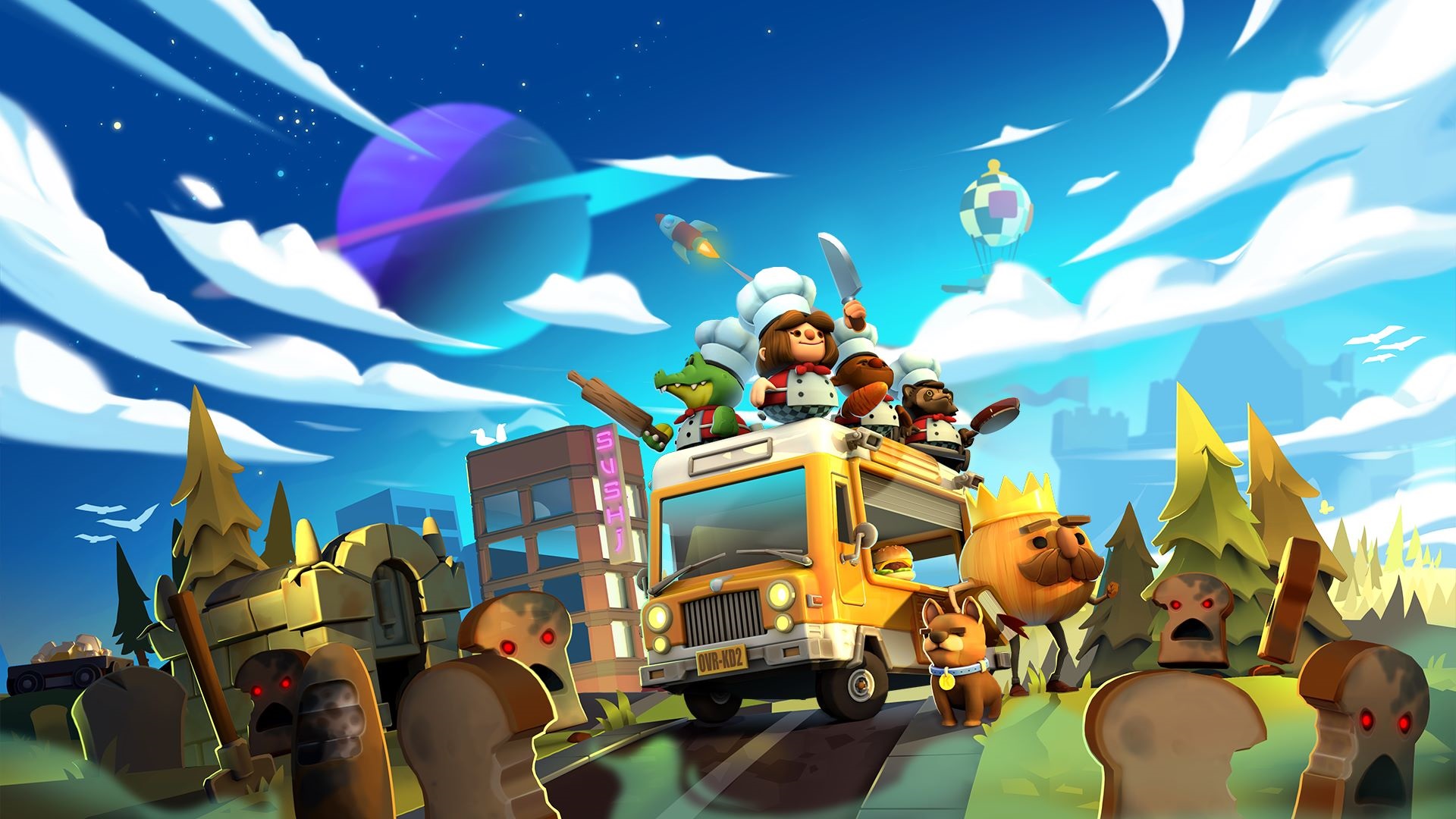
Developed by Ghost Town Games and published by Team17, ‘Overcooked’ gradually shifts from simple kitchen layouts to highly dynamic stages that strain coordination. Later campaign levels place players on moving trucks, ice floes, or airships where the entire kitchen regularly rearranges itself. These stages mix tight order timers with hazards like collapsing floors and narrow walkways, so one misstep can cost multiple dishes at once. Because the game’s star requirements scale with score, even minor delays can prevent groups from unlocking the next set of levels. The combination of strict time limits and constantly shifting workstations makes these kitchens dramatically more demanding than the early restaurants used to teach basic chopping and serving.
‘Mario Kart Wii’ (2008)
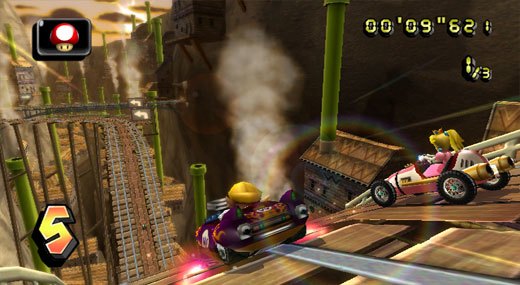
‘Mario Kart Wii’, developed by Nintendo EAD and published by Nintendo, is widely accessible but becomes much harsher on higher engine classes. At 150cc and Mirror modes, AI opponents benefit from rubberbanding that accelerates them back into contention whenever the player gains a sizable lead. Tracks like Rainbow Road and Grumble Volcano pair narrow lanes and bottomless pits with item boxes placed near dangerous turns, increasing the chance of being hit and knocked off the course. Because powerful items like blue shells disproportionately target the race leader, maintaining first place through the final lap often depends on surviving a chaotic barrage near the finish line. For families and casual groups, the jump from 100cc to these advanced modes frequently feels like a sudden, punishing spike compared to earlier cups.
‘Wii Sports’ (2006)
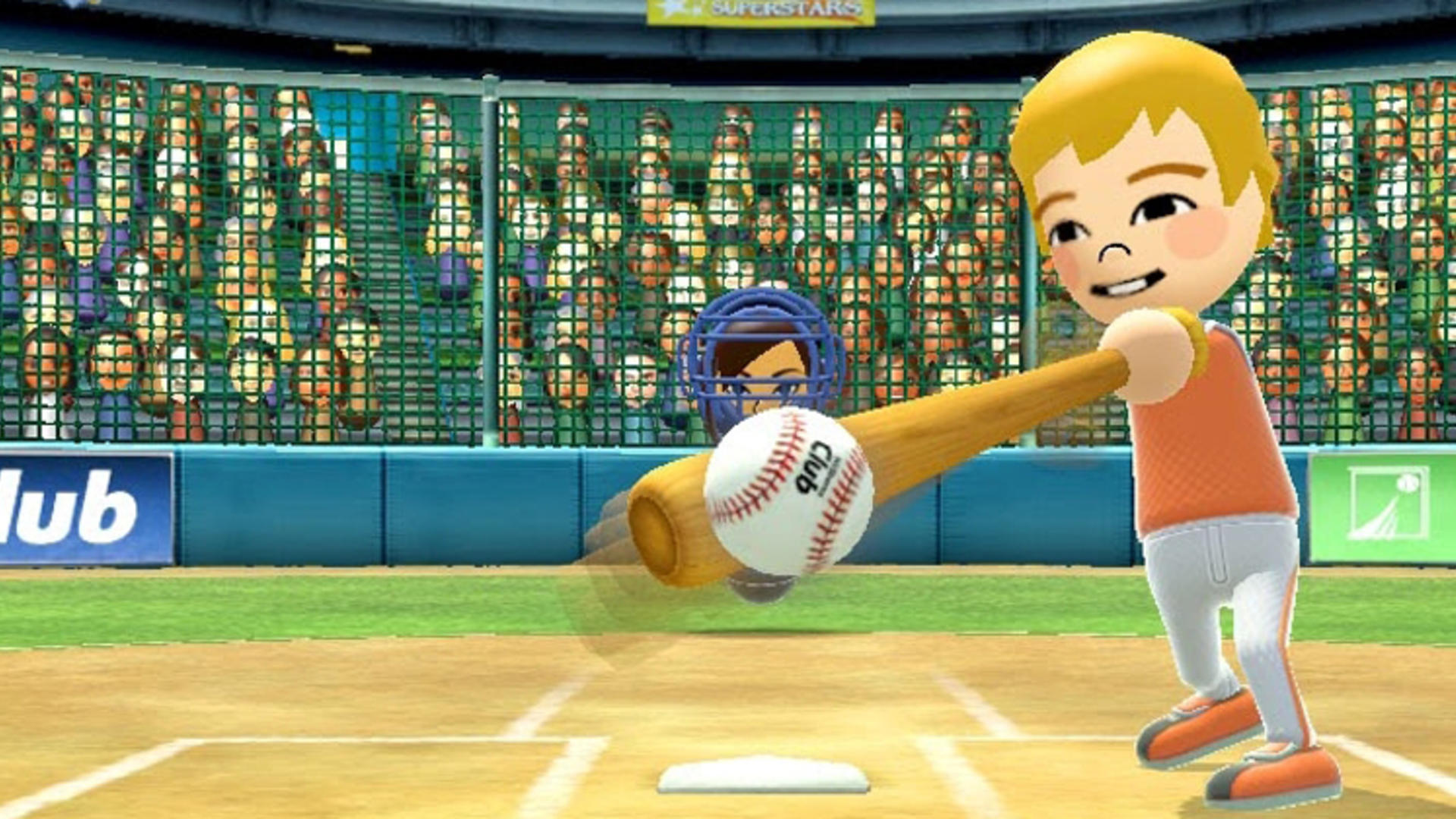
Nintendo’s ‘Wii Sports’ seems welcoming thanks to its motion-controlled tennis, bowling, golf, baseball, and boxing, but its skill-level system hides a steep curve. As players win matches, their skill rating rises, and the game quietly pairs them against faster, more accurate AI opponents. In tennis and boxing especially, high-skill computer characters react almost instantly to serves and punches, forcing very precise timing and positioning from the player. Because the visual presentation changes little between early and late matches, this AI jump can feel abrupt—particularly for groups who only play occasionally. Unlockable training drills, such as high-speed bowling challenges, further amplify this shift by demanding consistent, repeatable input accuracy.
‘New Super Mario Bros. Wii’ (2009)
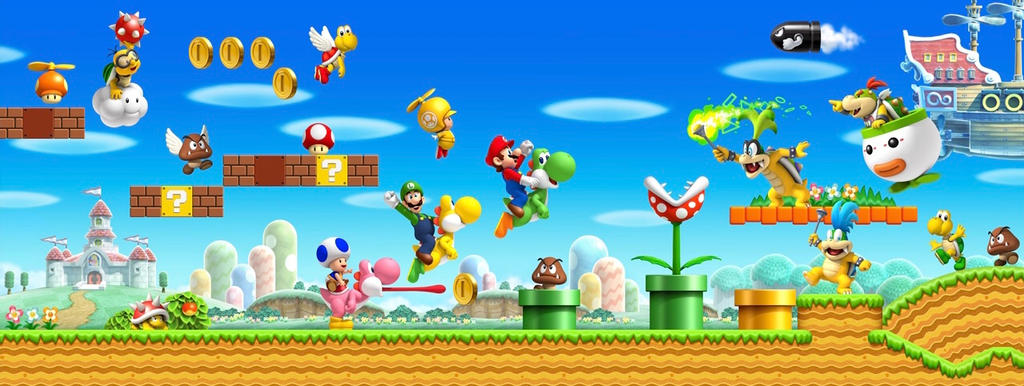
Developed and published by Nintendo, ‘New Super Mario Bros. Wii’ reserves its hardest content for the later worlds and optional stages. World 8 introduces dense enemy placement, moving lava platforms, and multi-phase castle levels that expect precise jumping and power-up management. Star Coins often sit behind tricky setups requiring advanced techniques like shell jumps, synchronized platforming, or exact use of the Propeller Suit. In multiplayer, the camera’s focus on the lead player makes coordination even more important, since a single mistimed jump can drag everyone into a pit. Compared to the more forgiving early worlds designed for newcomers, these late-game demands represent a noticeable spike for anyone who came in expecting a purely laid-back platformer.
If you’ve hit any of these walls yourself—or have your own stories of casual games turning unexpectedly brutal—share your toughest difficulty spikes in the comments.