The One Part of ‘Monster: The Lizzie Borden Story’ That’s Completely Made Up

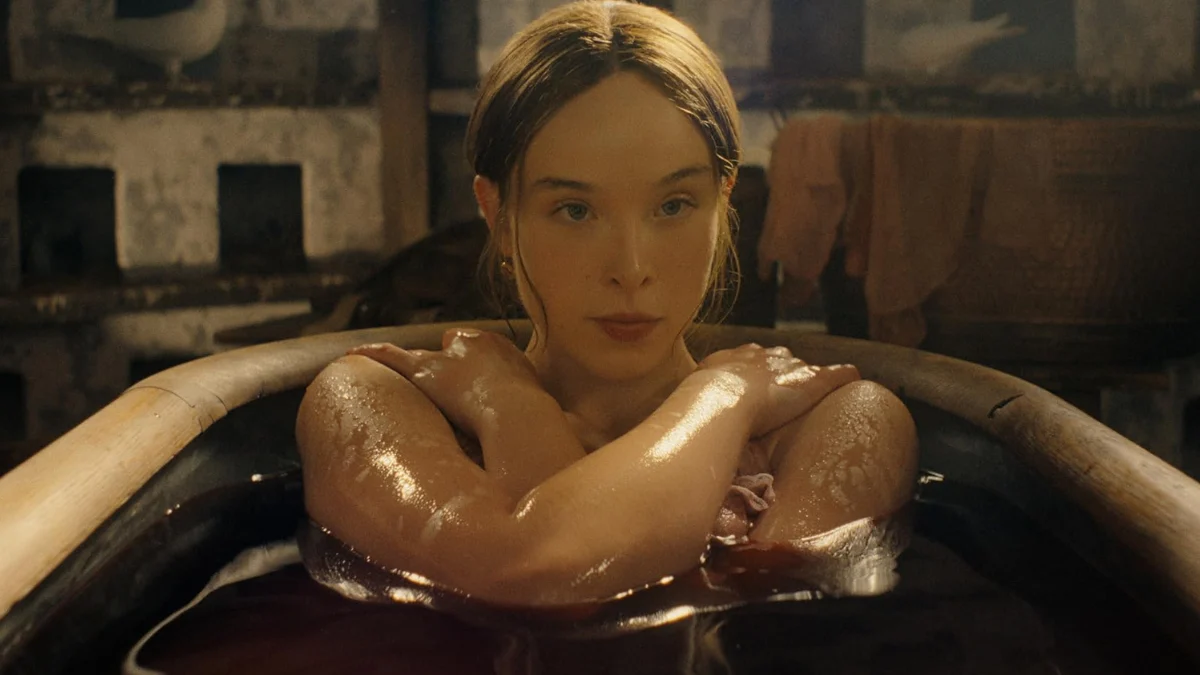

Netflix’s true crime anthology has built its entire reputation on the tension between historical accuracy and dramatic license, and its fourth season is no exception. With “Monster: The Lizzie Borden Story” now streaming, viewers have been comparing the series against the historical record to see just how much creator Ryan Murphy invented for the sake of story.
Netflix itself describes the show as a “very fictionalized version” of Lizzie Borden’s life, and multiple outlets that compared the season against court records and historical accounts have confirmed the series takes considerable liberties while keeping a loose skeleton of real events intact.
The real Lizzie Borden, played by Ella Beatty in the series, was tried and acquitted in 1893 for the August 4, 1892 hatchet murders of her father Andrew and stepmother Abby Borden. She was never convicted. In reality, Abby was struck 19 times and Andrew 11 times — numbers the famous nursery rhyme (“forty whacks”) dramatically inflates. Prosecutors argued she killed them over financial disputes, but the evidence against her was entirely circumstantial, and no proof of premeditation was ever produced.
Bridget Sullivan, called Maggie in the series and played by Vicky Krieps, was a real member of the Borden household present during the murders, and her account and alibi became part of the actual investigation.
Sullivan herself testified at trial that the Borden sisters sometimes called her Maggie, so that detail is accurate. However, the show transforms their real household relationship into a central romantic and criminal partnership between the two women — an invention with no historical basis.
The show depicts Lizzie attempting to poison her parents before the murders. In reality, Lizzie was reported to have tried to purchase prussic acid from a local drugstore shortly beforehand, and prosecutors raised the incident at trial. However, medical and historical records attribute the family’s illness the day before the murders to food poisoning from a heat-spoiled meal, not a deliberate poisoning attempt.
Ella Beatty and Charlie Hunnam star as Lizzie and Andrew Borden in Monster: The Lizzie Borden Story.
— Netflix (@netflix) September 17, 2026
Now on Netflix. pic.twitter.com/YdFjhoxu4y
Two of the season’s biggest inventions involve characters with no real connection to the Borden case. Sarah Paulson’s portrayal of serial killer Aileen Wuornos as a fan who stays in Lizzie’s house with her girlfriend is entirely fictional — Wuornos did not idolize Borden or visit her home in real life. Similarly, the show depicts Lizzie and Maggie murdering a neighbor named Bertha Manchester. A real 22-year-old woman by that name was axed to death in Fall River days before Lizzie’s trial, but Lizzie was in jail at the time, and the case was never connected to her.
The series accurately portrays Lizzie’s acquittal, which mirrors the real 1893 verdict from an all-male jury that ultimately decided a woman of her social standing was incapable of such violence. Her alibi involving fishing sinkers, which she gave during her police inquest, is also fairly accurately depicted — she claimed to have been searching the barn for equipment before finding her father’s body. However, the real trial included multiple witnesses, including Sullivan herself, whereas the show narrows the courtroom drama primarily around Emma Borden and John Morse.
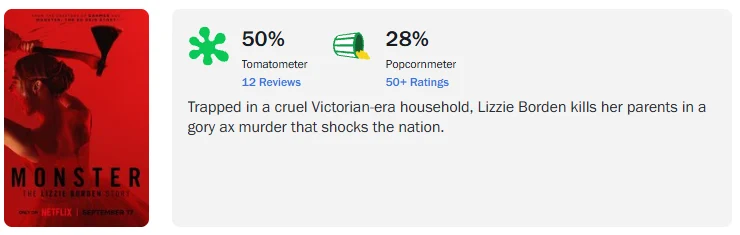
The series shows actress Nance O’Neil dining with the Borden family at the murder house. Historical accounts confirm O’Neil and Lizzie did dine together, but that meal reportedly took place years later at Lizzie’s separate residence, Maplecroft, rather than the Second Street house where the killings occurred.
What do you think of Monster: The Lizzie Borden Story taking major liberties with the true story?
Have something to add? Let us know in the comments!