


The Only Director Who’s Won Best Director at the Oscars Four Times

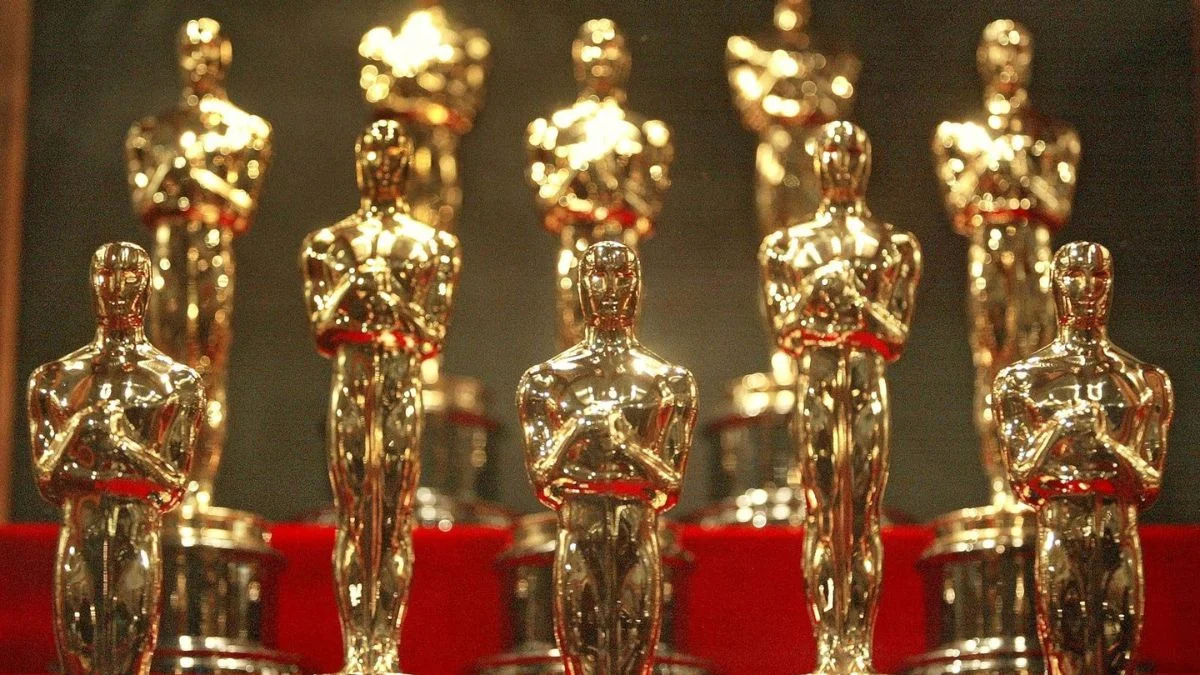


When the red carpet is rolled out and the envelopes are opened at the Dolby Theatre, directors hold their breath waiting for the ultimate validation from their peers. While legendary names like Steven Spielberg, Martin Scorsese, and Frank Capra are often cited as the titans of the industry, they all look up to one man on the stat sheet. At the top of the pile sits one director in particular, boasting an impressive four Best Director awards, which is more than any other filmmaker, dead or alive.
It is, of course, John Ford, widely considered one of the most significant and influential filmmakers of his generation. Despite being most famously associated with the Western genre, his record-breaking wins actually came from a diverse array of dramas that highlighted his incredible versatility. He first took home the Best Director Oscar in 1935 for his thriller drama The Informer, which was adapted for the screen from Liam O’Flaherty’s 1925 novel of the same name by Dudley Nichols.
The film focuses on the Irish War of Independence and a Republican man who informs the enemy about his ex-comrades until guilt consumes him. It was a stylistic departure for the time, utilizing heavy fog and expressionistic lighting to mirror the protagonist’s internal torture. The win cemented Ford as a serious artist capable of handling deep psychological themes alongside visual flair.
Five years later, Ford again won Best Director, this time for his 1940 adaptation of John Steinbeck’s masterpiece novel The Grapes of Wrath. Ford directed Henry Fonda in the role of Tom Joad in a tale about an Oklahoman family who head off in search of a better life in California when their farm is repossessed. The film is regarded as one of the greatest American movies ever made, capturing the raw desperation of the Great Depression with a documentary-like realism.
Just a year after The Grapes of Wrath, Ford again scooped the award for How Green Was My Valley. Though the setting was different, the emotional resonance was the same, proving Ford was on an unstoppable creative hot streak. The 1941 film focuses on a working-class mining family in Wales in the Victorian age and how the loss of such a way of life affected the small-town Welsh communities.
This specific win is often debated by film historians, not because of Ford’s direction, but because the film famously beat Orson Welles’ Citizen Kane for Best Picture. Regardless of the competition, Ford’s ability to evoke nostalgia and familial bonds resonated deeply with the Academy voters of the era. It solidified his reputation as a master of sentiment without slipping into melodrama.
Finally, Ford earned his record-breaking fourth Best Director award with 1952’s The Quiet Man, where he cast his frequent collaborator John Wayne in the lead role along with Maureen O’Hara, Barry Fitzgerald, and Ward Bond. The film is based on a 1933 short story by the Saturday Evening Post and has Ford sitting comfortably at the top of the Academy Awards directors chart. Unlike his previous black-and-white wins, this was a Technicolor love letter to his Irish heritage.
The movie remains a beloved classic, famous for its lush photography of the Irish countryside and the electric chemistry between Wayne and O’Hara. It showcased a lighter, more romantic side of Ford, proving he could master comedic timing just as well as social tragedy. To this day, no other director has managed to secure five wins to dethrone him.
John Ford was born John Martin Feeney in Cape Elizabeth, Maine, in 1894, before following his older brother Francis to Hollywood. He began his career in the silent film era and became instrumental in shaping the visual language of American cinema, particularly through his use of wide shots and deep focus. Over a career that spanned more than 50 years, he directed more than 140 films, though many of his silent works are now considered lost.
He is perhaps best known for his use of Monument Valley as a dramatic backdrop, a landscape that became synonymous with the American West in the public imagination. Ford served in the United States Navy during World War II as the head of the photographic unit, where he filmed the Battle of Midway and the D-Day invasion. He died in 1973 at the age of 79, leaving behind a legacy that influenced directors from Akira Kurosawa to George Lucas.
While Ford is no longer with us, his record looms large over the current film industry as we approach the 98th Academy Awards in March 2026. Contemporary directors like Steven Spielberg and Alfonso Cuarón have won multiple times, but the elusive fourth statue remains out of reach for modern filmmakers. Film preservation societies continue to restore his lesser-known works, ensuring his technique is studied by film students worldwide.
Tell us if you think any modern director will ever break Ford’s record of four statues in the comments.