The People Behind the Documentary ‘Cotton Journey’: How Editing Made a Sustainability Story Feel Human


Victoria’s Secret & Co.’s Cotton Journey addressed questions about sourcing, traceability and agriculture. But turning those subjects into a film took something less technical and more human: finding the people whose lives, histories and livelihoods sit at the start of the cotton supply chain.
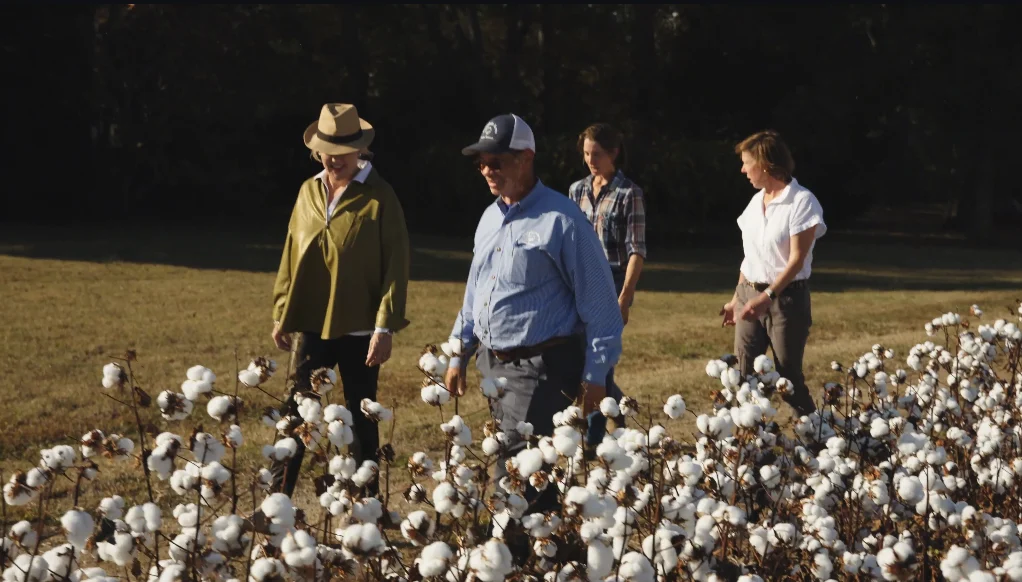
The Cotton Journey, a documentary project produced for Victoria’s Secret & Co., follows the people and communities behind the company’s cotton supply chain, including family-operated, Black- and women-owned farms in Alabama. Through the farmers’ experiences, the film explores sourcing, sustainability, agriculture and equity.
For most consumers, cotton shows up only after nearly all of its story has already happened. By the time it becomes a T-shirt, underwear, bedding or jeans, the farms, families and agricultural systems behind it are out of sight.
Victoria’s Secret & Co.’s Cotton Journey initiative moved closer to that source by building direct relationships… aiming to make where the company’s cotton comes from more visible while supporting farmers and agricultural practices meant to improve environmental outcomes.
The resulting film received a Silver Award in Sustainability, Environment & Climate and a Bronze Award in Education, Art & Culture at the 2024 Anthem Awards.
Behind the film’s final narrative structure was Ihunmehai Isaac, who served as Post Producer and Lead Editor. Working with material captured across the Alabama farms, Isaac helped oversee post-production and shaped the film’s structure, pacing and tone. Her role extended beyond assembling footage: she had to determine how a story spanning agriculture, sustainability and equity could become a coherent human narrative.
Finding the person inside the issue

Image: Ihunmehai Isaac
For Isaac, the editorial challenge was communicating the scale of the sustainability issue without letting that language crowd out the people at its center.
“The sustainability conversation is obviously important, but I didn’t want the people to disappear underneath the message,” Isaac said. “You are meeting people whose families, histories and livelihoods are connected to this land. Once you understand them, questions about where our cotton comes from stop feeling so distant ”
That idea became a working principle for the edit .
Isaac built the finished film around the farmers themselves: their land, families, relationships to agriculture and the decisions that keep a farm in the family for decades . Rather than opening with the corporate initiative and using the farmers to illustrate it, the edit let their experiences carry viewers toward the bigger questions the film was asking.
Sourcing, traceability and sustainability all stayed in the film, but the film let people feel them, instead of just explaining them .
“There is always a temptation to explain everything,” she said. “But sometimes the strongest editorial decision is allowing someone’s experience to lead. You don’t necessarily have to tell an audience what to feel. You create the structure that allows them to understand why the story matters.”
That restraint matters in branded documentary work, where editors have to weigh real people’s experiences against what the organization commissioning the project wants. For Isaac, keeping the farmers visible as individuals – not case studies- was what made the finished film feel grounded .
When sustainability stops being abstract
Sustainability can easily become a language of categories and commitments. On a farm, those ideas take on a different shape.
They show up in how land is managed, how crops are grown, how farming businesses survive, and how relationships between producers and large companies influence what happens further down the supply chain.
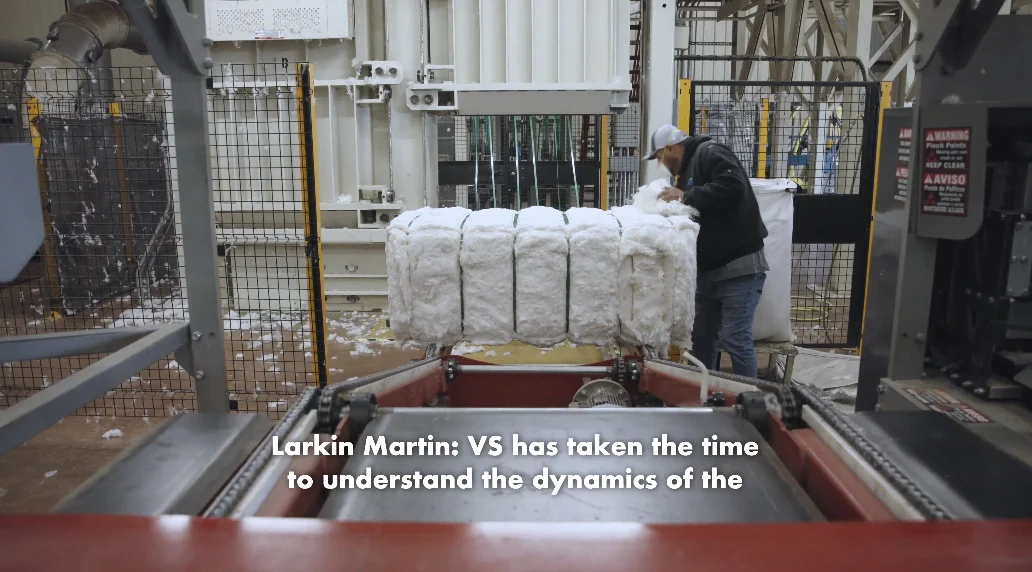
Image: Cotton production at one of the farms involved in the partnership
Cotton Journey also explored generational ownership, economic opportunity, equity, and the future of family farming. Among Victoria’s Secret & Co.’s farm partners are multigenerational agricultural businesses in Alabama, including farms led by women as well as Bridgeforth Farms, a Black-owned family farming operation whose history stretches back generations.
Those details raise another question: not only where cotton comes from, but who gets to participate in the systems that produce it.
That complexity added responsibility to the edit. Sustainability, agriculture, racial equity, ownership and traceability could each have pulled the film in a different direction. Isaac’s role was to determine which information audiences needed and when the farmers’ experiences could carry an idea more effectively than additional explanation.
From supply-chain information to emotional architecture
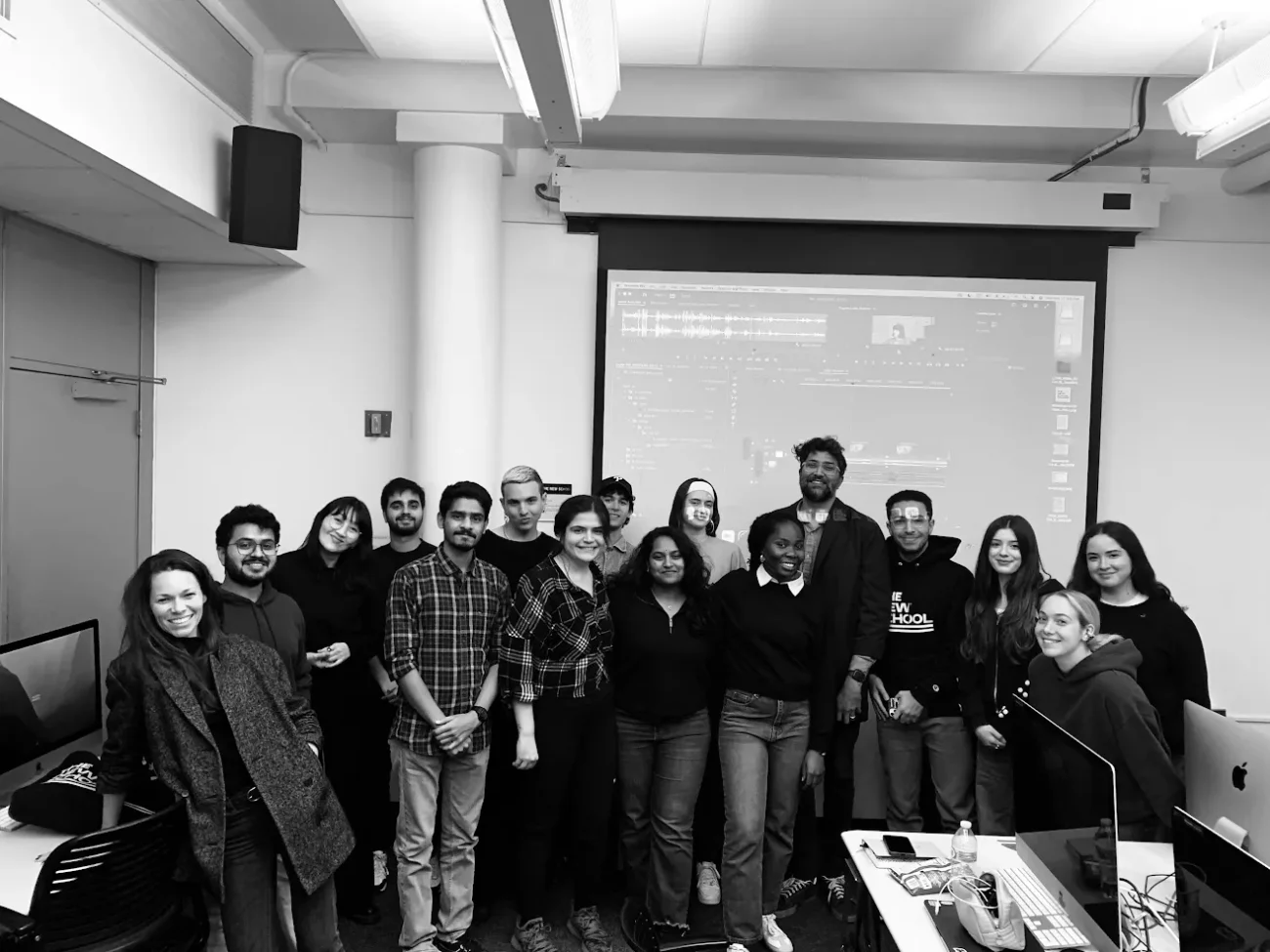
Image: Isaac is teaching a class on Editing and highlighting the techniques used in the documentary at The New School, New York
Editing is often where a documentary finally reveals what kind of story it wants to be.
By the time footage reaches post-production, individual interviews, images and moments may all be strong on their own without yet forming a clear whole.
The editor has to decide what comes first, which voice carries one idea into another, where context is necessary and where a look, an image or a pause can do more than another sentence.
Isaac describes that process as finding the emotional architecture of a story.
“You can have beautiful cinematography and incredibly thoughtful interviews, but the edit is where you begin understanding how all of those pieces speak to each other,” she said.
On Cotton Journey, that meant moving between two scales. One was intimate: a farmer talking about family, land or the work itself. The other was systemic: questions about sustainability, sourcing, traceability and the relationships between farms and major companies.
Isaac shaped the movement between those scales, deciding when personal testimony should lead into a broader context, where information belonged and when a moment needed space to breathe. Those choices helped connect individual experience to the larger systems surrounding it.
“My responsibility was to keep asking: where is the person in this story?” Isaac said. “Even when you’re dealing with something as broad as sustainability, people connect through people.”
As Post Producer and Lead Editor, Isaac’s contribution was both structural and interpretive. She helped determine not only how the film moved, but how audiences understood the relationship between the farmers on screen and the larger sustainability story surrounding them.
Cotton as a relationship, not just a material
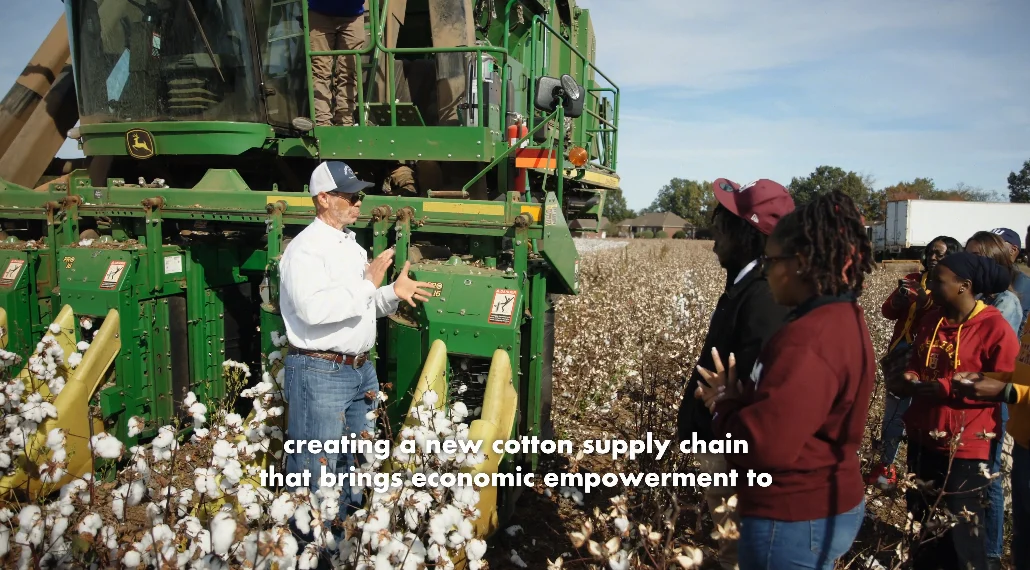
Image: Cotton farmer teaching young students on farming and production process
Victoria’s Secret & Co. has described cotton as the most widely used fiber across its lingerie and apparel portfolio. Its direct-sourcing program represents a different relationship to that material than one in which cotton passes through multiple intermediaries before reaching a brand.
That shift makes cotton a story not only about a fiber, but about land, continuity, family businesses and the people whose decisions shape the product long before it reaches a store.
What makes a distant system feel personal
The Anthem Awards recognition placed Cotton Journey within a broader conversation about media addressing social and environmental issues. It also provides context for the editorial work behind the film: a complex subject was shaped into a narrative that could communicate beyond the language of supply chains and sustainability commitments.
For Cotton Journey, that change might be small. It could simply mean looking at a familiar cotton product and thinking about the people, farms and decisions that existed before it reached a rack.
For Isaac, that is where the value of this kind of storytelling becomes clearest.
“I think some of the most effective stories make something that felt distant suddenly feel personal,” Isaac said. “Sustainability is a huge subject. Agriculture is a huge subject. Supply chains are huge. But then you meet one farmer. You hear about her family. You see the land. Suddenly those ideas have a face and a history.”
Storytelling cannot resolve every question around sourcing, sustainability or agricultural responsibility. But it can change the scale at which an audience encounters them.
In Cotton Journey, Isaac’s editorial approach did that by keeping the people behind the material in view, allowing a story about cotton, sustainability and supply chains to begin with the individuals living inside those systems.