


The Three Sci Fi Movies Christopher Nolan Calls Essential

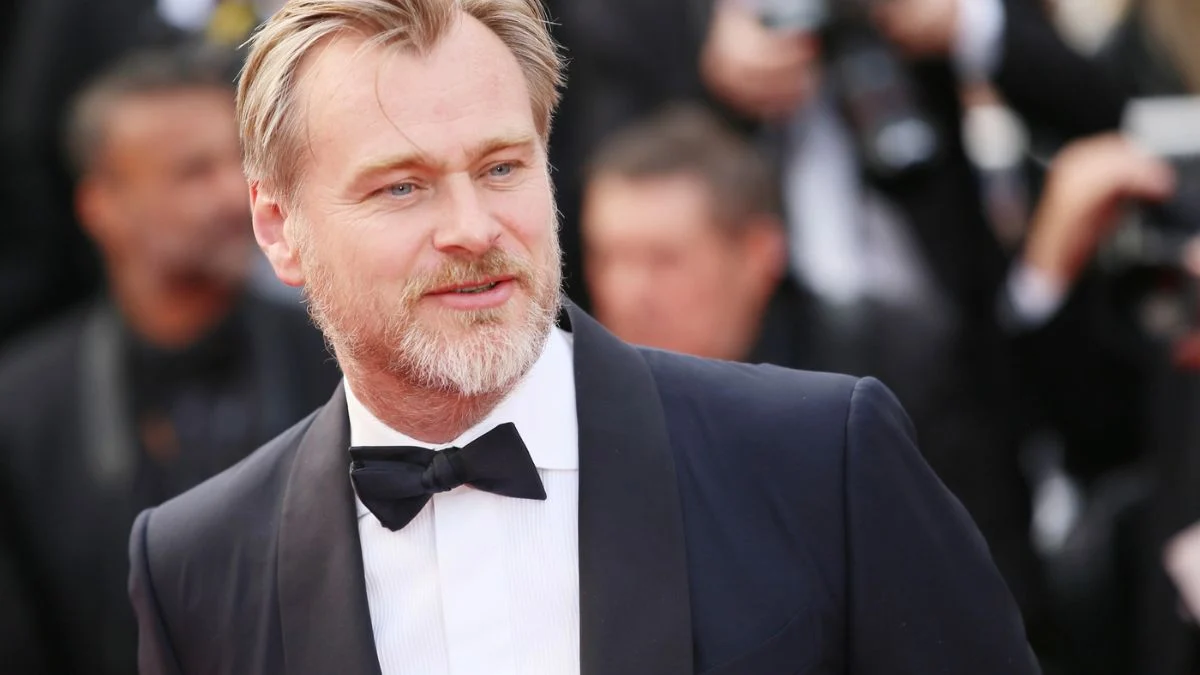


Christopher Nolan is a director who has consistently defined himself by his refusal to play it safe. Since his independent beginnings with the 1998 thriller Following, he has built a career on the foundation of complex, nonlinear storytelling that challenges the audience’s perception of reality.
While he gained global recognition for his gritty Dark Knight trilogy, it was his foray into original science fiction—beginning with the mental labyrinth of Inception—that truly cemented his status as a modern master of the genre.
For Nolan, the pursuit of sci-fi greatness is a continuous dialogue with the past. He has frequently cited a specific trio of films as his ultimate inspirations: Fritz Lang’s 1927 expressionist landmark Metropolis, Stanley Kubrick’s 1968 2001: A Space Odyssey, and Ridley Scott’s 1982 noir Blade Runner.
These films serve as the architectural blueprint for Nolan’s own “tactile realism,” as he strives to recreate the immersive world-building and philosophical weight that made these classics so enduring.
His reverence for 2001: A Space Odyssey is particularly profound, especially regarding its depiction of technology. Nolan has observed that the film’s exploration of artificial intelligence, which once seemed a bit quaint or passe, has become startlingly relevant in the age of digital assistants like Alexa and Siri.
He believes that the idea of AI has come back massively in the last decade, reinforcing the idea that Kubrick’s vision was not just a product of the space race, but a prophetic look at our evolving relationship with the machines we create.
As of February, Nolan is deep in the final stages of post-production for his most ambitious project to date: The Odyssey. Scheduled for a theatrical release on July 17, the film is a “mythic action epic” that marks his first foray into the fantasy-adjacent world of ancient Greek mythology.
Reunited with Universal Pictures following the massive success of Oppenheimer, Nolan has reportedly utilized over two million feet of IMAX film to capture the sweeping scope of the Mediterranean for this $250 million production.
The cast for The Odyssey is arguably the most star-studded of the year, led by Matt Damon in the title role of the wily strategist Odysseus. He is joined by Tom Holland as his son Telemachus and Anne Hathaway as his faithful wife Penelope, with Zendaya appearing as the goddess Athena and Robert Pattinson as the villainous suitor Antinous.
The ensemble also includes Charlize Theron, Lupita Nyong’o, and Jon Bernthal, making it a true A-list gathering for what many are predicting will be the cinematic event of the summer.
Beyond his directorial duties, Nolan has spent the early part of the year celebrating his legacy through a series of “Nolan Season” re-releases at IMAX theaters worldwide. This retrospective has allowed fans to revisit his entire filmography on 70mm prints, leading up to the highly anticipated debut of his newest work.
Do you think Christopher Nolan’s decision to move from historical dramas like Oppenheimer to a mythological epic like The Odyssey is the right move for his career? Share your thoughts in the comments.