


The Top 10 Asian Directors of All Time

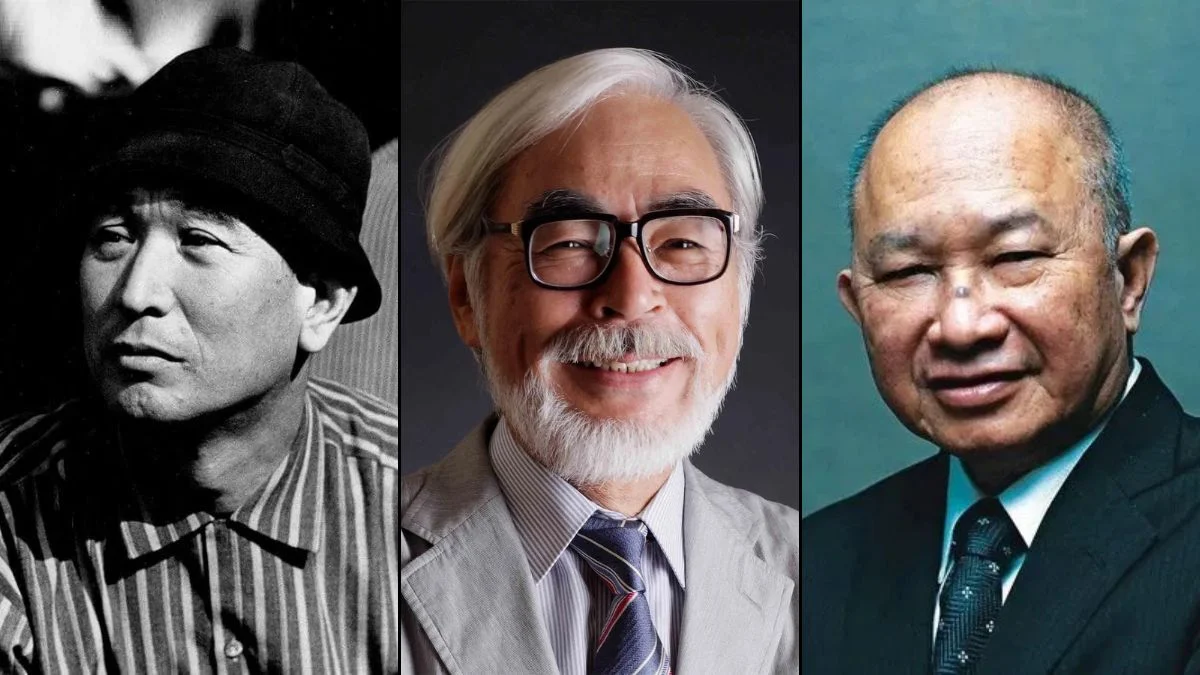


Asian cinema has gifted the world with stories that linger long after the credits roll. From heart-wrenching dramas to pulse-pounding action, the region’s directors have shaped global filmmaking with their unique visions.
This list dives into the top 10 Asian directors who’ve left an undeniable mark on the art of movies. Their work spans decades, genres, and cultures, showcasing the power of storytelling through a distinctly Asian lens.
10. Ann Hui

Ann Hui, a Hong Kong legend, is known for her deeply human stories. Her films often explore social issues and the female experience, earning her a revered spot in the Hong Kong New Wave. She’s directed nearly 30 films, blending raw emotion with sharp insight.
Her standout works like ‘Summer Snow’ (1995) and ‘A Simple Life’ (2011) have swept awards, including Best Director at the Hong Kong Film Awards. Hui’s ability to capture everyday struggles with warmth and honesty makes her films timeless.
9. Apichatpong Weerasethakul
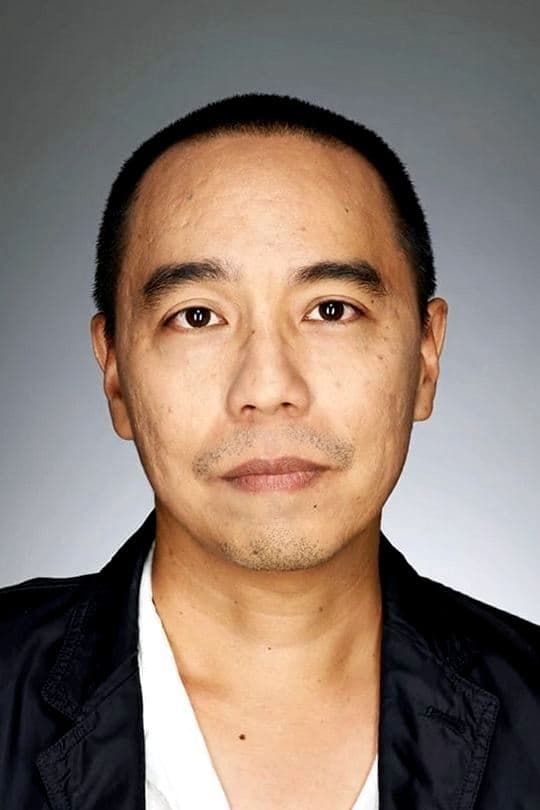
Thailand’s Apichatpong Weerasethakul crafts films that feel like dreams. His slow, poetic style dives into memory, spirituality, and human connection, often spotlighting Thailand’s rural life and folklore.
Movies like ‘Uncle Boonmee Who Can Recall His Past Lives’ (2010), which won the Palme d’Or at Cannes, and ‘Syndromes and a Century’ (2006) show his knack for blending the surreal with the real. His work invites you to pause and reflect.
8. Lee Chang-dong
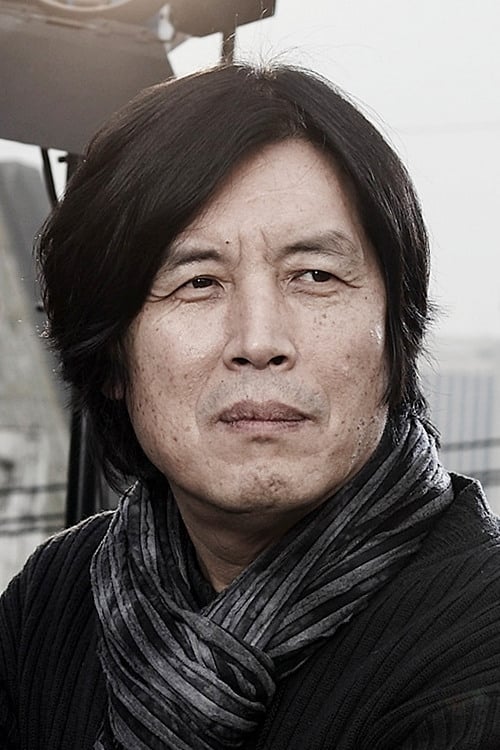
South Korea’s Lee Chang-dong tells stories that cut deep. A former novelist, he brings a writer’s eye to his films, weaving tales of loss, faith, and human struggle with unflinching honesty.
His films ‘Burning’ (2018) and ‘Secret Sunshine’ (2007) explore the complexities of life with quiet power. Lee’s ability to balance raw emotion with subtle storytelling has earned him global praise, including Best Director at the Asian Film Awards.
7. Zhang Yimou
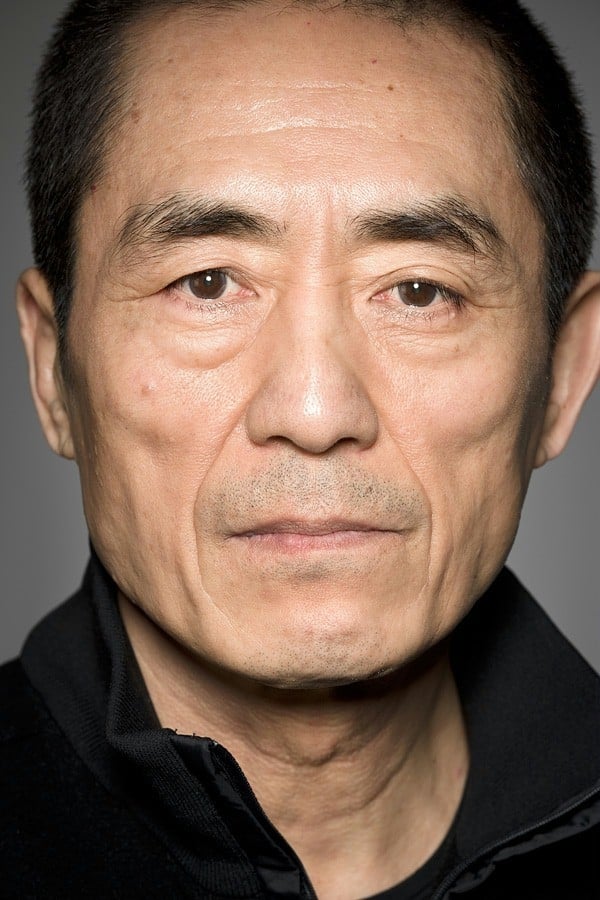
China’s Zhang Yimou is a master of visual storytelling. His films burst with color and emotion, often diving into Chinese history and culture with a painter’s precision. He’s a key figure in the Fifth Generation of Chinese filmmakers.
From the epic ‘Hero’ (2002) to the intimate ‘Raise the Red Lantern’ (1991), Zhang’s work blends beauty with profound themes. His ability to craft visually stunning narratives has made him a global icon.
6. Satyajit Ray
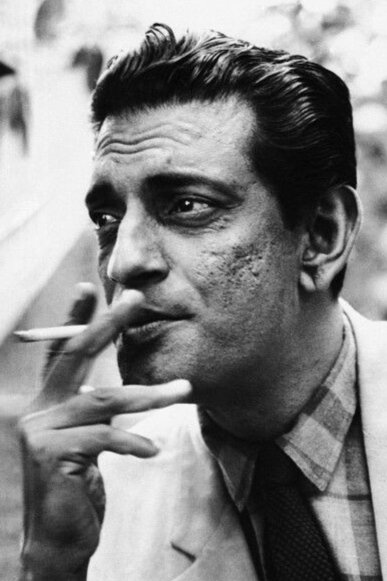
India’s Satyajit Ray brought Indian cinema to the world stage. His films, rooted in Bengali culture, explore universal themes of family, poverty, and human resilience with unmatched depth.
His debut, ‘Pather Panchali’ (1955), part of the Apu Trilogy, won international acclaim for its raw, poetic realism. Ray’s ability to find beauty in the everyday continues to inspire filmmakers worldwide.
5. John Woo

Hong Kong’s John Woo redefined action cinema. His ‘bullet ballet’ style, with slow-motion shootouts and intense drama, turned films like ‘Hard Boiled’ (1992) and ‘The Killer’ (1989) into genre classics.
Woo’s work with stars like Chow Yun-fat set a new standard for action films, influencing Hollywood and beyond. His blend of chaos and heart makes every scene unforgettable.
4. Wong Kar-wai
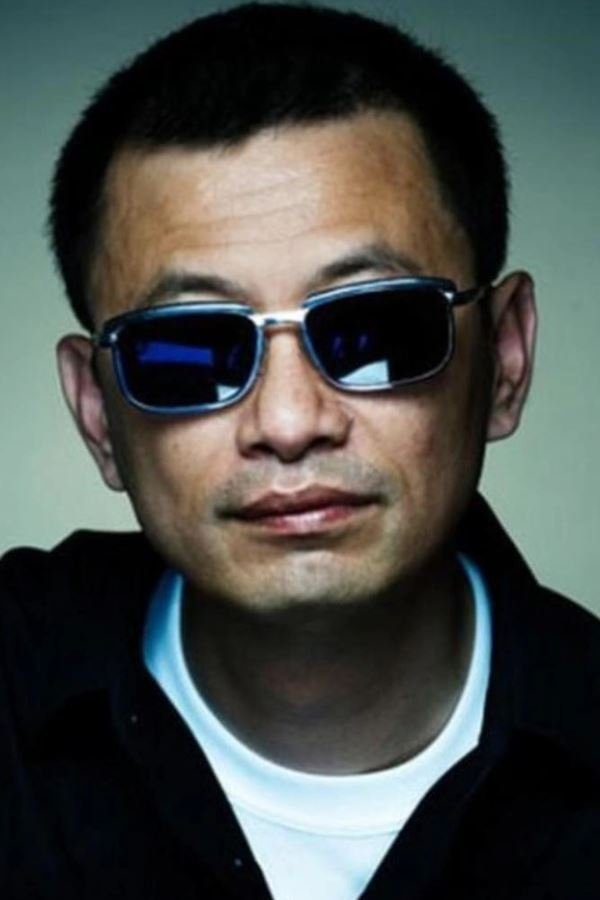
Wong Kar-wai’s dreamy, colorful films capture the ache of love and loneliness. A Hong Kong auteur, his nonlinear storytelling and vibrant visuals create a world that’s both intimate and expansive.
‘In the Mood for Love’ (2000) and ‘Chungking Express’ (1994) are masterclasses in mood and emotion. Wong’s unique style, often developed with cinematographer Christopher Doyle, has made him a cult favorite.
3. Hayao Miyazaki
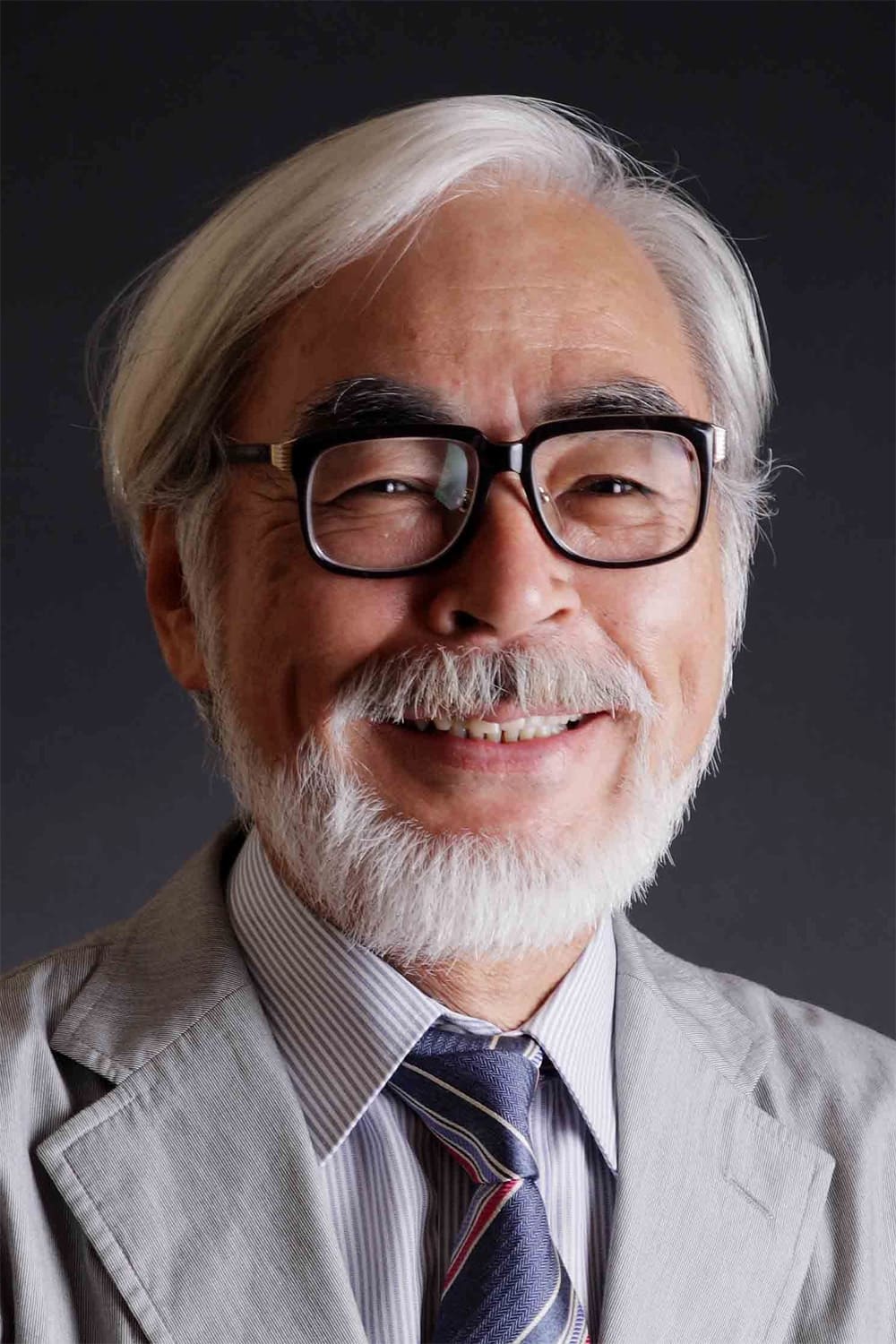
Japan’s Hayao Miyazaki is the soul of Studio Ghibli. His animated films blend breathtaking visuals with heartfelt stories, exploring themes of nature, childhood, and human connection.
Classics like ‘Spirited Away’ (2001), which won an Oscar, and ‘My Neighbor Totoro’ (1988) have enchanted audiences worldwide. Miyazaki’s imagination and care for detail make his films magical for all ages.
2. Yasujirō Ozu
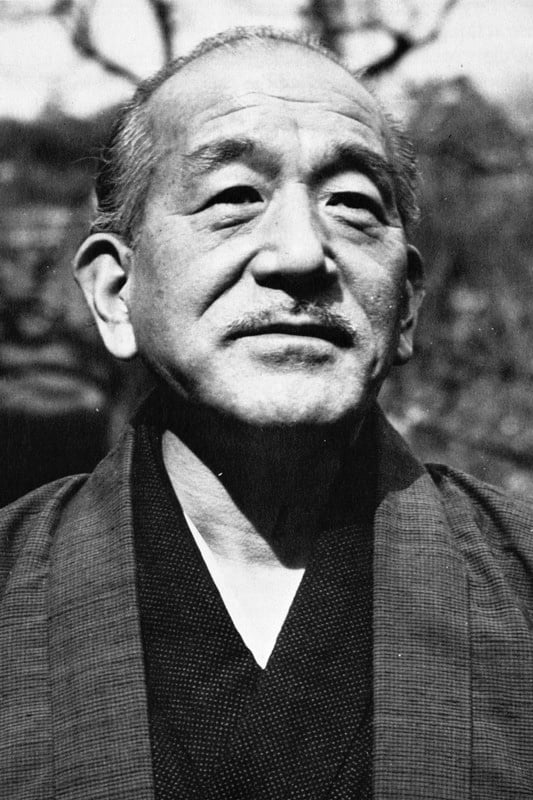
Yasujiro Ozu’s quiet, reflective films redefined Japanese cinema. His focus on family dynamics and the passage of time, often shot with a still camera, creates a meditative viewing experience.
‘Tokyo Story’ (1953), often called one of the greatest films ever, captures the heartbreak of aging and estrangement. Ozu’s simple yet profound storytelling leaves a lasting impact.
1. Akira Kurosawa
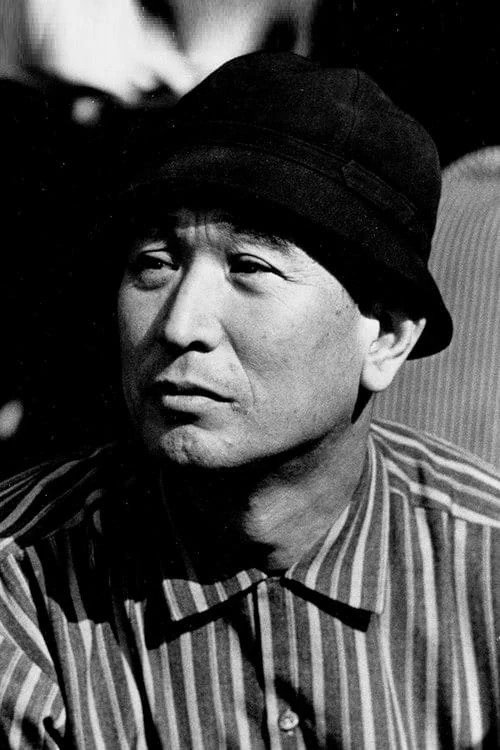
Akira Kurosawa, Japan’s cinematic titan, shaped modern filmmaking. His samurai epics and human dramas, like ‘Seven Samurai’ (1954) and ‘Rashomon’ (1950), blend action with deep moral questions.
Working often with actor Toshiro Mifune, Kurosawa’s films inspired global hits like ‘Star Wars’ and ‘The Magnificent Seven.’ His bold storytelling and technical mastery make him a legend.
Which Asian director’s work speaks to you most, or is there a hidden gem I missed? Share your thoughts in the comments!