The Ultimate Game of Deception in Pop Culture

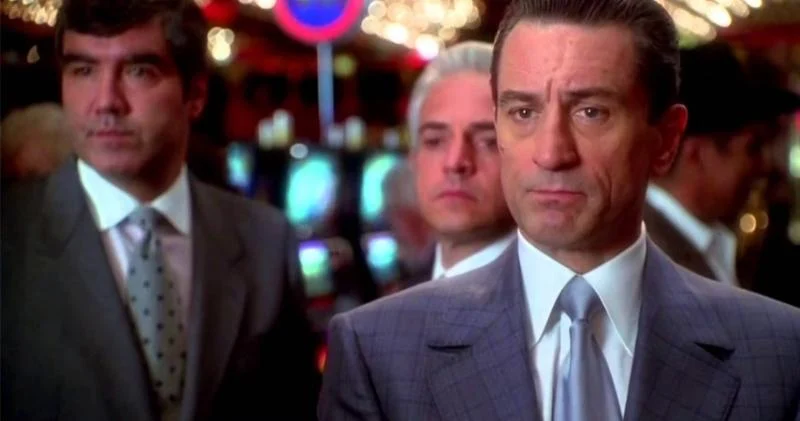

Few things in pop culture capture high-tension drama quite like a card table. Whether it’s a rugged Western antihero drawing a final card, a British spy risking national intelligence on a single river card, or a digital avatar competing in esports, the psychological game of poker has long been a favorite storyteller’s engine.
Across cinema, television, and video games, poker is rarely just about the cards—it is about power, deception, character, and control.
Hollywood at the Table: Cinema’s Greatest Showdowns
Hollywood’s fascination with poker stretches back to classic cinema, but its golden age on screen truly kicked off with The Cincinnati Kid (1965), starring Steve McQueen. McQueen’s portrayal of a rising young challenger facing off against an established master set the blueprint for movie poker: tense close-ups, unspoken rivalries, and the stark reality of win-or-lose consequences.
Decades later, John Dahl’s Rounders (1998) introduced a new generation to underground card rooms. Featuring Matt Damon as a law student torn between a respectable career and his natural talent for reading opponents, Rounders captured the real strategy of the game—specifically Texas Hold’em—unlike any film before it. The iconic face-off between Damon’s Mike McDermott and John Malkovich’s Oreo-crunching mobster Teddy KGB remains a cultural touchstone for card enthusiasts.
Classic Screen Showdowns:
• The Cincinnati Kid (1965) - Steve McQueen vs. Edward G. Robinson
• The Sting (1973)           - Paul Newman's train car bluff
• Rounders (1998)           - Matt Damon vs. John Malkovich
• Casino Royale (2006)      - Daniel Craig vs. Mads Mikkelsen
Perhaps the most famous modern spectacle arrived in 2006 with Casino Royale. Daniel Craig’s reinvention of James Bond hinged not on a laser watch or a car chase, but on a $115 million Texas Hold’em tournament against terrorist banker Le Chiffre (Mads Mikkelsen). Director Martin Campbell used the table to reveal the inner workings of Bond’s mind: his arrogance, his pain tolerance, and his willingness to risk everything on a single play.
From Television Sets to Digital Felt
The drama of card games translates just as seamlessly to television and digital media. TV shows from Star Trek: The Next Generation—where the Enterprise crew regularly gathered for friendly, character-revealing poker games—to Billions and Succession have used card play to mirror corporate warfare and interpersonal dynamics.
In the gaming world, titles like Red Dead Redemption 2 and the Far Cry series let players pull up a chair at virtual saloons, blending narrative immersion with real mechanics. Off the screen, the shift toward online play has revolutionized how audiences engage with the sport. Modern players looking for fast-paced action, tournament structures, and high-stakes virtual rooms frequently turn to platforms like BetUS online poker to hone their strategies in real time.
Why the Trope Persists
What makes poker such an enduring narrative device?
- Psychological Warfare: Unlike games purely governed by luck, poker forces characters to play the person, not just the hand.
- Instant Characterization: How an actor handles a bluff reveals their character’s desperation, confidence, or sociopathy in seconds.
- Universal High Risk: The audience immediately understands the consequences: lose the pot, lose everything.
Whether it’s a gritty noir film, a futuristic sci-fi episode, or an online tournament room, the essence remains the same: reading the opponent, managing the risk, and knowing when to go all-in.