‘The Uprising’: Why Paul Greengrass Is Bringing England’s Bloodiest Revolt to the Big Screen

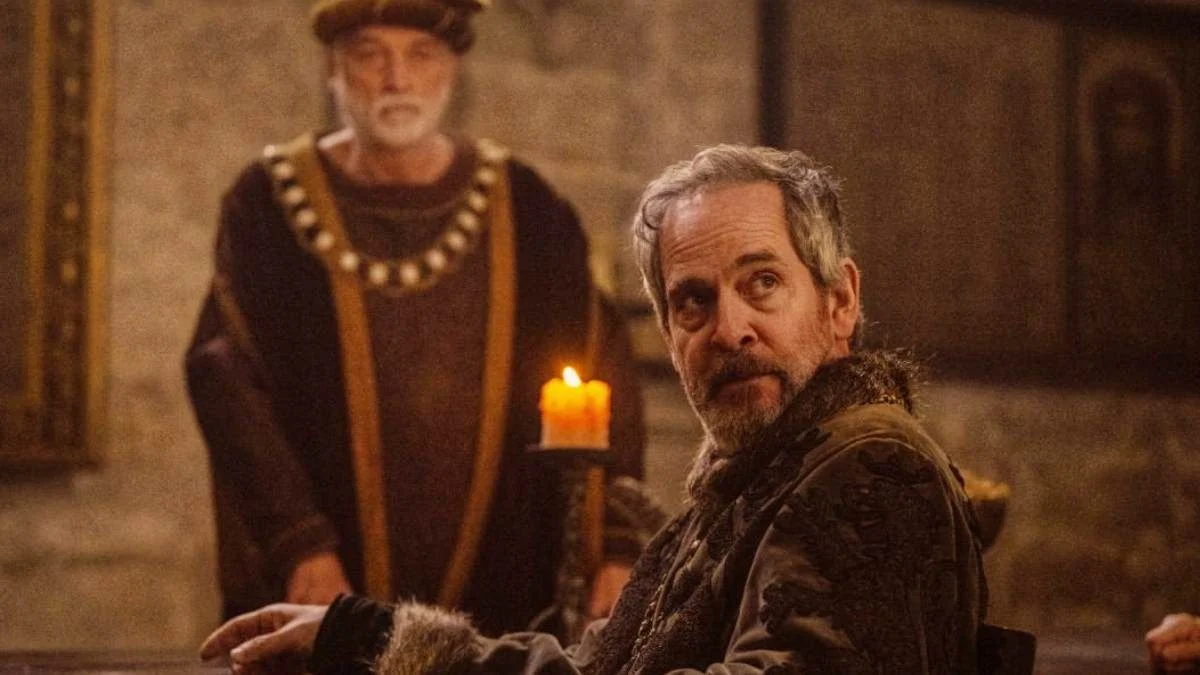

‘The Uprising’ takes Paul Greengrass into a part of history he has never explored on screen before. Instead of modern-day disasters, hijackings, or political crises, the director is going back to 1381, when thousands of ordinary people across England decided they had had enough.
The new historical drama follows the Peasants’ Revolt, a huge uprising against the Crown that grew out of anger over a harsh new tax. Greengrass is using the real events as the foundation for a much bigger story about people pushed to their limits and what can happen when that anger finally turns into action.
Andrew Garfield leads the movie as the Ploughman, a fictional farmer whose personal story gives audiences someone to follow through the chaos. Around him are several real figures from the revolt, including Wat Tyler, played by Cosmo Jarvis, and the radical preacher John Ball, played by Jamie Bell. Thomasin McKenzie also stars on the rebel side.
For Greengrass, the appeal of the story goes beyond the battle scenes and medieval setting. He has often focused on regular people caught up in huge events, and ‘The Uprising’ gives him another chance to explore that idea on a much larger historical scale.
The director explained that he was inspired by the kind of historical movies he loved growing up, especially films such as ‘Gladiator’ and ‘Braveheart.’ Those movies showed people fighting against powerful forces while keeping the story centered on characters audiences could care about. Greengrass wanted to bring some of that energy to the Peasants’ Revolt.
The story also has a surprising connection to one of England’s most famous legends. Speaking to NPR’s ‘Fresh Air,’ Greengrass explained that although the rebellion was eventually crushed, the ideas behind it survived through stories passed from one generation to another. Those stories helped keep alive the idea of ordinary people standing up against powerful figures.
That is where Robin Hood comes into the picture.
Greengrass has pointed out that the Robin Hood legend came from roughly the same period. Both stories are connected to a time when the gap between the wealthy and the poor was impossible to ignore. The movie’s marketing has now embraced that connection, with Focus Features using the tagline, “Witness the Rise of Robin Hood.”
The Robin Hood angle does not mean ‘The Uprising’ is simply a Robin Hood origin story. Instead, it gives the movie another way to connect its medieval setting with a legend that has survived for centuries. The idea of an outlaw or rebel fighting back against an unfair system is central to both stories.
Greengrass also sees some uncomfortable similarities between the anger of 1381 and the world today. During his conversation with NPR, he talked about the “great rage” that can build inside a society when people feel ignored or pushed aside. He mentioned events such as the Capitol riots as an example of how that kind of frustration can explode in modern times. At the same time, he made it clear that the comparison was not meant as a direct political statement.
That modern connection could make the movie more than a traditional period drama. While the costumes, weapons, villages, and battles belong to another century, the emotions behind the story are much easier to recognize. People are angry, leaders are losing control, and a group of ordinary citizens begins to believe that change is possible.
The cast helps give the movie the scale Greengrass appears to be aiming for. Alongside Garfield, Jarvis, Bell, and McKenzie, the film features Stephen Dillane, Tom Hollander, Jonny Lee Miller, Woody Norman, and Katherine Waterston. Jason Blum produces through Blumhouse, with Gregory Goodman, Joanna Kaye, Greengrass, Lars Sylvest, and Joe Neurauter also producing.
‘The Uprising’ arrives soon after Greengrass’s Apple TV movie ‘The Lost Bus,’ giving the director two very different stories in a short period. Yet both projects fit his long-running interest in people dealing with situations much bigger than themselves.
With ‘The Uprising,’ he is taking that idea all the way back to medieval England. The film opens in theaters on September 11, and it will finally show whether Greengrass can turn one of England’s most dramatic rebellions into the kind of large-scale historical movie he has been chasing.
What part of ‘The Uprising’ are you most curious to see?
Have something to add? Let us know in the comments.