

The Weirdest Brand Tie-In Games That Actually Exist

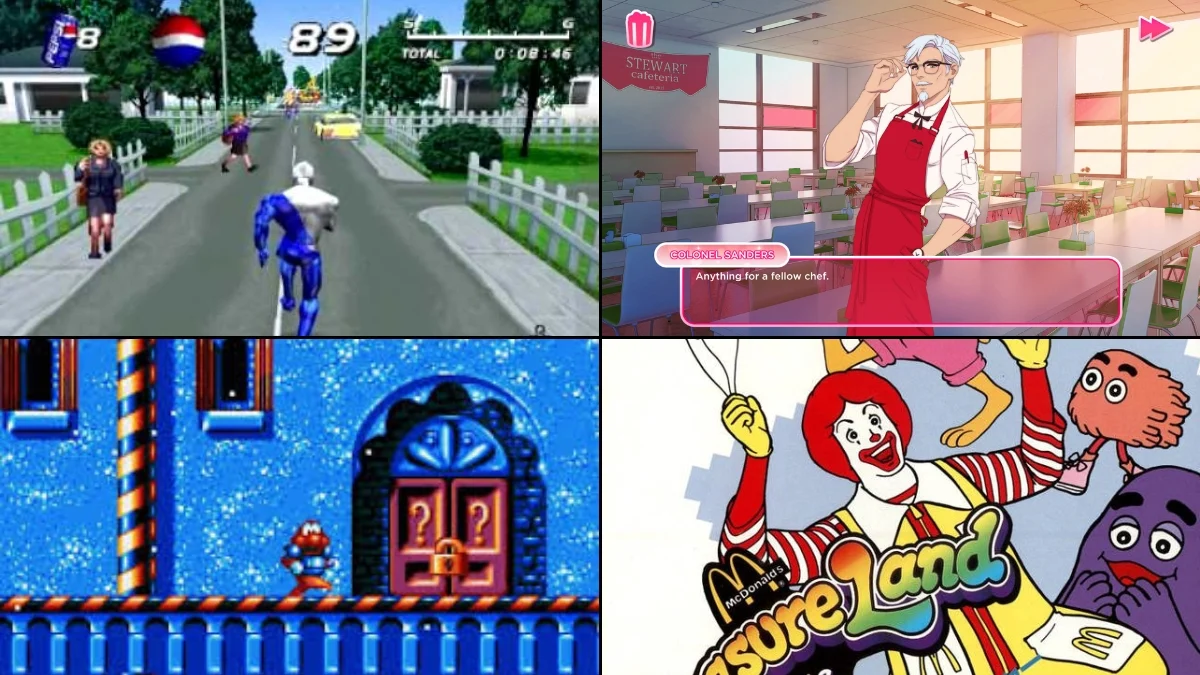


Brand mascots and logos have popped up in some truly unexpected places, and video games are no exception. From fast-food stealth missions to cereal-box shooters, companies have used consoles and PCs to push products in ways that are equal parts inventive and head-scratching. Below are twenty real, officially licensed brand tie-ins—complete with who made them, where they appeared, and what you actually did in the game. If nothing else, they’re a snapshot of how marketing and game development have intersected across four decades.
‘Pepsiman’ (1999)
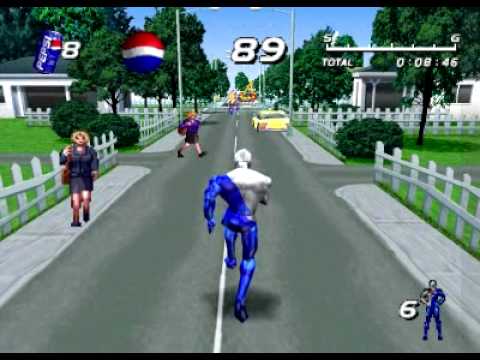
Developed by KID and released on PlayStation in Japan, ‘Pepsiman’ is an endless-runner-style action game starring Pepsi’s silver-suited mascot. Players sprint through obstacle-packed stages, dodging traffic and debris to deliver cans of Pepsi to thirsty crowds. The game uses full-motion video interludes featuring live-action Pepsi gags to bridge levels. KID handled development and publishing, with PepsiCo’s branding integrated into levels, UI, and collectibles.
‘Sneak King’ (2006)
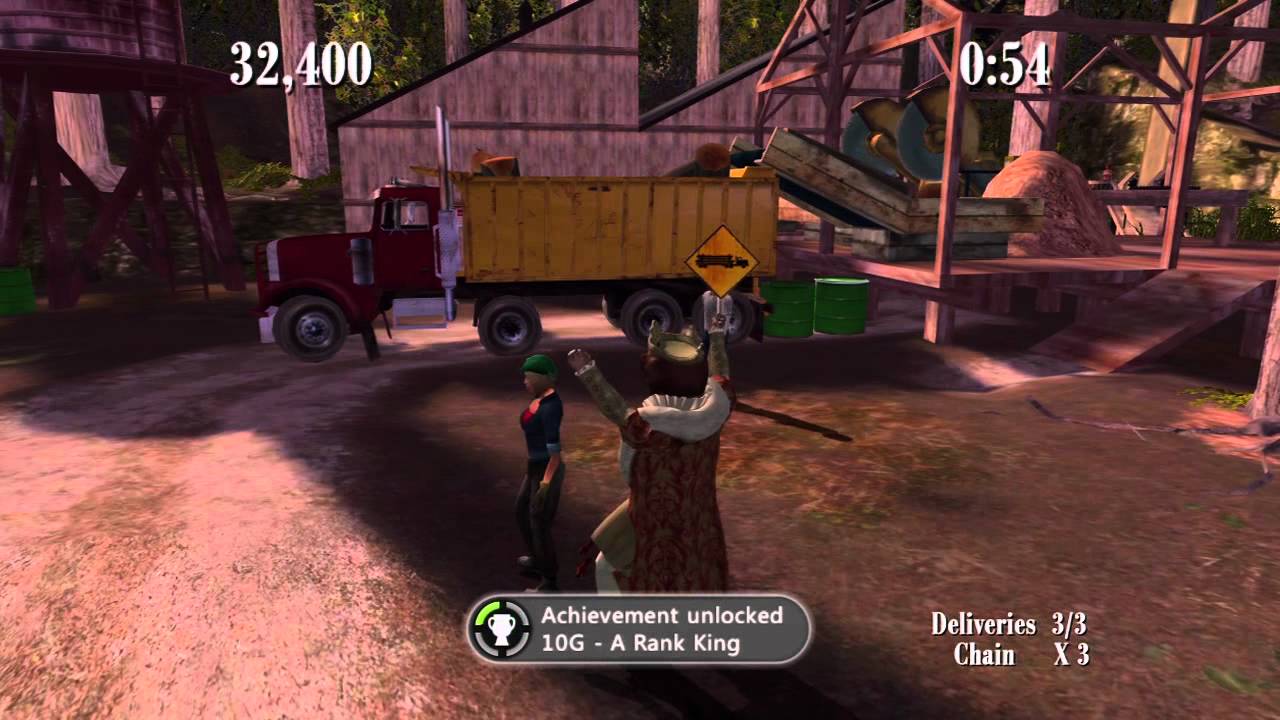
Blitz Games created ‘Sneak King’ for Xbox and Xbox 360 as a Burger King promotion sold in-store with value meals. It’s a stealth-delivery game where players guide the King mascot to surprise hungry NPCs with Whoppers. Missions grade timing and finesse, and new routes and challenges unlock as scores improve. The project was published by Burger King in partnership with Microsoft Game Studios, with discs playable on both platforms.
‘Big Bumpin” (2006)
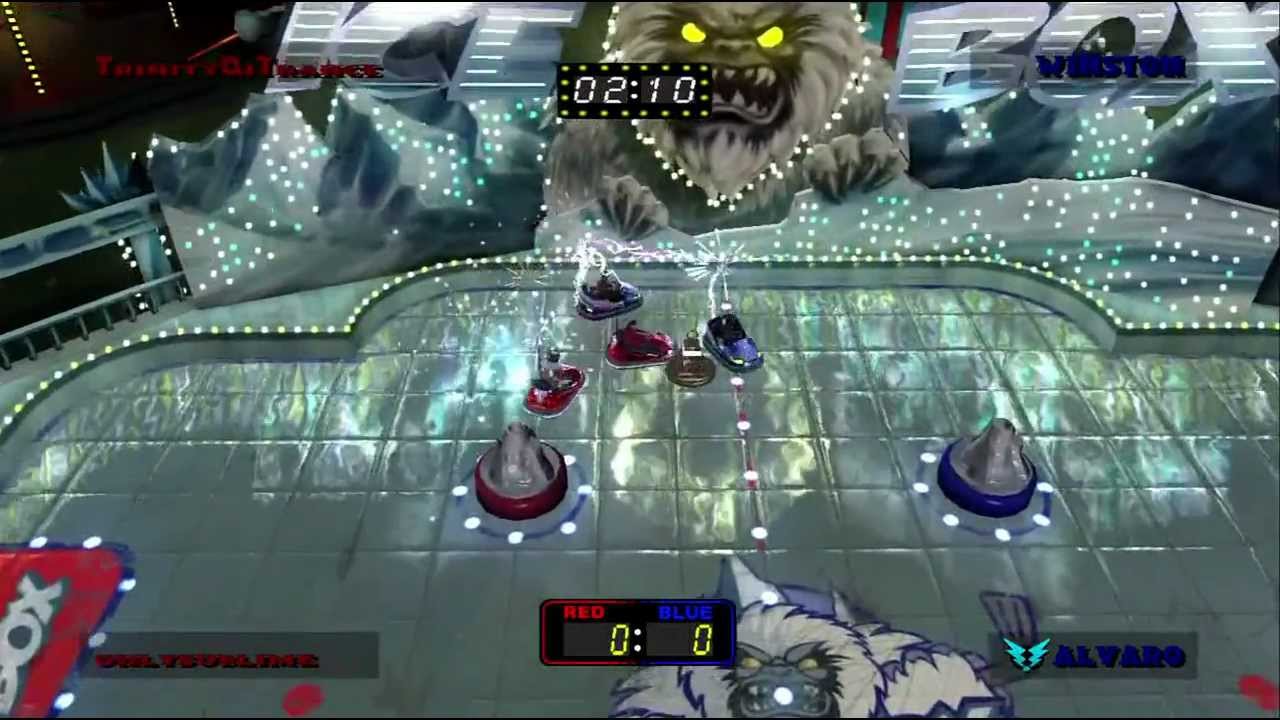
Also developed by Blitz Games and distributed through Burger King restaurants, ‘Big Bumpin” is a party title built around bumper-car arenas. Modes include last-man-standing, puck-pushing, and hazard-dodging challenges themed to Burger King locations. Up to four players can compete locally, with Xbox Live support on Xbox 360 versions. Microsoft Game Studios supported the release logistics while Burger King provided branding and promotion.
‘PocketBike Racer’ (2006)
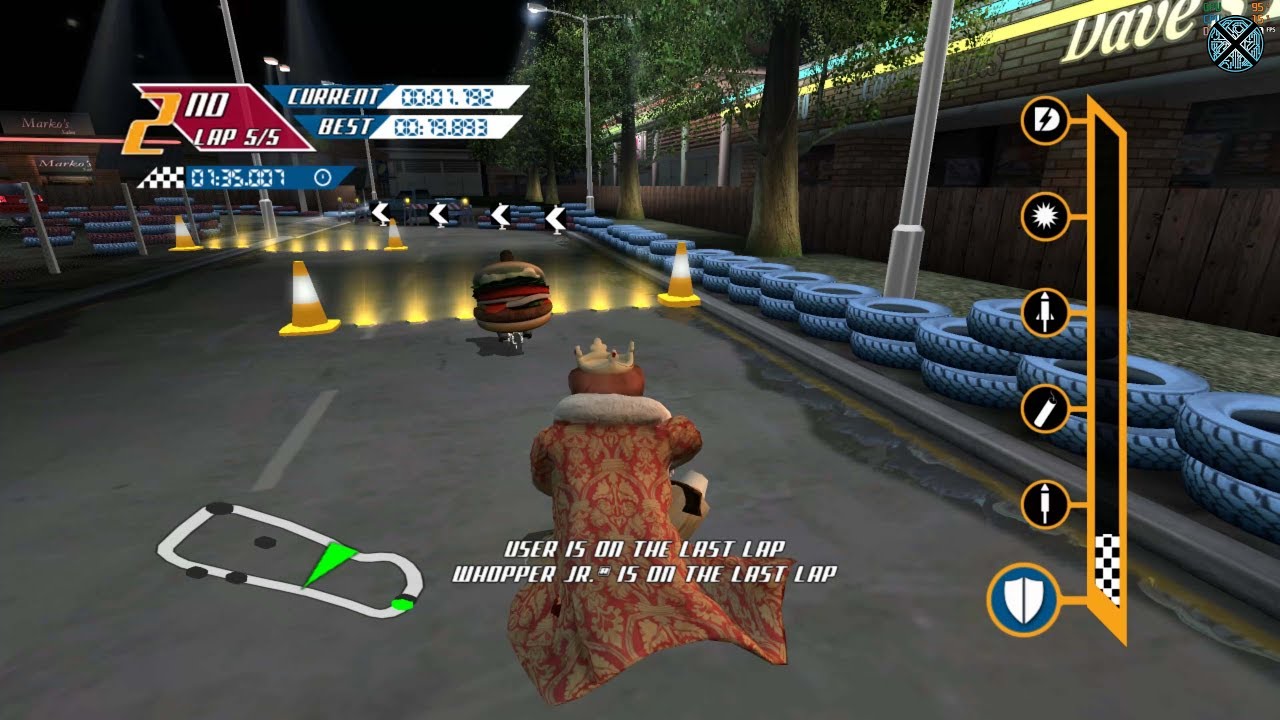
Blitz Games rounded out Burger King’s 2006 trio with ‘PocketBike Racer’, a kart-style racer for Xbox and Xbox 360. Tracks weave through fast-food-themed environments, and playable characters include the King, Brooke Burke, and other BK mascots. The game supports single-player cups and multiplayer races with basic bike classes. Burger King and Microsoft Game Studios handled publishing and distribution directly through BK outlets.
‘McDonald’s Treasure Land Adventure’ (1993)
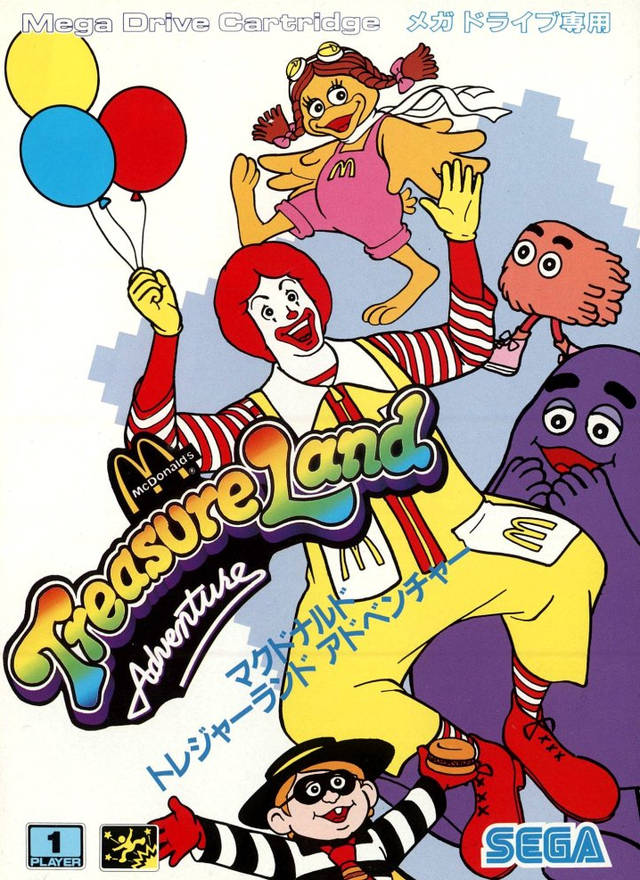
Developed by Treasure for the Sega Genesis/Mega Drive, this platformer stars Ronald McDonald on a quest to reassemble a magical map. Treasure designed grappling-scarf mechanics and jewel-collecting systems across colorful stages. Sega published the game in certain regions, with McDonald’s Corporation licensing characters and iconography. Shops within levels sell items using McDonald’s-themed currency gathered from enemies and secrets.
‘Global Gladiators’ (1992)
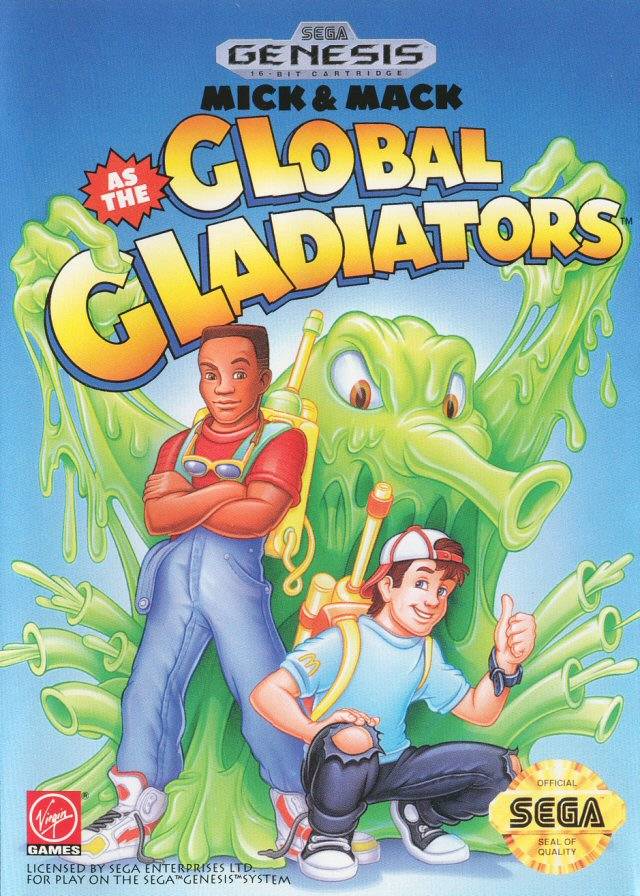
Virgin Games produced this Genesis/Mega Drive and Amiga platformer under license from McDonald’s, with design direction from David Perry’s team. Players control Mick and Mack blasting “Muck” across eco-themed stages using a slime gun. The McDonald’s “Golden Arches” appear as checkpoints and collectibles, and score tallies unlock later worlds. Virgin handled development and publishing, with ports to multiple home computers.
‘M.C. Kids’ (1992)

Virgin Games USA developed and published ‘M.C. Kids’ on NES, with later versions titled ‘McDonaldland’ in Europe. The puzzle-platformer features Mick and Mack flipping gravity blocks and riding mine-carts across themed worlds. Collecting hidden McDonald’s cards is required to open later stages and the final area. The project was produced under license from McDonald’s, with in-game branding and character cameos.
‘Cool Spot’ (1993)
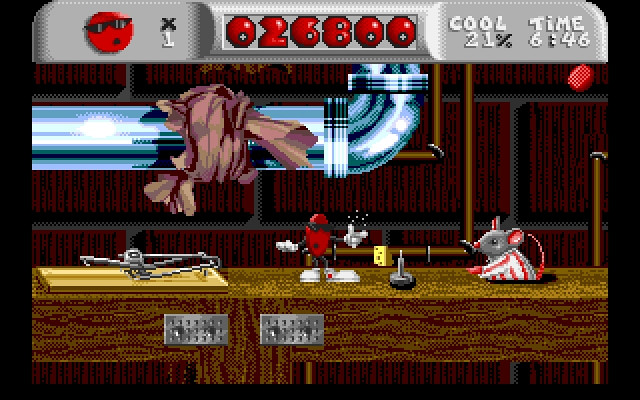
Virgin Games created ‘Cool Spot’ for the Genesis/Mega Drive and SNES, starring 7UP’s sunglasses-wearing mascot. Gameplay centers on precise platforming and rescuing other Spots trapped in cages while collecting “dots.” The HUD, collectibles and bonus stages incorporate 7UP iconography without overt product shots. Virgin handled development and publishing, with licensing from 7UP’s parent companies in regional markets.
‘Spot Goes to Hollywood’ (1995)
 Virgin Interactive
Virgin Interactive followed up with this isometric platformer on Genesis/Mega Drive, Saturn and PlayStation. Players guide 7UP’s Spot through movie-set worlds—pirates, horror, sci-fi—collecting items and hitting exit goals. The shift to isometric view introduced diagonal movement, rotating hazards, and camera-aware jumps. Virgin Interactive published, again licensing the 7UP brand and character design.
‘Chex Quest’ (1996)
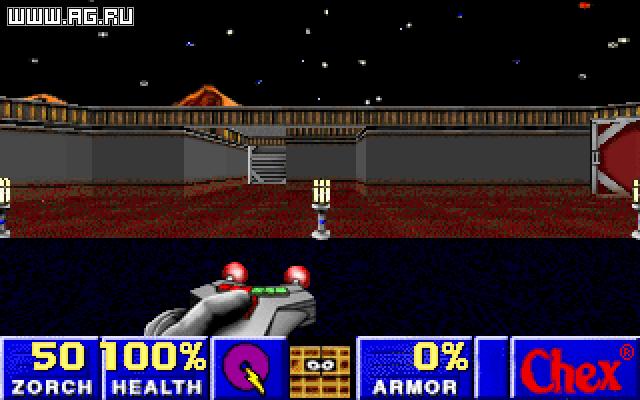
Digital Café developed ‘Chex Quest’ as a total conversion of the ‘Doom’ engine, distributed in Chex cereal boxes by General Mills. Instead of bullets, players use “zorcher” weapons to teleport slimey Flemoids back to their dimension. Five episodes cover cereal-themed facilities, with non-lethal mechanics designed for a kid audience. General Mills funded and published the project as an in-box CD across North America.
‘Pepsi Invaders’ (1983)

Commissioned by The Coca-Cola Company and programmed by Atari, ‘Pepsi Invaders’ is a Space Invaders variant for the Atari 2600. Enemies spell out “P-E-P-S-I,” and players have three minutes to rack up points before a hard timer ends the round. Only a small batch of cartridges was produced for a Coca-Cola sales conference, making originals extremely rare. Atari handled coding and manufacturing, with Coca-Cola branding on the title screen and victory message.
‘Zool’ (1992)
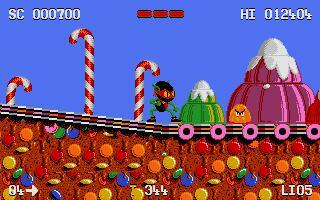
Gremlin Graphics developed ‘Zool’ for the Amiga as a high-speed platformer featuring a “Ninja of the Nth Dimension.” Prominent Chupa Chups lollipop branding appears throughout levels, backgrounds, and pickups due to a sponsorship. Ports followed for Atari ST, Mega Drive, SNES and more, often retaining the confectionery tie-ins. Gremlin published the original versions, with regional partners assisting later releases.
‘Darkened Skye’ (2002)
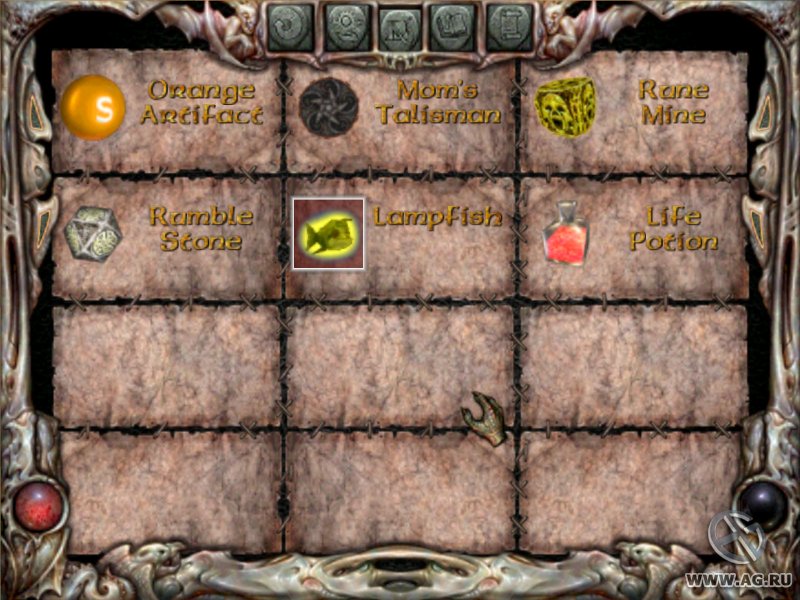
Developed by Boston Animation and published by Simon & Schuster Interactive, this third-person action-adventure uses Skittles as magic foci. Players combine colored “skittles” to cast spells, exploring hubs and combat arenas across a fantasy world. The manual and in-game inventory codify color combinations as a spell-crafting system. Licensing from Mars Incorporated enabled the Skittles integration and marketing hooks.
‘Kool-Aid Man’ (1983)
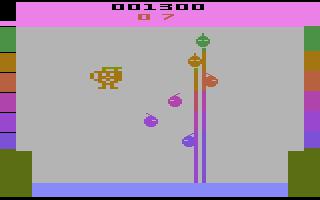
Mattel Electronics released ‘Kool-Aid Man’ on Intellivision, with an Atari 2600 version under its M Network label. Players stop “Thirsties” from drinking a swimming pool while collecting ingredients to power up the Kool-Aid Man. The cartridge came as a mail-order premium for Kool-Aid drink mix proofs of purchase. Mattel handled development and manufacturing, with licensing from Kraft’s Kool-Aid brand.
‘Chester Cheetah: Too Cool to Fool’ (1992)
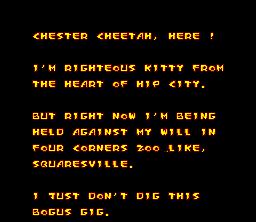
Kaneko developed and published this SNES and Genesis/Mega Drive platformer starring Cheetos mascot Chester Cheetah. Players traverse zoo-themed levels collecting bike parts, with simple attack and sprint mechanics. A sequel, ‘Chester Cheetah: Wild Wild Quest’, expanded the formula with a U.S. map hub. Frito-Lay licensed branding and character art to Kaneko for both releases.
‘I Love You, Colonel Sanders!’ (2019)
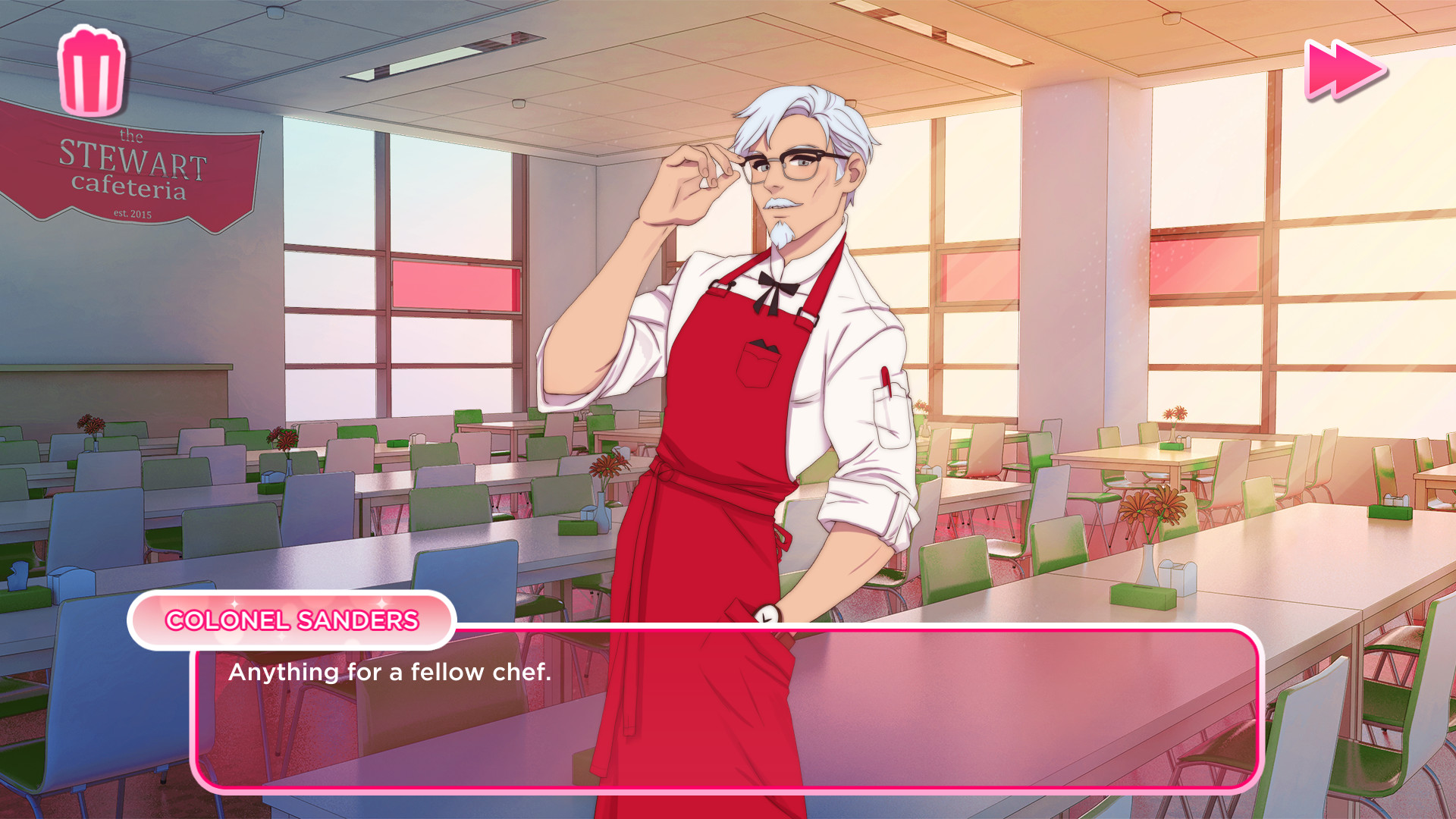
Produced by Psyop and released on Steam, this free visual novel is an officially licensed KFC dating sim. Players attend a culinary school, make dialogue choices, and pursue an anime-styled Colonel as a romance route. The script weaves recipe references, class rivalries, and cooking showdowns across multiple chapters. KFC and Psyop collaborated on development and publishing, using Valve’s Steam platform for distribution.
‘Doritos Crash Course’ (2010)
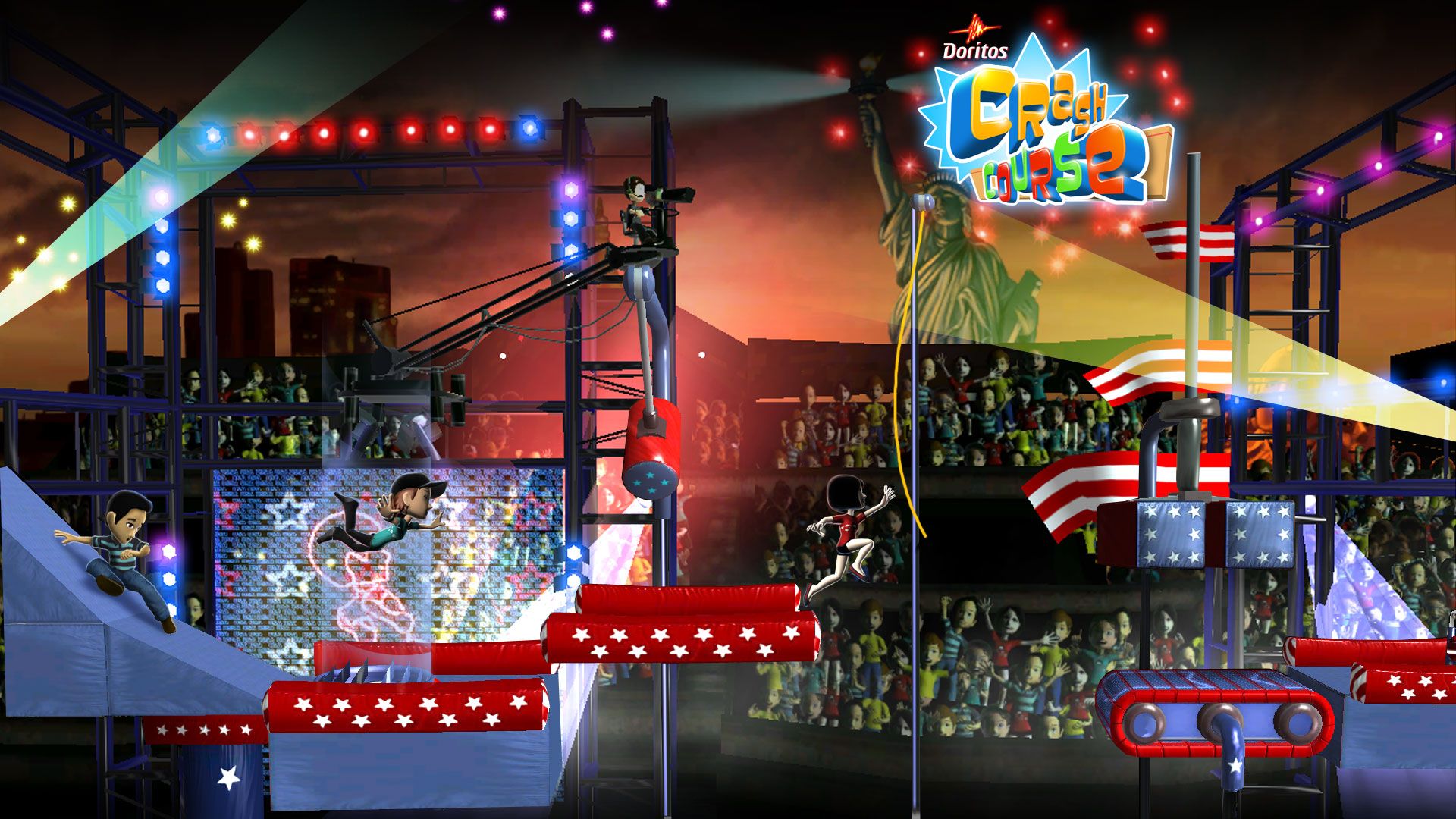
Developed by Wanako/Behaviour Santiago and published by Microsoft Game Studios, this Xbox Live Arcade title arrived via the Doritos “Unlock Xbox” promotion. It’s a side-scrolling obstacle-course racer with time trials across USA, Europe, and Japan stages. Avatar integration lets players run as their Xbox profile character over swinging hammers and collapsing platforms. Frito-Lay’s Doritos brand sponsored development and marketing, with free downloads during the campaign.
‘Harm’s Way’ (2010)
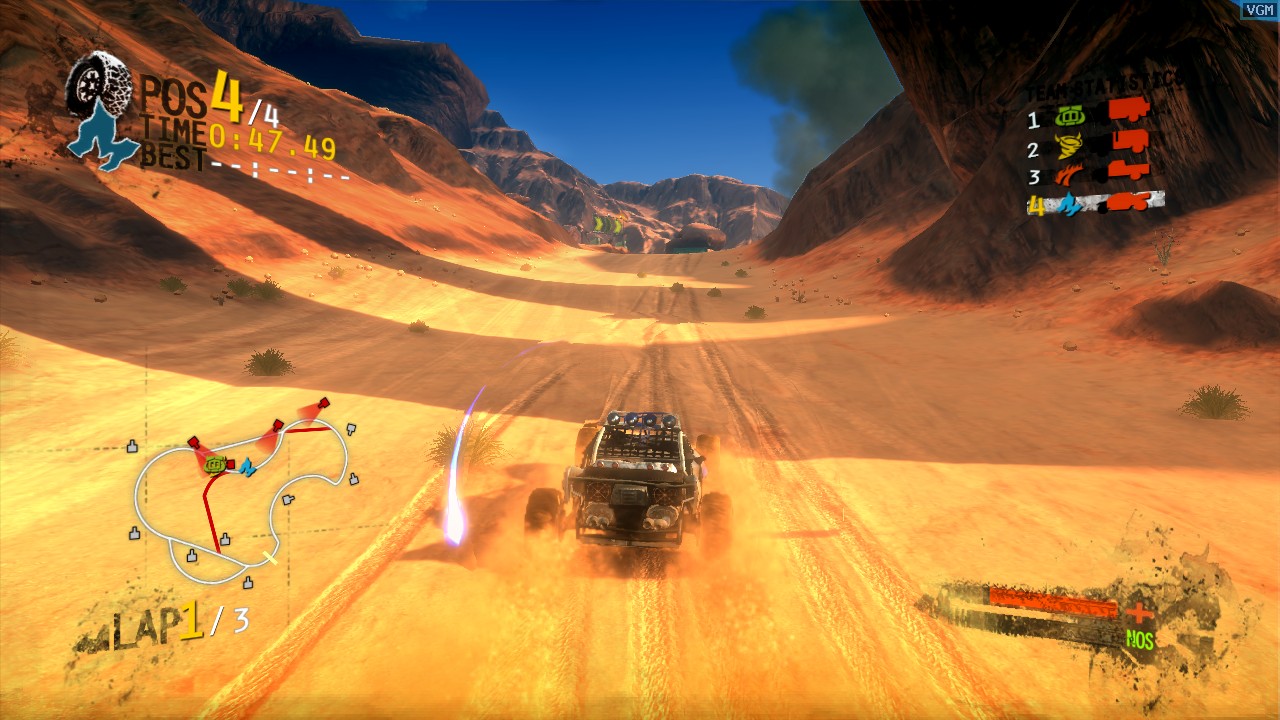
Created by Bongfish and also published by Microsoft Game Studios through the Doritos “Unlock Xbox” initiative, ‘Harm’s Way’ blends racing and turret-gunning. One team drives while another mans heavy weapons to influence the race, enabling asymmetric multiplayer. The game launched on Xbox Live Arcade as a free promotional download during the contest window. Doritos branding appeared in promotional materials tied to Frito-Lay’s marketing push.
‘James Pond 2: Codename: RoboCod’ (1991)

Developed by Vectordean and published by Millennium Interactive, this multi-platform sequel outfitted the fish-spy hero with extendable armor. Certain Amiga and European releases included McVitie’s Penguin biscuits branding within toy-factory stages and packaging. Levels spanned vertically, using the suit’s stretch ability to navigate shafts and hidden rooms. Ports reached the Amiga, Atari ST, Mega Drive, SNES, and later handhelds under various regional publishers.
‘Pushover’ (1992)
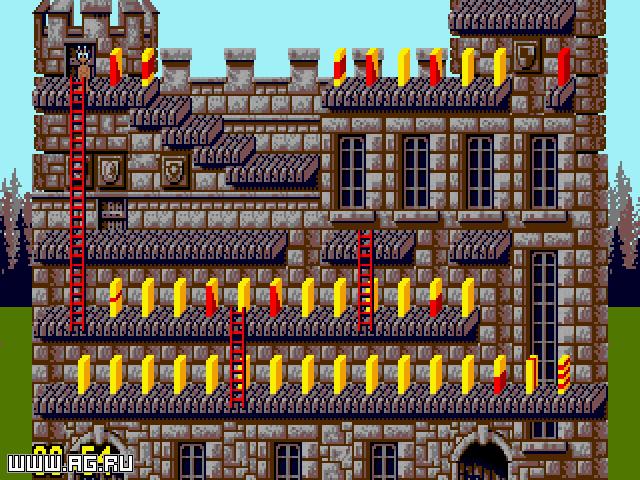
Red Rat Software developed ‘Pushover’ for Amiga, Atari ST, and DOS, with Ocean Software publishing and distributing widely. The puzzle game tasks players with arranging and toppling dominoes to open exits under strict move limits. UK and European versions featured Walkers/Smiths’ Quavers branding on intro sequences and box art due to sponsorship. Later ports and re-releases sometimes removed or altered snack references depending on territory.
Share your favorite (or strangest) brand tie-in you’ve played in the comments!