‘The Witness’ Ending Explained: What Netflix’s Rachel Nickell Drama Reveals About the Case That Broke British Policing


Few true crime dramas arrive on streaming carrying the weight of an unresolved national wound, but Netflix’s ‘The Witness’ does exactly that. Premiering on June 4, the three-part series retells one of Britain’s most infamous crimes, the 1992 murder of Rachel Nickell, and is accompanied on the same day by a companion documentary titled ‘The Murder of Rachel Nickell.’ Together, the two projects represent the most intimate and unflinching on-screen reckoning with a case that has haunted the UK for more than three decades.
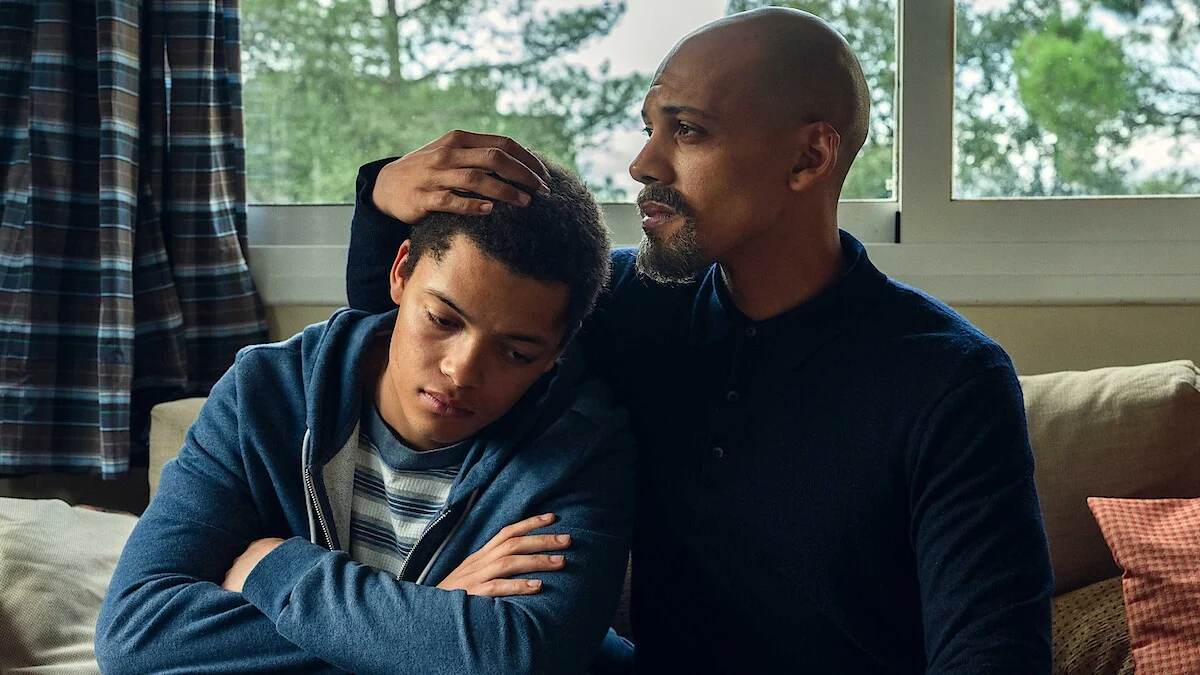
Rachel Nickell was a 23-year-old mother walking on Wimbledon Common in south-west London when she was stabbed 49 times and killed, with her two-year-old son Alex the sole witness to the attack. Her partner André Hanscombe was left to navigate life alone with the couple’s infant son, and both the real André and Alex consulted directly on the production. That level of personal involvement is what separates ‘The Witness’ from the sea of true crime content that so often trades on tragedy without accountability.
In the immediate aftermath of Rachel’s murder, André made the heartbreaking decision to move with Alex to a quiet rural area of France, fearing for their safety with the killer still at large. The family would later relocate to Spain, as distance proved unable to outrun the ongoing media attention. Meanwhile, the Metropolitan Police, frustrated by a lack of evidence, deployed an undercover operation called Operation Edzell, using a female officer to pose as a romantic interest to a man named Colin Stagg in an attempt to extract a confession. It was a decision that would go on to define one of the most catastrophic chapters in British policing history.
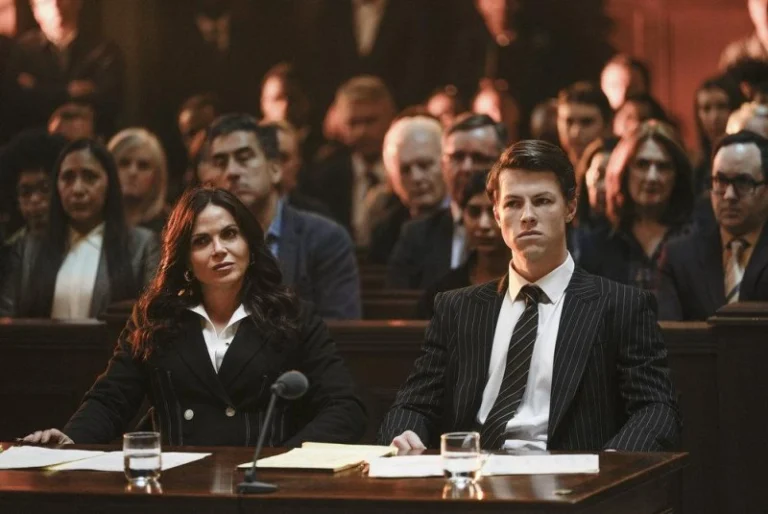
It was not until 2002 that the case was reopened with more advanced forensic techniques, and in December 2008, Robert Napper pleaded guilty to manslaughter on grounds of diminished responsibility and was ordered to be detained indefinitely at Broadmoor Hospital. The Independent Police Complaints Commission later found a “catalogue of bad decisions and errors” made by the Metropolitan Police throughout the investigation. The series ends on a note drawn directly from real life, with archive footage confirming that André and Alex brought legal proceedings against the Metropolitan Police Service using a dossier that had been leaked from the Crown Prosecution Service.
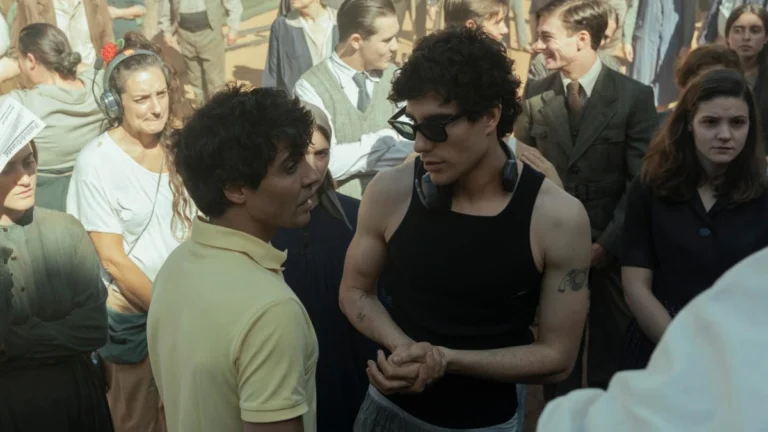
Reviewers have praised the drama for pushing aside sensationalism in favor of keeping the story raw and rooted in human emotion, and star Jordan Bolger has spoken about the profound effect of gaining access to the real family’s personal archives. “You can’t put it into words, but it’s this feeling of sadness as you think to yourself, this actually happened,” Bolger told Netflix Tudum. “Not just for me, but for all of us, in front of and behind the camera.”
Alex Hanscombe himself has spoken about the need to go deeper than previous attempts to tell their story. “We’ve given interviews before, and there have been other programs that have been made, but with the best intentions, they were just scraping the surface,” he said. As the epilogue of the series states, André and Alex’s complex relationship is now closer than ever, a detail that gives ‘The Witness’ an emotional resolution that feels genuinely earned rather than manufactured.
Whether the ending lands as catharsis or as a reminder of how long justice can be delayed is something viewers are already debating, and it would be worth hearing where you stand on it.